In accordance with a new statement from the United States and Saudi Arabia, following the ongoing talks in the Saudi Arabian city of Jeddah, Sudan’s new agreement concerning a ceasefire monitoring mechanism will be implemented within the next 48 hours from the time when the announcement was publicized.
Conforming to the US-Saudi brokered agreement, the Sudanese Armed Forces as well as the Rapid Support Forces paramilitary group will declare a ceasefire, which would be in place for seven days.
The Sudanese warring sides have also accepted to be committed to reopening humanitarian aid routes, respecting required distance from hospitals, stopping fighter jet bombings, artillery strikes and so on.
The truce has been announced while all previous efforts by the United States and Saudi Arabia to establish a ceasefire between the warring factions in Sudan had failed hours after their start.
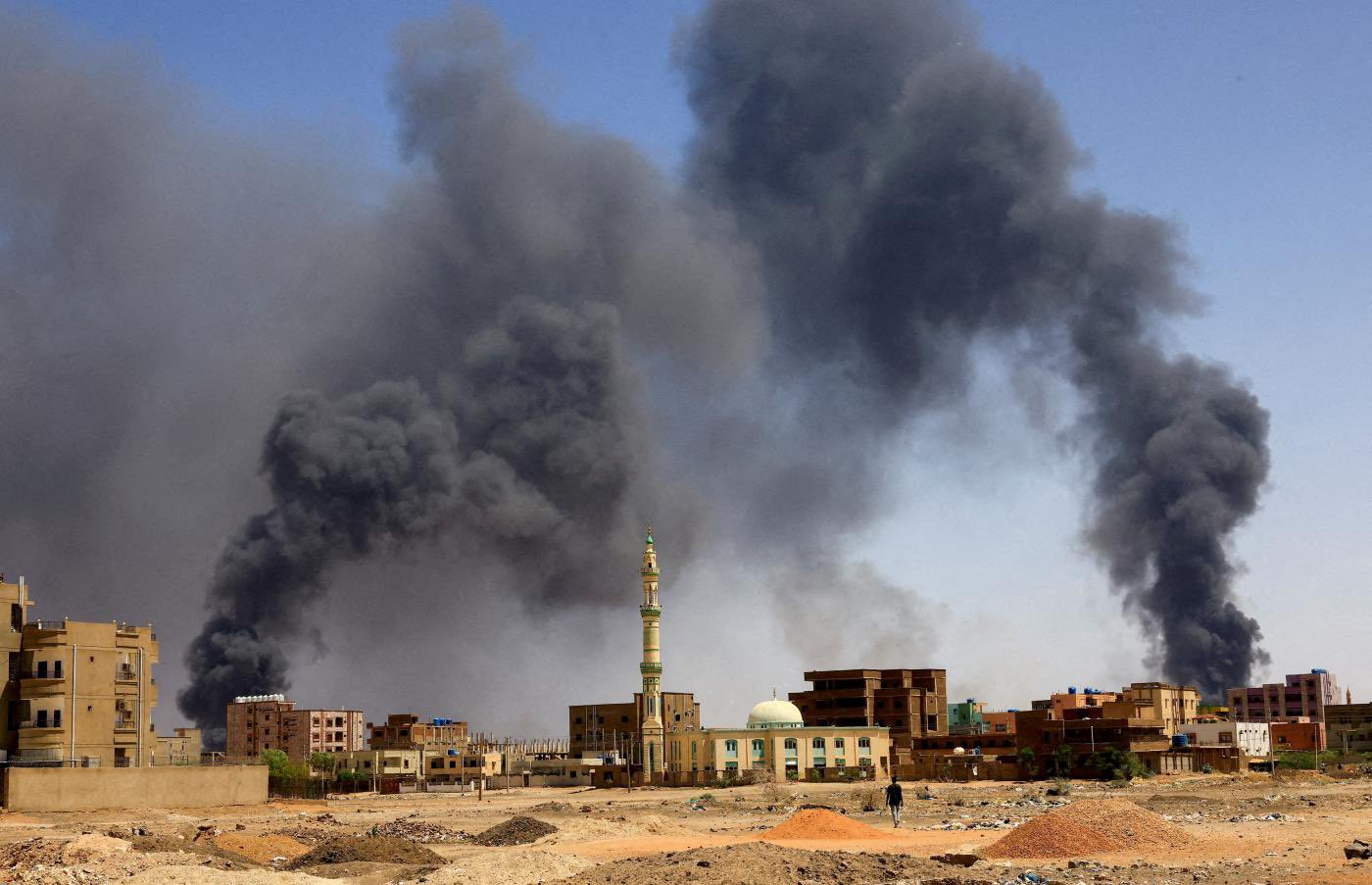
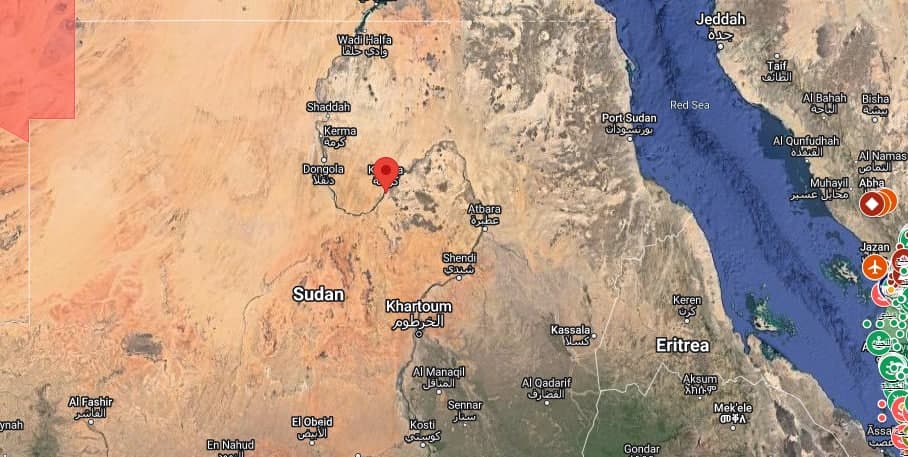
Reports on the ground show that the clashes are still ongoing in Khartoum (the capital city of Sudan), Al-Junaynah (a city in West Darfur) and Nyala (the capital city of the state of South Darfur in the south-west of Sudan).
Sudan’s peace talks kicked off with the support of the United States and Saudi Arabia in the Saudi city of Jeddah on April 5.
Despite the joint statement by the US and the Saudi kingdom, the negotiations have not been successful in establishing a comprehensive ceasefire so far and the efforts have resulted in increased casualties and displacement of more civilians in Sudan.
Twenty-one days after the military clashes erupted in Sudan, the power struggle between the Sudanese Armed Forces and the Rapid Support Forces (RSF) continues in Khartoum and other cities in the African state.
Since the onset of the conflict, ceasefire agreements brokered by the United States and Saudi Arabia have been unstable and have not been respected by either party.
At present, the Saudi kingdom and the US are resorting to mediation efforts in a bid to direct negotiations on a stable ceasefire and dispatching humanitarian aid to the Sudanese people; so, the first round of such negotiations was held on May 6, in Jeddah port city on the Red Sea.
National Security Advisor to the President of the United States Jake Sullivan has also traveled to Saudi Arabia since Friday and has welcomed the negotiations between the Sudanese warring sides in a joint statement with the Saudi officials.
Many foreign nationals and diplomats left the war-torn country.
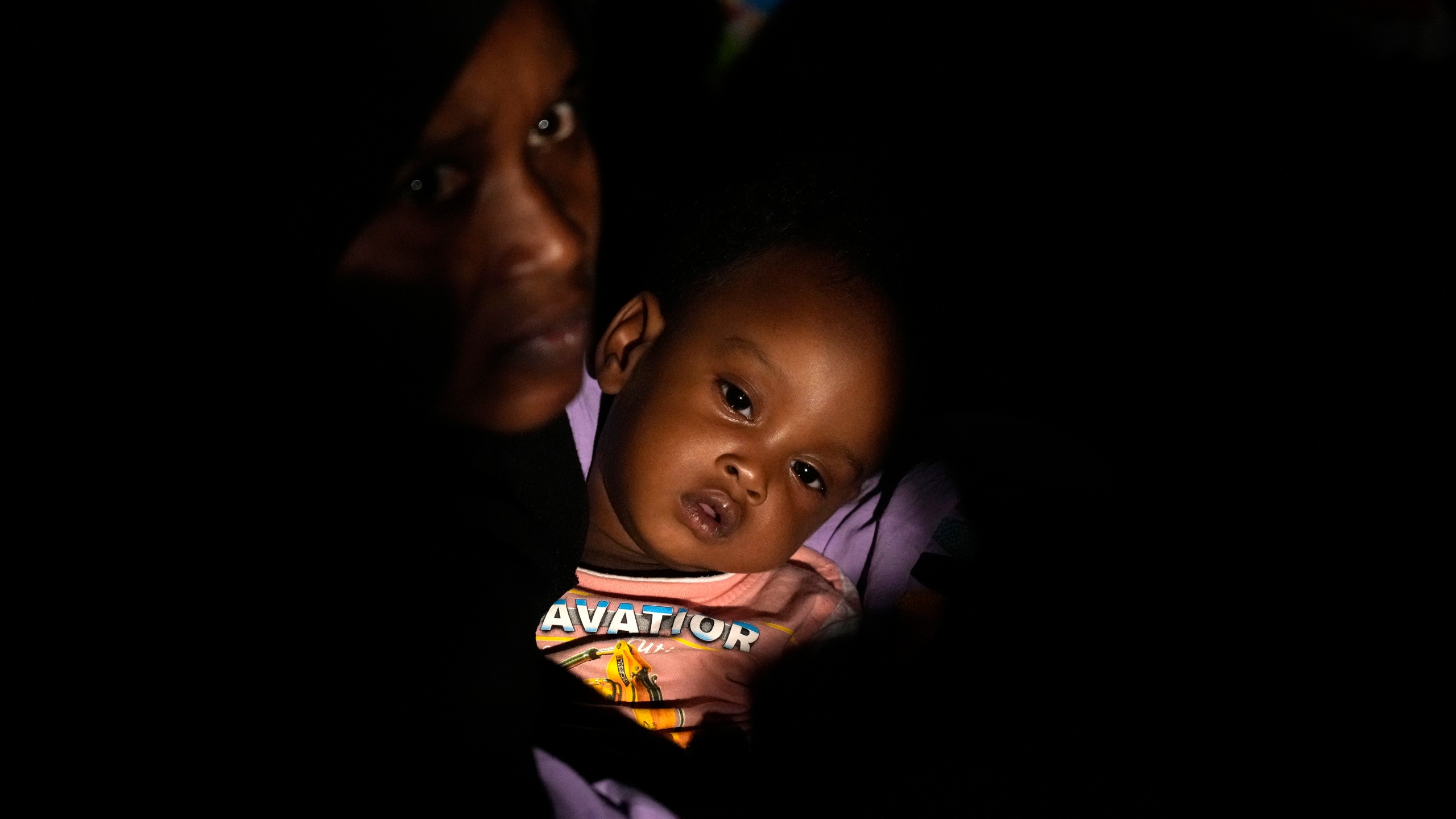
The living conditions of the Sudanese people have been reported to be dire and most government agencies have become a battleground between the army and the paramilitary forces. The Sudanese people hardly have access to food, water, medicine and fuel.
Communication services have also been fully cut off as a result of power outages and generator failures.
The United Nations Children’s Agency (UNICEF) and other human rights organizations of the international body warned against the massacre of civilians. And the US and some European states called for an urgent meeting of the Human Rights Council (HRC) to review the situation in Sudan.
On Sunday, which is the second day of confrontations between the RSF and military forces, the war battle expanded to the western areas of Sudan in addition to Khartoum, al-Fashir, Merowe and so on. Despite the spread of conflicts and both warring sides’ claims on advancing and taking control of cities, the status quo has not been changed drastically, and most of the cities and military bases are still the scene of confrontation and exchange of fire.
The Sudanese Army pounds headquarters and positions of the Rapid Support Forces with the support of its fighter jets and helicopters, and the RSF also resorts to urban warfare with the aim of taking control of cities in the African country.
The situation in Sudan’s capital Khartoum
On April 16, the clashes in the capital city were focused on Khartoum Refinery, Al-Riyadiya neighborhood as well as an industrial-military center in al-Jili area in northern Khartoum. Moreover, the RSF militants declared that they succeeded in shooting down an Apache helicopter belonging to Sudan’s Army in the sky of Khartoum Bahri in northern district of the capital city, but given the condition of the helicopter fuselage in a newly released video footage, it seems that the claim is unfounded, and the RSF militants could only discover one of the helicopters of the Army.
The circumstances in Merowe
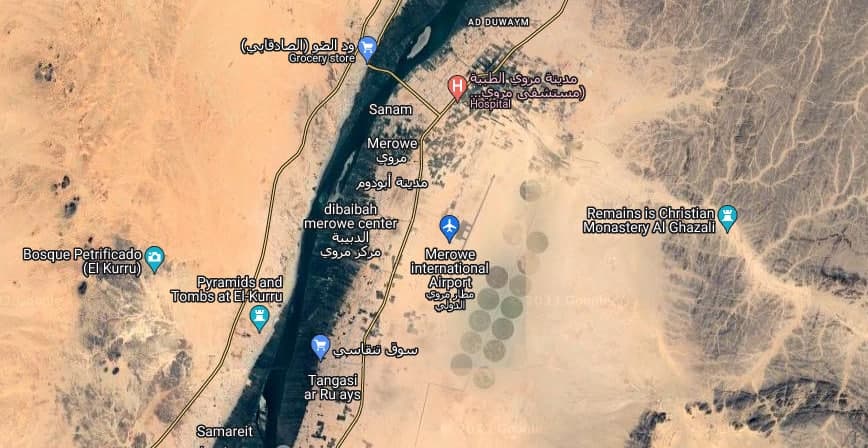
In the city of Merowe, the RSF militants carried out artillery attacks on the city’s airport and suburb following their failure during the second round of raid on Merowe. As a result of the strikes, a number of buildings of the nearby neighborhoods as well as one of the air traffic control tower got fire and several districts of the city experienced power outage.
The city and Merowe Airport are under the Sudanese Army’s control and the second attack by the Rapid Support Forces on the region doomed to failure.
Merowe city
The condition of other cities
Clashes between the Rapid Support Forces and the Sudanese Army keep on in Kabkabiya, Al Fashir, Al-Junaynah, Nyala and Port Sudan. The Sudanese military forces released images, claimed the arrest of a number of the RSF militants and ruled out the RSF control on Port Sudan.
In another news story, the Rapid Support Forces claimed that they shoot down Sudan’s Air Force Sukhoi fighter jet, but they have not yet provided any data of the location and time of the alleged incident.
The latest situation in eastern Sudan; Who does have the upper hand?
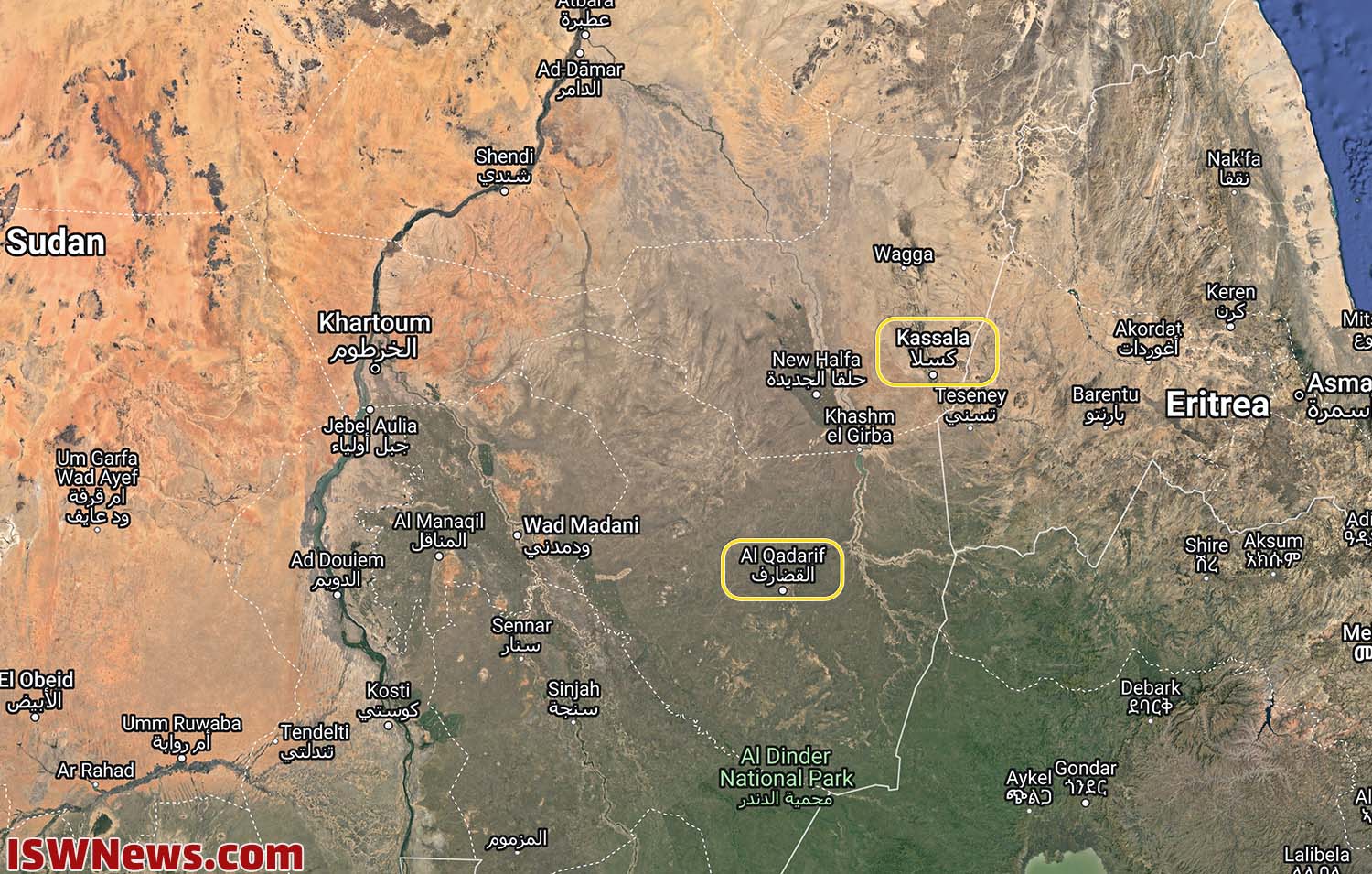
In one of the newly released video footages, the Sudanese Army forces are being seen in the entrance of the headquarters of the Rapid Support Forces in Al Qadarif city some 410 kilometers far from capital Khartoum, which rules out claims made by the RSF on taking full control of the eastern Sudan. Furthermore, another video footage shows that the Sudanese armed forces enter Kassala city some 480 kilometers away from Khartoum and in vicinity of Eritrea’s border area.
In accordance with the latest news stories on the clashes in Sudan, none of the warring sides could gain momentum and upper hand in recent confrontation in general. But the Rapid Support Forces made all-out efforts to take control of the strategic points in Sudan, including airports and military bases, on Saturday and Sunday; although, they have not been successful in achieving their objectives so far. Sudan’s Army also is attempting to push back and exhaust the Rapid Support Forces and maintain strategic positions in order to gain momentum and be able to disrupt their military power and cross the barrier of the adversary.
The arrival of Sudanese army forces in the city of Kassala in eastern SudanThe control of the Sudanese army forces over the headquarters of the RSF in the city of al-Qadarif in eastern Sudan
According to latest news, African Union suspended Sudan’s membership until transition government is formed, due to civilians’ suppression by Army (more than 100 deaths and 500 injured). Saudi officials said they do not let a civil war to happen while supporting the Army.
On Friday, Abiy Ahmed Ethiopian Prime Minister traveled to Khartoum to mediate between Sudan Army and protestors.
At the moment Sudan’s struggling sides are as follows:
1. Omar Al Bashir fans, 2. Army, 3. Protestors under “Change and Freedom”.
1. Omar Al Bashir fans:
Omar Al Bashir and his supporters in despite of his complaisance to Saudi and UAE do not have any power in Sudan and trying to revive using political means.
2. Army:
The Army after a soft coup and dismissing Omar Al Bashir formed a military council and Abdel Fattah al-Burhan as head and General Mohamed Hamdan Dagalo, also known as Hemedti as deputy.
Al-Burhan is close to Omar Al Bashir and one of two Sudanese commanders in Yemen who gained power under UAE’s and Saudi’s support.
He canceled the negotiations after differences raised with protesters.
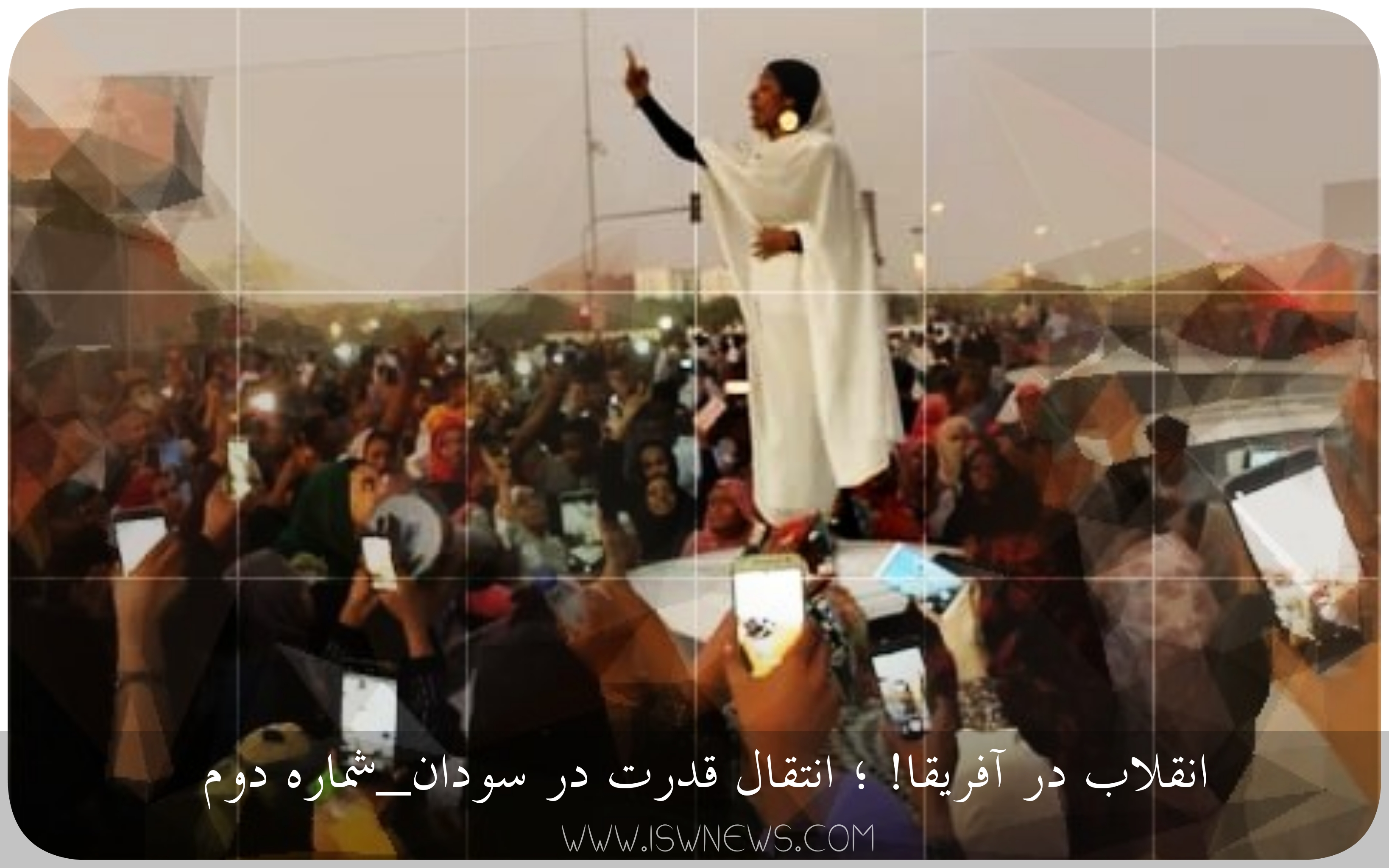
Protestors on the other hand questioned eligibility of the military council and resumed their protests.
Hemedti is also commander of Rapid Support Forces and the second element under support of Saudi and UAE and most of Sudanese forces are under his command. Most of Rapid Support Forces are militia who are accused of massacre in Darfur.
With these two persons in military council, Omar Al Bashir with Muslim Brotherhood trends stepped down from power and the power is now controlled by Saudi Coalition.
3. Protestors under “Change and Freedom”:
The coalition of protestors which is entitled Change and Freedom has the support of most of Sudanese people and is using this lever to get political privileges.
Change and Freedom after Al Bashir dismissal, first stabilized its political position and then started the negotiations with military council and now the negotiations of power have reached dead end and civil war is breaking out in the streets.
The disagreements are mainly on power division in the transition government. Army wants half the council and protestors two third of it. The differences intensified after Mecca Summit and Al-Burhan and Bin Salman supported each other resulted in armed struggles.
Sudan is a poor country with long history of civil war and dissociation and considerable oil resources, now caught in coup by Saudi and Nahyan supported Army. “Change and Freedom” on the other hand with liberal and secular idealogies which do not have any plan for Sudan if gain power.
P.S. Rapid Reaction Forces are the most experienced and elite forces of Sudan who fight against Ansar Allah in Yemen. When we say Ansar Allah’s fighting capability is extraordinary, it is not only due to their resistance under all aspect siege, but also their military knowledge and ingenuity in fighting against the most elite and experienced forces in the world from Black Water to ISIS and mercenaries such as Sudan Army.