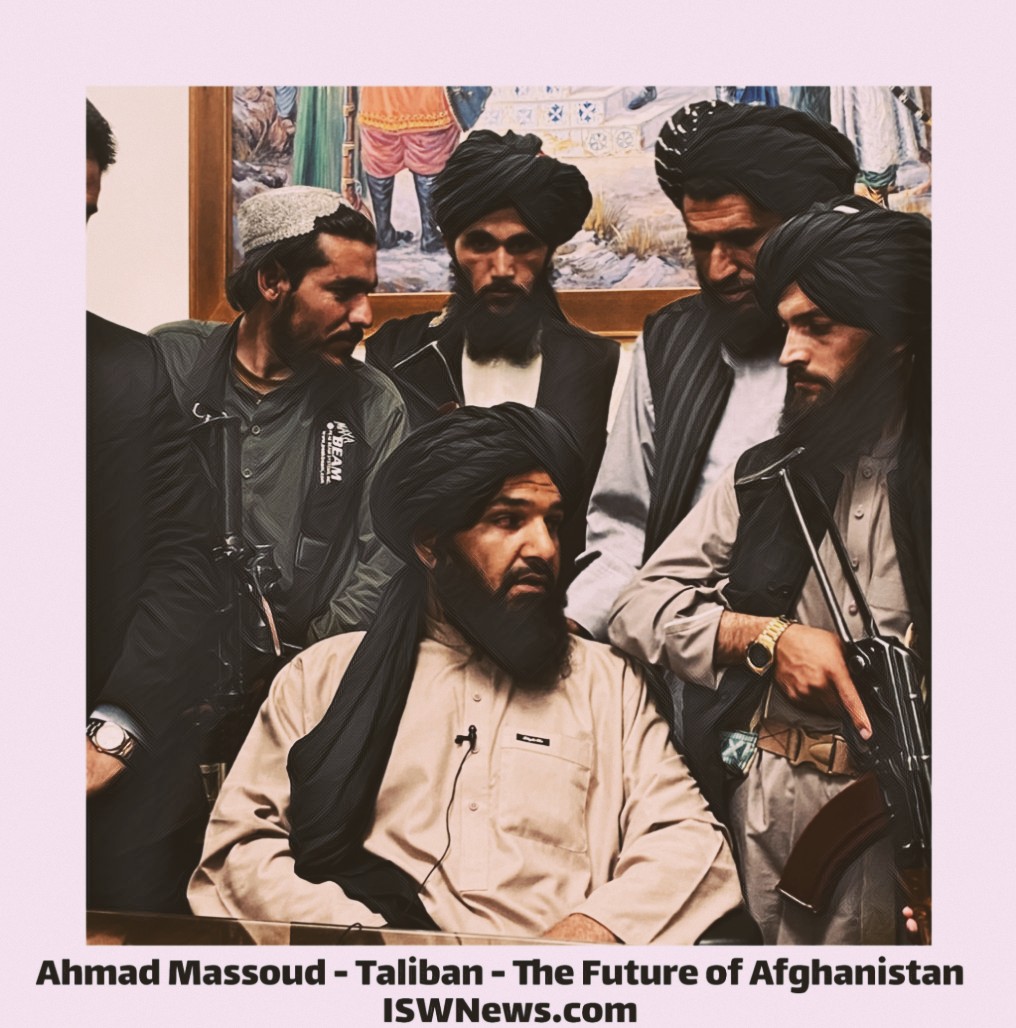
Recent incidents of Afghanistan opened a new chapter in the history of Afghanistan which shows the future conflicts and government in future.
In this article we cover the four topics:
a) Investigation of Ahmad Massoud activities
b) Forming Taliban’s government
c) Future conflicts in Afghanistan
d) Internal conflicts of Taliban
a) Investigation of Ahmad Massoud activities:
What comes out of Ahmad Massoud, son of Ahmad Shah Massoud, the Defense Minister of Burhanuddin Rabbani government, is a set of wrong reactions to domestic and international incidents. These mistakes were an end to his glorious activities. It can be said that the position and character of Ahmad Massoud, who could one day be a popular leader for Afghanistan, especially popular leader against the Taliban system, but his position as a potential popular anti Taliban leader lowered to a local defeated commander. Not only he doesn’t control any areas, he acted like an amateur and child in politics and military.
In general Ahmad Massoud ‘s mistakes are summarized as follows,
1- Wrong policies in domestic and international relations.
2- Halting talks with Taliban and poor political acts.
3- Contacting French intelligence service and specific people like Bernard Levy.
4- Asking Europe’s and US’s support.
5- Making his organization tribal by activities such as raising Afghanistan’s unofficial flag.
6- Battle in a besieged area (Panjshir) and wrong comparison with his father’s battle with the Soviet.
b) Forming Taliban’s government:
According to Taliban official, the group will not announce the new government until the whole country is controlled and the internal leading council agrees on the form and members of the government. In a three days summit led by Molla Hibatullah Akhundzada, leader of Taliban, in Kandahar three days ago Taliban members of the future government selected without anyone from previous governments such as Hamid Karzai, Abdullah Abdullah, etc.
These acts by Taliban show they don’t believe in a federal and united government such as previous governments and they don’t need election for it, either.
We can’t talk much about the Islamic government until the details are unveiled but if it is based on the same method as the Taliban 20 years ago, it will certainly face the same problems.
c) Future conflicts in Afghanistan:
It is a bit early to talk about the future conflicts of Afghanistan, since Taliban has not started working yet. Nevertheless, the cores of the conflicts can be around “race”, “religion” and “internal discords of Taliban”.
Taliban looks at Hazaras and Tajiks as racial rivals and in religion, Shia and Takfiris like ISIS.
But they always avoid fighting with Hazaras and Shias since they are supported by Iran and Shias and Hazaras also got along with them.
However, so far Taliban tried to show beyond race and religion but it has to be tested in action.
d) Internal conflicts of Taliban:
It has never been publicized. It is a wrong analysis that Iranian and Afghan analysts have that they think Taliban is completely dependent on Pakistan and Pakistan intelligence service (ISI) decide for them. Also it is not correct that occupying Afghanistan including Herat and Kabul was done by Pakistan militia (Punjabis) and Taliban did not have a strong role in incidents of Afghanistan. These statements are baseless and come from not understanding Taliban properly.
Taliban has four regional councils of Quetta, Rasul, Shamal and Mashhad and only one , i.e., Quetta, is under influence of Pakistan. Also, the Quetta council is often made up of supporters of the Haqqani network and supporters of Molla Hibatullah, who have never been in conflict with each other. (More details will be provided in future articles.)
In general, the process of bringing the Taliban to power in Afghanistan has not been based solely on a single organization, widespread popular support, intellectual foundations, and a brilliant track record; Rather, the main cause of this issue was the betrayal and incompetence of the heads of the previous government and then the weakness of their rivals such as General Dostum, Atta Mohammad Noor, Ahmad Massoud and others.
