Tag: US

  • U.S. and UAE Advisors Inspect Giants Brigades in Southern Yemen

    U.S. and UAE Advisors Inspect Giants Brigades in Southern Yemen

    During the visit, U.S. advisors reportedly gathered detailed intelligence on the brigades’ structure, including personnel numbers, combat capabilities, weaponry, and deployment zones along active fronts against Yemeni armed forces.

    It appears that the United States is preparing for a possible ground operation aimed at curbing the actions of Yemeni forces against Israel, with plans to utilize UAE-supported factions—particularly the Giants Brigades and loyalists of Tareq Saleh. This strategy has reportedly been under joint consideration by the U.S., UK, and Israel for several months.

  • Wall Street Journal: ISIS Resurging in Syria

    Wall Street Journal: ISIS Resurging in Syria

    The report also pointed to the withdrawal of U.S. troops and the transfer of parts of Deir ez-Zor province to SDF control as contributing factors to the rise in ISIS activity. In an interview with one SDF commander, the paper emphasized that the U.S. exit from Syria has emboldened ISIS fighters, giving them greater freedom of movement and operational confidence.

    More than reflecting an on-the-ground reality, the Wall Street Journal report appears to align with a broader media narrative aimed at legitimizing continued U.S. military presence in Syria. By repeatedly highlighting the spike in ISIS attacks following the American drawdown, the report conveys a message that any U.S. retreat from Syria equates to the return of terrorism!

    By emphasizing the inefficiency of the SDF in countering ISIS, the report subtly reinforces the notion that stability in northeastern Syria is only achievable through U.S. support and presence.

    Overall, reports like this—alongside field data and statistics—form part of the broader narrative warfare unfolding in Syria. Western media outlets aim to portray the withdrawal of their forces not as a political decision, but as a security threat. This framing seeks to convince domestic audiences and regional allies that a prolonged U.S. military presence in Syria remains both necessary and justified.

  • New U.S.-Led Coalition Moves: Military Base Construction Near Baghdad–Damascus Highway

    New U.S.-Led Coalition Moves: Military Base Construction Near Baghdad–Damascus Highway

    Reports suggest the base is being built in coordination with Syria’s Ministry of Interior, with the stated goal of training newly recruited forces and enhancing the operational capacity of local Syrian units.

    The evolving landscape of post-conflict Syria has become a battleground for foreign powers. Among them, the United States is striving to secure a larger stake in the emerging power structure compared to Russia, Turkey, and other regional actors. While Washington frames the establishment of new bases as part of its alleged counterterrorism and local training efforts, the underlying objective appears to be securing a long-term presence in Syria and asserting control over the vital Baghdad–Damascus corridor.

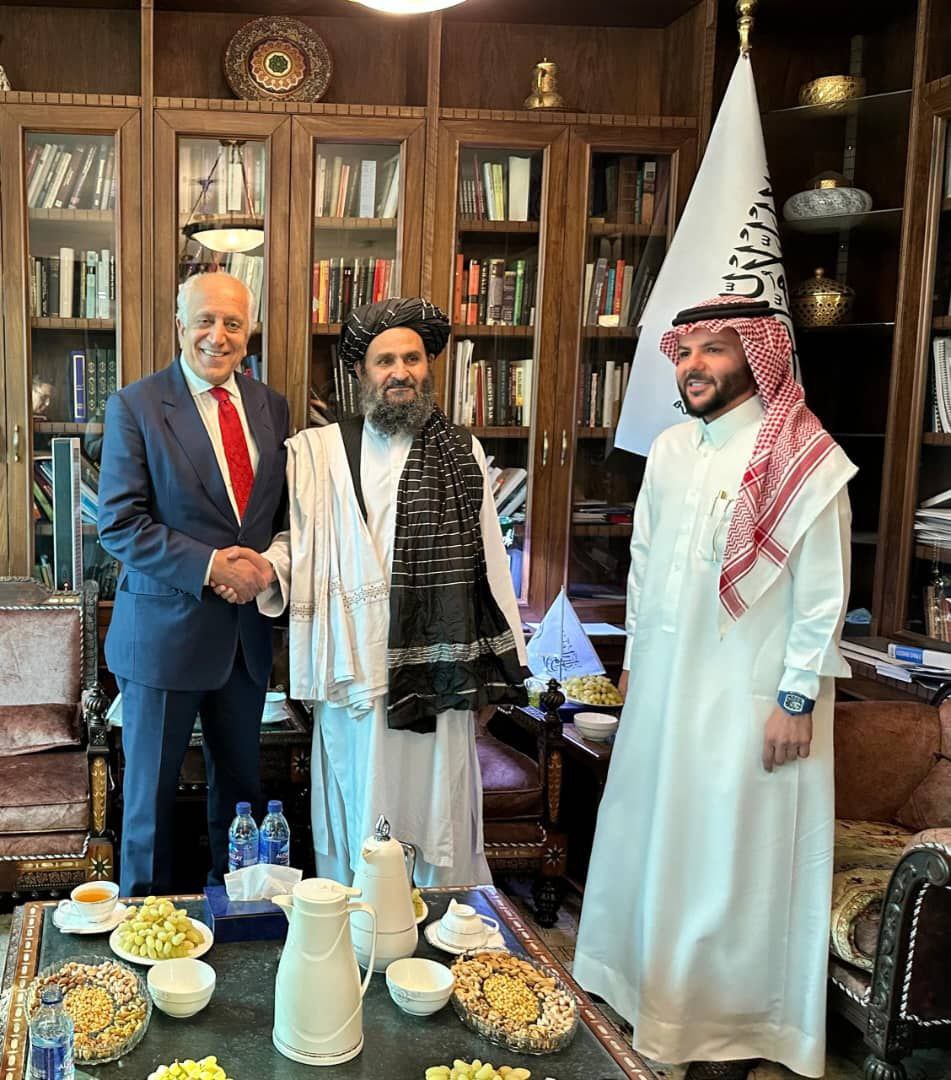
  • Taliban’s Economic Chief Meets with Saudi Executive and Zalmay Khalilzad Over Gas Pipeline Project

    Taliban’s Economic Chief Meets with Saudi Executive and Zalmay Khalilzad Over Gas Pipeline Project

    The meeting focused on cooperation in gas exploration, extraction, and pipeline development across Afghanistan. Al-Taqi expressed strong interest in investing in the country’s energy sector.

    As negotiations over American prisoner exchanges progress, Khalilzad’s role in shaping Afghanistan’s future has become increasingly prominent. With backing from the Trump administration and Saudi firms, Khalilzad is leveraging Taliban interests—such as gas development—to advance U.S. strategic goals in the region.

    While his exact objectives remain unclear, speculation includes potential military and intelligence use of Bagram Airbase. The evolving cooperation between the Taliban and the U.S., with Khalilzad as a key facilitator, appears to be gaining momentum.

  • U.S. Expands Military Presence in Latin America Amid Rising Tensions with Venezuela

    U.S. Expands Military Presence in Latin America Amid Rising Tensions with Venezuela

    The U.S. has recently stationed around 10,000 military personnel in the Caribbean. With the arrival of the Gerald R. Ford Carrier Strike Group, an additional 4,500 troops will be added. The carrier is currently in the Mediterranean Sea and is expected to reach Latin America within a week.

    The U.S. military has already conducted several airstrikes against vessels in the Caribbean Sea, resulting in at least 43 fatalities.

    While President Trump claims the deployments are aimed at combating drug trafficking, the scale and nature of the military buildup suggest broader strategic objectives. Last week, Trump confirmed that the CIA has been authorized to conduct covert operations inside Venezuela targeting the Maduro government, and he stated that ground operations are under consideration.

    The likelihood of direct military conflict in Venezuela now appears higher than ever.

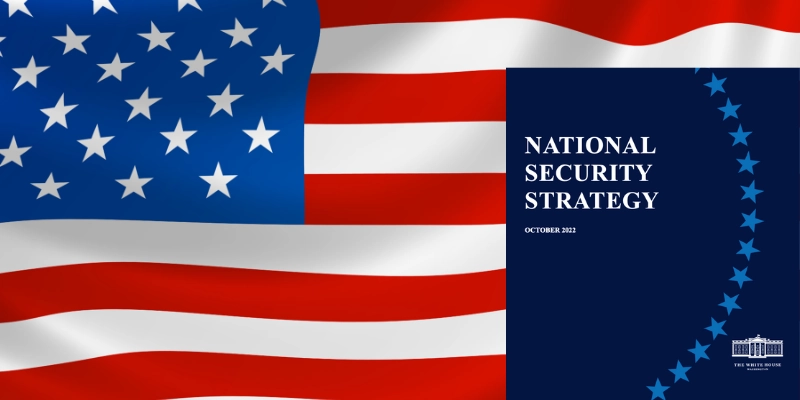
  • U.S. National Security Strategy: Operational Agenda for West Asia and the Resistance Axis

    U.S. National Security Strategy: Operational Agenda for West Asia and the Resistance Axis

    After World War II, the United States found itself entering a new phase—emerging as a global power. The decline of Britain, Europe’s devastation, the collapse of the Soviet Union, and the surrender of Germany and Japan reinforced this perception. America’s direct involvement in the war led its leaders to believe that global hegemony and securing U.S. interests required continuous and widespread presence across the globe. This belief drove the U.S. to establish five continental command centers, naval fleets, and numerous military bases from East Asia to Western Europe, marking decades of military and political intervention, unrest, and coups in regions where America maintained active presence.

    Following the Soviet Union’s collapse, the U.S. saw no obstacle to its unipolar dominance. This mindset was so strong that American political theorist Francis Fukuyama, in his essay “The End of History and the Last Man,” declared that global civilization had reached its final stage under American-led liberal democracy.

    In 2001, under the pretext of fighting terrorism—but with the goal of global control—the U.S. launched a military invasion of Afghanistan. However, the widespread presence of U.S. forces, especially in West Asia, resulted in human, financial, and logistical losses. America’s debt-ridden economy and repeated recessions couldn’t bear such heavy costs. More importantly, human casualties damaged the image of U.S. supremacy. With Iran emerging as a powerful regional actor, the U.S. faced a new reality. The “New Middle East” plan failed due to Iran’s involvement. Resistance groups in West Asia gained access to more effective weapons, which increased U.S. losses in any military conflict. These factors highlighted the need for a new military strategy—one that reduces financial and human costs while safeguarding U.S. interests.

    The U.S. National Security Strategy is drafted every four years in both public and classified versions. Although the public version doesn’t contain classified information, it reveals America’s general approach to security and military policy. The 2022 strategy document was released by the White House during President Biden’s term. While the introduction emphasizes America’s global presence to defend democracy, the content includes notable points—particularly the acknowledgment of emerging powers and the anticipated decade-long competition for a new global order. Alongside China and Russia, Iran is also identified as a national security threat to the United States.

    In this document, China is identified as the primary geopolitical challenge to the United States. Russia, currently entangled in the war in Ukraine, appears to have been temporarily downgraded from the top of the threat list. This suggests that the Ukraine conflict may remain unresolved, keeping Russia bogged down in a prolonged and uncertain war—even at the cost of Ukraine’s or Europe’s destruction. The document explicitly references NATO’s role (p.17) in managing the war against Russia in Ukraine and affirms continued intelligence, economic, and military support for Kyiv.

    Under the chapter titled “Modernizing and Strengthening Our Military” (p.20), the document clearly states that the U.S. will use force to protect its interests. In the same section, China is again cited as the top threat, with Iran listed as the third most serious danger to U.S. interests. The strategy introduces the concept of “integrated deterrence,” which refers to combining military and non-military capabilities—economic, cyber, security, political, and more—to counter national security threats. Yemen, Syria, and Somalia are named as terrorism hubs posing potential risks to the U.S.

    One of the document’s key highlights is a shift in America’s global partnership doctrine. It states: “From a U.S.-led strategy supported by partners to a partner-led strategy supported by the U.S.” (p.30), signaling a tactical change in how Washington engages with allies.

    In the Middle East section—beginning on page 42—the document bluntly admits that U.S. policy in West Asia over the past two decades relied on force and regime change, though this approach has come at a high cost. The strategy now emphasizes strengthening regional partners, clearly pointing to proxy use of aligned states to advance U.S. interests and boost arms sales to support the American economy. This cooperation framework is built on five principles:

    • Partnering with countries that support the U.S.-led global order
    • Securing maritime routes in the Strait of Hormuz and Bab al-Mandeb
    • Using diplomacy to reduce tensions
    • Building integrated security, military, and economic structures in the region
    • Promoting human rights and endorsed values

    The document also highlights Iran’s destabilizing activities and commits the U.S. to countering them. It stresses efforts to curb Iran’s nuclear program through diplomacy, and if unsuccessful, through the use of force.

    One of the most significant elements is the formulation of a “denial strategy”—meaning the U.S. will conduct operations via proxies, regional groups, or partners while denying direct involvement in the actions carried out.

    Under the denial strategy, the U.S. acknowledges the need to develop and strengthen infrastructure, logistics, command and control systems, force dispersion, mobility, and partner mobilization. Ultimately, the U.S. military’s presence is defined as reduced and conducted “through and with partners” (p.23). The stated goal is to build a joint force that is lethal, resilient, flexible, survivable, agile, and responsive.

    Another key document in this context is the 2022 U.S. National Defense Strategy, published by the Department of Defense. This strategy also identifies China as the primary threat, while Iran—alongside China and Russia—is listed as a serious national security challenge. On page 18, the document emphasizes deterrence against Iranian attacks through cooperation with regional partners.

    The State Department’s Joint Regional Strategy for West Asia and North Africa, also released in 2022, places Iran’s persistent influence (p.3), authoritarianism, and erosion of democracy (p.9) at the top of regional threats, alongside China and Russia. The strategy focuses on diplomatic efforts, regional investments, and strengthening partnerships to counter these challenges. The State Department outlines its goals as enhancing regional security, advancing peace in the Middle East, promoting inclusive economic growth, supporting accountable governance and human rights, and accelerating climate-related action.

    One notable section of the document highlights humanitarian aid to Gaza—but with the condition that it must align with the security interests of the Israeli regime. This implies that any form of assistance must not compromise Israeli security, and even humanitarian aid will be distributed under the umbrella of Israel’s national security priorities (p.15). Additionally, the strategy promotes investment and engagement with civil society, media, minority groups, LGBTQ+ communities, and others as tools to counter threats in West Asia. These elements serve as mechanisms for influencing the internal affairs of non-aligned states, potentially fueling unrest, civil disobedience, and regime instability.

    What stands out across these overlapping documents is that they were all formulated during President Joe Biden’s administration. Key themes include deterrence, partner security, countering Iran and its nuclear ambitions, combating terrorism and extremist groups (including resistance movements), ensuring energy flow and maritime security, and advancing diplomacy and regional agreements. Strategically, however, Donald Trump’s approach shows little deviation from these core policies. His emphasis was on “America First,” reducing long-term military commitments, applying maximum pressure on Iran, promoting regional peace through Arab-Israeli agreements, and reinforcing military strength and deterrence—all within the same strategic framework.

    Based on the reviewed documents and field realities, the author suggests that the United States has crafted a new military strategy built around six core principles:

    Principle 1 – Limited Force vs. Mass Deployment:
    Instead of deploying large numbers of troops, the U.S. now relies on elite special operations teams. These units are tasked with swift, targeted missions: entering professionally, destroying objectives, achieving operational goals, and exiting quickly.

    Principle 2 – Dominance of Space, Air, and Drone Forces:
    These forces serve as global observers and support for special operations teams. Their role includes identifying and tracking targets, providing close and remote support, and conducting precise, surgical airstrikes rather than broad bombardments.

    Principle 3 – Rapid Global Reach:
    The U.S. is reducing its number of unnecessary bases and consolidating air, naval, and special forces into fewer, more advanced locations. These bases are strategically placed for quick access to any global hotspot—Jordan, for example, serves as a key location in West Asia.

    Principle 4 – Expansion of Global Intelligence Networks:
    Effective limited operations and precision strikes require accurate intelligence. This necessitates a global intelligence network, incorporating both human and technical methods.

    Principle 5 – Swift Operations Over Large-Scale Engagements:
    Using dispersed and consolidated bases, intelligence networks, elite forces, and aerial capabilities, the U.S. now favors pinpoint operations over broad military invasions. The assassinations of Osama bin Laden and Abu Bakr al-Baghdadi exemplify this approach. Large-scale wars like Vietnam, Afghanistan, or Iraq are unlikely to be repeated.

    Principle 6 – Proxy Forces and Denial Doctrine:
    The U.S. increasingly relies on allied states, proxy forces, and various groups—terrorist or non-terrorist—while maintaining plausible deniability. This reduces American casualties and conceals direct involvement. The U.S. arms these actors to maneuver global interests like a chess master moving pieces.

    The symbolic withdrawal from Afghanistan and partial exit from Iraq, targeted strikes on key figures (mostly those opposing U.S. plans), relocation of militants across regions, and continued drone and air operations all reflect this new strategy. The U.S. isn’t truly leaving the region—it’s retracting its overt presence to reduce costs and casualties.

    Iran, the resistance front, and independent regional governments must recognize and adapt to this evolving U.S. strategy. The only way to prevent American interference is through complete expulsion. However, regional awareness and strategic foresight remain limited—making Iran’s role increasingly pivotal.

    Iran must accelerate efforts to inform and, if necessary, apply force to hasten the U.S.’s global withdrawal. The resistance front—especially in Yemen, Lebanon, and Iraq—must prepare for continued surgical air and commando operations aimed at assassinating leaders and dismantling core capabilities like economic, nuclear, and missile infrastructure.

    Israeli actions in targeting regional leaders align with U.S. strategy. In reality, Israel acts as a subcontractor for America’s grand regional plans. Believing in a separation between the U.S. and Israel is a dangerous illusion. Therefore, a serious counter-strategy is urgently needed to halt these operations and shape a future world with Iran as a global power.

    Sources:
    1- Fukuyama, Francis (1989). “The End Of History?”. The National Interest. 16: 4.
    2- https://bidenwhitehouse.archives.gov/wp-content/uploads/2022/10/Biden-Harris-Administrations-National-Security-Strategy-10.2022.pdf
    3- https://media.defense.gov/2022/Oct/27/2003103845/-1/-1/1/2022-NATIONAL-DEFENSE-STRATEGY-NPR-MDR.pdf
    4- U.S. Department of State & U.S. Agency for International Development. (2022, February). Joint regional strategy: Middle East and North Africa (NEA-ME JRS). U.S. Department of State. https://www.state.gov/wp-content/uploads/2022/02/NEA-ME_JRS_FINAL_Formatted_Public-Version-1.pdf

  • U.S. Military Movements in Palmyra Spark Speculation of New Base in Central Syria

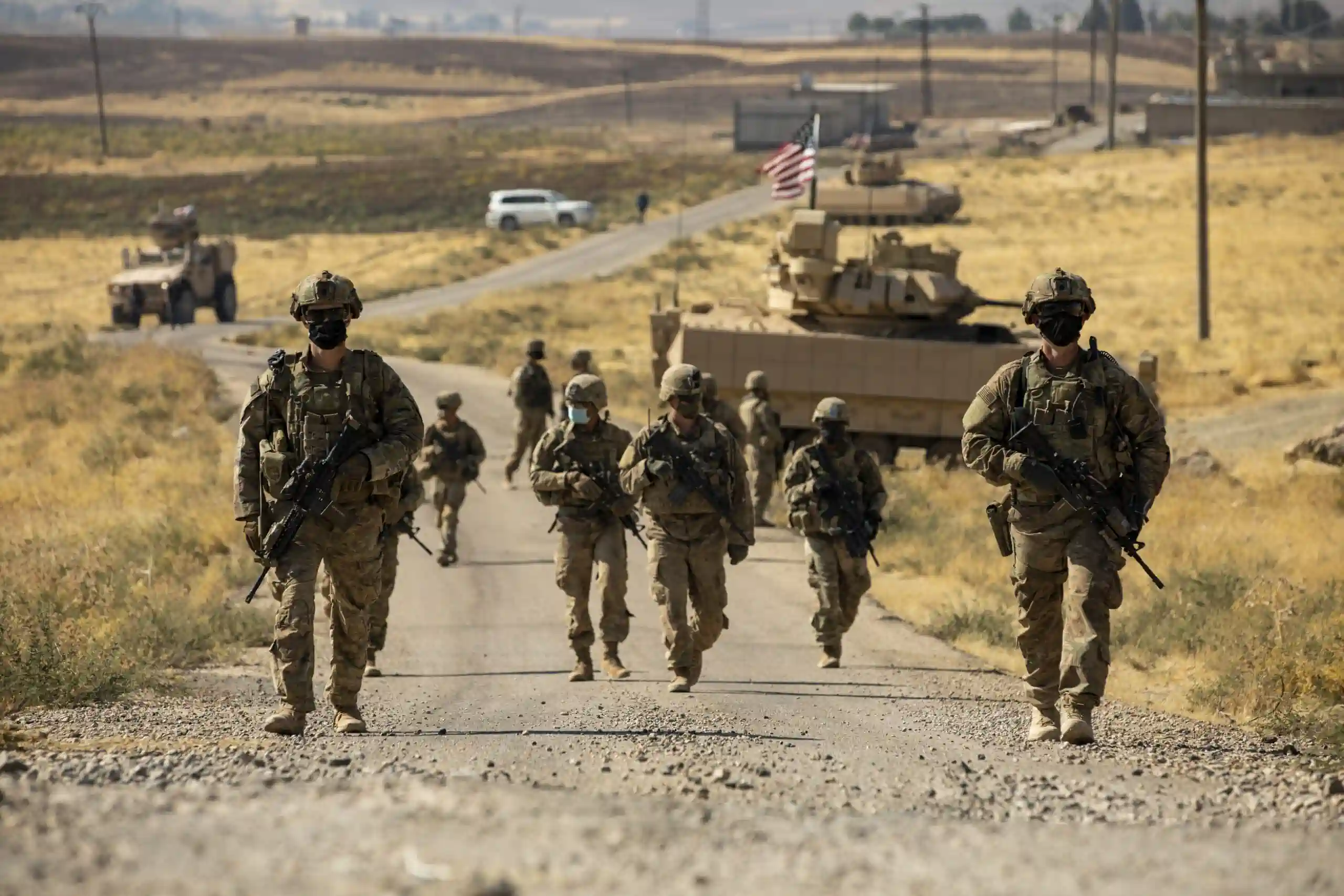
    U.S. Military Movements in Palmyra Spark Speculation of New Base in Central Syria

    Simultaneously, U.S. drones flew over the area, conducting aerial reconnaissance and imaging operations. After the visit and drone activity, the forces returned to the Al-Tanf base in Homs.

    Some Syrian sources suggest that the U.S. may be planning to establish a new military base in Palmyra. This comes despite the American-led coalition already maintaining several active bases in eastern Syria—particularly in Deir ez-Zor and Hasakah—under the pretext of combating ISIS.

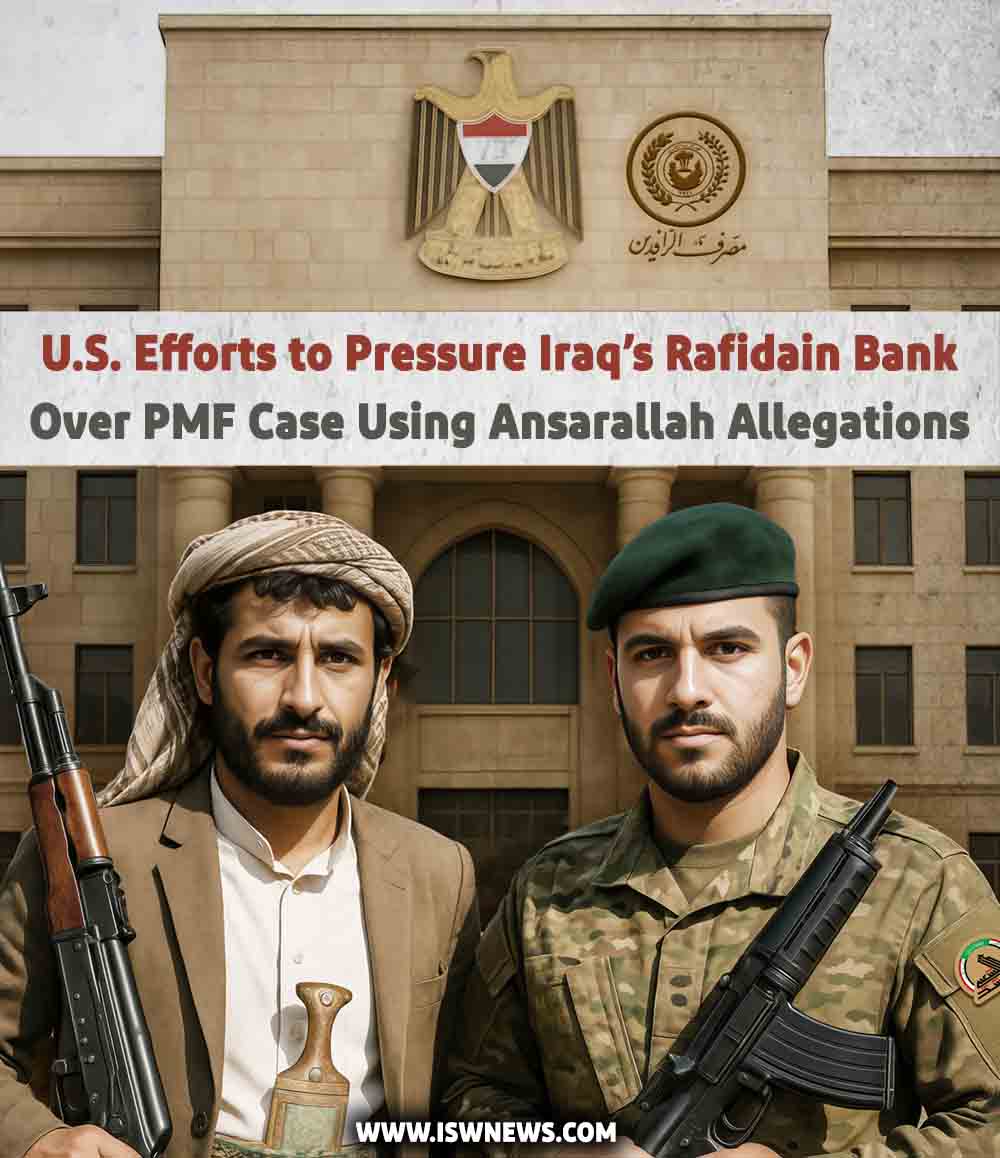
  • U.S. Efforts to Pressure Iraq’s Rafidain Bank Over PMF Case Using Ansar Allah Allegations

    U.S. Efforts to Pressure Iraq’s Rafidain Bank Over PMF Case Using Ansar Allah Allegations

    This issue was raised during the April 29 Iraqi-American summit in Washington, attended by Dr. Michael Faulkender, U.S. Deputy Treasury Secretary; Fuad Hussein, Iraq’s Foreign Minister and Deputy Prime Minister; and Nazar Al-Khairallah, Iraq’s Ambassador to the U.S.

    According to the meeting minutes, U.S. officials warned that Rafidain Bank must cease all financial ties with Ansarallah and relocate its Sana’a branch to Aden—the seat of Yemen’s UN-recognized government.

    On the other hand, Iraqi Foreign Minister Fuad Hussein emphasized during the meeting that Iraq only engages with Yemen’s official government and that Ansarallah has no access to Iraq’s financial system. He also pledged to personally follow up to ensure no transactions are conducted with the group.

    Dr. Sadeq Ali Hassan, spokesperson for Iraq’s embassy in Washington, stated in a letter to Fox Business that “claims about Rafidain Bank processing payments for Ansarallah are completely false.”

    He added: “There is no banking correspondent relationship with Yemeni financial institutions, and due to prevailing political, security, and logistical conditions, it is operationally impossible to conduct any cash or digital transactions within or outside Yemen’s financial sector.”

    According to the embassy’s statement, “Rafidain Bank’s Sana’a branch has been completely closed since 2017, and under the directive of the bank’s general management and coordination with Iraq’s central bank, all financial activities in Yemen have been permanently suspended. The branch holds no liquidity, lacks SWIFT access, and has no operational infrastructure.”

    When asked about accounts linked to PMF—designated by the U.S. as a terrorist group supported by Iran—the Iraqi embassy responded: “Rafidain Bank no longer holds any PMF-related accounts. All such accounts and payrolls have been officially transferred to Al-Nahrain Islamic Bank and are under Iraqi government oversight. The Sana’a branch has no involvement or activity in this matter.”

    U.S. Congressman Joe Wilson condemned the situation and stated he would push to reduce Iraq’s budget during upcoming discussions. He also urged the U.S. Treasury to sanction Rafidain Bank.

    Michael Knights, senior fellow at the Washington Institute and expert on Iraqi military and security affairs, told Fox Business: “Since February 2025, Congress has been calling for sanctions on Rafidain Bank due to its alleged role in facilitating large-scale money transfers to Iran and its allied groups. This has placed Rafidain at serious risk, as many members of Congress are familiar with its name. However, no sanctions have been imposed so far.”

    Fox Business, citing an Iraqi source familiar with the April meeting, claimed: “Rafidain is Iraq’s most opaque bank and has never undergone external auditing.”

    The source also alleged: “Rafidain funds PMF projects and provides unsecured loans to militias. If it refuses transparency and audit requirements, the U.S. should cut its access to dollars.”

    The Fox Business report suggests that the narrative linking Rafidain Bank to Ansarallah is primarily aimed at pressuring Iraq and the bank to accept U.S. conditions. Notably, according to The Wall Street Journal, the U.S. has already sanctioned 14 Iraqi banks for aiding Iran and other sanctioned entities in the Middle East.

    In conclusion, it appears that the U.S. and its allies are attempting to weaken PMF and other resistance groups by restricting their financial resources, ultimately pushing them toward dissolution and reduced influence.

    Source:
    https://www.foxbusiness.com/fox-news-world/iraqi-state-bank-accused-processing-payments-houthi-terrorists-who-disrupt-red-sea-commerce
    https://kurdistantv.net/fa/news/235333

  • Yemen’s Strategic Strikes Helped Force Gaza Truce

    Yemen’s Strategic Strikes Helped Force Gaza Truce

    Middle East Eye Report on Yemen’s Halted Support Operations for Palestine:

    “Yemen is demonstrating its strength by linking the suspension of its operations to Israel’s commitment to the ceasefire agreement. Militarily, Yemen has shown strong performance over the past two years. It has occasionally launched long-range strikes on Israel, some of which impacted aviation and penetrated Israeli air defenses. Yemen also succeeded in pressuring the U.S. to withdraw its support for Israel in Yemen—an achievement that is far from easy.”

    The primary goal of Yemen’s armed forces from the outset was to stop the war and crimes committed by the Israeli regime in Gaza. With the current ceasefire in place, that objective has been achieved, and Yemen sees no reason to continue its attacks. In fact, Yemen’s support for the Palestinian people and resistance has been effective, and it has fulfilled its mission. Therefore, claims by some media outlets about Yemen’s failure are inaccurate, as they are not involved in the details of the negotiations or the implementation of the ceasefire terms—matters that are solely the domain of Palestinian factions.

  • U.S. Senate Approves $130 Million to Support SDF and Free Syrian Army

    U.S. Senate Approves $130 Million to Support SDF and Free Syrian Army

    The new bill, estimated at around $925 billion, was approved with 77 votes in favor and 20 against. It allocates $65 million for salaries, $15.6 million for training and weapons, $32.4 million for logistical assistance, $15.3 million for maintenance of vehicles and facilities, and $1.5 million for operational services.

    The new funding for the SDF and Free Syrian Army indicates that the United States does not intend to retreat from its policy of support for non-state actors in Syria. The budget approval may be interpreted as a message to Turkey and the Syrian government. Turkey has consistently labeled the SDF as an extension of the PKK and criticized Washington’s military cooperation with the group.

    Direct funding for the SDF and Free Syrian Army reflects America’s effort to strengthen these groups as its allies in Syria. Overall, the Senate’s decision not only signals continued U.S. military presence in Syria but also shows Washington’s intent to maintain—and even expand—its influence in Syria’s political and battlefield dynamics in 2026. This path could bring new challenges for Syria and the broader West Asia region.

  • Washington Moves to Rebuild Trust with Doha: U.S. to Host Qatari F-15s and Pilots

    Washington Moves to Rebuild Trust with Doha: U.S. to Host Qatari F-15s and Pilots

    The initiative was revealed during his meeting with Qatar’s Deputy Prime Minister and Defense Minister, Saud bin Abdulrahman Al Thani in Washington.

    He clarified that Qatar will not establish a permanent base in the U.S.; the deployment is strictly for short-term combat coordination and training.

    This move is seen as part of Trump’s broader strategy to mend relations with Doha, especially after Israel’s recent attack on Qatar and growing Arab criticism of Washington’s failure to protect its Gulf allies.

    While the deployment of Qatari fighters and pilots in Idaho might not significantly alter military strategies, it serves as a diplomatic gesture. This move signals an effort to restore and reinforce America’s image among its allies. Instead of emphasizing combat capabilities, it aims to showcase America’s loyalty, cooperation, and ongoing commitment to the security of its partners.

  • U.S. Deploys 200 Troops to Israel to Support Gaza Ceasefire Coordination

    U.S. Deploys 200 Troops to Israel to Support Gaza Ceasefire Coordination

    These troops are experts in transportation, logistics, planning, security, and engineering, and will work alongside regional representatives, private entities, and NGOs. Western sources have emphasized that the American forces will not enter Gaza itself; their role is strictly technical and supervisory within Israeli territory.

    The coordination center will be located in southern Israel and is designed to facilitate the ceasefire process and streamline the delivery of humanitarian aid to Gaza. According to The New York Times, U.S. troops will collaborate with counterparts from Egypt, Qatar, Turkey, and the United Arab Emirates.

    This move by President Donald Trump’s administration is seen as part of Washington’s broader effort to assert and reinforce its influence in the evolving situation in Gaza. Having played a pivotal role in brokering the recent ceasefire between Israel and Hamas, the Trump administration now aims to position itself not only as the initiator of peace but also as its guarantor.

    Analysts suggest that the White House is attempting to reclaim political leadership in the Gaza file from regional powers. While Egypt and Qatar were instrumental in mediating the ceasefire, the U.S. seeks to demonstrate—through its direct military presence in Israel—that it remains the dominant and unrivaled actor in managing the Gaza crisis.