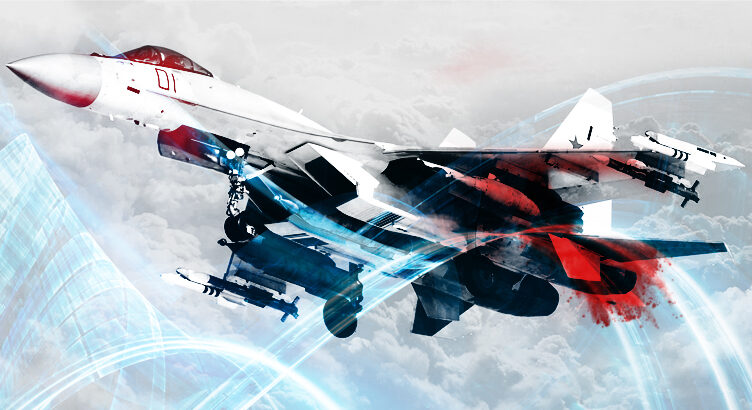
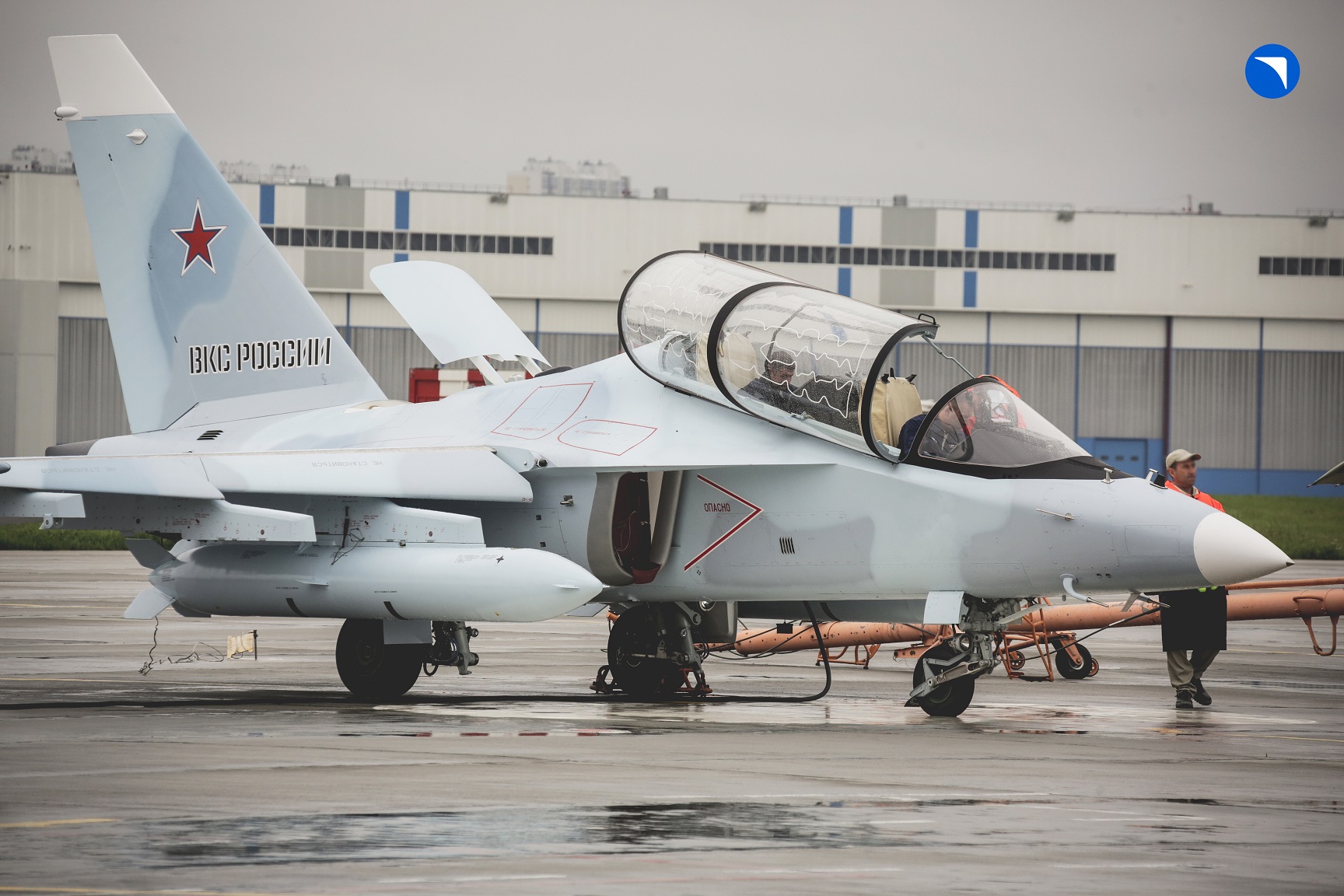
“Plans have been finalized for Sukhoi Su-35 fighter jets, Mil Mi-28 attack helicopters and Yak-130 jet trainers to join the combat units of Iran’s Army,” Brigadier General Mehdi Farahi said.
Brig. Gen. Farahi added that three advanced aircraft will be definitely at Iran’s disposal and the processes are currently underway.
The Islamic Republic of Iran Air Force (IRIAF) has only a few dozen strike aircraft, including Soviet-era fighter jets as well as aging United States-made models acquired before the 1979 Islamic Revolution.
In April, Iran announced that it had finalized a deal to buy Su-35 fighter jets from Russia. Under the deal, the IRIAF is supposed to receive a total of 24 Su-35s which were originally built for Egypt as a part of a contract that was thwarted by the U.S.
Sukhoi designed the Su-35 to engage all types of aerial targets in long and close ranged air battles as well as to attack ground and sea-surface targets including those covered by air defenses and located far behind the frontline.
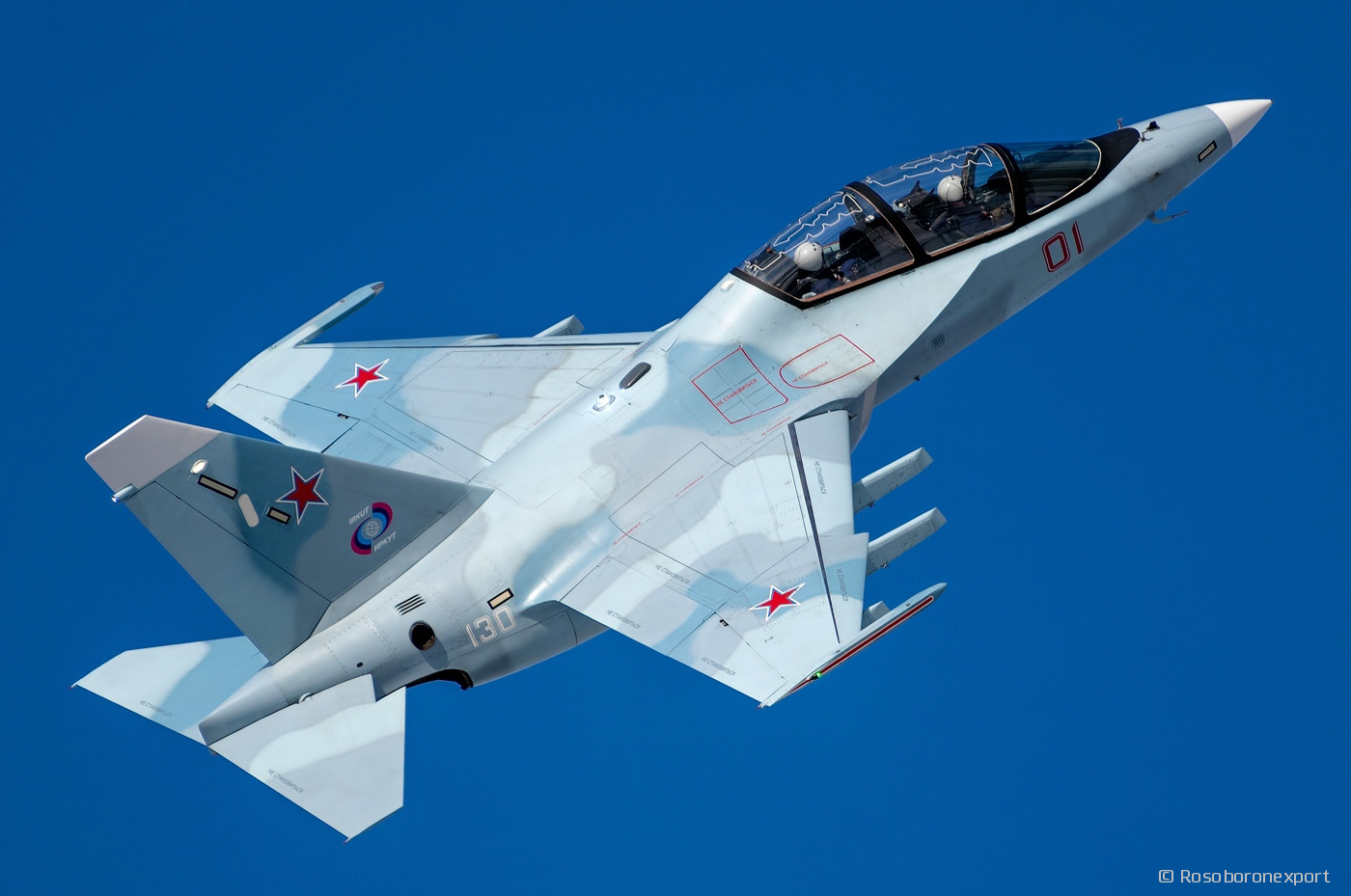
Later in September, Iran received a first batch of Yak-130 training and light combat jets from Russia. The delivery marked the first time new jets entered service with the IRIAF since the 1990s, when Iran received a few MiG-29s from Russia.
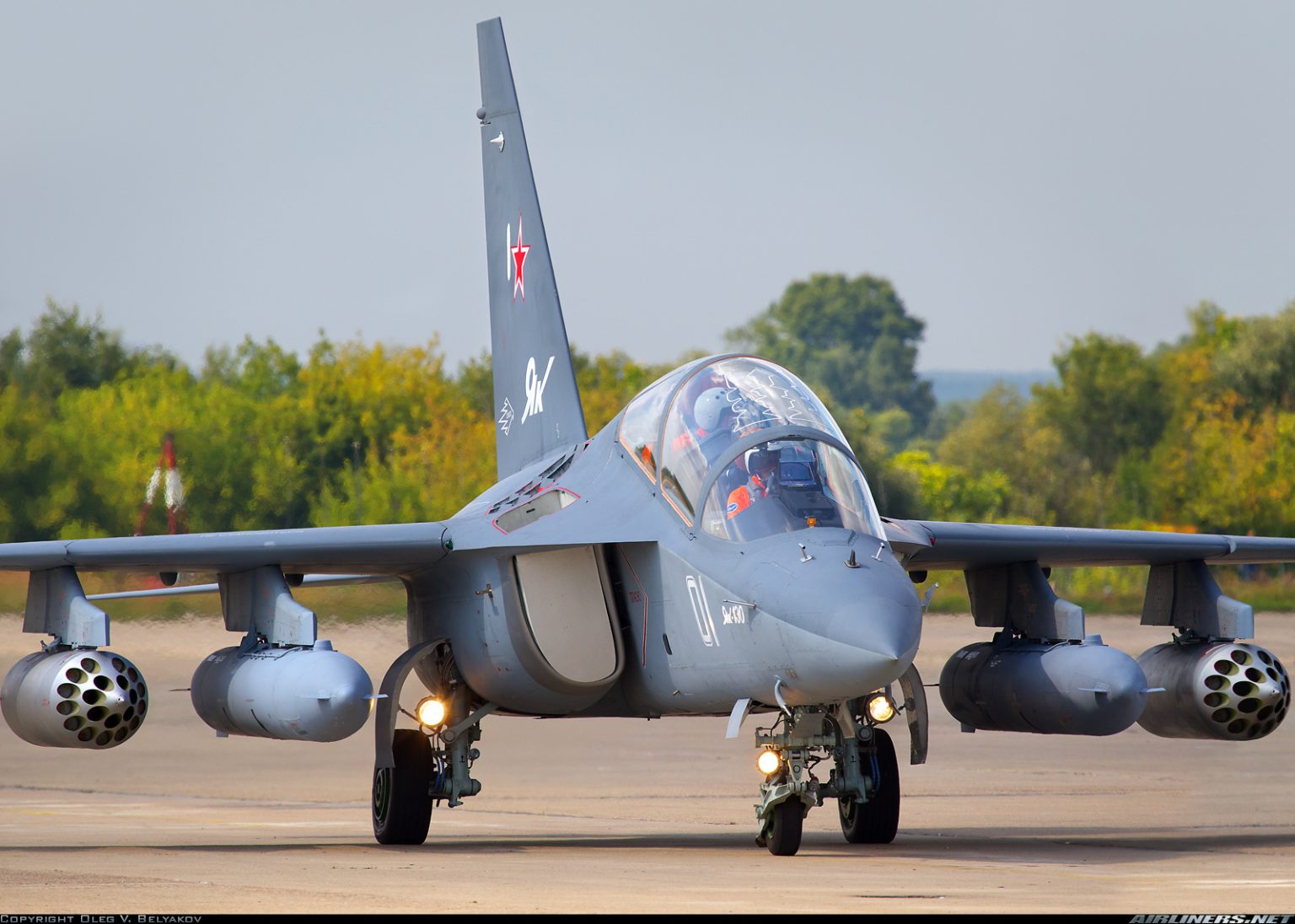
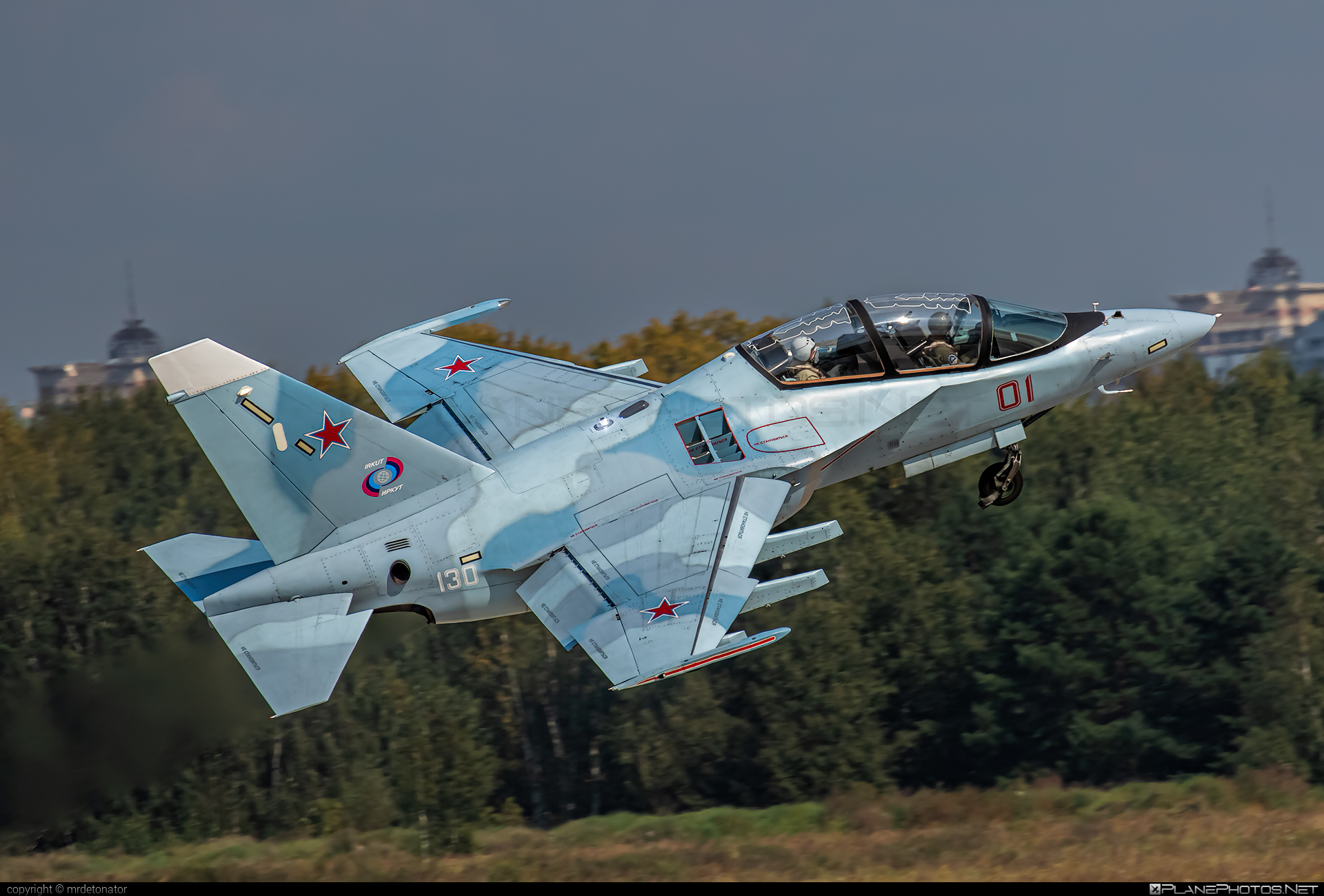
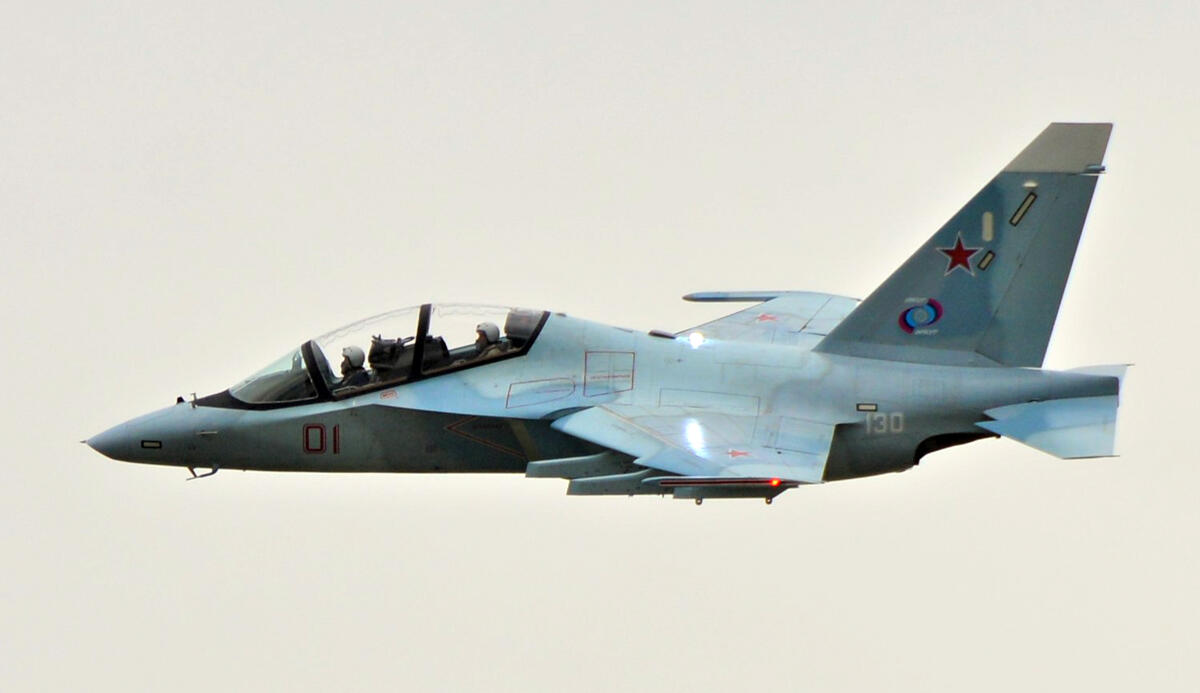
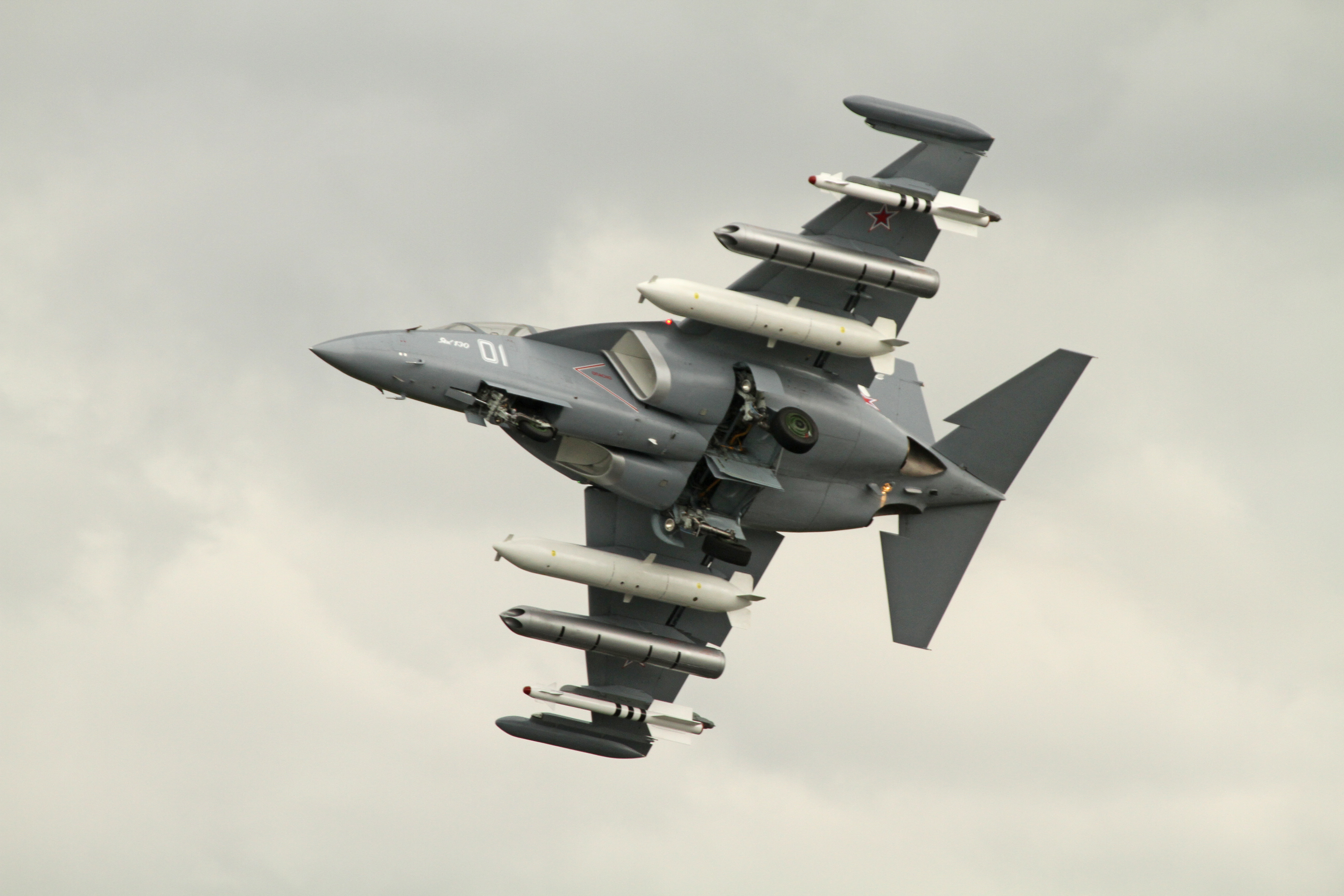
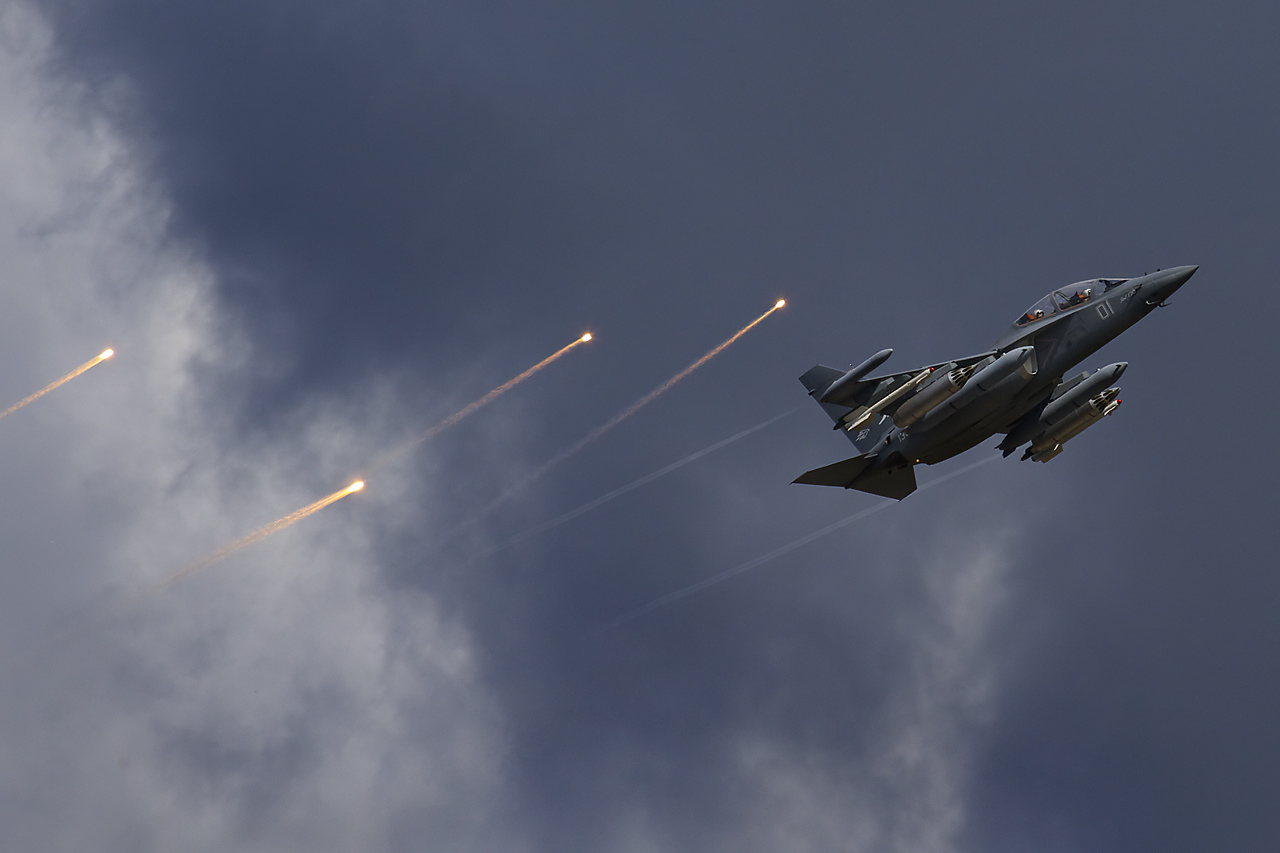
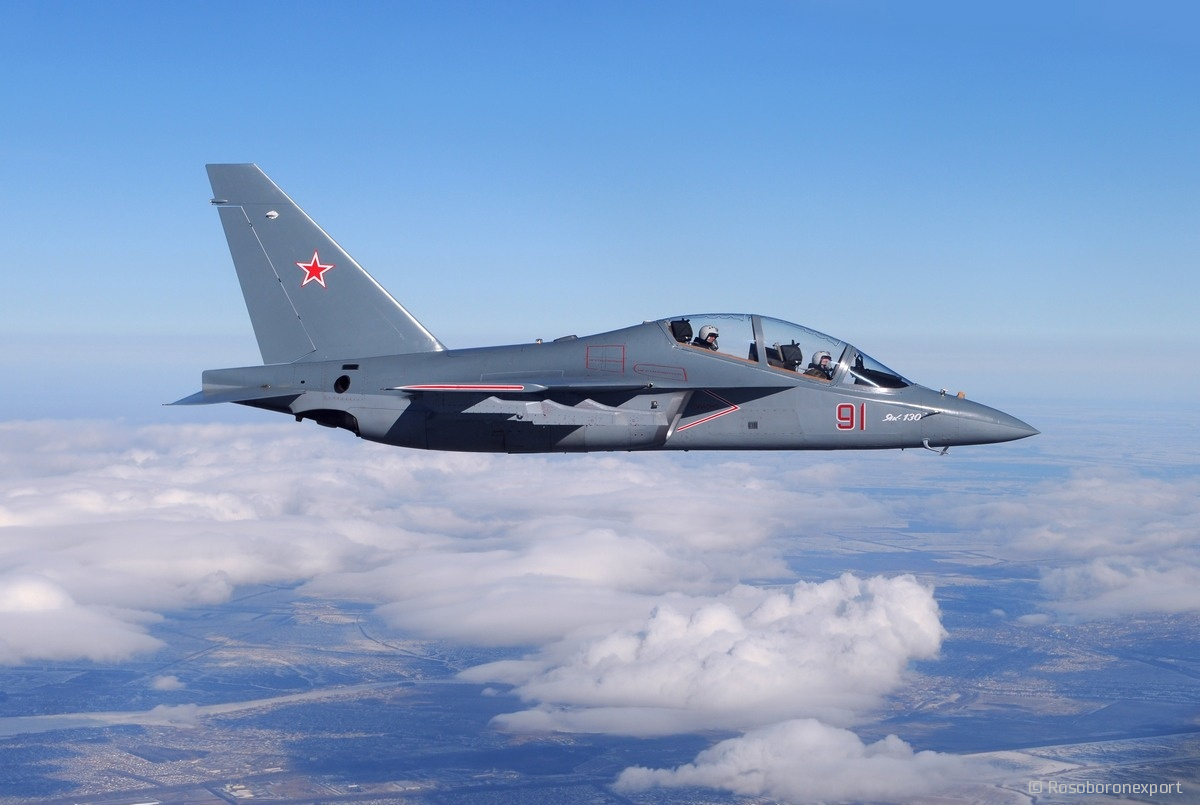
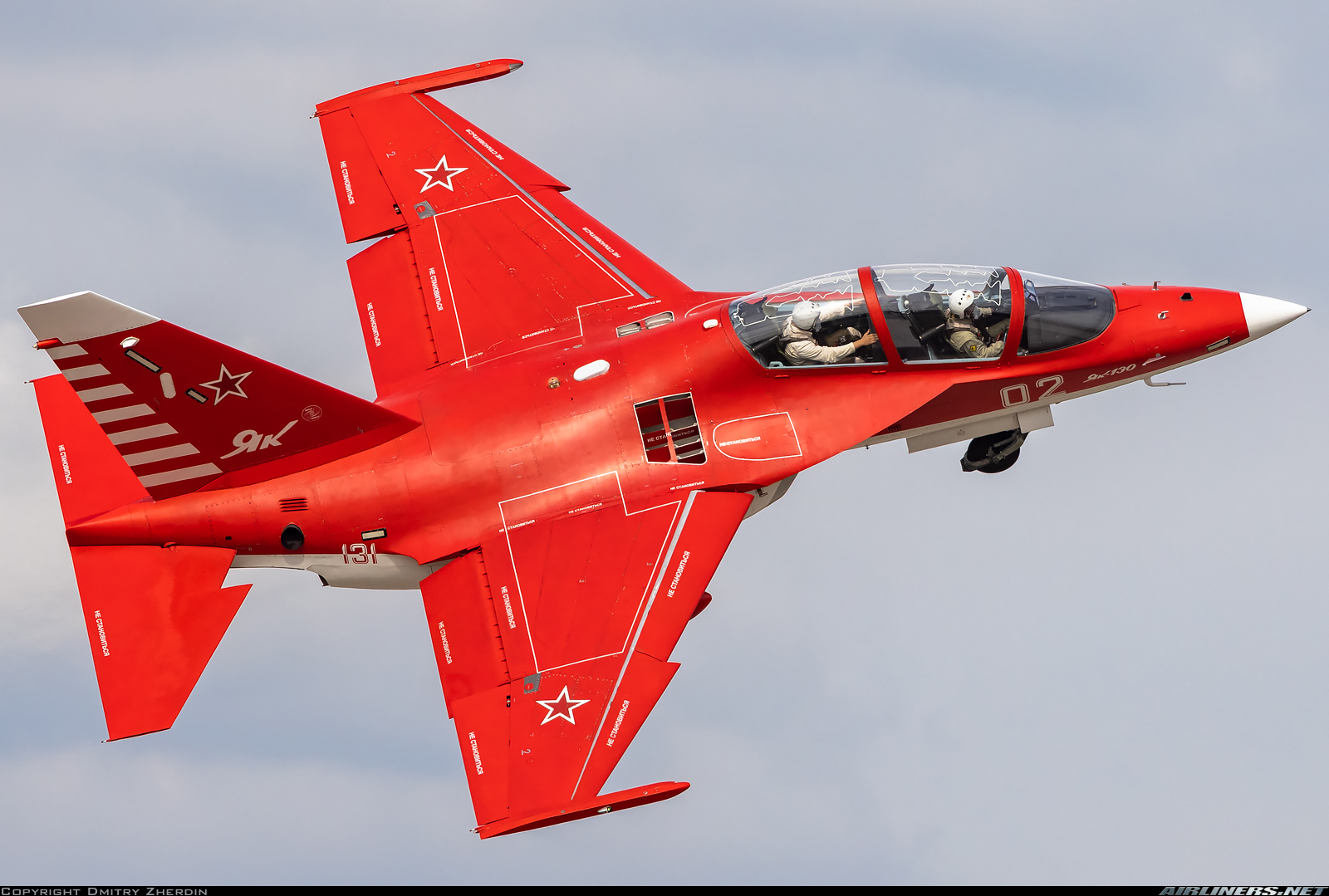
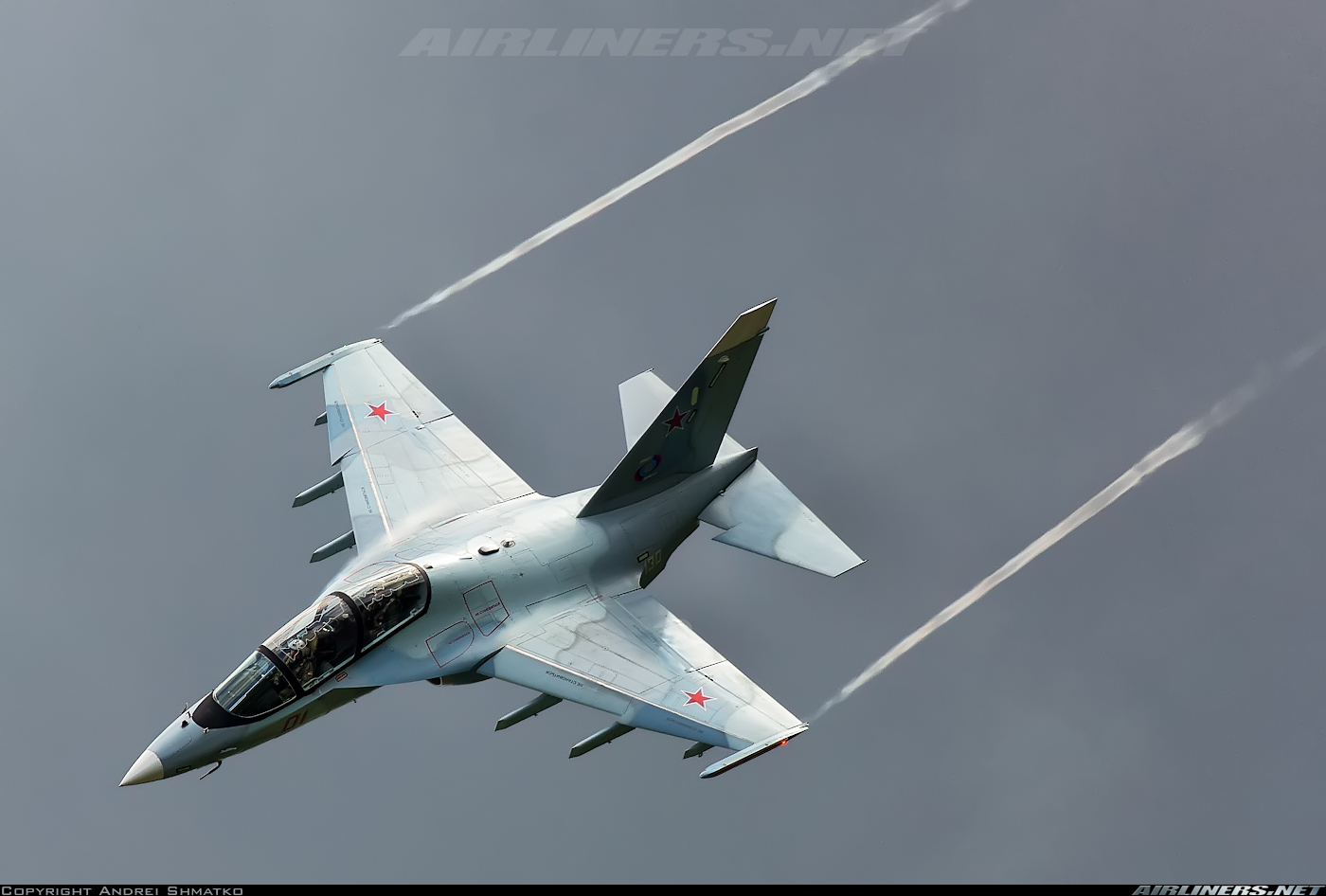
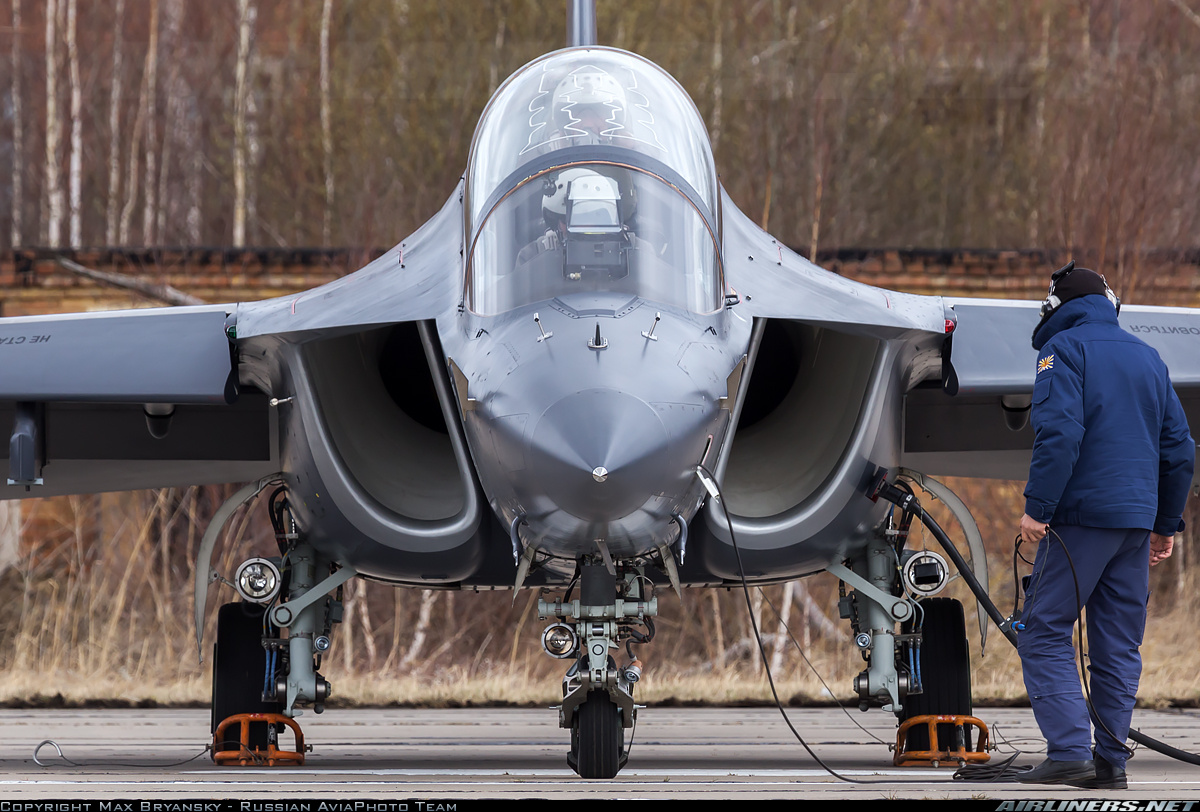
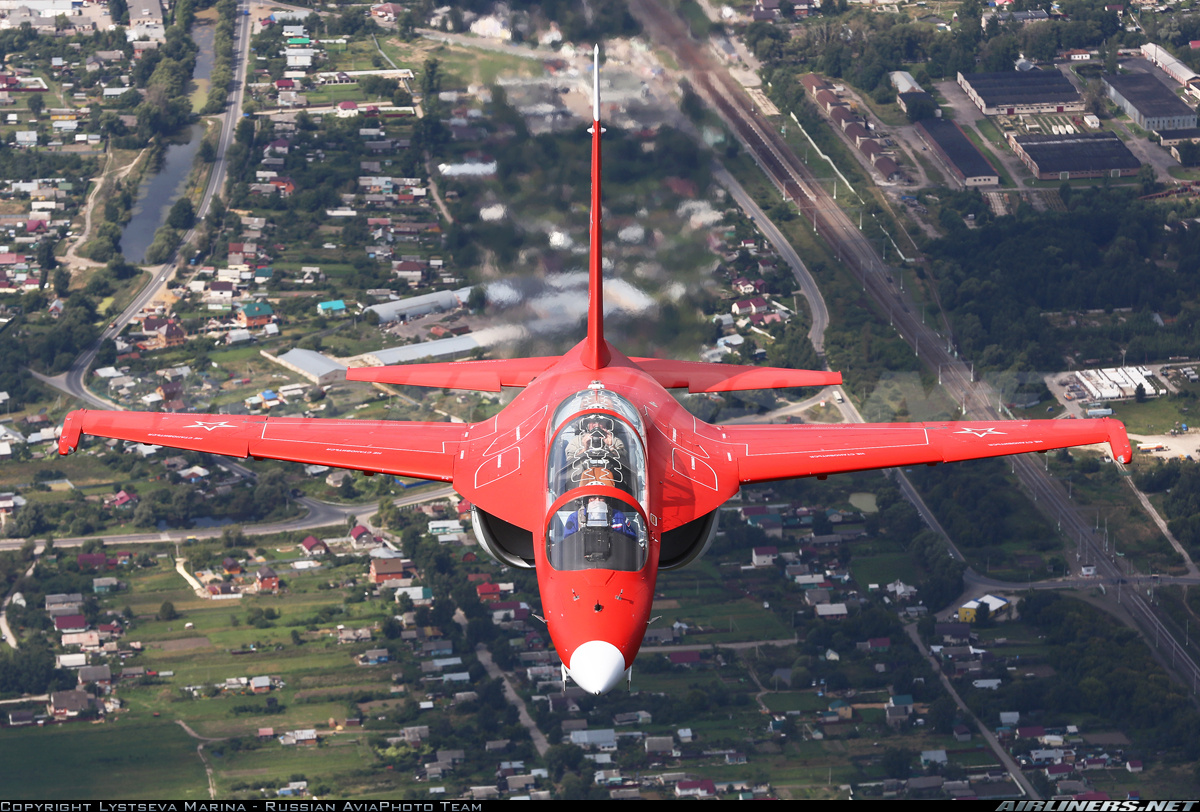
The Yak-130 was originally designed by Yakovlev for training missions. As an advanced trainer, the jet is able to replicate the characteristics of several fourth-generation and fifth-generation fighters, including the Su-35. The jet can also perform light-attack and reconnaissance duties.
Unlike the Su-35 and Yak-130, there were no reports about Iran purchasing Mi-28 attack helicopters before Brig. Gen. Farahi announcement.
The Mi-28, designed by Mil, is an all-weather, day-night, military tandem, two-seat anti-armor attack helicopter. It carries a single gun in an under-nose barbette, plus external loads carried on pylons beneath stub wings.
Russian-Iranian military cooperation grew significantly in the last few years. Washington claims that Tehran supplied Moscow with hundreds of suicide and combat drones in the last few months for use in the ongoing special military operation in Ukraine.
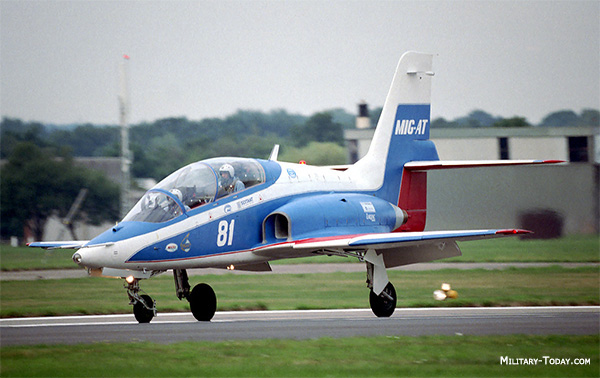
History: The Soviets were looking for a new trainer fighter to replace the Aero L-29 Delfín and Aero L-39 Albatros trainer jets. The Soviet Air Force, after reviewing the five submitted designs of Sukhoi S-54, Myasishchev M-200, Mikoyan MiG-AT, and Yakovlev Yak-UTS, in 1991, selected two MiG-AT and Yak-UTS designs for prototype production and competition.
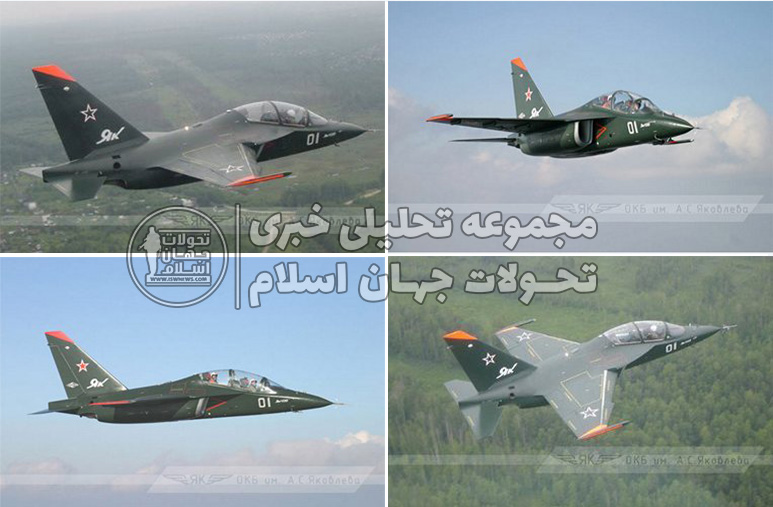
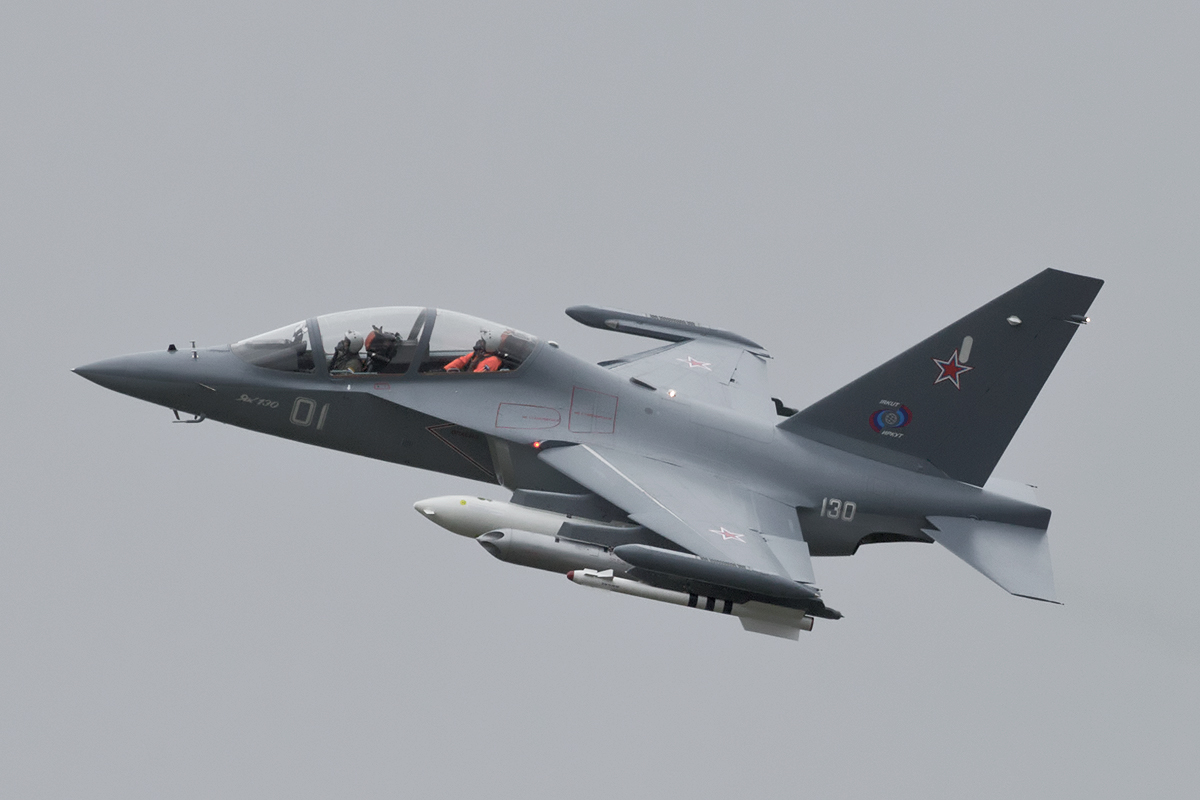
MiG-AT training fighterPrototype Yak 130 with number 01
The development of Yak-UTS began in 1991, but with the collapse of the Soviet Union on December 25, 1991, there were not enough funds to continue the work, so in 1993, the Yakovlev company agreed with the Italian company Aermacchi to jointly develop this aircraft.
Aermacchi was responsible for the financial and technical support of the project and the name of the project was changed from Yak-UTS to Yak/AEM-130. The first prototype of this training fighter was built by the Sokol company (manufacturer of MiG fighters) named Yak-130D and unveiled in June 1995. Yakovlev company managed to make the first flight of this fighter from Zhukovsky airport on April 25, 1996, piloted by Andrey Sinitsyn.
In 1996, it was reported that the development of the fighter and the construction of four prototypes cost 500 million dollars.
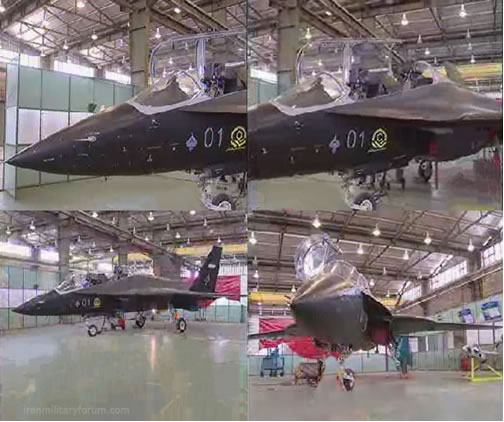
Iran also unofficially participated in this plan in 1998. Iran proposed a fighter named Shafaq. But due to the continuous efforts of America to prevent Iran from being equipped with fighter jets, Russia soon removed Iran from the plan under the US pressure. But the fruit of Iran’s short-term cooperation with Russia in this field led to the unveiling of the Shafaq project in 2007. The overall design of the Shafaq fighter jet was similar to the Yak 130, but it used a V-shaped tail with modified wings.
Shafaq fighter which was presented as a mock-up
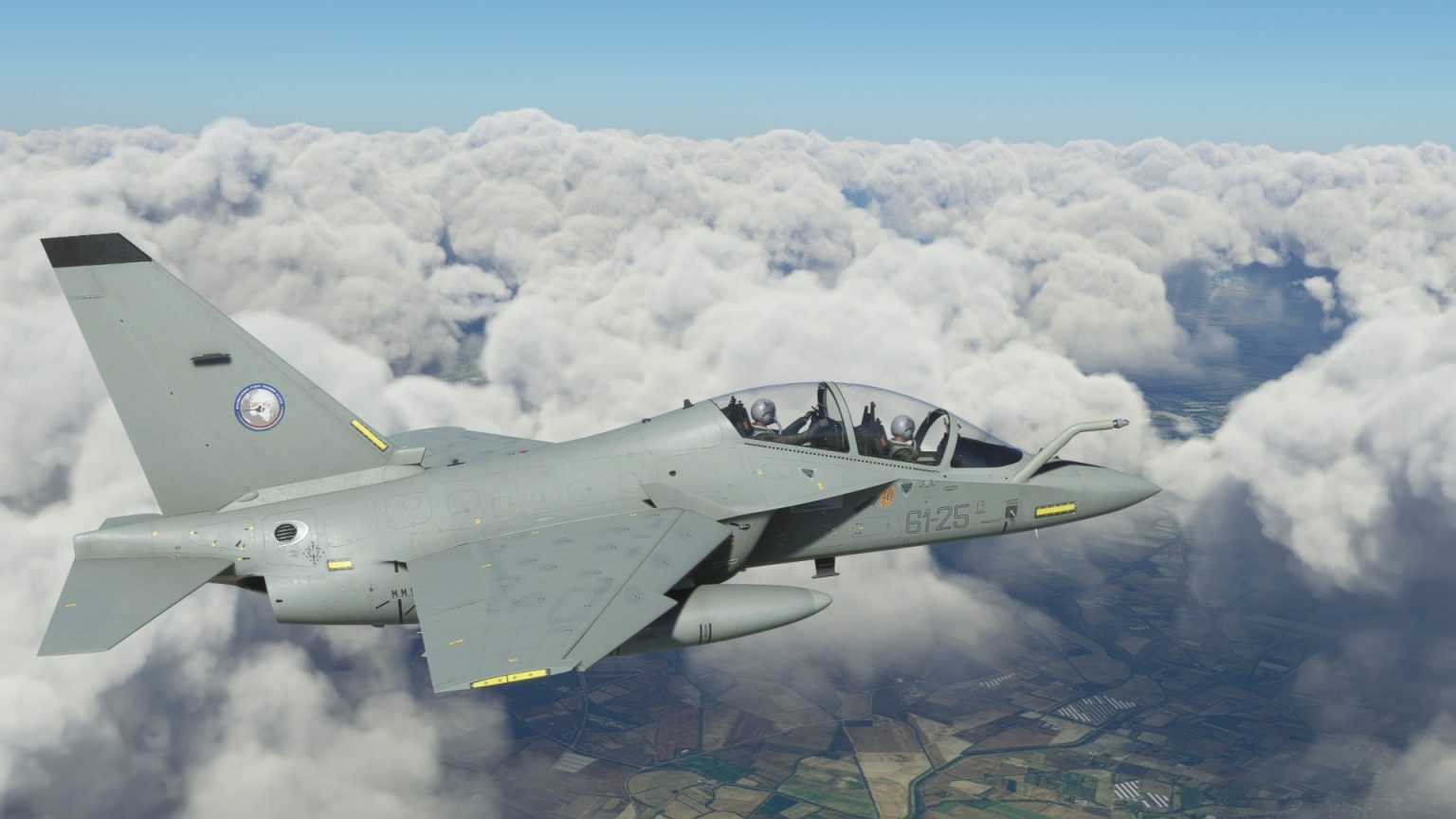
In 2000, following political pressure from the United States, the Aermacchi partnership also ended with Russia and Alenia Aermacchi continued the M-346 Master design with a Ukrainian engine. This new design made its first flight in 2004. This fighter jet was used by the Air Force of Italy, Israel, Singapore, Greece, Turkmenistan and Poland.
The Alenia Aermacchi’s M-346 Master fighter jet; very similar to Yak-130
The Yak-130 production line at the Sokol Aircraft Plant in Nizhny Novgorod, known as Naz Sokol, has been active since 2003, and its first production was numbered in April 2004. The trials of entering the service of this fighter began in 2005 and ended before the delivery of the first flight group in 2009. This fighter entered the service of the Air Force of Russian Federation in July 2009 at the Military Pilot Training Academy in Krasnodar and was exhibited at the MAKS 2009 air show.
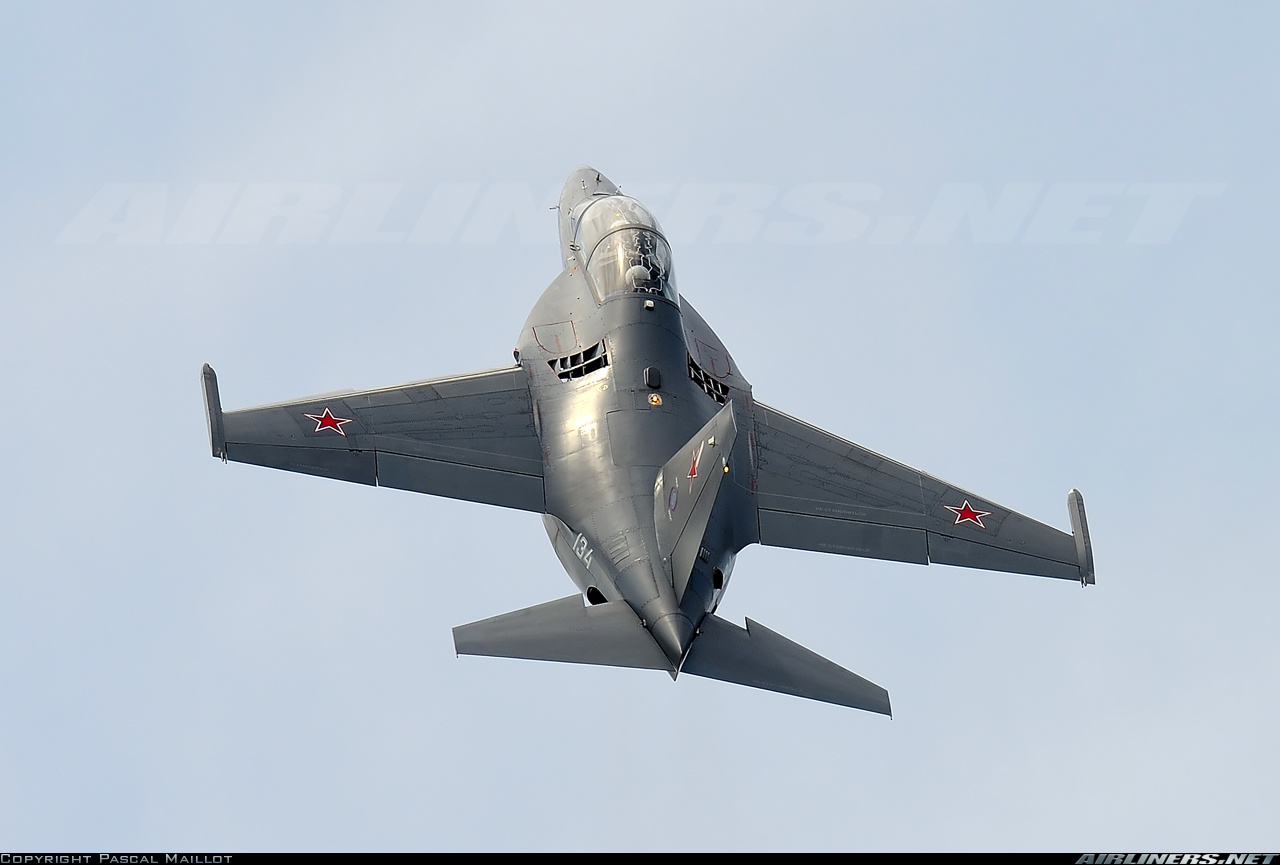
Design: The Yak-130 trainer uses a classic swept-wing design. This fighter is made of light alloy with carbon fiber surfaces and uses Kevlar protection for the engines, cockpit and fighter compartment. The use of Fowler flaps has helped a lot in reducing drag and increasing the maneuverability of the fighter. This fighter is also optimized for landing and takeoff from short or unprepared runways. Yak-130 uses a wireless flight control system, flight safety system and automatic flight control system. The Yak-130 fighter uses an air brake located on the fuselage and near the vertical tail. This device helps this training fighter to land on short runways.
Yak-130 air brake
In the Yak-130 fighter, it is possible to close the main air intake and open the upper air intake to prevent Foreign Object Damage (FOD). This hatch ensures the safety of the fighter taking off from the runways.
A view of the closed air intake. The upper air intake is open.
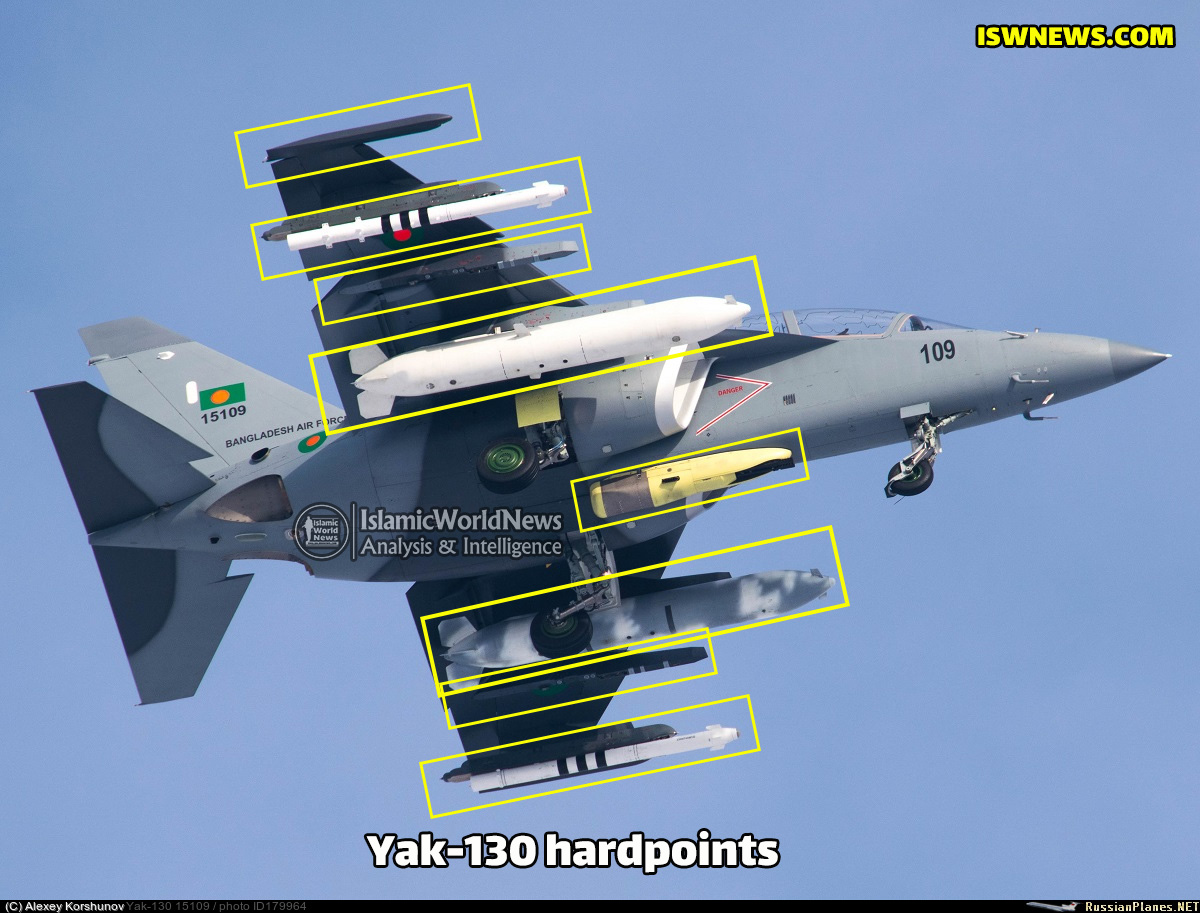
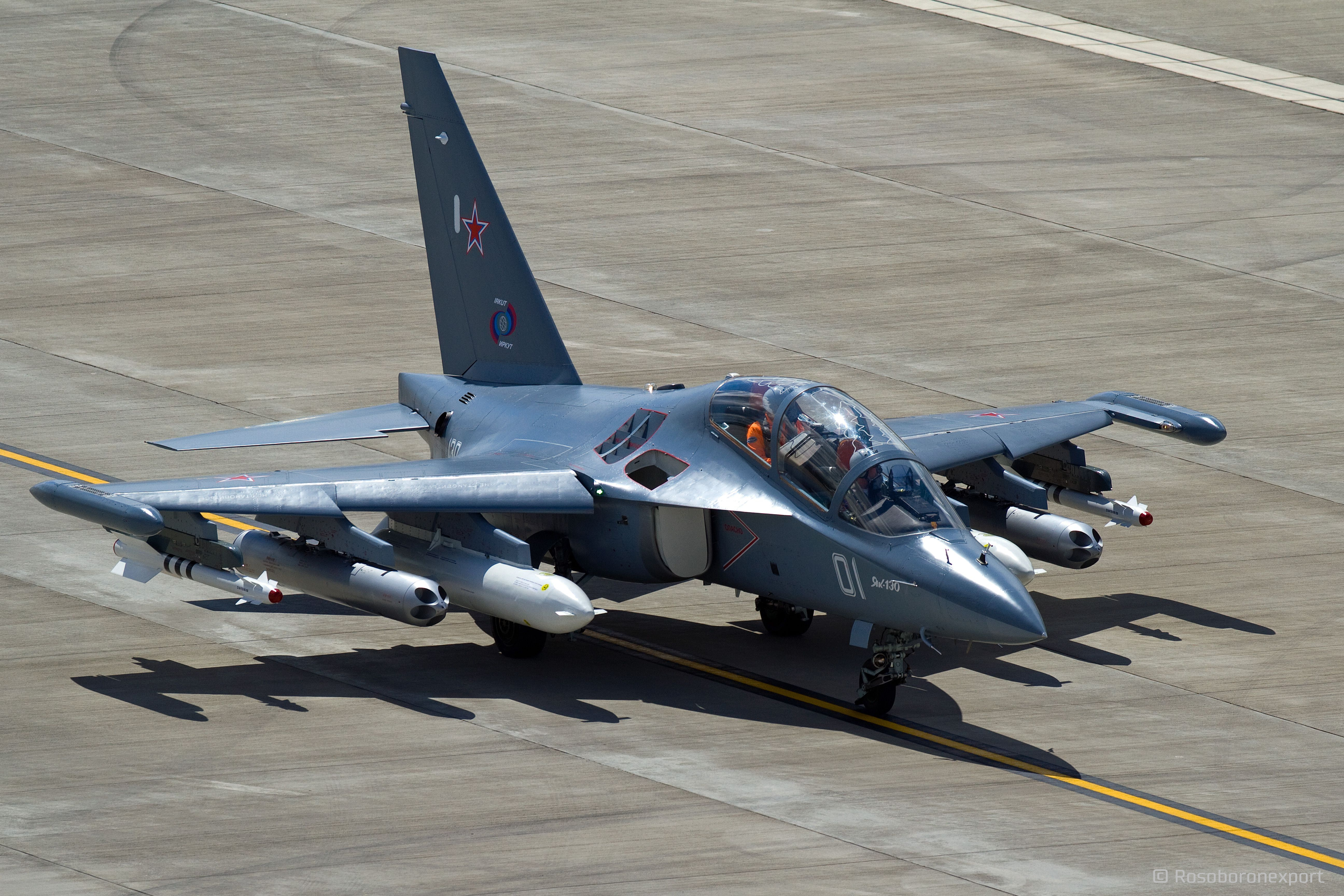
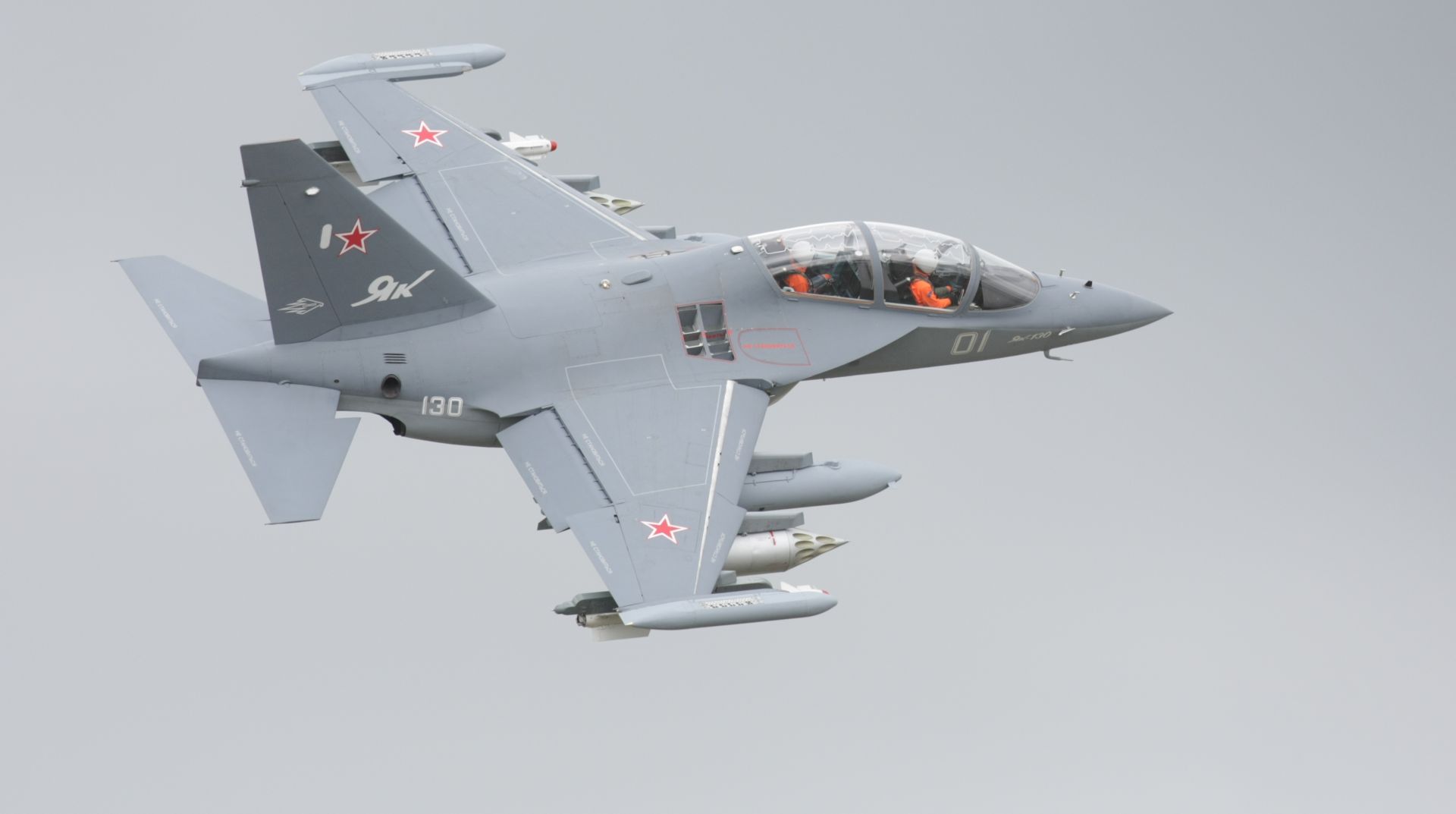
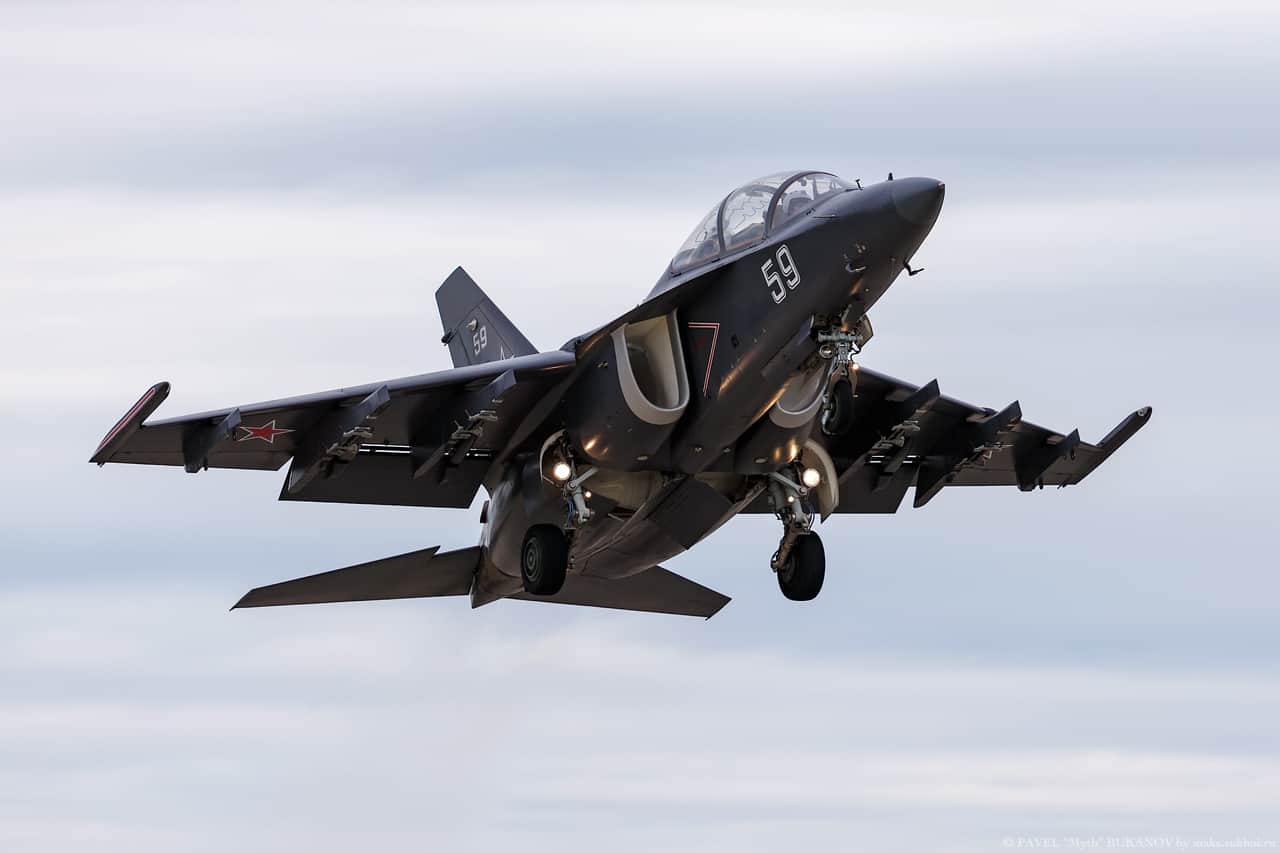
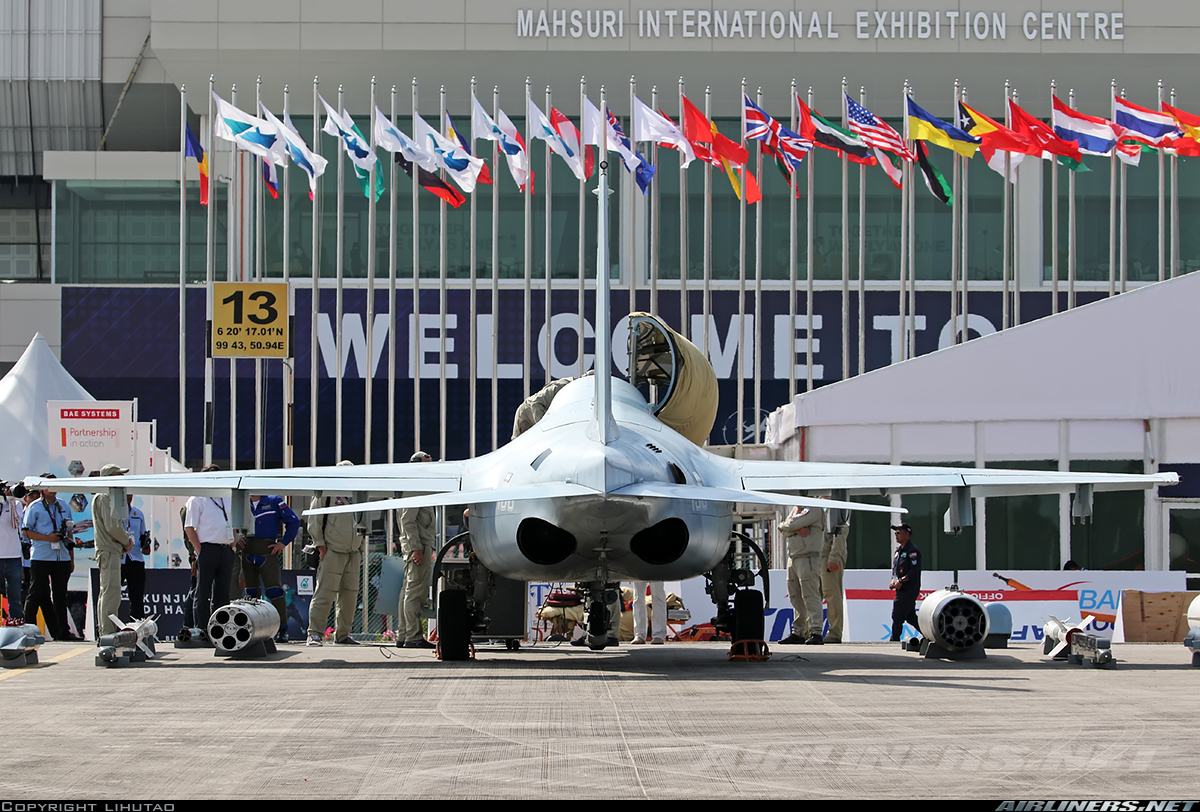
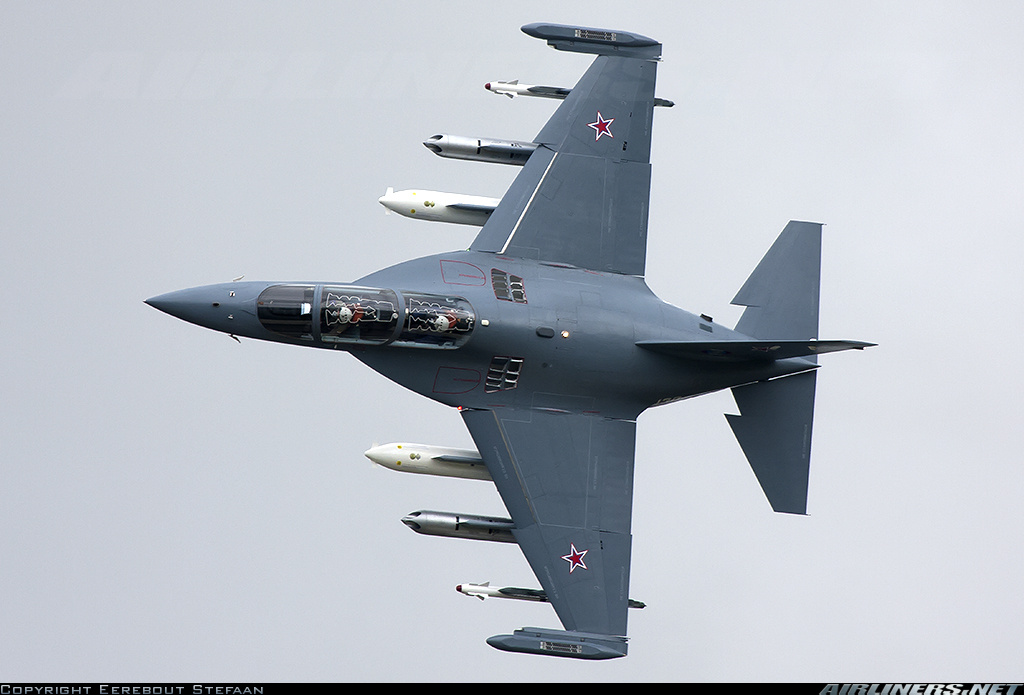
Yak-130 uses 9 hardpoints to carry weapons up to 3000 kg. Two weapon hardpoints are placed on the tips of the wings and six hardpoints are placed under the two wings and one hardpoint is placed under the fuselage. The fuselage hardpoint cannot host large equipment because it is placed between the landing gear hatches.
Yak-130 hardpoints
In export versions of Yak-130, the flight control system ‘Avionica’ is used. This flight control system belonging to the American company Avionica and is used in fighters such as F15, F16, F18, Mirage 2000, Typhoon, Rafale and F35, and even in the export versions of Sukhoi 27, Sukhoi 30 and MiG 29.
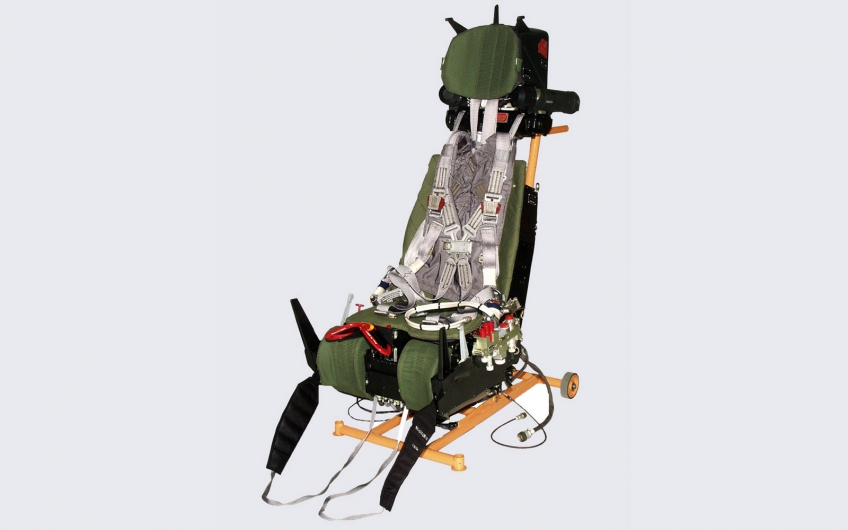
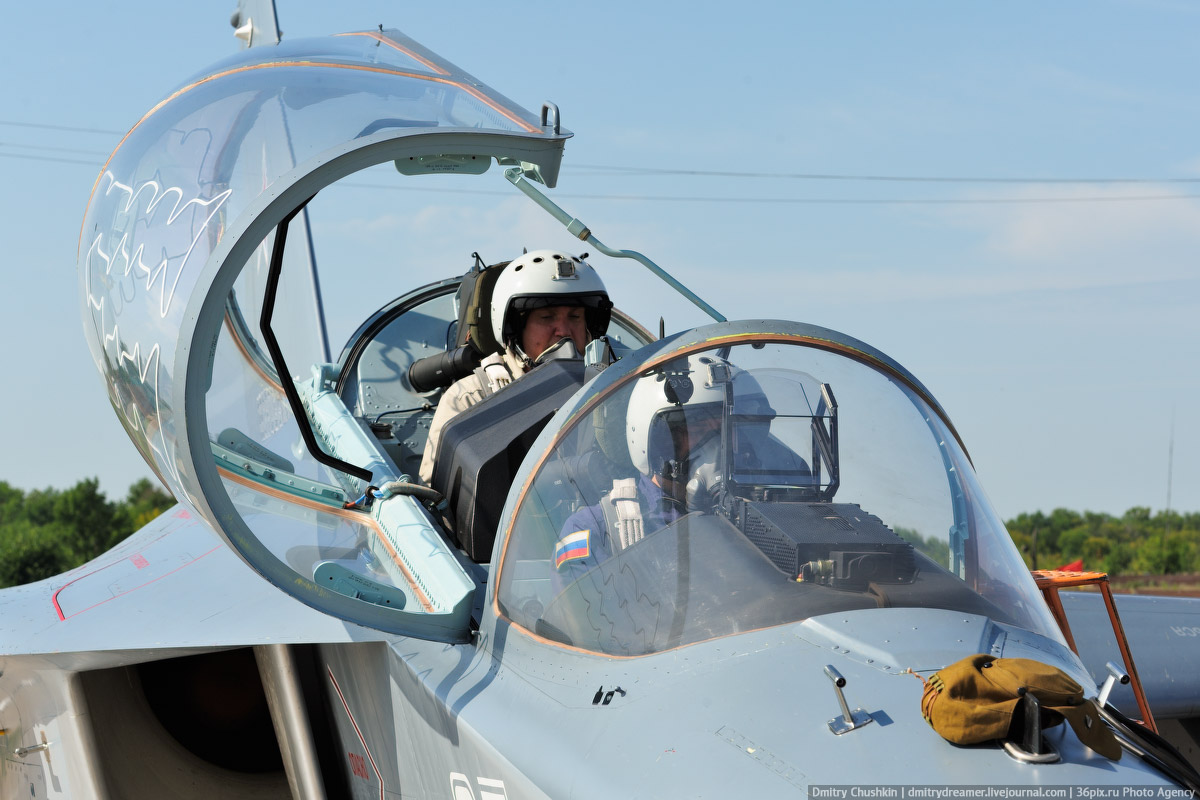
Yak-130 is equipped with zero-zero K-36LT3.5 seats manufactured by NPO Zvezda. Pilots have 360 degree vision. The front cabin has a visibility of -16 degrees and the rear cabin has a visibility of -6 degrees.
zero zero K-36LT3.5Glass cabin with 360 degree vision
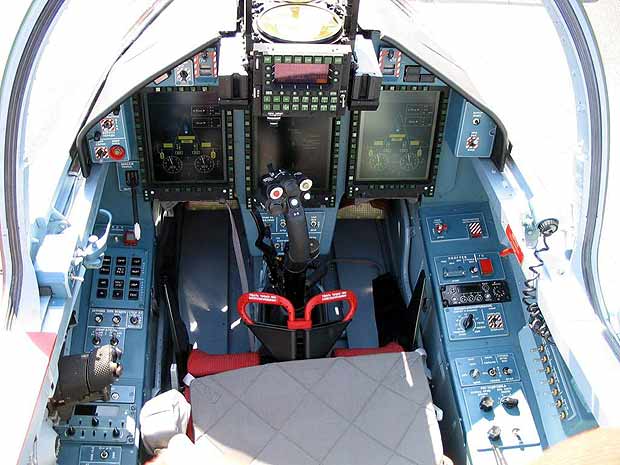
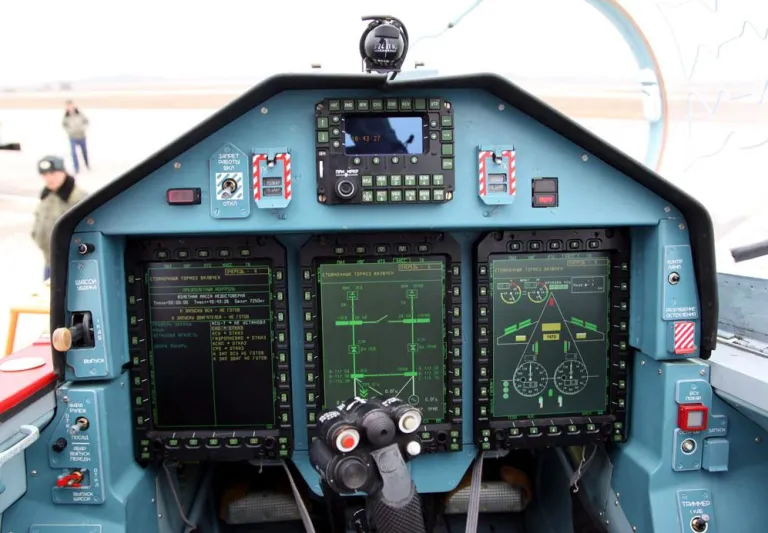
The all-digital Yak-130 avionics cockpit passes the Mil Standard 1553 defined by the United States of America and can be adapted to customer needs. This all-glass cabin allows both pilots to use a night vision camera and is equipped with three color liquid crystal displays measuring 24.15 cm by 20.32 cm. A Head Up Display (HUD) is used in the front cabin of the Yak 130 so that the pilot can see the target and flight information by looking at it.
Yak-130 front cabinYak-130 rear cabin
The pilot’s helmet in the front cabin is equipped with a special display for determining the target, and the cabin is also equipped with an audio warning system and an internal and external communication system, produced by Popov Plant.
This training fighter jet provides the possibility of choosing the type of training flight and simulating the tactics of combat aircraft for easier training of pilots. Yak-130 supports the navigation system including laser gyroscope and global positioning system of Russian GLONASS and American GPS.
The internal fuel tanks of the Yak-130 fighter include one tank in the body and two tanks under the wing. This fighter can carry fuel tanks under the wings on hardpoints close to the body. External fuel tanks have a capacity of 450 liters each, which brings the total portable fuel to 2650 liters. The possibility of aerial refueling is also available for this fighter, but it is installed on it as a custom.
Armament: The advanced architecture of the Yak-130 avionics complex allows a wide range of Western weapons to be compatible with it. Western air-to-air weapons such as the AIM-9L Sidewinder and Magic 2 or weapons such as the AGM-65 Maverick are examples of these weapons.
Yak-130 uses eastern weapons such as Vikhr laser guided missile, R73 infrared air-to-air missile, Kh-25 ML air-to-surface missile, KAB series free-falling bombs weighing up to 500 kg, S8 rockets and cluster bombs.
This fighter does not have a cannon by default and uses a GSh-23 pod instead, which is usually installed in the fuselage hardpoint.
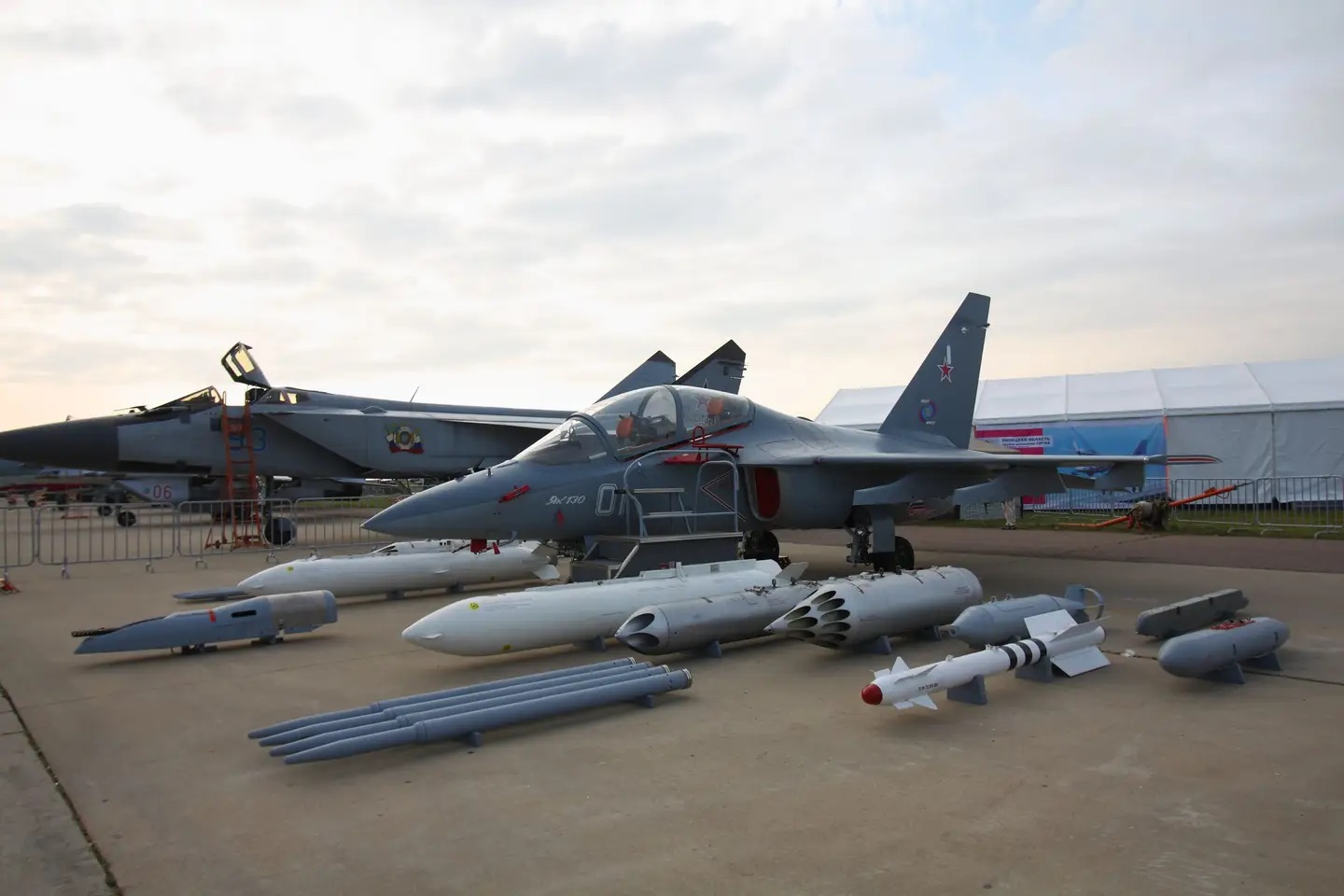
Image of Yak 130 ammunition – click to view in full size
Yak-130 radar: The Yak 130 combat training fighter uses a radar with a power of 8 to 12.5 GHz called BARS-130 produced by NIIP Zhukovsky. This radar is capable of detecting air targets with a cross section of 5 square meters at a distance of 85 km and locking at a distance of 65 km. In addition, it has the ability to identify friend from enemy (IFF), air combat, detect sea and land targets, and also synthetic-aperture radar (SAR).
BARS 130 radar catalogBARS 130 radar catalogAn image of the BARS 130 radarAn image of the BARS 130 radarClick to view full size
Engine: Yak-130 in the prototype used the DV-2 engine produced by the Slovakian Povazske Strojarne company belonging to the Slovak Republic with a power of 2200 kg (21.58KN). In later examples, the Yak 130 fighter used the Al-222-25 engine with a power of 2,520 kg of force (24.7KN) made by the Ukrainian company Motor Sich, Zaporozh’e Progress Design Bureau and the Russian company Moscow Salyut Motor Building Production Enterprise.
The Al-222-25 engine was also used by the Italian fighter M-346 Master.
Russia produces Al-222-25 engine named RD-35M with 28.45KN power. Today, DV-2S engine with 24.5KN power is also produced, which is used for export purposes in the production of Yak 130.
DV-2S engineAl-222-25 engineClick to view full size
Exports: Algeria, as the first customer of this fighter, placed an order for 16 of them in 2006, and succeeded in receiving these fighters in 2011.
In 2010, Libya ordered 6 aircraft and Vietnam ordered 8 Yak 130 training fighters. In December 2012, Belarus managed to purchase four Yak-130 fighter jets, which it received in 2015. The Belarusian Air Force received four more in 2016 and four more in May 2019.
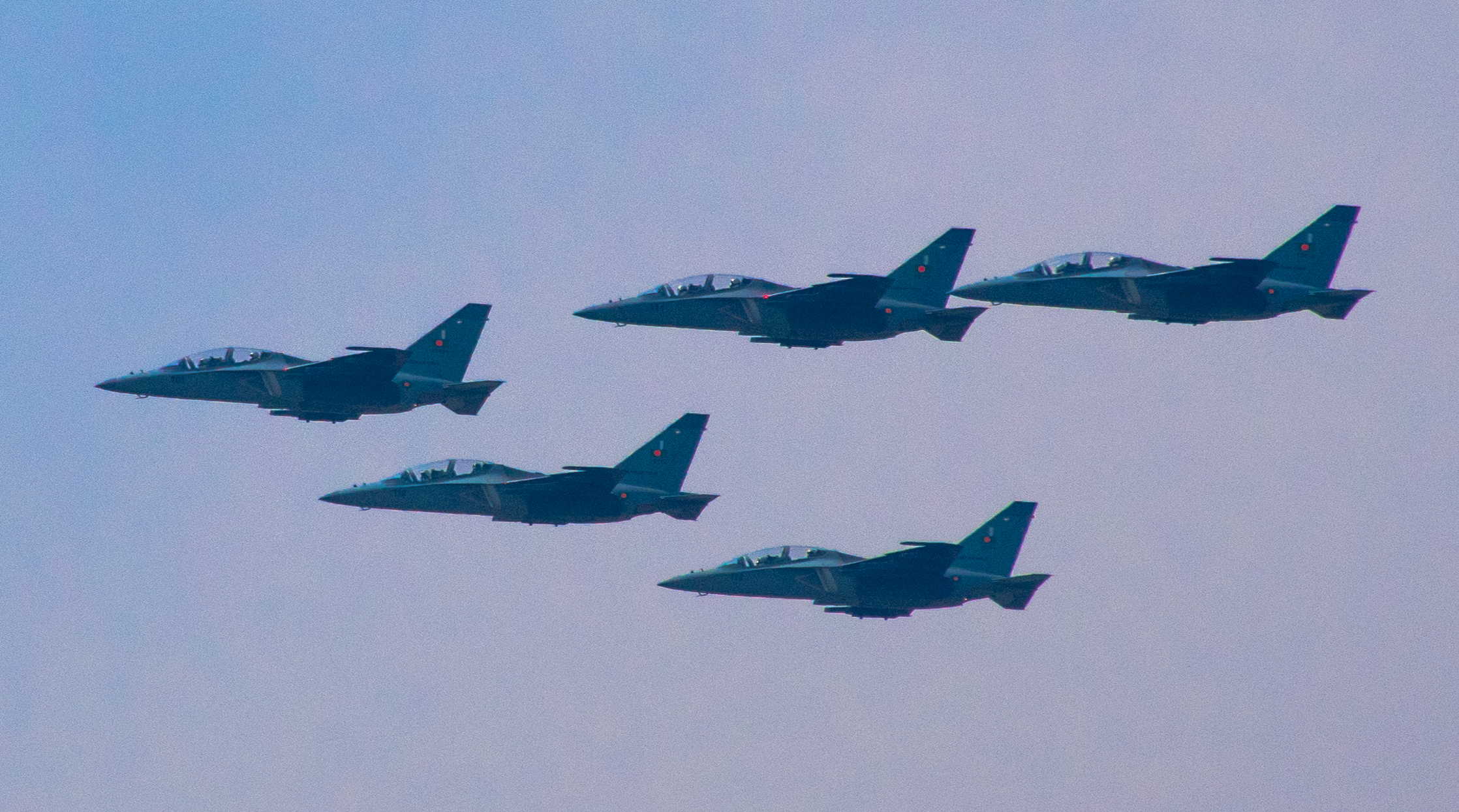
The Myanmar Air Force received three Yak-130 training fighters in late 2016. The country took delivery of another 6 planes in December 2019. Algeria is the user of 16 Yak 130 training fighters.
Syria also bought 36 Yak 130, which should have been delivered to this country by the end of 2016. But this was postponed due to the war in this country.
In 2019, Vietnam signed a $350 million contract to purchase 12 Yak 130s, which were delivered to Vietnam in November 2021.
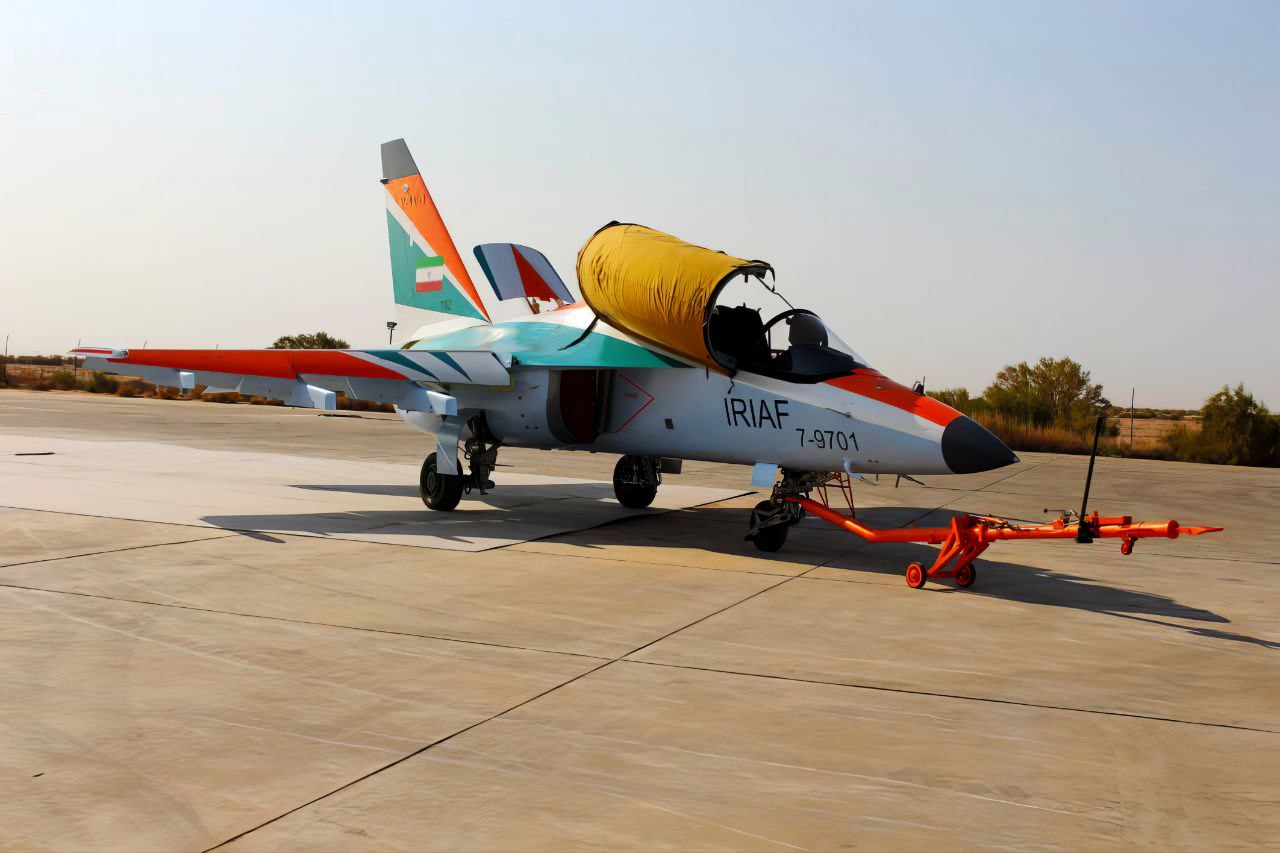
On December 2, 2023, Iran received two Yak 130 fighters. The number ordered by Iran is not known. According to reports related to the purchase of Sukhoi 35 fighter by Iran, the Yak 130 can be considered as a training fighter for Sukhoi 35.
Images of Yak-130s delivered to Iran – click to view in full size
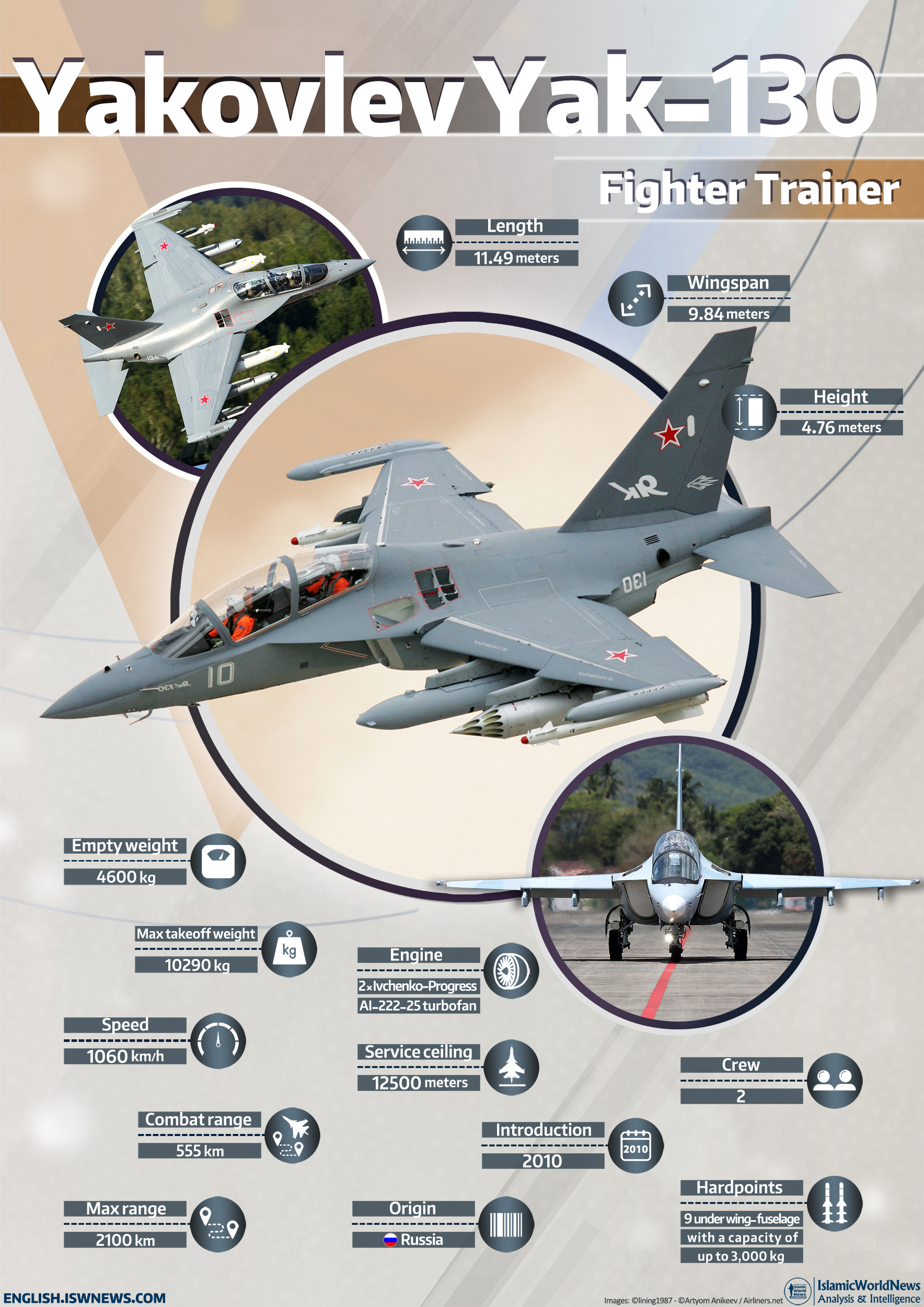
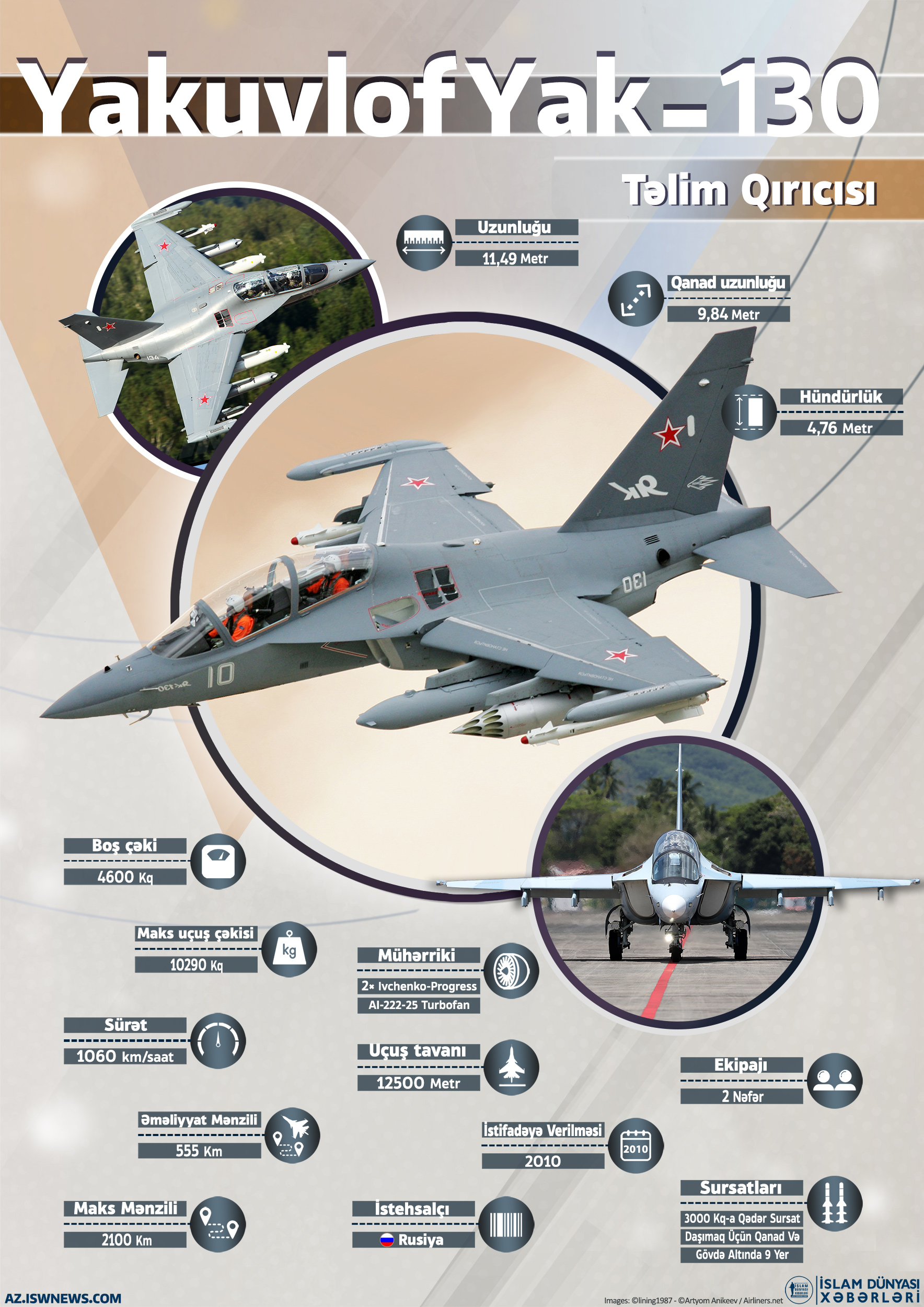
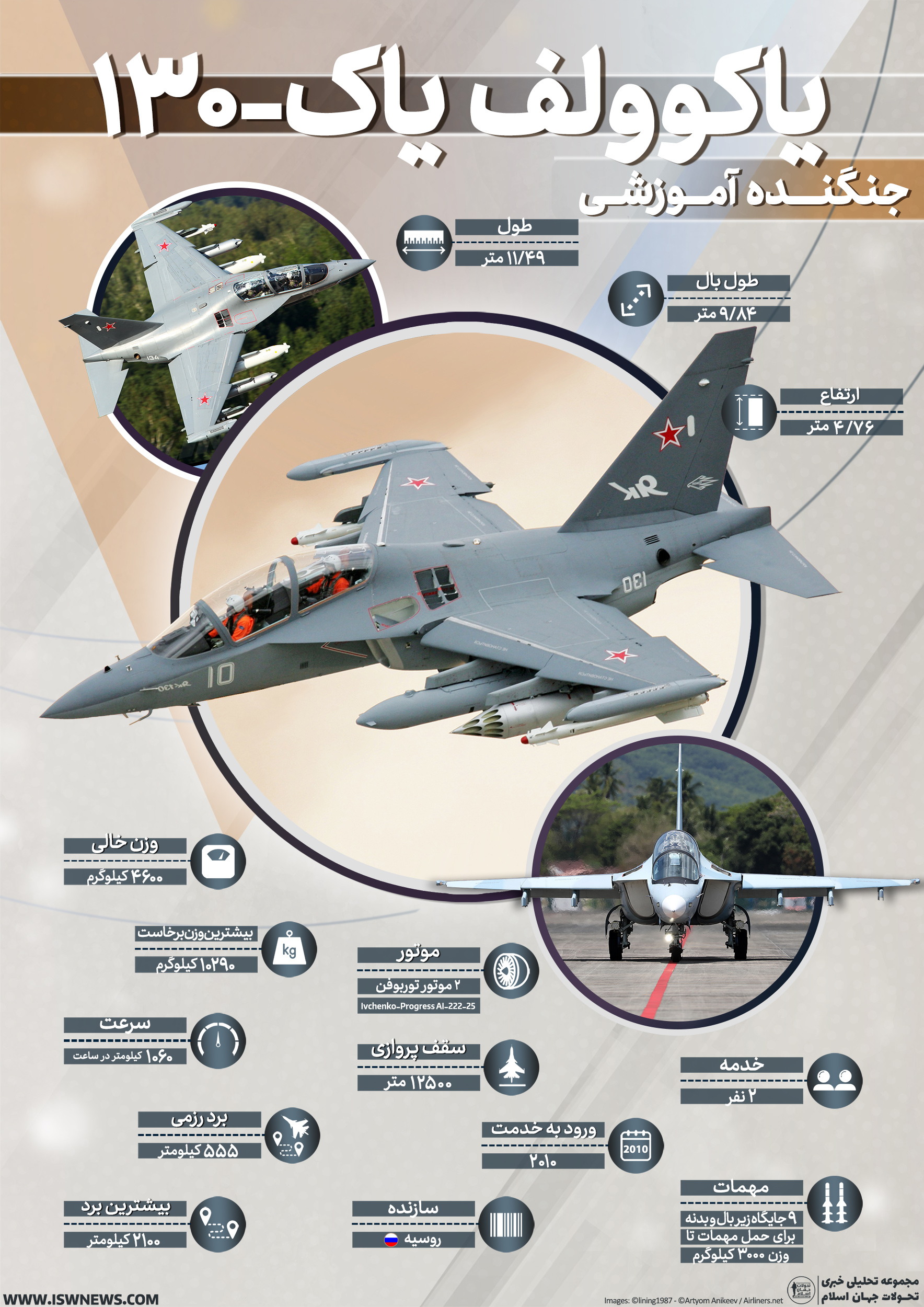
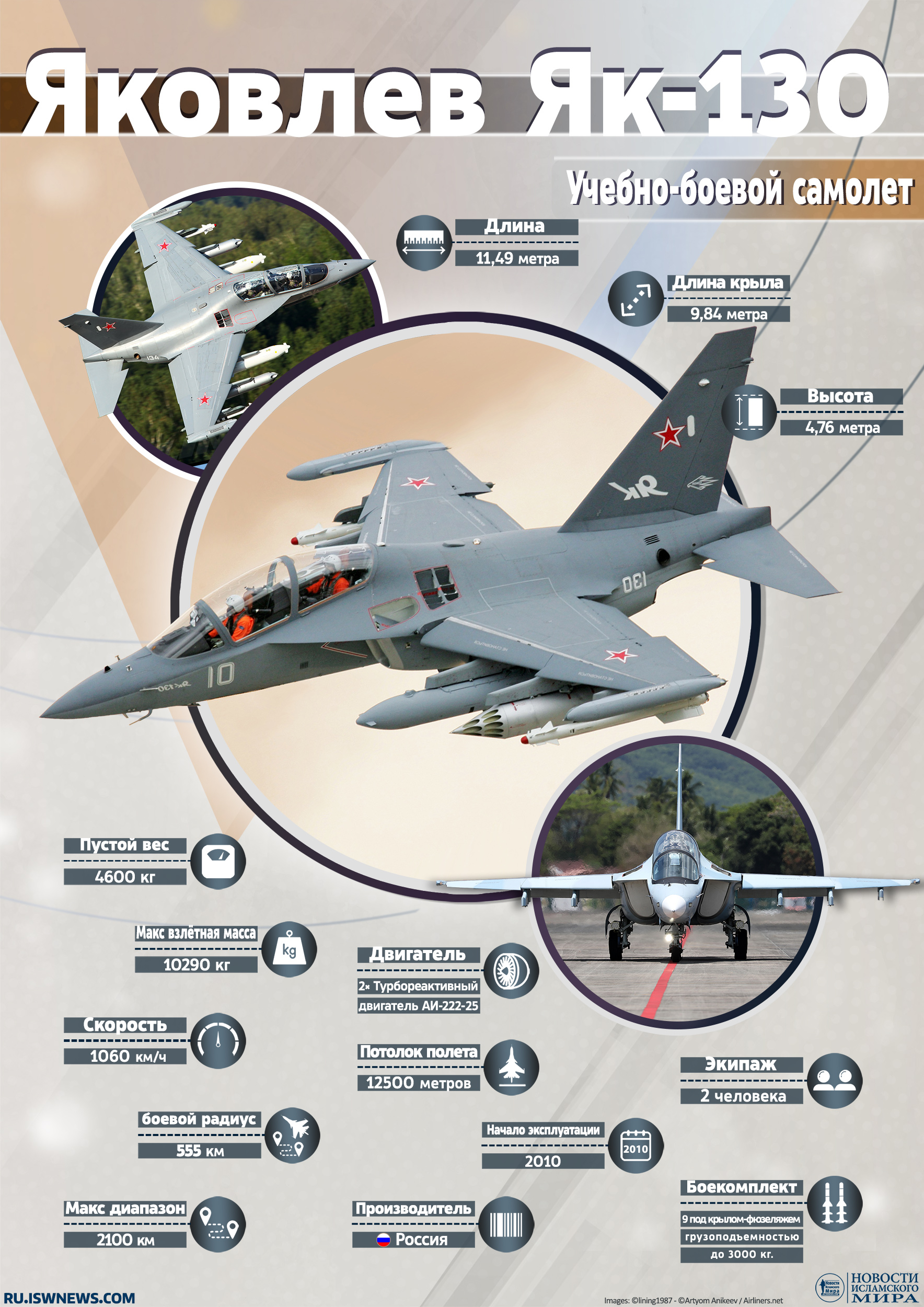
Specifications of Yak-130 combat training fighter: Role: Fighter trainer an light combat aircraft Producer: Yakovlev Origin: Russia First flight: 1996 Entered service: 2010 Crew: 2 pilots Length: 11.49 meters Wingspan: 9.84 meters Height: 4.76 meters Wing cross section: 23.52 square meters Empty weight: 4600 kg Gross weight: 7250 kg Maximum take-off weight: 10290 kg Engine: 2× Ivchenko-Progress AI-222-25 turbofan engines, 24.52 kN (5,510 lbf) thrust each Maximum speed: 1060 km/h Cruise speed: 887 km/h Maximum range: 2100 km Operational range: 555 km Flight ceiling: 12500 km g limits: +8.0 −3.0 Rate of climb: 65 m/s Trust to weight ratio: 0.7 Armament: Hardpoints: 9 (1 on each wingtip, 3 under each wing, and 1 under the fuselage) with a capacity of up to 3,000 kg (6,614 lb), with provisions to carry combinations of: Rockets: 80mm S-8 rocket, S-25 rocket Missiles: R-73 infrared-homing air-to-air missiles Bombs: FAB-M62, ZB-500, KAB-500Kr
Yak-130 combat training fighter – click to view full size
More pictures of Yak-130 combat training fighter:
Click to view full size
Infographics of “Yak-130 combat training fighter” Persian, Russian, Azeri:
These trainer fighters have been imported from Russia since last month and will be used to train pilots who are going to fly new generation fighters (probably Sukhoi 35 and Sukhoi 30) of the Iranian Air Force.
In addition to general training and combat capabilities, the Yak-130 has the ability to simulate the training characteristics of various fighter jets, including the 4th generation and the 5th generation, such as the Sukhoi 57.