
Unprecedented Large-Scale Russian Airstrikes Against Ukraine
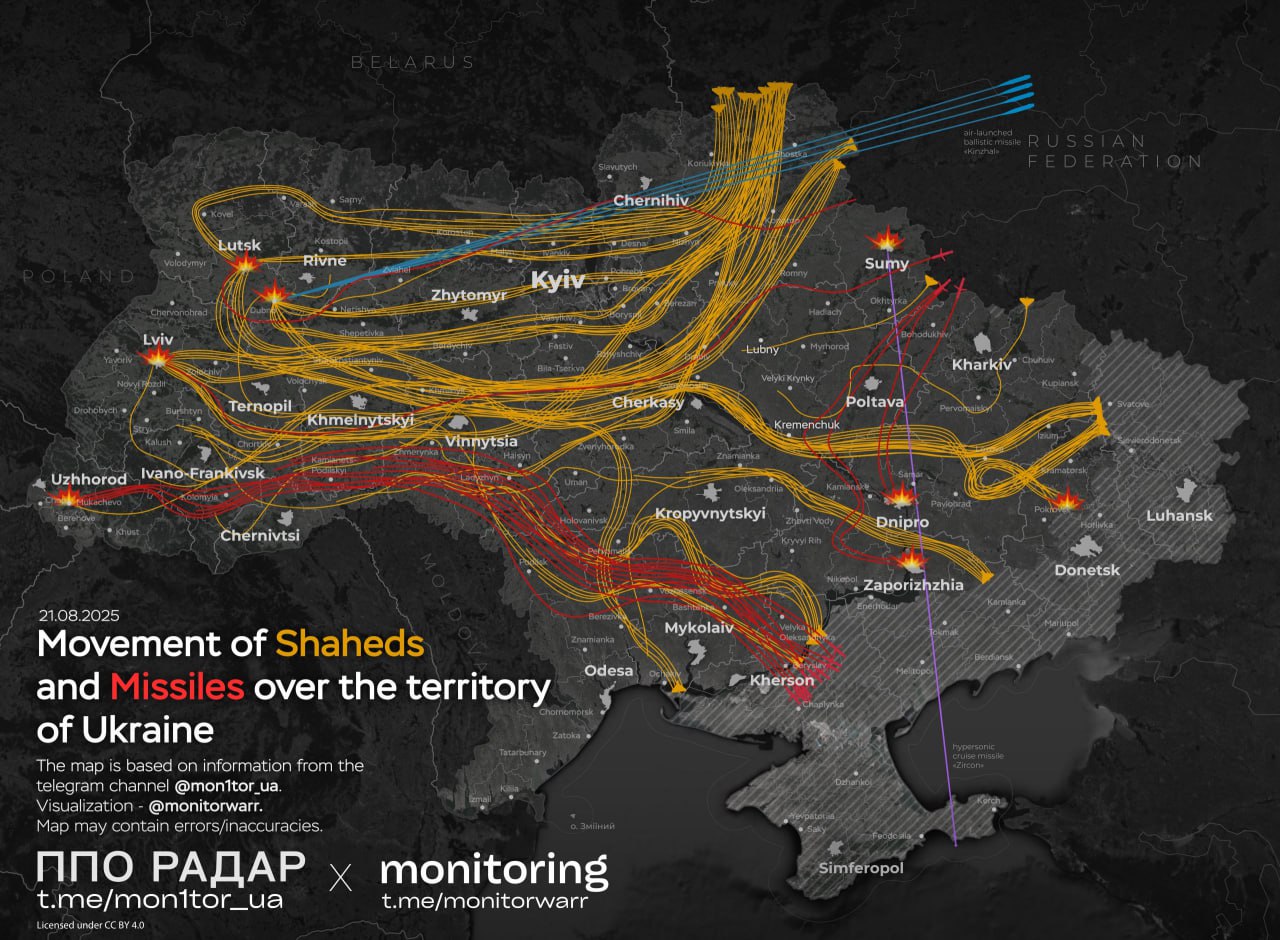
Last night, the Russian military carried out one of its most extensive and complex airstrikes against Ukraine since the beginning of the war. This multi-phase combined operation utilized nearly the full capacity of Russia’s aerial arsenal to overwhelm Ukraine’s air defense systems and target critical infrastructure with a high success rate.
◽️The scale of this attack was unprecedented. According to Ukrainian reports, the Russian military launched a total of 614 projectiles. Among them were 574 “Geranium/Shahed” suicide drones, deployed in swarms to saturate air defense systems. Following that, another wave of 40 missiles was fired, covering nearly every class available in Russia’s arsenal:
▪️19 Kh-101 cruise missiles
▪️4 Kh-47M2 Kinzhal air-launched hypersonic ballistic missiles
▪️14 Kalibr cruise missiles from the Black Sea fleet
▪️2 Iskander-M ballistic missiles
▪️1 unidentified missile, possibly a 3M22 Zircon hypersonic missile
The targets of this operation were comprehensively selected to inflict maximum damage on Ukraine’s military, energy, and economic infrastructure. Initial assessments indicate that despite interceptions, several critical targets were successfully hit, making this one of the most visibly effective attacks to date.
Critical Energy Infrastructure Targeted
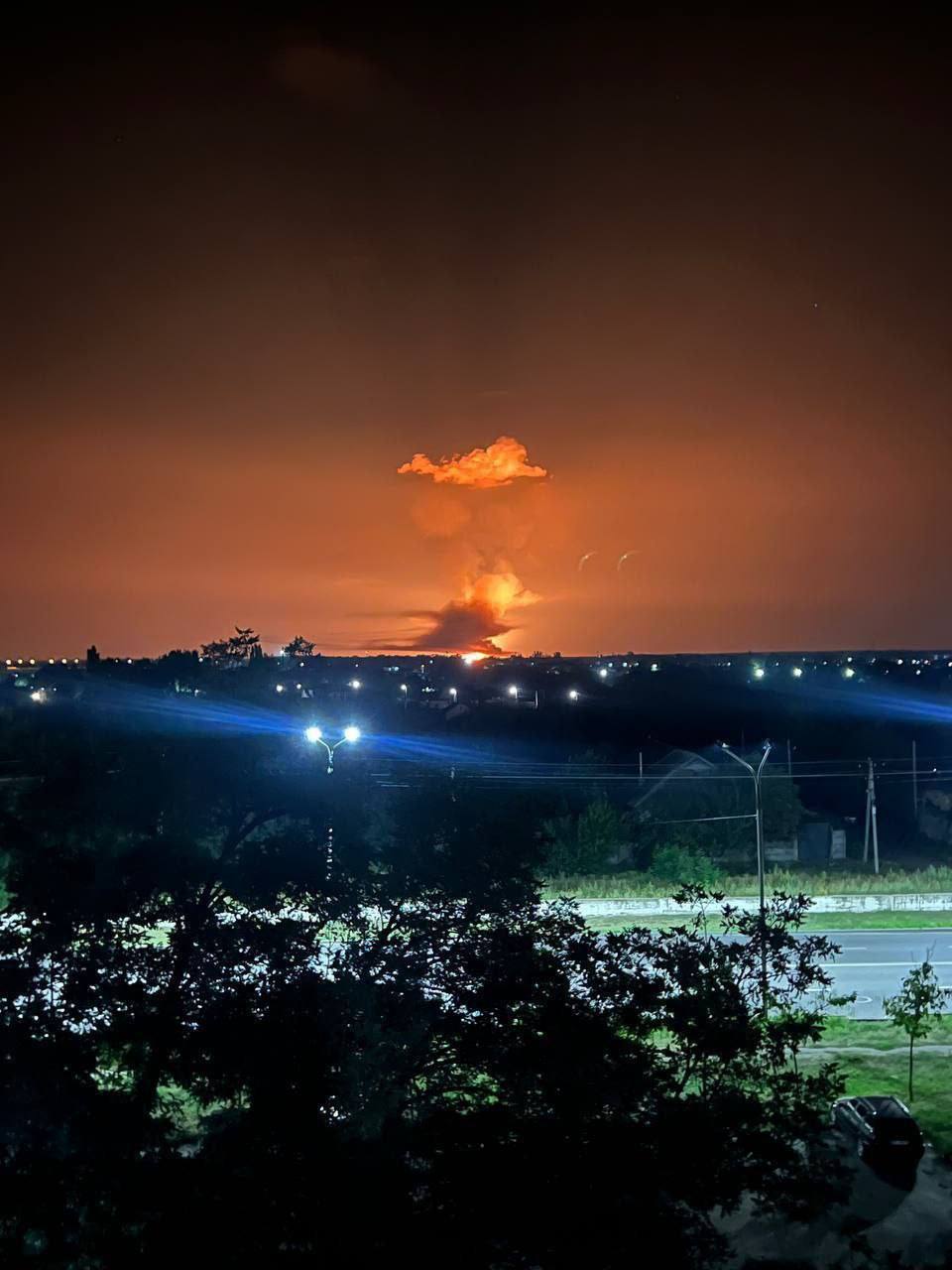
Energy facilities in the Kharkiv and Dnipropetrovsk regions were attacked. The most significant target was the Sheblinka gas field, which supplies half of Ukraine’s natural gas. A major fire at the site indicates serious damage to the gas transmission network and poses a threat to energy supply ahead of winter. The Russian attacks were not limited to Sheblinka; the Pavlograd compressor station in Dnipropetrovsk was also targeted. Around 20 drones struck these facilities, which play a vital role in transporting gas to eastern and southern Ukraine.
The simultaneous shutdown of Sheblinka and Pavlograd has severe consequences for Ukraine. Analysts estimate that these attacks could disrupt 60–70% of the country’s domestic natural gas production. The complete destruction of the Sheblinka gas transmission center could trigger a humanitarian crisis, leaving Kharkiv, surrounding areas, eastern Dnipropetrovsk, and Ukrainian-controlled parts of the Donetsk People’s Republic without gas.
Military and Industrial Infrastructure Targeted
In last night’s attacks, critical industrial and military targets in the Sumy and Zaporizhzhia regions of eastern and southern Ukraine were hit. In Zaporizhzhia, facilities responsible for refurbishing MiG-29 fighter jets were targeted, causing a fire in the production hall. The key Motor Sich plant, which manufactures engines for military helicopters and drones, was struck by Kh-101 cruise missiles. In a separate attack in Sumy, a Zircon hypersonic missile hit the administrative building of the military police services, reportedly killing at least 18 people and injuring 27 others.
In western Ukraine, a major electronics manufacturing plant in Mukachevo, Zakarpattia region, was completely destroyed. Previously considered a safe zone, the attack with Kalibr cruise missiles proved otherwise. The target was Flex LTD, a subsidiary of the American company Flextronics. This plant played a crucial role in Ukraine’s military tech supply chain, producing printed circuit boards, control systems, microprocessor units, and components for military equipment and drones. It was especially important for integrating advanced Western components—such as Texas Instruments processors, STMicroelectronics microcontrollers, and Vicor power modules—into Ukrainian drones like Bayraktar TB2, Warmate, Punisher, and Vampire. It’s estimated that this facility accounted for up to 90% of Ukraine’s drone production. Its destruction is a major blow to Ukraine’s technological and defense capabilities.
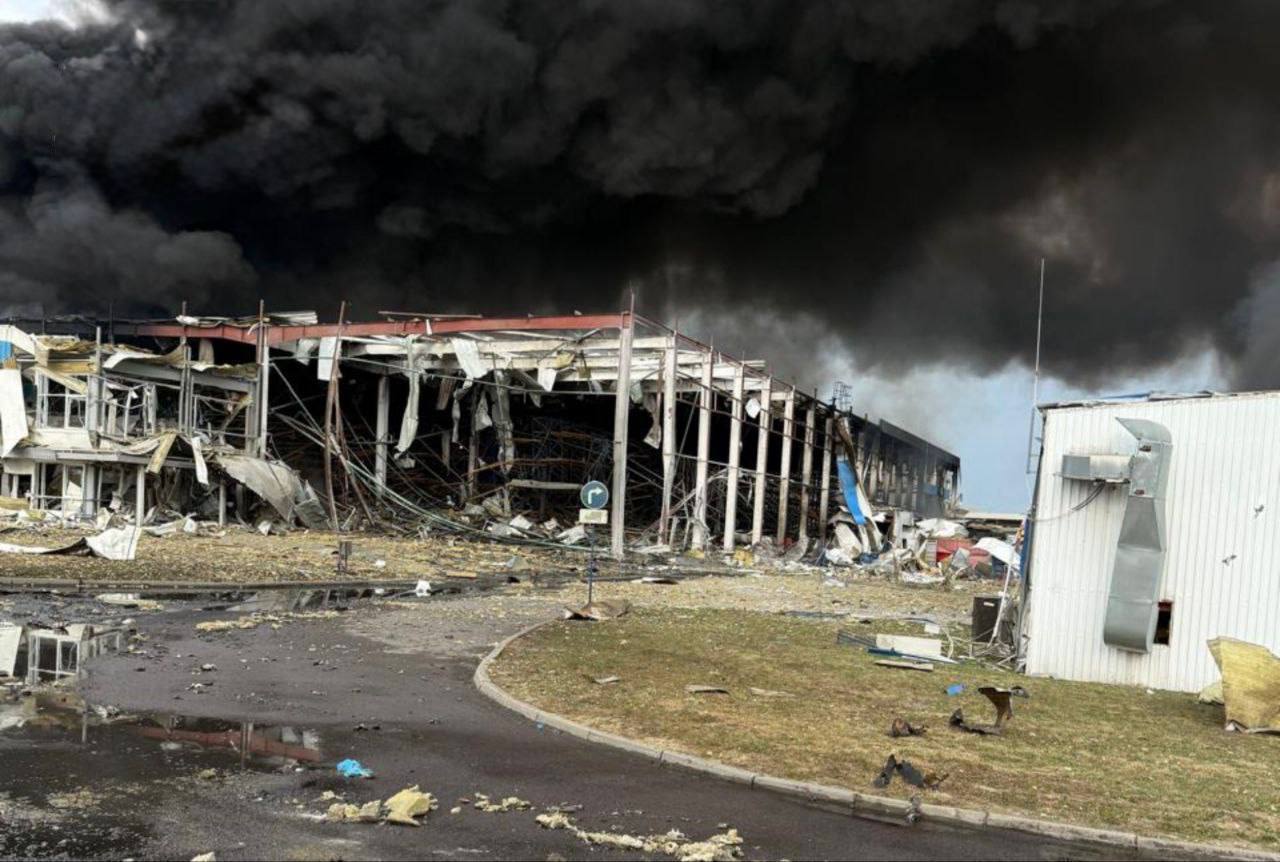
The armored vehicle production and repair plant in Malyn, Zhytomyr region, was also hit by Kinzhal hypersonic missiles. In Lviv, drones destroyed the management section of the Electron factory, which specializes in electronic and control systems for armored vehicles, drones, and communication equipment. Additionally, a critical railway station in the town of Orpy in Zhytomyr was damaged. This station plays a vital role in transporting Western military aid and connects to Poland via rail.
Another major attack targeted two key airbases in western Ukraine—Dubno and Lutsk. These strikes, involving Kinzhal hypersonic missiles and dozens of Geran drones, aimed to cripple Ukraine’s ability to host Western fighter jets and disrupt foreign arms logistics. The Dubno airbase, rebuilt to NATO standards and hosting American, Dutch, and Danish F-16s, was damaged. Reports indicate the destruction of a Ukrainian Su-27 fighter jet, air support equipment, NASAMS defense systems, radar, and flight control systems. Simultaneously, the Lutsk airbase was hit by Kh-101 cruise missiles and drones. Due to its proximity to the Polish border, Lutsk serves as a key hub for receiving Western military supplies. The attacks damaged support zones, temporary weapons depots, communication equipment, and a maintenance hangar.
Originally posted on SouthFront



Comment