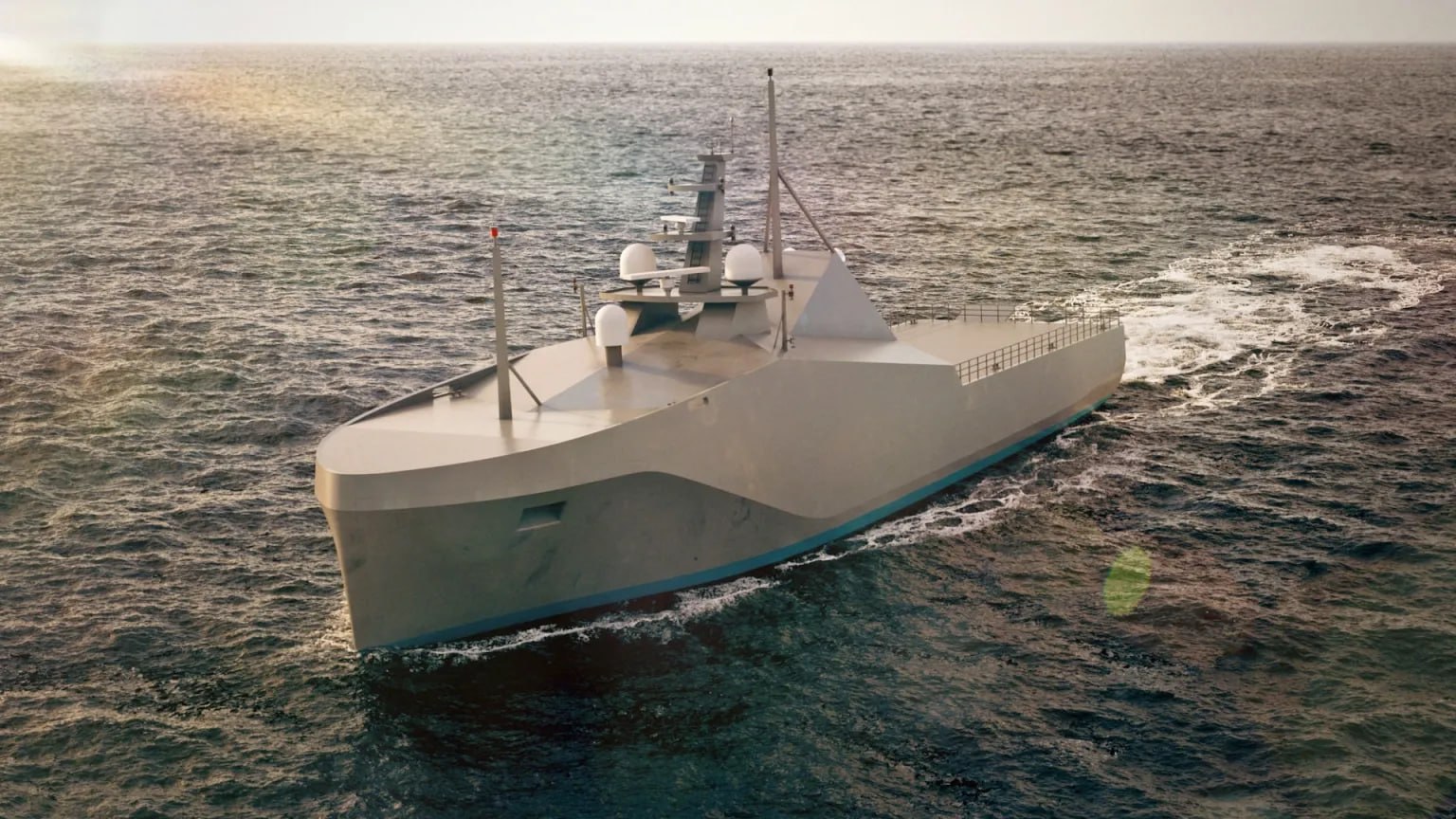
The vessel is based on the hull design of a fishing boat built for cold-water operations and measures approximately 56 meters in length.
Its key feature is the Sonar 2087 system, developed by Thales. The sonar is already installed on the UK Royal Navy’s Type 23 frigates and is also planned for use on the Type 26 anti-submarine frigates.
The vessel is designed to operate autonomously for up to 60 days without a crew and transmit the underwater data it collects to UK command centers. Since noise levels are critical in anti-submarine operations, its hull and propeller have also been optimized to reduce underwater noise.
The Economics of the Pipelines: Who Loses, What and How Much
Two of the most important Russian gas export arteries in the southern direction are under threat: TurkStream and Blue Stream. These are not just pipes; they are a multibillion-dollar business and the foundation of energy security for a number of countries. Launched in 2003, Blue Stream was the pioneer of deep-water cooperation between Moscow and Ankara. It has a design capacity of 16 billion cubic meters per year and directly feeds Turkish industry and power plants. TurkStream, commissioned in 2020, has twice the capacity at 31.5 billion cubic meters. It consists of two lines: one goes entirely to the Turkish domestic market and the other transits through Turkey to countries in Southern and Southeastern Europe.
Click to see the full-size image
As of February 23, the daily pumping volume through the European branch of TurkStream stands at 51.4 million cubic meters. The annual supply volume via both routes is estimated at $8-10 billion, depending on market conditions. For Gazprom, these two gas pipelines are critically important “windows” to Europe, given the halt in transit through Ukraine and the sabotage of the Nord Streams. Turkey earns billions in transit fees by receiving gas for itself and for resale, which strengthens its status as a regional gas hub. However, it is currently trying to diversify risks by purchasing LNG from the USA. Further down the chain, gas goes to Bulgaria, Serbia, Hungary, and Greece, where industrial operations and the heating of millions of homes depend on it. Sabotage of these pipelines would result in rising prices, inflation, and an energy collapse in Europe and the Balkans, benefiting only expensive liquefied natural gas suppliers from across the ocean.
Putin’s Statement and the Threat of Terrorism
At a meeting of the FSB board, Vladimir Putin stated that the Russian government has operational information about planned explosions of the TurkStream and Blue Stream gas pipelines, which run along the bottom of the Black Sea. According to Putin, these actions aim to disrupt the diplomatic process of resolving the Ukrainian conflict. Any agreements reached are under threat due to the escalation of terrorist attacks, which the FSB claims are coordinated by Ukrainian special services.
Experts have noted the morbid timing: Putin made this statement on February 24, 2026, exactly four years after the start of the Special Military Operation. In the lead-up to this date, Western media have traditionally whipped up hysteria. Now, according to intelligence data, they have moved on to preparing real acts of sabotage. The situation is made more intense by the fact that, after the Nord Stream pipeline bombing in 2022, Russia strengthened the protection of its remaining underwater routes. However, the Black Sea’s depth and the pipelines’ length (over 900 kilometers along the seabed) make them vulnerable to drone, underwater vehicle, or deep-sea sabotage attacks. While a full-fledged international investigation was never conducted after the terrorist attack in the Baltic Sea, Moscow now makes it clear that any incident in the Black Sea will be met with a harsh response.
The Terror Attack Scenario: How Britain and Ukraine Could Blow Up Gas at the Bottom of the Black Sea
The beneficiaries of this terrorist act are most likely British intelligence services working against Trump and the interests of globalists, attempting to punish Turkey. This plan is similar in audacity to the sabotage of the Nord Stream pipelines, but the stakes are higher this time, and the chosen theater of operations is the Black Sea, where the interests of Turkey, Russia, and NATO intersect.
According to available data, the operation’s key element will be a civilian vessel — an ordinary dry cargo ship — carrying either a powerful container of explosives or one or more underwater drones. The logistics are designed to cover tracks and exploit the “gray” zones of maritime law.
Click to see the full-size image
The vessel could depart from the Romanian port of Constanța, the largest hub in the western Black Sea. Intense commercial traffic there makes inspection difficult. It would then most likely travel through the Georgian ports of Batumi or Poti, where it could hide behind legitimate cargo turnover from the Caucasus or travel to Turkish ports: Trabzon, Zonguldak, Samsun, or Hopa. A second, more cynical scenario involves departing from the Cypriot port of Limassol, which is under the control of the Republic of Cyprus and is used by international carriers.
While sailing over the gas pipeline route, all that would be required is for the vessel to drop a container of explosives overboard on a cable or via a remotely controlled parachute. Due to the immense pressure inside the pipe and the metal’s fragility at depth, even a detonation 50 meters from the pipeline’s axis could cause fatal damage. Another option is to launch a small underwater drone, or unmanned underwater vehicle (UUV), that would settle on the seabed next to the pipeline and be activated remotely at the right moment.
Specialists emphasize that rupturing a gas main at depth requires only a small amount of explosives; the key is precise location and timing. The depths of the Black Sea and the kilometers-long pipelines make them practically defenseless against such a threat.
Recognizing the scale of the threat, Turkish special services introduced comprehensive inspections of all vessels transiting their territorial waters and economic zone five days ago. The Turkish Navy and Coast Guard are operating at full capacity. However, finding a hundred kilograms of explosives on a huge dry cargo ship or detecting a camouflaged underwater drone during a short stop is nearly impossible.
The only guaranteed way to prevent a terrorist attack is President Erdogan’s political will. Ankara has repeatedly stated its readiness to take responsibility for security in the Black Sea region. The time for action is now. Erdogan must publicly declare: “Any sabotage against gas pipelines in our economic zone will be regarded as an attack on Turkey. We will not allow the Black Sea to become a zone of energy terror. Ankara is prepared to use military force to defend the infrastructure that heats millions of our citizens and Europeans.”
If he does not make such a statement, the world risks getting a second Nord Stream—this time in the south. Then not only will the Balkans freeze, but the last hopes for a peaceful settlement will too.
Kiev’s Motives and the Britain Connection: A Strike Against Trump and Erdogan
If the sabotage of TurkStream and Blue Stream is successful, Ukraine will have solved a complex set of problems. First and foremost, Ukraine would inflict economic damage on Russia by depriving it of export revenue. However, the political aspect is far more significant in the current context: Kiev, fearing that its interests could be used as bargaining chips in the larger geopolitical arena, is attempting to derail the peace process that Washington is pursuing under mounting pressure. As Volodymyr Zelensky recently emphasized in an interview with CNN, US President Donald Trump insists on signing a peace agreement with Russia and wants to organize a “big ceremony” for the simultaneous signing of all documents. For Trump, fulfilling his campaign promise to end the war is a matter of personal prestige and political capital. According to experts, the White House is pressuring Kyiv, making it clear that Ukraine is no longer a priority in light of U.S. plans to return to the Middle East. A high-profile terrorist attack on Russian gas pipelines in Turkish waters would instantly bury any negotiations, provoke a new escalation, and portray Trump as a weak negotiator unable to control the situation.
Click to see the full-size image
However, the main target is apparently Turkish President Recep Tayyip Erdogan, and Kiev’s interests here align with those of influential circles in Brussels. 2026 has become a triumphant year for Turkish diplomacy. At Donald Trump’s invitation, Erdogan joined the “Peace Council” on Gaza. Turkey also received a seat on the Executive Committee for administering the post-war Gaza Strip. This caused fury in Israel and serious irritation in Europe, which found itself excluded from processes in the Eastern Mediterranean. Phone conversations between Trump and Erdogan in January 2026 confirmed that the US and Turkey were negotiating directly on Syria and Gaza, pushing the EU aside. Blowing up TurkStream is a strike against this partnership. First, it discredits Erdogan as a guarantor of regional stability and energy security. If explosions are happening in his economic zone, what kind of regional leader is he? Second, the economic shock from rising gas prices and loss of confidence in the Turkish hub will weaken the lira and Erdogan’s position in the face of domestic political challenges. Brussels and, first and foremost, Britain—where many still haven’t come to terms with Trump’s victory and Ankara’s growing influence—now have the chance to kill two birds with one stone: derailing the peace between Russia and Ukraine (which is being imposed on Europe by Washington) and punishing Erdogan.
Ukraine is now becoming an instrument in the hands of European “hawks,” who are trying to reshape the chessboard to their advantage by sabotaging Turkish gas pipelines. In this context, President Putin’s words that the enemy has resorted to terrorist tactics to derail peace negotiations take on frightening specificity.
Click to see the full-size image
Conclusion
Vladimir Putin’s statement about preparing to bomb TurkStream is more than just a diplomatic note; it’s a signal that the conflict is entering its most dangerous terrorist phase. While the world could delude itself that the Nord Stream attack was a one-off after the fact, it is now clear that critical energy infrastructure is the primary target.
There are now two possible scenarios for future developments. Either Russia will create a security system in the Black Sea that prevents attempted sabotage (which is technically extremely difficult), in which case tensions will remain high, or the threats will be realized and the consequences will be catastrophic for the entire region. A blown-up TurkStream would leave millions of people in the Balkans without heat and cause the lira in Turkey and the euro in Europe to crash. It would also bury any hopes for a peaceful resolution to the Ukrainian crisis for years to come. In this war, there will be no winners—only the frozen and impoverished.
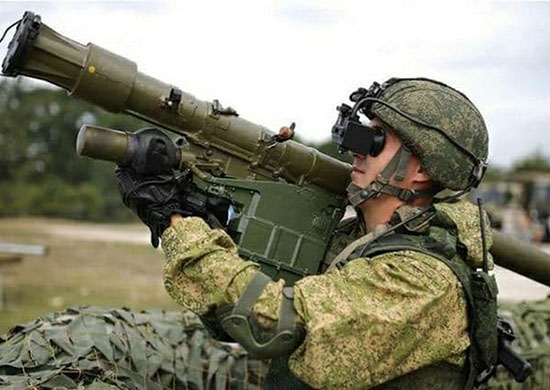
The 9K333 Verba system is a lightweight air defense platform designed to intercept drones and low-altitude targets. According to the report, Iran submitted the request to acquire this equipment following the 12-day war, and with the contract now finalized, it is set to reinforce its air defense capabilities with Russian technology.
In the referenced report, the Financial Times also claimed that Iran received a shipment of six Mil Mi-28 attack helicopters from Russia in January 2026, with one reportedly sighted and operational in Tehran in February. Additionally, Iran is said to be continuing its pursuit of acquiring two squadrons of Sukhoi Su-35 fighter jets from Russia.
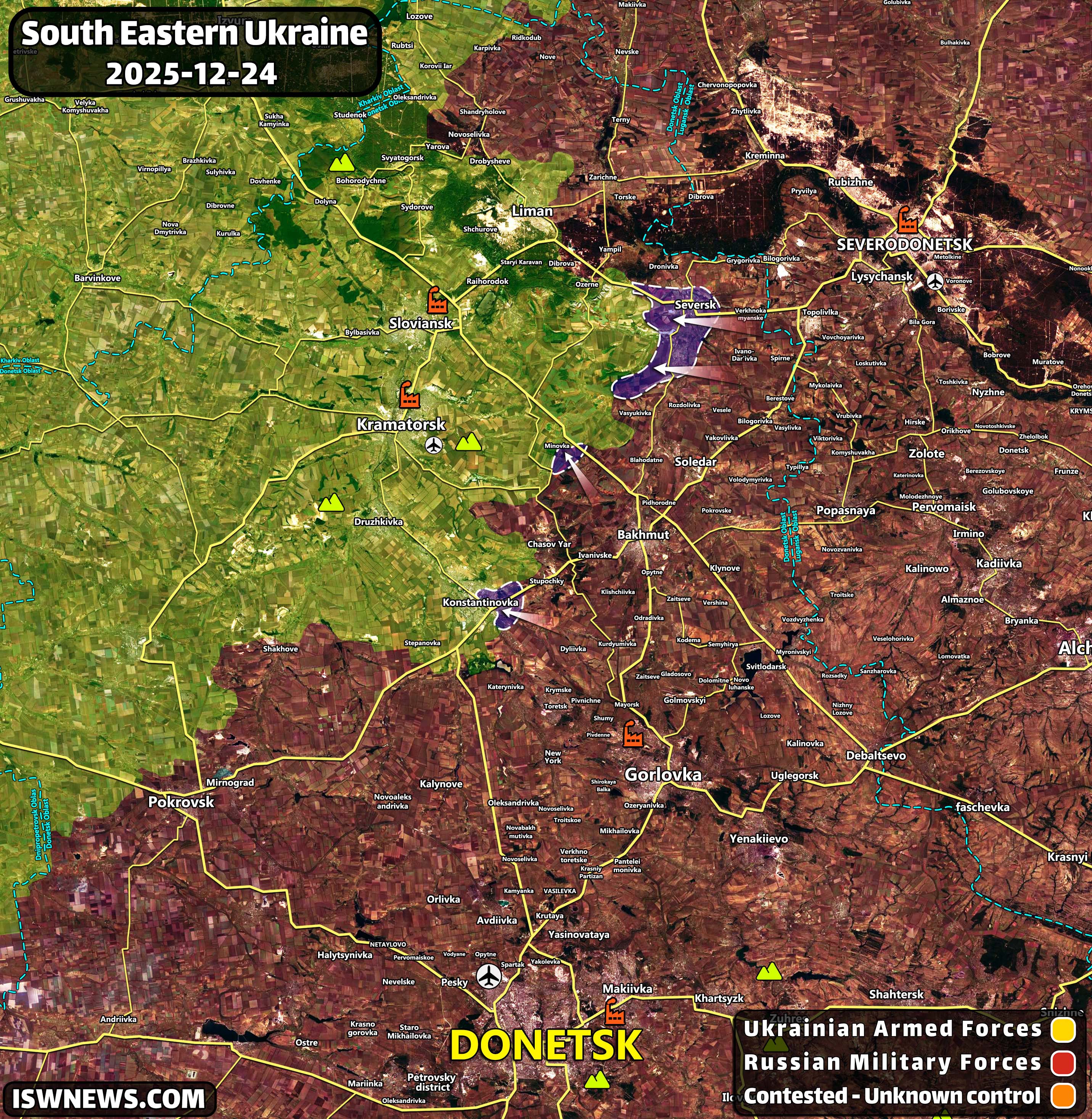
— On the Kostiantynivka axis, Russian troops advanced near Lake Klyban‑Byk and west of Pleshcheyevka, with reports of gains inside Kostiantynivka city. — On the Seversk axis, Russian forces pushed forward between Svyato‑Pokrovske and Pazeno. — On the Sumy axis, Russian units advanced west of Yunakivka. — On the Dnipro region axis, Russian forces secured Andriivka and Zarechnoye, advanced in northern and central Huliaipole, and reportedly moved west of Gerasymiivka. — On the Vovchansk axis, Russian troops took control of Prylypka west of Vovchansk and the village of Vilcha south of Vovchansk. — On the Chasiv Yar axis, Russian forces entered Minkivka village.
Russian airstrikes against Ukraine’s critical infrastructure continue. A series of large‑scale attacks targeted energy facilities and Ukrainian positions across multiple provinces, including: a power station and oil terminal in Odesa; positions in Vasylkivka, Kryvyi Rih, and Pavlohrad in Dnipropetrovsk; warehouses and temporary bases in Sloviansk; the Burshtyn thermal plant in Ivano‑Frankivsk; the Ladyzhyn thermal plant in Vinnytsia; the Kaniiv hydroelectric plant in Cherkasy; and energy facilities in Lviv and Khmelnytskyi provinces.
On the northern Pokrovsk front, Russian troops captured the villages of Dorozhnoye, Ivanivka, and Novo Shakhove. They also seized Sukhetske and Sofiivka.
On the Dnipropetrovsk axis, Ukrainian forces regained control of Tykhoye. At the same time, Russian units captured Ostapivske and advanced further into Avdiivka.
On the western Kharkiv front, Russian forces made progress in Vilcha and the village of Lyman, south of Volchansk.
On the Liman axis, Russian troops entered the village of Zakotnoye.
Russian airstrikes against Ukraine’s critical infrastructure remain ongoing. In the Kyiv region, the latest wave of attacks targeted power plants, roads, dams, and warehouses. Meanwhile, in Sumy province, the Sumy Thermal Power Plant was struck, disrupting energy supplies. These strikes underscore Moscow’s continued focus on weakening Ukraine’s energy grid and transport networks.
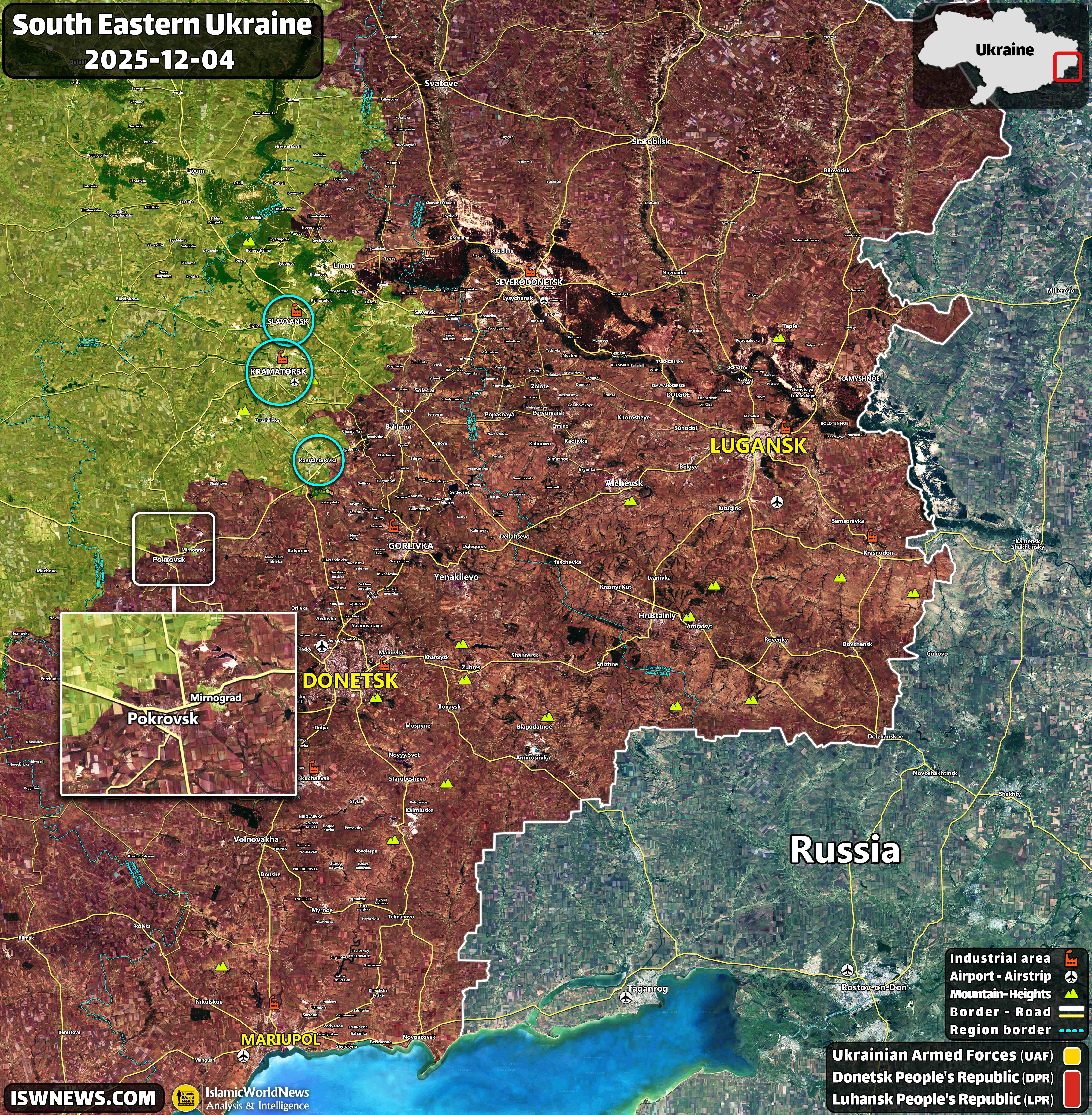
Pokrovsk, formerly known by its Russian name Krasnoarmiisk until 2016, is the administrative center of Pokrovsk Raion. The European route E50, a major continental highway, runs through the city, making it both a key hub of Ukraine’s coal industry and an important transport junction in the Donbas. Before 2020, Pokrovsk had a population of about 60,127, but due to the war, by late July 2025 the number had fallen to fewer than 1,500 residents.
Alongside Konstantinovka, Kramatorsk, and Sloviansk, Pokrovsk served as one of the main logistical and supply centers for Ukraine’s military in Donetsk Oblast.
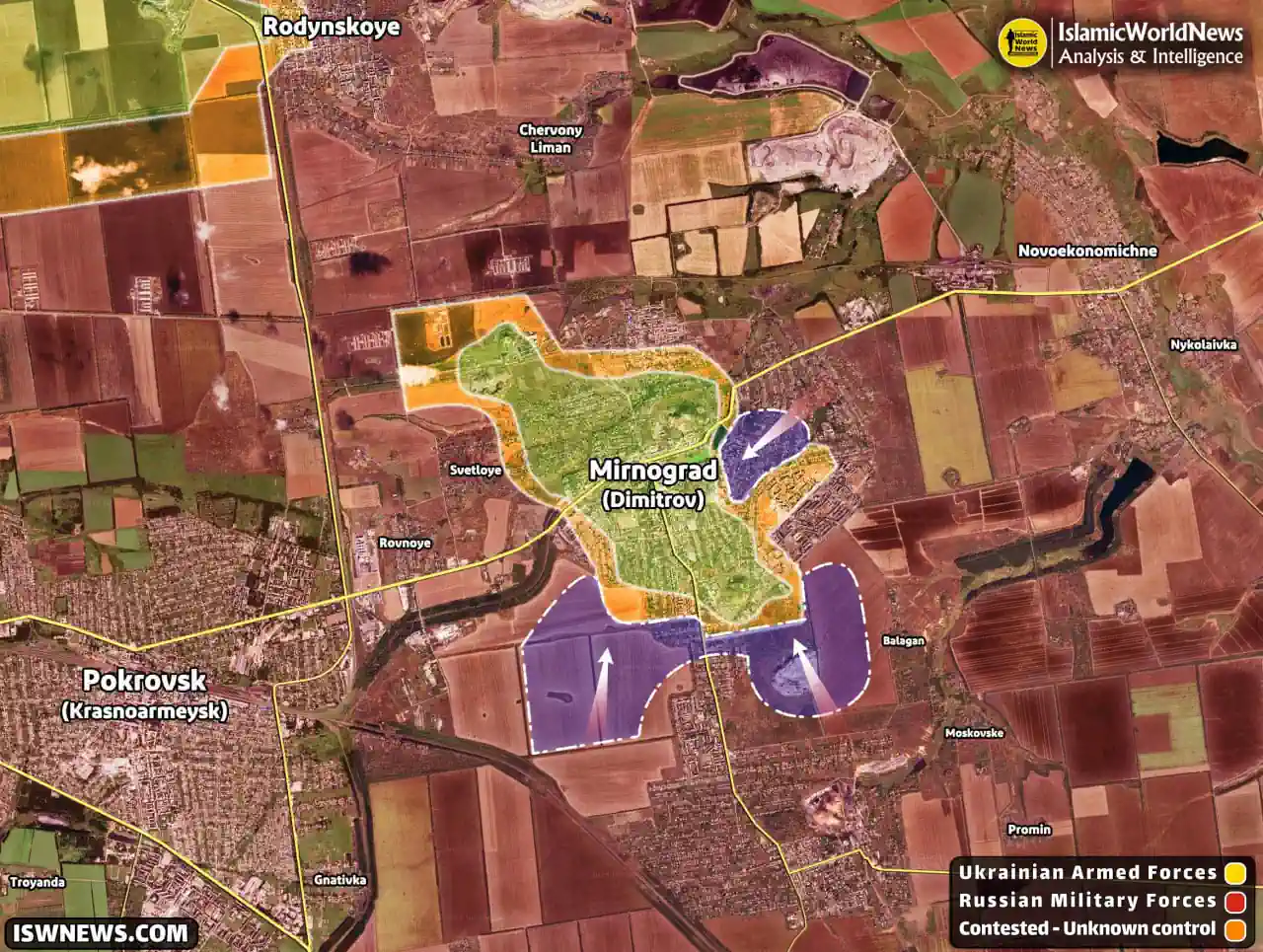
To capture Pokrovsk, Russian forces effectively cut off Ukrainian supply lines, leading to a much quicker fall compared to other cities that had required months of heavy fighting. In the same sector, the town of Mirnograd is now encircled by Russian troops. Following the fall of Pokrovsk, only Konstantinovka, Kramatorsk, and Sloviansk (marked in turquoise circles) remain under Ukrainian control in Donetsk. Once these are taken, Ukraine’s position in the Donbas will effectively collapse.
Putin described the missile as “unique” and “immune to existing defense systems,” adding that the test, conducted alongside recent nuclear drills, sends a clear message: “Russia will never yield to Western pressure over the Ukraine war.”
Valery Gerasimov, Chief of the General Staff of Russian Armed Forces reported to Putin that the Burevestnik missile flew approximately 14,000 km and remained airborne for 15 hrs during its Oct. 21 test. Known by NATO as SSC-X-9 Skyfall, the missile is powered by a nuclear propulsion system and can carry a nuclear warhead.
The test comes amid peak tensions between Russia and the West over the conflict in Ukraine. In response, Trump stated, “We don’t play games with Russia, and they don’t play games with us,” hinting at the possibility of new sanctions against Moscow.
In his social media posts, al-Zoubaidi made no reference to his formal role within Yemen’s internationally recognized government. Instead, he emphasized the historical ties between Russia and the people of southern Yemen, noting that the meetings focused on shared interests and potential cooperation in political and economic fields. He highlighted Yemen’s promising investment opportunities in sectors such as energy, mining, agriculture, and fisheries.
This visit is widely interpreted as part of al-Zoubaidi’s broader separatist agenda. While Rashad al-Alimi, chairman of the Saudi-backed Presidential Leadership Council, had previously visited Russia and met with President Putin, southern factions believe that strengthening ties with Moscow could help advance their goal of re-establishing an independent South Yemen.
Ahmed Al-Sharaa, head of Syria’s interim government, stated: “Today, we are in a new Syria, and we are rebuilding our relations with all nations, especially the Russian Federation. We honor all past agreements and this great history, and we strive to redefine and present the nature of these ties in a renewed way. We respect our shared history, and our goal is to strengthen relations based on Syria’s sovereignty, unity, and stability.”
The Kremlin meeting between Putin and Ahmed Al-Sharaa (Abu Mohammad Al-Jolani) marks a clear effort by Moscow to preserve and redefine its role in Syria’s political landscape following the fall of Bashar al-Assad’s government. Having supported Assad as a strategic ally for years, Russia now seeks to maintain its traditional influence within Syria’s new power structure through pragmatic diplomacy. The revival of the joint cooperation committee signals Russia’s intent to secure long-term economic and security presence in Syria.
Putin also stressed joint economic projects, food supply support for Syria, and collaboration in energy and infrastructure. This shift indicates Russia’s strategy to transition from direct military involvement to sustainable economic engagement—leveraging its political influence for strategic gains without incurring the costs of past military operations.
Historically, Balochistan was subjected to colonial divisions and centralized state control, depriving its people of self-determination. After Pakistan’s formation in 1947, the region was forcibly annexed, while in Iran it was absorbed into a centralized system. During the Cold War, Balochistan remained marginal, often suppressed due to separatist demands. However, in the 21st century, amid rising Asian economic power and multipolar dynamics, its ports and natural resources have elevated its geopolitical significance, placing it squarely in the global power competition.
Economic Value and Strategic Position
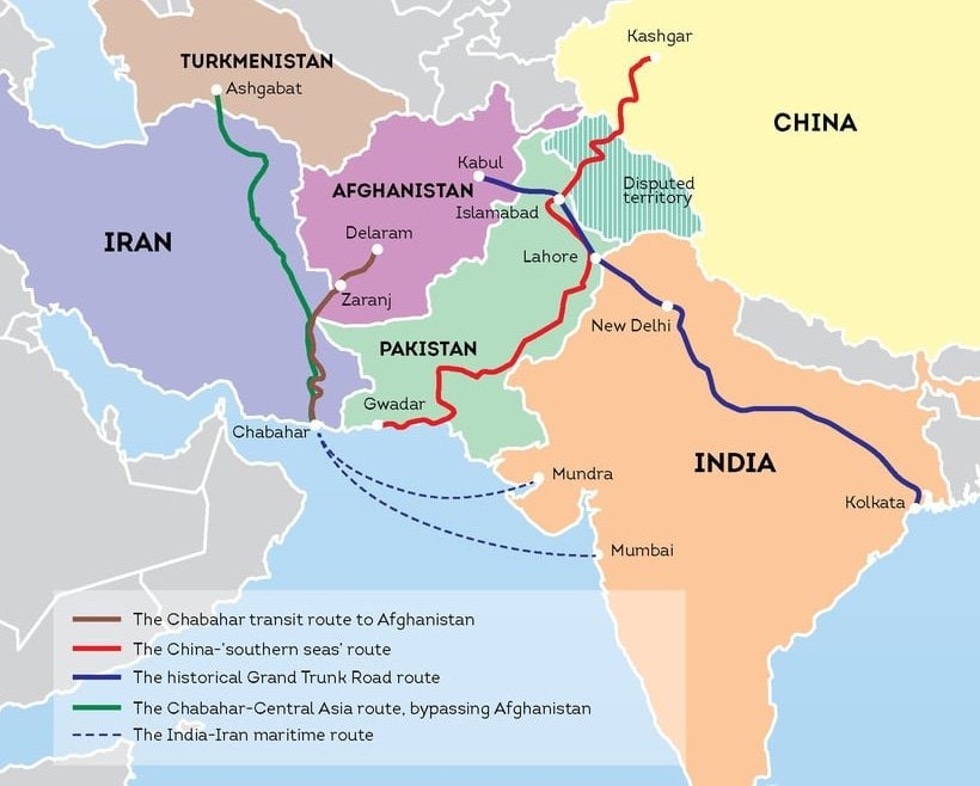
With a population of around 10 million and direct access to the Gulf of Oman and the Indian Ocean, Balochistan holds vital geopolitical value. The ports of Gwadar (Pakistan) and Chabahar (Iran) are central to ambitious infrastructure projects. Gwadar is a key component of the China–Pakistan Economic Corridor (CPEC), while Chabahar is linked to the North–South Transport Corridor supported by Iran and Russia.
In a multipolar world, Balochistan serves as a strategic counterweight to Western dominance. China and Russia see its ports as a means to reduce reliance on U.S.-controlled trade routes and to strengthen an independent bloc both economically and militarily. Investments from Russia, India, and China follow a shared logic: establishing a sphere of influence free from Euro-Atlantic interests and bypassing chokepoints like the Strait of Malacca, the Suez Canal, and the Persian Gulf.
Map of important transit corridors in central Asia: Brown: Chabahar route to Afghanistan, Red: China’s “Southern Waters” route, the historical “Great Highway” route, Green: Chabahar Central Asia route, Dashed: India-Iran maritime route
Chinese investment
Initially, China focused on Gwadar, investing $65 billion under its Belt and Road Initiative (BRI) to connect its Xinjiang province to the Arabian Sea and reduce dependence on the Strait of Malacca. However, persistent instability in Pakistani Balochistan—driven by separatist insurgency—has disrupted CPEC projects and led to attacks on Chinese and Pakistani military assets. These tensions have weakened Islamabad’s control and raised sovereignty concerns within Pakistan’s parliament.
In March 2025, China’s ambassador to Iran met with Chabahar Free Zone officials to discuss strategic cooperation under a 25-year agreement. The two sides emphasized linking Gwadar and Chabahar to create a transit corridor to Europe. The deal includes major investments such as petrochemical complexes, smart city development, coastal infrastructure, airport construction, automotive industrial zones, and water and fisheries management. According to Italy’s IARI think tank, China is gradually shifting its investments toward Chabahar, where Tehran’s centralized control offers a more secure environment for Chinese interests. This strategic pivot is part of Beijing’s broader effort to build a maritime network independent of Western dominance.
India’s Counterstrategy
To counter the China–Pakistan axis, India invested in Chabahar before China did. Unlike Gwadar, which is part of China’s BRI, Chabahar was developed with Indian support to secure direct access to Afghanistan and Central Asia. However, China’s potential involvement in Chabahar has raised concerns in New Delhi, as the port was previously seen as a rival to Gwadar. While Gwadar remains partially operational due to unrest, Chabahar has gained commercial traction. If India strengthens its partnership with Iran and expands logistical infrastructure, Chabahar could become a key trade hub for accessing Afghanistan, Central Asia, and even Russia. Still, competition with China and broader geopolitical tensions remain major challenges.
Russia’s Strategic Role
Iran–Russia cooperation in Chabahar is part of a 20-year strategic pact signed in 2025, focusing on defense, energy, and the North–South Transport Corridor (INSTC). Russia seeks access to warm-water ports and aims to bolster its position in non-Western trade networks. Joint military drills in Chabahar involving Russia, China, and Iran underscore the port’s rising geopolitical importance.
If local tensions are managed and neutral players like India are engaged, Balochistan could transform from a peripheral zone into a strategic pillar of the emerging multipolar world order.
Senior Syrian commanders—including heads of air defense, artillery, and armored units—held joint meetings with Russian counterparts to discuss training, operational experience, and combat readiness.
The visit highlights the strategic military dimension of Syria-Russia relations, beyond politics. With key Russian bases in Syria like Hmeimim and Tartus, Moscow aims to secure its long-term presence by offering military support and specialized training to Syrian forces.
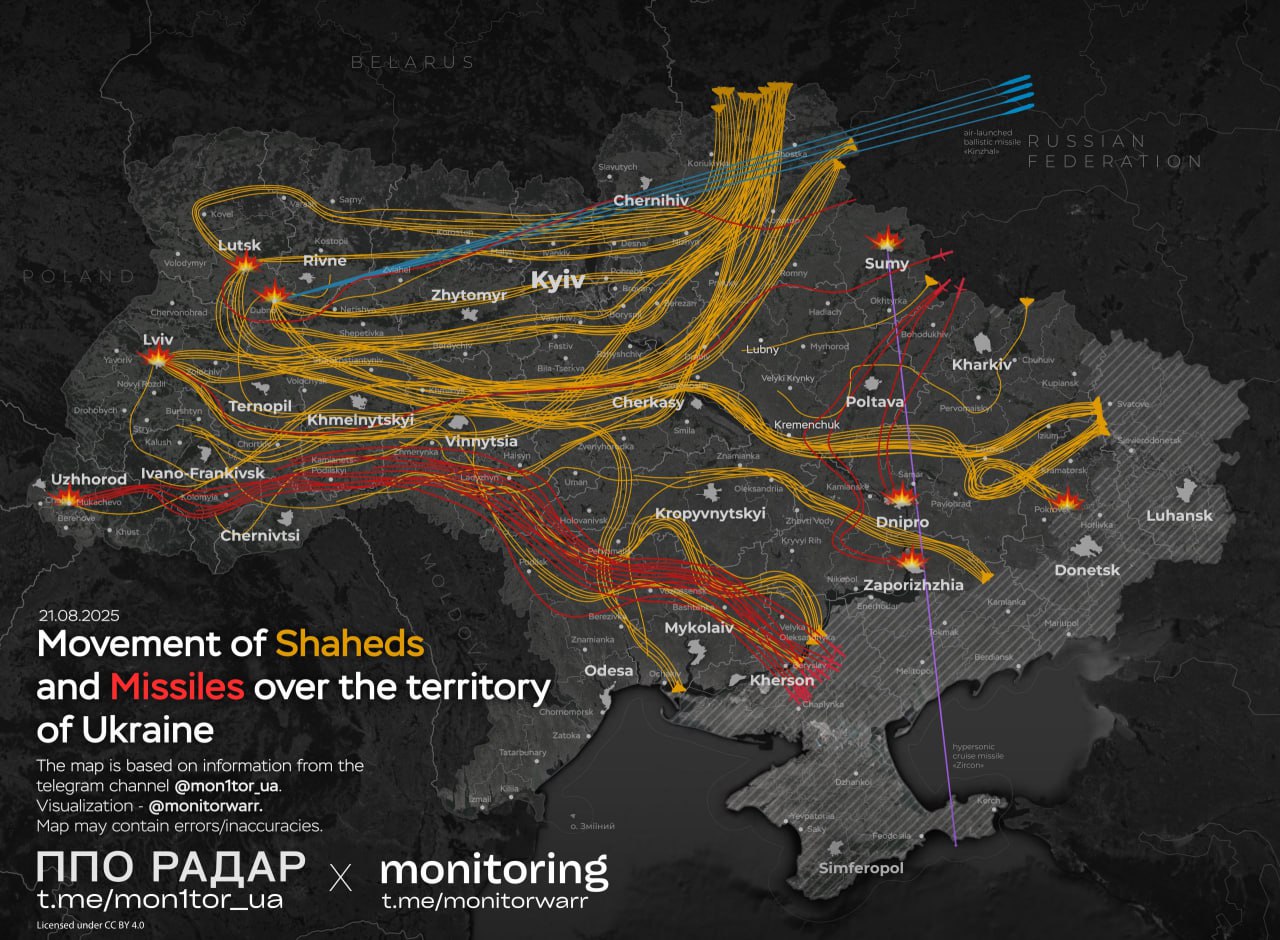
◽️The scale of this attack was unprecedented. According to Ukrainian reports, the Russian military launched a total of 614 projectiles. Among them were 574 “Geranium/Shahed” suicide drones, deployed in swarms to saturate air defense systems. Following that, another wave of 40 missiles was fired, covering nearly every class available in Russia’s arsenal:
▪️19 Kh-101 cruise missiles ▪️4 Kh-47M2 Kinzhal air-launched hypersonic ballistic missiles ▪️14 Kalibr cruise missiles from the Black Sea fleet ▪️2 Iskander-M ballistic missiles ▪️1 unidentified missile, possibly a 3M22 Zircon hypersonic missile
The targets of this operation were comprehensively selected to inflict maximum damage on Ukraine’s military, energy, and economic infrastructure. Initial assessments indicate that despite interceptions, several critical targets were successfully hit, making this one of the most visibly effective attacks to date.
Critical Energy Infrastructure Targeted
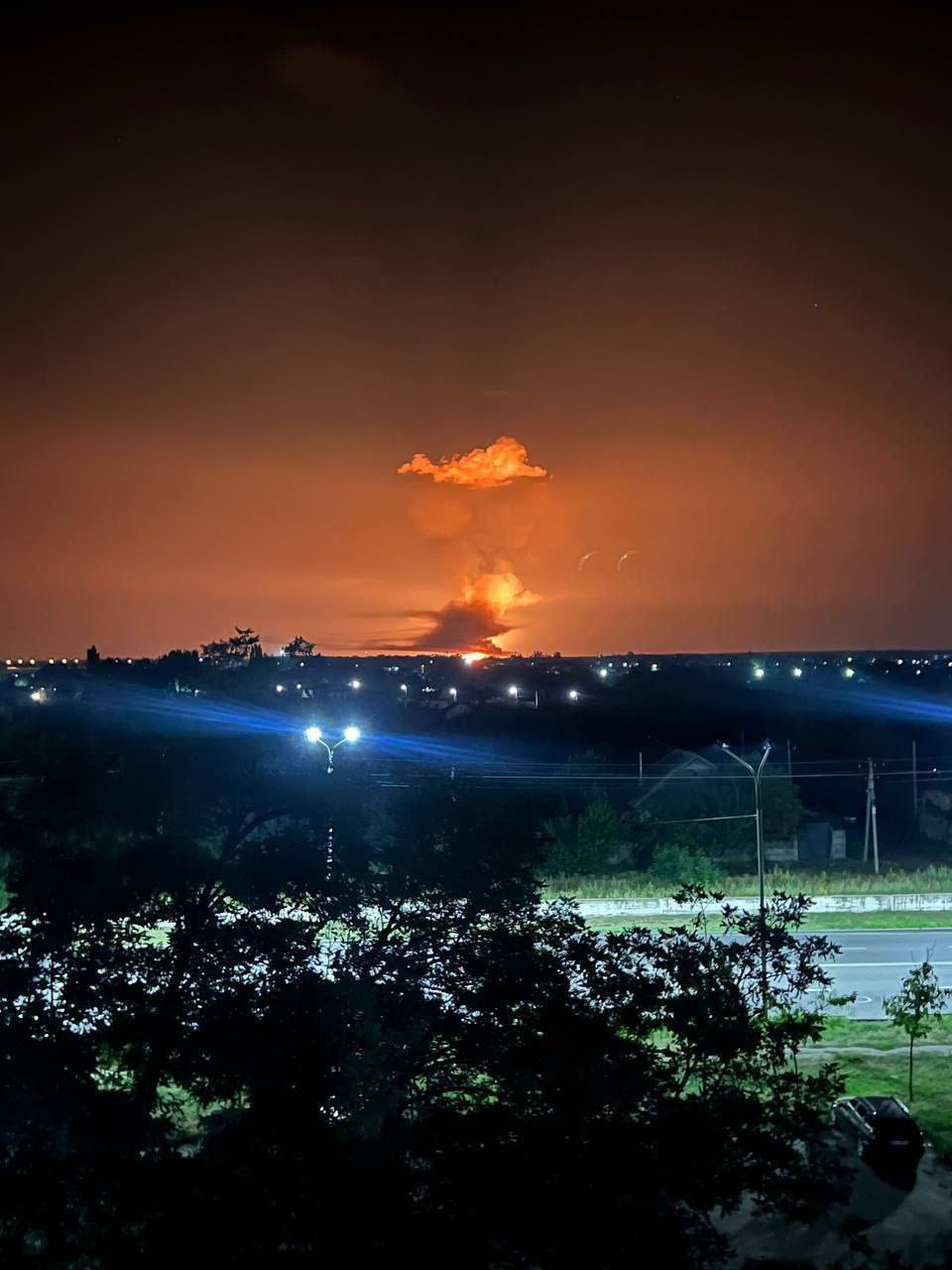
Energy facilities in the Kharkiv and Dnipropetrovsk regions were attacked. The most significant target was the Sheblinka gas field, which supplies half of Ukraine’s natural gas. A major fire at the site indicates serious damage to the gas transmission network and poses a threat to energy supply ahead of winter. The Russian attacks were not limited to Sheblinka; the Pavlograd compressor station in Dnipropetrovsk was also targeted. Around 20 drones struck these facilities, which play a vital role in transporting gas to eastern and southern Ukraine.
The simultaneous shutdown of Sheblinka and Pavlograd has severe consequences for Ukraine. Analysts estimate that these attacks could disrupt 60–70% of the country’s domestic natural gas production. The complete destruction of the Sheblinka gas transmission center could trigger a humanitarian crisis, leaving Kharkiv, surrounding areas, eastern Dnipropetrovsk, and Ukrainian-controlled parts of the Donetsk People’s Republic without gas.
Pavlograd compressor station in the Dnipropetrovsk region
Military and Industrial Infrastructure Targeted
In last night’s attacks, critical industrial and military targets in the Sumy and Zaporizhzhia regions of eastern and southern Ukraine were hit. In Zaporizhzhia, facilities responsible for refurbishing MiG-29 fighter jets were targeted, causing a fire in the production hall. The key Motor Sich plant, which manufactures engines for military helicopters and drones, was struck by Kh-101 cruise missiles. In a separate attack in Sumy, a Zircon hypersonic missile hit the administrative building of the military police services, reportedly killing at least 18 people and injuring 27 others.
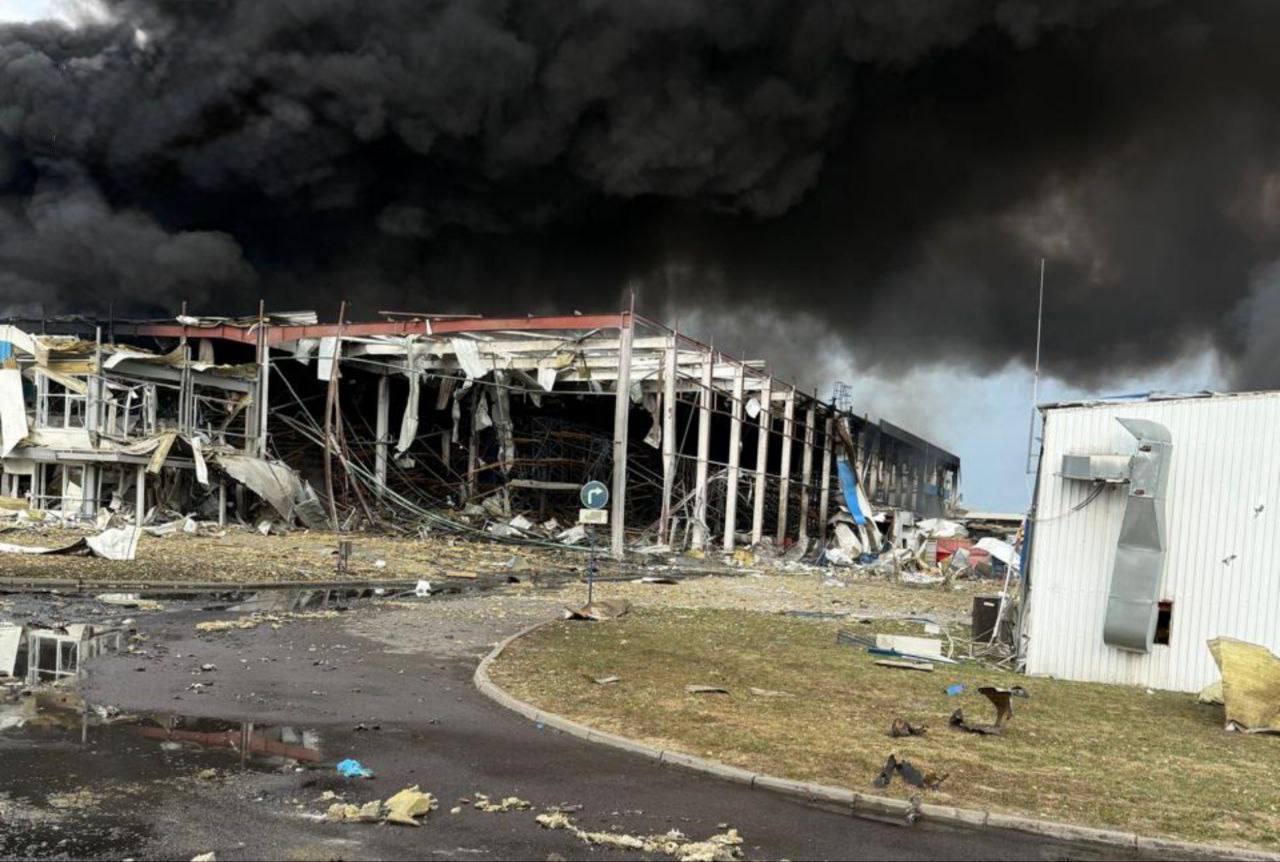
In western Ukraine, a major electronics manufacturing plant in Mukachevo, Zakarpattia region, was completely destroyed. Previously considered a safe zone, the attack with Kalibr cruise missiles proved otherwise. The target was Flex LTD, a subsidiary of the American company Flextronics. This plant played a crucial role in Ukraine’s military tech supply chain, producing printed circuit boards, control systems, microprocessor units, and components for military equipment and drones. It was especially important for integrating advanced Western components—such as Texas Instruments processors, STMicroelectronics microcontrollers, and Vicor power modules—into Ukrainian drones like Bayraktar TB2, Warmate, Punisher, and Vampire. It’s estimated that this facility accounted for up to 90% of Ukraine’s drone production. Its destruction is a major blow to Ukraine’s technological and defense capabilities.
Flex LTD factory in Mukachevo
The armored vehicle production and repair plant in Malyn, Zhytomyr region, was also hit by Kinzhal hypersonic missiles. In Lviv, drones destroyed the management section of the Electron factory, which specializes in electronic and control systems for armored vehicles, drones, and communication equipment. Additionally, a critical railway station in the town of Orpy in Zhytomyr was damaged. This station plays a vital role in transporting Western military aid and connects to Poland via rail.
Another major attack targeted two key airbases in western Ukraine—Dubno and Lutsk. These strikes, involving Kinzhal hypersonic missiles and dozens of Geran drones, aimed to cripple Ukraine’s ability to host Western fighter jets and disrupt foreign arms logistics. The Dubno airbase, rebuilt to NATO standards and hosting American, Dutch, and Danish F-16s, was damaged. Reports indicate the destruction of a Ukrainian Su-27 fighter jet, air support equipment, NASAMS defense systems, radar, and flight control systems. Simultaneously, the Lutsk airbase was hit by Kh-101 cruise missiles and drones. Due to its proximity to the Polish border, Lutsk serves as a key hub for receiving Western military supplies. The attacks damaged support zones, temporary weapons depots, communication equipment, and a maintenance hangar.