
Southern Syria on the Brink: Druze Push for Federal Autonomy
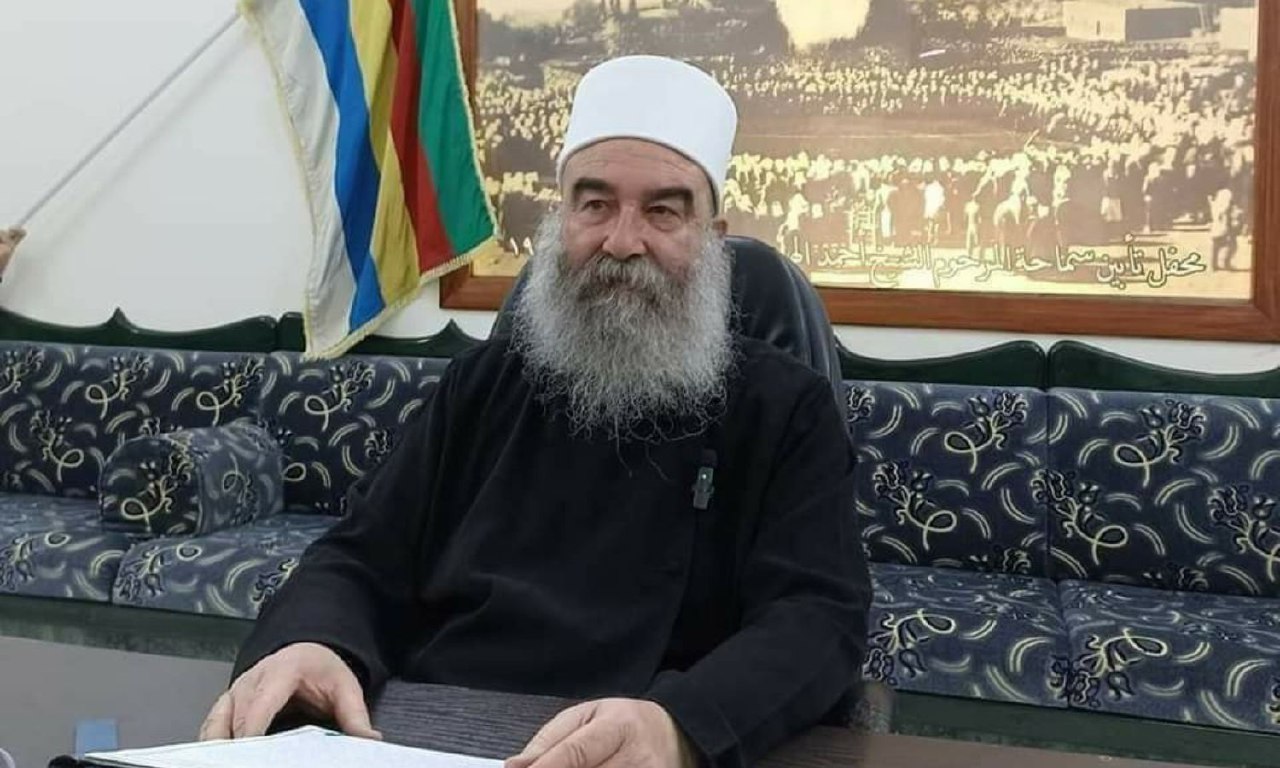
Hikmat al-Hijri, one of the three main spiritual leaders of the Druze community in Sweida province, issued a statement calling for the formation of an independent Druze autonomous region in the south of the country.
In this context, various armed Druze groups, despite their internal differences, formed a National Guard led by Sheikh Hikmat al-Hijri. Al-Hijri stated that organizational structures similar to a local government had appeared in Sweida province. He also described the establishment of the National Guard as a military force and the creation of a legal committee as progress toward that objective.
Al-Hijri stated: “We call on all free people of the world to stand with us and support us as an independent community in southern Syria. We seek a separate region that guarantees our security and future permanently.”
These remarks come after months of tension and conflict in Sweida province, where clashes between Druze groups and armed Arab tribal elements—backed by security forces affiliated with the al-Jolani government—have resulted in hundreds of casualties.
Despite al-Hijri’s controversial statements, some analysts believe he does not fully represent the stance of the entire Druze community. Syrian Druze are generally guided by three spiritual leaders: Hammoud al-Hanawi, Yousef Jarbouh, and Hikmat al-Hijri. While al-Hijri has repeatedly sought support from the Israeli regime in recent months and even expressed gratitude to Tel Aviv, Jarbouh and al-Hanawi have firmly opposed any ties with Israel.
In previous statements by these two leaders, national unity, central government sovereignty, and opposition to separatism have been declared as non-negotiable principles. These internal divisions within the Druze community may signal further complexity in the future developments of southern Syria.
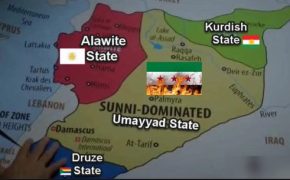
Hikmat al-Hijri’s call for a Druze autonomous region aligns with federal or quasi-federal models seen in the Middle East. However, given Syria’s current challenges—including political legitimacy crises, ethnic separatism, and foreign military presence—such a demand is viewed less as a realizable goal and more as a bargaining chip in political negotiations.
Comment