
United States Deployed Suicide Drones Similar to Shahed‑136 in West Asia to Counter Iran!
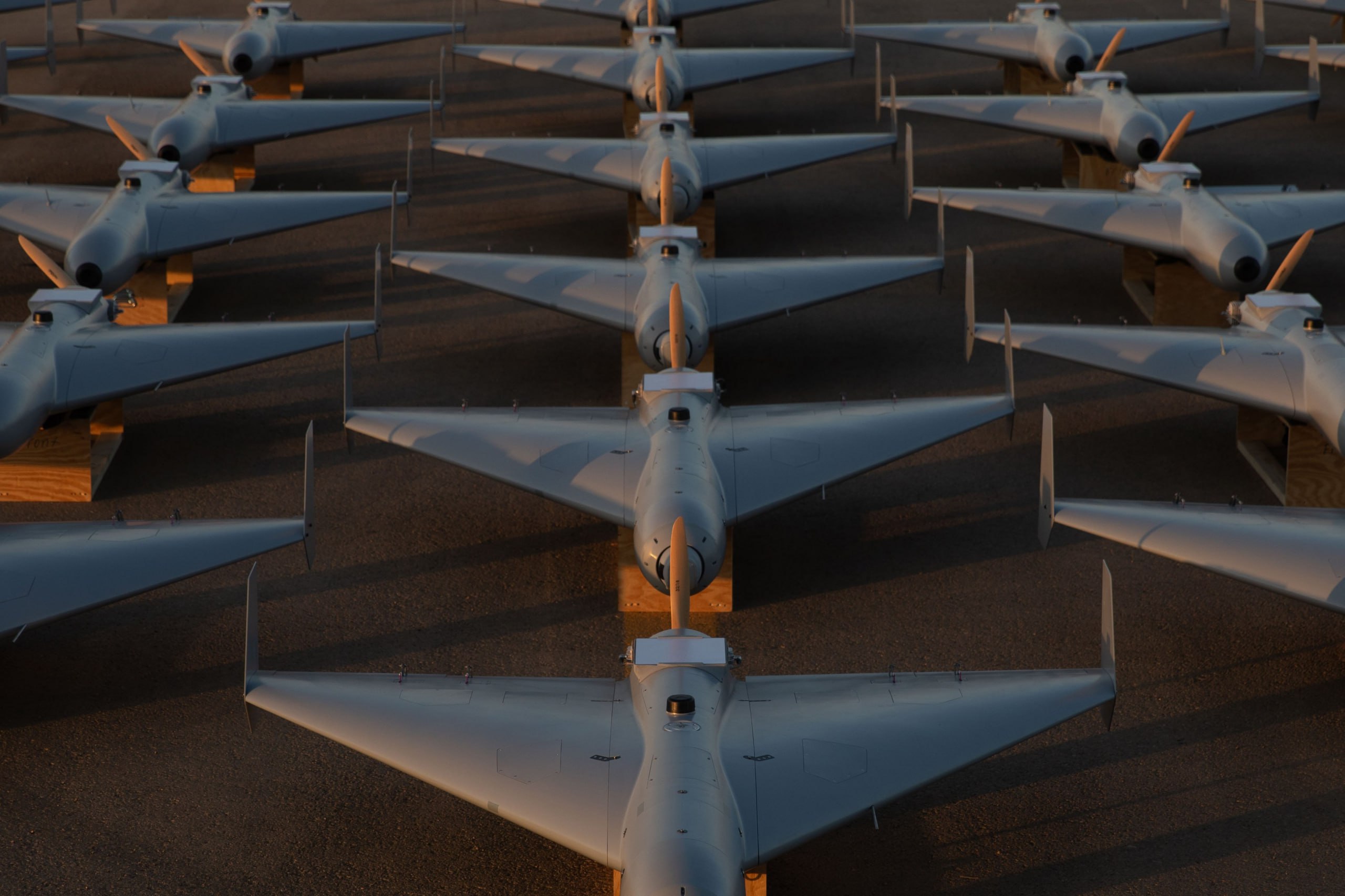
On December 3, U.S. Central Command (CENTCOM) announced the creation of a new special unit called the Task Force Scorpion Strike (TFSS) and the deployment of the first squadron of Low‑Cost Unmanned Combat Aerial Systems (LUCAS) in West Asia.
According to CENTCOM’s commander, the purpose of TFSS is to provide American forces with affordable and effective drone capabilities as a deterrent against “bad actors” in the region. Obviously, by bad actors he means first Iran and then other components of the resistance axis.
We had previously warned that given America’s access to all active battle fronts around the world including Iran, combined with mass production of these suicide drones, could pose serious risks if used directly by U.S. forces or its allies against adversaries. This concern is now openly acknowledged by U.S. officials and military experts.
As reported by The War Zone, a U.S. official described the establishment of TFSS as a “major development”, calling it a way to reverse the game against Iran. He stated: “We’ve reached the point where not only are we mass‑producing these drones, but for the first time we’ve deployed them in the Middle East. In effect, we’ve turned the tables on Iran.”
He added: “We’ve seen what Russia has done in Ukraine, how Iran destabilized the region with drone technology, their 12‑day war threats against Israel, and how partners had to spend vast resources to defend against such attacks. Now we’re taking a page from their playbook and turning it back on them. Iran gained an advantage through sheer volume of drone strikes, which are difficult to defend against at scale.”
He continued: “We are strengthening our defenses, and sometimes a strong defense can also be a good offense. We’re adding offensive firepower that has already proven effective—especially now that the country which once wreaked havoc with this technology has become vulnerable itself.”*
The official further noted: “We have no problem targeting Iran‑backed Houthis in Yemen and can use this capability against them as well. With the Houthis, the challenge is finding targets, unlike Iran where there are plenty of targets available!”
As seen, U.S. officials explicitly speak of using these drones against Iran in future war scenarios. Over the past year, Washington has heavily invested in this category of low‑cost suicide drones, with mass production underway. Experiences from recent conflicts—such as the war in Ukraine and the 12‑day war—have demonstrated how these simple systems can decisively alter the course of battle.
During the 12‑day war and the True Promise operations (1 and 2), the U.S. and its allies spent enormous resources and deployed vast aerial assets to effectively neutralize Iranian drone attacks on Israel. Yet, unlike America and its partners, Iran lacks comparable large‑scale aerial and defensive assets, which poses a significant challenge. Iran, however, retains asymmetric options for deterrence, as seen in the Aramco attack. At this stage, the U.S. has not yet tested these drones in real combat, but future use against Yemen is considered likely.

Comment