
Latest Updates On Yemen, 16 Feb 2026
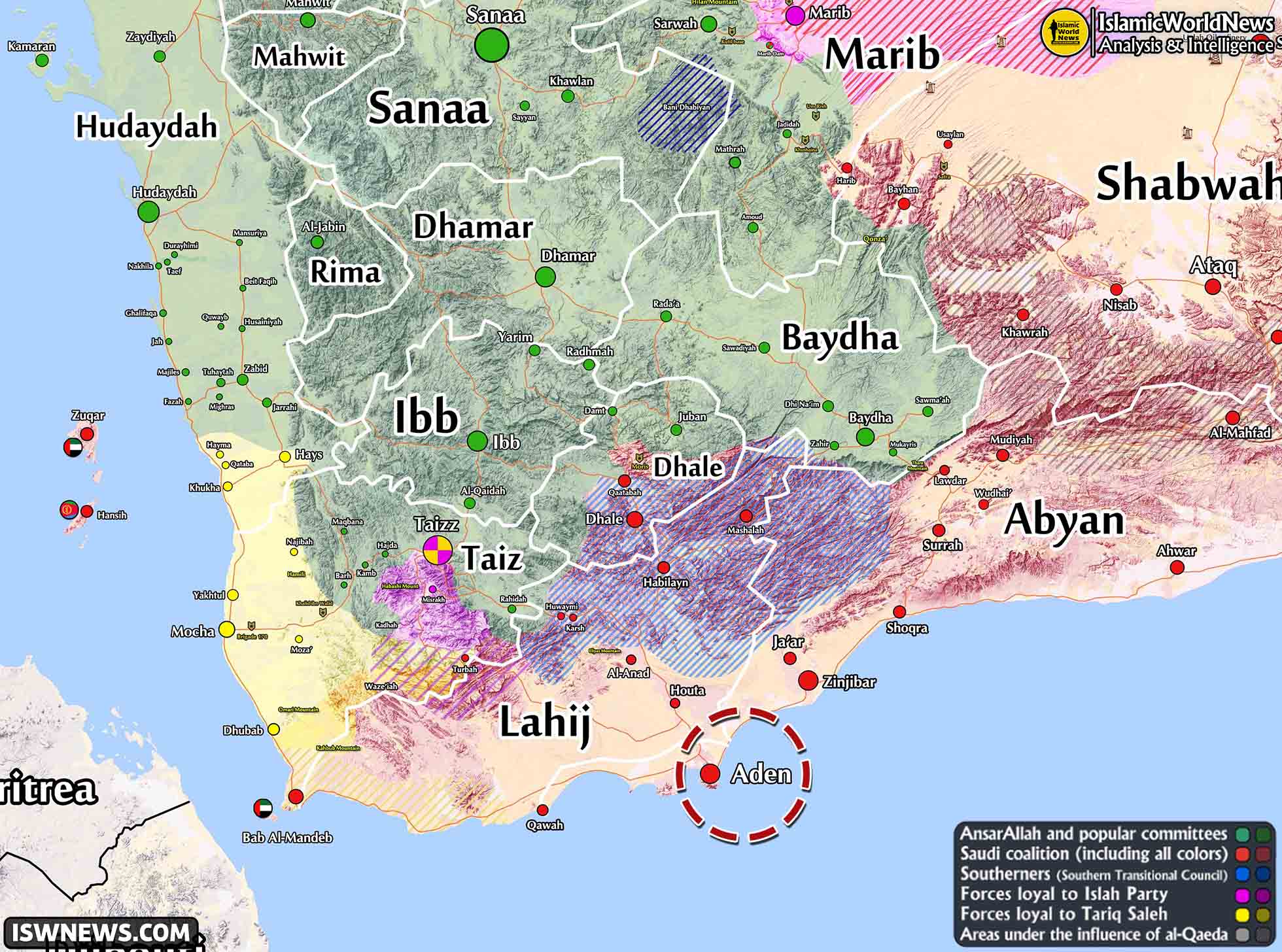
Hani Masour, a media figure affiliated with the Southern Transitional Council and based in Abu Dhabi, claimed that STC forces remain deployed at their military positions in Ras Abbas, Al-Jalaa, and Badr base, as well as at the port of Aden, the city’s exit gates, and government institutions in Khormaksar district.
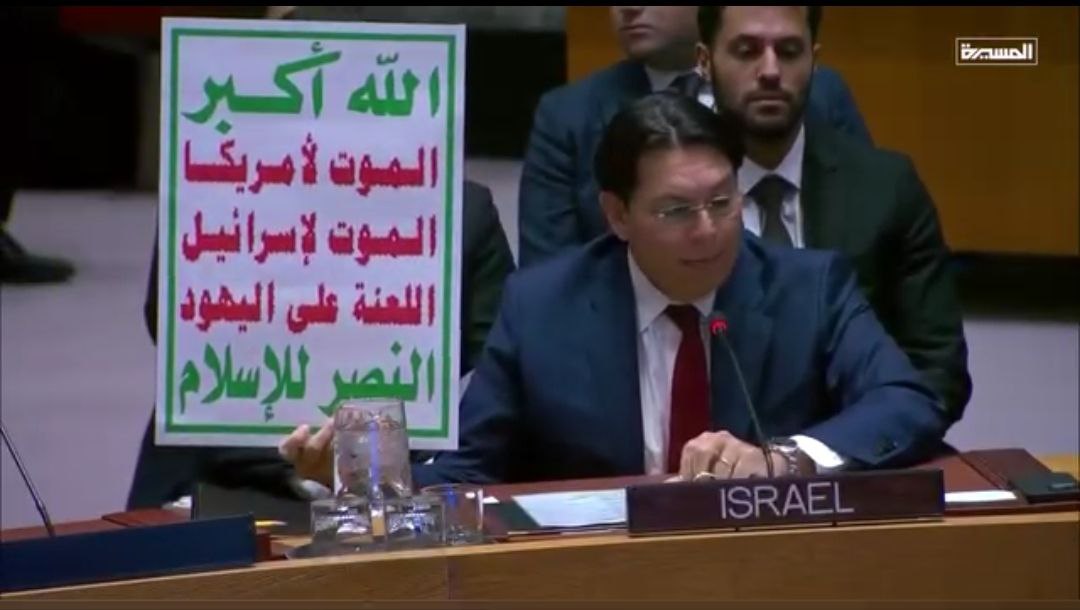
1- On January 29, Danny Danon, the representative of the Israeli regime to the United Nations, stated during a United Nations Security Council session that resistance groups, including Hamas, Hezbollah, and Ansar Allah, are sources of exporting violence, hatred, and terrorism, claiming they operate with Iran’s financial support.
Danon went on to display the flag of the Ansar Allah movement and alleged that Yemenis are not fighting for land or borders, but that their actions are ideologically motivated. He argued that this is clearly reflected in their flag and slogans (“God is Great, Death to America, Death to Israel, Curse upon the Jews, Victory to Islam”).
2- Aden:
On January 31, a military convoy composed of Saudi commanders and American diplomats arrived in recent days at Aden International Airport and Al Anad Air Base in Lahij Governorate. The purpose of the visit was reportedly to clear both sites of any old Russian weapons or technologies and to prepare the bases for the deployment of modern defense systems, as well as the establishment of a joint operations room to support the new security structure of the American-Saudi coalition. Saudi and American estimates suggest that the Yemeni Armed Forces may enter the fray in the event of a potential U.S.–Iran confrontation and carry out military operations in the Gulf of Aden and the Arabian and Red Seas.
On February 15, Hani Masour, a media figure affiliated with the Southern Transitional Council and based in Abu Dhabi, claimed that STC forces remain deployed at their military positions in Ras Abbas, Al-Jalaa, and Badr base, as well as at the port of Aden, the city’s exit gates, and government institutions in Khormaksar district.
Officials of the resigned Yemeni government and Saudi Arabia have not addressed the remaining positions under STC control or clarified their status. Only some of their affiliated media outlets have spoken of full control by government forces over the southern regions. The continued presence of STC fighters in and around Aden indicates a cessation of hostilities between the resigned government and southern factions, with the situation formally under government control; however, this arrangement remains fragile, and renewed southern action could once again drag Aden and southern Yemen into unrest and conflict.
3- Hizam al-Assad, a member of the political bureau of Ansar Allah, stated that “the movement’s patience regarding the crimes of the Zionist regime in Gaza is nearing its end, and they will deliver an unexpected response.” He warned that continued violations of the Gaza ceasefire could lead to a broad escalation of tensions across the region and return the situation to conditions more dangerous than before.
4- Abyan:
On February 1, unidentified gunmen attacked a vehicle belonging to the 6th Saeqa Brigade, affiliated with the Southern Transitional Council, in Al-Mahfad district in eastern Abyan Governorate. The individuals targeted were reportedly residents of Al-Dhale Governorate who were returning to their hometown following the dissolution of the STC. The attack was most likely carried out by elements linked to the terrorist group Al-Qaeda. Southern factions have consistently alleged that Al-Qaeda receives support from Saudi Arabia and that current efforts are aimed at suppressing tribes in Al-Dhale, Lahij, and Abyan—considered key backers of southern movements—to prevent any party or faction from reviving the idea of South Yemen.
5- Al-Bayda:
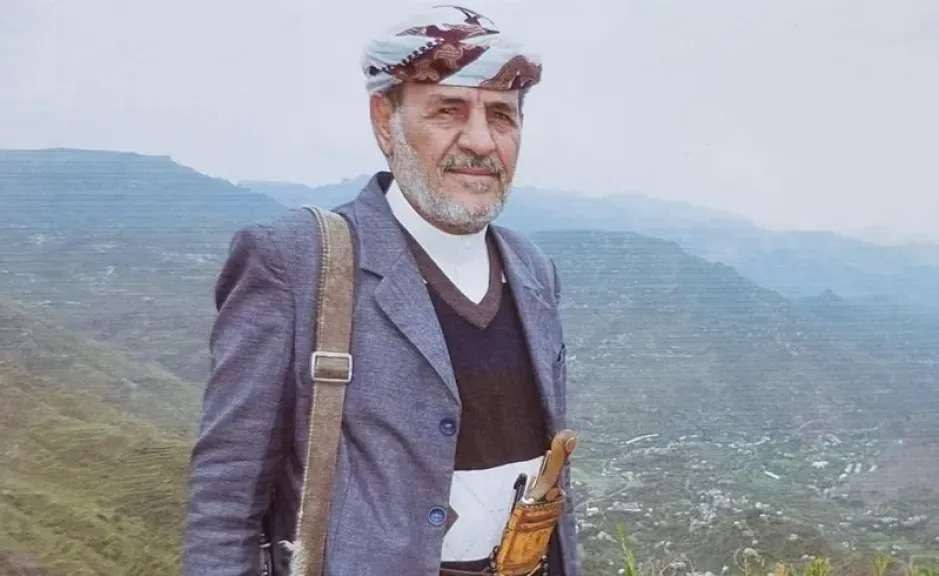
On February 3, Sheikh Hazam al-Aji al-Mansouri, one of the prominent sheikhs of the Al-Ghanim tribes in the Qayfa area of Al Bayda Governorate, was assassinated after performing the Maghrib prayer. Some local sources claim the killing was carried out by an individual named Hassan Qarda al-Mansouri, reportedly active within security institutions affiliated with the Sana’a government. Sheikh al-Mansouri was regarded as a moderate tribal leader who played an important role in mediating peace among tribes in Al-Bayda and in preventing extremist infiltration in areas under his influence.
The assassination does not appear to be directly linked to Ansar Allah, but rather seems to have resulted from a personal dispute or possible extremist infiltration within local forces aligned with the Sana’a authorities.
6- Taiz:
On February 2, officials of the Yemeni government (backed by Ansar Allah) prevented an aircraft from landing at Al Mokha (Mocha) Airport, which is under the control of forces loyal to Tareq Saleh. This move was in line with a decision by Yemenia Airways in Sana’a banning flight operations at Al Mokha Airport and rejecting its designation as an alternative to Taiz Airport. Al Mokha Airport had been built with support from the United Arab Emirates to strengthen Tareq Saleh’s forces against Ansar Allah. However, Ansar Allah forces maintain significant oversight of Yemen’s western coastline and, through limited military measures, could easily suspend the airport’s operations.
7- Hadhramaut:
On February 3, unidentified gunmen attacked positions of the Al-Dera’ Al-Watan forces and Saudi army personnel in the Al-Kharkhir area along Yemen’s northeastern borders. This marked the first armed attack on forces affiliated with the resigned government in these areas and resulted in several Al-Dera’ Al-Watan fighters being killed and wounded. The identity of the attackers remains unknown, though tribal fighters opposed to Saudi Arabia are suspected to have carried out the assault.
8- Al-Dhale:
On February 4, following a drone strike by the Saudi army targeting Southern Transitional Council militants at a base in the city of Al-Dhale in southern Yemen, one southern fighter was killed and two others were wounded. Despite the forced dissolution of the Southern Transitional Council, its militants remain active in various southern provinces, including Al-Dhale, Lahij, and Abyan.
So far, these forces have not engaged in armed confrontation or opposition against Saudi-backed officials or the resigned government, though they still maintain a presence in certain positions. This was the second Saudi airstrike against southern positions and gatherings in Al-Dhale province, indicating close monitoring of their movements by Saudi aircraft.
9- Sana’a:
On February 3, according to the Ministry of Agriculture and Fisheries of the Yemeni government, Eritrean naval forces directly opened fire with live ammunition on Yemeni boats and fishermen within Yemen’s territorial waters in the Red Sea. The attack resulted in several fishermen being killed or wounded and others detained. Separately, Somalia detained Yemeni fishermen from Hadhramaut province while fishing off the coast of Bosaso and confiscated their boats and catch. The Sana’a government described the actions of Eritrea and Somalia as a dangerous escalation and held the governments of those countries responsible for the detained fishermen.
Such actions by Eritrea and Somalia in Yemen’s maritime boundaries—particularly against Yemeni fishermen—have occurred repeatedly in the past.
10- Oman:
On February 7, new round of negotiations between representatives of the Yemeni government, Saudi Arabia, and the resigned government, under the supervision of the United Nations, was held in Amman, the capital of Jordan. During this round, the parties reviewed the list of prisoners to be exchanged under the December 2 agreement.
According to the agreement reached in Oman, in the first phase, 1,700 Ansar Allah prisoners will be exchanged for 1,200 prisoners of the resigned government, along with seven Saudi and 23 Sudanese detainees. In light of recent regional developments and escalating tensions between Iran and the United States, implementation of the agreement has effectively become tied to the resolution of those tensions. Arab countries view the Iran–U.S. issue as fundamental and beyond the Yemen file, and their alignment with Western policies has led to their agreements being defined within that broader framework.
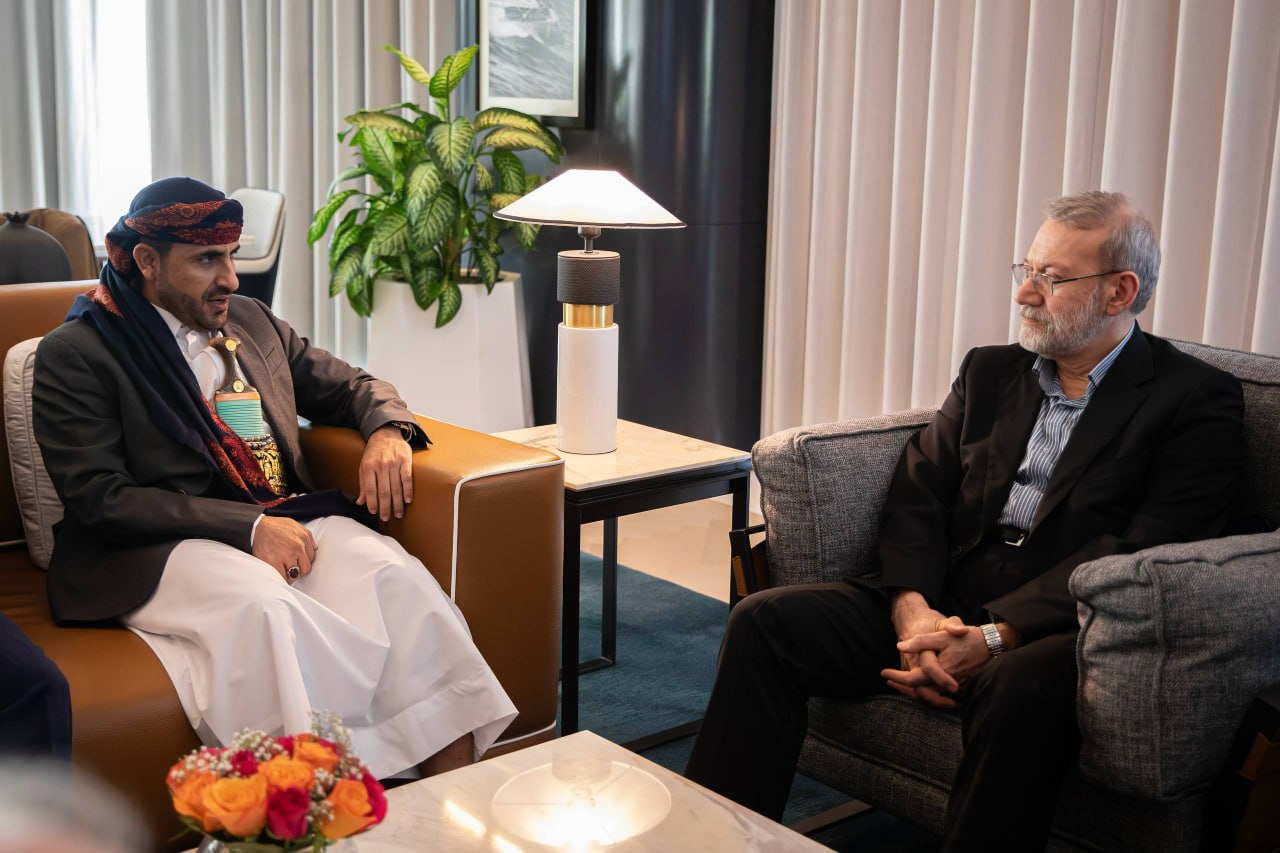
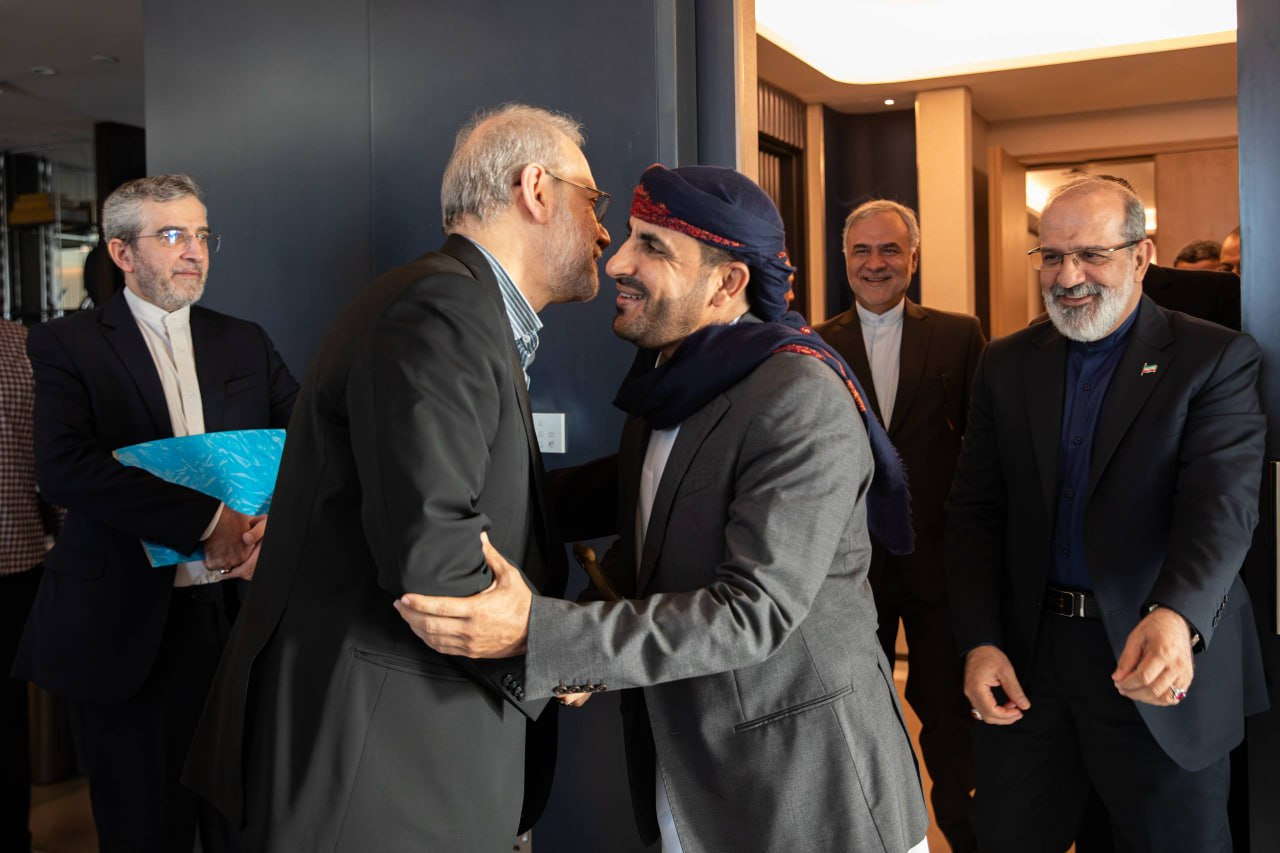
On February 10, Ali Ardeshir Larijani, Secretary of Iran’s Supreme National Security Council, met and held talks with Mohammed Abdulsalam, head of the Yemeni government’s negotiation delegation. The two sides discussed the latest regional developments, the situation in Yemen, and ways to enhance stability and security in the region.
Comment