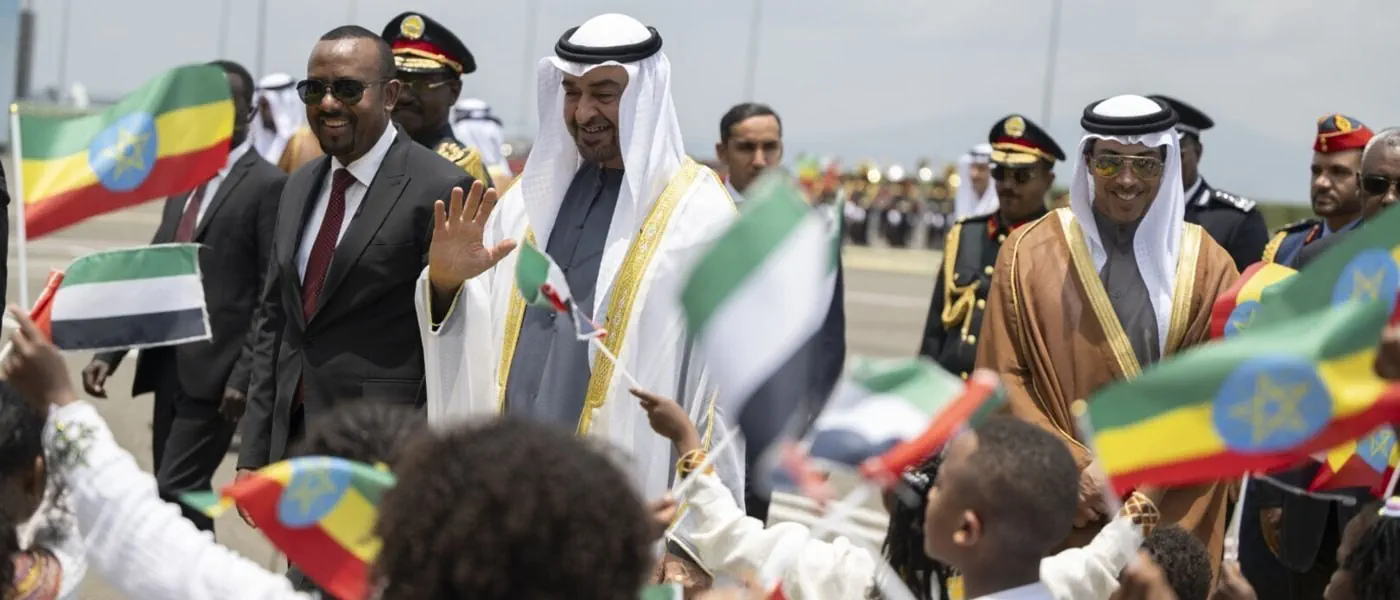
According to the US Center for Strategic and International Studies (CSIS) report, the war has accelerated the expansion of cooperation between the two regions that took shape over the past decade, while at the same time creating new opportunities and vulnerabilities.
According to this assessment, the United Arab Emirates has established the deepest relations with Africa’s middle powers, Saudi Arabia is expanding its cooperation, and Qatar is present in this arena with a more limited and targeted approach. On the African side, Nigeria, Kenya and Ethiopia have expanded cooperation with the Persian Gulf states with the aim of attracting capital, diversifying their foreign partners and increasing their bargaining power.
In particular, disruption to transit through the Strait of Hormuz and rising insecurity in the Red Sea have highlighted the importance of these relations more than ever. In response to disruptions to trade and export routes, the UAE and Saudi Arabia have turned to alternative routes and infrastructure, and the network of African ports, logistics, and investments has gained greater importance. In this connection, Saudi Arabia is seeking to strengthen cooperation with countries such as Kenya to reduce its vulnerability to disruptions in the region’s maritime routes.
However, competition between Riyadh and Abu Dhabi and their differing positions on issues such as the war in Sudan could make it more difficult for African countries to maintain a balance among regional partners.
Leave a Reply