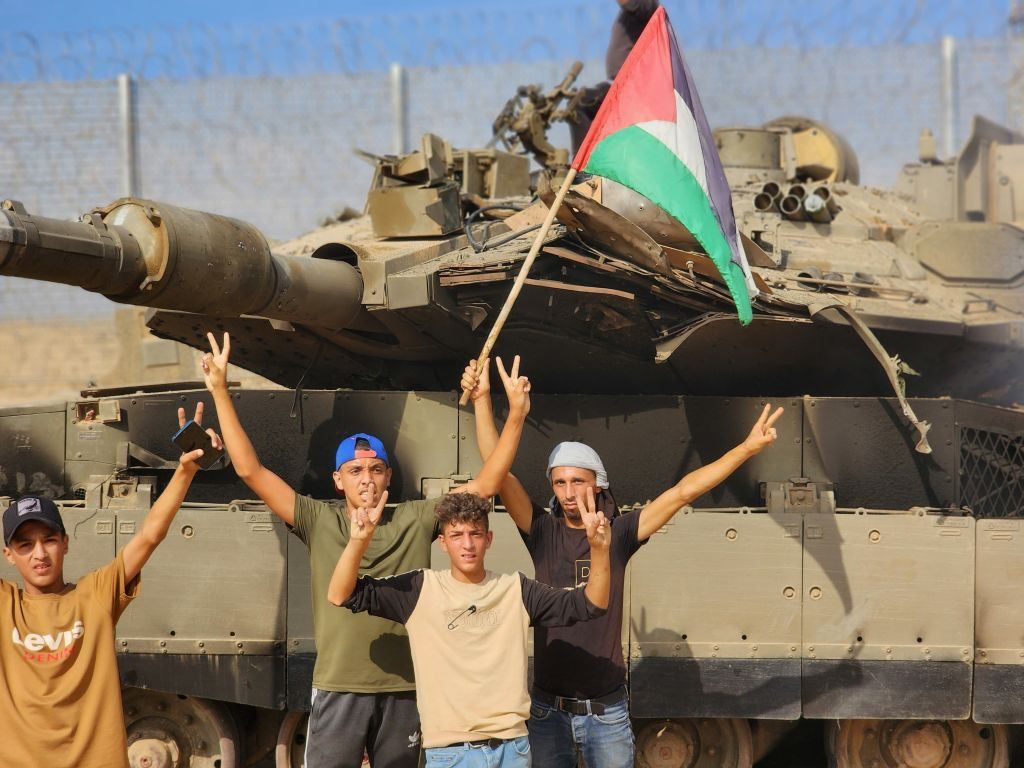
Hamas also called for demonstrations by the Arab and Islamic countries and all the free people of the world on next Friday under the title “Friday of Al-Aqsa Storm” in order to support Jerusalem, Al-Aqsa Mosque and Gaza.
Author: Mirza
-
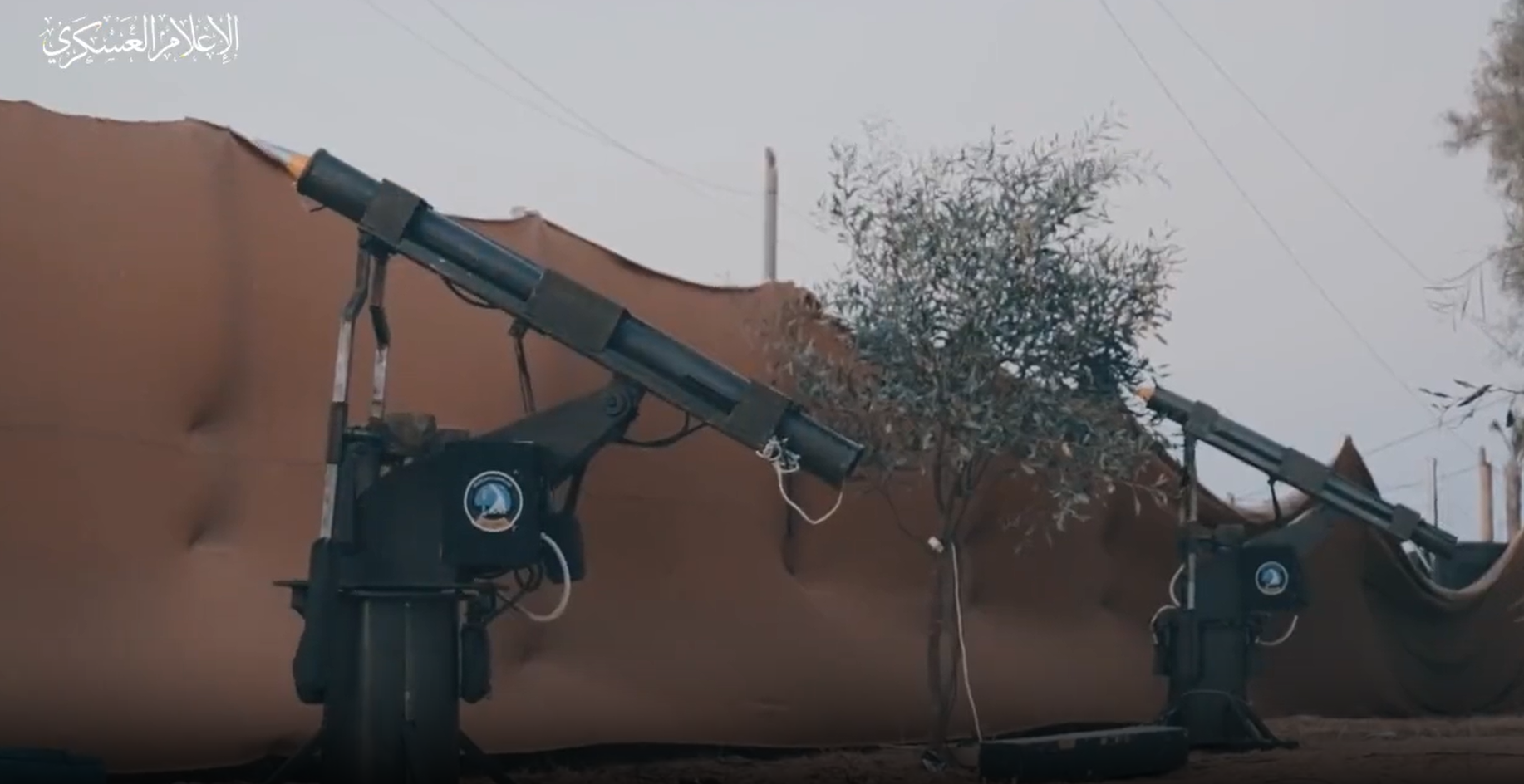
Military Knowledge: Mutabar-1 Air Defense System
According to the released video regarding the usage and deployment of the Mutabar 1 system, this air defense system consists of three main parts. The first part is the missile launch base, the second part is the missile, and the third part is the guidance system and target acquisition.
Missile Launch Facility:
The missile launch facility of the Mutabar-1 air defense system is designed as a single launcher to reduce its weight and allow for the use of cheaper and more accessible components. This launch base has a 360-degree rotation capability around its axis and can adjust the angle between 20 to 70 degrees. This movement enables adequate coverage for performing air defense operations in the vicinity of the air defense system.
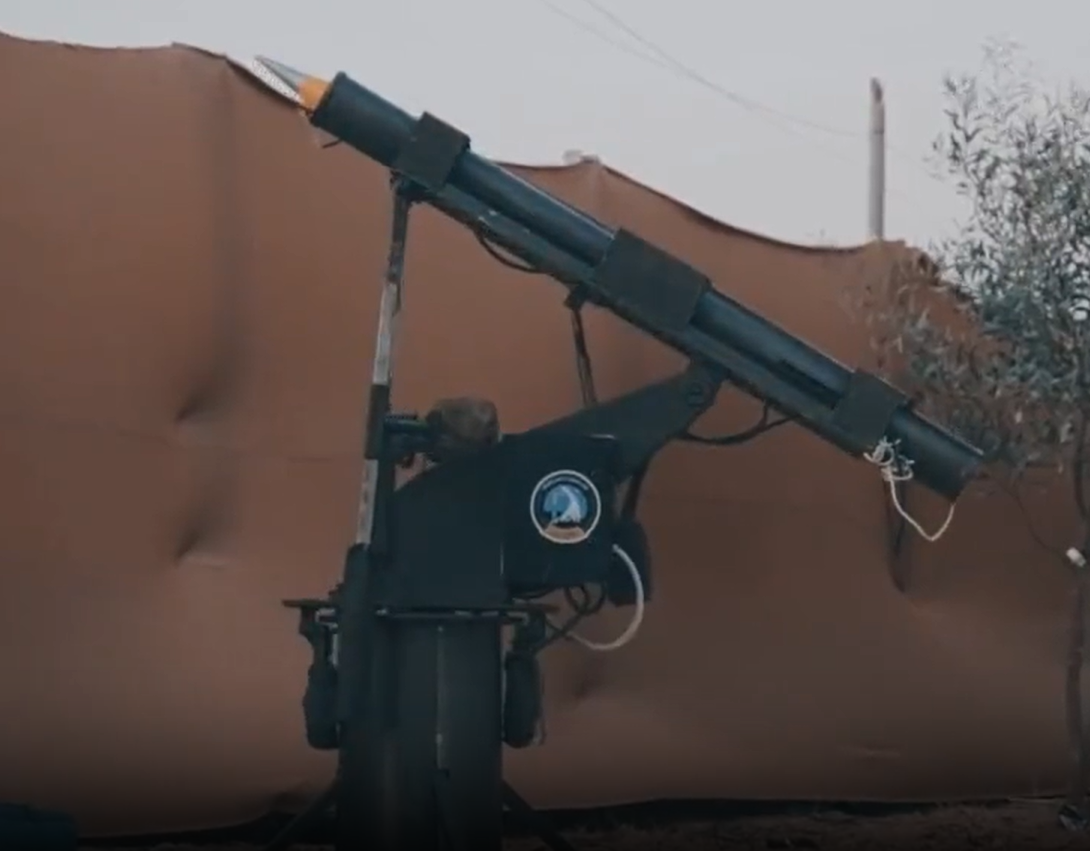
The missile launch base of Mutabar-1 (Motbir) air defense system Missile of Mutabar-1 Air Defense System:
The missile, as the second component of the Mutabar-1 air defense system, has a very simple design. In fact, this missile is a rocket with similar components to ground-to-ground rockets and its explosive fuse is designed for direct impact. Control fins that fold together are used for guiding this missile in its final section, which are secured with plastic ties.
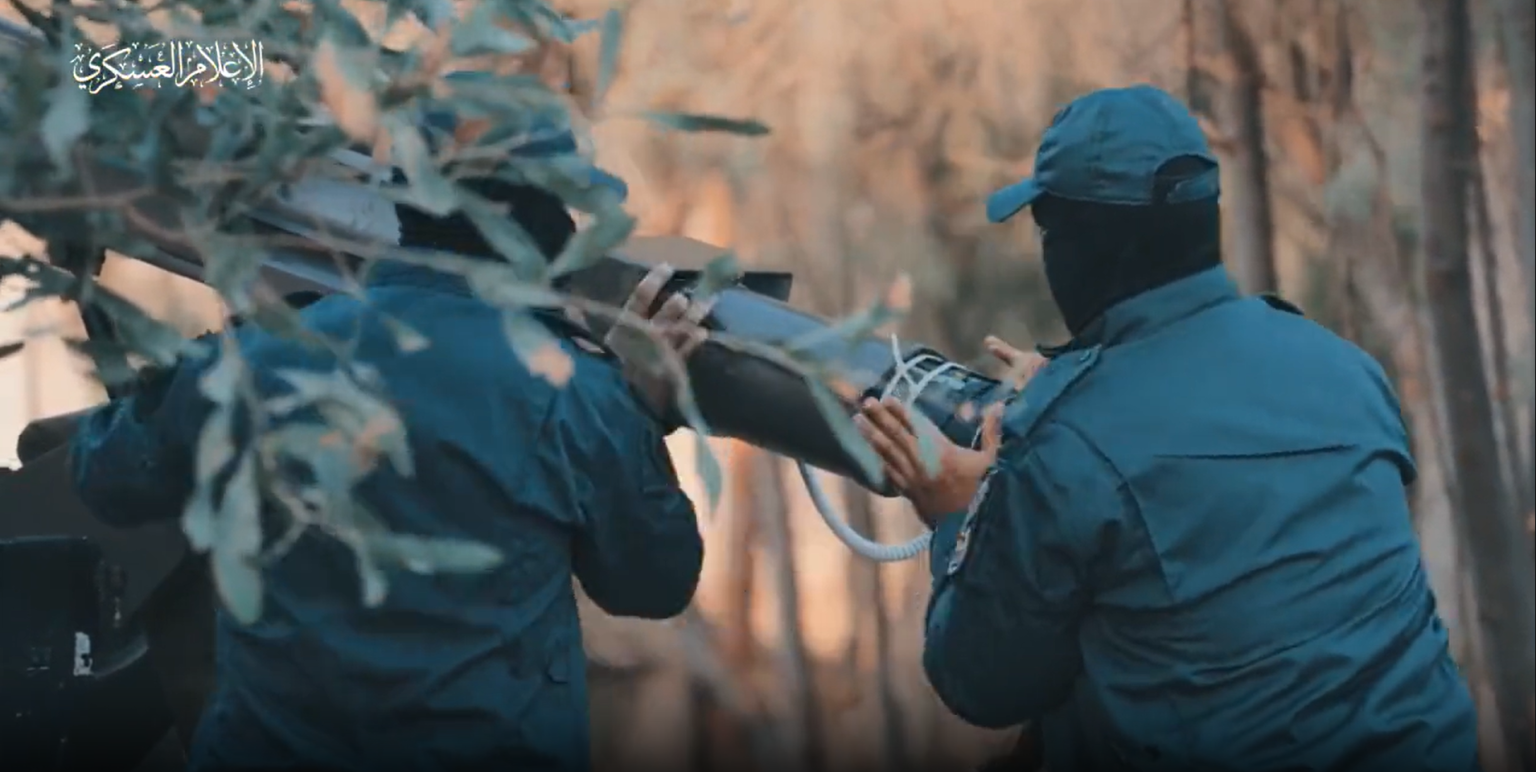
The white plastic ties at the end of the missile are clearly visible Stabilizing fins are not used in this missile because tube-shaped launchers similar to mini Katyusha rockets are intended to be used. The reason for using ties to hold the control fins is that the necessary technology to design these fins to open them after launch does not exist. Therefore, it is not possible to use folding control fins in the front section either. If folding control fins were present in the front section, ties would have to be used, which would complicate the loading of the missile.
The overall shape of the missile on its launcher is clearly visible and appears to be very similar to the tail end of laser-guided bombs such as the Basir and Krasnopol.
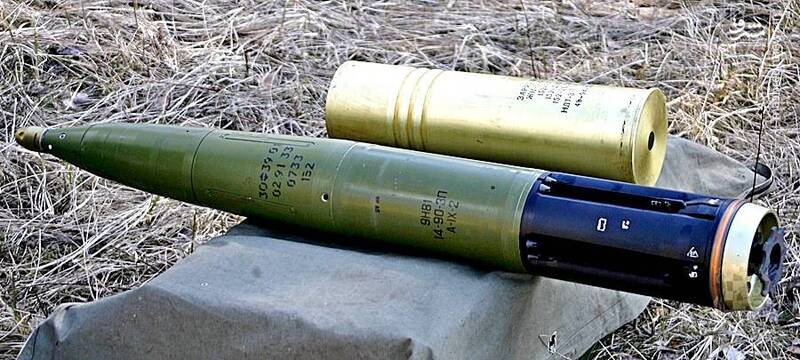
Russian Krasnopol munition 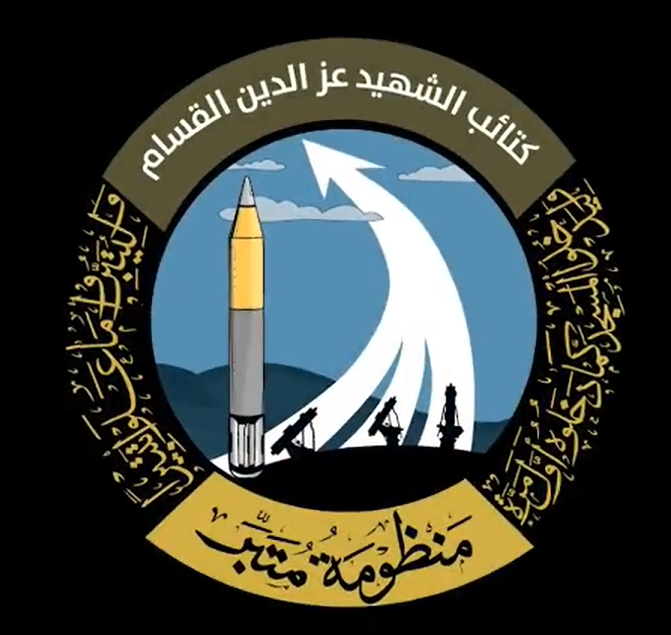
Patch designed for Mutabar-1 air defense system Click to view full size image The fuel of the missile also appears to be the same solid fuel used in ground-to-ground rockets. In that case, the maximum altitude of fire should be considered as 7.5 kilometers and the engagement range would likely be limited to around 6 to 8 kilometers.
Target tracking and missile guidance:
The use of thermal and infrared cameras for guidance is completely ruled out as the missile’s nose cone does not carry such cameras. In the video, it is evident that guidance is performed from a control center, but the components of this center are not clear. Considering the presence of an impact fuse at the tip of the missile and its shape, independent guidance has not been utilized. Therefore, the guidance to the target will be entirely carried out by another system, referred to as a nest seeker method.
Based on the absence of thermal and infrared cameras, it can be speculated that both active and passive radar search methods are used.
The missile fuel also appears to be the same solid fuel used in ground-to-ground rockets. In this case, the maximum engagement altitude should be considered as 7.5 kilometers, and the engagement range will likely be limited to around 6 to 8 kilometers.
Considering the Israeli regime’s military might in suppressing air defense, finding and conquering radar in the Gaza Strip will be easy. For this reason, the most likely method of tracking would be using passive radar, as finding this type of radar is very difficult. Also, placing a wave collection dish at one point and its powerful computer system elsewhere practically makes its destruction impossible. Based on the mentioned reasons above, it can be claimed that the air defense missile guidance in the Muteber-1 air defense system must be in the form of passive radar seeker guidance.
One noticeable point in the released video is the firing of two air defense missiles with very little distance and almost simultaneously, which could have two possibilities. The first possibility is that the system has the ability to guide two missiles for one target. The second possibility is that the system has the ability to engage two targets simultaneously.
Although this system may not seem very advanced at first glance, but creating a short-range and low-altitude air defense system with the mentioned specifications is a great achievement for Palestinian resistance. It gives Palestinians the ability to shoot down various Israeli aircraft at low altitudes.
The introduction video of Mutabar-1 system published by Palestinian war media Specifications of Mutabar-1 Air Defense System:
Type: low-altitude short-range air defense system
Producer: Al-Qassam Brigades
Origin: Palestine
Unveiled: October 2023
Crew: 4 people (2 gunners and a commander and a radar officer)
Engagement range: 6 – 8 km
Radar: probably passive radar
Radar detection range: maximum 10 – 12 km
Altitude of fire: 6 – 8 km
Number of simultaneous engaged targest: 1 or 2
Battrey: Each unit is fixed and carries one missile
Missile:
Length: ~ 2.5 meters
Diameter: ~ 107 mm
Weight: ~ 50 kg
Range: ~ 6 – 8 km
Altitude of fire: ~ 7.5 km -
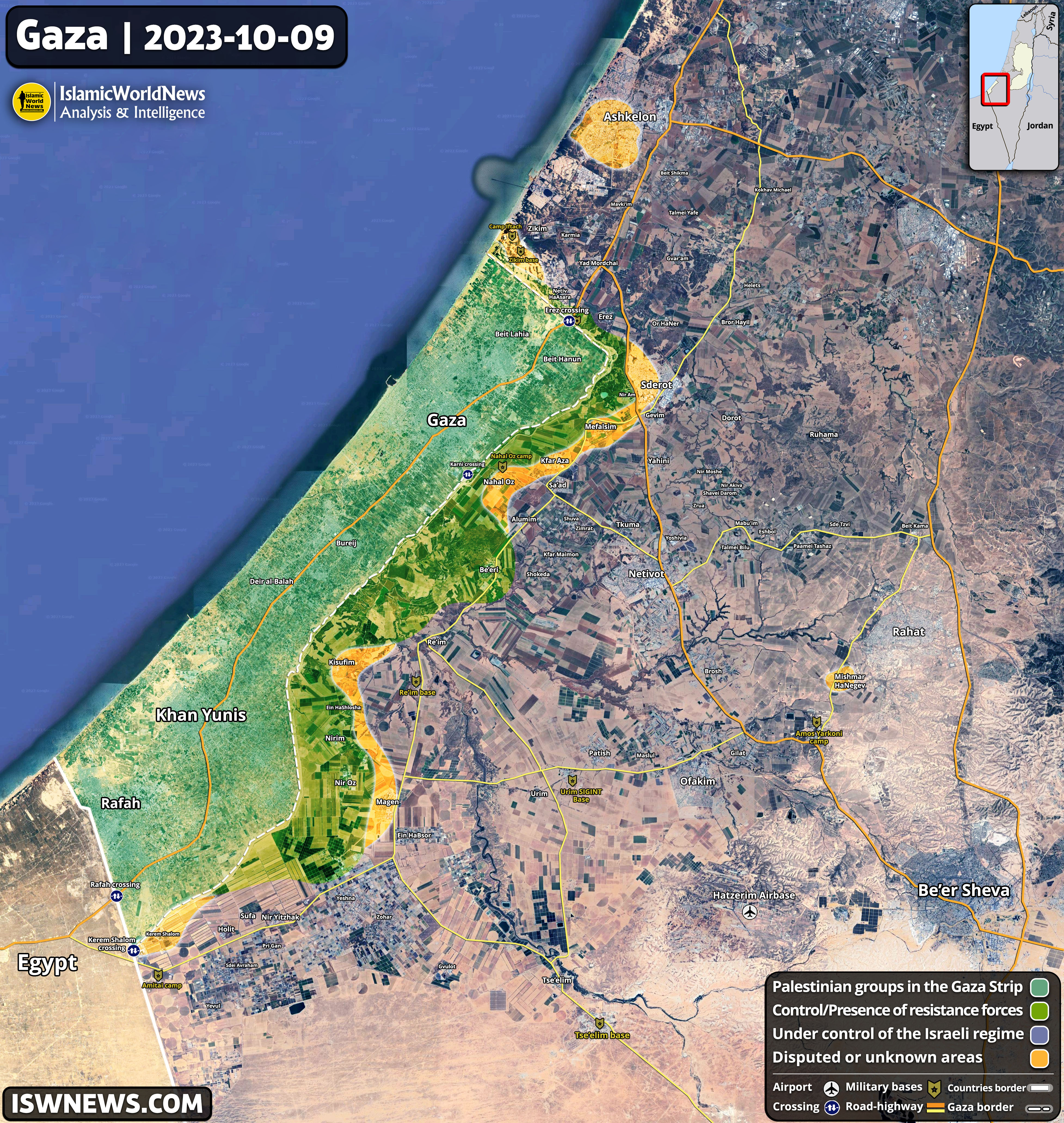
Latest Military Developments Around Gaza Strip, 9 October 2023 (Map)
The Israeli regime’s army announced on the third day of the clashes that it has taken control of all the surrounding neighborhoods of the Gaza Strip. However, the field realities tell a different story, and the battles are still ongoing.
The only change in the battle lines is related to the Zikim region and the Zikim military base in the north of the Gaza Strip and the Karam Abu Salem crossing and its surrounding areas in the south of the Gaza Strip. The Israeli authorities claim to have regained control of the Zikim military base.
The clashes also continue along all the conflict lines and especially in the areas of Mafalsim, Kfar Aza, Nahal Oz, the outskirts of Be’eri, Kissufim, and Magen. The clashes continue in the important town of Sderot.
Spokesman for the Izz ad-Din al-Qassam Brigades Abu Obaida announced that the Al-Qassam Brigades successfully carried out another infiltration operation on the third day of the battle with the aim of displacing Israeli forces in the engaged positions. He added that today we targeted Sderot with several rockets to help our resistance fighters in this town.
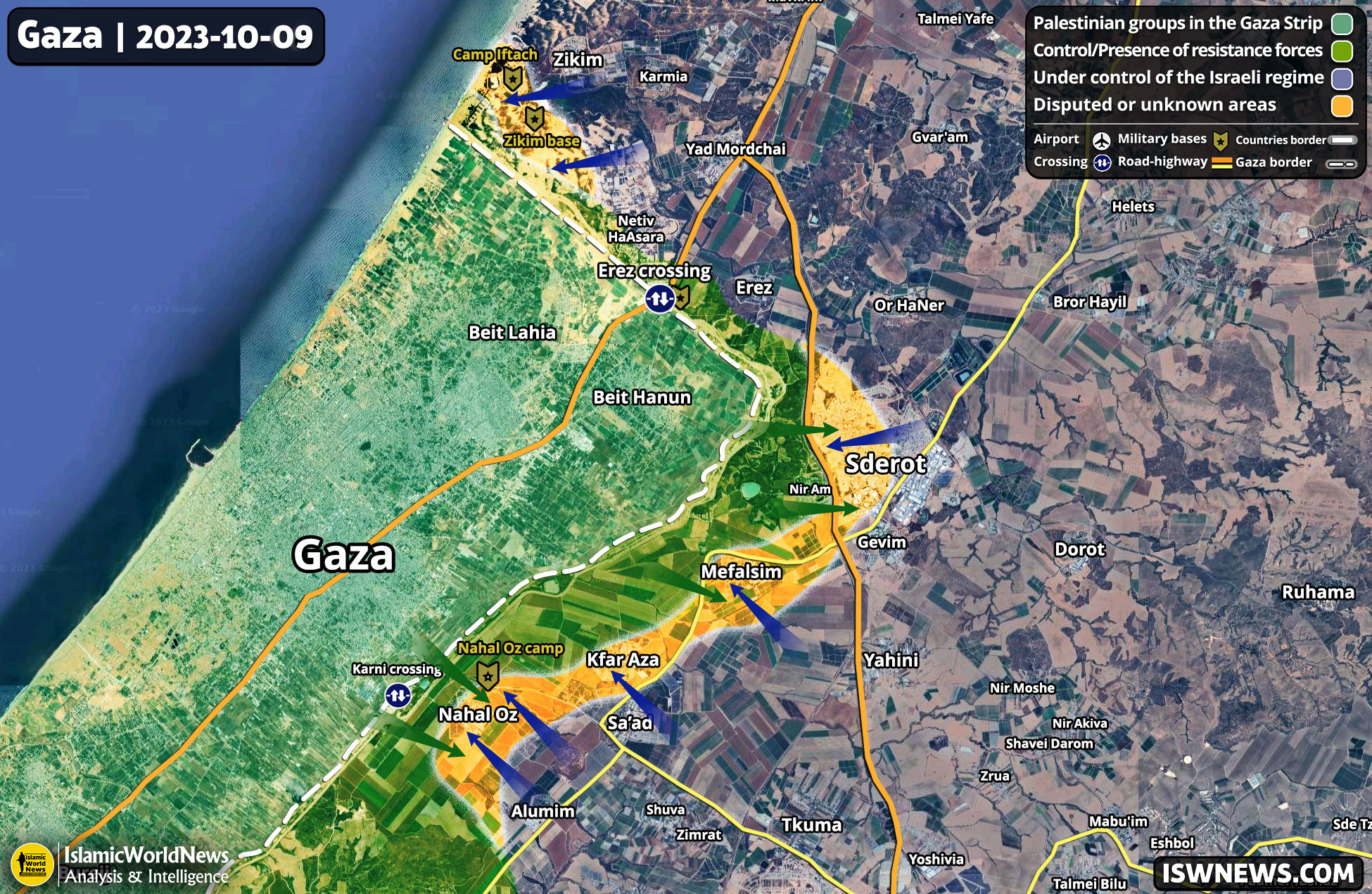
Direction of clashes in the northern areas of Gaza Strip – click to view full size 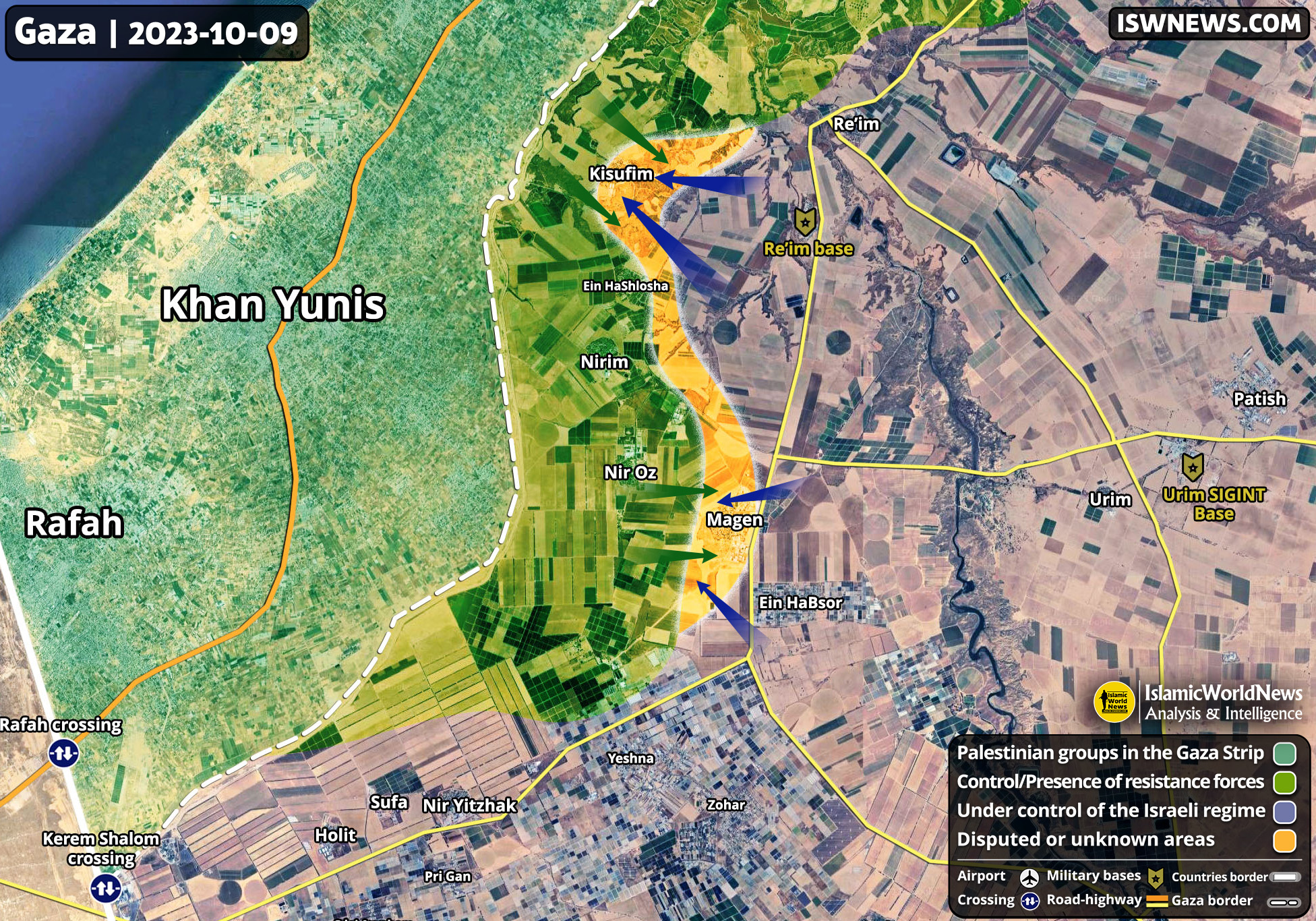
Direction of clashes in the southern areas of Gaza Strip – click to view full size According to reports, Palestinian resistance fighters once again succeeded in infiltrating into the Mishmar HaNegev settlement 20 kilometers deep into the occupied territories. Also, Palestinian commando forces managed to infiltrate into the city of Ashkelon once more. However, no information is available about the fate of these mentioned clashes.
The Israeli regime’s army continues to dispatch troops and equipment to southern areas. According to unconfirmed information, the Israeli army has deployed about 100,000 troops to the southern region. Western sources, quoting US officials, also reported that the Israeli regime’s army is likely to launch a large-scale ground operation against Gaza within the next 48 hours.
Simultaneously with these movements, the savage and relentless bombardment of Gaza continues. According to the Palestinian Ministry of Health, since the beginning of the Operation Al-Aqsa Storm, some 687 Palestinians have been martyred and 3,900 others have been injured.
Read more: Infographic: Operation Al-Aqsa Storm, Day 3
Some Israeli sources also reported that the number of Israeli casualties in resistance attacks from the beginning of the Operation Al-Aqsa Storm until now has reached 1,100 dead and 2,741 injured.
Read more: Latest Military Developments Around Gaza Strip, 8 October 2023 (Map)
Latest military map of Gaza – click to view full size map -

Infographic: Operation Al-Aqsa Storm, Day 3
Palestinian resistance groups fired more than 6,000 rockets at the occupied territories.
Clashes are ongoing in Sderot, the surrounding areas of Kissufim, Mefalsim, Kfar Aza, Nahal Oz, Kfar Aza and Magen. Abu Obaidah, the spokesperson of al-Qassam Brigades reported the infiltration of another group of Palestinian forces into the city of Ashkelon and Sderot and their armed conflict with the security forces and the Israeli army.
The Palestinian Ministry of Health in the Gaza Strip announced that 687 Palestinians were killed and 3,900 others were wounded since the start of Operation Al-Aqsa Storm and Israeli airstrikes on the Gaza Strip.
Read more: Infographic: Operation Al-Aqsa Storm, Day 2
Click to view full size -
3 Hezbollah Fighters Martyred In Israeli Strike On Southern Lebanon
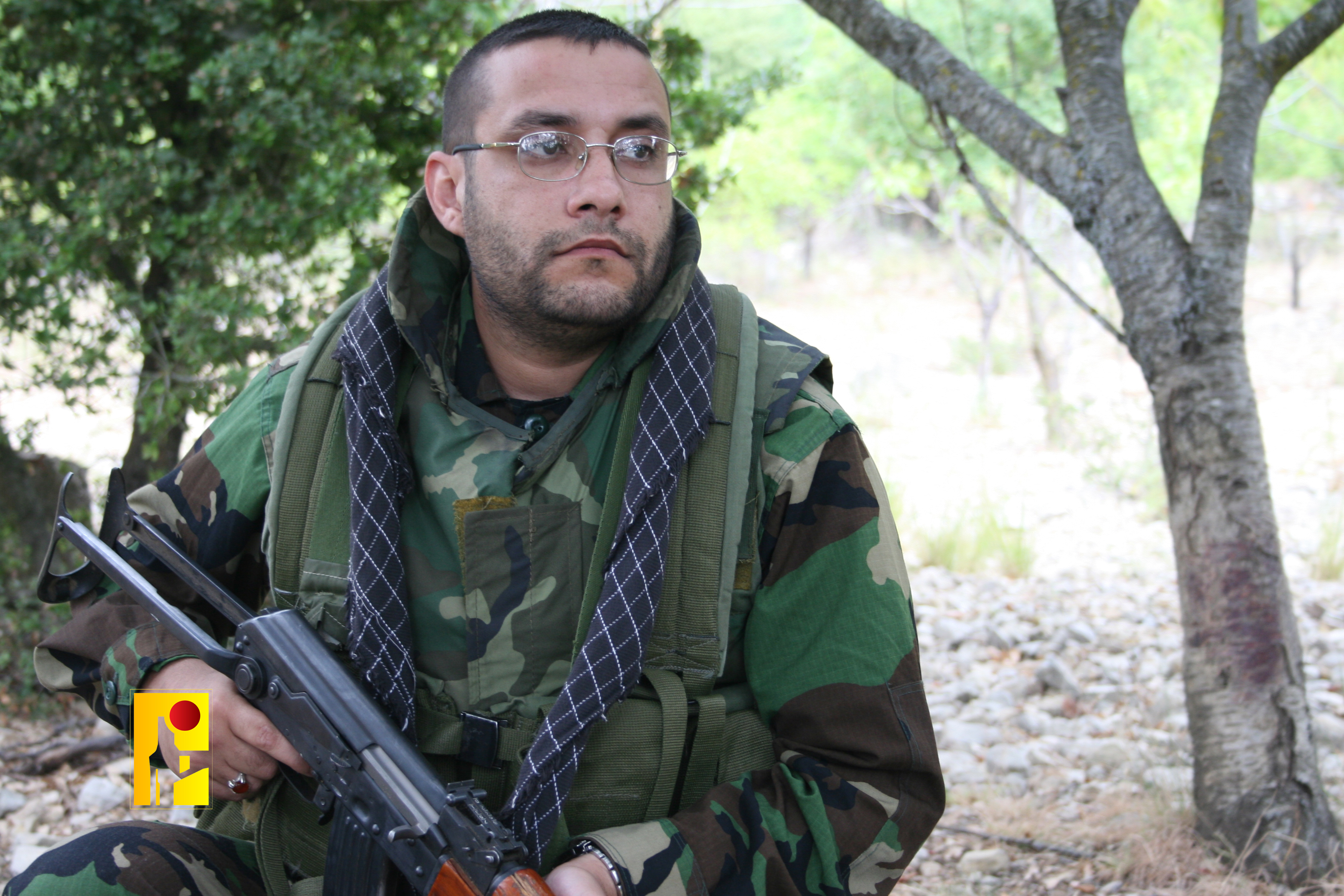
In a statement, Lebanon resistance movement Hezbollah announced the martyrdom of three of its fighters following the Israeli army’s attacks on southern areas of Lebanon.
According to a newly published statement, three Hezbollah fighters named Hossam Muhammad Ibrahim with the jihadi name Hussam Aitaroun as well as Ali Raif Ftouni with the jihadi name Haidar and Ali Hassan Hadraj were martyred.
It is worth mentioning that local sources reported hearing gunfire and clashes between armed forces and Israeli soldiers at the Lebanon-Israel border and occupied Palestinian territories on October 9.
Shortly after the incident, Al-Quds Brigades, which is the military wing of the Palestinian Islamic Jihad movement in Palestine, claimed responsibility for the attack from southern Lebanon on Israeli troops in northern occupied Palestine. As a result of this attack, at least 7 Israeli soldiers were injured, with one Israeli soldier reported to be in critical condition.
Will Hezbollah engage in war with Israeli regime?!

-
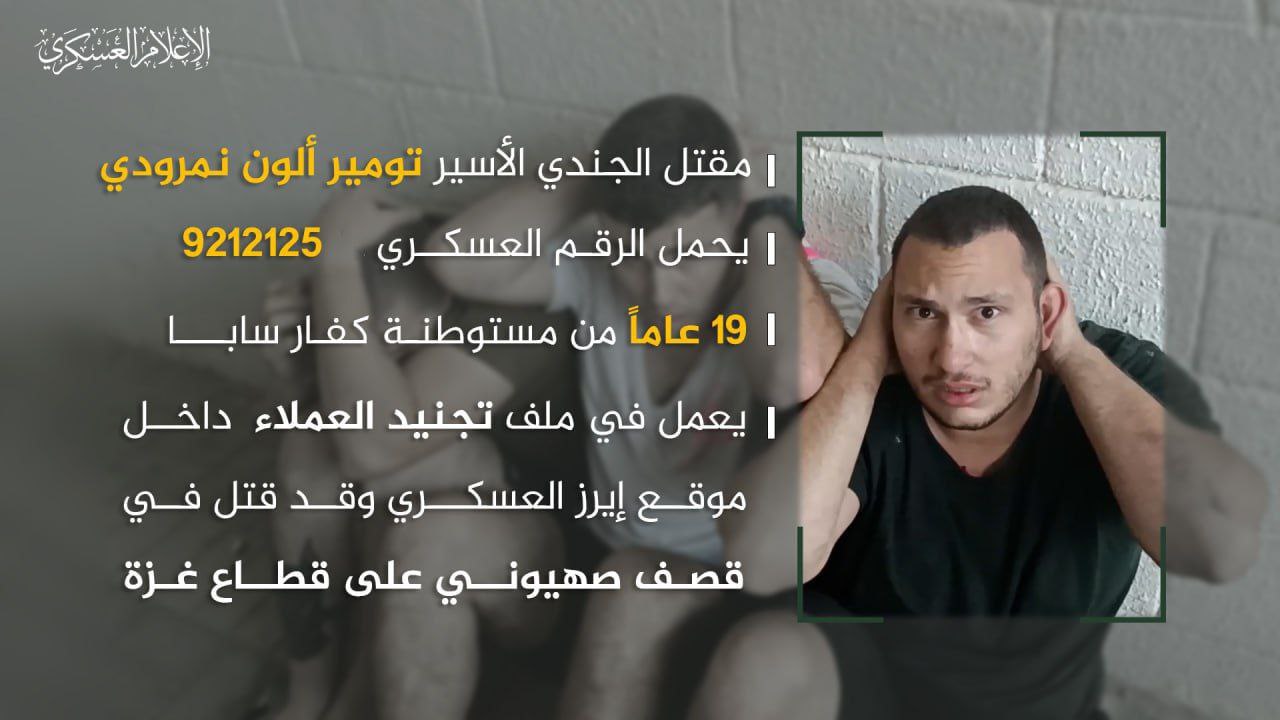
Four Israeli prisoners Were Killed By Israeli Airstrikes!
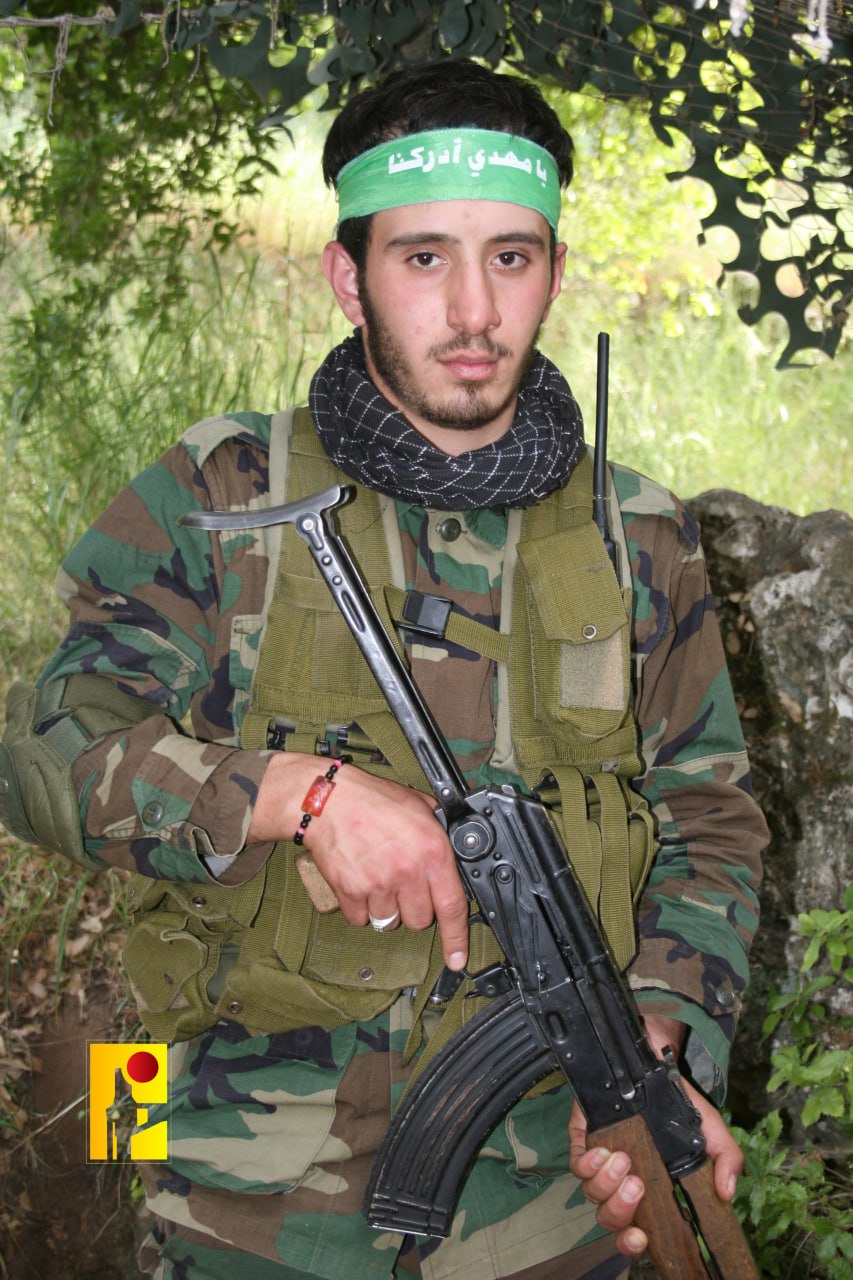
Al-Qassam published the picture and details of one of the four Israeli soldiers killed in the bombing. The killed soldier is Tomir Alon Nimrodi, 19, from the Kfar Saba settlement.
-
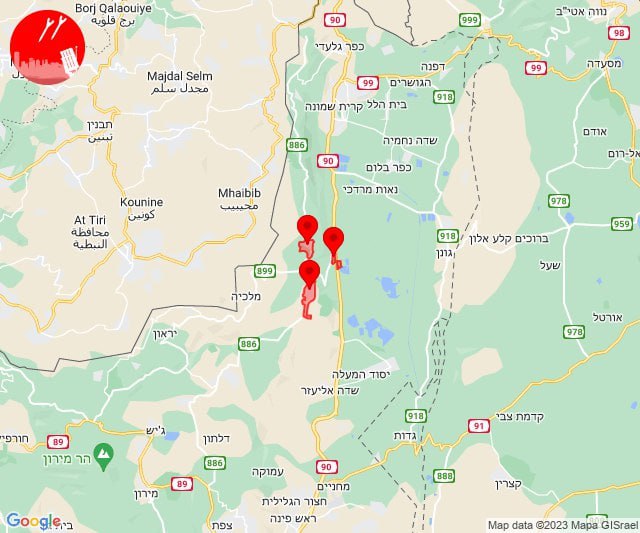
Clashes And Airstrikes On Lebanon Border
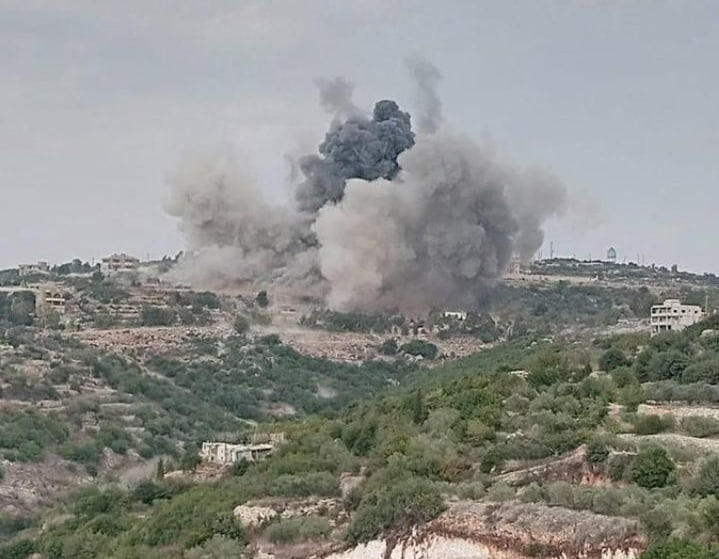
Shooting was reported on the border between Lebanon and Palestine. Local sources reported hearing the sound of shooting and clashes with Israeli soldiers on the border between Lebanon and occupied Palestine.
Saraya al-Quds, the military wing of the Palestinian Islamic Jihad movement, has taken responsibility for the attack from southern Lebanon on the Israeli regime’s positions in northern occupied Palestine. As a result of this attack, at least 7 Israeli soldiers were injured, one of them is reported to be in critical condition.
Hebrew sources stated that the Israeli army targeted a Hezbollah watch tower and the place where rockets were fired towards the occupied territories in southern Lebanon.
It is said that the areas of southern Lebanon have also been targeted by Israeli army aircraft. So far, the casualties of these conflicts have not been determined.
The moment Israeli aircraft targeted Hezbollah’s observation tower. The number of Israeli soldiers injured in armed conflicts on the northern borders has increased to four. Local sources claimed that the Israeli army targeted the villages of Yarin, Maruhin, Aita al-Shaab and Al-Dahirah in southern Lebanon.
-

Increase In Airstrikes, Artillery Attacks In Syria Under Shadow Of War In Palestine; Syrian Army Artillery, Russian Fighter Jets Take Breath Of Armed Militants!
Turkish military helicopters have targeted at least 146 positions in northern Syria in the past 72 hours. Russian fighter jets and Syrian army artillery continuously bombarded positions belonging to armed groups and terrorists in the Idlib Governorate.
Turkiye’s relentless airstrikes on northern Syria are carried out following a terrorist attack on the Turkish Ministry of Foreign Affairs in Ankara and under the pretext of combating the Kurdistan Workers’ Party (PKK) terrorism.
The Syrian army’s attacks on Idlib Governorate are also carried out following a terrorist attack by a drone on a military academy in Homs Governorate, which resulted in the martyrdom of 89 people.
According to local sources, the airstrikes by Turkish military helicopters have targeted 24 infrastructure facilities, 87 residential buildings, 14 Syrian army bases, 10 bases belonging to the so-called Syrian Democratic Forces (SDF), 6 farms, 3 factories, one school, and one hospital.
On the other hand, tensions between the Syrian army and armed groups in northern and northwestern Syria have increased due to the drone attack on the military academy in Homs Governorate and, as a result, an increase in artillery and airstrikes by the Syrian army on the positions of armed groups is visible.
On October 7-8, the positions of armed groups in areas such as Al-Nayrab, Al-Fatirah, Al-Ruwaiha, Ariha, Darat Izza, Idlib, and Jisr al-Shughur were targeted by the Syrian army’s artillery. Russian fighter jets also targeted the positions of armed groups in Ma’arrat Misrin and Kobani.
In response to these attacks, the armed groups targeted the areas of Nubl, Al-Zahraa, and Qardaha with artillery attacks. Local sources also claimed that a suicide drone near the military academy in Aleppo was tracked and destroyed by the Syrian army’s air defense systems. Further details and casualty figures of these attacks have not been released so far.
-
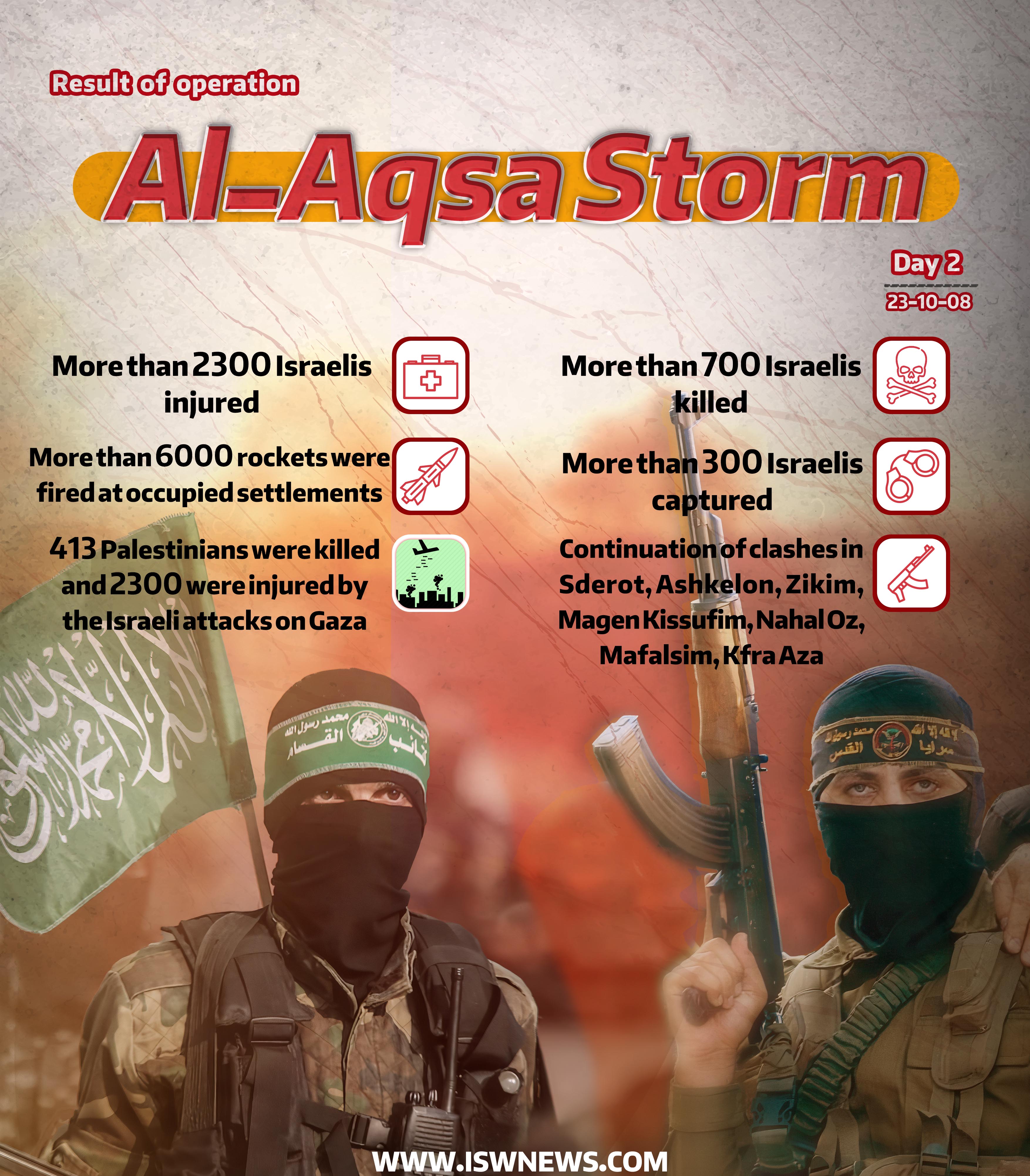
Infographic: Operation Al-Aqsa Storm, Day 2
Palestinian resistance groups fired more than 6,000 rockets at the occupied territories.
Clashes are ongoing in Sderot, the surrounding areas of Kissufim, Mefalsim, Kfar Aza, Nahal Oz, Kfar Aza and Magen. Abu Obaidah, the spokesperson of al-Qassam Brigades reported the infiltration of another group of Palestinian forces into the city of Ashkelon and their armed conflict with the security forces and the Israeli army.
The Palestinian Ministry of Health in the Gaza Strip announced that 413 Palestinians, including 78 children and 41 women, were killed and 2,300 others were injured since the start of Operation Al-Aqsa Storm and Israeli airstrikes on the Gaza Strip.
Click to view full size -
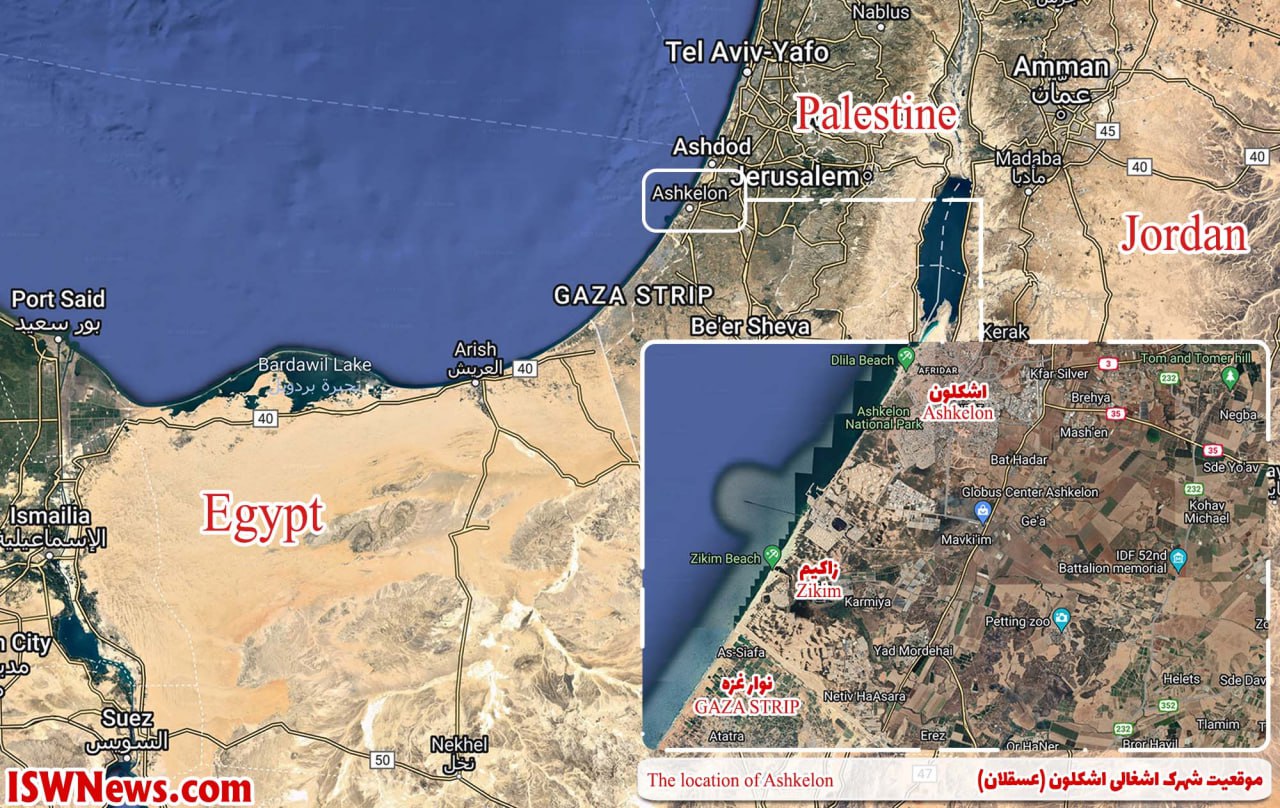
Beginning Of New Round Of Attacks On Ashkelon
Abu Obaidah, the spokesperson of Kataib al-Qassam, reported the infiltration of another group of Palestinian forces into the city of Ashkelon and their armed conflict with the security forces and the Israeli army.
Guerrilla attacks by the Palestinian resistance have caused heavy and unprecedented casualties to Israel, and Israel has so far admitted more than 700 deaths and more than 2,315 injuries.
-
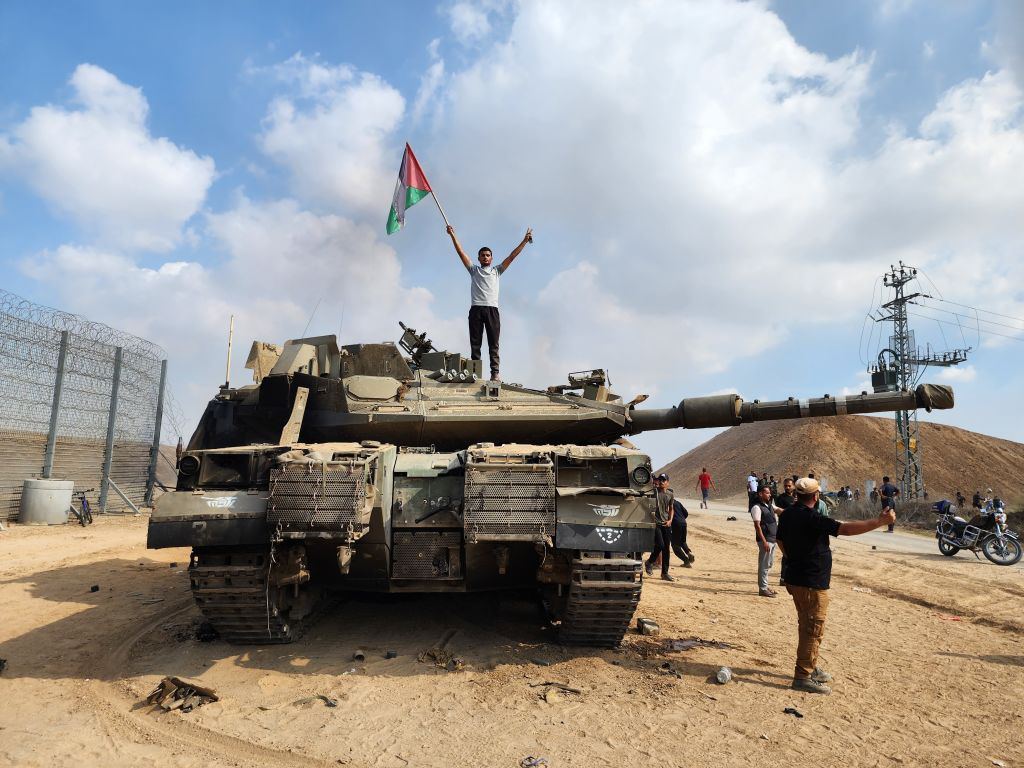
What Does Official Declaration Of Israeli War On Palestine Mean?
This declaration means activating Article 40 of Israel’s constitution. In this situation, the Israeli army has complete freedom to carry out extensive military activities and use all its air, land, and sea forces anywhere and can act independently. The last time that the Israeli regime used this clause was in the war against Arab states (Syria and Egypt) in 1973.
Given Netanyahu’s harsh statements and the goals of Operation Al-Aqsa Storm, according to commander of the Izz ad-Din Qassam Brigades in Palestine Mohammed al-Deif, it is unlikely that the war would come to an end soon.
Therefore, the process of starting and forming Israel’s main response to resistance operations may take several days. The reason for this is that Israel was caught off guard and was not prepared for such engagement. Therefore, Israeli air and ground force commanders are designing their operations against the Gaza Strip.
This operation will undoubtedly be accompanied by the widespread presence of invasive aircraft such as fighter jets, drones, helicopters, as well as armored equipment such as tanks and armored vehicles.
Under these circumstances, it remains to be seen what measures the resistance fighters have taken to counter Israel’s potential operations.
Is another surprise like Hezbollah’s engagement and Syrian resistance forces into the war in Palestine on the way? Will the next surprise occur in the West Bank? Or will the battle in the Gaza Strip ultimately be limited by Arab countries’ mediation to a ceasefire?
As the dimensions of the ongoing war become more obvious, we will delve deeper into the issue in the coming days.