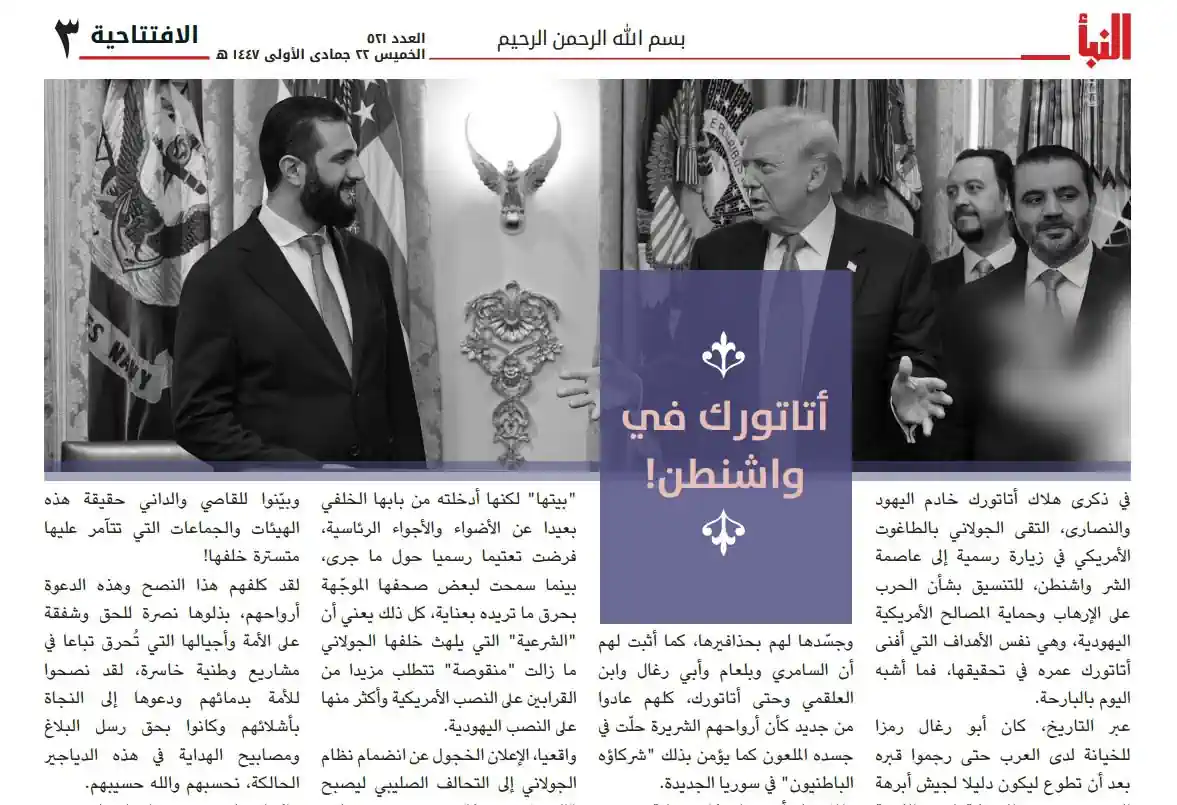
ISIS in the latest editorial of its al-Naba weekly describes Jolani’s recent trip to Washington as a repeat of the same “betrayal show.” They frame the visit as a direct link between him and the “capital of evil.” In this narrative, Jolani is not seen as a political actor but as a figure resurrected from a history of treachery—an extension of all those whom ISIS associates with a dark past.
Beginning of the Narrative: Betrayal Returns in a New Form ISIS does not view Jolani’s trip to the U.S. as a simple event. For them, it is a continuation of Atatürk’s path—someone who, in their perception, lived and fought to advance Western goals. Thus, Jolani’s visit is symbolically placed alongside Atatürk’s legacy: an act aimed at weakening the Muslim community and serving the interests of America and its allies.
The comparison is not limited to Atatürk. Jolani is depicted as a new link in a long chain of historical traitors—figures who, in ISIS’s view, paved the way for enemies and served foreign powers. The purpose of these comparisons is to cement Jolani’s image as a “symbol of betrayal” in the minds of their audience.
Prelude to the Trip: A Path Built Behind the Scenes ISIS claims Jolani’s journey was the result of months of consultations and contacts with U.S. officials, portraying him as someone who had to “prove himself” step by step to gain Washington’s trust. Each meeting with American officials is described as offering “new concessions,” ultimately leading to the main encounter with the U.S. president. The narrative paints Jolani as a man who must pay the price of political advancement through security and political actions against others.
Media Displays: Signs of “New Loyalty” ISIS interprets Jolani’s promotional videos—especially those showing him engaged in sports—as staged symbols of “victory displays.” These images are seen as part of a performance to show that each new collaboration with the U.S. translates into fresh political gains. A photo of him alongside American commanders is presented as further evidence that Jolani has now secured a place within Western military and political structures.
Political Dimensions: From Containing Iran to Rebuilding Syria ISIS situates Jolani’s trip within broader regional dynamics. They argue that the U.S. seeks to diminish Iran’s influence in Syria, while Turkey supports Jolani as a more pragmatic alternative for Syria’s future—an actor capable of playing a role in the country’s new political framework. In this context, the lifting of U.S. sanctions on Jolani is interpreted as granting him “semi-legitimacy,” though ISIS insists it is incomplete and will demand further concessions.
From Hidden Cooperation to Open Partnership ISIS asserts that Jolani’s formal alignment with the international anti-terror coalition is merely the public declaration of a partnership that has existed covertly for years. They cite recent security operations by Jolani’s forces—arrests and pursuits of individuals linked to jihadist groups, coinciding with Israeli strikes in southern Syria—as proof. His silence in the face of Israeli attacks is portrayed as evidence that “his weapons are aimed in only one direction.”
Propaganda Use: Invoking the Legacy of ISIS Leaders To reinforce its narrative, ISIS references the words and guidance of its slain leaders, aiming to restore moral and ideological legitimacy. The account honors those who “gave their lives on this path” and calls for the return of former ISIS fighters.
Final Message: “The End of Jolani’s Path” In conclusion, ISIS presents Jolani’s trip as the ultimate symbol of his “complete transformation”—a man who abandoned jihad and entered the service of global powers. For ISIS, this serves as a cautionary tale: an example of how someone once listed as a “terrorist” can become a “partner of the West.”
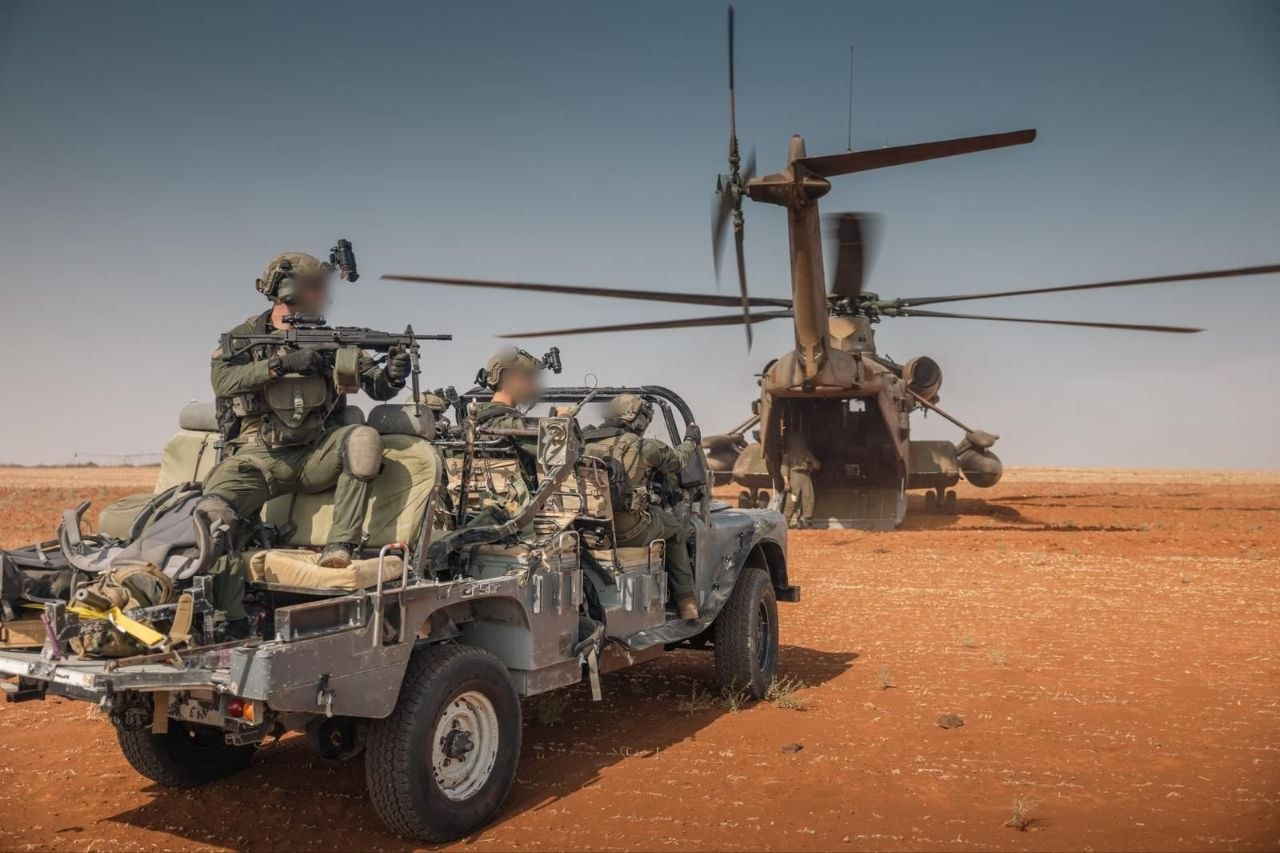
In this exercise, the Israeli army rehearsed more than 40 potential combat scenarios, supported by around 180 aircraft from the ground forces. Alongside the army’s ground and air units, technology and logistics units, police forces, and the Magen David Adom emergency service also took part. For the first time in Israeli military drills, two regional divisions under Central Command entered operations simultaneously.
The Judea and Samaria Division (Division 417) is one of the ground force divisions under Central Command, composed of five brigades and various military units. It is tasked with securing the West Bank and countering Palestinian resistance groups in the area. Its mission focuses on asymmetric warfare (preventing terrorist attacks, suppressing uprisings), protecting settlements, and coordinating intelligence-security operations with Israeli agencies and the Palestinian Authority.
The Gilead 96 Division consists of one infantry brigade and three armored brigades, responsible for defending the northern front of occupied Palestine and the occupied Golan Heights.
The joint participation of these two divisions in Lion’s Roar demonstrates the Israeli army’s readiness to confront simultaneous threats along the northern and eastern borders of Palestine. In practice, the drill serves as preparation for a large-scale offensive on the West Bank as the primary target, alongside potential clashes in southern Lebanon or across the Lebanese front.
Israeli commanders stress that lessons were learned from the October 7 “Al-Aqsa Flood” operation, and the purpose of this exercise is to improve reaction speed against resistance actions and strengthen Israel’s defensive structure against unconventional threats. However, the operational framework of the drill suggests that Israel is preparing for a new offensive against resistance groups in the West Bank, likely accompanied by simultaneous conflict in Lebanon.
Although Israeli media reports did not explicitly mention threats from Yemen or Iran, it is likely that scenarios involving missile and drone attacks from these actors were also rehearsed.
Overall, the Israeli army appears to be preparing to dismantle resistance cells in the West Bank and establish full control over the area—an approach that further undermines the prospect of a two-state solution.
The Barak MX air defense system was designed to establish a flexible, multi-layered defensive structure against a wide range of aerial threats, including fighter jets, helicopters, drones, cruise missiles, anti-ship missiles, and tactical ballistic missiles. The term “MX” in its name stands for Mix of system elements for Maximum performance and flexibility, highlighting its modular, software-driven, and adaptable nature, while its hardware foundation is based on the earlier Barak system.
The origins of Israel Aerospace Industries (IAI) with the “Barak” system date back to the 1990s, when the company, in cooperation with Rafael, developed the Barak 1 missile to protect Israeli naval vessels against aircraft and anti-ship missiles. With a range of about 10 kilometers, its first operational use did not occur in the 1990s but rather in July 2022—nearly three decades later—when Hezbollah launched three drones toward the Karish gas platforms. One was shot down by an F-16 fighter jet, while the other two were intercepted by a Sa’ar-class corvette using Barak 1 missiles.
Barak 1 fired from a Sa’ar-class corvette
In 2007, the then–CEO signed an agreement with India’s Defence Research and Development Organisation (DRDO) to develop a new version of the missile with a range of 70 kilometers for the Indian Navy—later known as Barak-8. The contract, valued at around $1.5 billion, was considered one of the largest projects in IAI’s history. The missile’s engine was developed by the Indian side, while nearly all other system components were produced by Israel.
Barak-8 became operational in 2015 and entered service aboard India’s new destroyers. Over time, various missile types with different ranges were integrated into a comprehensive system.
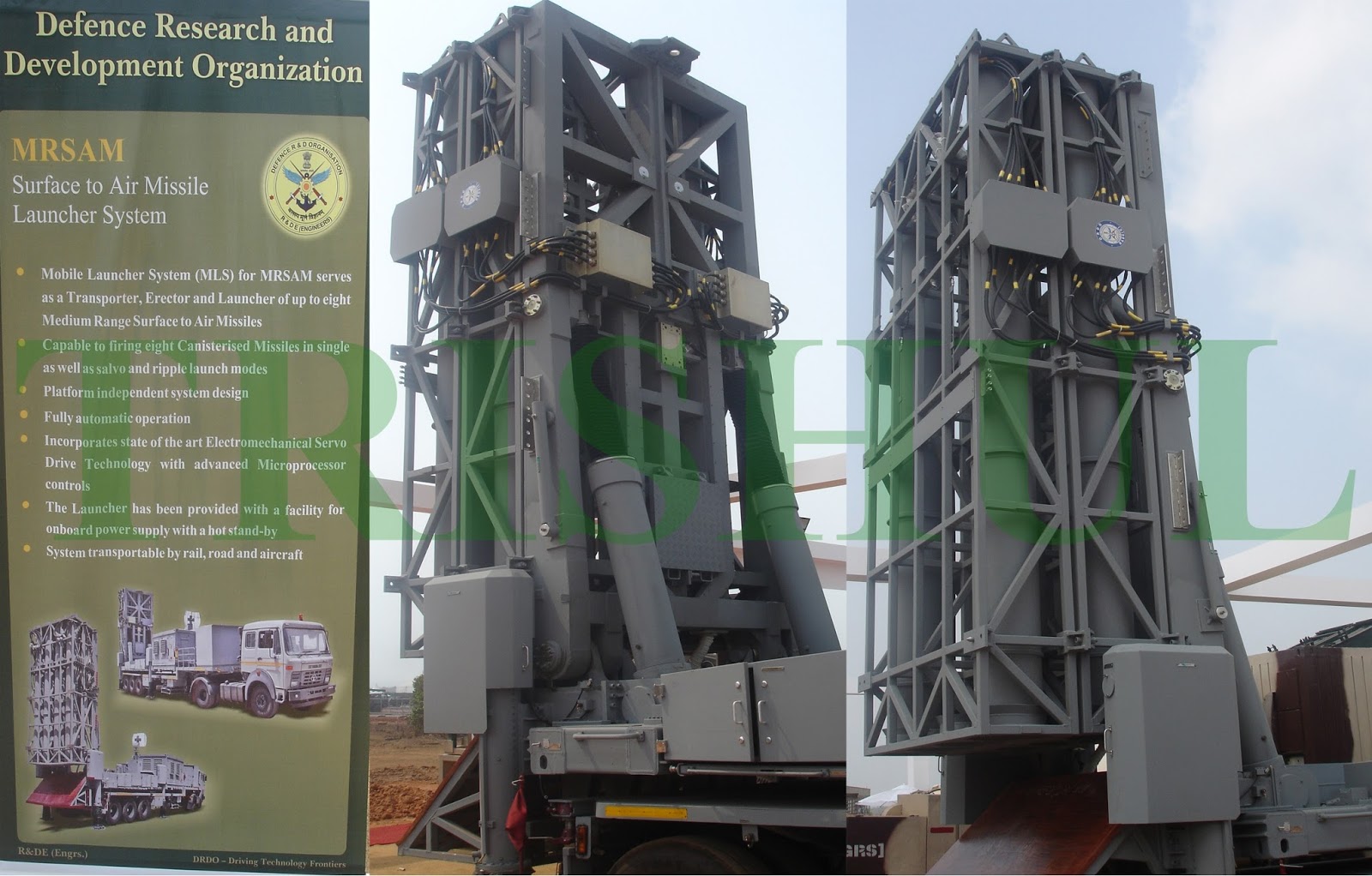
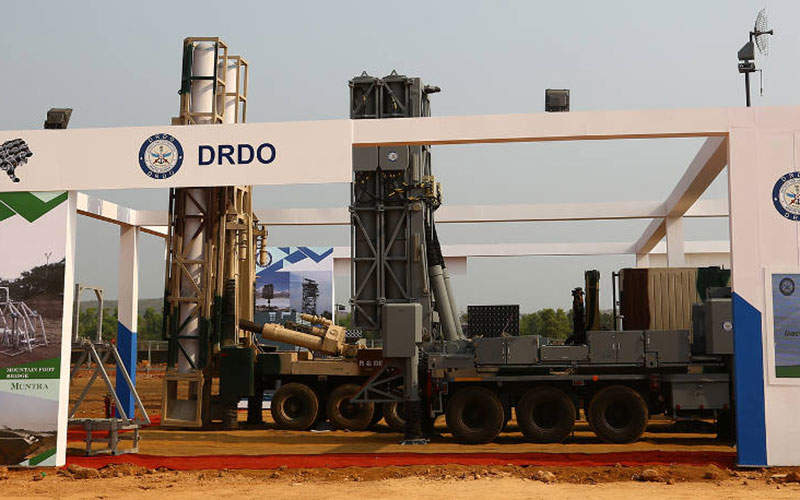
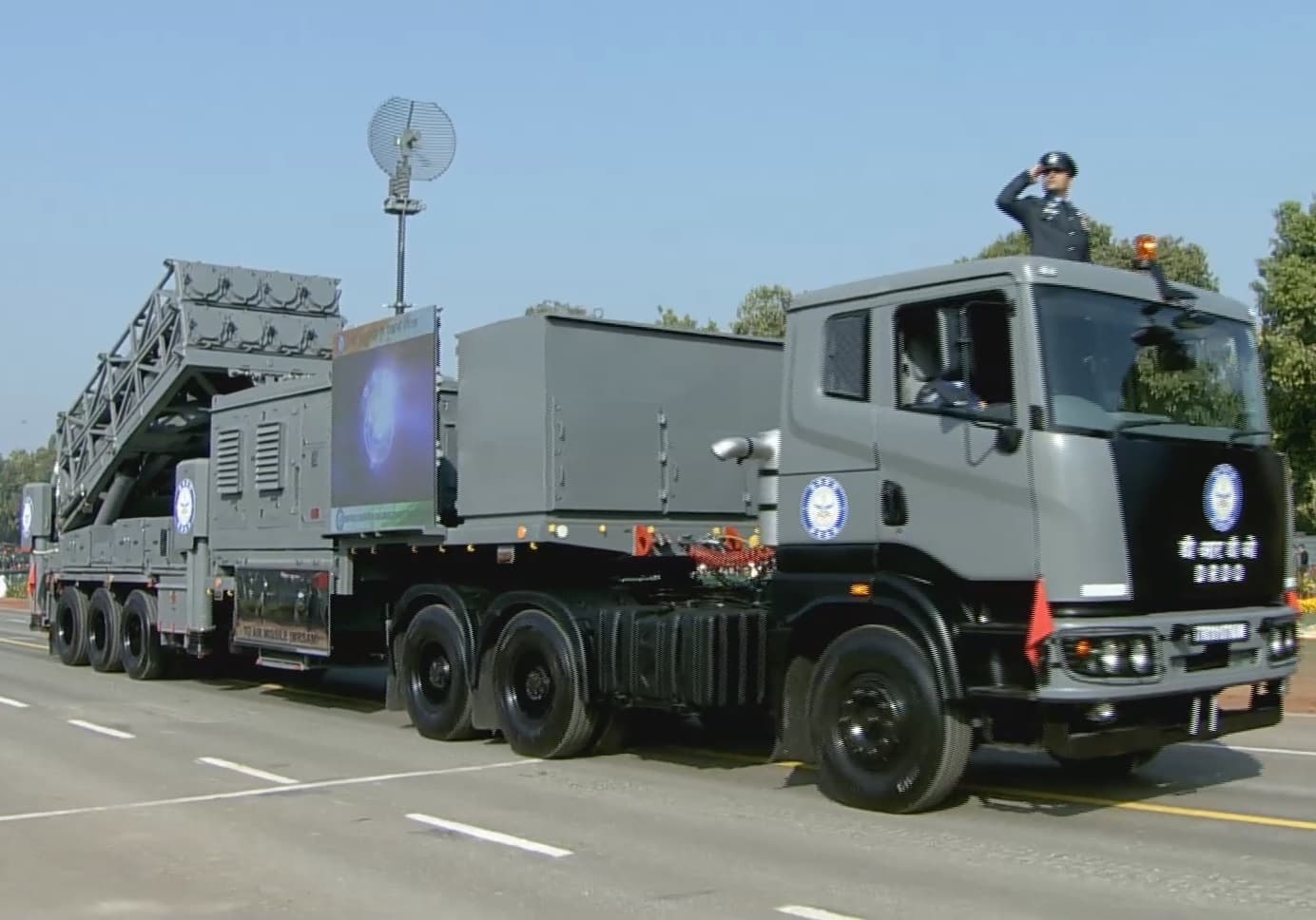
Land-based version of the Barak system at India’s Defense Research and Development Organization
Barak MX Defense System Components:
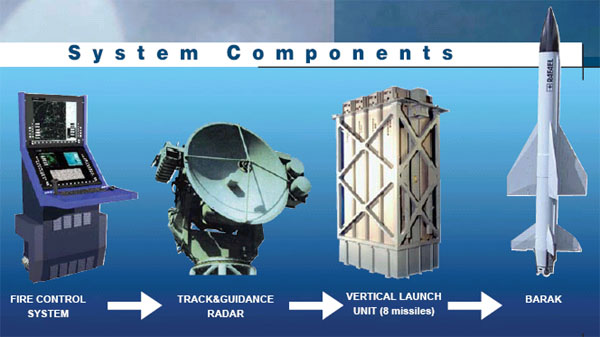
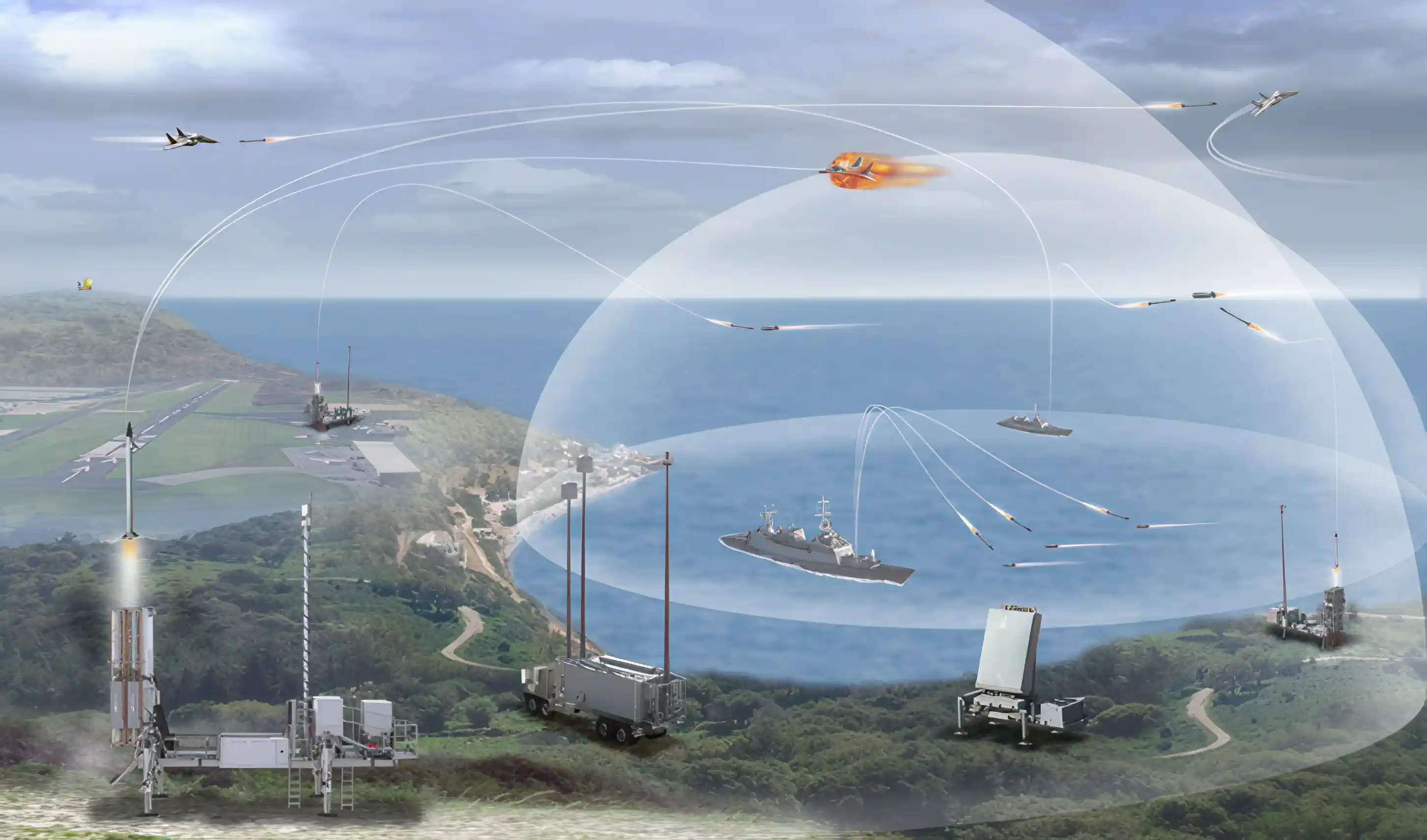
The Barak MX system is composed of three primary elements: the Battle Management Center (BMC), the EL/M-2084 Multi-Mission Phased Array Radar (MMR), and a family of interceptor missiles with varying ranges, each of which will be examined separately.
Barak MX defense system
Battle Management Center (BMC): The BMC serves as the brain of the system, functioning in the domains of command, control, and communications. It integrates data collected from radars and various sensors to generate a unified air situation picture. One of the system’s unique features is the Launch Over Relay (LOR) capability, which allows fire units to launch missiles at targets detected by another unit’s radar. This function is particularly valuable in complex battlefields, enabling optimal use of all interceptors and preventing redundant engagements against the same target. The BMC can be deployed in fixed facilities, semi-mobile platforms, or fully mobile units.
Barak System Radars
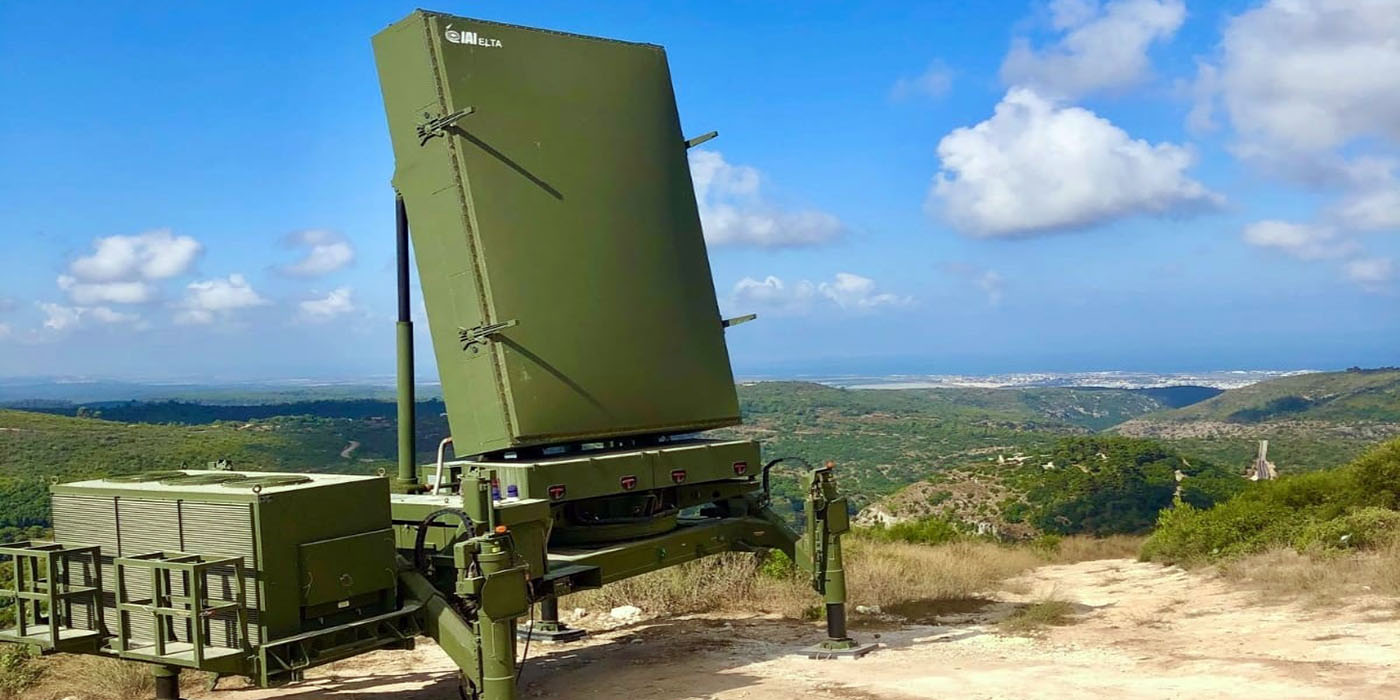
ELM-2084 MMR: Barak was developed based on radar architecture already established within Israel Aerospace Industries. As such, the EL/M-2084 multi-mission radar family, under development since 2002, is employed in this system. This radar is also used in the Iron Dome and David’s Sling systems, with its first operational record dating back to 2011. This commonality allows rapid deployment of Barak MX launchers alongside other systems using the same radar. Notably, during the 12-day war, Barak MX was urgently and temporarily deployed in the occupied territories at the request of the Israeli military.
Israel Aerospace Industries has delivered more than 250 units of this radar family to clients worldwide. Among them is a 2009 contract for 34 EL/M-2084 radars signed by India. Other known users include Vietnam, Singapore, Hungary, Finland, the Czech Republic, Canada, Azerbaijan, and the United Arab Emirates, employing the radar either within the Barak air defense system or as part of other IAI products.
ELM-2084 MMR radar
Manufactured by Elta Systems, the ELM-2084 serves as the primary sensor of the system. Operating in the S-band with Active Electronically Steered Array (AESA) technology, it offers high mobility and rapid frequency agility, enabling simultaneous detection of up to 1,200 targets. The radar’s maximum detection range is cited as 470 km, while its optimal tracking range is estimated at 256 km. It also provides artillery weapon location capabilities, detecting firing positions within a 100 km radius at a rate of 200 targets per minute, while calculating probable impact points. Coverage extends to 120° in static mode and 360° in rotating mode, with vertical coverage up to 50°, reaching altitudes of approximately 30 km.
The system is built on a modular design philosophy and an “open radar interface,” allowing users to integrate different radars according to their existing infrastructure. This reduces dependency on a single supplier and enables gradual, cost-effective upgrades. Thanks to its modular architecture, the Barak MX system can also support other radars from the same family, consolidating complementary data from multiple sensors.
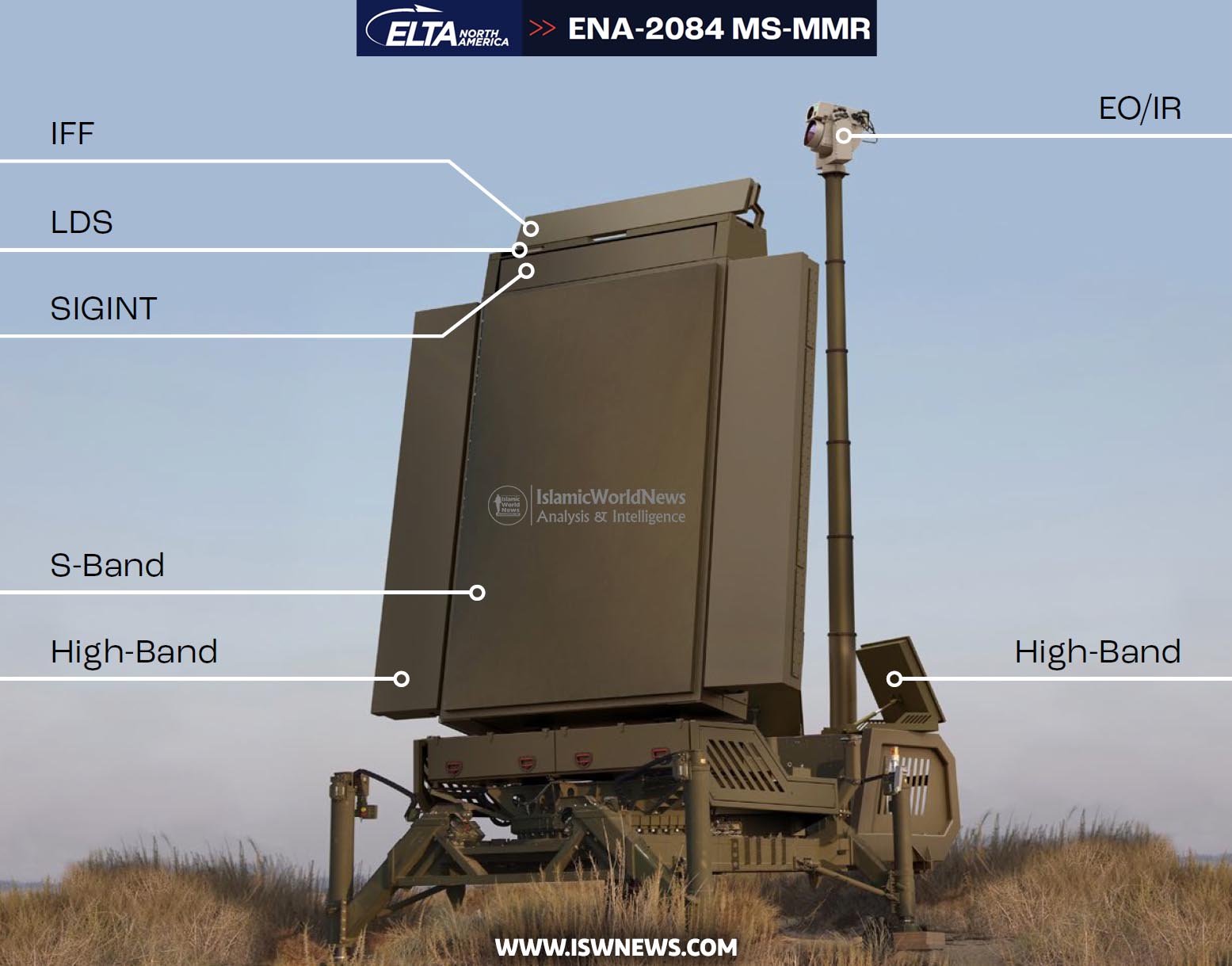
ENA-2084 MS-MMR: The enhanced multi-sensor version, known as MS-MMR (or ENA-2084 MS-MMR), integrates both active and passive sensors to deliver a higher-quality Air Situation Picture (ASP) and more effective support for weapon systems. The MS-MMR platform combines multiple bands and multi-spectral sensors, including a high-band radar, Identification Friend or Foe (IFF) system, SIGINT modules, electro-optical and infrared (EO/IR) sensors, and Launch Detection Sensors (LDS).
ENA-2084 MS-MMR radar
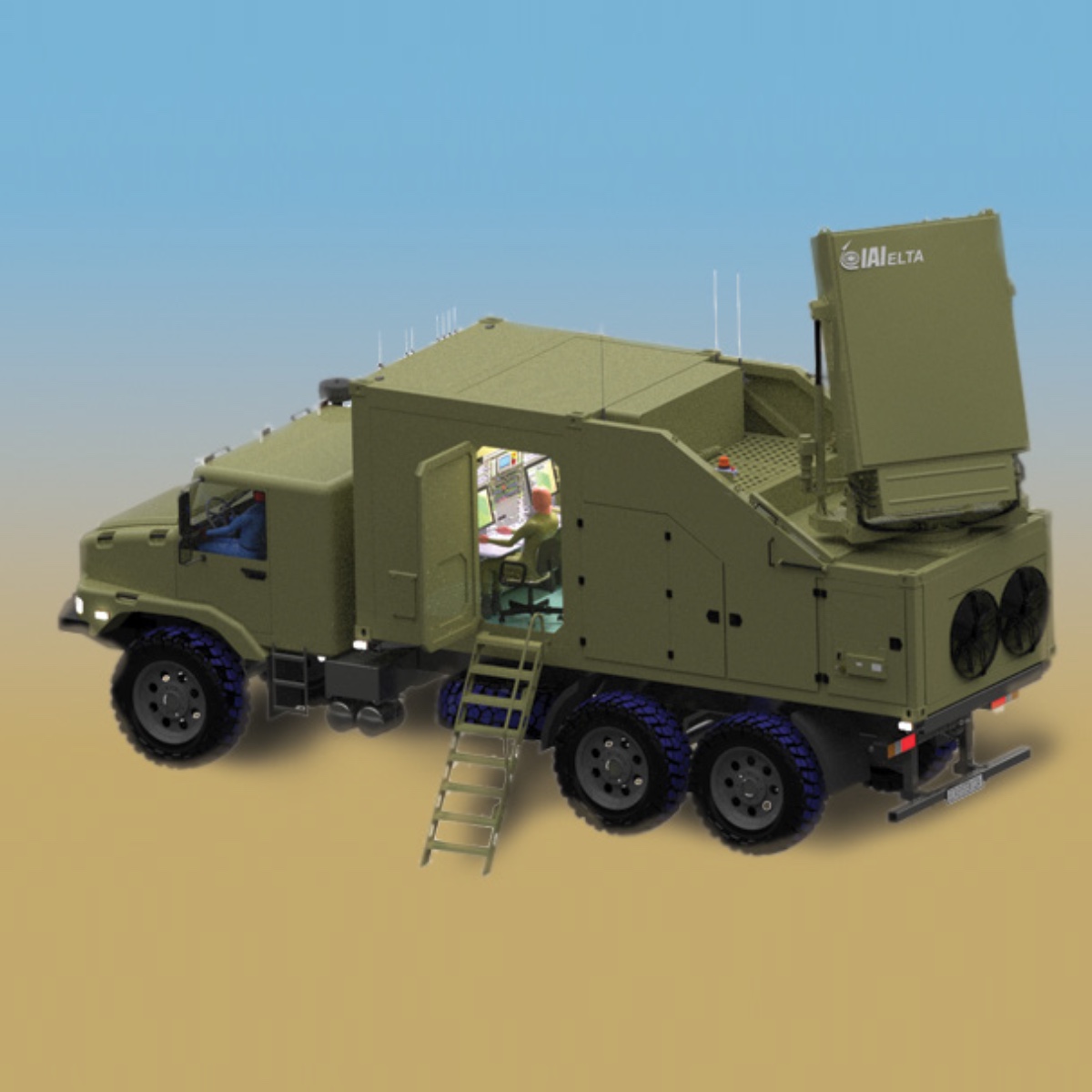
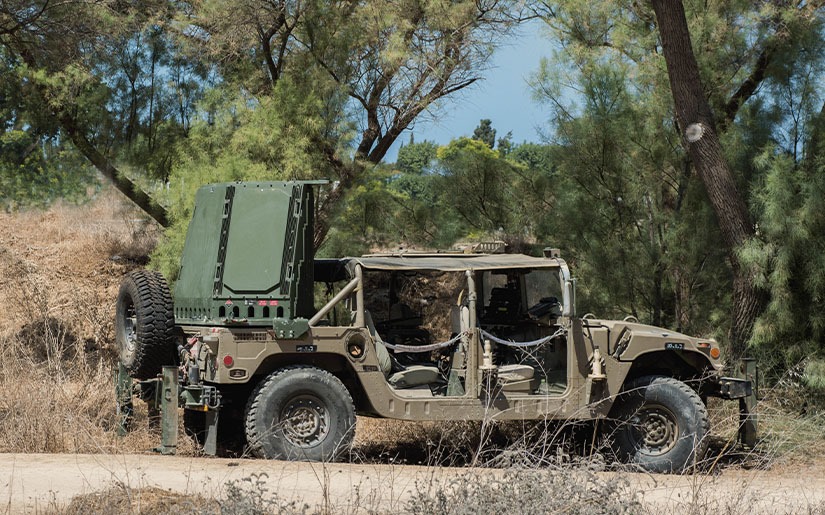
ENA-2311 C-MMR Radar: Another version of this radar, known as C-MMR (Compact Multi-Mission Radar), has been introduced with a smaller physical footprint. The ENA-2311 is highly mobile and can be rapidly deployed on a single vehicle for field forces. It employs a 3D AESA (Active Electronically Steered Array) antenna. The main components of the C-band Doppler radar include a phased-array antenna, cooling unit, power supply unit, and operator consoles equipped with communication systems.
The C-MMR is designed for Air Defense (AD) missions with a detection range of up to 250 km, and for Artillery Weapon Location (WLR) missions with a range of 70 km. In artillery mode, the radar can identify the launch and impact points of mortars, cannon shells, rockets, and missiles.
ENA-2311 C-MMR radar
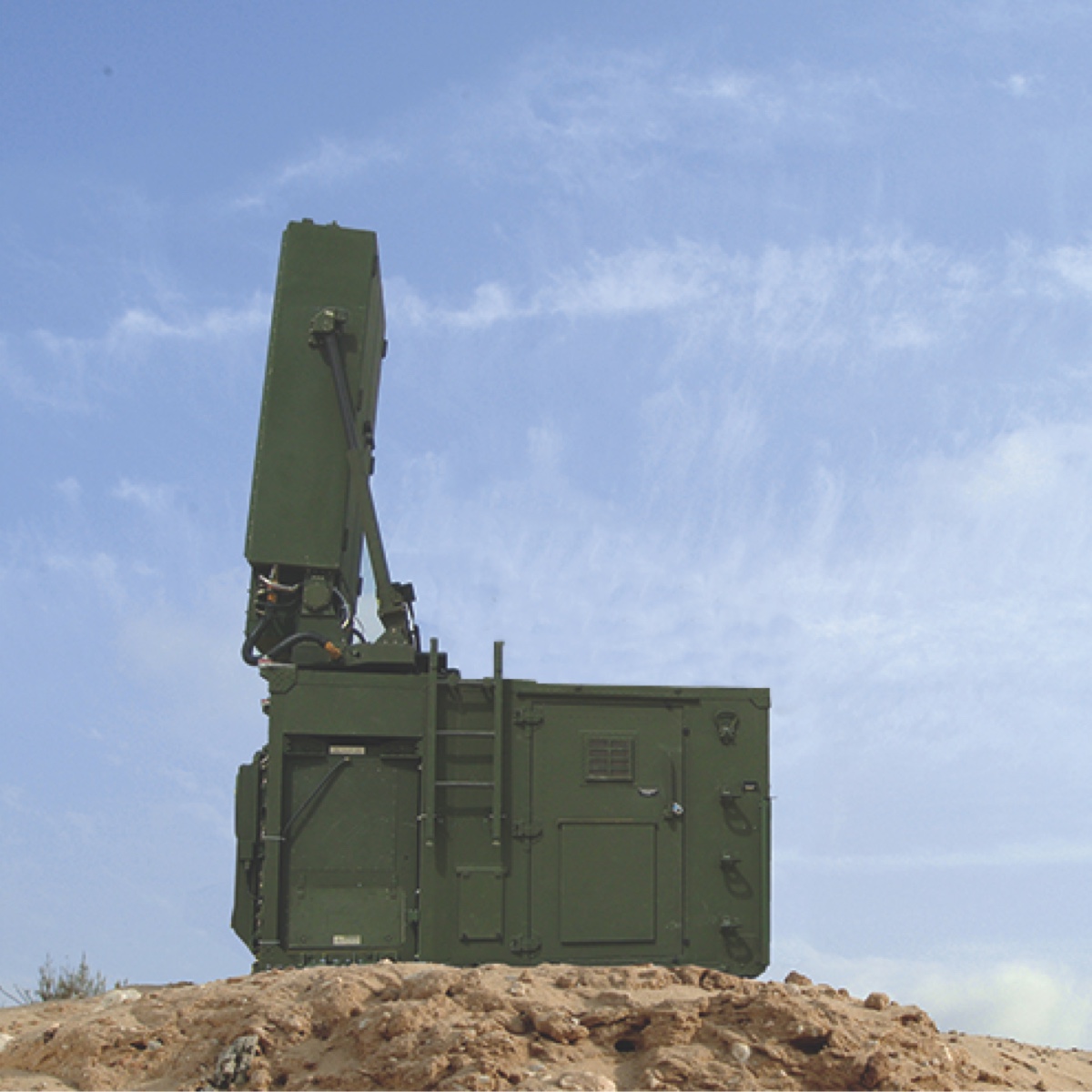
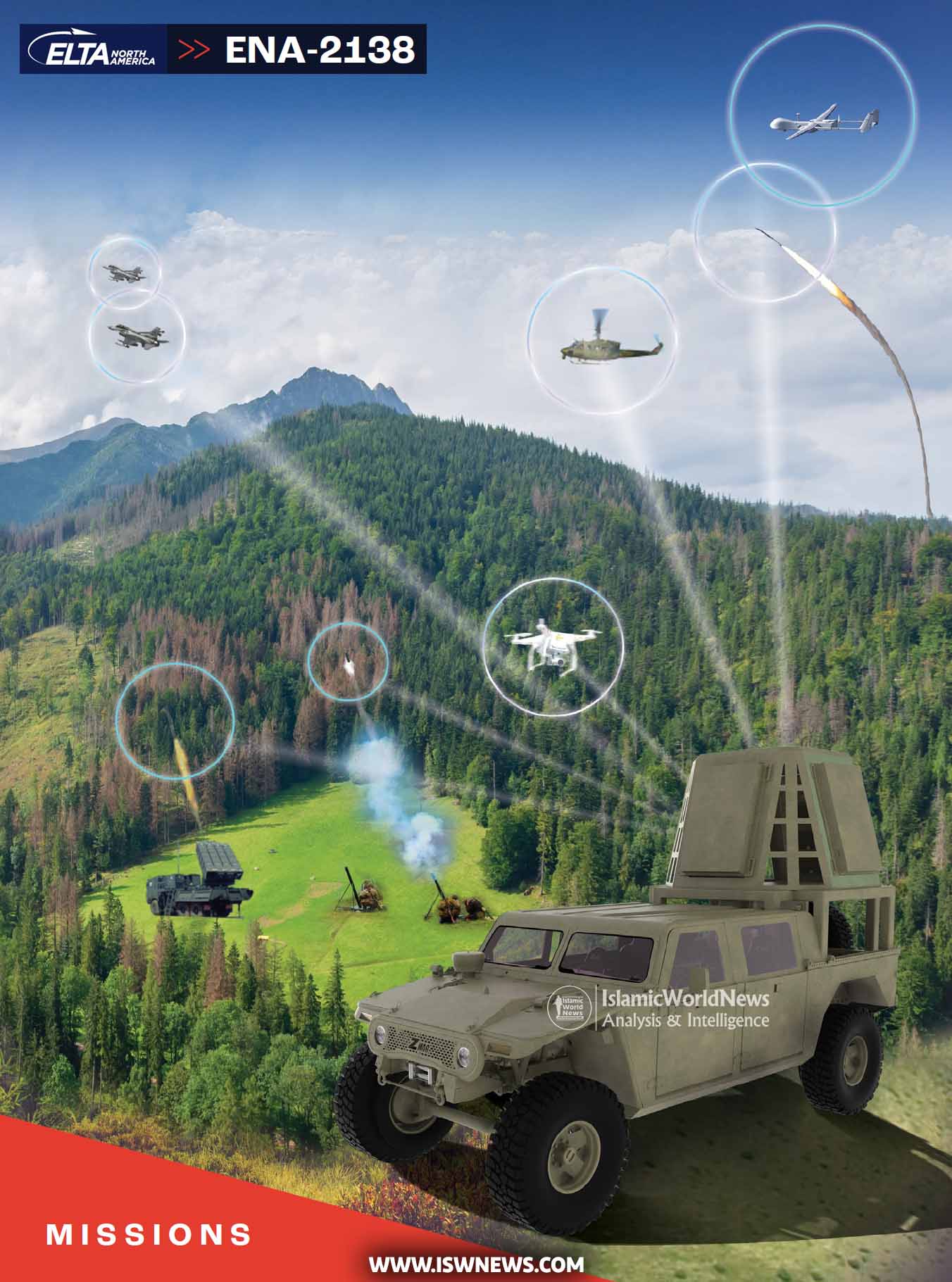
ELM-2138M Green Rock Radar: The ELM-2138M Green Rock variant of this radar family is capable of detecting around 100 targets at ranges of up to 250 km. Designed specifically for deployment on tactical vehicles, it places particular emphasis on tracking small, low-RCS targets flying at low altitude and slow speed.
Its maximum effective range is 100 km, and it can be integrated into a fire unit as a complementary sensor for detecting miniature aerial threats and cruise missiles.
ELM-2138M Green Rock Radar
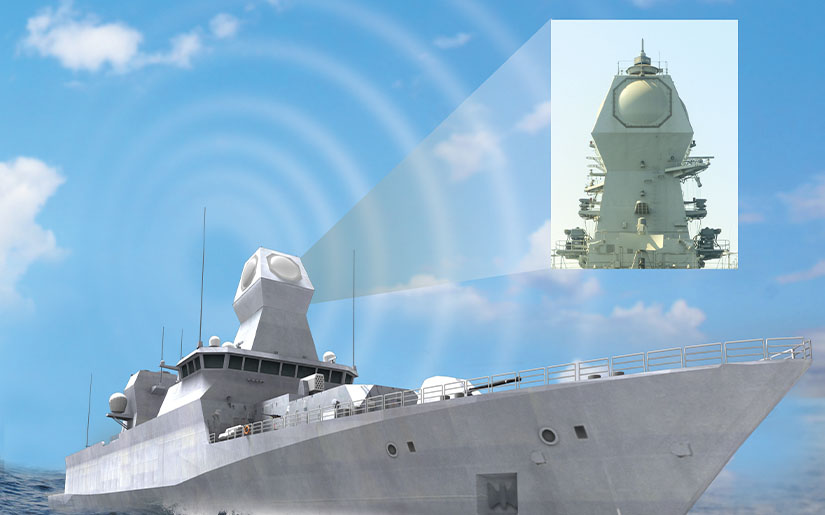
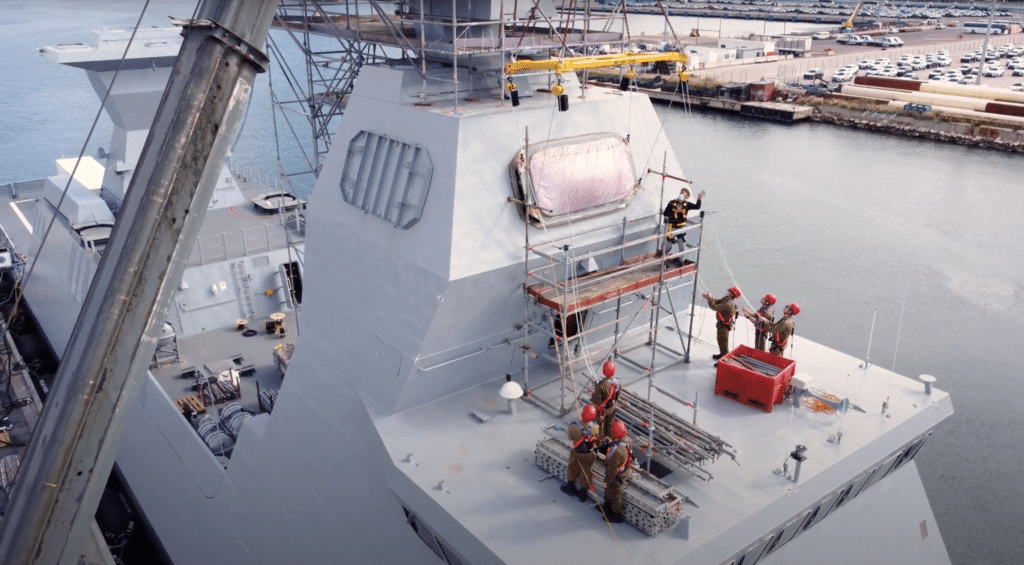
ELM-2248 MF-STAR Radar: In its naval variant, the Barak MX system employs the ELM-2248 MF-STAR, a multi-function digital S-band AESA radar designed for search and target acquisition. The MF-STAR’s primary array consists of four scalable panels, which can be configured and dimensioned according to the type of vessel on which they are installed.
EL/M-2248 MF-STAR radar
In the corvette version, each radar panel weighs about 500 kg and measures 1 × 2 meters. The below-deck equipment adds around 1,300 kg, bringing the total system weight to approximately 3,300 kg. In the frigate version, each radar panel has a diameter of 3 meters and weighs about 1,500 kg. The below-deck equipment in this model weighs about 4,000 kg, resulting in a total system weight of nearly 10,000 kg. In this configuration, the radar’s detection range increases from 250 km to about 450 km.
Barak MX Interceptor Missiles
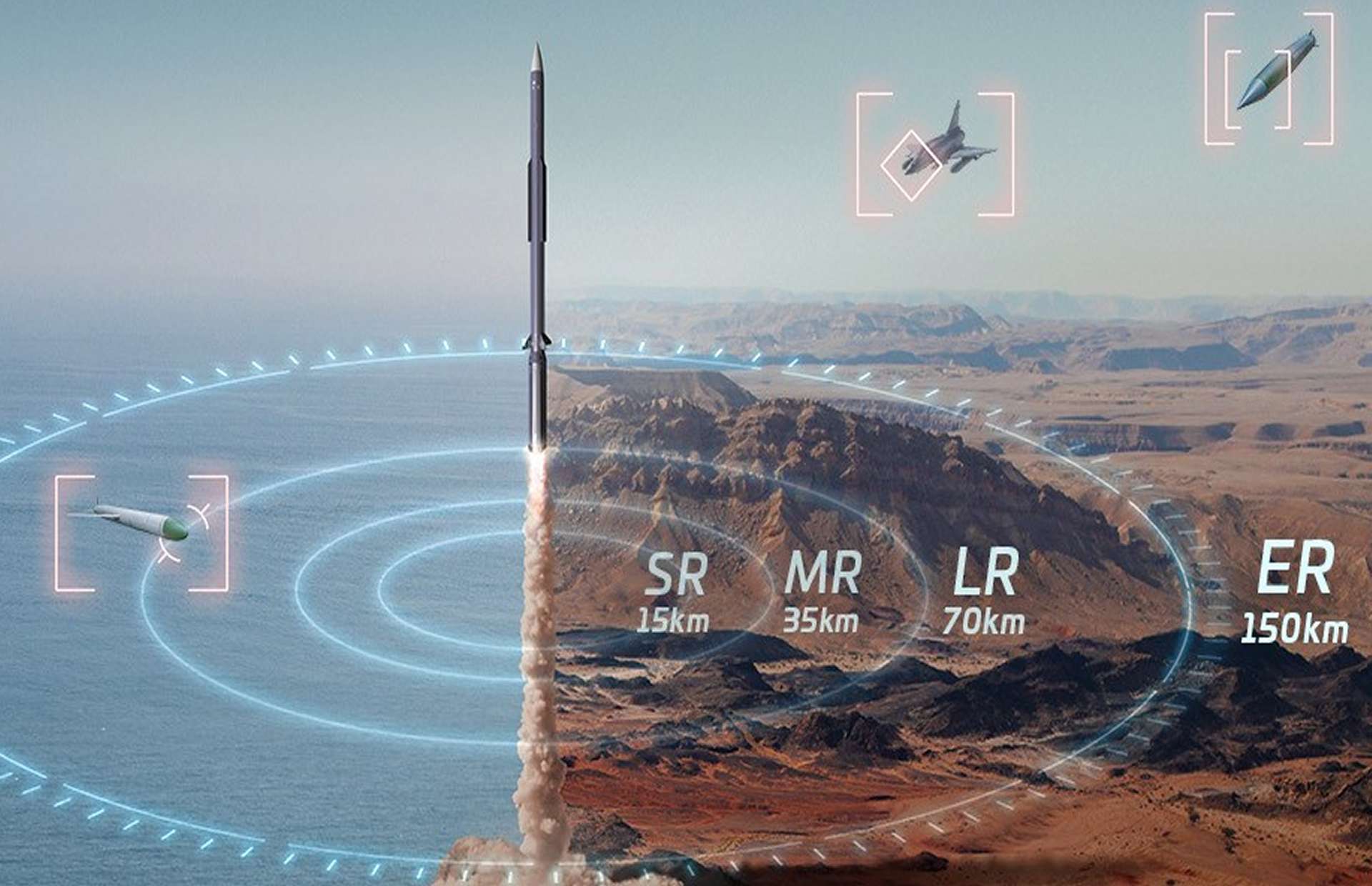
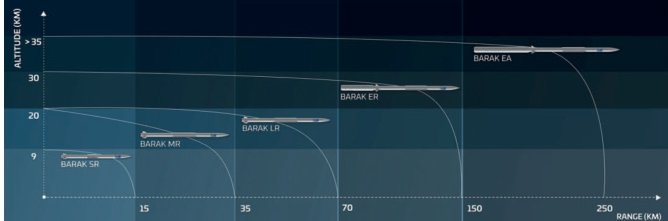
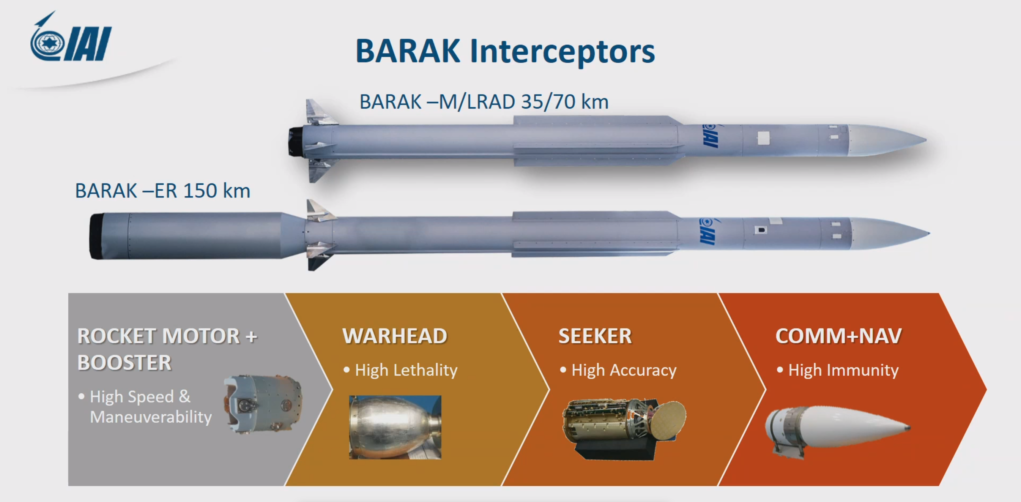
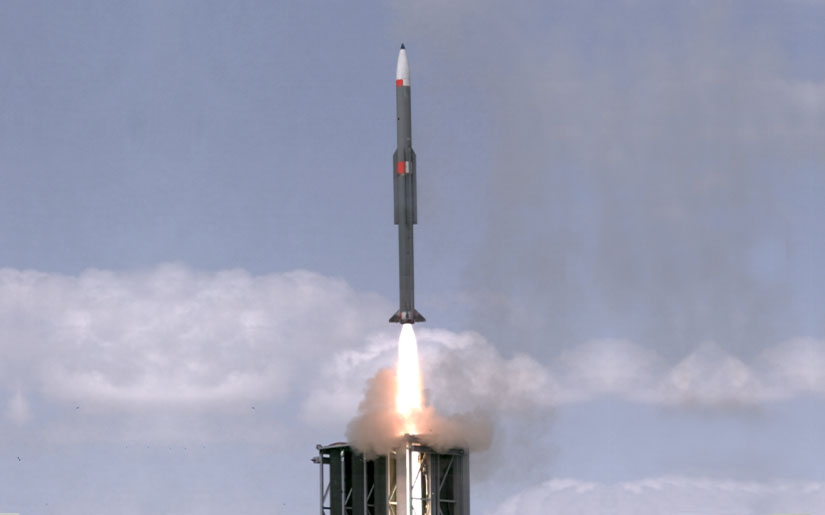
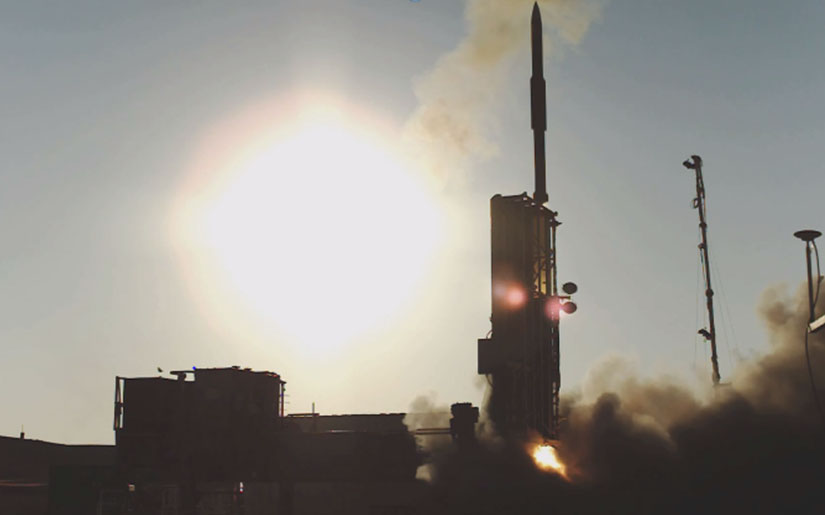
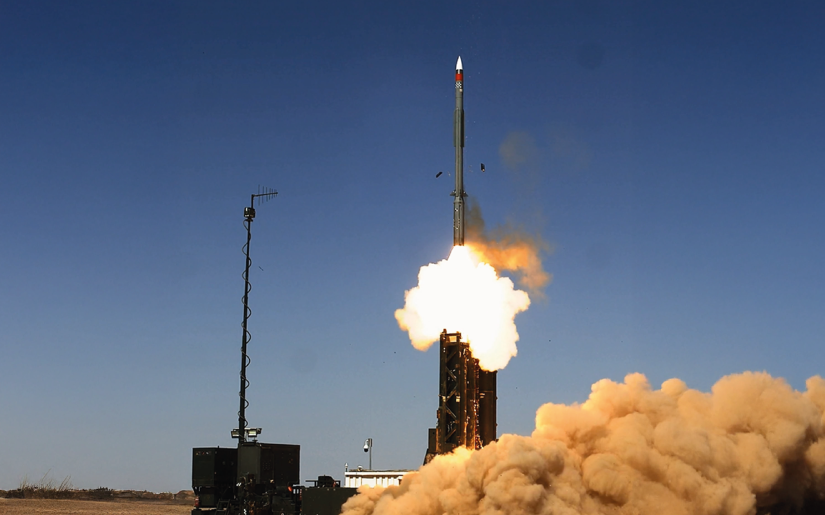
The missile family of the Barak MX system consists of four vertically launched interceptors: the Barak SRAD with a range of 15 km, the Barak MRAD with a range of 35 km, the Barak LRAD with a range of 70 km, and the Barak ERAD with a range of 150 km and a flight ceiling of 30 km. All of these missiles are of dedicated design and, unlike many conventional air defense interceptors, are not adapted from air-to-air missiles. This design choice allowed engineers to use a larger body diameter, enabling the integration of a more powerful radar seeker, a bigger warhead, and a more efficient propulsion system.
Barak MX interceptor missiles
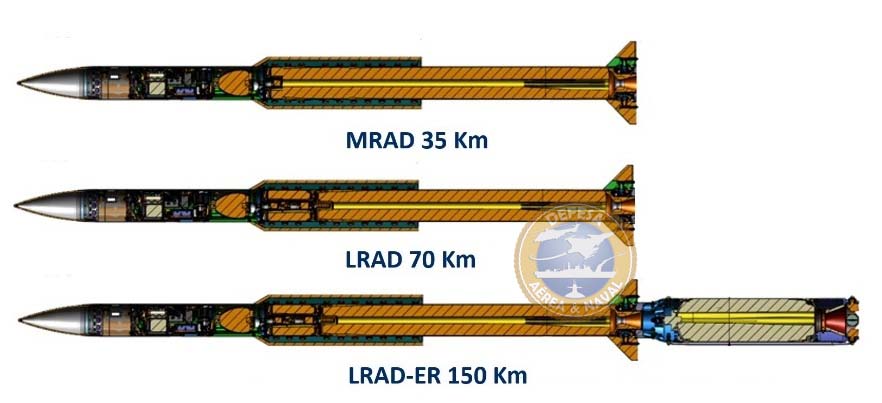
Long-range Barak interceptors such as the Barak ER employ a vertical launch booster and dual-pulse solid-fuel rocket motors. The second pulse is activated during the terminal phase to enhance maneuverability and preserve energy for interception. The MRAD variant, equipped with a single-pulse motor, offers maneuverability of up to 50 g and is designed to counter fast and agile targets at shorter ranges.
During the mid-course phase of flight, in addition to the onboard navigation system, a two-way datalink with the Battle Management Center (BMC) provides real-time trajectory corrections. All missiles in the family are equipped with active radar seekers for terminal guidance, granting them true “fire-and-forget” capability.
From left to right, Barak MRAD, LRAD, and ERAD missiles, respectively.
The 60 kg warheads of these missiles are fragmentation-explosive types equipped with proximity fuzes, detonating at the optimal distance from the target to multiply the probability of destruction. The combination of high maneuverability, dual-pulse propulsion, and active radar guidance enables the Barak family to successfully intercept threats such as low-flying cruise missiles or ballistic missiles in their terminal phase with a high likelihood of success.
Barak MX Users
Since becoming operational in 2016, the system has been adopted by at least seven countries.
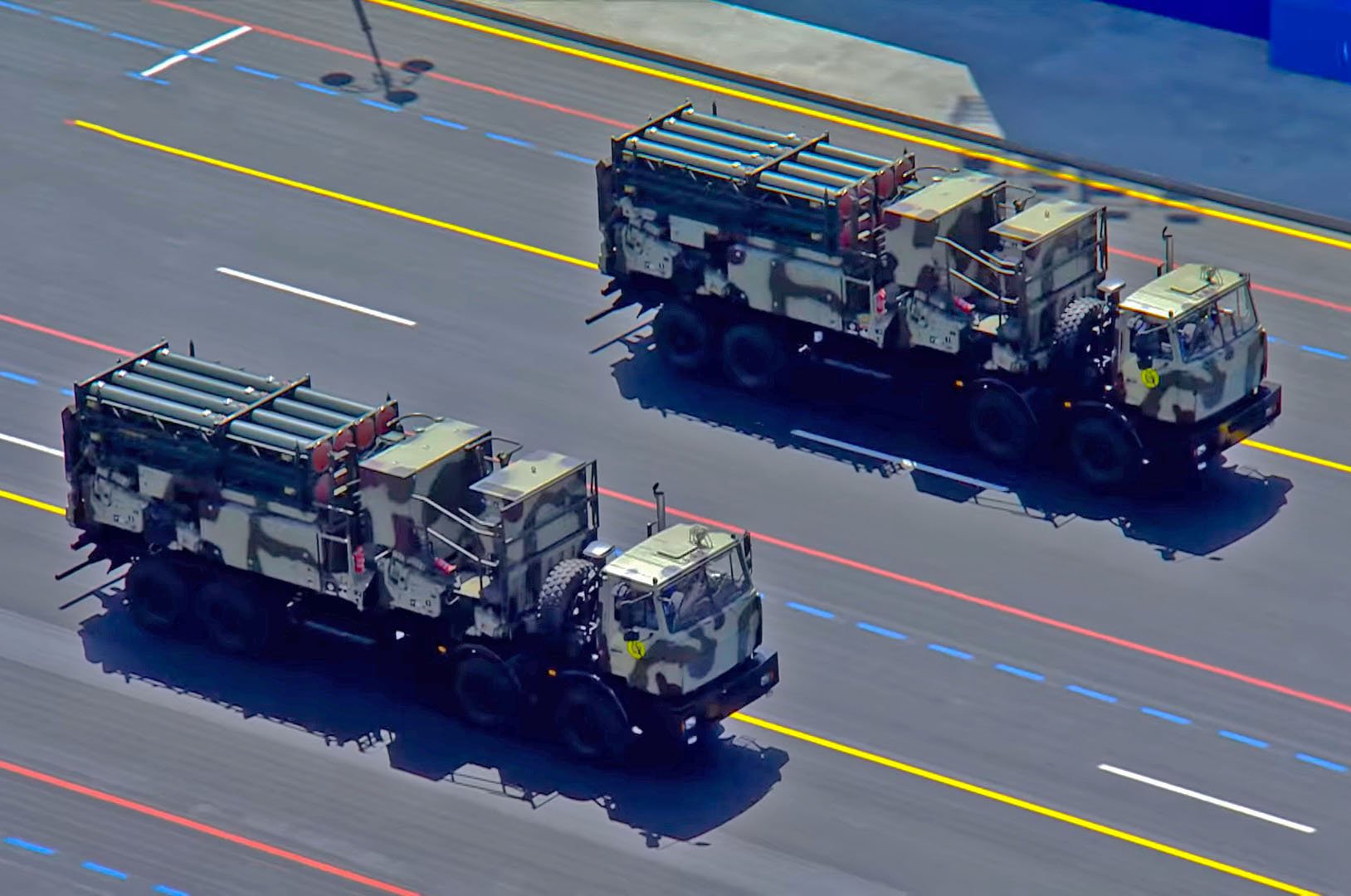
In the South Caucasus, the Republic of Azerbaijan is one of the key operators of Barak MX. The acquisition of this system is part of a broader military cooperation with Israel, which also includes LORA missile systems and loitering munitions. According to observers, Azerbaijan’s use of these technologies in recent regional conflicts has strengthened Israel’s position in the regional balance of power and, from Tel Aviv’s perspective, serves as a counterweight to Iranian influence.
Republic of Azerbaijan’s Barak MX system
In the Eastern Mediterranean, the deployment of this system in Cyprus triggered significant geopolitical reactions. Nicosia purchased the Barak MX with the aim of strengthening its air defense against regional threats. Turkey, however, regarded this move as a destabilizing factor.
The United Arab Emirates, Slovakia, and Morocco are also considered among the potential operators of the Barak-8 system
Conclusion: From an operational standpoint, the Barak MX is recognized as a Beyond Visual Range (BVR) engagement system. Its Launch Over Relay (LOR) capability allows a missile to be fired by one unit while receiving target data from a radar located elsewhere. This feature extends the effective interception range and makes the system highly suitable for modern network-centric warfare. In addition, the digital, anti-jamming design of the MMR radar and the system’s open architecture ensure sustained functionality even in environments with heavy electronic interference, and guarantee continued performance even if parts of the network are disabled.
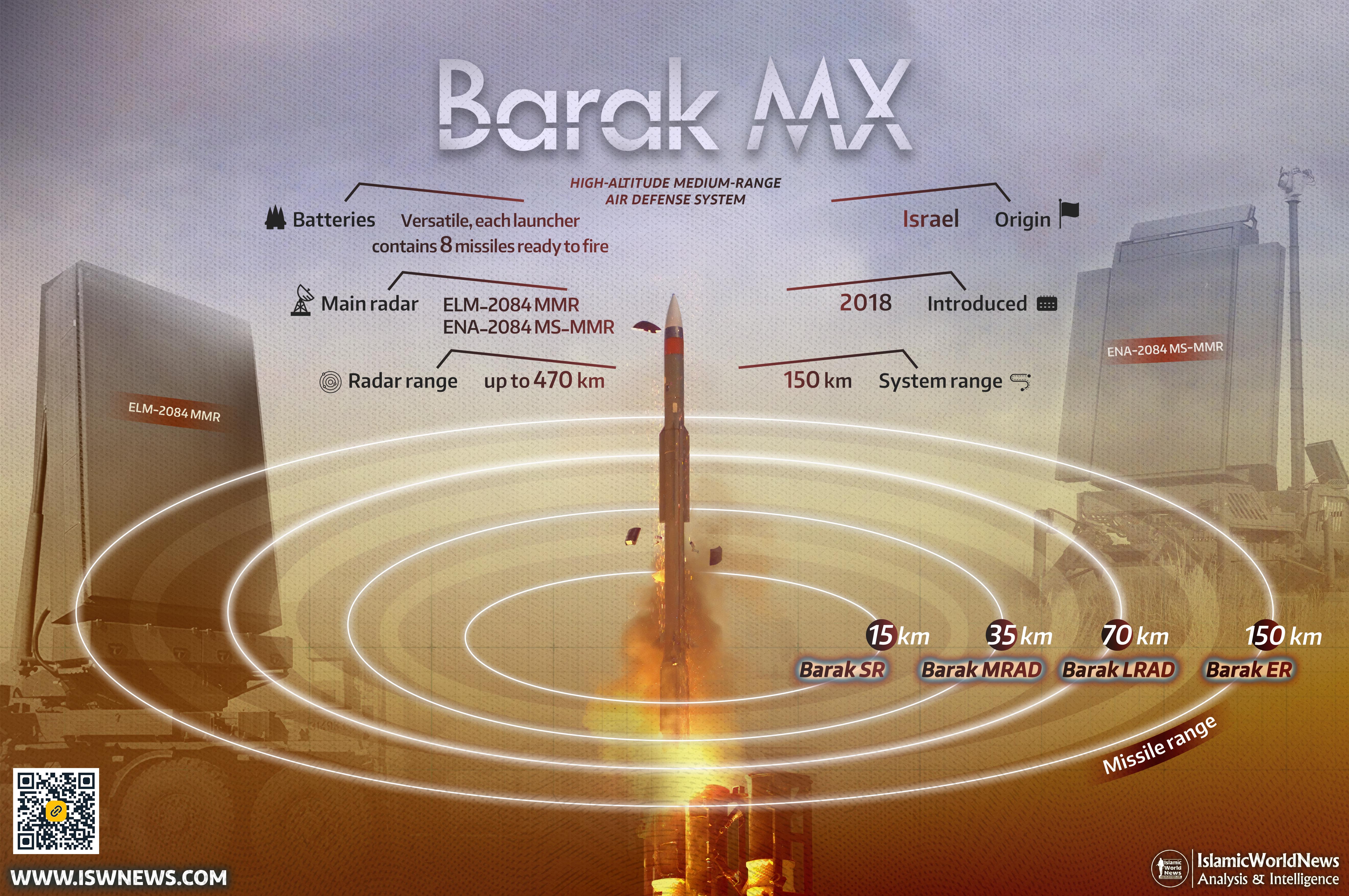
Barak MX Air Defense System Specifications:
Type: Medium-Range High-Altitude Missile Defense Origin: Israel Manufacturer: Israel Aerospace Industries Introduced: 2018
System Range: 150 km Radars: ELM-2084 MMR and ENA-2084 MS-MMR radars as primary radars and ENA-2311 and ELM-2138M radars as adaptive radars Radar Range: ELM-2084 radar up to 470 km ENA-2311 radar up to 250 km ELM-2138M radar up to 100 km
Batteries: Versatile, each launcher containing 8 missiles ready to fire
Missiles: Barak SR missile with a range of 15 km Barak MRAD missile with a range of 35 km Barak LRAD missile with a range of 70 km Barak ER missile with a range of 150 km
Barak MX System – Click to view poster in full size
Israel’s public broadcasting authority also reported that Jared Kushner, Donald Trump’s son-in-law and former advisor, during his recent visit to the occupied territories, urged Israeli officials to allow this transfer as the first step in what he described as the “gradual disarmament of Gaza.” According to these reports, the proposal involves al-Qassam fighters handing over their weapons in exchange for security guarantees and a stabilized ceasefire.
At the same time, other Hebrew media outlets rejected the claim, stating that no comprehensive agreement acceptable to all parties has yet been reached regarding Rafah and the resistance forces.
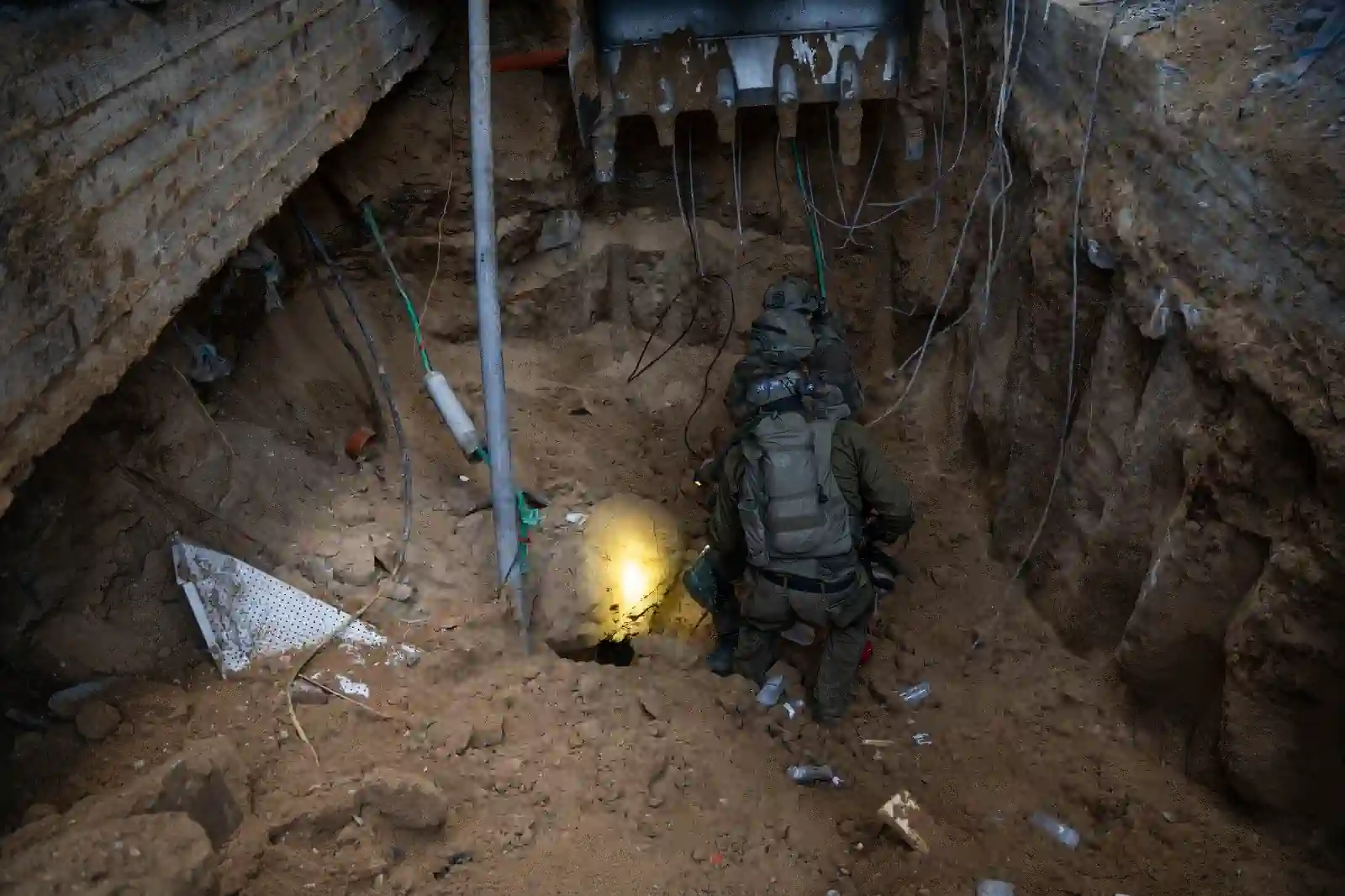
It is noteworthy that several al-Qassam fighters remain in Rafah’s tunnel networks, cut off from central command, and continue to carry out operations against Israeli forces even after the ceasefire took effect. In recent actions in Rafah, several Israeli soldiers were killed and wounded.
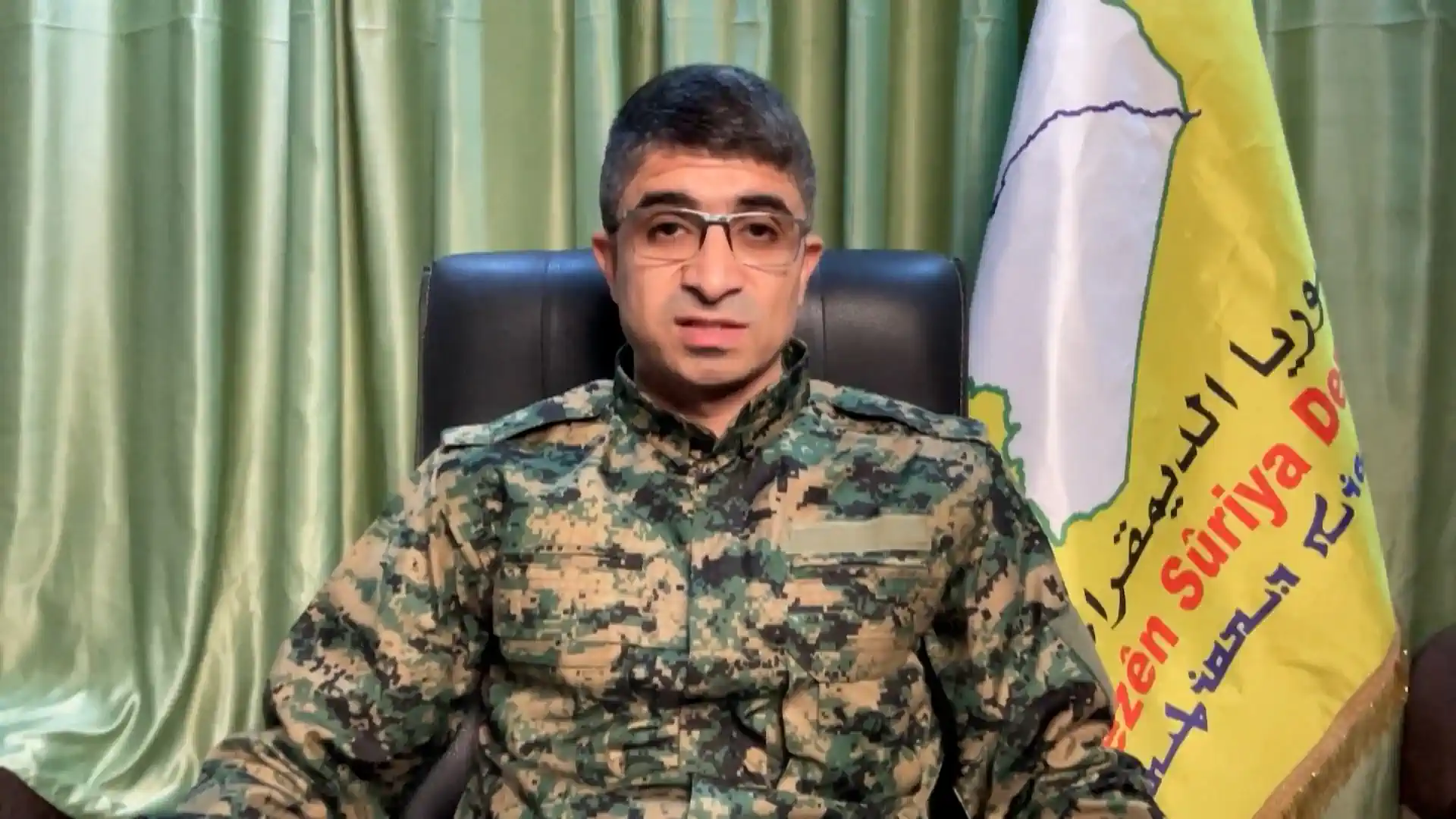
He emphasized that cooperation between the SDF and the coalition has lasted for nearly a decade; there has been no withdrawal and no compromise, but rather the partnership has been consolidated in a stronger form. He described the continuation of this cooperation as a strategic necessity both domestically and internationally, rooted in mutual trust and sacrifice in the fight against terrorism.
Shami’s recent remarks about the ongoing presence of the U.S. coalition in Syria are a clear indication of Washington’s entrenched strategy in the north and east of the country. Contrary to some analyses suggesting a gradual American withdrawal, the reality on the ground points to reinforced military bases, increased joint patrols, and continued arms support for the SDF.
His comments show that, despite political pressure and security threats from Turkey and the Julani-led administration, the SDF still defines itself firmly within the framework of international coalition support.
According to initial reports from the scene, Indian police suggested the blasts were linked to CNG cylinders. However, in a later statement, police indicated that the real target of the attack was the historic Shri Sankar temple, located about 200 meters from the explosion site.
Following the incident, Indian security agencies issued a nationwide high alert. Several states declared emergency readiness, while security measures were tightened at airports, metro systems, historic landmarks, and vital government facilities.
Some Indian media outlets are attributing the attack to Pakistan, raising concerns that the explosions may serve as a pretext for renewed Indian military action against Pakistan.
According to the provisions of the bill, Israel’s Ministry of Communications would be authorized to order the closure or blocking of foreign media outlets without time limits and without independent judicial oversight. In the latest version of the legislation, the clause requiring periodic review of ministry decisions has been removed — effectively opening the way for permanent suspensions under the pretext of security concerns.
The bill also introduces heavy criminal and financial penalties for any individual or entity that defies ministry orders. These sanctions include confiscation of equipment, large fines, and legal prosecution against staff or companies cooperating with targeted media outlets.
This measure is clearly seen as a step toward controlling the information space and silencing media critical of Prime Minister Netanyahu’s government. Its preliminary approval comes at a time when many international outlets — including Al Jazeera, Euronews, and BBC — have repeatedly faced criticism from Israeli officials in recent months for their coverage of the Gaza war.
This decision by the cabinet of the so-called “only democracy in the Middle East” speaks volumes about its stance on free speech!
“The ceasefire agreement, based on UN Security Council Resolution 1701, required the disarmament of areas south of the Litani River and Israel’s withdrawal behind the Blue Line. With the implementation of this stage at 4 a.m. on November 27, 2024, all operations by Hezbollah and Lebanese resistance groups, as well as Israeli attacks by land, air, and sea, were supposed to stop. However, Israel has continued to violate the ceasefire and carry out attacks, ignoring calls to halt its aggressions and confronting the Lebanese government with new conditions and demands.
Lebanon’s rushed move to disarm the resistance was a mistake, intended to show goodwill and gain favor with the enemy. Instead, it was exploited to push the broader issue of disarming the resistance across all of Lebanon.
Israeli actions target Lebanon as a whole, making national unity and dignified resistance essential to preserve Lebanon’s sovereignty and honor.
The traps set by the enemy in negotiations pose serious risks to Lebanon’s sovereignty and existence. The government must stop Israeli attacks and pressure Israel to comply with the ceasefire agreement.
The resistance, as one of Lebanon’s founding forces, affirms its legitimate right to resist occupation and aggression, standing alongside the army and the people. Legitimate defense is not subject to decisions of peace or war.”
The issuance of this statement serves as Hezbollah’s final warning to the government and people of Lebanon regarding the key issues at stake: implementing the ceasefire, disarmament, and the possibility of renewed war with Israel. In recent weeks, Israeli and American officials have conducted field assessments along the northern front of occupied Palestine and held meetings to discuss new strategies concerning Lebanon.
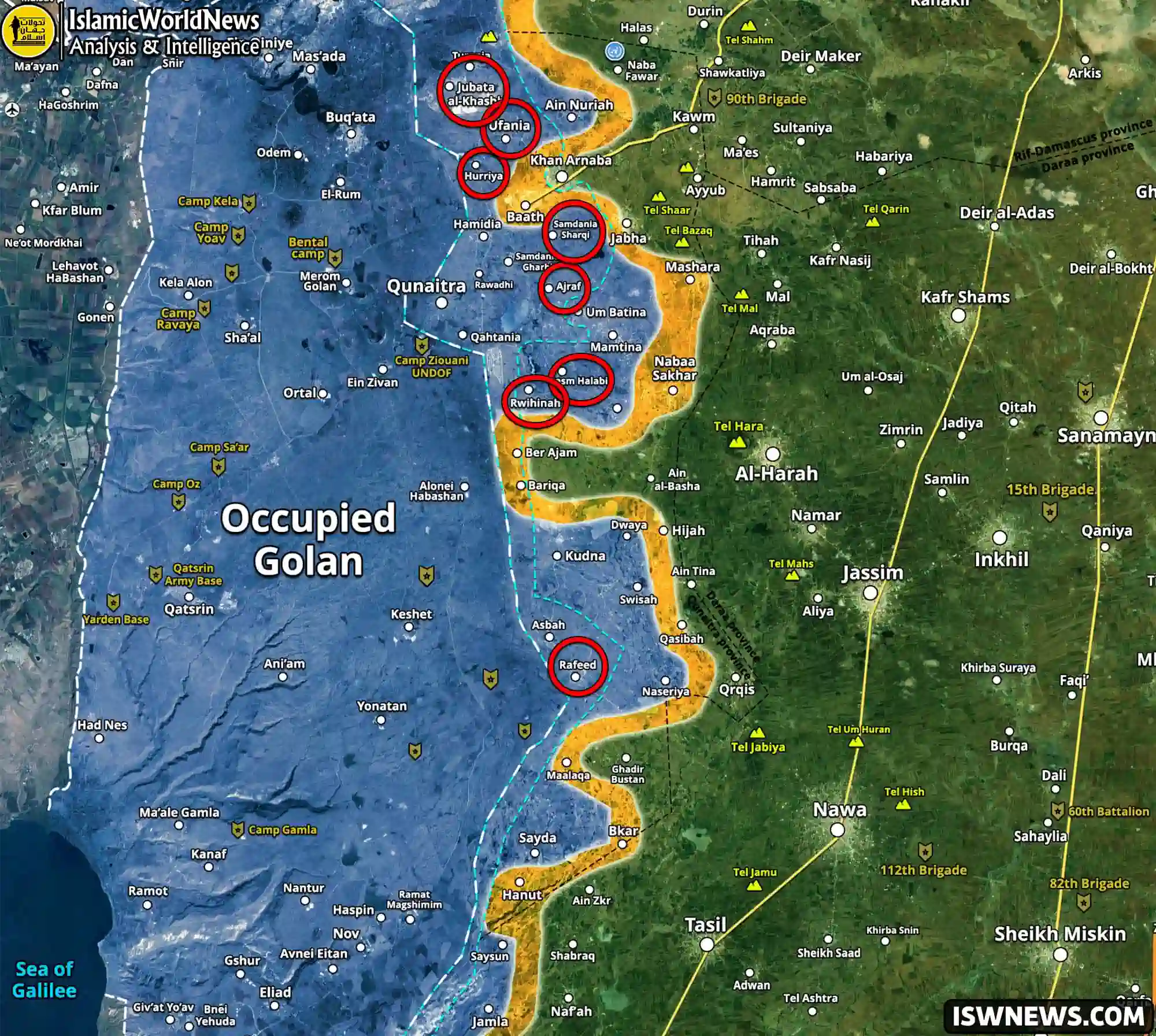
In some of these locations, Israeli soldiers inspected vehicles and checked civilians’ identification cards. In places such as Jura al-Sheikh and the road between al-Ajraf and al-Samadaniyah al-Sharqiyah, they blocked roads.
Shortly afterward, another Israeli convoy consisting of at least four armored vehicles entered the area of Jubata al-Khashab, while nine armored vehicles moved into al-Hurriya, Ofaniya, and the Jura al-Sheikh farm.
Along their route, Israeli forces established several checkpoints, disrupting movement between villages in the region. After patrolling the al-Asha area, Israeli troops advanced toward al-Rafid.
Last night, another civilian car was struck in Houmine al-Faouqa, north of Nabatieh.
Since the ceasefire began on November 27, 2024, in southern Lebanon, more than 360 Hezbollah members have been assassinated in drone strikes.
Israel justifies these attacks and ceasefire violations under the pretext of “eliminating threats against the Israeli state.” In practice, Israel interprets the ceasefire agreement with Lebanon as granting it the right to carry out operations against Hezbollah members and positions! By this logic, every Hezbollah member is considered a threat and must be targeted. This same approach has been observed in Gaza as well. Thus, the ceasefire effectively becomes a tool in Israel’s hands to maintain maximum pressure on its adversaries.
The American drone first dropped a bomb on a house, and minutes later launched a second strike on a civilian car. Both attacks resulted in casualties among civilians as well as the suspected individual.
Based on statistics from Western media regarding U.S. air operations in Yemen over the past two decades, more than 383 strikes have been conducted against al-Qaeda members in the country.
According to election officials, this marks the highest participation rate across the five electoral cycles since the fall of Saddam Hussein. Iraqi authorities stated that more than 1.1 million security forces, military personnel, and eligible prisoners took part in this stage of the elections.
Coinciding with the start of special voting for Iraq’s sixth parliamentary elections, Muqtada al-Sadr, leader of the Sadrist Movement, boycotted the elections. He launched two hashtags, “Boycotters of the Elections” and “Save Iraq,” urging Iraq’s security and military forces to take responsibility for the country’s future. In his message, al-Sadr stressed that “to test the tested is a mistake,” arguing that re-electing experienced yet ineffective politicians would only perpetuate and entrench corruption within Iraq’s political system.