Author: Mirza

  • Military Knowledge: Tomahawk Cruise Missile – U.S. Army’s Strategic Long-Range Weapon

    Military Knowledge: Tomahawk Cruise Missile – U.S. Army’s Strategic Long-Range Weapon

    Design and Development History

    Development of the Tomahawk began in the 1970s under General Dynamics, with the goal of producing a sea-land cruise missile capable of penetrating deep into enemy territory. The first versions entered U.S. Navy service in the 1980s, and since then the missile has undergone multiple generations and block upgrades. Companies such as McDonnell Douglas, Hughes, and ultimately Raytheon took responsibility for its continued development and modernization. Over time, guidance technologies (TERCOM, DSMAC, GPS) and communication capabilities were added, enabling not only high accuracy but also in-flight target changes and loitering around designated areas. Newer versions like Block IV and V introduced network-centric features, two-way communication, and retargeting capabilities, significantly enhancing operational effectiveness. The Tomahawk’s role in conflicts such as Operation Desert Storm, the Balkan bombings, and later campaigns cemented its status as a symbol of U.S. naval strike power.

    As noted, Raytheon is the primary contractor for Tomahawk production, but manufacturing requires collaboration with dozens of suppliers and subcontractors across the United States and allied nations. The accompanying illustration highlights the key partners and suppliers involved in the missile’s production within the U.S.

    Key partners and suppliers of Tomahawk missile components

    Dimensions and Aerodynamic Features of the Tomahawk Missile

    The Tomahawk is a missile with a cylindrical body and foldable wings, designed for launch from vertical launch systems (VLS) or submarine torpedo tubes. The general dimensions of the Tomahawk cruise missile are reported as follows: length approximately 5.5 to 6.25 meters (depending on variant and booster), diameter about 52 centimeters, and launch weight in the range of 1,200–1,350 kilograms.

    Tomahawk Block IV cruise missile

    After exiting the launch tube, the missile’s wings unfold to provide the aerodynamic characteristics required for low-level flight. The Tomahawk’s body is constructed from lightweight yet durable alloys, optimized for low-altitude penetration and radar evasion. Its design enables it to remain undetected by radar systems while navigating complex flight paths to bypass enemy air defenses.

    Internal Components of the Tomahawk Missile

    In general, the Tomahawk consists of several main sections: the guidance and navigation system, the warhead, the fuel tank, the engine, and the booster. It should be noted that the placement of these components varies depending on the specific model of the missile.

    General diagram of the main parts of the Tomahawk cruise missile

    – Guidance and Navigation System
    The Tomahawk missile employs a hybrid guidance system. Its navigation suite includes INS for initial navigation, GPS for enhanced positional accuracy along the route, and TERCOM and DSMAC for terrain and terminal guidance.

    TERCOM (Terrain Contour Matching) operates during the mid-course phase of flight. The missile stores preloaded TERCOM and DSMAC terrain maps in its memory and compares them with altimeter readings and inertial navigation data to detect and correct deviations. This method is particularly effective for low-level flight over uneven terrain and provides resilience against satellite interference such as GPS jamming.

    DSMAC (Digital Scene Matching Area Correlation) is used in the terminal phase for final target acquisition. A nose-mounted camera captures real-time imagery of the target area and compares it with stored reference images, enabling precise target location and final flight corrections. This technology significantly improves strike accuracy and allows for pinpoint targeting.

    TERCOM and DSMAC

    The Block IV and Block V variants of the Tomahawk are equipped with a two-way data link, enabling in-flight retargeting, transmission of imagery, and operator-directed course changes. This enhanced guidance suite allows the missile to achieve accuracy within just a few meters (low CEP) and significantly improves its ability to penetrate heavily defended airspace.

    – Warhead
    The warhead is located in the forward section of the missile. Most Tomahawk variants are equipped with a high-explosive warhead weighing around 310 kilograms, containing approximately 120 kilograms of PBXN-107 explosive material. This configuration is designed to destroy buildings, infrastructure, and other high-value targets. Certain versions have also been produced with specialized or anti-ship warheads tailored for specific missions.

    – Fuel Tank
    The fuel tank is positioned in the central body section and is engineered to provide the long range required for operations. The exact fuel capacity varies depending on the missile’s configuration and model.

    – Propulsion and Booster
    For launch from surface platforms or submarines, the Tomahawk uses a solid-fuel booster that accelerates the missile to the speed necessary for its turbofan engine. Once the booster separates, the main engine takes over, managing thrust and fuel consumption. This design enables launches from confined submarine tubes or vertical launch systems (VLS) aboard warships. The Tomahawk’s flight is powered by a compact liquid-fuel turbofan engine, typically from the Williams F107 family or similar equivalents, providing speeds in the range of 880 to 920 kilometers per hour.

    Variants of the Tomahawk Missile

    To begin with, the Tomahawk missile is designated within the U.S. Armed Forces nomenclature system under the identifiers RGM-109, UGM-109, and BGM-109. The first letter in the code indicates the launch platform: RGM for surface-ship launch, UGM for submarine launch, and BGM-109 for ground-based launchers. The letter following the number (A, B, C, D, E) denotes the configuration and generation of the missile.

    BGM-109A TLAM-N (Block I): This was the first operational model of the Tomahawk, equipped with a nuclear warhead, and entered service in the 1980s. The TLAM-N carried the W80 warhead with variable yield (5 to 200 kilotons) and could be launched from surface ships using armored box launchers (now retired) as well as from submarines. Developed under Block I, it had a range of about 2,500 kilometers and was designed for strategic strikes during the Cold War. Following arms reduction treaties, this nuclear-armed variant was retired in the 1990s.

    On the missile’s designation: Initially, since the Tomahawk was being developed for multiple platforms—land, sea, and submarine—the general code BGM-109 was assigned, with the prefix “B” marking it as the first missile of this family. This designation remained in official records, even though the missile was never operationally deployed or launched from land-based systems.

    BGM-109A TLAM-N missile parts diagram

    BGM-109G Gryphon: This variant was developed specifically for the U.S. Air Force and launched from mobile ground-based platforms. The Gryphon carried a W84 nuclear warhead and had a range of approximately 2,780 kilometers. It was deployed in Europe to strengthen deterrence against the Soviet Union. Following the signing of the INF Treaty in 1987, all medium-range ground-launched missiles, including the Gryphon, were retired from service.

    RGM/UGM-109B TASM (Block I) This Tomahawk variant, with a range of 460 kilometers, was designed for anti-ship missions and developed under Block I. The TASM utilized active radar guidance and was intended for long-range attacks against enemy vessels. With the introduction of more advanced anti-ship missiles such as the Harpoon and NSM, this model was retired in 1994 and converted into the TLAM-E Block IV version.

    RGM/UGM-109B TASM missile parts diagram

    RGM/UGM-109C TLAM-C (Block II and Block III): This variant was developed with a conventional warhead and enhanced navigation through the addition of TERCOM and DSMAC systems for greater accuracy. The TLAM-C initially carried the WDU-25/B warhead, weighing 450 kilograms and containing 171 kilograms of powerful explosives (Picratol and H-6 composite). Its operational range was about 1,300 kilometers.

    From 1993 onward, the WDU-25/B was replaced with the lighter WDU-36/B warhead, weighing 310 kilograms and containing 120 kilograms of PBXN-107 high explosive. The reduced warhead size allowed for a larger fuel tank, extending the maximum range to 1,700 kilometers. This upgraded version was designated TLAM-C Block III. It became one of the most widely used Tomahawk models in U.S. military operations in recent decades.

    RGM/UGM-109D TLAM-D (Block III): This model was developed under Block III and designed to carry a cluster warhead. The TLAM-D was equipped with 166 BLU-97/B submunitions, which were released at a designated altitude above the target. It was intended for strikes against wide-area targets such as airfields and military concentrations. The range of this version was reported to be around 1,300 kilometers. Cluster-armed Tomahawk missiles are no longer in service, as they were converted to unitary warhead configurations.

    BGM-109D TLAM-D missile parts diagram

    Block IV (RGM/UGM-109E / TLAM-E): Block IV marked a major milestone in the evolution of the Tomahawk. The TLAM-E is an upgraded version of the TLAM-C Block III and was introduced in 2004. TLAM-E Block IV missiles feature an improved turbofan engine that allows them to reduce fuel consumption during flight and adjust their speed as needed.

    This version is equipped with electro-optical sensors and a two-way satellite data link with the command center, enabling it to receive updated information during flight and redirect toward new targets. The electro-optical sensors can transmit imagery back to command via satellite, allowing real-time battle damage assessment, even moments before impact.

    Additionally, this variant has the ability to loiter over an area, return toward the launch region, and be retargeted as needed. With reduced production costs and enhanced operational flexibility, Block IV has become one of the most effective Tomahawk versions. Its reported range is approximately 1,600 kilometers.

    BGM-109E TLAM-E Block IV missile parts diagram

    Block V: This block is the latest Tomahawk variant, developed in recent years and entering U.S. Navy service in 2021. The Block V (baseline) is an upgraded version of Block IV, featuring new communication systems, electronic warfare enhancements, improved accuracy, network-centric capabilities, and the ability to strike moving maritime targets such as ships.
    Block V is divided into two sub-models: Block Va (MST) which is the anti-ship variant with a range of 500–700 kilometers; and Block Vb (JMEWS) which is quipped with a penetrating warhead for land-attack missions and destruction of hardened targets. The range of this version is reported to be between 1,600 and 1,800 kilometers.

    A Block V Tomahawk missile on the Raytheon production line in Camden, Arkansas, in March 2021.

    In 2020, the spokesperson for the U.S. Navy’s Tomahawk program announced that all Block IV Tomahawks would be upgraded to the Block V standard, while the remaining Block III missiles would gradually be retired and decommissioned.

    In summary, the evolution of Tomahawk missiles is shown in the table below:

    Tomahawk Missile Launch Platforms

    The Tomahawk cruise missile is designed to be launched from multiple platforms. Below, the different launch systems for this missile are described in detail.

    – Naval Launchers
    Tomahawk missiles are widely launched from U.S. Navy surface warships such as Arleigh Burke-class destroyers and Ticonderoga-class cruisers. These vessels are equipped with the Vertical Launch System (VLS), which enables rapid missile firing. Each VLS cell can house a single Tomahawk missile. Due to their quick readiness and ability to fire multiple missiles simultaneously, these launchers play a critical role in offensive operations.

    Royal Australian Navy HMAS Brisbane fires a Tomahawk missile from a Mk-41 VLS launcher

    – Submarine Launchers
    Los Angeles-class, Virginia-class, and Ohio-class submarines are capable of launching Tomahawk missiles. In Ohio-class submarines, the missiles are fired through vertical launch systems integrated into the hull, while in Los Angeles-class and Virginia-class submarines, they are launched through torpedo tubes. Launching from submarines provides the advantages of stealth and surprise, enabling strikes from positions hidden from the enemy’s view.

    Tomahawk missile fired from a submarine

    – Land-based Launchers
    During the Cold War, the land-based version of the Tomahawk, known as the BGM-109G Gryphon, was developed by the U.S. Air Force. This missile was launched from mobile ground-based Transporter Erector Launchers (TEL) and deployed in Europe. The Gryphon was equipped with a nuclear warhead and designed for strategic strikes against targets within Soviet territory. With the signing of the INF Treaty in 1987, this variant and its land-based launchers were retired from service.

    BGM-109G Gryphon Tomahawk missile fired from a ground-based launcher

    Important Note on Tomahawk Launchers: Although the land-based version of the Tomahawk, the BGM-109G, was retired, naval Tomahawk missiles can still be prepared for launch using Mk-41 vertical launchers mounted on trailers. This approach effectively bypasses the restriction on ground-based deployment of the missile. The U.S. military addressed this issue through the Typhon project, also known as the “Strategic Mid-Range Fires System” (SMRF).

    Each Typhon missile system consists of four Mk-41 vertical launch boxes installed within a 12-meter ISO container. These launchers are capable of firing both SM-6 standard missiles and Tomahawk cruise missiles.

    Test firing a Tomahawk missile from an MK-41 VLS launcher in 2019

    Operational History of the Tomahawk Missile

    Since entering service in 1983, the Tomahawk cruise missile has played a key role in numerous military operations conducted by the United States and its allies.

    Persian Gulf War (1991): The first large-scale use of the Tomahawk occurred during Operation Desert Storm against Iraq. More than 288 missiles were launched from U.S. ships and submarines, striking targets such as command centers, air defense sites, and military facilities.

    Balkans (1995–1999): During NATO operations against Yugoslavia, Tomahawks were used to attack Serbian army positions, radar stations, and communication infrastructure. These strikes significantly weakened Belgrade’s military capabilities.

    Sudan and Afghanistan (1998): In response to the bombings of U.S. embassies in Kenya and Tanzania, the United States launched about 75 Tomahawks against the Al-Shifa pharmaceutical plant in Khartoum, Sudan—alleged to be involved in chemical weapons production—and against al-Qaeda training camps in Khost, Afghanistan.

    Afghanistan War (2001): At the start of Operation Enduring Freedom, more than 50 Tomahawks targeted al-Qaeda training camps, Taliban hideouts, and command centers in Afghanistan’s mountainous regions.

    Iraq War (2003): During Operation Iraqi Freedom, over 725 Tomahawks were fired. These strikes extensively targeted military infrastructure, command centers, and Saddam Hussein’s shelters. The use of Tomahawks in this war became a hallmark of “precision warfare.”

    Yemen (2010–2020): As part of the campaign against al-Qaeda in the Arabian Peninsula (AQAP), the United States employed Tomahawks to strike hideouts and training camps in the provinces of Shabwah, Ma’rib, and Hadhramaut.

    Libya (2011): In NATO’s operation to enforce a no-fly zone and support rebel forces, more than 112 Tomahawks were launched against Libyan air defense sites and command centers.

    Syria (2017 and 2018): The United States, citing alleged use of chemical weapons by the Syrian government, employed Tomahawks in two strikes. In 2017, 59 missiles targeted the Shayrat airbase, and in 2018, over 100 missiles struck research facilities in Damascus and Homs.

    Yemen (2025): Amid the Red Sea crisis and U.S. support for Israel, the United States and the United Kingdom launched more than 35 Tomahawks against Ansar Allah positions in Yemen.

    Iran (2025): On June 22, 2025, the United States, in a joint operation with Israel, carried out a major strike on Iran’s nuclear facilities at Fordow, Natanz, and Isfahan. 30 Tomahawks were launched from a U.S. Navy Ohio-class submarine against Natanz and the Isfahan nuclear site.

    Defensive Interceptions: In several of these operations, air defense systems successfully intercepted or diverted Tomahawk missiles. For example, during the 2025 U.S. strike on Iran, some missiles were shot down by Iranian defense systems. This was confirmed through images of Tomahawk wreckage recovered after the attacks.

    Export Market and Countries Operating the Tomahawk Missile

    The export market for the Tomahawk cruise missile is highly restricted and tightly controlled by the United States, as the weapon is considered a strategic asset. To date, only a few close U.S. allies have been able to acquire or place orders for the missile. The United Kingdom was the first and remains the only foreign country to operate the submarine-launched version of the Tomahawk, which it has employed in military operations. Australia and Japan have, in recent years, signed contracts to purchase Block V variants to enhance the offensive capabilities of their naval fleets. Poland and Canada have also expressed interest in acquiring the missile and have engaged in negotiations.

    In 2025, the Ukrainian government publicly requested Tomahawk cruise missiles from the United States to strengthen its offensive capability against strategic targets in Russian territory. The Pentagon approved the transfer of Tomahawks to Ukraine, but the final decision was left to the U.S. President.

    With an export price of approximately $4 million (export version) per missile and given the geopolitical sensitivities, Tomahawk exports remain limited to nations with close security ties to Washington.

    Final Summary
    With features such as long range, high accuracy, sea-launch capability, in-flight retargeting, and flexibility in carrying different warheads, the Tomahawk is one of the most effective long-range offensive weapons in the U.S. arsenal. Beyond its battlefield role, it plays a vital part in U.S. deterrence doctrine and military power projection. The development of new, network-enabled versions ensures the missile’s continued relevance in current conflicts and for decades to come.

    Specifications of the Tomahawk Cruise Missile:

    Type: Long-range subsonic cruise missile
    Origin: United States
    Manufacturer: Raytheon
    Service Entry: 1983
    Length: 5.56 meters
    Wingspan: 2.67 meters
    Diameter: 0.52 meters
    Weight: 1,300 kilograms
    Engine: F107-WR-402 turbofan
    Range: 1,600 + kilometers (Block V)
    Flight Altitude: 30–50 meters AGL
    Speed: 920 km/h (Mach 0.74)
    Warhead: 120 kg PBXN-107 high explosive
    Guidance Systems: GPS, INS, TERCOM, DSMAC, ARH

    Tomahawk cruise missile – Click to view full-size image

    Sources:
    Wikipedia – Tomahawk | Raytheon Missiles | Defense Industry Daily | CNN | BBC News | The Drive | GlobalSecurity.org | Jane’s Defence Weekly | Federation of American Scientists | Defense Express | Air Power Australia | Typhon missile system | U.S. Navy Fact File | NAVAIR Public Release


  • Israeli Media Frames Weapons Transfers as Pretext for Future Strikes in Lebanon

    Israeli Media Frames Weapons Transfers as Pretext for Future Strikes in Lebanon

    Israeli military sources told Haaretz that Iran, acting as Hezbollah’s logistical backer, has shifted part of the group’s weapons supply network from Syria to Iraq, allowing equipment to be transferred through Syrian territory into Lebanon.

    The report states that this process is gradually turning Iraq into a new logistical corridor for the Axis of Resistance—a role previously played by Syria. According to Israeli claims, the shipments include precision-guided missiles, drone components, and advanced communications systems.

    Such reports in Israeli media typically serve as a pretext to justify future military operations against Hezbollah targets in Lebanon or resistance groups in Iraq. By asserting that Iran is expanding its influence in Iraq, Tel Aviv seeks to prepare domestic and international public opinion for potential offensive actions. Presenting Iraq as a weapons transit route can also be seen as an effort to increase political pressure on the Iraqi government and legitimize possible Israeli or American strikes against resistance groups inside Iraq. Similar narratives in the past have preceded Western drone and missile attacks on positions held by the Popular Mobilization Forces (PMF).

  • How Israel’s Intelligence Network Operates in Yemen

    How Israel’s Intelligence Network Operates in Yemen

    According to the Italian magazine Il Faro sul Mondo, Israel is attempting to isolate the conflict in Yemen from the ongoing war in Gaza and is preparing for targeted military strikes against the Sanaa-based government. This strategy involves coordinated efforts across several domains:

    1. Recruitment and Deployment of Spy Networks
    In recent days, Mossad has launched a broad campaign on social media to recruit operatives, inviting opponents of Yemen’s Ansar Allah movement to join “Unit 504,” a covert operations wing. To establish this unit, Israeli agents have reportedly reached out to various anti-AnsarAllah factions in occupied Yemeni territories, including remnants of Ali Abdullah Saleh’s network and the Southern Transitional Council.

    These activities reflect Israel’s intent to expand its intelligence footprint in Yemen and carry out preemptive strikes in response to Yemen’s support for Palestinians in Gaza. Israeli officials frequently cite Ansar Allah’s slogans and flags as evidence of a “existential threat,” with Prime Minister Benjamin Netanyahu repeatedly stating his desire to continue attacks on Yemen—even after the recent ceasefire in Gaza. Channel 12 in Israel also reported that Netanyahu plans to maintain military pressure on Yemen beyond the Gaza conflict.

    Israeli intelligence efforts in Sanaa are not limited to recruiting from political opposition. They have also infiltrated humanitarian and international organizations, allegedly using operatives for sabotage. For instance, during Israel’s 16th airstrike on Yemen on August 28, the cabinet meeting location was targeted, resulting in the death of 12 Yemeni officials, including Prime Minister Ahmed al-Rahwi of the Reform and Reconstruction Government.

    Yemeni security forces and Ansar Allah’s intelligence wing have responded by arresting networks linked to Hamed Hussein al-Majali—a Saudi agent affiliated with Mossad and the CIA—as well as operatives embedded in humanitarian organizations. However, countering Israeli espionage requires more advanced infrastructure and strategic planning.

    The primary goal of U.S. and Israeli intelligence in Yemen is to gather detailed information on missile and drone bases, naval positions, weapons depots, and the whereabouts of key political and military figures.

    2. Activation and Support of Anti-Ansarallah Groups
    Targeted assassinations in Sanaa and Al-Bayda province in recent days suggest that Western and Israeli intelligence agencies are reactivating covert cells in Ansarallah-controlled areas. These attacks, often aimed at field commanders and local officials, appear designed to destabilize and sow chaos. For example, on October 31, a female doctor was killed in Sanaa, and on November 2 and 3, two Ansarallah-affiliated personnel were assassinated in Rada’a district.

    Given the history of al-Qaeda and ISIS activity in Rada’a, it’s likely that these groups are being reactivated with support from Western-Arab intelligence. Surrounding areas such as Al-Qayfa, Al-Zahir, Mukayras, and Al-Sawma’ah remain vulnerable due to extremist presence, though most tribes in Al-Bayda are allied with Ansarallah, making a full collapse unlikely.

    Meanwhile, U.S. and British embassies in Yemen are reportedly strengthening ties with Saudi-Emirati-backed forces such as the Giants Brigades and Tariq Saleh’s units. With support from diplomats like Steven Fagin and Abdu Sharif, these groups are enhancing their capabilities for potential ground operations against Yemen’s revolutionary forces.

    3. Communications Networks and Satellite Surveillance
    Israeli intelligence is also focused on dominating communication systems in occupied Yemeni territories, conducting cyberattacks, analyzing satellite imagery to locate missile and drone bases, and monitoring Ansarallah’s field movements.

    While much of this activity remains covert, social media users—especially on X (formerly Twitter)—have been tracking and analyzing satellite images of military sites in Saada and Sanaa. These individuals may be directly or indirectly linked to Western intelligence agencies. Additionally, reports have surfaced that Southern Transitional Council forces have used Israeli Cellebrite spyware to monitor phone lines and track individuals in Hadramaut province, indicating that Israel is replicating its intelligence model from Lebanon, Syria, and Palestine in Yemen.

    Read more: Israeli Surveillance Grip on Hadhramaut Communications!

    Conclusion
    Israel’s espionage network in Yemen employs a range of tools and tactics similar to those used in other regional theaters. Yemenis, particularly in the north and central regions, benefit from strong public resistance to betrayal and foreign interference, rooted in tribal and cultural values. This social cohesion provides a powerful foundation for countering terrorist and intelligence operations.

    Israel’s primary objective is to detach Yemen from the regional resistance axis and neutralize its strategic threat. While continued missile and drone operations in the Red Sea and occupied Palestine offer a tactical response, they are insufficient against aerial assaults and surveillance dominance. A comprehensive strategy—including public mobilization, technological resilience, and regional coordination—is essential to confront and dismantle Israel’s intelligence apparatus in Yemen.

  • Is ISIS Preparing to Announce a “Wilayah of Sudan”?

    Is ISIS Preparing to Announce a “Wilayah of Sudan”?

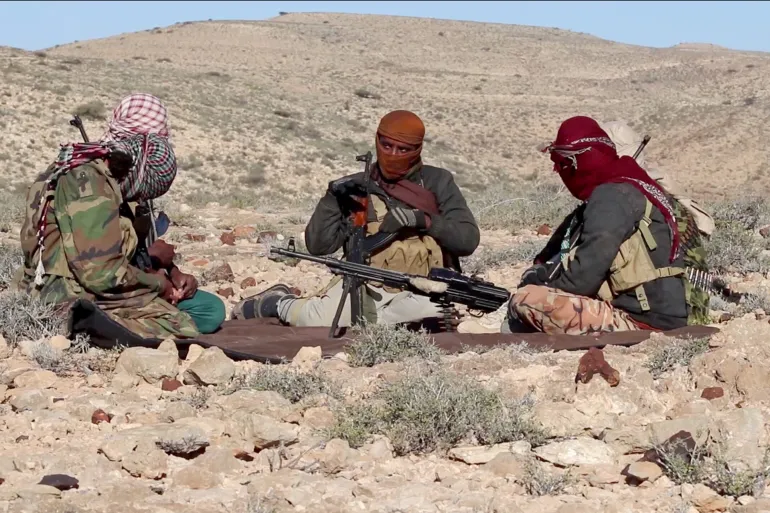
    ISIS used the editorial of issue 519—titled “Sudan Between Islam and Nationalism”—to outline its ideological justification for involvement in Sudan. In this piece, the group portrays nationalism as the main obstacle to Islamic unity, labeling it a “satanic phenomenon” and a “remnant of ignorance.” ISIS claims that colonial powers promoted nationalism to distract Muslims from the suffering of fellow believers in other countries.

    The group further emphasizes religious loyalty over national identity, suggesting that Muslims bear direct responsibility for events in other Islamic nations. It rejects national sovereignty and borders, calling for their elimination through jihad. ISIS explicitly urges youth from Egypt and Libya to mobilize in support of “Sudanese brothers,” describing Sudan as a “ready battlefield” with “strategic impact across the region.”

    This is not the first time ISIS has addressed the Sudanese crisis. In issue 479 of Al-Naba, titled “The Forgotten Sudan,” the group called on Muslims worldwide to intervene, citing ongoing atrocities. In its analysis, ISIS characterizes the Sudanese conflict as a “pagan war” between “infidel factions,” branding both General Burhan’s and General Hemedti’s forces as “enemies of Islam.”

    Pro-ISIS users on social media have echoed this narrative, viewing the unrest in Sudan as an opportunity to establish a “Wilayah of Sudan” and expand the group’s operations. Some users have openly called on Muslim youth to join the “ranks of the mujahideen.” A user named “Al-Libi” wrote, “Military operations must begin immediately, and the Wilayah of Sudan must be declared.”

    These users describe the Sudanese government as a “tyrannical regime,” seeking to delegitimize its institutions. They label the warring factions as “apostates” and reject any form of compromise with them. Others, adopting a strategic tone, refer to Sudan as “the gateway to Africa,” stressing its geopolitical importance. A user named “Muslim” wrote, “Sudan is the key to ISIS’s expansion in the region, and we must seize this opportunity.”

    ISIS supporters also accuse the international community of double standards, claiming that Western powers only intervene when their interests are threatened.

    It appears that ISIS is exploiting Sudan’s instability to promote its extremist ideology and recruit fighters, particularly with an eye toward expanding its footprint in Africa. In recent years, the group has increased its presence across the continent, including the Lake Chad Basin (covering parts of Nigeria, Cameroon, Niger, and Chad), Puntland in northeastern Somalia, and northern Mozambique’s Cabo Delgado province. Additionally, eastern regions of the Democratic Republic of Congo—such as Beni, Lubero, and Ituri—as well as parts of the Sahel region in central Africa have become active zones for ISIS operations.

    Notably, pro-ISIS users—known as Munasirun—have circulated excerpts from these editorials in poster format under brands like Al-Adiyat and Hadm al-Aswar, further amplifying the group’s messaging around Sudan.

  • United States Conducted A Test Launch of An Unarmed Minuteman III ICBM As Part of Its Nuclear Deterrence Reliability Program

    United States Conducted A Test Launch of An Unarmed Minuteman III ICBM As Part of Its Nuclear Deterrence Reliability Program

    The launch, designated Glory Trip 254, was carried out while airmen from the 625th Strategic Operations Squadron out of Offutt Air Force Base, Nebraska, were aboard the U.S. Navy E-6B Mercury aircraft to demonstrate the reliability and effectiveness of the ALCS system.

    The missile traveled approximately 6,750 kilometers and was directed toward the Reagan Test Site in the Marshall Islands.

    According to U.S. officials, the purpose of the test was to conduct a routine evaluation of the reliability and readiness of the country’s nuclear deterrence capabilities.

    This comes as the U.S. military prepares to phase out the Minuteman III system and replace it with the next-generation LGM-35A Sentinel missiles, marking a significant step in modernizing its strategic arsenal.

  • Baghdad at a Historical Crossroads: Examining the Future of the Popular Mobilization Forces and Iraq

    Baghdad at a Historical Crossroads: Examining the Future of the Popular Mobilization Forces and Iraq

    The future of this situation can be envisioned through three scenarios. First, gradual integration and institutionalization within the state framework, provided there is political will and financial transparency. Second, the continuation of its semi-institutional status with sporadic conflicts, which appears to be the most likely path. Third, a deterioration into greater instability triggered by regional developments or a deepening financial crisis.

    A risk-reduction strategy should be built on three pillars. Auditing and restructuring the PMF’s personnel system. Gradual reform of legal and political frameworks to enable structured integration. Activation of regional diplomacy to reinforce security boundaries. What remains vital is preserving the PMF’s social legitimacy and operational capacity during the integration process so it can continue to serve as a stabilizing and deterrent force within Iraq’s security architecture during times of crisis.

    Iraq’s Current Position in Relation to the PMF

    In the second half of 2025, Iraq’s domestic politics depend more than ever on how the government engages with paramilitary actors while managing regional and economic pressures. The experience of the past few years shows that the PMF is no longer a temporary partisan force. It has embedded itself into Iraq’s political, social, and economic fabric and has become a key player in Baghdad’s power dynamics.

    From the perspective of local governments and many domestic observers, acknowledging this reality is the first step toward any pragmatic solution. Attempts to rapidly dismantle or marginalize the PMF are not only unfeasible but risk undermining stability and deepening social divides.

    Understanding the PMF’s current status requires a composite view of three elements. Its military and security role during the fight against ISIS, which earned it local legitimacy. The political and economic structures surrounding it, which have turned some brigades into influential actors in local institutions and markets. Its regional ties, which shape and sometimes direct its behavior.

    For example, in the summer of 2014, when ISIS rapidly captured parts of Iraq and threatened the collapse of the local government and sacred sites, Iran’s Quds Force intervened directly. Intelligence support, military advising, weapons shipments, and field presence were mobilized to organize and strengthen local resistance groups. These efforts, officially framed as protecting holy sites and preventing security collapse, forged deep operational links between certain PMF brigades and Iranian security institutions.

    Baghdad’s Balancing Act in Domestic Politics

    From the perspective of internal political dynamics, Prime Minister Mohammed Shia’ Al-Sudani’s government operates cautiously in a middle-ground position. On one hand, it must assert sovereignty and demonstrate legal control over national affairs. On the other, it faces pressure from Shiite coalitions and local leaders with divergent interests and expectations. The Coordination Framework of Shiite factions exemplifies this complexity. Some groups maintain close ties with the Islamic Republic of Iran, while others pursue more nationalist or conservative agendas. These differences have created friction in strategic decision-making and pushed the government toward a policy of “patience and passivity.” This cautious approach, especially when compounded by financial strain, reduces the likelihood of gradual compromise and instead opens space for symbolic gestures and localized bargaining.

    What Shapes Iraq’s Political Future?

    Iraq’s political future is shaped by its engagement with regional actors, particularly Tehran and Ankara. Structurally, Iran maintains deep and networked influence over segments of the Popular Mobilization Forces (PMF), and its preference has often been to preserve communication channels and pursue gradual influence rather than direct confrontation. In critical moments, Tehran has opted for a “keep the channels open” tactic to safeguard its long-term interests in Iraq. Meanwhile, Turkey’s military presence and operations in the north and Kurdish regions exert additional pressure on Baghdad’s ability to assert control, narrowing the government’s strategic options. From Baghdad’s standpoint, managing simultaneous pressure from Iran and Turkey requires active diplomacy and balanced policies. It must also secure guarantees for territorial integrity and decision-making independence without undermining local deterrent mechanisms.

    Three Scenarios for the PMF’s Political Trajectory

    Given current conditions, three plausible scenarios can be outlined for the future of the PMF and its political role. These scenarios are shaped not by ideological goals or idealistic plans, but by the actual behavior and patterns of current actors.

    In the realistic scenario, the PMF remains in a “semi-institutional” state. This means that some units and leadership structures gradually integrate into official military and security institutions, while others retain local influence and continue to play political and economic roles at regional and national levels. This model allows the central government to maintain a degree of control over the national security framework, while delegating some operational authority to paramilitary forces at lower levels. The likely outcome is continued local competition, increased political bargaining on the margins of government, and the emergence of a multi-layered field where Iraq becomes a battleground for regional influence.

    In the second scenario, which becomes more likely with rising regional tensions or a financial collapse of the government, certain units may break away from the political process and intensify independent military actions or symbolic operations. This could provoke reactions from foreign actors and rapidly push Iraq into a level of instability from which recovery would be difficult. Field reports of such behavior and attacks on infrastructure suggest that this scenario is not far-fetched.

    The third scenario involves structural institutionalization and the transformation of the PMF into a “national asset,” achievable under three conditions. First, Baghdad must demonstrate political will and draft clear legislation. Second, transparent financial mechanisms must be established. Third, regional dialogue must prevent Iraq from becoming a theater of foreign confrontation. Lessons from other regional countries and analytical recommendations suggest that a phased plan—including financial audits, formal personnel registration, revised appointment protocols, and reasonable incentive packages for moderate commanders—could enable a smooth integration into Iraq’s political and legal system. This path requires time, patience, and overlapping political guarantees, but from Baghdad’s perspective, it is both rational and achievable.

    The Role of the United States in Iraq’s Future

    From a strategic standpoint, U.S. policy toward Iraq in recent years has shifted from a model of direct, large-scale military presence to a more flexible, multi-layered approach. This new framework emphasizes reducing field deployments, maintaining deterrence capabilities, and combining targeted pressure with conditional support. Two key factors have driven this shift: first, Washington’s desire to reduce the political, financial, and human costs of prolonged engagement in the Middle East; and second, its increasing reliance on diplomatic, economic, and security tools as indirect yet effective instruments of influence. As a result, this evolving strategy carries several important implications for Iraq’s political and security architecture—understanding these is essential for grasping the balance of power in Baghdad and the interplay of domestic and regional forces.

    The first dimension of these implications relates to the mechanism of “conditional aid” and its role in shaping reform incentives. The United States typically ties its economic and military assistance to progress in governance reforms, financial transparency, and the containment of irregular paramilitary forces. In theory, such conditionality can accelerate the registration, regulation, and integration of armed groups, paving the way for a more cohesive institutional structure. However, Iraq’s field experience shows that imposing conditions without offering credible and sustainable alternatives—especially for moderate local commanders—often backfires. It intensifies political resistance and deepens internal divisions, polarizing the decision-making environment.

    The second dimension involves “strategic ambiguity.” The reduction of direct foreign military presence creates deterrence gaps that local actors may exploit to expand their operational autonomy. In this context, U.S. threats of military action or sanctions may serve as crisis deterrents, but repeated or unilateral use—especially without regional coordination or viable economic alternatives—can provoke domestic backlash and erode the legitimacy of Baghdad’s reform efforts.

    The third dimension highlights the constructive potential of U.S. assistance. When conditional pressure is paired with investment in institutional capacity—such as technical support for personnel registration systems, strengthening financial institutions, and managerial training—the likelihood of successful reforms increases. This model of pressure combined with structural support can lower the political cost of implementing reforms in Baghdad and facilitate gradual integration of armed groups, provided these programs are designed in coordination with regional stakeholders and domestic beneficiaries.

    Assessing the Risk of Early Conflict in Iraq

    In recent months, a convergence of political, security, and economic developments in and around Iraq has signaled a shift toward a more fragile phase compared to the relative stability of the past. The overlap of internal pressures with regional movements has significantly increased the risk of scattered tensions escalating into a broader crisis. Domestically, the central government’s chronic financial crisis, unresolved disputes over the PMF legislation, and the lack of transparency in resource allocation and payments have eroded Baghdad’s decision-making structure. This erosion has not only weakened the state’s capacity for rapid response to security incidents but also fostered institutional instability in the relationships between the government, political factions, and paramilitary forces—a reality confirmed by multiple field reports and analytical assessments.

    At the same time, several concrete incidents suggest that Iraq’s previously stable security landscape is becoming increasingly fragile. Drone attacks on oil fields in Duhok Province and damage to companies operating in the Kurdistan Region—such as Hunt Oil, which was recently forced to suspend and then conditionally resume operations—are examples of economic-security pressure points that could swiftly alter the local balance of power.

    In terms of foreign relations, transnational actors play a critical role. Official and unofficial statements from Iraqi officials have pointed to overt and covert pressure from the United States and Israel regarding the passage of the PMF law, along with warnings about the economic and political consequences of opposing their interests. These developments indicate that Iraq’s internal political actions are rapidly becoming entangled in regional rivalries. Mahmoud al-Mashhadani, Speaker of Parliament, recently spoke publicly about threats and pressure, signaling that disputes over the PMF law are not merely domestic matters—they could become pretexts for external leverage with long-term economic and political consequences for Baghdad.

    The Risk of Escalation in Iraq: A Strategic Assessment

    In a recent interview, Iraqi parliamentarian Mahmoud al-Mashhadani emphasized that the wave of reports and claims circulating in outlets like Al-Akhbar—regarding the possibility of Iraq being targeted by Tel Aviv-led operations—while alarmist in tone, may in practice serve a deterrent and regulatory function in regional security dynamics. Even when not grounded in verified intelligence, such narratives tend to heighten caution, surveillance, and coordination among actors, prompting them to reassess power balances and operational readiness. In this sense, these discourses, beyond their media role, indirectly activate components of regional deterrence.

    The PMF’s Role in Iraq’s Complex Security Equation

    The Popular Mobilization Forces (PMF), rooted in social legitimacy and its history of fighting ISIS, has evolved into a network of brigades and political-economic structures. In the absence of transparency and clear legislation, it retains the capacity to act based on local, economic, or ideological motives. Operational and logistical ties between certain brigades and regional actors—as seen in 2014—can justify responses that the central government may view as “outside official channels.” While this structural reality alone does not constitute a war trigger, when combined with financial shocks, external pressure, and attacks on critical infrastructure, it creates conditions for local reactions to escalate beyond the government’s control.

    Pathways to Crisis Escalation

    Several plausible pathways exist for crisis escalation, though they do not follow a simple cause-and-effect chain. These include:

    • A significant blow to the national economy, such as sanctions or widespread shutdowns in the oil sector, which would raise public dissatisfaction and strain both military and civilian budgets
    • Coordinated attacks on energy infrastructure or foreign bases, potentially provoking retaliatory military responses
    • Breakdown of diplomatic channels between Baghdad and key regional players (Tehran, Ankara, Washington), which would hinder regional crisis management and mediation

    The activation of any of these triggers—especially in combination—could substantially increase the likelihood of localized tensions evolving into a broader conflict. Recent developments suggest that some of these triggers are already active or on the verge of activation, including drone strikes in northern Iraq, political pressure surrounding the PMF legislation, and psychological-media tensions linked to allegations of foreign influence and threats.

    Strategic Summary and Outlook

    The report concludes that while a full-scale war in Iraq is not imminent, the country is exposed to a set of compounding triggers that, if not managed promptly and coherently, could push the situation toward widespread conflict within weeks or months. In other words, the risk of war is a real possibility—dependent on immediate domestic decisions and regional guarantees, not an inevitable outcome.

    Therefore, Baghdad’s current priorities must focus on rebuilding financial and personnel transparency within the PMF, passing clear legal frameworks, strengthening protection of energy infrastructure, and activating diplomatic channels with Tehran, Ankara, and Washington. Only through this integrated management approach—and not through unilateral solutions or external pressure—can Iraq avoid becoming a theater of regional confrontation.

    Conclusion

    In a broader evaluation, the prospect of a full-scale war in Iraq in the medium term is neither unavoidable nor implausible. What determines the outcome is a combination of internal and external triggers and the government’s ability to respond swiftly. If liquidity crises deepen, if the PMF’s semi-institutional structure persists without oversight, and if a strong regional trigger—such as direct attacks on bases or the collapse of diplomatic guarantees—emerges, localized clashes could rapidly escalate into a national conflict.

    Conversely, passing legislation, conducting financial audits, registering personnel, offering reasonable incentives to moderate commanders, and securing diplomatic guarantees from regional actors could pave the way for gradual integration and de-escalation. In short, the threat of war is real but entirely contingent on Baghdad’s immediate policies and the nature of regional and international engagement. Transparency, institution-building, and regional guarantees significantly reduce the risk of conflict—while neglecting these measures raises the likelihood of escalation.

  • War-Driven Growth or Strategic Misstep? Israel’s $76 Billion Defense Burden

    War-Driven Growth or Strategic Misstep? Israel’s $76 Billion Defense Burden

    This figure was released by Israel’s Ministry of Finance. Officials from the ministry stated that the military’s mismanagement of reservist service days and poor financial oversight led to the loss of billions of shekels in payments to reserve forces. Finance Minister Bezalel Smotrich emphasized in a press conference that increasing the defense budget is essential for boosting Israel’s economic growth in the coming years.

    The ministry’s report on the “misuse of reservist service days” and the resulting financial waste highlights not only the scale of expenditures but also the inefficiency in resource allocation and oversight. This managerial weakness reflects a deeper structural crisis within Israel’s military and administrative systems—a crisis that intensifies under wartime conditions.

    Overall, Israel’s economy is shifting toward an unsustainable war-driven model. Heavy military spending, weakening of the private sector, and capital flight from the stock market and tech industries have increased the likelihood of recession and slowed real economic growth. If this trend continues, Israel’s economic structure could face a serious crisis in the coming years.

  • Burevestnik Missile: Russia’s Nuclear-Powered Cruise Weapon

    Burevestnik Missile: Russia’s Nuclear-Powered Cruise Weapon

    Conceptual Background
    The roots of this approach lie in long-standing efforts to miniaturize nuclear power units. While naval reactors have been successfully deployed in submarines and surface vessels, adapting them to compact, lightweight platforms has required solving critical challenges in cooling, reaction control, noise suppression, and safety. Many early attempts at nuclear propulsion for smaller systems failed, but Burevestnik is said to have overcome some of these barriers, drawing considerable attention.

    Fuel Efficiency and Strategic Design
    Fuel efficiency has long been a technological bottleneck in strategic weapon design. Liquid, solid, or hybrid fuels require large energy storage compartments, increasing size and weight and reducing agility—especially in long-range systems. Designers have pursued better thrust-to-weight ratios through advanced materials like lightweight alloys, composites, and carbon fiber, or multi-stage propulsion architectures. In contrast, nuclear propulsion offers a fundamental solution: high energy density enables sustained thrust with reduced volume and mass, allowing for compact dimensions, lower weight, greater maneuverability, and extended range.

    Design and Development
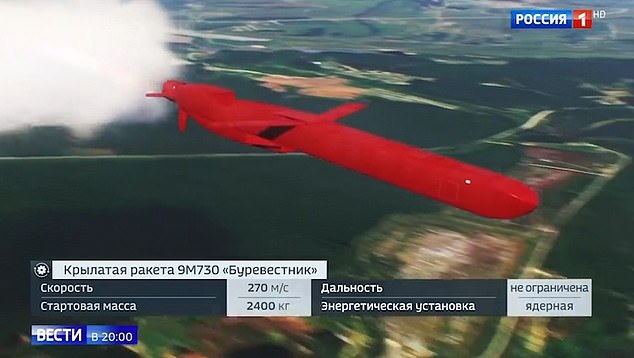
    Burevestnik was officially introduced by President Vladimir Putin during the Federal Assembly address on March 1, 2018. Russia’s two leading cruise missile developers—Design Bureau Raduga and NPO Novator—are behind its design. Raduga is known for the Kh-55 and Kh-101 series, while Novator developed the Kalibr and Iskander systems. Visually, Burevestnik resembles the Kh-101, though some speculate it may be designated Kh-102, a claim not confirmed. The Western designation SSC-X-9 Skyfall is used by NATO, while the internal Russian index remains undisclosed.

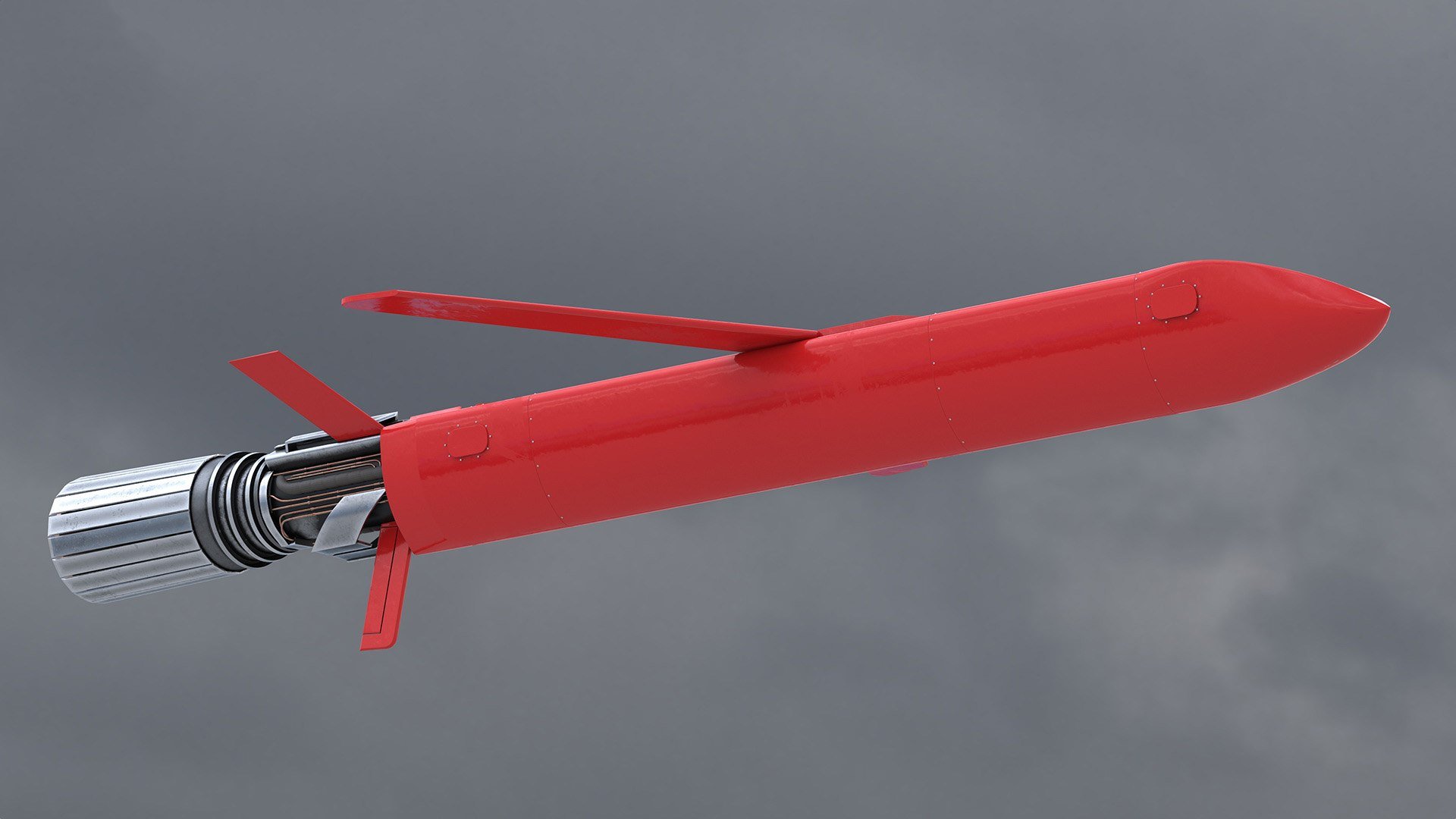
    The missile reportedly measures around 12 meters in length and features a cuboid-cylinder body, capable of housing a powerful thermonuclear warhead. However, its defining feature is not the payload but its propulsion: a miniature nuclear reactor provides continuous, long-duration energy instead of conventional chemical propellants.

    Operational Profile
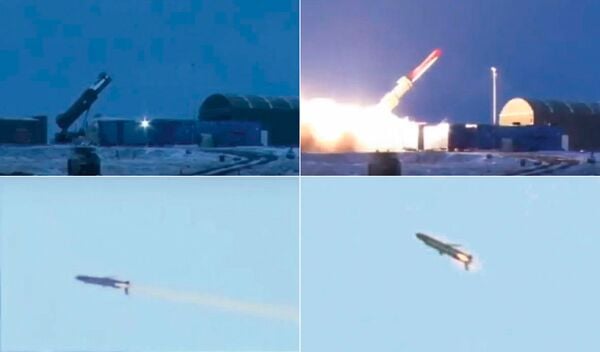
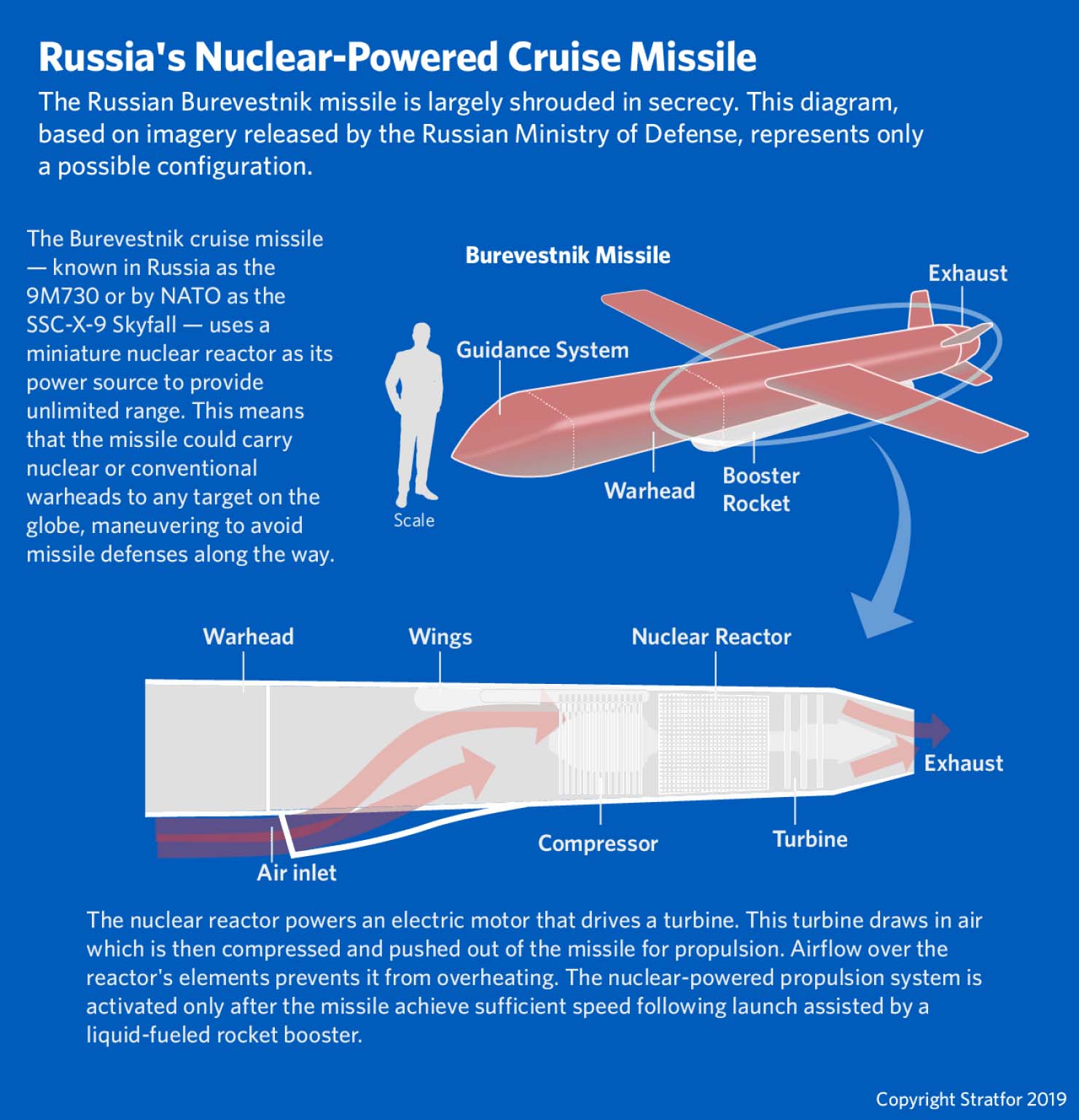
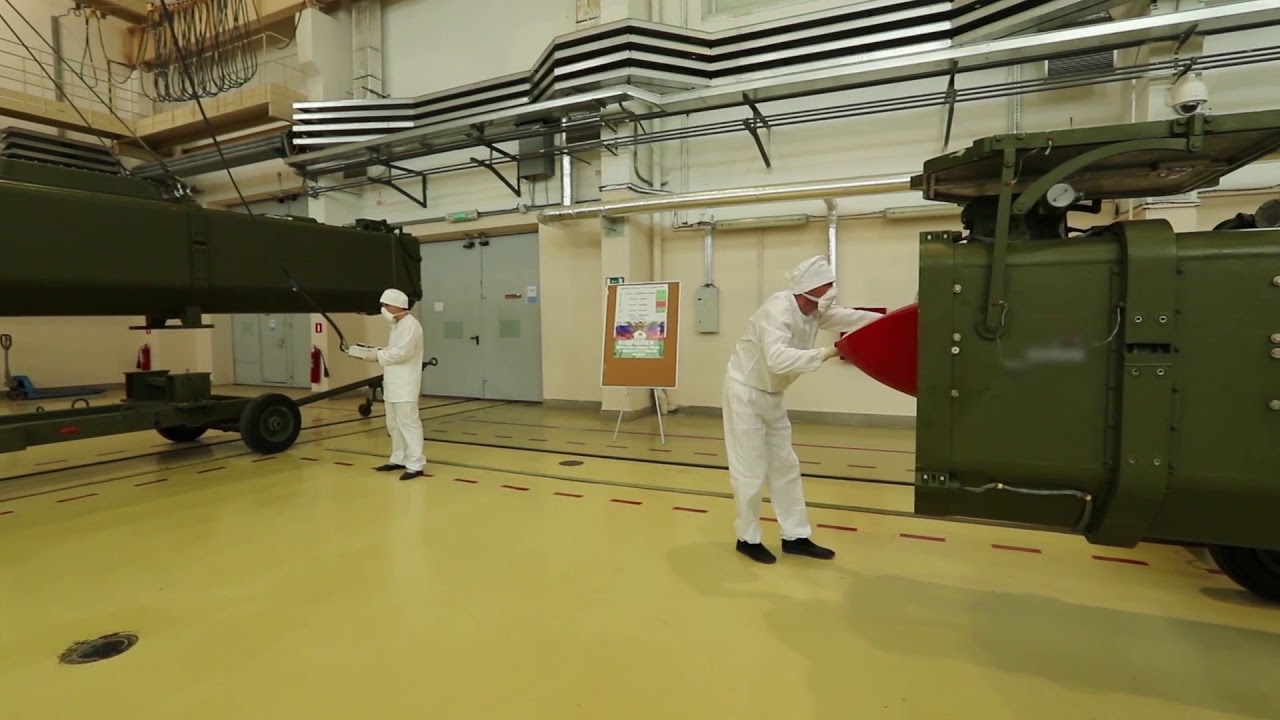
    The missile launches from a ground platform using chemical boosters to reach optimal speed and airflow conditions. Once separated, the onboard reactor activates—similar to a ramjet ignition, but powered by nuclear fission rather than combustion. Incoming air is compressed and heated before entering the thrust-generating chamber.

    Burevestnik launch and separation of the primary booster

    Two heat transfer models are possible:

    • Open-cycle: Ambient air passes directly through the reactor core, absorbing heat from fuel elements. This allows for extended range but risks radioactive particle release.
    • Closed-cycle: Heat is transferred via a secondary loop or exchanger, reducing contamination but requiring heavier, more complex systems and typically lower thermal efficiency.

    In both cases, thrust is generated by heating and expanding air mass expelled through a nozzle—akin to ramjet mechanics, but with nuclear heat. Depending on reactor performance, ranges from several hundred to thousands of kilometers are possible. Recent tests suggest a range of up to 14,000 km, often described as “unlimited.”

    Testing and Development History
    At least 13 tests have been reported since development began. The most notable was in November 2017, when the missile failed two minutes after launch and crashed into the Barents Sea. Despite setbacks, continued investment and testing reflect strong political and technical commitment.

    Strategic Significance
    In today’s world, many nuclear weapons already offer global reach. For example, the Sarmat ICBM can deliver over 15 warheads across 18,000 km, and the Yars missile can carry three maneuverable warheads over 10,000 km. Hypersonic weapons have introduced new challenges in detection and interception. So why develop Burevestnik?

    The answer lies in its unique advantage: extreme range and unpredictable flight paths. While modern systems focus on speed and rapid response to reduce enemy reaction time, Burevestnik emphasizes stealth and route flexibility to exploit surprise. Unlike large, fast ICBMs that are easily detected and tracked, Burevestnik’s low-altitude cruise profile makes it harder to spot and intercept.

    Read more: Space-Based Early Warning Systems (SBIRS & DSP)

    Ballistic missiles follow high-arching trajectories and exit the atmosphere, making them visible to space-based infrared sensors and over-the-horizon radar. In contrast, cruise missiles fly below 100 meters, often evading early warning systems and reducing the chance of interception.

    Burevestnik’s significance lies not in its destructive power, but in its ability to reshape the dynamics of detection, response, and strategic planning. By expanding attack vectors and reducing predictability, it forces defenders to rethink operational risks and readiness.

  • Emerging Actor in the Caucasus: The Republic of Azerbaijan

    Emerging Actor in the Caucasus: The Republic of Azerbaijan

    Over the last two years, Azerbaijan has adopted a new model of hybrid security diplomacy, blending an assertive foreign policy with large-scale arms procurement and military restructuring. This policy fits within a broader strategy to boost deterrence capacity and elevate Baku’s geopolitical standing in the security landscape of the South Caucasus and its surroundings. Key elements of this strategy include the expansion of layered air defense systems, enhancement of artillery and armored capabilities, development of drone infrastructure with reconnaissance and precision-strike capabilities, and deepening of training and cyber cooperation with NATO and its key partners such as Turkey, Pakistan, and several European countries.

    This trajectory reflects Azerbaijan’s effort to transition from a posture of territorial isolation to one of active regional security engagement. It not only redefines the balance of power in the South Caucasus but also raises the geopolitical cost of conflict and narrows the strategic options of neighboring actors—particularly Iran, Armenia, and Russia.

    Key Developments: Azerbaijan’s Expanding Military Strategy

    The purchase of 48 self-propelled Nora B-52NG howitzers from Serbia marks a significant step in Azerbaijan’s effort to restructure its heavy artillery, aimed at enhancing operational mobility and deep-strike capabilities. In parallel, the acquisition of advanced Barak-MX air defense systems from Israeli military industries reflects Baku’s ambition to establish a multi-layered protective shield and reduce vulnerability to missile and drone threats. In the air force domain, the procurement of fighter jets and attack drones—especially from Turkey and Pakistan—signals a shift toward a network-centric warfare doctrine, emphasizing technological superiority over manpower.

    Simultaneously, Azerbaijan has redefined its training, management, and doctrinal capacities through integration with Western security structures, particularly via NATO’s defense institution development programs. This process has been accompanied by growing cyber and technical cooperation with European and regional partners, gradually aligning Azerbaijan’s defense institutions with NATO standards. Beyond its technical and military dimensions, this trend sends a clear political message: strengthening security ties with the Western bloc, counterbalancing pressure from Russia and Iran, and positioning Azerbaijan as an active player in the emerging security architecture of the South Caucasus.

    Air Defense

    The acquisition of Barak-MX systems and the overhaul of various defense layers—including Pantsir-S1, S-300PMU2, upgraded Soviet-era 9K33 OSA systems, Iron Dome batteries, and armored vehicles equipped with SPIKE NLOS missiles—demonstrates Azerbaijan’s pursuit of a comprehensive air defense network. This evolution has made Azerbaijan one of the few post-Soviet states capable of integrating Russian, Israeli, and Turkish technologies into a unified defense structure.

    In the realm of drones and smart weaponry, the deployment of Akinci attack drones and the expansion of data-driven training infrastructure have boosted Azerbaijan’s capacity for precision strikes, rapid reconnaissance, and network-based combat. The country also operates at least 600 MLRS units, including 100 guided systems with capabilities surpassing HIMARS.

    Air Force and Fighter Jets

    Azerbaijan’s growing partnership with Pakistan for the acquisition and training of JF-17 Thunder fighter jets lays the groundwork for a homegrown air force and mutual deterrence against regional threats. This collaboration reflects a strategic convergence among Islamabad, Ankara, and Baku, potentially leading to the formation of a new military bloc in Eurasia.

    At the same time, multi-billion-dollar defense allocations—especially between 2024 and 2026—highlight a shift toward militarizing the national economy and prioritizing hard security over traditional diplomacy. This trajectory is confirmed by official Azerbaijani data indicating a 15–20% annual increase in defense spending and major arms deals with partners such as Israel and Turkey.

    Regional Implications: Azerbaijan’s Expanding Military Posture and Strategic Diplomacy

    Azerbaijan’s growing drone and missile capabilities are reshaping the security landscape of the South Caucasus, with direct consequences for neighboring powers. For Iran, the increased range and precision of Azerbaijani systems enhance surveillance and intelligence-gathering along its borders, intensifying strategic pressure on Tehran. Armenia faces a widening military imbalance, raising the risk of renewed conflict—especially as Yerevan continues rebuilding its armed forces after the 2020 war. For Russia, Baku’s deepening ties with NATO and Israel challenge Moscow’s traditional sphere of influence in the region and may lead to a redrawing of military alignments across the Caucasus.

    Geopolitical Dimension and Military Diplomacy

    Azerbaijan has built a multilayered security network by leveraging strategic partnerships with Turkey and Pakistan, and through extensive intelligence and technological cooperation with Israel. This framework allows Baku to balance competing Eastern and Western blocs. Active participation in NATO programs such as DEEP and cybersecurity initiatives with European countries has reduced Azerbaijan’s historical dependence on Russia and positioned it as NATO’s southern gateway in the Caucasus.

    This dual-track policy—military modernization paired with diplomatic outreach—has elevated Azerbaijan’s geostrategic value in broader energy and security calculations. Recent developments underscore this shift:

    • Slovak Chief of Staff General Daniel Zmeko visited Baku, touring the cyber defense center and air force command, where AI systems for military infrastructure protection were showcased.
    • A trilateral defense summit between Azerbaijan, Georgia, and Turkey focused on securing regional transport corridors and conducting joint military exercises.
    • Initial defense talks with Bosnia and Herzegovina for 2026 included training exchanges and strategic cooperation.
    • Azerbaijan shared drone warfare expertise with Georgia and hosted cybersecurity and IT infrastructure meetings centered on AI and joint communication networks.

    These moves reflect Azerbaijan’s commitment to integrating active diplomacy, technological collaboration, and enhanced military and cyber capabilities to secure its role in the emerging regional security architecture.

    In essence, Azerbaijan’s defense transformation is not just about deterrence—it’s part of a broader strategy to become a multidimensional actor capable of balancing between global security blocs and leveraging its geography as a geostrategic asset in regional power competition.

    Emerging Scenarios: Azerbaijan’s Military and Diplomatic Trajectory in the South Caucasus

    Azerbaijan’s evolving military and diplomatic posture presents a range of potential scenarios, each with complex implications for regional security, power dynamics, and deterrence mechanisms in the South Caucasus and its surroundings.

    1. Regional Arms Race Intensification
    Continued expansion of Baku’s arms acquisitions raises the likelihood of a regional arms race. Neighboring countries—including Armenia, Georgia, and even Iran—may feel compelled to rapidly upgrade their defense capabilities, leading to the accumulation of advanced weaponry in an already tense and confined strategic environment.

    2. Rising Risk of Limited or Miscalculated Clashes
    The growing reliance on combat drones, precision-guided missiles, and layered air defense systems increases the temptation for preemptive action. In the event of miscommunication or flawed threat assessments, these capabilities could accelerate the escalation of localized conflicts into broader crises.

    3. Escalation in Cyber and Intelligence Warfare
    The integration of surveillance technologies and electronic warfare into Azerbaijan’s military doctrine, coupled with technical cooperation with NATO and Israel, intensifies competition in the cyber domain. This could pose new threats to the critical infrastructure and information networks of neighboring states.

    Taken together, these scenarios reflect Baku’s ambition to become a decisive military actor in the South Caucasus. However, in the absence of sustained security dialogue, the region risks entering a cycle of arms buildup, psychological pressure, and hybrid operations. Managing this trajectory will require a proactive, multilateral approach grounded in strategic foresight.

  • Latest Military Developments in Sudan (Map)

    Latest Military Developments in Sudan (Map)

    Sudan has once again returned to global headlines following intense and bloody clashes in Al-Fashir, the capital of North Darfur. While many have asked what’s happening in Sudan. The answer lies not in recent weeks but in the long-standing instability and unresolved crises that have plagued the country for years, occasionally erupting into headline news.

    In brief, Omar al-Bashir was ousted in April 2019 after 30 years in power during what were described as popular protests. The military took control and transferred authority to a transitional government led by Abdalla Hamdok. Two years later, in October 2021, the Sudanese Armed Forces (SAF) under Abdel Fattah al-Burhan and the Rapid Support Forces (RSF) led by Hemetti staged a coup against the transitional government and seized full control. Another two years later, in April 2023, tensions between Burhan and Hemetti escalated, leading Hemetti to rebel against Burhan and take control of parts of Sudan. Since then, sporadic clashes between SAF and RSF have continued across the country.

    For a deeper understanding of Sudan’s situation, read this article published two years ago: Understanding Warring Parties In Sudan; Reviewing Latest Field Situation (Map)

    On the ground, the latest battles center around Al-Fashir, the capital of North Darfur in southwestern Sudan, which was recently captured by RSF forces after months of siege. Al-Fashir was the last stronghold of the Sudanese Armed Forces (SAF) in Darfur. Over the past two years, RSF repeatedly attempted to seize the city but were repelled each time. The final takeover and the videos released from the scene point to a brutal massacre. It is estimated that at least 2,500 civilians were executed or killed by RSF fighters during the capture of Al-Fashir.

  • U.S. drone strike targets senior al-Qaeda member in northern Marib

    U.S. drone strike targets senior al-Qaeda member in northern Marib

    Abu Muhammad al-Sanaani held a key security role within the group’s structure. No photos or detailed information about him have been published online. His only known physical trait was a noticeable limp.

    According to Western media statistics, the U.S. military has conducted over 380 aerial operations targeting al-Qaeda members across Yemen over the past two decades.

  • Yankees in Caucasus: Assessing the Security and Geopolitical Implications of U.S. Involvement in the Zangezur Corridor Project

    Yankees in Caucasus: Assessing the Security and Geopolitical Implications of U.S. Involvement in the Zangezur Corridor Project

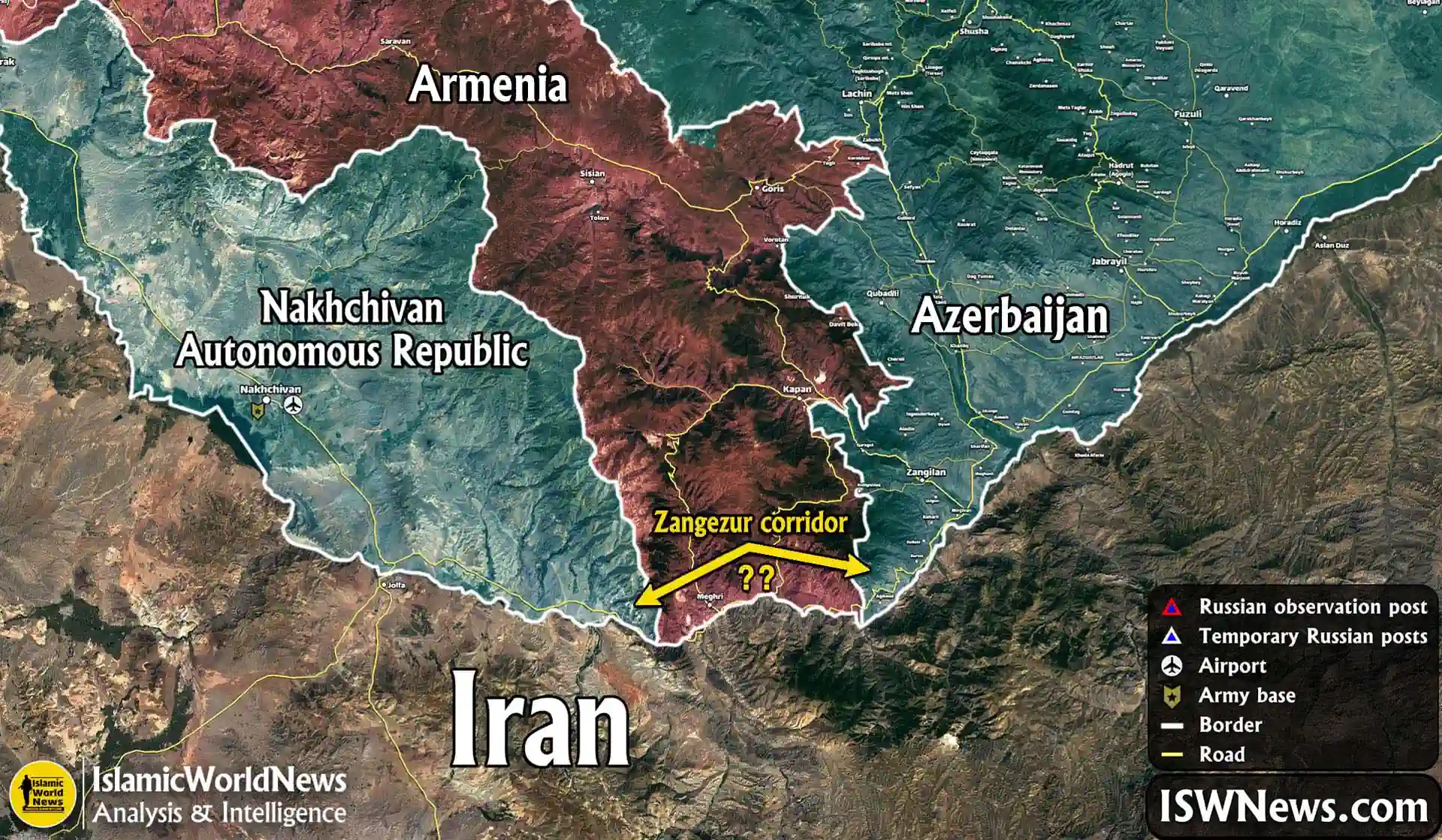
    In recent years—particularly following the Second Karabakh War, which ended with Azerbaijan’s victory over Armenia—the creation of the Zangezur Corridor through Armenia’s Syunik Province has sparked a new geopolitical contest in this vital region. Azerbaijan, capitalizing on its military strength and support from Turkey and Israel, is pursuing ambitious geo-economic goals that have met with strong opposition from Iran and Russia. The signing of a peace agreement in Washington, brokered by Donald Trump, which facilitated U.S. involvement in the project, has added another layer of complexity to the issue.

    According to the Washington agreement, the corridor has been renamed the “Trump Road for Peace and Prosperity” (TRIPP) and leased to an American company for a 99-year term.

    A closer look at the project’s objectives and the recent alignment between Baku and Ankara with the West reveals that the Zangezur/Trump Corridor is part of the broader contest over a new multipolar world order. While Azerbaijani officials emphasize its economic and transit benefits—claiming it could even benefit Iran or Armenia—the underlying Western strategy aims to forge a “Turkic-NATO” alliance to contain the China-Russia-Iran axis.

    The opaque nature of the American company

    Although much has been written about the corridor’s economic and logistical implications, its security and political dimensions remain underexplored. As noted, the U.S. involvement goes beyond commercial interests and could influence both the construction and strategic outcomes of the corridor. Given the hegemonic and capitalist nature of Washington’s political system, its economic and security agendas are deeply intertwined. Separating these motives in the Zangezur project would be an oversimplification.

    Why the Middle Corridor matters to Washington

    The strategic importance of the Caucasus and the Middle Corridor has grown significantly for the U.S., especially after the war in Ukraine. The conflict has rendered the northern route of China’s Belt and Road Initiative unstable, and Washington opposes the development of the Iranian branch of the Middle Corridor. As a result, the preferred route connecting China to Europe now runs through Turkic-speaking countries—Kazakhstan, Azerbaijan, and Turkey.

    Expanding the Middle Corridor also supports other Western economic-security projects, such as the Trans-Caspian gas pipeline and the transfer of rare earth materials from Central Asia for defense industries. The overarching goal, led by the U.S., is to develop the “Turanic” corridor to exclude Russia and China from Eurasian trade while maintaining Western access to Central Asia.

    Washington is not content with merely supporting the corridor—it seeks to control it. The Zangezur segment has become a key component of this strategy. Trump’s involvement in the corridor serves three core security-economic objectives:

    1. Establishing a presence at Iran’s border to monitor its military and security movements
    2. Undermining Russia’s influence in its traditional sphere and leveraging the Caucasus in the Ukraine conflict
    3. Controlling the Middle Corridor to exert pressure on China.

    As observed, the security dimensions of the Zangezur Corridor project—particularly for Iran and Russia—are highly significant, which helps explain the strategic alignment between Moscow and Tehran on this issue. Without a doubt, the United States is likely to deploy its military and intelligence capabilities alongside engineering teams to support such a complex and multifaceted initiative, potentially reshaping the regional landscape.

    It’s important to recognize that the interplay between military dominance and financial control is not merely academic—it’s a matter of survival for the current global financial system centered around the United States. In this context, the deployment of U.S. forces near Iran and Armenia under the guise of the Zangezur Corridor can be interpreted as a de facto military outpost, reinforcing Washington’s strategic footprint in the region.

    Objectives and Motivations Behind U.S. Involvement in the Zangezur Corridor

    • Recent studies suggest that foreign military bases established through regional alliances can enhance U.S. economic development. In contrast, bases acquired through military occupation tend to harm the U.S. economy. For example, in models where bases are set up via occupation, hostility between the host government and the foreign military tenant is more likely. Therefore, the U.S. has opted for alliance-based deployment in the Zangezur Corridor project.

    • Another strategic motivation for U.S. presence in the corridor is the potential training of extremist forces near Iran’s northwestern borders. Russian officials have claimed that the U.S. military base in al-Tanf, Syria, has been converted into a “terrorist training center.” Sergey Naryshkin, head of Russia’s Foreign Intelligence Service, stated that American forces trained 500 ISIS members and other extremists—primarily migrants from the Caucasus and Central Asia—for operations against Russian troops in Syria. If the U.S. applies a similar model near Iran or in the Caucasus, it could pose serious security risks for both Iran and Russia, especially given the increasing use of drones by extremist groups.

    • Central Asia’s strategic value is rising due to its energy reserves and rare minerals. To secure access to these resources and ensure energy and military security, the West needs a foothold in the region. Russia, China, and Iran currently hold significant influence there, and expanding Western presence would weaken this axis. In the event of regional tensions, the U.S. could use the Zangezur Corridor and its associated military infrastructure as a logistical base.

    Former Iranian ambassador to Baku, Seyed Abbas Mousavi, commented on the nature of the American company involved in the corridor: “A transregional country is entering our region through a private company. We don’t know the true nature of these companies. It’s possible that later, under the pretext of supporting them, the U.S. will deploy military forces to the region, which could be dangerous and certainly requires close cooperation among Iran, Russia, Armenia, Azerbaijan, and Turkey.” Recent developments suggest that the company involved is likely of a military-security nature, as evidenced by the lifting of U.S. sanctions on Azerbaijan’s military equipment sector. Supplying arms to Azerbaijan effectively amounts to indirect U.S. military presence near Iran’s borders.

    In summary, U.S. military involvement in the South Caucasus via the Zangezur Corridor offers strategic advantages for both Washington and NATO. It enables pressure on China, Russia, and Iran while boosting U.S. geopolitical and geo-economic influence in Central Asia and the South Caucasus. However, this approach contributes to the militarization of the region, contradicting stated goals of stability and potentially harming smaller regional states—especially Armenia and Azerbaijan.