Yesterday, the United Kingdom Maritime Trade Operations (UKMTO) reported an incident 116 nautical miles east of Aden, where the vessel was hit by an unidentified projectile, resulting in a fire.
Speculation suggests that the United States may have targeted the ship with a suicide drone or cruise missile to prevent its arrival in Al Hudaydah, though no official confirmation has been provided. The MV Falcon remains ablaze and has requested assistance from the European Union’s naval forces.
An alternative account of the Rafah incident has also emerged. It suggests that Palestinian resistance forces targeted a group affiliated with Yasser Abu Shabab—allegedly collaborators with the Israeli military—and that Israeli soldiers were caught in the crossfire during the clashes.
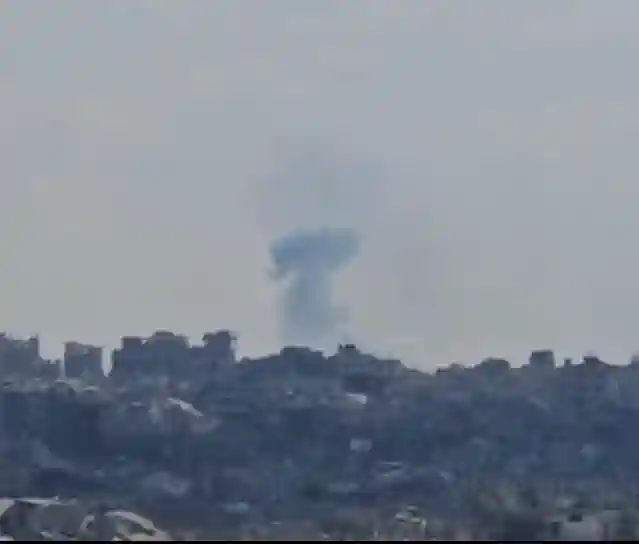
In response to the confrontation, Israeli warplanes bombed the Rafah area, citing the need to support Abu Shabab’s forces.
Israeli Prime Minister Benjamin Netanyahu is currently assessing the security situation in Gaza alongside the defense minister and other senior officials, preparing a response to what is being described as a violation of the ceasefire.
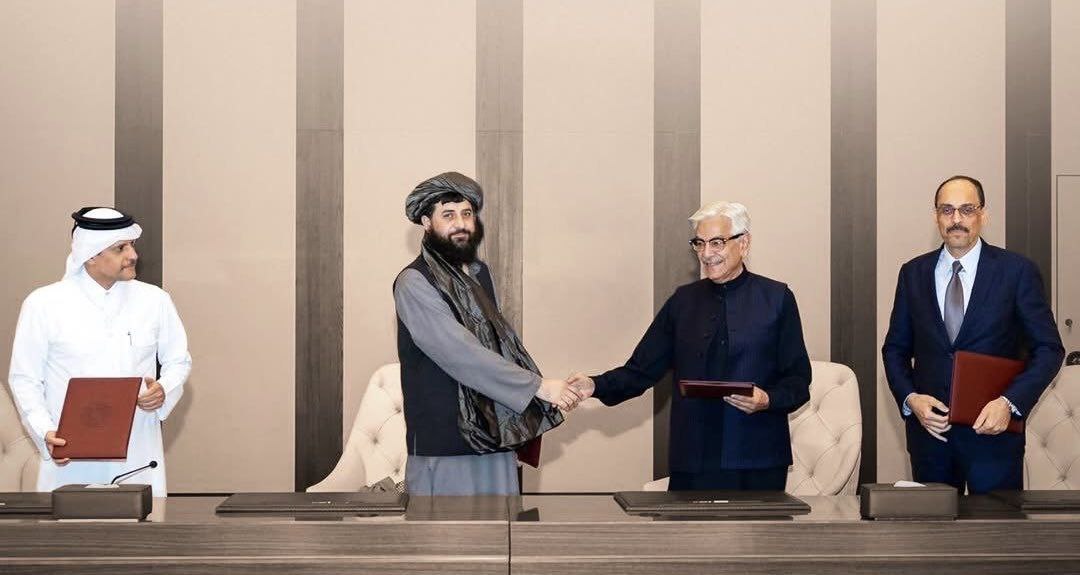
Talks were led by Mullah Mohammad Yaqoob Mujahid and Abdul Haq Wasiq for the Taliban, and Khawaja Muhammad Asif and General Asim Malik for Pakistan. Both sides agreed to cease hostilities, commit to peaceful neighborly relations, and resolve remaining disputes through dialogue.
To ensure the ceasefire holds, both parties pledged to hold regular meetings. A follow-up session is scheduled for October 25 in Istanbul to discuss the agreement’s details.
According to Taliban spokesperson Zabihullah Mujahid, both sides agreed not to support groups attacking one another and committed to avoiding harm to security forces, civilians, or infrastructure.
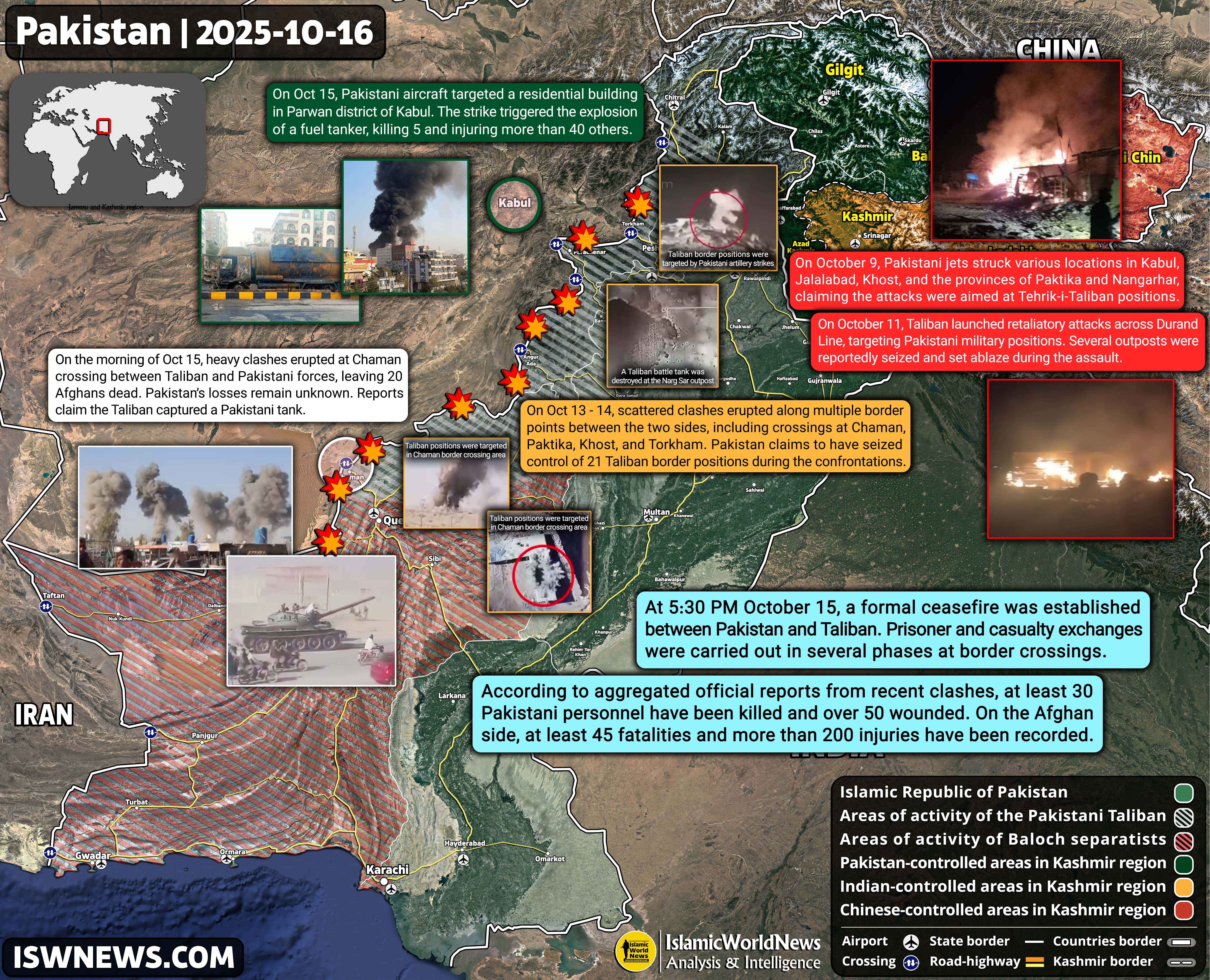
The ceasefire agreement between the Pakistani military and the Afghan Taliban comes after weeks of clashes along the Durand Line, which began on October 9 amid mutual accusations of supporting terrorism. This conflict, one of the most futile in recent regional history, resulted in the deaths and injuries of hundreds of soldiers and civilians, bringing nothing but destruction and suffering to innocent people.
According to official figures, at least 30 Pakistanis were killed and over 50 wounded. On the Afghan side, at least 45 fatalities and more than 200 injuries were reported. In response to the escalation, Pakistan suspended all trade with Afghanistan, and border crossings are now open only for returning Afghan migrants expelled from Pakistan.
A partial ceasefire was established on the evening of October 15, with both sides exchanging prisoners and the bodies of the deceased at various border points.
Pakistan claims the conflict stems from the Taliban’s alleged support for Tehrik-i-Taliban Pakistan (TTP) fighters based in eastern Afghanistan. The Taliban, in turn, accuses Pakistan’s intelligence services of training ISIS-affiliated groups and deploying them for terrorist operations in Afghanistan and across the region, including Russia and Iran. While many disputes exist between the two sides, the central issue driving the conflict is mutual accusations of supporting terrorism.
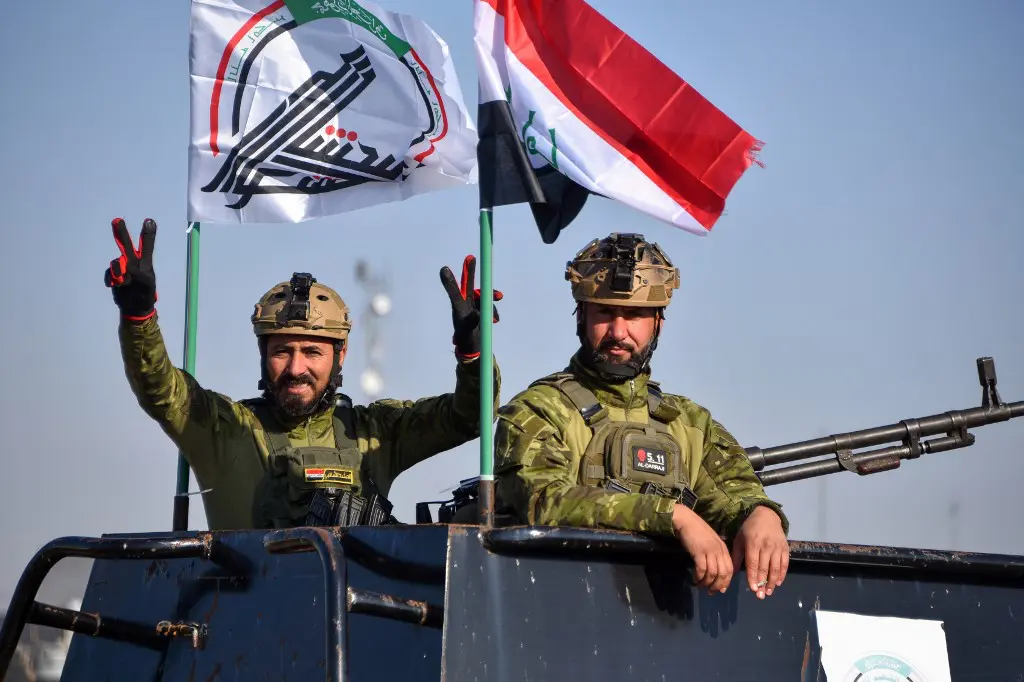
The law effectively elevates PMF from a paramilitary group to an official state force, making its dissolution—long sought by pro-Western factions in Iraq—significantly more difficult.
The legislation has faced strong opposition from the United States, which has exerted pressure on Iraqi officials to remove it from the parliamentary agenda. Washington argues that passing the law would solidify one of Iran’s regional arms and, given PMF’s history of resistance against U.S. occupation and involvement in American troop casualties, the U.S. government remains committed to its full disbandment.
Internal Tensions in Iraq
Domestically, the law has stirred political unrest. Sunni and Kurdish parties view PMF as a Shiite-dominated entity and interpret its formalization as a power shift favoring Shiite factions. Consequently, they have repeatedly declared their refusal to participate in the vote.
Even within the Shiite coalition known as the “Coordination Framework,” deep divisions persist—primarily over the retirement age clause, which sets the PMF retirement threshold at 60. This would force many senior commanders, including PMF chief Faleh al-Fayyad, into retirement. Prominent Shiite figures such as Sheikh Qais al-Khazali (leader of Asa’ib Ahl al-Haq) and Nouri al-Maliki support al-Fayyad’s removal due to his backing of Prime Minister Mohammed Shia’ al-Sudani and their electoral alliance. On the other hand, leaders like Hadi al-Amiri oppose restructuring PMF leadership and advocate for amending the clause to exempt al-Fayyad and other top commanders from mandatory retirement.
U.S. Response
Reports indicate that the U.S. has responded with political pressure aimed at scaling back bilateral security agreements. Concurrently, American forces have begun withdrawing from the Ain al-Asad base in western Iraq as part of a broader military drawdown.
Public sentiment in Iraq remains wary of U.S. withdrawal, recalling the post-2011 vacuum that enabled ISIS to wreak havoc across the country.
According to Iraqi security sources, ISIS militants are regrouping and reorganizing by exploiting instability in Syria. While their current activity is not deemed critically dangerous, heightened vigilance is essential to prevent any surprise resurgence.
In January 2020, U.S. forces across West Asia were on high alert, anticipating a retaliatory strike from Iran following the assassination of Major General Qassem Soleimani. During this period, SBIRS satellites began monitoring Iran’s missile launch sites. Infrared sensors detected launch signatures and precisely tracked the flight paths and potential targets of the missiles. The data was swiftly relayed to U.S. forces stationed in Iraq. Similar procedures were repeated during operations “True Promise” and “Glad Tidings of Victory,” with Iranian ballistic launch data shared with U.S. forces in Qatar, the Red Sea, the Mediterranean, and Israel.
Importance of Space-Based Early Warning Systems: Since the 1950s, early warning of potential attacks on the U.S. has been a central concern of its military space program. Research showed that space-based systems could extend the warning time for intercontinental missile launches from 15 minutes to approximately 27 minutes, nearly doubling the alert window for long-range launches. Unlike conventional radar sensors, these systems can detect low-altitude nuclear warhead flights (FOBS) in orbital bombardment scenarios and validate radar data. Their use reduces false alarm rates and offers better cost-effectiveness compared to ground-based radar systems. With these advantages, the U.S. has prioritized space-based systems for over six decades, deploying them today against threats from Russia, China, North Korea, Pakistan, and Iran.
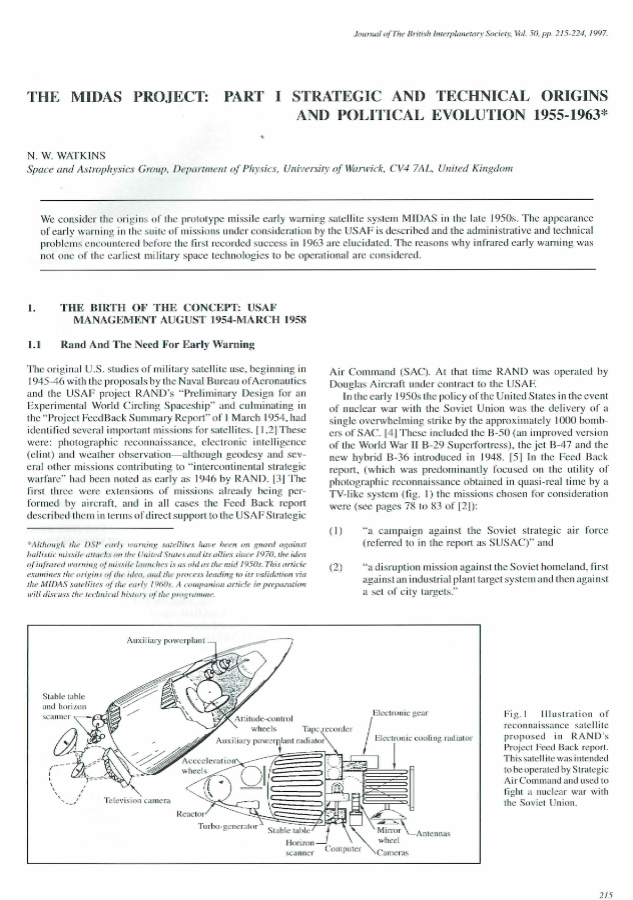
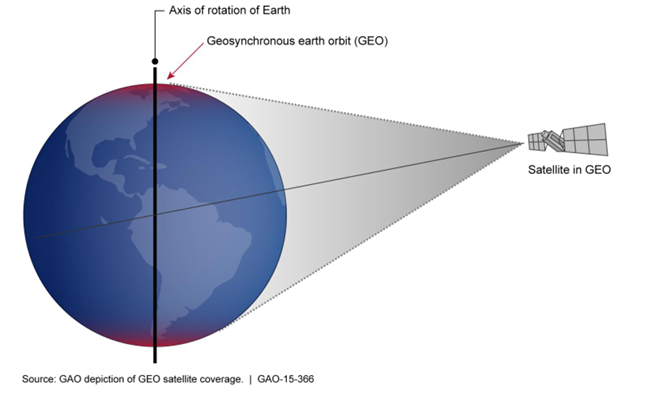
Origins: America’s first efforts to develop infrared early warning satellites began in the 1960s with the Midas project, which operated in low Earth orbit (LEO). However, the conceptual roots trace back to a late-1940s proposal involving a satellite equipped with an infrared radiometer and a space surveillance telescope. Midas later evolved into Project 461, tested between 1963 and 1966. Studies revealed that global coverage in LEO would require around 20 satellites, while highly elliptical orbit (HEO) configurations needed only 9 to 10, and geostationary orbit (GEO) could achieve full coverage with just two satellites—one per hemisphere. However, GEO demanded highly sensitive infrared sensors to detect launches from great distances. Consequently, the U.S. Air Force deemed GEO-based systems the most technically and economically viable. Starting in 1965, Projects 461, 266, 949, and ultimately 647 laid the foundation for the Defense Support Program, though detailed descriptions of each project fall outside the scope of this discussion.
Midas Project
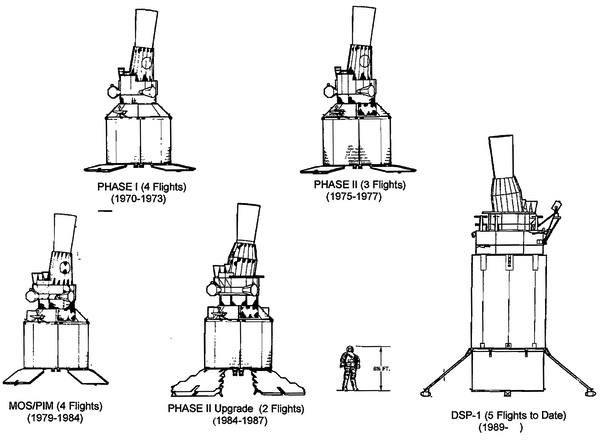
With the completion of initial research, the first-phase contract for the Defense Support Program (DSP) was valued at approximately $105 million and included the construction of three satellites, each weighing 907 kilograms with an estimated operational lifespan of 19 months. Initially, two satellites were deemed sufficient, but due to the threat posed by Soviet submarine-launched missiles, the number was increased to three operational units. Each satellite covered distinct regions: the Atlantic Ocean and eastern Pacific, Soviet and Chinese missile fields along with the Indian Ocean, and the western Pacific.
In subsequent phases, both the weight and lifespan of the satellites increased. By 1970, their mass reached around 1,000 kilograms with a 3-year operational life. This development continued through five phases, and in later generations, the satellites weighed up to 2,300 kilograms and operated for 5 to 10 years.
Between the 1970s and 2007, a total of 23 DSP satellites were launched into geostationary orbit. During this period, typically 2 to 4 satellites were active in orbit at any given time.
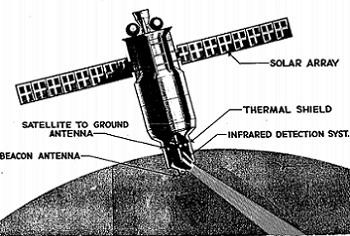
DSP satellite
Performance Review: The system proved highly effective; these satellites were capable of detecting missile launches, space launches, and even nuclear detonations via infrared signatures. DSP satellites played a crucial role during Operation Desert Storm by identifying Iraqi Scud missile launches.
Ultimately, with the rapid advancement of missile technologies, the need for a replacement system emerged, and the final DSP satellite was launched in 2007. However, three DSP satellites remain active today under the operational framework of the U.S. Space Force.
Many experts believe DSP did not operate alone. Another infrared detection system, mounted on a classified satellite in highly elliptical orbit (HEO), also contributed data. This system, generally referred to as “DSP-Augmentation,” provided overlapping coverage and a different viewing angle compared to DSP satellites positioned above the equator.
Ground-based integration of multiple data streams enabled a more comprehensive understanding of targets. Yet, almost no public information is available about DSP-A.
ماهواره در مدار جئونسل بندی خانواده DSPDSP satellite
Dawn of a New Generation: The SBIRS (Space-Based Infrared System) program was officially launched in the mid-1990s to replace the aging DSP satellite constellation. However, its path to becoming a fully operational system was fraught with challenges. By 1996, the U.S. Air Force had signed a contract to develop the SBIRS-High system. In 1999, concerns over the Y2K bug intensified, as many military and civilian systems were unable to correctly process the year 2000, raising fears of software failures. As a result, the goal was to launch the first satellite of the new constellation by 2002 and fully replace the previous system with a far more advanced one by 2010.
The initial plan included a SBIRS-High constellation with satellites in geostationary (GEO) and highly elliptical orbits (HEO), followed by 24 separate satellites in low Earth orbit (LEO). The concept was for SBIRS-High and SBIRS-HEO to detect launches early, while SBIRS-Low would provide precise midcourse tracking of missiles in space, enabling warhead interception.
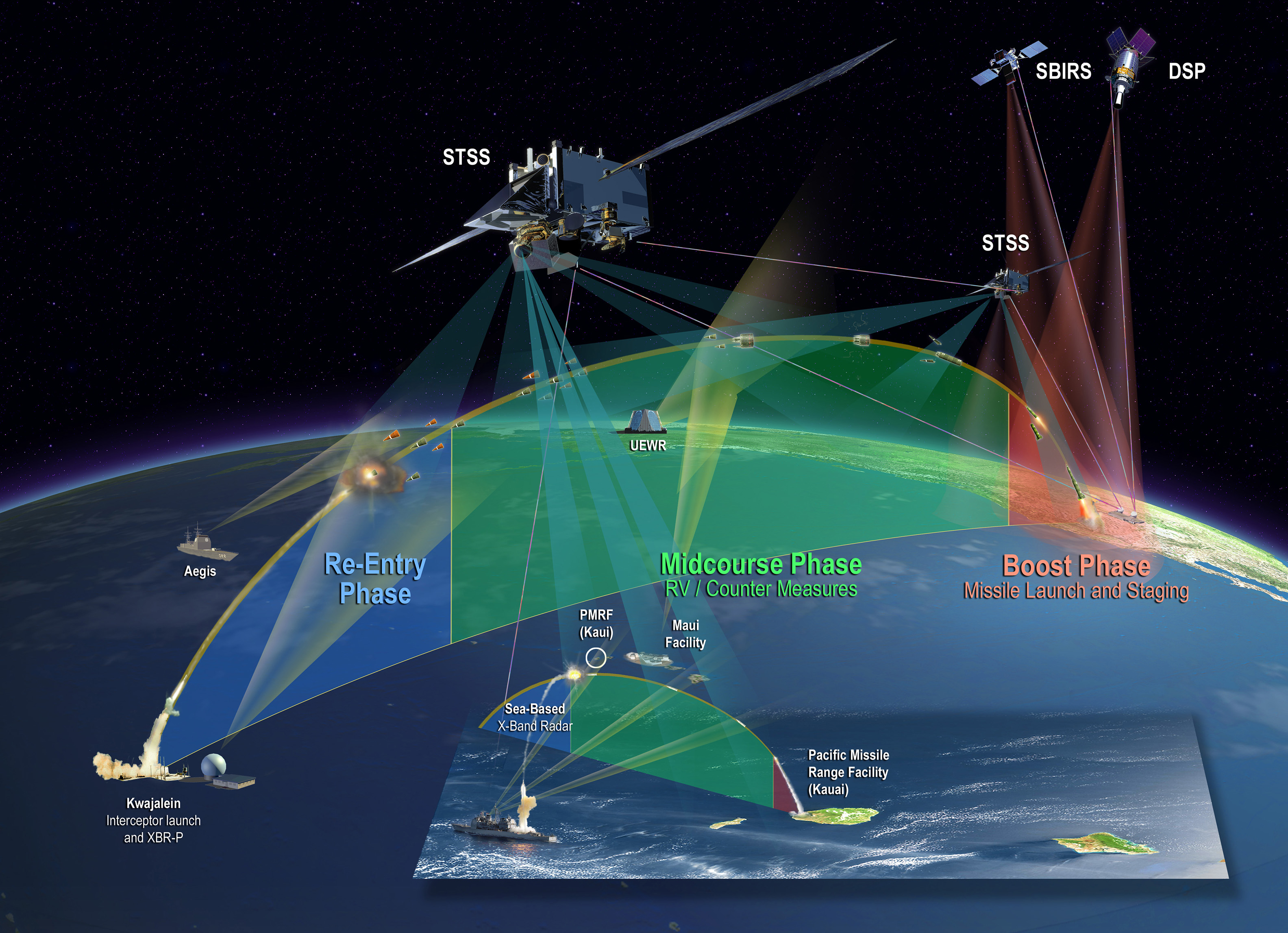
However, in 2001, the SBIRS-Low program was transferred to the Missile Defense Agency and evolved into the Space Tracking and Surveillance System (STSS), which focuses on tracking ballistic missiles throughout their flight path.
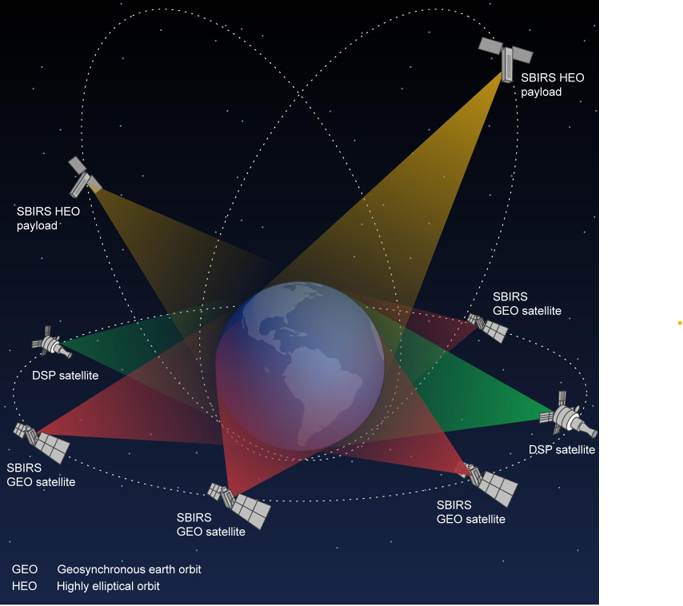
Schematics of various orbits
Challenges in the Early 2000s: During the early 2000s, the SBIRS program faced serious setbacks. The U.S. Air Force encountered technical issues, delays, and cost overruns across all three segments of the system. The program’s budget ballooned from $2.1 billion to $9.9 billion. The launch of the first satellite was postponed from 2002 to 2004, and then again to 2006.
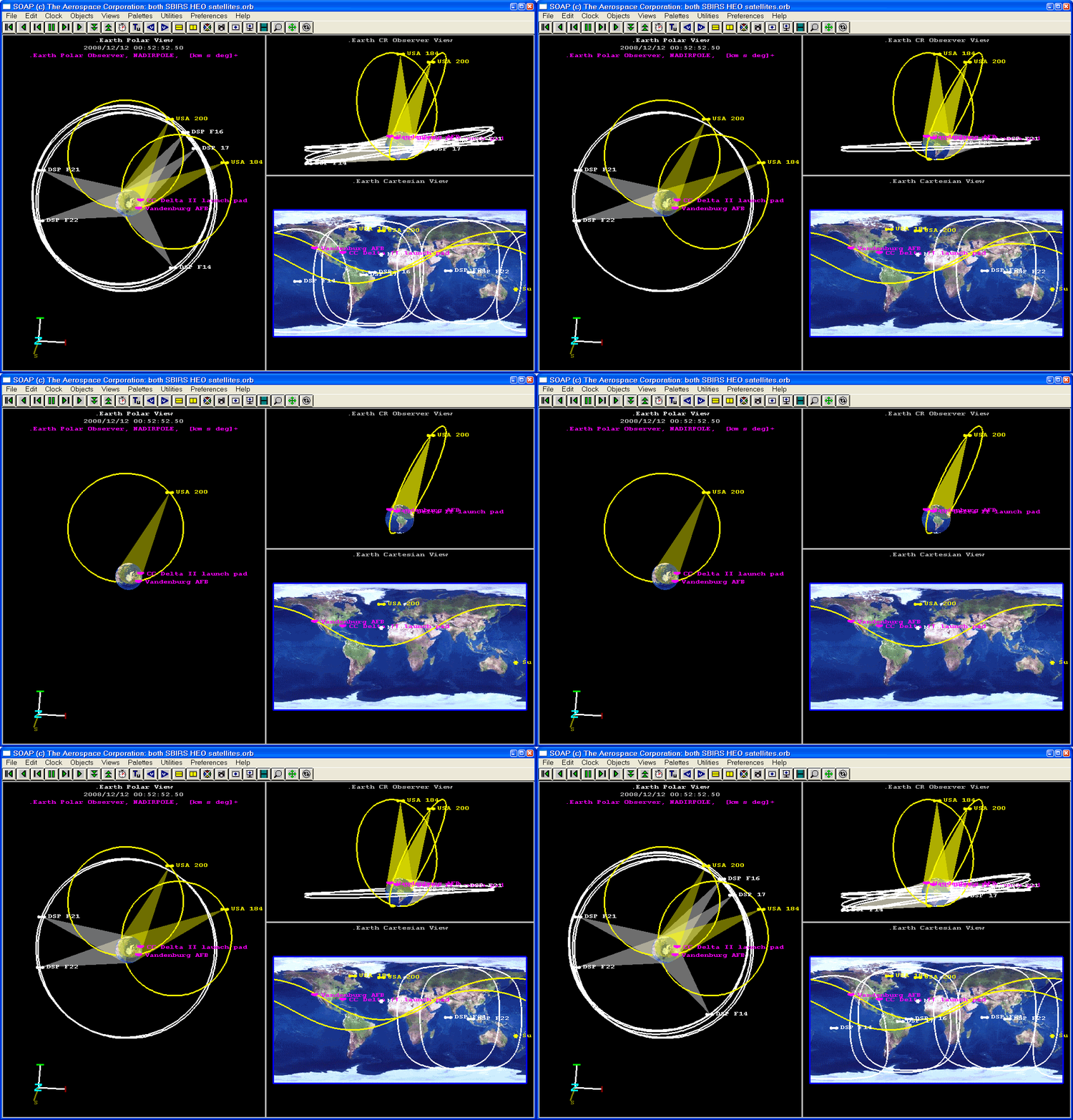
In 2006, the first payload in highly elliptical orbit (HEO) was launched, followed by a second in 2008, and two more in 2014 and 2017. These HEO payloads replaced the DSP-Augmentation system. Eventually, the first geostationary (GEO) satellite was launched in 2011—nine years later than originally planned.
Throughout this period, the legacy DSP and DSP-Augmentation systems (classified infrared sensors in elliptical orbits) continued to serve as the backbone of space-based missile warning. In practice, few expected DSP to remain operational for another decade.
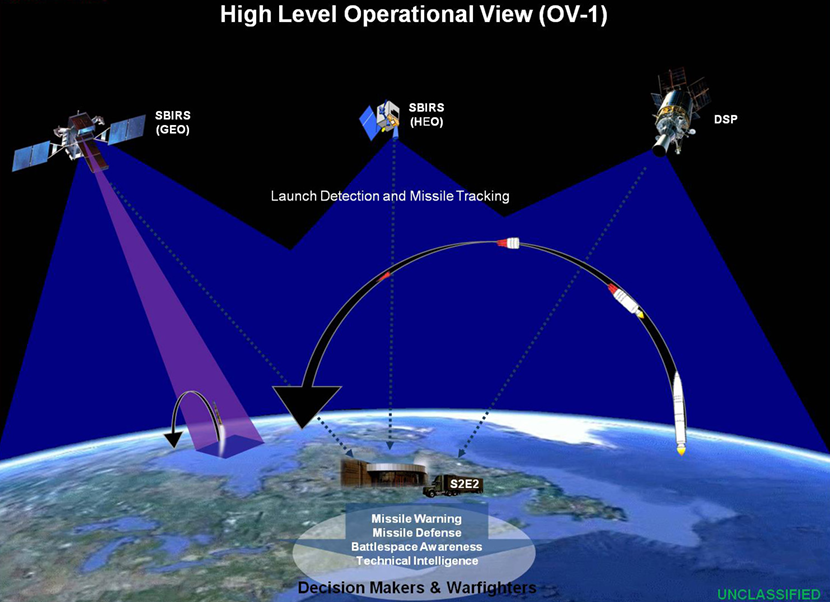
Missile launch detection is performed using the SBIRS system, while tracking the missile’s path in space is the responsibility of the STSS system, and ultimately its interception is carried out by sea-based or land-based anti-ballistic radar systems.
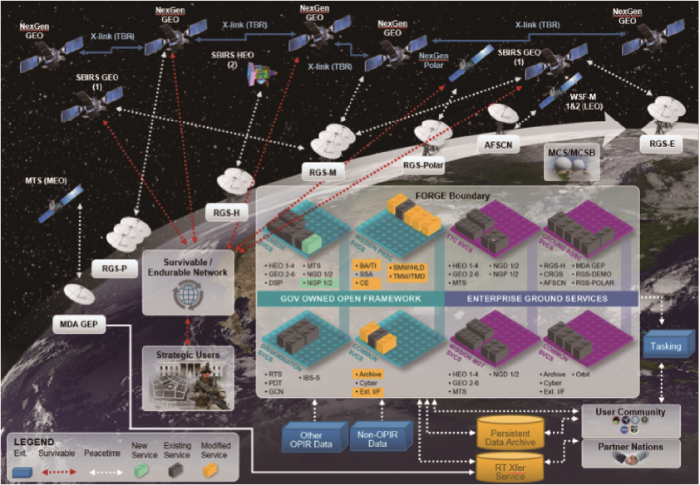
System Architecture: This constellation forms a resilient, multi-layered network designed to deliver comprehensive, continuous, and timely missile launch warnings on a global scale. It consists of various components operating across different orbital regimes, each tailored to specific mission requirements. All segments are managed and processed through a unified, modern ground system that ensures coordinated functionality and data integration.
Satellite system architectureEstimated area covered by the SBIRS system
A Key Driver of Final Architecture: One of the pivotal events shaping the final architecture of SBIRS was China’s 2007 anti-satellite test, which exposed vulnerabilities in geostationary satellites. This incident underscored the importance of retaining the last three operational DSP satellites as backup assets.
As a result, SBIRS was structured to integrate its dedicated satellites, hosted HEO payloads, and legacy DSP satellites under a unified ground control system managed by the mission station at Buckley Space Force Base in Colorado. This integration consolidated all active space-based early warning assets into a single operational framework. By fiscal year 2018, all missile warning activities were unified under the SBIRS designation.
Data Flow and Processing: Data from satellites is transmitted via five hardened downlink channels. Raw sensor data is received on the ground and undergoes complex signal processing to identify and classify potential events. The processed information is then relayed as alerts to the command chain, including the National Space Defense Center and USSTRATCOM.
This integrated structure allows satellite data to be fused with other sources—such as upgraded early warning radars (UEWR)—to produce a comprehensive and accurate battlespace picture.
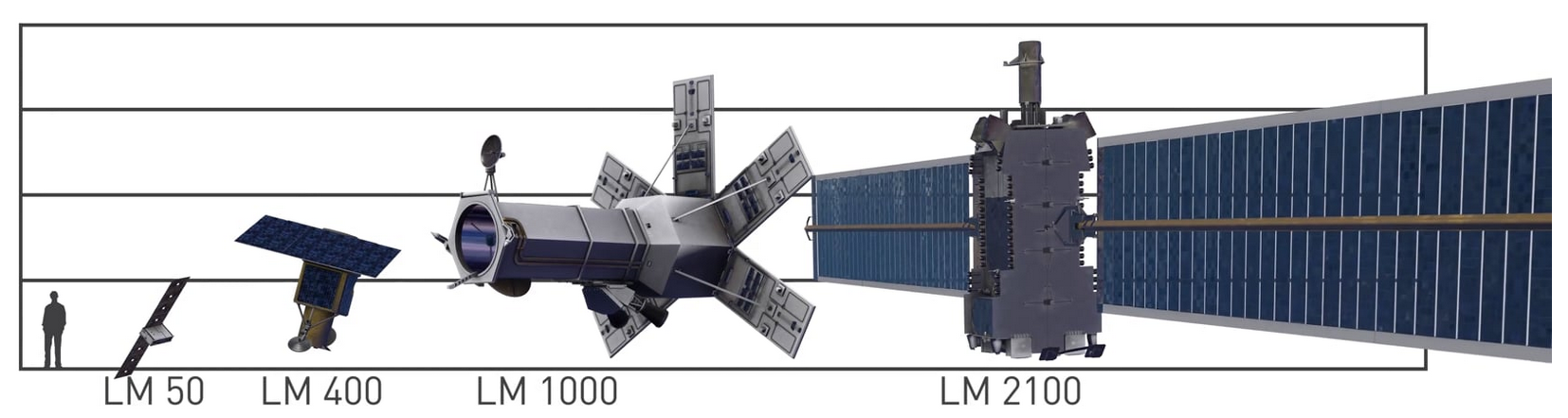
Satellite Configuration: The space segment of the constellation includes satellites in geostationary orbit and infrared sensors hosted on other satellites in highly elliptical orbit. The GEO constellation consists of six dedicated satellites—GEO-1 through GEO-6—built by Lockheed Martin on the LM2100 Combat Bus platform. Positioned approximately 22,000 miles above Earth, they provide continuous surveillance of mid-latitude regions.
LM2100 Combat BusSBIRS system architecture
Dual-Sensor Payloads and Satellite Capabilities: Each SBIRS GEO satellite carries a dual-sensor payload:
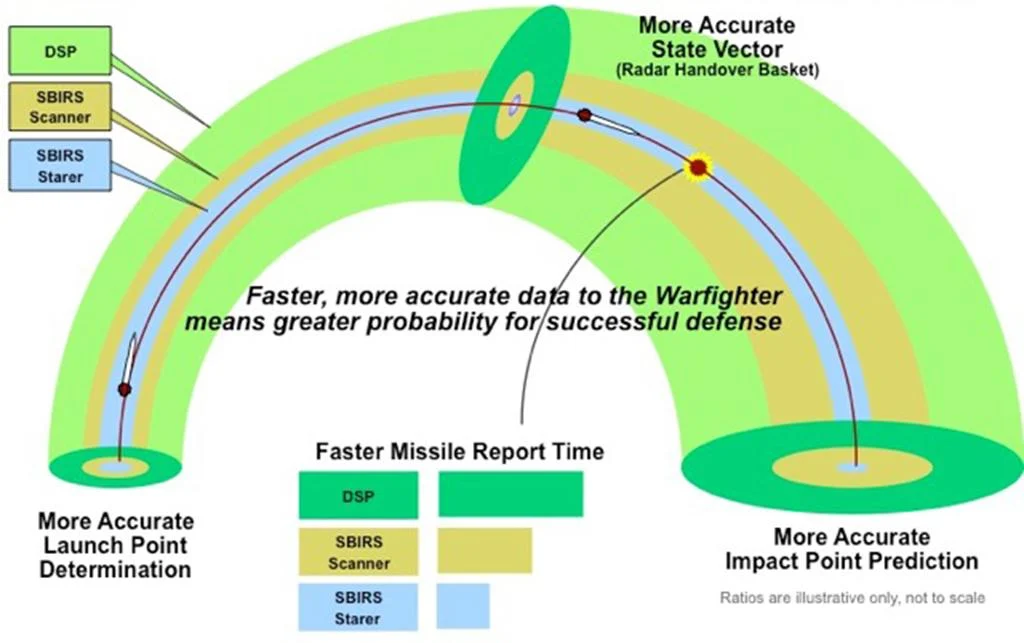
A scanning sensor for wide-area strategic missile warning
A staring sensor for high-sensitivity, rapid-revisit surveillance of specific regions
This configuration offers triple the sensitivity, double the resolution, and twice the revisit rate compared to DSP satellites. The sensors operate across both shortwave infrared (SWIR) and expanded midwave infrared (MWIR) bands, enabling detection of a broader range of threats—including dimmer missiles or those with shorter burn times.
Onboard signal processing allows GEO satellites to analyze raw data and transmit only confirmed events, reducing downlink volume and accelerating alert delivery. The first two satellites were launched in 2011 and 2013, followed by additional launches in 2017 and 2018, and the upgraded pair GEO-5 and GEO-6 in 2021 and 2022.
Platform and HEO Sensors: The LM2100 platform features enhanced cybersecurity, increased power capacity, and improved propulsion systems. In addition to GEO satellites, SBIRS includes four HEO sensors hosted on other government or commercial satellites.
Due to their highly inclined orbits, HEO sensors are especially suited for detecting submarine-launched ballistic missiles (SLBMs) from the Arctic region—where GEO coverage is limited. The first two HEO payloads were launched in 2006 and 2008, exceeding performance expectations, followed by two more in 2014 and 2017.
These sensors use gimbal-controlled telescopes, allowing independent targeting of specific regions for optimized coverage.
Conceptual illustration of the operation of the scanning sensor and the staring sensor.Conceptual image of the difference in sensor coverage area
The concluding chapter of the SBIRS program was marked by the launch of GEO-6 on August 4, 2023, completing the full deployment of the SBIRS constellation before transitioning to its successor, Next-Generation Overhead Persistent Infrared (Next-Gen OPIR). Throughout its lifespan, the program was overseen by various U.S. Department of Defense entities, including the Air Force Space Command, the United States Space Force, and the Space and Missile Systems Center. Lockheed Martin served as the primary contractor, while Northrop Grumman provided the sensor payloads as a subcontractor.
Image captured by GEO satelliteImage captured by the GEO satellite of the launch of the Delta spacecraft from Vandenberg Space Force Base, California, in 2006.
Future Development: For over a decade, the SBIRS system has served as the cornerstone of the United States’ missile warning capability. However, the threat landscape has evolved. A constellation originally designed to counter traditional ballistic missile threats now faces emerging challenges such as hypersonic weapons, jamming systems, and modern space-based attacks. This shift is the primary driver behind the Next-Generation Overhead Persistent Infrared (Next-Gen OPIR) program—a system that incorporates more capable geostationary satellites, polar-orbiting platforms, and distributed sensors in low and medium Earth orbits.
The new architecture is more resilient, survivable, and less vulnerable to single points of failure. Its sensors offer three times the sensitivity and twice the accuracy of SBIRS, along with quadruple the downlink bandwidth to enable precise tracking of maneuverable threats.
Ground Segment – FORGE: Equally important is the FORGE ground system, which plays a vital role in sustaining the U.S. missile warning and tracking mission. As SBIRS nears the end of its planned lifecycle and is gradually replaced by Next-Gen OPIR, FORGE acts as a critical bridge—ensuring seamless integration of new capabilities while maintaining operational continuity.
FORGE is designed to replace legacy ground systems. This consolidation reduces costs, boosts efficiency, and eliminates the burden of maintaining multiple incompatible platforms. With an estimated investment exceeding $3 billion for the FORGE component alone, it is clear that modernizing the ground infrastructure is considered one of the most strategic investments in the future of U.S. space domain awareness.
Transition Timeline: The first launch of a Next-Gen OPIR satellite is scheduled for early 2026. Meanwhile, FORGE’s role as a unified backbone for data processing and distribution enables it to support both legacy SBIRS assets and next-generation systems simultaneously.
As a result, the legacy of SBIRS—trusted and battle-proven—paves the way for a more resilient, responsive, and adaptable space architecture under Next-Gen OPIR.
Next-Gen OPIR
Assessment of Limitations and Challenges: For over a decade, the U.S. space-based infrared system has served as America’s vigilant eye in orbit, playing a vital role in missile warning and situational awareness. However, the system’s inherent limitations against emerging 21st-century threats have gradually come to light. SBIRS was originally designed to track ballistic missile launches—not to continuously monitor hypersonic weapons or maneuverable warheads that fly at low altitudes after booster burnout. These targets typically travel between 30 to 50 kilometers in altitude with unpredictable flight paths, making them difficult for current systems to detect. Additionally, cruise missiles often evade overhead sensors due to their weak infrared signatures.
With the rise of multidimensional threats from Russia and China, ensuring the survivability of this system has become a strategic priority for the United States. Physical threats such as anti-satellite (ASAT) weapons, orbital interference, and directed energy attacks all pose risks of disabling or destroying satellites. Successful ASAT tests by China in 2007 and Russia in 2021 demonstrated that even GEO orbit is no longer secure.
To counter these threats, SBIRS incorporates redundancy in its architecture: six GEO satellites and four HEO sensors provide a degree of fault tolerance, ensuring that the loss of one or two satellites won’t cripple the entire system. Moreover, the newer GEO-5 and GEO-6 satellites, built on the LM2100 bus, offer enhanced power, propulsion, and agility to maneuver away from hostile encounters.
Beyond Space – Ground Vulnerabilities: Threats aren’t limited to orbit. The system’s ground infrastructure and command network—including the Mission Control Station (MCS) and the FORGE ground system—are exposed to sophisticated cyberattacks. Any breach could corrupt data or jeopardize satellite control. The 460th Cyberspace Squadron at Buckley Space Force Base is tasked with defending the OPIR network against such intrusions.
The 2022 cyberattack on Viasat’s KA-SAT network, which disrupted satellite communications across Europe and the Middle East, serves as a stark reminder of this reality. In addition to kinetic and cyber threats, non-kinetic dangers such as radio frequency jamming, high-power microwaves, and infrared lasers can blind or damage sensitive satellite sensors.
Compounding these risks is the growing challenge posed by hypersonic weapons. These systems travel in short, depressed trajectories, with dimmer and shorter booster burn phases—making them significantly harder to detect with existing infrared sensors.
Ahmed Al-Sharaa, head of Syria’s interim government, stated: “Today, we are in a new Syria, and we are rebuilding our relations with all nations, especially the Russian Federation. We honor all past agreements and this great history, and we strive to redefine and present the nature of these ties in a renewed way. We respect our shared history, and our goal is to strengthen relations based on Syria’s sovereignty, unity, and stability.”
The Kremlin meeting between Putin and Ahmed Al-Sharaa (Abu Mohammad Al-Jolani) marks a clear effort by Moscow to preserve and redefine its role in Syria’s political landscape following the fall of Bashar al-Assad’s government. Having supported Assad as a strategic ally for years, Russia now seeks to maintain its traditional influence within Syria’s new power structure through pragmatic diplomacy. The revival of the joint cooperation committee signals Russia’s intent to secure long-term economic and security presence in Syria.
Putin also stressed joint economic projects, food supply support for Syria, and collaboration in energy and infrastructure. This shift indicates Russia’s strategy to transition from direct military involvement to sustainable economic engagement—leveraging its political influence for strategic gains without incurring the costs of past military operations.
The first point to consider is the deep demographic, familial, social, and cultural ties between residents of Iraq’s Anbar province and Syria’s Deir ez-Zor. Historically, the border towns of Al-Bukamal and Al-Qaim were one city until the Battle of Maysalun split them, forming the Iraq–Syria border. Over a century later, these ties remain strong. In Syria, the “Eastern dialect” differs significantly from the “Levantine dialect,” and Deir ez-Zor’s accent closely resembles Iraqi Arabic—so much so that it’s considered part of the Iraqi dialect family. Similarly, Iraq’s “Western dialect,” common in Anbar, is more similar to Deir ez-Zor’s speech than to Baghdad’s or northern Iraq’s.
Moreover, there’s near consensus across Iraq that national security depends on stability in Anbar. The past 22 years (post-Saddam era) show that whenever Anbar is secure, Iraq enjoys relative calm; when unrest or terrorism hits Anbar, instability quickly spreads nationwide.
These factors suggest that Deir ez-Zor can directly impact Iraq’s overall security, making it essential for Baghdad to pursue security cooperation with Damascus to prevent the province from becoming a source of threat.
2. From the Syrian and Jazira Desert to Anbar and Lake Tharthar: A Terrorist Playground
Another issue is the terrain and continued limited presence of ISIS militants in the region stretching from the Syrian desert to Lake Tharthar near Samarra. This area is characterized by desert landscapes, scattered villages, low population density, and cities built along main roads or the Euphrates River. These vast, empty deserts offer ideal conditions for terrorist activity. Managing such terrain requires unavoidable security coordination. Even during tensions, the Assad government and the SDF cooperated on this front, recognizing ISIS as a mutual threat.
a) Shared Border Strip
It’s worth noting that the Iraq–Syria border spans roughly 600 kilometers, yet the number of border towns is fewer than five. Except for a small section north of Rabia, the entire border is desert, with only the northern Sinjar area being mountainous. Near the Syrian border, these mountains flatten into plains and hills—meaning over 90% of the border is desert.
3. Iraqi Residents in Syria and Vice Versa
Another factor is the significant number of citizens from each country living in the other. Tens of thousands of Iraqis reside in Damascus’s Sayyidah Zaynab district, while hundreds of thousands of Syrians have entered Iraq over the past 15 years. This population holds undeniable strategic weight, compelling both governments to maintain a level of engagement.
a) Intersection with Sectarianism and Civil War
Notably, both Iraqi and Syrian communities abroad tend to follow the majority religion of their home country, making them religious minorities in their host nation. Most Iraqis in Syria are Twelver Shia living near the shrine of Sayyidah Zaynab, while most Syrians in Iraq are Sunni—heightening security sensitivities.
This becomes more complex when considering that these communities are tied to each country’s civil war. Most Syrians in Iraq are war refugees who entered via Deir ez-Zor and settled in Anbar and beyond. Meanwhile, Iraqis in Sayyidah Zaynab are accused by neighboring districts like Babbila and Yalda of having fought alongside Assad’s forces during the war.
4. Prisoners and the Three Issues of Judicial Cooperation, Prisoner Exchange, and Rehabilitation
Another issue is the large number of Iraqi prisoners in Syria and Syrian prisoners in Iraq—mostly security offenders and ISIS members. Additionally, tens of thousands of their family members are undergoing rehabilitation in special camps, with the goal of reintegration into society. This situation calls for cooperation on three levels: judicial coordination, prisoner exchange, and rehabilitation of terrorist families.
The Kurdish Issue
The second factor prompting Baghdad to accelerate its outreach to Damascus is the “Kurdish issue” in both Iraq and Syria. On one hand, Damascus is dealing with the challenge of the Syrian Democratic Forces (SDF), and on the other, Baghdad faces ongoing competition with Erbil. This shared “single issue” encourages both Arab governments—Baghdad and Damascus—to engage with one another. Baghdad, due to security concerns, is compelled to cooperate with the SDF, but fears that strengthening the group could destabilize Syria and threaten Iraq’s territorial integrity. Therefore, Baghdad seeks to structure its relationship with the SDF through coordination with Damascus to minimize negative repercussions.
At another level, Baghdad faces a complex triangle in its dealings with the SDF. This triangle consists of:
Local militias in Sinjar, which have deep ties to the SDF and maintain operational and organizational support within SDF-controlled territory. Additionally, the Patriotic Union of Kurdistan (PUK) and the security-military network in Sulaymaniyah province are closely linked to the SDF.
The second side of the triangle is the Kurdistan Democratic Party (KDP) and the Kurdistan Regional Government (KRG). Erbil maintains ideological and strategic rivalry with the SDF, viewing it as a PKK offshoot. Yet, in the Syrian context, it supports the SDF to present a united Kurdish front against Damascus.
The third side is Turkey. No country can shape its relationship with the SDF without considering Turkey’s position.
This triangle forces Baghdad to accept engagement with the SDF as inevitable, while remaining cautious. In this context, cooperation with Damascus can help regulate Baghdad’s ties with the SDF and reduce its regional and international risks.
Foreign Policy and Its Imperatives
In analyzing Baghdad’s motivation to engage with Syria’s new government, foreign policy considerations—beyond security concerns—must be taken into account. Three overarching factors are relevant here:
1. The United States
The next factor is the role of the United States. Two specific issues push Baghdad and Damascus toward cooperation: the U.S. military presence and the repatriation of ISIS detainees and their families.
a) U.S. Military Presence
Regarding the U.S. military presence, CENTCOM forces have effectively linked eastern Syria and Iraq. Even in Baghdad–Washington negotiations over troop withdrawal from Iraq, the timeline for exiting Syria was part of the discussion. From Washington’s perspective, military presence in Iraq and eastern Syria is interdependent, and the two files cannot be separated.
b) Repatriation of ISIS Detainees and Families
On the issue of repatriating ISIS detainees and their families from camps like Al-Hol, Iraq—home to a large portion of these individuals—is compelled to cooperate. This makes coordination between Damascus and Baghdad essential for Iraq.
2. Neutrality
Since the tenure of Prime Minister Haider al-Abadi, Iraq’s foreign policy has been based on two principles:
Maintaining distance from all regional power blocs, ensuring Iraq is not categorized under any.
Maintaining good relations with all neighboring countries.
This approach, known as “neutrality,” has guided Iraq’s foreign policy throughout the last decade of Bashar al-Assad’s rule and continues to do so.
Currently, all regional countries except Iran recognize Al-Jolani’s government in Damascus. If Iraq refuses to do so, it risks being classified under Iran’s bloc and the Resistance Axis. Therefore, Baghdad is likely to recognize the new Syrian government de facto.
3. Geopolitical Projects and Access to the Mediterranean
Iraq’s geography offers a strategic opportunity to access the Mediterranean via Syria. Its most significant current project is the Development Road, connecting the port of Faw to the city of Fishkhabour and Turkey. Fishkhabour borders both Turkey and Iraq, allowing the Development Road to potentially open a direct route from Syria to the Persian Gulf.
Historically, Iraq has pursued several geopolitically significant projects tied to Syria, such as the Tehran–Beirut/Lattakia corridor, which offered Iraq a valuable east–west transit route. Iraq also had an oil pipeline from Kirkuk to Baniyas. Additionally, the M4 highway could play a role in China’s Belt and Road Initiative.
By leveraging these projects, Al-Sudani’s government can justify relations with Syria’s new leadership and even claim that future Syrian governments will become economically dependent on Iraq. This way, even if Al-Jolani’s administration doesn’t last, any future authority in Damascus would be less likely to act against Iraqi interests.
Internal Political Dynamics of Iraq
Previously, we outlined three foundational drivers behind Prime Minister Mohammed Shia’ Al-Sudani’s pursuit of cooperation with the Al-Jolani-led government in Damascus: security concerns, the Kurdish question, and foreign policy imperatives. In this section, we examine how Al-Sudani’s domestic political interests also motivate his push to establish or expand ties with Damascus.
1. Building Leverage for Post-Election Politics and Distancing from the Coordination Framework
Mohammed Shia’ Al-Sudani aims to distinguish himself from rivals within the Shia Coordination Framework ahead of Iraq’s elections. One key differentiator is his effort to cultivate strong relations with Arab Gulf states.
This strategy also applies to Turkey. One reason the “Development Road” project tops Iraq’s geopolitical agenda is its potential to deepen partnerships with Turkey and attract investment from Doha and Abu Dhabi. Al-Sudani is focused on post-election dynamics, particularly the race among political factions to form the largest parliamentary bloc. He hopes that favorable ties with Gulf states and Turkey will prompt Sunni groups to support him over his Shia rivals.
In essence, Al-Sudani seeks to build political and social capital outside the Shia Coordination Framework to leverage during both the popular vote and the parliamentary bloc formation stages. One of the political costs he may accept in return is the swift recognition of Abu Mohammad Al-Jolani’s government.
2. Appealing to Iraq’s Shia Base Through Support for Syrian Shia
Given the above, Al-Sudani must also address widespread concern and resentment among Iraqi Shia over Al-Jolani’s militant past. To win over this voter base, he needs compelling justifications.
One attractive option is to frame the outreach as support for Syria’s Shia community. Damascus’s ruling faction welcomes this approach, as it helps neutralize potential Shia opposition, integrates this segment into the national fabric, and boosts religious tourism revenue. Meanwhile, Al-Sudani can present this as a success to Iraqi society—claiming he has reduced pressure on Syrian Shia and secured the safety of holy sites in Damascus and Aleppo.
Conclusion
In analyzing Baghdad–Damascus relations, four key factors must be considered: security concerns, the Kurdish issue, Iraq’s diplomatic posture, and the domestic political interests of the Iraqi Prime Minister. The intersection of these factors has pushed Al-Sudani toward formal engagement with the Al-Jolani government, despite strong internal opposition. However, his approach remains cautious—focused on minimal political interaction rather than full-scale bilateral expansion.
Al-Mashat also urged Saudi Arabia to move beyond de-escalation and toward ending the war, blockade, and occupation, while fulfilling its commitments. He warned against Riyadh’s alignment with U.S. interests that serve Israel’s agenda.
This recurring stance reflects Yemen’s view that the recent conflict between the Resistance Axis and Israel is a key reason for stalled negotiations with Saudi Arabia following the 2022 ceasefire. From Yemen’s perspective, Saudi Arabia interprets Iran and the Resistance’s performance in the war as a sign of weakness, reinforcing its own position and making it unwilling to honor previous concessions or support the formation of a unified Yemeni government.
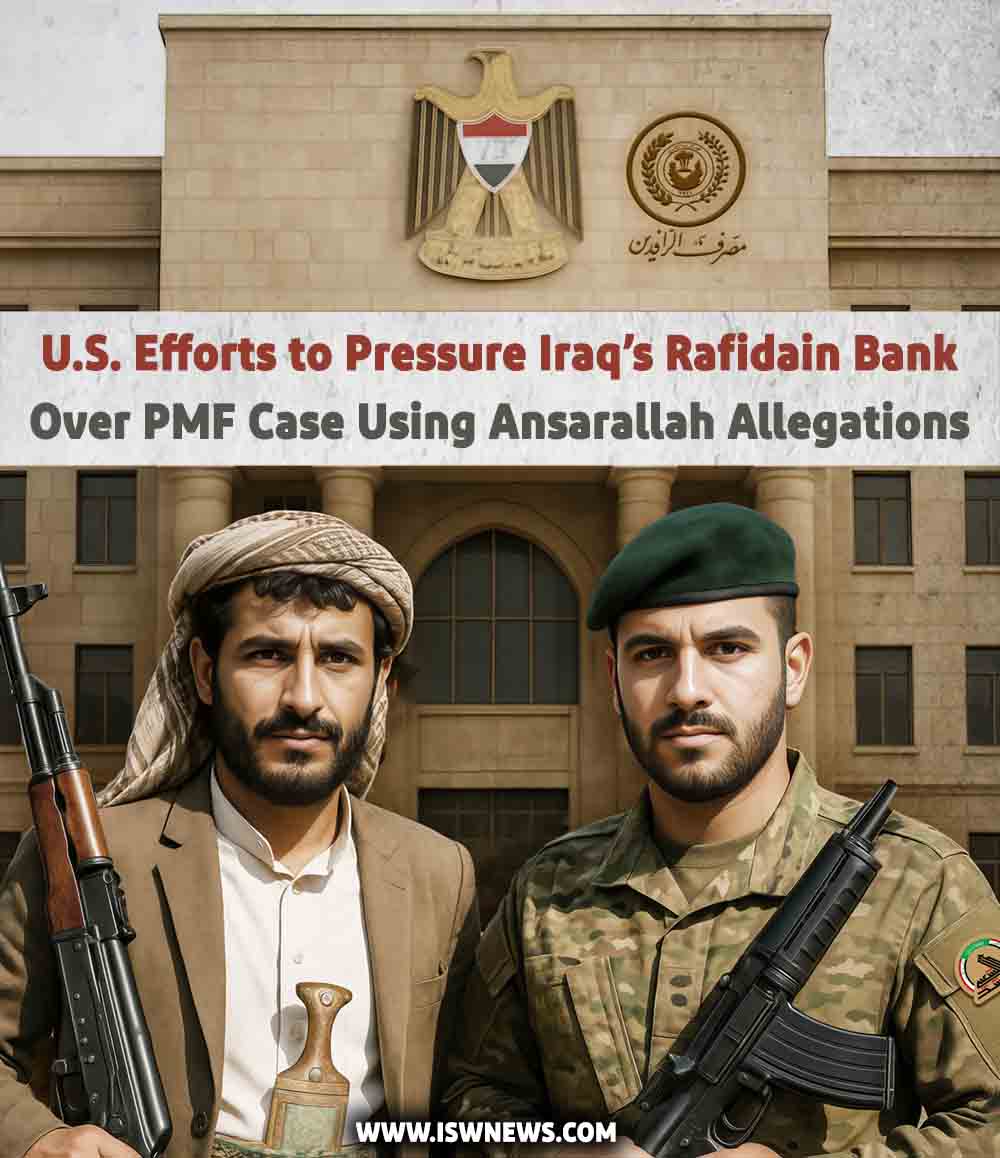
This issue was raised during the April 29 Iraqi-American summit in Washington, attended by Dr. Michael Faulkender, U.S. Deputy Treasury Secretary; Fuad Hussein, Iraq’s Foreign Minister and Deputy Prime Minister; and Nazar Al-Khairallah, Iraq’s Ambassador to the U.S.
According to the meeting minutes, U.S. officials warned that Rafidain Bank must cease all financial ties with Ansarallah and relocate its Sana’a branch to Aden—the seat of Yemen’s UN-recognized government.
On the other hand, Iraqi Foreign Minister Fuad Hussein emphasized during the meeting that Iraq only engages with Yemen’s official government and that Ansarallah has no access to Iraq’s financial system. He also pledged to personally follow up to ensure no transactions are conducted with the group.
Dr. Sadeq Ali Hassan, spokesperson for Iraq’s embassy in Washington, stated in a letter to Fox Business that “claims about Rafidain Bank processing payments for Ansarallah are completely false.”
He added: “There is no banking correspondent relationship with Yemeni financial institutions, and due to prevailing political, security, and logistical conditions, it is operationally impossible to conduct any cash or digital transactions within or outside Yemen’s financial sector.”
According to the embassy’s statement, “Rafidain Bank’s Sana’a branch has been completely closed since 2017, and under the directive of the bank’s general management and coordination with Iraq’s central bank, all financial activities in Yemen have been permanently suspended. The branch holds no liquidity, lacks SWIFT access, and has no operational infrastructure.”
When asked about accounts linked to PMF—designated by the U.S. as a terrorist group supported by Iran—the Iraqi embassy responded: “Rafidain Bank no longer holds any PMF-related accounts. All such accounts and payrolls have been officially transferred to Al-Nahrain Islamic Bank and are under Iraqi government oversight. The Sana’a branch has no involvement or activity in this matter.”
U.S. Congressman Joe Wilson condemned the situation and stated he would push to reduce Iraq’s budget during upcoming discussions. He also urged the U.S. Treasury to sanction Rafidain Bank.
Michael Knights, senior fellow at the Washington Institute and expert on Iraqi military and security affairs, told Fox Business: “Since February 2025, Congress has been calling for sanctions on Rafidain Bank due to its alleged role in facilitating large-scale money transfers to Iran and its allied groups. This has placed Rafidain at serious risk, as many members of Congress are familiar with its name. However, no sanctions have been imposed so far.”
Fox Business, citing an Iraqi source familiar with the April meeting, claimed: “Rafidain is Iraq’s most opaque bank and has never undergone external auditing.”
The source also alleged: “Rafidain funds PMF projects and provides unsecured loans to militias. If it refuses transparency and audit requirements, the U.S. should cut its access to dollars.”
The Fox Business report suggests that the narrative linking Rafidain Bank to Ansarallah is primarily aimed at pressuring Iraq and the bank to accept U.S. conditions. Notably, according to The Wall Street Journal, the U.S. has already sanctioned 14 Iraqi banks for aiding Iran and other sanctioned entities in the Middle East.
In conclusion, it appears that the U.S. and its allies are attempting to weaken PMF and other resistance groups by restricting their financial resources, ultimately pushing them toward dissolution and reduced influence.
The confrontation resulted in five deaths—three TLP supporters, one police officer, and a passerby—while 108 others were injured. Additionally, 40 government and private vehicles were either damaged or set ablaze during the violence.
Muridke Turns Violent Amid TLP’s Protest
Simultaneous protests erupted in Rawalpindi and several other cities across Pakistan, drawing thousands of TLP supporters into the streets.
Tehreek-e-Labbaik Pakistan is a religious-political group aligned with the Barelvi Sunni tradition. Founded in 2015 by Khadim Hussain Rizvi, the group is now led by his son, Saad Hussain Rizvi. Known for its hardline religious stance and mass street demonstrations, TLP holds Islamist views but remains ideologically opposed to both the Taliban and Shia Islam.
Middle East Eye Report on Yemen’s Halted Support Operations for Palestine:
“Yemen is demonstrating its strength by linking the suspension of its operations to Israel’s commitment to the ceasefire agreement. Militarily, Yemen has shown strong performance over the past two years. It has occasionally launched long-range strikes on Israel, some of which impacted aviation and penetrated Israeli air defenses. Yemen also succeeded in pressuring the U.S. to withdraw its support for Israel in Yemen—an achievement that is far from easy.”
The primary goal of Yemen’s armed forces from the outset was to stop the war and crimes committed by the Israeli regime in Gaza. With the current ceasefire in place, that objective has been achieved, and Yemen sees no reason to continue its attacks. In fact, Yemen’s support for the Palestinian people and resistance has been effective, and it has fulfilled its mission. Therefore, claims by some media outlets about Yemen’s failure are inaccurate, as they are not involved in the details of the negotiations or the implementation of the ceasefire terms—matters that are solely the domain of Palestinian factions.