During a press conference, Khattab stated that, thanks to the extensive efforts of the security forces and the support of the Syrian people, a significant threat to national security was averted.
According to the Interior Minister, the operation was executed based on accurate intelligence and in full coordination with the Syrian Ministry of Defense. No statements have been released by the Ministry of Defense or the presidential office so far.
Anas Khattab described the individuals behind the plot as agents of the former Syrian government but did not provide further details, such as the names of those involved, their military ranks, or the intended timing of the coup.
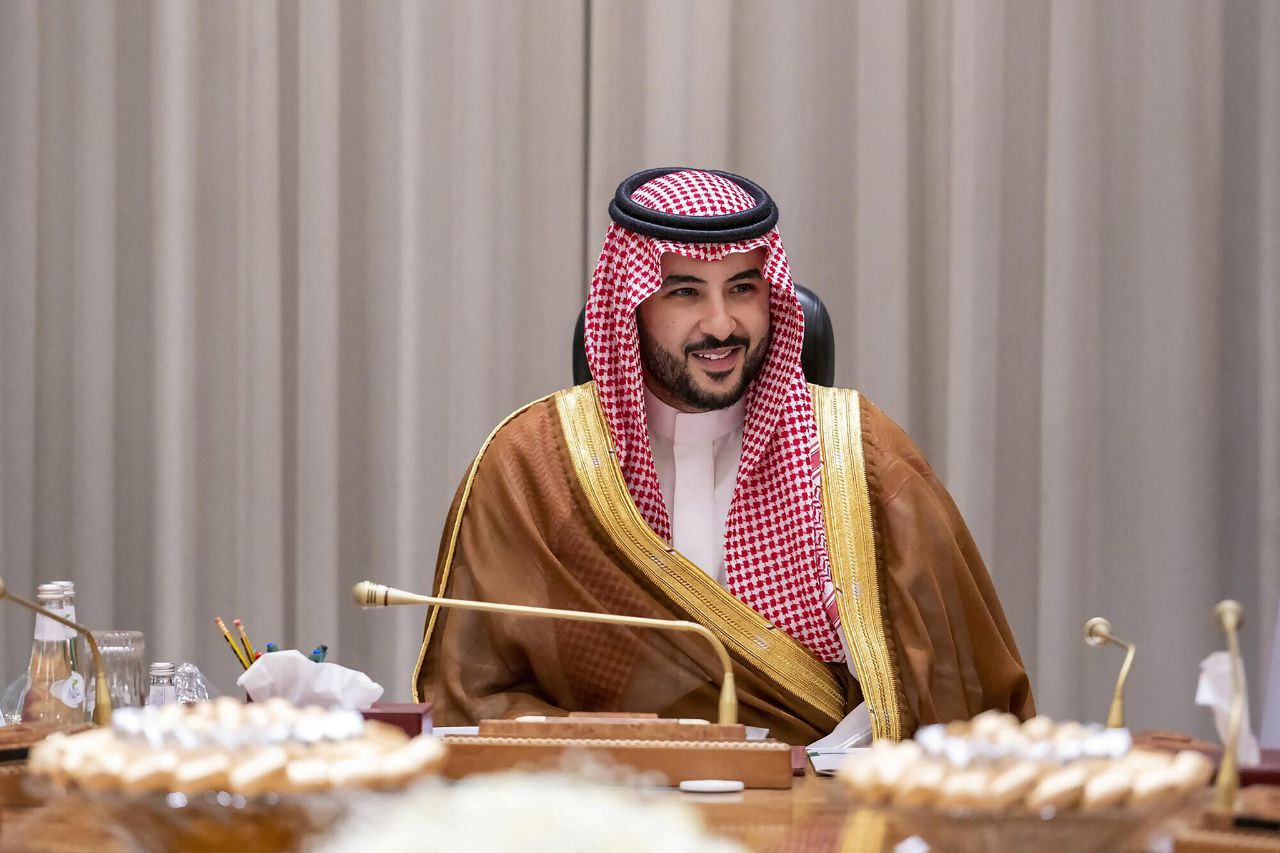
Khalid bin Salman bin Abdulaziz Al Saud will be the highest-ranking official in the Saudi royal family to visit Iran in recent years.
His visit to Iran these days certainly carries an important message and is considered a very important event. In this meeting, views will definitely be exchanged on the Iran-US negotiations and perhaps solutions will be proposed.
▫️It can also be speculated that Saudi Arabia is worried about the new sedition of the UAE and the US to resume ground operations against Ansarullah in Yemen and is trying to distance itself from this issue. They have tasted the bitter consequences of aggression against Yemen in the past…
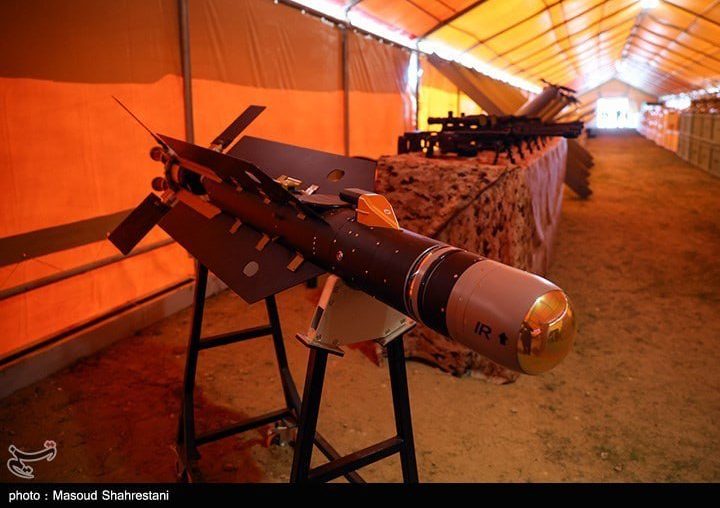
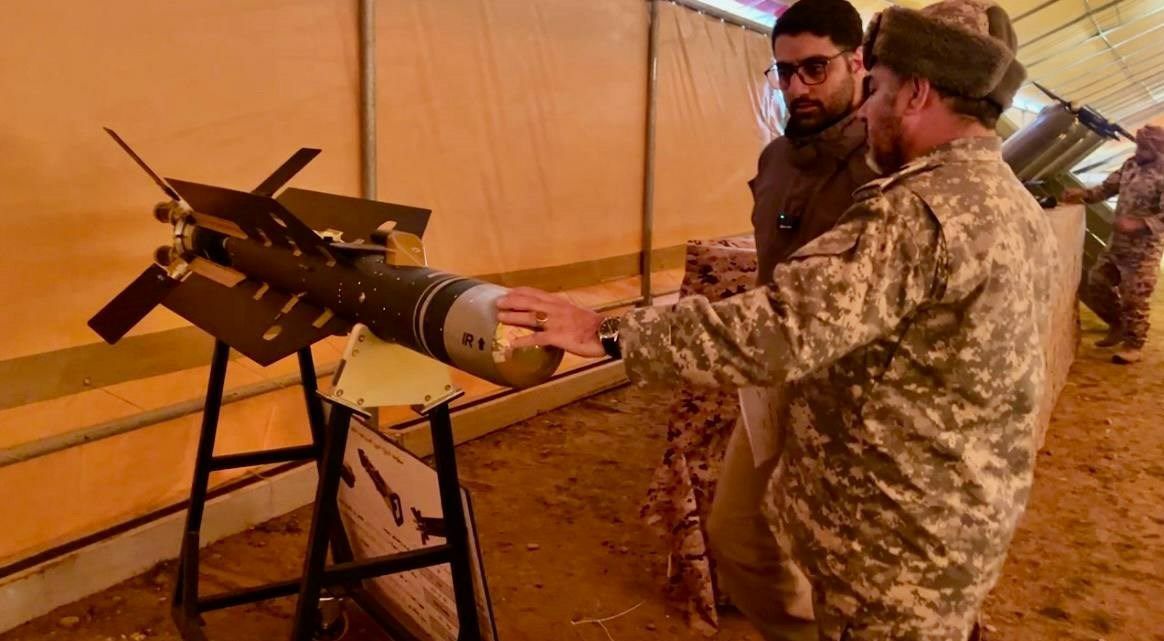
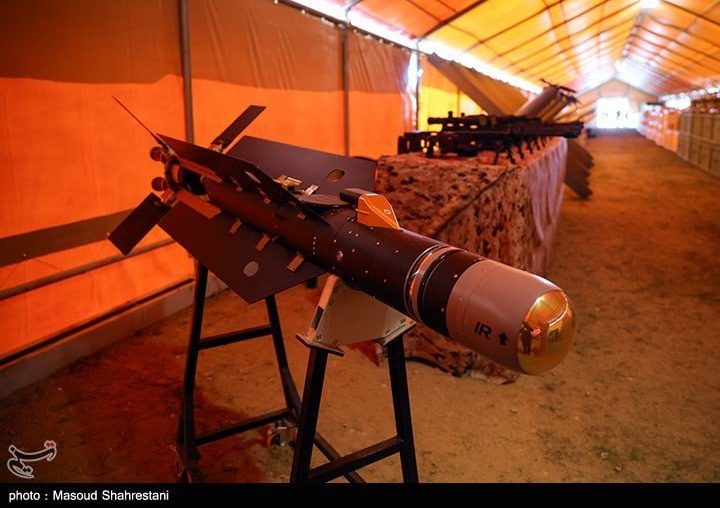
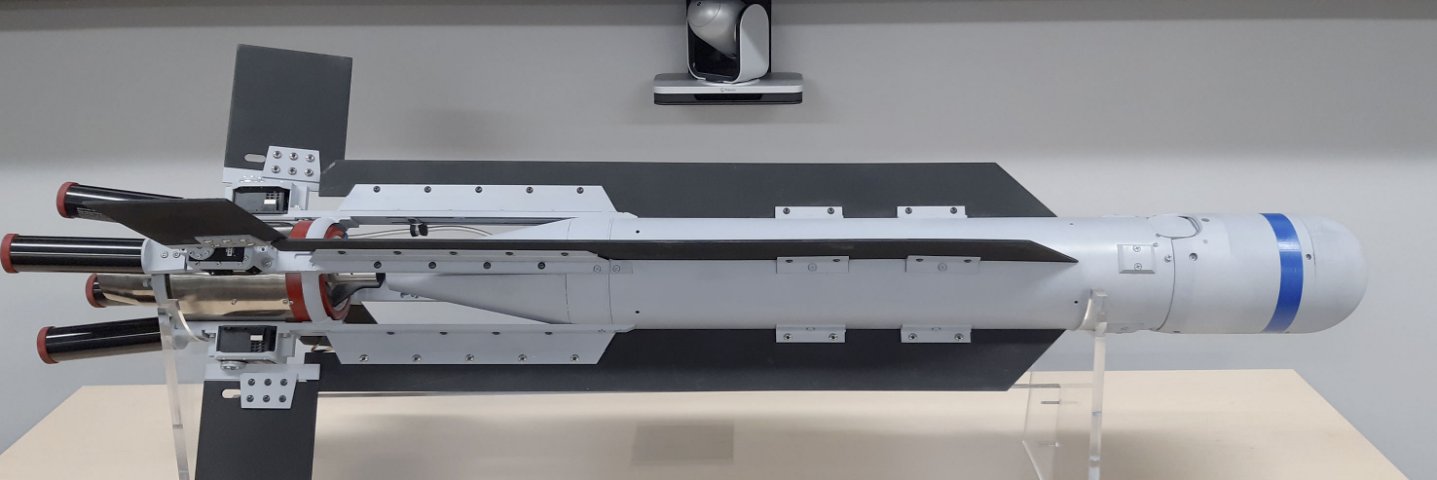
An intriguing point about this well-designed missile that has remained largely unnoticed by the media is that it bears a strong similarity to the Coyote Block 2 used in the US Army’s LIDS system. We have previously explored the LIDS system in a separate article, which you can read here: Military Knowledge: FS-LIDS And M-LIDS Anti-Drone Systems
In recent years, the United States has deployed the mobile LIDS system (M-LIDS) on the battlefield to enhance the defense of occupied areas in eastern Syria against drone attacks by resistance forces. The reverse engineering of this product is quite significant!
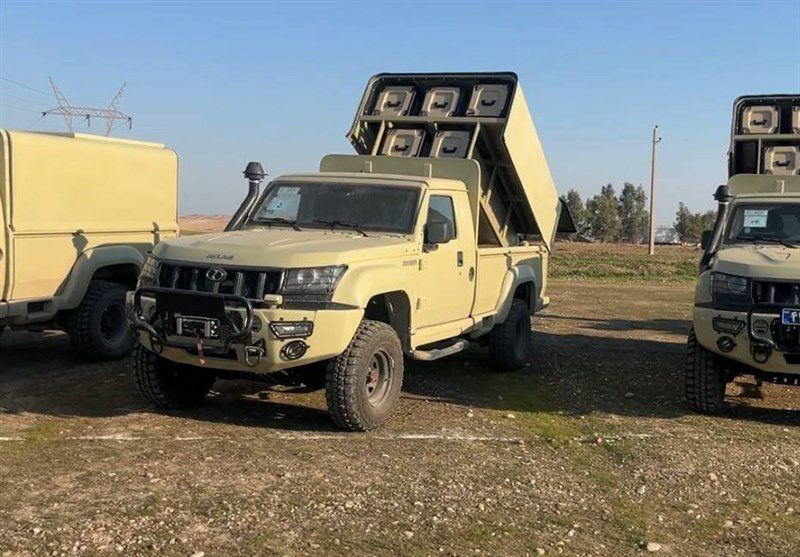
The Ghaem-118 interceptor missile is also very similar to the Coyote-2 interceptor in terms of technical specifications. The Ghaem-118 has a range of 25 kilometers and can detect and lock onto targets using three methods: radar, electro-optical, and infrared.
Click to view larger images
The engine and booster section of the Ghaem-118 is quite similar to that of the Coyote-2 interceptor.
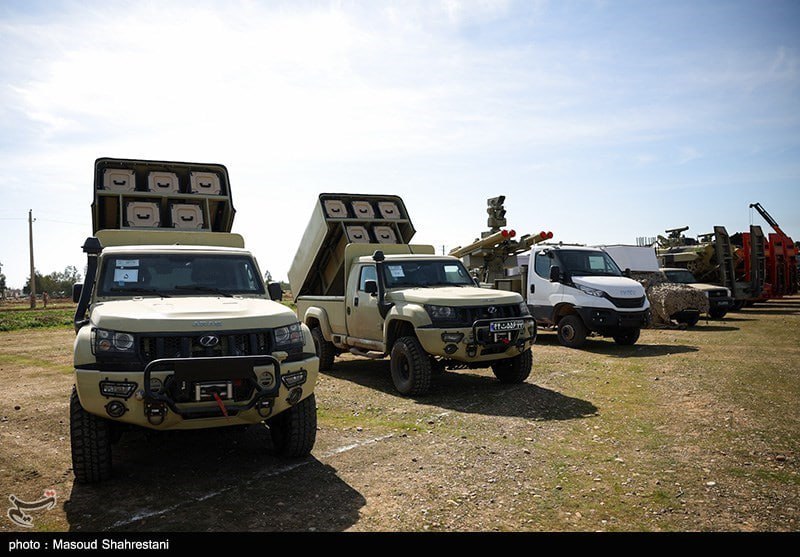
The Ghaem-118 features a five-launcher system mounted on the Aras-3 vehicle, making its design more comparable to the American M-LIDS model, which serves as its mobile prototype.
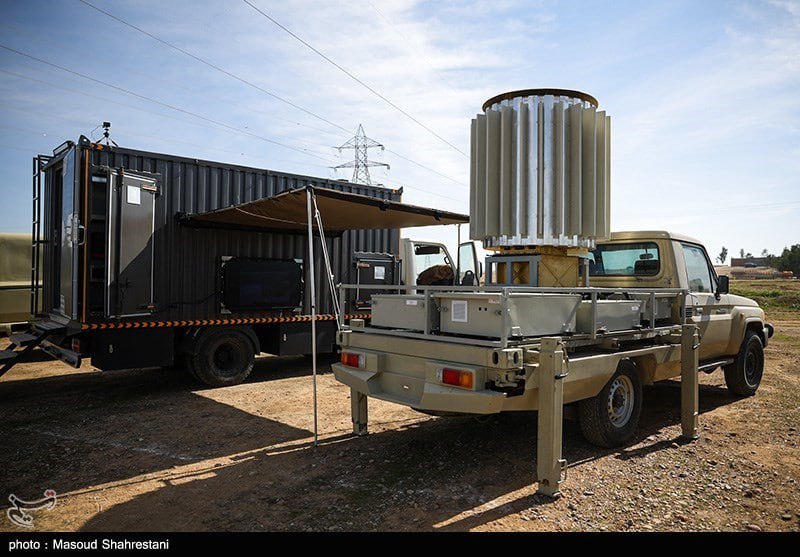
Additionally, an unnamed radar system observed next to the Ghaem-118 launcher bears a strong resemblance to the American AN/TPQ-50 fire control and detection radar, which has also been integrated into the LIDS system.
Iran’s Ministry of Defense and the IRGC Ground Forces have not released the full specifications of the Ghaem-118. However, a video showcasing its field test has been made available. As more information about the Ghaem-118 is disclosed in the future, we will provide further insights in a separate article.
Image of the American Coyote Block 2 missileVideo of the American Coyote-2 test in the LIDS system
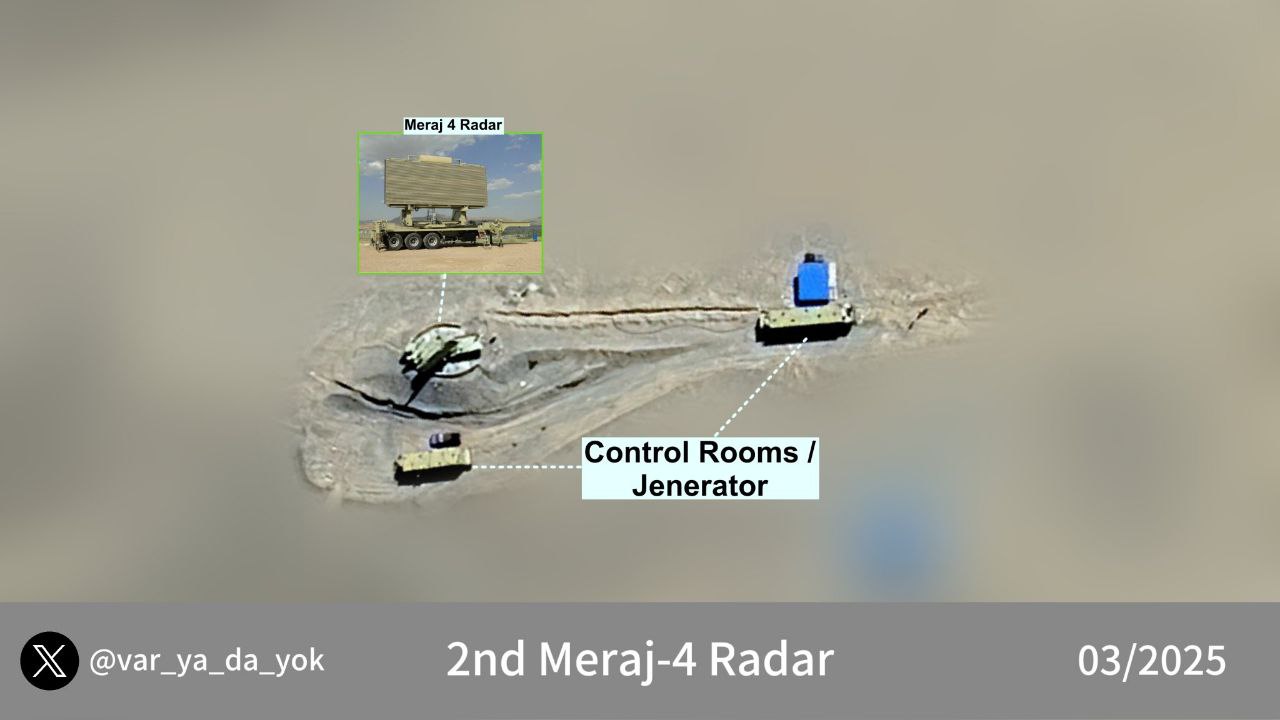
Satellite images posted to social networks on April 9 showed the advanced radar at a military base in the southeastern province of Khuzestan. This was reportedly the second system of this type to go operational in the Islamic Republic. The first is deployed in the southern province of Bushehr.
Meraj-4 was developed by Iran Electronics Industries. The company claims that the radar has a detection range from 400 to 500 kilometers, a maximum tracking range of 200 kilometers, and a 360-degree azimuth. The radar is also said to be able to track 200 targets moving at speeds up to Mach 3 simultaneously.
AESA radars like the Meraj-4 can spread their signal emissions across a wider range of frequencies, which makes them more difficult to detect over background noises and more resistant to jamming.
In addition, the Meraj-4 is compatible with Iran’s locally-made Bavar-373 long-range air defense system, which can engage aerial targets at ranges of up to 300 kilometers.
The deployment of the additional Meraj-4 radar came amid rising tensions with the U.S., which recently bolstered its forces across the Middle East and made direct threats to Iran over its nuclear program.
1- Saudi F15S fighter on March 27, 2015, Gulf of Aden 2- Saudi AH-64D helicopter on May 7, 2015, Al-Boqa, Saada area 3- Moroccan F16C fighter on May 10, 2015, Wadi Nashur 4- Saudi Seeker400 UAV, July 3, 2015, Al-Boqa 5- Saudi AH-64D helicopter, August 5, 2015, Jizan 6- Saudi AH-64D helicopter, August 21, 2015, Jizan 7- UAE Schiebel Camcopter S-100, August 25, 2015, Makiras, Abyan Province 8- UAE Schiebel Camcopter S-100, October 25, 2015, Al-Abdiyah, Marib Province 9- Bahrain F16C fighter, December 30, 2015, Jizan 10- UAE MQ-1 Predator UAV, January 19, 2016, Sanaa 11- Saudi Selex ES Falco UAV, February 3, 2016, Midi, Hajjah province 12- UAE Schiebel Camcopter S-100, February 27, 2016, Dhubab, Taiz province 13- UAE Mirage 2000 fighter, March 13, 2016, Al-Bariqa, Aden 14- UAE AH-64D UAE helicopter, June 12, 2016, Gulf of Aden 15- UAE NSA407 helicopter, June 13, 2016, Al-Bariqa, Aden 16- Saudi AH-64D helicopter, July 25, 2016, Beer Al-Maraziq, Al-Jawf 17- Saudi Seeker400 UAV, August 16, 2016, Kataf, Saada province 18- UAE Wing Loong UAV, September 26, 2016, Kholan, Sanaa province 19- Saudi AH-64D helicopter, December 30, 2016, Najran 20- US V-22 Osprey Helicopter, January 29, 2017, Al-Baydha province 21- Saudi SA 365F Helicopter, January 30, 2017, Al-Hudaydah coast (on the Al-Madinah frigate) 22- UAE MQ-1B Predator UAV, February 14, 2017, Al-Manin, Marib province 23- Jordanian F16A fighter, February 24, 2017, Najran 24- Saudi S-70A helicopter, April 18, 2017, Marib province 25- UAE Schiebel Camcopter S-100, June 21, 2017, Dhubab, Taiz province 26- UAE AH-60L helicopter, August 11, 2017, Wadi Amaqin, Shabwa province 27- Saudi Seeker 400 UAV, August 15, 2017, Al-Boqa, Saada province 28- US UH-60M helicopter, August 25, 2017, Gulf of Aden 29- UAE AT-802U aircraft, September 11, 2017, Gulf of Aden 30- Saudi Eurofighter Typhoon fighter, September 13, 2017, Abyan province 31- US MQ-9 UAV, October 1, 2017, Sanaa city 32- UAE AH-64D Helicopter, October 17, 2017, Khab and Shaaf, Jawf province 33- Saudi S-70A helicopter, November 5, 2017, Abha 34- Saudi Panavia Tornado fighter, January 7, 2018, Kataf, Saada province 35- Saudi F-15S fighter, March 21, 2018, Saada province 36- Saudi CH-4B UAV, July 12, 2018, Al-Rabu’ah 37- Saudi Panavia Tornado fighter, July 12, 2018, Asir 38- Saudi CH-4B UAV, August 30, 2018, Jizan 39- UAE Schiebel Camcopter S-100, September 2, 2018, Al-Jah, Hudaydah province 40- Saudi AH-64D helicopter, September 14, 2018, Al-Mahra province 41- Seeker 400 UAE UAV, November 26, 2018, Al-Jabaliya, Hudaydah province 42- Saudi CH-4V UAV, December 23, 2018, Saada province 43- US MQ-9 UAV, June 6, 2019, Hudaydah province 44- Saudi CH-4B UAV, April 11, 2019, Hadhramaut province 45- UAE Wing Loong, April 19, 2019, Saada province 46- UAE RQ-1E Predator UAV, May 15, 2019, Bani Matar, Sanaa 47- UAE Schiebel Camcopter S-100, June 2, 2019, Hays, Hudaydah area 48- US MQ-9 UAV, August 21, 2019, Dhamar province 49- US MQ-9 UAV, March 23, 2021, Marib province 50- UAE Shiebel Camcopter S-100, November 1, 2019, Raas Issa, Hudaydah province 51- Saudi AH-64D helicopter, November 29, 2019, Asir 52- Saudi Wing Loong UAV, November 30, 2019, Hayran, Hajjah province 53- Saudi Luna X2000 UAV, December 4, 2019, Saada province 54- Saudi Karayel UAV, December 30, 2019, Al-Salif, Hudaydah province 55- Saudi CH-4V UAV, January 7, 2020, Khab and Shaaf, Jawf province 56- Saudi Panavia Tornado fighter, February 14, 2020, Jawf province 57- Saudi RQ-20 UAV, August 2, 2021, Haradh, Al-Hajjah province 58- Saudi CH-4B UAV, December 21, 2020, Marib Province 59- Saudi Karayel UAV, January 6, 2021, Jawf province 60- Saudi CH-4B UAV, February 12, 2021, Marib province 61- Saudi Karayel UAV, March 7, 2021, Jawf province 62- Saudi CH-4B UAV, March 23, 2021, Sarwah, Marib province 63- Saudi Wing Loong UAV, May 21, 2021, Najran 64- US MQ-9 drone, May 23, 2021, Jawf province 65- Saudi Scan Eagle UAV, June 19, 2021, Marib province 66- Saudi Scan Eagle UAV, June 21, 2021, Marib province 67- Saudi Scan Eagle UAV, August 14, 2021, Madghal, Marib province 68- Saudi Wing Loong UAV, September 13, 2021, Kataf, Saada province 69- Saudi Scan Eagle UAV, September 27, 2021, Madghal, Marib province 70- Saudi CH-4 UAV, October 6, 2021, Jubah, Marib province 71- Saudi RQ-20 UAV, October 7, 2021, at the Jizan border 72- Saudi Scan Eagle UAV, November 9, 2021, Al-Juba, Marib province 73- Saudi Scan Eagle UAV, November 13, 2021, Al-Juba, Marib province 74- Saudi CH-4 UAV, December 1, 2021, in Al-Amshia area, Amran province 75- Saudi Scan Eagle UAV, December 4, 2021, Al-Juba, Marib province 76- Saudi Scan Eagle UAV, December 8, 2021, Al-Juba, Marib province 77- Saudi CH-4 UAV, December 8, 2021, Al-Wadi, Marib province 78- Saudi Scan Eagle UAV, December 10, 2021, Sarwah, Marib province 79- Saudi CH-4 UAV, December 14, 2021, Usaylan, Shabwa province 80- Saudi Scan Eagle UAV, December 16, 2021, Al-Wadi, Marib province 81- Saudi Scan Eagle UAV, December 25, 2021, Yatmah, Khab and Al-Shaaf, Al-Jawf province 82- UAE Wing Loong UAV, January 5, 2022, Usaylan, Shabwa province 83- UAE Wing Loong UAV, January 11, 2022, Ain Shabwah province 84- Saudi Scan Eagle UAV, January 29, 2022, Al Juba, Marib Province 85- Saudi CH-4 UAV, February 10, 2022, Harad, Hajjah province 86- UAE MQ-1 UAV, February 25, 2022, Al-Jawf province 87- Saudi Scan Eagle UAV, February 25, 2022, Al Juba, Marib Province 88- Saudi Scan Eagle UAV, February 28, 2022, Harad, Hajjah province 89- Saudi Scan Eagle UAV, March 8, 2022, Harad, Hajjah province 90- Saudi Scan Eagle UAV, March 29, 2022, Al-Wadi, Marib province 91- Saudi CH-4 UAV, May 4, 2022, Harad, Hajjah province 92- Saudi Karayel UAV, May 21, 2022, Hayran, Hajjah province 93- Saudi CH-4 UAV, May 23, 2022, Sana’a, Sana’a province 94- Saudi Wing Loong UAV, May 24, 2022, Kataf, Saada province 95- US MQ-9 drone, November 8, 2023, Hudaydah province 96- US MQ-9 drone, February 19, 2024, north of Hudaydah province 97- US MQ-9 drone, April 25, 2024, Saada province 98- UAE Wing Loong 1 drone, April 29, 2024, Al-Rawdha district, Shabwah province 99- US MQ-9 drone, May 16, 2024, Al-Wadi district, Marib province 100- US MQ-9 drone, May 21, 2024, Al Bayda province 101- US MQ-9 drone, May 29, 2024, Marib province 102- US MQ-9 drone, August 4, 2024, Saada 103- US MQ-9 drone, September 7, 2024, Marib 104- US MQ-9 drone, September 10, 2024, Saada 105- US MQ-9 drone, September 30, 2024, Saada 106- US MQ-9 drone, November 8, 2024, Al-Jawf 107- US MQ-9 drone, November 28, 2024, Al-Bayda 108- US MQ-9 drone, December 2, 2024, Marib 109- US F/A-18 fighter jet, December 21, 2024, Red Sea 110- US MQ-9 drone, March 3, 2025, Al-Hodeidah 111- US MQ-9 drone, March 31, 2025, Marib 112- US MQ-9 drone, April 3, 2025, Al-Hodeidah 113- Saudi Giant Shark F-360 Giant Shark drone, April 5, 2025, Saada 114- US MQ-9 drone, April 9, 2025, Al-Jawf 115- US MQ-9 drone, April 13, 2025, Hajjah
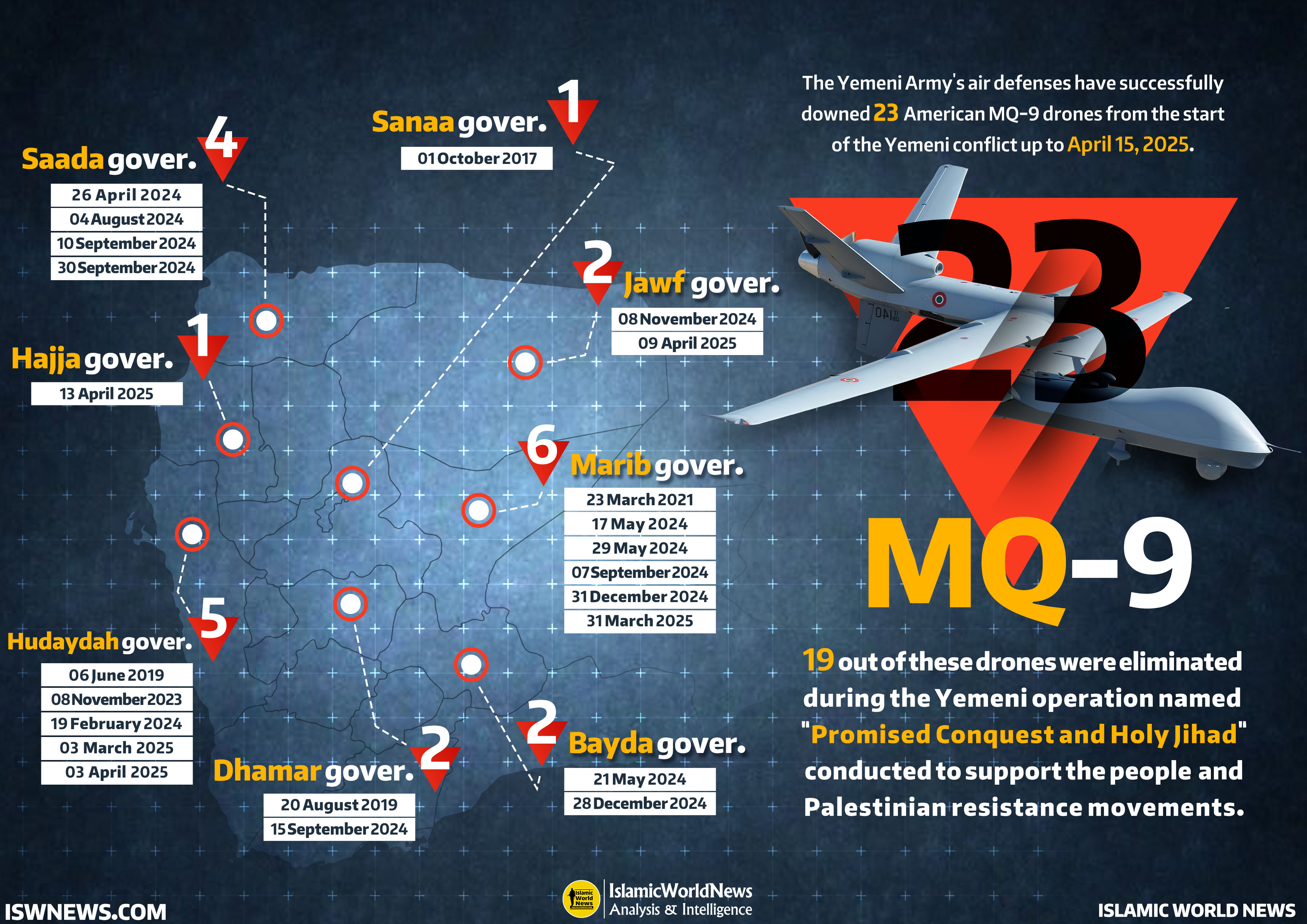
19 out of these 23 drones were eliminated during the Yemeni operation named “Promised Conquest and Holy Jihad,” conducted to support the people and Palestinian resistance.
General Atomics MQ-9 Reaper is a versatile and heavy drone used by the US Army for reconnaissance, surveillance, and offensive operations, including assassinations in Iraq, Afghanistan, and Syria since 2001. As of 2023, each MQ-9 drone costs approximately $32 million to produce, resulting in $576 million in damage inflicted by Ansar Allah through the destruction of 18 drones.
The dates and locations of the destroyed MQ-9 drones in Yemen are as follows:
Sanaa, 01 October 2017
Hudaydah, 06 June 2019
Dhamar, 20 August 2019
Marib, 23 March 2021
Hudaydah, 08 November 2023
Hudaydah, 19 February 2024
Saada, 26 April 2024
Marib, 17 May 2024
Al-Bayda, 21 May 2024
Marib, 29 May 2024
Saada, 04 August 2024
Marib, 07 September 2024
Saada, 10 September 2024
Dhamar, 15 September 2024
Saada, 30 September 2024
Al-Jawf, 08 November 2024
Al-Bayda, 28 December 2024
Marib, 31 December 2024
Hudaydah, 03 March 2025
Marib, 31 March 2025
Hudaydah, 03 April 2025
Al-Jawf, 09 April 2025
Hajjah, 13 April 2025
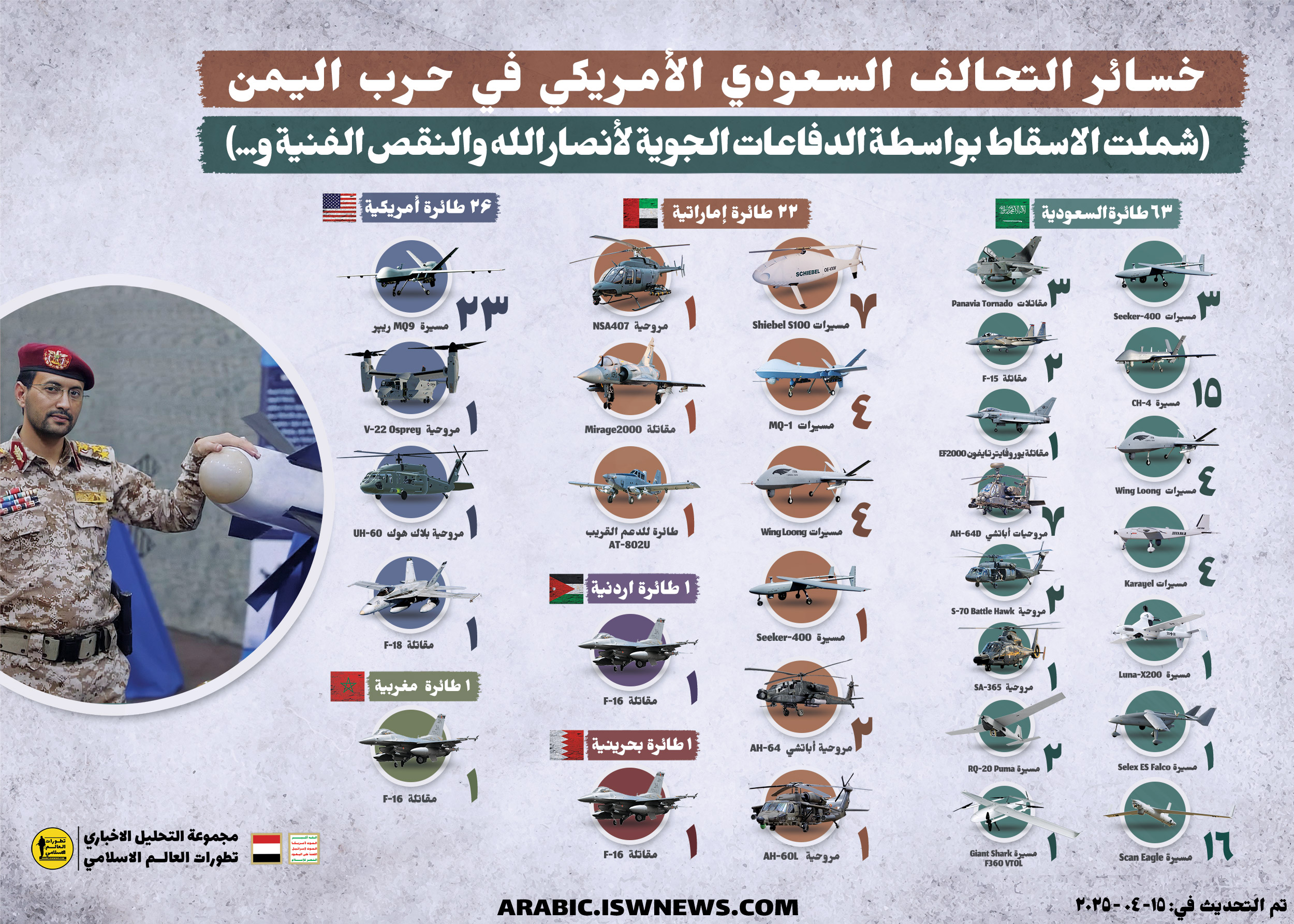
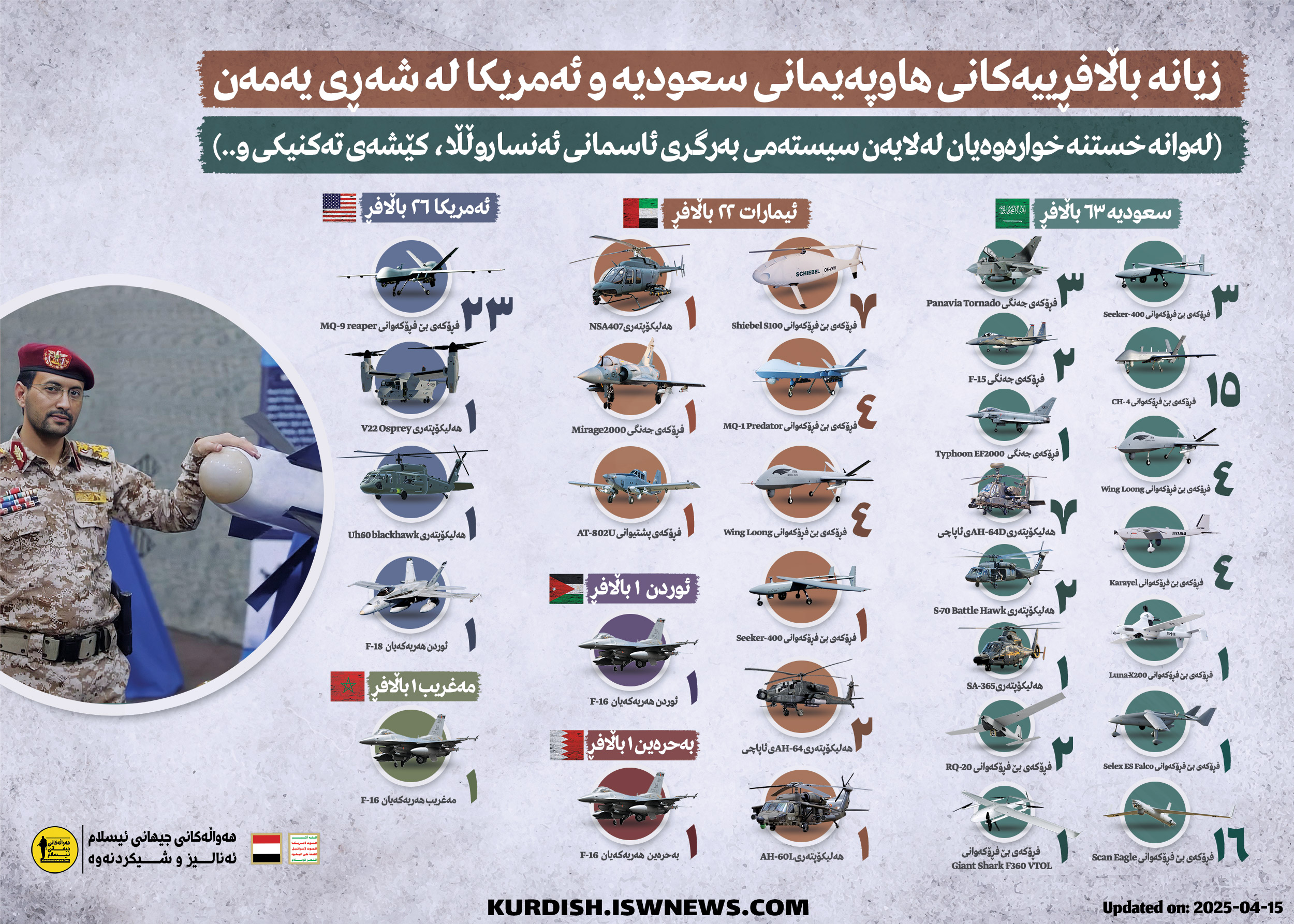
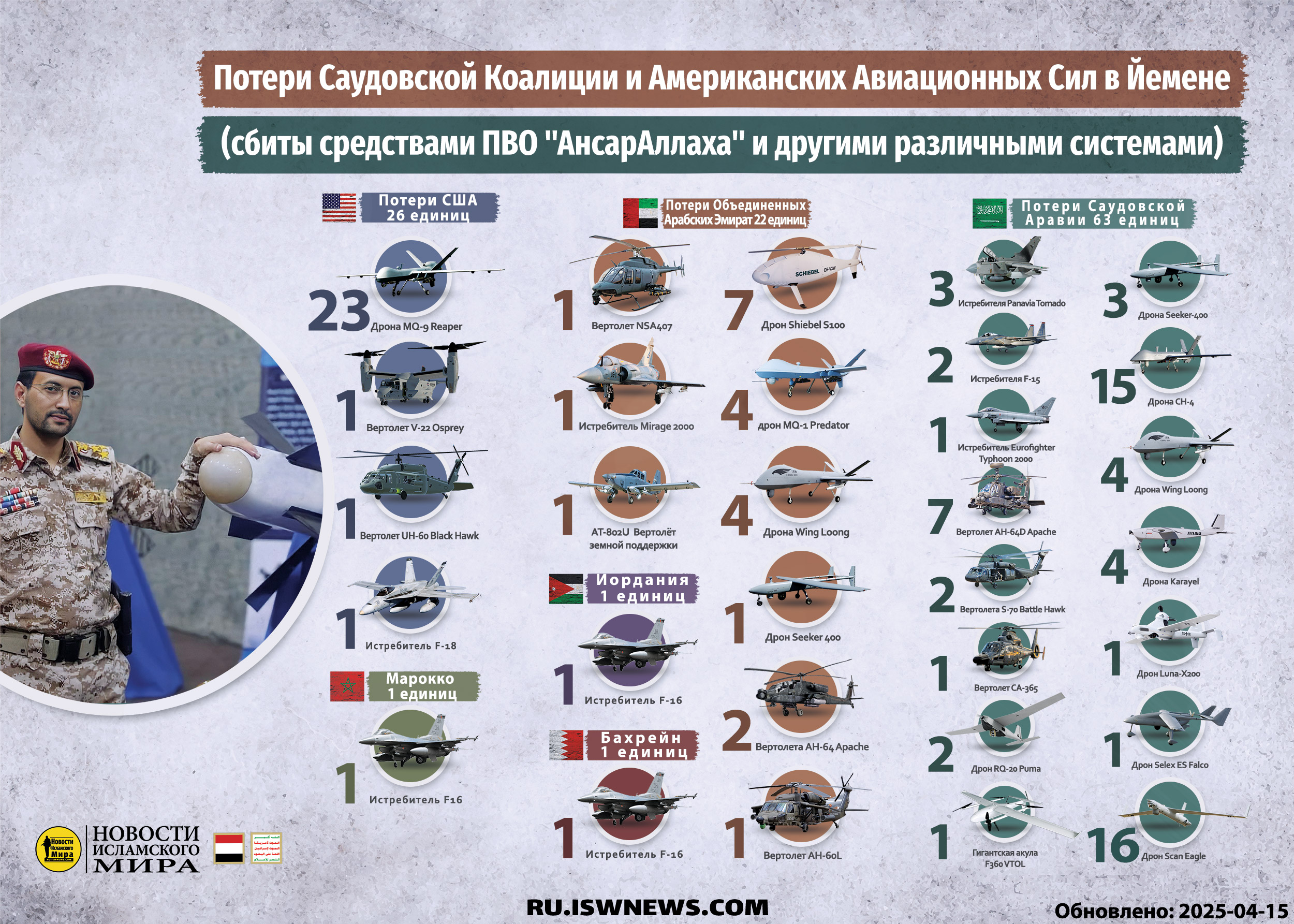
The extensive destruction of reconnaissance-combat drones belonging to the Saudi-American coalition in Yemen stands out as one of the most significant accomplishments of the Yemeni armed forces over a decade-long conflict. Throughout this time, the Yemeni army has downed approximately 115 military aircraft from Saudi Arabia, the UAE, the United States, Jordan, Morocco, and Bahrain, including 26 from the United States.
Since the onset of the Palestine war, the US Army has dispatched numerous MQ-9 drones to Yemen to monitor military installations and equipment, and to carry out assassination missions. However, the Yemeni Army’s air defense forces have successfully disrupted these drone operations in Yemen through their intelligence and persistent efforts.
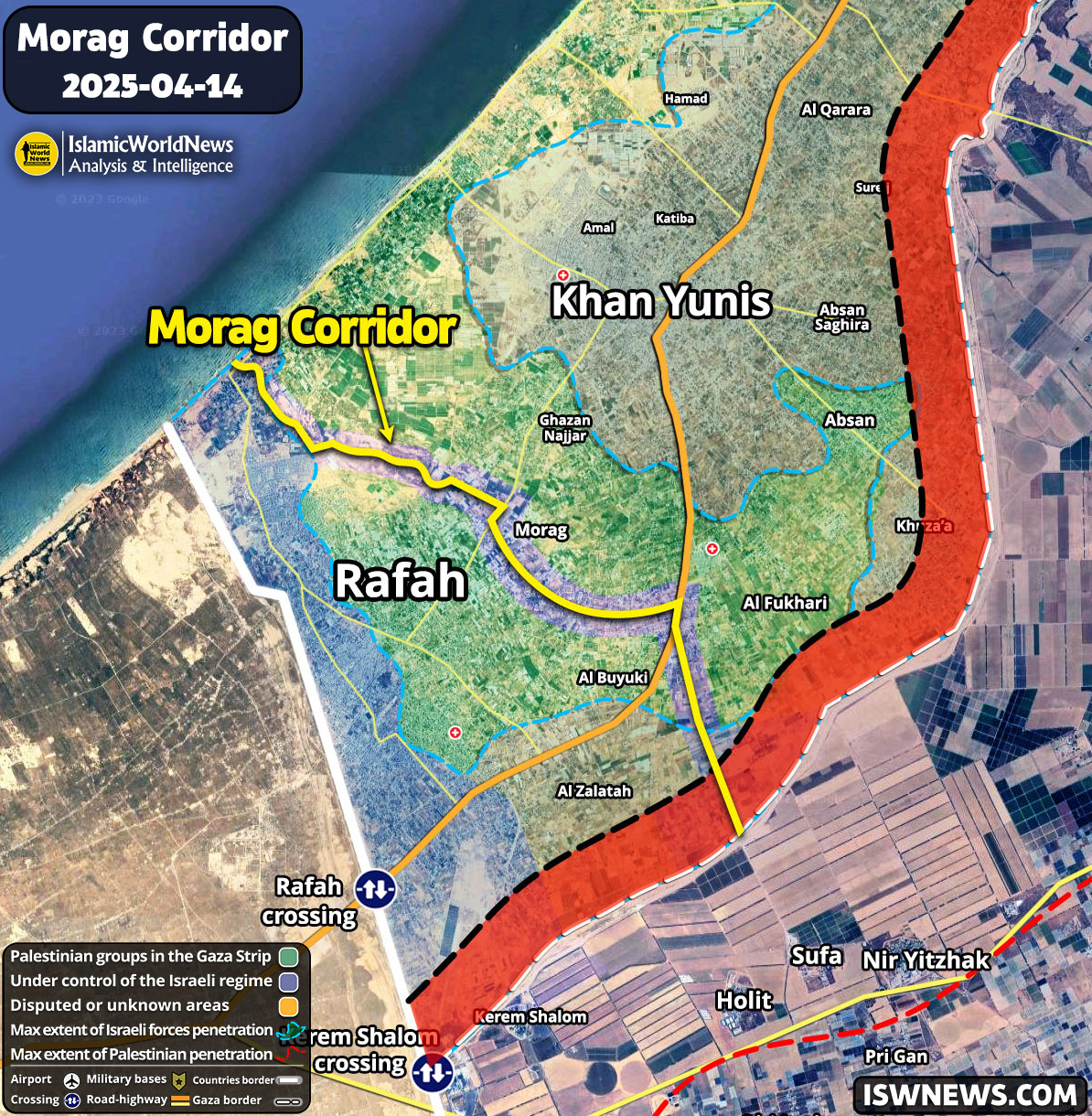
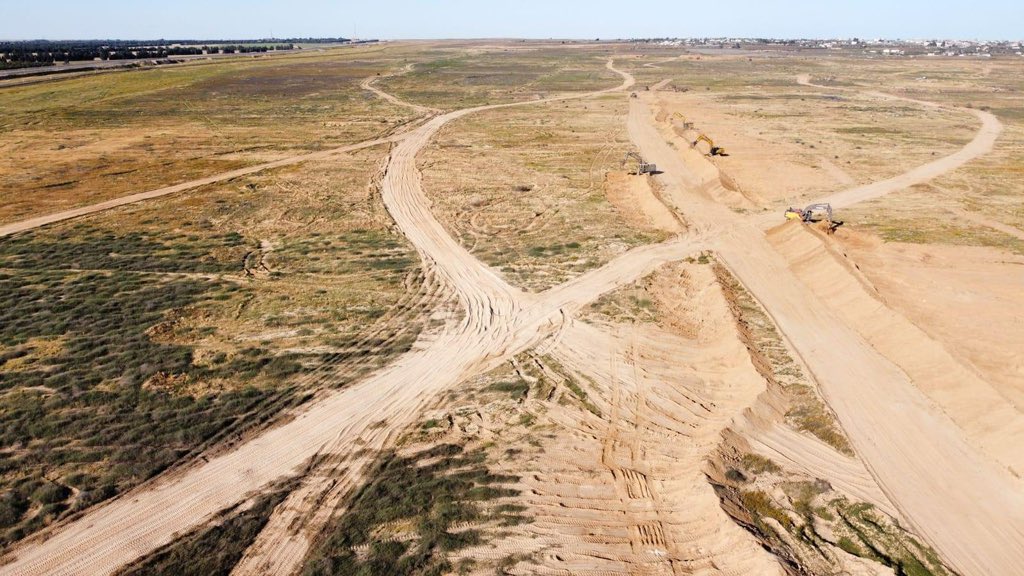
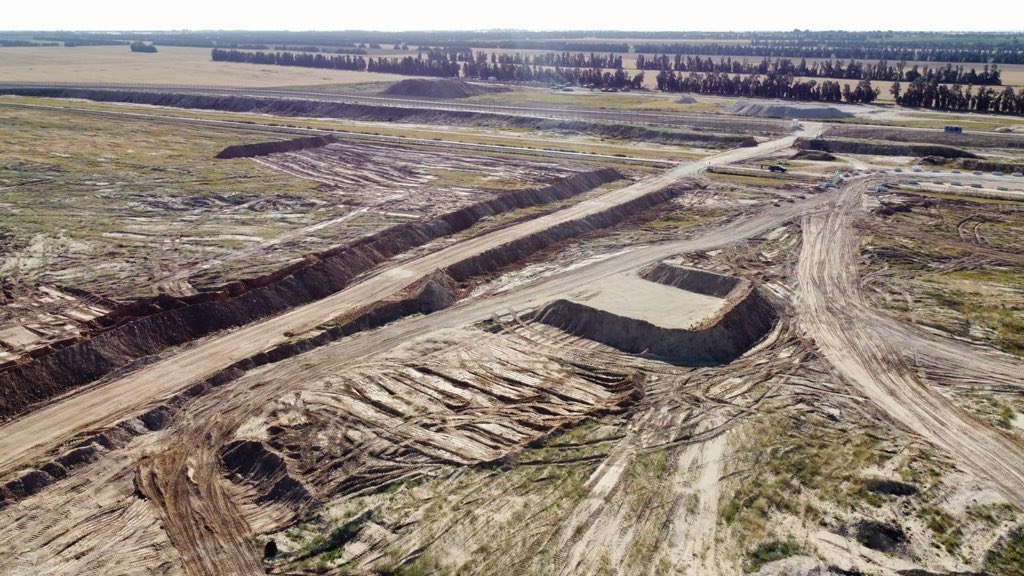
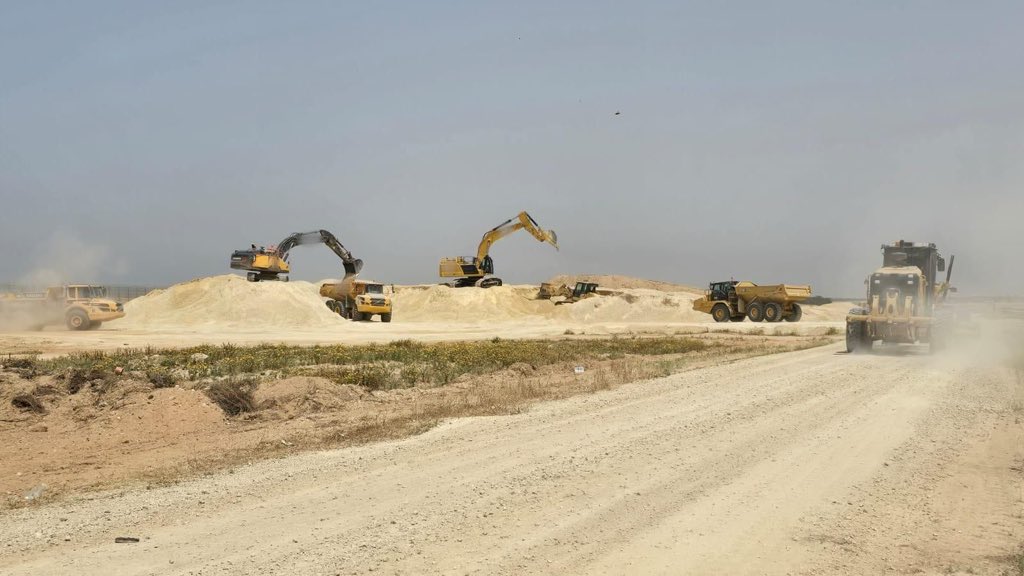
With the creation of this 12-kilometer corridor, the land connection between Khan Yunis and Rafah was completely cut off.
The operation on the Morag axis is being carried out by the forces of the 36th Division, the Golani Brigade, and the 188th Brigade of the Israeli army.
Images of Morag Corridor published by the Israeli army
The Morag corridor, which the Zionists refer to as Philadelphia 2, is important for the Israeli regime in several ways. With the construction of this corridor, the operation to clear Rafah and fight resistance groups will become easier than before, and the Israeli army will begin the process of searching for resistance tunnels. Tel Aviv also plans to use this axis as a lever of pressure in negotiations with the Palestinian resistance.
The Zionists believe that by building this axis, the movements of resistance groups will be limited and the transfer of weapons or supplies by resistance groups will not be as in the past. From a military point of view, one of the main goals of building this corridor is to cut off the supply lines of Palestinian resistance groups between Rafah and Khan Yunis.
The Morag axis is also considered one of the most important agricultural areas in the southern Gaza Strip. The deployment of the Israeli army on this axis will deprive the Gaza Strip of its most important agricultural resources.
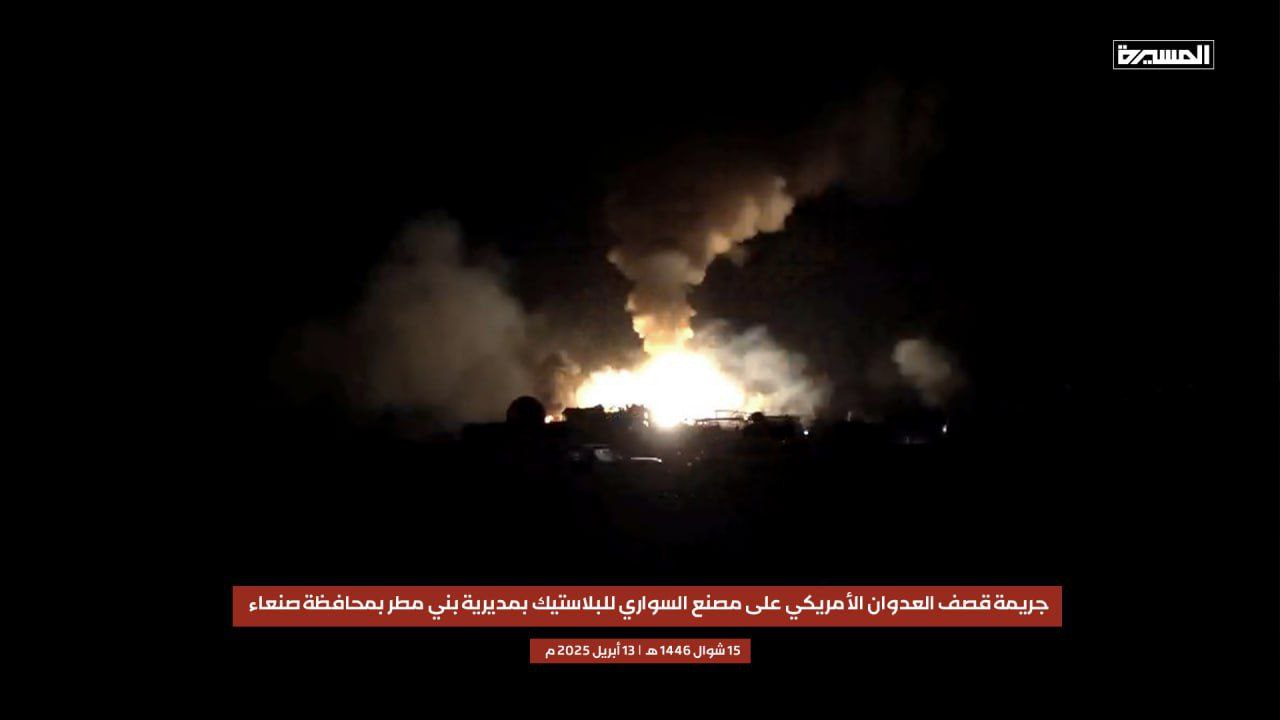
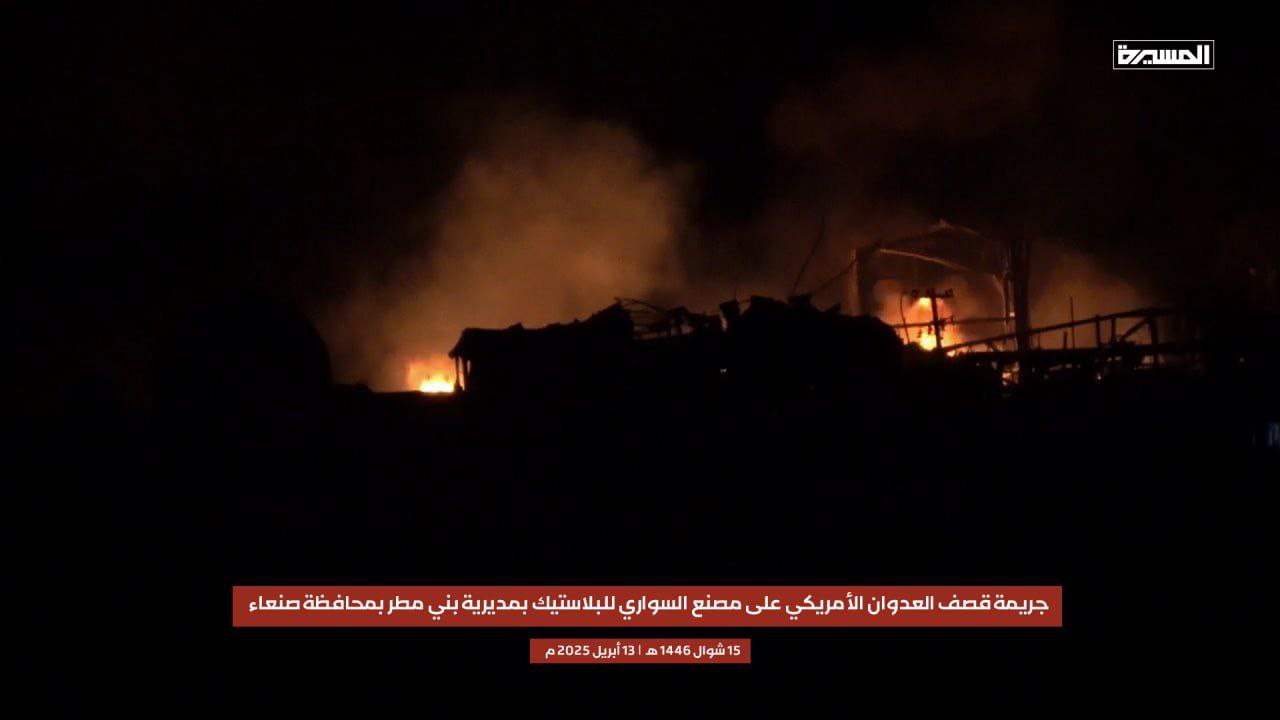
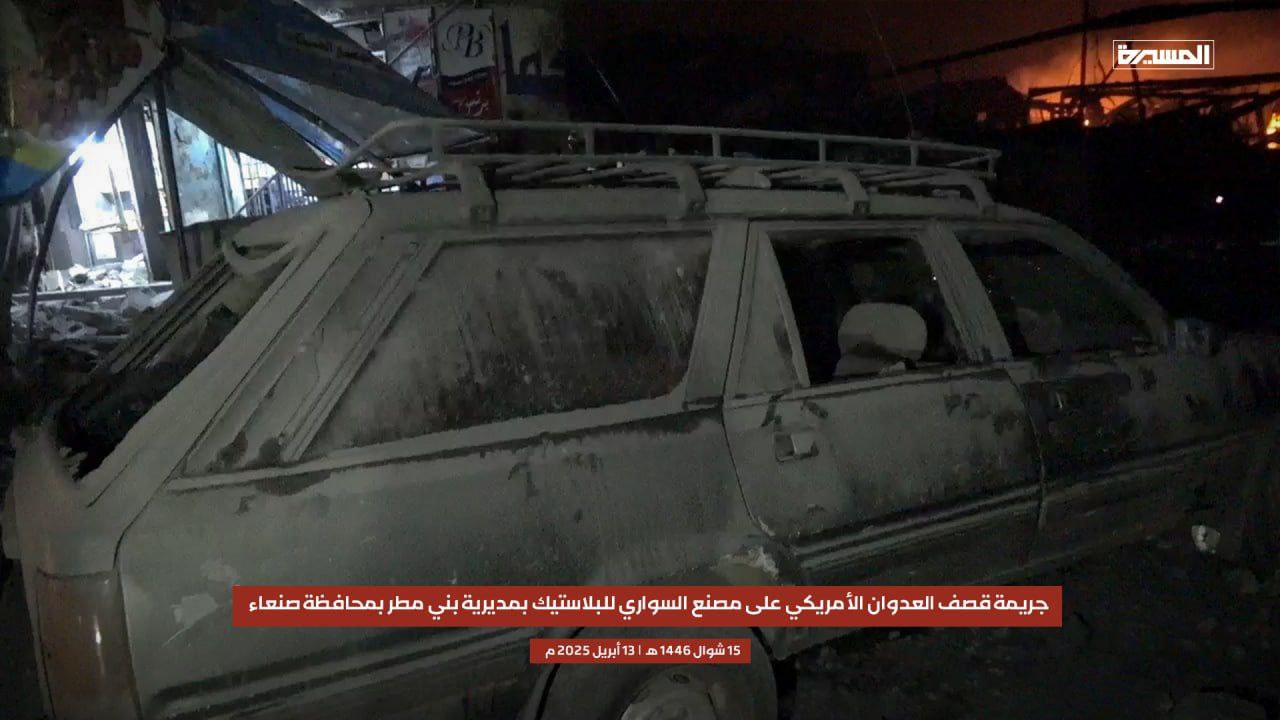
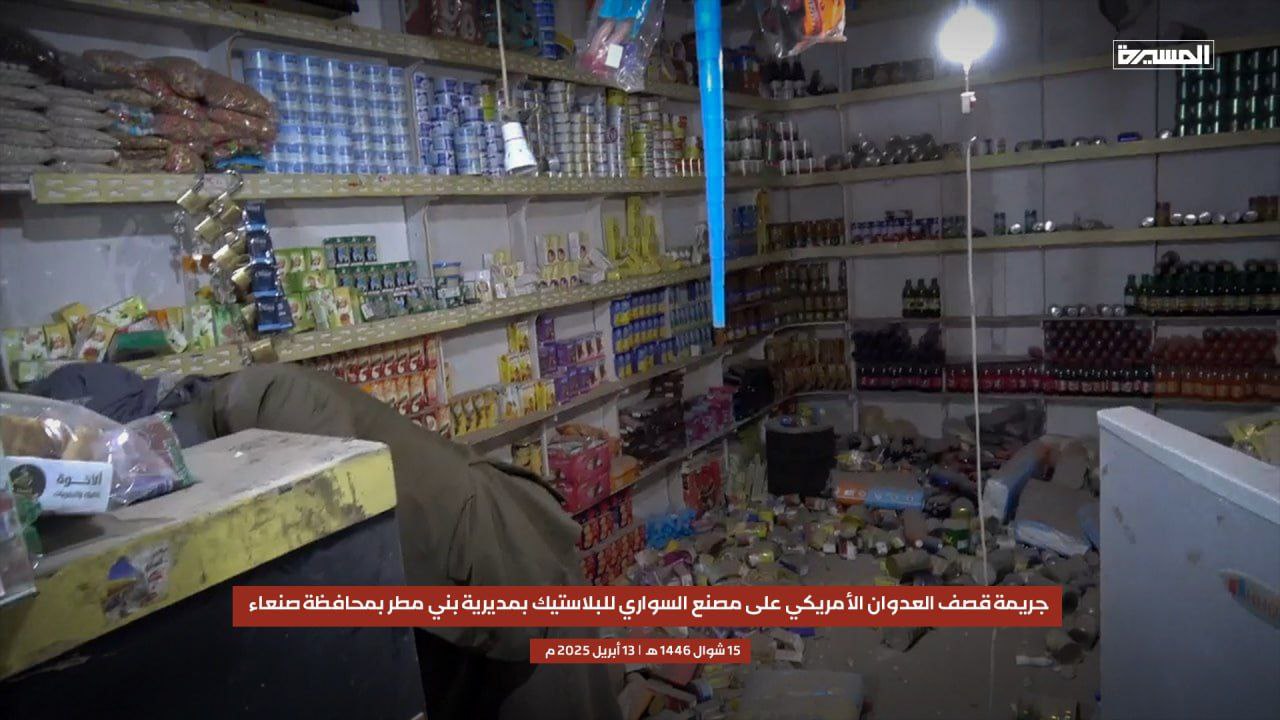
During these aggressions, one airstrike was executed in the Al-Mahadhir area of the Sahar district, three airstrikes struck the Al-Sawari factory in the Matna area of the Bani Matar district, and two airstrikes targeted the Al-Yatma area in the Khab and Al-Sha’af district.
The attack on the Al-Sawari factory resulted in six fatalities and injured 20 civilians. The factory’s facilities were significantly damaged, and its products were set ablaze.
This incident marks the 23rd MQ-9 drone downed during the Yemeni conflict. Out of these, 19 were shot down as part of the Yemeni Armed Forces’ support operation for Palestine, which is titled “Promised Conquest and Holy Jihad.”
Since the conflict in Yemen began, the Yemeni Armed Forces have shot down a total of 116 military aircraft belonging to the US, Saudi Arabia, the UAE, Morocco, Bahrain, and Jordan across various fronts in the country. Among these, 26 aircraft are attributed to the US military, including 23 MQ-9 drones, one F/A-18F fighter jet, one UH-60M helicopter, and one V-22 Osprey helicopter.
The MQ-9 drone is one of the US military’s advanced multi-purpose drones, utilized for reconnaissance, surveillance, and attack operations in several conflicts, including those in Iraq, Afghanistan, and Yemen. The MQ-9 has faced significant challenges on the Yemeni front, with 23 of this drone type shot down by the Yemeni Armed Forces’ air defenses. The financial loss to the US military from these incidents is considerable, estimated at $736 million.
According to this report, after completing the clearing operation south of the Litani River, the Lebanese government plans to ask Israel to withdraw from the five remaining points in southern Lebanon. Following that, they will request Hezbollah to surrender its weapons to the Lebanese army.
Disarming Hezbollah, aside from the internal developments in Lebanon, is a significant measure for future developments in the region. Lebanese government officials are taking this issue seriously. Samir Geagea recently claimed that Lebanese President Joseph Aoun informed him that he was negotiating with Hezbollah to achieve this goal.
This matter is particularly important because Lebanese officials are not just discussing the handover of weapons or the integration of Hezbollah into the Lebanese Armed Forces; rather, they are focused on disarming and dismantling Hezbollah under the supervision of Western observers.
Therefore, disarming Hezbollah poses a threat not only to Lebanon but also to the axis of resistance, as it could pave the way for Israel to take further actions in the region.
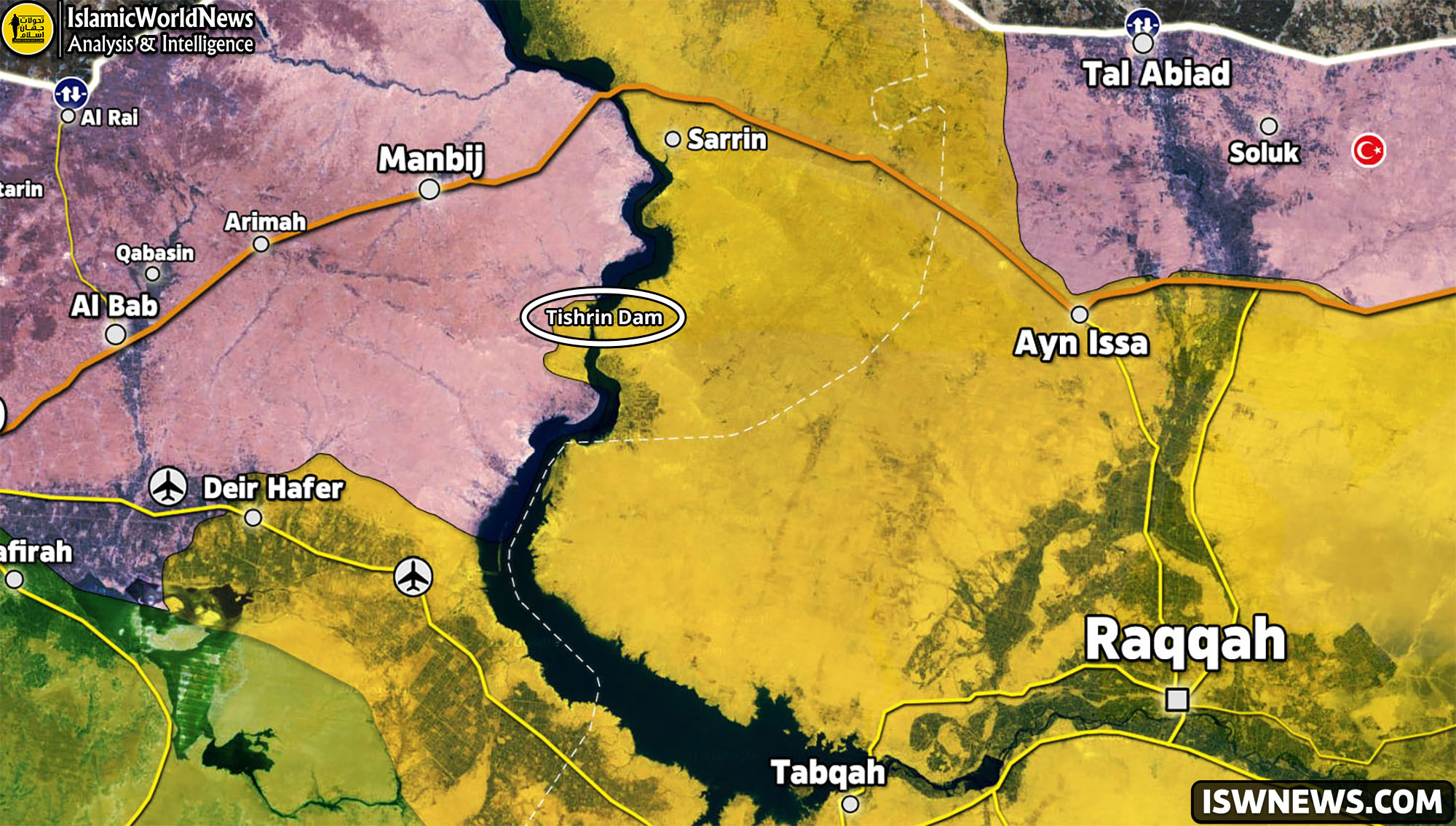
Local sources report that at the same time Al-Jolani forces entered the Tishrin Dam, a delegation from the American coalition and the SDF also visited the area and met with Syrian commanders before departing.
In his first statement following the entry of Al-Julani forces, SDF Commander-in-Chief Mazloum Abdi said, “The agreement regarding the Tishrin Dam has two parts. The first part concerns the dam itself. We have agreed with Damascus that the management and personnel of the dam will remain unchanged. The SDF forces will withdraw from the dam and relocate to the eastern areas. Our forces will hand over their positions to Damascus forces, which will act as a buffer between our forces and the Syrian National Army.”
According to the agreement between the Al-Jolani government and the SDF, the Tishrin Dam has been officially designated as a neutral zone. The gradual reduction of SDF forces and Jaysh al-Watani militants (Syrian National Army – SNA) on both sides of the dam will begin immediately. SNA militants will withdraw from the western outskirts of the dam and be replaced by forces affiliated with Al-Julani. On the eastern side, the dam facilities will be secured by SDF forces.
It is important to note that the Tishrin Dam has experienced intense clashes between SDF forces and SNA militants over the past four months. These clashes continued even after the agreement reached by SDF Commander-in-Chief Mazloum Abdi and Syrian President Ahmed al-Sharaa aslo known as Abu Muhammad al-Julani. However, the exchange of fire between the two sides has decreased significantly and completely stopped in recent days, following mediation efforts by the United States, Turkey, and Damascus.
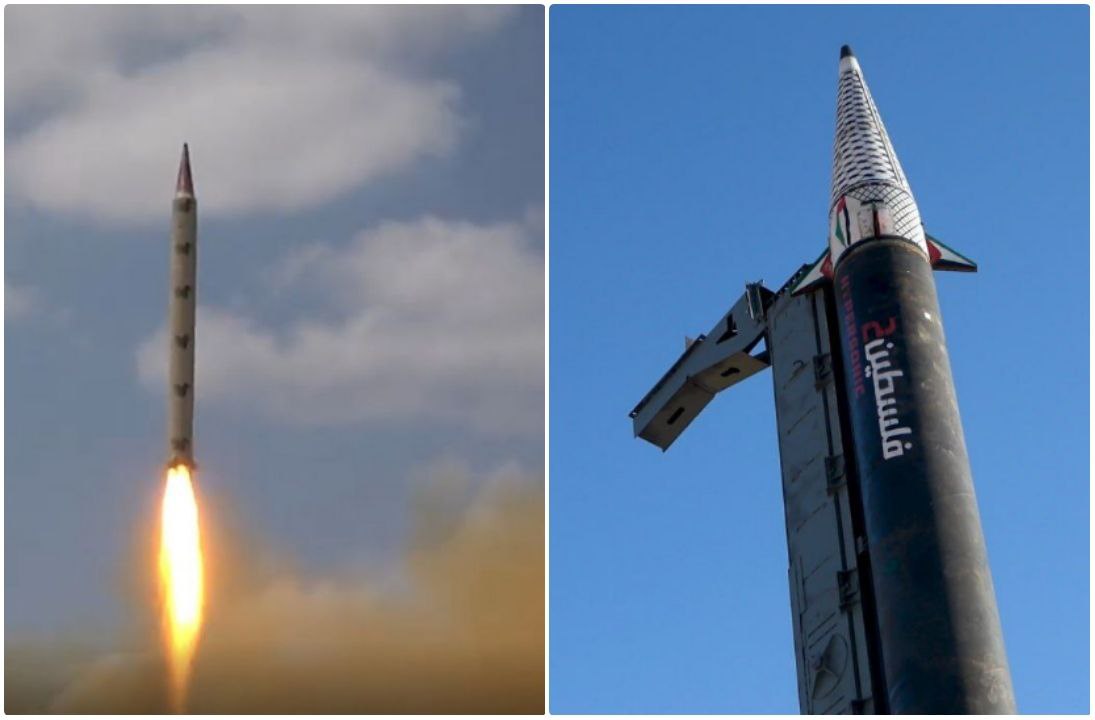
According to a statement by Brigadier General Yahya Saree, the missile force targeted the Sdot Micha base, located east of Ashdod, and Ben Gurion Airport with two Palestine 2 hypersonic missiles and one Zulfiqar ballistic missile.
Footage showing sirens sounding in Tel Aviv a few hours ago.
The Sdot Micha base is one of Israel’s missile facilities, housing Jericho missiles and Arrow missile system batteries.
Additionally, the Yemeni drone force carried out an operation against a vital target in the Ashkelon region using a suicide drone.
Brigadier General Yahya Saree reported that these operations successfully achieved their objectives, leading to the closure of Ben Gurion Airport for about an hour. The attacks caused panic and confusion among residents, with millions of people seeking shelter during the incident.