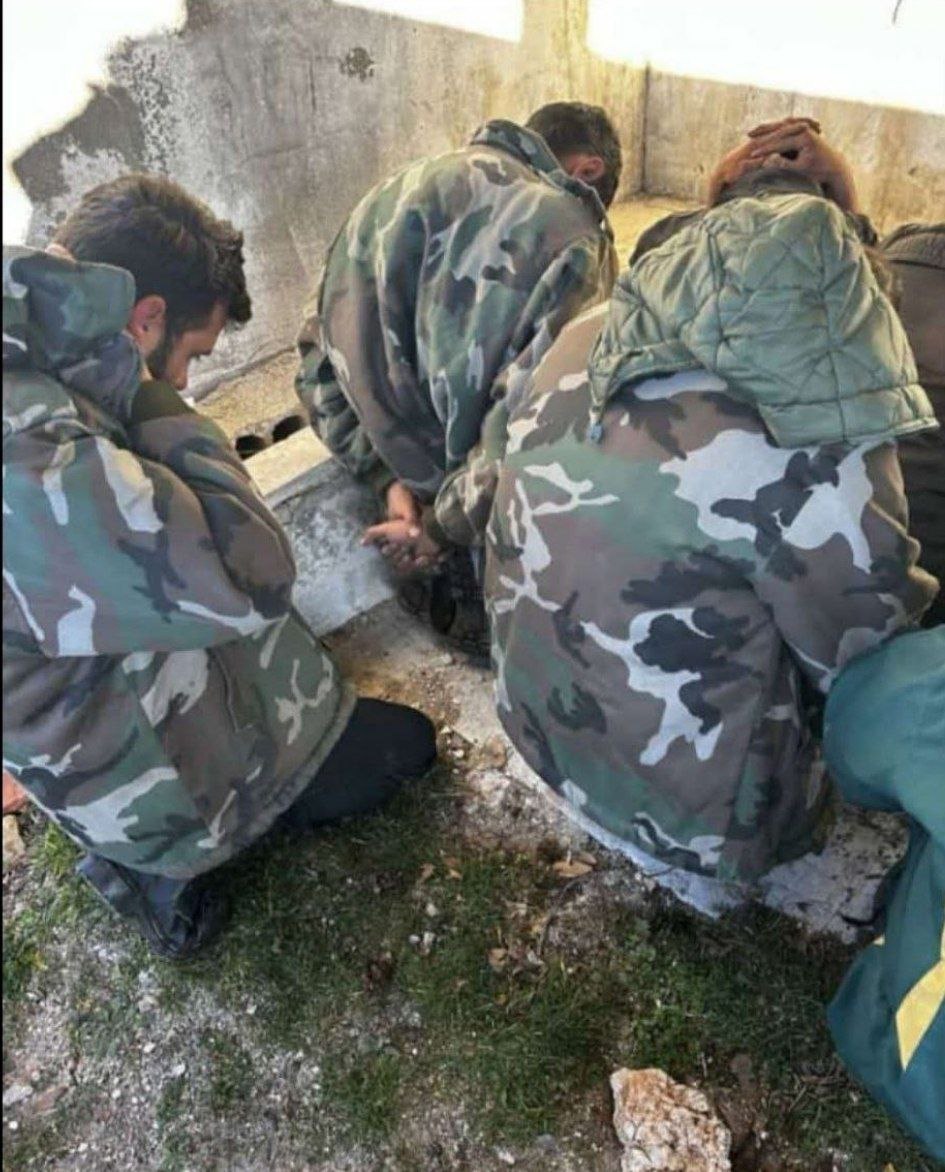
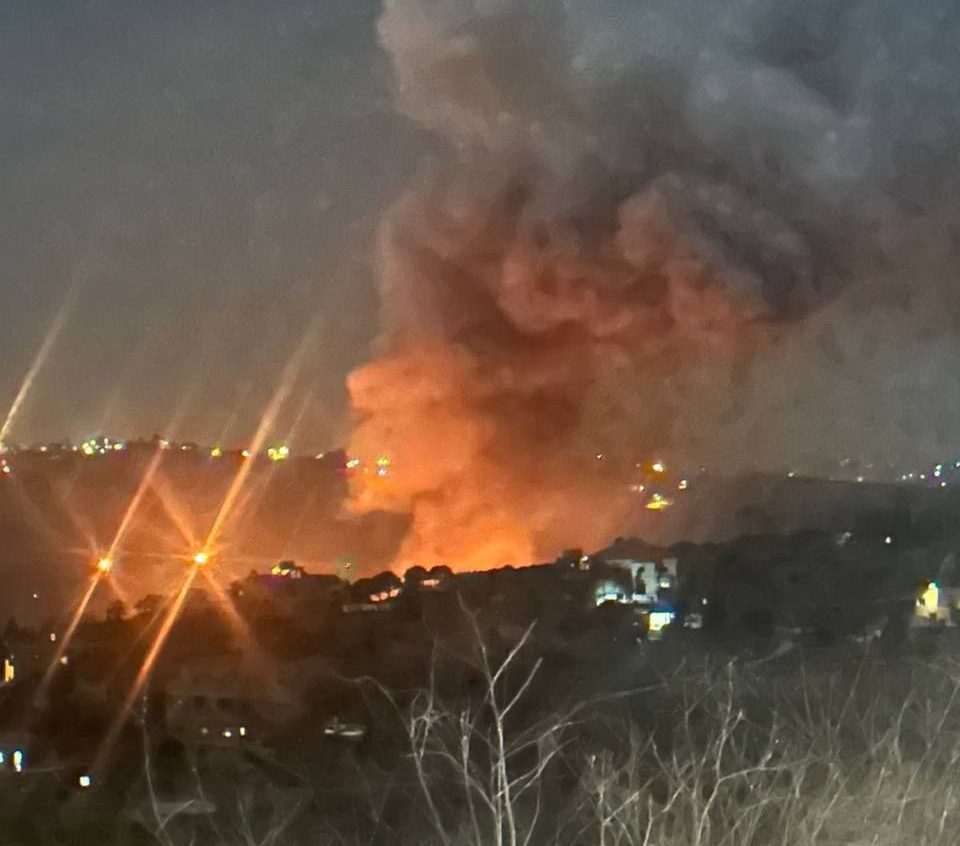
Additionally, during a clash with the militants, Bassam Hussam al-Din, a commander of the Syrian Army’s 25th Division, along with several of his companions, was killed, and several of his troops were captured.
The captured SAA soldiers
Meanwhile, Tahrir al-Sham militants arrested a number of Syrian Alawite leaders, prompting anger among the Alawite community in Latakia. This led to protests in the streets against Tahrir al-Sham’s actions.
Although the armed clashes on the outskirts of Jabla have ceased, Tahrir al-Sham militants are now sending aid convoys to various cities in Latakia province to prevent further incidents and suppress the Alawites.
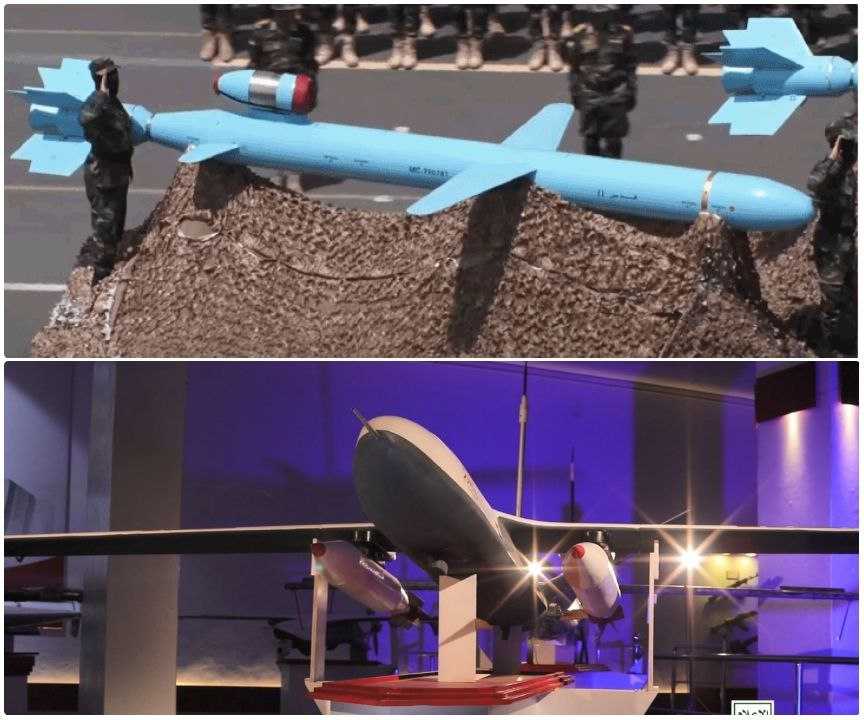
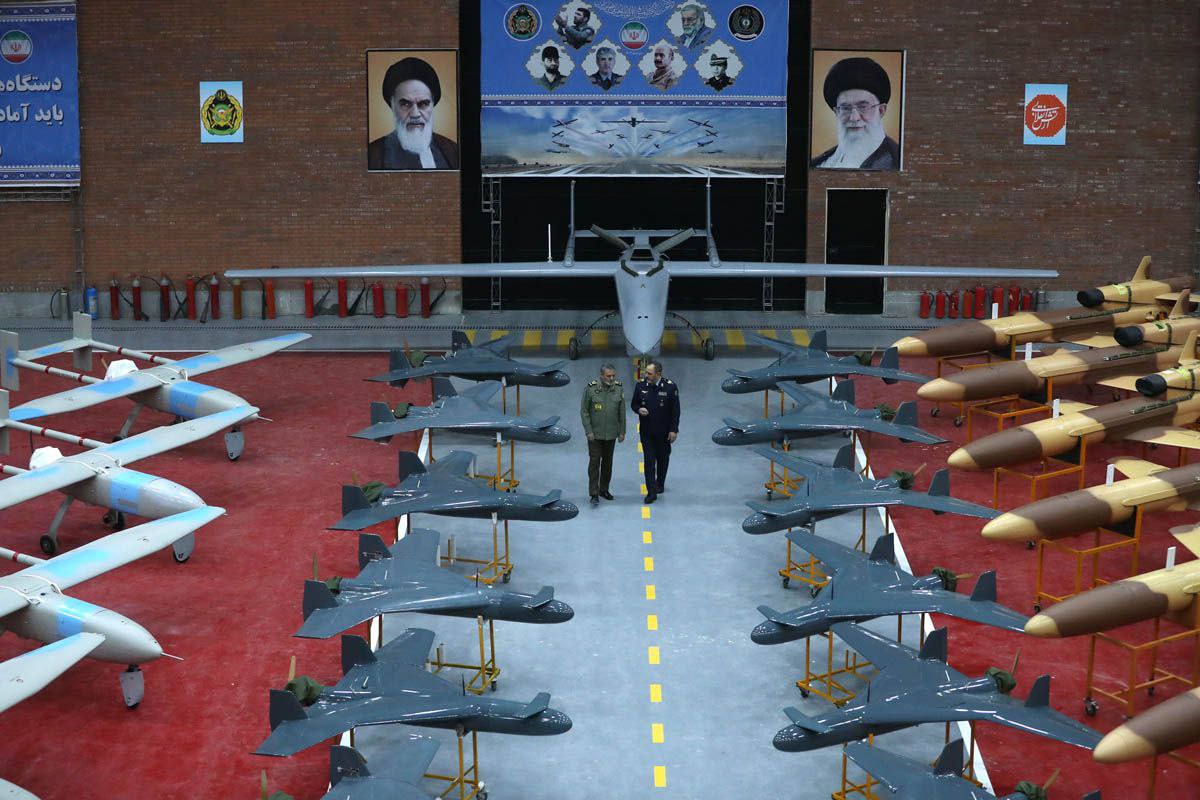
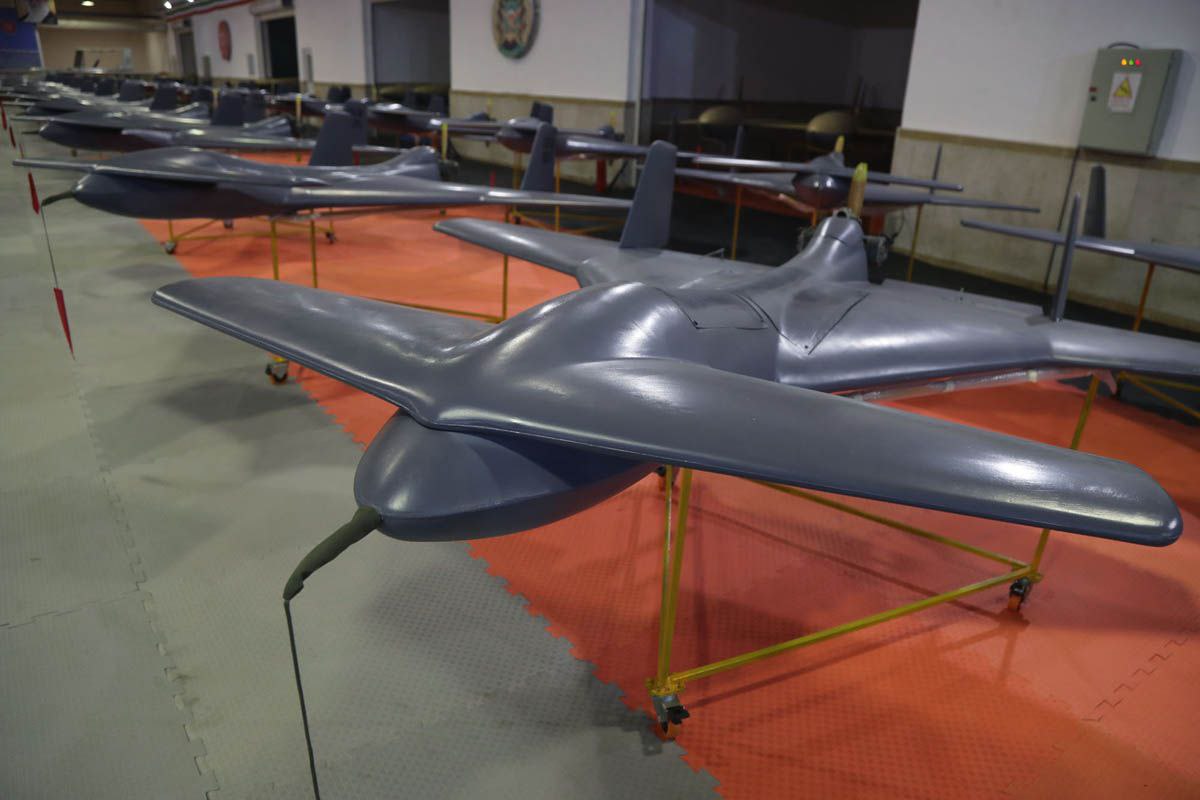
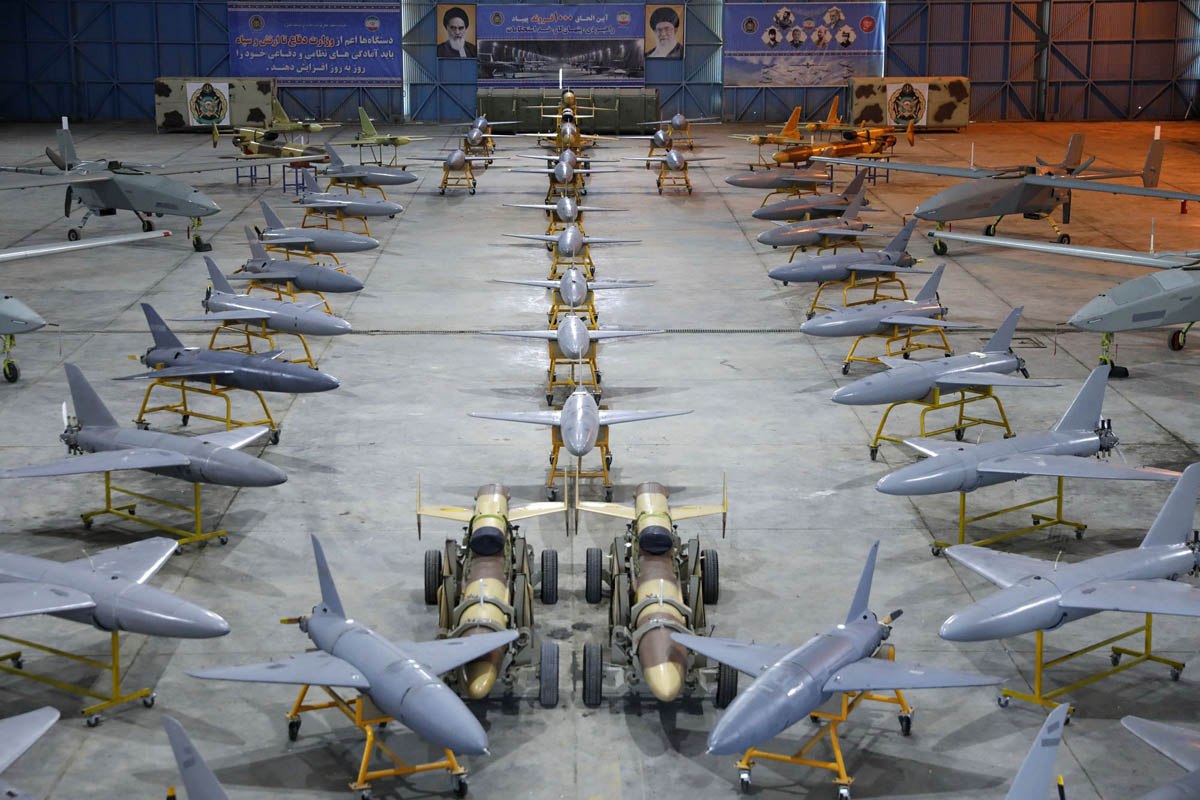
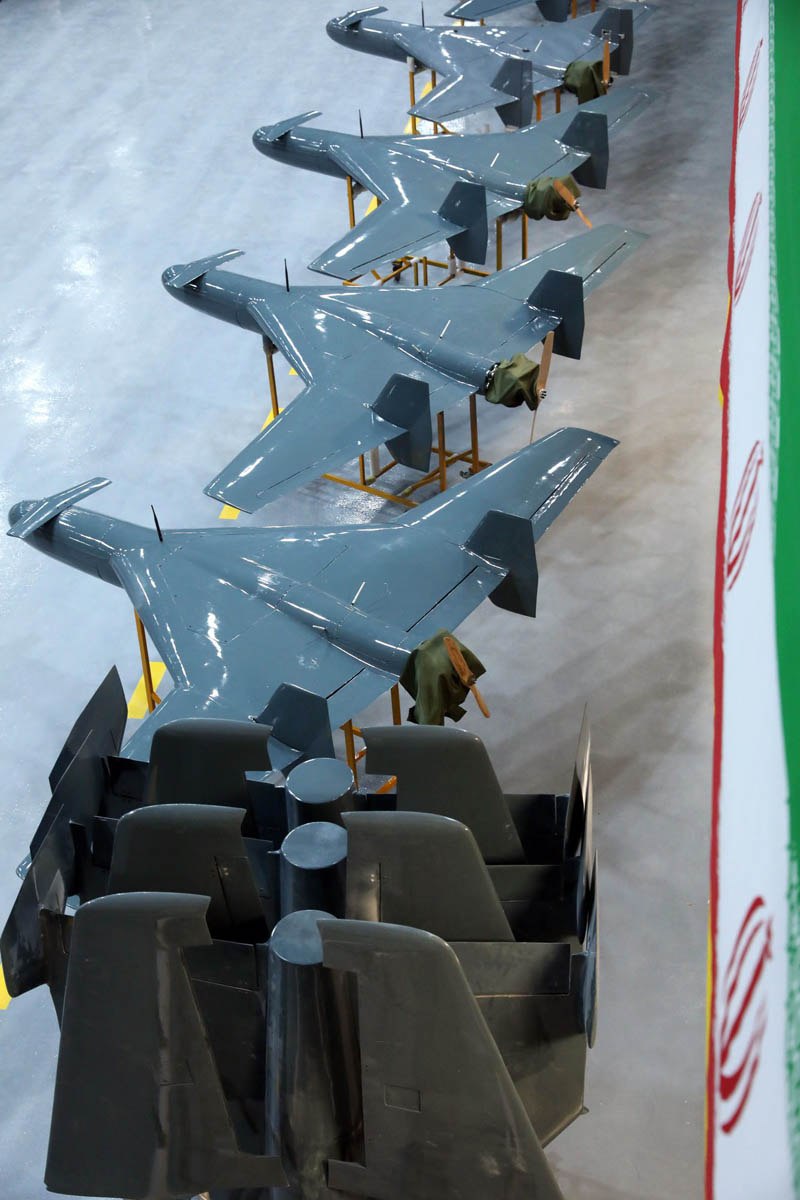
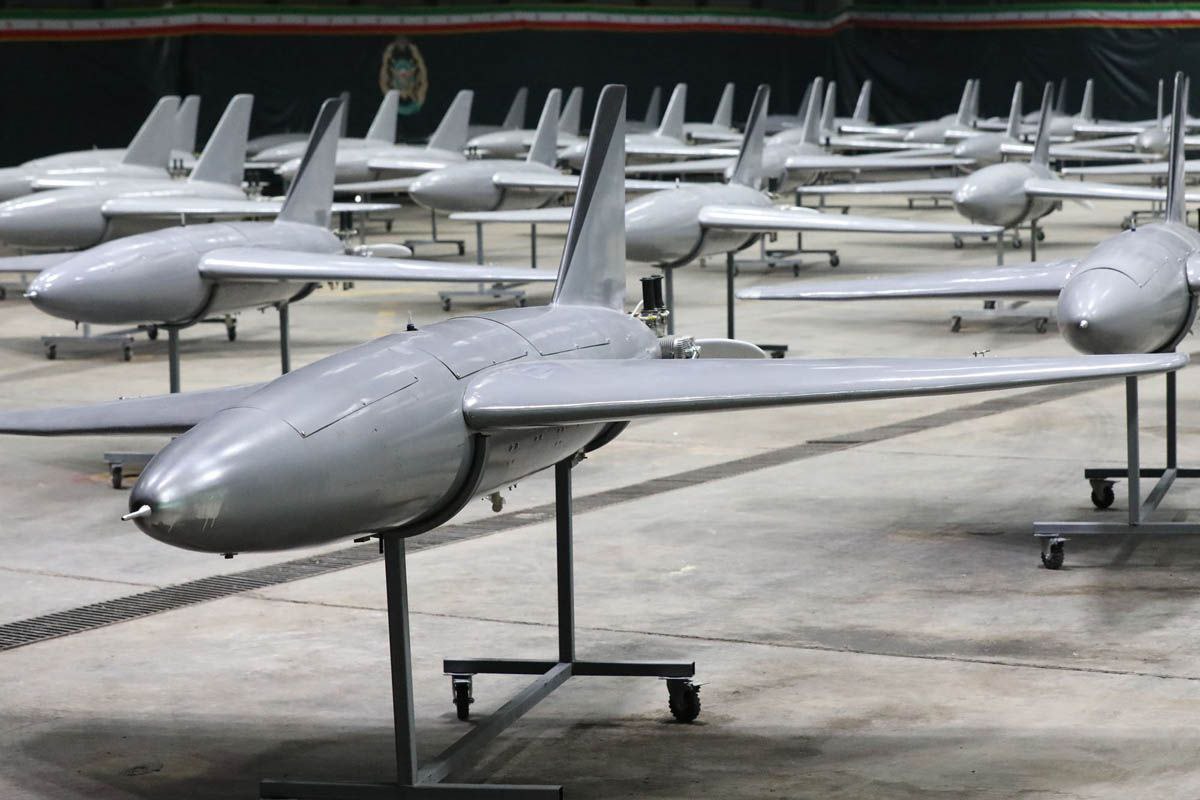
Brigadier General Yahya Saree reported that the Yemeni armed forces targeted Tel Aviv with multiple suicide drones.
Additionally, the missile force of the Yemeni armed forces attacked the Israeli power plant in the Umm al-Rashrash area (Eilat) in southern occupied Palestine with a cruise missile.
According to the spokesman for the Yemeni armed forces, both operations successfully achieved their objectives.
The selection of these targets by the Yemeni armed forces reflects the Yemeni people’s response to the attacks by Israel and the American-British coalition. By pursuing this policy and emphasizing on the cessation of the war in the Gaza Strip in their military statements, they express their unwillingness to escalate the conflict and welcome the end of the war against Gaza. However, this is hindered by the Zionists’ persistence in inciting war and violence in the Gaza Strip, as well as conducting repeated airstrikes against civilian facilities in Yemen.
The investigations by IWN indicate that these attacks marks the 72th-73th aerial operation by the Yemeni armed forces against the Zionist regime in occupied Palestinian territory, utilizing ballistic missiles, cruise missiles, and suicide drones.
The Yemeni army’s operation in support of Palestinian people against the Zionist regime began on October 19, 2023, in occupied Palestinian territory and along the maritime route from the Gulf of Aden to the Red Sea. The continuous attacks on more than 180 ships affiliated with Israel, leading to the suspension of shipping by Zionist companies through the Red Sea route.
According to the Israeli army, Cpt. Yair Yakov Shushan, Staff Sgt. Yahav Hadar, Staff Sgt. Guy Karmiel, Staff Sgt. Yoav Feffer, and Staff Sgt. Aviel Wiseman were killed in Beit Hanun.
The liquidated soldiers were all served with the Nahal Brigade’s Reconnaissance Unit.
The incident occurred on Monday, when an alleged anti-tank missile struck an Israeli military unit, resulted in the death and injury of soldiers from the Nahal Brigade.
The IWN investigations indicate that the number of alleged Israeli deaths since the start of the ground attack on the Gaza Strip has increased to 413. The total number of “military” deaths, claimed by the Israeli regime has reached 840 since the start of the war.
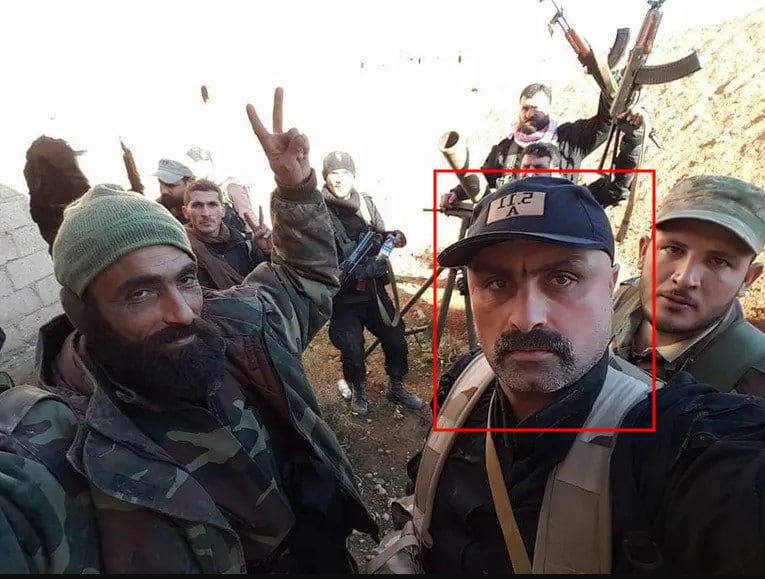
The operation was led by Bassam Hussam al-Din, commander of the 25th Division of the former Syrian Army and a close associate of the renowned SAA commander, Suhail Hassan.
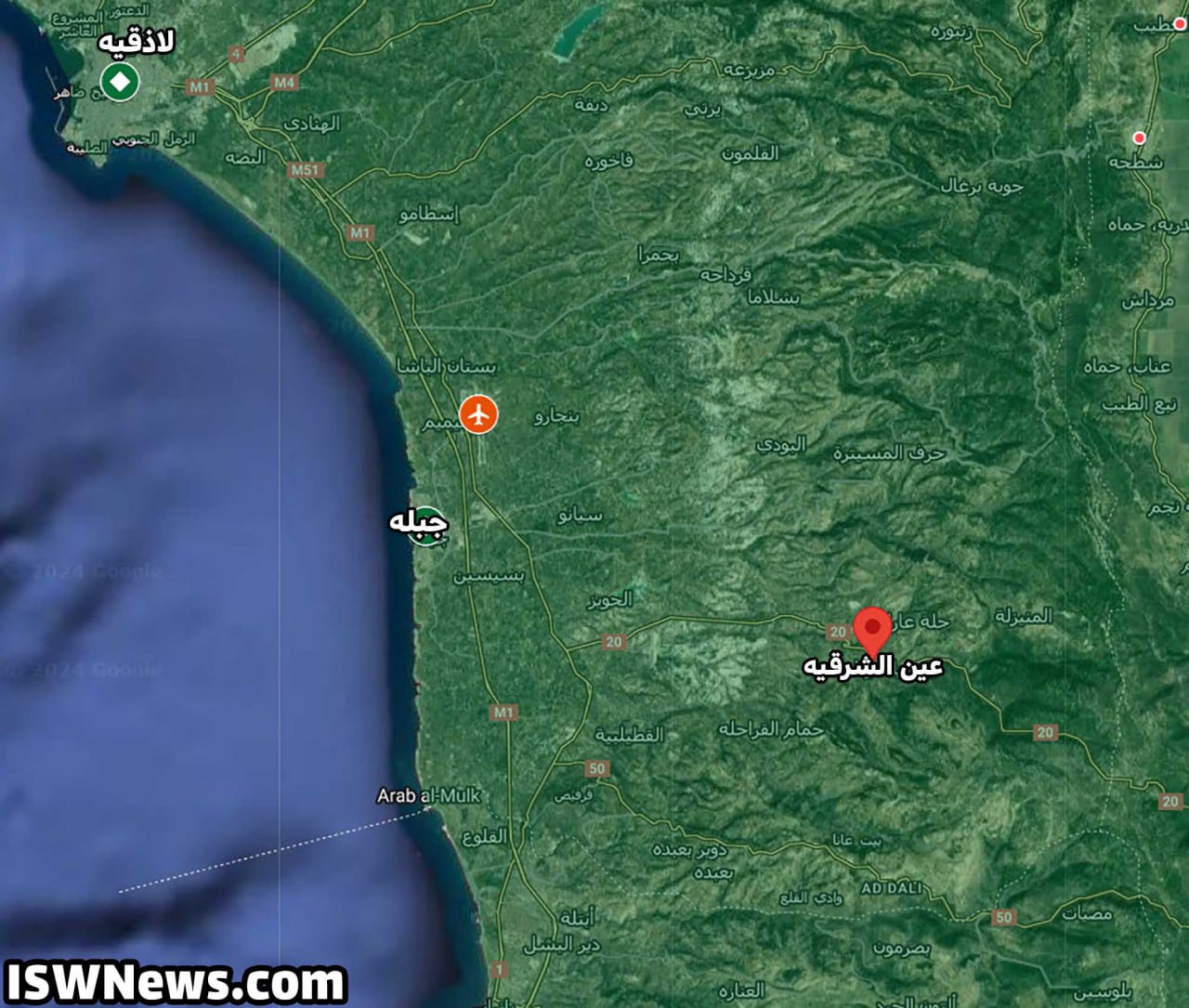
The captured HTS-affiliated militants in Ain al-Sharqiya by former SAA forces
Hussam al-Din demanded the withdrawal of Tahrir al-Sham forces from the Jabla area, threatening to execute the captured militants if they did not comply.
Bassam Hussam al-Din
Latakia city and its surroundings have witnessed recent armed operations against Tahrir al-Sham militants and their allies. Several militants, including a field commander, have been killed in these attacks.
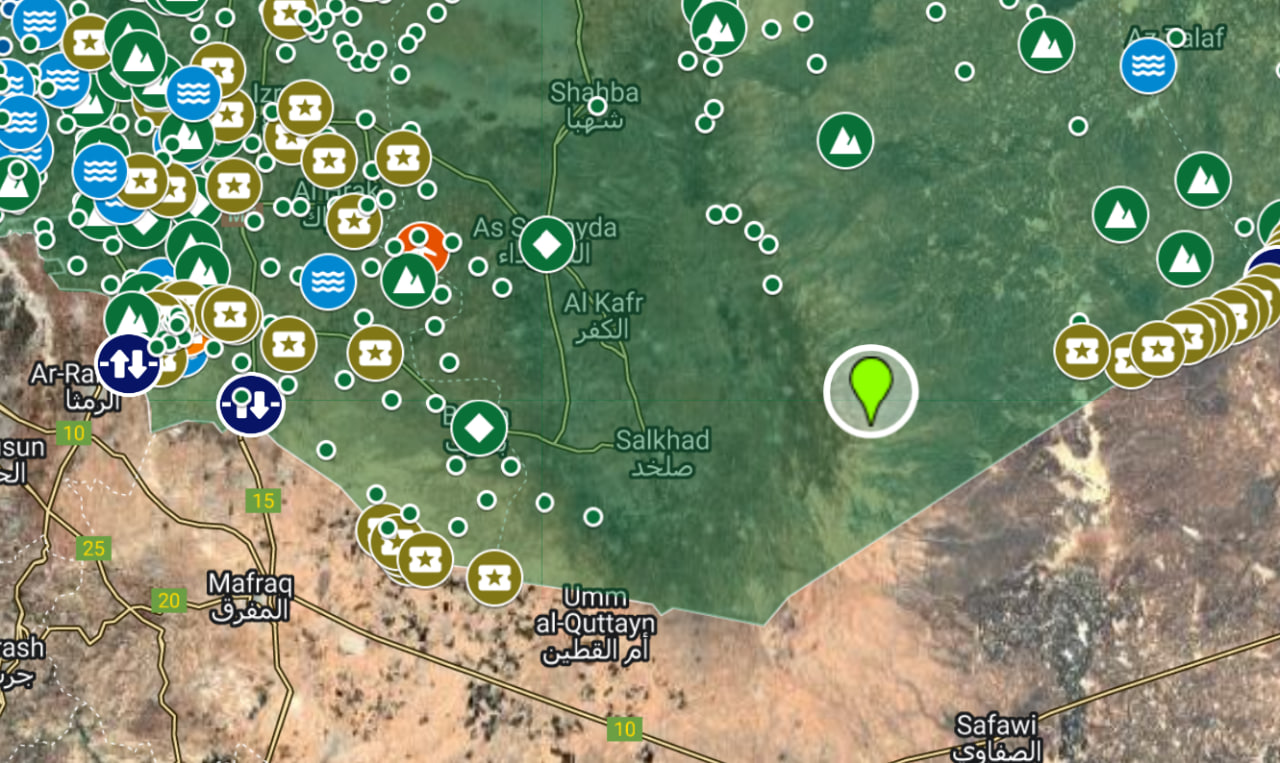
Two days ago also, an armed clash occurred between Jordanian border guards and armed smugglers attempting to infiltrate Jordanian territory, resulting in the death of a smuggler and the injury of a Jordanian border guard.
These incidents are happening while during the previous government, arms and drug smuggling and similar incidents were attributed to the government of Bashar al-Assad and his military; however, under the new government, this issue persists and, due to the central government’s weakness and lack of a deterrent force, Jordan has even started bombing Syrian territory.
The MT Valpiave made significant efforts to conceal its journey, turning off its Automatic Identification System (AIS) multiple times. Additionally, the ship’s owner falsified its destination data on navigational websites to hide its connection to Israeli ports.
This shipment is neither the first nor the last instance of Turkish trade with Israel. Dozens of ships have previously transported commercial goods and petroleum products to the Zionists.
Despite Turkey’s claims of leading the Islamic world and supporting Palestine, its ongoing trade with Israel highlights the country’s hypocritical and contradictory stance in the region.
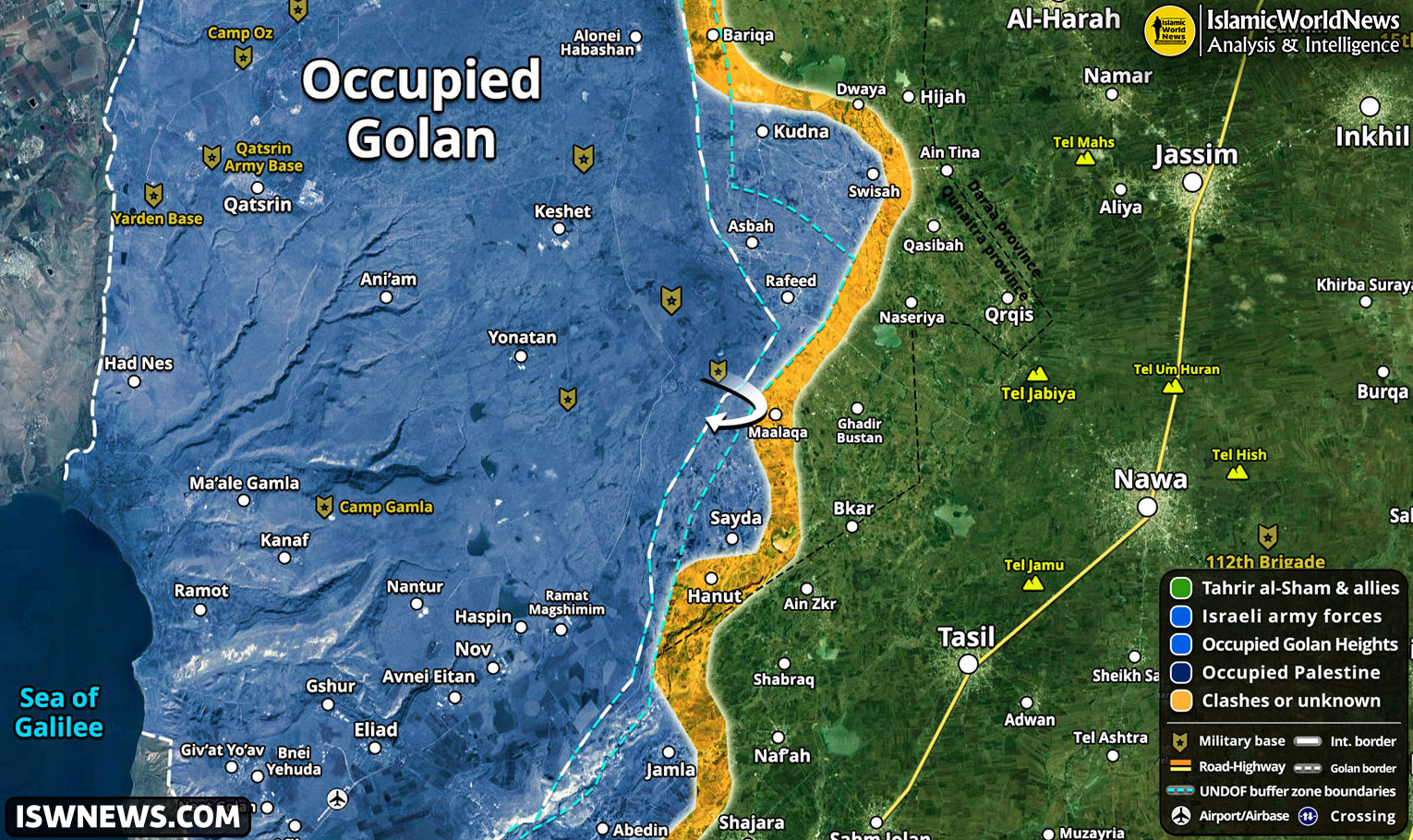
A report by Yedioth Aharonot, citing senior Israeli officials, states that the Israeli army will maintain its control 15 kilometers into Syria to prevent new Syrian government loyalists from launching rockets towards the occupied Golan. Additionally, Israel is planning a new operation 60 kilometers south of Syria to expand its sphere of influence and ensure its security.
Tensions persist between Israeli forces and farmers from the village of Ma’arba, with Israeli troops at the Al-Jazeera garrison preventing Syrian farmers from accessing their fields.
The Israeli army has also dismantled the Heyran checkpoint and the site of the former Syrian army armored battalion on the outskirts of Quneitra, following an inspection and removal of ammunition. Afterward, Israeli forces withdrew to the occupied Golan.
The Syrian transitional government has yet to decisively respond to the Israeli occupation of southern Syria’s border areas. Meanwhile, Israel shows no intention of vacating Syrian territory, with the Yedioth Ahronot report indicating a fixed military presence 15 kilometers into Syria and a likely expansion to 60 kilometers. This situation could escalate tensions and conflicts between the Zionists and popular movements in Syria.
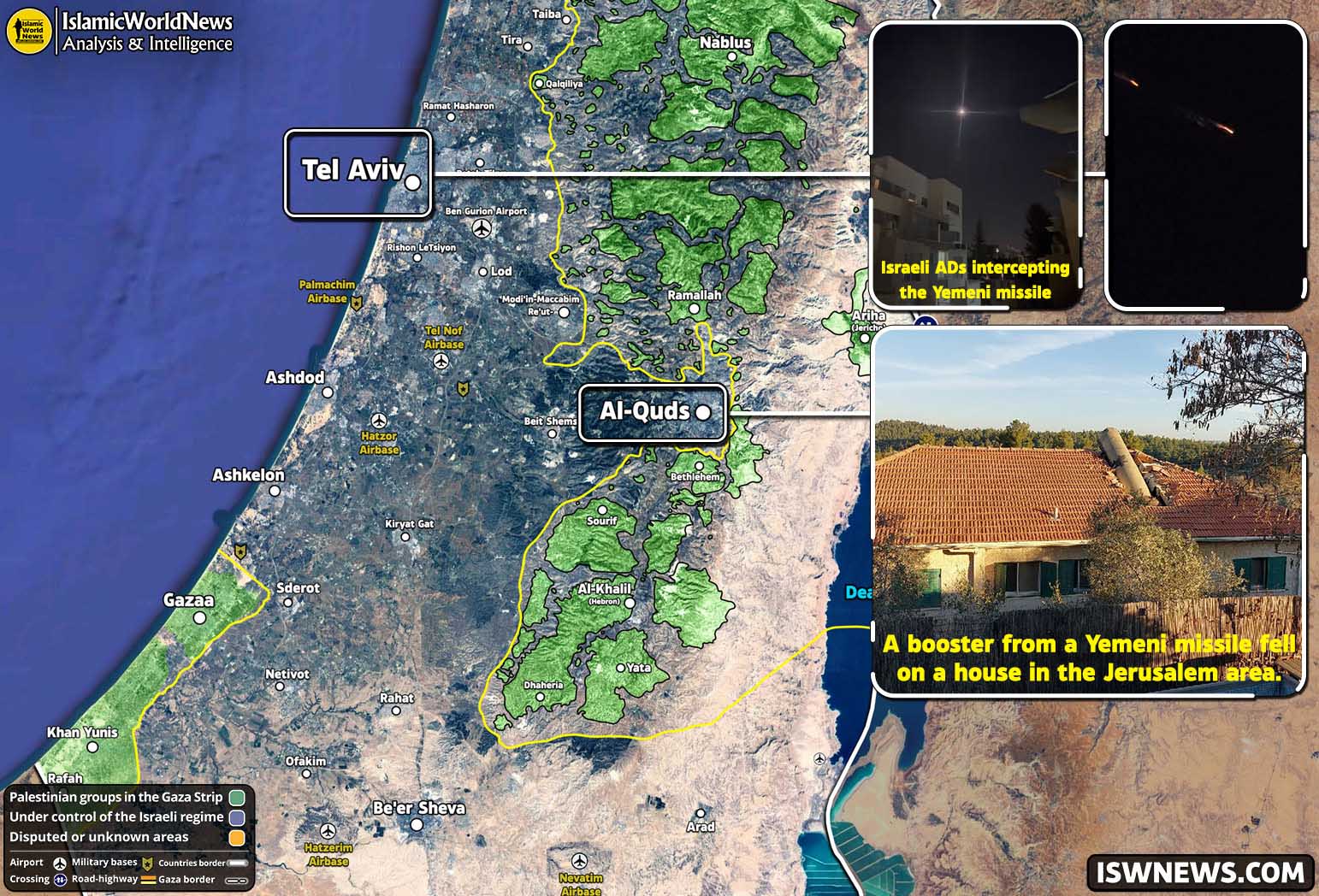
The details are as follows: January 12: Four suicide drones attacked vital targets in Tel Aviv. January 13: A Palestine 2 hypersonic ballistic missile was fired at a key target in Tel Aviv. January 14: A Palestine 2 hypersonic ballistic missile was launched at the headquarters of the Israeli Ministry of War in Tel Aviv.
Brigadier General Yahya Saree confirmed all three operations achieved their objectives.
Israeli air defenses intercepting the Yemeni missileIsraeli air defenses intercepting the Yemeni missile
These attacks mark the 69th to 71st air operations of the Yemeni Army against the positions of the Zionist regime in occupied Palestine.
The investigations by IWN indicate that these attacks marks the 69th to 71st aerial operation by the Yemeni armed forces against the Zionist regime in occupied Palestinian territory, utilizing ballistic missiles, cruise missiles, and suicide drones.
The Yemeni army’s operation in support of Palestinian people against the Zionist regime began on October 19, 2023, in occupied Palestinian territory and along the maritime route from the Gulf of Aden to the Red Sea. The continuous attacks on more than 180 ships affiliated with Israel, leading to the suspension of shipping by Zionist companies through the Red Sea route.
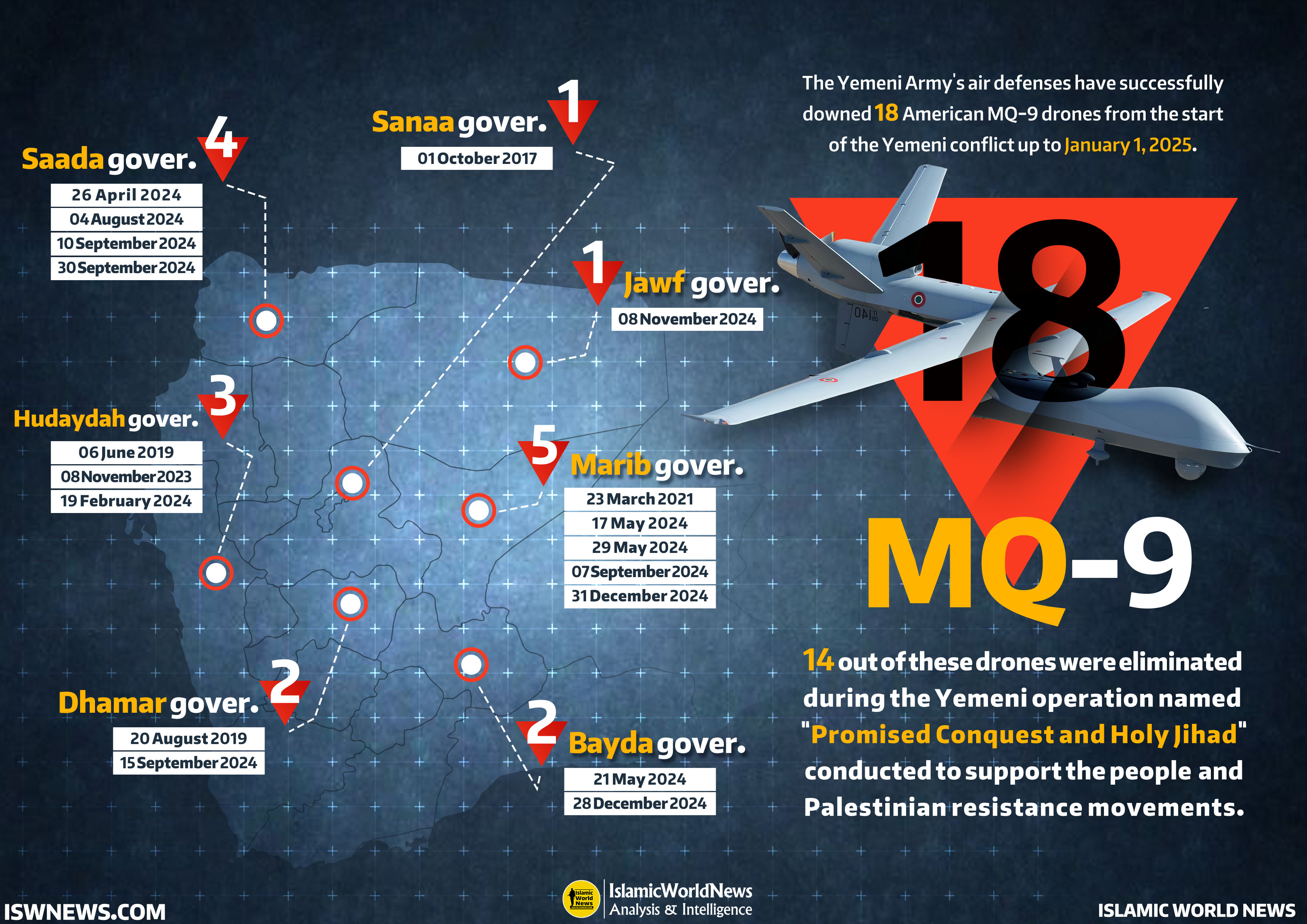
14 out of these 18 drones were eliminated during the Yemeni operation named “Promised Conquest and Holy Jihad,” conducted to support the people and Palestinian resistance.
General Atomics MQ-9 Reaper is a versatile and heavy drone used by the US Army for reconnaissance, surveillance, and offensive operations, including assassinations in Iraq, Afghanistan, and Syria since 2001. As of 2023, each MQ-9 drone costs approximately $32 million to produce, resulting in $576 million in damage inflicted by Ansar Allah through the destruction of 18 drones.
The dates and locations of the destroyed MQ-9 drones in Yemen are as follows:
Sanaa, 01 October 2017
Hudaydah, 06 June 2019
Dhamar, 20 August 2019
Marib, 23 March 2021
Hudaydah, 08 November 2023
Hudaydah, 19 February 2024
Saada, 26 April 2024
Marib, 17 May 2024
Al-Bayda, 21 May 2024
Marib, 29 May 2024
Saada, 04 August 2024
Marib, 07 September 2024
Saada, 10 September 2024
Dhamar, 15 September 2024
Saada, 30 September 2024
Al-Jawf, 08 November 2024
Al-Bayda, 28 December 2024
Marib, 31 December 2024
The extensive destruction of reconnaissance and attack drones from the Saudi-American coalition in Yemen stands as one of the Yemeni Armed Forces’ significant achievements over a decade-long war. During this period, the Yemeni Army has downed over 100 military aircraft belonging to Saudi Arabia, the UAE, the US, Jordan, Morocco, and Bahrain, 20 of which were American.
Since the onset of the Palestine war, the US Army has dispatched numerous MQ-9 drones to Yemen to monitor military installations and equipment, and to carry out assassination missions. However, the Yemeni Army’s air defense forces have successfully disrupted these drone operations in Yemen through their intelligence and persistent efforts.
These attacks clearly violate the ceasefire agreement, indicating Israel’s disregard for the ceasefire and a resumption of conflict in southern Lebanon.
While such violations typically warrant a reciprocal response, Hezbollah has maintained patience and restraint, refraining from reacting to the escalating actions so far.
Israeli strikes
The Israeli regime has continued to violate the ceasefire agreement with Lebanon, which officially went into effect on November 27. Recent violations include airstrikes, territorial incursions, and attacks on civilians and infrastructure in southern Lebanon.
Kurilla met with General Fayyad bin Hamed Al-Ruwaili, Chief of Staff of the Saudi Armed Forces, and other Saudi military commanders to discuss security issues, mutual commitment, and joint cooperation to address evolving threats in the region. They emphasized the importance of joint military maneuvers and the strategic partnership between their countries.
Specifically, these terms refer to the issue of “Yemen.” It seems that Kurilla and Al-Ruwaili discussed the upcoming US operations against Yemen and the need for Saudi cooperation against Ansar Allah.
Kurilla also met with Lieutenant General Saghir bin Aziz, Chief of Staff of the Armed Forces of the resigned Yemeni government (aligned with the Saudi coalition), in Riyadh. They focused on strengthening security cooperation, combating Ansar Allah, and enhancing the operational capacity.
These discussions suggest that the United States, in exchange for providing military weapons to the resigned Yemeni government, seeks intelligence cooperation and participation in ground attacks on Ansar Allah positions.
Kurilla’s visit to Riyadh marks the beginning of a comprehensive and decisive plan to create a coalition against Ansar Allah. Airstrikes by the Israeli army and the American-British coalition against Yemen have had limited impact on reducing the operations of Yemeni armed forces against Israel. The United States is aiming for increased attacks on Yemen by forming a new coalition with Saudi Arabia and the resigned Yemeni government.