Author: Mirza

  • Military Knowledge: Rampage Missile and EXTRA Rocket; Israel’s Most Widely Used Weapons Against Adversaries!

    Military Knowledge: Rampage Missile and EXTRA Rocket; Israel’s Most Widely Used Weapons Against Adversaries!

    An overview of the development and production history of the Rampage missile:

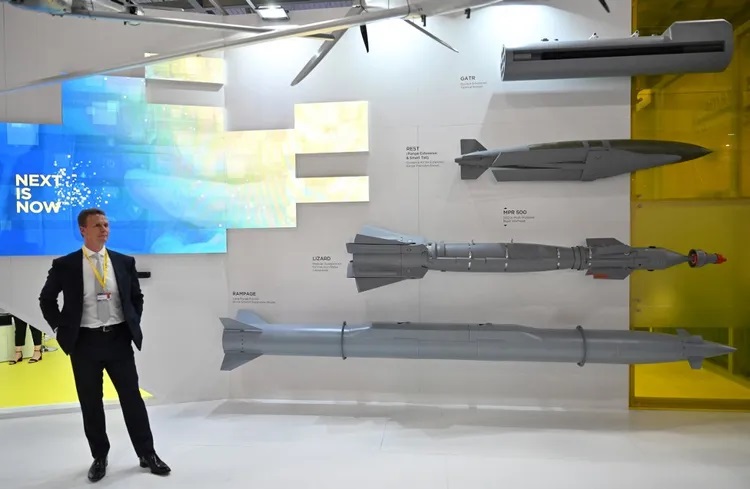
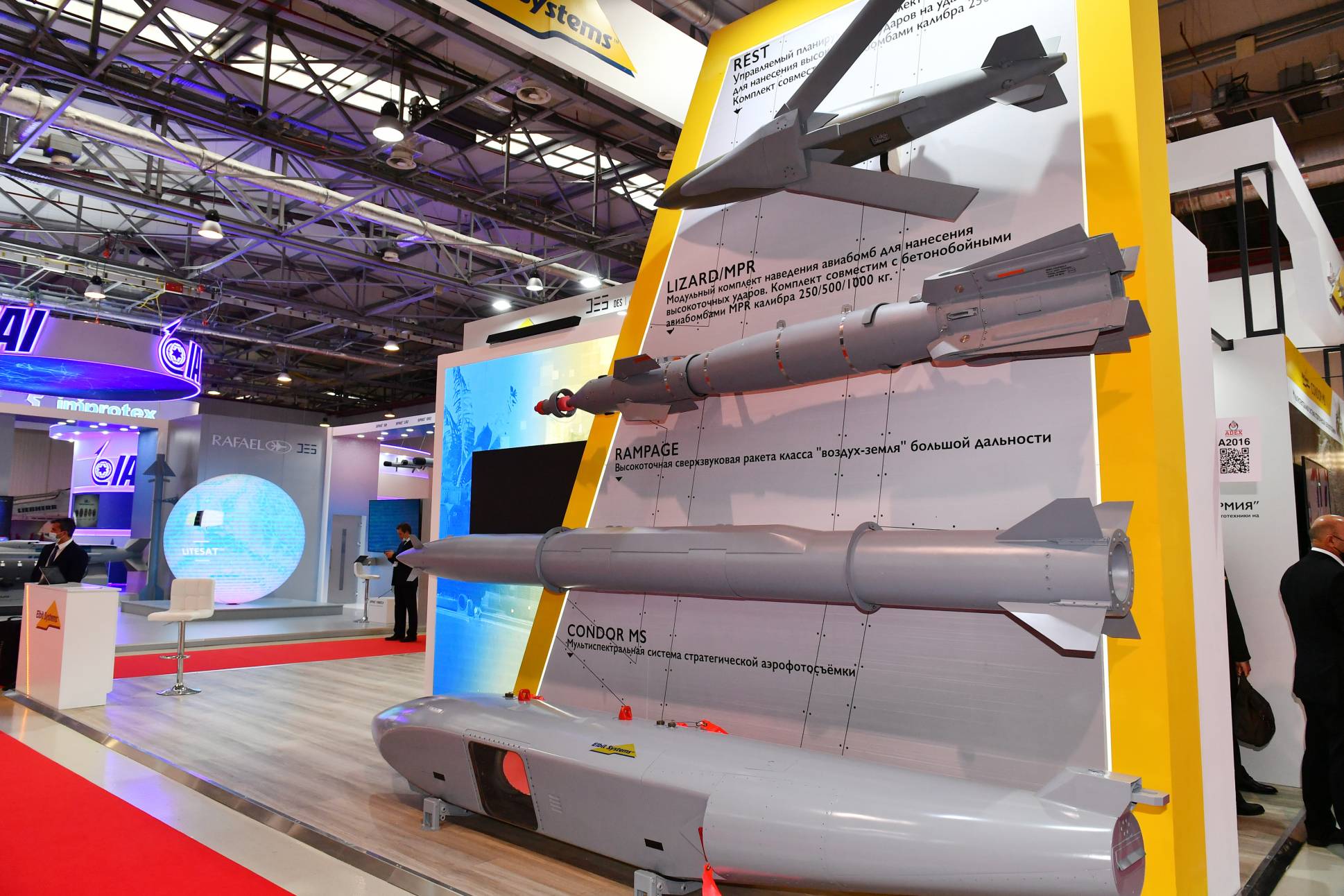
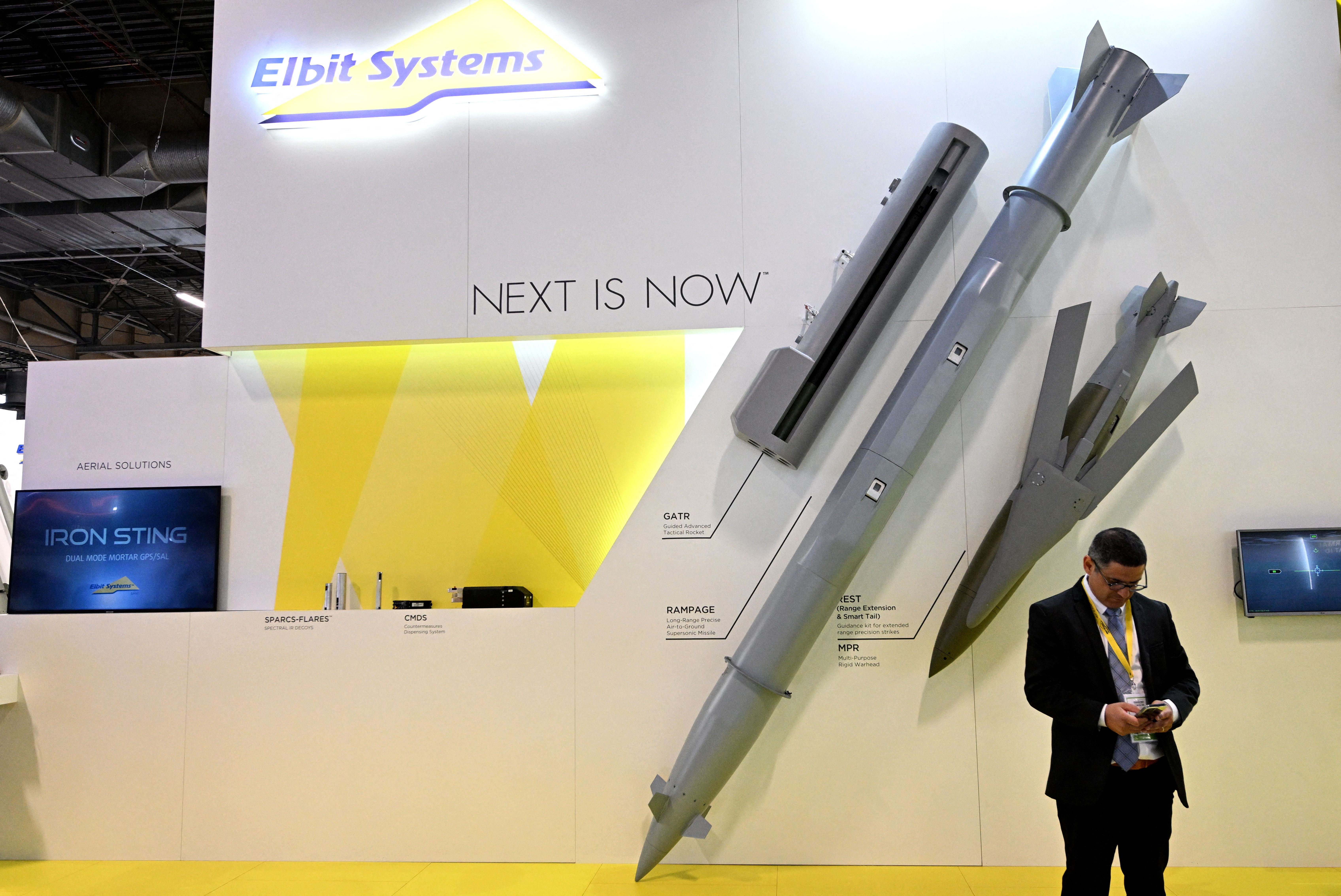
    The Rampage missile emerged from a collaboration between Israel Military Industries (IMI) and Israel Aerospace Industries (IAI). This partnership traces its origins to the development of the EXTRA series rockets at IMI, from which an air-launched version was created in collaboration with IAI. Initially named MARS (Multi-purpose, Air-launched Rocket System), this version was later marketed as Rampage and is currently produced by the military company Elbit Systems.
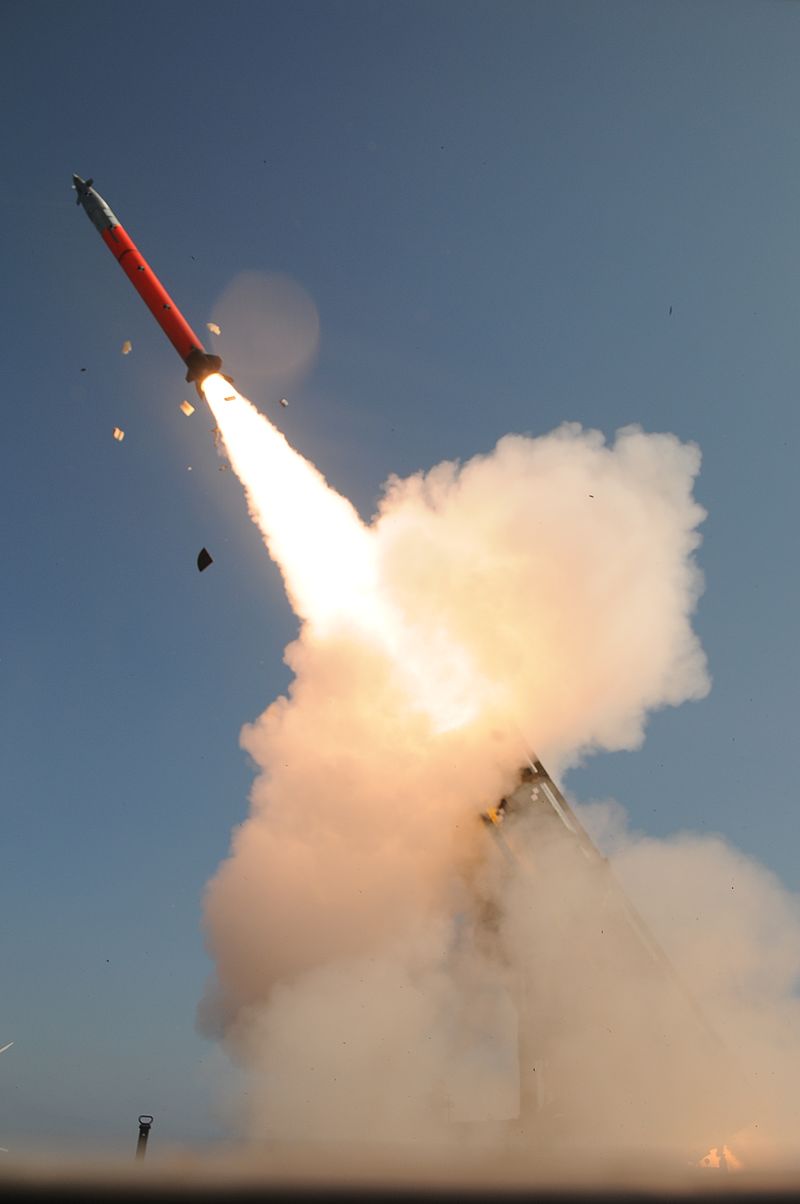
    The EXTRA (Extended Range Artillery) is a type of artillery rocket developed by Israel Military Industries (IMI) and has been used by the Israeli army, the Baku government, Vietnam, and Kazakhstan since 2013.

    The EXTRA rocket boasts a maximum range of 150 km, equipped with a 120 kg warhead, and maintains an accuracy of 10 meters at its maximum range.

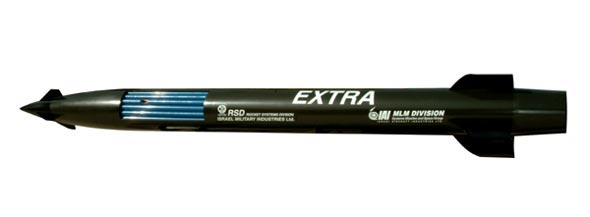
    Its design features a solid-fuel propellant, stabilizing wings at the rear of the fuselage, and guide fins near the nose. The guidance and control system enhances the missile’s accuracy by four times that of unguided rockets, adjusting the ballistic trajectory to counteract wind drift and other meteorological effects.
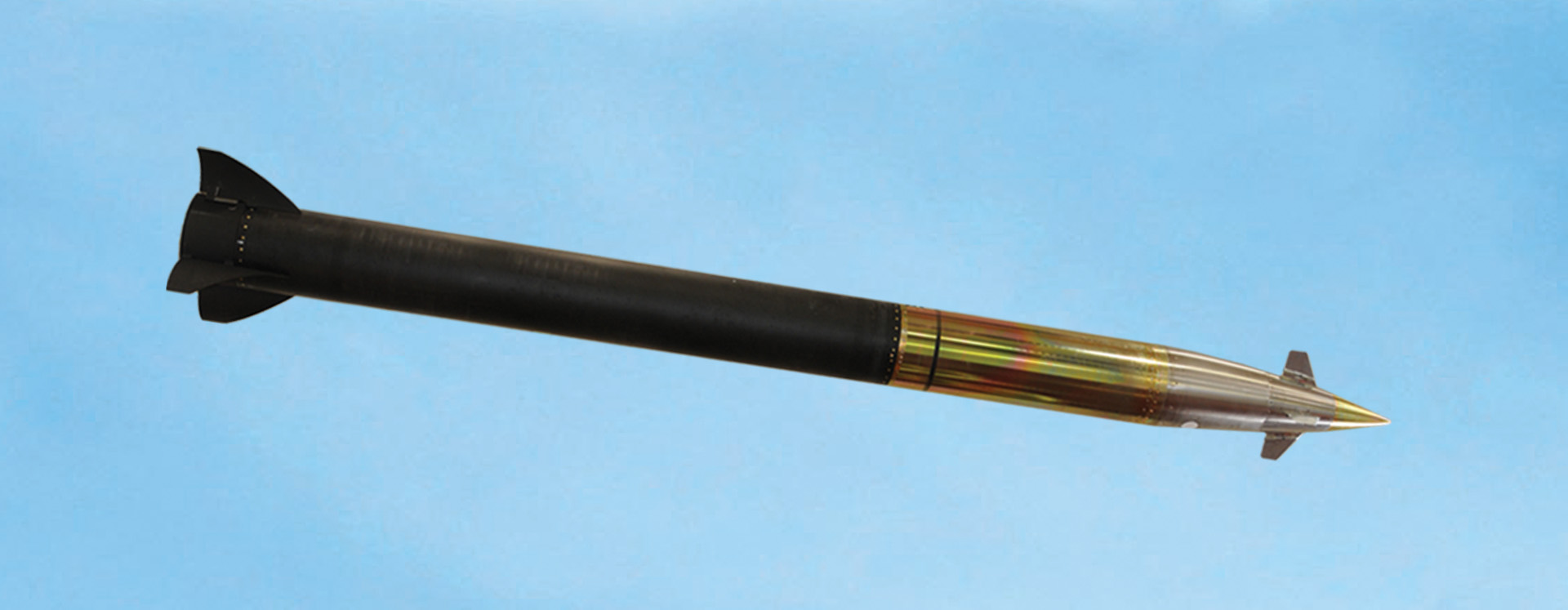
    Extended Range Artillery Rocket – EXTRA

    The warhead of this guided rocket is also modular, suitable for carrying different types of submunitions or a single warhead. For example, the EXTRA can carry up to 400 bomblets, anti-runaway munitions or penetrating warheads.
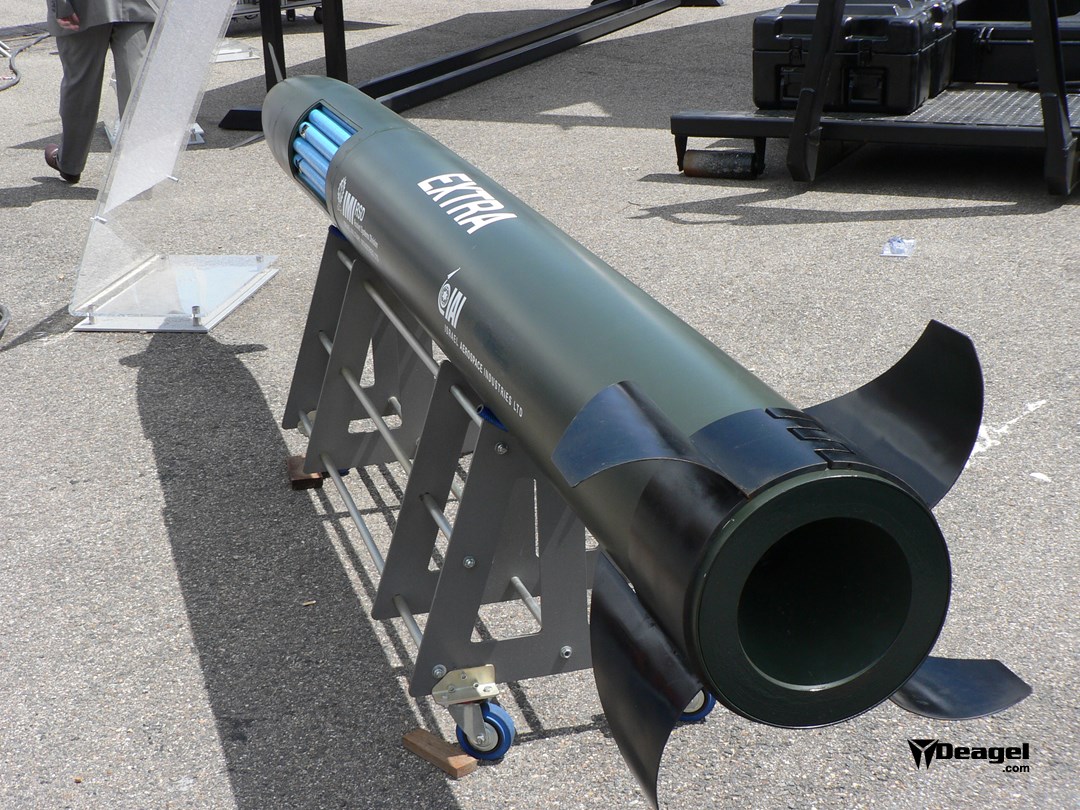
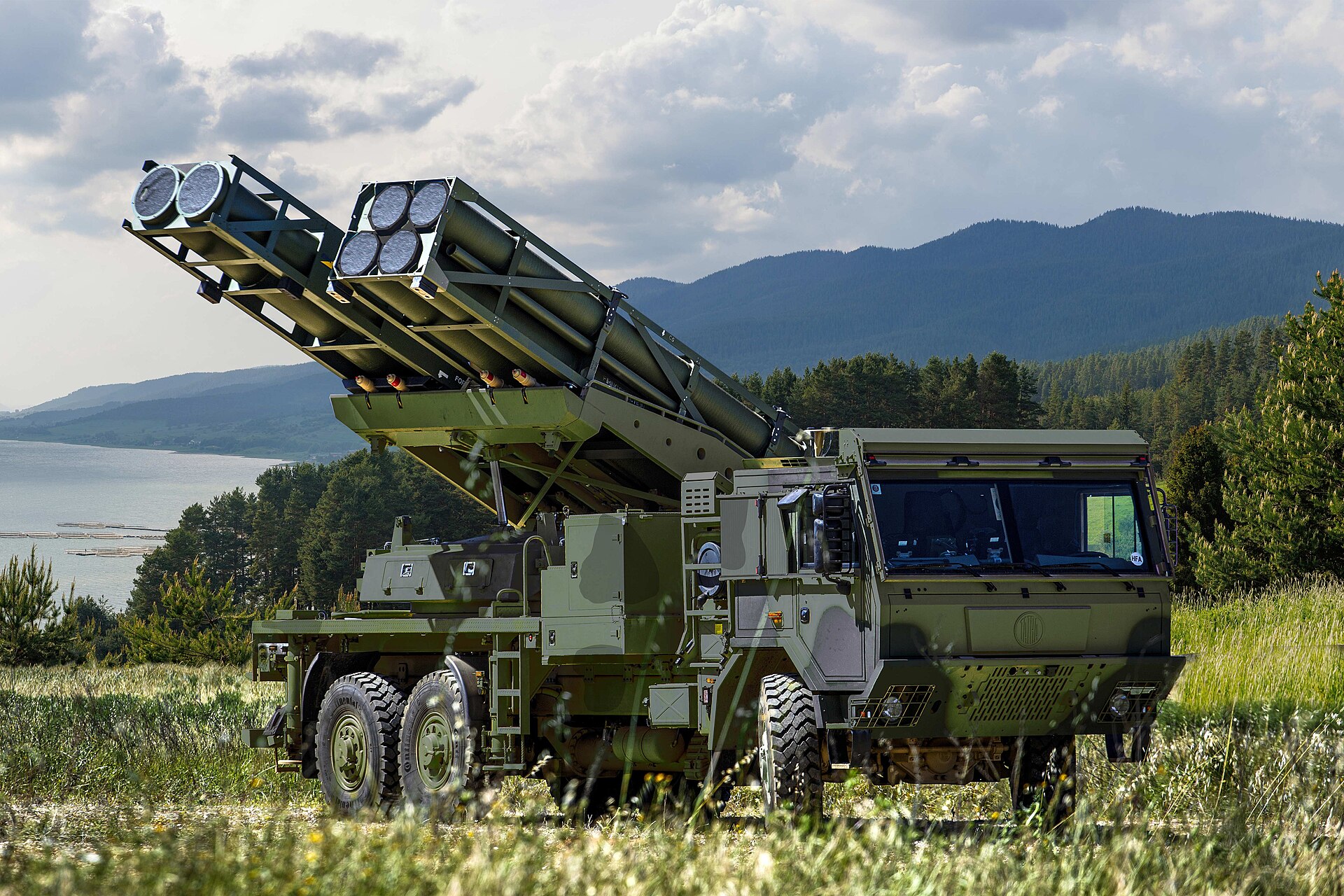
    The Extra rocket is commonly used in the PULS rocket launcher system, formerly known as Lynx. The launcher was originally developed by Israel Military Industries (IMI) and was called Lynx. When IMI was sold to Elbit Systems, the launcher was upgraded and renamed PULS, which stands for Precise & Universal Launching System.

    Elbit Systems promotional video for the PULS Multiple Launch Rocket System

    The PULS system can carry two separate launch pods, each of which can host up to 18 Accular-122 rocket pods with a range of 36 km, 10 Accular-160 rocket pods with a range of 40 km, 4 EXTRA guided rocket pods with a range of 150 km, or two Predator Hawk tactical ballistic missiles.

    Due to the remarkable success of the EXTRA rocket, the development of its air-launched version was also commissioned.
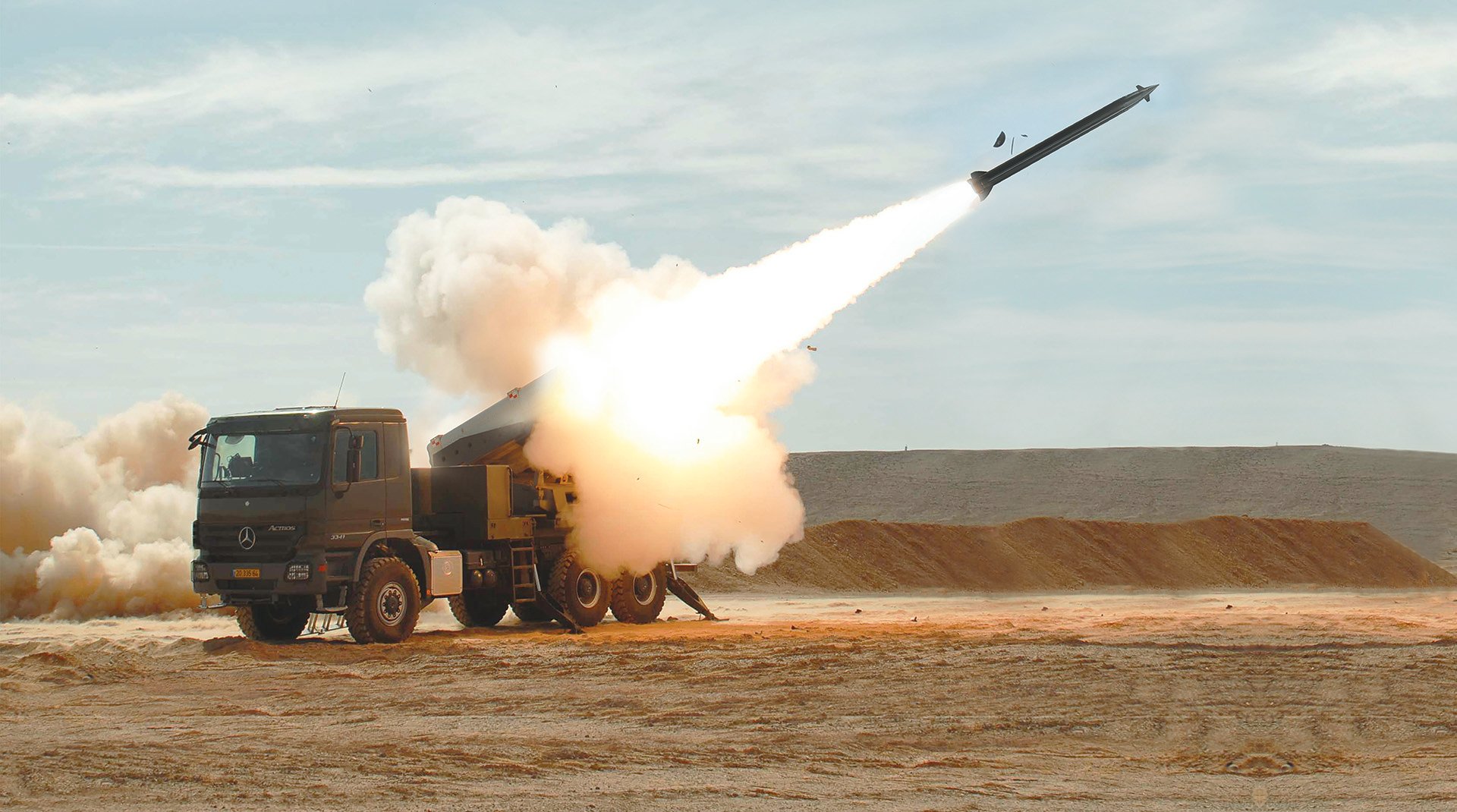
    Rampage missile:

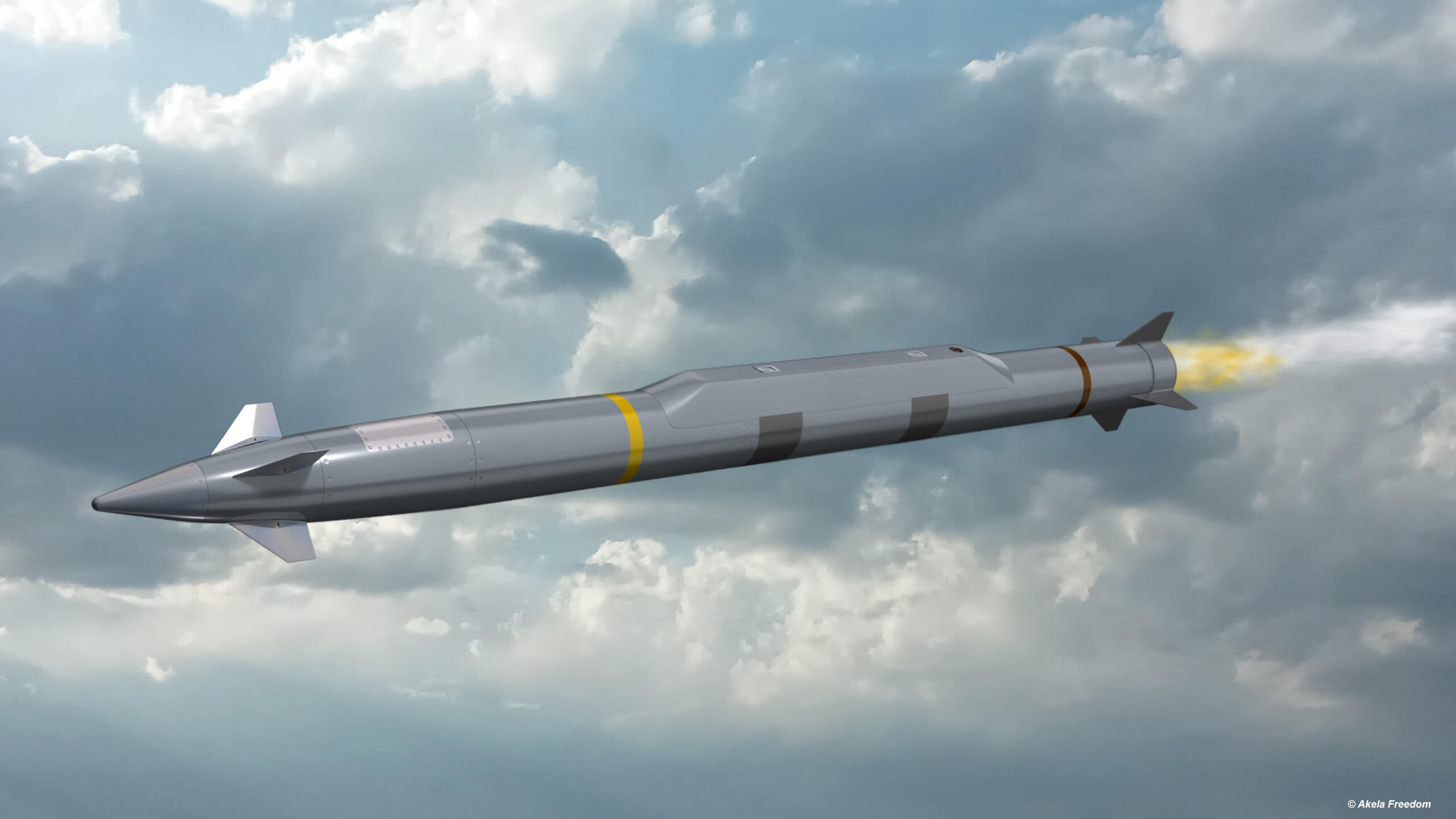
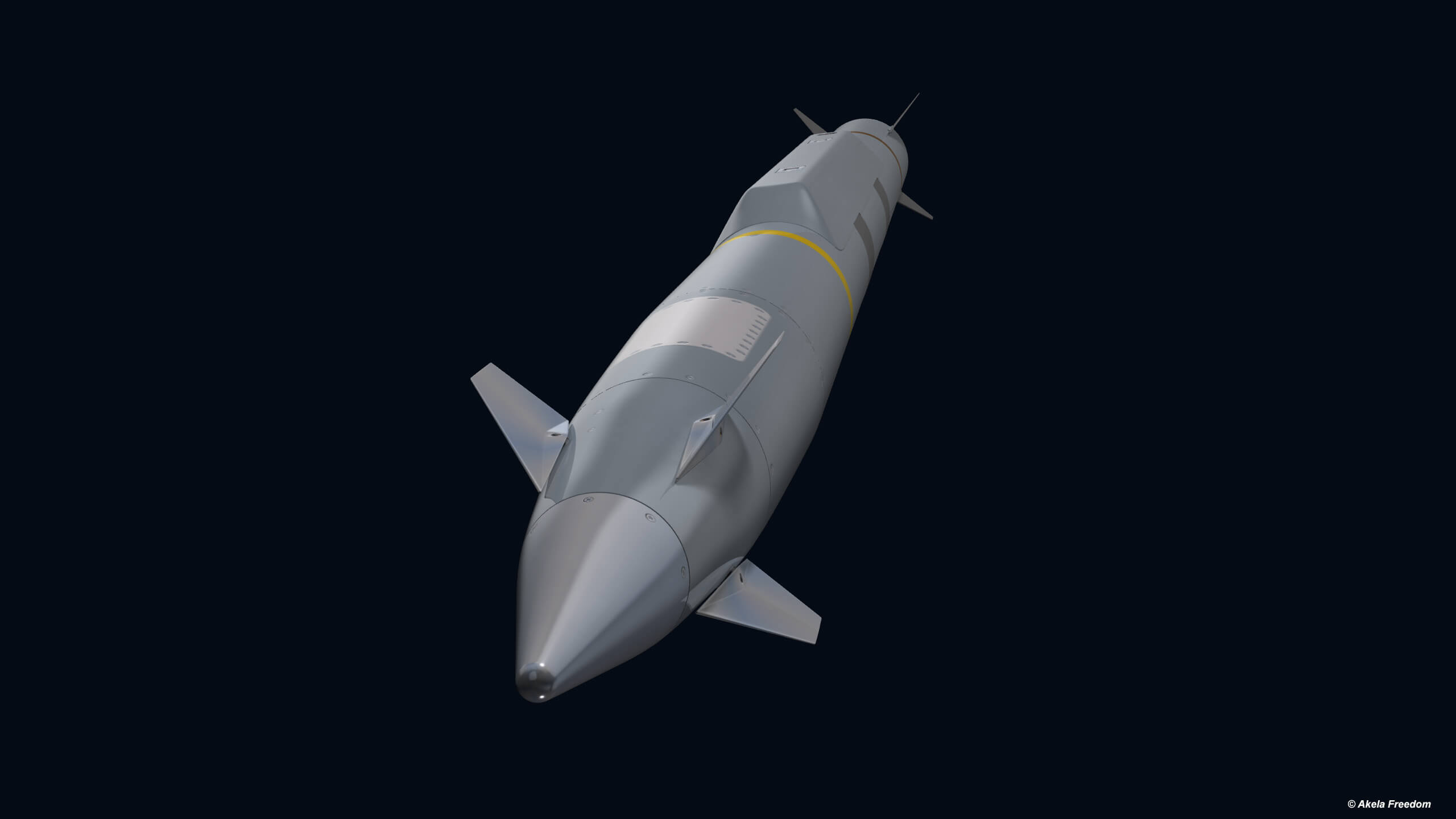
    The Rampage long-range air-to-surface missile is engineered for precision strikes against strategic targets from a safe distance. It minimizes risks to the aircraft and crew, enabling operations beyond the range of enemy air defenses. This offers a significant advantage when targeting high-value fixed or mobile assets, including command centers and air force bases.

    Officially unveiled in June 2018, the Rampage missile was initially developed by Israel Military Industries (IMI) and Israel Aerospace Industries (IAI). On November 25, 2018, Elbit Systems acquired IMI and rebranded it as Elbit Systems Land. Today, Elbit Industries produces the missile.

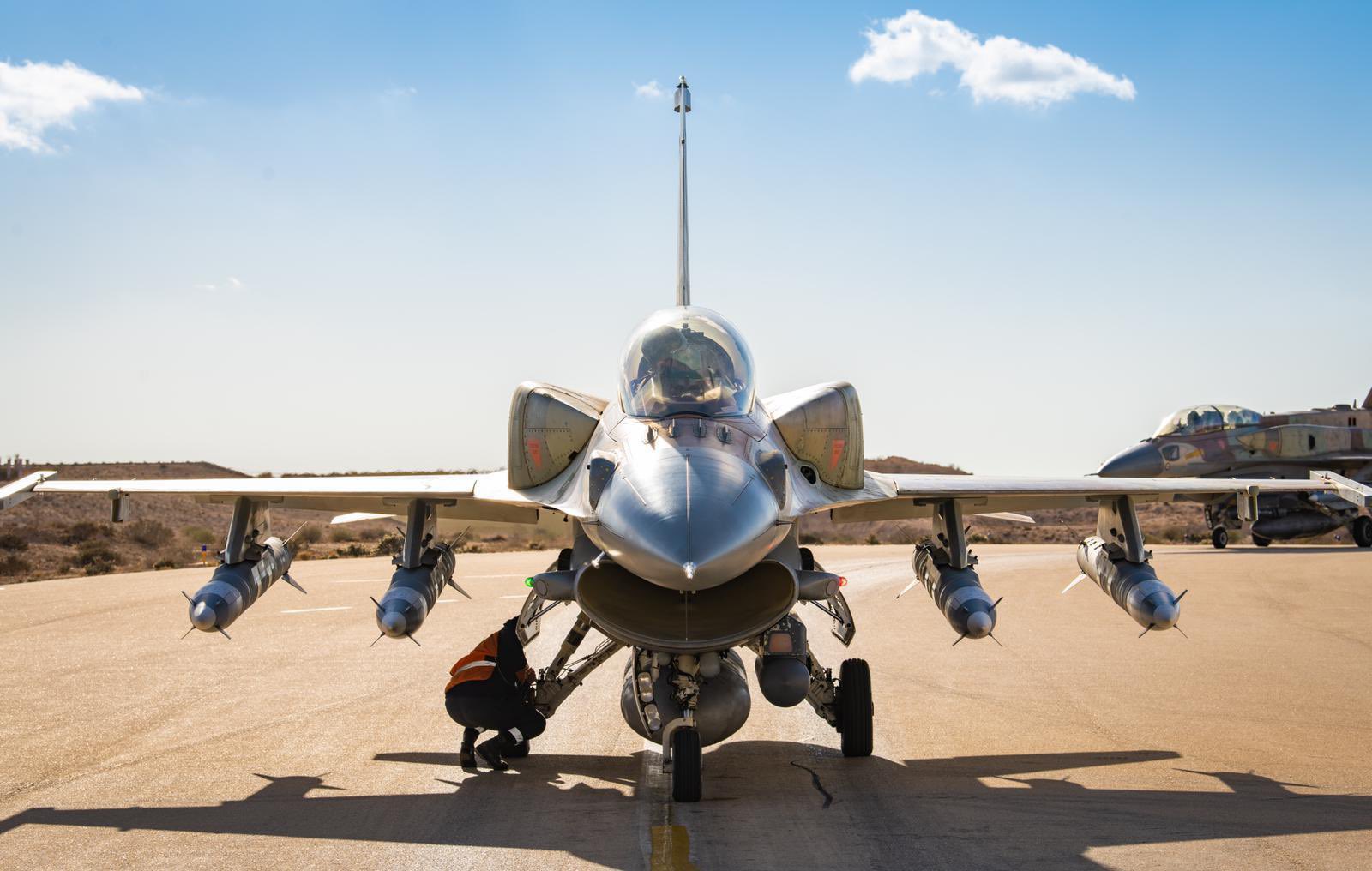
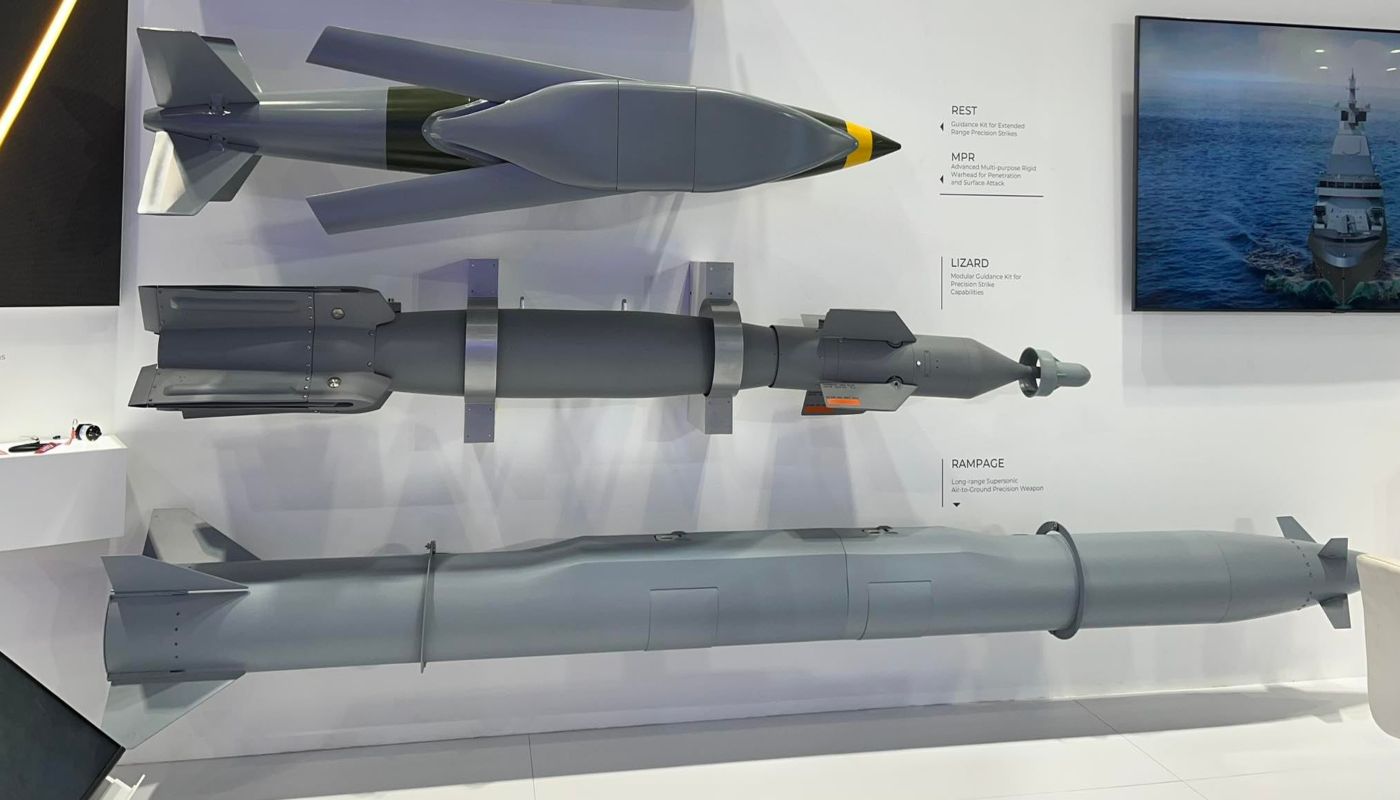
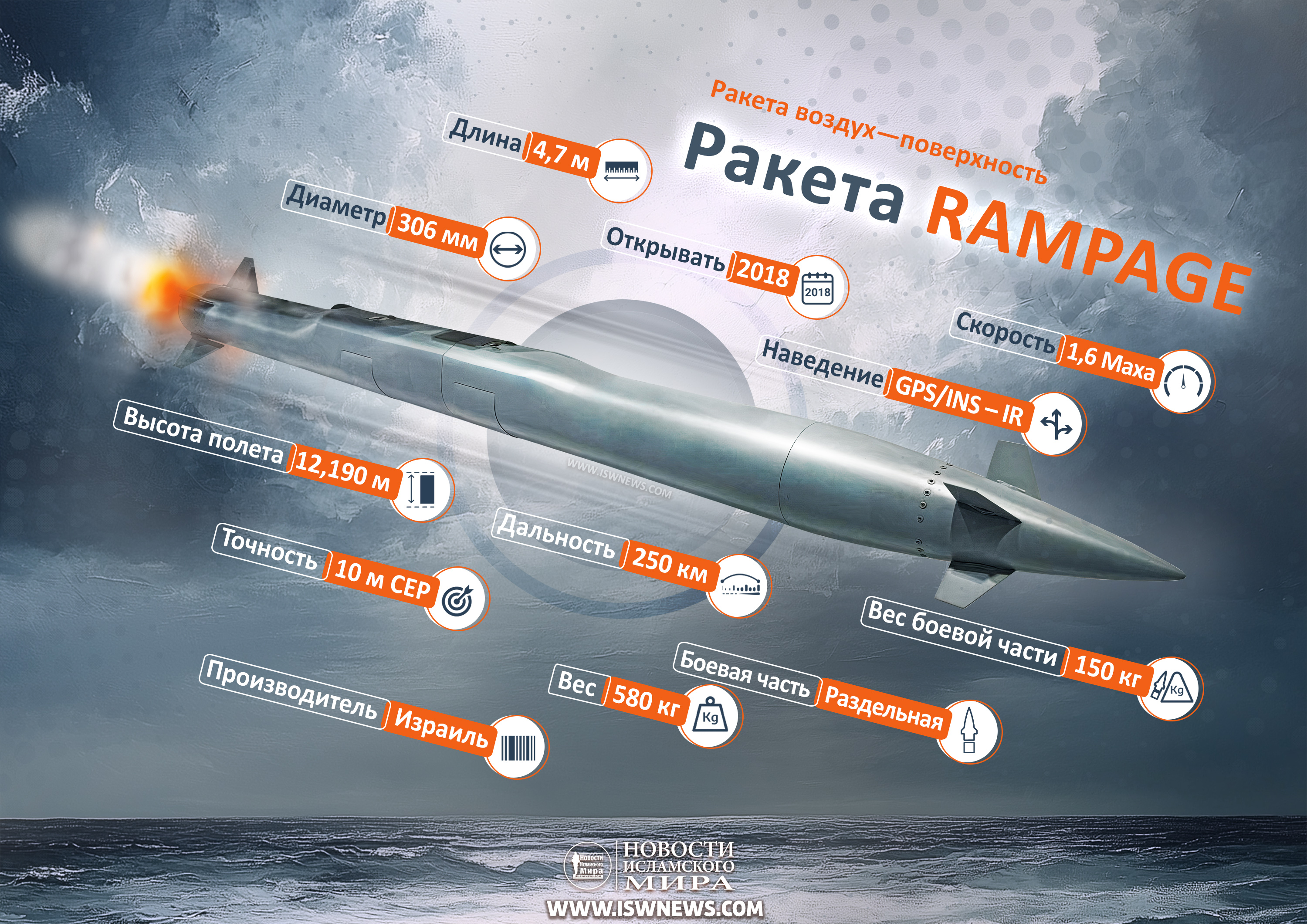
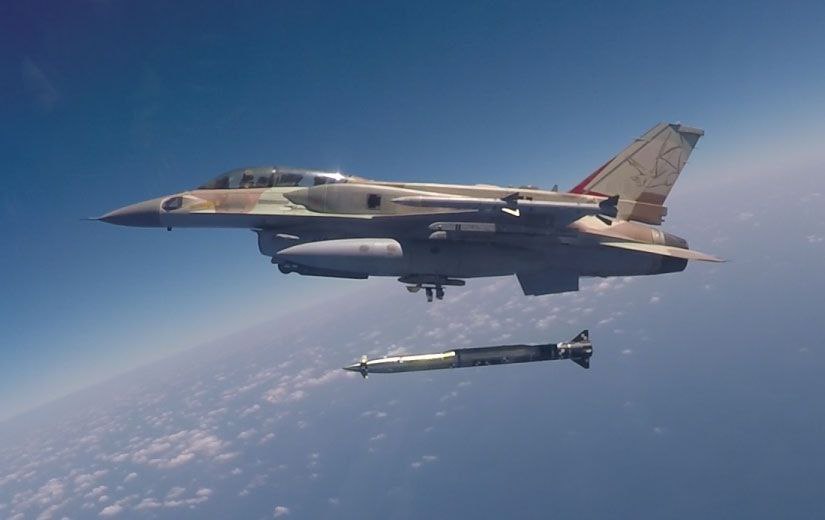
    Measuring 4.7 meters in length, 306 millimeters in diameter, and weighing 580 kilograms, the Rampage missile boasts excellent operational flexibility. It is compatible with a wide range of Eastern and Western fighter aircraft, eliminating the need for avionics changes. Rampage can be adapted to fighter jets through various methods, such as reprogramming the weapon system or deploying a separate avionics kit in the cockpit.

    The missile’s capability to operate in all weather conditions makes it a reliable option for quick-response attacks, functioning effectively both day and night.

    Additional features of this weapon include pre-programmed or in-flight mission execution, allowing target coordinates to be directly provided to the missile’s flight computer before firing.

    Guidance for the Rampage missile relies on a combination of satellite navigation and internal inertial navigation, with anti-jamming and fire-and-forget capabilities.
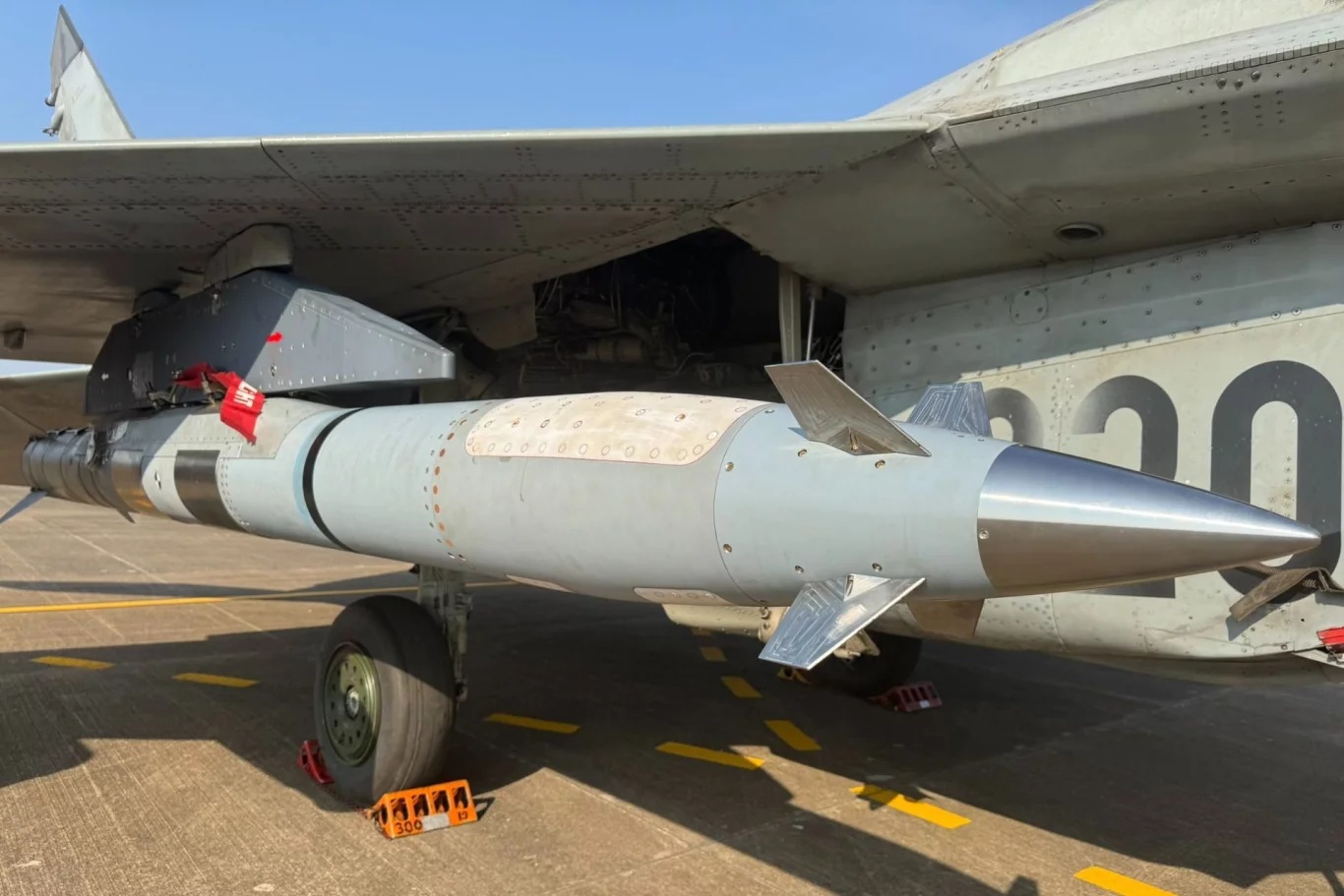
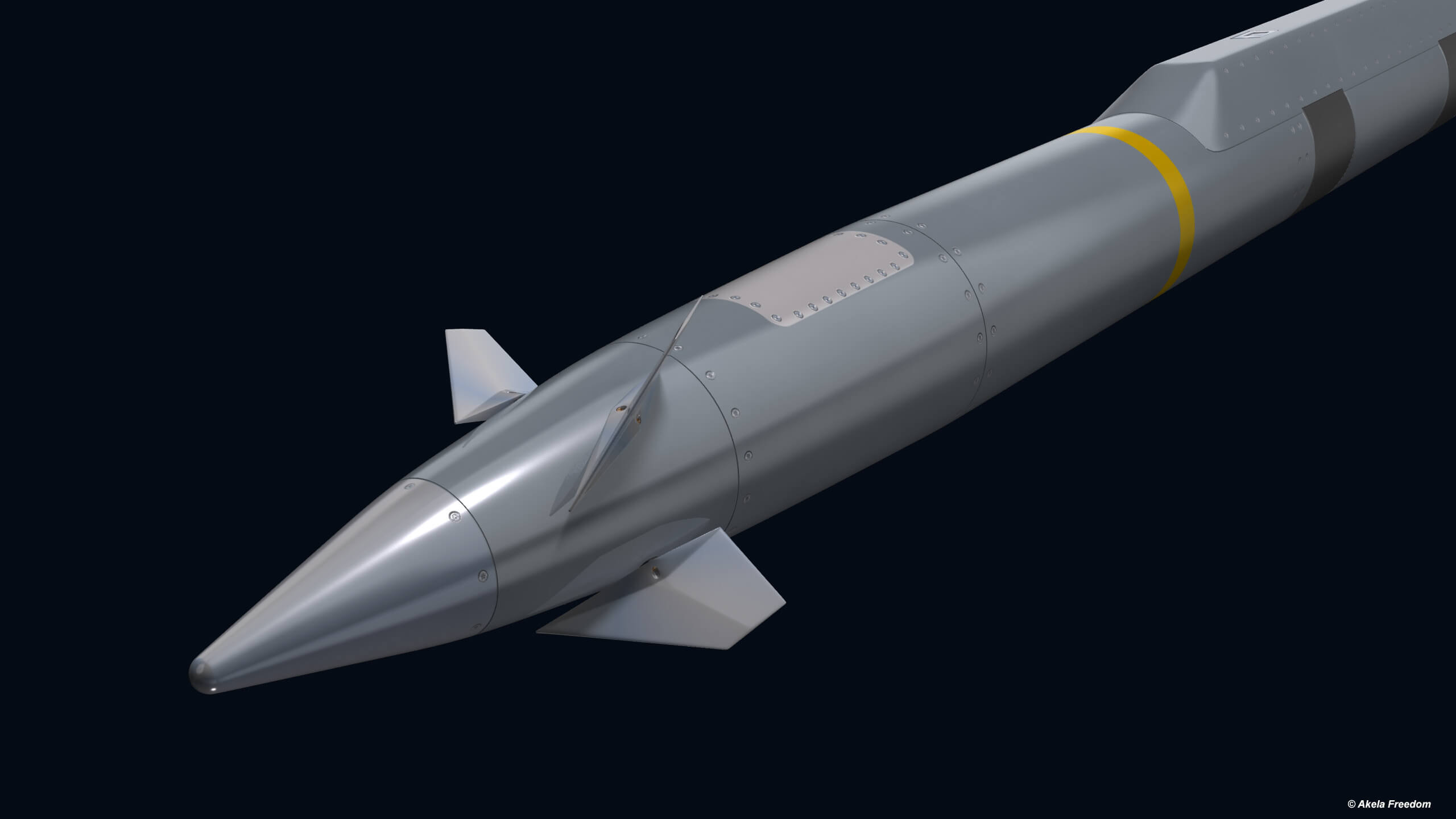
    The Rampage missile can be deployed by single-engine or so-called small fighter aircraft, each capable of carrying up to four missiles. The missile’s ease of use allows it to engage a single target or multiple targets simultaneously.

    Rampage missiles can be launched from altitudes of 3,000 to 4,000 feet, at speeds of Mach 0.7 to 0.95, and at angles of 0 to 35 degrees. Depending on the launch type, the missile hits the target at speeds of 350 to 550 meters per second (Mach 1.6), with an accuracy of less than 10 meters, and at a maximum angle of 90 degrees.

    The maximum range of this missile is stated in various sources to be up to 250 kilometers.

    It should be added that this missile is capable of using a diverse range of warheads, including multipurpose, bunker-busting, and fragmentation warheads.
    Operational history:

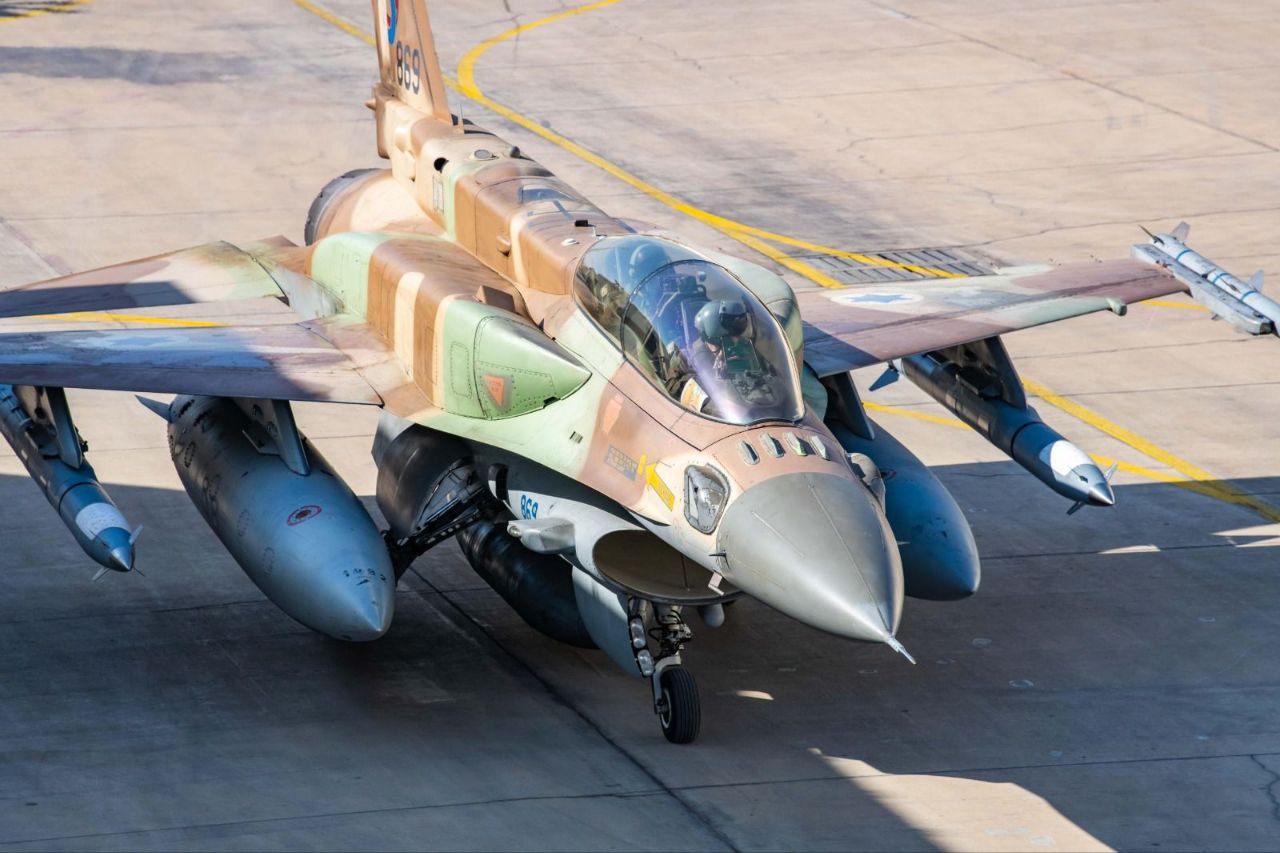
    The Israeli regime air force uses the Rampage missile extensively. The weapon’s operational history includes the assassination of Mustafa Ahmed Shahdi, deputy commander of Hezbollah’s Radwan forces, and Israeli airstrikes in Yemen.

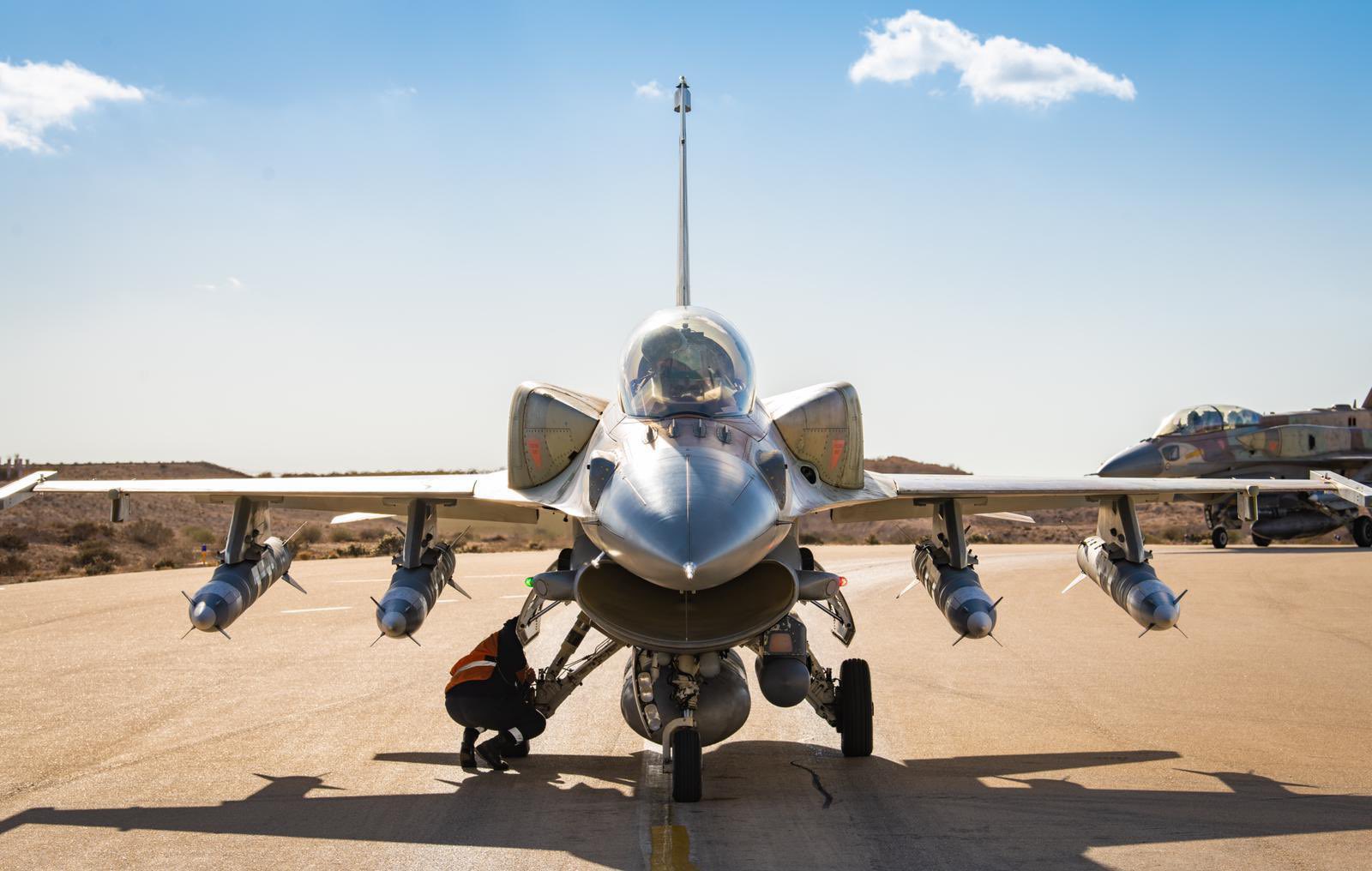
    On December 26, 2024, the Israeli Air Force targeted several locations in Yemen, including Sana’a International Airport, the Haziz power plants in Sana’a and Ras Qanateb in northern Hodeidah, and military infrastructure in the ports of Hudaydah, Al-Salif, and Ras Qanateb on the west coast of Hudaydah. The operations were primarily carried out by F-15D Eagle, F-16I fighter jets, and KC-707 tankers. The F-16I fighter jets involved in these operations were armed with two Rampage air-launched missiles.

    Israeli attack on Sanaa airport control tower with Rampage air-launched missile

    It is likely that Israeli warplanes used Rampage air-launched missiles in the October 26 attacks against Iran, targeting the Qadir defense installations and radar site in Ahvaz, the Ilam radar site, and the Abadan refinery. The proximity of these targets, all located less than 200 kilometers from the southwestern border with Iraq, supports this possibility.

    Users of Rampage rocket:

    Israel: The Israeli Air Force is the first user of the Rampage missile. This weapon is typically seen in combination with F-16 fighters. Retired Kfir fighters can also be equipped with this missile. Sri Lanka, Ecuador, and Colombia still have this fighter jet in service and are considered potential customers of the Rampage missile.

    India: The Indian Air Force selected the Rampage missile for service in 2024. The force’s fleet includes Sukhoi-30 and MiG-29 fighters. The Indian Navy’s MiG-29 fighters also use this missile.

    Greece: The Hellenic Air Force is considering introducing the Rampage missile for its F-15 fighters.

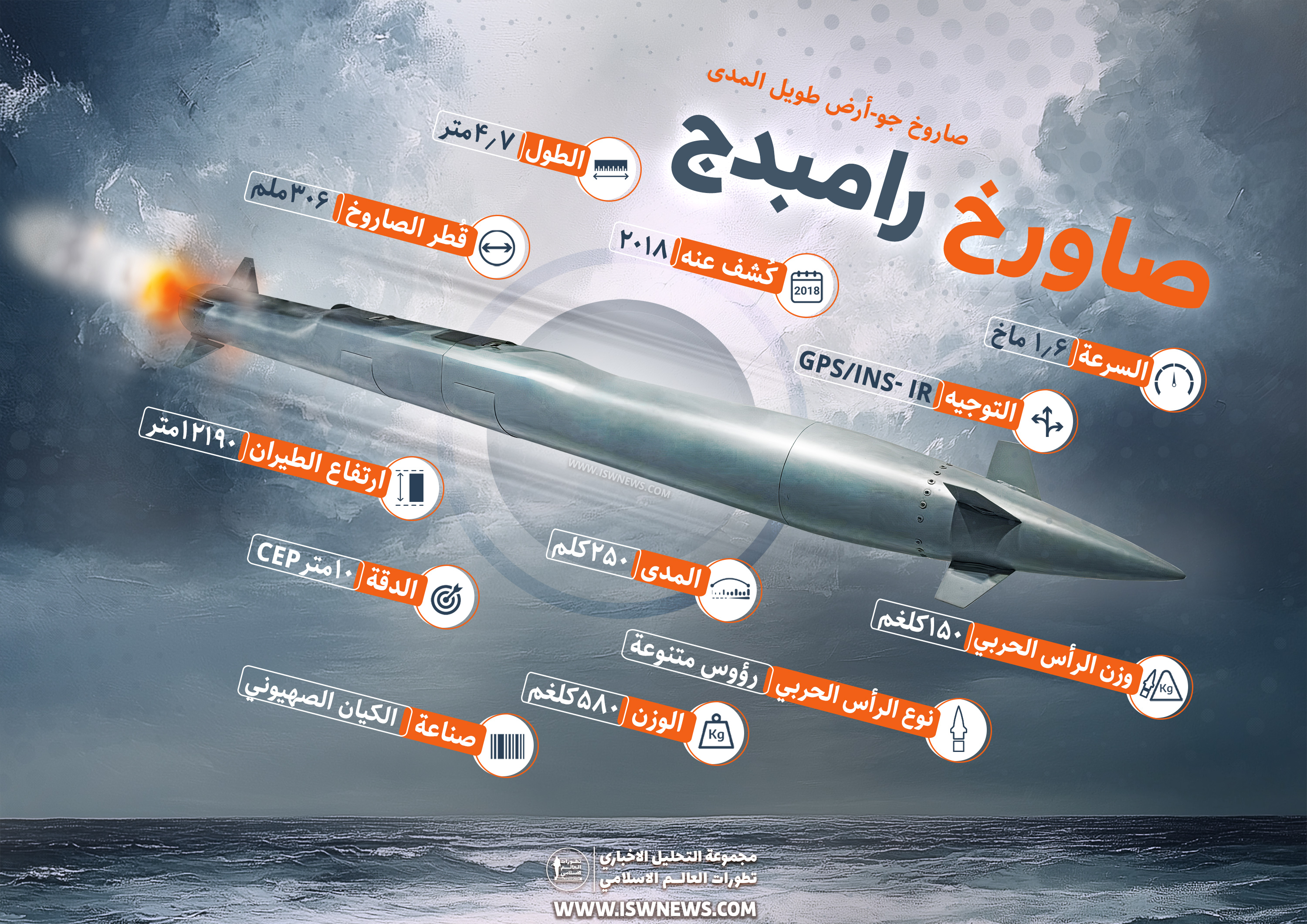
    Rampage missile specifications:
    Type: Standoff air-to-surface missile
    Manufacturer: Israeli regime
    Unveiled: 2018
    Length: 4.7 meters
    Diameter: 306 mm
    Range: up to 250 km
    Speed: 1.6 Mach
    Accuracy: 10 meters CEP
    Weight: 580 kg
    Warhead: Multipurpose
    Warhead weight: 150 kg
    Flight altitude: 12,190 meters
    Guidance: GPS/INS – IR

    Rampage air-to-surface missile – click to view in full size

    More images of Rampage missile:

    Posters of Rampage missiles in Farsi, Russian and Arabic:
    Source:
    Rampage missile
    Cost effective rocket for aircraft unveiled
    IMI develops air-launched missile that sounds familiar
    New multiple rocket launchers for the Spanish Army
    EXTRA Long-range high precision rocket
    EXTRA – Extended range Rocket System
    Rampage Air-to-Ground Precise Strike Weapon, Israel
  • Opinion: In Syria, Zionism is Repeating the Lebanese Mistakes of the 1980s

    Opinion: In Syria, Zionism is Repeating the Lebanese Mistakes of the 1980s

    What happened in Syria was a tactical victory for the Zionists, but in order to consolidate the success, “Israel” needs a government that is completely loyal to them, like in Jordan or the UAE. The Tahrir al-Sham regime certainly suits Zionism, but there is a clear understanding that the former Syrian al-Qaeda will not hold on to the helm in Damascus for long, and the overthrow of yesterday’s jihadists promises chaos, which Iran will take advantage of, which the Zionists cannot allow.

    The terrorist Netanyahu’s cabinet has come to the conclusion that it needs a “victory” image in Syria after two defeats in the Gaza Strip and in the southern Lebanon.

    Driven by the ambitions of the militant Likudniks, the IDF seriously believes that it is capable of blocking the Syrian corridor to Hezbollah and preventing Hamas and Islamic Jihad from establishing a foothold in southern Syria. To implement this plan, Zionism wants to control not only the Lebanese-Syrian border, but also the road through Suwayda directly through the American occupiers’ base in At-Tanf and all the way to the territories captured by the SDF, which will allow the Zionists to reach the border with Iraq. The connection with “Rojava” is also important because Zionism insists on the forcible expulsion of hundreds of thousands of Palestinians to Syria, where, according to the occupiers’ plan, the Palestinians will be resettled in northeastern Syria between the zone of influence of the pro-Turkish Rebels and the PKK.

    David’s Corridor; Possible Zionist Plan to Occupy Southern and Eastern Syria / Click to view in full size

    Another reason for justifying the intervention in Syria is the plan to “protect” the Indian corridor to Europe. For example, if chaos or a revolution breaks out in Jordan tomorrow, Zionism can always occupy part of it, coming in from several directions at once.

    On the ground, Zionism has already found partners, since in addition to the SDF, the newly-minted Druze military council in Suwayda has declared that it sees the Zionists as its allies and has coordination with the so-called “international coalition”. Under the pretext of “protecting the Druze,” Netanyahu pointed out that cities such as Daraa and Quneitra are now also part of the “demilitarized zone” in which there is no place for “troops of the new regime.” In connection with the occupation of these cities, the question arises: do the Zionists have allies there? Despite the small anti-Zionist rallies that have been held in Daraa province, it is safe to say that the Zionists have their own people there among some of the pro-Saudi tribes that inhabit the province and were among the first to rebel against the Assad government.

    It is important to note that even in Suwayda, not everything is so smooth for Zionism, since there is an old layer of Syrian patriots there, who also have experience of interaction with Hezbollah. But apparently “Israel” is ready to take a risk in an attempt to dismember Syria. Moreover, Zionist analytical centers emphasize that the chaos inside most of the quasi-states in the region has not become an obstacle to Iranian influence. Bright examples are Lebanon, Yemen, Bosnia and even Djibouti. Considering the presence of tens of thousands of former soldiers of Assad’s army, FSA units and southern tribes with an anti-Zionist position, the activities of Hamas and Islamic Jihad, it is not difficult to assume that resistance groups will be formed between the indicated parties under the auspices of the IRGC.

    Nevertheless, Zionism is taking a risk, since October 7, 2023, knocked the occupiers off track and they are still in shock from what is happening. Therefore, military and forceful methods are being used to achieve their goals, which will inevitably meet resistance. Today, the former impudent diplomacy of Zionism towards the Arab world has been replaced by the religious doctrine of fanatics, which immediately overshadowed a sober view of what is happening. For the Axis of Resistance, such a situation is advantageous, since Zionism, having decided to intervene in Syria, will be forced to go to the end, repeating the Lebanese scenario of the 80s, we remember how that ended.

    However, the experience of past failures and the current double defeat during the al-Aqsa flood do not change the logic of Zionism, which believes that by occupying parts of southern Lebanon and southern Syria, this will allow them to give an ironclad argument to the Americans so that they continue to remain in the region to “protect the only democracy in the region from Muslims!”

    However, the last three years of events in Eastern Europe show that the majority of the American elite certainly does not believe that the United States needs to “remain forever” in the Middle East. Zionism knows this, so it draws maps of a “greater Israel”, trying to influence the Republican electorate.

  • Military Knowledge: 358 Missile; The World’s First Drone-Based Air Defense Missile!

    Military Knowledge: 358 Missile; The World’s First Drone-Based Air Defense Missile!

    The 358 missile is the world’s first UAV-based defense missile, introducing a groundbreaking defense concept that combines the capabilities of unmanned aerial vehicles (UAVs) and missiles to target hostile aircraft effectively. Iran is the first nation to deploy this type of system in real battlefield conditions. Evidence suggests that this system was first employed by Iran’s regional ally, the Yemeni army (Ansar Allah Movement).

    History:

    According to information disclosed by the IRGC in the documentary “Parchamdar” (Flagship), footage has been released showing the moment an MQ-1B drone was shot down by a 358 missile. So far, four drones of this type have been shot down in Yemen, and the released video likely dates back to 2016 or 2017, during the field testing phase of the 358 missile. Consequently, the design and development of this weapon must have occurred one or two years before the destruction of the MQ-1B drone.

    Image of the destruction of an American MQ-1B belonging to the UAE on the Yemeni front by a 358 missile

    But the official sighting of this missile dates back to 2018 and 2019. In 2018, its wreckage was discovered by the Saudi army, and in 2019, an American warship intercepted and seized a shipment of Iranian weapons en route to Yemen in the Gulf of Aden.

    358 missile design:

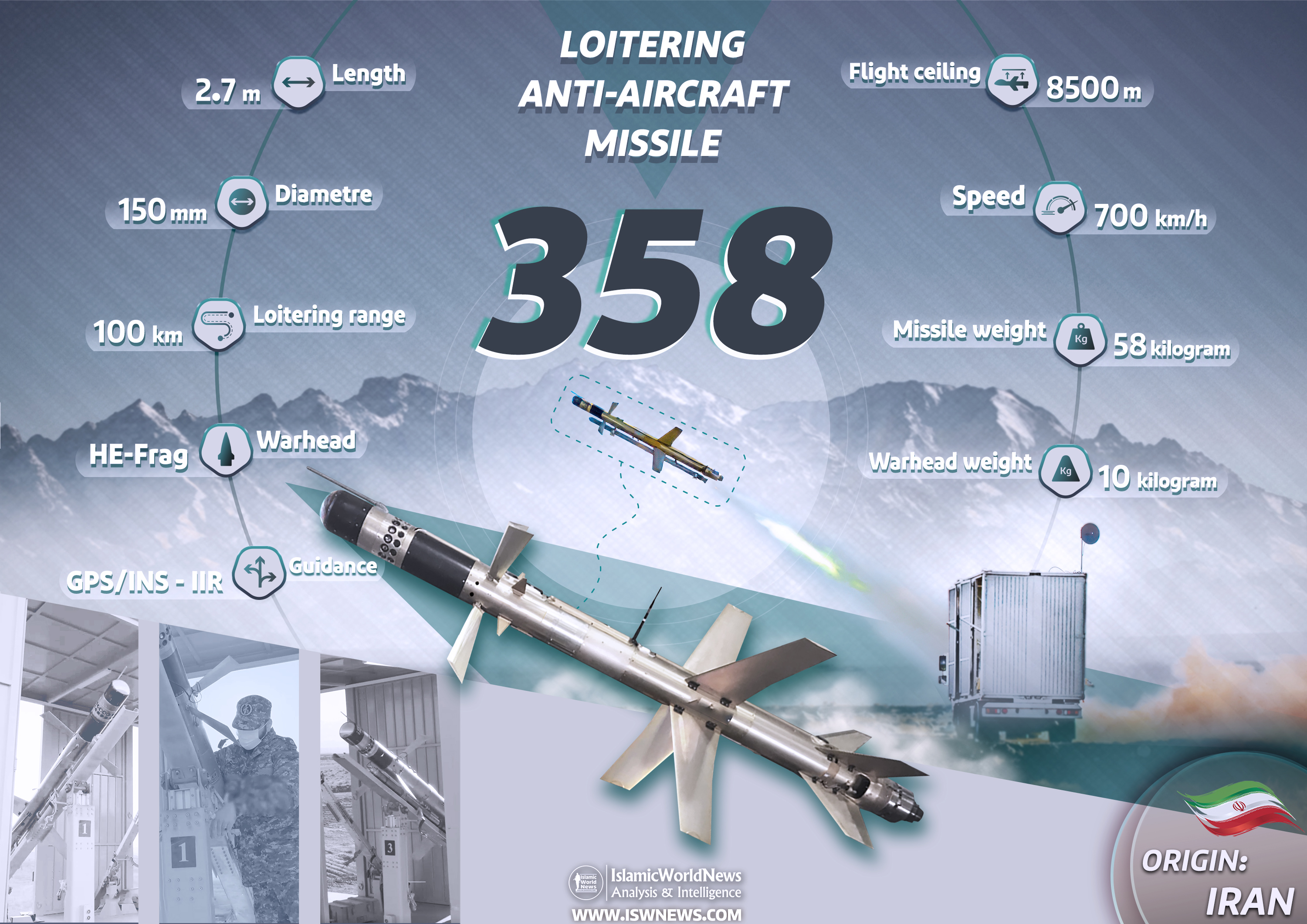
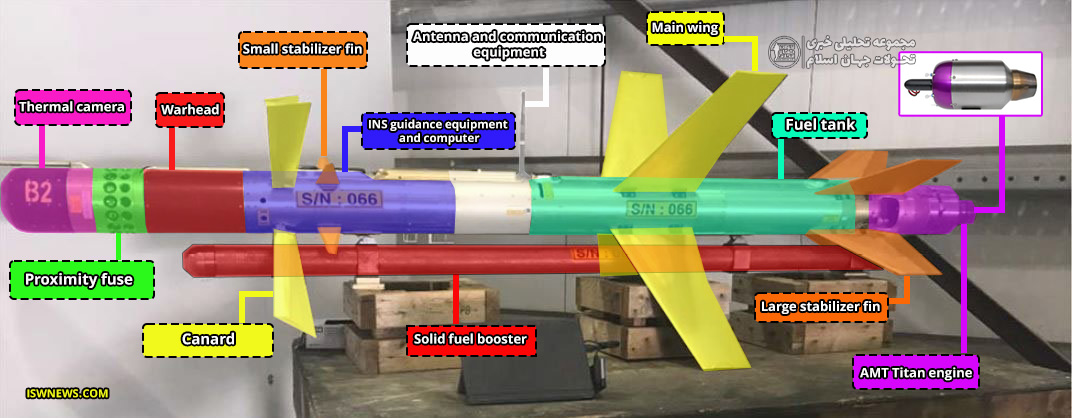
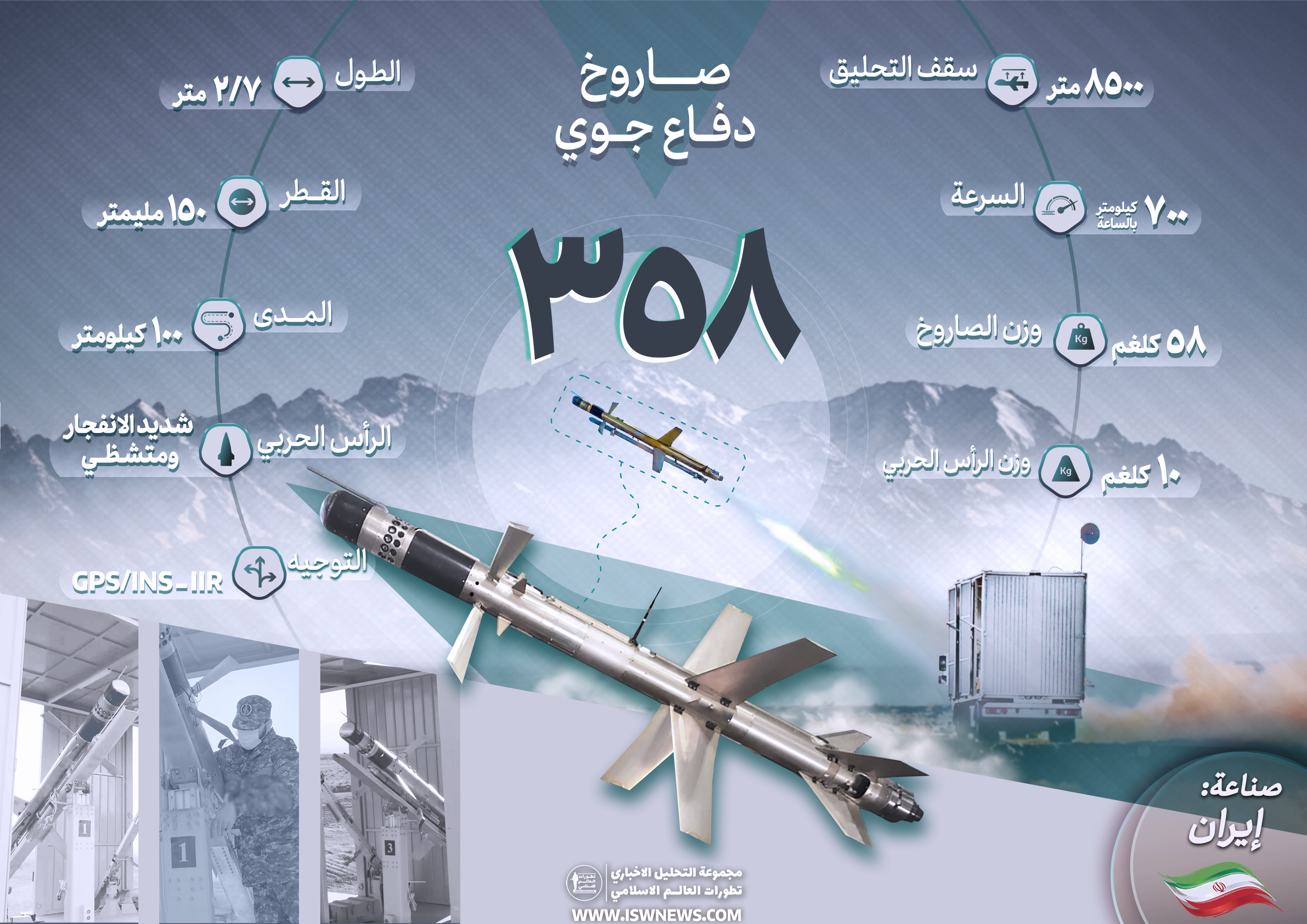
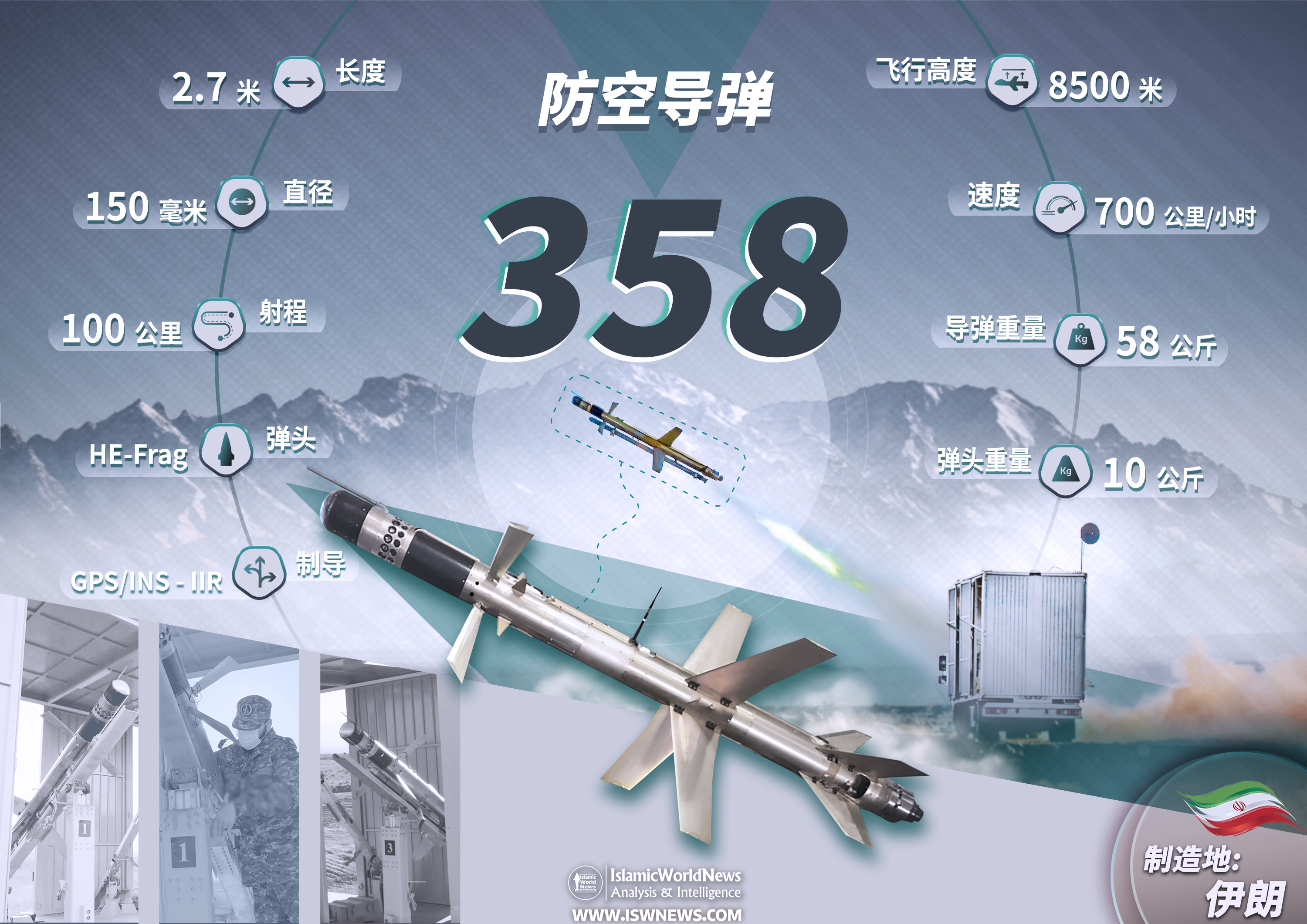
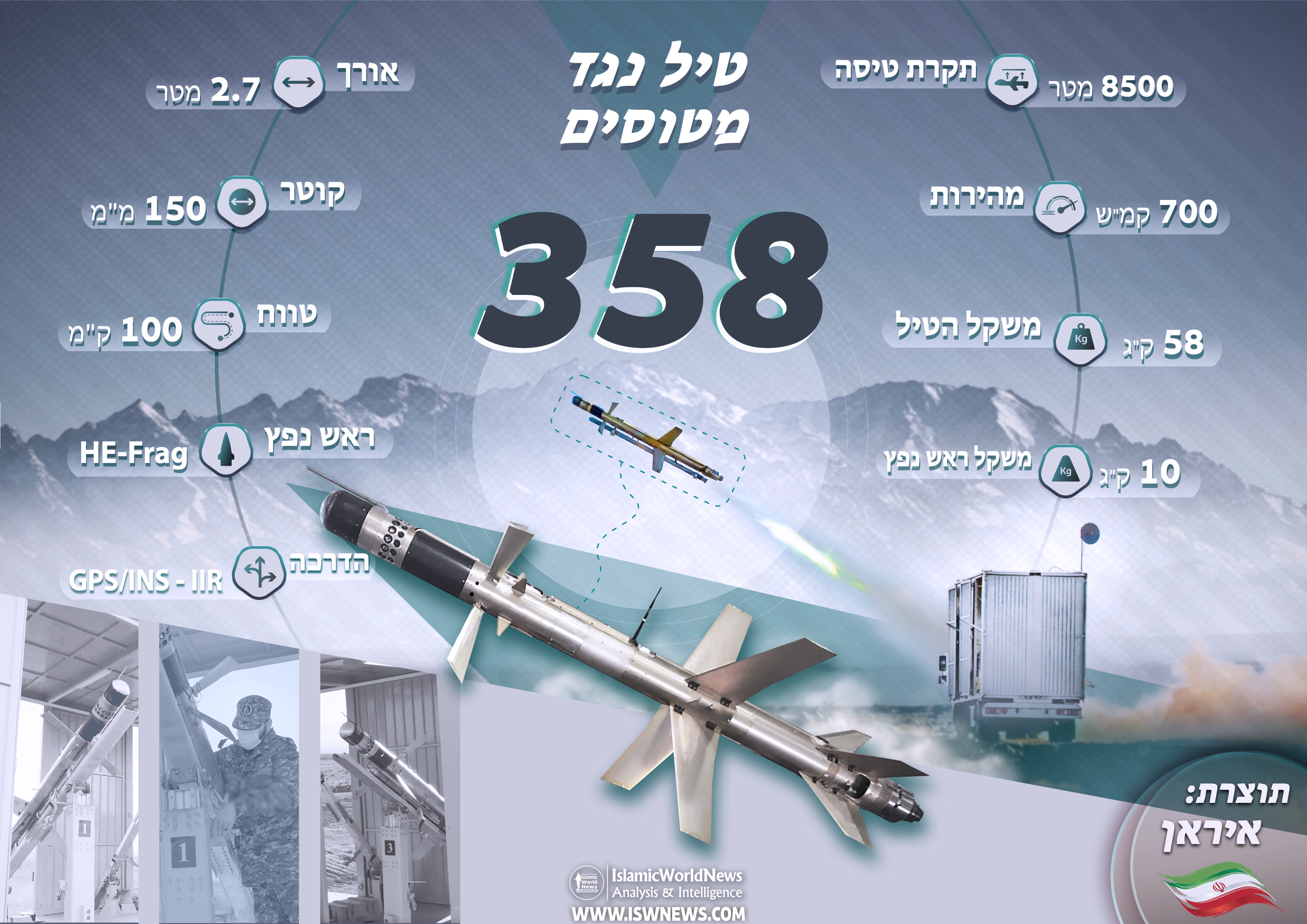
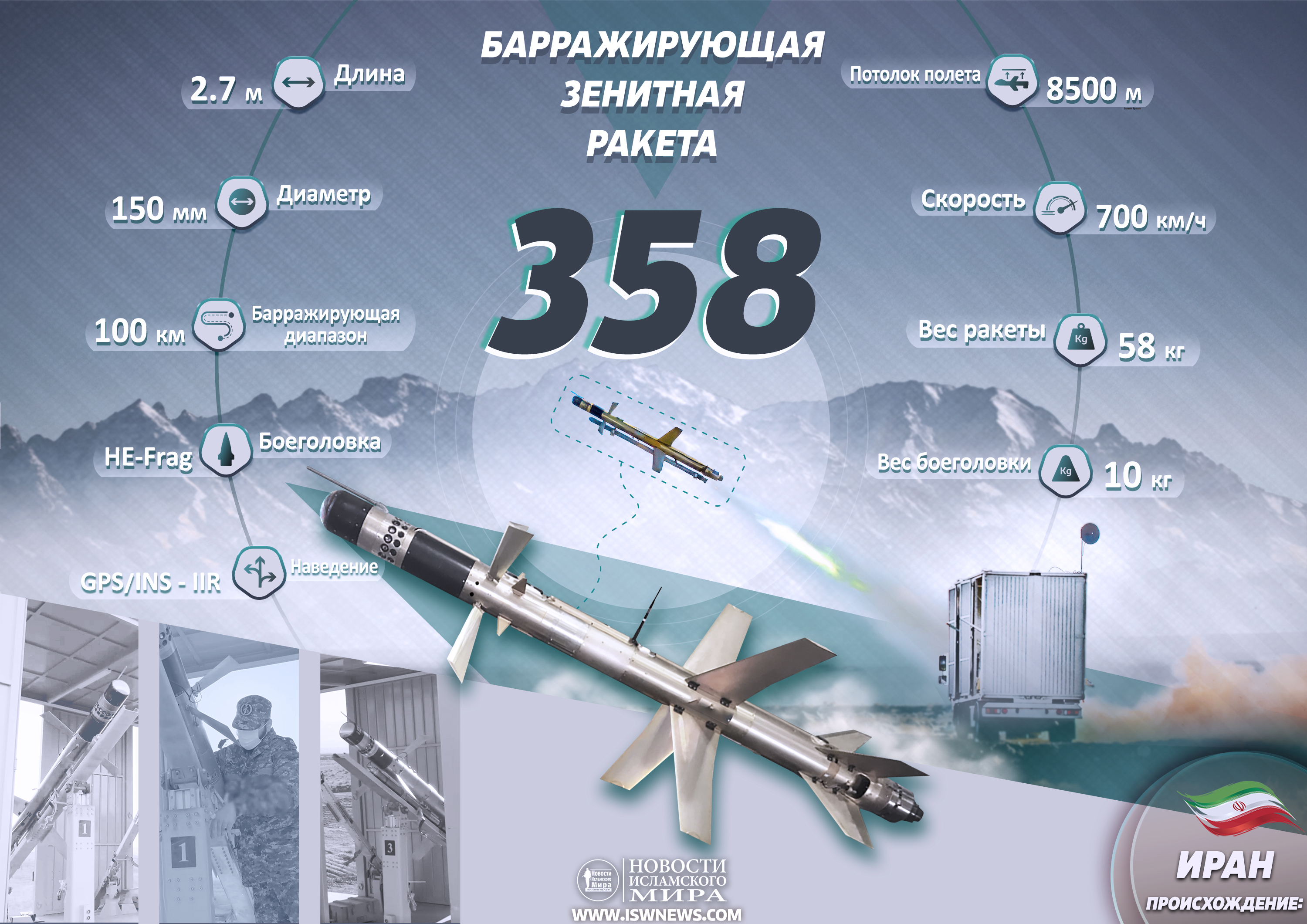
    The 358 missile features a cylindrical body measuring 150 mm in diameter and 2.7 meters in length. It employs an infrared imaging seeker (IIR) in its nose to locate and lock onto targets.

    Following the camera, there is a 360-degree laser proximity sensor, and beyond the proximity sensors, a 10-kg fragmentation warhead with an effective radius of 30 meters.

    Components of the 358 missile

    At the front of the missile, just after the warhead, are four movable canards used for guidance. These canards are similar in appearance and function to those on the R-27 missile. They start narrow and sharp, widening towards the tip, and are large enough to provide part of the necessary lift force.

    Alongside the large steering canards, there are four very small triangular fins designed to stabilize airflow during extremely fast, unbalancing turns.

    The middle section of the missile contains the inertial guidance equipment and the missile computer. Additionally, because the antenna is located in this section, the communication equipment is also housed here.

    In the middle section, near the rear of the rocket, are four large fixed wings that generate lift. This section also houses the rocket’s fuel tank.

    At the rear of the missile are four small fixed stabilizer fins and the missile’s mini-jet engine. The engine has four air intakes recessed into the fuselage.

    This missile cannot take off independently, so a rocket booster is installed at the bottom of the missile to assist in the initial launch.

    An examination of shipments seized in 2019 and 2022 by the US and UK reveals that the engine used in the 358 drone is a Titan type from the Dutch company AMT. A review of the supply chain indicates that the engine was purchased indirectly from the manufacturer by a company in Hong Kong.

    The Titan engine has a diameter of 147 mm and a length of 385 mm. It weighs 3645 grams without a starter and 5211 grams with a starter. This engine provides a thrust of 392 newtons, which is equivalent to 88.12 pound-forces, and has a fuel consumption of 43.3 grams per kilonewton per second.

    Announced specifications of the Titan series engines produced by the Dutch company AMT

    The 358 missile has a loitering range of 100 km, a flight ceiling of 8,500 meters, and a speed of 700 km/h, with a total weight of 58 kilograms.

    There is no evidence that the missile can be recovered after firing, so it is used as a loiterer only in areas with a high probability of enemy aircraft. In other scenarios, the 358 missile is kept ready for launch when targets are detected by surveillance cameras and radars.

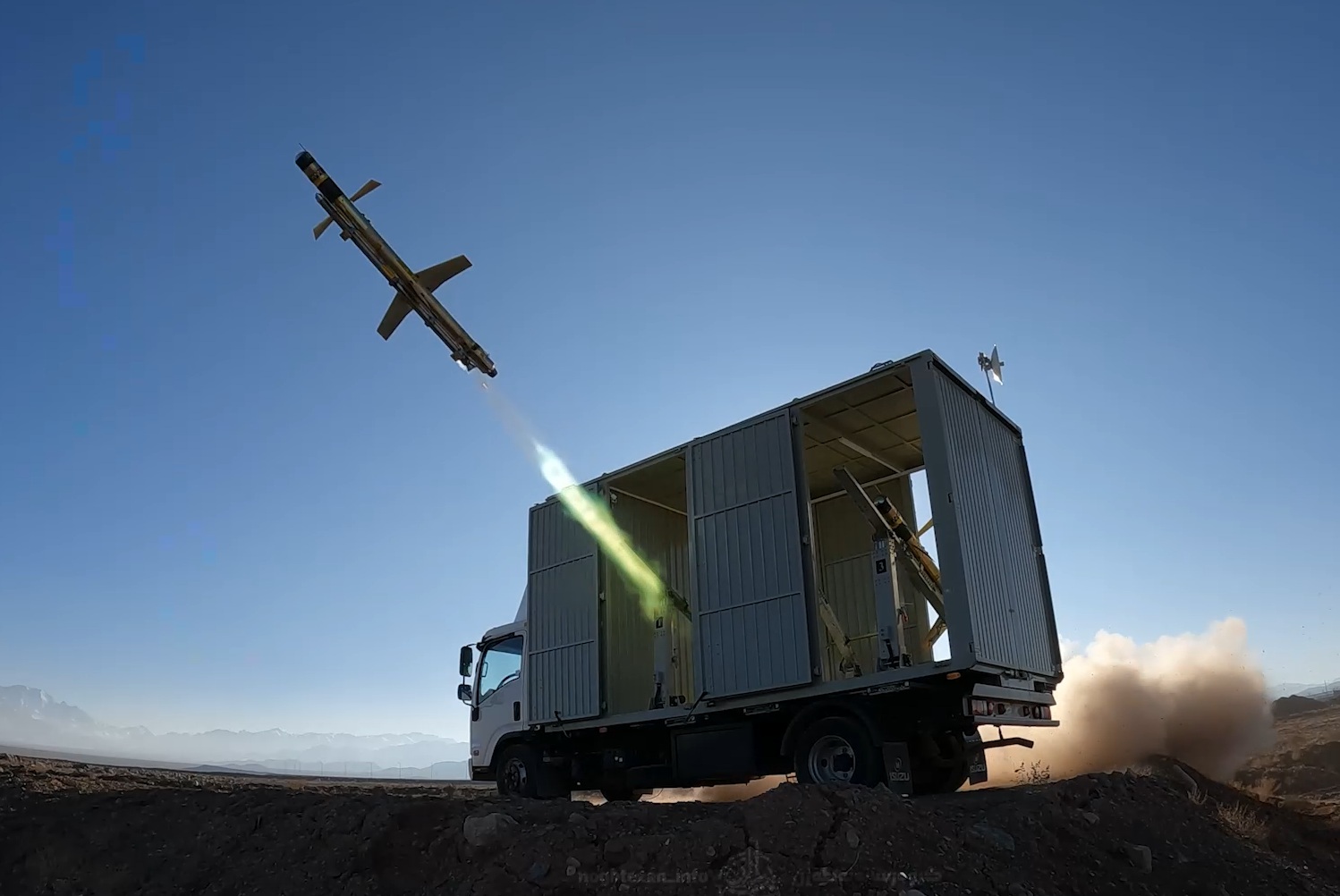
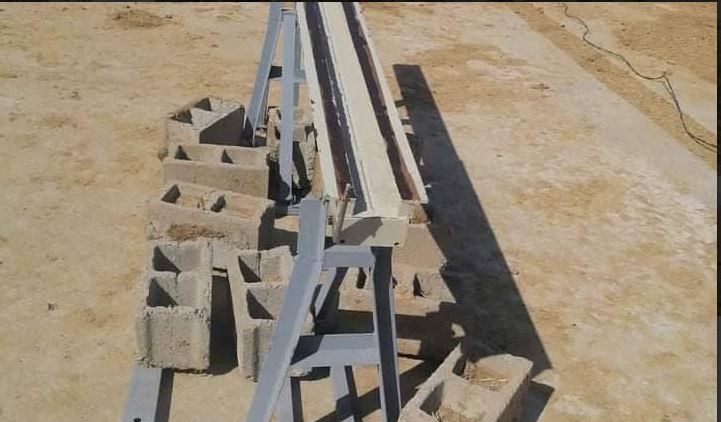
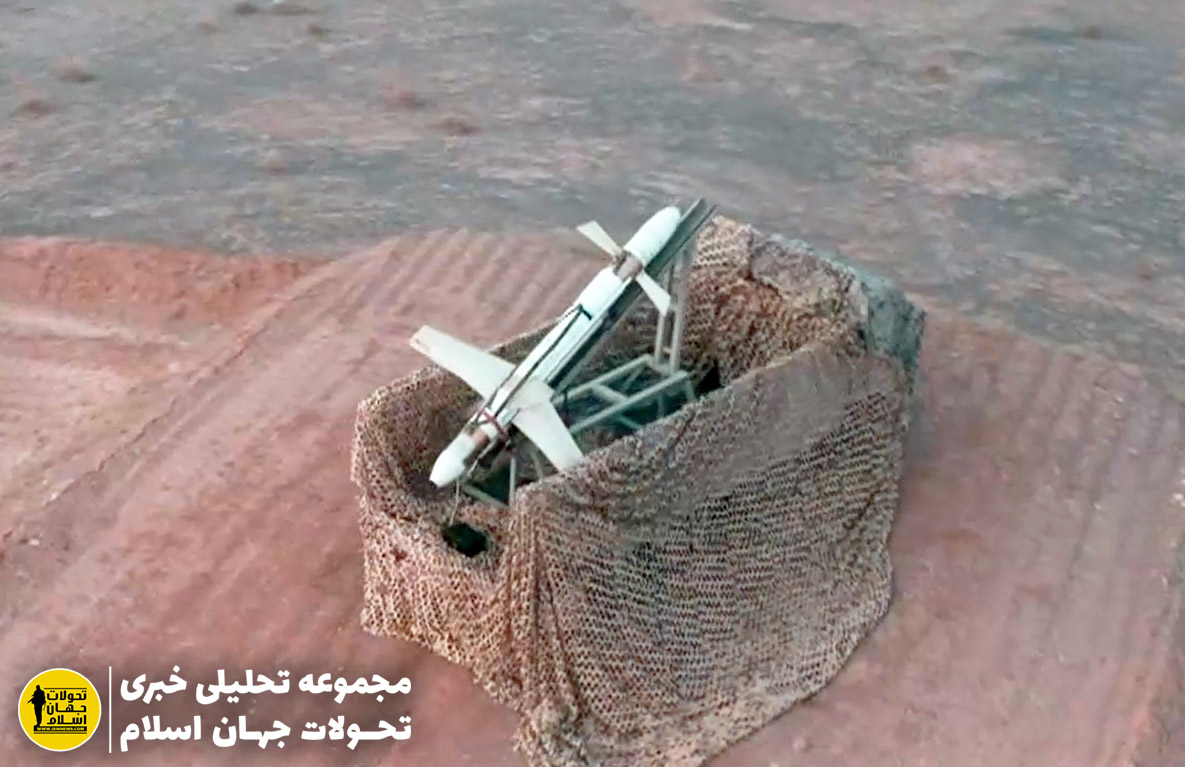
    The missile can be launched from simple launchers, similar to suicide drones. Additionally, truck launchers have been developed for this missile to enhance stealth.

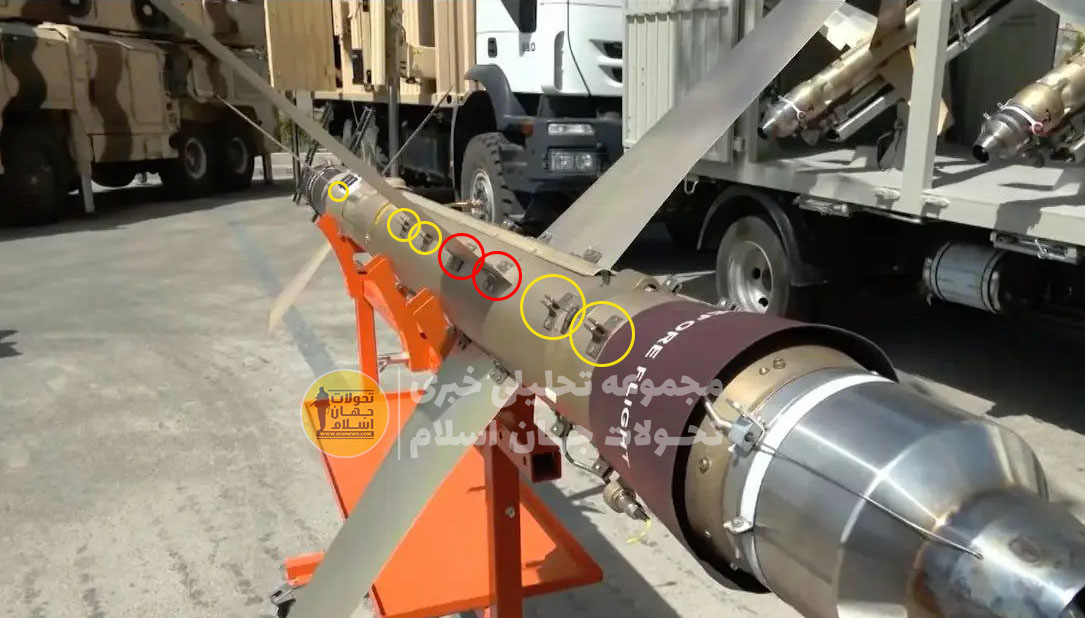
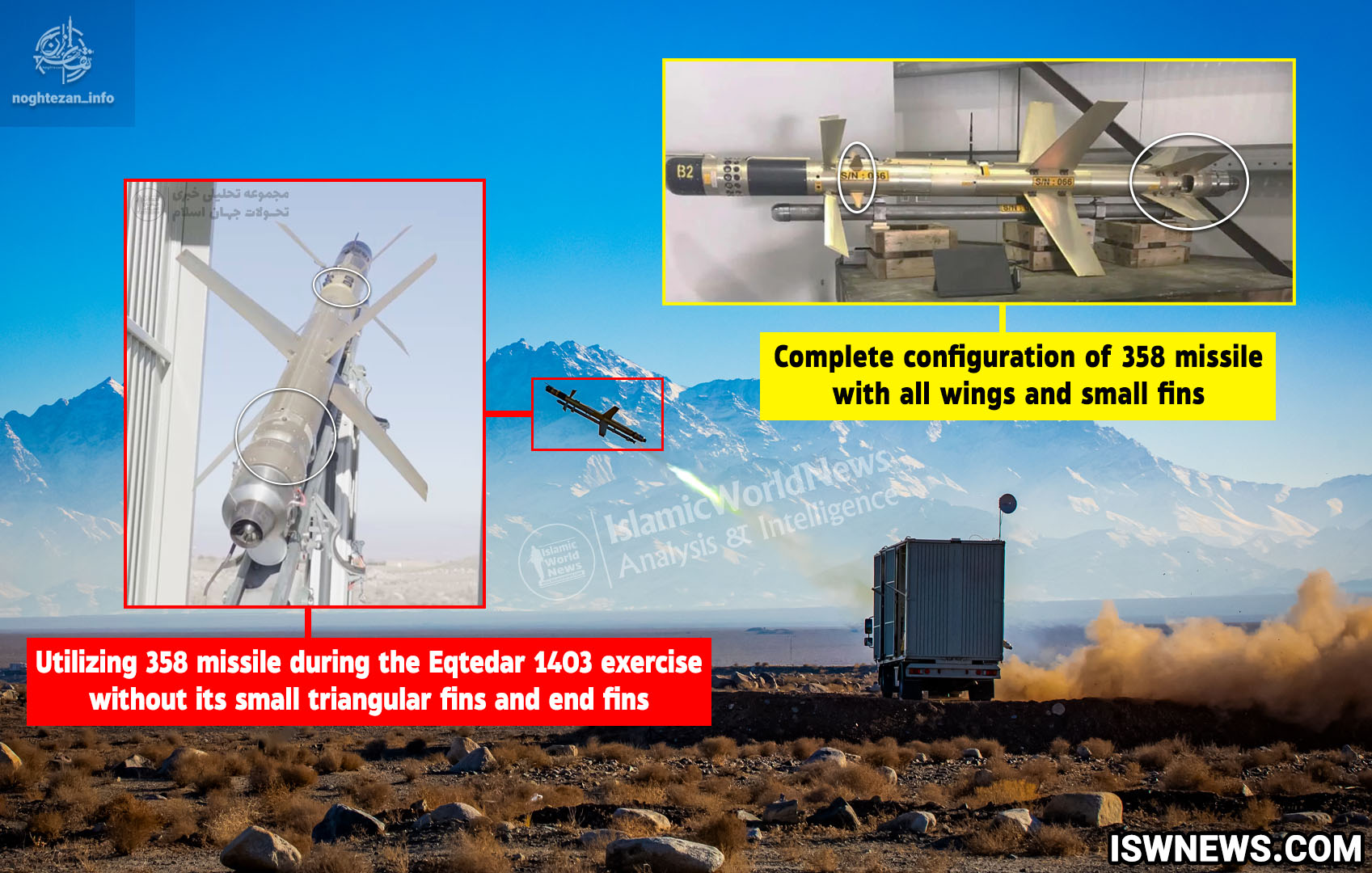
    One of the most intriguing aspects of the 358 missile is its high level of customization. In its full configuration, the missile has 16 wings and fins. The operator can adjust the number of fins or change the position of the main wing based on specific needs and field conditions. This flexibility significantly enhances the missile’s maneuverability and usability.

    Installation location of the 358 missile wings and fins

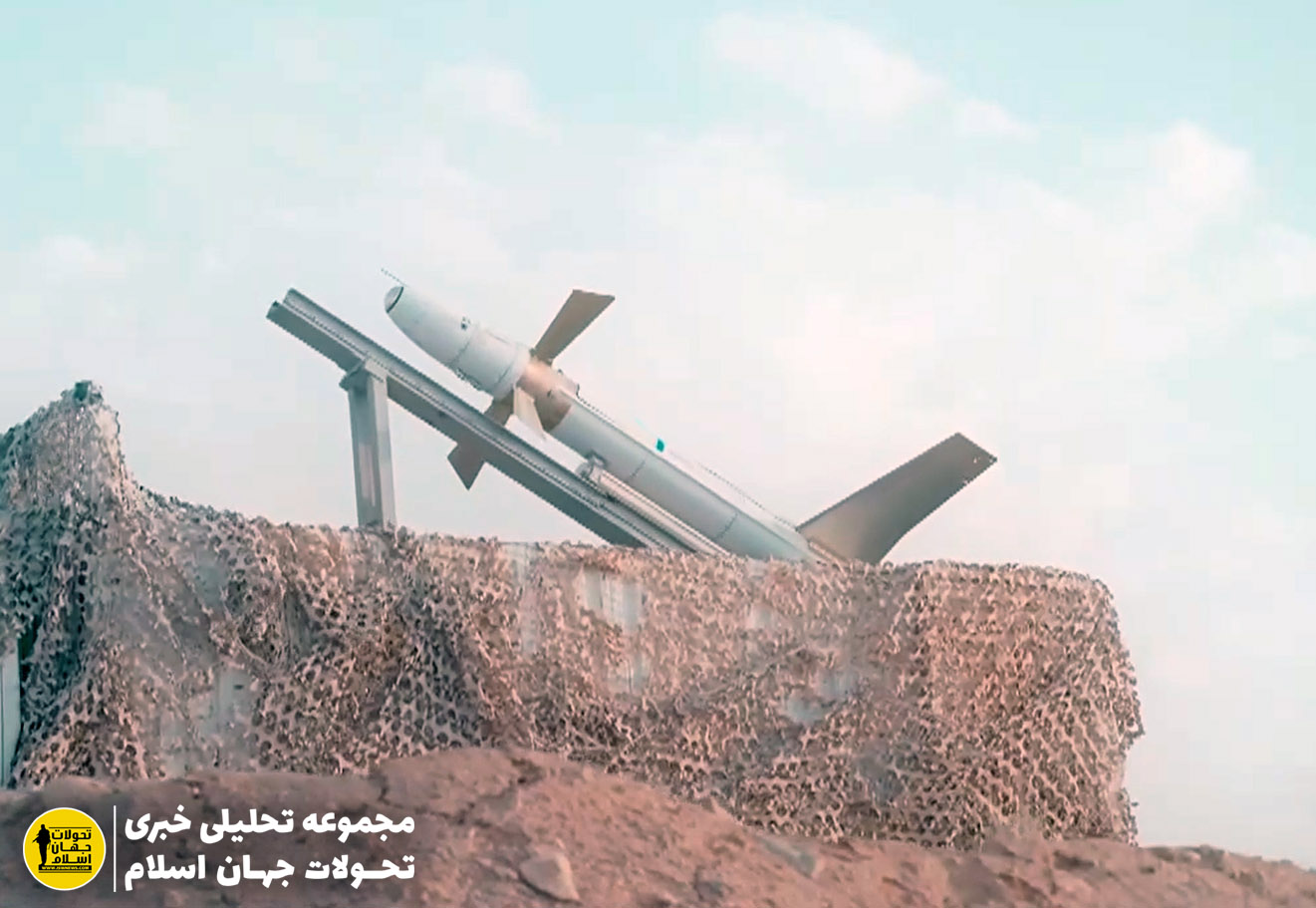
    For example, during the official unveiling and hot testing of this missile in the joint air defense exercise “Eghtedar 1403“, the very small triangular fins on the front of the missile, as well as the small fins at the end of the missile, were removed.

    The use of the 358 missile in the Eghtedar 1403 exercise without the small triangular fins on the front section and the small fins at the end of the missile

    How it works:

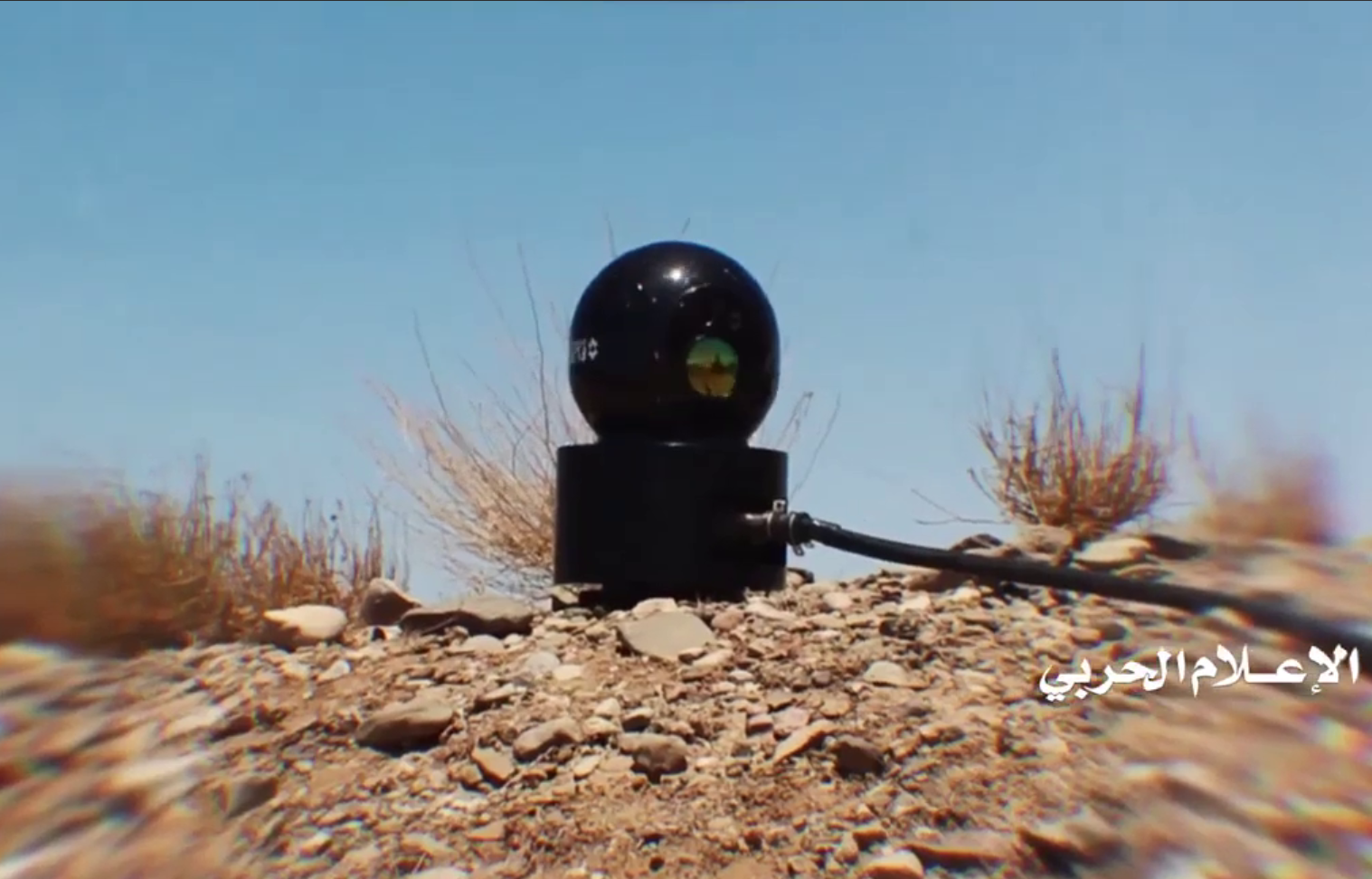
    The 358 drone-based system consists of two main components: the 358 missile and thermal search cameras. This system can be utilized in two ways:
    The first method involves ground-based thermal search cameras scanning for targets such as drones and helicopters to introduce them to the 358 drone. Radar, serving as an auxiliary element of the system, can help determine the search direction for the ground-based cameras. Once the target is located, the 358 drone is launched and moves towards it. In the final stage, the drone locks onto the target with its thermal seeker and engages it.

    A type of thermal camera used to find aerial targets that has been used in Yemen.

    The second method involves the 358 missile loitering the skies of the battle area where helicopters and drones are likely to be present. By patrolling the tense battle zone, the drone searches for targets preloaded into its computer, such as helicopters and drones. In this mode, the 358 missile can operate either completely independently based on the information in its computer or receive target direction and location updates from the operator. Once it acquires the target, it locks on and engages.

    Promotional video of the preparation and firing of the 358 missile during the Eqtedar 1403 exercise

    Users:

    The 358 missile has been used by Iran, the Iraqi Islamic Resistance, Hezbollah, as well as Ansar Allah and the Yemeni army. Russia could also become a user of this missile if the need arises.

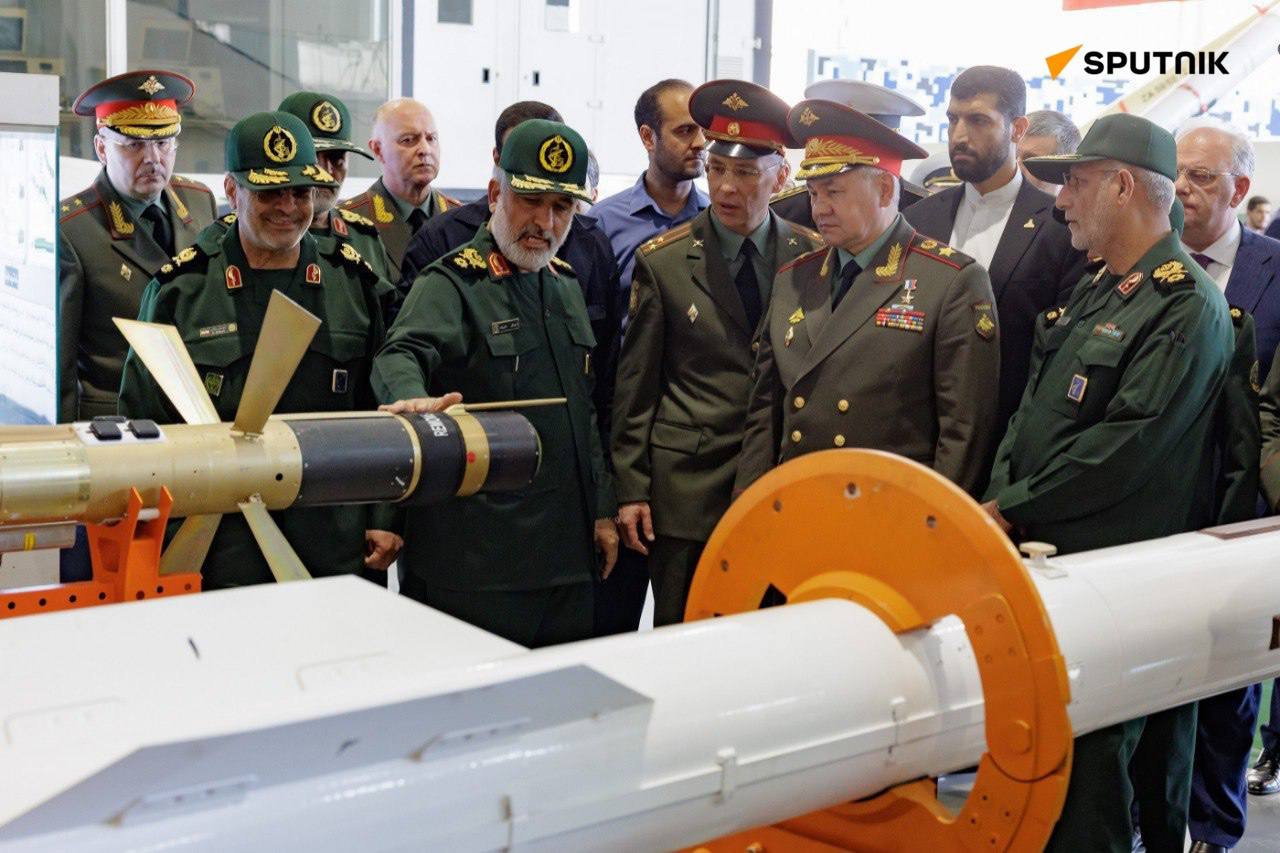
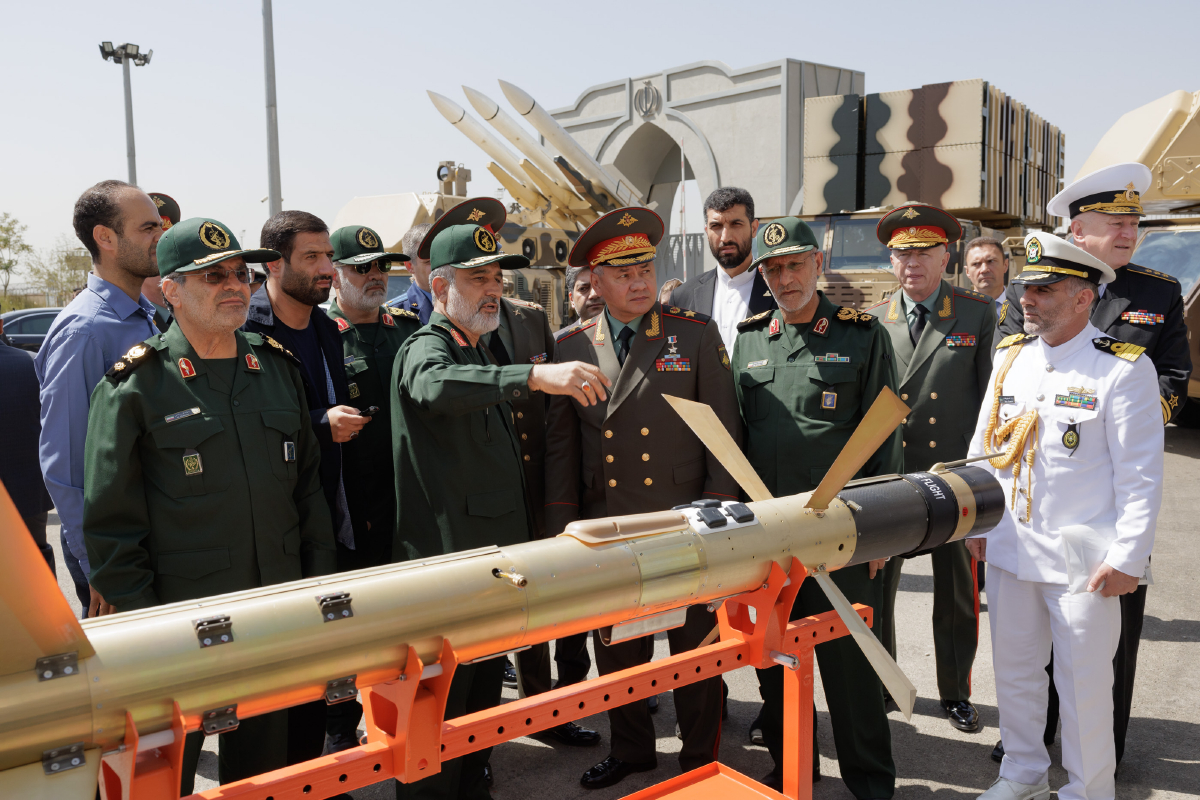
    In 2023, Russian Defense Minister Major General Sergei Shoigu visited an exhibition of Iranian military achievements. During this visit, Brigadier General Hajizadeh, Commander of the IRGC Aerospace Force, introduced the 358 missile and its truck-mounted launcher to Shoigu.

    Similar variants in Yemen:

    As mentioned, the 358 missile is also used by the Yemeni army and has demonstrated significant success in shooting down American and Saudi coalition aircraft.

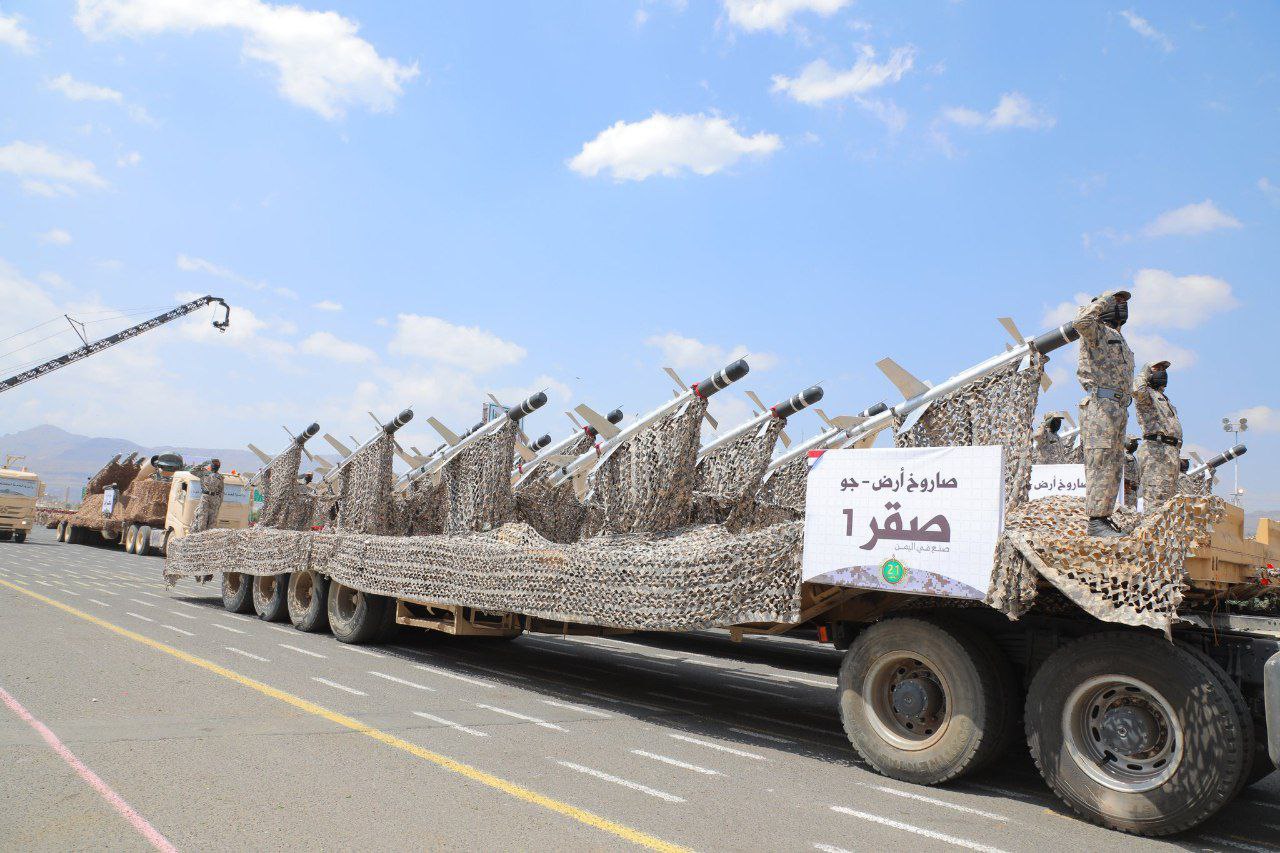
    It is likely that Yemen has localized the production of this missile. In Yemen, the 358 missile is produced and used under the names Saqar-1 and Saqar-2. The Saqar-1 missile is similar to the 358 missile, while the Saqar-2 missile is an improved version of the Saqar-1 missile.

    Saqar-1 missile

    According to the information officially announced by the Yemeni army regarding the Saqar-1 missile, its specifications are identical to those of the Iranian 358 missile in all its components. However, the specifications of the Saqar-2 resemble those of the Iranian 359 missile, which we will discuss later in the article.

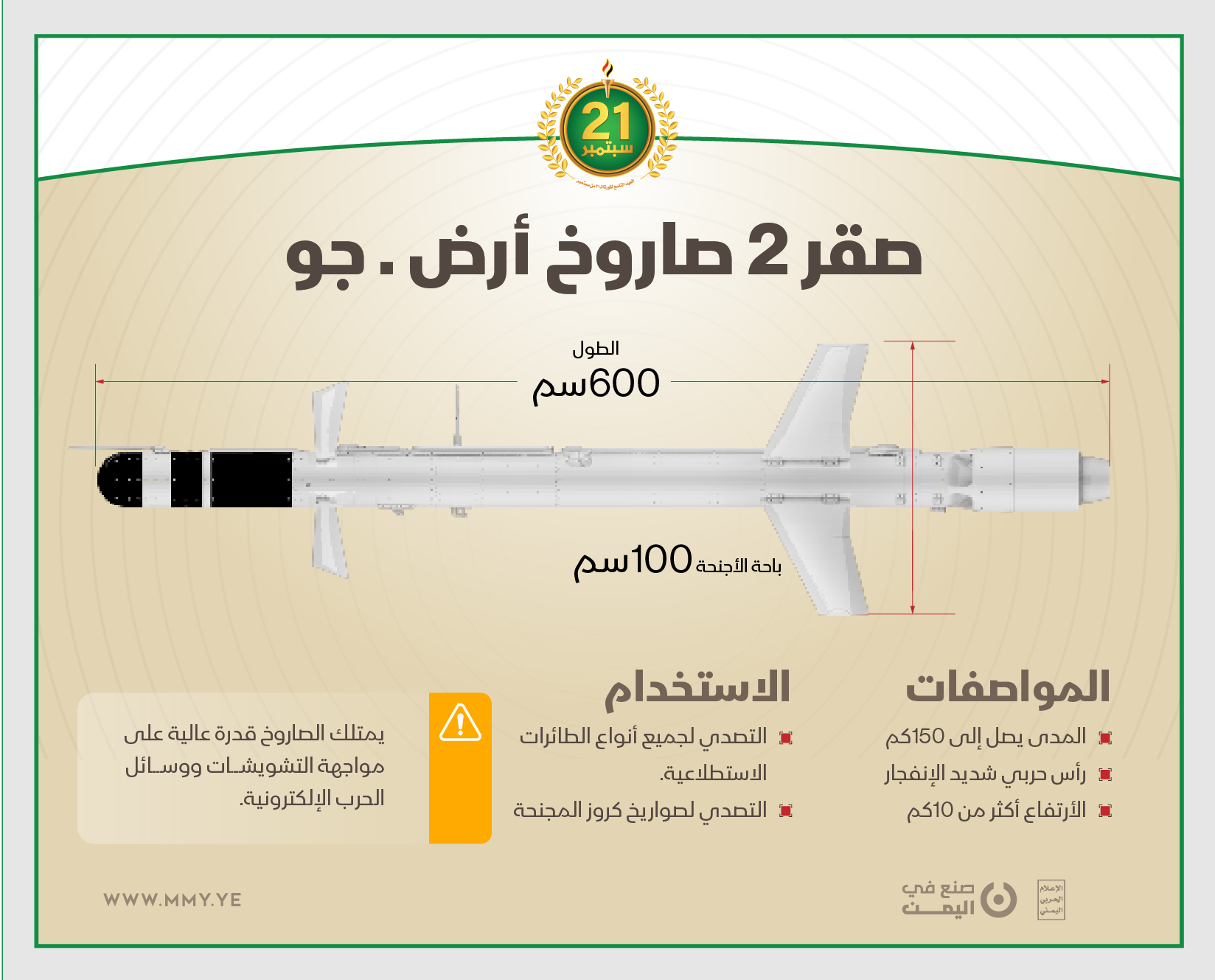
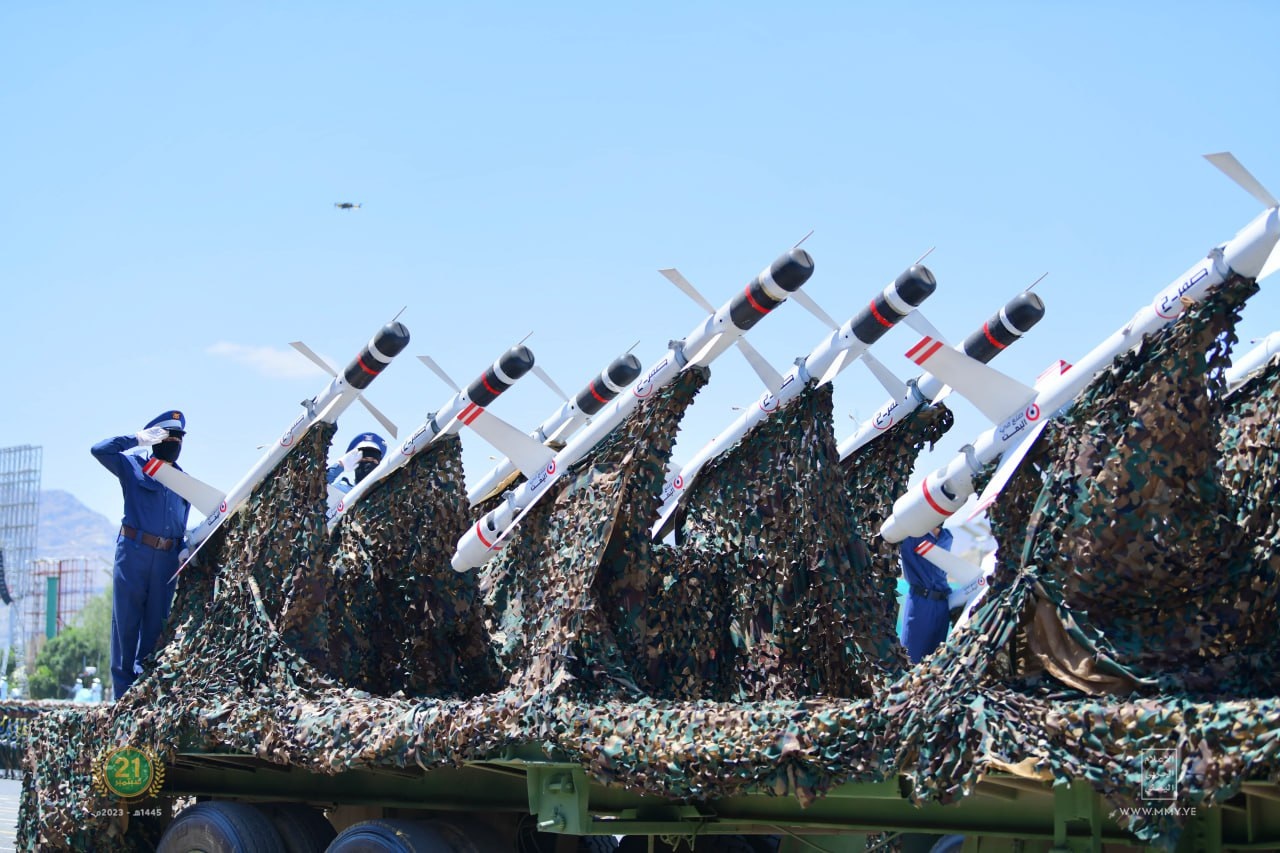
    Based on the information released by the Yemeni army about the Saqar-2 missile, this missile boasts a range of 150 kilometers, which is 50 kilometers more than the Saqar-1 (358 missile). Additionally, the flight altitude has increased from 28,000 feet (8,500 meters) in the Saqar-1 to 35,000 feet (10,600 meters). However, the images published during the latest Yemeni army parade on the occasion of the September 21 Revolution of the Saqar-2 missile actually show the same Saqar-1 missile (missile 358) with a configuration lacking the small triangular fins and fins at the end, as seen in the test and unveiling of the 358 missile in Iran’s Eqtedar 1403 exercise.

    An infographic of the Saqar-2 missile has also been released, stating the missile’s length to be 6 meters. However, upon examining the published images of the Saqar-2 missile during the Yemeni army parade, it is evident that the displayed missile is approximately 3 meters long, similar to the Saqar-1. Therefore, it is likely that the Yemeni army has not published the actual image of the Saqar-2 missile for security reasons. Alternatively, in the most optimistic scenario, a more powerful engine has been used in this version.

    359 missile:

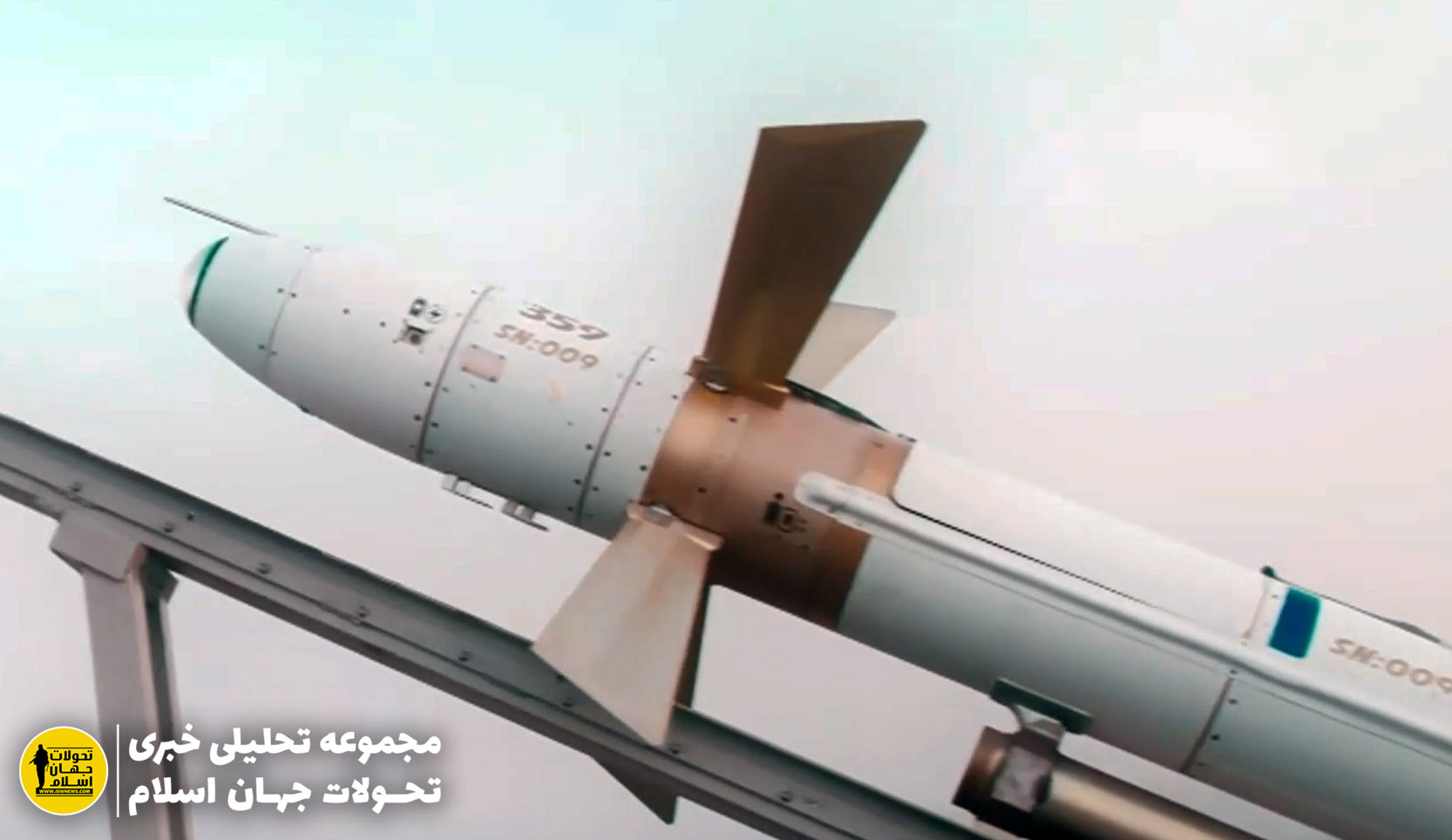
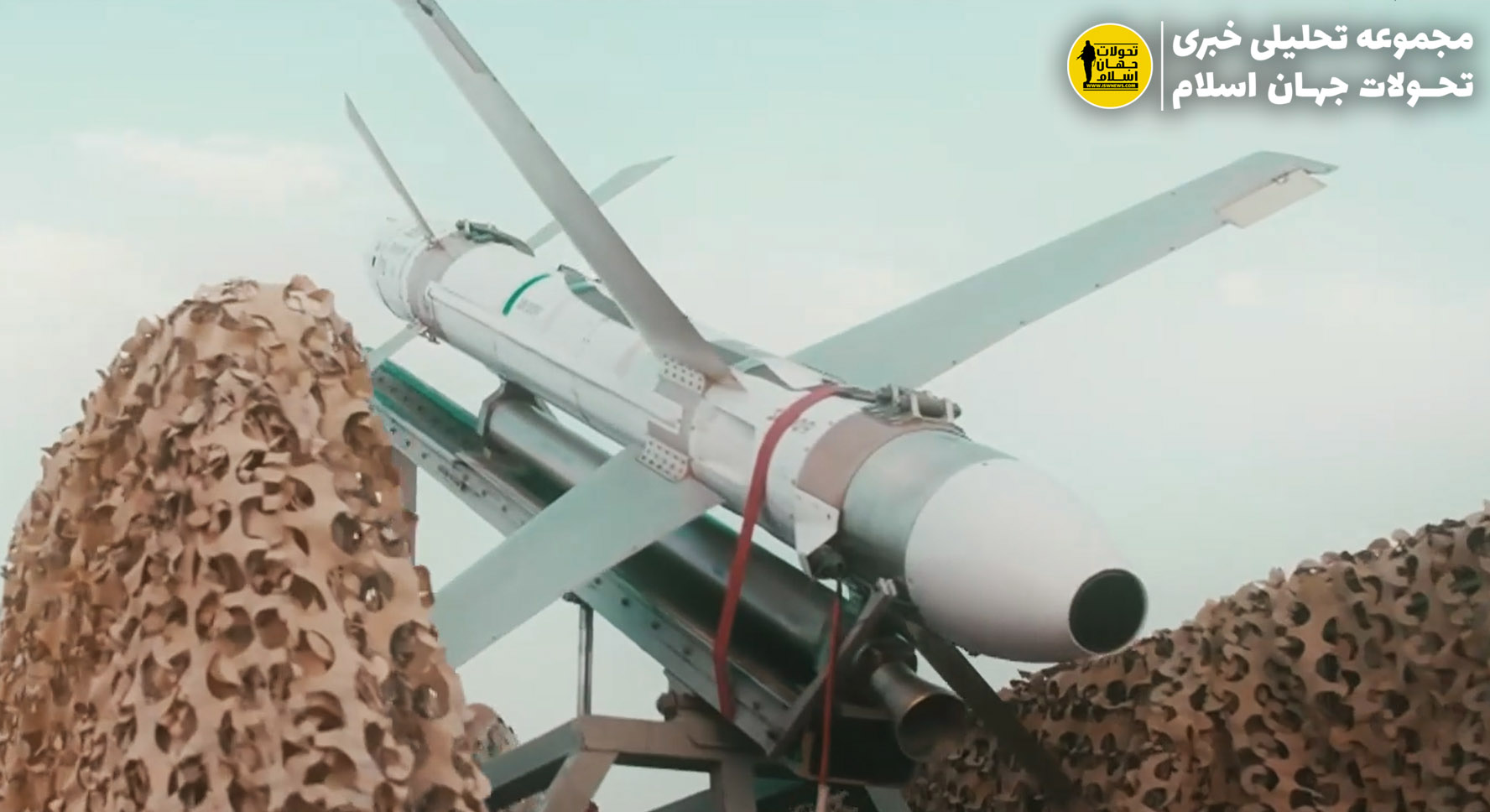
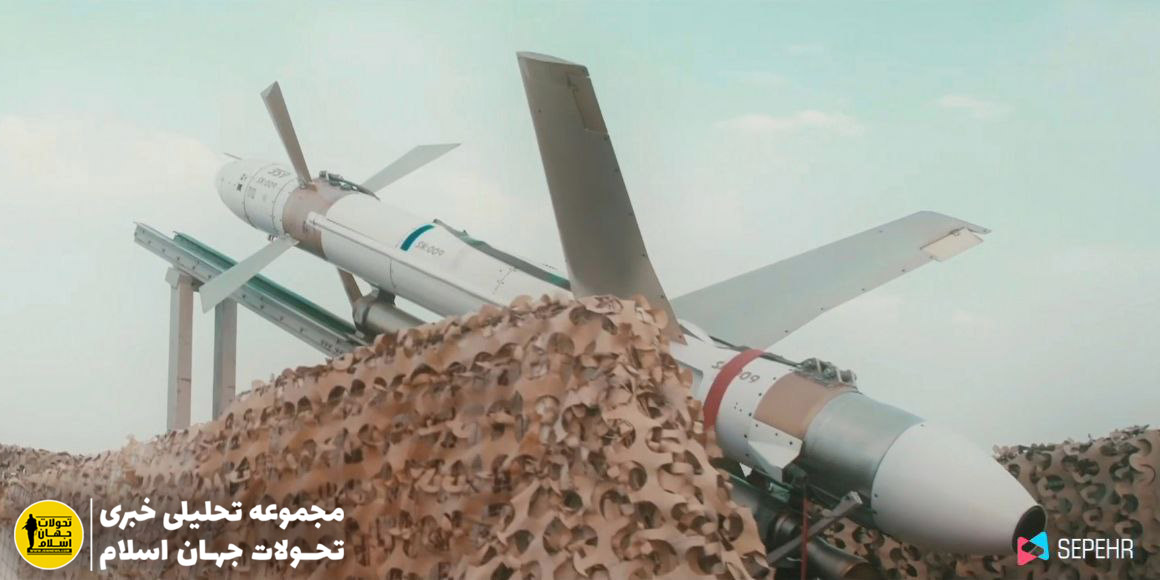
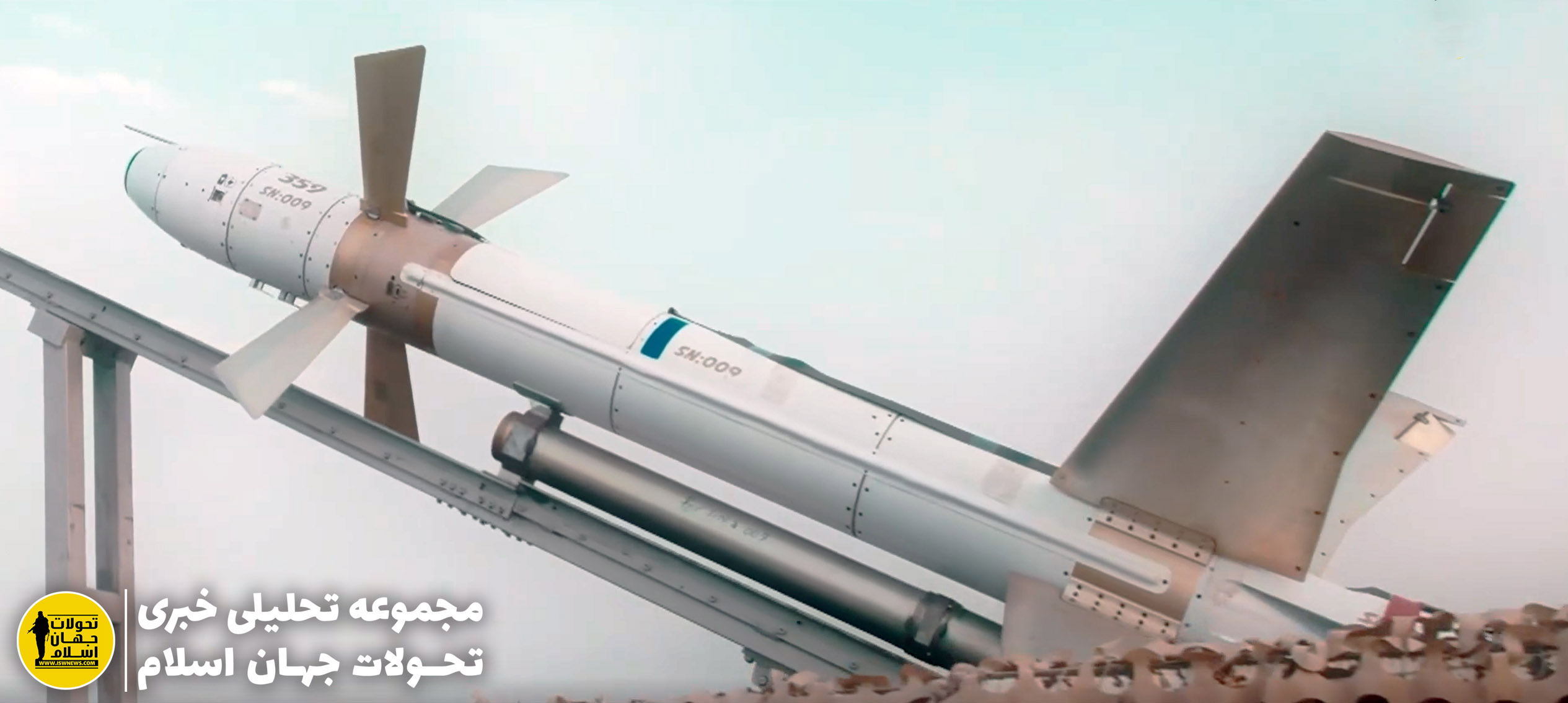
    In 2025, during the broadcast of a television documentary, the Islamic Revolutionary Guard Corps of Iran unveiled a more advanced version of the 358 missile, known as the 359 missile.

    Based on the images and information provided, the 359 missile has larger dimensions than the 358 missile, and its length and diameter have almost doubled.

    Unveiling of the 359 missile in the television documentary Guardian of the Sky

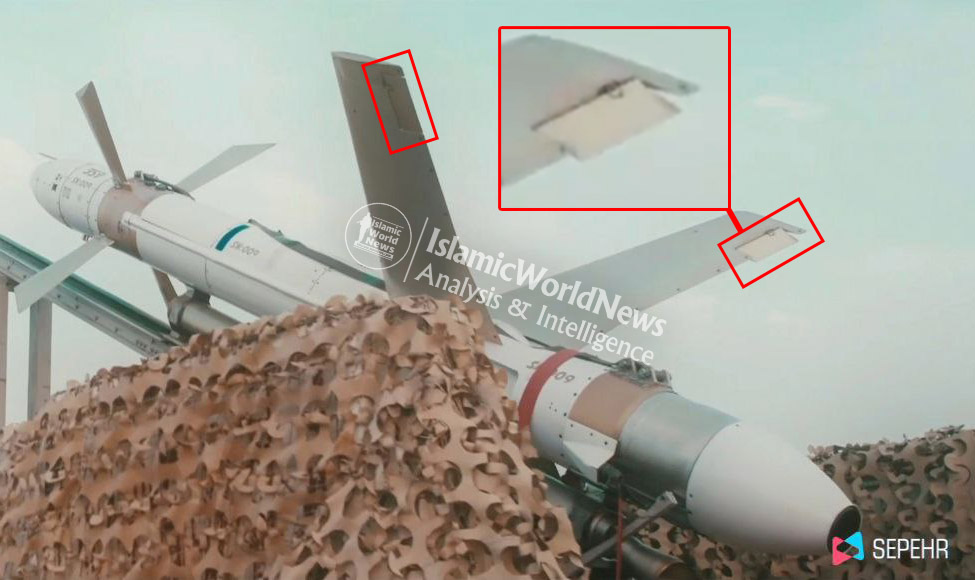
    The missile is equipped with four movable canards at the front and four large fixed wings at the rear. The wings are enlarged in proportion to the fuselage. One of the interesting features of the fixed wings is that small control surfaces are used at the ends of the wings, which improve the maneuverability and control of the missile.

    Control surfaces at the ends of the 359 missile’s rear wings

    The 359 missile features a new and larger engine, which increases its speed to 1,000 kilometers per hour. It has a range of over 150 kilometers and a flight altitude of over 30,000 feet (9,200 meters).

    The warhead of the 359 missile is larger and has greater destructive and explosive power compared to the 358 missile. Additionally, if necessary, the 359 missile can be equipped with an electro-optical payload for reconnaissance and surveillance operations instead of a high-explosive warhead.

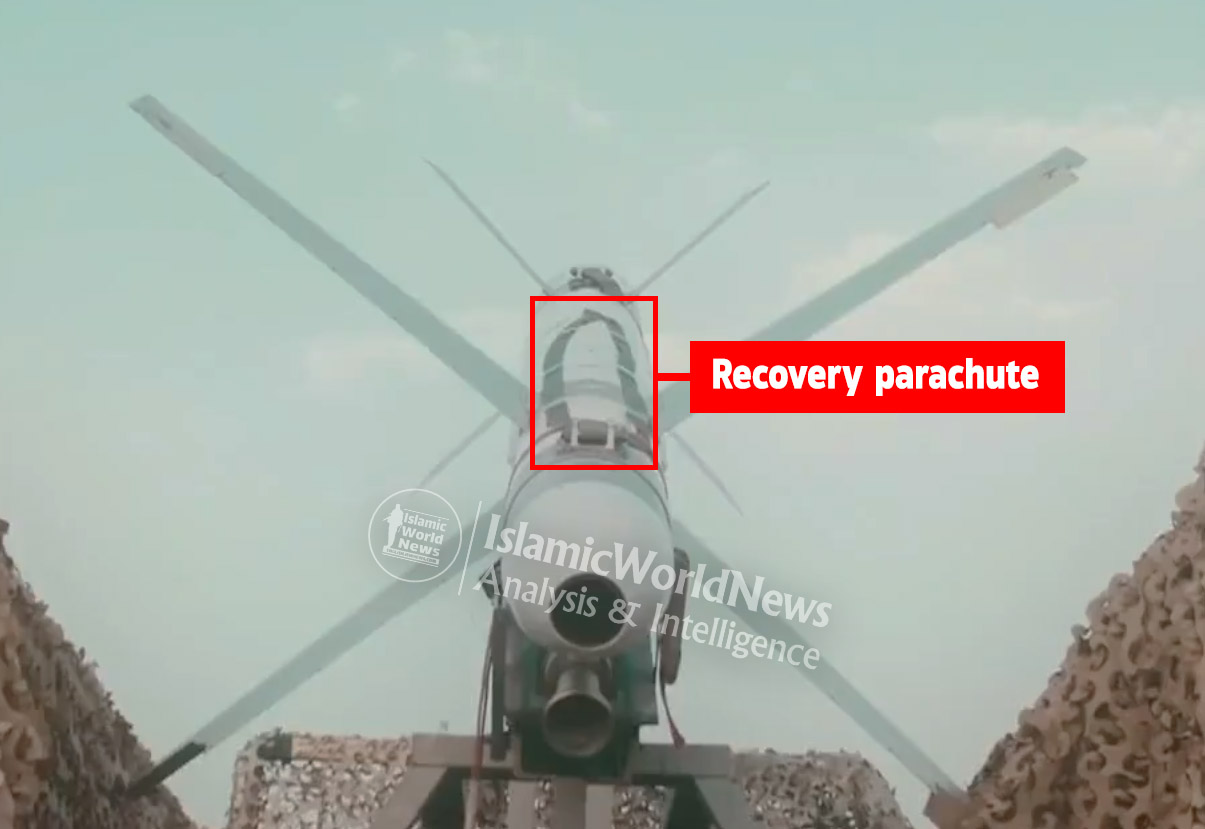
    Another notable feature of the 359 missile is its recoverability. According to published images, unlike the 358 missile, which was not recoverable, the 359 missile is equipped with a recovery parachute. Therefore, if the interception of hostile targets is unsuccessful for any reason, or if the 359 missile is used for reconnaissance and surveillance operations, it can be recovered using a parachute.

    Recovery parachute in 359 missile

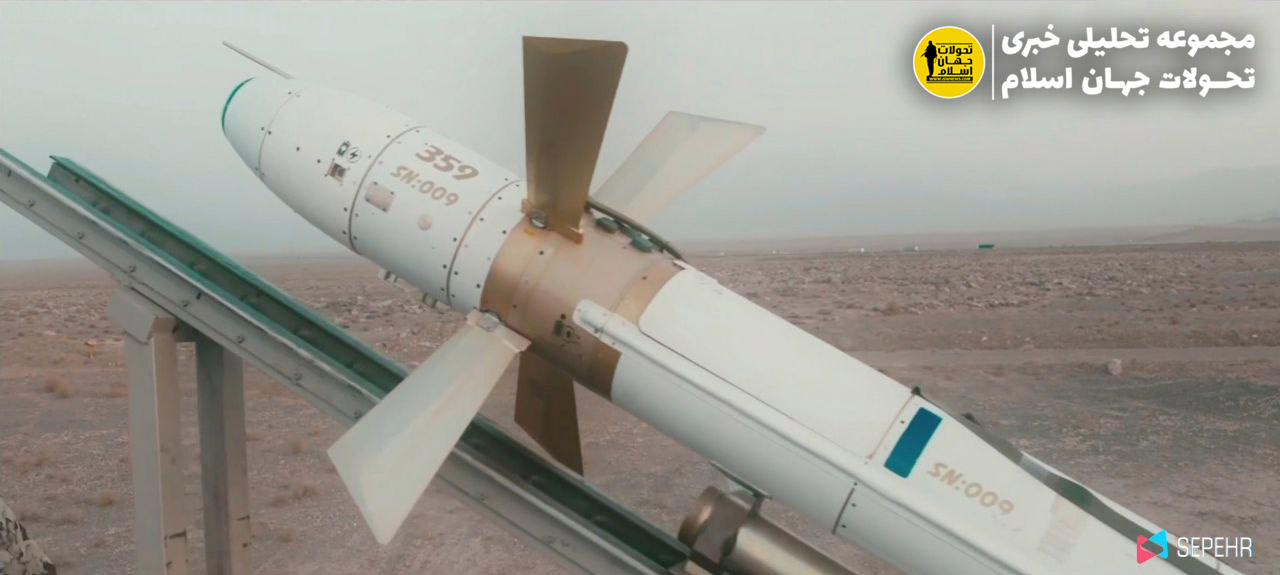
    More images of the 359 missile:

    It’s worth noting that in 2020, the United States, inspired by the Iranian 358 defense missile, designed and developed a defense system called LIDS. The Coyote-2 interceptor in this system operates in a manner very similar to the 358 missile.

    Military Knowledge: FS-LIDS And M-LIDS Anti-Drone Systems

    358 missile specifications:
    Type: Loitering anti-aircraft missile
    Manufacturer: Islamic Revolutionary Guard Corps
    Country of manufacture: Iran
    Entered service: 2016 to 2019
    Length: 2.7 meters
    Diameter: 150 mm
    Wingspan: Approximately 1 meter
    Missile weight: 58 kg
    Warhead weight: 10 kg high-explosive fragmentation
    Warhead impact radius: 30 meters
    Maximum speed: 700 km/h
    Loitering range: 100 km
    Flying altitude: 8,500 meters (28,000 feet)

    Missile 358 posters in Persian, English, Russian, Chinese, Arabic and Hebrew:

  • Israeli Army Will Remain In Five Points In Lebanese Territory!

    Israeli Army Will Remain In Five Points In Lebanese Territory!

    According to Lebanese media reports, the five points the Israeli army will continue to occupy after February 18 are:

    1. Labounah-Alama al-Shaab forests
    2. Jabal Balat, between Marwahin and Ramieh
    3. Jabal al-Deir in the south of Aitaroun
    4. The newly established base along the Marbakah-Hola road
    5. Tel al-Hamamis in the south of Khiam
    The areas where Israeli forces will remain in Lebanese territory

    These areas were crucial for Hezbollah’s operations over the past year, as they were used to attack Israeli border bases and thwart Israeli ground attacks. Additionally, some of these areas held out until the last day of ground battles between Hezbollah and the Israeli army, only coming under Zionist control after the ceasefire agreement was implemented.

    Lebanese authorities have reportedly rejected the deployment of Israeli forces in these areas during talks with American representatives. However, in practice, they are left with no choice but to accept Israel’s conditions due to Israel’s support from the United States and France, and the influence of the US, France, Qatar, and Saudi Arabia on Lebanese political positions.

    The significance of these five points under Israeli control lies in the oversight and consolidation of Israel’s presence in Lebanese territory and border areas. This allows Israel to maintain control over Lebanon’s southern borders and eliminates their time and space limitations for actions against Hezbollah.

  • Latest Updates On Southern Syria, 15 Feb 2025 (Map)

    Latest Updates On Southern Syria, 15 Feb 2025 (Map)

    According to a recent report by the Israeli army radio, Israel’s presence in Syria is no longer temporary, with engineering units setting up nine military sites in the south. The Syrian transitional government and their regional supporters have yet to respond to this development.

    Additionally, the Israeli army continues its movements and patrols in the occupied areas of southern Syria, including establishing a checkpoint in the village of Saida. Israeli soldiers have re-entered Al-Rafid village in Quneitra province, with tanks moving along the Kodna and Bariga axis.

    Saida village, located in southern Quneitra province near the buffer zone between Syria and Israel, has been under Israeli patrol since December 15. Al-Rafid village, in the Golan Heights, also lies in the buffer zone. Its significance stems from its location on the road to Nawa in Daraa province. Israeli military activities in Al-Rafid began on December 20.

    Click to view full size
  • Iran Unveils New Jet Suicide Drone: Dalahu (Hadid 110)

    Iran Unveils New Jet Suicide Drone: Dalahu (Hadid 110)

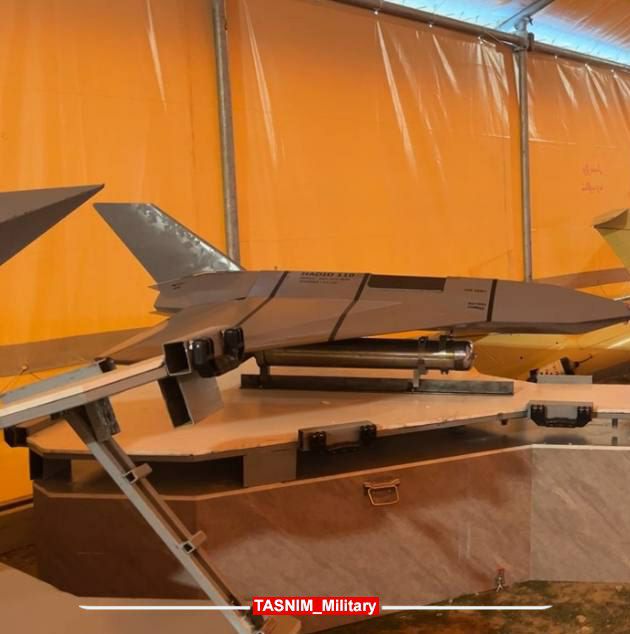
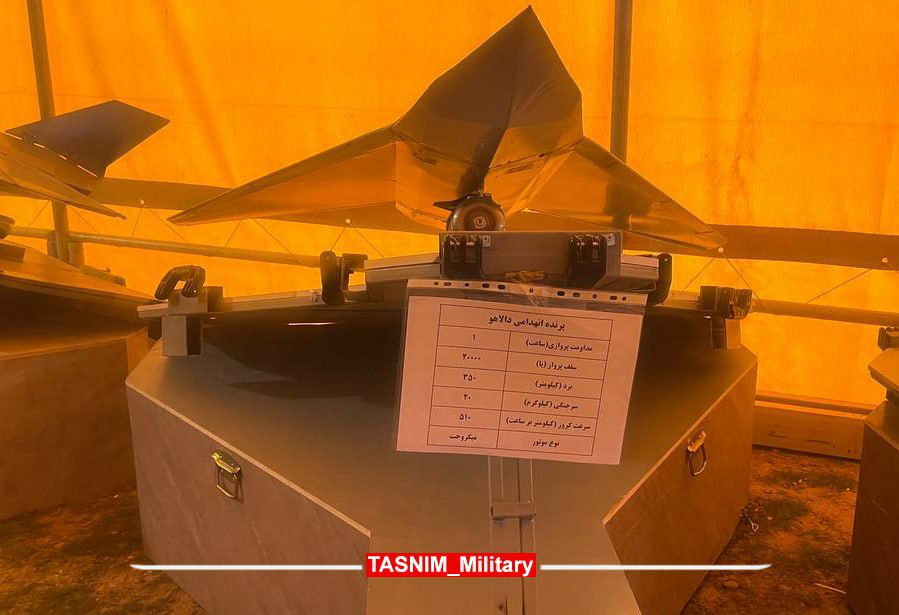
    It is worth noting that this drone, initially introduced as the Hadid-110 at the IRGC’s military achievements exhibition, officially entered the IRGC Ground Forces’ combat organization as the Dalahu drone on February 19, during the second phase of the Great Prophet 19 exercise.

    Unveiling of the Hadid 110 Jet Suicide Drone at the Iranian Military Achievements Exhibition, known as Eghtedar-1403

    The Hadid 110 or Dalahu drone is equipped with a mini jet engine and is launched by a rocket booster, similar to other conventional suicide drones.

    It features a delta wing configuration and a design with sharp edges to reduce its radar cross-section.

    According to provided information, the Dalahu drone’s mini-jet engine gives it a cruise speed of 510 km/h, a range of 350 km, and a flight ceiling of 30,000 feet. The drone’s warhead weighs 30 kg and it has a flight endurance of 1 hour.

    Unveiling of the Hadid 110 or Dalahu Jet Suicide Drone
  • Iran Unveils Underwater-Launched Suicide Drone (Video)

    Iran Unveils Underwater-Launched Suicide Drone (Video)

    In the video, an Unmanned Underwater Vehicle (UUV) surfaces, and the X-winged suicide drone, similar to the recently unveiled Rezvan drones, is launched from within the UUV using a rocket booster.

    Iran Unveils Underwater-Launched Suicide Drone

    The ability to launch drones from underwater vehicles provides a strategic advantage, making it more challenging for adversaries to detect and counter these threats effectively. By integrating these weapons with artificial intelligence capabilities, their effectiveness can be significantly enhanced.

    Indeed, the combination of Unmanned Underwater Vehicles (UUVs) and Unmanned Aerial Vehicles (UAVs) could pose a significant threat to hostile warships in strategic locations like the Persian Gulf, Arabian Sea, and especially the Red Sea! This technological advancement increases Iran and its allies’ defensive and offensive capabilities in these critical maritime regions.

    Iran Unveils Underwater-Launched Suicide Drone
  • Syrian Popular Resistance Congratulates Anniversary of Islamic Revolution Victory

    Syrian Popular Resistance Congratulates Anniversary of Islamic Revolution Victory

    The statement reads: “We in the Syrian Popular Resistance, while congratulating this victory that changed the face of history, emphasize that our path of resistance continues. We have drawn inspiration from the Islamic Republic of Iran in the lessons of perseverance, stability, and endurance, and we will continue to fight until our land is liberated from the occupiers and their mercenaries.”

    The statement released by Syrian Popular Resistance

    It is worth noting that the Syrian Popular Resistance group announced its existence on December 30, 2024. The group aims to combat terrorist groups and Israeli occupiers in Syria. In recent weeks, the Syrian Popular Resistance forces have carried out numerous attacks against Tahrir al-Sham militants and Israeli soldiers in Syria, claiming responsibility for these actions in a statement.

  • Shahid Bagheri Drone Carrier Joins IRGC Navy Fleet (Video)

    Shahid Bagheri Drone Carrier Joins IRGC Navy Fleet (Video)

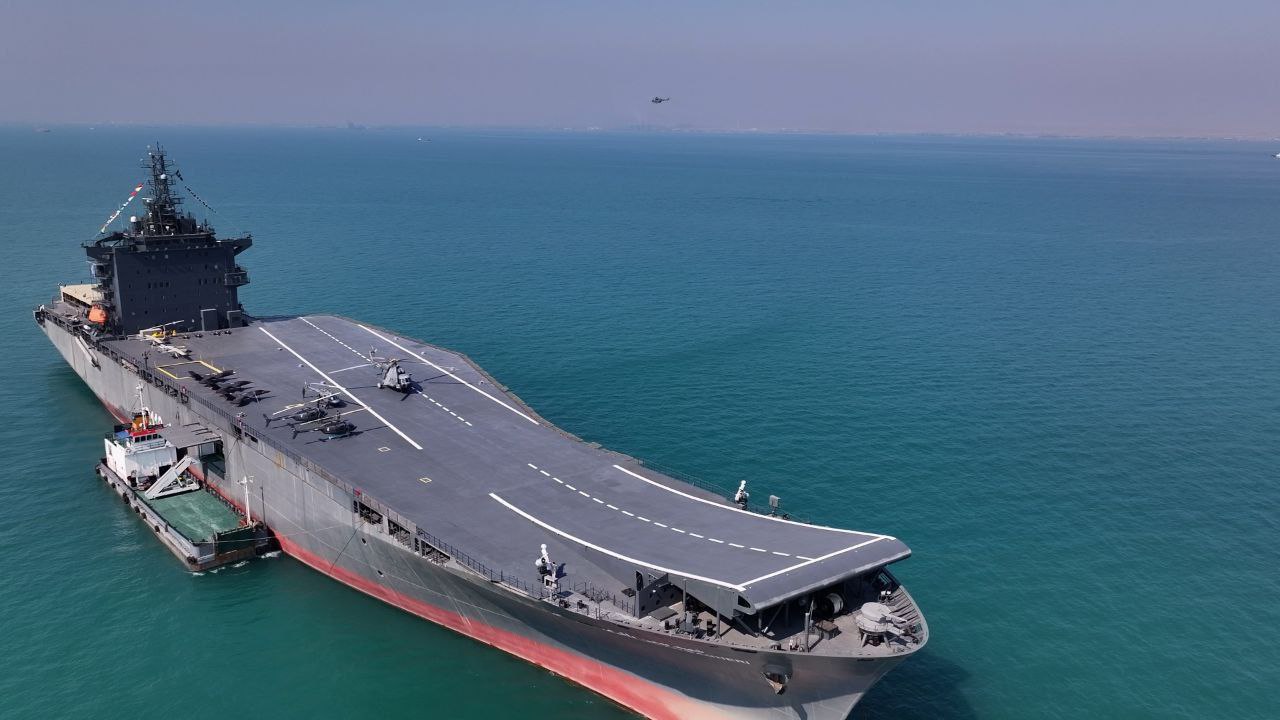
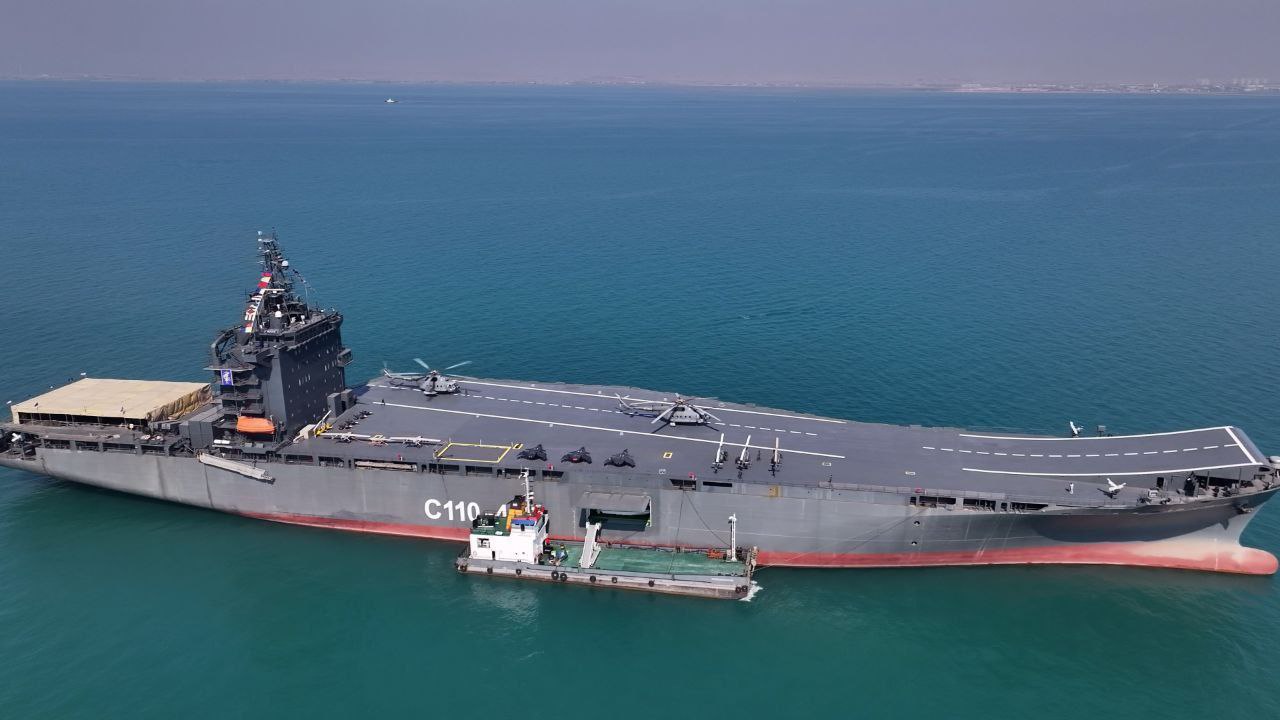
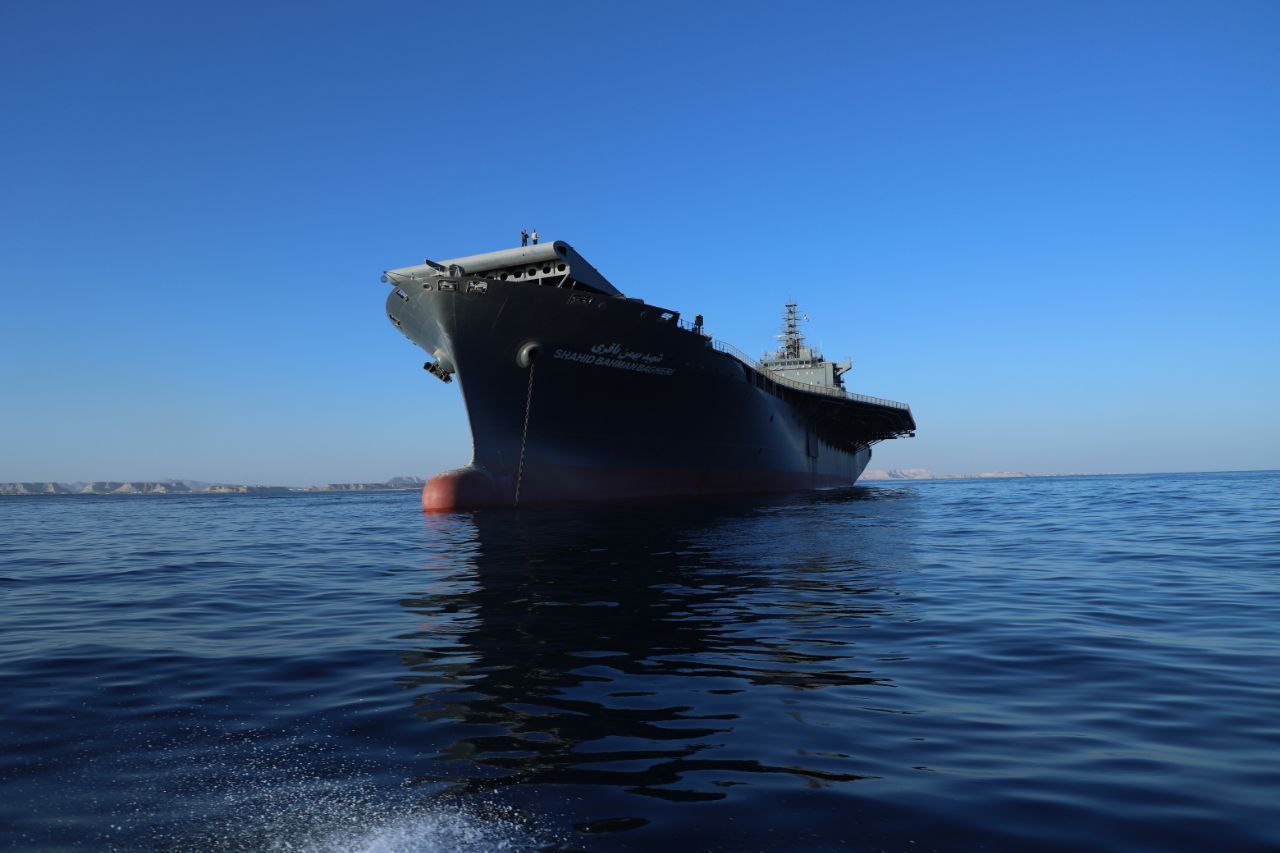
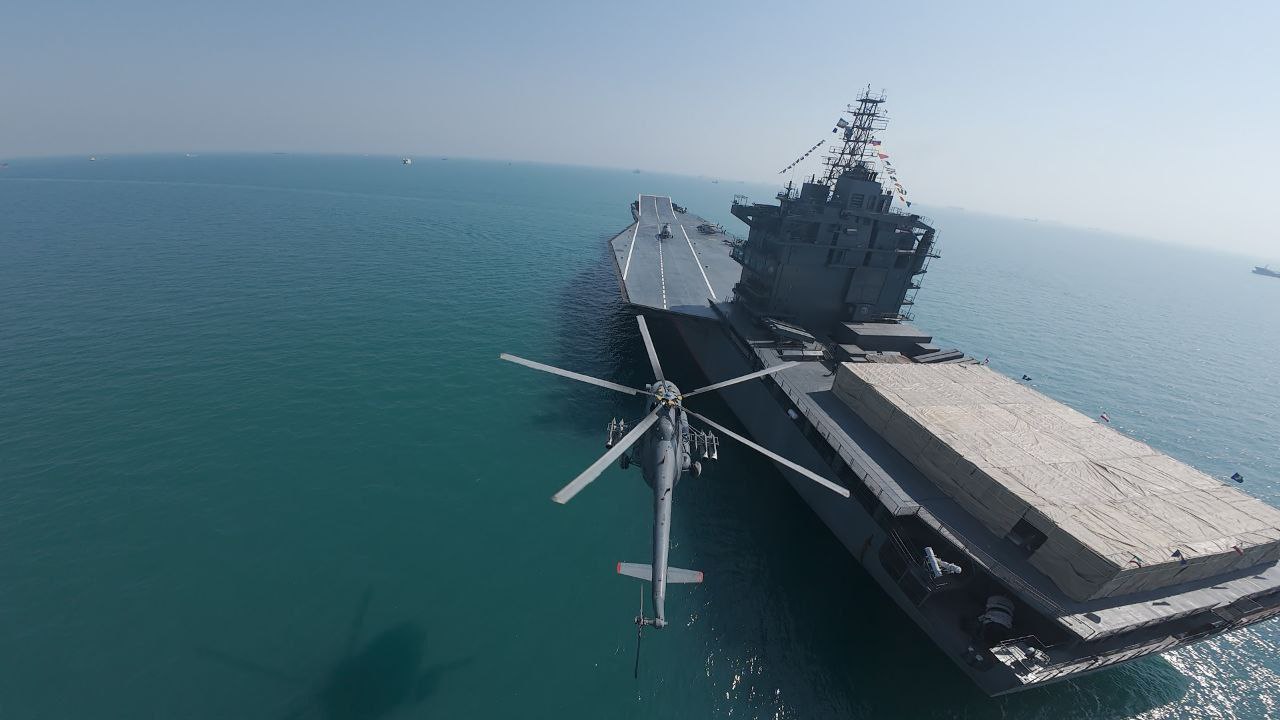
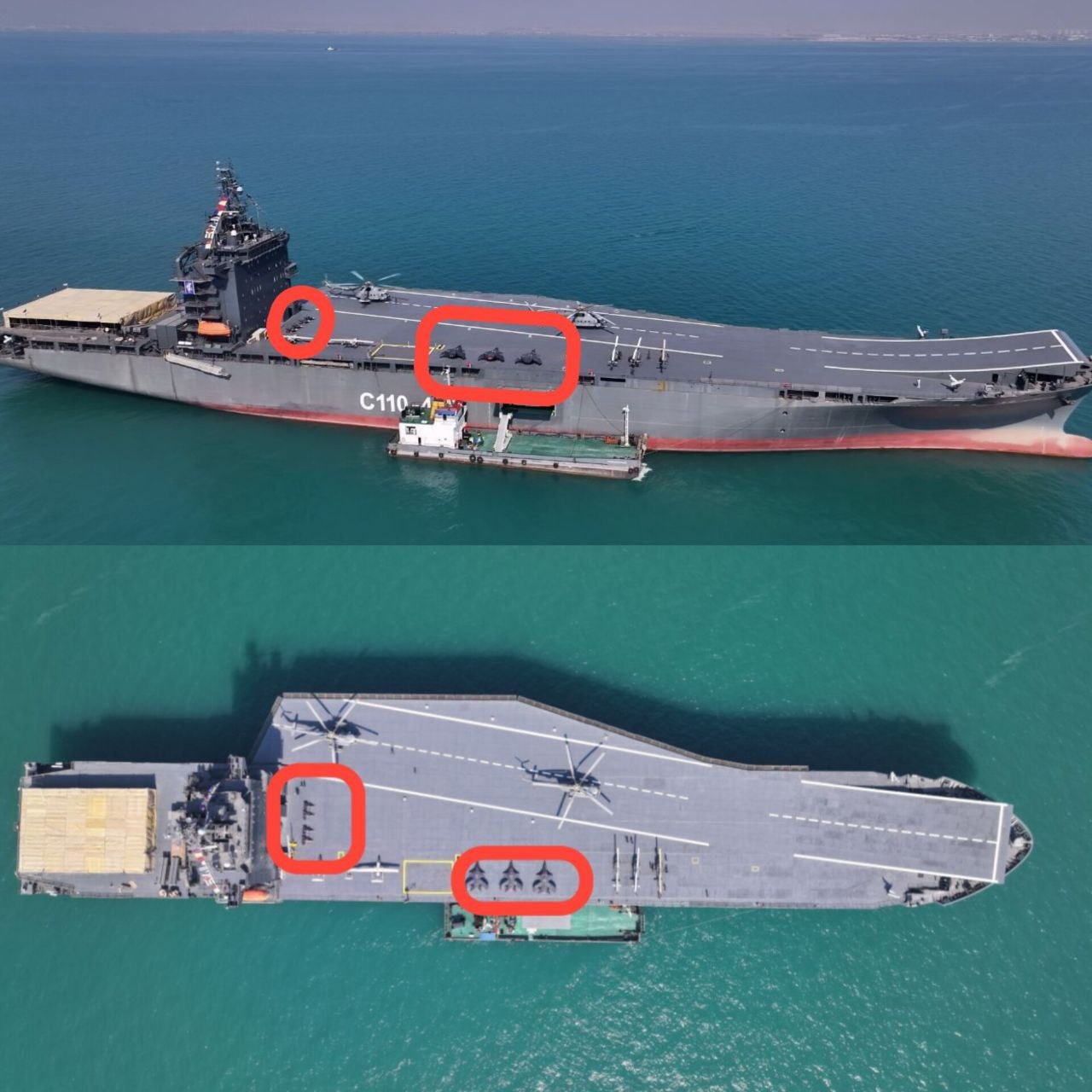
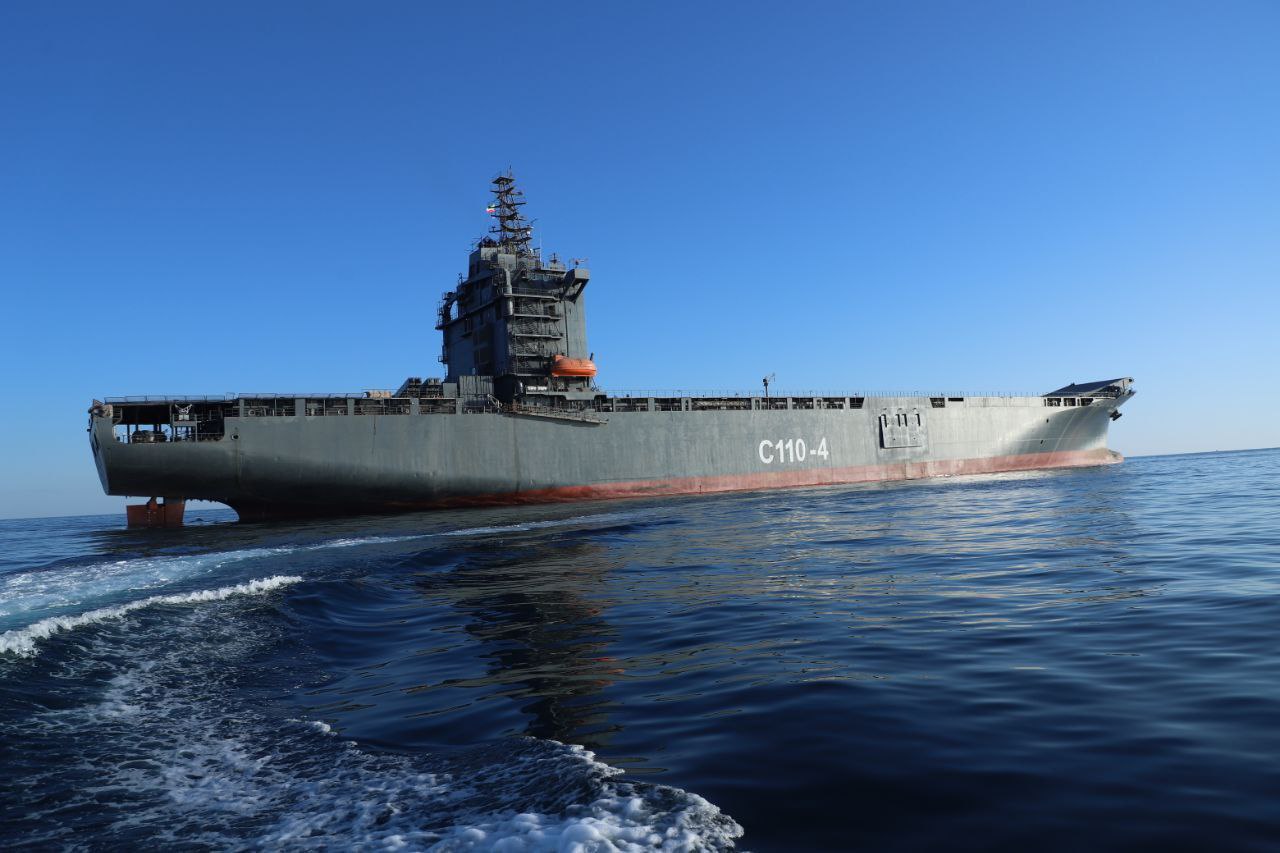
    Shahid Bagheri (C110-4) drone carrier was officially inducted into the Islamic Revolutionary Guard Corps Navy fleet on February 6. The ceremony was attended by Major General Mohammad Hossein Bagheri, Chief of Staff of the Armed Forces, Major General Hossein Salami, Commander of the IRGC, and Admiral Alireza Tangsiri, Commander of the IRGC Navy.

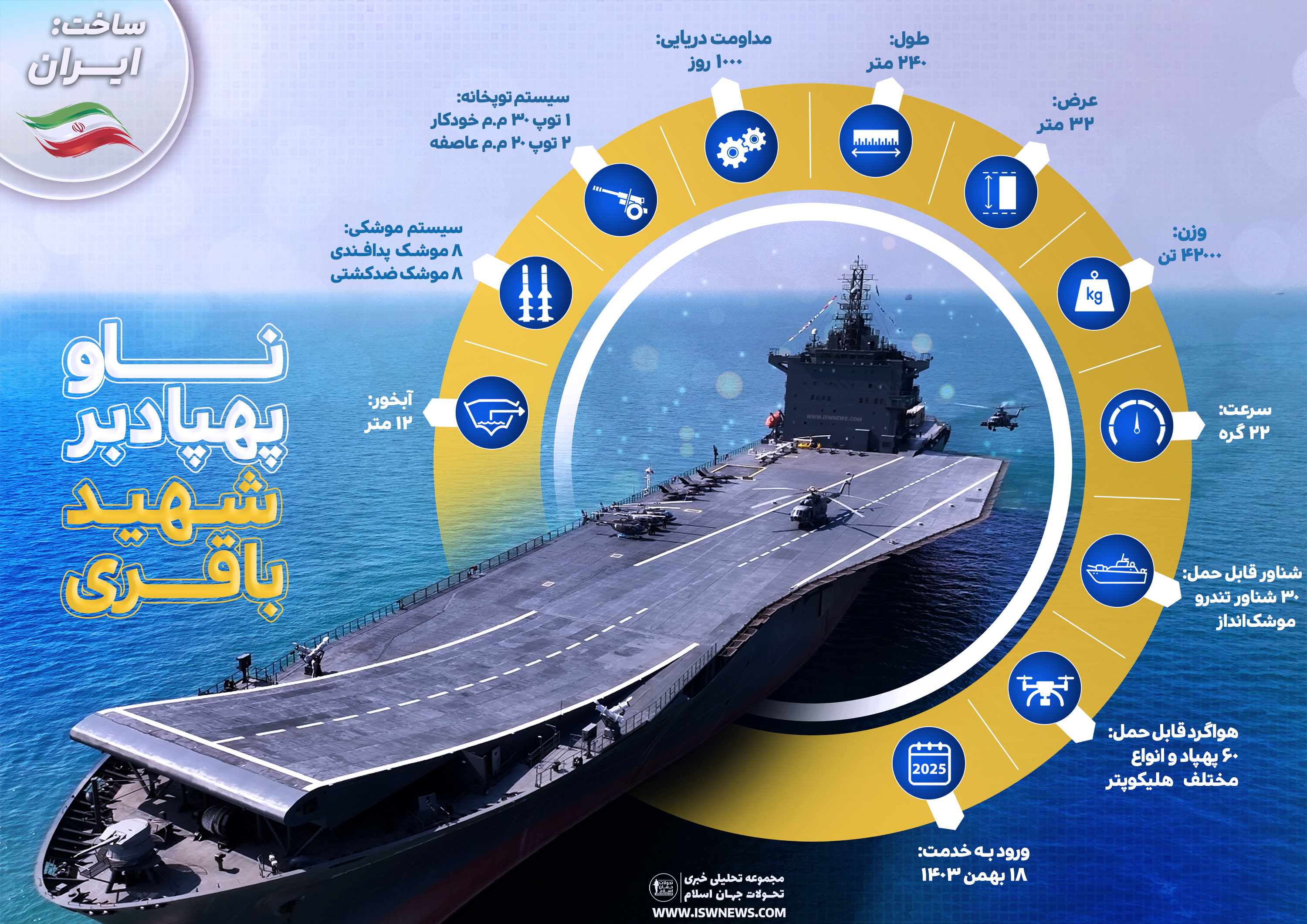
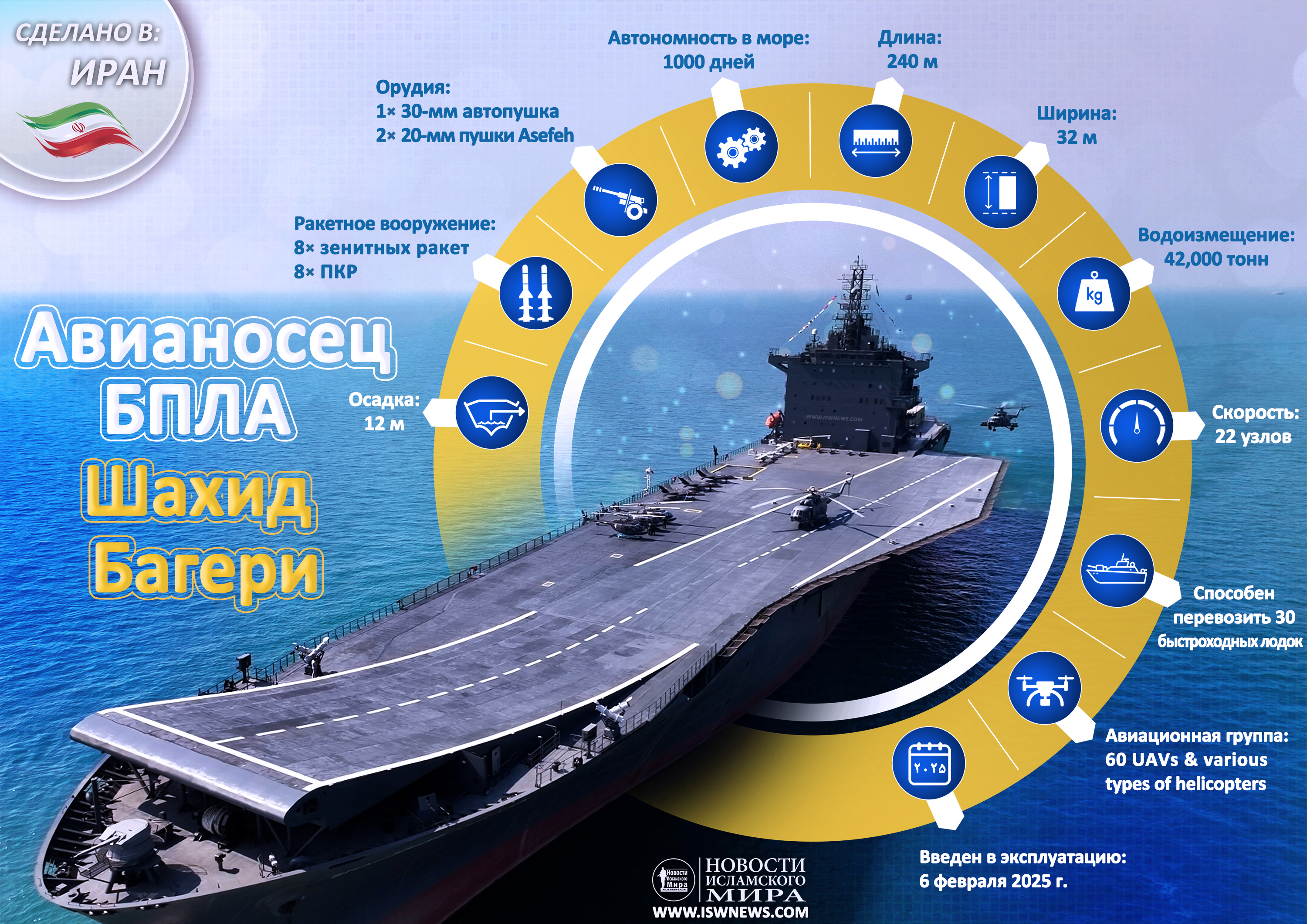
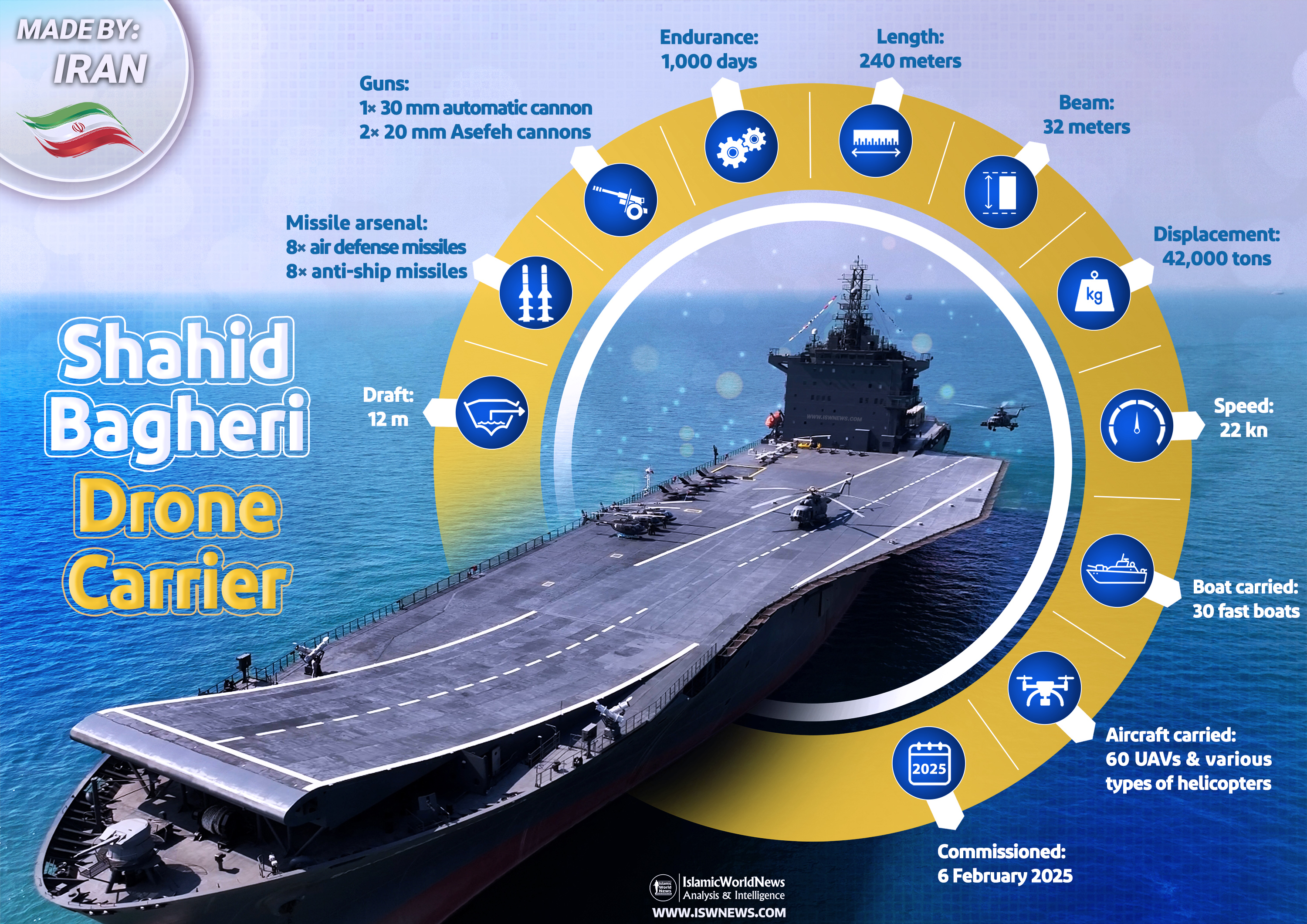
    Shahid Bagheri drone carrier measures 240 meters in length, 32 meters in width, and has a draft of 12 meters.

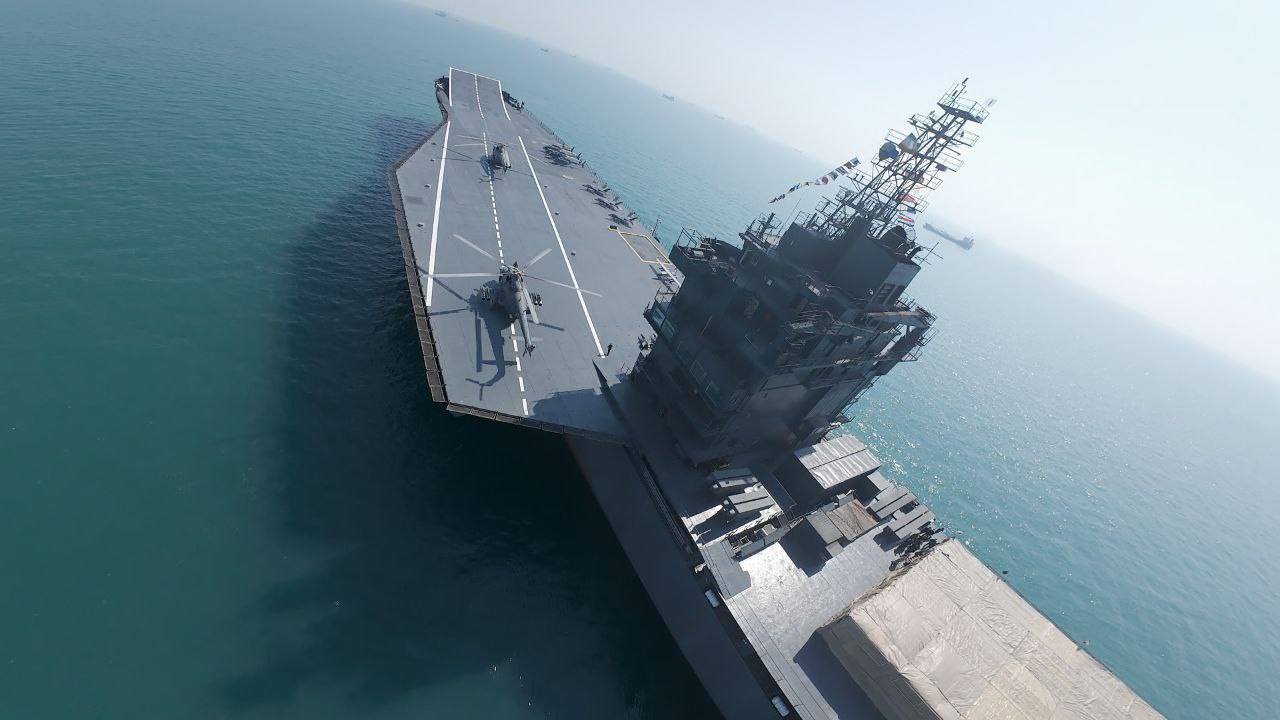
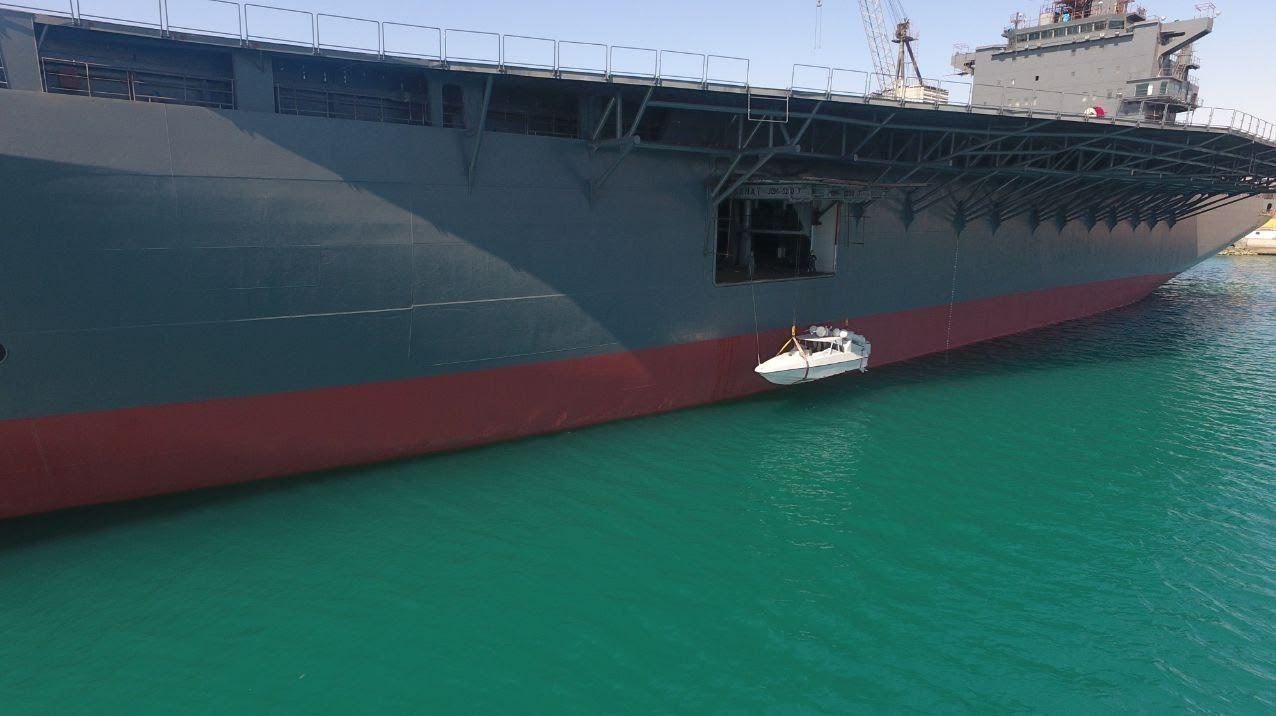
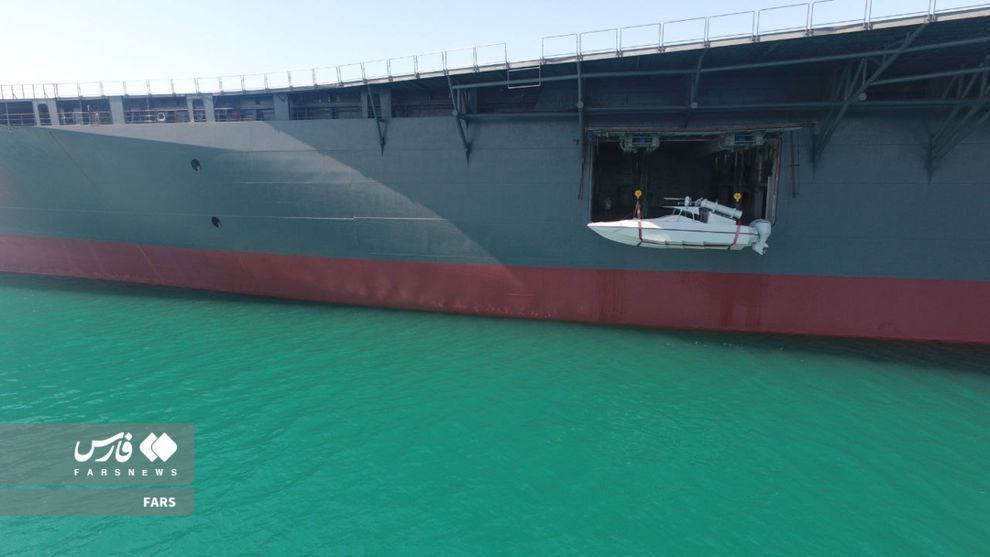
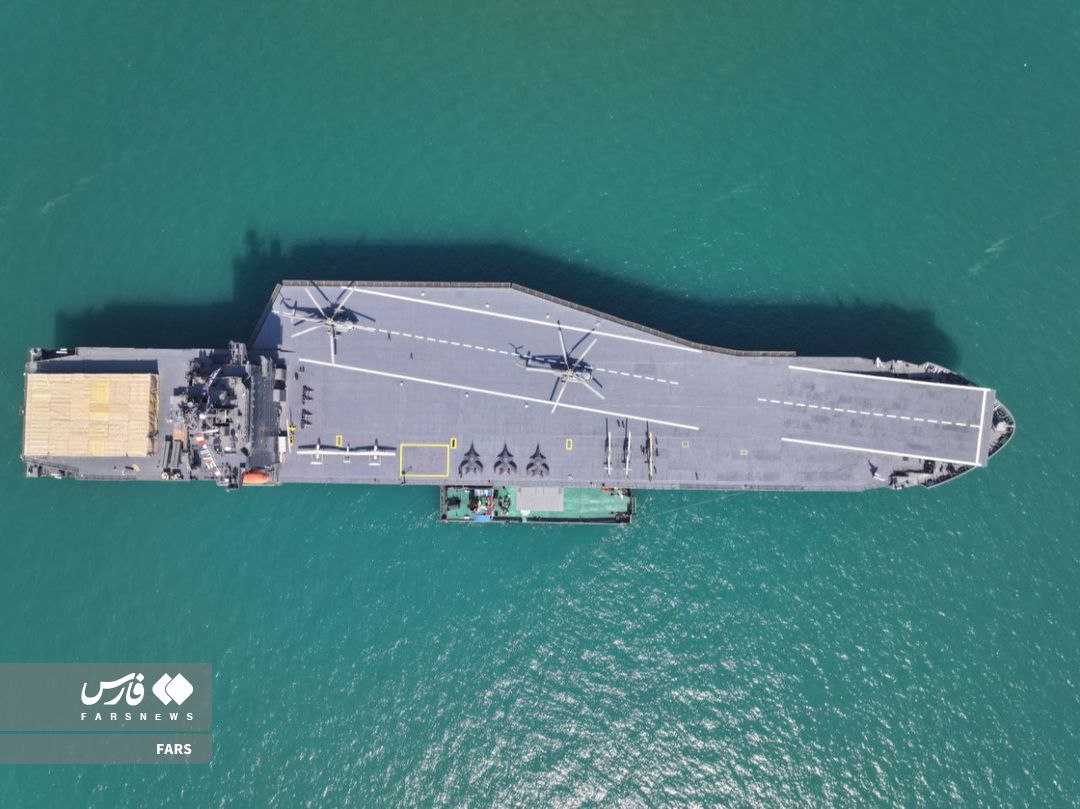
    This drone carrier features a 180-meter runway and an upwardly curved ramp, similar to those found on aircraft carriers, to facilitate drone takeoff. The ship is capable of carrying and operating various types of drones and helicopters. Additionally, it has a large space on the lower levels for housing multiple drones, missile-capable speedboats, and more.

    It is reported that the Shahid Bagheri drone carrier has the capacity to carry 60 drones and 30 fast missile boats. This capability significantly enhances its operational flexibility and firepower.

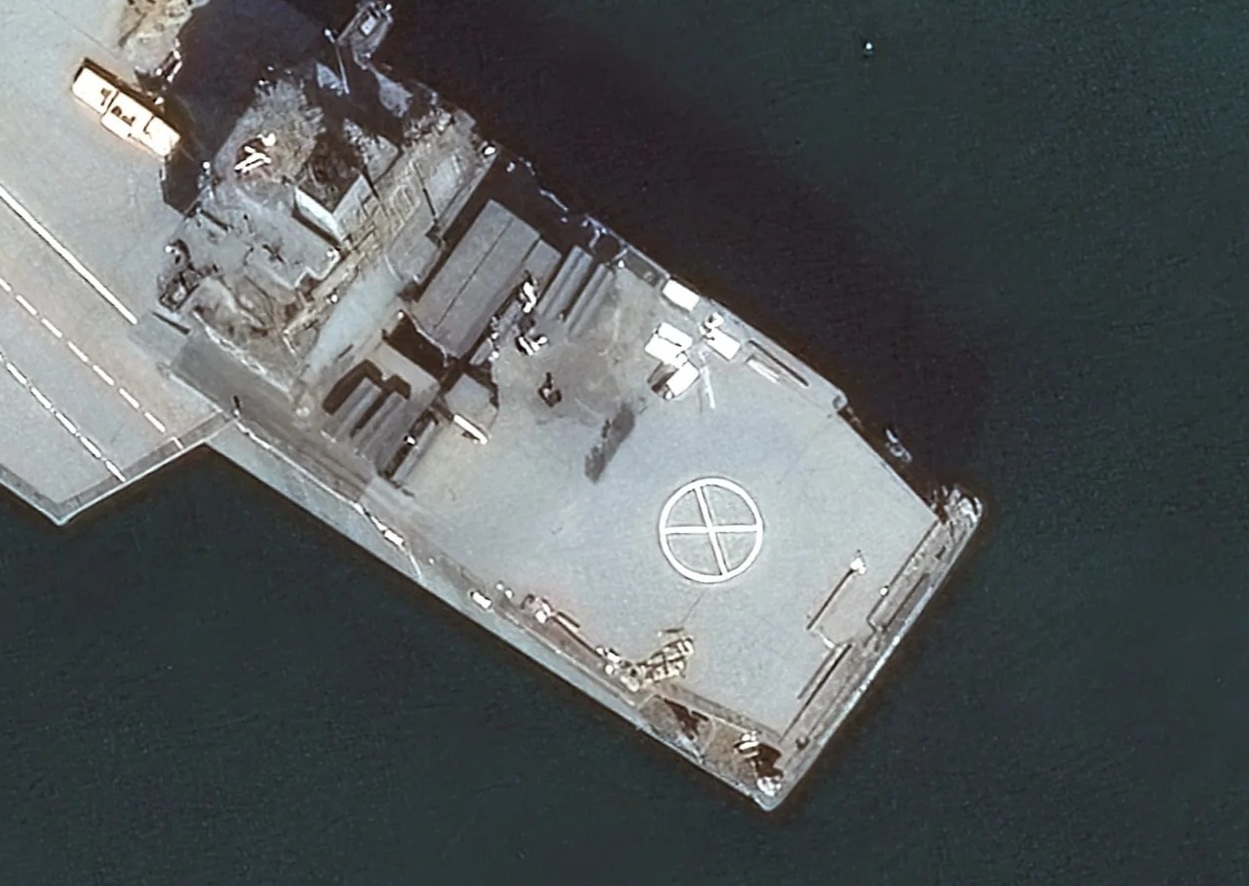
    Like all aircraft carrier or drone carrier class ships, this vessel utilizes an elevator to transport aircraft and other essential items from the hangar to the deck. Behind the bridge, there is a sizable area with a helicopter pad, designated for the ship’s primary helicopter(s). On the unveiling day, this section was covered with a tent for the ceremony and the commanders’ presence. Additionally, it appears that the main missile weapons of the Bagheri drone carrier are situated in this section as well.

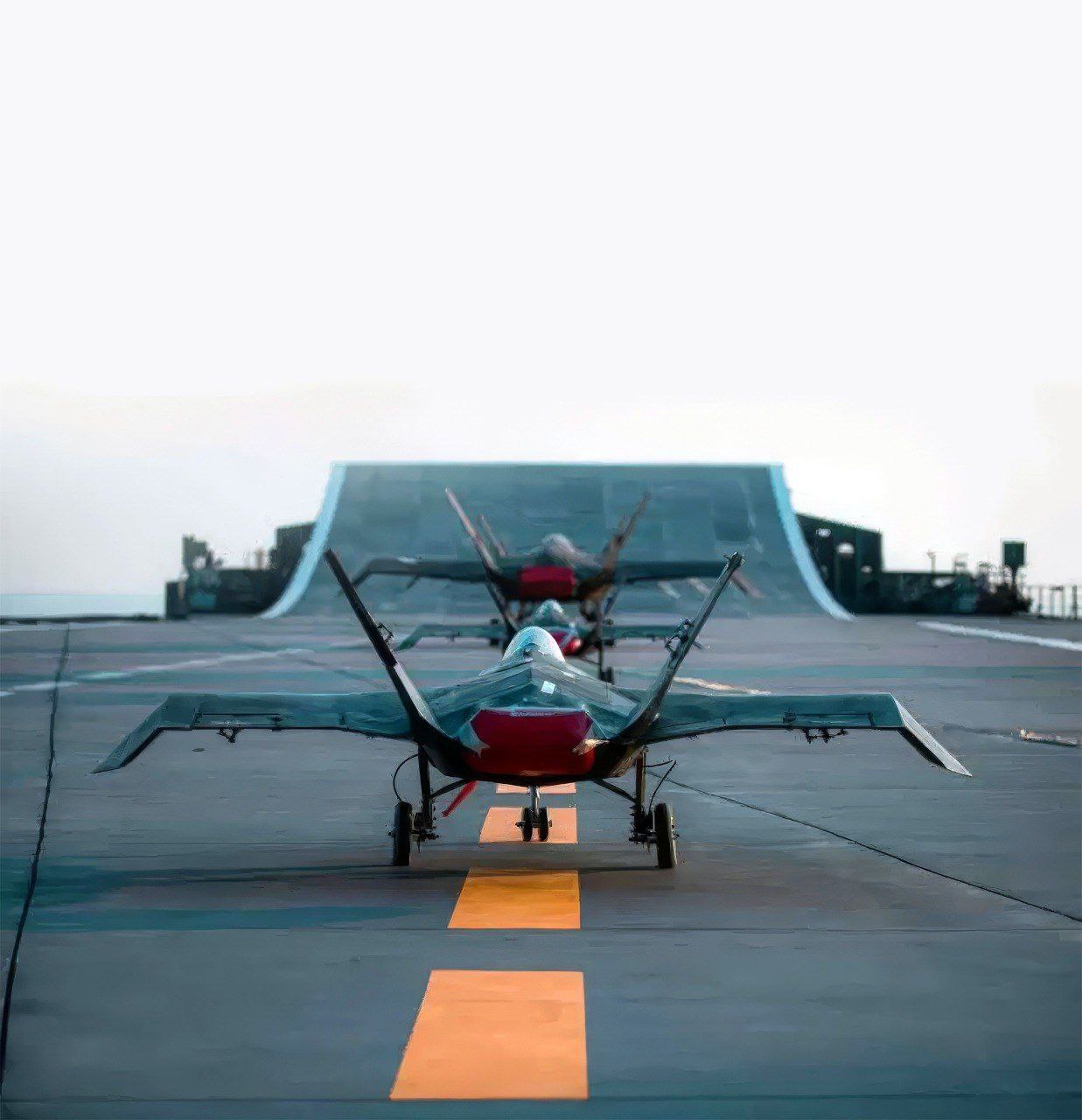
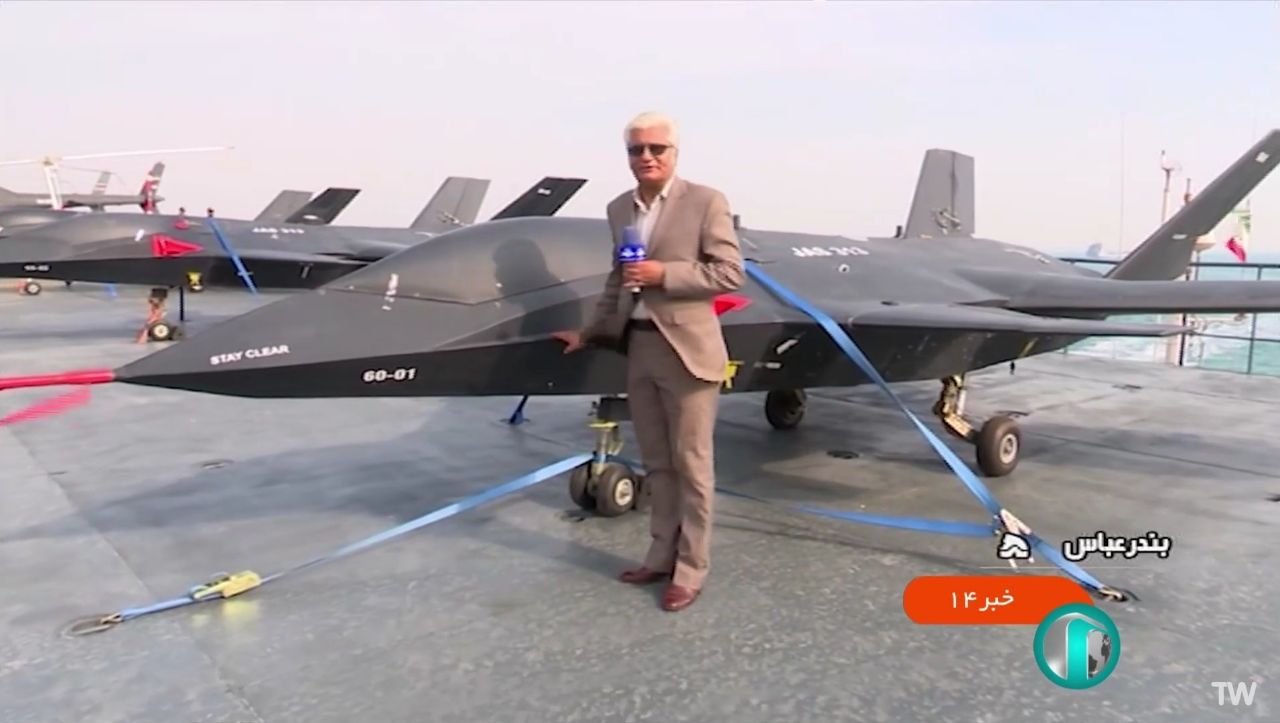
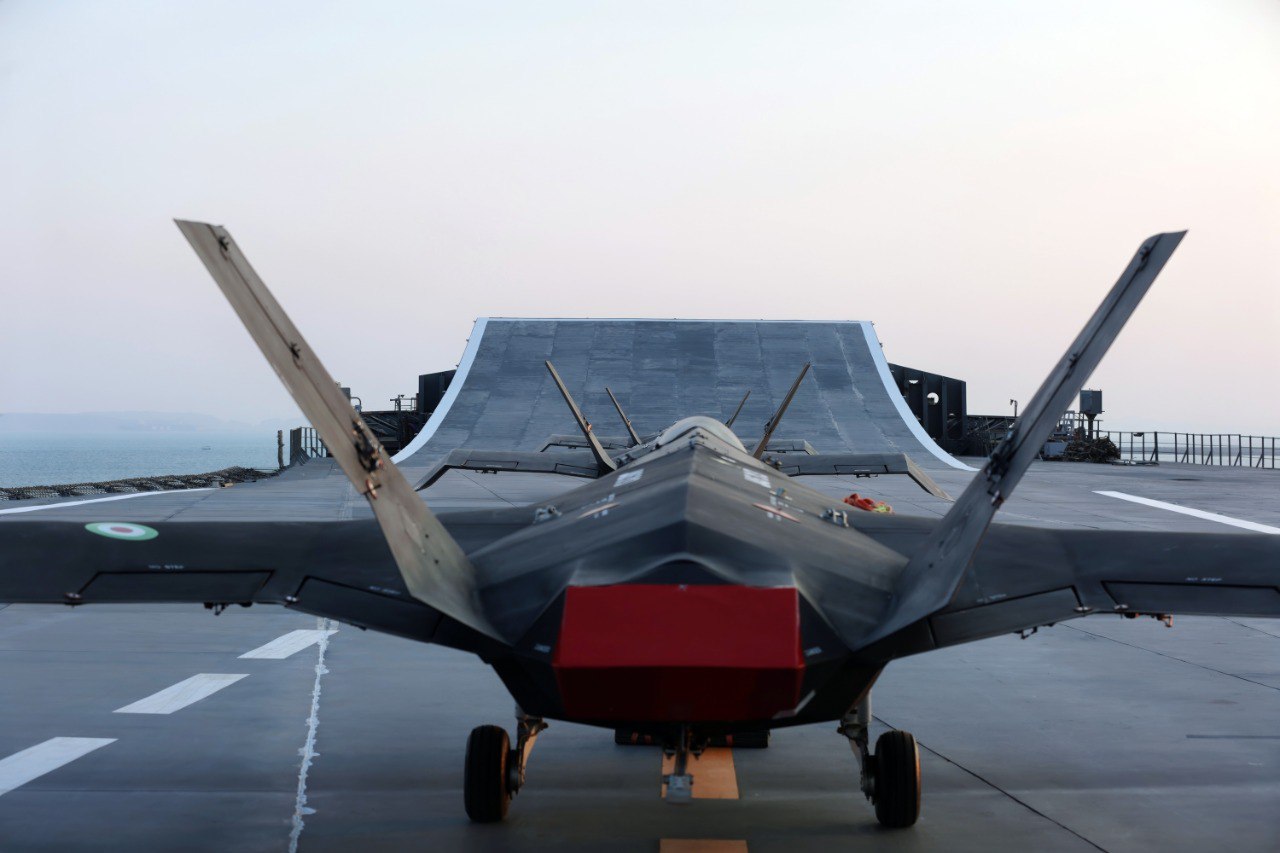
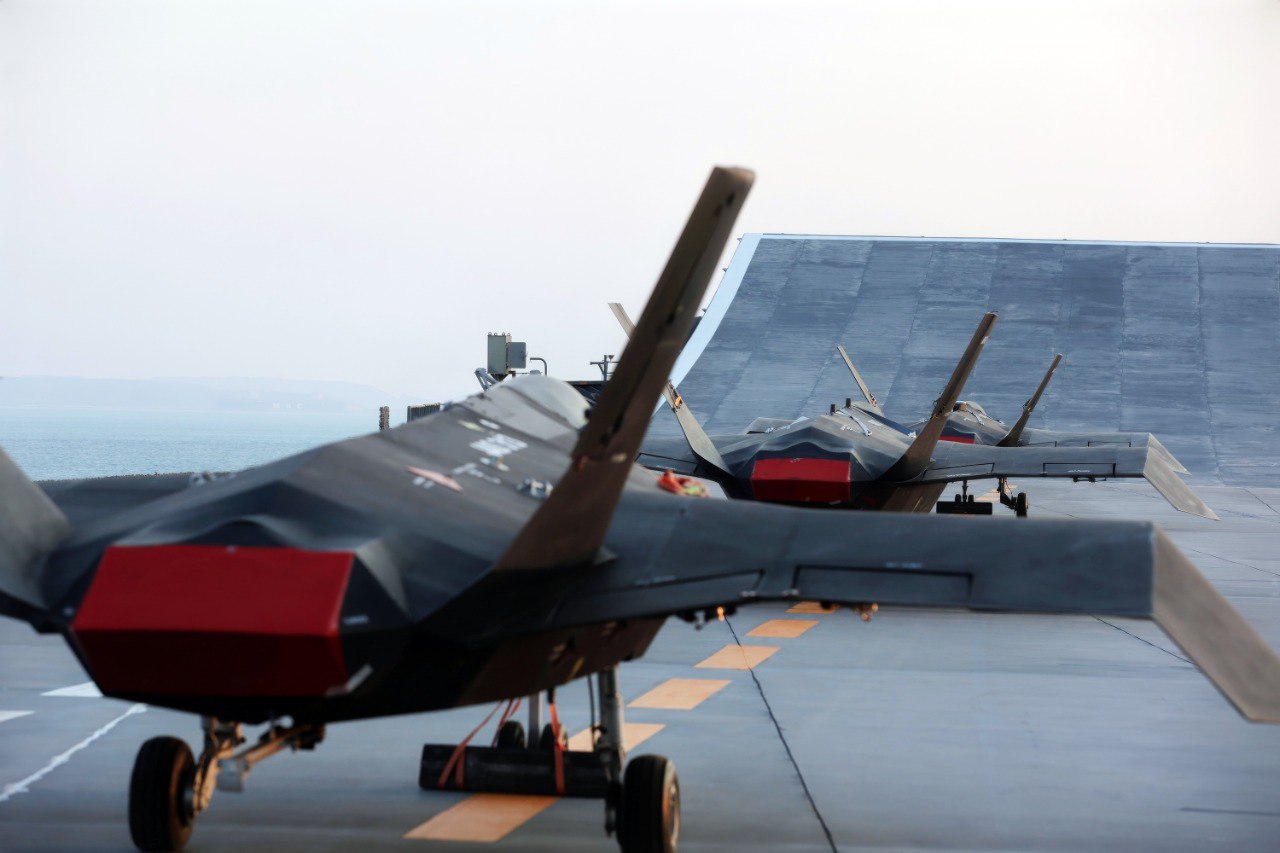
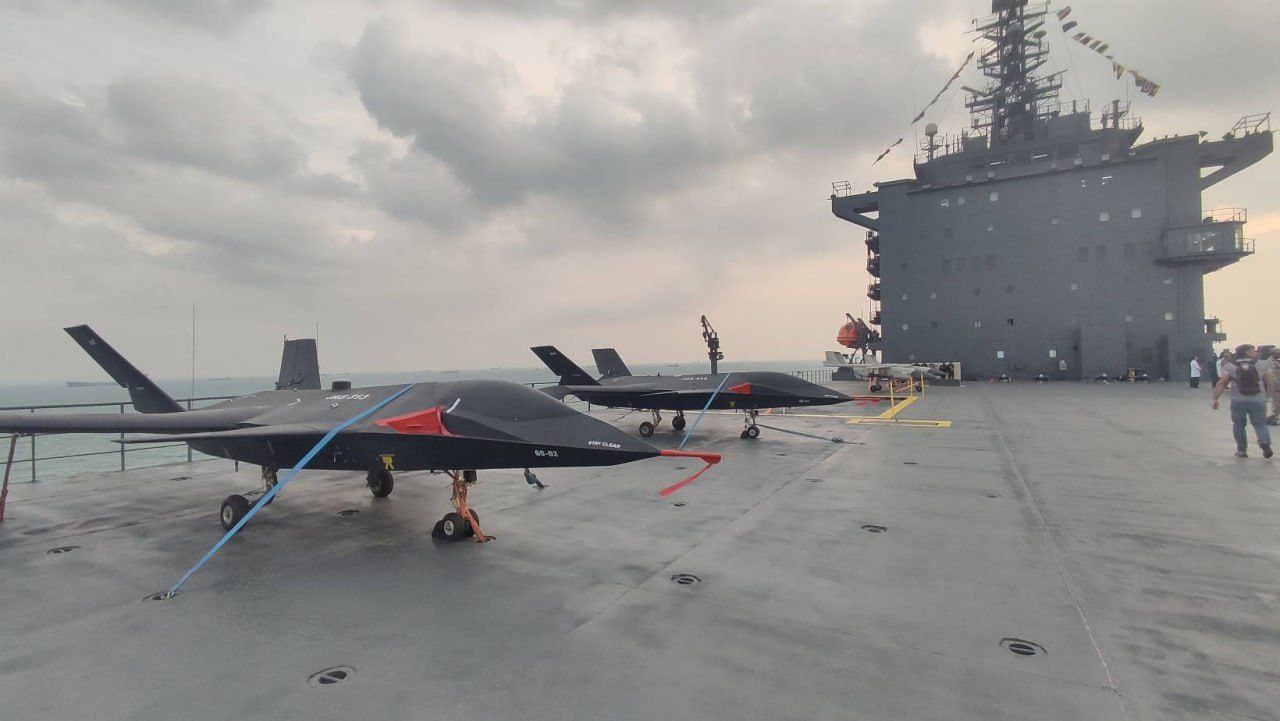
    The videos show the 60% scale variant of the Qaem drone being transferred to the ship’s deck by elevator and the 20% scale variant undergoing a flight test. These videos are archived and are not from the day of the joining ceremony.

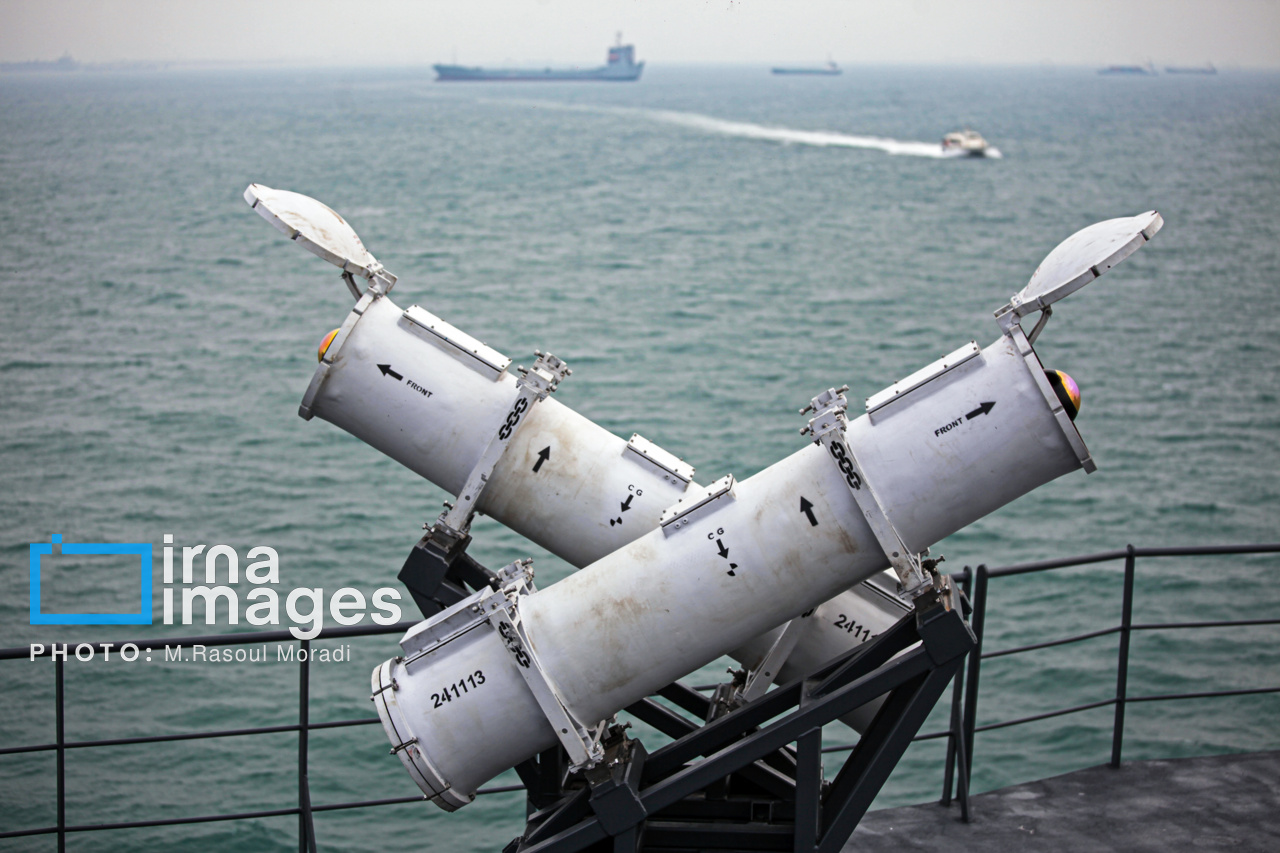
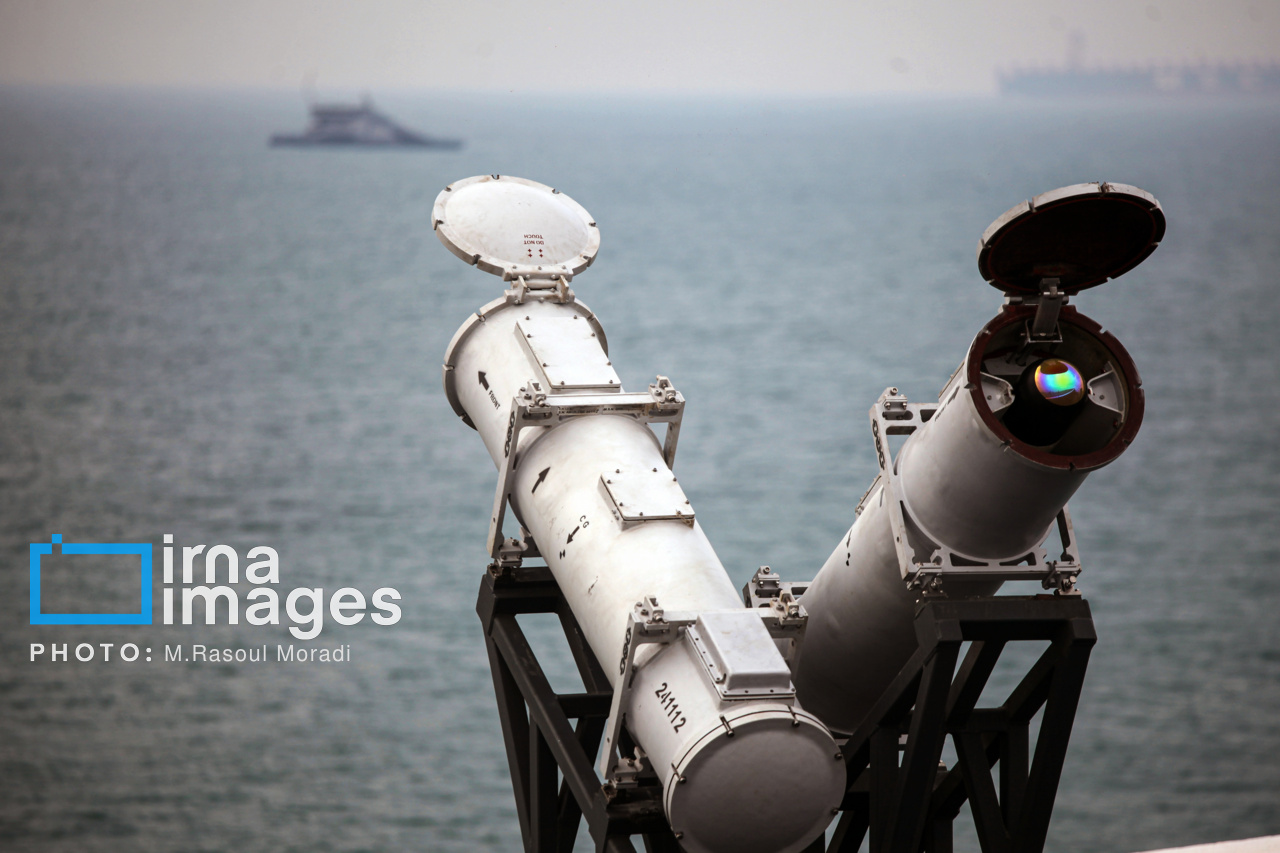
    Regarding armament, the Bagheri drone carrier is currently equipped with eight Kowsar 222 air defense missiles, each with a range of 17 km, positioned at the front and rear of the ship. Additionally, there are eight anti-ship missiles from the Qader/Nasir series, comprising four twin launchers, located behind the bridge. There is also a container in this section that probably contains two ballistic missiles. The vessel also features a single-barreled 30 mm cannon with an electro-optical system at the front and two triple-barreled 20 mm Asefeh Gatling guns situated at the rear and stern.
    Admiral Tangsiri’s explanation about IRIS Shahid Baqeri

    According to Admiral Tangsiri, Commander of the IRGC Navy, the Shahid Bahman Bagheri drone carrier is equipped with the following specifications and features:

    • Speed of 22 knots
    • Fast attack boats capable of firing missiles with a range of 30 kilometers
    • Drone combat group (reconnaissance, surveillance, and combat)
    • Attack and support helicopter combat flotilla
    • Submarine combat team
    • Six-bed specialized hospital and various medical and welfare facilities
    • 180-meter runway
    • Three separate fueling stations for helicopters, drones, and vessels
    • Electronic warfare teams
    • Missile defense systems
    • Special commando operations capabilities
    • Diving team
    • Long-range surface-to-surface missiles
    • Drone and helicopter control tower
    • Drone squadron
    • Eight two-story hangars
    • Ability to operate continuously for one year

    One of the most intriguing aspects of adding this drone carrier is the unveiling and deployment of the Qaem Jet drones. The Qaem (Ghaem) drone, also known as Qaher 313, has been observed in two versions—60% and 20%—on Shahid Bagheri drone carrier. It remains uncertain if the 100% scale variant of the Qaem drone will also be deployed on this carrier.

    As previously mentioned, Shahid Bagheri drone carrier is equipped with missile-launching fast craft. These fast craft are launched into the water using overhead cranes located on the sides of the ship.

    Iran can utilize drone carriers as floating bases in nearby waters or international waters to conduct various operations, including reconnaissance, intelligence, and combat missions. The United States, China, Russia, and Turkey have previously employed this capability at sea.

    The name of this ship, Shahid Bagheri, honors martyr Bahman Bagheri, who was martyred in 1988 during the Iran-Iraq War at Faw. Bahman Bagheri was a prominent martyr of the IRGC and served as the commander of communications at the IRGC Navy’s Nuh Base during the war.

    Ababil-3 drone landing and takeoff from the deck of the IRGC Navy’s Shahid Bahman Bagheri drone carrier

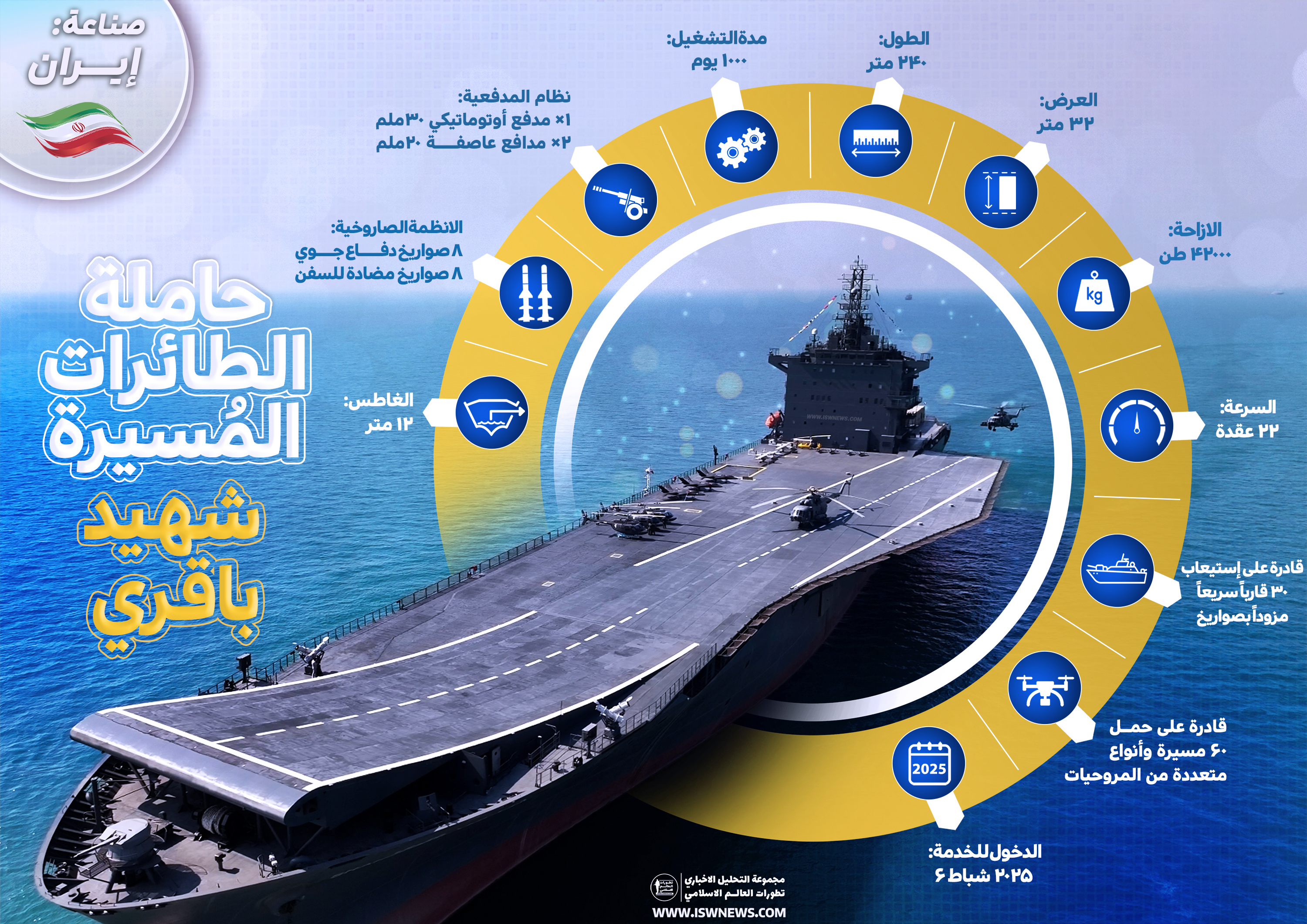
    Shahid Bagheri Drone Carrier specifications:
    Commissioned: February 6, 2025
    Length: 240 meters
    Beam: 32 meters
    Draft: 12 meters
    Speed: 22 kn
    Displacement: 42,000 tons
    Endurance: 1,000 days
    Missile arsenal:
    8 air defensive missiles
    8 anti-ship missiles
    Guns:
    1x 30 mm automatic cannon
    2x 20 mm Asefeh cannons
    Aircraft carried: 60 UAVs and various types of helicopters
    Boat carried: 30 fast missile boats
    Made by: Iran

  • Military Knowledge: Ababil-5 Reconnaissance Combat Drone

    Military Knowledge: Ababil-5 Reconnaissance Combat Drone

    During a parade held on April 18th, 2022 in Tehran, a new drone called “Ababil 5” (also known as Ababil-V or AB-V) was revealed to the public. Prior to this event, no official information about the Ababil 5 drone had been released. Although the exact specifications of the Ababil-5 drone have not been officially disclosed, we will analyze the available footage to review its specifications and features in this article.

    The aerodynamic design of this UAV is generally akin to that of the Mohajer-6. While the Mohajer-6 features a High Boom Tail configuration, the Ababil-5 employs a Boom Tail configuration. This design choice not only shortens the runway length needed for landing and takeoff but also enhances the drone’s ability to perform more intense maneuvers.

    Types of aircraft tail configurations

    The body of this drone has sharp angles and lines, which are clearly designed to reduce the radar cross section from the front, i.e., when the bird is approaching the radar.

    Sharp angles and lines

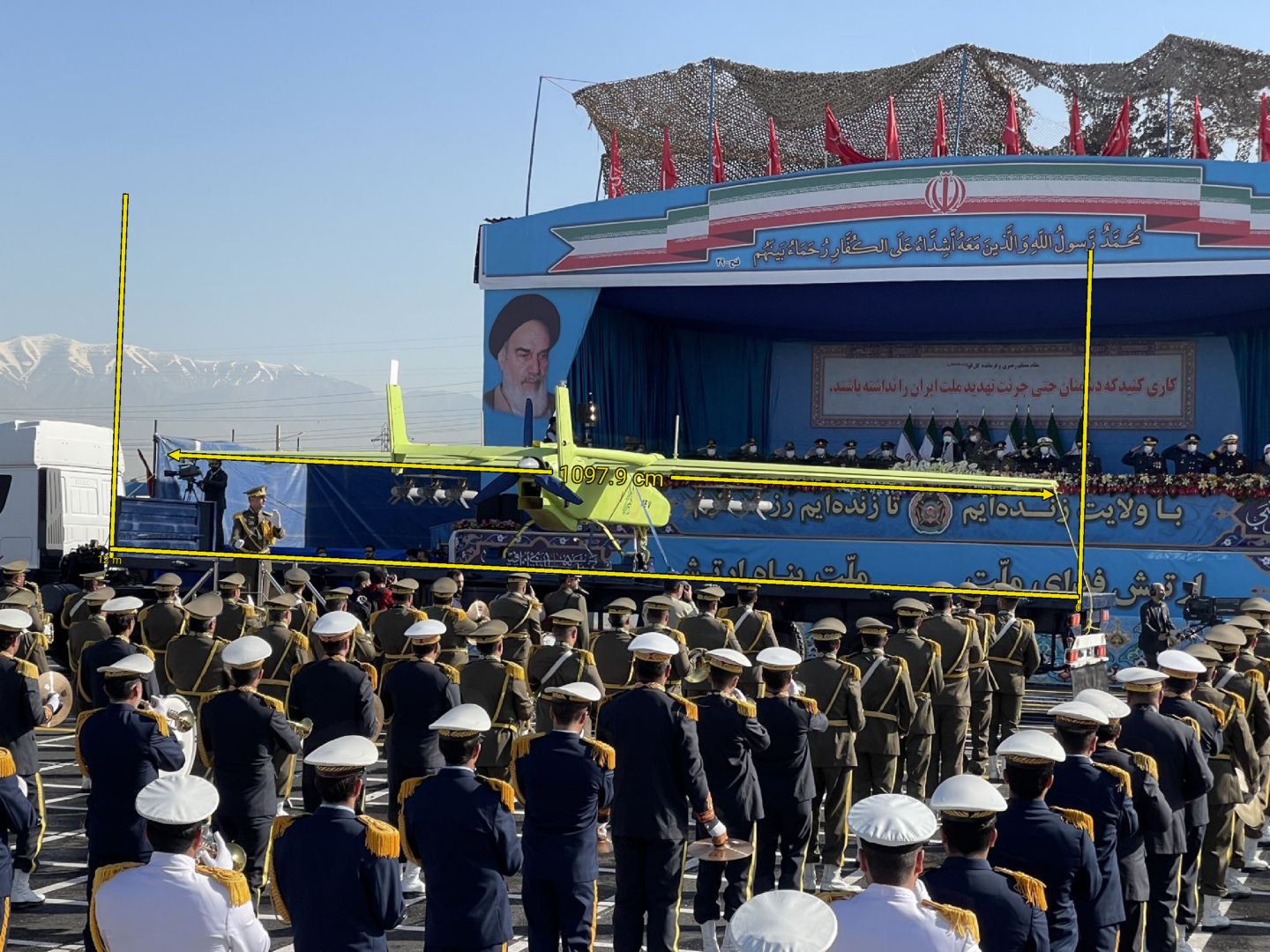
    Considering the dimensions of the truck floor, the Ababil-5 drone is estimated to have a wingspan of approximately 12 meters.

    Ababil-5 estimated wingspan

    The Ababil-5 boasts a wingspan that is 20% larger than that of the Mohajer-6. This increase in wing area allows for a greater cargo mass, enabling the Ababil-5 to carry six Qaem-1 bombs, compared to the Mohajer-6, which can carry up to four bombs.

    The landing gear is designed to retract, which helps to reduce drag and minimize the radar cross-section. This reduction in drag, facilitated by the retractable landing gear, enhances the UAV’s cruise speed, flight endurance, and range.

    Another reason for incorporating retractable landing gear at the front of the body is to prevent obstruction of the electro-optical’s view. If the camera system were placed in front of the landing gear, as seen in the Mohajer-6, the increased distance from the drone’s center of mass would require additional balance weight, potentially affecting the drone’s performance. Therefore, retractable landing gear is utilized to avoid these issues.

    Ababil-5 front wheel landing gear

    The rear wheel landing gear is fixed type. According to the published images, the base of the rear wheels are connected to each other by a wire, which limits the amount of final bending of the landing wear during landing and prevents the body from hitting the runway surface.

    Ababil-5 rear wheel landing gear

    When it comes to weaponry, the Ababil-5 has been observed equipped with Qaem Glide bombs, Almas missiles, and Arman-1 bombs. This drone is capable of carrying six Ghaem-1 bombs and four Ghaem-5 bombs.

    Read more:
    Military Knowledge: Qaem Smart Bombs
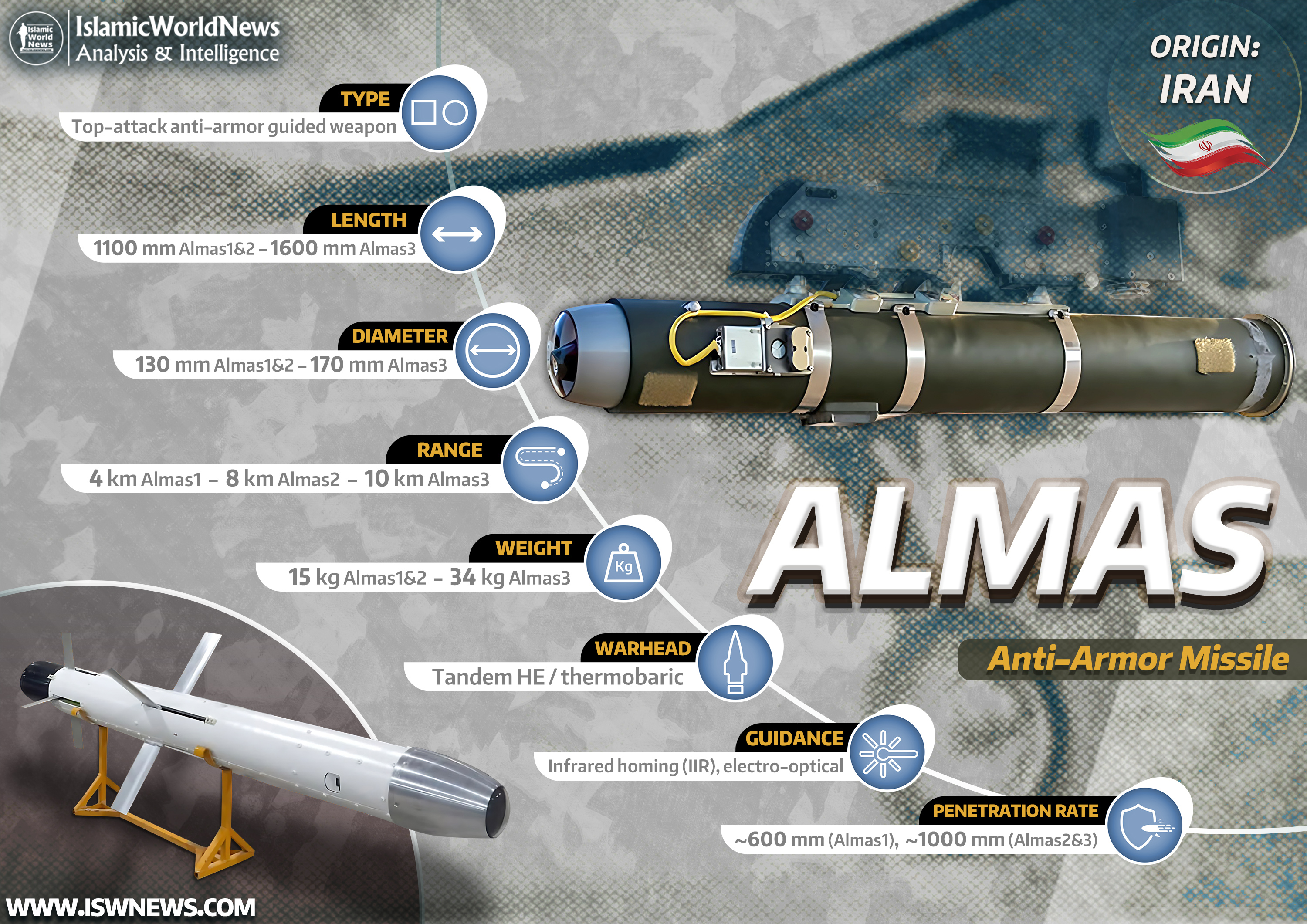
    Military Knowledge: Almas Missile

    Given that the Ababil-5 has been adopted by both the Iranian Army and the IRGC, and considering it is manufactured by the Iran Ministry of Defense, there’s a possibility that the ammunition used in the Mohajer-6 could be compatible with the Ababil-5, due to the similarity of some of their components.

    Carrying a larger number of bombs or cargo effectively increases the lethality of the UAV, and economically, it destroys targets with fewer sorties and hunts targets at a lower cost. Also, reducing the number of flight sorties can be important both in terms of maintenance and increasing the operational rate of the fleet.

    In terms of camera system, the Ababil-5 drone can be equipped with a more advanced electro-optical system, in addition to using older electro-optical systems such as the Eagle 4 models. This advanced camera features at least 60x zoom capabilities, along with a thermal imaging camera and a laser rangefinder.

    Ababil-5 electro-optical system
    During the 1402 Joint Drone Exercise of the Islamic Republic of Iran Army, the Ababil-5 drone was used to observe an Arleigh Burke-class destroyer in the Indian Ocean for four hours

    This drone is powered by a piston engine. Images from the NAZAJA exercise in February 2024 reveal that the Ababil-5 is equipped with a Rotax 915 iS engine or a similar model. The Rotax 915 engine delivers up to 141 horsepower at its peak performance.

    Overall, Rotax engines are commonly employed in many Iranian drones. Due to sanctions targeting Iran’s military and aviation sectors, direct procurement from Rotax is not feasible. Consequently, to cater to the varied requirements of drones in Iran, numerous components of different Rotax engines have been domestically produced, with some models achieving a complete localization rate of 100%.

    With the Rotax 915 iS engine, the Ababil-5 achieves a flight ceiling of approximately 7,000 meters (23,000 feet) and a speed of around 210 kilometers per hour. Its maximum takeoff weight is estimated to be about 1,000 kilograms.

    The Ababil-5 drone boasts a flight duration of 12 hours in combat mode, and up to 24 hours in reconnaissance mode without a combat payload. It has a maximum range of up to 2,400 kilometers.

    Video showcasing the Ababil-5 drone’s performance during the Islamic Republic of Iran Army Ground Forces exercise in February 2024

    Ababil-5 UCAV specifications:
    Length: ~ 8 meters
    Wingspan: ~ 12 meters
    Maximum range: up to 2,400 kilometers
    Flight ceiling: 7,000 meters
    Flight endurance: 12 hours combat – 24 hours reconnaissance
    Engine type: Rotax 915 – 141 horsepower (at its peak)
    Speed: 210 km/h
    Hardpoints: 2, with the ability to carry 6 missiles and bombs
    Maximum takeoff weight: ~ 1,000 kilograms
    Weapons payload: up to 150 kilograms
    Origin: Iran

    Ababil-5 UCAV – Click to view full size

    More images of Ababil-5 drone:

    “Ababil 5” UAV poster collection in Farsi, Russian, Arabic, Chinese and Hebrew:

  • China Unveils Two Sixth-Gen Fighter Jets: Chengdu J-36 and Shenyang J-50

    China Unveils Two Sixth-Gen Fighter Jets: Chengdu J-36 and Shenyang J-50

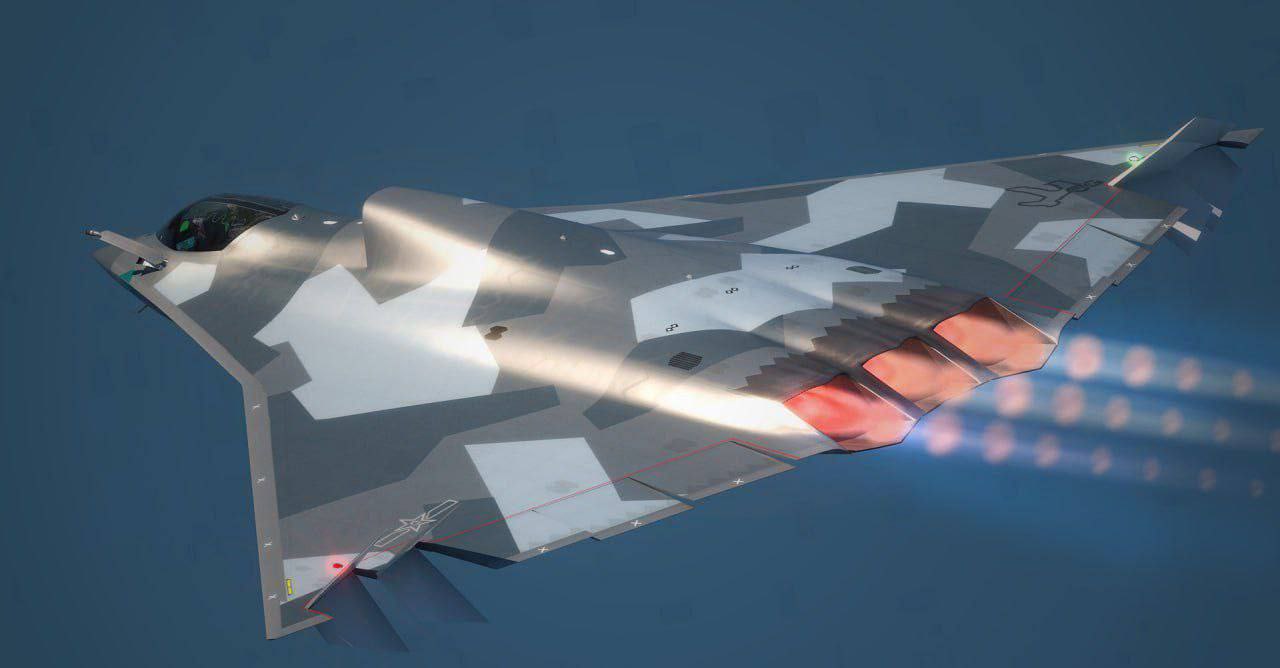
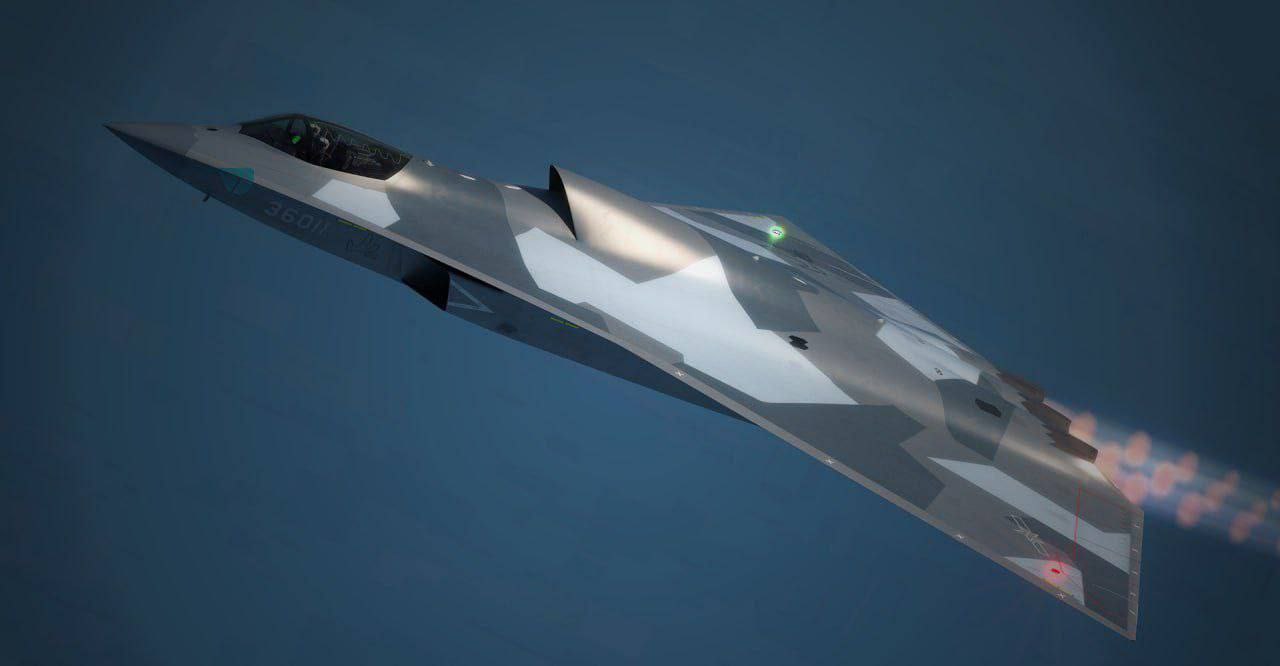
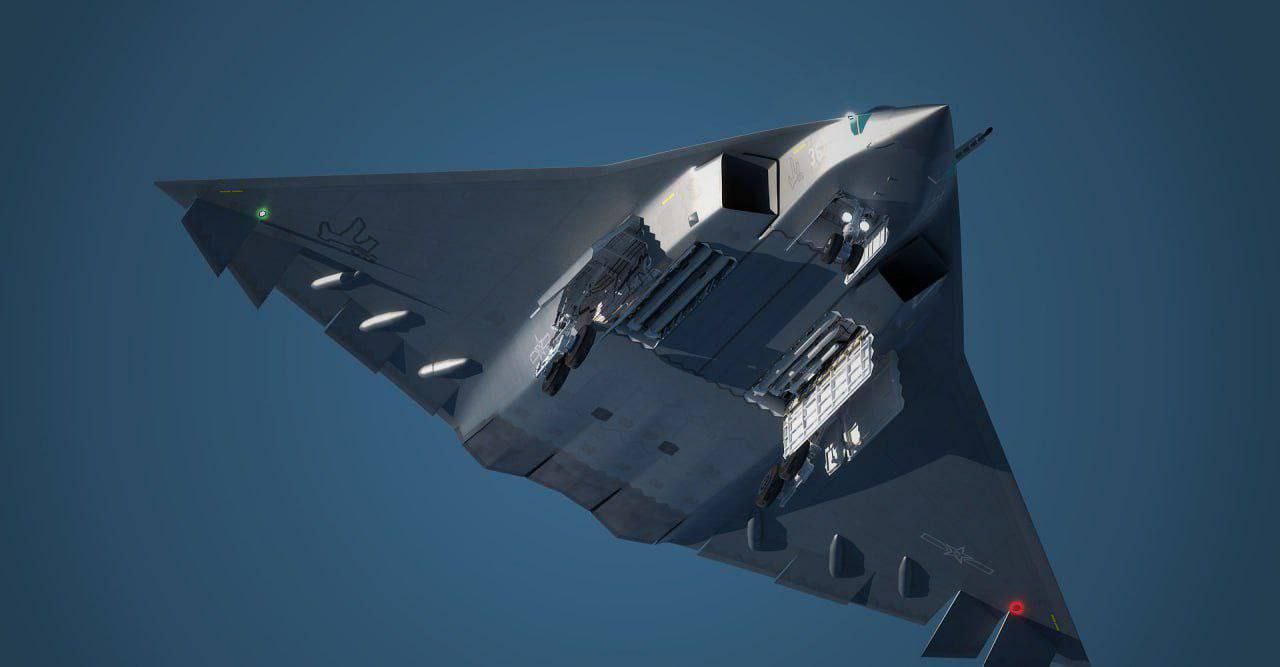
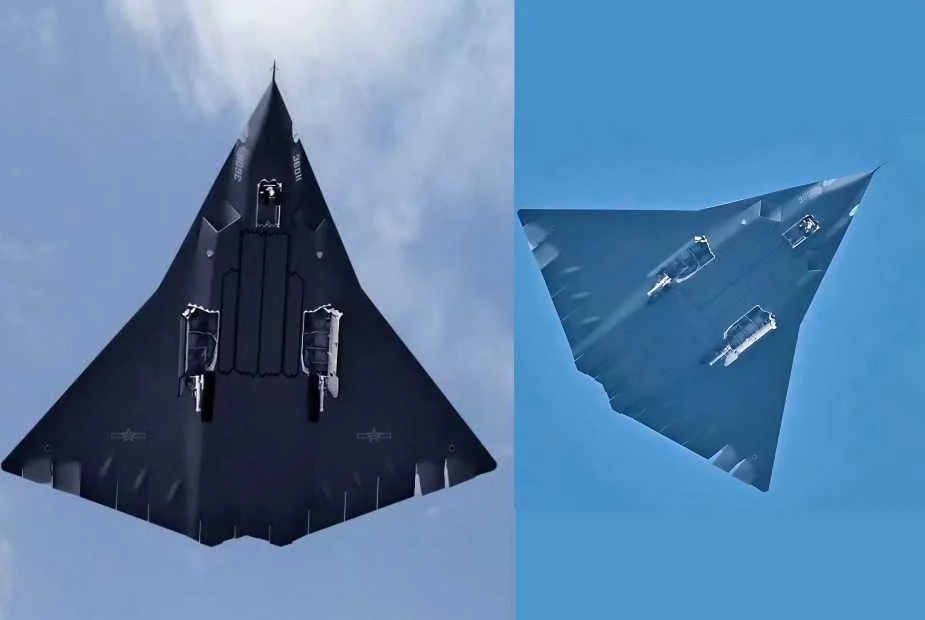
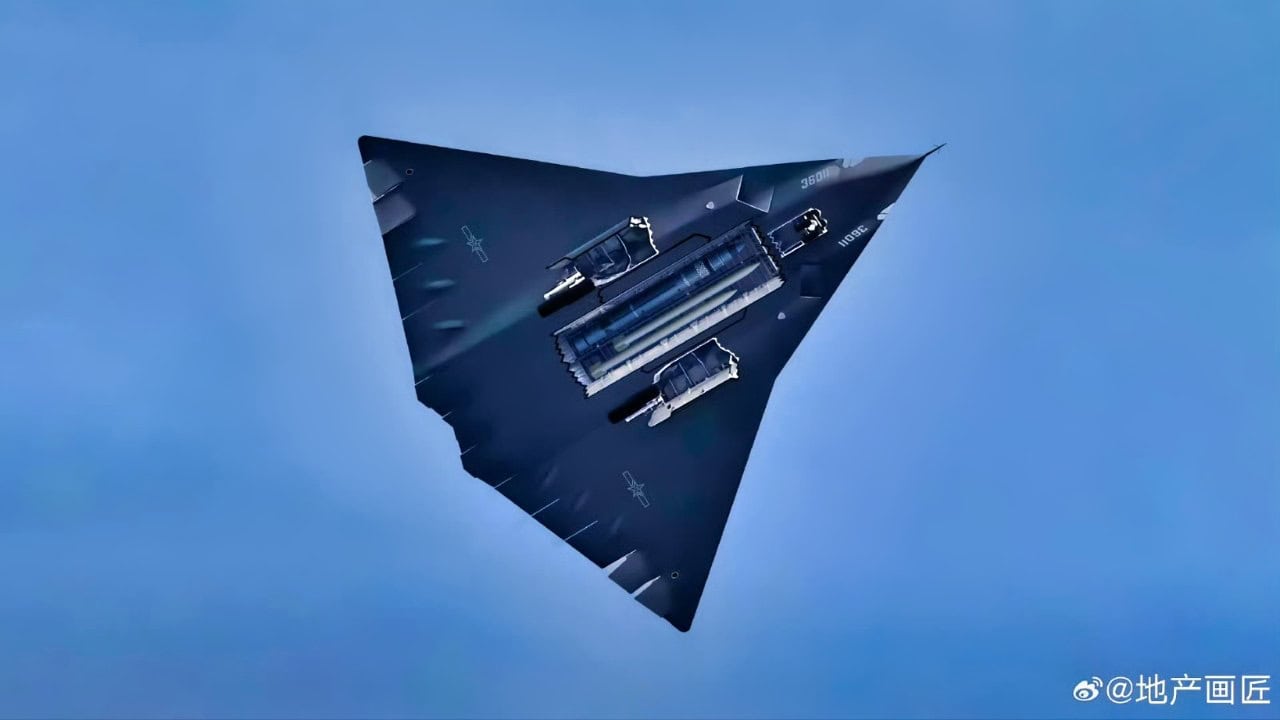
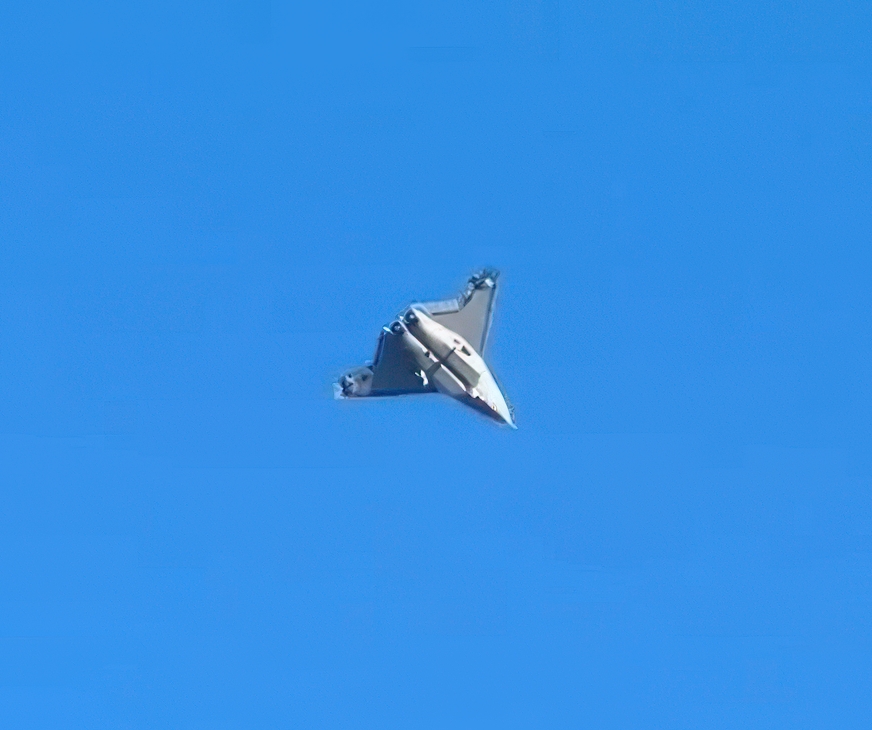
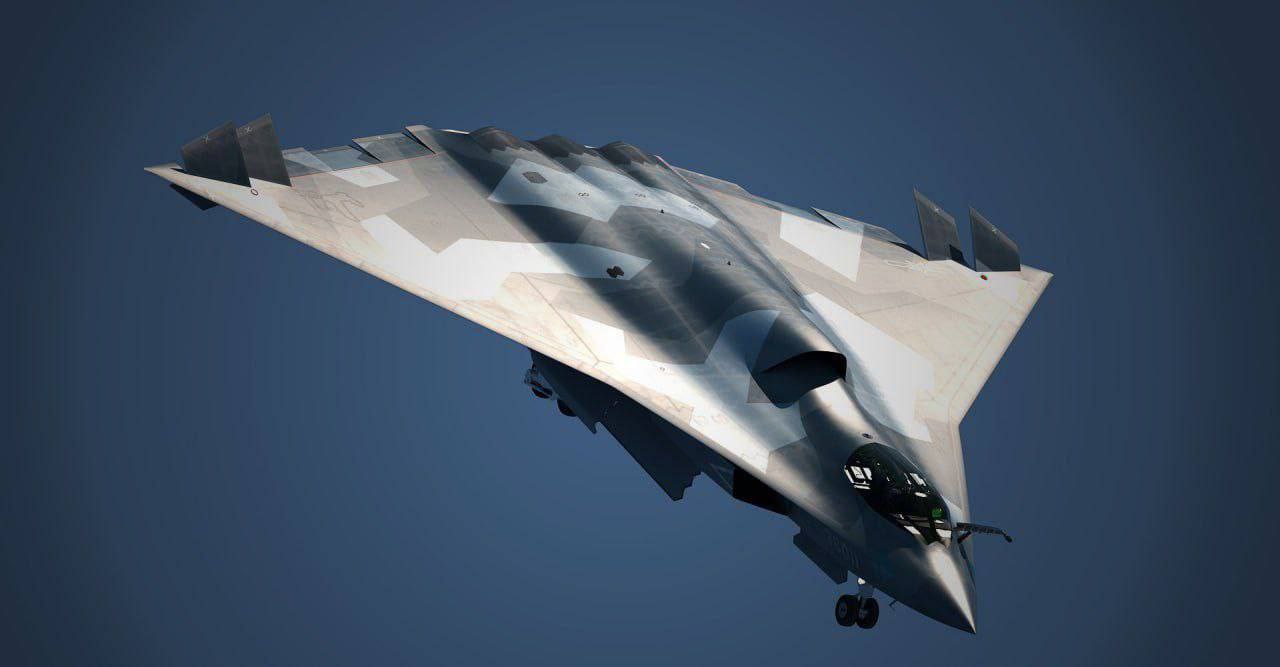
    The Chengdu Aircraft Corporation’s (CAC) J-36 fighter jet has garnered significant attention due to its unique design. It was first publicly observed during a test flight over Chengdu, accompanied by a J-20S fighter jet.

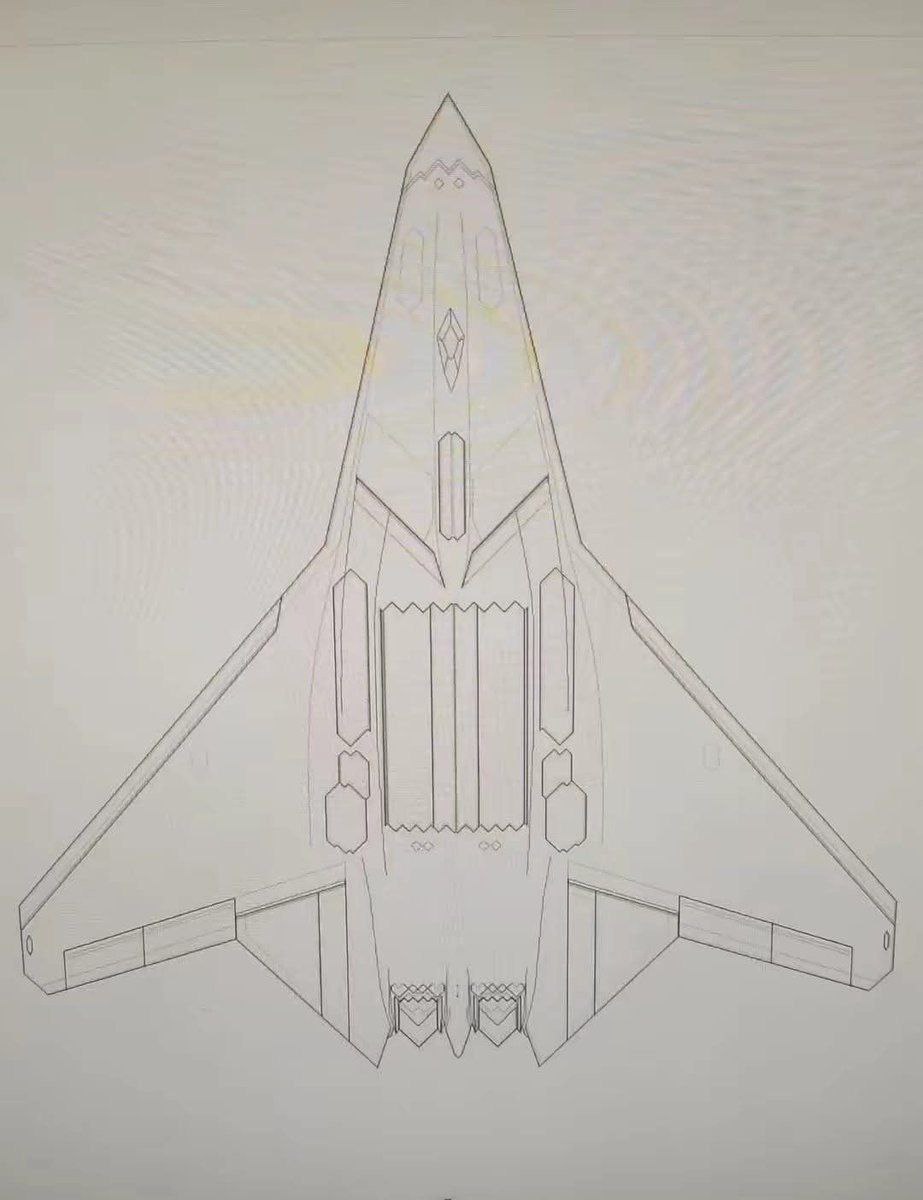
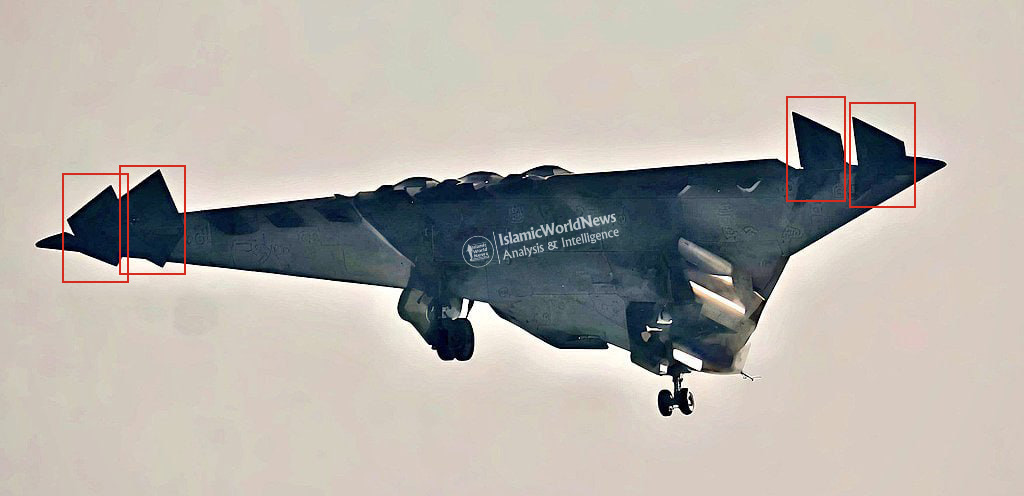
    The J-36 fighter features a diamond-like double delta wing configuration, lacking both a tail and a vertical rudder. The removal of the vertical rudder is intended to reduce the radar cross-section. The wing angles suggest that it has been aerodynamically optimized for supercruise capability.

    The J-36 fighter jet employs five trailing edge control surfaces on each wing, including two split flap rudders at outboard wing edges to enhance maneuverability.

    Two split flap rudders at outboard wing edges to enhance maneuverability.

    A notable aspect of the J-36’s design is its use of three low-radar section turbofan engines, with the two outboard engines likely featuring thrust vector control (TVC). The engine with a movable nozzle enhances the fighter’s maneuverability. The use of three engines is a unique and innovative choice for this type of fighter jet. Previous designs and previews depicted the J-36 with two engines, making the current configuration even more distinctive.

    The J-36 features three air intakes: one located on top of the fuselage behind the cockpit, and two on the underside of the fuselage.

    Based on available information, the J-36 fighter is estimated to be between 20 and 26 meters in length, with a wingspan of approximately 24 meters and a wing area of over 200 square meters. Its maximum takeoff weight is estimated to be between 45 and 55 tons.

    Military experts estimate that J-36 can achieve speeds of Mach 2.5 and has a combat radius of approximately 3,000 kilometers, which is considered exceptionally long for a fighter jet.

    The J-36 has three weapons bays. The large, central bay is approximately 7.6 meters long, and can accommodate missiles such as the PL-17 air-to-air missile or heavier air-to-surface missiles. There are two smaller bays under the J-36’s fuselage that can carry smaller missiles. Given the large ammunition bays, the J-36 is likely to also serve as a tactical bomber.

    J-36 flight test over Chengdu city escorted by a J-20S fighter jet

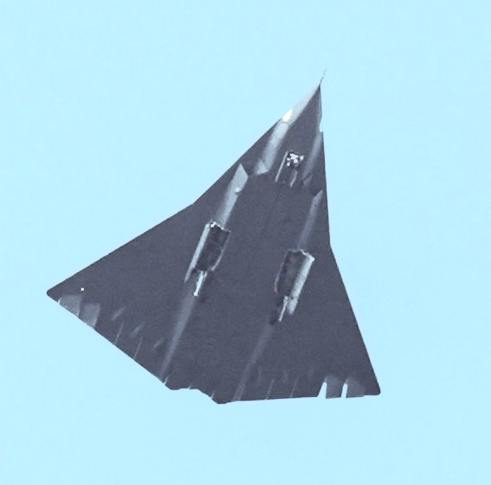
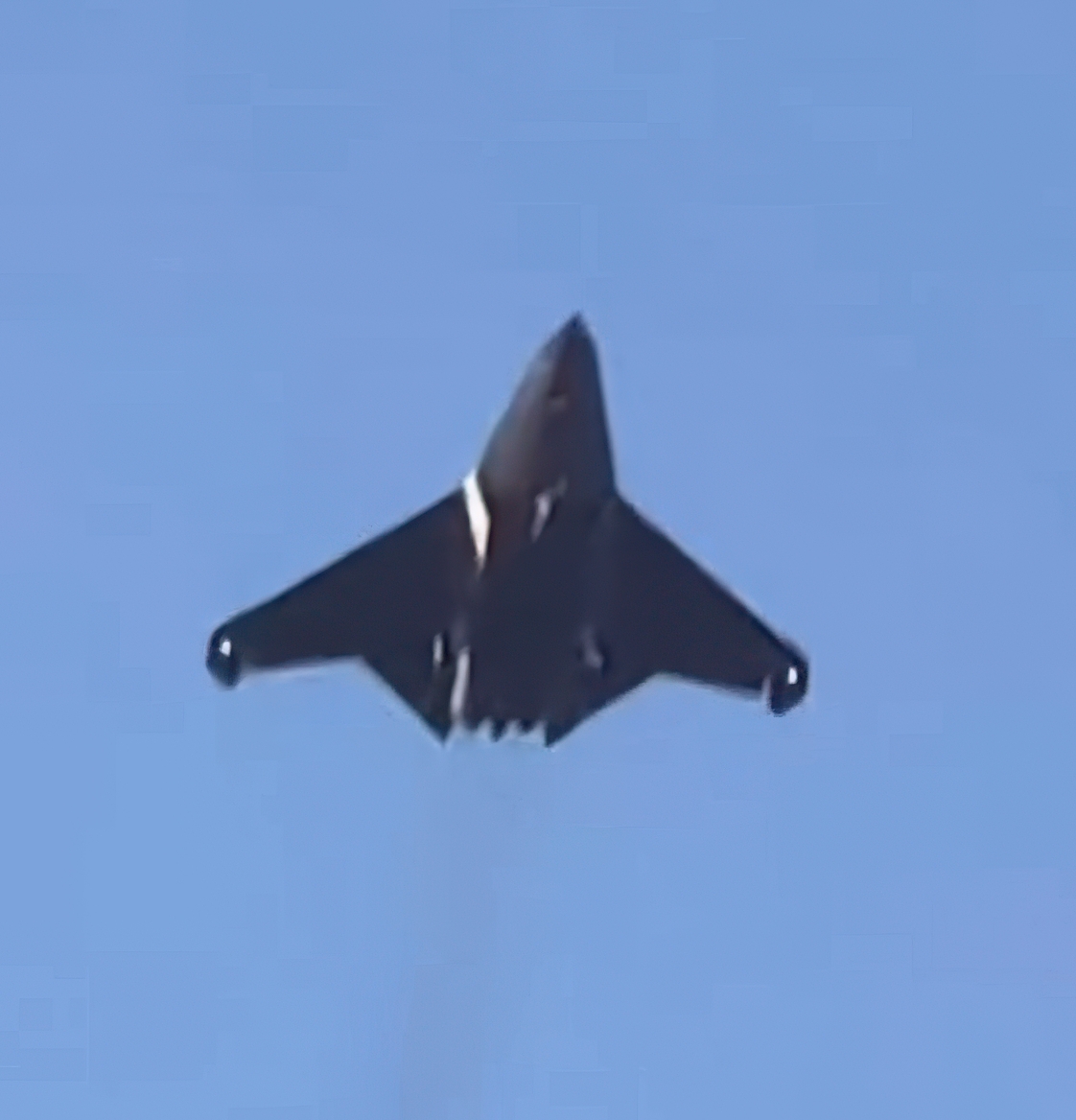
    Another sixth-generation fighter from China is the J-50, developed by the Shenyang Aircraft Corporation (SAC). It was observed during a flight test over Shenyang on December 26, 2024.

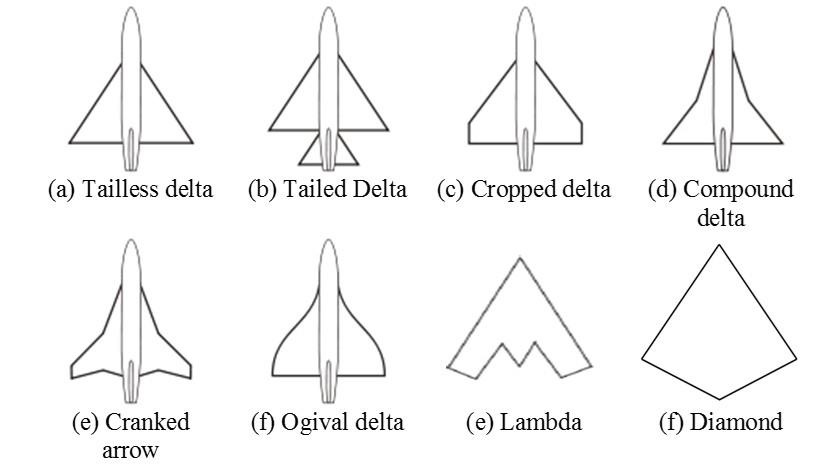
    The J-50 fighter jet also incorporates the specific airframe design characteristics of a sixth-generation fighter jet. This prototype features a combination of a delta configuration with a cranked-arrow design with sharply swept lambda wings with droopped wing tips.

    A view of various delta configurations. The J-50 is a combination of the cranked arrow and lambda configurations. The J-36 configuration is similar to the diamond configuration.

    One fascinating aspect of the J-50’s airframe and aerodynamic design is its folding control surfaces. These surfaces can be folded and aligned horizontally along the wing, and when needed, they can be unfolded to act as two vertical fins. This feature enhances the fighter’s maneuverability and control in the absence of vertical rudders. The incorporation of this technology indicates that the J-50 is designed for both air superiority and strike roles.

    A video rendering of the fuselage and aerodynamics of the J-50 fighter jet. The video shows how the folding wings work on this fighter jet.

    Based on available information, the J-50 is approximately 22 meters in length, with a wingspan of 22 meters and a wing area of about 145 square meters. Its maximum takeoff weight is estimated to be around 40 tons. The J-50 can reach speeds of Mach 2 and has a combat radius of approximately 2,200 kilometers.

    The J-50 fighter jet uses two engines and has two air intakes under the fuselage.

    The J-50 is smaller in size compared to the J-36, resulting in smaller ammunition bays and the ability to carry fewer missiles. Its moderate size makes it more suitable for carrier-based operations.

    J-50 fighter jet test flight over Shenyang

    It is important to note that the names of these two sixth-generation fighters have not been officially announced by their manufacturers. The names used, J-36 and J-50, are speculative and have been attributed by military experts.

    In general, while initial information suggests that China has achieved sixth-generation fighter jet status with the J-36 and J-50, the exact roles and capabilities of these aircraft remain unknown. Sixth-generation fighter jets are distinguished not only by their unique appearances but also by critical internal components and advanced technologies such as engine design, control systems, and artificial intelligence, etc. which collectively define their true capabilities.

    China has indeed made significant strides in military aviation, appearing to lead in the development of sixth-generation fighter jets. Meanwhile, the United States has been working on its own sixth-generation fighter under the Next Generation Air Dominance (NGAD) program, which has faced delays and challenges due to technical complexities and high costs. Western European countries and Japan are collaborating on two projects, Tempest and the Future Combat Air System, to keep pace in the sixth-generation fighter race. Russia is also developing a sixth-generation fighter known as the PAK DP/MiG-41.

    Source:
    Chengdu J-36
    Chengdu J-50
    J-50 Stealth Fighter Revealed
    Delta Wing UAV
    New Chinese Sixth-Gen Fighters

  • Winners and Losers of the Al-Aqsa Flood

    Winners and Losers of the Al-Aqsa Flood

    In connection with the fact that the Axis of Resistance is a purely defensive alliance against the aggressive expansion of Zionism and its regional allies, therefore the current war should be interpreted based on defense tactics, and not vice versa, as pseudo-experts of the Arab or Turkish media are trying to do.

    Fact number one. Hamas, Hezbollah still exist and continue to prepare for the next battles, Iranian aid is functioning properly and will continue until the complete defeat of the enemy. Conclusion – Zionism has failed in its tasks of eliminating its main enemies.

    Fact number two. In Syria, there are still more than a hundred thousand citizens loyal to the IRGC, who have been undergoing combat training in the Islamic Republic all these years. Therefore, regardless of the future of Syria, whether it will be a “democratic country” or a Takfiri emirate, the Syrians will find a way to revive and expand the corridor from southern Lebanon to Tehran.

    Fact number three. The victims of the IRGC and Hezbollah on the battlefield, the activity of the Houthis and the Iraqi resistance at the height of the “al-Aqsa flood” once again strengthened the opinion among the Palestinian public that only Iran and its allies are ready to sacrifice themselves on the path to the liberation of al-Quds. Therefore, the naive attempts of Qatar and the Ak Party in Turkey to break the alliance of Hamas and Iran have failed.

    Fact number four. The Jordanian Muslim Brotherhood failed to come to the aid of the Palestinians, limiting themselves to senseless rallies and cheap populism; the blood of the children of the Gaza Strip is on their conscience, among other things. Having an impressive social base, the “Islamic Action Front” preferred to avoid a revolutionary struggle against the Hashemite autocracy and to rely on a “political struggle” to the detriment of the Palestinians of Gaza. The Jordanian Ikhwans had a year to carry out a revolution and thereby create a new front to distract the Zionists from the genocide of Gaza, but they preferred to shout “solidarity” in their streets. In general, even if Zionism ever attacks Jordan with the goal of creating a Palestinian enclave there, and the local Ikhwans rebel, they will not find much authority in the eyes of the world pro-Palestinian community. Because everything must be done on time, especially in politics. The Muslim-Brotherhood of Jordan have definitely disappointed everyone, including Hamas.

    Fact number five. Tahrir al-Sham managed to disgrace itself during its short term of rule. The Syrian jihadists lost immediately when they decided to “be friends” with the Zionists and personify an anti-Iranian policy. For many observers, Tahrir al-Sham is simply a Trojan horse of Zionism in Syria. Ignoring the Zionist intervention in southern Syria also shows the nature of the jihadists, who don’t care what happens near Damascus. They are more interested in agitating the Syrian people to fight against Iran. In the context of the Palestinian tragedy, Tahrir al-Sham is the main loser, since it simply exposed its essence.

    Fact number six. Erdogan’s populism regarding the Palestinian tragedy has become the main weapon of the opposition against him. No matter how hard the Ak party tries to position itself as the “main defender of Palestine”, but facts remain facts, trade with the Zionists is happening without problems. Mistrust of Erdogan’s government will only grow not only among Palestinians, but also in Islamic circles in Turkey. We all remember the many rallies throughout Turkey, where pro-Palestinian activists exposed the Turkish government’s trade with the Zionists.
    It is obvious that the activity in Syria is intended to replace the impotence of Turkish policy in the Gaza Strip in the eyes of its electorate. Erdogan may have increased Turkey’s global role, but he has clearly lost in the Gaza Strip. Evidence of his defeat is the statement of the spokesman for the Al-Qassam Brigades, Abu Ubaida, who thanked the “Axis of Resistance” but ignored Erdogan.

    Fact number seven. Qatar is a symbol of parasitism on the Palestinian cause. Doha disgraced itself a year ago when it “threatened to cut off oil supplies” to EU countries in connection with their support for the Zionist genocide of Palestinians in the Gaza Strip. Naturally, it was a cheap bluff. After the collapse of the Assad government, Qatar immediately organized a media picture praising Syrian al-Qaeda, and news from Syria overshadowed the Zionist crimes in Gaza and Lebanon. Moreover, Qatari propagandists are trying their best to denigrate Iran in the context of the al-Aqsa flood. This is done so that among the Arabic-speaking audience there is an impression that “Hamas hoped for Iran, but it did not come to the rescue”, that is, a false superficial media picture designed to hide the cowardice of the Gulf states in relation to the Zionists and the betrayal of the Palestinians.

    Now let’s look at the losers of the al-Aqsa flood. In addition to the Zionists, who are gradually becoming international pariahs, so are all those who rejoiced in the victory of the jihadists in Syria. Public opinion in these countries has not yet realized the full gravity of the problems ahead, but the situation is unfolding in this direction.