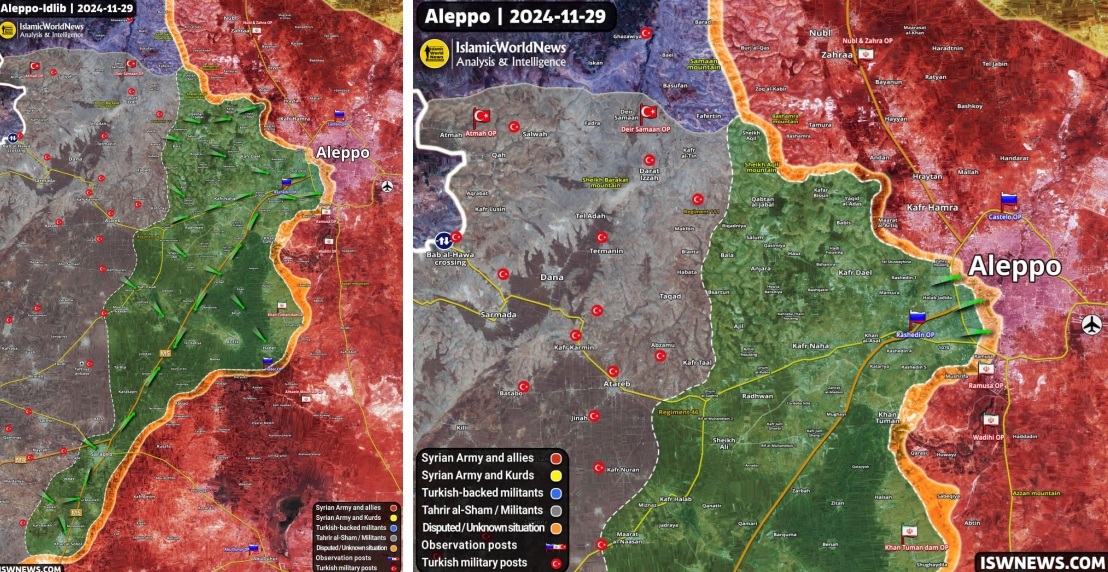
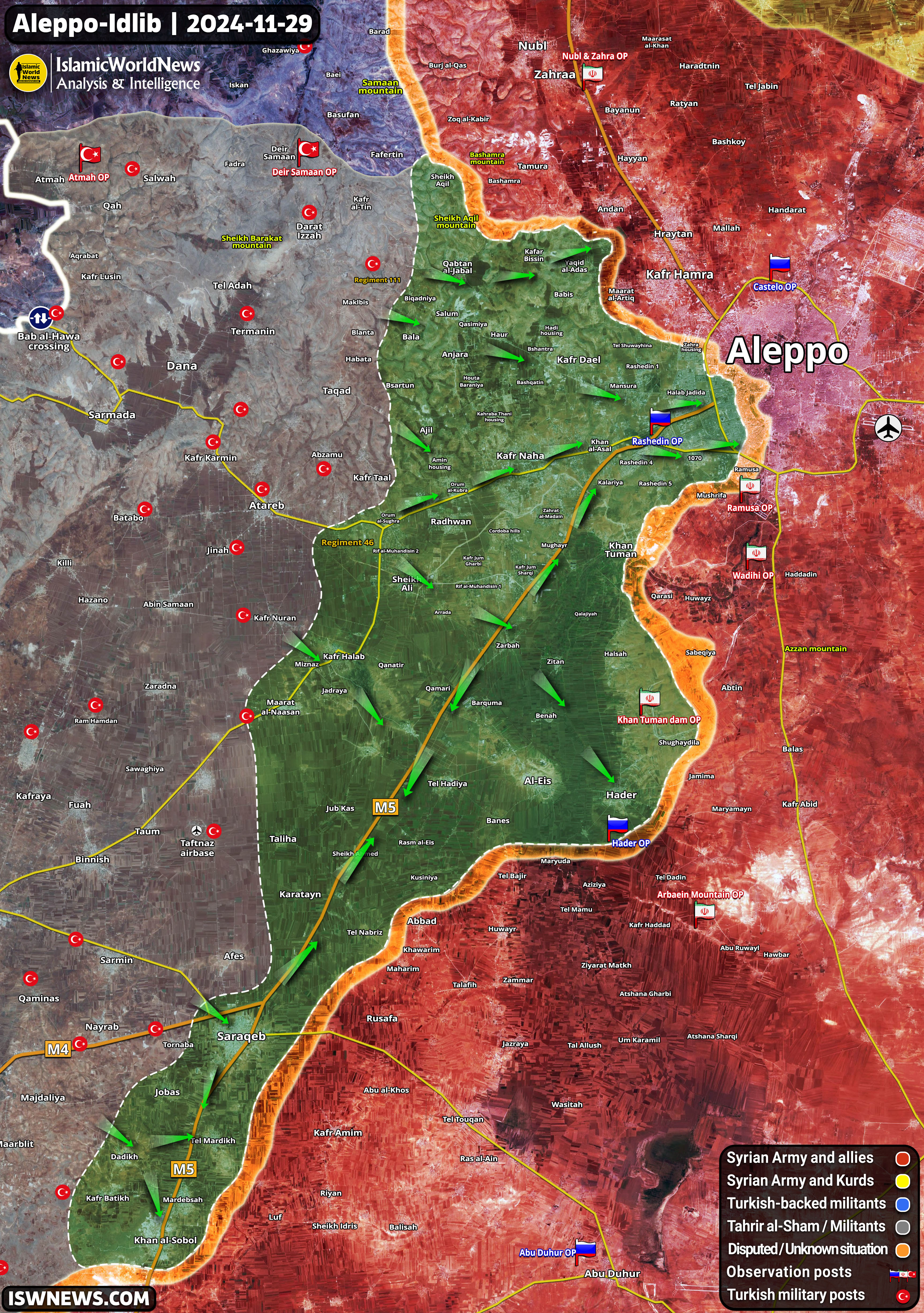
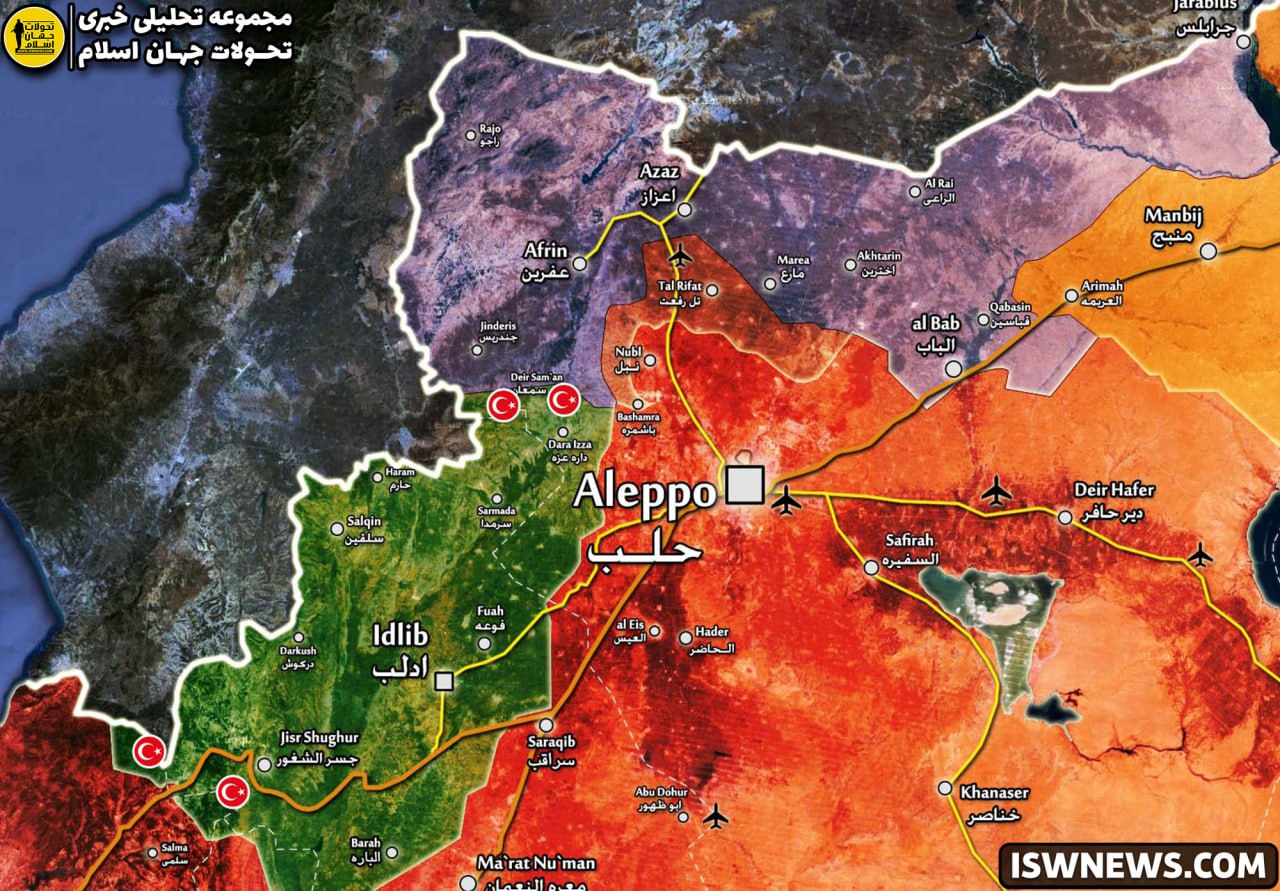
In eastern Idlib, the important town of Saraqib and several surrounding areas have also been captured by militants.
Numerous areas and villages along the Aleppo-Damascus highway (M5) from southwest Aleppo to the Saraqib area have fallen to the militants. Key areas include the village of Hader and the strategic hill of al-Eis.
Click to view full size
The situation within Aleppo city is critical. Militants are advancing through Halab Jadida, Al-Assad Academy, and Project 3000, with reports of their presence in neighborhoods such as Al-Furqan, Al-Adhamiya, Al-Adha’a, Salah al-Din, Al-Sukariya, and even in Al-Kalasah and Al-Firdous and central areas of Aleppo city.
If this trend persists, Aleppo could face total collapse.
On the northern Aleppo axis, the SNA militants have launched an operation to capture the Tal Rifaat area and its surroundings, naming it “Fajr al-Hurriya.” In recent minutes, heavy artillery attacks have targeted northern Aleppo areas, including the town of Nubl.
Residents of the Shiite towns of Nubl and al-Zahra have been warned to be prepared to evacuate due to the increasing clashes and rocket and artillery attacks by the militants.
Yesterday, senior commanders of Syrian National Army also known as Turkish-backed Free Syrian Army met with Turkish representatives in northern Syria. Sources close to the militants claim that the meeting concluded with a decision to launch a new operation against Syrian army forces in northern Aleppo. The militants’ primary objective is to capture the city of Tel Rifaat and its surrounding areas.
Alongside speculations about a new operation in northern Aleppo, local sources have reported the withdrawal of Russian army forces from some of their positions in the Tel Rifaat area, though this cannot be confirmed at this time.
Alleged video of SNA preparing for another operation in northern AleppoAlleged video of SNA preparing for another operation in northern Aleppo
Although there has been no official announcement from militant commanders or their affiliated media regarding the operation in northern Aleppo, released videos show a significant number of troops and equipment being sent to the northern fronts of Aleppo.
If the operation commences in northern Aleppo and the militants succeed in capturing the northern areas, along with other militants advancing in the western and southern suburbs of Aleppo, the security situation in the city will become worrisome.
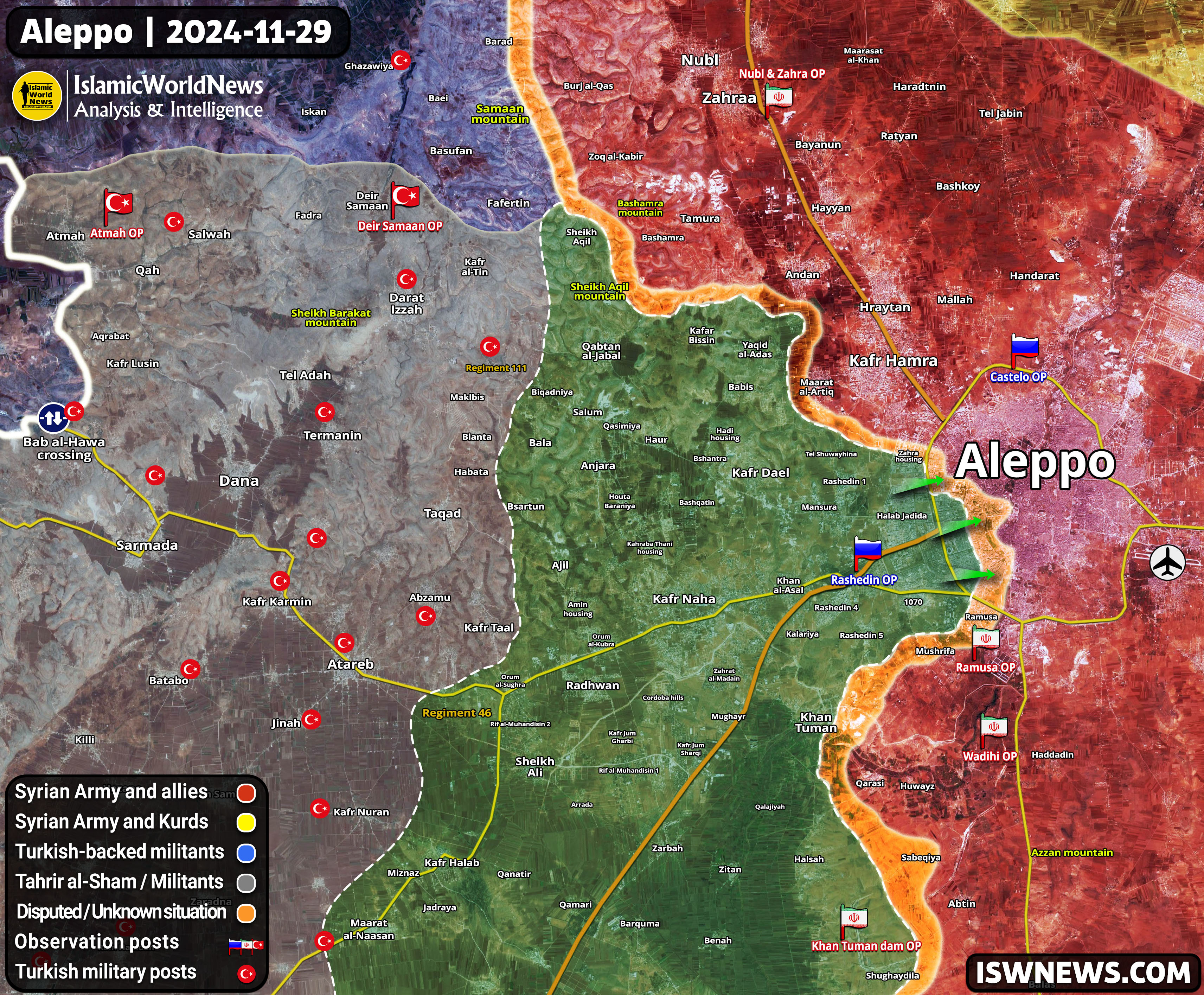
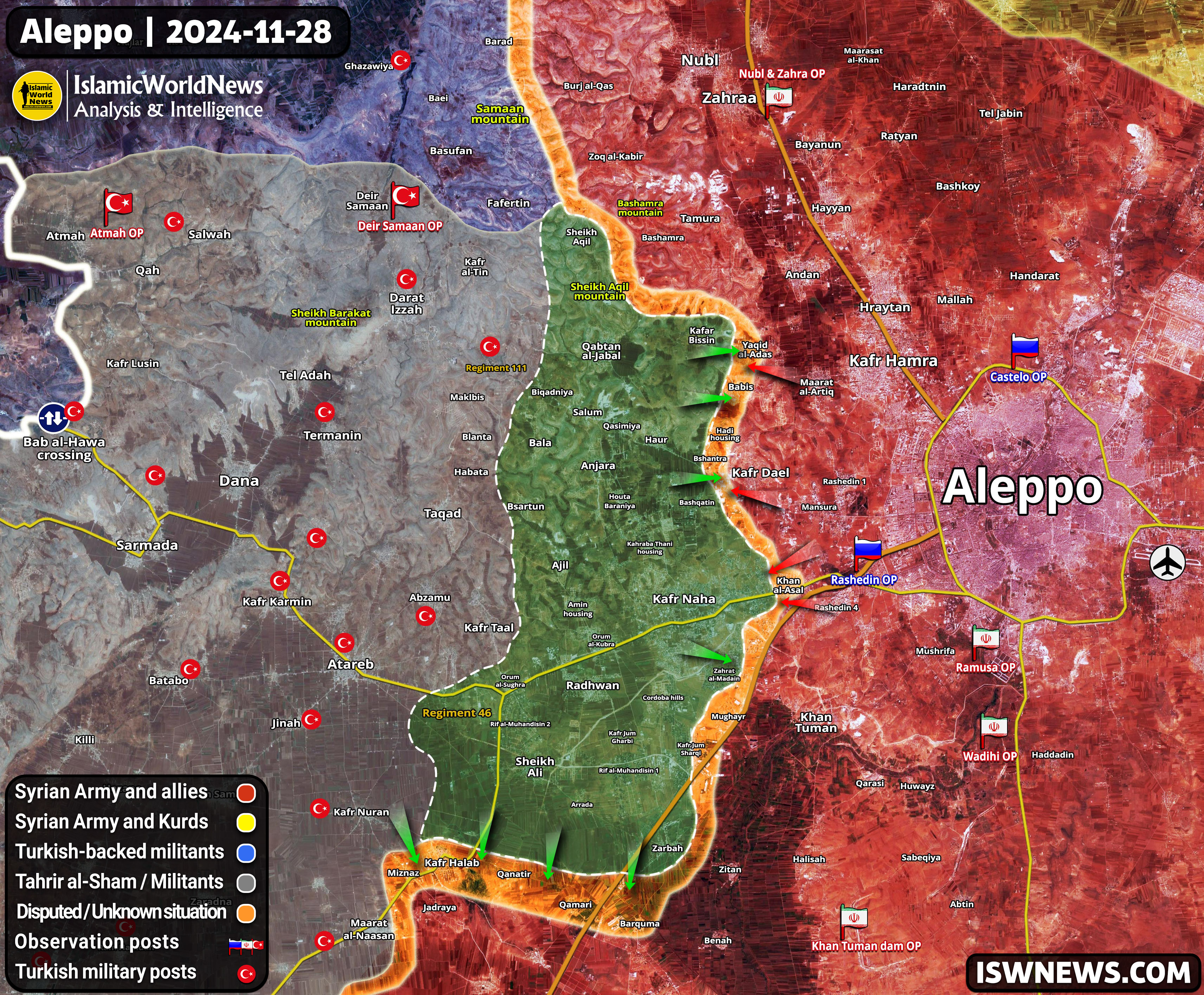
According to the latest information, militants have not only maintained control of the areas they occupied yesterday but have also seized al-Houtah, al-Amin housing, Orum al-Kubra, Orum al-Sughra, al-Radwan housing, Sheikh Ali, Arrada, Kafr Jum, Rif al-Muhandisin 1, and al-Zarba today. They have also entered Khan al-Assal, which is located 3 kilometers from Aleppo city.
With militants entering Al-Zarba and the southern part of the M5 highway, there is a possibility that the areas of Al-Eis and even Khan Touman may also fall.
Based on the most recent field reports, militants are constructing new embankments and barriers after securing the areas they’ve captured.
Meanwhile, the Syrian army is dispatching additional reinforcements to western Aleppo. Notably, the prominent Syrian army commander, Suhail Hassan, has also been deployed to the area, and Syrian army has begun its counterattacks.
It is said that the first counterattack was carried out in Khan al-Assal, and the SAA is now working to clear Khan al-Assal and its surrounding areas of terrorists.
Click to view full size
Fighting persists in Yaqid al-Adas, Babis, Bashantra, and near Kafr Da’el. Militants have taken control of Zuhrat Mada’in. Additionally, reports suggest that Kafr Halab, Miznaz, Barqum, Qanatir, and Qamari have also fallen to the militants following the Syrian army’s retreat.
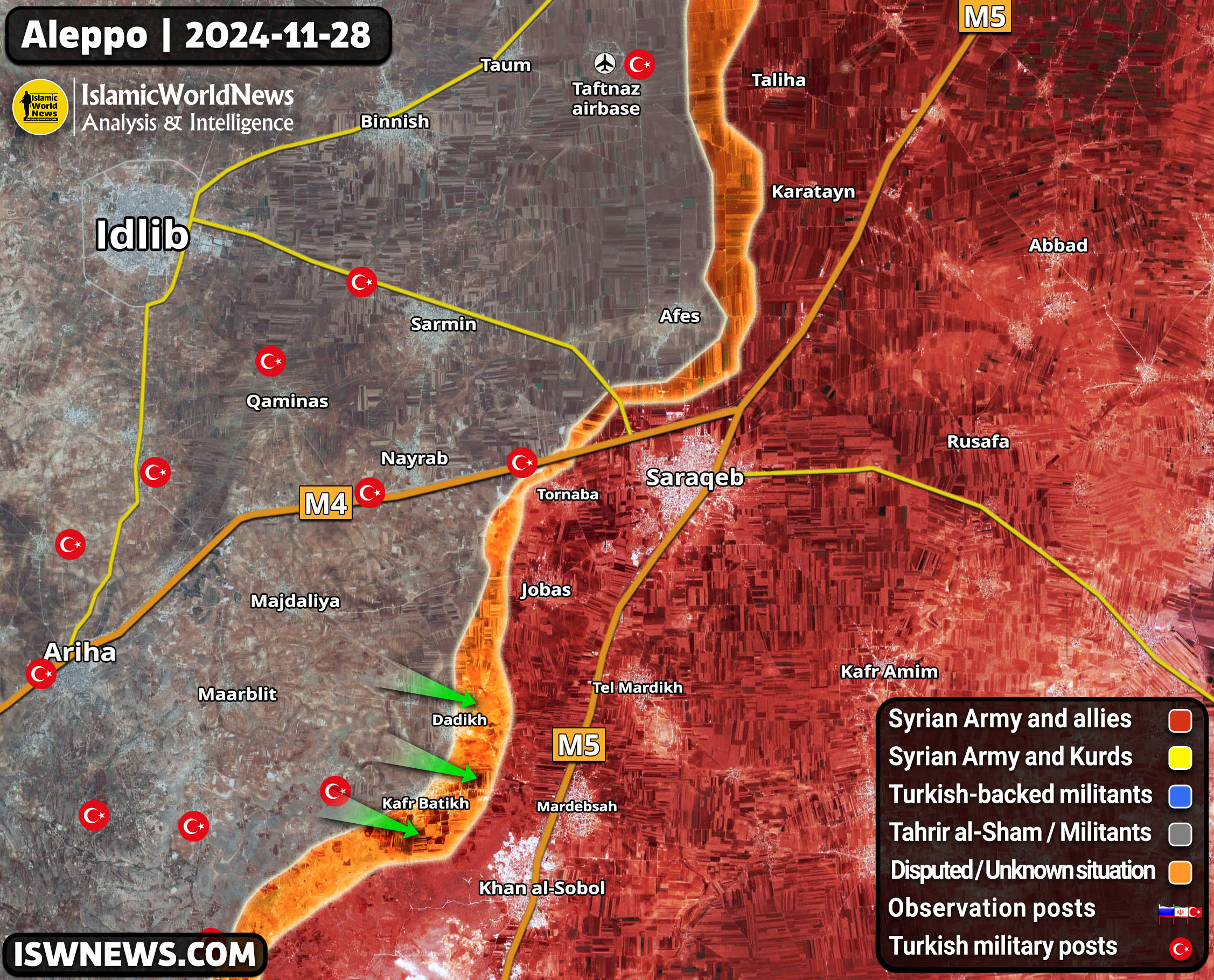
Since the start of the militants’ operations in eastern Idlib, there have been numerous reports of the fall of Saraqib, Jobas, Dadikh, and Kafr Batikh. However, the latest field information indicates that the Syrian army has repelled attacks on Saraqib and Jobas, while Dadikh and Kafr Batikh remain contested.
Following the Syrian army’s withdrawal from Dadikh and Kafr Batikh, militants entered these villages. Clashes continue around these areas, with Syrian army artillery targeting militant movements.
Amos Hochstein, the U.S. President’s special envoy to Lebanon, proposed a ceasefire plan that was approved by Hezbollah last week and announced to Lebanese government officials. Hochstein then traveled to Tel Aviv to brief Israeli officials on the proposal.
The Israeli cabinet is currently reviewing the ceasefire plan, with meetings to discuss the proposal starting this afternoon. The cabinet will vote to either approve or reject the plan, and Israel’s response to the ceasefire proposal is expected to be announced in Prime Minister Netanyahu’s upcoming speech.
The Lebanese government will also hold a meeting tomorrow morning to approve the ceasefire agreement.
The details of the agreement have yet to be disclosed, but recent discussions have centered around a 60-day, phased agreement that could be expanded in future rounds. Key topics in the negotiations have included:
1- Israel has demanded freedom of action in Lebanon, citing the ineffectiveness of Resolution 1701 in securing the northern borders. The Lebanese side, however, rejected this demand during discussions with Hochstein, considering it a violation of Resolution 1701. This point was the main source of contention in the negotiations.
2- Lebanon has requested the international community to establish a permanent land border along the Blue Line in southern Lebanon to prevent contact between Lebanese and Israeli forces. Lebanese officials have voiced concerns about deploying multinational forces for the ceasefire monitoring mission in Lebanon, preferring the presence of forces from an Arab country. On the other hand, Israel favors the deployment of forces from Western countries, and some progress has been made with the involvement of French and Italian forces.
3- The return of Lebanese refugees is contingent upon Israel’s withdrawal from Lebanese territory. Israel, however, does not accept this clause, arguing it lacks meaning without the return of displaced Zionists to settlements in northern occupied Palestine. Consequently, Israel has requested to remain in Lebanese territory for 60 days following the ceasefire’s implementation to ensure the peace process, a condition opposed by the Lebanese side. Nonetheless, Zionist media claim that Lebanon has agreed to this clause.
4- The release of Lebanese prisoners has been a significant topic of discussion. If Israel does not agree to release them, it could lead to the abduction of Israeli soldiers and a resurgence of conflict.
Although Hezbollah and Hamas leaders back the ceasefire agreement in southern Lebanon and northern occupied Palestine (Israel), there is discontent in both Lebanon and Palestine. Opponents, referencing Sayyed Hassan Nasrallah, argue that any ceasefire in Lebanon should also include a ceasefire in the Gaza Strip.
In Israel, Internal Security Minister Itamar Ben-Gvir and Finance Minister Bezalel Smotrich have been vocal in their opposition to the ceasefire agreement. However, it seems that the majority of the Israeli cabinet members are leaning towards voting in favor of the ceasefire plan.
Hezbollah utilized all its resources to support the Gaza Strip during the 14-month conflict with the Zionist regime, significantly engaging Israel’s military forces and alleviating pressure on Gaza. Despite these efforts, the war persisted. Resistance axis leaders believe that extending the conflict in southern Lebanon under the present conditions is not advisable. They view a ceasefire on this front as a beneficial move for the entire resistance axis.
Air-launched ballistic missiles, launched from fighter jets, can be highly effective and strategically advantageous for attacking targets. Their significance is especially notable when surprise and rapid deep strikes are required in environments with sophisticated and impenetrable defense systems.
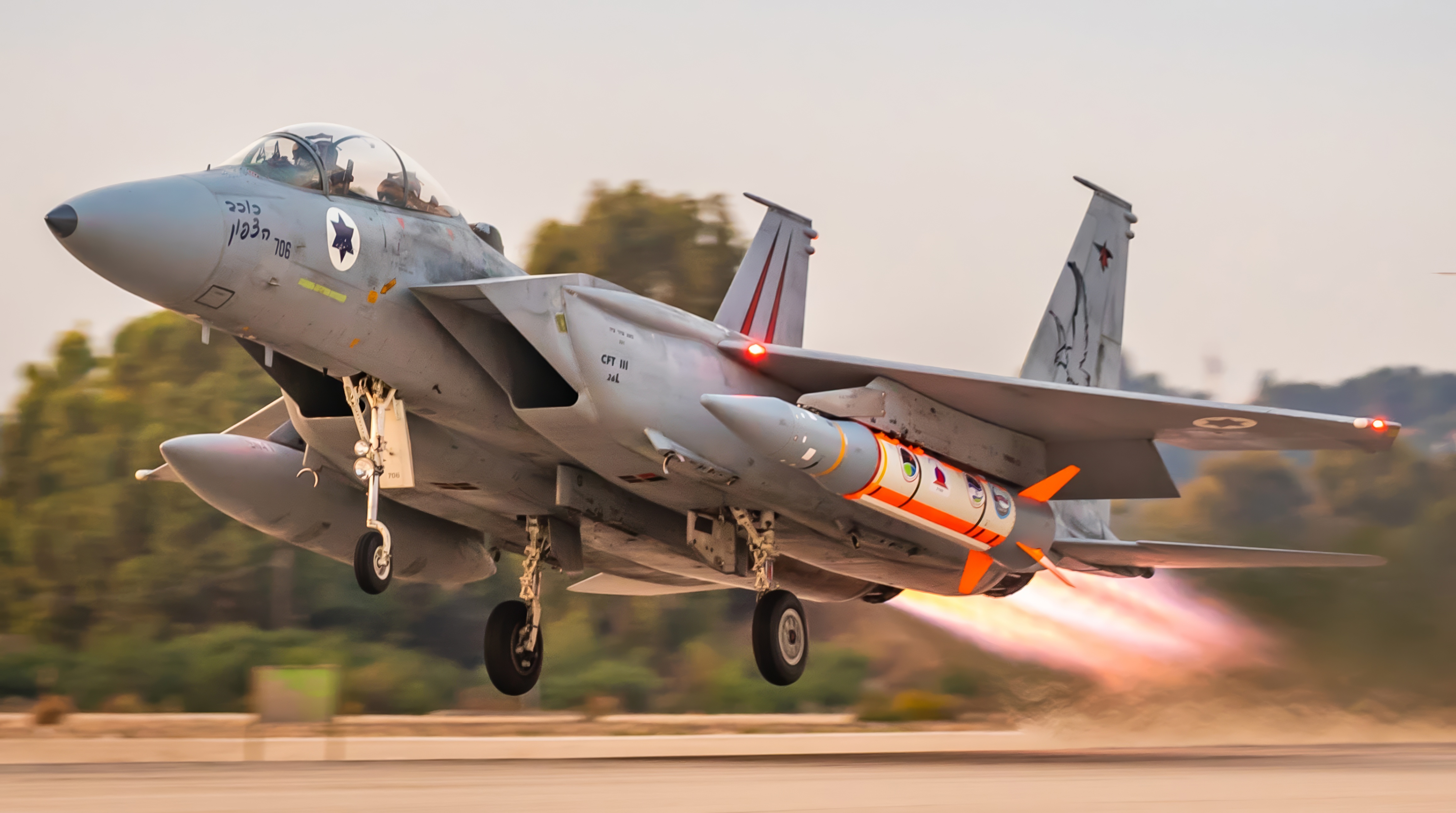
Sparrow missiles gained great attention after their remnants were discovered following the Israeli attacks on Iran on April 19 and then again on October 26. The missile boosters from the first attack were found in Al-Azizia, Wasit Province, which is 100 kilometers from the Iranian border and near Baghdad. In the second attack, the remnants were located in Salahuddin Province.
Ballistic missiles pose a significant threat to Israel, with Iran being one of the most formidable adversaries in this domain. Iran’s advancements in ballistic missile technology have made it a powerful force, causing considerable concern for Israel.
The Israelis initiated the development of anti-ballistic missile defense systems to mitigate the threat posed by ballistic missiles. However, testing these systems necessitated the use of ballistic missiles, which European countries did not possess in their arsenals. Additionally, treaties like the INF prevented the United States from supplying Israel with these types of missiles.
This situation gave the Israeli regime a viable excuse, with American assistance, to develop high-speed, maneuverable target missiles to test and enhance its anti-ballistic capabilities. Additionally, producing these missiles could enable the Israeli regime to use them offensively, if necessary, to strike distant targets and enemy defense systems.
The Israelis designed the missile to be carried and launched by a fighter jet. This approach could significantly enhance the strategic offensive capabilities of their fighter jets.
The development of this target missile, known as Project Sparrow, was initiated by Israel’s Rafael Military Industries with support from the American company Raytheon.
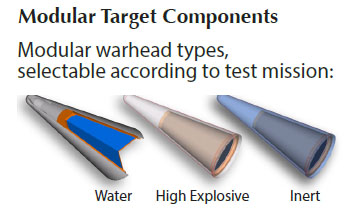
The Sparrow missile family consists of three models: Black Sparrow, Blue Sparrow, and Silver Sparrow. Depending on the mission requirements, the warheads can be of three different types: liquid-filled warheads, high-explosive warheads, and inert warheads.
Sparrow missile warheads
Equipped with explosive warheads, Sparrow missiles offer strategic advantages to the Israeli Air Force. Carried by fighters or bombers, these missiles can cover greater distances than ground-launched variants, thanks to the increased range provided by the aircraft and the launch altitude. Their speed and high maneuverability make them particularly effective against heavily defended, deep, and strategic targets.
Furthermore, there is the potential for Sparrow missiles to be equipped with nuclear warhead. Due to Israel’s policy of nuclear ambiguity, this capability is not officially listed in the Sparrow catalog. However, if Israel were to pursue this option, it would undoubtedly pose a significant and dangerous threat.
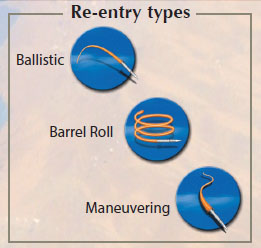
The official catalog from Rafael Military Industries outlines three flight profiles for these missiles: ballistic trajectory to mimic Scud-level missiles with conventional warheads, barrel roll, and maneuvering to simulate stealthy competitors like Iranian missiles with maneuverable warheads.
Three flight profiles for Sparrow missiles
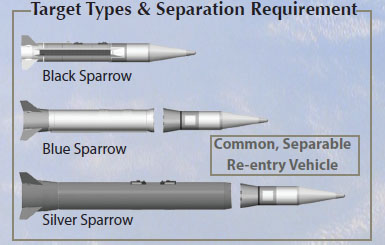
Let’s take a closer look at the different models in the Sparrow series. As previously mentioned, there are three models: Black Sparrow, Blue Sparrow, and Silver Sparrow. According to the official catalog, two of these missiles are equipped with detachable warheads.
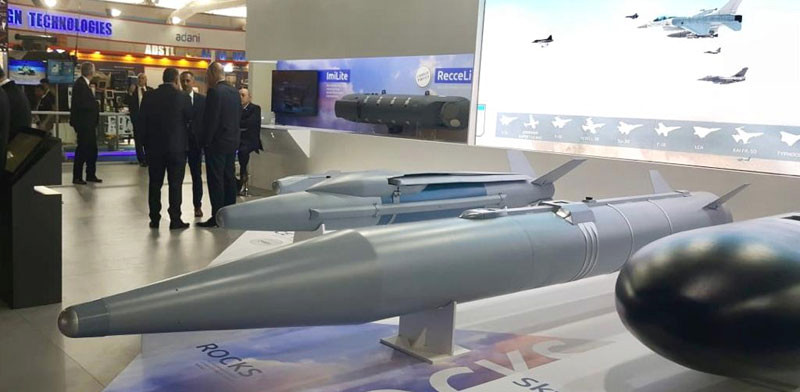
Sparrow missiles, from top to bottom: Black Sparrow, Blue Sparrow, and Silver Sparrow
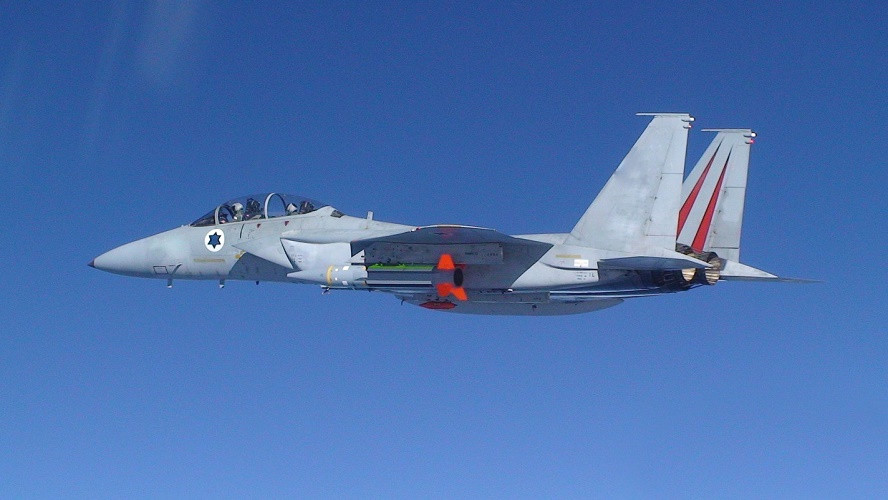
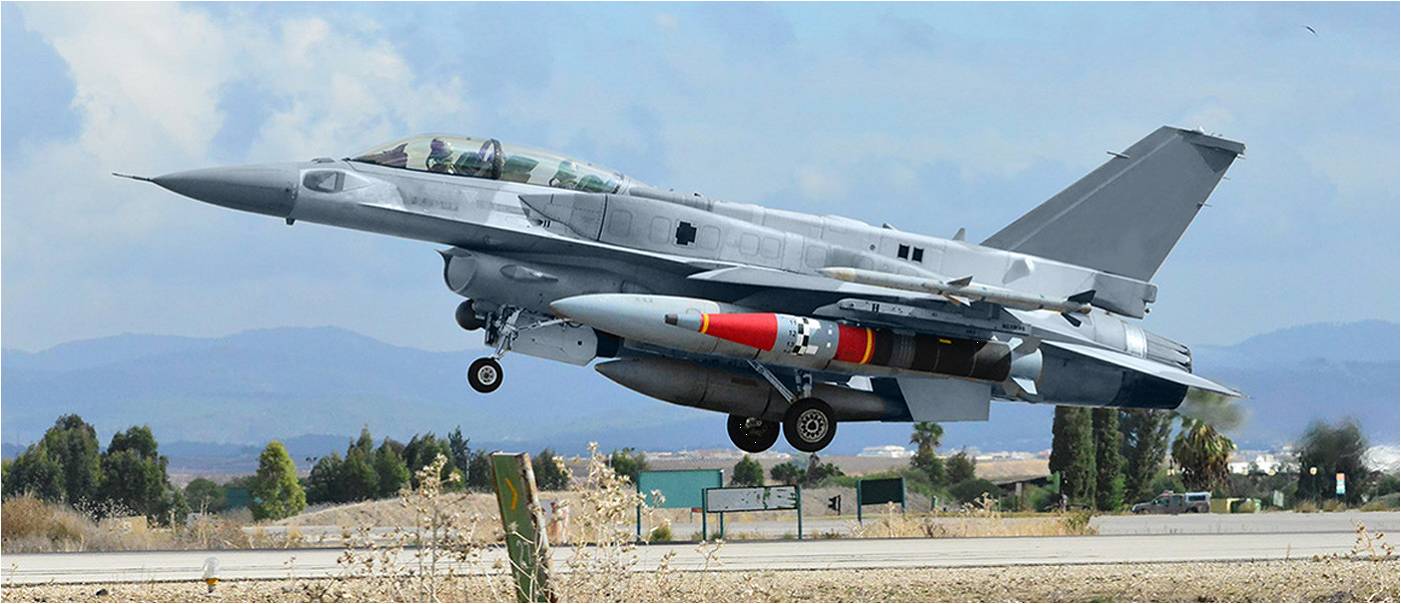
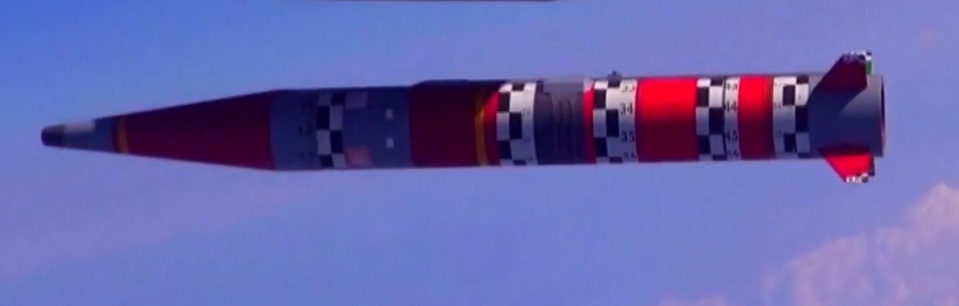
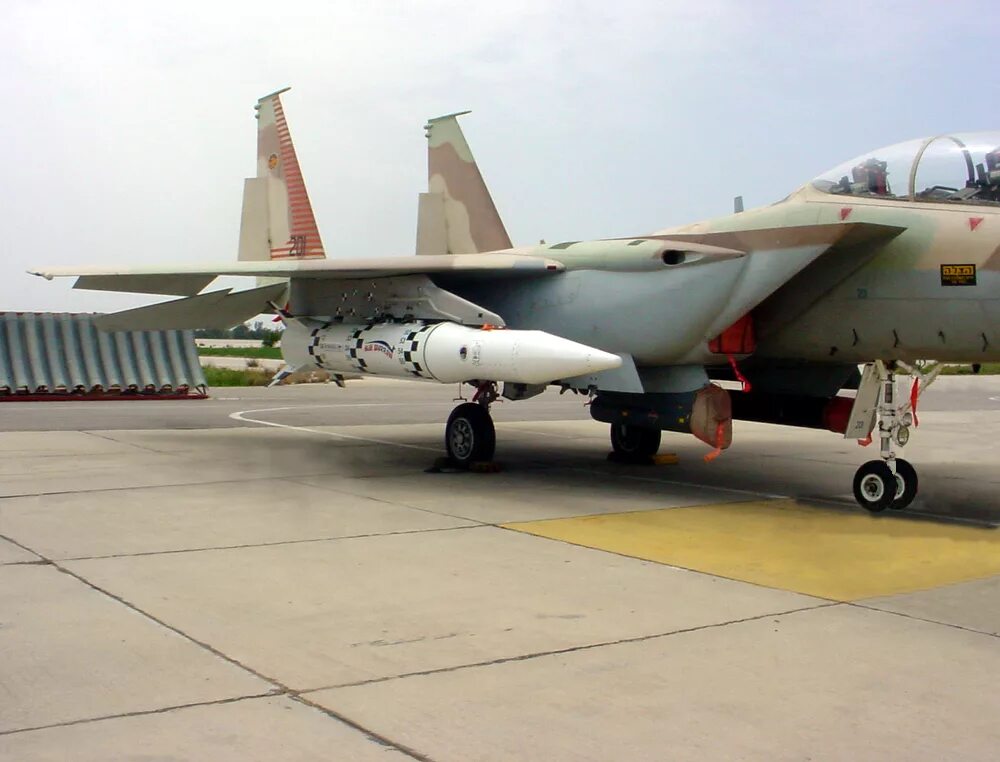
Black Sparrow and ROCKS missile: The Black Sparrow is designed as a Scud-B missile simulator. While its speed is unknown, its range is estimated to be between 600 and 800 kilometers. This missile can be launched from F-16 and F-15 fighters. The Black Sparrow measures 4.85 meters in length, weighs 1,275 kilograms, and uses inertial/GPS guidance.
Black Sparrow missile test by Israeli F-15 fighter jetA video of Black Sparrow ballistic missile (the early version)
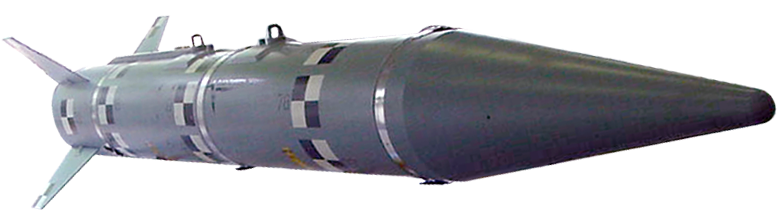
Israel has developed another missile based on the Black Sparrow, called the ROCKS missile. This missile closely resembles the Black Sparrow in both dimensions and appearance.
ROCKS missile
The ROCKS missile was displayed at the 2019 Aero India air show in Bengaluru, India.
The ROCKS missile at the Aero India air show in Bengaluru, India, 2015
According to available information, the ROCKS missile is a supersonic missile with a speed of approximately Mach 3. It utilizes inertial guidance and GPS for mid-course navigation. Additionally, during the final phase to reach its target, the ROCKS missile is equipped with an electro-optical seeker, and an alleged anti-radiation homing system to enhance its anti-radar capabilities.
The circular error probable (CEP), or the accuracy of this missile, is estimated to be around 3 meters.
The ROCKS ballistic missile can be outfitted with either a penetrating or high-explosive warhead. When equipped with a delay warhead, it becomes particularly effective against fortified targets buried deep underground.
From the limited images available of the ROCKS missile, it appears that the warhead is approximately 1.2 meters in length and has a diameter of about 500 millimeters. Based on the missile’s overall length and weight, and comparing these dimensions with the warhead, it is estimated that the warhead weighs around 150 kilograms.
The range of this missile is estimated to be up to 800 kilometers.
Footage of a ROCKS missile test targeting a sea-based objective captures the final moments of impact from the electro-optical seeker’s viewpoint.
A key question is whether radar-absorbing materials are used in the ROCKS version. While Israel has access to this technology through the U.S., its application in ROCKS is uncertain. The Israelis place significant emphasis on the electro-optical and anti-radiation systems, highlighting their potential to enhance the missile’s targeting accuracy. This emphasis likely stems from their awareness of Iran’s advanced electronic warfare capabilities.
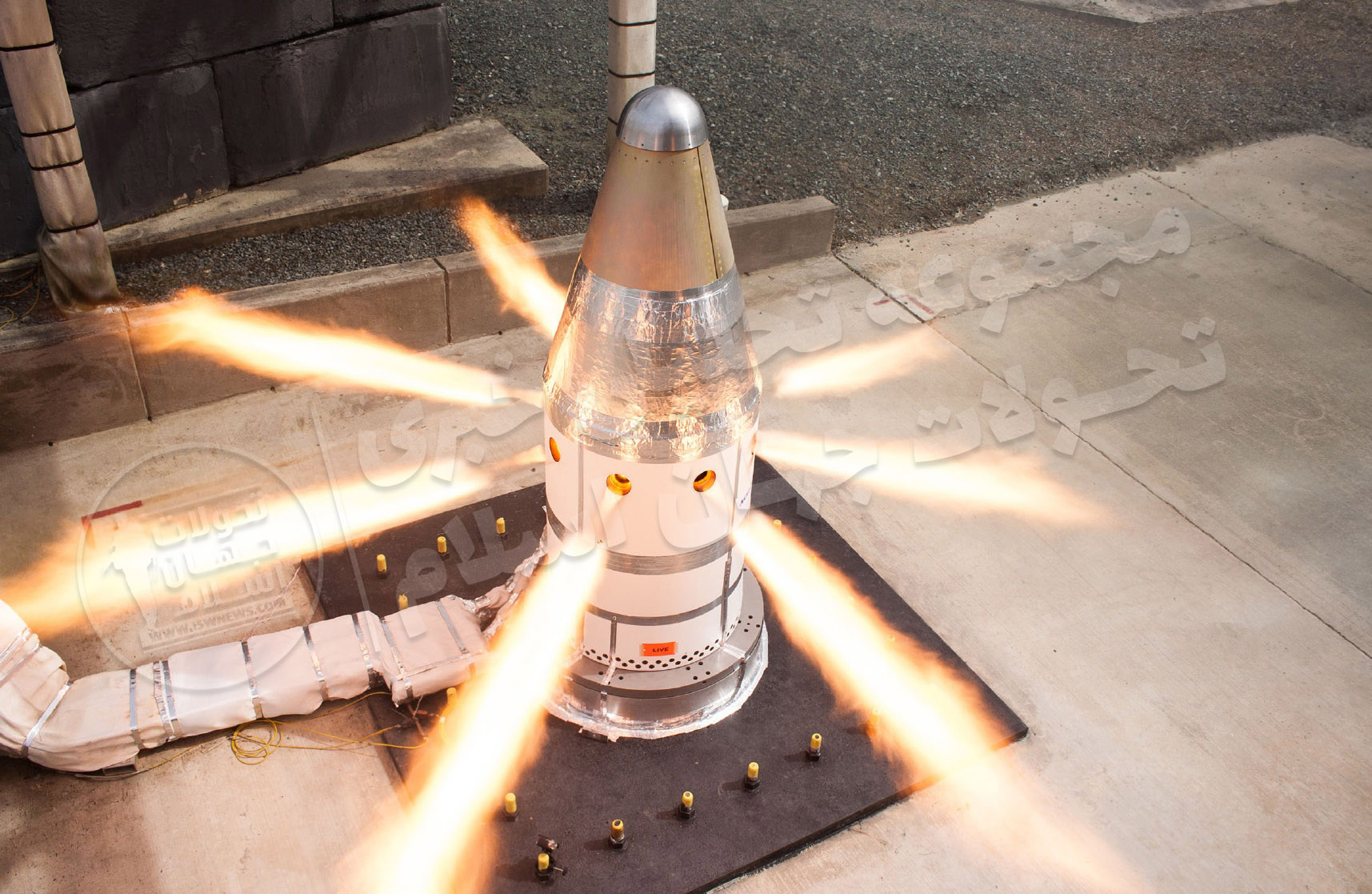
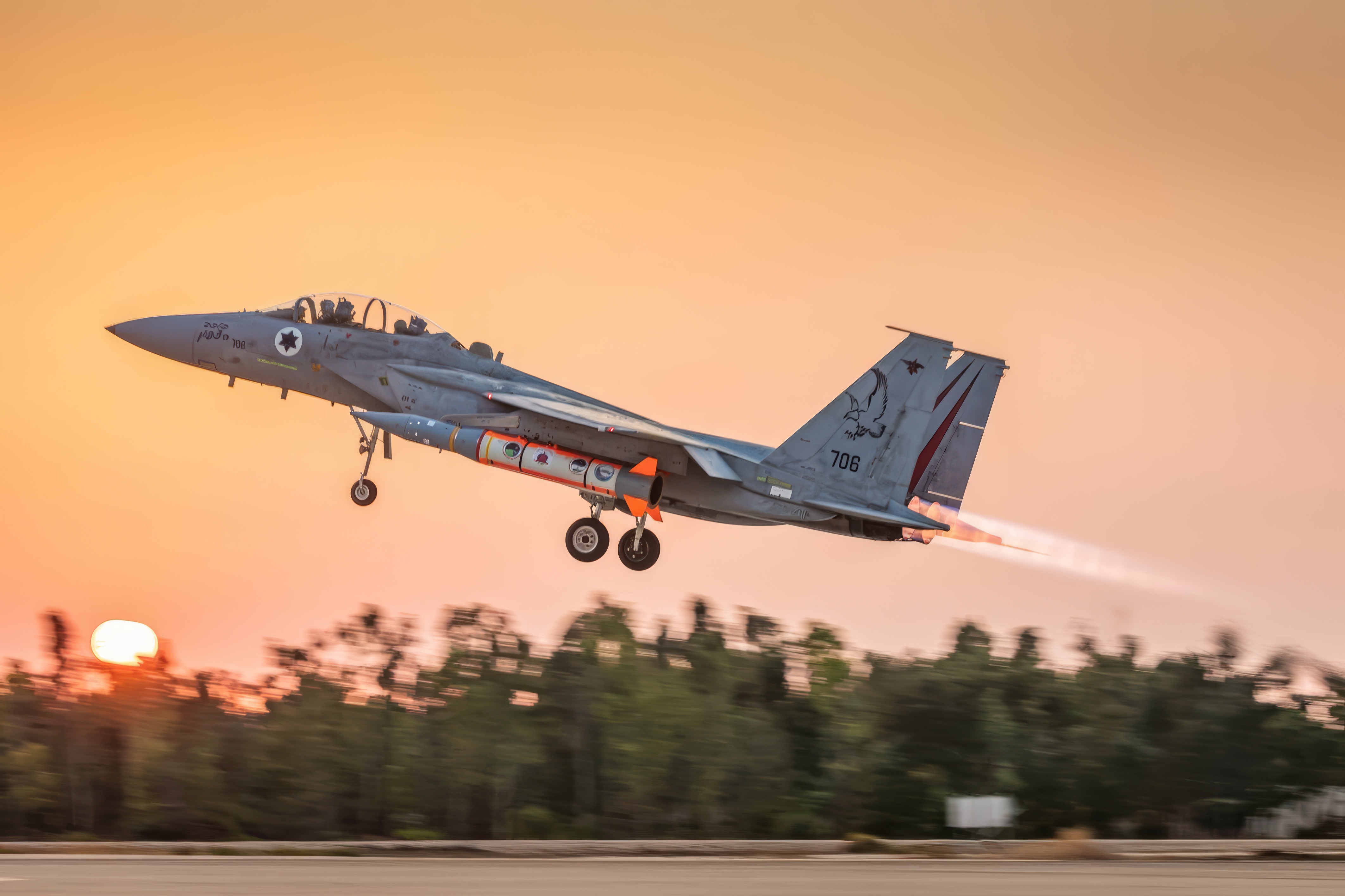
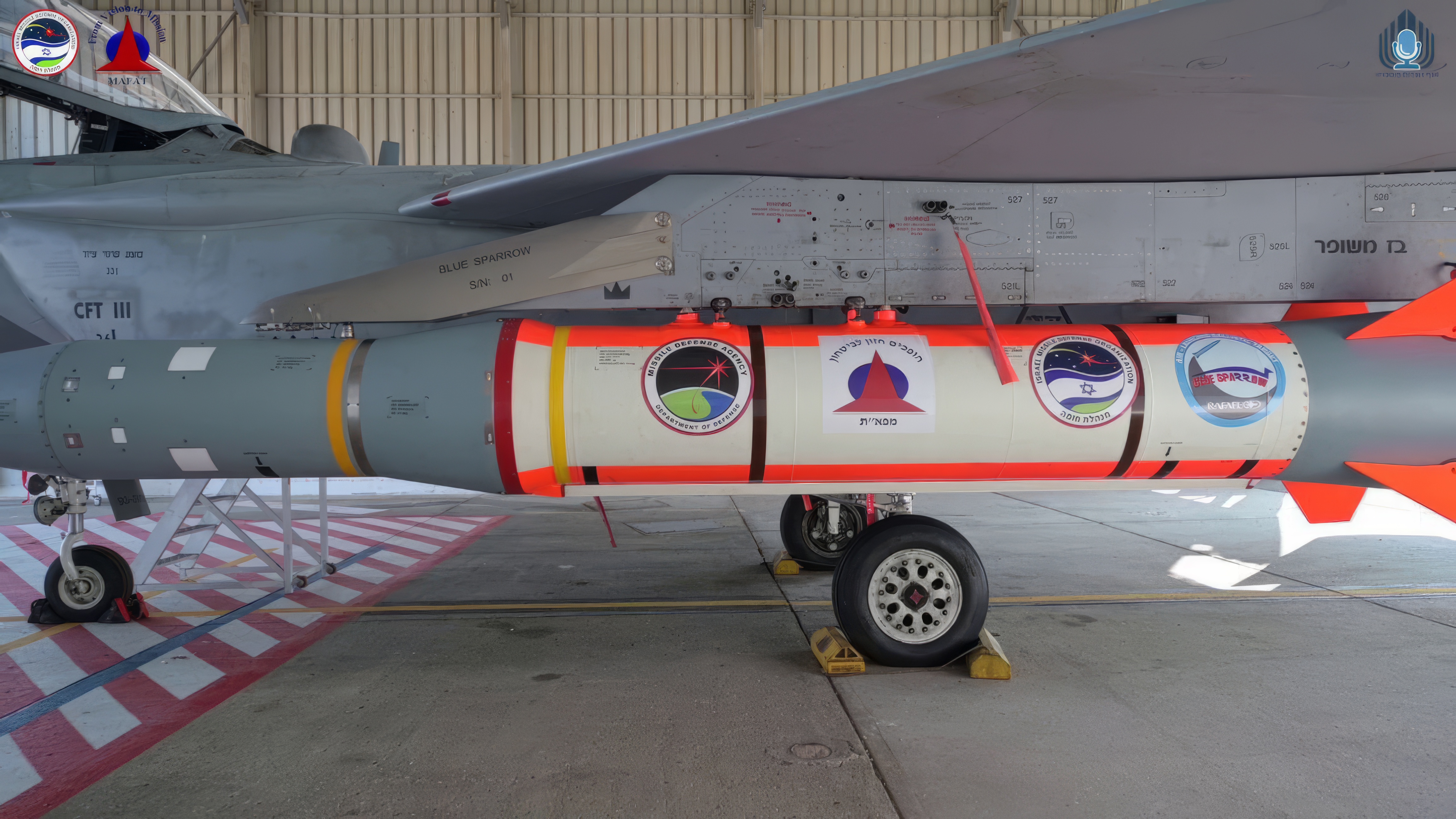
Blue Sparrow missile: The Blue Sparrow missile features a detachable warhead equipped with a Divert Attitude Control System (DACS). DACS consists of small rocket thrusters mounted on the projectile. When activated and fired at short intervals, these thrusters cause the projectile to rotate or change its angle of motion, enabling it to maneuver towards the target. In its role as a target missile, the Blue Sparrow simulates Iranian missiles with maneuverable warheads. When used offensively, it functions as a high-speed, maneuverable ballistic missile.
NASA tests control thrusters on Orion launch abort system
The Blue Sparrow missile boasts a range of approximately 1,000 kilometers and can reach speeds between Mach 5 and 9, classifying it as a hypersonic ballistic missile.
The Blue Sparrow missile uses a GPS and dual inertial guidance system. The implementation of dual inertia significantly reduces the potential for error. The missile’s accuracy, or circular error probable (CEP), is estimated to be approximately 3 meters.
The Blue Sparrow measures 6.51 meters in length and weighs 1,900 kilograms. Published images indicate that its detachable warhead, including the guidance system, is 2.8 meters long with a diameter of about 530 millimeters.
Given the dimensions of the warhead and the overall weight of the missile, the Blue Sparrow warhead’s weight, similar to the ROCKS, is estimated to be around 150 kilograms.
In classified U.S. documents related to the Israeli attack on Iran, leaked on October 15, 2024, this missile is referred to by the code name “Golden Horizon.”
Blue Sparrow ballistic missile tests by Israeli F-15 and F-16 fighters
Silver Sparrow missile: The Silver Sparrow missile is another variant in the Sparrow series. Similar to the Blue Sparrow, it features a detachable warhead. However, it is larger and heavier in terms of both dimensions and weight.
The Silver Sparrow has been reported to measure 8.39 meters in length and weigh 3,130 kilograms.
There are no images of the Silver Sparrow missile or its tests available. Reportedly, due to its high weight, the first test launch was conducted by a C-130 aircraft. The Silver Sparrow was initially tested on September 2, 2013. The launch, originating from the Mediterranean Sea, was detected by the Russian missile early warning radar in Armavir, and the Israelis confirmed the test shortly thereafter.
Based on the available information, the Silver Sparrow warhead appears to be very similar in size to the Blue Sparrow’s. However, a larger booster has been used to extend its range, which is estimated to be up to 1,500 kilometers.
Based on official catalog information, the missile’s guidance system utilizes both GPS and inertial navigation. Its accuracy is estimated to be around 3 meters, similar to the Blue Sparrow missile.
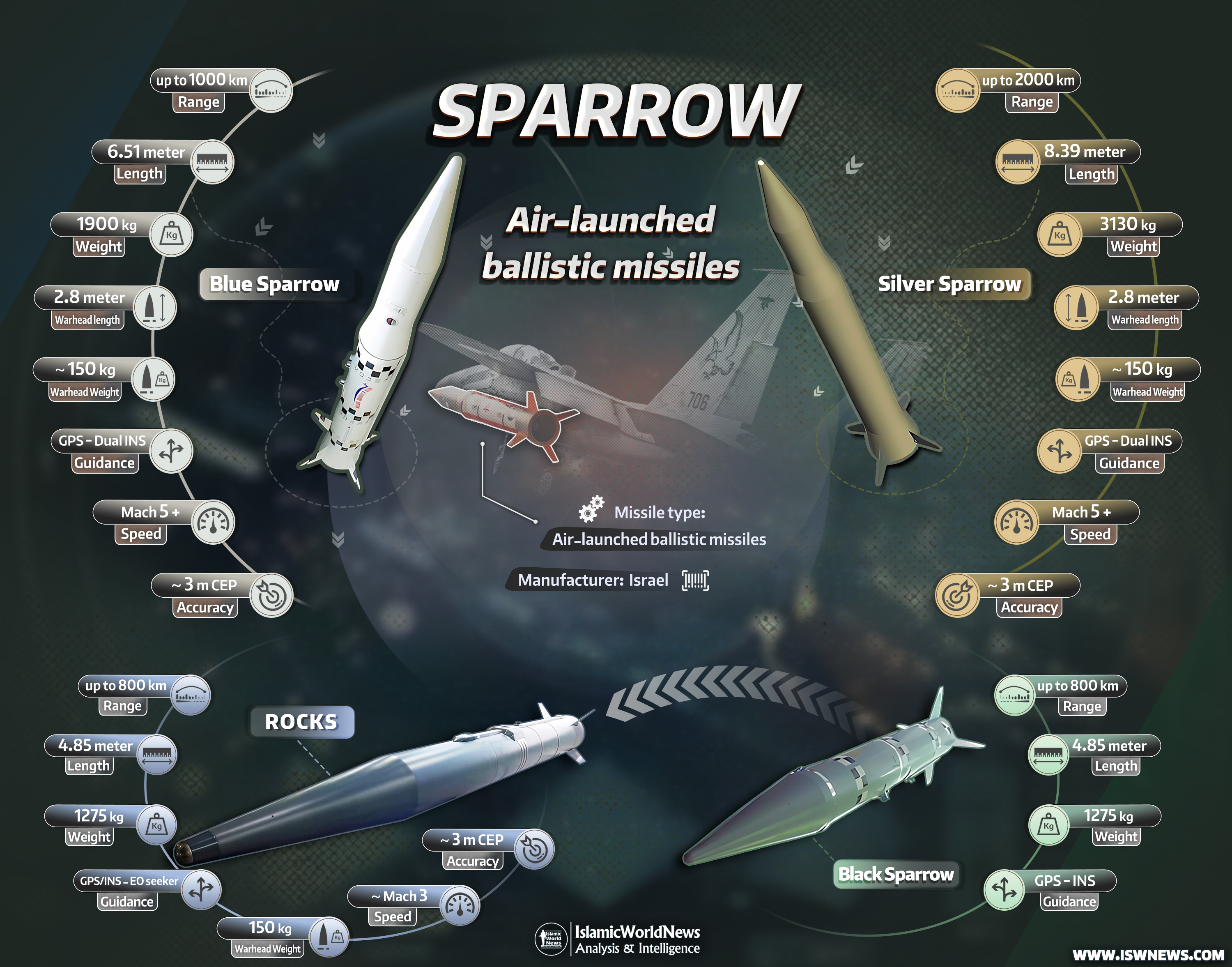
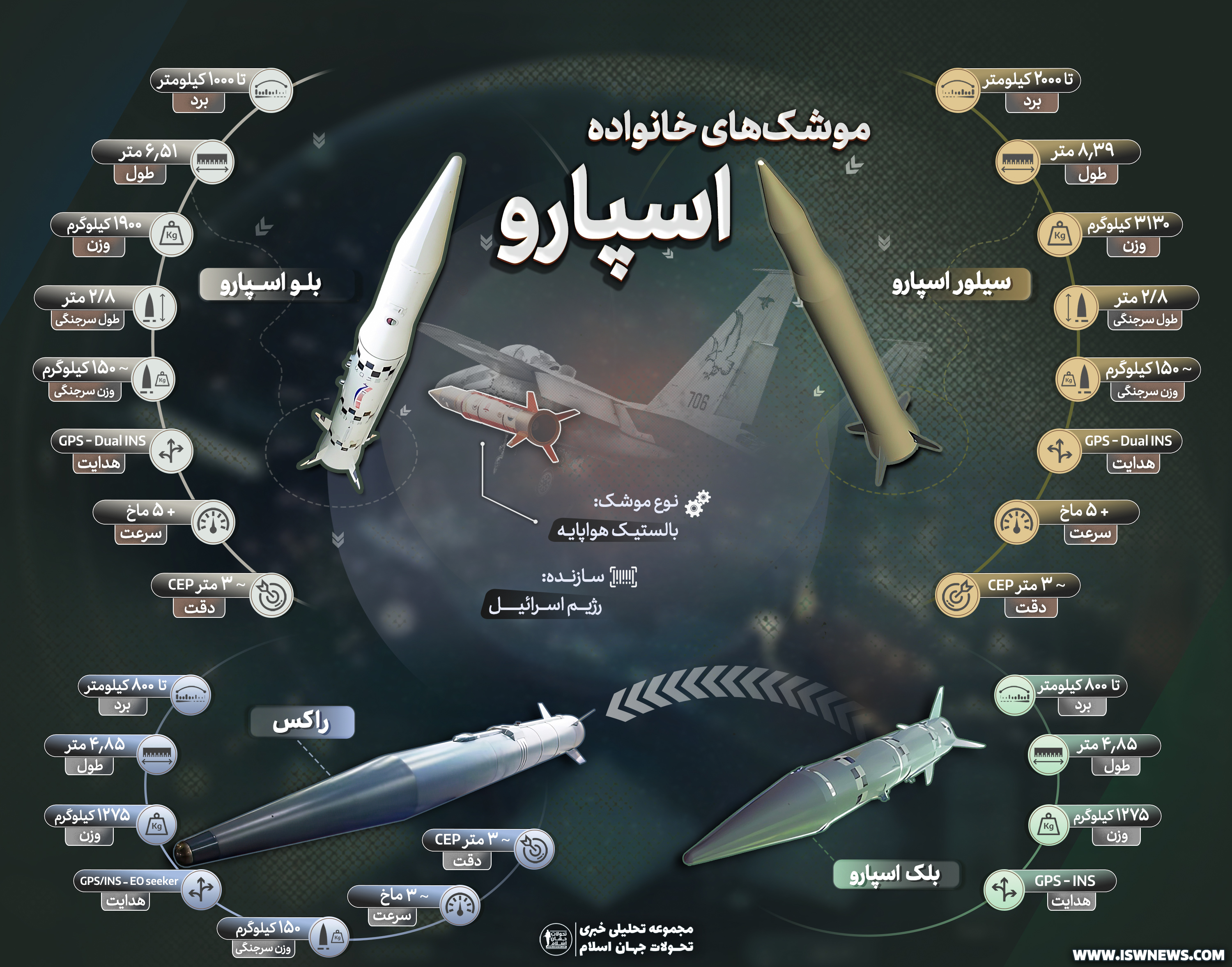
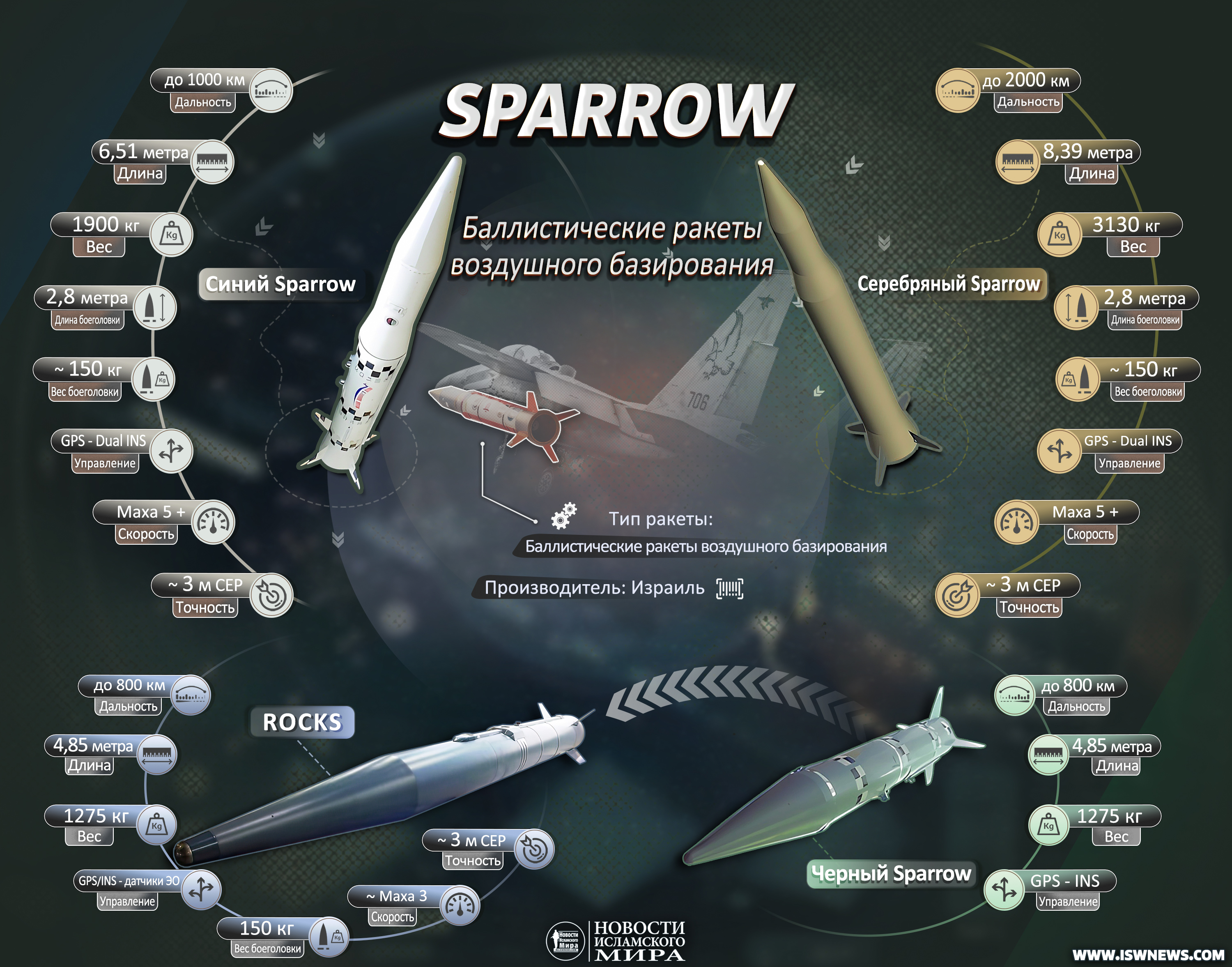
Specifications of the Sparrow family missiles: Type: Air-launched ballistic missile Manufacturer: Rafael Advanced Defense Systems Origin: Israel
Black Sparrow missile: Range: up to 800 km Length: 4.85 m Weight: 1275 kg Propulsion: single stage solid propellant Guidance: GPS/INS
ROCKS missile: Range: up to 800 km Length: 4.85 m Weight: 1275 kg Warhead length: ~ 1.2 m Warhead diameter: ~ 500 mm Warhead weight: ~ 150 kg Propulsion: single stage solid propellant Guidance: GPS/INS – EO seeker Speed: ~ Mach 3 Accuracy: ~ 3 m CEP
Blue Sparrow Missile: Range: up to 1000 km Length: 6.51 m Weight: 1900 kg Warhead length: 2.8 m Warhead diameter: ~ 530 mm Warhead weight: ~ 150 kg Propulsion: single stage solid propellant Guidance: GPS – Dual INS Speed: Mach 5 + Accuracy: ~ 3 m CEP
Silver Sparrow Missile: Range: up to 2000 km Length: 8.39 m Weight: 3130 kg Warhead length: 2.8 m Warhead diameter: ~ 530 mm Warhead weight: ~ 150 kg Propulsion: single stage solid propellant Guidance: GPS – Dual INS Speed: Mach 5 + Accuracy: ~ 3 m CEP
Sparrow and ROCKS missiles – click to view in full size
Sparrow and ROCKS missile posters in Persian and Russian:
Reports indicate that the United Arab Emirates has successfully negotiated and reached an agreement with Somaliland authorities to build a port and an airport in the coastal city of Berbera. Additionally, they plan to establish a military base in the region. The UAE is set to invest $440 million in this project, and the Berbera military base will be under their control.
Given Yemen’s support for Palestinian resistance against the Zionist regime, it is likely that the Berbera base will be used for military operations against Yemen. The base’s location could facilitate airstrikes against Yemen by Israel.
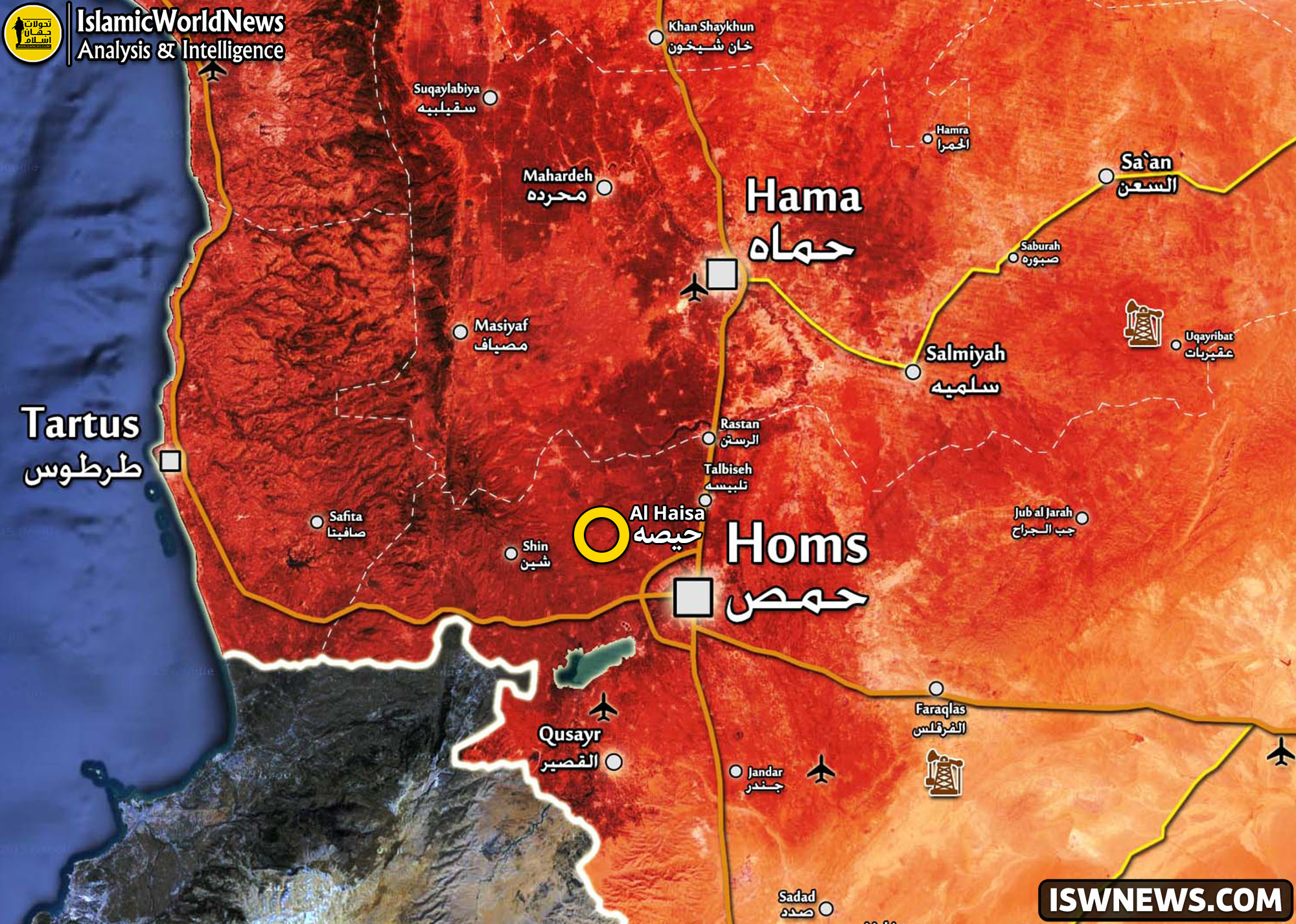
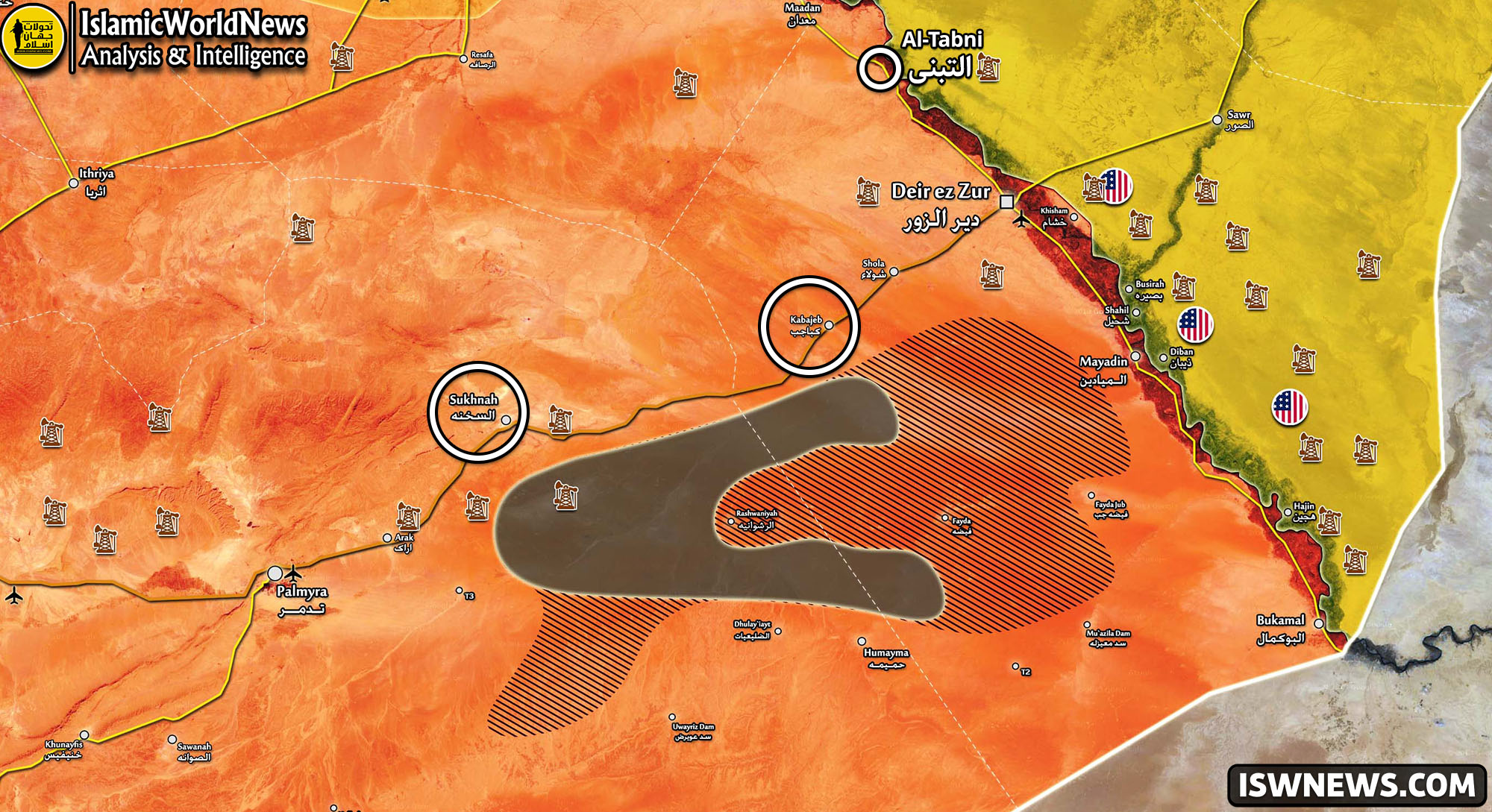
ISIS militants took advantage of adverse weather conditions and limited visibility caused by a dust storm to launch assaults on three Syrian army bases in the governorates of Deir ez-Zor and Homs, located in eastern and western Syria respectively.
In the first and second rounds of attacks, ISIS terrorists targeted two Syrian army bases in the town of Al-Tabni and Al-Kobajjep desert area located in Deir ez-Zor, confronting with Syrian soldiers. During these clashes, at least two Syrian soldiers were martyred. It is reported that after the Syrian troops retreated, ISIS members managed to enter the military posts of the Syrian army in the aforementioned areas.
In the third attack, ISIS elements assaulted a Syrian army base and its allied forces in the Al-Sukhnah desert town, resulting in the martyrdom of one Syrian soldier and injuries to several others.
In recent years, the Syrian desert and various areas of Deir ez-Zor and Homs governorates have witnessed daily operations by ISIS terrorists against civilians, facilities, and military bases, despite ongoing operations by the Syrian army.
Furthermore, hundreds of Syrian army personnel and their allies have been martyred during cleanup operations in the Syrian desert, yet ISIS’s hidden groups continue to operate in these areas, resorting to terrorist activities to affect the security of some regions in Syria.
Following Washington’s warning to Baghdad on the imminent possibility of the Israeli regime’s military attacks on Iraq in response to the retaliatory actions of resistance groups in this Arab country, Prime Minister of Iraq Mohammed Shia’ Al-Sudani issued a decree, calling on Iraqi security forces to increase the level of their readiness.
Al-Sudani has instructed the Iraqi armed forces and all security organizations to prevent any military activities outside the framework of the army’s regulations.
In recent days, the Ministry of Foreign Affairs of the Republic of Iraq also sent letters to the United Nations Security Council, UN Secretary-General Antonio Guterres, the Arab League, and the Organization of Islamic Cooperation (OIC) to urge them to put pressure on the Israeli regime concerning its potential attacks on Iraq.
The attacks by the Islamic Resistance in Iraq (an umbrella group of anti-terror fighters) against the Israeli regime’s military and security positions have been suspended since November 21. It appears that senior Iraqi government officials, with the mediation of commanders and figures close to the Resistance Axis, have convinced Iraqi resistance fighters to suspend or reduce retaliatory strikes on the Israeli regime, at least for a short period.
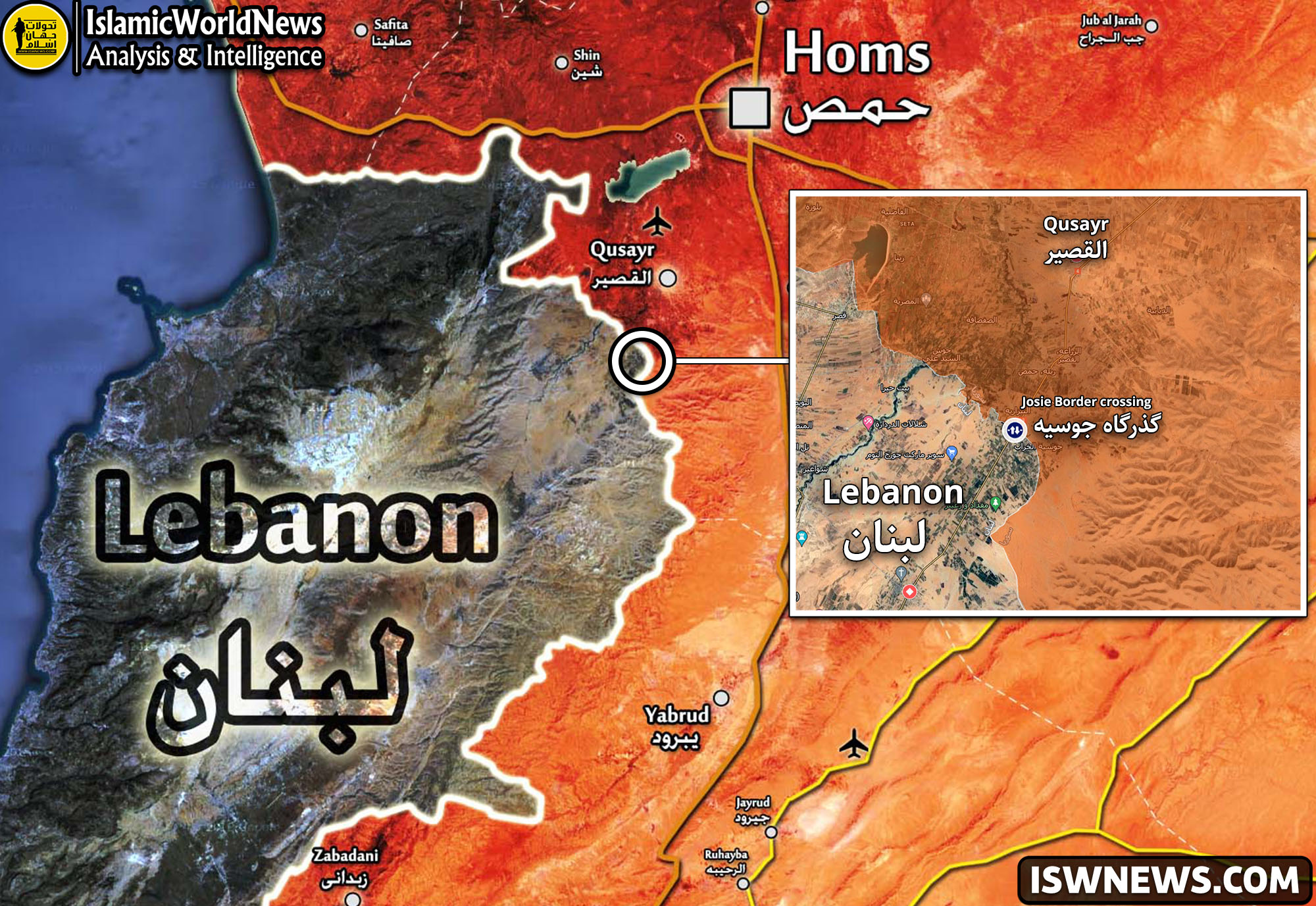
The air strike did not result in any casualties in that area.
Ali Hamiyeh, Minister of Public Works and Transport in Lebanon, stated that some targets were hit by the airstrike of the Israeli regime’s army in the Jusiyah al-Amar border crossing in Syrian territory.
In recent years, the Israeli regime’s army has repeatedly violated Syria’s territorial integrity with airstrikes. Most of the Israeli regime’s illegal strikes in the past year, allegedly aimed at assassinating senior resistance commanders and destroying Syrian army’s facilities and ammunition depots. During these strikes, hundreds of civilians and SAA servicemen were martyred and injured.
Following the onset of Operation Al-Aqsa Storm by the Palestinian resistance movement Hamas, Israeli airstrikes against various regions in Syria, especially Damascus and Homs governorates, have increased.
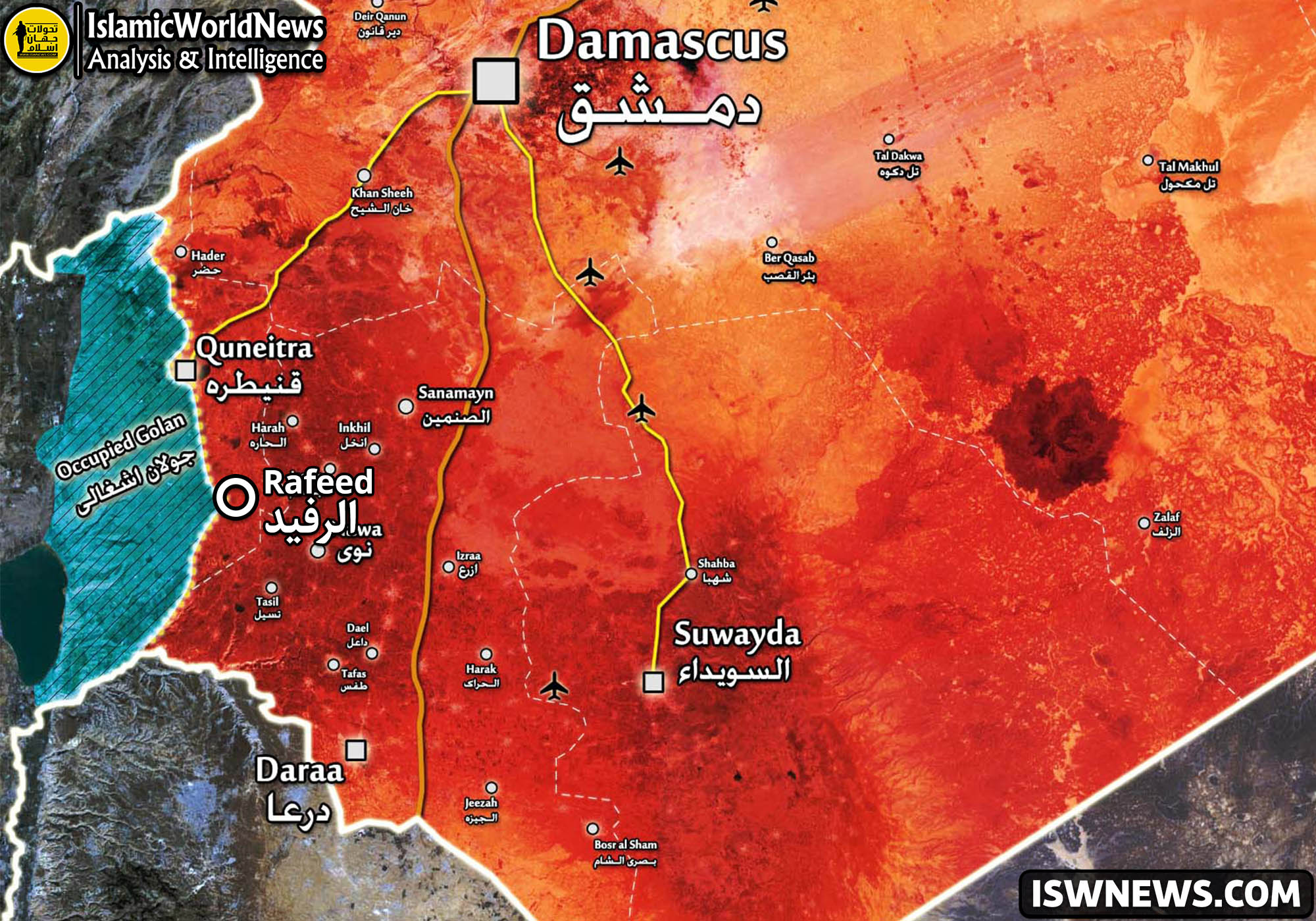
On November 21, the Israeli regime’s forces entered the village of Al Rafeed in southern al-Quneitra and detained a civilian from the southern region of Syria.
Local sources reported that the civilian, named Mahmoud Hilal Al-Fenish, is a resident of Al Rafeed village. He was engaged in shepherding in the village when he was abducted by Israeli military forces.
Al Rafeed village is located in the buffer zone between the Alpha and Bravo lines, which separates Syrian forces in the Golan Heights from the Israeli military. The Alpha Line and the Bravo Line were set in the Israeli-Syrian Agreement on Disengagement in 1974 to separate the two warring sides.
As of now, the Israeli regime’s army has not issued a statement regarding this abduction, and Syrian authorities have also not reacted to the news.
It is noteworthy that on November 3, the regime’s army announced that commandos from the Egoz Unit of the 210th Brigade had abducted a Syrian named Ali Suleiman Al-Assi in southern Syria on charges of connections with Iran.
These actions, alongside the abduction of Syrian citizens, indicate a significant intensification of Israeli military activities in the occupied Golan Hights region and border areas compared to the past, which is remarkable.