— In the Jarban area of the Sanhan district, they executed eight strikes. — Additionally, two airstrikes were conducted at Al-Deilami Air Base, a strategic location used by the Yemeni army. — In the Bani Hashish district, five strikes were performed in the Al-Khadhm and Al-Jumaima areas.
Despite US bombings against Yemen aimed at weakening the Yemeni army’s operations against Israel, these attacks have so far had no impact on the military capabilities of the Yemeni army.
The operation launched by the Yemeni armed forces to support the Palestinian resistance against the Israeli regime began on October 19, 2023. This effort led to the capture of the Israeli ship, Galaxy Leader, and the ongoing missile, drone, and airstrike attacks on over 190 ships linked to Israel. As a result, shipping by Israeli companies through the Red Sea route has been suspended.
In addition to these attacks on ships, the Yemeni army has conducted more than 85 missile and drone operations targeting positions held by the Israeli regime in occupied Palestine. Furthermore, an F-18 Super Hornet fighter jet and 19 American MQ-9 drones have been shot down during the Yemeni conflict with the American-British coalition.
The US military has declared the skies over Diego Garcia island a no-fly zone (NOTAM). This restriction will remain in effect until May 1.
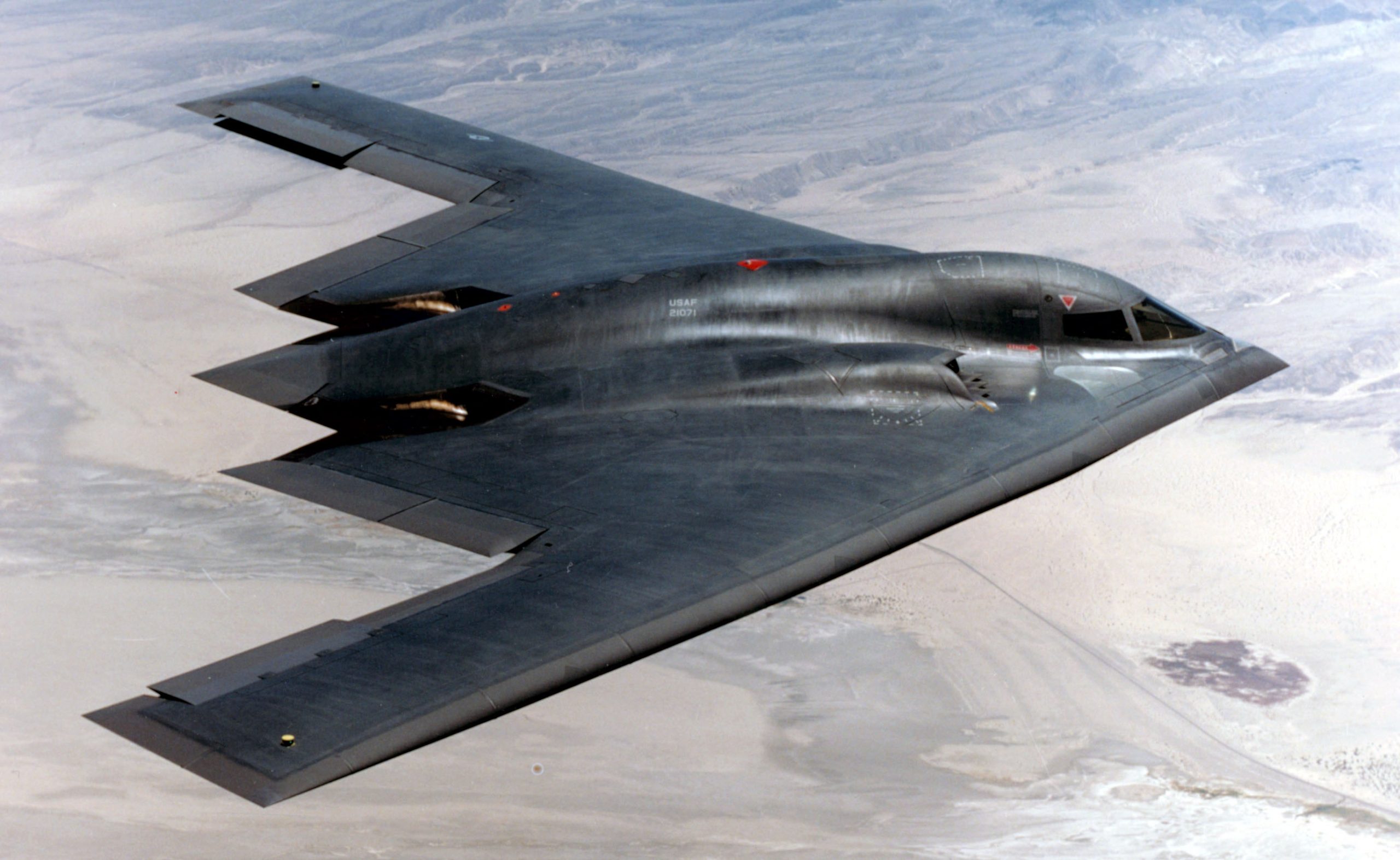
In addition to the deployment of seven B-2 bombers on Diego Garcia Island, the USS Carl Vinson strike group has also transitioned from the western Pacific Ocean to the Arabian Sea, with an expected arrival in early April.
B-2 bombers deployed at Diego Garcia Air Base
Diego Garcia Island is located 3,400 kilometers from Yemen and has served as the primary base for US strategic bombers during previous operations in West Asia and Central Asia.
This deployment aims to intensify airstrikes on Yemen. The current inability and limitations of the US and European naval fleets stationed in the Red Sea, along with the Israeli army’s constraints, have prompted the decision to send B-2s and additional naval forces to the region.
This situation will make it more challenging for Yemeni forces to respond to the escalating US military activities. Consequently, the volume of airstrikes against Yemen is expected to increase.
The increased tensions with the US will make it more difficult for the Yemeni army to respond effectively. In fact, Yemen has limited options for responding to the US. The Yemeni army currently lacks the capability to launch military operations against the Diego Garcia Air Base due to its inadequate weaponry. However, if this base is involved in carrying out attacks against Yemen, the Yemeni forces might consider targeting other US bases in West Asia and Africa.
The Yemeni armed forces have launched missile and drone attacks against US warships, including the aircraft carrier USS Harry Truman, in the Red Sea. Additionally, Yemeni drone units targeted Israeli military installations in Tel Aviv with multiple suicide drones.
In conjunction with these attacks, US military fighter jets have conducted airstrikes on Saada and Imran provinces at least 19 times within the last 24 hours.
These airstrikes include seven on the Sahar district, seven east of Saada city, three on the Al Salem district in Saada province, and two on the Sufyan district in Imran province.
US strikes in Yemen in the past 24 hours
The drone strike on Tel Aviv marks the 85th airstrike by the Yemeni army against Israeli positions in occupied Palestine. The operation against the US fleet is also recognized as the 17th operation against the 8th Strike Fleet and the 192nd Yemeni military operation targeting illegal ships.
The operation launched by the Yemeni armed forces to support the Palestinian resistance against the Israeli regime began on October 19, 2023. This effort led to the capture of the Israeli ship, Galaxy Leader, and the ongoing missile, drone, and airstrike attacks on over 190 ships linked to Israel. As a result, shipping by Israeli companies through the Red Sea route has been suspended. In addition to these attacks on ships, the Yemeni army has conducted more than 85 missile and drone operations targeting positions held by the Israeli regime in occupied Palestine. Furthermore, an F-18 Super Hornet fighter jet and 19 American MQ-9 drones have been shot down during the Yemeni conflict with the American-British coalition.
Brigadier General Yahya Saree provided details about these new attacks, stating that the Yemeni missile force fired a Zulfiqar ballistic missile and a Palestine 2 hypersonic ballistic missile at Ben Gurion Airport, located on the outskirts of Tel Aviv.
This attack triggered alarm sirens in over 300 locations throughout the occupied territories, causing thousands of people to seek shelter.
According to IWN statistics, this missile attack on Ben Gurion Airport marks the 84th air operation conducted by the Yemeni army against Israeli positions in occupied Palestine.
The Yemeni government’s objective in these ongoing attacks on Ben Gurion Airport is to disrupt and halt flights at this key facility. Ben Gurion Airport serves as a major hub for receiving military cargo and essential goods into the occupied territories. Reducing its operations and closing the Red Sea route for vessels associated with Israel would impose significant economic pressure on the Israeli regime.
Siren sounds in central occupied PalestineDebris from an intercepted missile over occupied PalestineSmoke rising from a falling wreckage or missile strike at Ben Gurion Airport
The Yemeni armed forces conducted missile, naval, and drone attacks on the USS Harry Truman aircraft carrier and US destroyers in the Red Sea, launching several ballistic and cruise missiles as well as suicide drones. This assault was a response to recent airstrikes by US warplanes on Yemen. It marks the second confrontation between Yemeni forces and the US Navy within the past 24 hours and effectively neutralized air operations against Yemen.
In the last day, US warplanes carried out 12 airstrikes near Saada city, targeting the Kataf, Sahar, and Saqeen districts. One significant target of these airstrikes was the Rasool Al-Azam (PBUH) Specialized Cancer Hospital in Saada city, which has been bombed twice in recent days.
Targets bombed in US airstrikes in Yemen in the last 24 hours
At the end of his statement, the spokesman for the Yemeni Armed Forces called on all free individuals in the Islamic Ummah to fulfill their religious, moral, and humanitarian duties toward the oppressed Palestinian people. He emphasized that the operations conducted by the Yemeni Armed Forces to impede Israeli shipping and target the depths of the occupying regime will continue until the aggression ends and the siege on the Gaza Strip is lifted.
The Yemeni army’s operation against the US Navy’s 8th strike fleet is the 16th missile and drone operation targeting this fleet in recent weeks. Additionally, this operation marks the 191st Yemeni military action against illegal ships, including those from Israel, the United States, Britain, and their affiliated entities.
The ongoing conflict between the US military and the Yemeni armed forces, along with the regional conditions, has prompted American officials to deploy strategic bombers to US bases in the Indian Ocean to escalate their attacks. Three B-2 bombers are being moved toward Diego Garcia Island.
Diego Garcia Island is located 3,500 kilometers from Yemen and has served as the primary base for US strategic bombers during previous operations in West Asia and Central Asia. While the Yemeni army currently lacks the capability to carry out military operations against this base, if it is used to conduct attacks against Yemen, the Yemenis could retaliate by targeting other US bases in West Asia and Africa.
Observation of the flight of three B-2 bombers towards the island of Diego Garcia in the Indian Ocean
According to Yemeni media, the targets of these attacks included the following areas:
Sanaa: Residential neighborhoods in the Shu’ub district and the Atan and Jarban areas in the Sanhan district.
Saada: The Qahza area in northern Saada, Izlat al-Sha’af in the Saqin district, and the areas of al-Talh, al-Saba’, and al-Alaaf in the Sahar district, as well as the power plant in the city of Dhahan.
Dhamar: Surroundings of the city of Dhamar, Anas district, and a stone quarry.
Al-Bayda: The Mukayras and al-Qurayshiyyah districts.
Hajjah: Mubin district.
Marib: East of the Majzar district.
As of now, accurate information regarding the extent of the attacks and details of the US air operations against Yemen have not been fully disclosed. However, US warships and fighter jets, with the support of British refueling aircraft and operations from bases in Qatar, the UAE, Bahrain, and Cyprus, have conducted a large-scale attack on Yemen. Also, the US reportedly carried out 40 airstrikes against Yemen from the Saudi airspace.
According to the latest statistics from the Yemeni Ministry of Health, these attacks have resulted in the deaths of 31 people and injuries to 101 civilians, with many of the casualties being women and children.
Mahdi Al-Mashat, Chairman of the Supreme Political Council, Mohammed Abdul Salam, spokesman for the Ansar Allah movement, and representatives from the Yemeni Foreign Ministry along with several other official Yemeni institutions condemned these attacks. They emphasized that the US aggression will not go unanswered and that Yemen will continue to support its people and the Palestinian resistance.
Palestinian groups, particularly Hamas and Islamic Jihad, as well as the Iraqi resistance and the Iranian Foreign Ministry, issued statements condemning the US attacks and expressing solidarity with the Yemeni people.
In his remarks about the operation, US President Donald Trump described Ansar Allah as engaged in an alleged continuous campaign of piracy, violence, and terrorism, blaming them for obstructing shipping in one of the world’s most important waterways, the Red Sea. Trump also issued a direct warning to Iran, stating that the era of the Houthis is over, and called for an end to support for Yemen and their attacks. He also threatened that if these attacks do not cease, Yemenis would experience unimaginable suffering.
This incident marks the 19th American MQ-9 drone to be shot down during the Yemeni war. Notably, 15 of these drones were destroyed during operations aimed at supporting the Yemeni people and the Palestinian resistance under the campaign known as the “Promised Conquest and Holy Jihad.”
The General Atomics MQ-9 Reaper is a heavy, multi-purpose drone used by the US Army, which has conducted hundreds of reconnaissance, surveillance, and offensive operations, including assassination missions in Iraq, Afghanistan, and Syria since 2001. The US Army has employed these drones to monitor the positions and movements of the Yemeni Army and to conduct attacks against them.
Yemeni Army Shoots Down 19th US MQ-9 Drone In Yemen
The White House outlined the new US administration’s policy towards Yemen, emphasizing cooperation with regional partners to dismantle Houthi capabilities, operations, and resources.
Trump’s decision was influenced by a proposal from US Republican senators titled the “Dismantle Iran’s Proxy Act,” which calls for a new strategy to confront Yemen, including measures to reduce Yemen’s capabilities in the Red Sea and cut off humanitarian aid.
The US previously listed the Yemeni Ansar Allah movement as a terrorist group during Trump’s first administration. Biden also announced on January 17, 2024, that he considered the Ansar Allah movement a terrorist group, but the process was not implemented by the end of his administration.
In retaliation, US aircraft targeted positions in Jabal Tharda near the Deir Ezzor military airport. The number of casualties and the extent of damages from these strikes have not yet been disclosed.
This attack marks the 36th attack on US positions at the CONOCO gas facility since the beginning of the war in Gaza, and it is the first attack on US positions in Deir Ezzor province since the fall of Bashar al-Assad’s government.
14 out of these 18 drones were eliminated during the Yemeni operation named “Promised Conquest and Holy Jihad,” conducted to support the people and Palestinian resistance.
General Atomics MQ-9 Reaper is a versatile and heavy drone used by the US Army for reconnaissance, surveillance, and offensive operations, including assassinations in Iraq, Afghanistan, and Syria since 2001. As of 2023, each MQ-9 drone costs approximately $32 million to produce, resulting in $576 million in damage inflicted by Ansar Allah through the destruction of 18 drones.
The dates and locations of the destroyed MQ-9 drones in Yemen are as follows:
Sanaa, 01 October 2017
Hudaydah, 06 June 2019
Dhamar, 20 August 2019
Marib, 23 March 2021
Hudaydah, 08 November 2023
Hudaydah, 19 February 2024
Saada, 26 April 2024
Marib, 17 May 2024
Al-Bayda, 21 May 2024
Marib, 29 May 2024
Saada, 04 August 2024
Marib, 07 September 2024
Saada, 10 September 2024
Dhamar, 15 September 2024
Saada, 30 September 2024
Al-Jawf, 08 November 2024
Al-Bayda, 28 December 2024
Marib, 31 December 2024
The extensive destruction of reconnaissance and attack drones from the Saudi-American coalition in Yemen stands as one of the Yemeni Armed Forces’ significant achievements over a decade-long war. During this period, the Yemeni Army has downed over 100 military aircraft belonging to Saudi Arabia, the UAE, the US, Jordan, Morocco, and Bahrain, 20 of which were American.
Since the onset of the Palestine war, the US Army has dispatched numerous MQ-9 drones to Yemen to monitor military installations and equipment, and to carry out assassination missions. However, the Yemeni Army’s air defense forces have successfully disrupted these drone operations in Yemen through their intelligence and persistent efforts.
Kurilla met with General Fayyad bin Hamed Al-Ruwaili, Chief of Staff of the Saudi Armed Forces, and other Saudi military commanders to discuss security issues, mutual commitment, and joint cooperation to address evolving threats in the region. They emphasized the importance of joint military maneuvers and the strategic partnership between their countries.
Specifically, these terms refer to the issue of “Yemen.” It seems that Kurilla and Al-Ruwaili discussed the upcoming US operations against Yemen and the need for Saudi cooperation against Ansar Allah.
Kurilla also met with Lieutenant General Saghir bin Aziz, Chief of Staff of the Armed Forces of the resigned Yemeni government (aligned with the Saudi coalition), in Riyadh. They focused on strengthening security cooperation, combating Ansar Allah, and enhancing the operational capacity.
These discussions suggest that the United States, in exchange for providing military weapons to the resigned Yemeni government, seeks intelligence cooperation and participation in ground attacks on Ansar Allah positions.
Kurilla’s visit to Riyadh marks the beginning of a comprehensive and decisive plan to create a coalition against Ansar Allah. Airstrikes by the Israeli army and the American-British coalition against Yemen have had limited impact on reducing the operations of Yemeni armed forces against Israel. The United States is aiming for increased attacks on Yemen by forming a new coalition with Saudi Arabia and the resigned Yemeni government.
On Friday, January 10, Yemeni government security forces and Ansar Allah’s Intelligence Organization carried out a security operation in the Hanaka Al-Masood area of Qurayshiyah district after identifying ISIS terrorists in Al-Bayda Governorate.
Hanaka Al-Masood, located in the northern part of Radaa city, the center of Qurayshiyah district, had seen ISIS and Al-Qaeda recruit several residents in recent years to carry out terrorist activities in areas under Ansar Allah’s control.
The operation resulted in the deaths of four ISIS terrorists, including Faisal Al-Khabzi, known as Haizom Al-Khabzi, the network’s commander, and his successor, Dhaifullah Al-Masoudi. According to local sources, one ISIS member carried out a suicide attack during a clash with security forces.
In a controversial move, the so-called US Embassy in Yemen condemned the operation, labeling it an attack on innocent civilians and a deprivation of peace and a bright future for the Yemeni people! This statement highlights the US’s apparent support for terrorist elements operating under the guise of ISIS and Al-Qaeda, who act against Yemeni security when necessary.
In 2020 and 2021, Yemeni armed forces launched extensive operations against ISIS and Al-Qaeda positions, as well as forces affiliated with the Saudi coalition in various areas of Al-Bayda province, resulting in the clearing of 3,500 square kilometers of land.
During this phase of the Yemeni war, Ansar Allah was heavily involved in several other fronts, but their dominance, internal power, and cooperation with the tribes allowed them to overcome challenges and completely eliminate the Takfiris from Al-Bayda province.
In recent days, US coalition convoys, comprising dozens of trucks carrying cement blocks, prefabricated structures, fuel tanks, CCTV cameras, and other logistical equipment, have entered the city of Ain al-Arab under the escort of US armored vehicles.
In recent years, under the guise of combating the ISIS terrorist group, the Americans have established various bases in the provinces of Deir ez-Zor, Aleppo, and Hasakah.
The construction of the base in Ain al-Arab is also justified by the need to monitor the ceasefire between SDF forces and Turkish-backed militants, and to prevent a Turkish ground attack on the Syrian Democratic Forces.
Given the SDF’s recent requests for American presence in the tension areas, it appears that the establishment of temporary and even permanent bases in northern Syria by the Americans will continue.