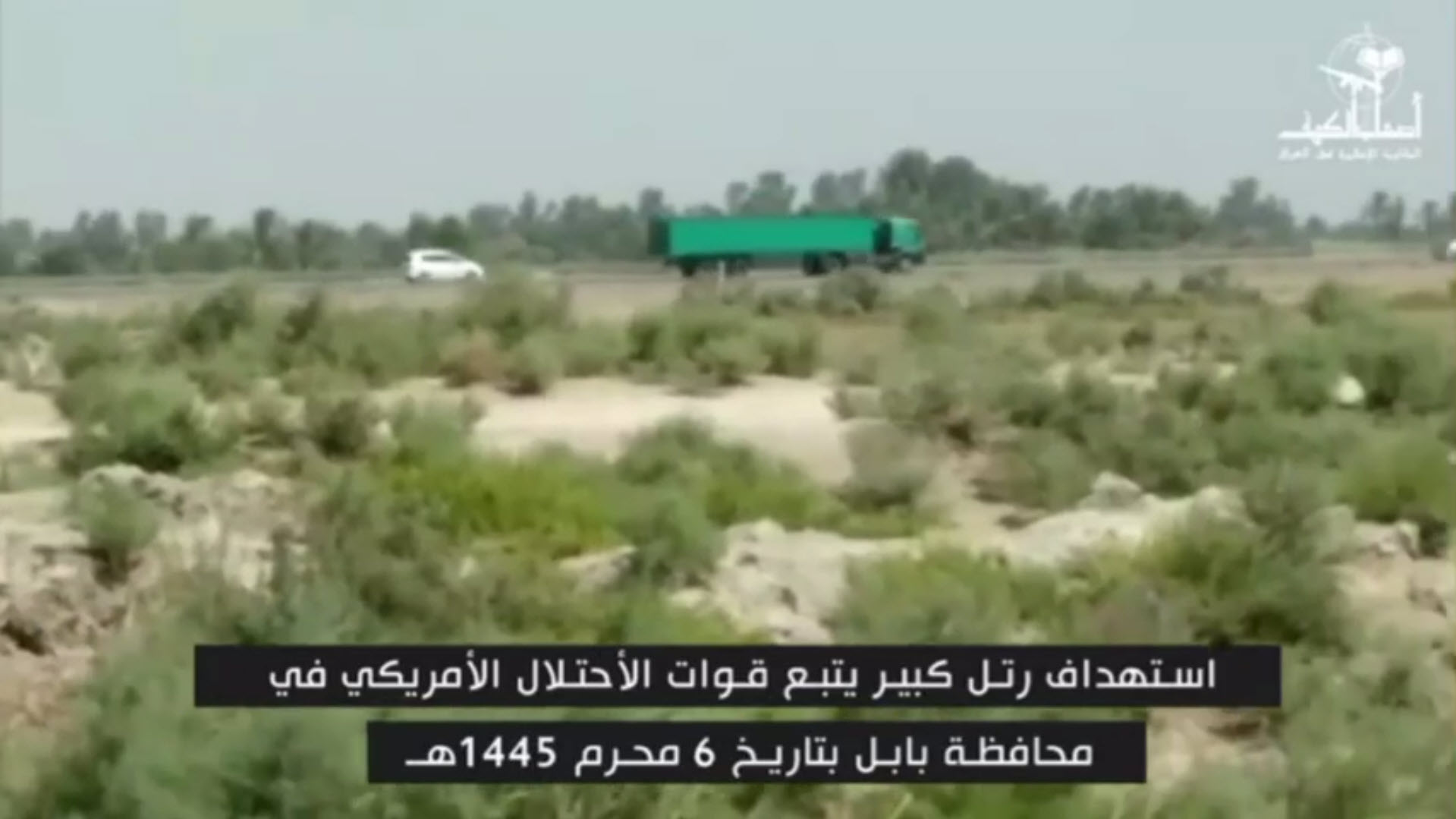
On July 24, a US military logistics convoy in the Babil province was targeted by the As’hab al-Kahf resistance group. Previously, another US military logistics convoy had been targeted by resistance groups in the Babil Province on April 5, 2023.
It seems that a new round of attacks by resistance groups against US military convoys in Iraq has kicked off.
It should be noted that the Iraqi resistance groups had stopped their attacks against the US military forces’ positions and convoys due to the request by Prime Minister of Iraq Mohammed Shia al-Sudani.
Investigations also show that no attack has taken place against the US forces’ positions and convoys in Iraq during the last three months.
According to field investigations by the ISWNEWS, the last one is the 11th attack by the Iraqi resistance groups against the US forces’ positions and logistics convoys since the onset of the current year.
Furthermore, this is the 136th attack against convoys and positions of American occupiers, which is taking place in the Babil Province since the beginning of 2021.
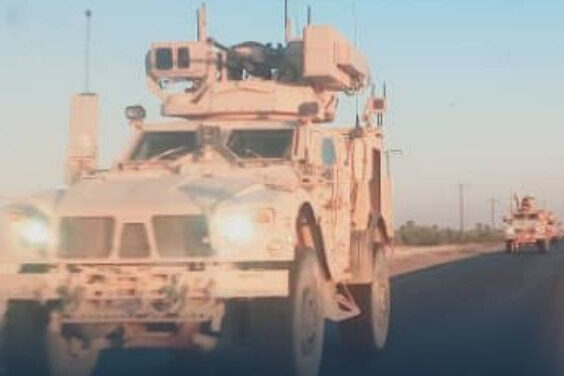
A photo that surfaced online showed a vehicle of the system near a base of the coalition located at the Conoco gas facility in the eastern Deir Ezzor countryside.
The FS-LIDS system uses a small, expendable drone dubbed the Coyote to intercept its target. The drone delivers a kinetic effect by crashing into enemy drones or exploding near them and dispersing blast fragments from its warhead.
The newest version of the interceptor drone, the Coyote Block 2, is propelled by a jet engine, equipped with an active radar seeker and armed with a proximity warhead. It can engage threats at a range of more than 15 kilometers, and can even re-attack if it misses on the first pass.
U.S.-led coalition bases in Syria’s northeastern region and its garrison in the southeastern area of al-Tanf were targeted with suicide drones on several occasions in the past.
Earlier this year, a suicide drone hit a base of the coalition in the northeastern governorate of al-Hasakah. The attack, which killed a U.S. contractor and wounded a number of service members, sparked a limited confrontation with Iranian-backed forces in Syria.
The U.S.-led coalition has been working to expand its presence in Syria for a while now, despite the disapproval of Damascus.
The appearance of the FS-LIDS system came amid high tensions between U.S. and Russian forces over aerial operations in Syrian skies. It also came as the coalition and its proxies were massing forces along the frontline with government forces in Deir Ezzor.
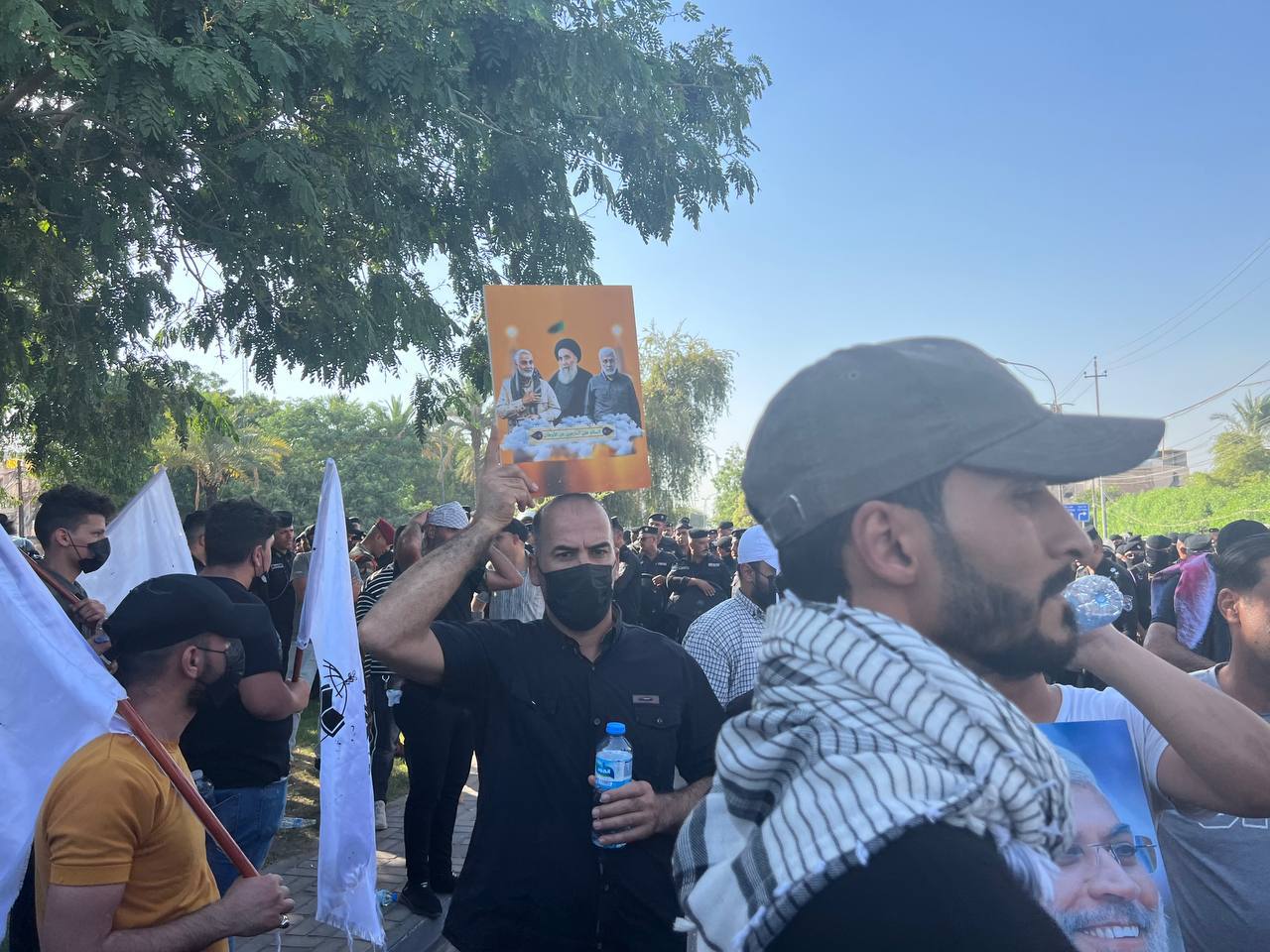
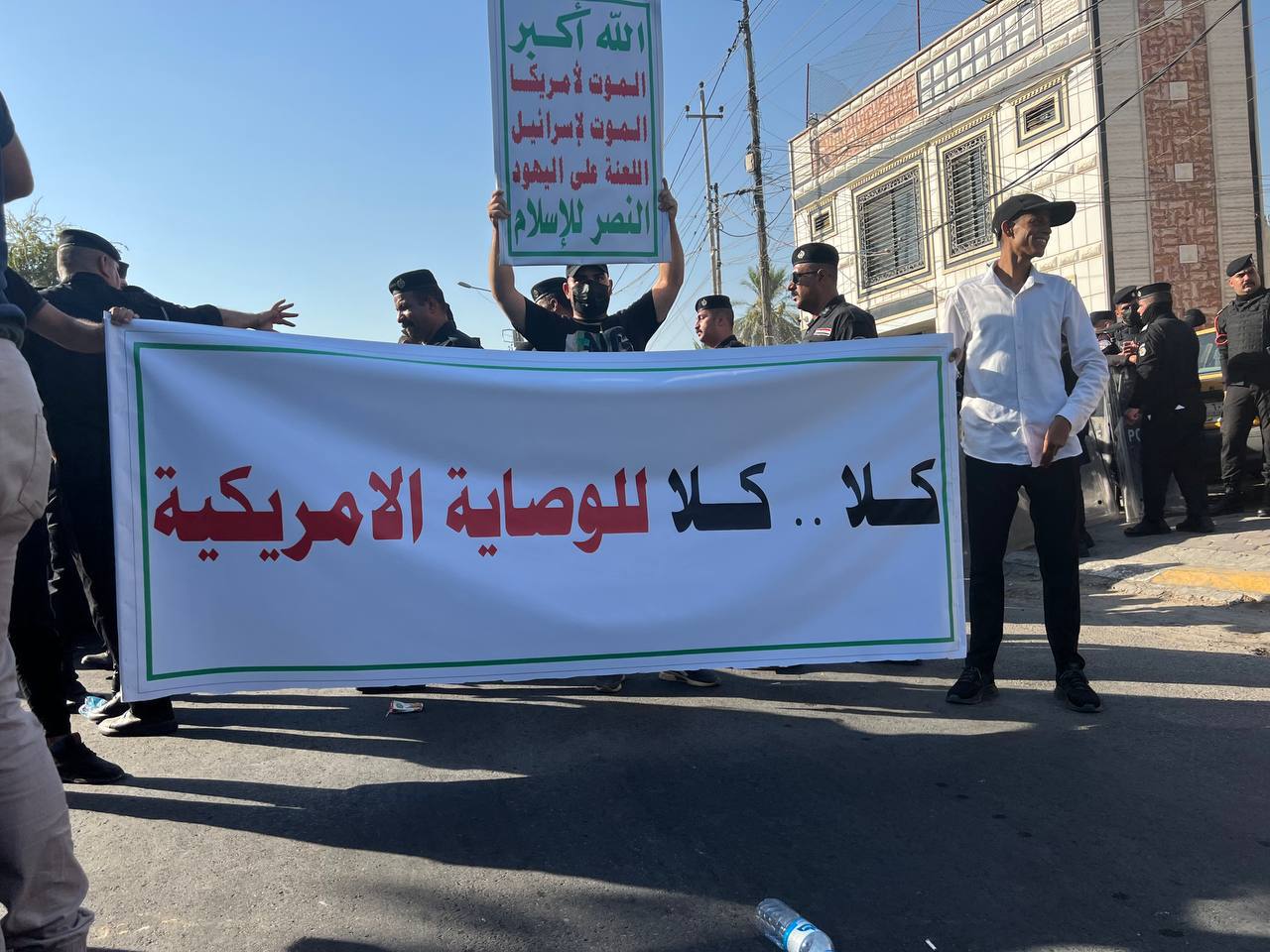
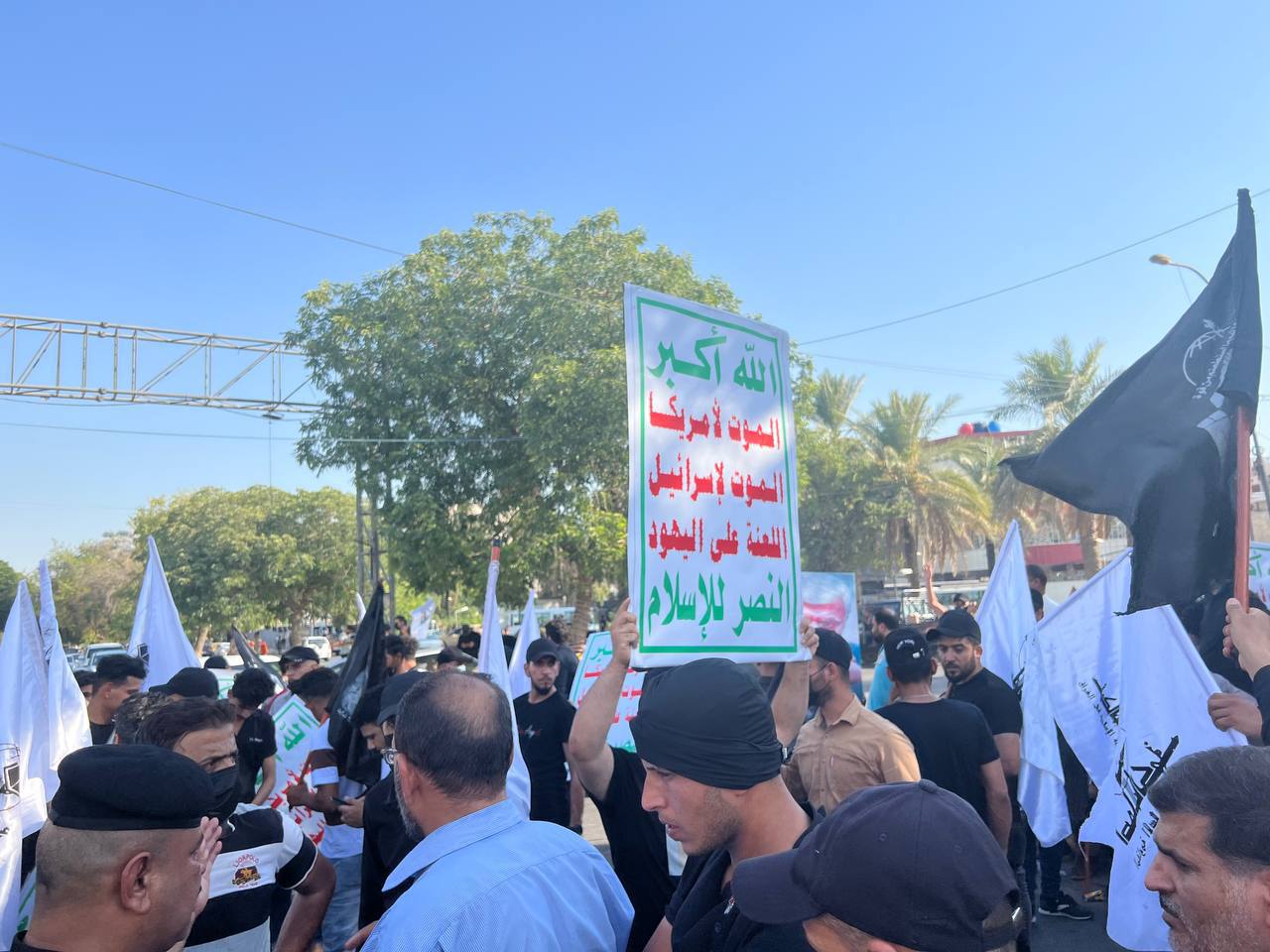
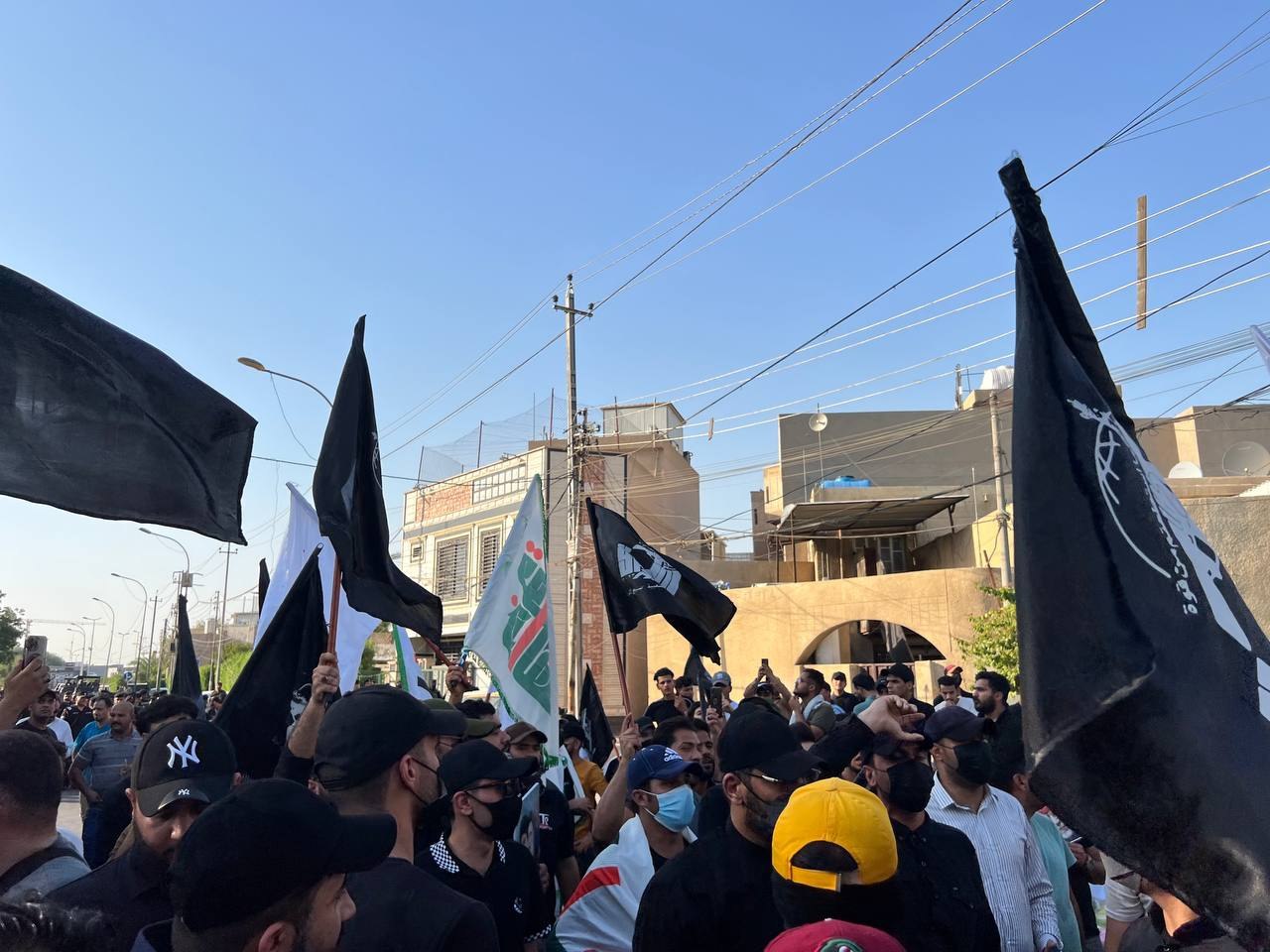
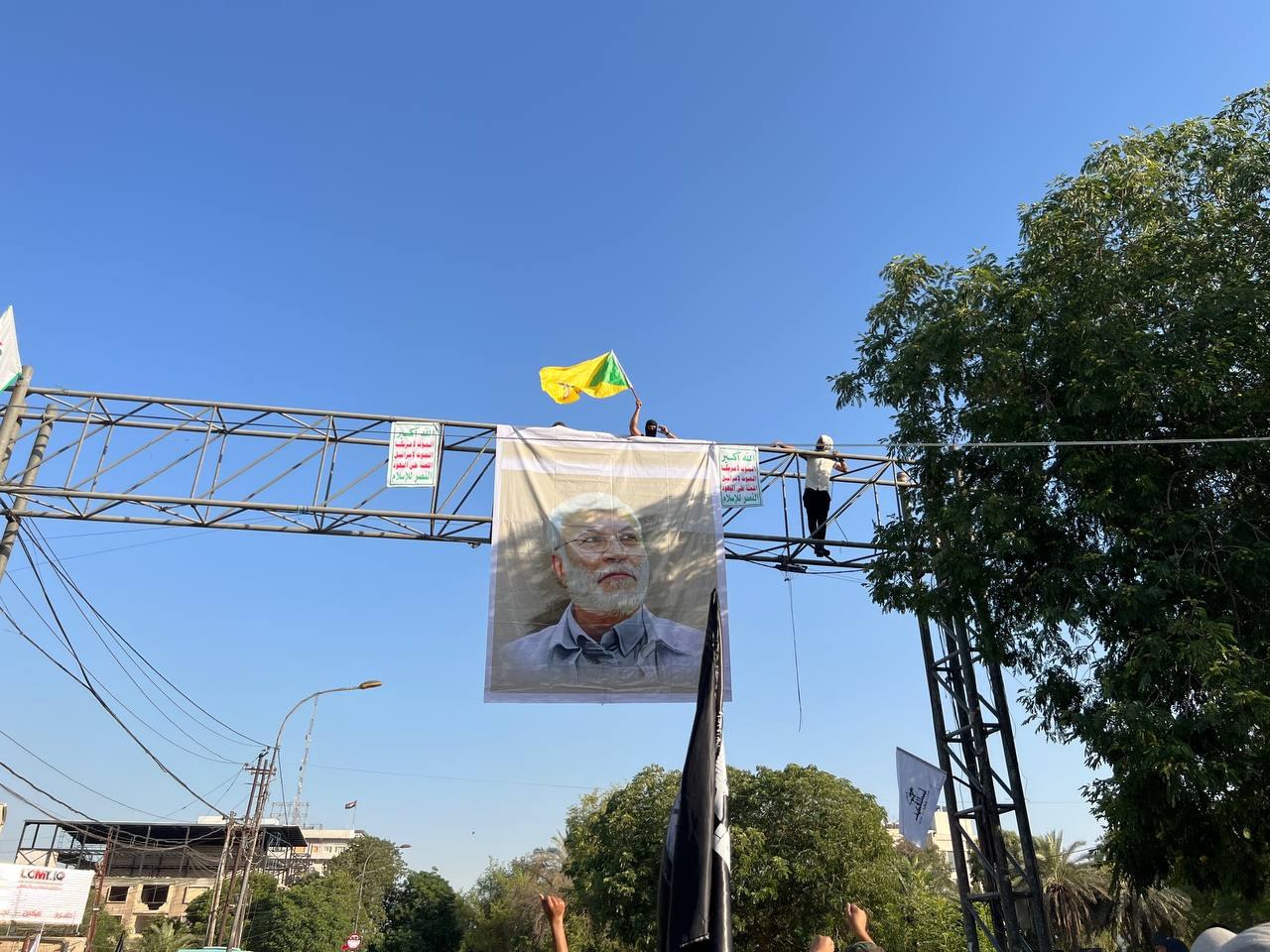
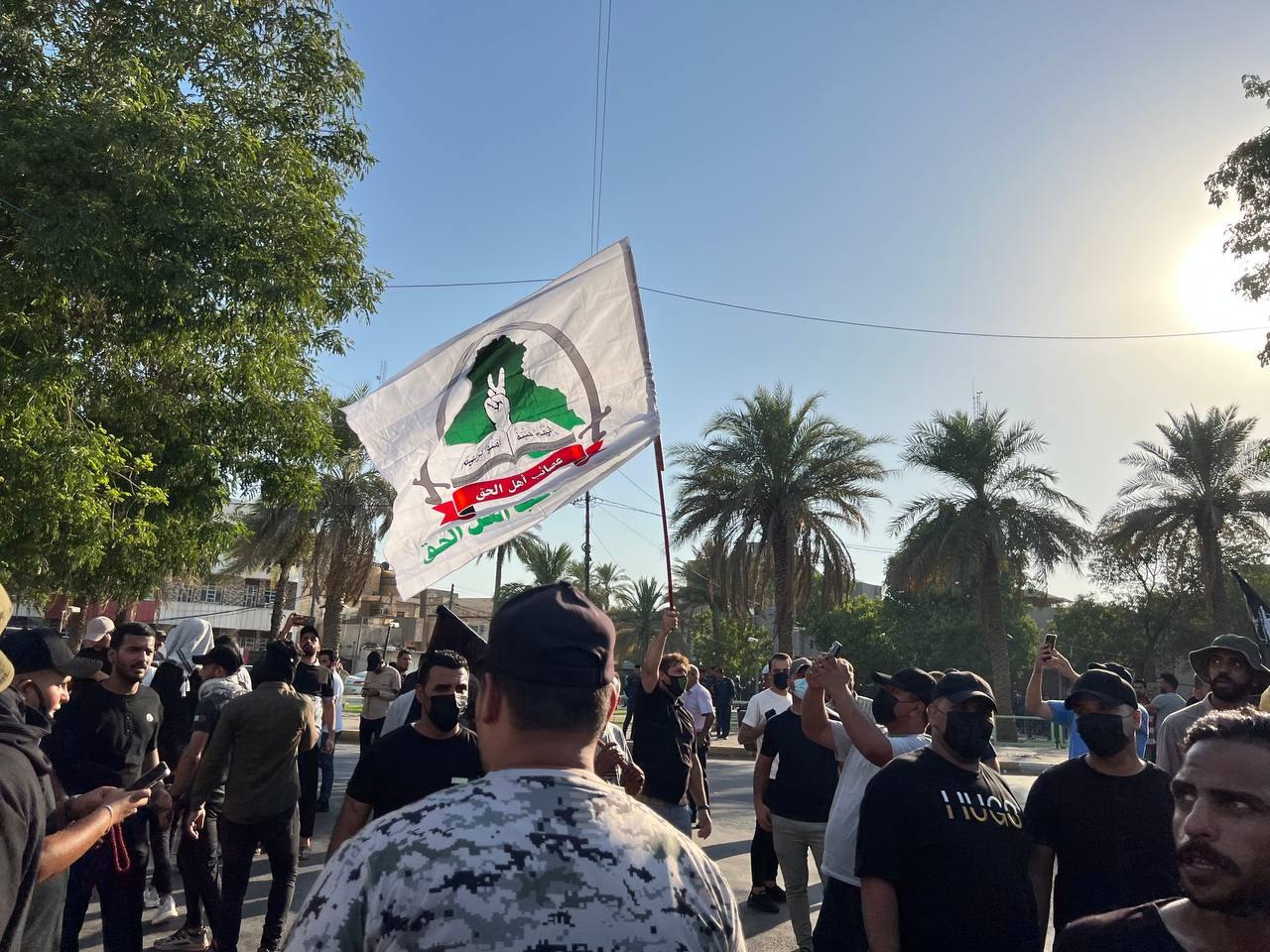
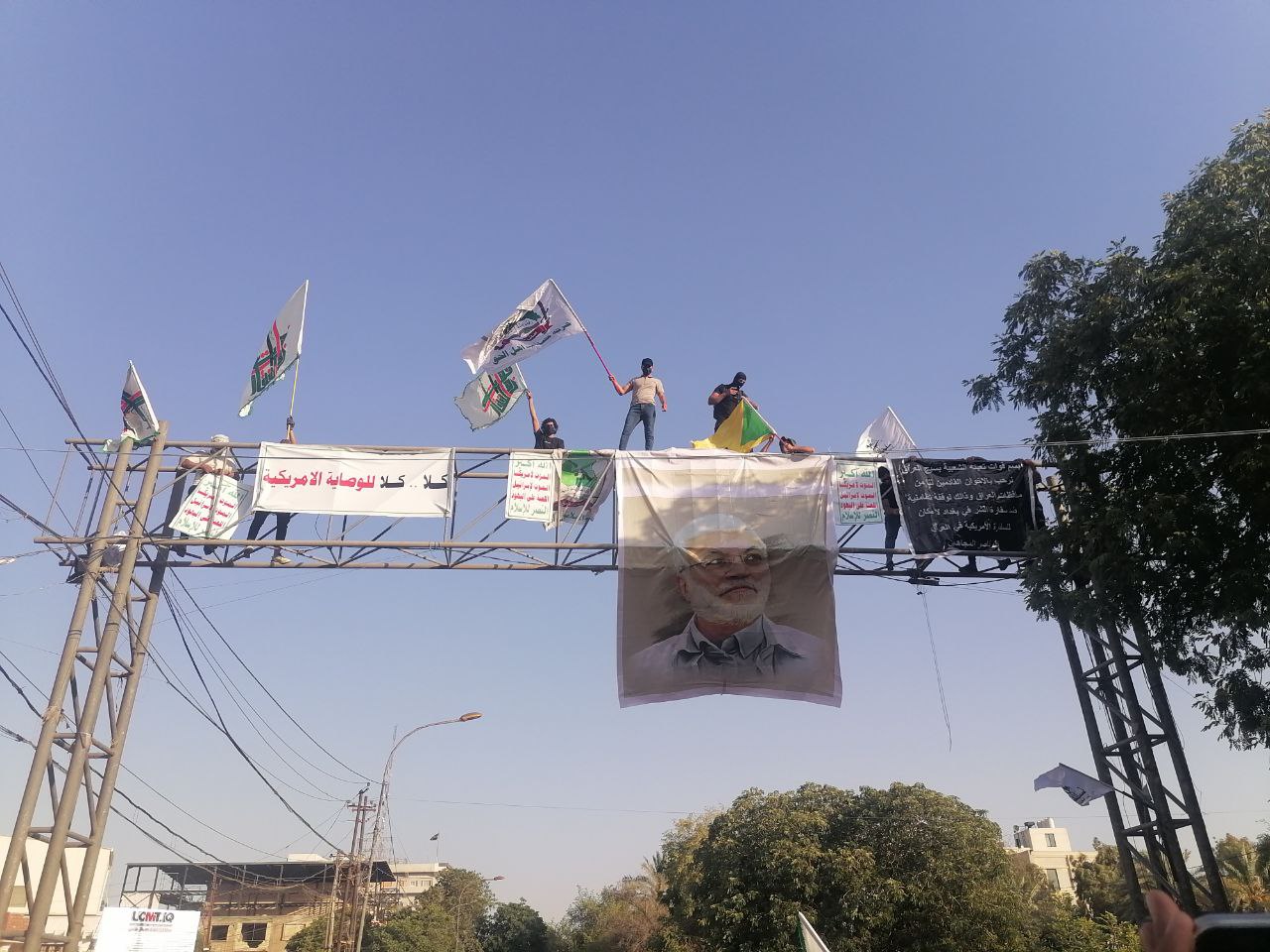
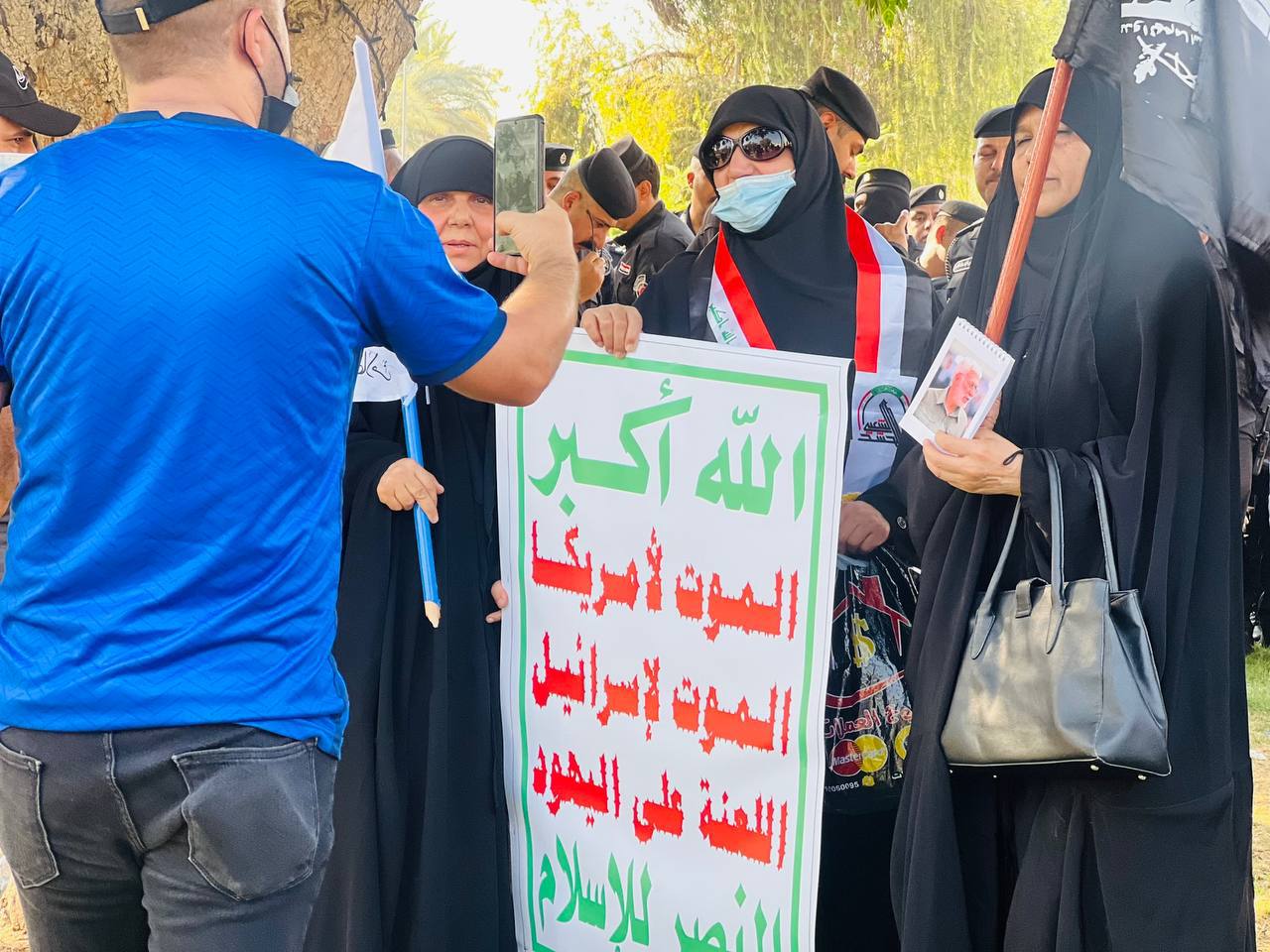
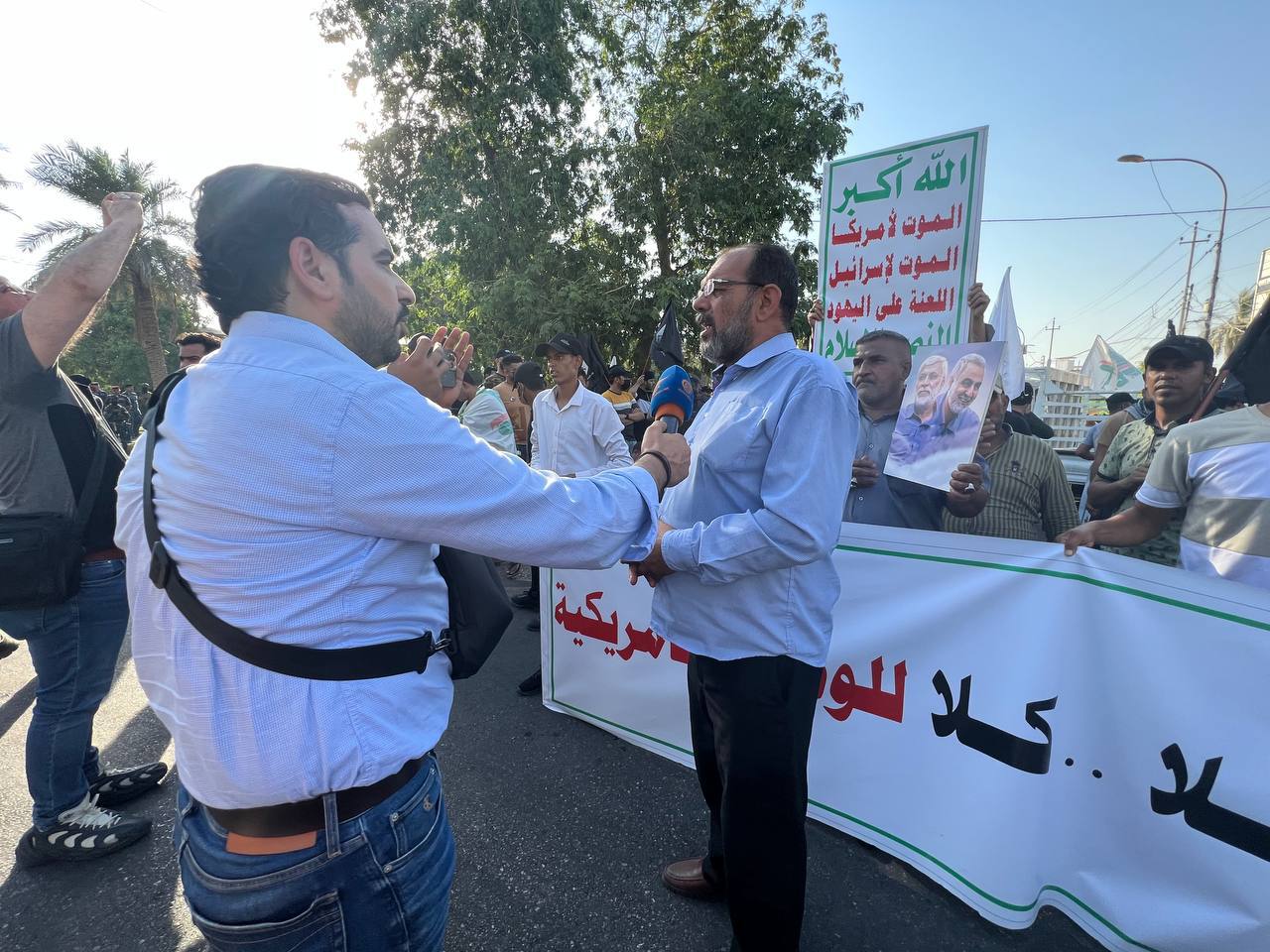
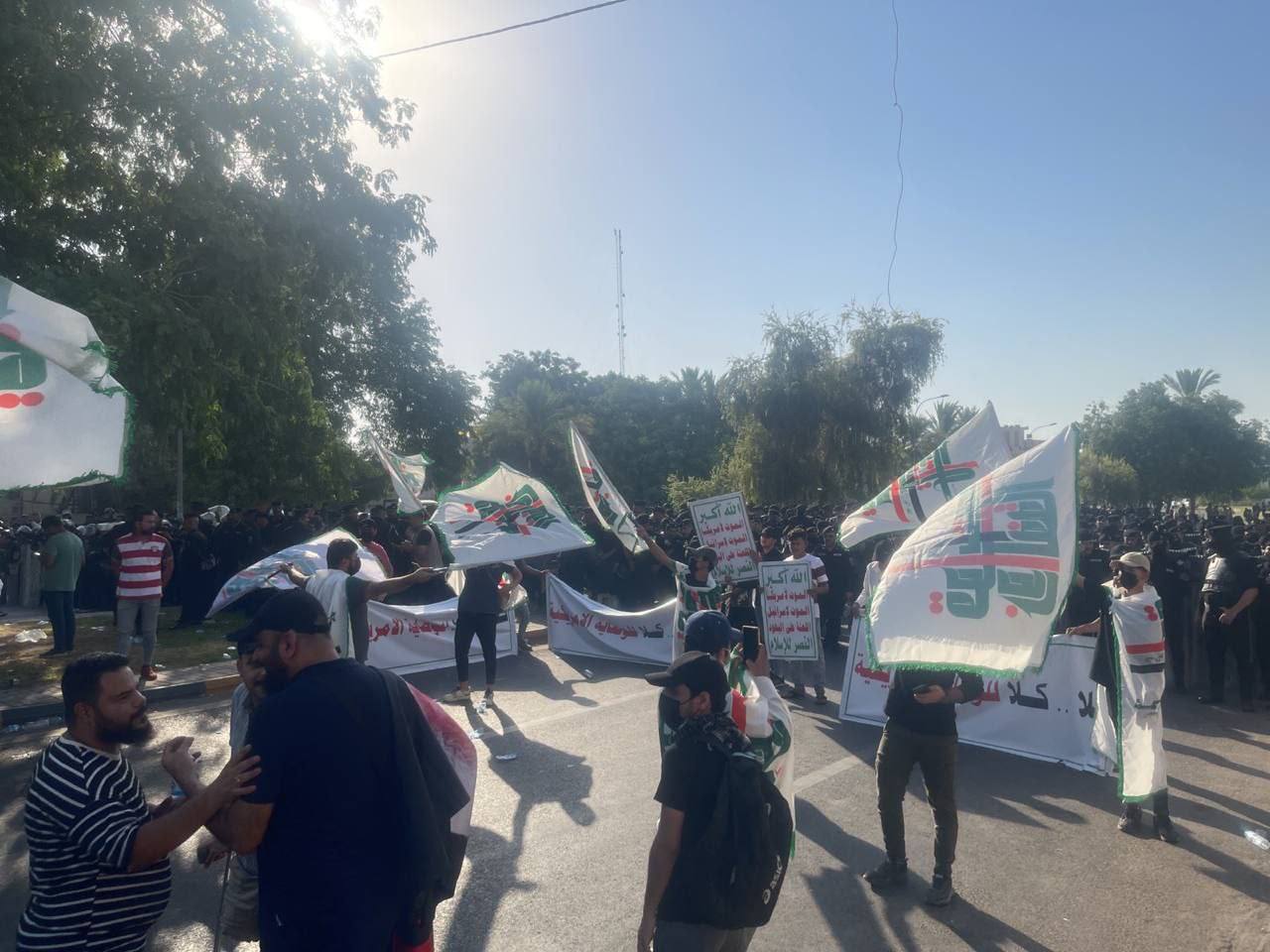
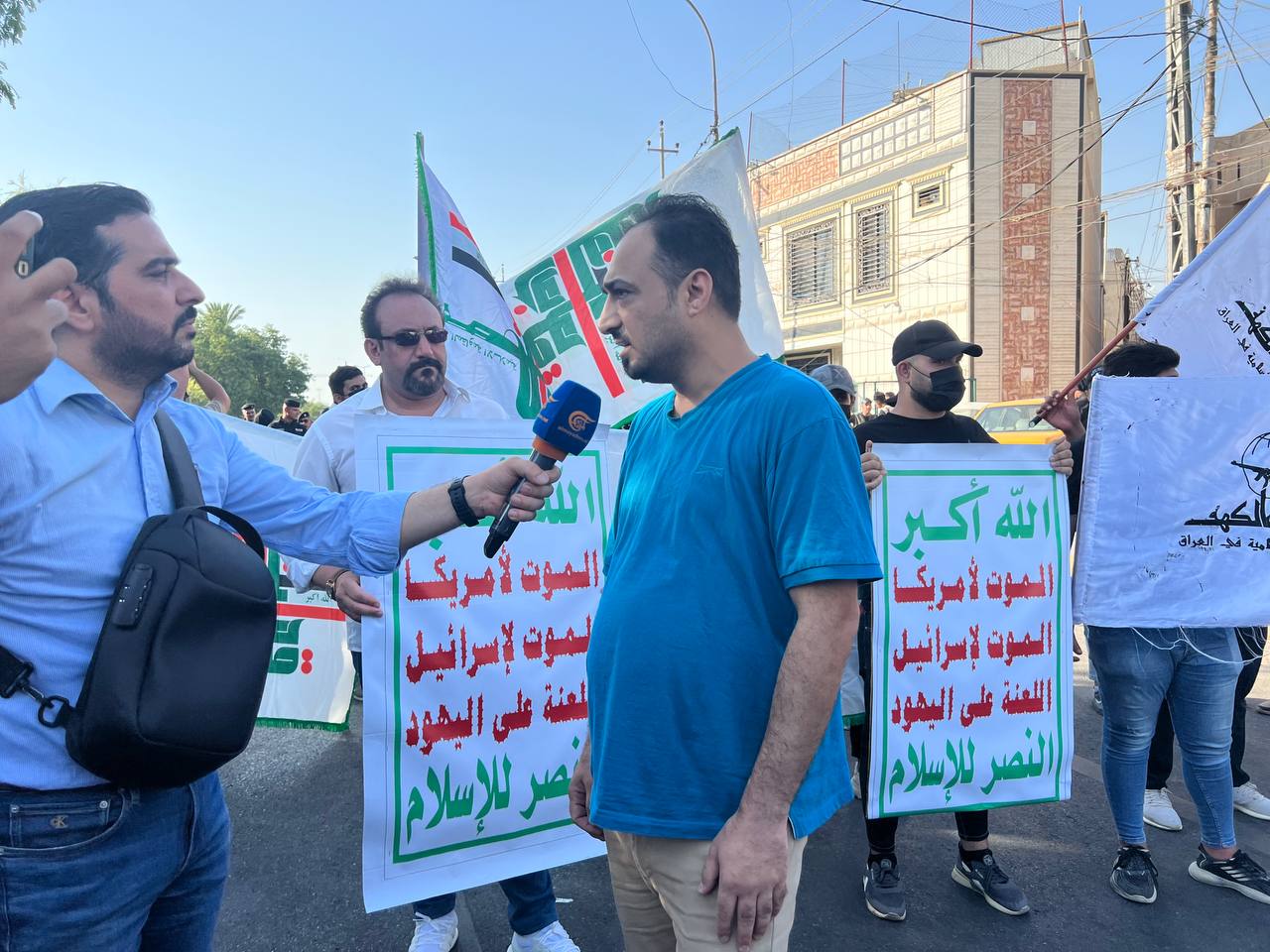
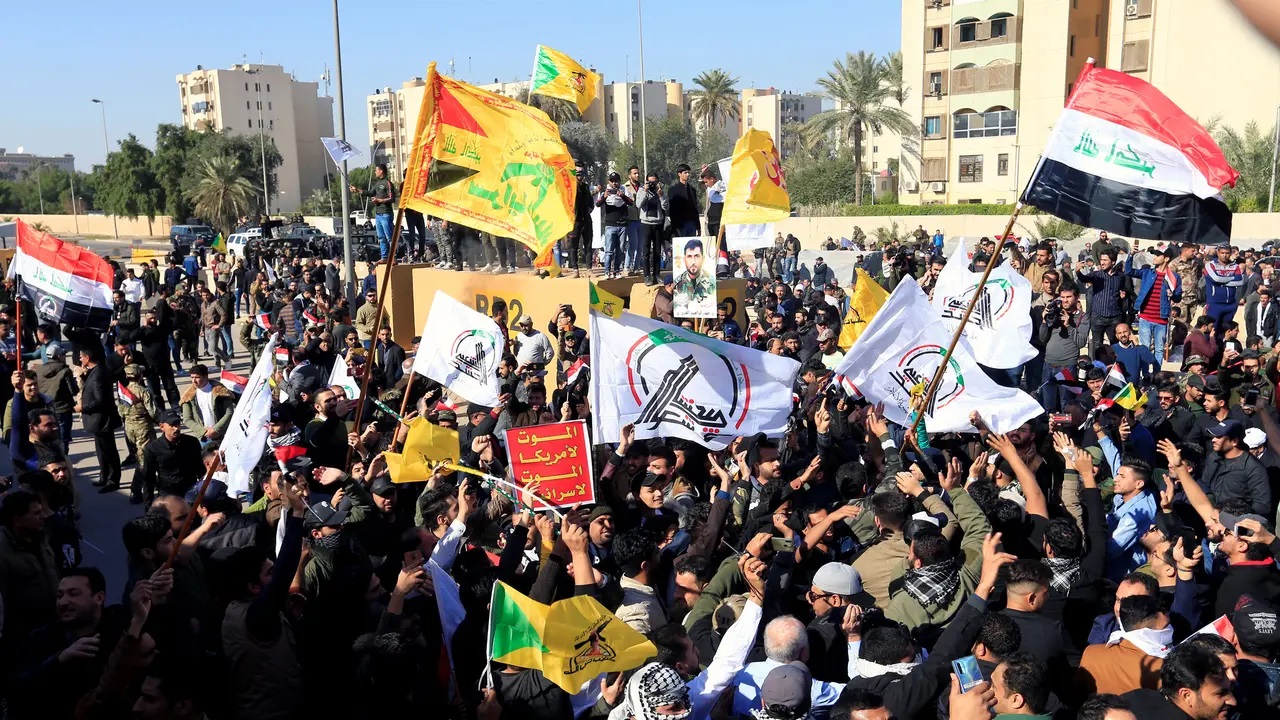
ISWNews Analysis Group: On July 14, people from different districts of Iraq gathered in Baghdad to protest against the United States’ interference in the country’s internal affairs as well as in Baghdad’s relationship with its neighboring countries.
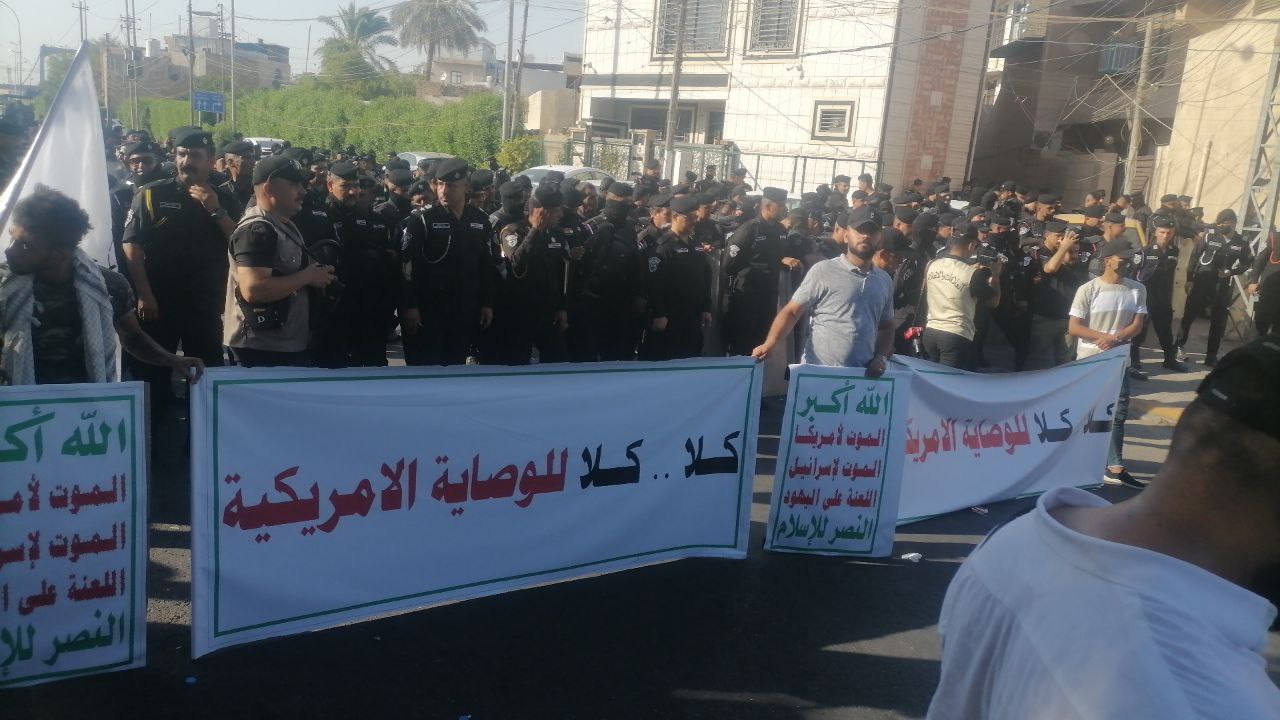
Close to the time of holding protest rally near the US embassy in Baghdad, Iraqi security forces were stationed near the suspension bridge in the capital city’s Green Zone.
It is said that around three thousand security forces were stationed around that area to prevent the possible entry of protesters into the Green Zone.
After the start of the demonstrations, dozens of Iraqi youths chanted slogans such as God is great and the US is the Great Satan, No to the US and No to Israel to show their resentment against the US and Israel in protest against US interference in Iraq’s internal affairs as well as the presence of Zionist regime’s elements in the Arab country.
The presence of Iraqi people in anti-American demonstrations near the Green Zone of Baghdad.
Iraqi protesters emphasized their determination to dismantle the US embassy and expel its ambassador, who interferes in most of Iraq’s internal affairs.
Hassan Salem and Saud Al-Saadi, both representatives of the Iraqi parliament, also attended the anti-US demonstrations near Baghdad’s Green Zone on Saturday
It is worth mentioning that the Shia resistance group named As’hab al-Kahf issue a statement earlier on July 12 in order to invite the Iraqi people to hold demonstrations in front of the US embassy in Baghdad.
ISWNews Analysis Group: On July 12, the Shia resistance group As’hab al-Kahf issued a statement, addressing the Iraqi people by saying that the fighters of Islamic resistance groups are your brothers and children, who have not and will not participate in any of the enemy’s projects against the holy religion of Islam.
The statement also reads that we, the children of Islam and Shia sect, invite you to protest against the enemy of Islam and the Satan’s den, which is called the US embassy.
We emphasize that our protests are to defend the rights of Iraq and its people, and that they are not related to any political factions or groups, it added.
According to the announcement of the Shia resistance group of As’hab al-Kahf, this protest rally will be held in front of the US embassy in Baghdad on Friday.
ISWNews Analysis Group: The Iraq’s Coordination Framework’s statement emphasized that the issue of electricity and the reduction of its supply in difficult weather conditions and intense heat put severe pressure on Iraqi citizens.
The statement went on to say that after reviewing and following up the issue, the Coordination Framework calls on the Iraqi government to contact the US side through the Ministry of Foreign Affairs and persuade the American government to immediately release Iran’s claims for gas exports to Iraq and refrain from politically exploiting the case, which has a negative impact on the livelihood of Iraqi citizens.
It is worth noting that before the release of the statement, Iraqi Electricity Ministry Spokesman Ahmad Musa said that the ministry had paid its debts to Iran for gas imports to the Trade Bank of Iraq, but there are problems in delivering the money to Iran due to the US-imposed sanctions.
In the years following the occupation of Iraq and the continued presence of the United States’ military forces in the Arab country, the American occupiers’ sabotage in Iraq has always prevented independent activities by governments established in Baghdad; therefore, Iraq and its people have always been taken hostage to the United States’ political and economic demands.
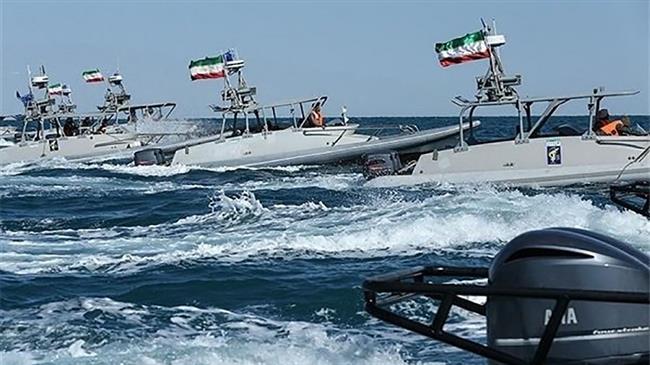
A spokesman for the Bahrain-based 5th Fleet said that Iranian naval vessels backed off after the U.S. Navy responded, and both tankers continued their voyages.
“The Iranian navy did make attempts to seize commercial tankers lawfully transiting international waters,” said the spokesman, Tim Hawkins. “The U.S. Navy responded immediately and prevented those seizures.”
The spokesman added that the Iranian vessels opened fire at the second tanker, but did not cause casualties or major damage.
Ambrey, a maritime intelligence service, said the tanker that was fired upon was a Bahamas-flagged, Greek-owned, U.S. managed crude oil tanker transiting from the United Arab Emirates to Singapore. It said the incident happened 28 nautical miles northeast of Muscat, the capital of Oman.
The U.S. announced on May 12 that it will increase the rotation of ships and aircraft patrolling in and around the Strait of Hormuz.
The decision was a response to the seizure of two oil tankers by Iran on April 27 and May 3. The tankers were captured in response to the seizure of a China-bound Iranian oil shipment by the U.S. near southern Africa on April 22, according to a report by Reuters.
Iran is yet to comment on the new alleged incidents. Overall, tensions in the Strait of Hormuz will likely rise even more after the U.S. claims.
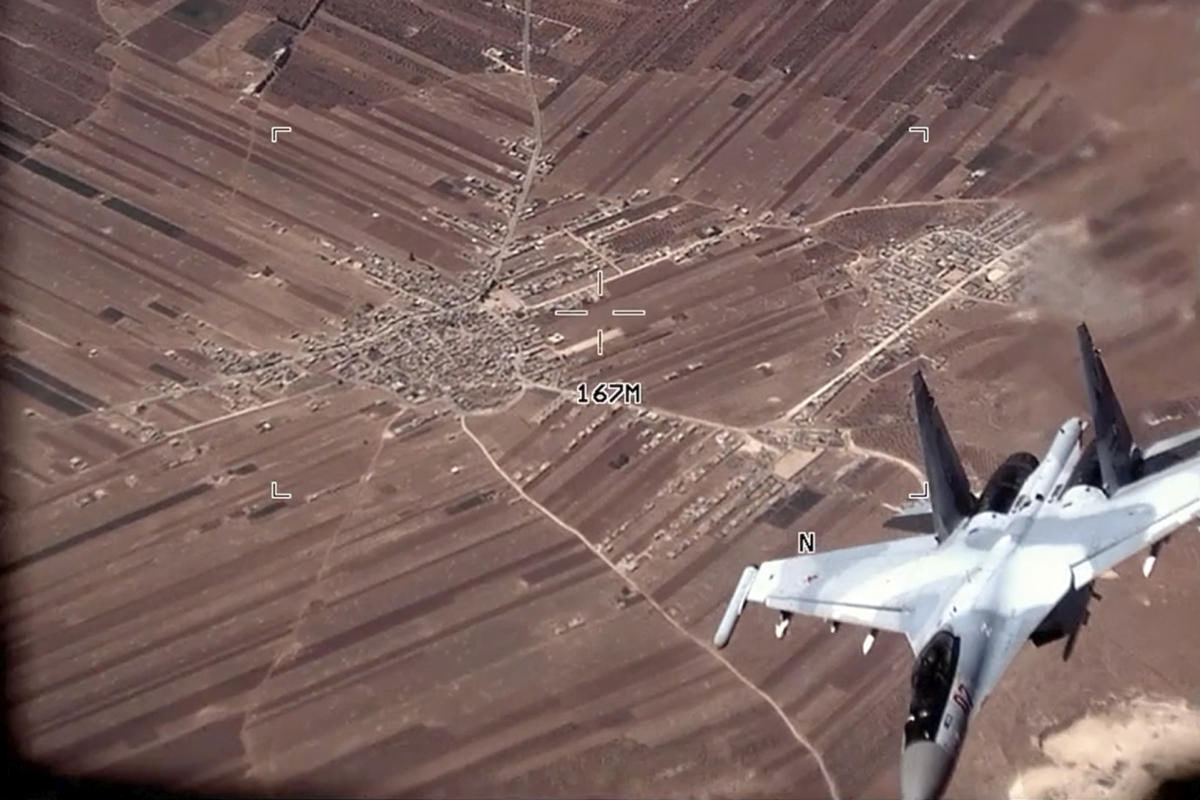
Russian fighter jets harassed American combat drones on an anti-ISIS mission over Syria, the U.S. military said late on July 5.
“Earlier today at approximately 10:40 AM, Russian military aircraft engaged in unsafe and unprofessional behavior while interacting with US aircraft in Syria,” said Lieutenant General Alex Grynkewich, the US general responsible for air operations in the Middle East.
According to Grynkewich, three MQ-9 drones were on a mission against ISIS targets when three Russian fighter jets began the harassment.
The video published by the US CENTCOM
Video footage released by the U.S. Air Forces Central showed Russian jets dropping multiple parachute flares in front of one MQ-9 , forcing it to conduct evasive maneuvers. One Russian pilot then positioned its fighter jet in front of a MQ-9 and engaged the afterburner, making it difficult for the drone to fly safely.
“These events represent another example of unprofessional and unsafe actions by Russian air forces operating in Syria, which threaten the safety of both US and Russian forces,” Grynkewich said.
The commander urged Russian forces in Syria to stop their “reckless behavior” and comply with standards of behavior expected of a professional air force “so we can resume our focus on the enduring defeat of ISIS.”
Meanwhile, Rear Admiral Oleg Gurinov, deputy chief of the Russian Center for Reconciliation in Syria, said in a statement that U.S. drones flew over an area where joint Russian-Syrian drills five times in violation of flight safety protocols.
According to the commander, the Russian side once again expresses concern over the violations of the protocols linked with the flights of the U.S.-led coalition’s drones.
“During the day, twelve violations were reported, including five over an area that was closed for flights due to the joint Russian-Syrian drills in northern Syria. We remind that the Russian side bears no responsibility for the safety of flight of unmanned aerial vehicles, which were not agreed with the Russian side,” Gurinov said.
The Russian and Syrian militaries launched joint aerial drills on July 5. The drills, which will go on for six days, will include actions by aviation, air defense forces and electronic warfare to repel air attacks. U.S. drones were likely spying on the drills, not conducting a mission against an ISIS target as the U.S. military claimed.
Tensions between U.S. and Russian forces in Syria have been mounting since the start of the special military operation in Ukraine. Last month, the U.S. deployed F-22 Raptors from Langley Air Force Base to the Middle East as a part of efforts to expand operations over the war-torn country.
Unlike Russia, the U.S. military presence in Syria is not sanctioned by Damascus. The country considers this presence to be an occupation.
The U.S. attempts to expand its drone operations over Syria without coordinating with the Russian side will eventually lead to an incident.
ISWNews Analysis Group – The Armed Services Committee of the US House of Representatives approved the amendment, which was proposed by Dan Bacon, on June 21 during the vote on the “National Defense Authorization Act for Fiscal Year 2024”.
According to Bacon, the amendment enjoys strong bipartisan support and requires the US government’s attempt to prepare and implement a program to train and equip the Iraqi Kurdistan forces in the face of missile, rocket and drone attacks from Iran.
In response, Iraqi Member of Parliament Jassim Al-Moussawi stated that providing air defense arms to the Peshmerga forces (Kurdish military forces of the autonomous Kurdistan Region of Iraq) is contrary to international law. The MP noted that any internal party or group in Iraq does not have the right to directly engage in sovereignty matters with other countries without informing and involving the central government. Therefore, the decision to arm the Iraqi Kurdistan region is tantamount to interfering in the country’s internal affairs, he added.
It is worth mentioning that the US has always opposed the Iraqi army’s access to advanced air defense systems to be able to repel foreign attacks.
The agreement between the US and Iraq’s Kurdistan region, which was made without informing the Baghdad government, sparked several reactions, and some Iraqi legislators expressed criticism, stating that Washington’s decision is translated into violating Iraq’s independence and undermining its internal security.
The cessation of operations against the US strongholds does not mean accepting their illegal and illegitimate presence in Iraq. Considering recent political, security, and economic developments in Iraq, the committee emphasizes the need to focus on the interests of the Iraqi people.
Given the sensitive situation, the Iraqi resistance stops military operations against the US in Iraq, but this does not mean acceptance of their illegal presence.
We are not unaware of the obvious interventions by the United States in Iraq’s internal affairs. The continued presence of the US military bases, combat forces and aerial movements, especially spy drones, and the US embassy’s attempt in spreading deviations as well as attacking Iraqi cultural identity and values pushed us to fulfill our legal and national duty.
We feel obliged to respond appropriately to the US violations such as their heinous threat to target resistance commander Sheikh Akram Al-Kaabi. If the US continues these acts, we will act accordingly.
Given the mediation of the Iraqi government, we intend to give the other side the last chance to stop the actions. But everyone should know that resistance’s patience has a limit and any action will have a reaction.
What happened earlier?
The statement comes after sources close to Iraq’s resistance said that the US ambassador to Baghdad told some political factions that the US may target Iraqi resistance leaders, including Secretary-General of Harakat Hezbollah al-Nujaba (HHN) in Iraq Sheikh Akram al-Kaabi over attacking US interests.
The Iraqi resistance groups have only carried out 10 attacks against American convoys and positions in Iraq over the past 9 months, which is a significant decrease compared to recent years.
The Baghdad Today News Agency claimed, Iraqi resistance groups stopped their attacks against US soldiers in support of Iraqi Prime Minister Mohammed Shiaa al-Sudani. Baghdad Today added that in secret negotiations between al-Sudani and resistance groups, the prime minister promised them to expel US soldiers from Iraq through diplomatic means.
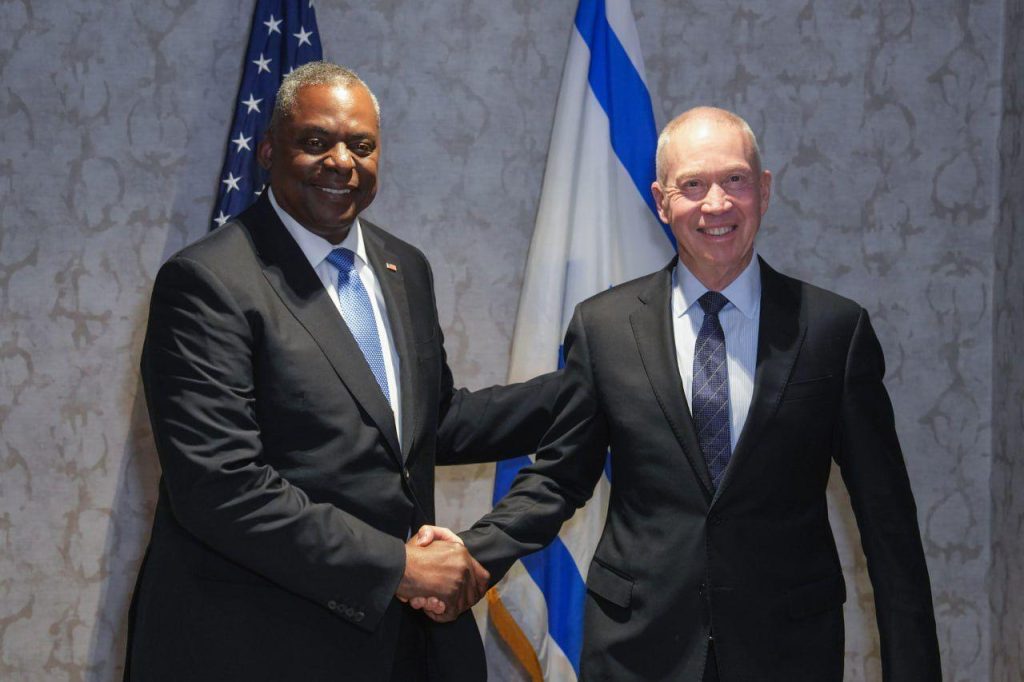
US Secretary of Defense Lloyd Austin met with Israeli Minister of War Yauv Galant on June 15. Galant previously said that he expected to meet with Austin and discuss Iran.
In the meeting, Galant expressed that Iran is simulating an attack on Israel through its proxy forces in Syria, Lebanon, Gaza, and the Persian Gulf.
According to Hebrew-language media reports, the two sides agreed to continue their cooperation in countering a wide range of threats from Iran, including its nuclear program and destabilizing regional activities, proliferation of drones, and provision of lethal aid to the Middle East and Russia.
The statements come as the Zionist regime is considered the only nuclear-armed country in West Asia, but it tries to accuse the Islamic Republic of Iran of seeking to acquire such weapons.
Nevertheless, the Iranian officials strongly deny those allegations and Imam Ali Khamenei, the Supreme Leader of the Islamic Revolution of Iran, has also emphasized that the use of atomic bombs is totally forbidden and unlawful on the basis of Islamic tenets.
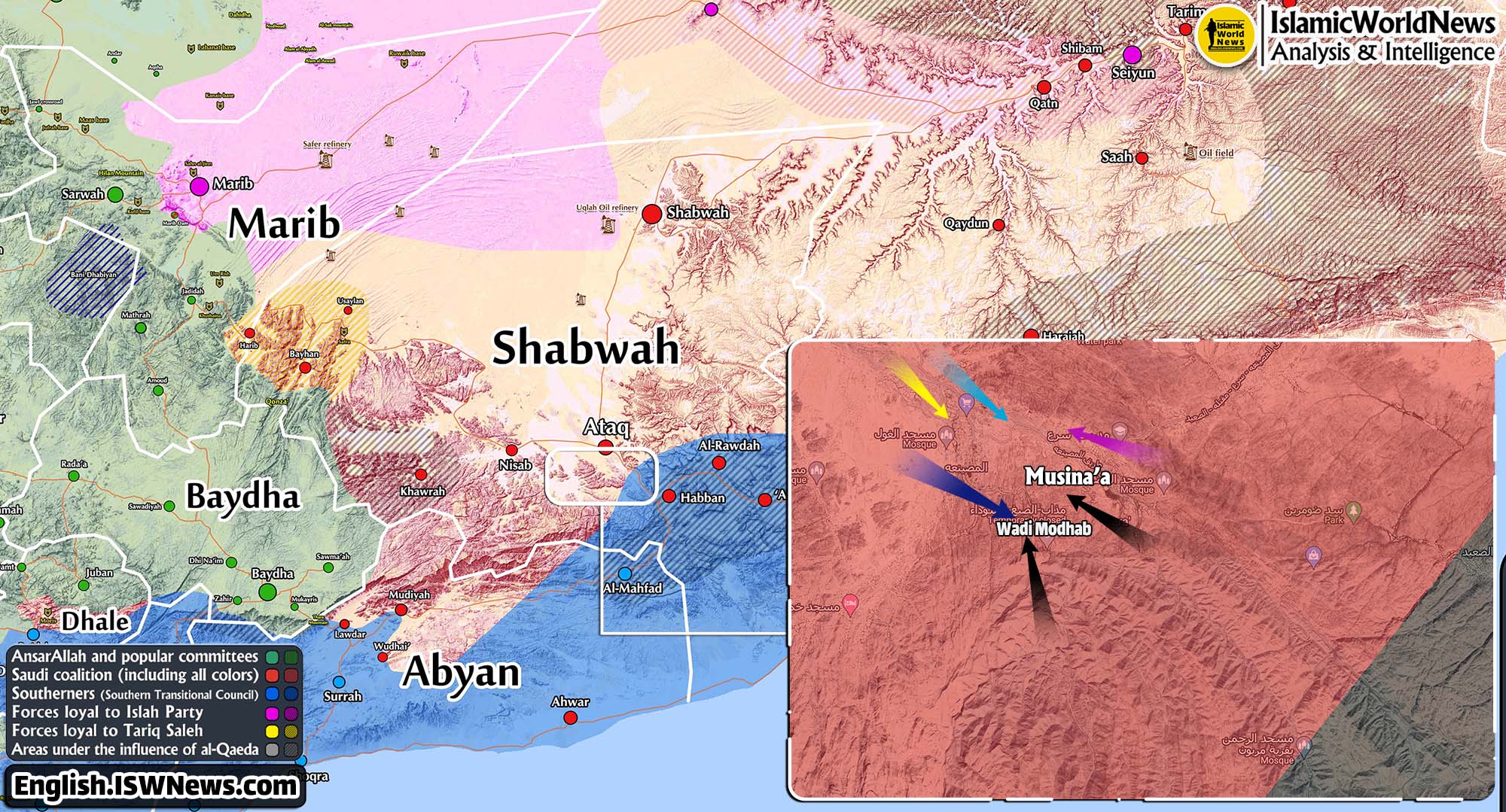
Following the increase of activities of Yemeni Congregation for Reform (Al-Islah Party) militants in Shabwah Governorate, as well as the recent attacks by Al-Qaeda terrorists on the Al-Mosina’a district, the US drones attacked the positions of Al-Qaeda terrorists in the Wadi Madhab area early morning on June 15.
In addition to targeting Al-Qaeda group’s position, the US drone attack is considered their first step in supporting the Shabwa Defense Forces and the Southern Transitional Council (STC).
Al-Qaeda terrorists carried out at least five strikes on the positions of the Shabwa Defense Forces and the Southern Transitional Council militants in the Al-Mosina’a town over the past three days, leading to the deaths of several Shabwa Defense Forces personnel, including their commander in Al-Mosina’a Salim Hirsi Al-Tawsali.
According to images released by Al-Qaeda-affiliated media outlets, terrorists of the group used drones or quad-copters in their attacks on the positions of Shabwa Defense Forces, but the quality and aftermath of the strike has not been determined so far.
The widespread assault by Al-Qaeda on the Al-Mosina’a town is another development in their ongoing conflicts with the Southern Transitional Council forces in Shabwa, Abyan, and other governorates.
The killing of Abdullah Al-Bani, who was a prominent member and supporter of the Al-Islah Party, prompted the group to take revenge of the Shabwa Defense Forces and start attacking Al-Mosina’a town.
However, the United States’ support for the Southern Transitional Council has made the situation more complicated, which would strengthen the position of the Southerner Transitional Council militants in Shabwa Governorate.
The issue will also affect the potential attacks by Al-Islah Party militants, who enjoy the support of Saudi Arabia from the northern axis of the city of Ataq in the center of Shabwa Governorate.
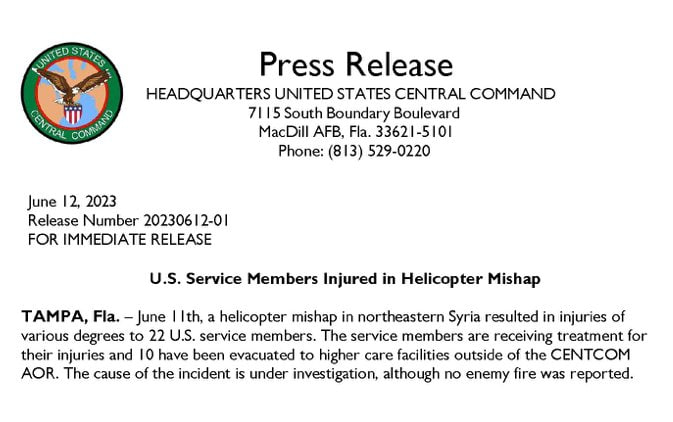
According to the statement, the wounded military forces received medical treatment and 10 out of the injured servicemen were transferred to medical centers and special care units outside the region.
According to the CENTCOM, the reason behind the incident is still under investigation.
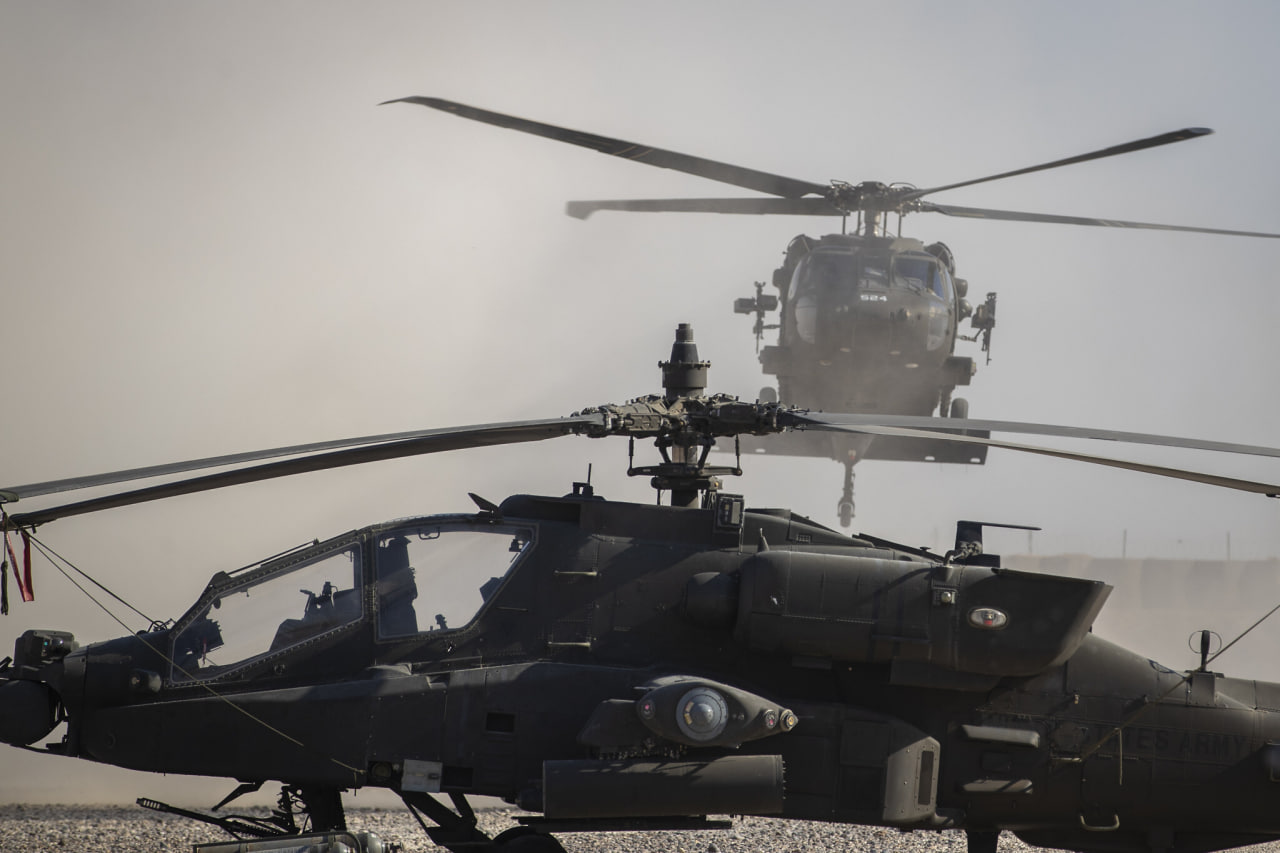
There have not been issued any further details on the crash incident. It is worth mentioning that from time to time, the eastern and northeastern regions of Syria witness joint operations by the US military and the so-called Syrian Democratic Forces (SDF) under the pretext of fighting terrorist groups.
Although, the United States military and the SDF forces managed to arrest some of the elements and field commanders of the ISIS terrorist group during joint operations in recent years, terrorist activities and the movements of the ISIS elements continue to happen in the regions.