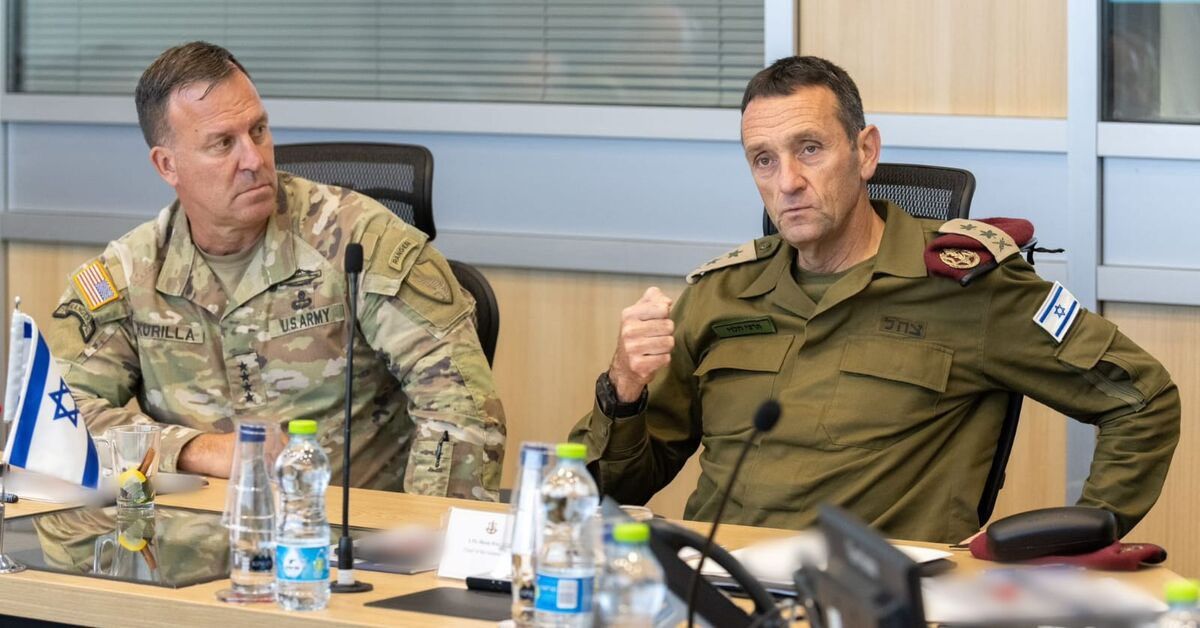
During this trip, he is going to meet with Herzi Halevi, the Chief of General Staff of the Israeli Army, and other Israeli defense and military officials.
Kurilla said that his main purpose of the visit is to talk about the military aid that Israel needs right now. Also, how to prevent other countries and groups from getting involved
US Secretary of State Anthony Blinken, who had recently traveled to several countries in the region after visiting the occupied Palestinian territories and held talks with their officials about recent developments in the Gaza Strip, has returned to the occupied land a few hours ago.
According to CNN, Blinken is expected to meet with the Zionist regime’s Prime Minister Benjamin Netanyahu and some other senior officials of the regime in order to have further discussions about recent developments.
Concurrent with the arrival of the US Secretary of State in the occupied Palestinian territories, the Hebrew-language newspaper Yedioth Ahronoth reported that President of the United States Joe Biden will travel to the occupied Palestinian land in this weekend and then, he is scheduled to head to Egypt.
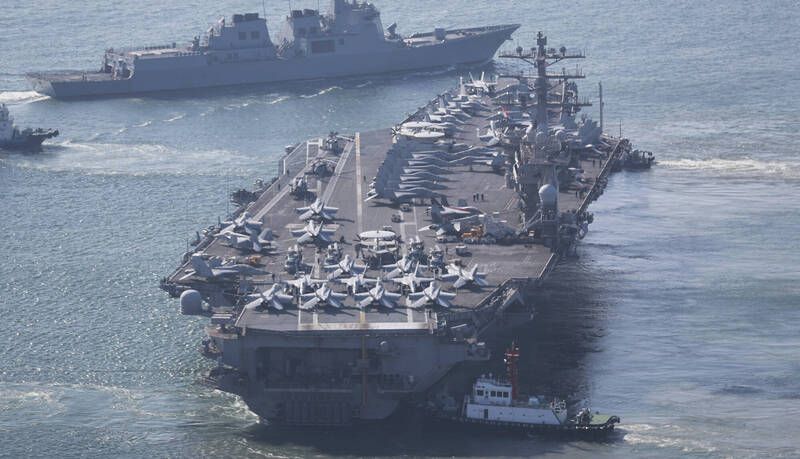
According to the statement, the USS Dwight D. Eisenhower Carrier Strike Group (CSG) includes the guided-missile cruiser USS Philippine Sea, guided-missile destroyers USS Gravely and USS Mason, in addition to the Carrier Air Wing 3 with nine aircraft squadrons and embarked headquarters staff.
The U.S. warships are not intended to join the fighting in Gaza or take part in Israel’s operations, but rather to send a message of deterrence to Iran and its allies in the Middle East, such as Hezbollah in Lebanon.
The deployment is a “part of our effort to deter hostile actions against Israel or any efforts toward widening this war following Hamas’s attack on Israel,” Austin said in the statement.
The Eisenhowerwill CSG will join the USS Gerald R. Ford Carrier Strike Group, which arrived off the coast of Israel last week. The Ford CSG includes the guided-missile cruiser USS Normandy as well as the guided-missile destroyers USS Thomas Hudner, USS Ramage, USS Carney and USS Roosevelt.
The Eisenhower can carry more than 60 aircraft, including F/A-18 fighter jets, while the Ford can deploy more than 75 aircraft.
In addition, the U.S. Air Force announced earlier this week the deployment of F-15, F-16 and A-10 fighter aircraft squadrons in the Middle East in support of Israel.
The U.S. was the first country to voice its support for Israel following the October 7 Hamas-led surprise attack. At least 1,300 Israelis were killed and more than 3,000 were wounded in the attack. Hundreds others were captured by Palestinains fighters or went missing.
Israel has already received several weapons shipments from the U.S. military. Meanwhile, Washington continues to ignore the high death toll from Israeli strikes on Gaza that has reportedly exceeded 2,200 including hundreds of women and children.
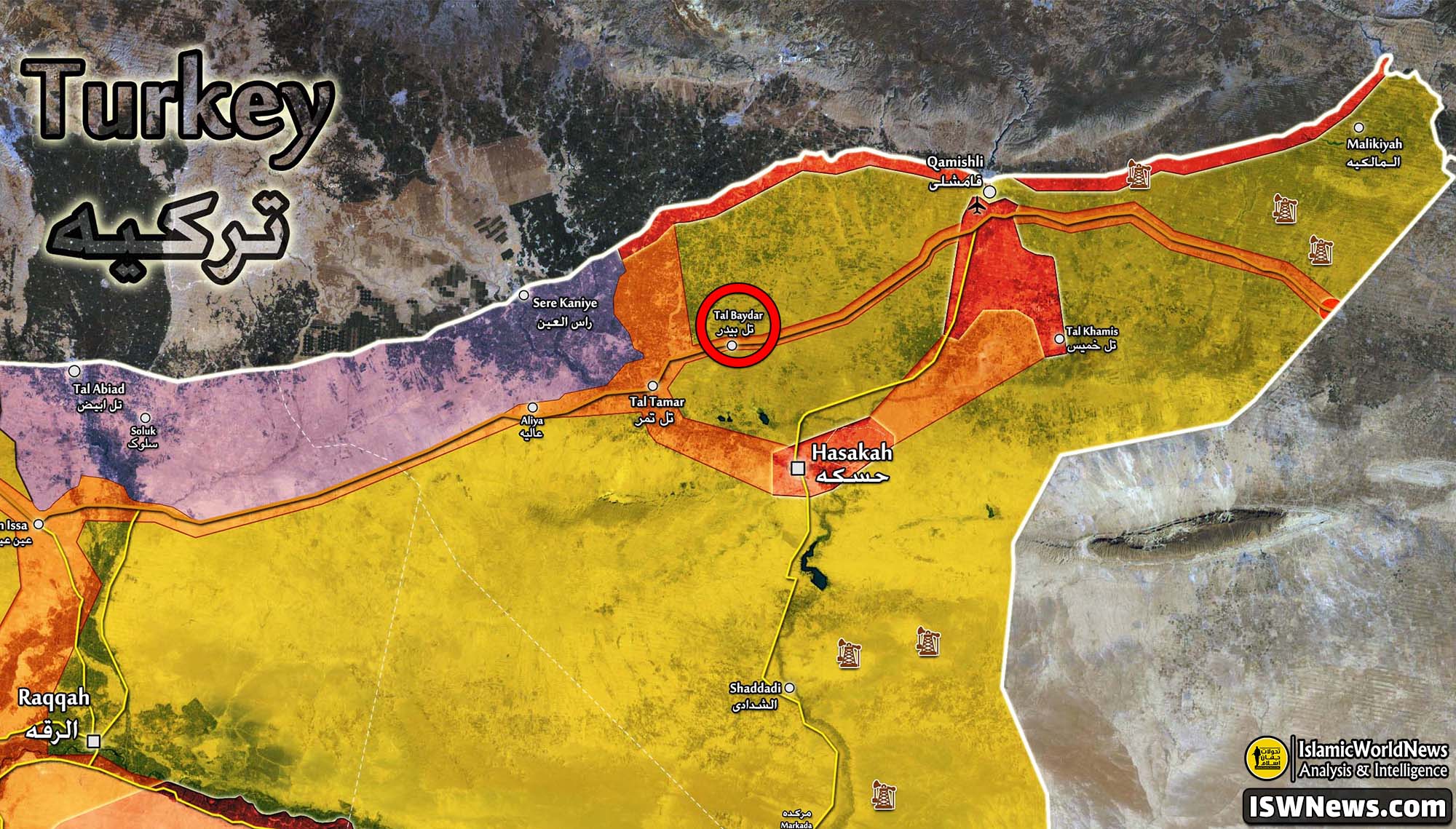
Some media outlets close to militants reported that a US-led coalition shot down a drone belonging to the Turkish army as it approached the airspace of the coalition base in Tell Beydar on October 5.
It should be noted that this is the first action taken by the US-led coalition against Turkish drones in northern Syria in recent years.
Turkish drone attacks on positions held by Syrian Democratic Forces (SDF) in northern Syria have increased in recent days, especially after the recent terrorist attack by PKK agents against the Turkish Ministry of Foreign Affairs in Ankara.
Administrator of the United States Agency for International Development (USAID) Samantha Power, heading a diplomatic delegation, has met with Azerbaijani President Ilham Aliyev in continuation of her visit to the Caucasus region.
The centerpiece of the meeting was to discuss easy access to the Nagorno-Karabakh region and addressing the situation of thousands of Armenian people trapped in the Lachin corridor.
In a discussion with Azerbaijan’s president, the US representative emphasized the presence of international observers in Nagorno-Karabakh to examine the rights of the Armenian people as well as ensure the security of cultural and religious sites, and called for the continuation of negotiations.
It should be mentioned that over the past few days, more than 65,000 Armenian people residing in Nagorno-Karabakh have arrived in Armenian territories, and thousands more have stopped in heavy traffic on the route from Lachin to Armenia.
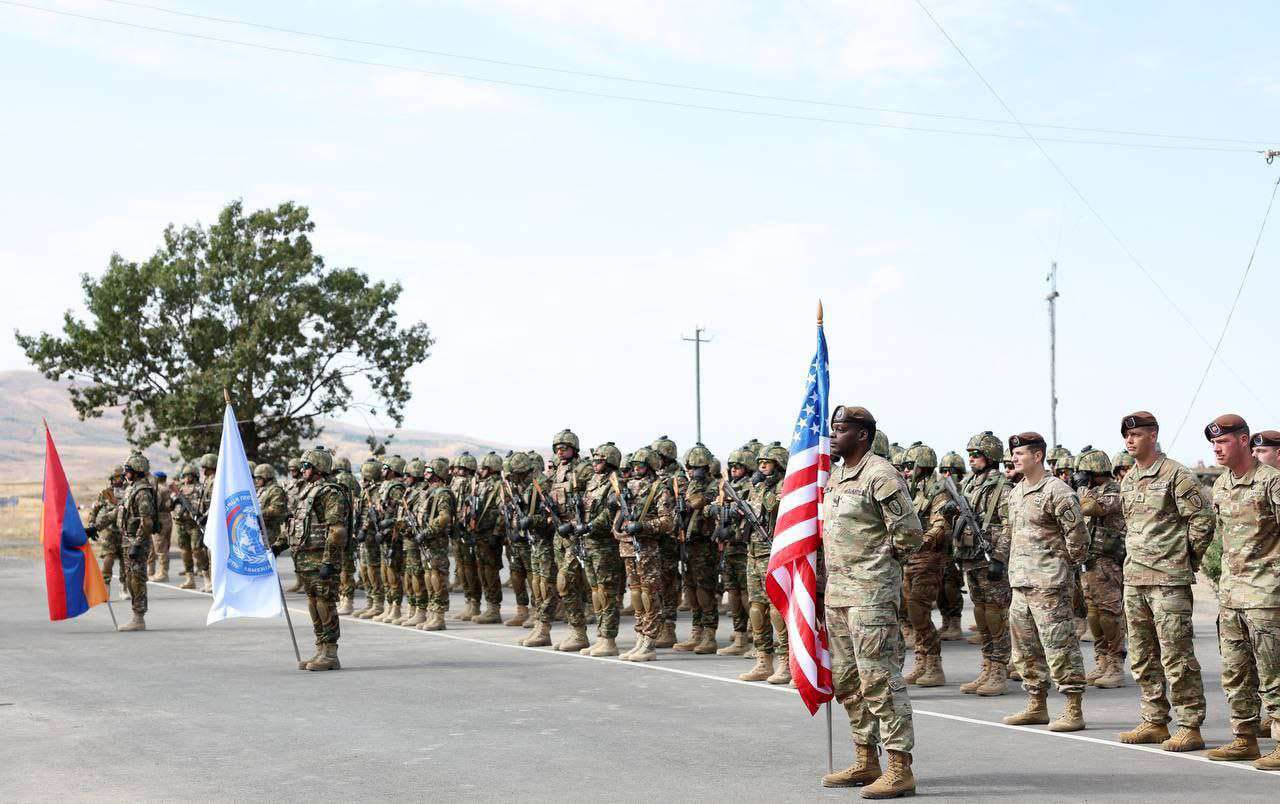
The joint military exercise between Armenia and America, called Eagle Partner 2023, kicked off on September 11 near the Armenian capital city of Yerevan.
The purpose of the military exercise is to increase the level of cooperation capabilities of the participating units in international peacekeeping missions and to increase the coordination of Armenian forces with NATO standards.
The Kremlin warned that the military exercise has caused concern for Russia.
Dmitry Peskov, a spokesman for the Kremlin, said: Of course, such a news story is particularly worrying in the current situation. Therefore, we will deeply analyze this news report and monitor the situation.
Currently, groups of Russian peacekeepers are present in the disputed border areas between Republic of Armenia and the Republic of Azerbaijan.
Since November 30, 2020, when a ceasefire was signed between Armenia and Azerbaijan, about 2,000 Russian forces have been deployed in the region in order to shoulder the responsibility for maintaining peace and tranquility.
However, the military exercise is being held amid increasing Armenian despair over Russia’s failure to guarantee and secure the establishment of a peace agreement and ceasefire in Karabakh region.
Both the Republic of Azerbaijan and the Republic of Armenia are dissatisfied with the performance of Russian peacekeepers in Karabakh region, and it is feared that this trend will ultimately lead to foreigners entering the Caucasus region.
With the rekindling of tensions with Baku, Armenians have expressed disappointment at Russia’s lack of military and political support.
Furthermore, Armenia’s Prime Minister Nikol Pashinyan recently said that Moscow “cannot or does not want” to control and manage the Lachin corridor, which provides access from Nagorno-Karabakh to Armenia.
Pashinyan stated that Armenia’s historical security reliance on Russia was a “strategic mistake.”
Some analysts believe that Russia, due to the war in Ukraine, has focused all its attention on Ukraine and therefore, Moscow lacks a clear plan and strategy in the Caucasus region.
It seems that Russia may have become isolated on the international scene and it is losing its influence in its Soviet era backyard, namely the Caucasus region.
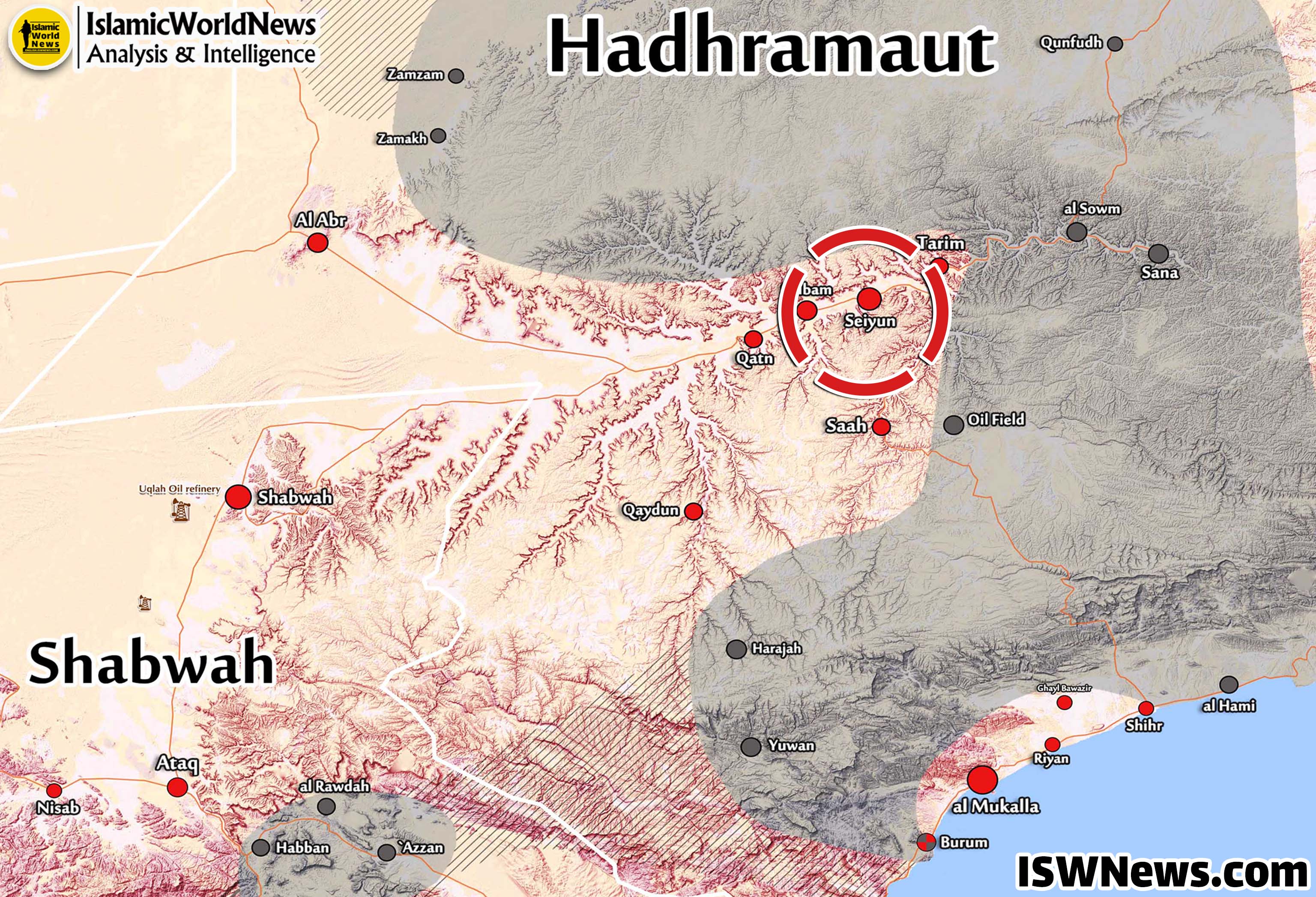
On September 12, the US forces was attacked by unknown armed men in Wadi Hadhramaut in the in the east of Yemen. This attack was probably carried out by armed tribesmen opposed to the Saudi-backed government of hadi or by the Al-Qaeda terrorist group.
So far, the details of the damage and possible casualties have not been published.
The exact area of the ambush is not known; However, considering the previous activities of the American forces in Hadhramaut province, it is likely that the incident took place on the outskirts of Al-Ghurfa.
According to the published video, the US forces have air support, and from this point of view, it can be said that the attack by unknown armed men was ineffective.
The USS Cole bombing was a suicide attack by al-Qaeda against USS Cole, a guided missile destroyer of the United States Navy, on 12 October 2000, while it was being refueled in Yemen’s Aden harbor. Seventeen US Navy sailors were killed and thirty-seven injured in the deadliest attack against a United States naval vessel since the USS Stark incident in 1987.
After the Al-Qaeda attack on the US ship USS Cole in Aden port, and also the incident of September 11, 2001 in New York City, the then US administration concluded that it should take action against this terrorist group in Yemen as well as Afghanistan.
Following former US president George Bush’s decision to start attacking Al-Qaeda in Yemen, the US military and security agencies in coordination with the then Yemeni government led by Ali Abdullah Saleh began their attacks in this country. These attacks continued after popular protests in Yemen and the downfall of Ali Abdullah Saleh’s government, and after such developments, the eight-year battle between the Ansar Allah movement and the Saudi-led coalition continued.
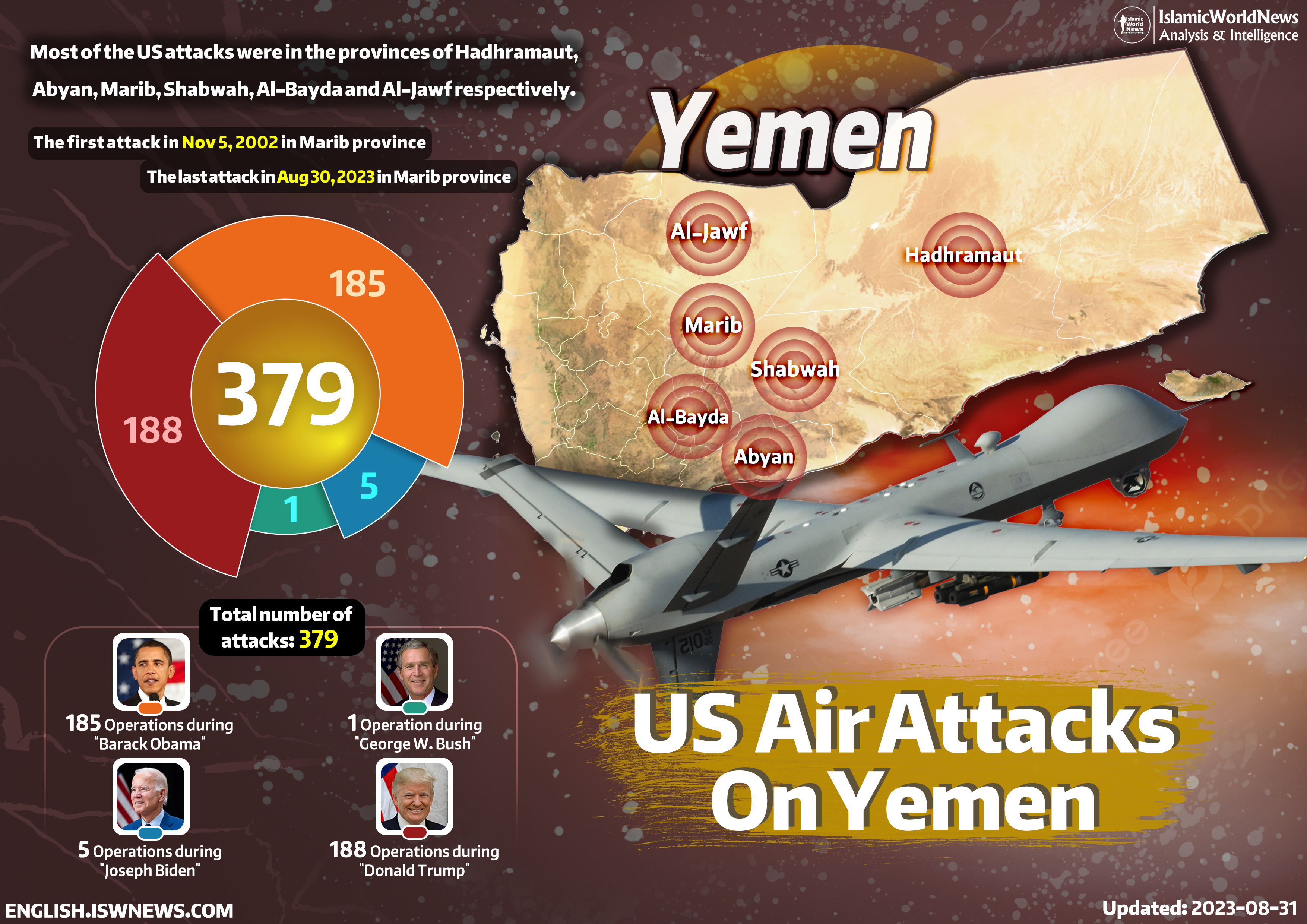
According to Western media reports, the US has so far carried out 378 attacks, including aerial (by fighter jets and combat drones), missile and ground attacks in this Arab country, which has resulted in the deaths of 1,400 to 1,800 people. So far, a large part of the details and information about these 379 operations have not been published, and the following list has been compiled based on the information available about drone operations that have been reported so far. The operation list is as follows:
1- The US MQ-1 Predator drone attack on the vehicle of al-Qaeda militants in Marib province, November 5, 2002. This attack resulted in the death of six members of al-Qaeda, including the leader Salim Sinan Al-Harethi, known as Abu Ali Al-Harethi (accused of helping to bomb the USS Cole in Aden).
2- The mistaken attack of the American drone on a gathering in Wadi Obayda in Marib province on May 24, 2010. This attack, instead of an al-Qaeda rally, resulted in the death of five people, including Jaber al-Shabwani, the deputy governor of Marib province, who was mediating between the government and the militants. This murder caused the bloodshed of the Shabwani tribes and their conflict with the government forces. They also attacked an oil pipeline in Marib twice.
3- The attack of the American drone on the car of two people suspected of being members of the Al-Qaeda group named Abdullah and Masad Mubarak on May 5, 2011. The aim of this attack was to kill Anwar al-Awlaki, a propaganda member of al-Qaeda, but he was not hit in this attack.
4- The attack of the American fighter jet or drones on the residence of Ali Abdullah Naji al-Harethi, a member of al-Qaeda, and several other suspects, including Ammar Abadah Nasser al-Waili in Zanjibar city on June 3, 2011. Al-Harethi was one of the companions of Abu Musab al-Zarqawi in Iraq and al-Waili was present in the war in Afghanistan and was ordered by Bin Laden to establish a training camp in Saada.
5- The attack of the American fighter jets or drones on a police station in the district of Mudiyah, located in the province of Abyan on July 14, 2011. The media and the Yemeni government at the time reported the casualties of this attack between 6 and 50 dead. Also, on the same day, the American drone targeted the car of Fahad al-Qasso, a senior member of al-Qaeda in Yemen, near the same area, and he survived the attack.
6- The attack of American drones with the participation of Yemeni army fighter jets on Al-Qaeda positions in the areas of Al-Wahda, Al-Amoudi and Al-Khamila in Abyann province on August 1, 2011. As a result of these attacks, 15 militants suspected of being members of Al-Qaeda, including Nasser al-Shadadi, one of the senior members of Al-Qaeda, were killed and 17 others were wounded.
7- American warplanes and drones attack suspected al-Qaeda positions in the outskirts of Zanjibar city in Abyan province on August 24, 2011. This attack killed 30 people and injured 40 others.
8- The American fighter jet attack on a mountain pass in Abyan province on September 21, 2011, which resulted in the death of four Al-Qaeda members. At the same time, seven Al-Qaeda fighters were killed in the coastal city of Shuqra.
9- American drone attack on Anwar al-Awlaki, one of the senior propaganda members of Al-Qaeda in Al-Jawf province on September 30, 2011. In addition to Al-Awlaki, three other people were killed in this attack, including Samir Khan, the American-born editor of Inspire magazine. This attack has been called the first attack in which the US military intentionally attacks its own citizens.
10- American drone attack on al-Qaeda hideouts in the east of Zanjibar, the capital of Abyan province, on October 5, 2011. This attack resulted in the death of five Al-Qaeda members.
11- American fighter jet or drone attack on an unknown mosque in Shabwa province on October 14, 2011. Some American media, quoting the Ministry of Defense of the Yemeni government at the time, claimed that seven Al-Qaeda members were killed in this attack, including Ibrahim Al-Banna, the media officer of Al-Qaeda (Egyptian origin), but this information is not correct, and currently the United States has offered a reward of 5 million to find Al-Banna.
12- In another attack on October 14, 2011, the American drone assassinated the 17-year-old son of Anwar al-Awlaki along with eight other people in Shabwa province.
13- American drone attack on the location of al-Qaeda members in the city of Jaar in Abyan province on December 22, 2011. In this attack, Abdulrahman al-Wahishi, a relative of Nasser al-Wahishi, the leader of al-Qaeda branch in Yemen, was killed along with eight others.
14- American drone attack on the gathering place of Al-Qaeda members near Lowdar city in Abyan province on January 31, 2012. During this attack, 11 al-Qaeda members were killed, including Abdul Moneim al-Fatani, one of the perpetrators of the attack on the USS Cole in October 2000.
15- The American drone attack on al-Qaeda’s hideout near Al-Bayda on March 9, 2012, which led to the death of Abdul Wahab al-Hamiqani, one of the local commanders of al-Qaeda, and 16 others.
16- American drone attack on the gathering of al-Qaeda militants in the city of Jaar in Abyan province between March 9 and 11, 2012. This attack killed 20 people suspected of being members of Al-Qaeda group.
17- American drone attack on Al-Qaeda weapons warehouse in Jaar city, between March 9-11, 2012. Three al-Qaeda members were also killed in this.
18- An American drone attack on a vehicle carrying Al-Qaeda militants in Al-Bayda province on March 14, 2012, which resulted in the death of four Al-Qaeda members.
19- American drone attack on the location of al-Qaeda militants in Lowdar city on April 11, 2012. This attack resulted in 14 deaths.
20- An American drone attack on the residence of Muhammad Saeed Al-Amdeh (Gharib al-Ta’zi), one of the senior members of al-Qaeda, in Al-Samadeh region, between Marib and Al-Jawf provinces on April 22, 2012.
21- American drone attack on the location of Fahd Muhammad Ahmed al-Qasu and another Al-Qaeda member in the south of Shabwah province on May 6, 2012.
22- The attack of an American drone on a wedding ceremony in the Radaa area of Al-Bayda province on December 12, 2013, which led to the death of 15 civilians. The US claims that 9 to 12 Al-Qaeda militants were killed in this attack, and the claim that civilians were killed is not true.
23- American drone attack on a car carrying two Al-Qaeda members in Al-Qatman area of Hadhramout province on January 8, 2014.
24- American drone attack on the car of al-Qaeda militants in Al-Mifaa area in Shabwa province on March 3, 2014. This attack killed three Al-Qaeda members, and it is believed that Mujahid Jaber Saleh al-Shabwani was one of the dead.
25- On April 20 and 21, 2014, American drones attacked al-Qaeda positions in southern Yemen, which, according to the Ministry of Defense of the resigned government of Yemen, led to the death of 22 members of this group.
26- American drone attack on the location of Nasser Abdul Karim Al-Wahishi, one of the leaders of al-Qaeda in Hadhramaut province (probably Al-Mukalla city) on June 12, 2015.
27- The attack of the American fighter or drones on the al-Qaeda camp in the Hajar region of Hadhramaut province on March 22, 2016. This attack led to the death of 40 to 50 members of this group.
28- American drones attacked the government intelligence headquarters in Zanjibar city and other positions of Al-Qaeda members in the areas of Naqeel Al-Haila and Al-Hazan in Abyan province on March 27, 2016. The casualties of al-Qaeda in these attacks have been announced as eight.
29- American fighter or drone attack on al-Qaeda positions in Shabwah province on October 4 and 18, 2016.
30- American fighter or drone attack on the location of Al-Qaeda members in Marib on October 21, 2016. Five Al-Qaeda members were killed in this attack.
31- The attack of American drones on unspecified areas in Al-Bayda province on January 21, 2017, which resulted in the death of three people. This attack was the first US airstrike in Yemen since the beginning of Trump’s presidency. The United States claims that one of the killed people, Abu Anis al-Abi, was one of the field commanders of al-Qaeda and two other members of this group, but local sources called them construction workers.
32- On October 2, 2017, American drones and fighters carried out 30 attacks on al-Qaeda positions in the three provinces of Hadhramaut, Shabwa and Abyan.
33- American drone attack on a car carrying al-Qaeda members in Shabwa province on July 6, 2018. This attack killed seven people.
34- American drone attack on the location of Jamal al-Badawi, one of the agents of the Al-Qaeda attack on the USS Cole in Marib province on January 1, 2019.
35- The attack of three American drones on al-Qaeda positions in Al-Bayda province on June 24, 2019. These attacks led to the death of 5 people suspected of being members of the Al-Qaeda group.
36- The attack of American drones on Jo Al-Nasim area in Wadi Obeidah and an unspecified place in the administration of Obeidah located in Marib province on January 25, 2020. The attack on Obeidah resulted in the death of an unknown person.
37- American drone attack on al-Hazmeh area in Marib province on January 27, 2020. During this attack, Abdullah al-Adani, a member of Al-Qaeda, was killed.
38- An American drone attack on a car at the Al-Qaeda checkpoint in the village of Hassoun al-Mashrif in the administration of Wold Rabi in Al-Bayda province on January 29, 2020. America claims that it killed Qasim Al-Rimi, the leader of al-Qaeda in Yemen, in this attack.
39- American drone attack on the car of al-Qaeda members on the eastern road of Marib on November 13, 2021.
40- American drone attack on the gathering of Al-Qaeda members in a house in Al-Hadba area in the northeast of Marib city on November 30, 2022. This attack led to the death of several people, including Abi al-Khair Abdulwahid al-Najdi, the person in charge of engineering and making explosives of Al-Qaeda group. Also, Hassan al-Hazrami and Ahmad Zaki, other prominent members of al-Qaeda, were also wounded.
41- An American drone attack on a vehicle carrying al-Qaeda militants near the Al-Haira gas station in the Al-Samada region on the Marib-Al-Abar road on January 30, 2023. In this attack, three occupants of the car were killed, including Yasir Abdullah Rashid Al-Amiri from the administration of Wasab Al-Ali in Dhamar province, Hossein Hadbol al-Makni (Hassan al-Hazrami) in charge of making bombs and explosives for al-Qaeda, and his brother Musa Hadbol (Mohed al-Hazrami).
42- American drone attack on a house in Al Jalal area, located in the east of Marib city, on February 26, 2023. This attack led to the death of Hamad bin Hamoud al-Tamimi (Abd al-Aziz al-Adnani), a Sharia official and one of the prominent commanders of al-Qaeda in the Arabian Peninsula, and one of his bodyguards.
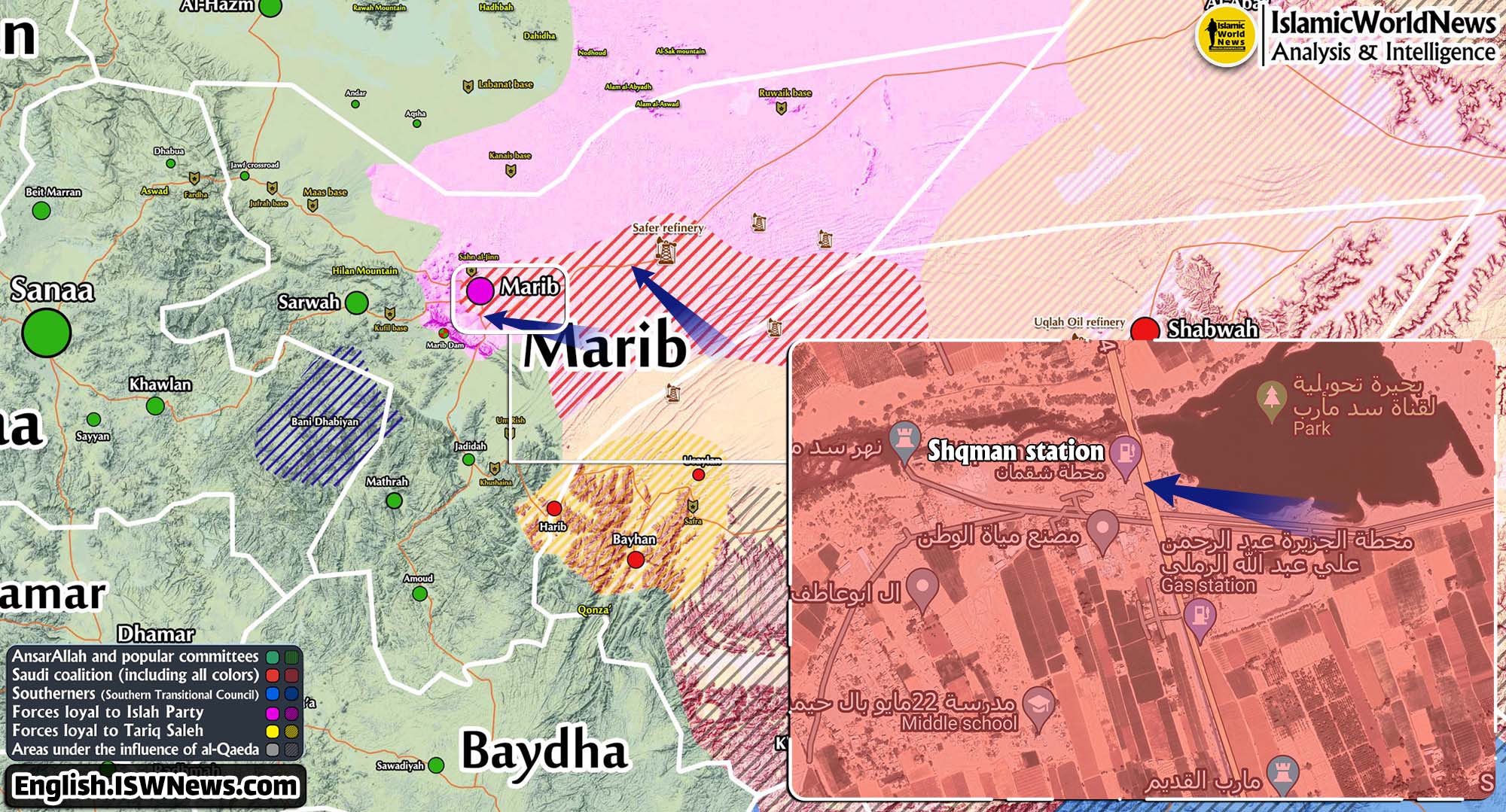
43- American drone attack on a bus near Shaqman gas station in Hajba area, located in the south of Marib city on August 30, 2023.
Out of these attacks, one attack was carried out during George W. Bush’s tenure, 185 operations during Barack Obama’s presidency, 188 operations during Donald Trump’s era, and five attacks during the Joseph Biden administration.
It is worth mentioning that the main goal of the US attacks in Yemen was to prevent Al-Qaeda from gaining power in the Arab country. However, these attacks have not had any significant impact on the developments in Yemen, and Al-Qaeda still operates in the governorates of Hadhramaut, Shabwah, and Abyan. In contrast, the operations by Ansar Allah fighters in Saada, the northern governorate of Al-Bayda, Al-Jawf, Marib, and Sanaa have been more effective in combating terrorism in Yemen. Al-Qaeda terrorists’ presence in many of those areas has been eliminated for years.
It should be noted that the decision to use Al-Qaeda terrorists in the war against Ansar Allah was made by Saudi Arabia and the United Arab Emirates (UAE). This shows that the United States had no problem with the decision until the ceasefire between the Saudi-led coalition and Ansar Allah movement was established. Following the developments, they resumed their attacks on Al-Qaeda elements, especially in Marib.
Despite the direct attacks by the US, Al-Qaeda’s activities in Yemen continue, mainly concentrated in the governorates of Hadhramaut, Shabwah, and Abyan. They are heavily engaged in fighting with the militants affiliated to the Southern Transitional Council (STC) in northern Abyan and are trying to recruit more human resources in the Shabwah tribes. They have also disappeared into the desert areas of Hadhramaut. However, unlike their presence and influence in these areas, no area is entirely under their control. This situation has allowed them to maintain their presence in Yemen and keep their Takfiri rivals, especially ISIS, out of competition.
Finally, it should be asserted that unlike southern separatists and other secessionist movements in Yemen, Al-Qaeda has a broader view of this region and aims to control the Arabian Peninsula. However, this issue is limited to threats by their senior officials in speeches and has not yet been practically realized. Perhaps this trend has led the United States to reduce its attention to Al-Qaeda’s presence in Yemen, and their attacks have become more of a security and symbolic measure.
Local sources say that these drones carried out another attack in the east of al-Wadi region.
No news has been published about the results and details of these attacks, but it is likely that the Americans targeted Al-Qaeda members in Marib province.
Based on data analysis, this attack is the 379th air attacks by the US Army in Yemen during the last two decades; And the fifth attack during the presidency of Joseph Biden.
The areas that were attacked by the US aircraft – click to view full size
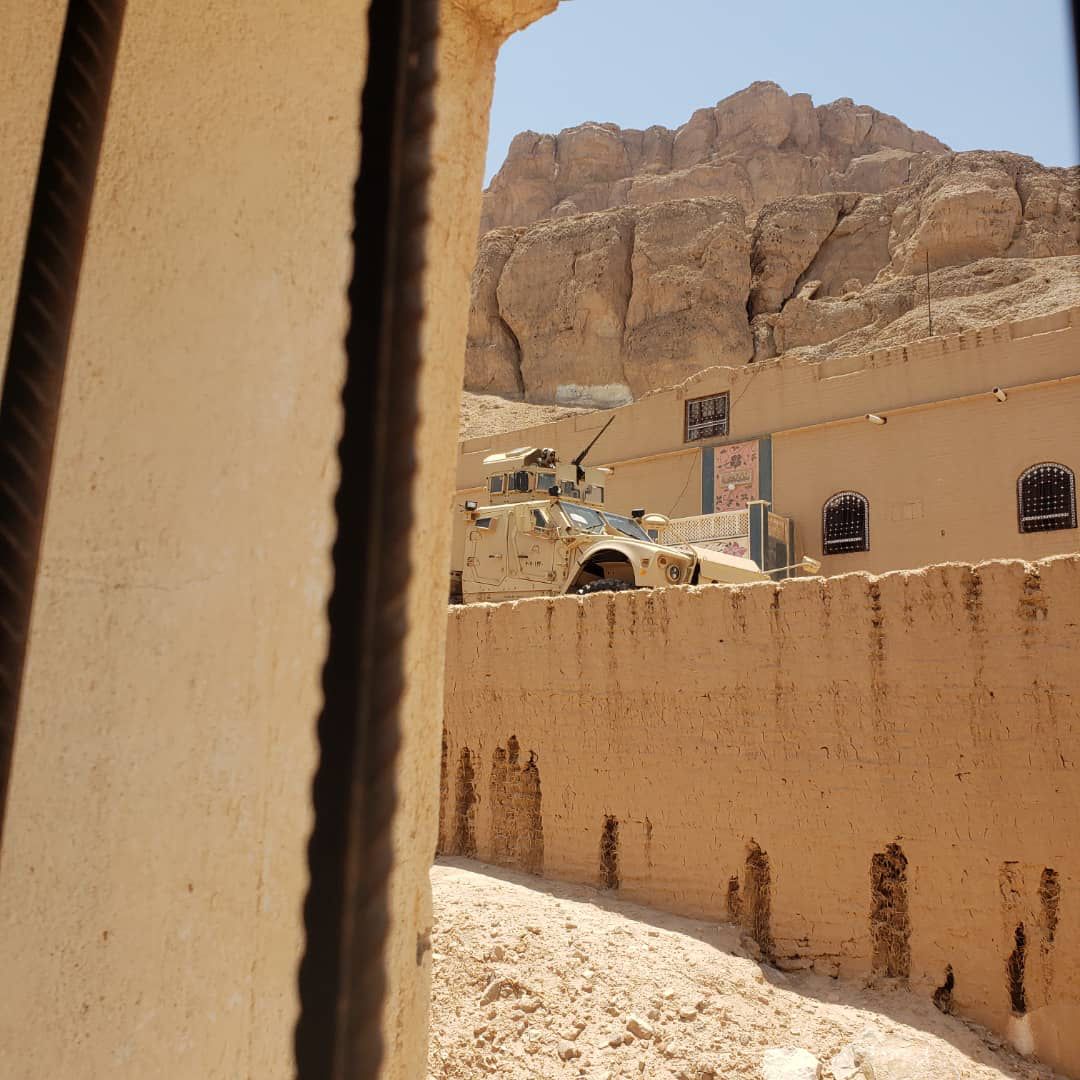
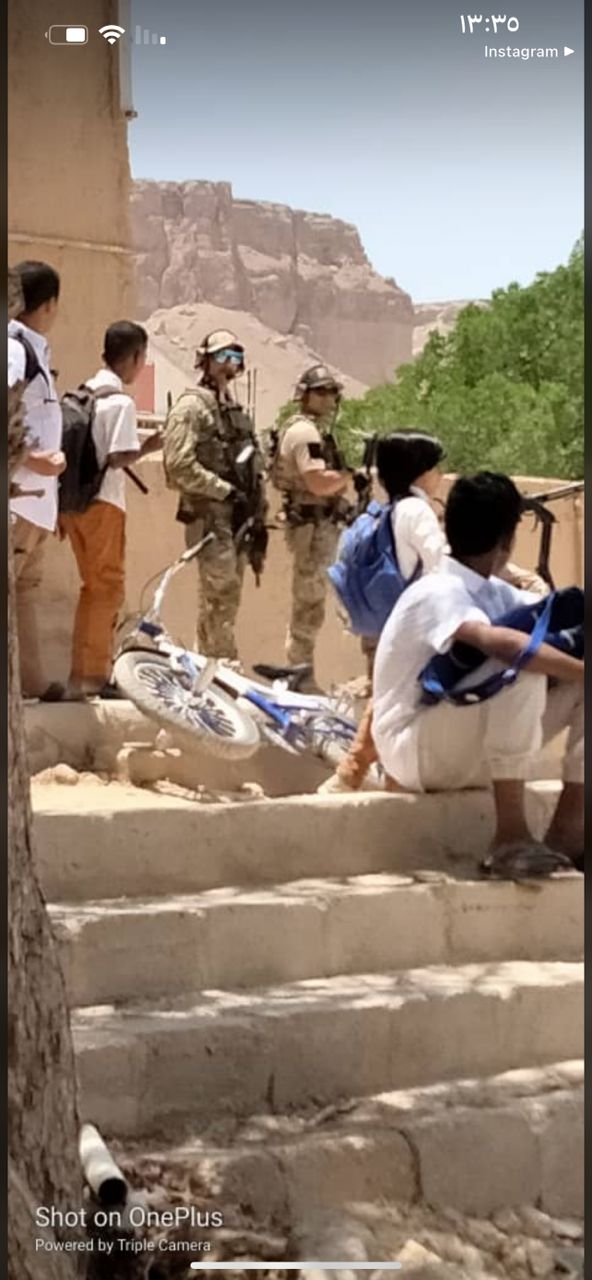
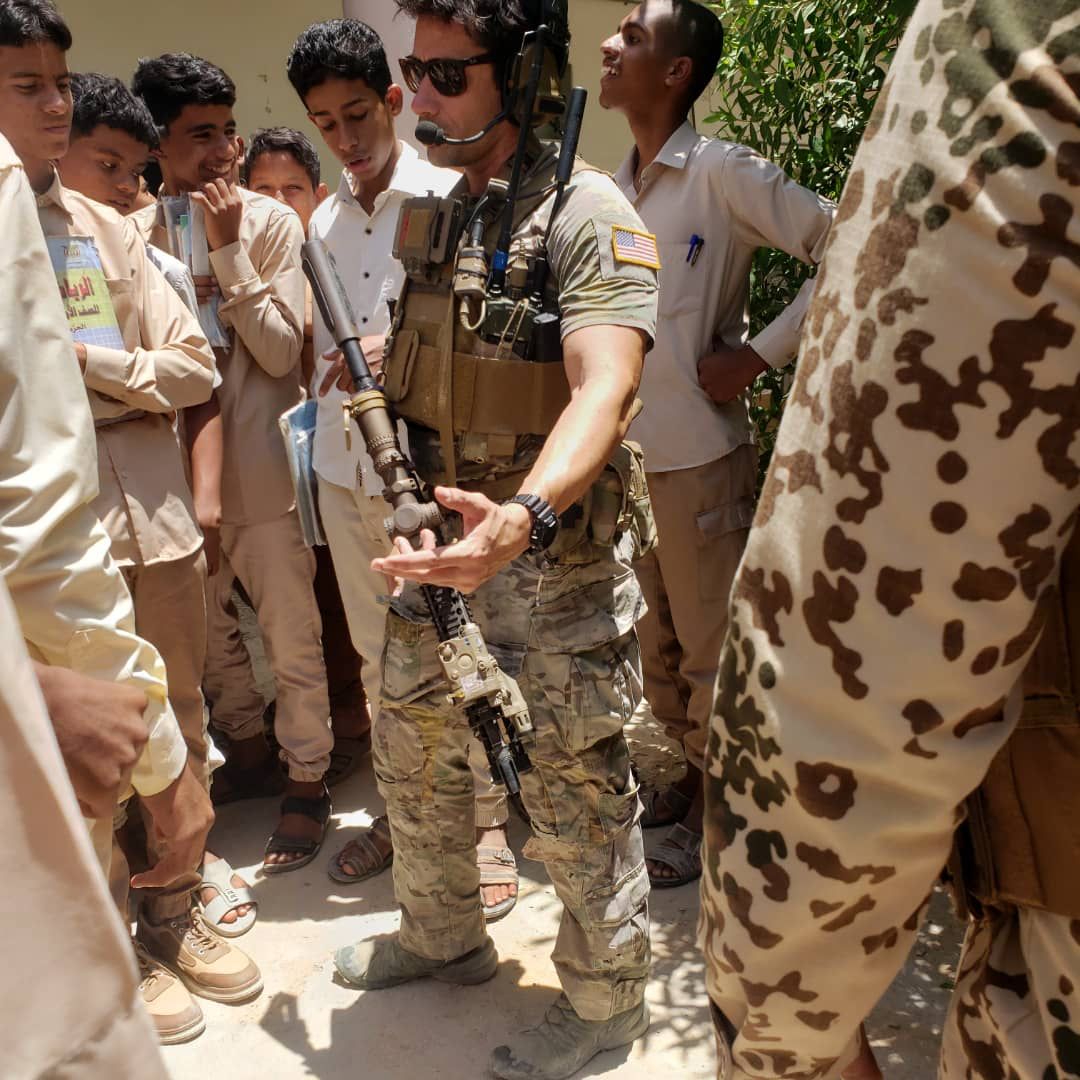
The US Marine occupying forces were stationed in the town of al-Ghurfa in the western suburbs of the city of Seiyun in Hadhramaut province. They have also taken control of the main streets and roads of this area and have deployed their military vehicles in them.
The US soldiers in the town of Ghurfa in the north of Hadhramout province
According to Ansar Allah officials, the Americans have been stationed in six places in Yemen. Al-Riyan airbase and Ghayl Ba Wazir are among the areas in Hadhramout province that have been under temporary or permanent occupation by the US military.