Category: Iran

  • Iran’s Supreme Leader Warns: Any U.S.-Initiated War Would Be Regional

    Iran’s Supreme Leader Warns: Any U.S.-Initiated War Would Be Regional

    Speaking during a meeting with a large crowd at the Imam Khomeini (RA) Hussainiya, Ayatollah Khamenei addressed recent U.S. threats and military rhetoric:

    He said repeated references by U.S. officials to war, military aircraft, and naval deployments are not new, noting that Washington has long claimed that “all options are on the table,” including war.

    Referring to former U.S. President Donald Trump, he said such statements about deploying warships are meant to intimidate, but stressed that the Iranian nation is not influenced or frightened by these threats.

    Ayatollah Khamenei emphasized that Iran does not seek to initiate conflict, oppress others, or attack any country. However, he warned that any aggression against Iran would be met with a strong and decisive response from the Iranian people.

    He added that U.S. officials should be aware that if they start a war this time, it would escalate into a regional conflict.

    Addressing the roots of tensions between Tehran and Washington, the Supreme Leader said the dispute spans more than four decades and can be summarized simply: the United States seeks to dominate Iran, while the Iranian nation and the Islamic Republic stand firmly in opposition.

    He stated that for more than 30 years prior to the Islamic Revolution, the U.S. exerted control over Iran’s oil resources, politics, security, and foreign relations. According to him, Washington now seeks to restore the conditions of the Pahlavi era, but faces resistance from a nation determined to remain independent. He dismissed U.S. references to issues such as human rights as pretexts, reiterating that Iran will continue to stand firm and thwart what he described as American hostility.

  • Tehran’s Reciprocal Move: Canadian Navy Listed as Terrorist Organization

    Tehran’s Reciprocal Move: Canadian Navy Listed as Terrorist Organization

    Following Canada’s decision to designate Iran’s Islamic Revolutionary Guard Corps (IRGC) as a terrorist entity, Iran’s Foreign Ministry announced a reciprocal measure.

    The statement declared that since Canada labeled the IRGC—an official branch of Iran’s armed forces—as a terrorist group in violation of international law, Iran now recognizes the Canadian Navy as a terrorist organization.

    This step was taken under the principle of reciprocity and Article 7 of Iran’s 2019 law on counter‑measures against countries adopting the U.S. designation of the IRGC as a terrorist organization.

    The Foreign Ministry warned that Canada bears full responsibility for the legal and political consequences of this decision, while Iran reserves the right to take further actions to safeguard its national interests and security.

    Statement by the Iranian Ministry of Foreign Affairs in response to Canada’s illegal action
  • Iranian satellites Tolo-3, Zafar-2 and Kosar-1.5 on their way to orbit!

    Iranian satellites Tolo-3, Zafar-2 and Kosar-1.5 on their way to orbit!

    According to the schedule, the rocket will lift off at 16:38 Iran time from Vostochny’s launch pad. The Soyuz‑2.1b will carry three Iranian satellites—Tolou‑3, Zafar‑2, and Kosar‑1.5—alongside 49 other payloads, including research, commercial, and university satellites, all deployed together in a combined mission to Earth orbit.

    This launch is part of the broader space cooperation between Iran and Russia. Once in orbit, the satellites are expected to enhance telecommunications, remote sensing, and research capabilities. The participation of numerous international satellites in this mission also reflects Iran’s growing role in joint and commercial space endeavors.

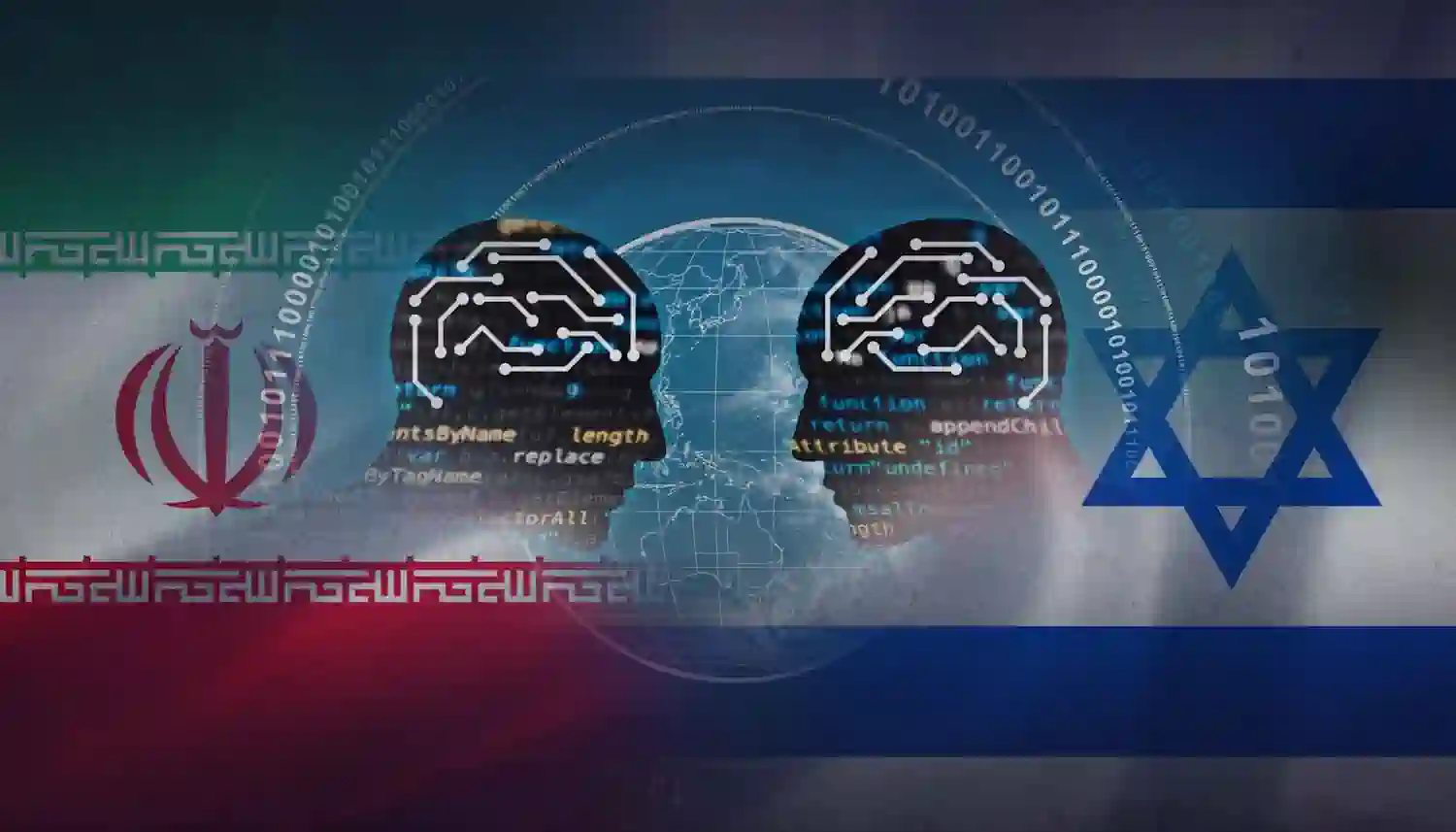
  • Endless Cyber Conflicts: From Tehran to Tel Aviv

    Endless Cyber Conflicts: From Tehran to Tel Aviv

    The Twelve‑Day Cyber War
    The twelve‑day conflict between Iran and Israel, which took place from June 11 to 17, marked a turning point in the history of Middle Eastern cyber warfare. Initiated by Israel’s Operation “Rising Lion”, the confrontation saw a 700 percent increase in cyberattacks against Israeli infrastructure. Unit 8200, the largest military unit within Israel’s Defense Forces and often compared to the U.S. NSA or the UK’s GCHQ, played a pivotal role. Responsible for clandestine operations, SIGINT collection, codebreaking, counter‑espionage, cyber warfare, and surveillance, Unit 8200 has become one of the most sophisticated cyber units globally. Its importance is underscored by the fact that its veterans founded companies such as Check Point, CyberArk, Claroty, CyCognito, and Palo Alto Networks, which both support national security and serve as instruments of Israel’s cyber soft power abroad.

    Unit 8200’s Role in the Twelve‑Day War
    During the June 2025 conflict, Unit 8200 carried out a wide range of cyber operations against Iran. According to CloudSEK, between June 11 and 17, more than 35 pro‑Iranian hacker groups launched coordinated cyberattacks on Israeli military, governmental, and infrastructure targets. In response, Israel activated only four to five groups, but the sophistication of Unit 8200 and affiliated groups such as Predatory Sparrow far outweighed sheer numbers. This group, regarded as the successor to INDRA, employed unique cyberattack methods against Iran’s critical infrastructure, having previously inflicted significant damage on rail systems, steel plants, and fuel stations. Israel’s National Cyber Directorate (INCD) reported that in 2024, the number of alerts doubled, with cyberattack damages estimated at over $3 billion. These figures highlight the unprecedented intensity of the conflict, which went far beyond simple DDoS attacks or website defacements, encompassing complex intrusions into critical infrastructure, theft of sensitive data, and disruption of industrial systems.

    Technological Transformation and AI Tools
    One of Unit 8200’s most significant advancements has been the development and deployment of advanced artificial intelligence systems. According to The Guardian and +972 Magazine, Unit 8200 is building a large language model (LLM) similar to ChatGPT, trained on millions of intercepted Arabic conversations from Palestinians. Still in its training phase, this AI tool is designed to analyze, translate, predict, and summarize text, dramatically enhancing the unit’s surveillance and intelligence capabilities. INCD’s new strategy for 2025–2028 includes the creation of a “Cyber Dome”, an AI‑based national cyber defense system aimed at countering growing threats from Iran and Hamas. At a conference in Tel Aviv, Unit 8200’s commander revealed that AI technology had already been used to select Hamas targets. Reports also indicate that Microsoft and other major U.S. tech firms have supported Unit 8200 by providing Azure cloud services, enabling the migration of 70 percent of sensitive data to the cloud. This reflects the deep integration of Western technologies into Israel’s cyber warfare structure.

    Analysis of Tactics and Operational Methods
    In the twelve‑day war, Unit 8200 employed a wide array of advanced tactics, showcasing significant evolution in cyber warfare methods. According to Dark Reading, the attacks against Iran unfolded in three distinct phases: the first marked by massive DDoS waves and initial intrusion attempts; the second focused on targeting managed service providers (MSPs); and the third, ongoing phase, characterized by slower but far more sophisticated operations.

    Iranian attackers, who previously relied on outdated malware and easily blocked scripts, have shifted to using remote management tools (RMMs) and legitimate Windows software, making detection and blocking far more difficult. Exploitation of zero‑day vulnerabilities, which once took days or weeks, now occurs within 30–40 minutes.

    This dramatic increase in speed and efficiency reflects growing cooperation among Iran‑aligned groups, with shared intelligence, infrastructure, and R&D capabilities. In response, Unit 8200 has deployed advanced tools to target high‑value and unconventional assets.

    Strategic Consequences and Regional Impact
    The twelve‑day cyber war had profound strategic implications for the Middle East. According to the Lieber Institute, in the six months following the Gaza war’s outbreak in October 2023, about 60 percent of Iran’s cyber operations were directed against Israel, intensifying across all fronts from espionage to infrastructure attacks. This escalation was reinforced by Tehran’s allies in Lebanon, Iraq, and Syria. Israel’s National Cyber Directorate, which issued 367 alerts in 2023, raised the figure to 736 in 2024, including 518 high‑priority “red alerts.”

    With much of Iran’s defensive infrastructure destroyed and several senior military officials killed by Tel Aviv’s air campaign, Tehran’s strategic options have been significantly constrained. This operational damage reduces the feasibility of a major conventional response in the short term, making asymmetric tools—especially cyber warfare—far more attractive. Meanwhile, Saudi Arabia and the UAE, scarred by the Shamoon attack that wiped 30,000 computers and temporarily crippled Saudi Aramco, are increasingly turning to cyber capabilities as instruments of national security. Western states, on the other hand, continue to portray Iran as a disruptive actor in this domain, though experience shows Israel does not wait passively—conducting periodic attacks reminiscent of the Stuxnet virus.

    Below, three possible scenarios for the evolution of this new type of warfare are outlined:

    Scenario One: AI‑Driven Cyber War
    In the first scenario, Unit 8200 leverages its advances in artificial intelligence to enter a new phase of cyber warfare. Once its developing LLM is completed and operational, the unit will be able to process vast amounts of surveillance data in real time. This capability will enable faster target identification, more accurate enemy movement predictions, and automated cyber operations. The planned AI‑based Cyber Dome (2025–2028) could evolve into a multilayered defense system that not only repels attacks but also acts preemptively against potential threats. In this scenario, Unit 8200 is expected to use deep learning algorithms to detect complex patterns in network traffic and anticipate zero‑day attacks before they occur. Deeper collaboration with U.S. tech giants such as Microsoft, Google, and Meta would provide massive computing resources and training data, potentially leading to the development of autonomous cyber weapons capable of independently deciding on targets and attack methods. In response, Iran is likely to invest heavily in AI‑based defensive capabilities and may seek cooperation with countries such as Russia and China to access advanced technologies.

    Scenario Two: Expansion of Cyber Warfare to Regional Critical Infrastructure
    In this scenario, cyber conflict extends beyond Iran and Israel to encompass the entire Middle East. Unit 8200 may adopt a strategy of “maximum cyber pressure,” targeting not only Iran’s military and nuclear infrastructure but also vital civilian systems such as electricity grids, water networks, transportation, and banking. Reports indicate that the CyberAvengers group, affiliated with Iran’s Revolutionary Guard, targeted Unitronics PLC devices across multiple U.S. critical infrastructure sectors—including water and wastewater systems—for a year beginning October 7. Such attacks highlight the growing tendency to strike critical infrastructure, with potentially catastrophic consequences for civilian populations. In this scenario, Unit 8200 would likely exploit its capabilities to penetrate industrial control systems (ICS) and SCADA networks in Iran, aiming to cause widespread disruptions that could trigger social unrest. Conversely, Iranian cyber groups may attempt to strike Israel’s critical infrastructure, including water treatment facilities, power plants, and transportation networks. This escalation could evolve into a “cyber cold war”, where both sides continuously probe each other’s defenses and search for vulnerabilities without necessarily launching full-scale destructive attacks.

    Scenario Three: Convergence of Cyber Warfare with Physical Operations
    The third scenario is the most complex and dangerous, involving the integration of cyber operations with physical attacks and psychological warfare. Here, cyberattacks are not used as standalone tools but as part of a multi-layered strategy. For example, Unit 8200 might first disable Iran’s air defense systems through cyber intrusions, then conduct airstrikes, followed by information operations to amplify psychological impact. Reports suggest that during recent operations, false messages attributed to the Israeli military—warning of bomb shelter attacks—were disseminated by pro-Iranian groups to spread panic among civilians. Such hybrid operations are highly destructive, as defending against them requires coordination across military, security, and civilian sectors. Leveraging its AI capabilities, Unit 8200 could design sophisticated disinformation campaigns, using deepfakes and AI-generated content to manipulate public opinion. In this scenario, the boundaries between cyber warfare, information warfare, and conventional conflict blur entirely. Iran, in turn, may coordinate cyber-physical attacks through its regional allies against Israeli and allied interests. Israel itself has long engaged in such operations, often playing a role in initiating or facilitating unrest inside Iran.

    Conclusion: An Uncertain Future in Cyberspace
    The twelve-day conflict in June demonstrated that a new era of cyber warfare has begun—an era in which Israel’s Unit 8200, armed with advanced AI technologies, extensive international cooperation, and innovative tactics, seeks to maintain cyber superiority in the region. Yet, as reports indicate, this advantage is fragile, with Iran rapidly expanding its own capabilities. The three scenarios analyzed—AI-driven escalation, expansion to critical infrastructure, and convergence with physical operations—all point to the potential for dangerous intensification in the future. What is clear is that the cyber war between Iran and Israel has entered a new phase, one in which international laws and norms are repeatedly violated and civilian populations bear the greatest burden. The development of Israel’s Cyber Dome and Iran’s likely countermeasures could push the region into a cyber arms race with no foreseeable end. Ultimately, the international community must remain alert to the growing risks of this cyber conflict and work to establish legal and diplomatic frameworks to contain it before its consequences spiral out of control.

  • Israel Admits Failure of Strikes Against Iran’s Missile Program

    Israel Admits Failure of Strikes Against Iran’s Missile Program

    The Times of Israel wrote that strikes on Iran’s ballistic missile infrastructure had no decisive impact, and the damage was more limited than first announced. The report claimed Iran currently possesses around 2,000 heavy ballistic missiles, nearly the same number as before the conflict, showing its missile strength remains intact.

    According to Al‑Monitor, Shlomi Binder, head of Israeli military intelligence (AMAN), conveyed this assessment in a meeting with U.S. Ambassador to the UN Mike Waltz. The outlet suggested Tel Aviv is once again urging Washington toward military action against Iran.

    Presenting the limited damage as a narrative of “deterrence failure” appears to be a calculated media strategy by Israel. By emphasizing that Iran’s missile arsenal remains untouched, Tel Aviv seeks to replace earlier claims of military success with a storyline that justifies renewed military action.

    The coordinated role of Hebrew media and the disclosure of intelligence meetings with U.S. officials highlight Israel’s effort to align Washington with its position. By portraying past strikes as ineffective and Iran’s missile threat as ongoing, Israel aims to push the U.S. toward viewing military options as unavoidable.

    Overall, these media, security, and diplomatic maneuvers suggest Israel is preparing the ground for another military scenario—one that depends heavily on U.S. support, regional political dynamics, and Iran’s military‑social resilience.

  • Joint Meeting of Iran, Saudi Arabia, and China Held in Tehran

    Joint Meeting of Iran, Saudi Arabia, and China Held in Tehran

    Following a preliminary meeting of experts and diplomats from the three countries, a trilateral session was held to review progress on implementing the Beijing Agreement signed in March 2023. The meeting was attended by Saudi Deputy Foreign Minister Waleed Al-Khereiji, Chinese Deputy Foreign Minister Miao Diao, and Iran’s Deputy Foreign Minister Majid Takht-Ravanchi.

    In their final statement, the three countries welcomed the continued improvement in Iran–Saudi relations, called for an end to Israeli attacks on Palestine, Lebanon, and Syria, condemned violations of Iran’s sovereignty and territorial integrity, highlighted advances in consular cooperation—especially regarding the Hajj—and reaffirmed support for an inclusive political solution in Yemen based on recognized international principles and under UN supervision.

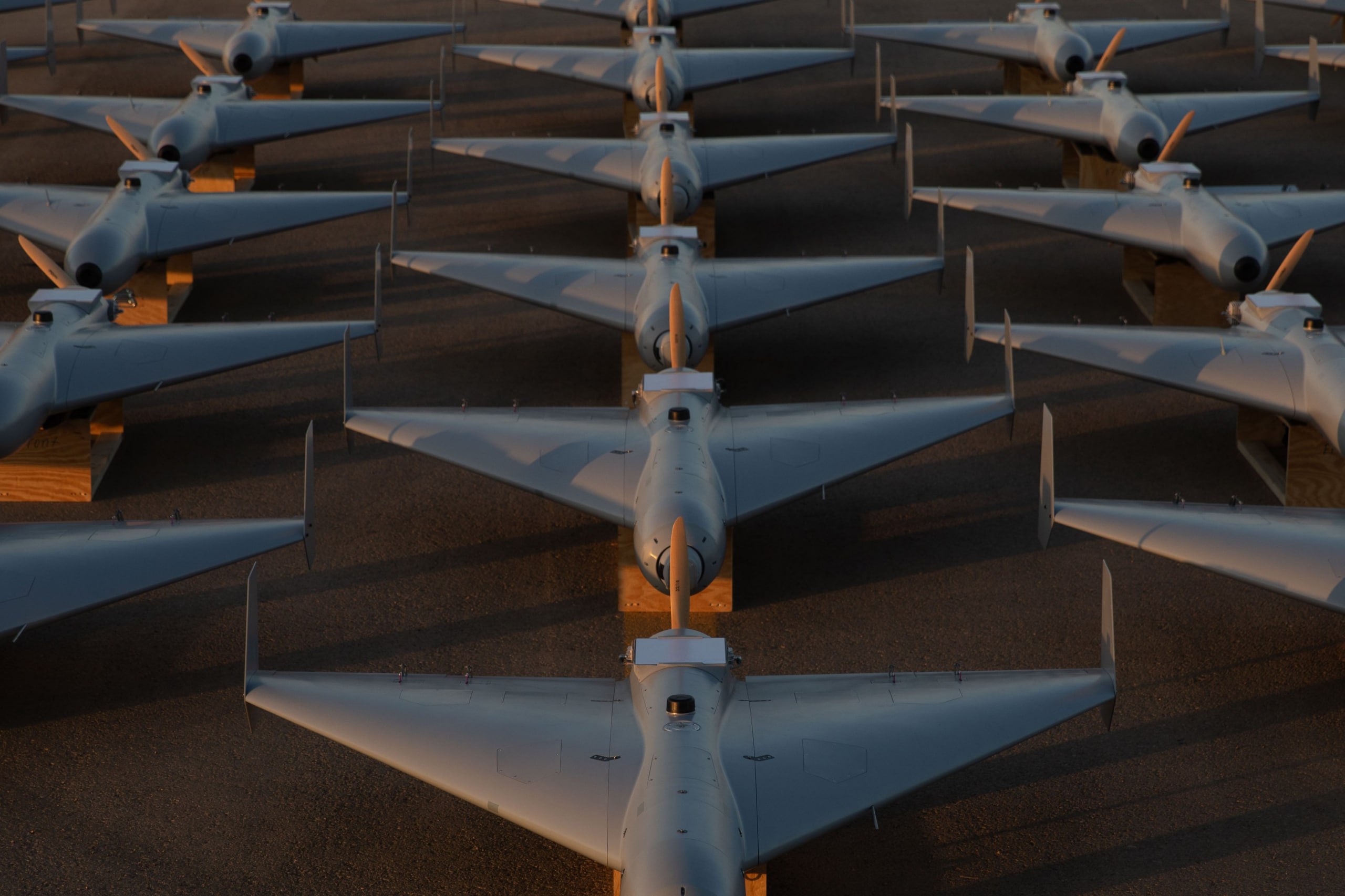
  • United States Deployed Suicide Drones Similar to Shahed‑136 in West Asia to Counter Iran!

    United States Deployed Suicide Drones Similar to Shahed‑136 in West Asia to Counter Iran!

    According to CENTCOM’s commander, the purpose of TFSS is to provide American forces with affordable and effective drone capabilities as a deterrent against “bad actors” in the region. Obviously, by bad actors he means first Iran and then other components of the resistance axis.

    We had previously warned that given America’s access to all active battle fronts around the world including Iran, combined with mass production of these suicide drones, could pose serious risks if used directly by U.S. forces or its allies against adversaries. This concern is now openly acknowledged by U.S. officials and military experts.

    As reported by The War Zone, a U.S. official described the establishment of TFSS as a “major development”, calling it a way to reverse the game against Iran. He stated: “We’ve reached the point where not only are we mass‑producing these drones, but for the first time we’ve deployed them in the Middle East. In effect, we’ve turned the tables on Iran.”

    He added: “We’ve seen what Russia has done in Ukraine, how Iran destabilized the region with drone technology, their 12‑day war threats against Israel, and how partners had to spend vast resources to defend against such attacks. Now we’re taking a page from their playbook and turning it back on them. Iran gained an advantage through sheer volume of drone strikes, which are difficult to defend against at scale.”

    He continued: “We are strengthening our defenses, and sometimes a strong defense can also be a good offense. We’re adding offensive firepower that has already proven effective—especially now that the country which once wreaked havoc with this technology has become vulnerable itself.”*

    The official further noted: “We have no problem targeting Iran‑backed Houthis in Yemen and can use this capability against them as well. With the Houthis, the challenge is finding targets, unlike Iran where there are plenty of targets available!”

    As seen, U.S. officials explicitly speak of using these drones against Iran in future war scenarios. Over the past year, Washington has heavily invested in this category of low‑cost suicide drones, with mass production underway. Experiences from recent conflicts—such as the war in Ukraine and the 12‑day war—have demonstrated how these simple systems can decisively alter the course of battle.
    During the 12‑day war and the True Promise operations (1 and 2), the U.S. and its allies spent enormous resources and deployed vast aerial assets to effectively neutralize Iranian drone attacks on Israel. Yet, unlike America and its partners, Iran lacks comparable large‑scale aerial and defensive assets, which poses a significant challenge. Iran, however, retains asymmetric options for deterrence, as seen in the Aramco attack. At this stage, the U.S. has not yet tested these drones in real combat, but future use against Yemen is considered likely.

  • Seizure of the Violating Vessel Talara off the Southern Makran Coast!

    Seizure of the Violating Vessel Talara off the Southern Makran Coast!

    According to the statement issued by the Public Relations Office of the IRGC Navy, rapid reaction units at 7:30 a.m. on November 14 intercepted the tanker Talara, sailing under the Marshall Islands flag, following a judicial order to confiscate its cargo.

    The vessel was carrying 30,000 tons of petrochemical products and was en route to Singapore.

    The IRGC Navy announced that the operation was conducted in line with its legal duties and to safeguard the national interests and resources of the Islamic Republic of Iran. It emphasized that full disclosure requires a thorough inspection of the cargo, the tanker, and its documentation. Following these checks, the vessel was confirmed to be in violation for transporting unauthorized goods.

  • Israeli Media Frames Weapons Transfers as Pretext for Future Strikes in Lebanon

    Israeli Media Frames Weapons Transfers as Pretext for Future Strikes in Lebanon

    Israeli military sources told Haaretz that Iran, acting as Hezbollah’s logistical backer, has shifted part of the group’s weapons supply network from Syria to Iraq, allowing equipment to be transferred through Syrian territory into Lebanon.

    The report states that this process is gradually turning Iraq into a new logistical corridor for the Axis of Resistance—a role previously played by Syria. According to Israeli claims, the shipments include precision-guided missiles, drone components, and advanced communications systems.

    Such reports in Israeli media typically serve as a pretext to justify future military operations against Hezbollah targets in Lebanon or resistance groups in Iraq. By asserting that Iran is expanding its influence in Iraq, Tel Aviv seeks to prepare domestic and international public opinion for potential offensive actions. Presenting Iraq as a weapons transit route can also be seen as an effort to increase political pressure on the Iraqi government and legitimize possible Israeli or American strikes against resistance groups inside Iraq. Similar narratives in the past have preceded Western drone and missile attacks on positions held by the Popular Mobilization Forces (PMF).

  • Latest Status of the MV Falcon LPG Tanker In Gulf of Aden

    Latest Status of the MV Falcon LPG Tanker In Gulf of Aden

    The ship had 26 crew members onboard. Two were killed in the incident, while the remaining 24 were rescued by the European Union’s naval forces.

    Currently, the Indian warship INS Trikand has taken charge of firefighting operations and has successfully extinguished the blaze aboard the Falcon.

    Unconfirmed Reports: Iranian LPG Tanker MV Falcon Hit Off Yemen Coast

    Claims that the explosion was accidental are inaccurate. Based on visual evidence from the MV Falcon, the vessel was clearly targeted by either a drone or missile. If the cargo was indeed Iranian, the likely perpetrators of the attack are either the United States or Israel. This incident signals the onset of a new maritime conflict—distinct from previous Iran-Israel naval tensions—where the U.S. now appears to be directly involved.

  • Imam Khamenei: Iran Cannot Be Influenced By Bullying Like Some Other Countries

    Imam Khamenei: Iran Cannot Be Influenced By Bullying Like Some Other Countries

    🇺🇸 On U.S. Claims of Bombing Iran’s Nuclear Industry: Khamenei mocked Trump’s boast about destroying Iran’s nuclear facilities, saying, “Fine, keep dreaming!” He emphasized that while scientists may be targeted, their knowledge cannot be eliminated.

    🇵🇸 On Gaza and U.S. Involvement: He emphasized the U.S. of being the “main accomplice” in the war crimes committed in Gaza, stating that American weapons and support enabled the Israeli military to bombard defenseless civilians.

    💬 Imam Khamenei: “America is undoubtedly a main partner in the war on Gaza. The US President himself admitted it, saying ‘we worked together in Gaza’—even if he hadn’t, it was obvious. Their weapons, their resources, all poured into the hands of the Zionist regime to rain destruction on the defenseless people of Gaza. America is complicit in this crime.”

    ‼️ On Civilian Casualties: Khamenei challenged the U.S. narrative on terrorism, pointing to the deaths of over 20,000 children in Gaza and asking, “Were they terrorists?” He emphasized the U.S. of creating and sustaining groups like ISIS for strategic use.

    💬 Imam Khamenei: “He [Trump] claims to fight terrorism. Over 20,000 children and infants were martyred in these attacks—were they terrorists? No, the real terrorist is America, the one that created ISIS, unleashed it on the region, and still keeps it alive for future use.”

    💬 Imam Khamenei: “America is the terrorist! In the two-year war on Gaza, 70,000 were killed according to official figures. In the twelve-day war on Iran, beyond indiscriminate bombings, over a thousand were martyred—and our scientists were assassinated.”

    ‼️ On Scientific Assassinations: He condemned the assassination of Iranian scientists, asserting that while individuals may be killed, Iran’s scientific progress cannot be stopped.

    ⚛️ On Nuclear Sovereignty: Khamenei questioned America’s authority to dictate Iran’s nuclear rights, calling such interference “illegitimate, inappropriate, and bullying”.

    💬 Imam Khamenei: “Who are you to dictate whether a country can have nuclear capabilities? What gives America the right to interfere in Iran’s nuclear development? These are illegitimate, inappropriate, and bullying interventions.”

    🔊 On U.S. Rhetoric Toward Iran: He dismissed claims of American support for the Iranian people, citing secondary sanctions as direct harm to the nation. He labeled the U.S. as an enemy of the Iranian people, not a friend.

    💬 Imam Khamenei: “He [Trump] says he supports the Iranian people. That’s a lie! The secondary sanctions imposed by America for years have pressured many countries into compliance. These sanctions target the Iranian nation. You are an enemy of the Iranian people—not a friend.”

    ☝️ On Negotiations: Khamenei rejected any deal imposed through coercion, stating that Iran will not accept forced agreements disguised as negotiations. “Iran cannot be influenced by bullying like some other countries,” he said.

  • Unconfirmed Reports: Iranian LPG Tanker MV Falcon Hit Off Yemen Coast

    Unconfirmed Reports: Iranian LPG Tanker MV Falcon Hit Off Yemen Coast

    Yesterday, the United Kingdom Maritime Trade Operations (UKMTO) reported an incident 116 nautical miles east of Aden, where the vessel was hit by an unidentified projectile, resulting in a fire.

    Speculation suggests that the United States may have targeted the ship with a suicide drone or cruise missile to prevent its arrival in Al Hudaydah, though no official confirmation has been provided. The MV Falcon remains ablaze and has requested assistance from the European Union’s naval forces.