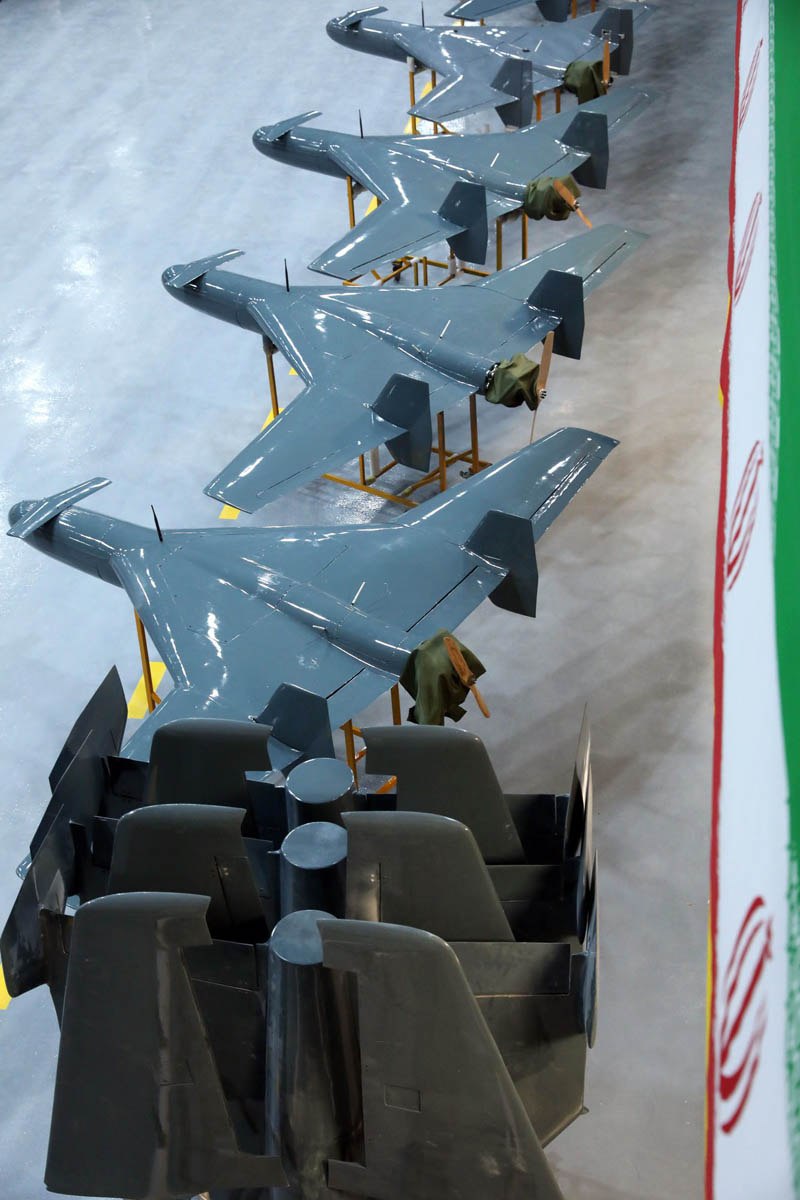
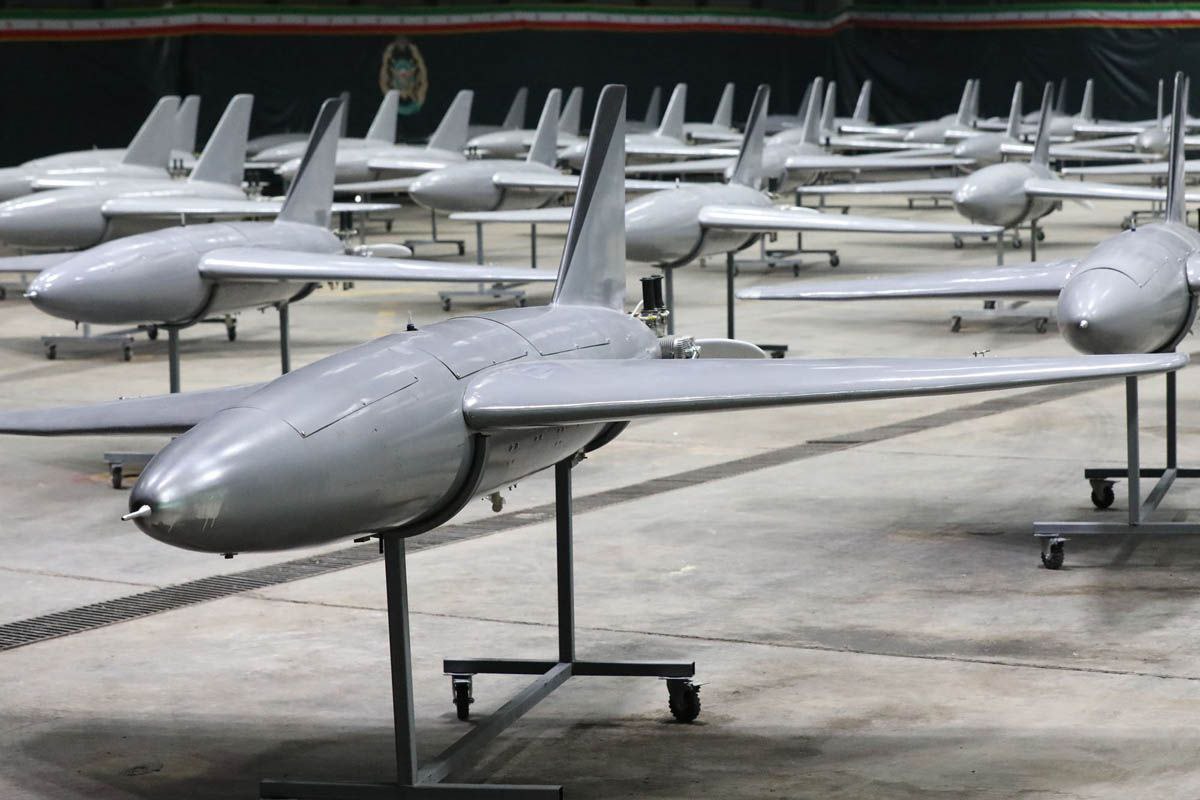
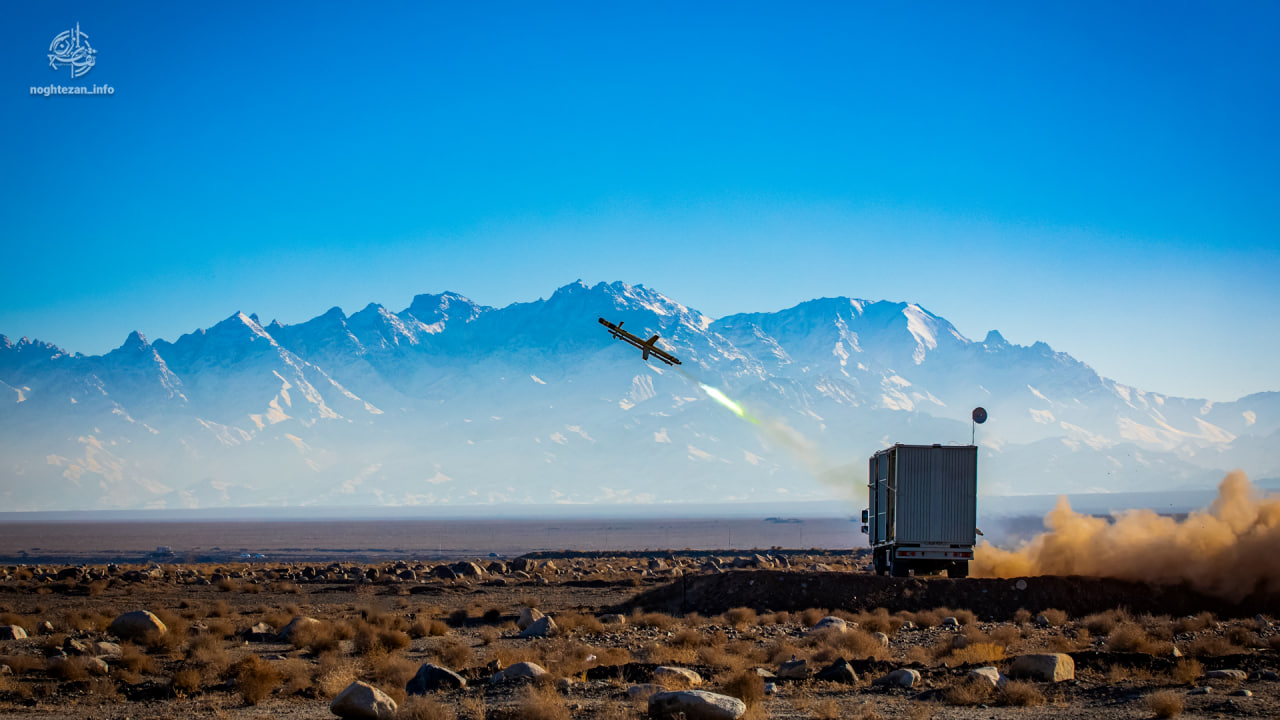
In the video, an Unmanned Underwater Vehicle (UUV) surfaces, and the X-winged suicide drone, similar to the recently unveiled Rezvan drones, is launched from within the UUV using a rocket booster.
Iran Unveils Underwater-Launched Suicide Drone
The ability to launch drones from underwater vehicles provides a strategic advantage, making it more challenging for adversaries to detect and counter these threats effectively. By integrating these weapons with artificial intelligence capabilities, their effectiveness can be significantly enhanced.
Indeed, the combination of Unmanned Underwater Vehicles (UUVs) and Unmanned Aerial Vehicles (UAVs) could pose a significant threat to hostile warships in strategic locations like the Persian Gulf, Arabian Sea, and especially the Red Sea! This technological advancement increases Iran and its allies’ defensive and offensive capabilities in these critical maritime regions.
The statement reads: “We in the Syrian Popular Resistance, while congratulating this victory that changed the face of history, emphasize that our path of resistance continues. We have drawn inspiration from the Islamic Republic of Iran in the lessons of perseverance, stability, and endurance, and we will continue to fight until our land is liberated from the occupiers and their mercenaries.”
The statement released by Syrian Popular Resistance
It is worth noting that the Syrian Popular Resistance group announced its existence on December 30, 2024. The group aims to combat terrorist groups and Israeli occupiers in Syria. In recent weeks, the Syrian Popular Resistance forces have carried out numerous attacks against Tahrir al-Sham militants and Israeli soldiers in Syria, claiming responsibility for these actions in a statement.
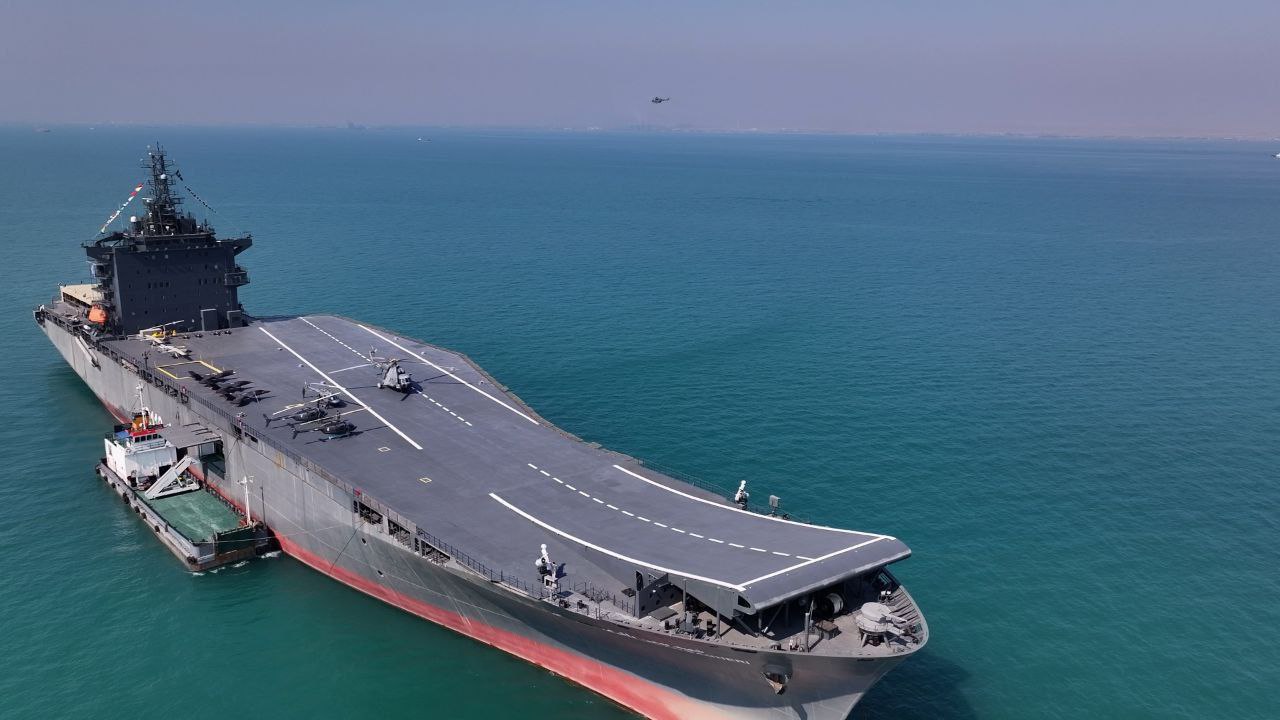
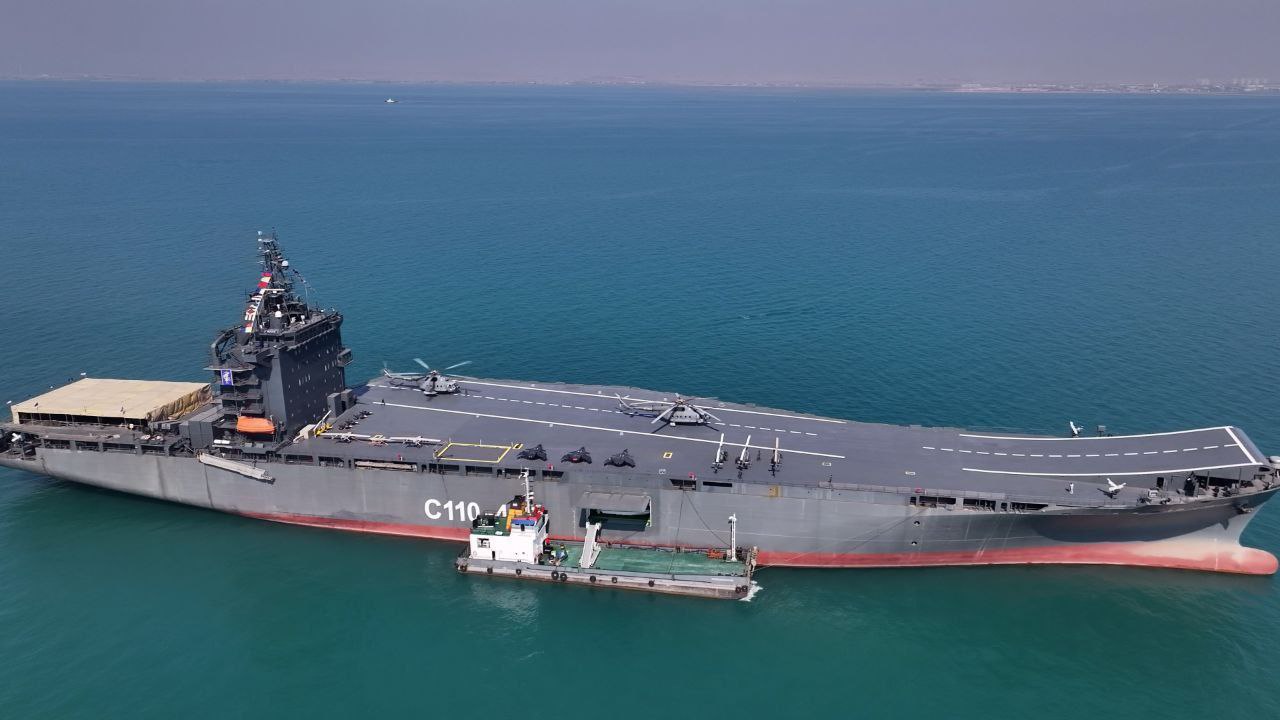
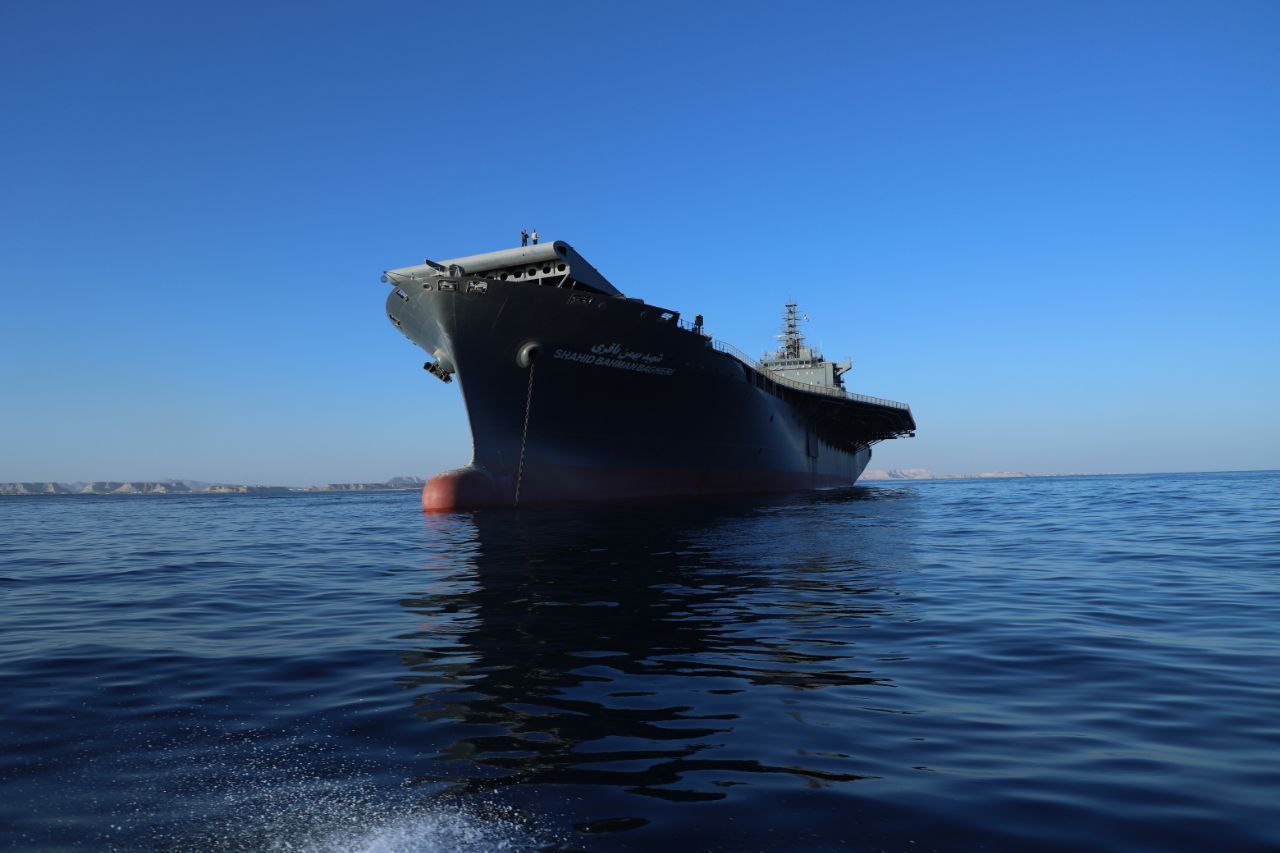
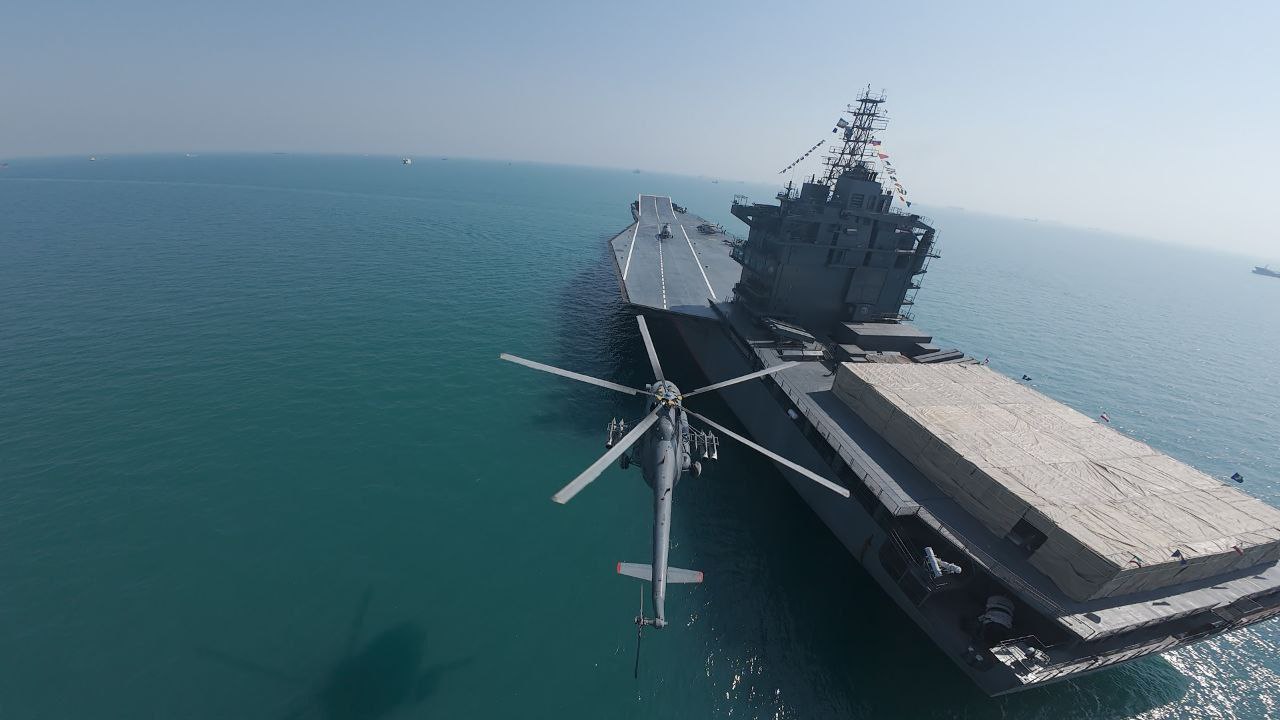
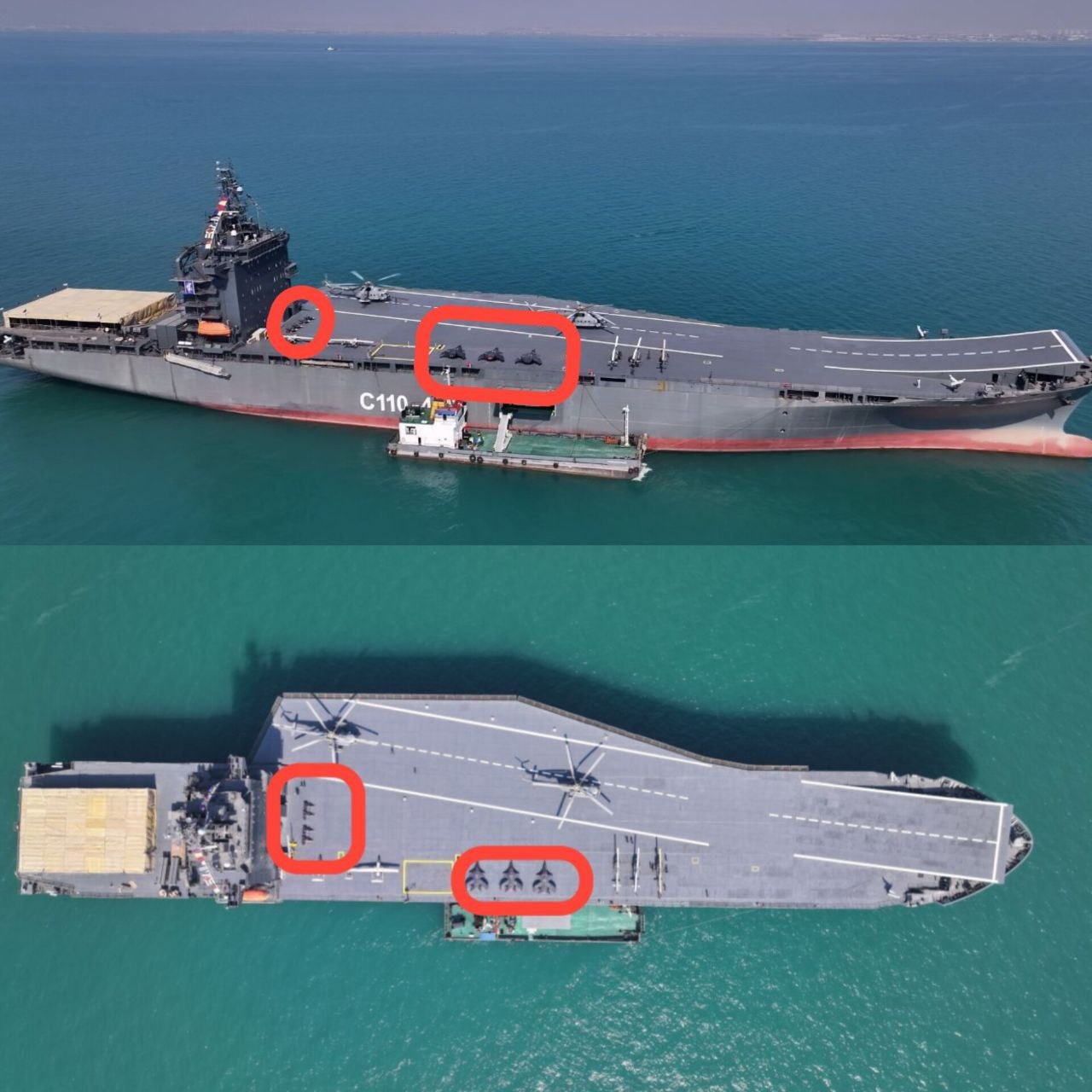
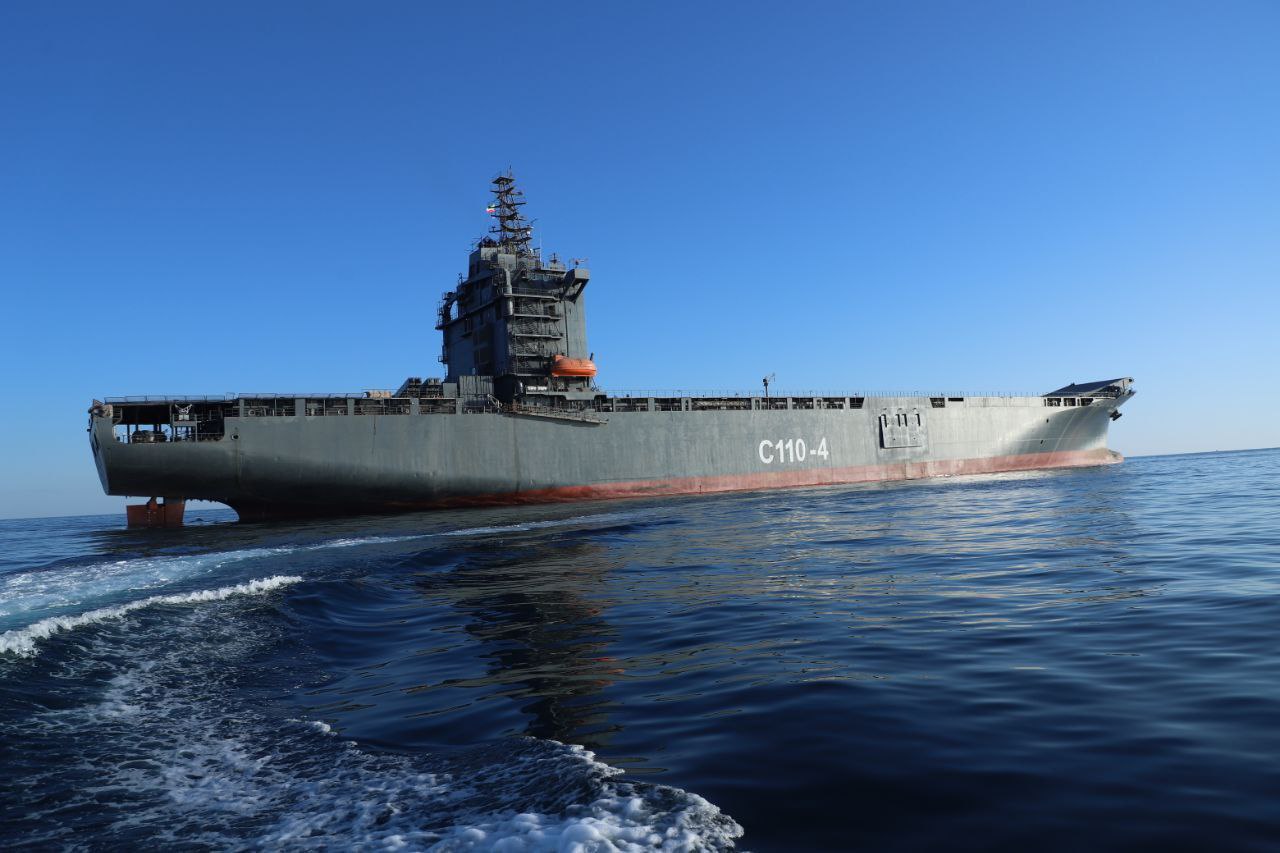
Shahid Bagheri (C110-4) drone carrier was officially inducted into the Islamic Revolutionary Guard Corps Navy fleet on February 6. The ceremony was attended by Major General Mohammad Hossein Bagheri, Chief of Staff of the Armed Forces, Major General Hossein Salami, Commander of the IRGC, and Admiral Alireza Tangsiri, Commander of the IRGC Navy.
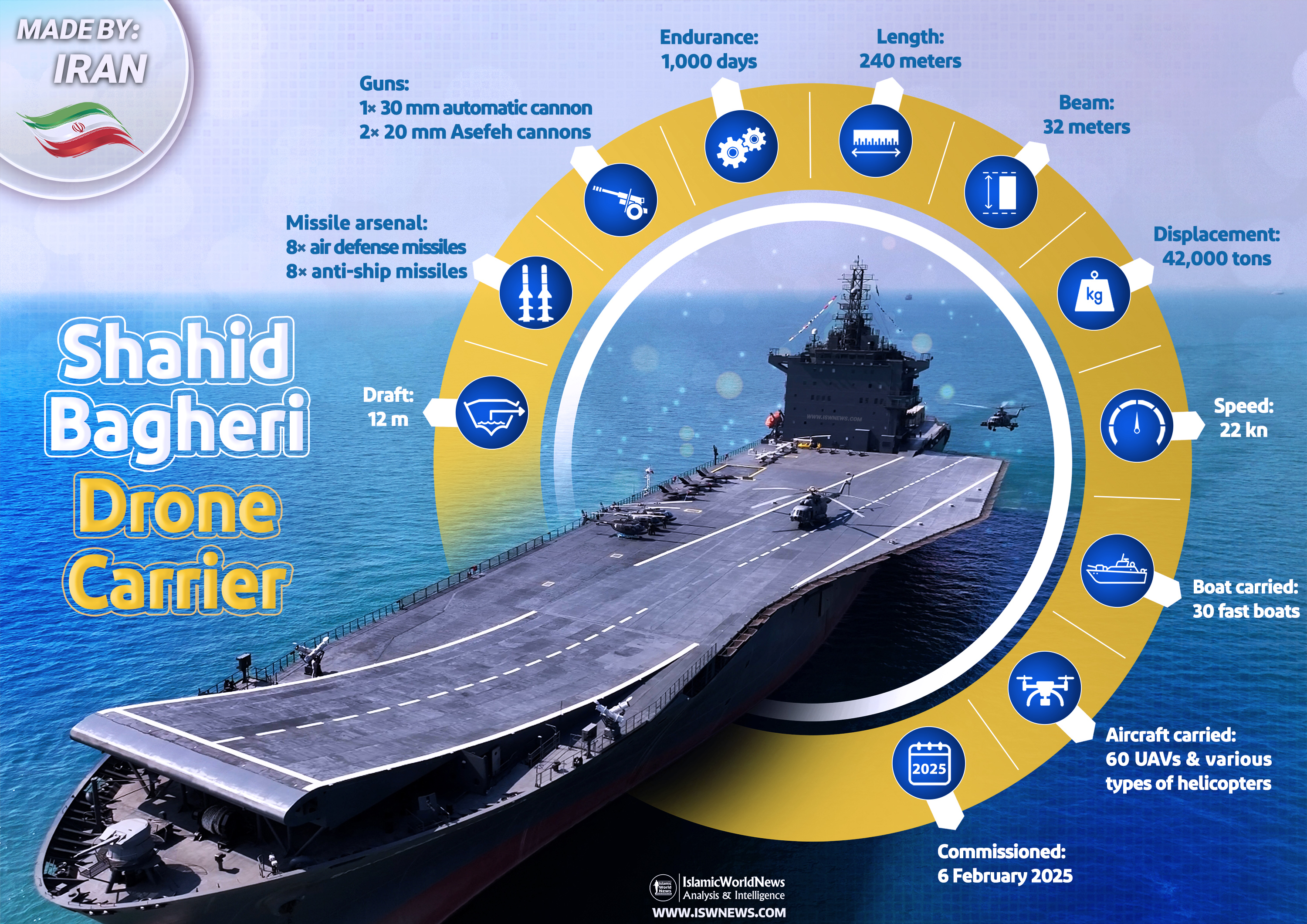
Shahid Bagheri drone carrier measures 240 meters in length, 32 meters in width, and has a draft of 12 meters.
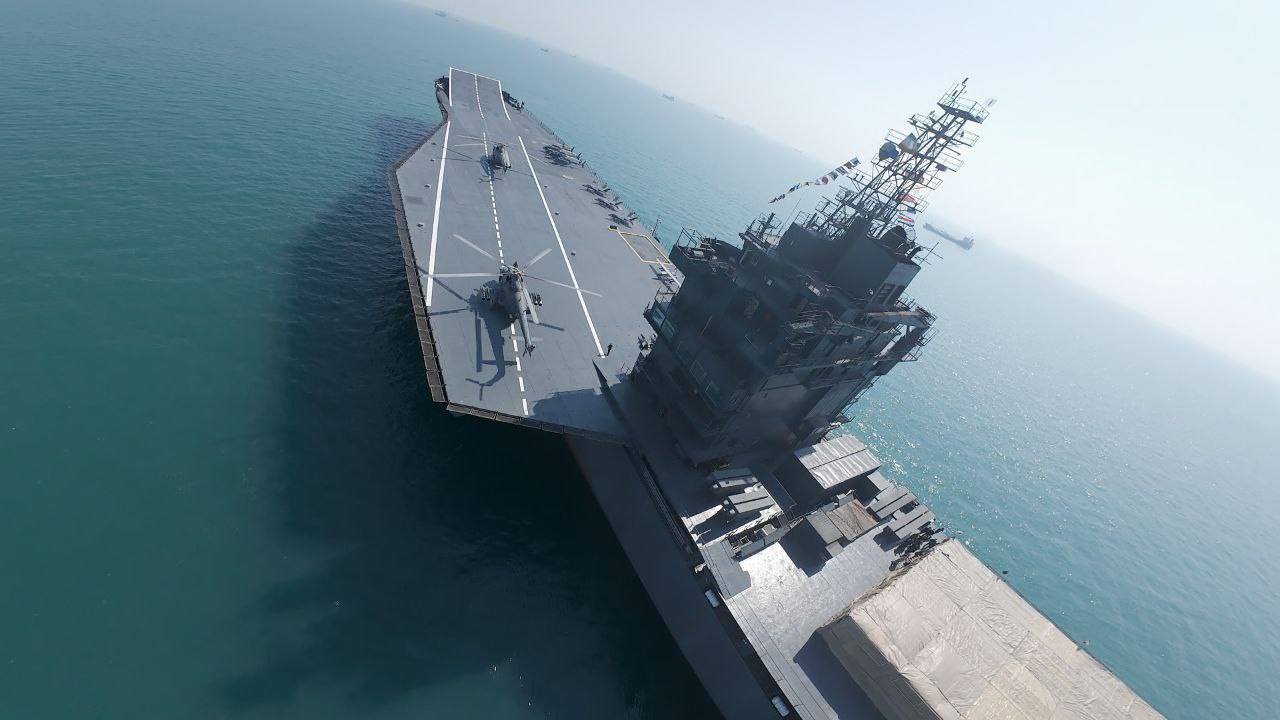
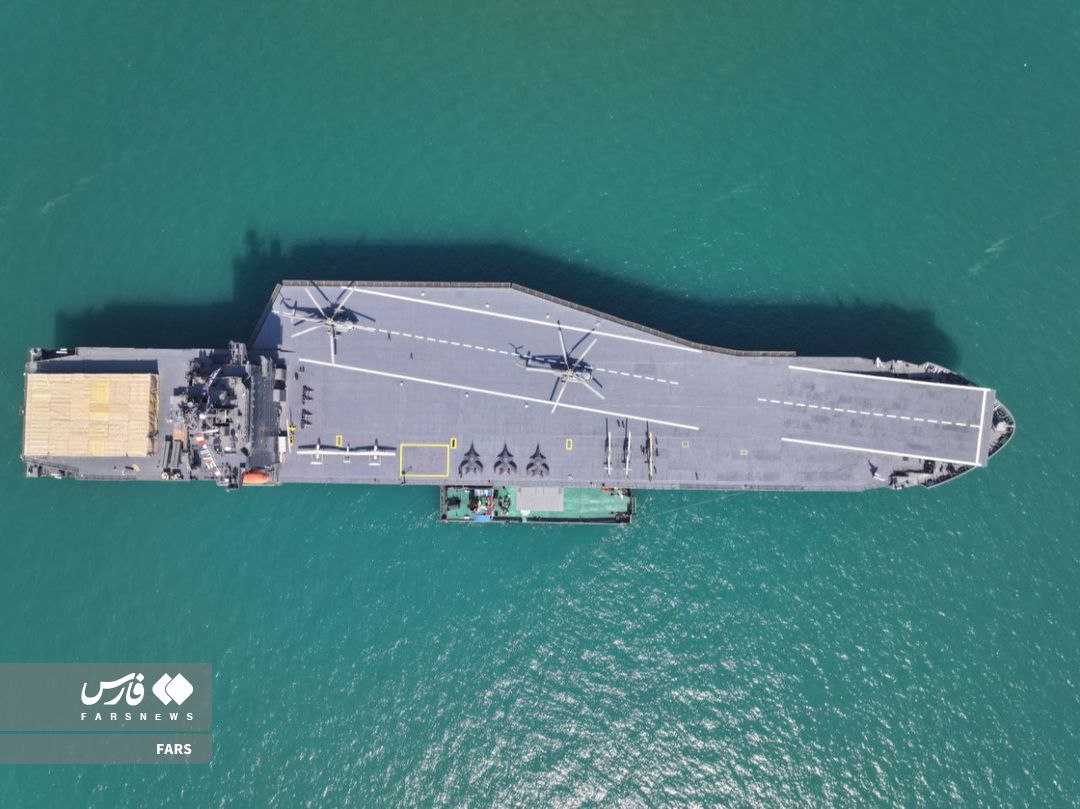
This drone carrier features a 180-meter runway and an upwardly curved ramp, similar to those found on aircraft carriers, to facilitate drone takeoff. The ship is capable of carrying and operating various types of drones and helicopters. Additionally, it has a large space on the lower levels for housing multiple drones, missile-capable speedboats, and more.
It is reported that the Shahid Bagheri drone carrier has the capacity to carry 60 drones and 30 fast missile boats. This capability significantly enhances its operational flexibility and firepower.
Flight runway and ski-jump on the Shahid Bagheri drone carrier
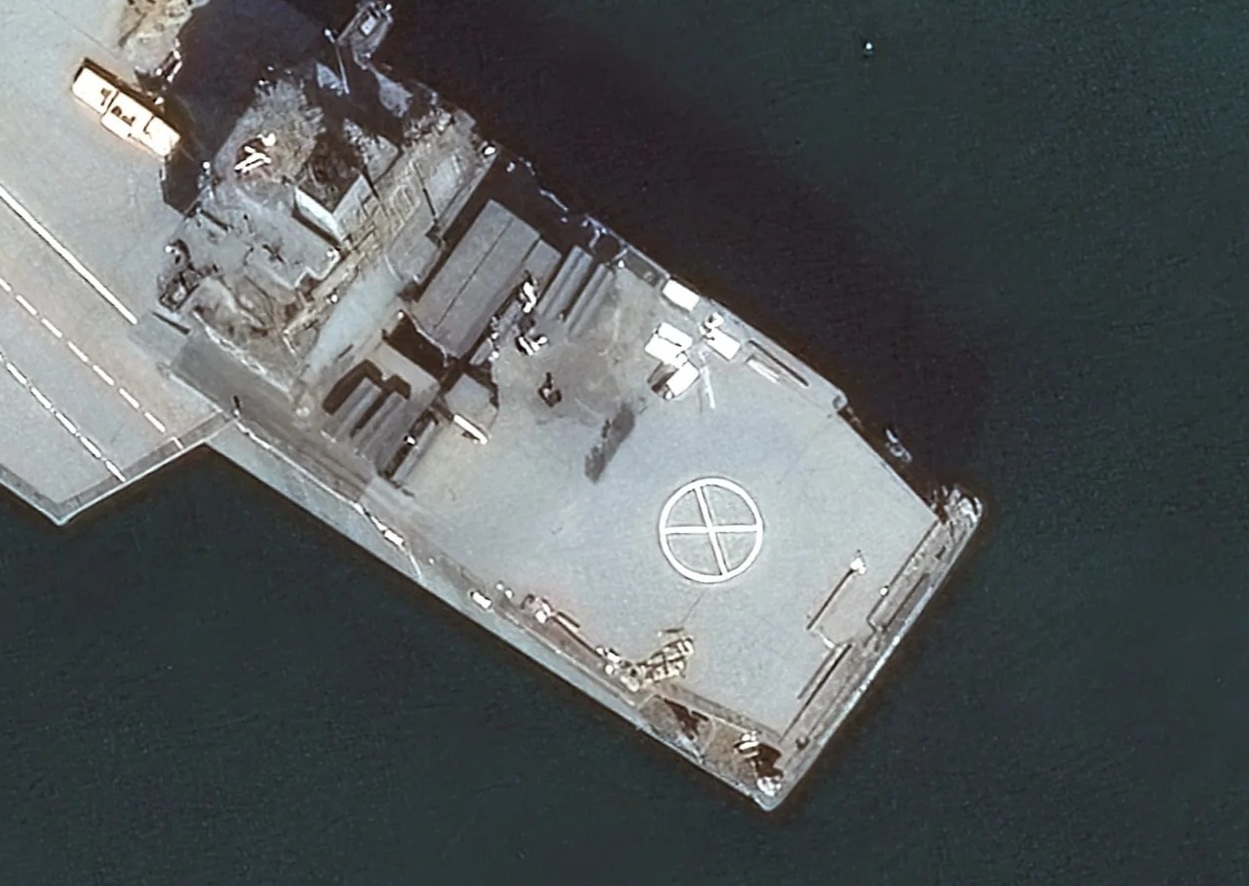
Like all aircraft carrier or drone carrier class ships, this vessel utilizes an elevator to transport aircraft and other essential items from the hangar to the deck. Behind the bridge, there is a sizable area with a helicopter pad, designated for the ship’s primary helicopter(s). On the unveiling day, this section was covered with a tent for the ceremony and the commanders’ presence. Additionally, it appears that the main missile weapons of the Bagheri drone carrier are situated in this section as well.
The videos show the 60% scale variant of the Qaem drone being transferred to the ship’s deck by elevator and the 20% scale variant undergoing a flight test. These videos are archived and are not from the day of the joining ceremony.Images from behind the command bridge of the Shahid Bagheri drone carrier
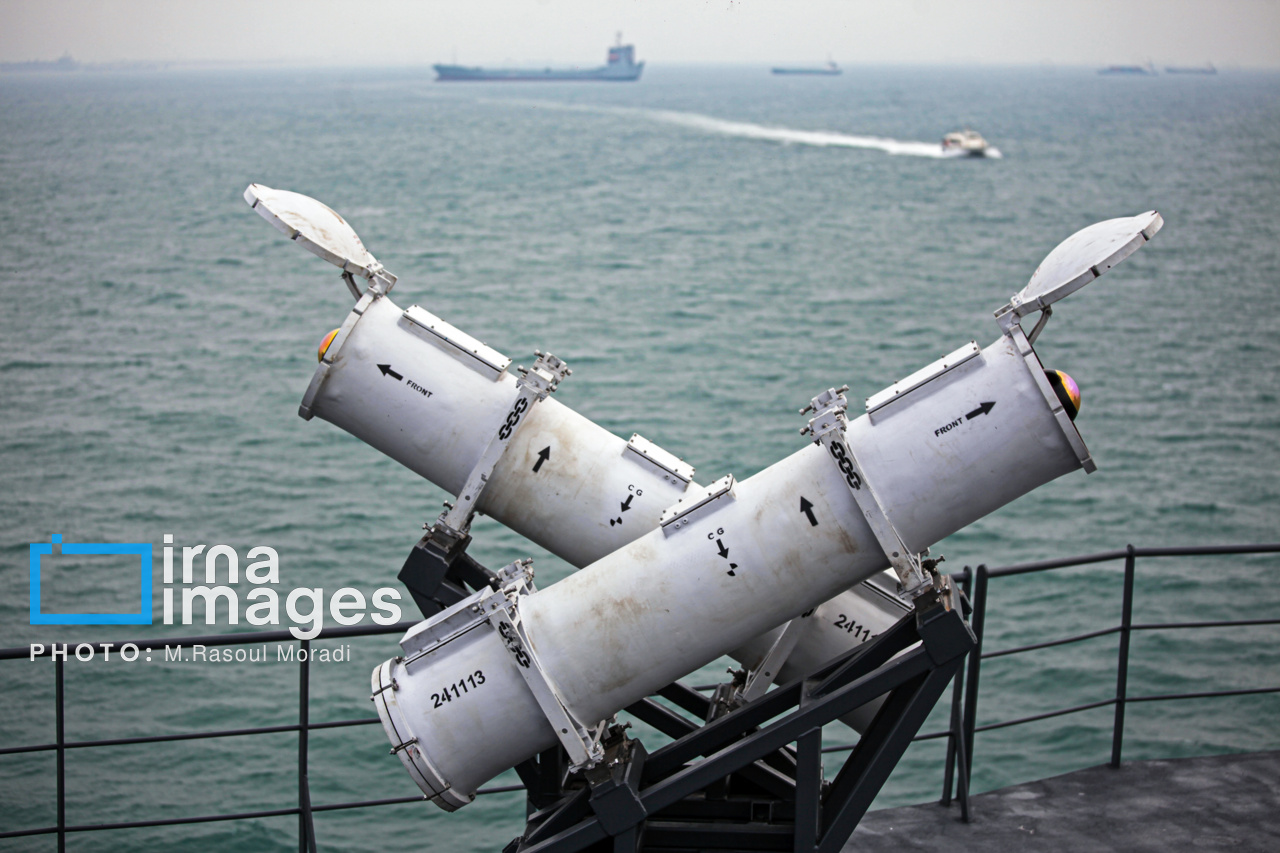
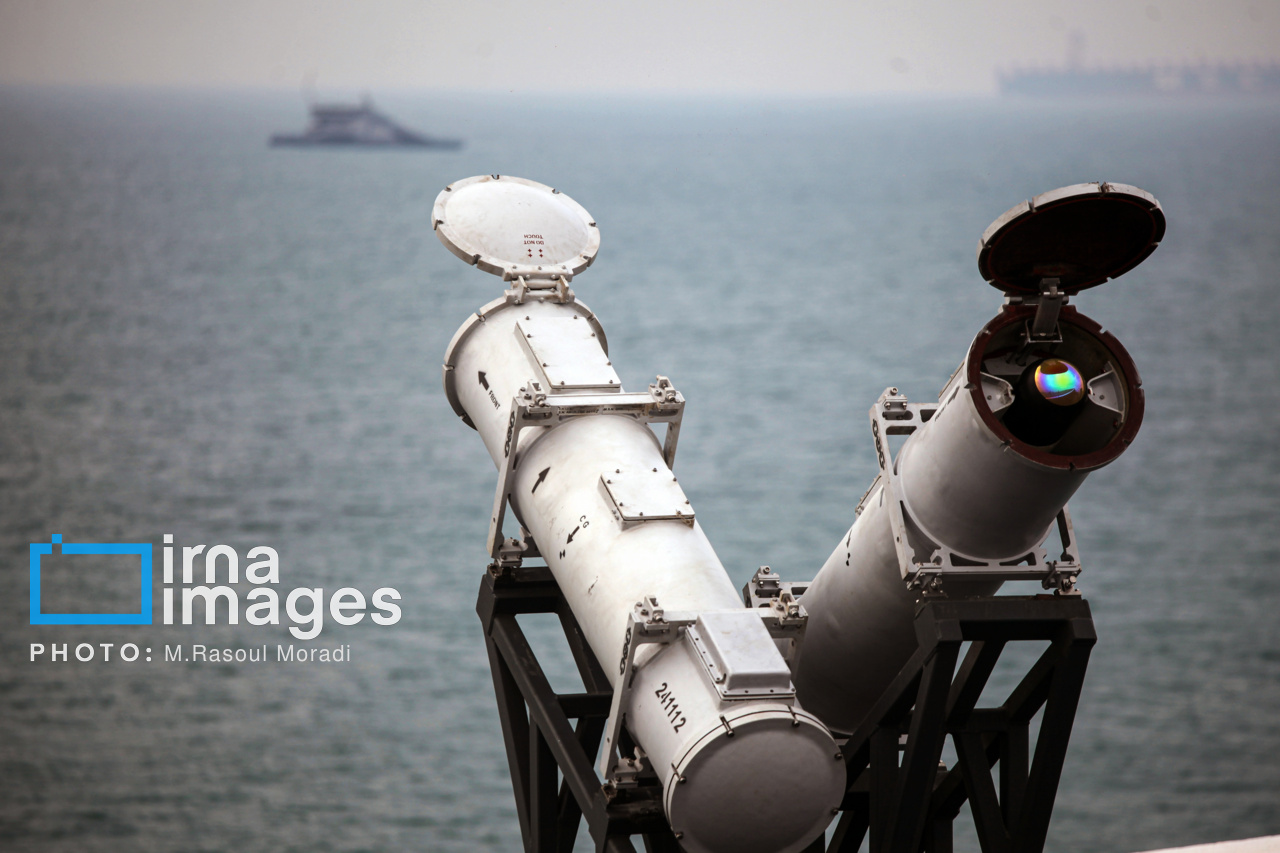
Regarding armament, the Bagheri drone carrier is currently equipped with eight Kowsar 222 air defense missiles, each with a range of 17 km, positioned at the front and rear of the ship. Additionally, there are eight anti-ship missiles from the Qader/Nasir series, comprising four twin launchers, located behind the bridge. There is also a container in this section that probably contains two ballistic missiles. The vessel also features a single-barreled 30 mm cannon with an electro-optical system at the front and two triple-barreled 20 mm Asefeh Gatling guns situated at the rear and stern.
Kowsar missile defense system on Shahid Bagheri vesselAdmiral Tangsiri’s explanation about IRIS Shahid Baqeri
According to Admiral Tangsiri, Commander of the IRGC Navy, the Shahid Bahman Bagheri drone carrier is equipped with the following specifications and features:
Speed of 22 knots
Fast attack boats capable of firing missiles with a range of 30 kilometers
Drone combat group (reconnaissance, surveillance, and combat)
Attack and support helicopter combat flotilla
Submarine combat team
Six-bed specialized hospital and various medical and welfare facilities
180-meter runway
Three separate fueling stations for helicopters, drones, and vessels
Electronic warfare teams
Missile defense systems
Special commando operations capabilities
Diving team
Long-range surface-to-surface missiles
Drone and helicopter control tower
Drone squadron
Eight two-story hangars
Ability to operate continuously for one year
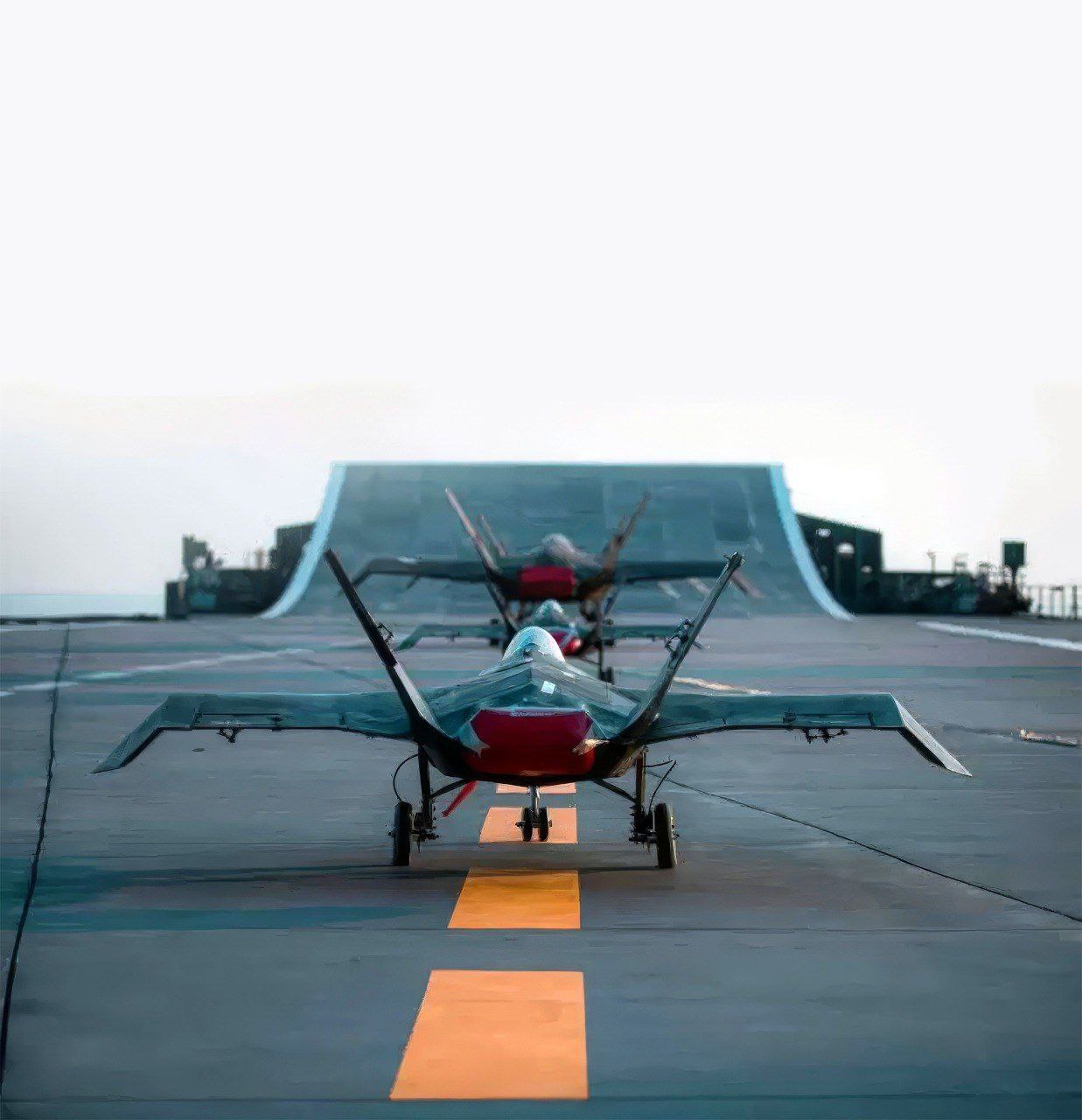
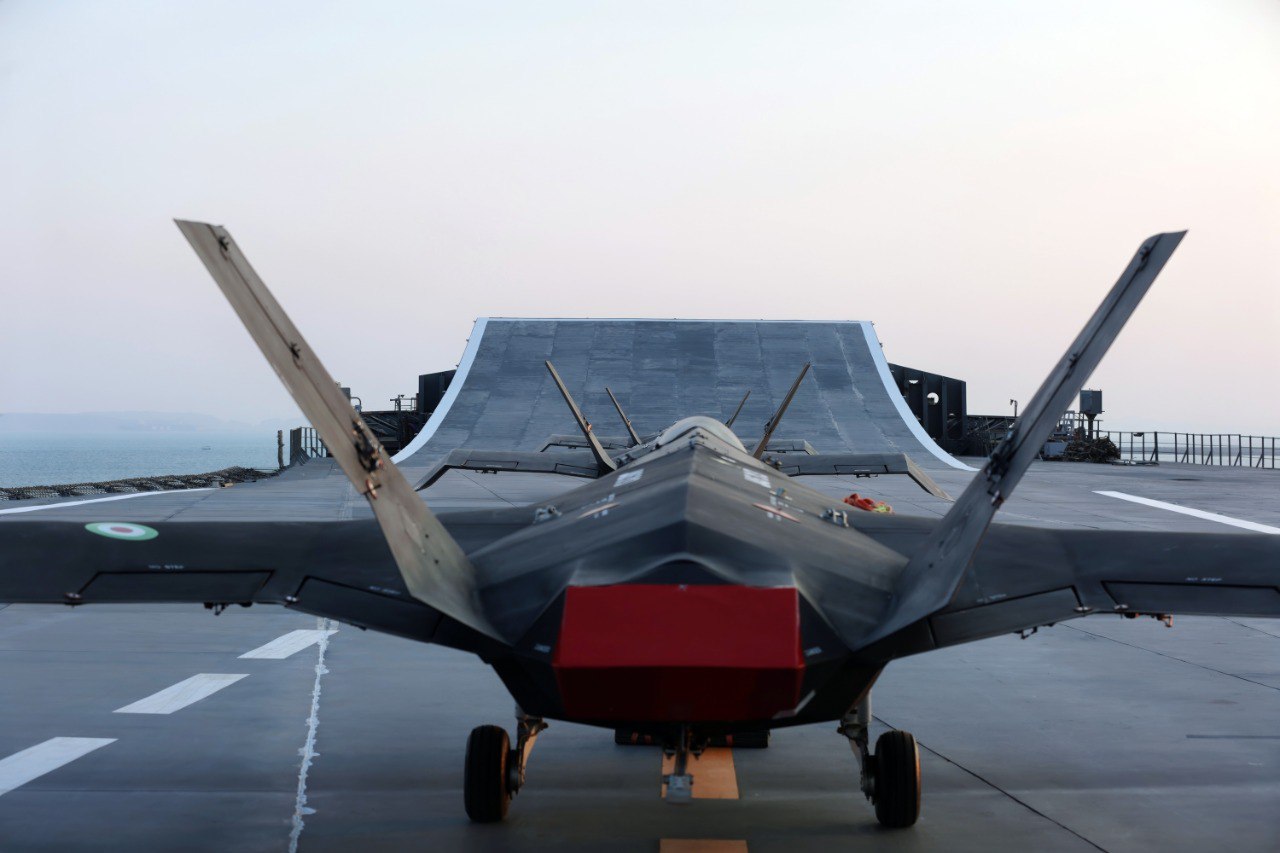
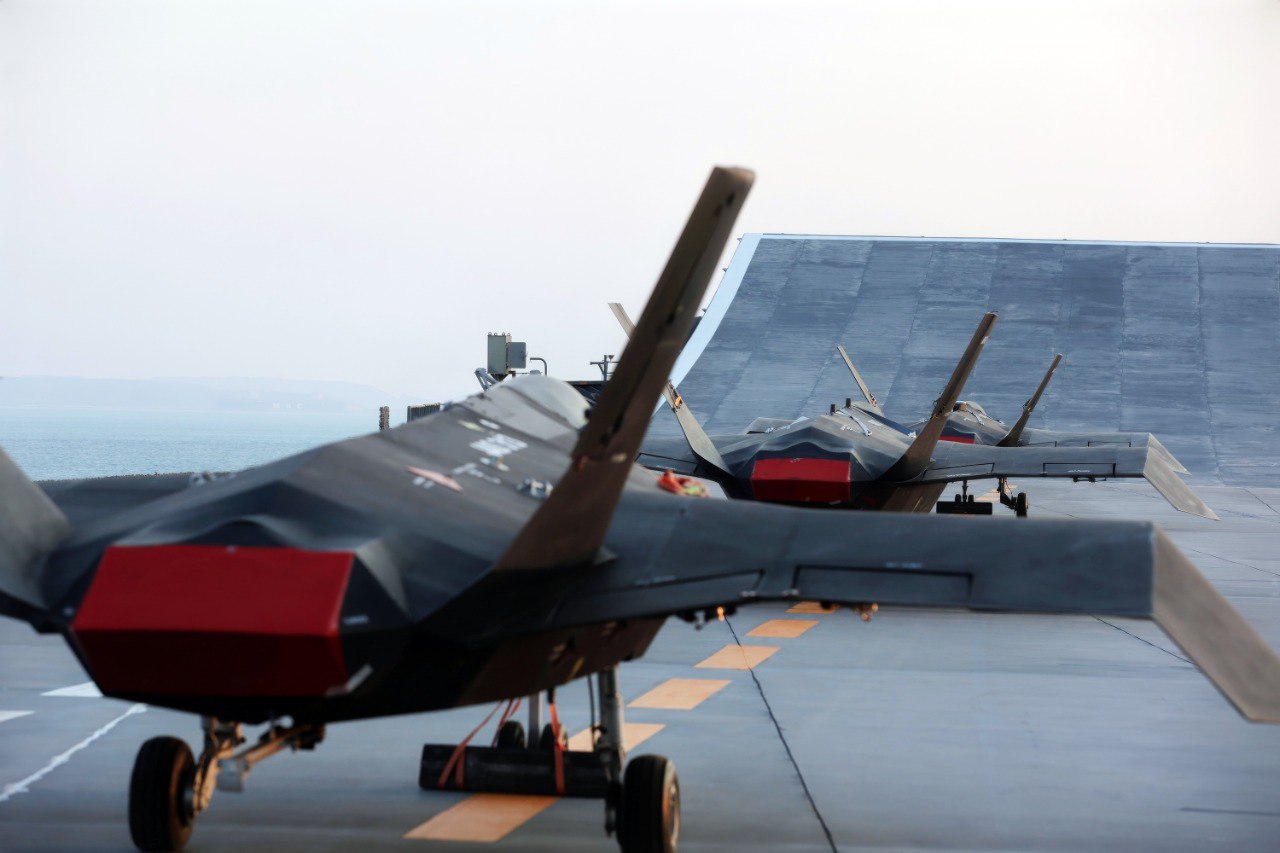
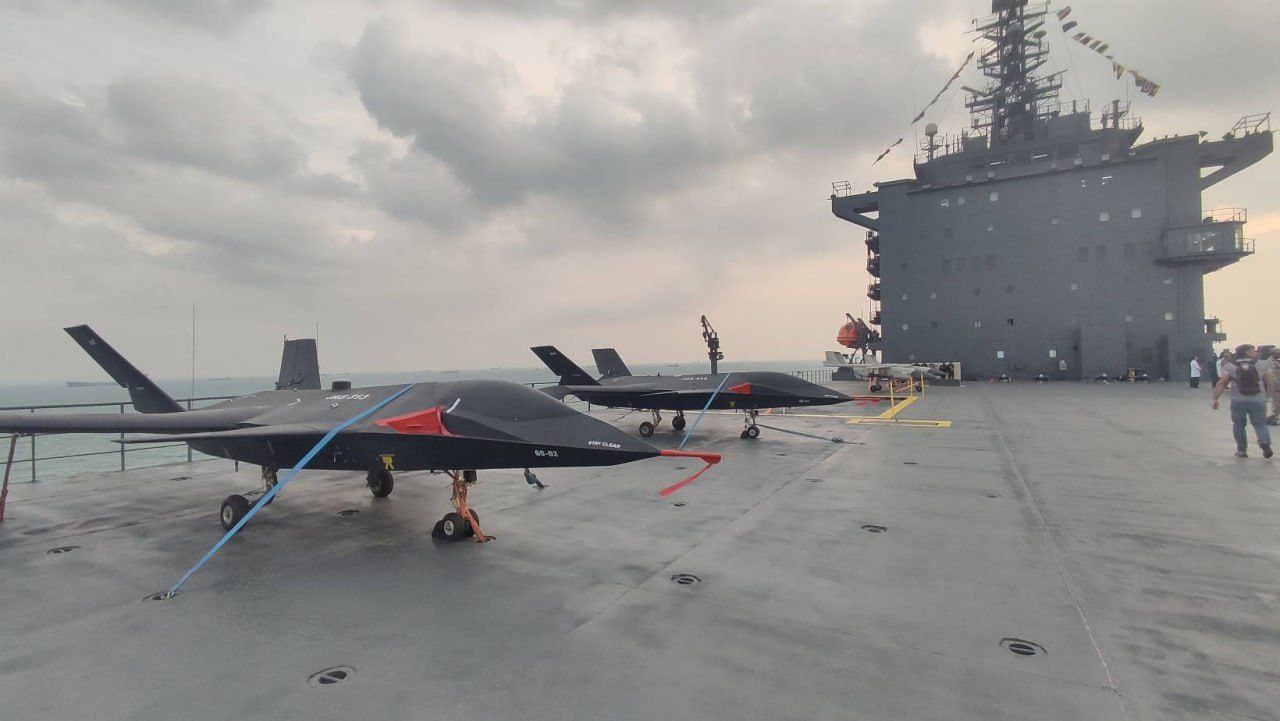
One of the most intriguing aspects of adding this drone carrier is the unveiling and deployment of the Qaem Jet drones. The Qaem (Ghaem) drone, also known as Qaher 313, has been observed in two versions—60% and 20%—on Shahid Bagheri drone carrier. It remains uncertain if the 100% scale variant of the Qaem drone will also be deployed on this carrier.
Qaem UAV (small variant of Qaher 313) on the Shahid Bagheri drone carrier
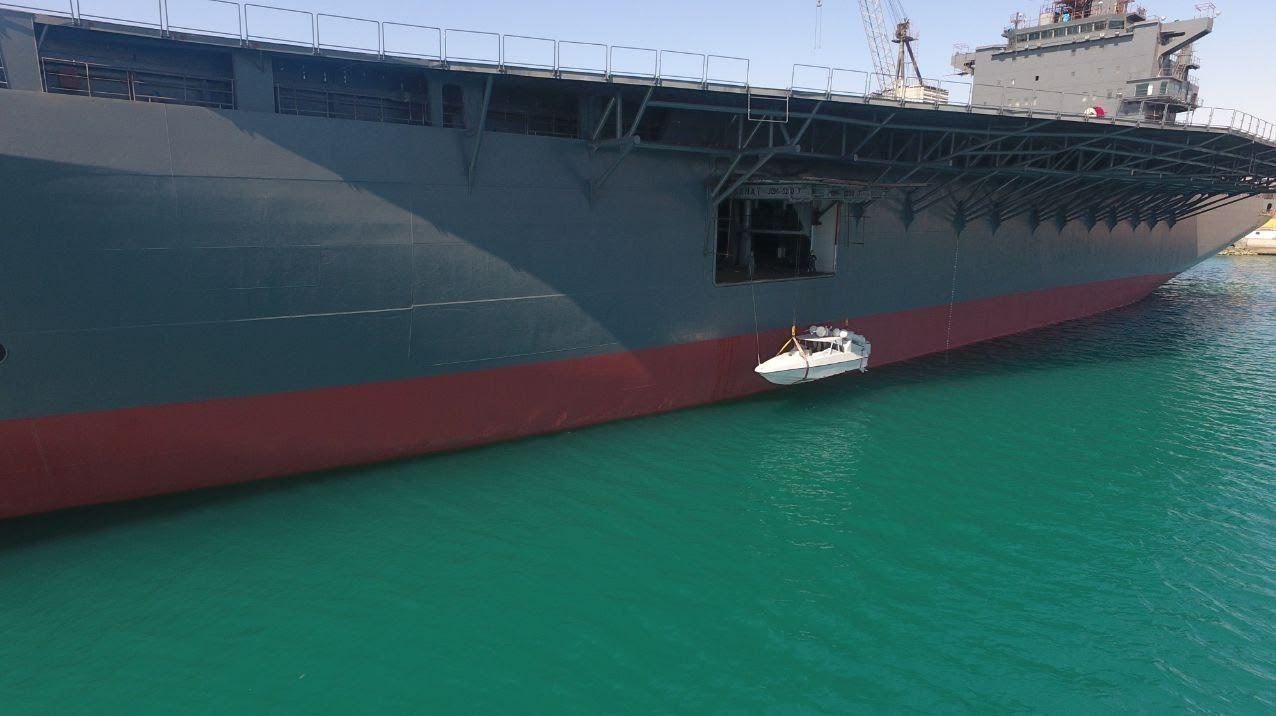
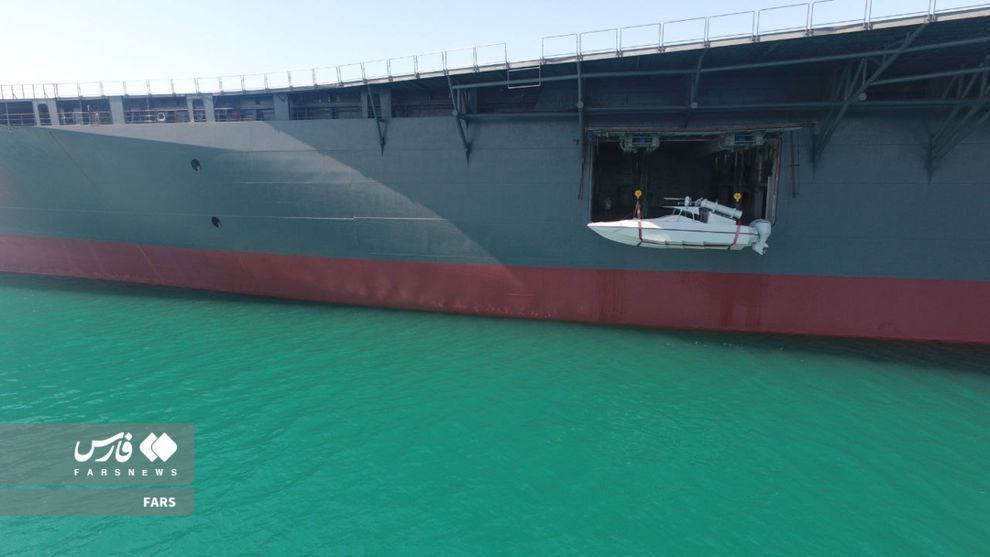
As previously mentioned, Shahid Bagheri drone carrier is equipped with missile-launching fast craft. These fast craft are launched into the water using overhead cranes located on the sides of the ship.
Launching fast speedboats
Iran can utilize drone carriers as floating bases in nearby waters or international waters to conduct various operations, including reconnaissance, intelligence, and combat missions. The United States, China, Russia, and Turkey have previously employed this capability at sea.
The name of this ship, Shahid Bagheri, honors martyr Bahman Bagheri, who was martyred in 1988 during the Iran-Iraq War at Faw. Bahman Bagheri was a prominent martyr of the IRGC and served as the commander of communications at the IRGC Navy’s Nuh Base during the war.
Ababil-3 drone landing and takeoff from the deck of the IRGC Navy’s Shahid Bahman Bagheri drone carrierShahid Bahman Bagheri drone carrier
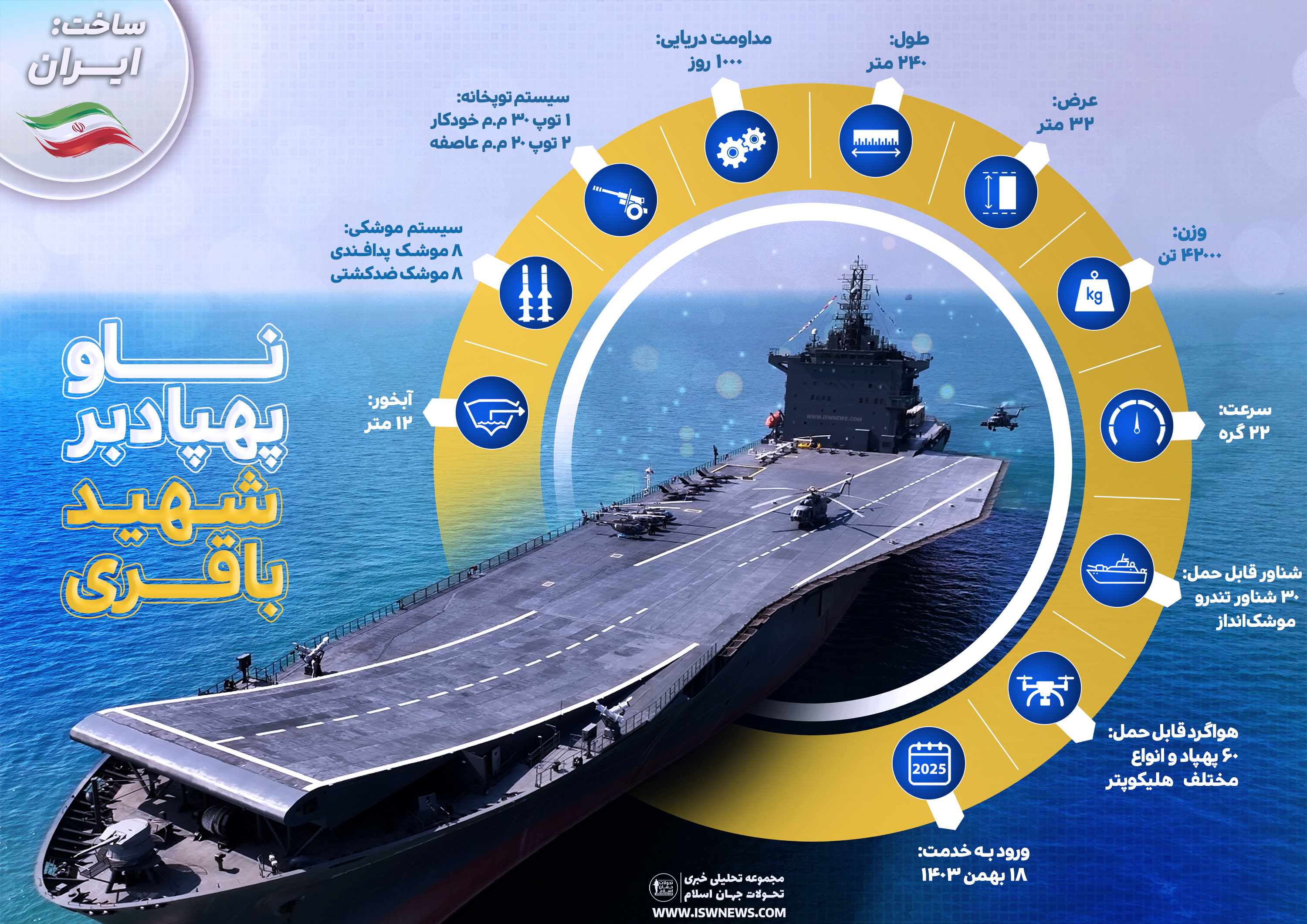
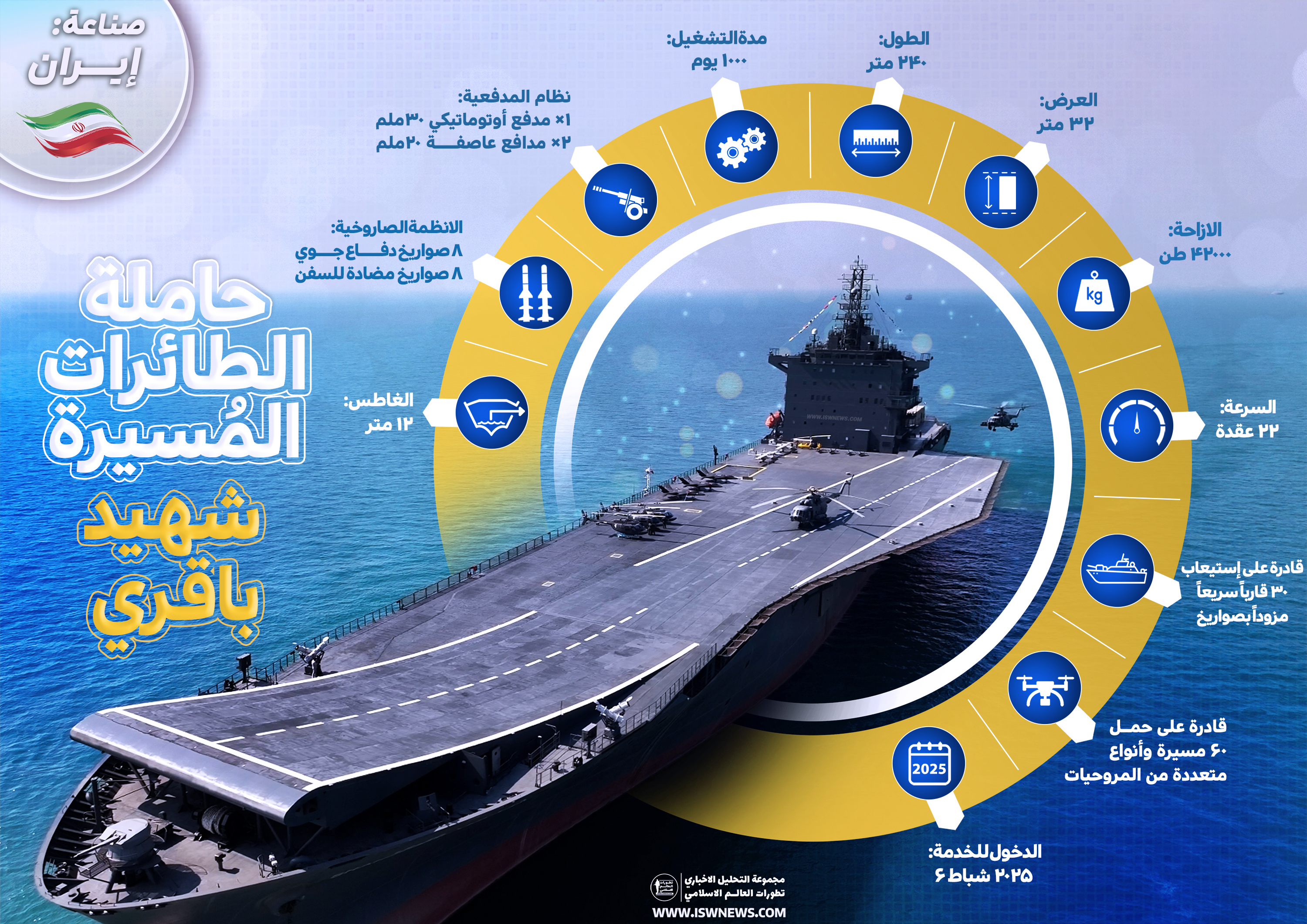
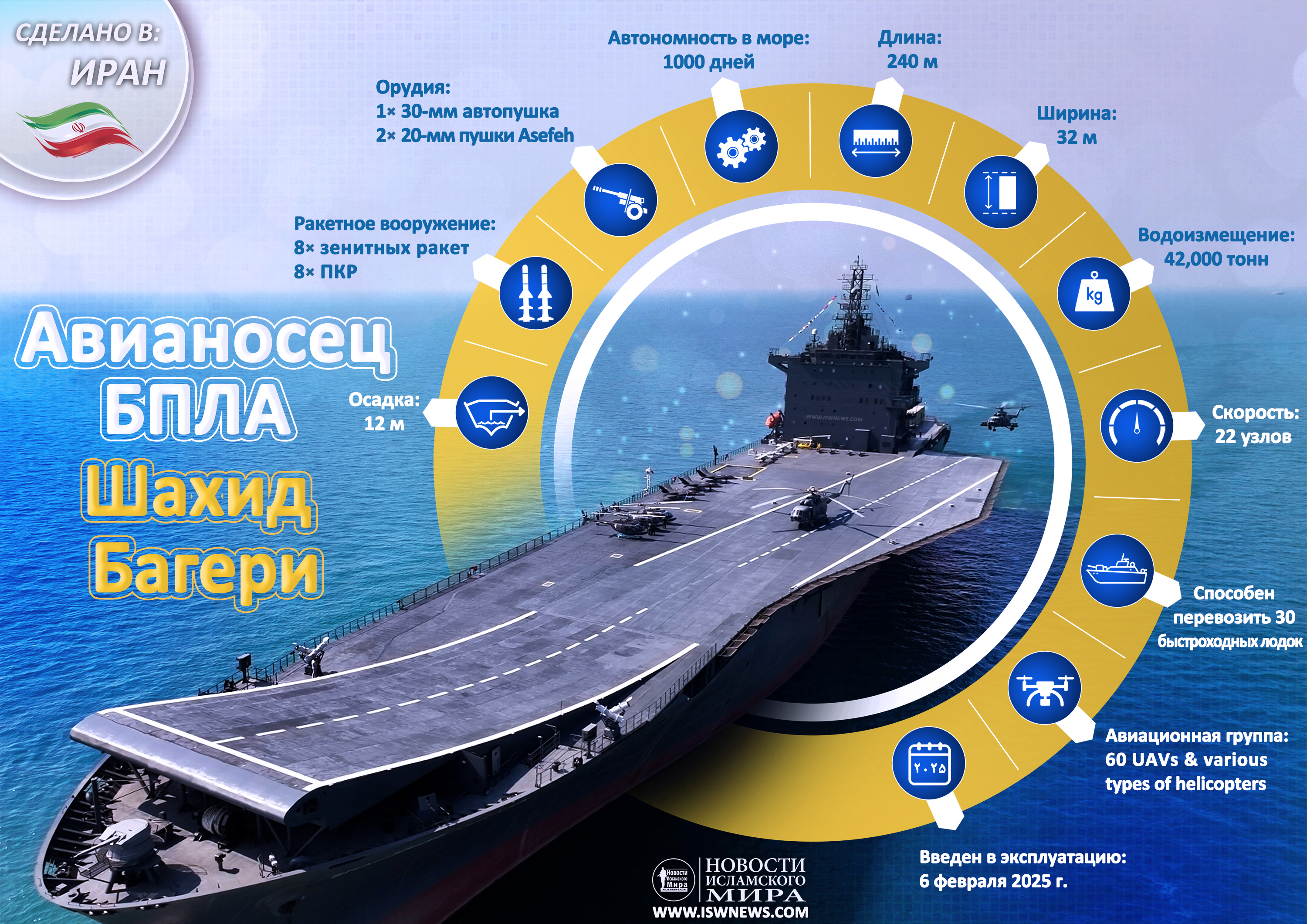
Shahid Bagheri Drone Carrier specifications: Commissioned: February 6, 2025 Length: 240 meters Beam: 32 meters Draft: 12 meters Speed: 22 kn Displacement: 42,000 tons Endurance: 1,000 days Missile arsenal: 8 air defensive missiles 8 anti-ship missiles Guns: 1x 30 mm automatic cannon 2x 20 mm Asefeh cannons Aircraft carried: 60 UAVs and various types of helicopters Boat carried: 30 fast missile boats Made by: Iran
Shahid Bahman Bagheri drone carrier – click to view full size
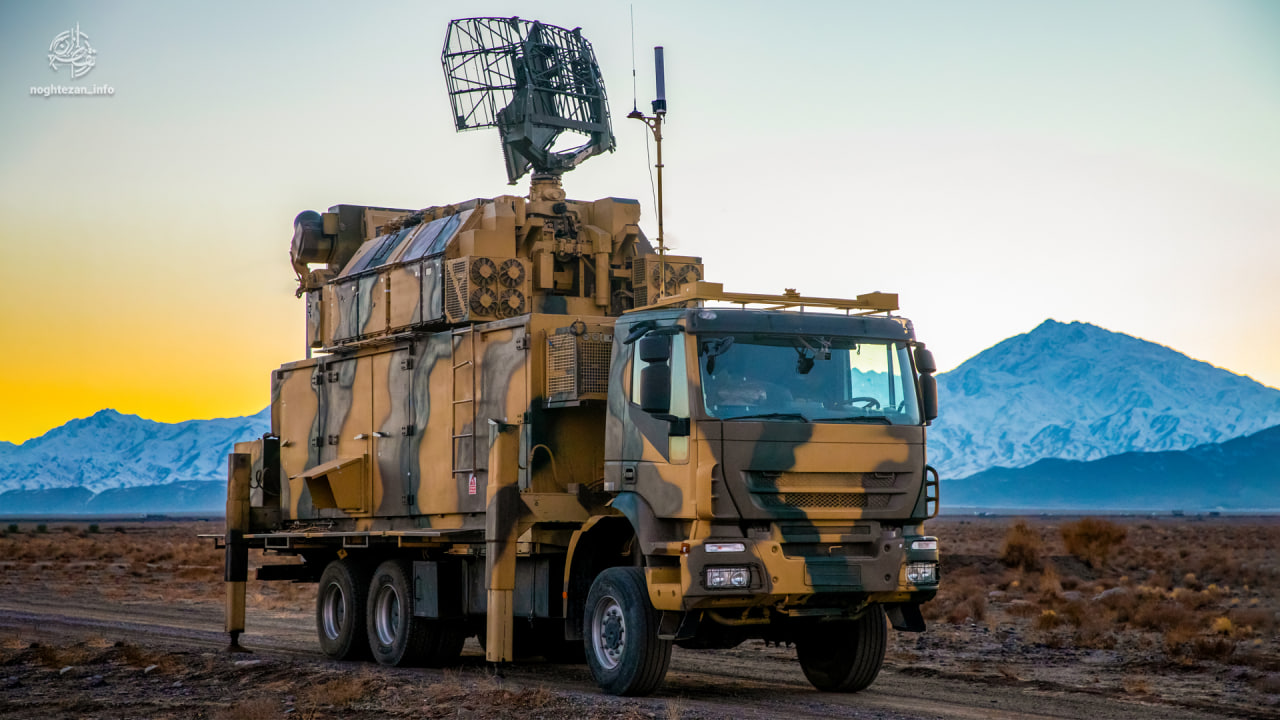
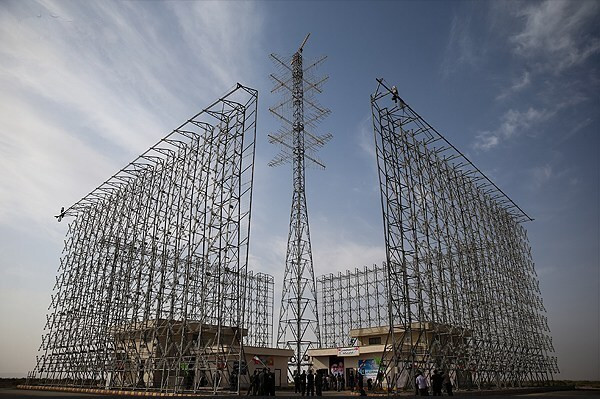
This Nazir radar, with its 800 km range, can detect targets at altitudes exceeding 30 km. It can identify various low radar cross-section targets, such as drones and cruise missiles.
Nazir radar
With the Nazir radar in Gilan, the entire airspace over the Baku government, Armenia, large parts of eastern Turkey, most of Georgia, western Turkmenistan, part of southwestern Kazakhstan, and the Caspian Sea will be under Iran’s air defense surveillance.
In this phase, the air defense units are conducting an all-around defense to defend the Shahid Ahmadi Roshan Nuclear Site, also known as Natanz site, against various air threats under critical electronic warfare conditions.
The Eghtedar 1403 exercise includes a range of Iranian long-range, medium-range, and short-range defense systems, as well as various radar and electronic warfare systems.
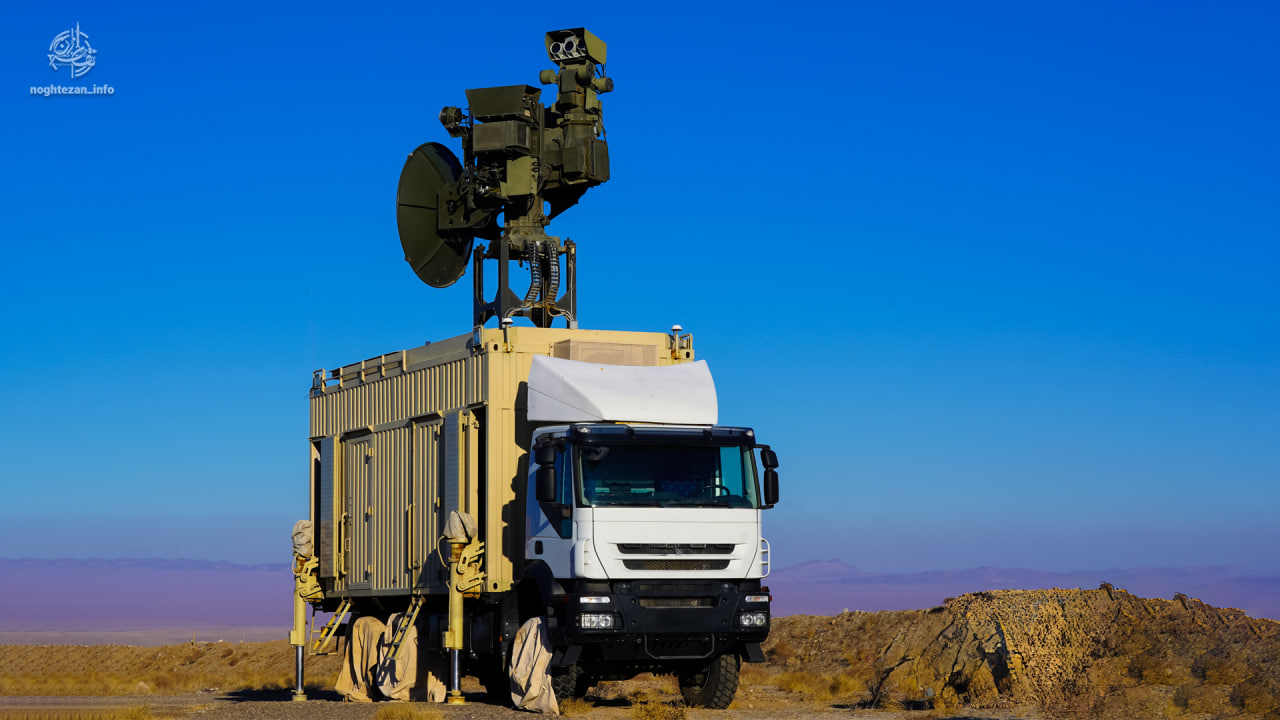
Published images reveal the presence of Tabas medium-range air defense systems, Sevom(3rd) Khordad long-range air defense system, Dezful short-range air defense system, and the Sepehr-14 passive electro-optical system for the Raad air defense system.
Iranian air defense systems used in Eqtedar 1403 drill
Additionally, for the first time, the mysterious 358 air defense missile was officially deployed in this exercise. The 358 loitering missile is renowned for its impressive track record of downing American and Israeli drones in the region.
358 missile deployed in Eqtedar 1403 drill
It should be noted that since January 4, the Iranian Armed Forces have commenced an exercise called “Great Prophet 19,” which will continue until January 9. The Eqtedar 1403 exercise is being conducted as part of the Great Prophet 19 exercise.
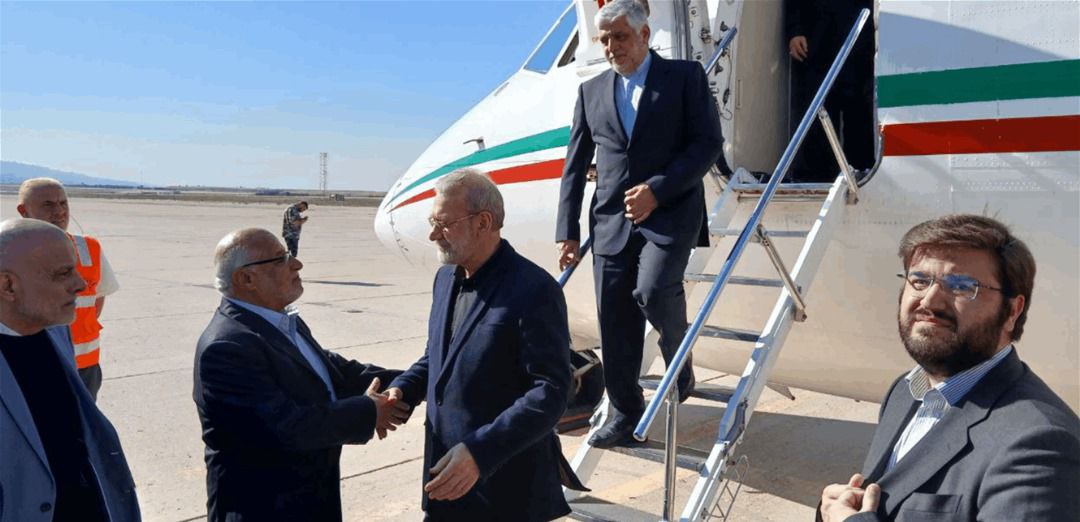
Yesterday, Ali Larijani arrived in Damascus at the head of an official delegation to meet with senior Syrian officials and Syrian President Bashar al-Assad, and today he left Damascus for Beirut.
Larijani traveled to Beirut while the Dahieh area and the vicinity of the Beirut airport are under heavy bombardment by the Zionist regime. The moment Larijani arrived at Beirut airport, the Zionist regime was bombarding the area.
Bombing of areas around the airport when Larijani arrived in Beirut
He talked with Lebanese Prime Minister Najib Mikati this noon. It should be noted that the Lebanese government is still unable to elect a president due to internal differences, and Najib Mikati is currently considered the highest political official in this country.
Recent events suggest that Larijani is delivering an important message from the leader of the revolution to the governments of Syria and Lebanon, who has entered the region in this tense situation!
Lebanese Prime Minister Najib Mikati and Ali Larijani, adviser to Imam Khamenei in Beirut
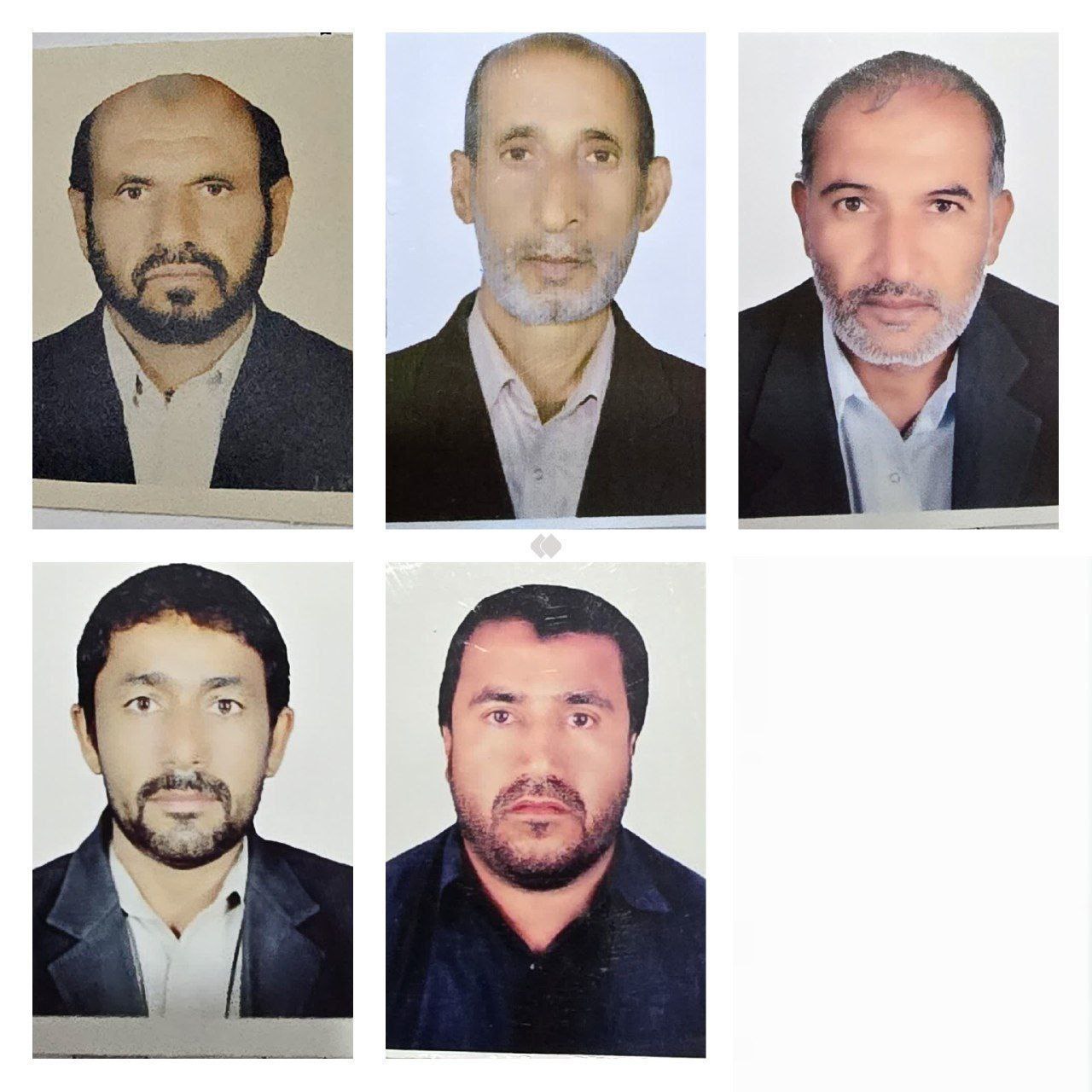
During this terrorist attack, five Sunni Baluch Basij members named Abdul Rahman Baluchzahi, Shahbakhsh Baluchzahi, Abdullah Baluchzahi, Vahed Baluchzahi, and Bashir Sepahi were martyred.
This terrorist attack occurred while the Basij fighters were saying their prayers.
Following this cowardly raid, the military units stationed in that area were quickly dispatched, and the hunt for the terrorists is currently on the agenda of the Islamic Revolution Gudards Corps (IRGC) Ground Force’s Quds Headquarters in the southeast Iran.
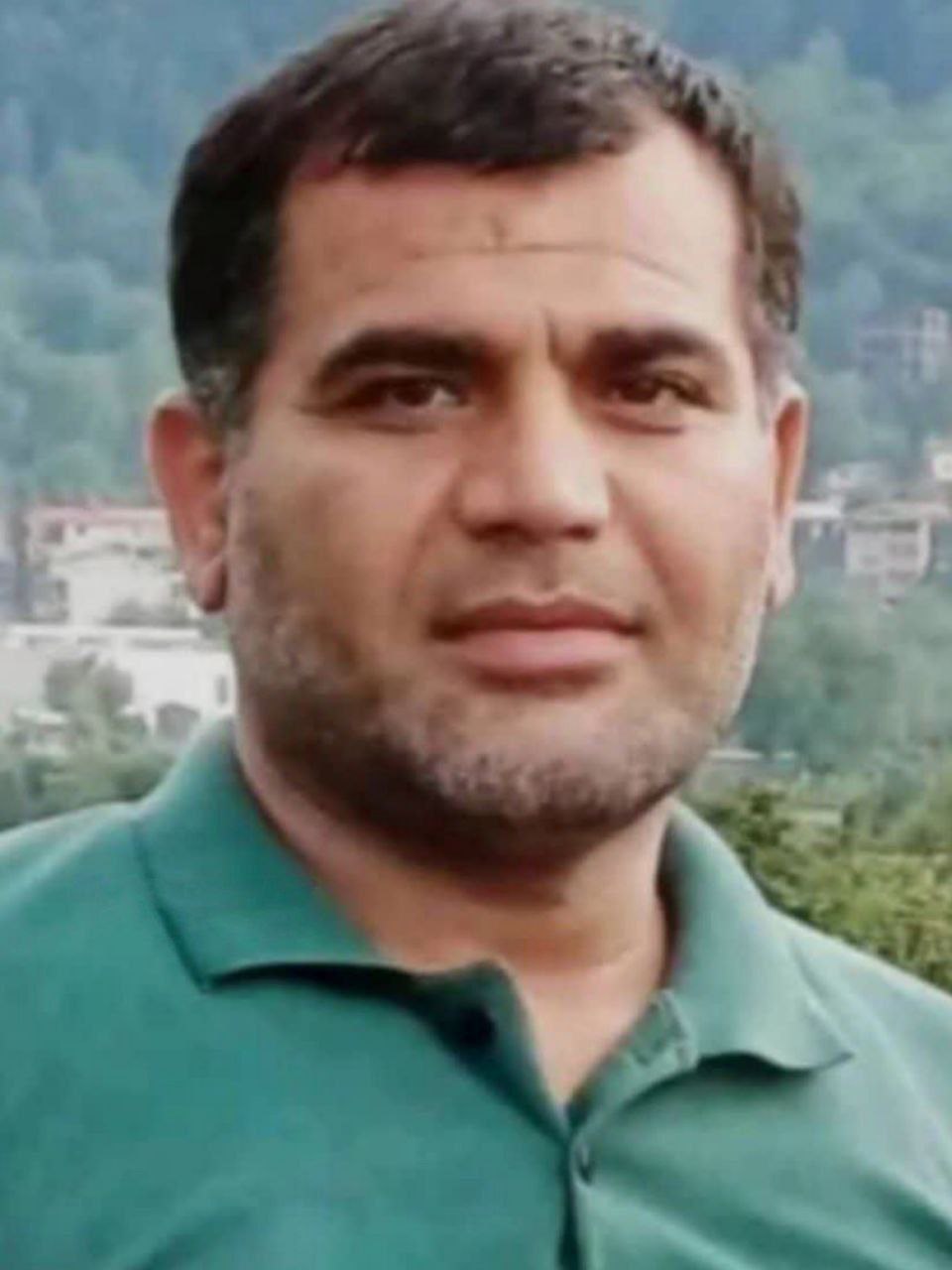
Furthermore, Major Saeed Parvin-Nejad, an IRGC fighter from the Special Forces Brigade of the 33rd Al-Mahdi Division in the city of Jahrom, who was injured in the head during recent security operations and clashes in Rask County in the southeast of Iran on Friday (November 8), succumbed to the injuries and martyred today.
The IRGC and Basij forces martyred in recent terrorist attacks
Four members of the terrorist groups have been killed in recent days’ security operations by IRGC’s Quds base in Rask region.
During the conflict mentioned, terrorists began shooting towards the main road of Rask, targeting a civilian car. As a result, three civilians were injured, including two women and a man. Additionally, Mohammad Reza Rostaminejad, a member of the 33rd Brigade of the Al-Mahdi (AS) Jahrom Special Forces, was martyred in the incident. At the conclusion of the operation, four terrorists were killed, and a car along with a significant quantity of weapons and ammunition was seized.
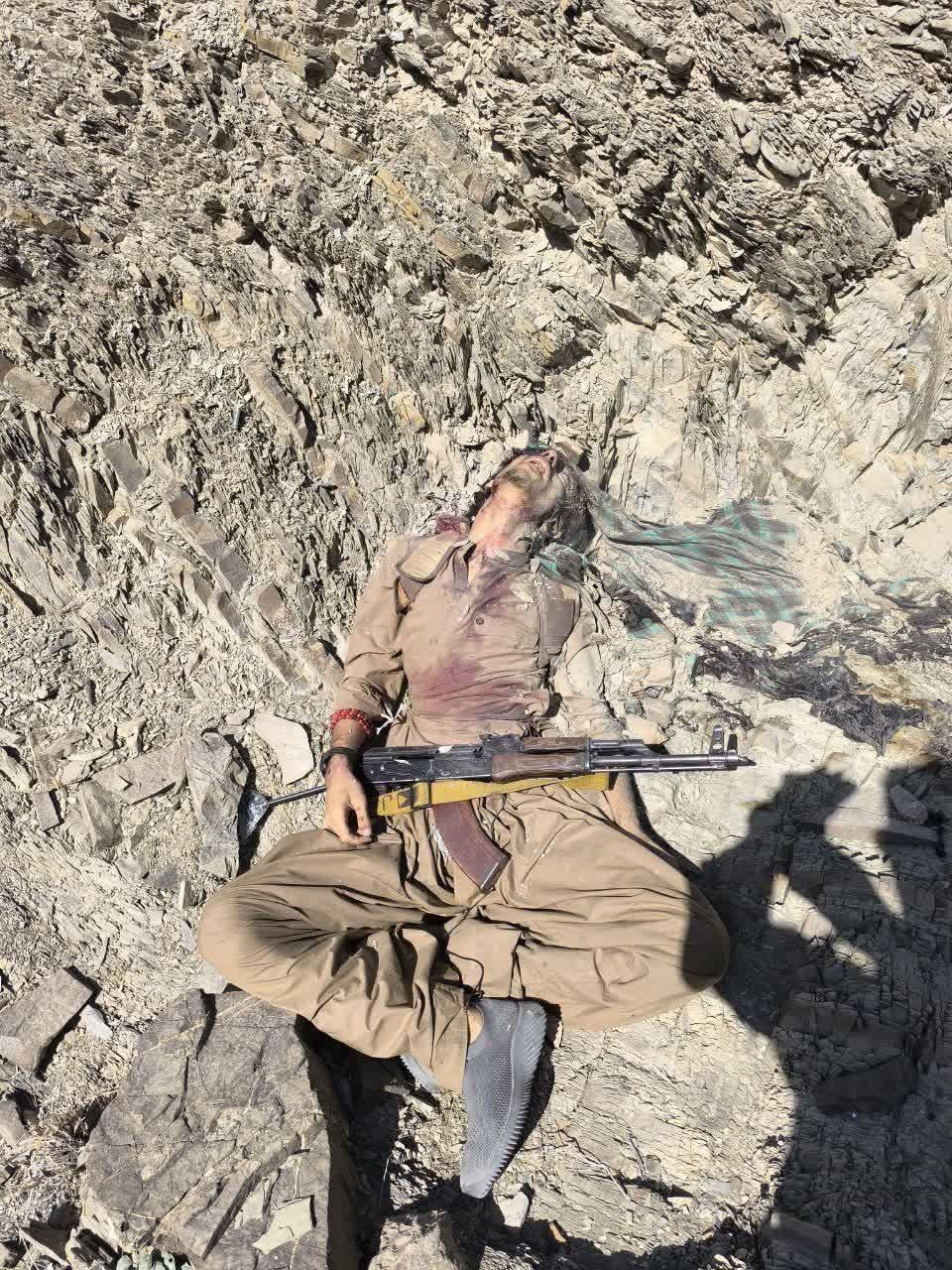
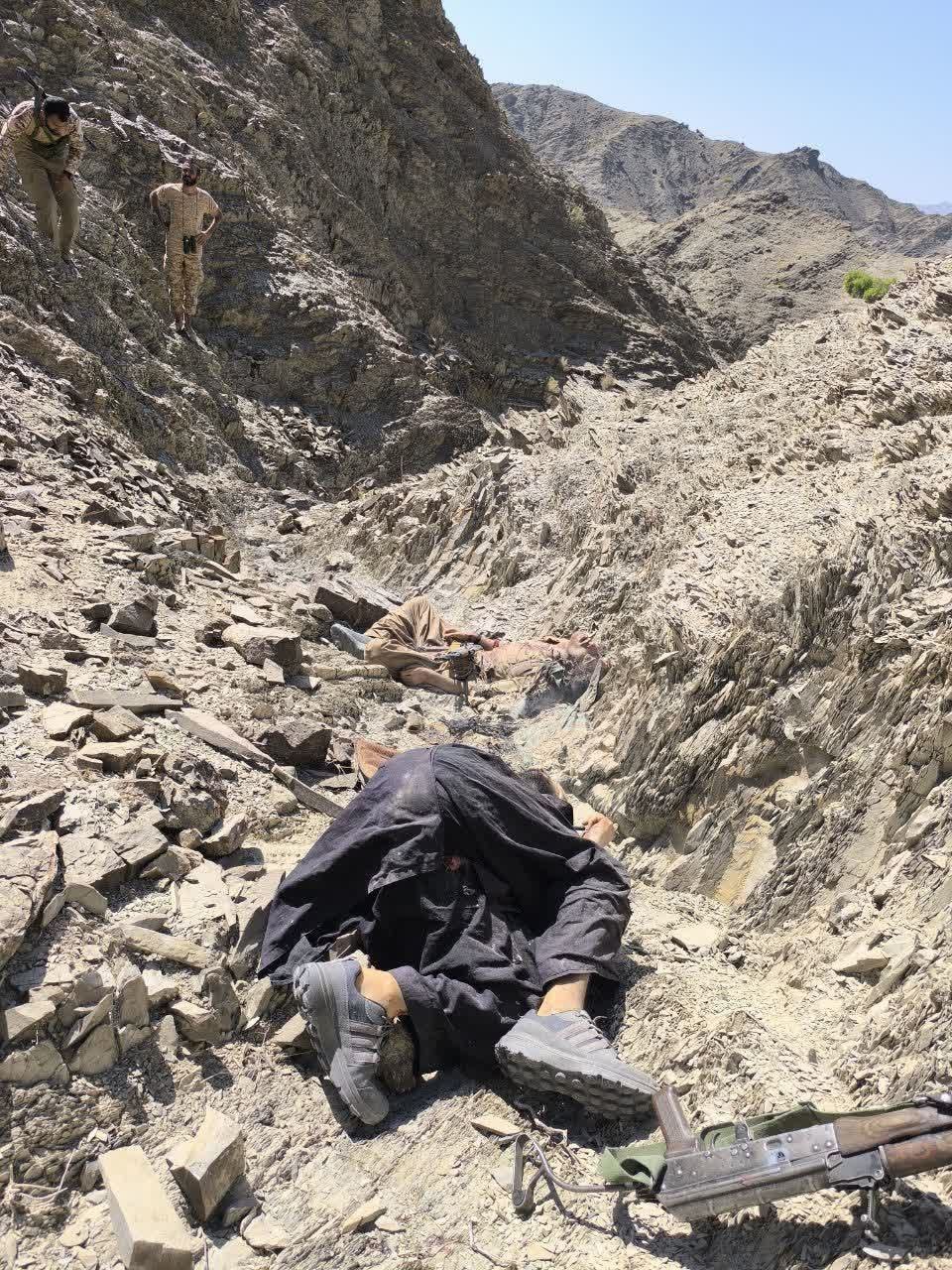
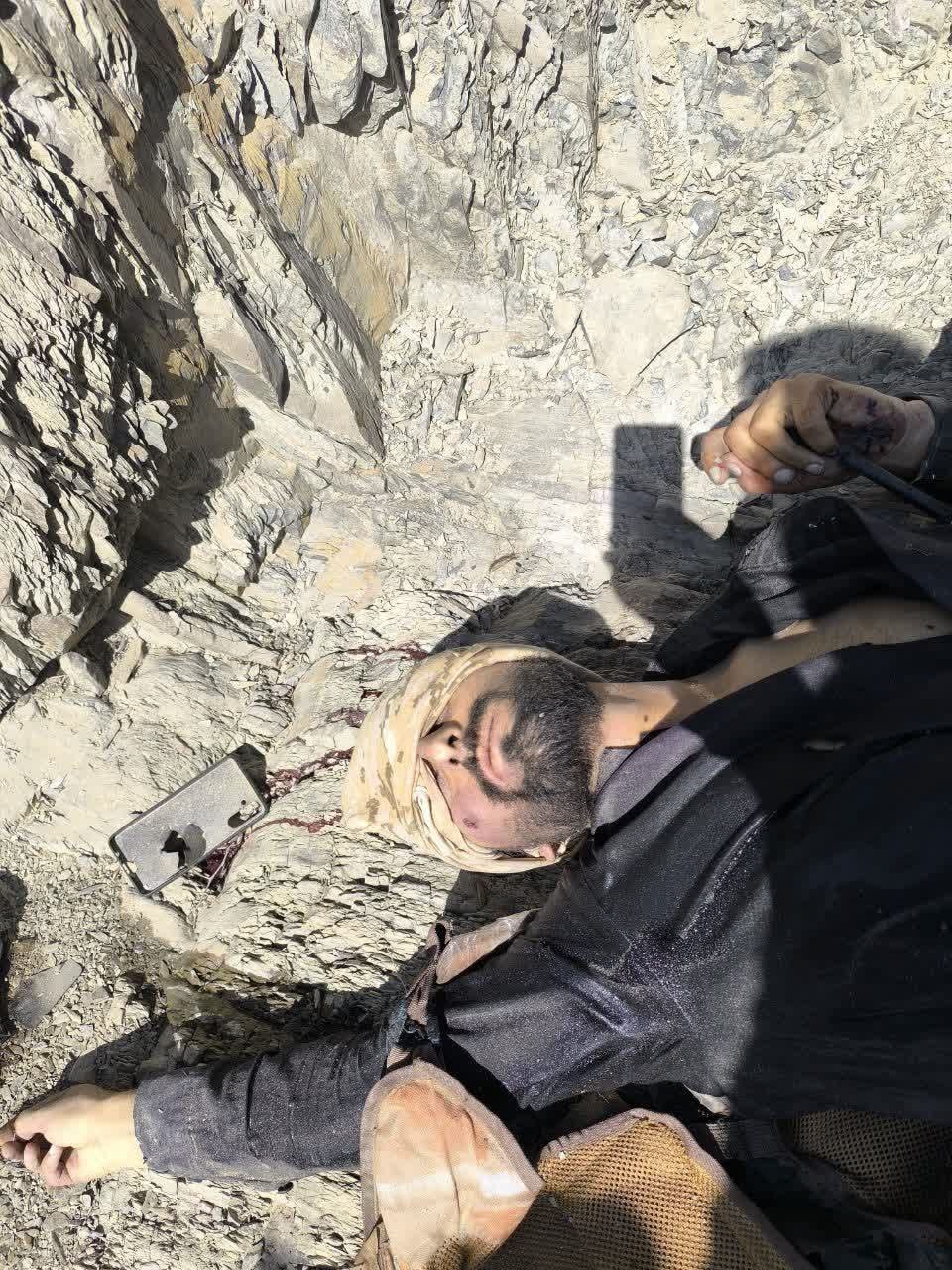
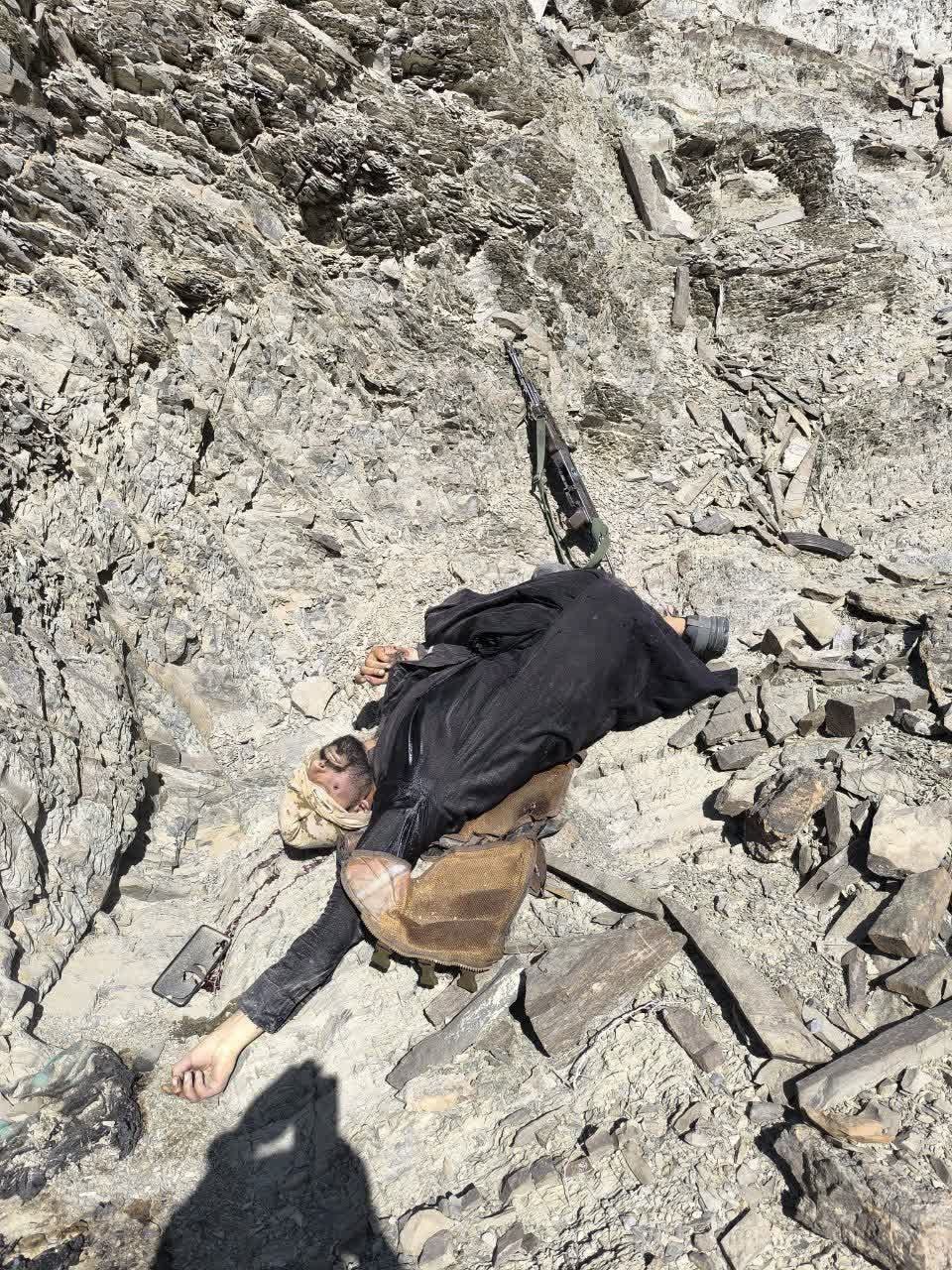
Bodies of terrorists killed in Rask area
It should be noted that the forces of IRGC’s Quds base and FARAJA anti-terrorism units recently carried out a security operation in Sistan and Baluchistan province, which led to the arrest of more than 14 terrorists and the elimination of at least 12 others. These terrorists have played an important role in the numerous attacks on Iranian police stations in the region.
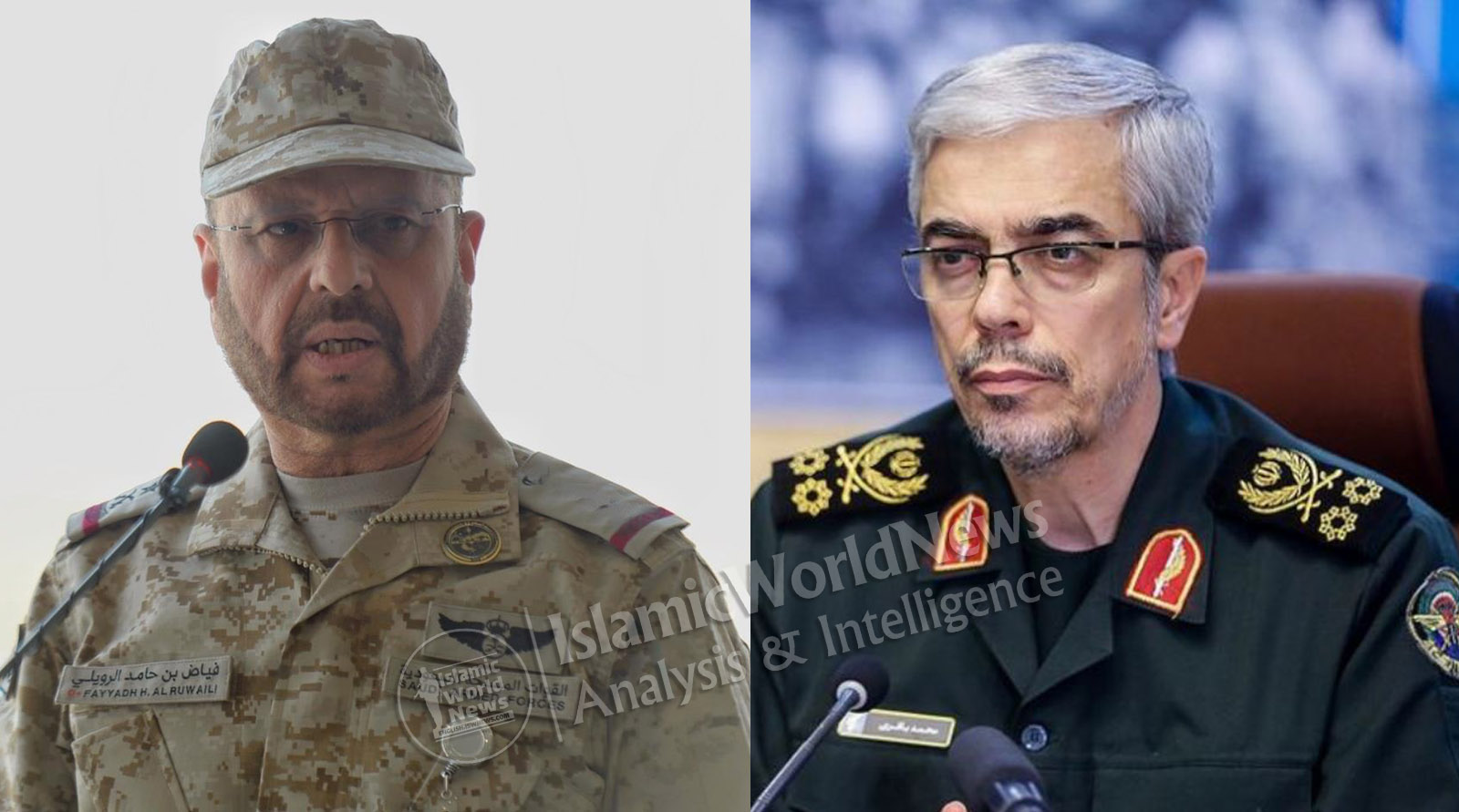
Bilateral and defense cooperation between the two countries are expected to increase after this trip. Increasing relations, especially military cooperation between Iran and Saudi Arabia, will have an important effect on increasing the security of the region.
It should be noted that last year, Major-General Bagheri had a telephone conversation with Saudi Defense Minister Khaled bin Salman regarding developments in the region, upgrading the level of defense cooperation between the armed forces of the two countries, and important issues in the Islamic world.
Tehran and Riyadh agreed in March 2023, via Chinese intermediation, to re-establish relations after seven years of hostility. Now the efforts of the two countries to get closer to each other continue much more than before.
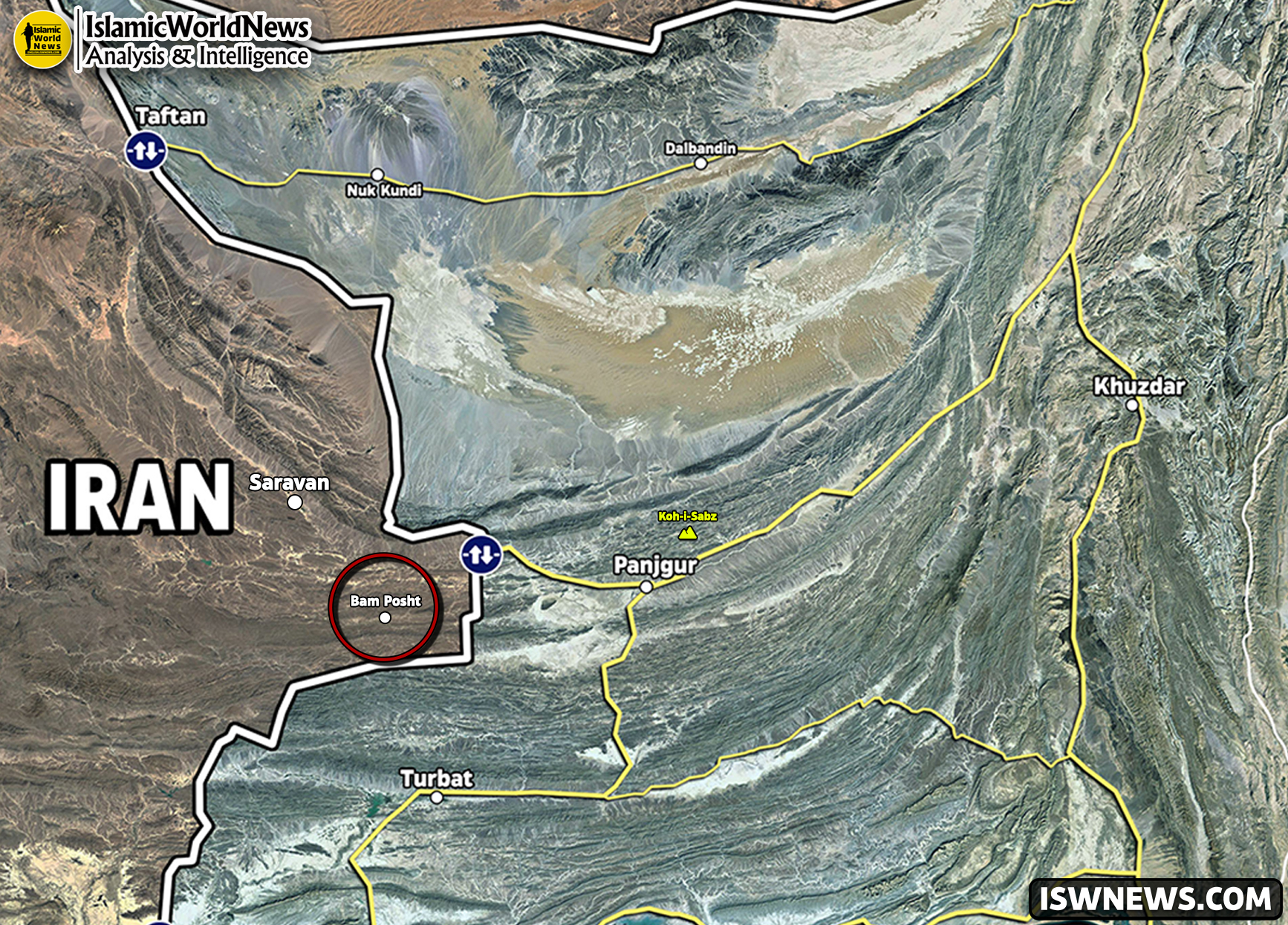
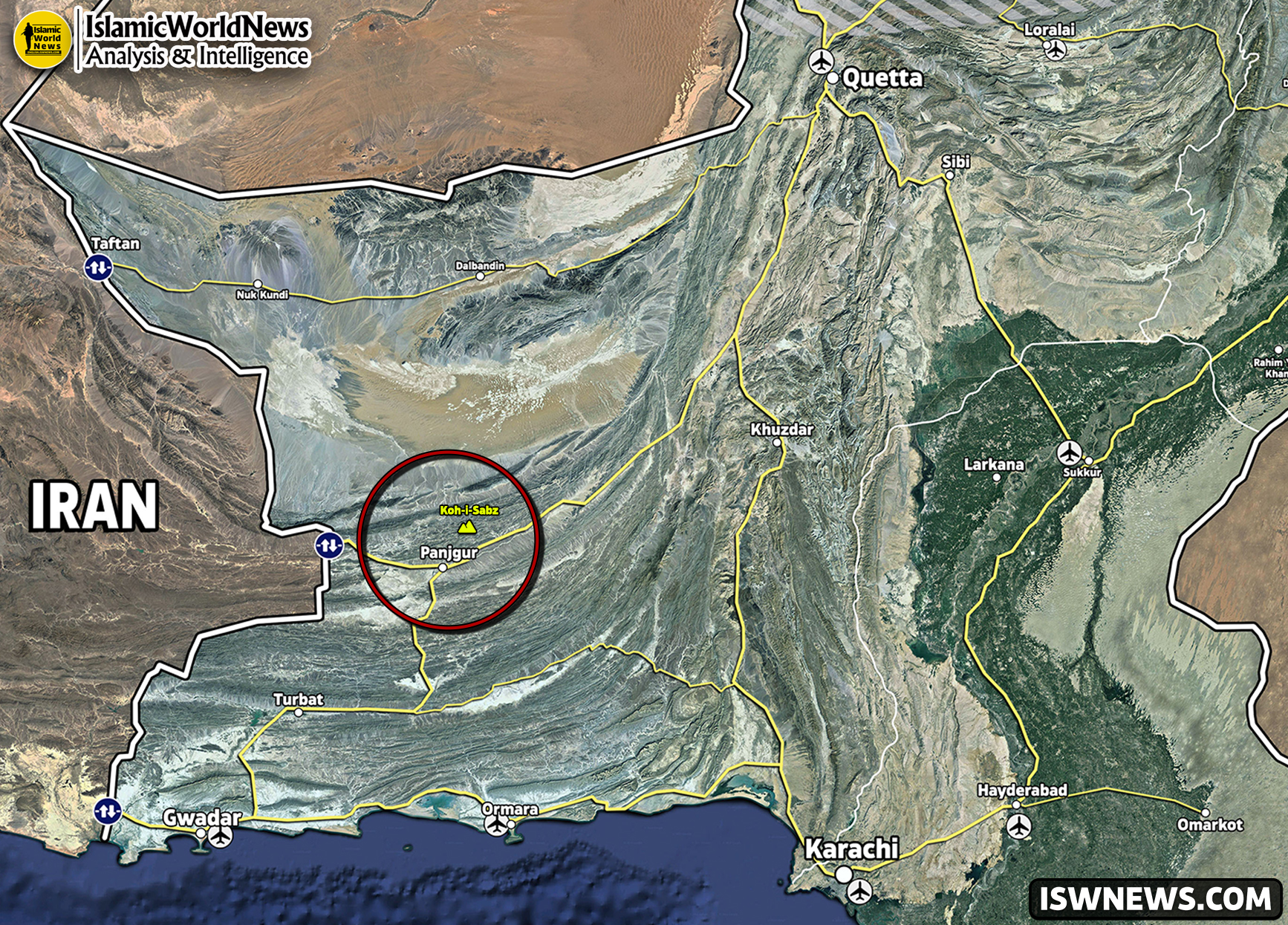
This military operation was agreed upon and designed following negotiations between Iran and Pakistan to address the border security challenges of previous years in May 2024, and it took place after the recent visit of Iran’s Foreign Minister Abbas Araghchi to the Pakistani capital Islamabad, where he met with political and military officials.
According to local sources, Pakistani fighter jets have bombed vast areas of the Koh-i-Sabz Mountain and the regions of Naker, Prom, and Gar. Additionally, Iranian armed forces have conducted extensive operations in the border areas using drone and rocket attacks.
These areas are known to be the gathering and deployment sites for members of terrorist groups known as Jaish-ul-Adl and separatist groups from Balochistan province in Pakistan. So far, official sources from both sides have not released further details about this operation.
Click to view full size
In a statement, Jaysh al-Adl admitted to elimination of 12 of its members, including “Molavi Hafez Ibrahim Sabkazai” alias Hafiz Hasan and “Faqir Mohammad Mohammad Zahi” alias Amir Omar, one of the senior officials of this terrorist group.
Jaish al-Adl also announced that four other members of this terrorist group were wounded.
Some sources have reported the death of Salahuddin Farooqi, the leader of Jaish al-Adl. This news cannot be confirmed at this time. The official sources of the Pakistani army and the Iranian armed forces have not made a statement regarding the operation against terrorist groups in Balochistan.
Salahuddin Farooqi
It is worth mentioning that the Quds Force of the Islamic Revolution Guards Corps (IRGC) and anti-terrorism units of the Iranian police recently conducted a security operation in Sistan and Baluchestan province located in the southeast Iran, resulting in the arrest of 14 terrorists and the killing of 8 of them. These individuals played significant roles in multiple attacks by the Takfiri terrorist group and separatists against police stations.
The terrorist group known as Jaish al-Adl and elements affiliated with US security organizations and the Israeli regime have engaged in extensive activities and numerous terrorist attacks in Sistan and Baluchestan province during the past year of conflict in Palestine, aligning with the Tel Aviv regime’s actions against Iran, which has led to insecurity and the martyrdom of dozens of police forces and civilians in Iran.
These actions prompted the governments of Iran and Pakistan to execute a military operation in the border areas of both countries under a security agreement, aiming to thwart Western plots to expand the activities of terrorist groups in southeastern Iran.
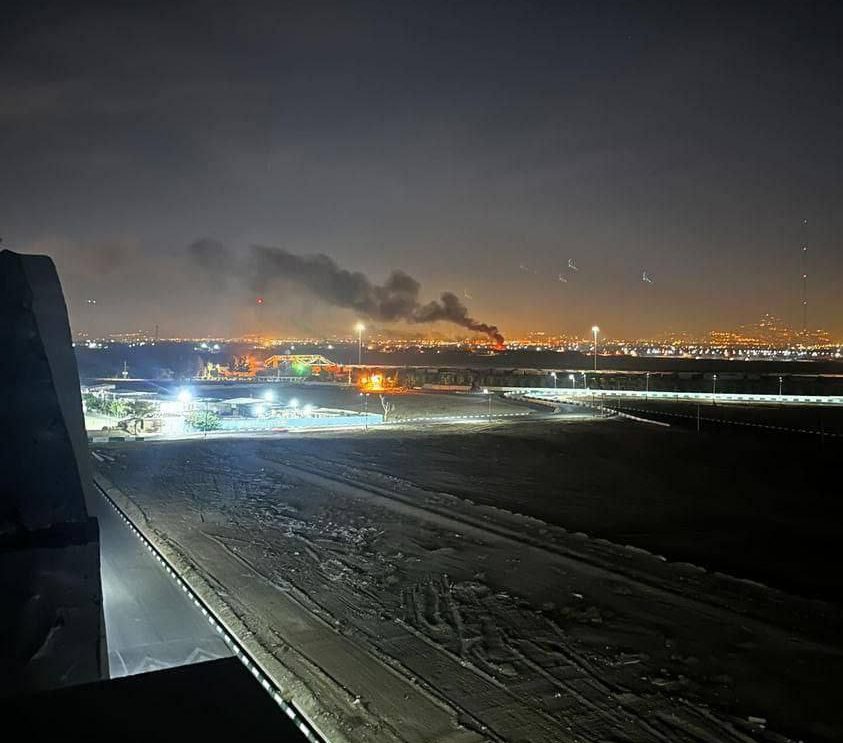
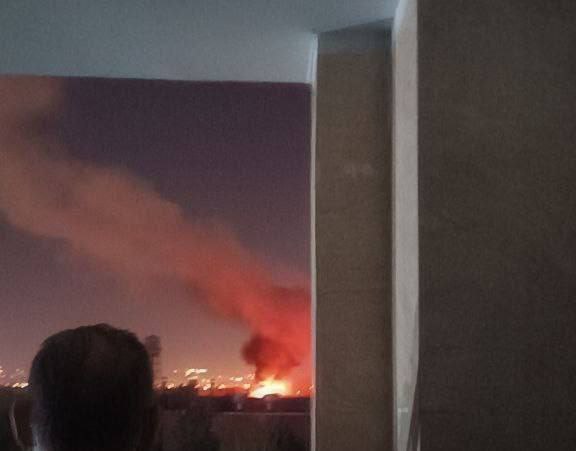
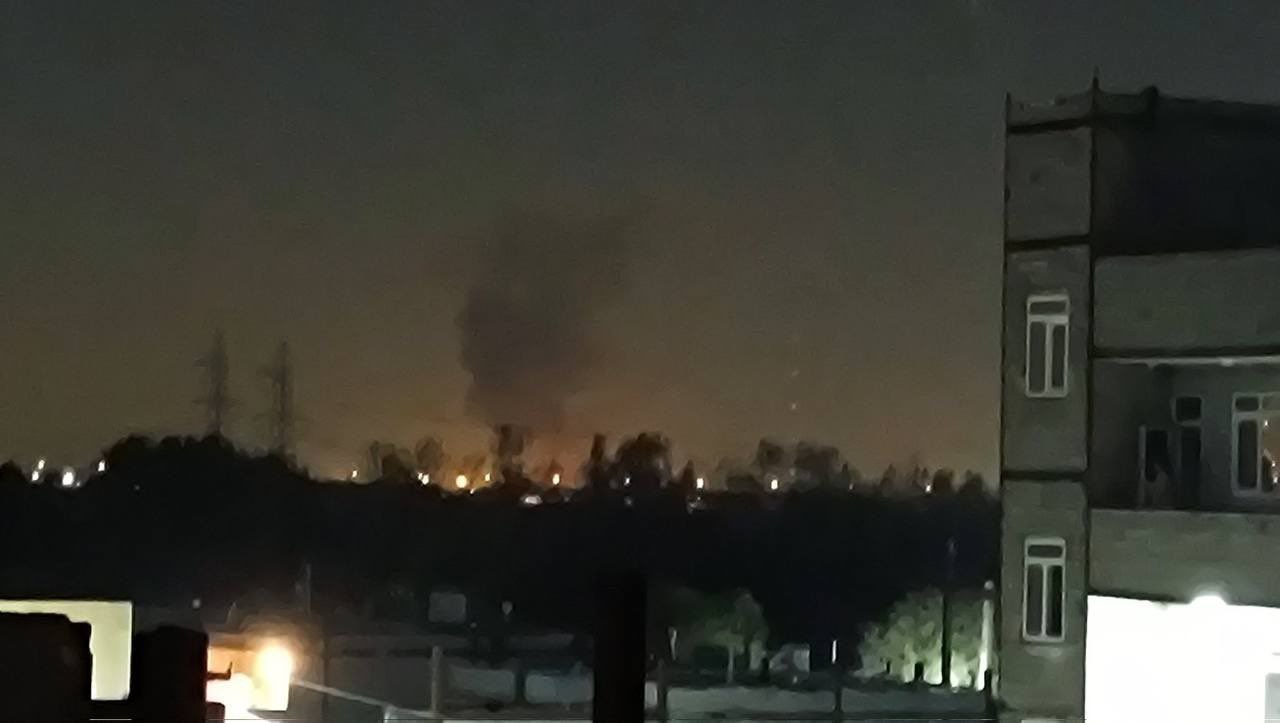
The Israeli army targeted the aforementioned areas in a hybrid attack early Saturday (October 26). Iran’s armed forces’ defense systems responded to these air strikes, and multiple reports of gunfire and explosions were heard around Tehran. Additionally, there were unverified reports of several explosions in the cities of Shiraz and Isfahan.
Spokesperson for the Israeli army Rear Admiral Daniel Hagari referred to this military operation as “Days of Repentance,” claiming that the Israeli army attacked military targets inside Iran in response to multiple strikes from the Islamic country in recent months, and that the Israeli attacks were in line with directives issued by political officials in Tel Aviv.
According to Israeli media reports, the regime’s army attacked 20 military targets related to air defense and ballistic missiles during this operation, using 100 fighter jets, including advanced F-35 jets. Channel 12 of Israeli TV claimed that these 20 military targets included arms and missile factories, drone launch facilities, and ballistic missile launch platforms. The Israeli newspaper Yedioth Ahronoth also quoted an Israeli official emphasizing that the air raid on Iran did not include nuclear or oil facilities.
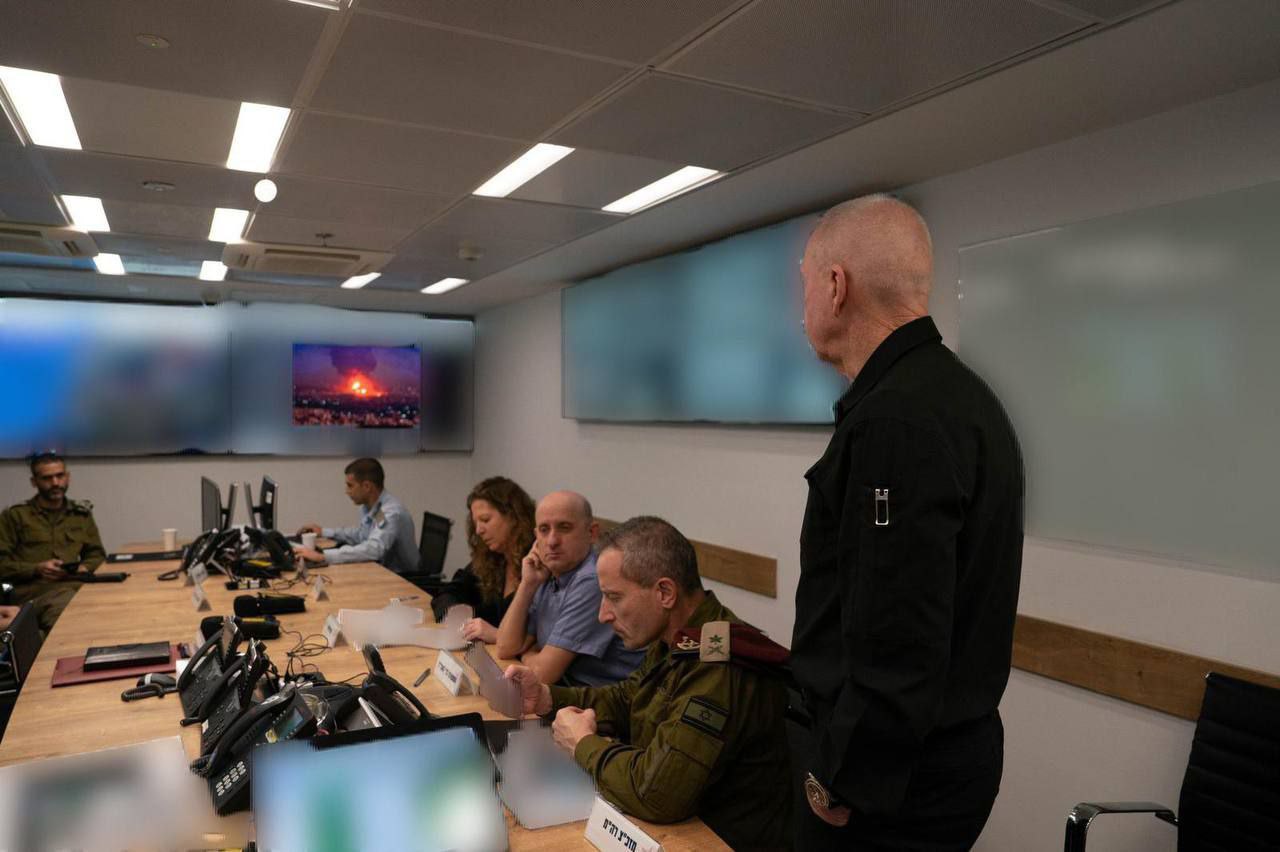
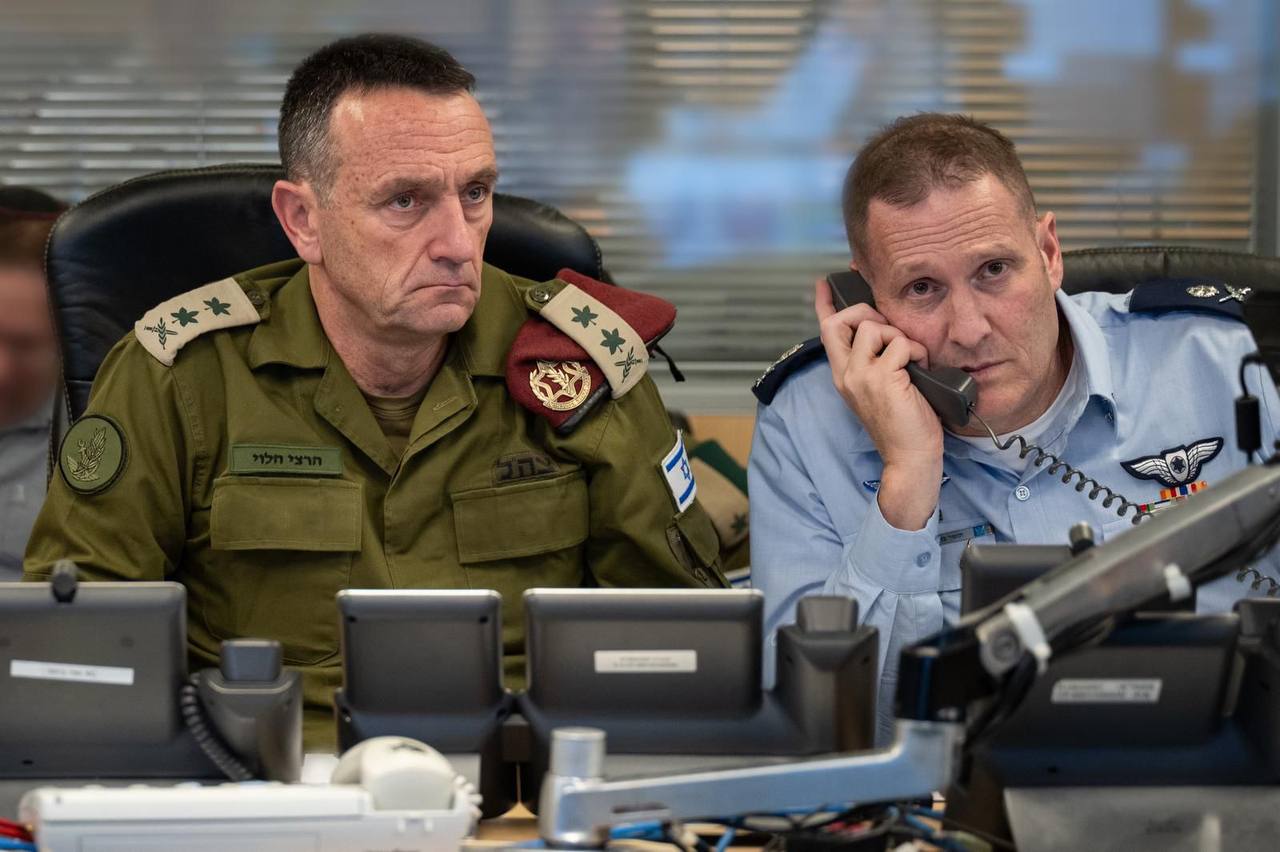
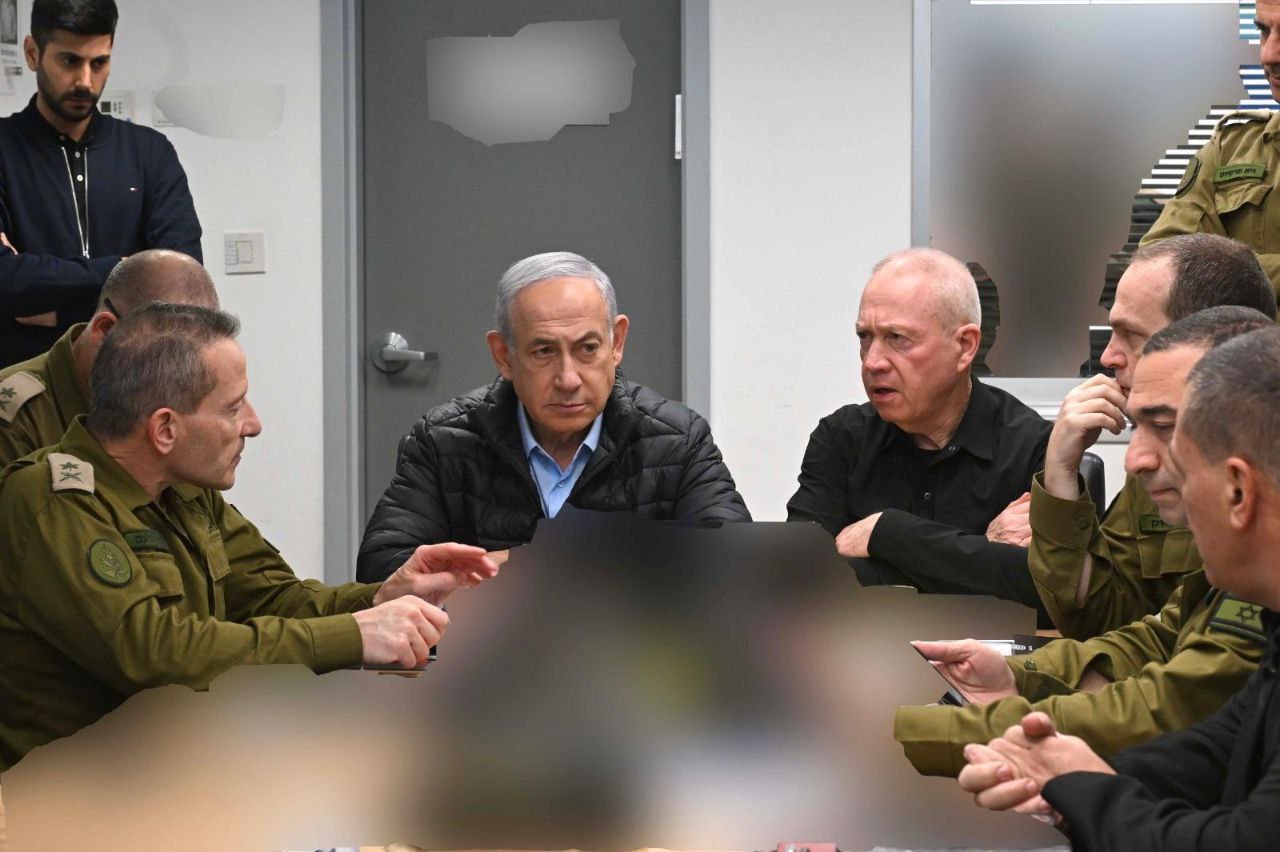
The moment of issuing the order to attack Iran; The presence of Benjamin Netanyahu, Yoav Gallant and other commanders of the Zionist regime in the operation room. In one of Gallant’s pictures, he looks at a fake image of a fire in Beirut!
American news website Axios also reported that the Israeli attack on Iran consisted of three waves, with the first wave targeting air defense sites and the second and third waves aimed at missile and drone production bases and facilities.
Yair Lapid, leader of the Israeli opposition and head of the centrist Yesh Atid party, criticized the level of the Israeli regime’s response against Iran, claiming: The decision not to attack strategic and economic targets in Iran was a mistake. We could and should have imposed a higher cost on Iran.
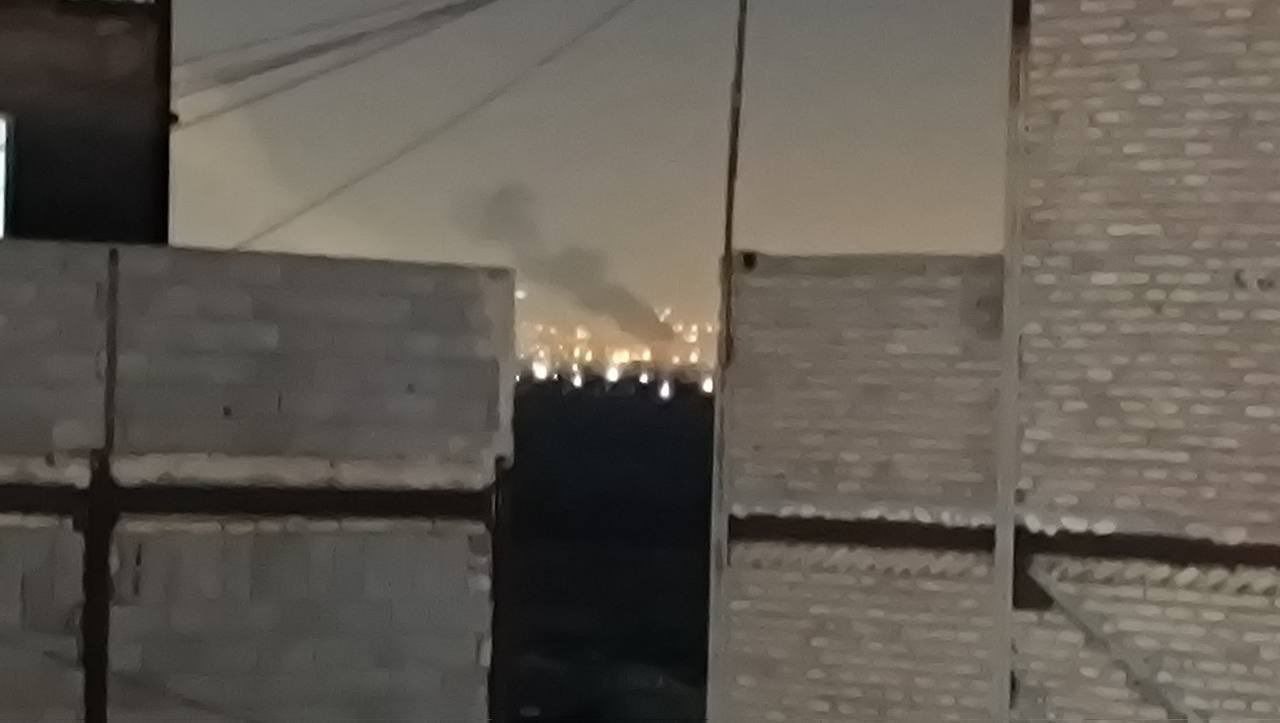
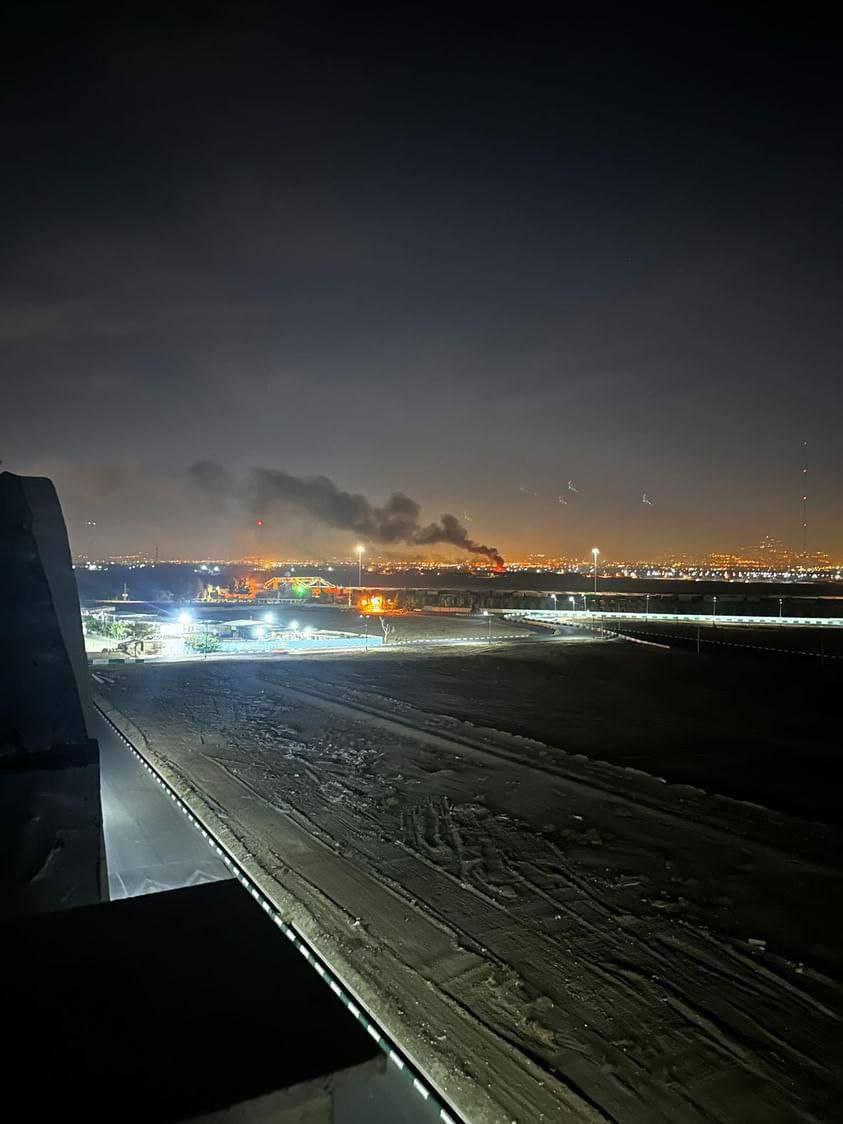
Images attributed to the explosions in the suburbs of Tehran
The Islamic Republic of Iran Air Defense Force confirmed the Israeli air strike, stating that the sounds heard around Tehran were related to the country’s air defense response to Israeli attempts to attack three locations around the capital city. In a supplementary statement, the IRIADF noted: Despite prior warnings from the officials of the Islamic Republic to the criminal and illegal Zionist regime to refrain from any adventurous actions, this illegitimate regime attacked military centers in Tehran, Khuzestan, and Ilam provinces in a provocative act. As a result of the successful interception by the use of integrated air defense system of the Islamic country, this aggressive action was countered; therefore, it caused limited damage to some locations. The extent of the damage is under investigation. In this regard, we invite the people to maintain solidarity and calm and request that they follow news stories related to these incidents through national media and not pay attention to rumors fabricated by enemy’s media outlets.
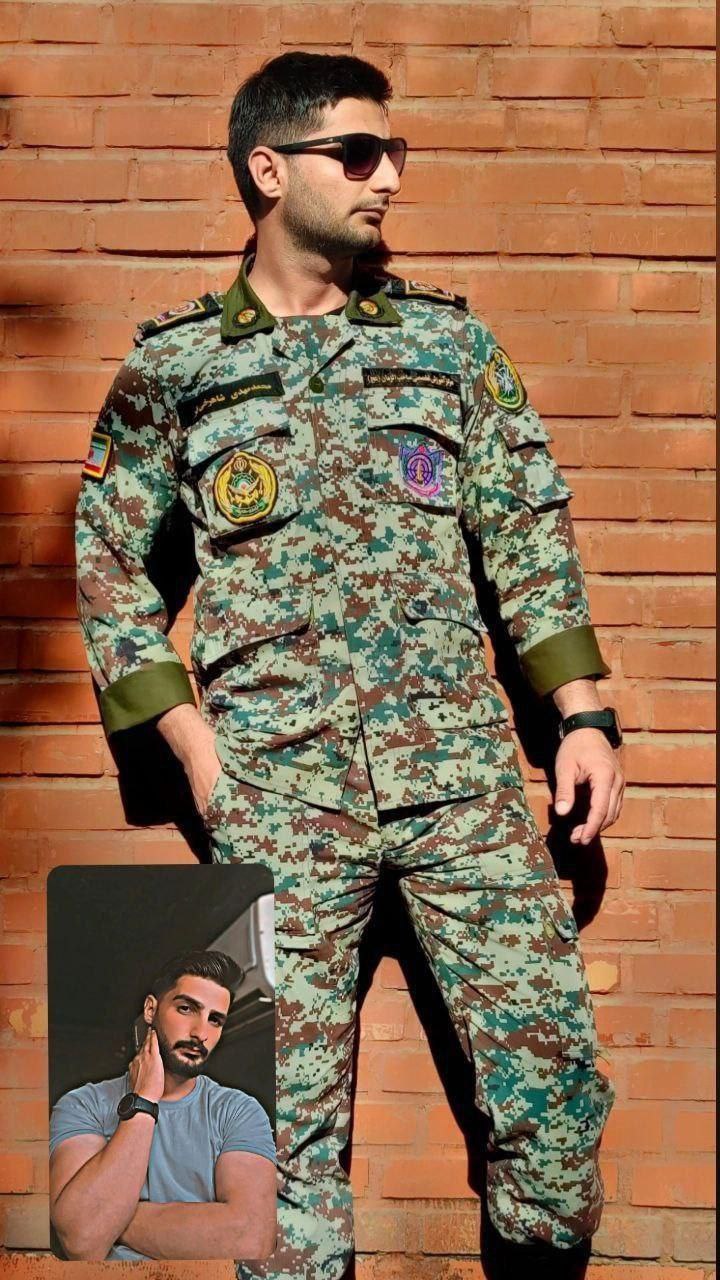
The Islamic Republic of Iran Army also announced the martyrdom of two of its forces in defense of Iran’s security and in the way of preventing harm to the nation and its interests while they were performing military service to counter the attacks of the criminal Zionist regime.
Major Hamzah Jahandideh, Mohammad Mahdi Shahrokhifar, Sajjad Mansoori and Mehdi Naqavi were martyred in the early morning attack of the Zionist regime today.
The news of the martyrdom of a civilian named “Allahvardi Rahimpour” was also announced. In this way, the number of martyrs of the Zionist regime’s attack on Iran increased to five.
Martyr Rahimpour
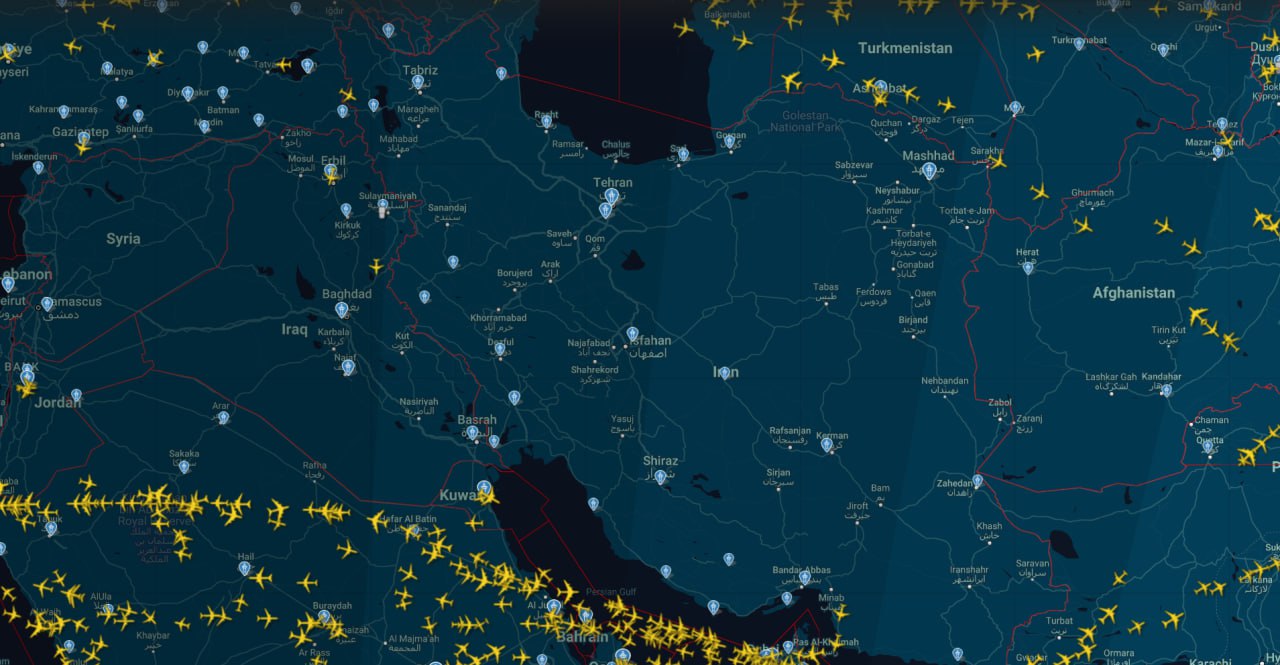
Following these attacks, the Israeli regime closed its airspace until 8:30 a.m. (local time). Spokesperson for Iran’s civil aviation organization Ja’far Yazerlou also announced the cancellation of flights on all routes over the country’s airspace until further notice.
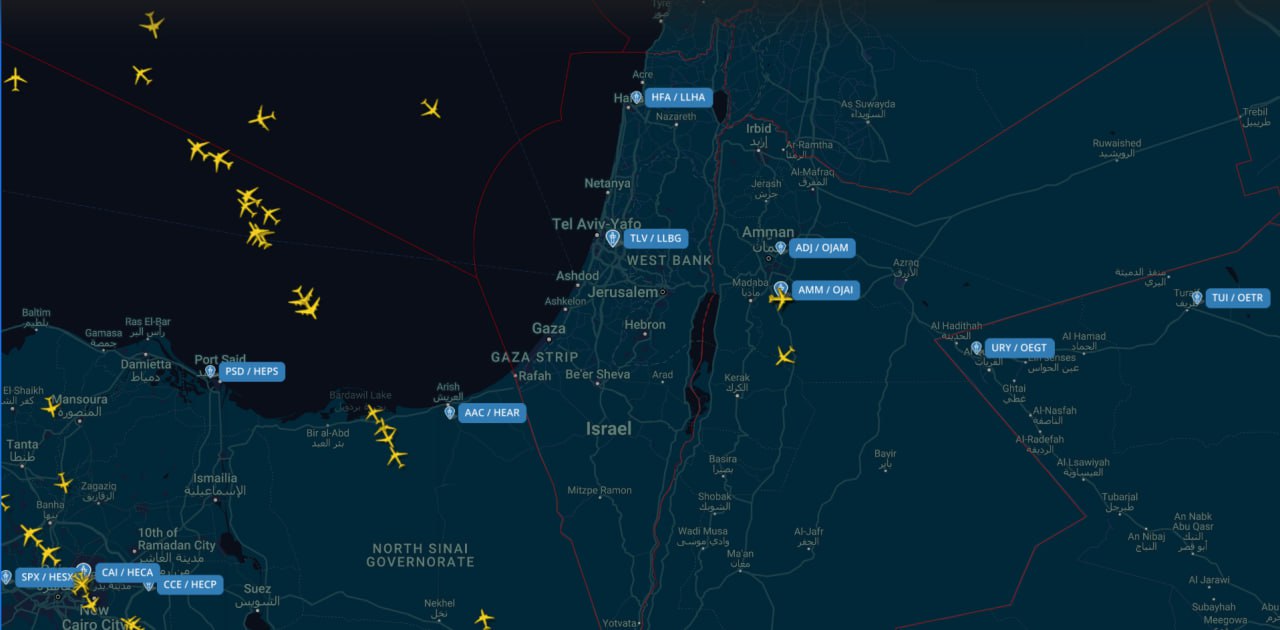
The skies of occupied Palestine and Iran
Countries including Saudi Arabia, Yemen, Iraq, Syria, Egypt, the UAE, Pakistan, Qatar, Oman, Turkey, Lebanon, as well as regional resistance movements such as Hamas and Islamic Jihad in Palestine, as well as prominent figures like Sayyid Ammar al-Hakim, head of the National Wisdom Movement in Iraq, and Sayyid Muqtada al-Sadr, leader of the Shiite National Movement, strongly condemned the Israeli army’s attack on Iran.
A video of the activity of anti-aircraft guns in TehranA video of the activity of 22 and 30 mm anti-aircraft guns in Tehran. Like the previous attack, Israel has sent several quadcopters to the skies of Tehran, relying on infiltrators, to make the air situation look tense.
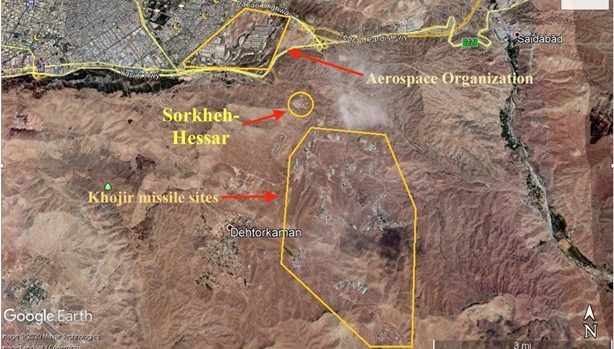
A video shows that one of the projectiles hit a site in the east of Tehran. Probably, this attack was carried out against the Khojir missile facility in the east of the city.
Khojir missile facility east of TehranVideo of one of the projectiles hitting a site in the east of Tehran (probably the Khojir missile facility in the east of Tehran)
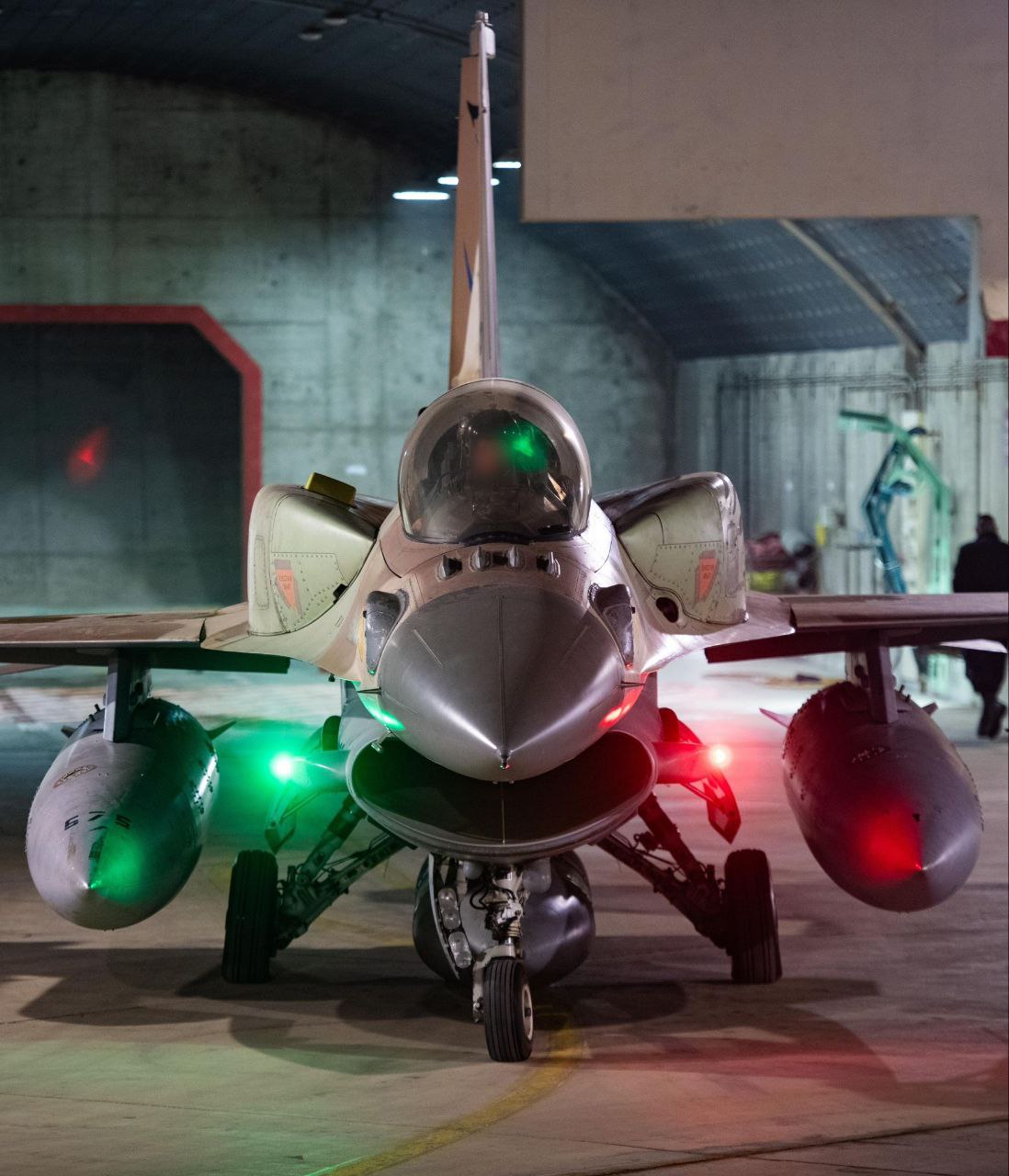
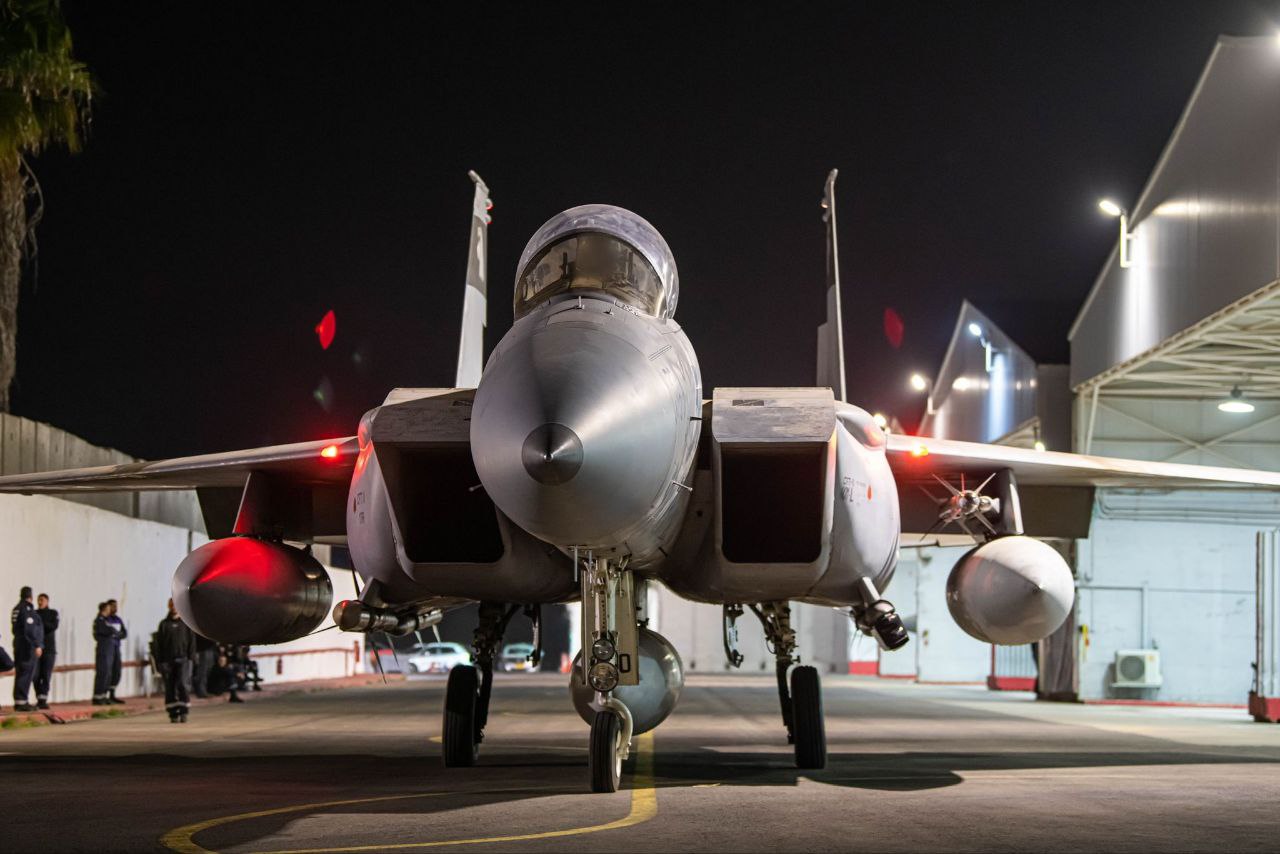
The Zionist army published pictures of the fighters participating in the operation to attack Iran. Based on the pictures below, Israeli Air Force F-15C/D Baz fighters (registration numbers 673 and 957) from Squadron-106 based at Tel Nof Air Base and F-16I Sufa fighters (registration number 494) from Squadron-119 based at Ramon Air Base have participated in this operation.
Based on these images, the F-16I fighter is equipped with two 370-gallon tanks under the wing and a 300-gallon tank under the fuselage, and two 450-gallon fuel tanks next to the AAQ-14 targeting pod. In addition to the 610-gallon fuel tank under the fuselage, two 500-gallon fuel tanks under the wing and two 710-gallon adaptive tanks, the F-15C/D fighter is equipped with Python-5 and Aim-7 Sparrow air-to-air missiles along with the Elta-8212 EW pod.
F-15C/D and F-16I fighter jets of the Israeli armyThe Zionist army published pictures of the fighter jets participating in the operation to attack Iran.
The possibility of US Air Force refueling assistance to Israel:
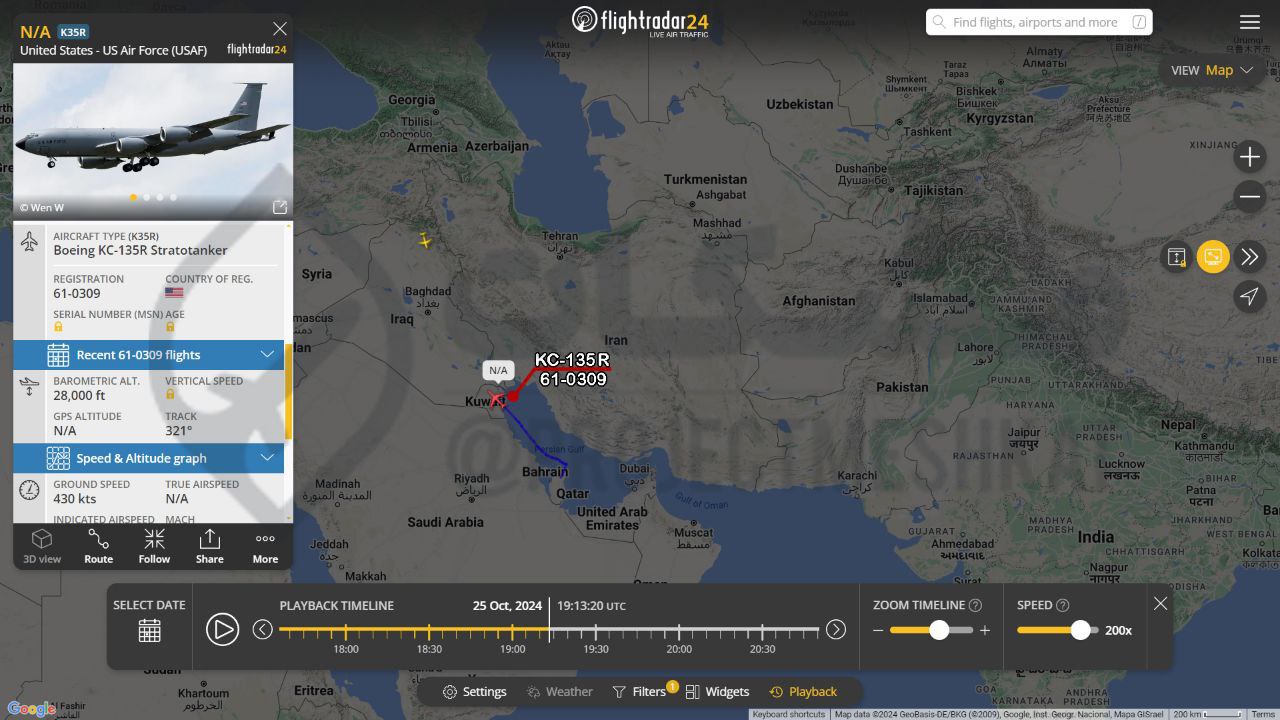
By examining the activity of the US Air Force refueling tankers in the region (including KC-135 and KC-46), we can see at least eight of the above-mentioned aircraft during Friday and Saturday morning, making numerous flights from the origin/destination of Al Udeid Air Base located in Qatar.
With a more detailed examination of the flights, it can be seen that at least three fuel tankers of the US Air Force were flying in the skies of the region, especially in the northern areas of the Persian Gulf, the skies of southern and central and northern Iraq, during the time period of the air attacks on Iran. The timeline of the above tankers is as follows:
KC-135T: This aircraft with the registration number 58-0061 took off from Al Udeid Air Base in Qatar at 23:00 on Friday night, and was flying over Iraq at 00:00 on Saturday morning, and after turning off the transponder, after six hours of flight at 6 am on Saturday after flying in the north of the Persian Gulf, it finally landed in Qatar at 7 am.
KC-135R: This bird with the registration number 57-1471 took off at 00:00 Saturday morning from Al Udeid Air Base in Qatar, it was flying over Iraq at 1:00 on Saturday and after turning off the transponder, after a six-hour flight at 6:00 a.m. on Saturday after flying in the northern Persian Gulf, it finally landed in Qatar at 7:00 a.m.
KC-135R: This bird with the registration number 61-0309 took off from Al Udeid air base in Qatar at 21:30 on Friday, it was flying over Iraq at 22:00 on Friday, and after turning off the transponder, after about five hours of flight, at 3:48 a.m. on Saturday after flying over the northern Persian Gulf, finally landing in Qatar at 4:30 a.m. on Saturday.
The flight time of the above three fuel tankers shows that all three tankers were flying over Iraq with their transponders turned off at the time of the air attacks on Iran. Based on this, it can be assumed that the above-mentioned birds were refueling Israeli Air Force fighters or other fighters that were flying in this area.
Also, the US Air Force F-16CJ/DJ fighters may participated in this operation and suppressed Iranian air defenses in the western areas of the country. According to the news published during the operation, an air defense site in Mahshahr was attacked, which could be related to US Air forces assistance to Israel.
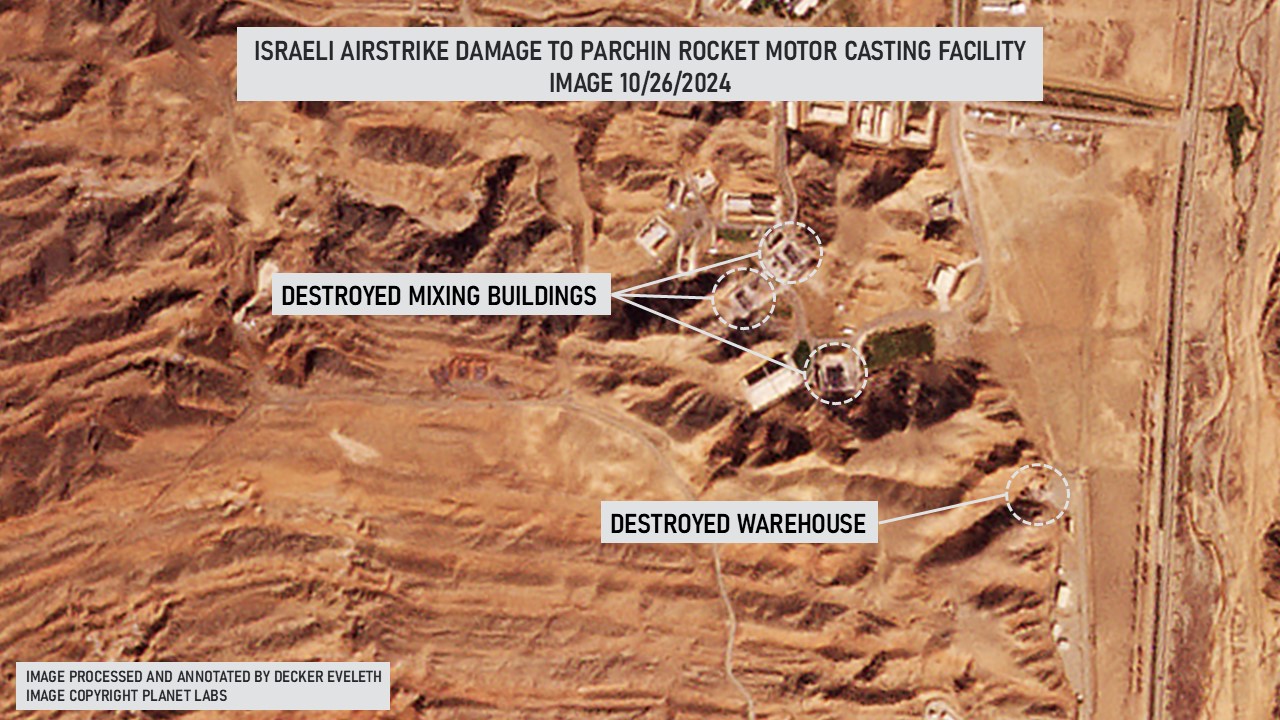
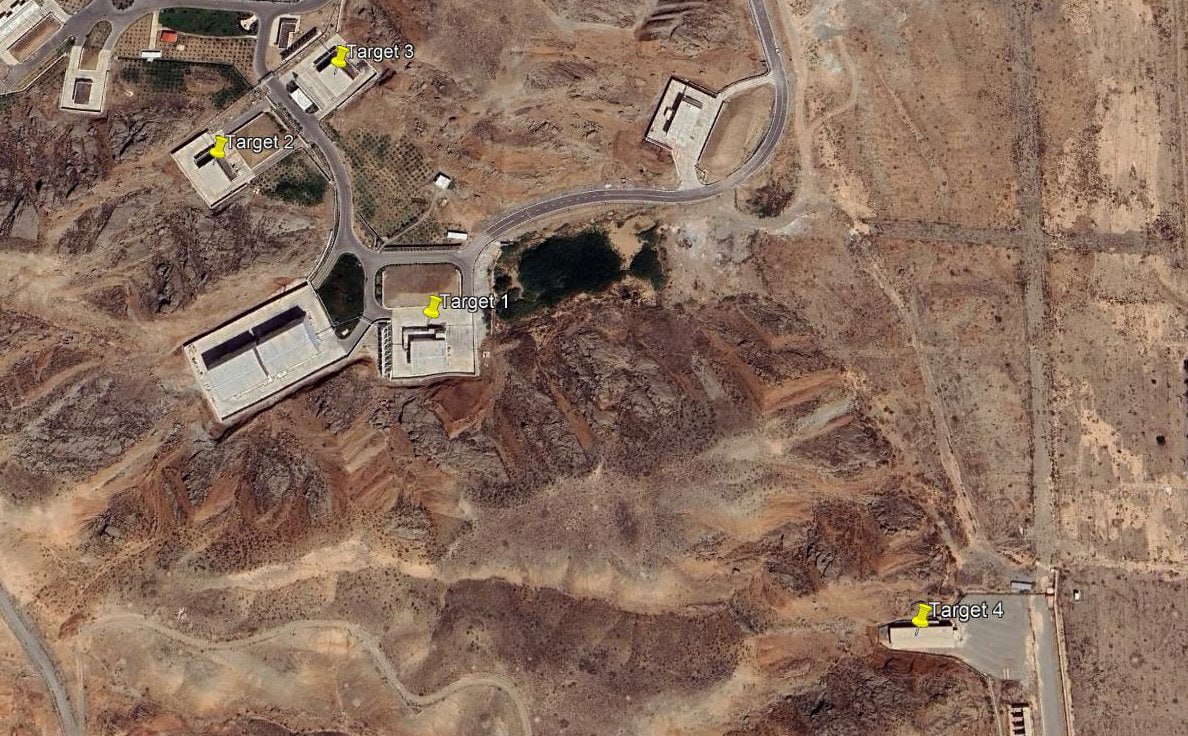
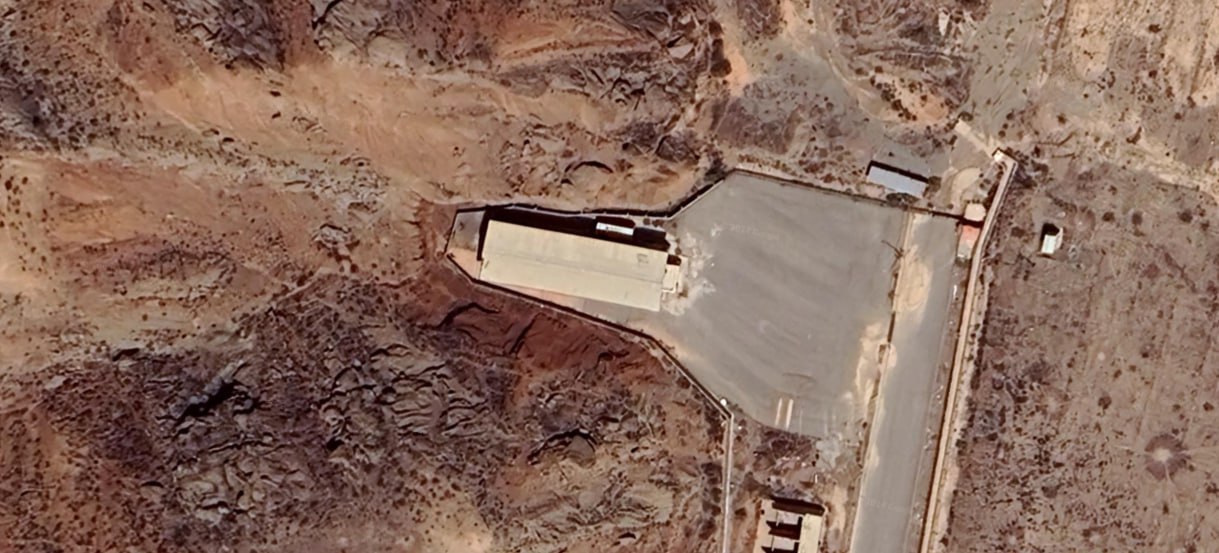
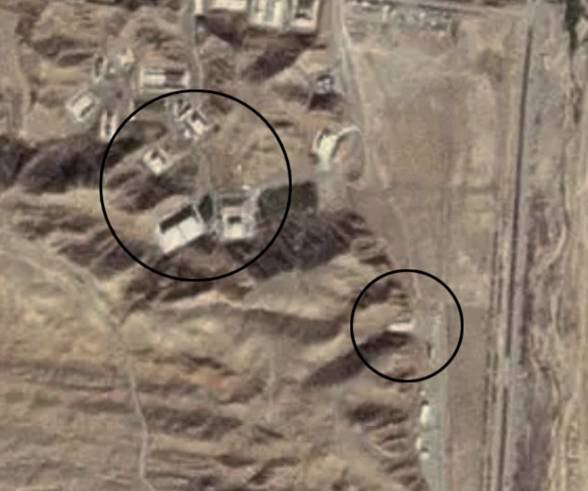
The new satellite images from the Parchin military facility in the east of Tehran show that at least four silos were hit. As it is clear in the images, four silos have been targeted with accuracy. Obviously, these silos were hit with a light warhead of about 100 to 200 kilos. This amount is enough to destroy a silos.
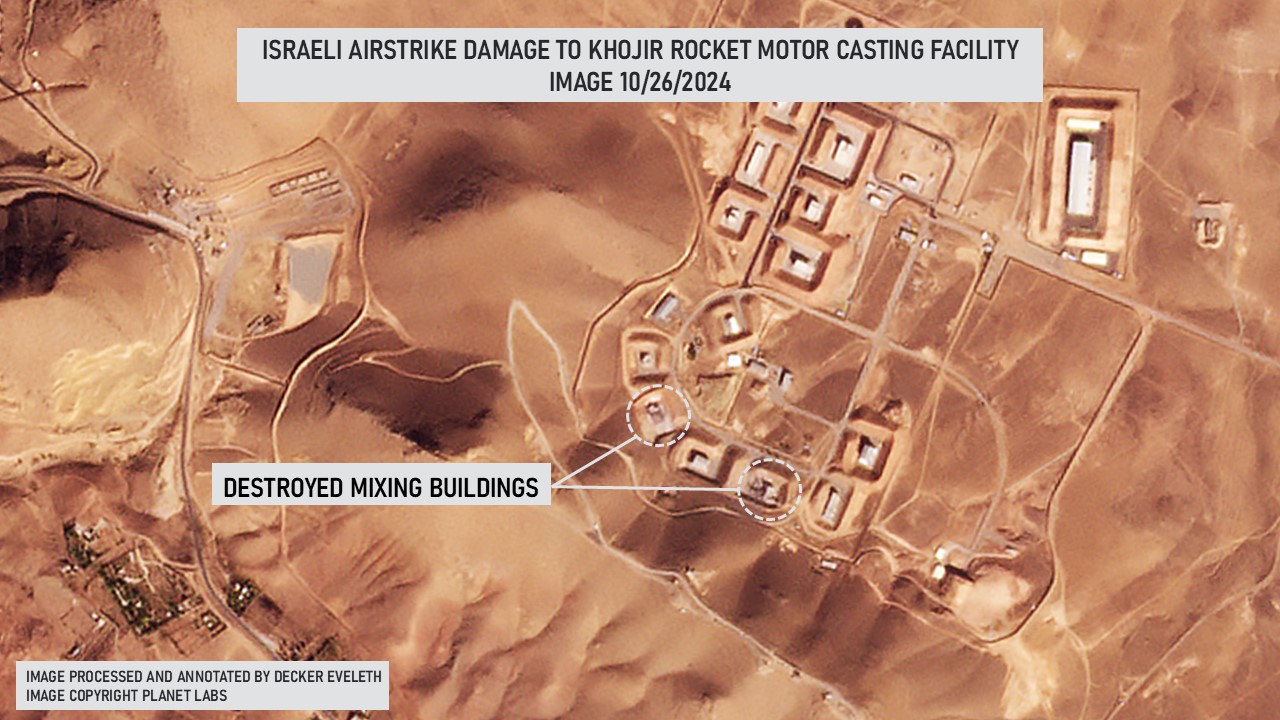
The Israelis claim that one of the key targets in last night’s attack was 12 “planetary mixers”, which are an important part of Iran’s ballistic missile program. Planetary mixers are used to produce solid fuel for long-range ballistic missiles, and their destruction would harm Iran’s ability to renew its missile stockpile.
The Zionists claim that mixers are very complex equipment and that Iran alone is not able to produce it and must buy it from China, and it takes at least a year to rebuild the mixers. Of course, it is nonsense, Iran has made the necessary preparations for such events in advance and is not dependent on this number of mixers!
Coordinates of Parchin: 35.5707, 51.7757
Satellite images show two hits in the Khojir missile facility in the east of Tehran. The quality of these two hits is exactly like Parchin’s hits and is not that strong, which indicates a light but accurate projectile.
An important point that can be obtained from the satellite images is that none of the hits led to widespread fires or destruction. There is also a possibility that the silos were empty at the time of the attack. Also, the claim of the Zionists about the mixer and so on is wrong.
Coordinates of Khojir missile facility: 35.6973, 51.6303
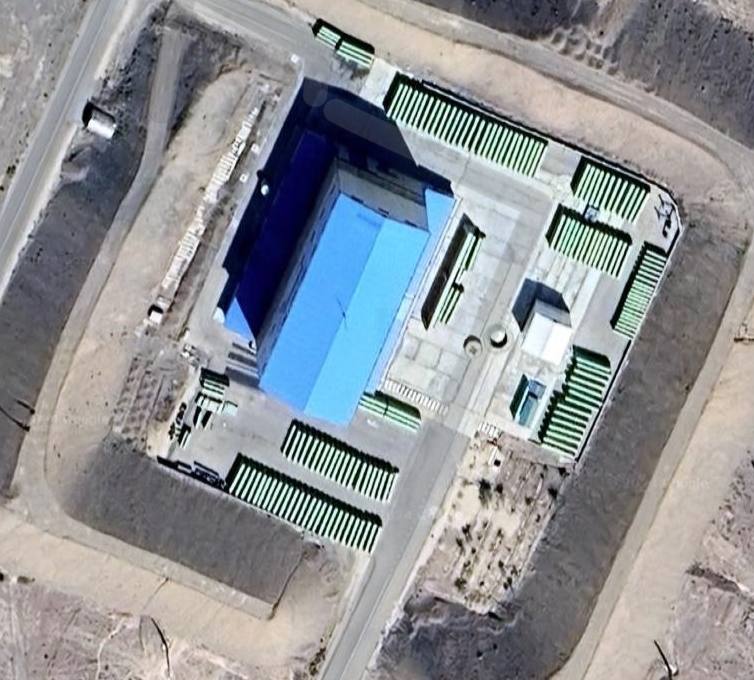
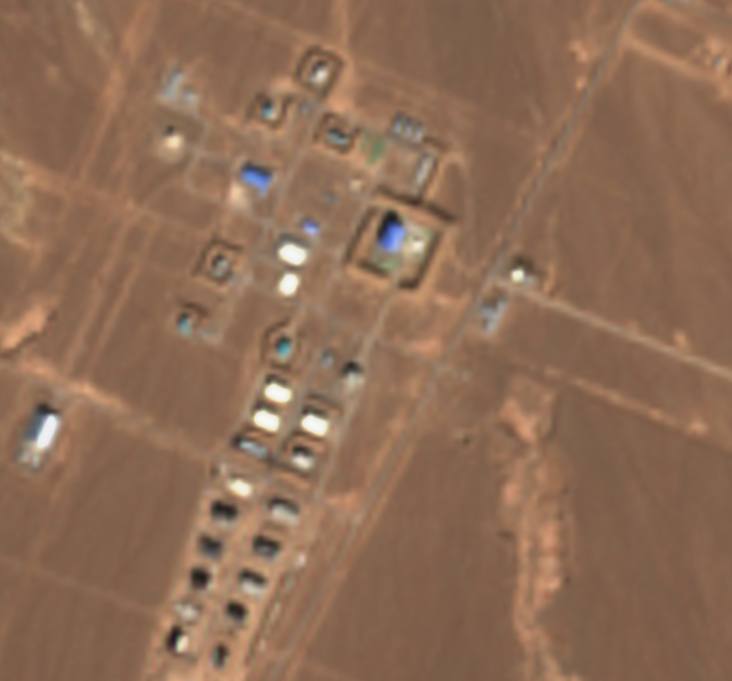
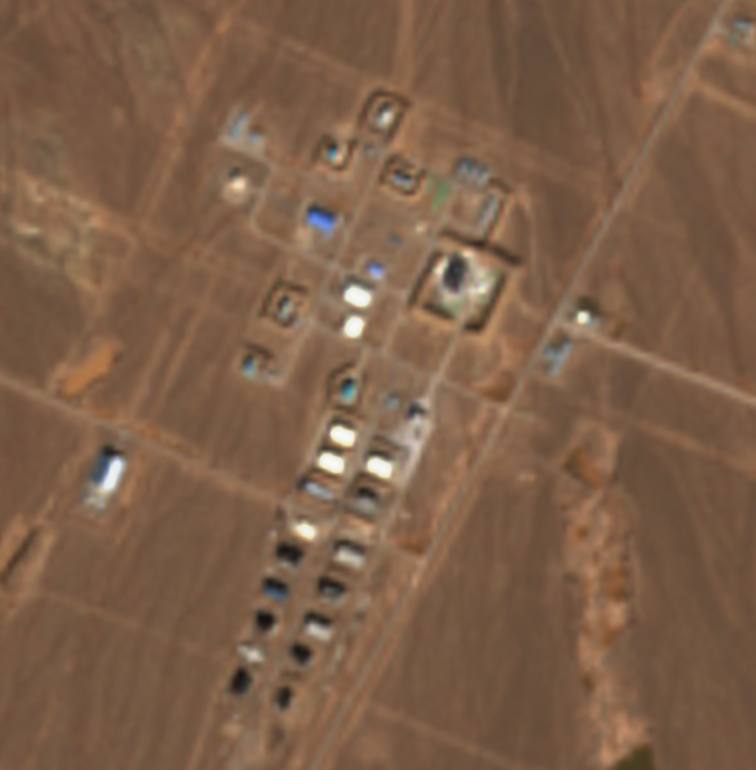
Analysis of satellite images shows that two halls in the important site of Shahroud have been targeted. One hall on the north side and another hall in the center of Shahroud complex. The second hall is one of the oldest in Shahroud site and is used to prepare solid fuel for ballistic missiles and SLVs.
The hall that was targeted in Shahroud military site – Coordinates: 36.2342, 55.2823The destroyed building north of Shahroud site
According to the available information, at 04:16 am on Saturday, several hostile projectiles were intercepted over the Chahe Jam area of Shahroud, and two projectiles hit the halls after passing through the air defense layers.
Here, like in Parchin and Khojir, we don’t see big explosions and fires. In fact, a week before the attack, an order had been issued to evacuate important equipment.
The Shahroud Military Complex includes the Shahroud Space Center and the missile test site and is considered a key center for Iran’s space program, especially the development of solid fuel rocket boosters.
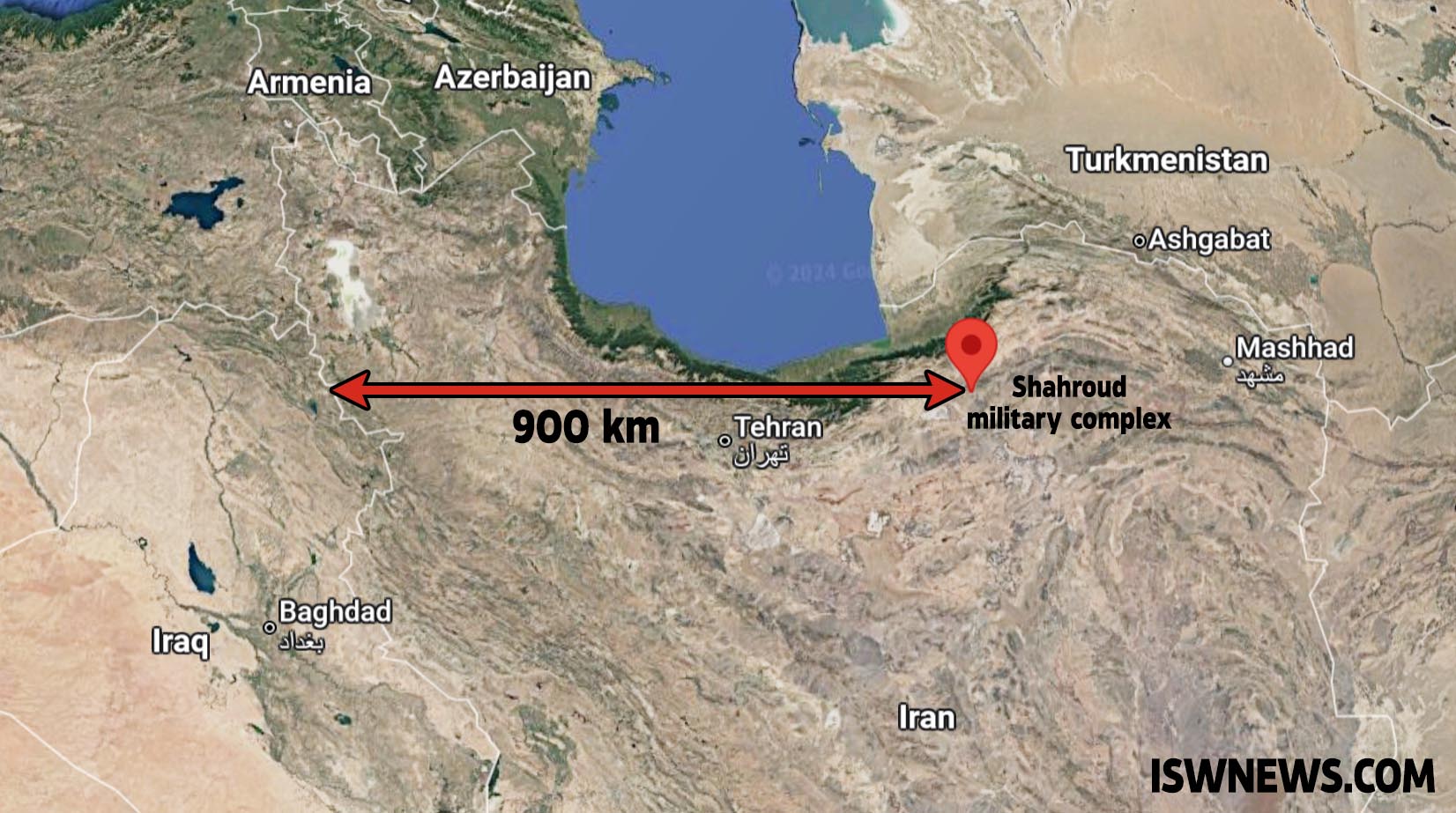
The distance between the Shahroud site and the western border of Iran is about 900 km. Some believe that Israel may have used an unknown drone to target Iran’s facilities, which, of course, considering the distance and time required for the return of the drone, seems unlikely, unless the drone used the Caspian Sea airspace to launch missiles. But another suspicion is that Israel has used the Blue Sparrow missile (Golden Horizon), which was mentioned in the leaked Washington documents and has a range of about 2000 km, with a light warhead.
Shahroud Military Complex
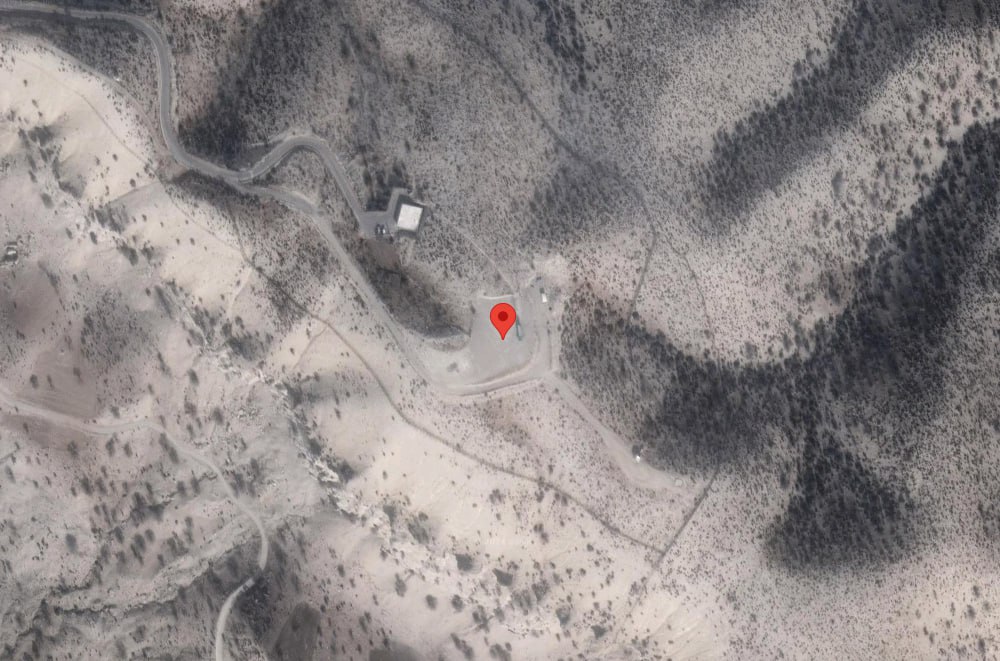
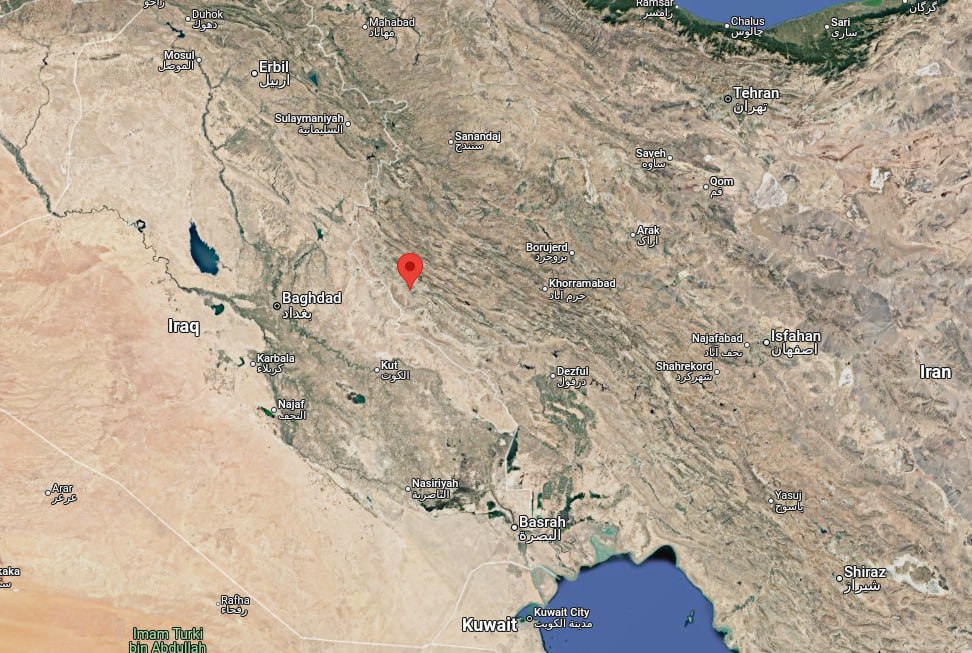
Satellite images revealed that a Ghadir early-warning radar was targeted in the Ilam province. This radar station is located 12 kilometers southwest of Ilam city.
Ghadir or Qadir early-warning radar with a range of 1100 km and capable of tracking targets to a height of 300 km. The radar has the ability to detect air targets, stealth aircraft, cruise and ballistic missiles, and low-orbit (LEO) satellites.
Ghadir early-warning radar 12 kilometers southwest of Ilam city
The strategic position of this radar and its long range is a vital capability and is considered an important piece of the puzzle of the country’s integrated defense system.
Iran has a large number of these radars in different parts of the country and it is easy to replace them; However, the plan of this round of attacks by the Israeli regime and its accomplice, the US, to blind this point and create a hole in the mentioned air defense layer, is of great importance and must be carefully examined.
Ghadir early-warning radar 12 kilometers southwest of Ilam city
Another satellite images have been published which show that Ghadir early-warning radar 15 km north of Ahvaz was also targeted.
Ghadir early-warning radar near Ahwaz
Given the visual evidences from the Israeli airstrikes against Iran, it can be said that this operation was limited and the Islamic Republic’s air defense forces have demonstrated successful performance in the face of the Saturday attacks.
However, the act of inflicting casualties on Iranian forces is an unforgivable and intolerable sin, increasing the necessity for a response to the Israeli regime’s aggression against Iranian territory. Iranian political and military officials had warned the leaders of the Israeli regime during previous military strikes, namely Operation True Promise 1 and Operation True Promise 2 that any reaction to Iran’s legitimate response would lead to renewed and harsher repercussions for the regime.
In recent weeks, there have been many speculations about the possible attack of the Israeli regime on Iran. Many believe that Israel will fire missiles at Iran from the sky of Iraq like last time. But another possibility that is not addressed is the use of tanker aircraft and the sky of international waters and attacking from the south.
Although this model of attack may not seem reasonable considering Iran’s long-range radar capabilities and will probably destroy the “element of surprise” intended by Israel; However, it is by no means out of the question.
Iran has explicitly stated that any country that provides its skies to attack Iran will be Iran’s next target. Iraq, whose situation is clear, and Saudi Arabia do not have any desire to have a conflict with Iran at the moment. So maybe Israel is looking for another way to attack.
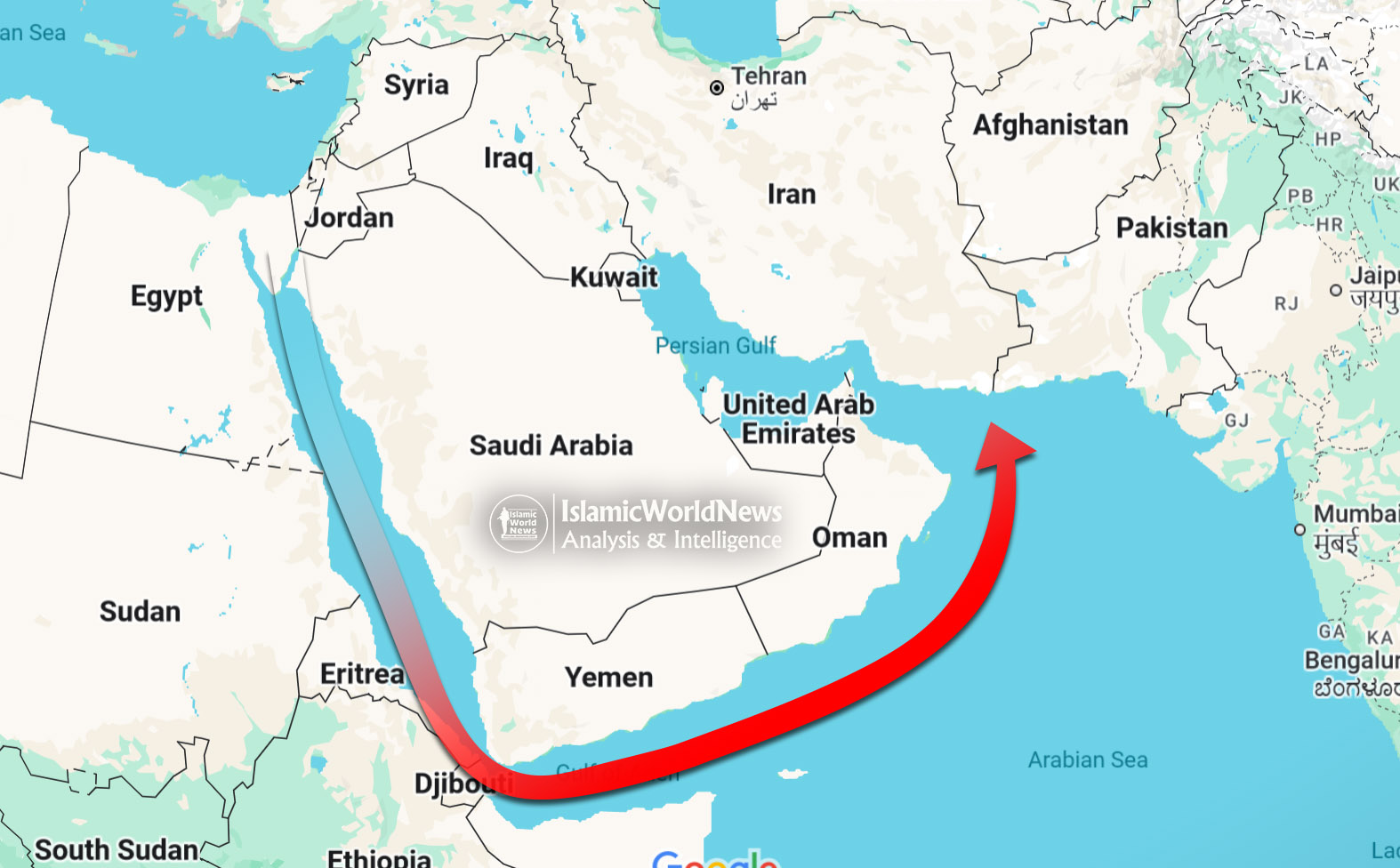
For years, Israelis have been practicing simulating attacks on distant targets with the Americans. In recent months, they have attacked Yemen’s Hudaydah twice in the same manner.
If Israel plans to use this strategy for the airstrikes, it’s important to note that the regime’s fighter jets, with aerial refueling support, may fly over the Red Sea, bypassing Yemen, and then launch missiles from the northern Arabian Sea.
It is important to mention that in recent weeks, several American refueling planes have entered the West Asian region in addition to what was already in the region. This could indicate preparations for a potential attack in the way that we mentioned.