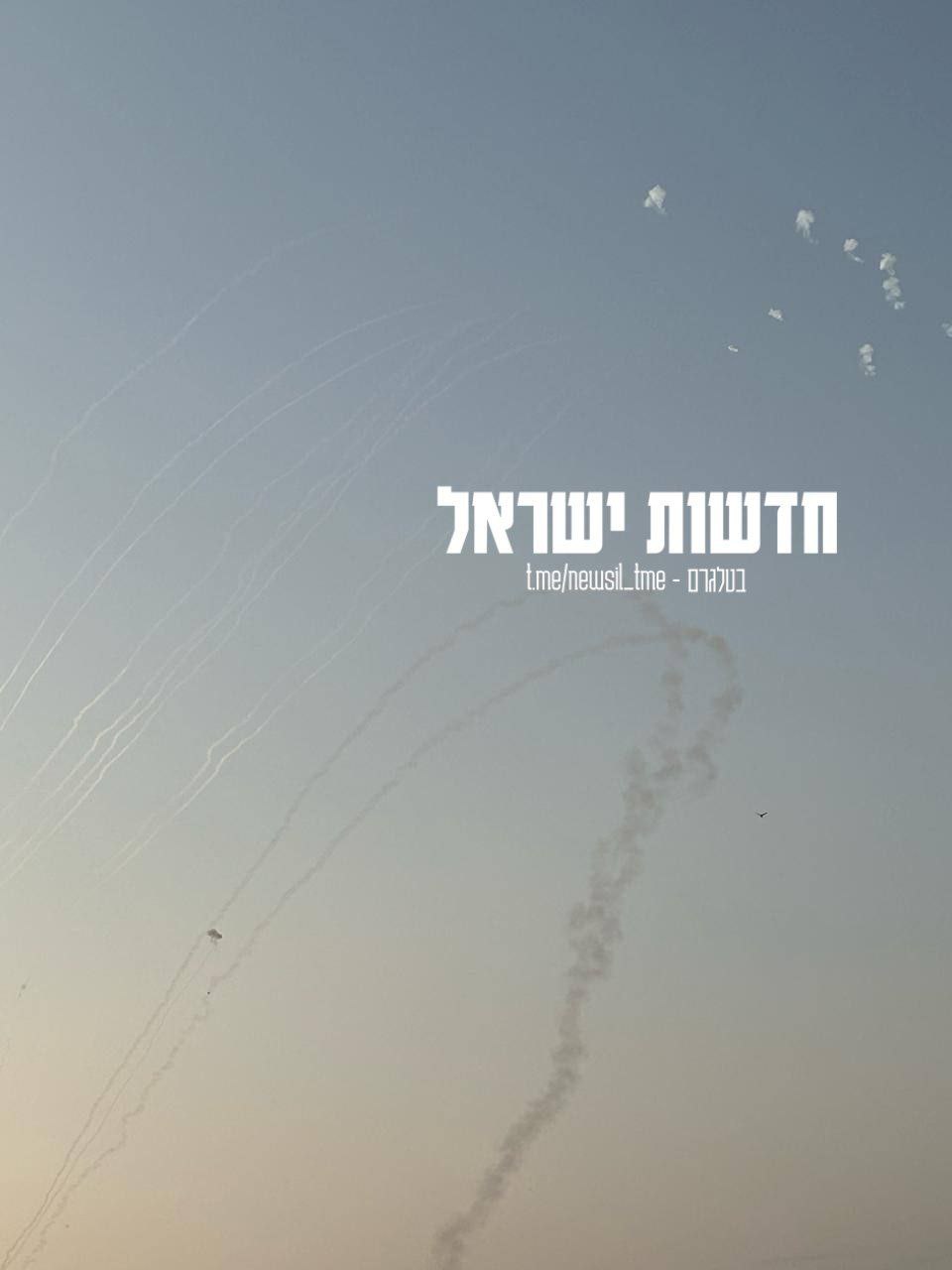
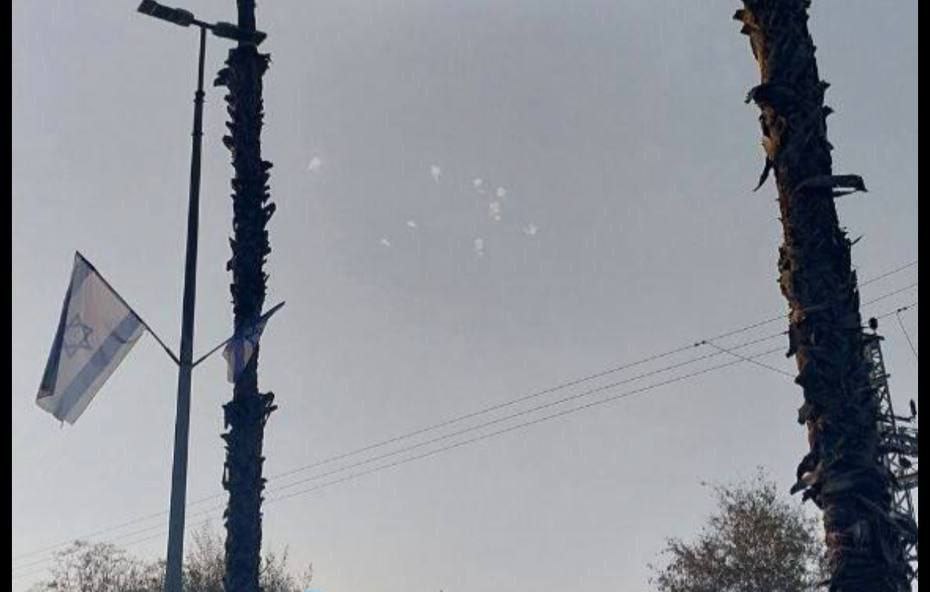
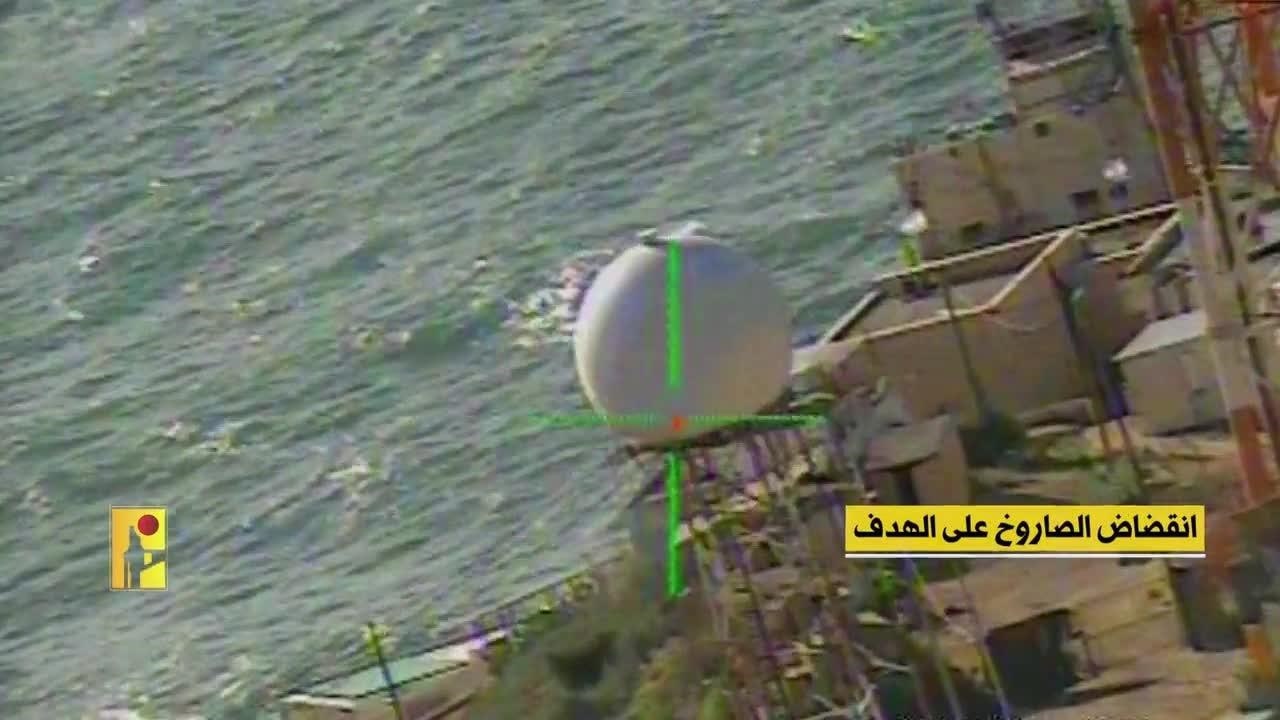
The air defense systems of the Israeli army have countered some of these rockets, but most of the rockets have hit the occupied territories. There are no details on the amount of damages and casualties caused by this attack.
This attack, which is the heaviest rocket attack by Hezbollah on the positions of the Israeli army since the beginning of the conflict, was carried out in response to the Israeli airstrikes on the city of Baalbek and the martyrdom of a Lebanese civilian.
According to preliminary statistics, one Lebanese was martyred and several others were wounded during these attacks.
This attack is the second Israeli airstrike on Baalbek and the third airstrike deep in Lebanon. The Israeli army has started to escalate the conflict with Hezbollah by repeating the attack deep into Lebanon.
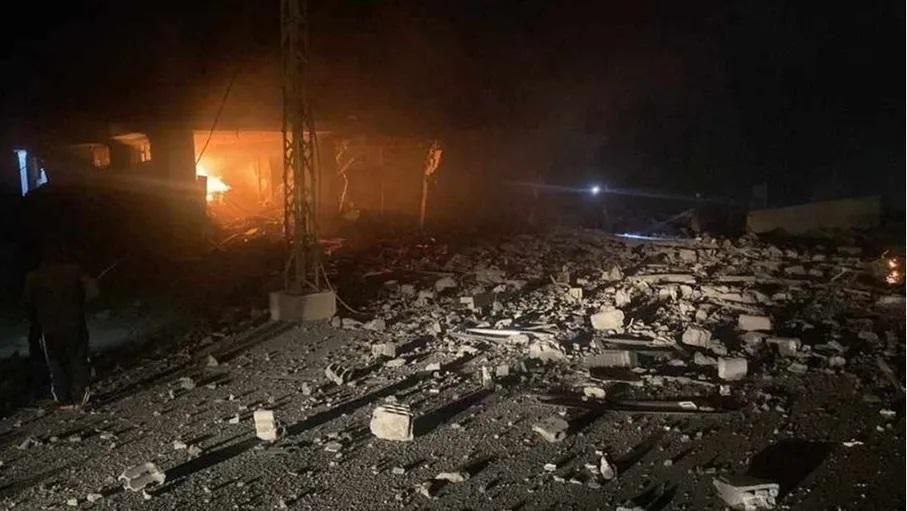
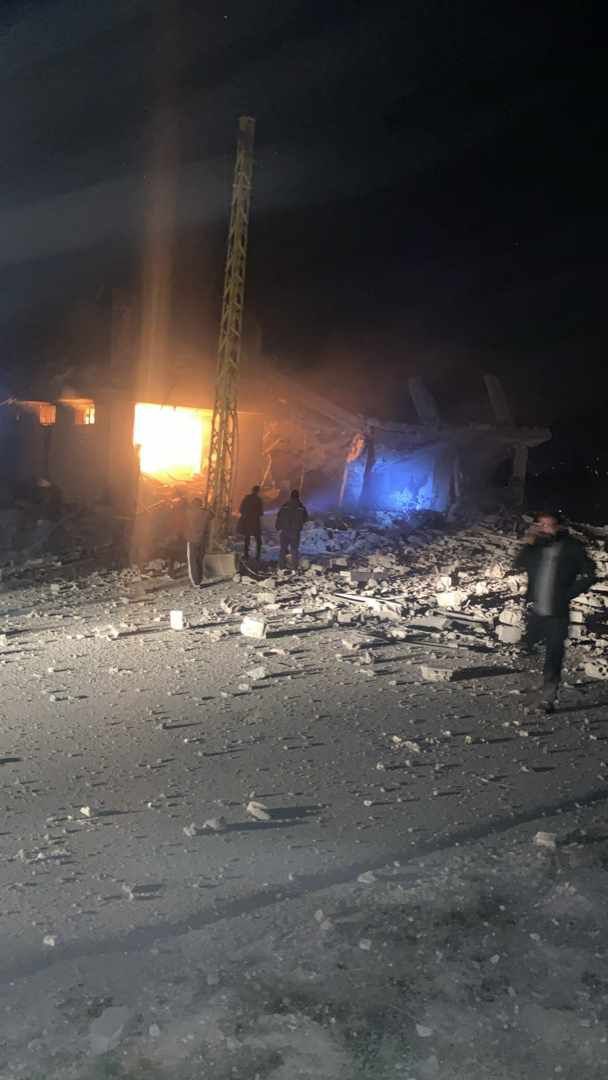
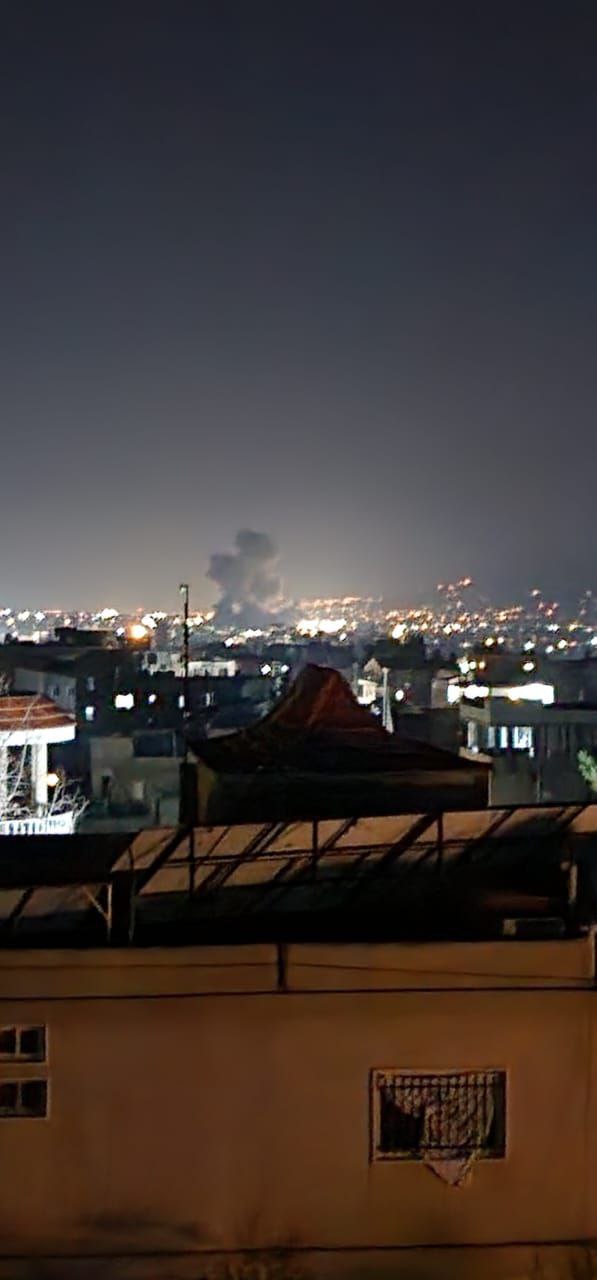
Pictures of the location of the Israeli attack in Ansar town in Baalbek, as well as a picture of Mustafa Gharib, a Lebanese citizen who was martyred during this attack.
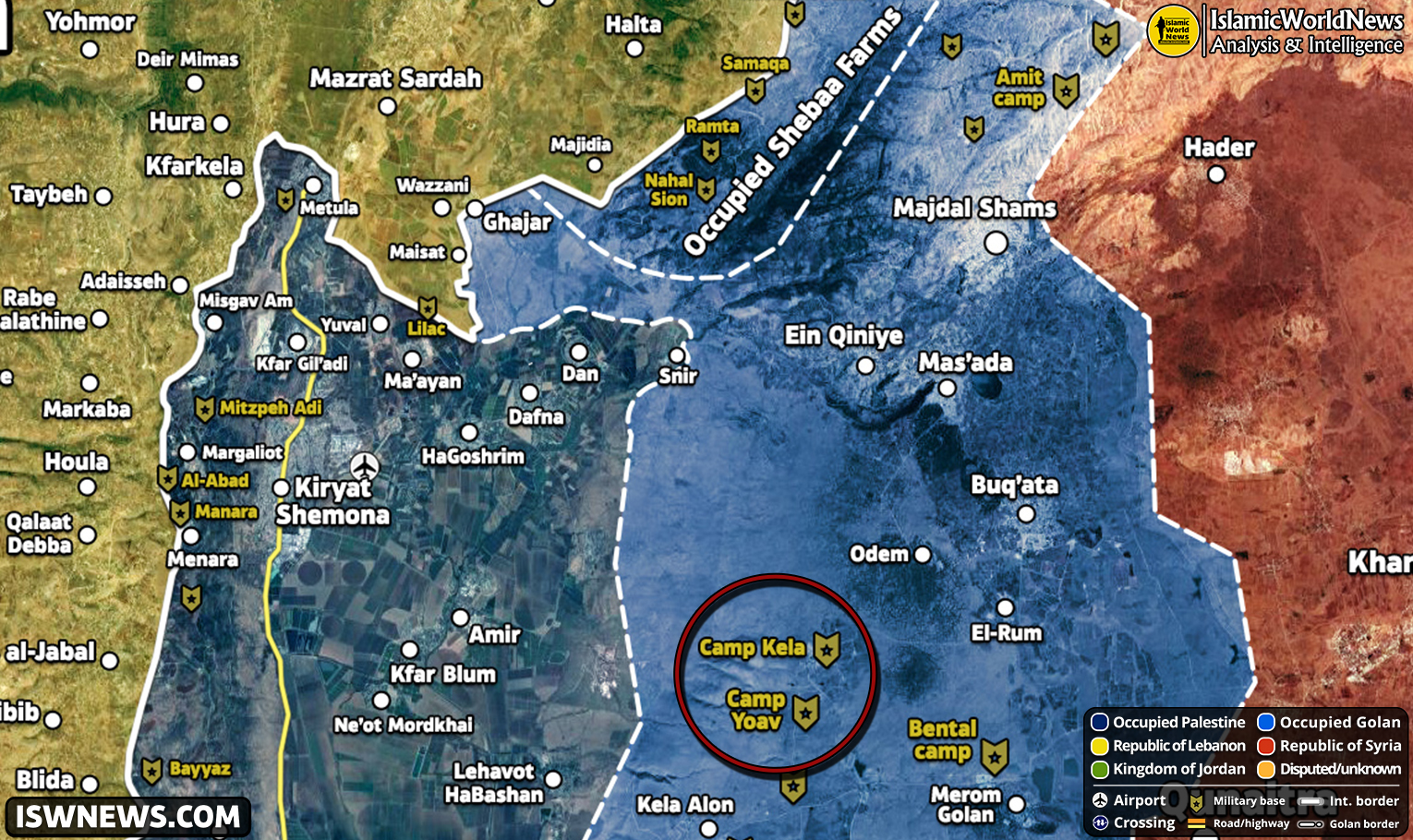
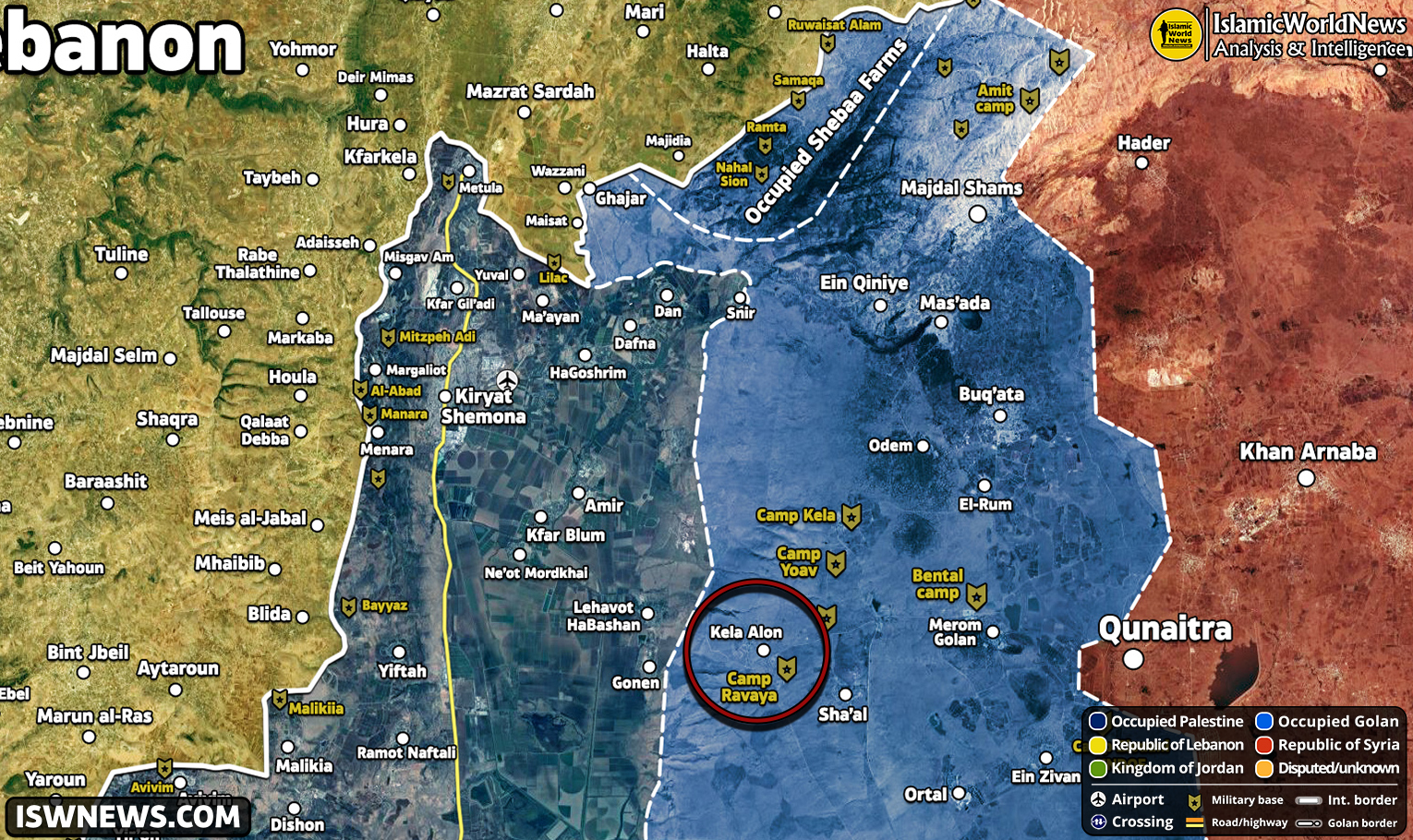
This morning (March 11) Hezbollah fighters carried out a precise drone attack on the air defense and missile positions of the Israeli regime’s army at the Kela Alon base in the occupied Golan Heights using four suicide drones.
Hezbollah targeted this Israeli military base with rockets twice in the past month. This attack marks the 3rd drone attack by Hezbollah on the Kela base and the 19th attack by Hezbollah on Israeli army positions using suicide drones.
Considering the number of drones used in the assault on the Kela base, this attack is considered the largest drone attack by the resistance movement during the recent five-month conflict with the Israeli regime.
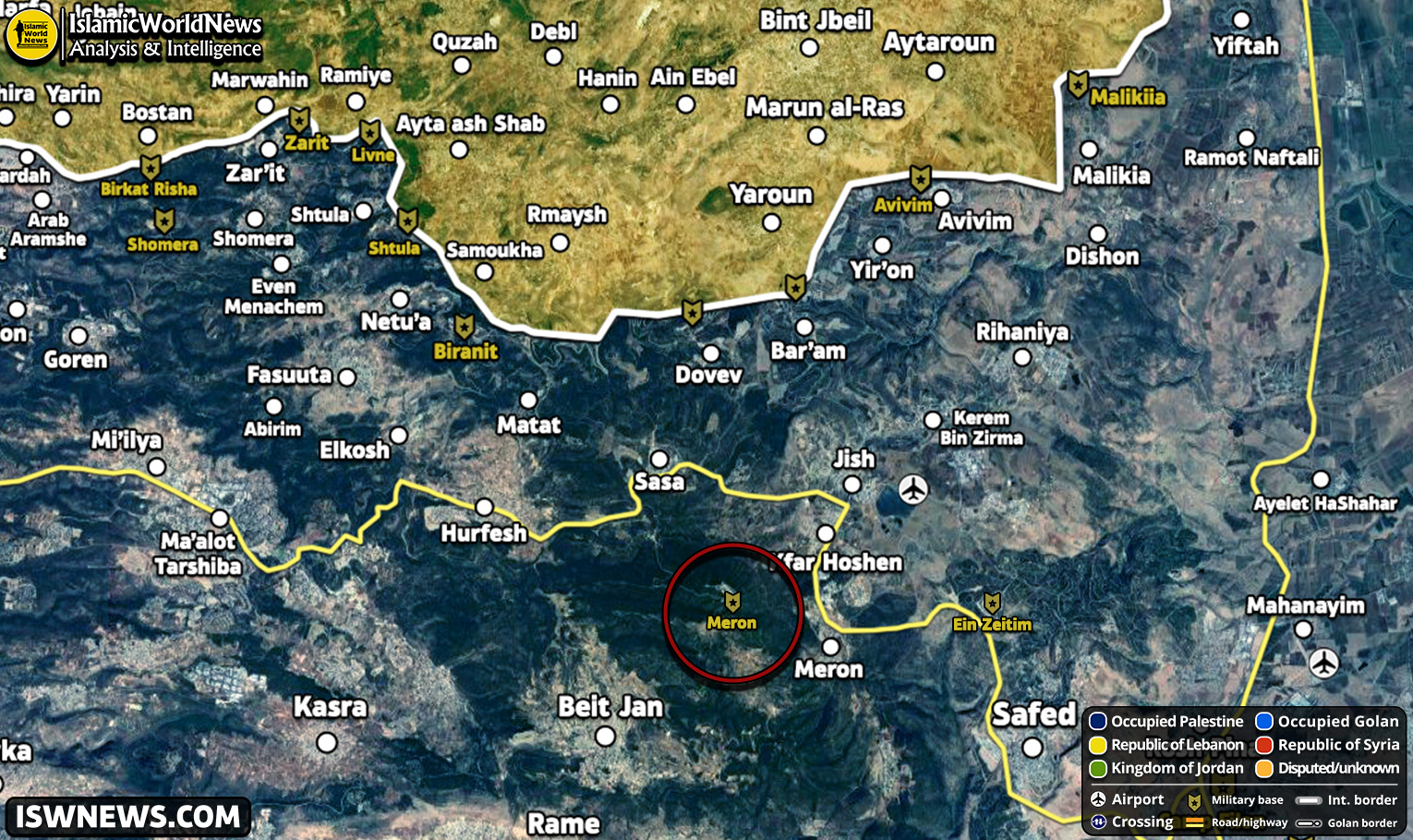
According to Israeli media reports, at least 30 rockets were fired in this attack, and defense systems of the Israeli regime’s army only managed to intercept a few of these rockets.
This attack marks the sixth Hezbollah strike into Israeli army positions in Mount Meron and the Meron Air Surveillance Base in the Upper Galilee region of the Israeli-occupied territories. This base plays a significant role in managing, monitoring, and controlling the Israeli regime’s operations in the region, especially in occupied northern Palestine and southern Lebanon.
It is worth mentioning that following the airstrike last night by Israeli fighter jets on the Al-Ain area in the Khirbet Salim neighborhood, five people were wounded and four individuals are missing. Lebanese rescue forces continued evacuating debris and tried to rescue the missing individuals of this attack on Sunday.
Some sources have also reported the deaths of the missing individuals in this attack. Hezbollah officials have emphasized in their speeches and statements that they will respond to Israeli attacks on civilian areas in southern Lebanon.
The moment Hezbollah’s rockets hit Meron base and its surroundings (1)The moment Hezbollah’s rockets hit Meron base and its surroundings (2)
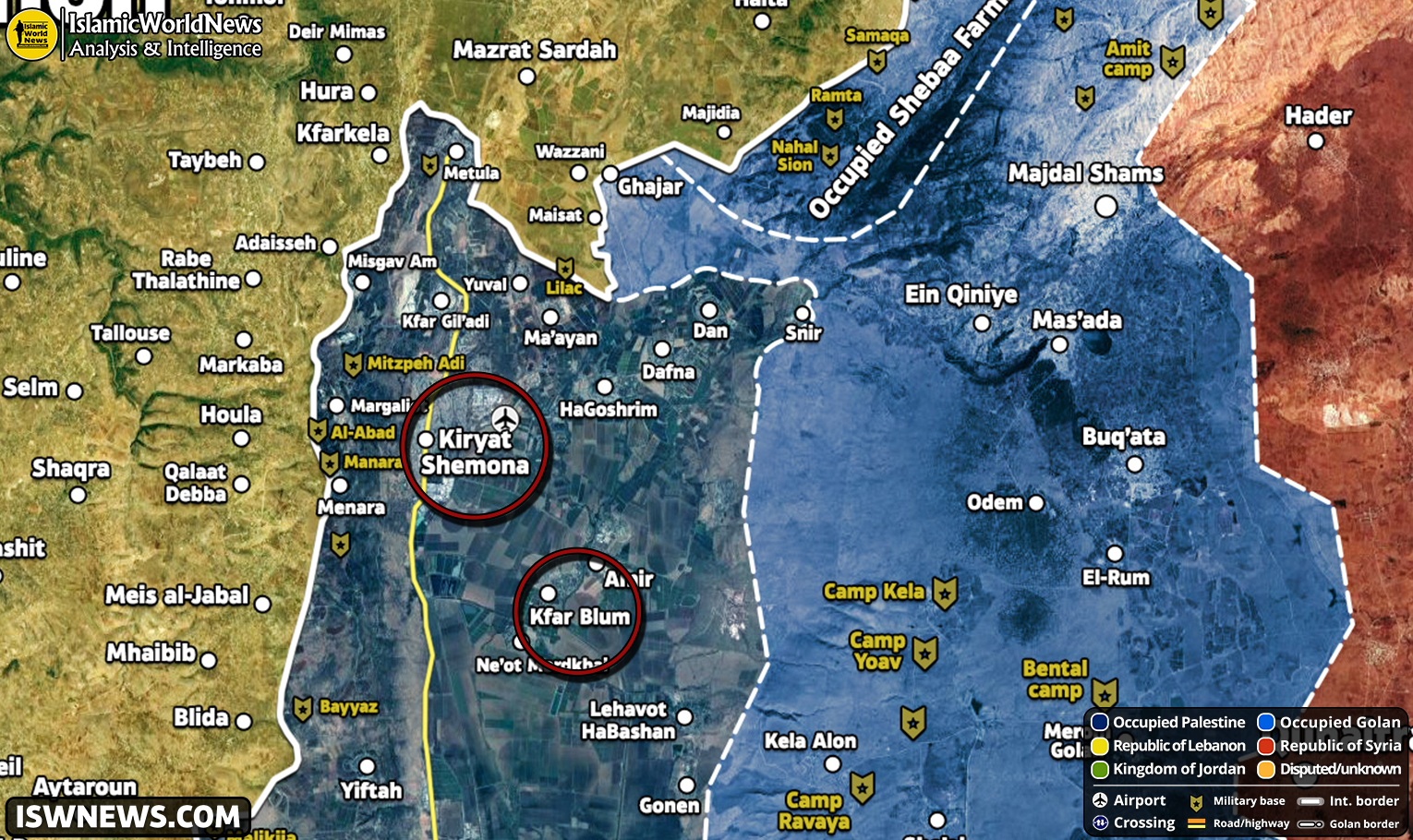
During these attacks, Hezbollah first targeted the headquarters of the 769th Eastern Regional Brigade in the Kiryat Shemona base. This attack occurred at 4:00 PM on Tuesday, which happened in two stages, and led to the sounding of sirens in the town of Kiryat Shemona and its surrounding areas.
The second attack took place at 9:40 PM Tuesday, during which dozens of Katyusha rockets were fired towards the town of Kfar Blum. Based on the videos released showing the moment of the attack, Israeli defense systems managed to intercept most of these rockets and repel the attack.
The third attack likely involved the firing of a guided anti-tank missile at a building in Kiryat Shemona, which successfully hit its target.
Hezbollah has stated in its statements that the two evening attacks on Tuesday were carried out in response to the Israeli regime’s attack on the town of Houla and the killing of three Lebanese civilians. The pressure of Hezbollah’s strikes on the northern Israeli-occupied Palestinian front and the escalation of conflicts have led the Israeli regime to resort to aerial attacks on civilian areas to retaliate for its losses and damages.
Hezbollah’s different statements regarding this clash are as follows:
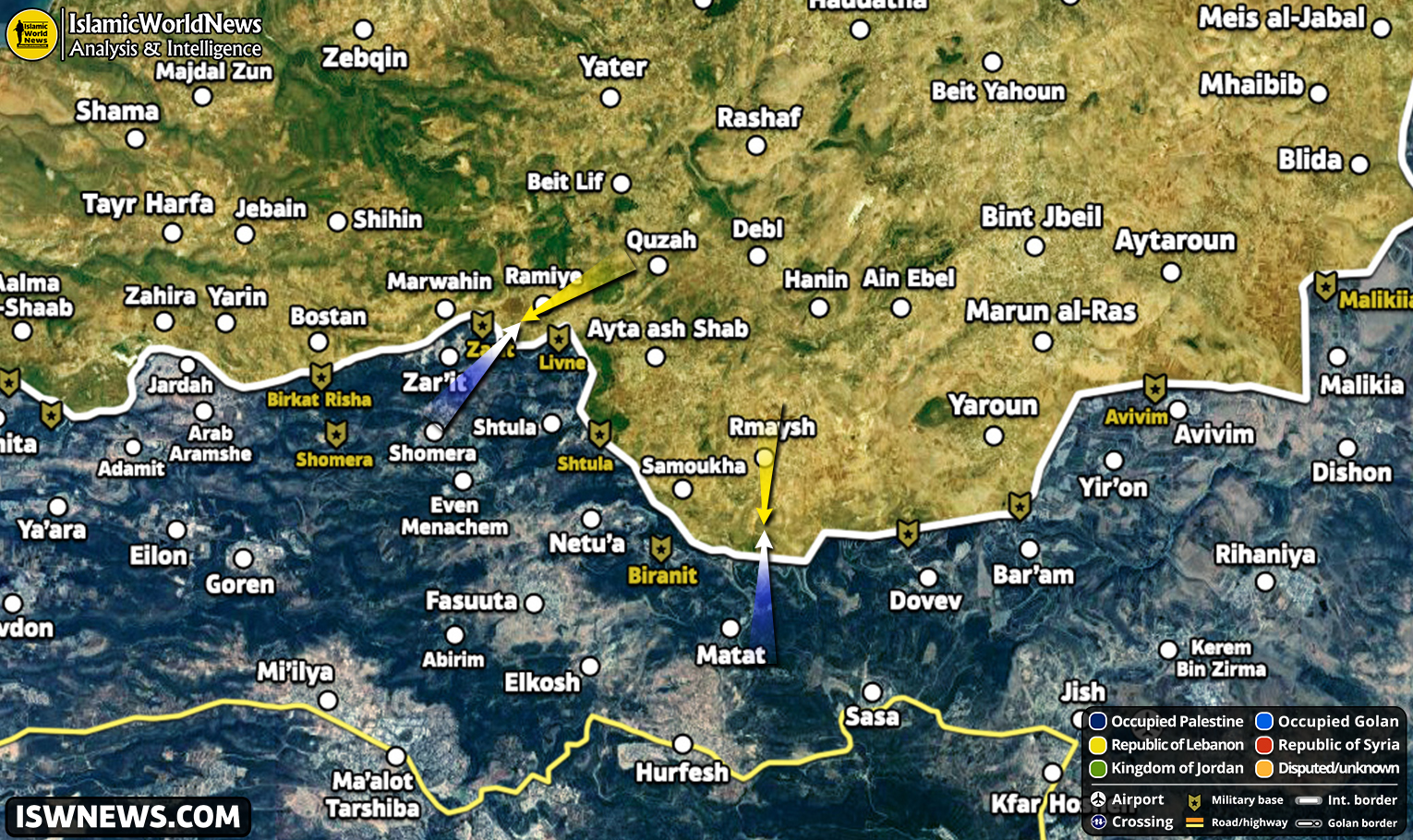
Hezbollah forces, at 11:45 PM last night (local time), launched a rocket attack on Israeli soldiers who were attempting to infiltrate the Rmaych area in Lebanese territory from the Wadi Qatmoun area.
Hezbollah forces, at 12:15 AM Monday, attacked Golani Brigade soldiers of the Israeli regime’s army by detonating a roadside bomb at the Khirbet Ziraat border across from the village of Ramieh, followed by artillery attacks against the Israelis.
Hezbollah forces, at 1:30 AM Monday, targeted the Ziraat base and its surroundings with artillery fire.
After the special forces of the Israeli army’s failed attempt to carry out a security operation in the town of Ayta ash Shab on January 16, last night’s clash is considered the second attempt by Israeli forces to infiltrate Lebanese territory.
Israeli authorities have repeatedly threatened that if Hezbollah does not withdraw from southern Lebanese areas, they will launch a ground attack on areas south of the Litani River.
The possibility of an Israeli ground attack on Lebanon has been raised as a threat since the 2006 war but has never taken place for various reasons.
Overall, the continuation of conflict and intensified Israeli attacks in the Gaza Strip and deep into Lebanese territory could escalate into a broader conflict on this front.
Directions of the ground conflict between Hezbollah and the Israeli army in the axis of Rmaysh and Ramieh – click to display in full size
According to IWN assessment, this is the 14th attack by Hezbollah on the positions of the Israeli army with suicide drones. Hezbollah usually uses Mersad (Ababil 2) suicide drone in these attacks.
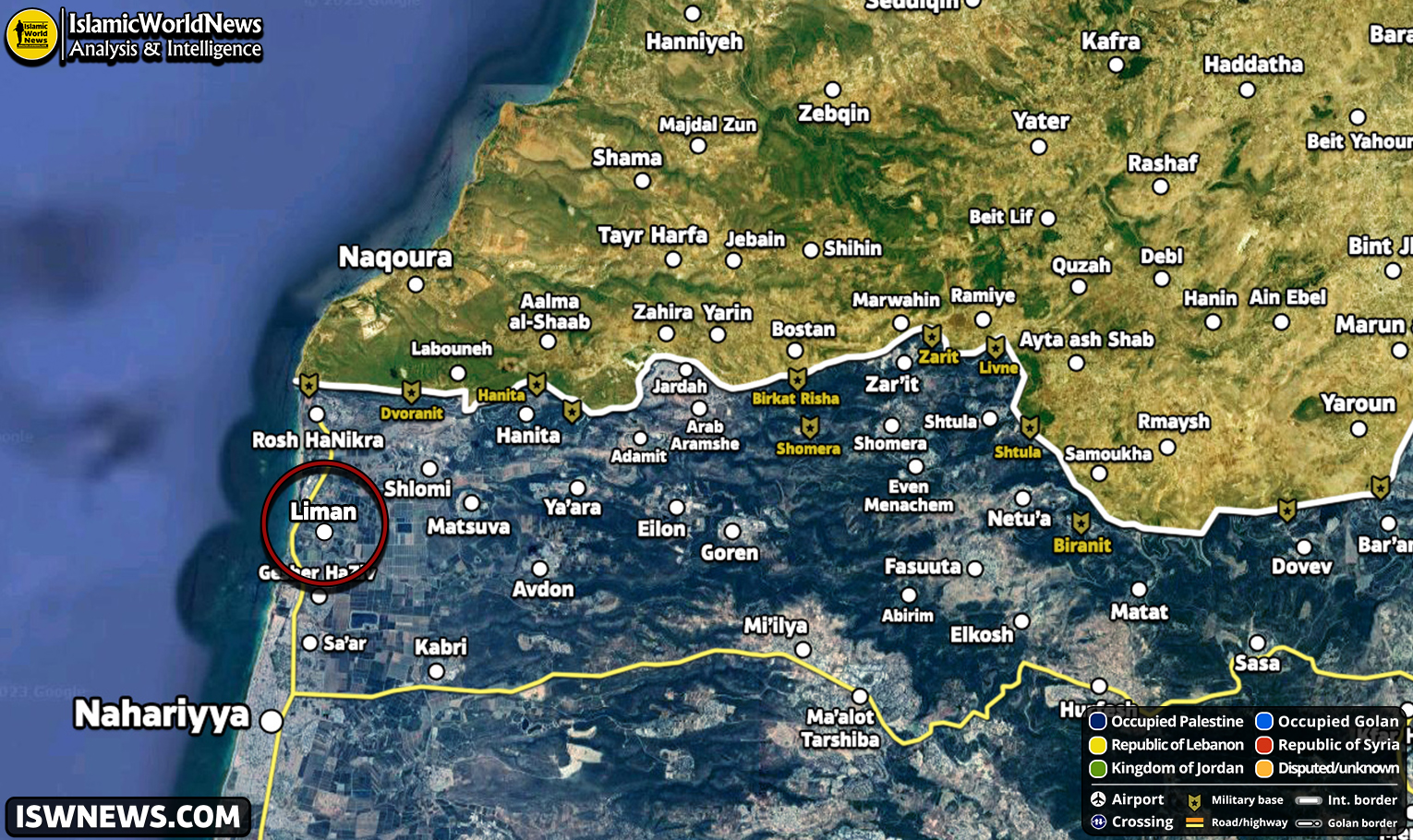
Liman is one of the settlements on the northwest coast of occupied Palestine, which was founded by the Zionists in 1949. This town is located 5 km from Nahariyya town and less than 700 Zionists live there.
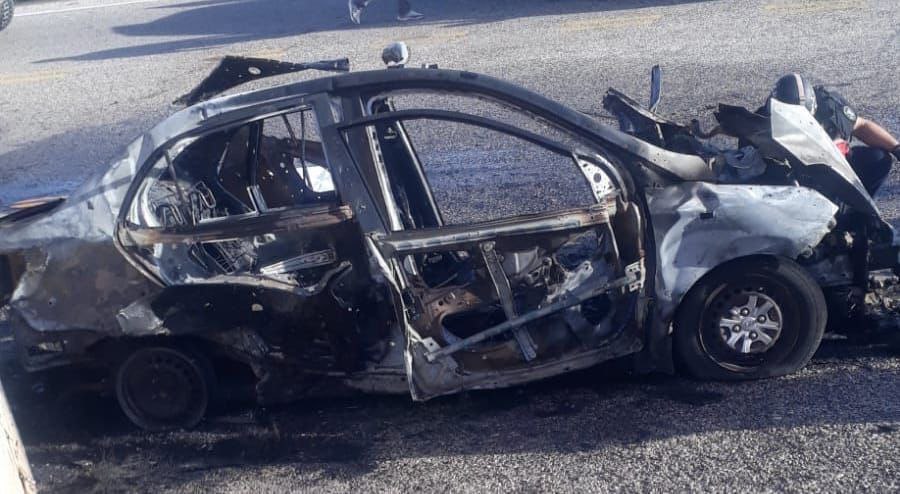
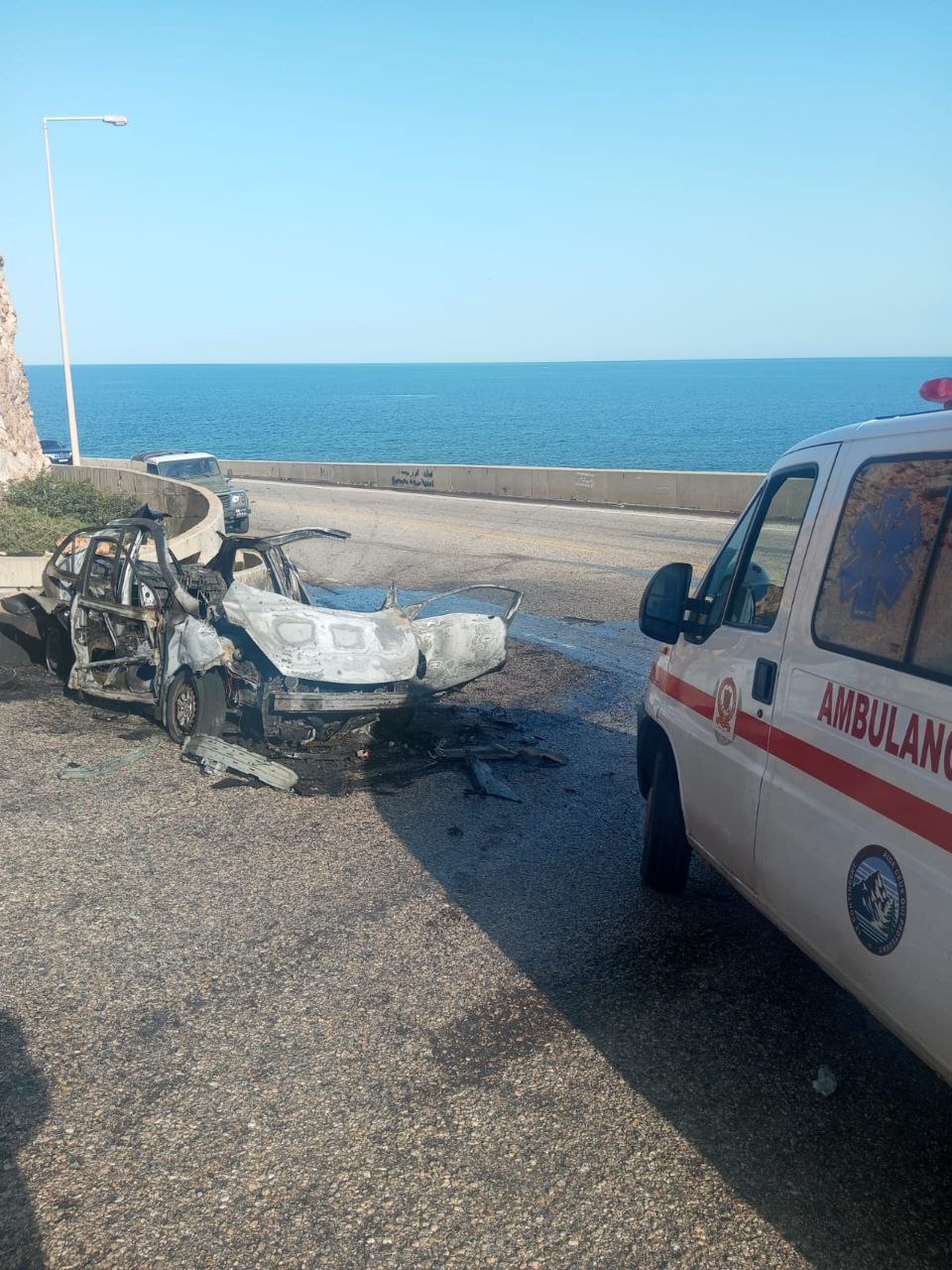
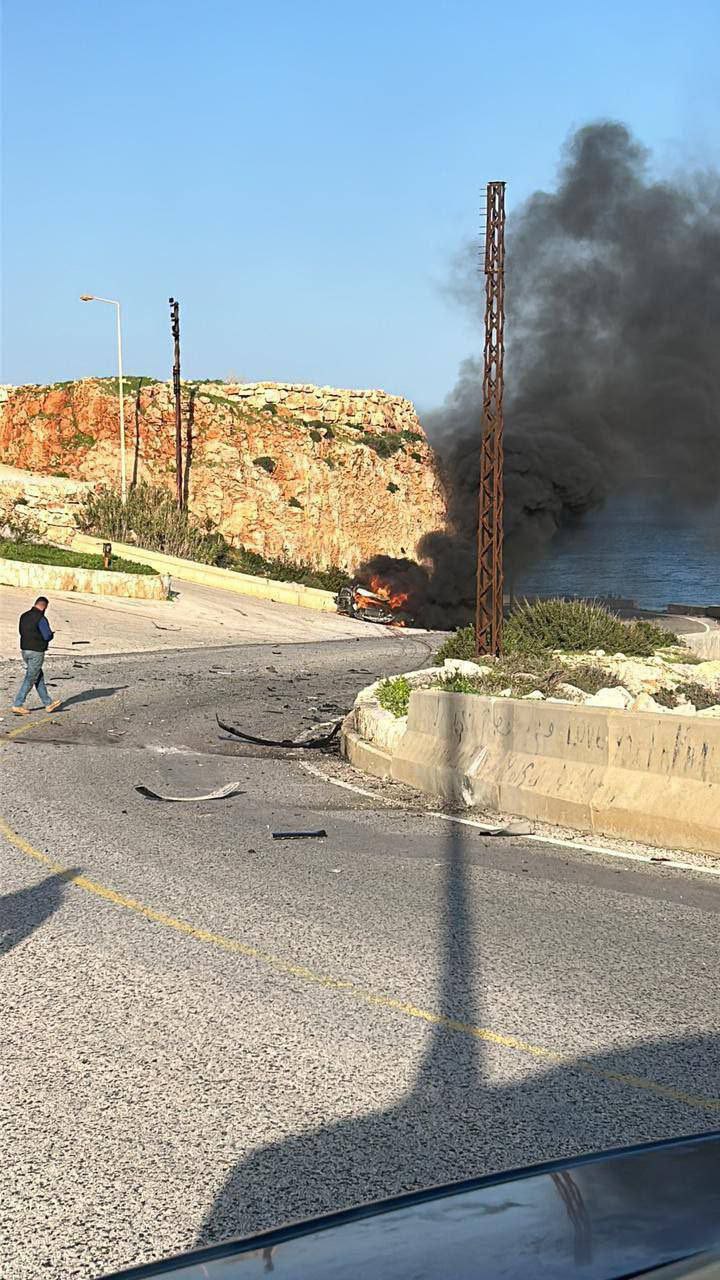
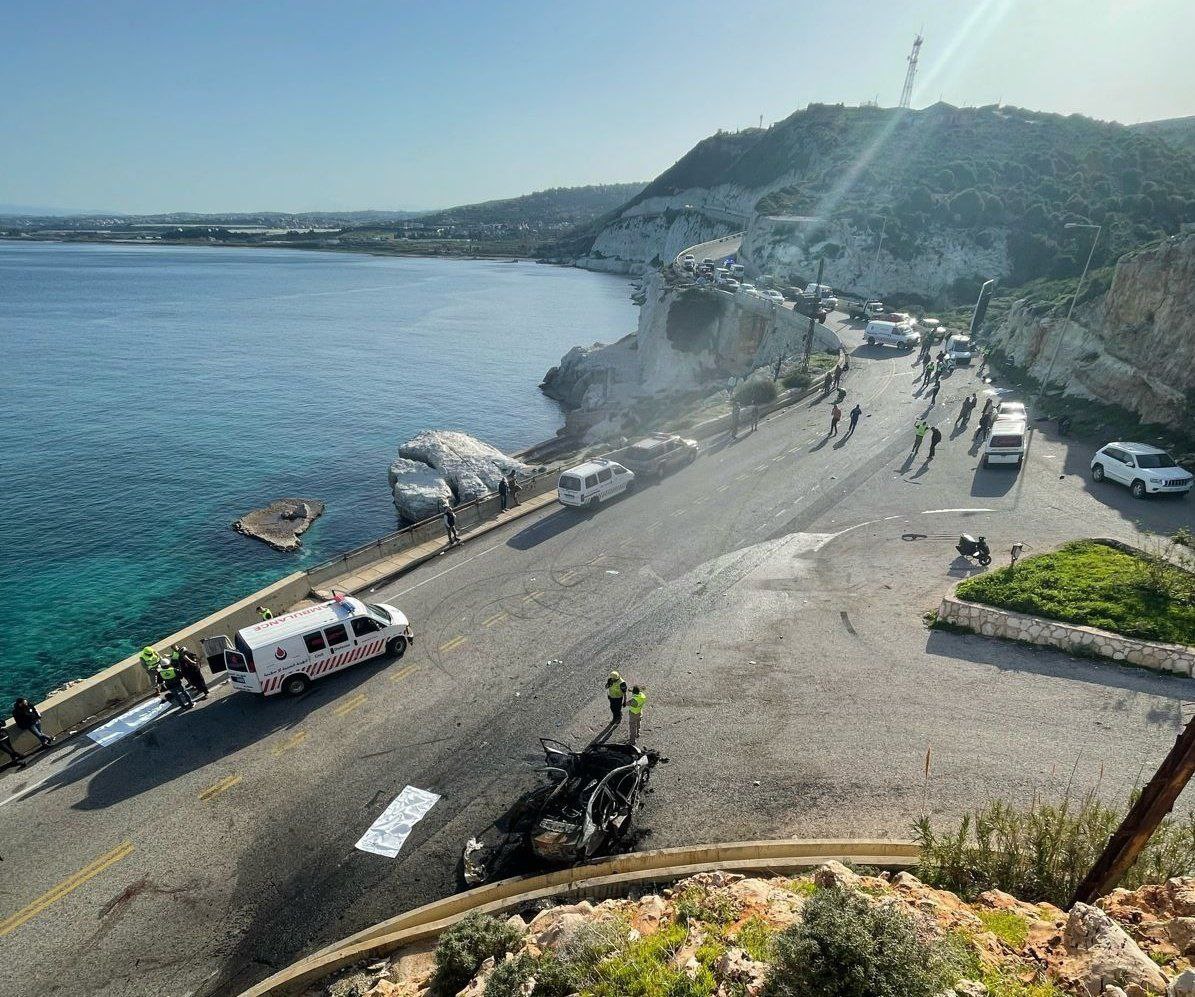
On March 2, the Israeli regime’s combat drone targeted a car on the coastal road from Al-Naqoura towards the city of Tyre with a missile. According to media reports in Lebanon, all three occupants of the targeted car were martyred.
This attack marks the Israeli regime’s first attack on the main Al-Naqoura road and is significant in its own right, because this coastal road was considered a safe passage for non-combatants due to the presence of United Nations Interim Force in Lebanon (UNIFIL) forces.
The location of the terrorist attack against a passenger car on Al-Naqourah-Tyre road
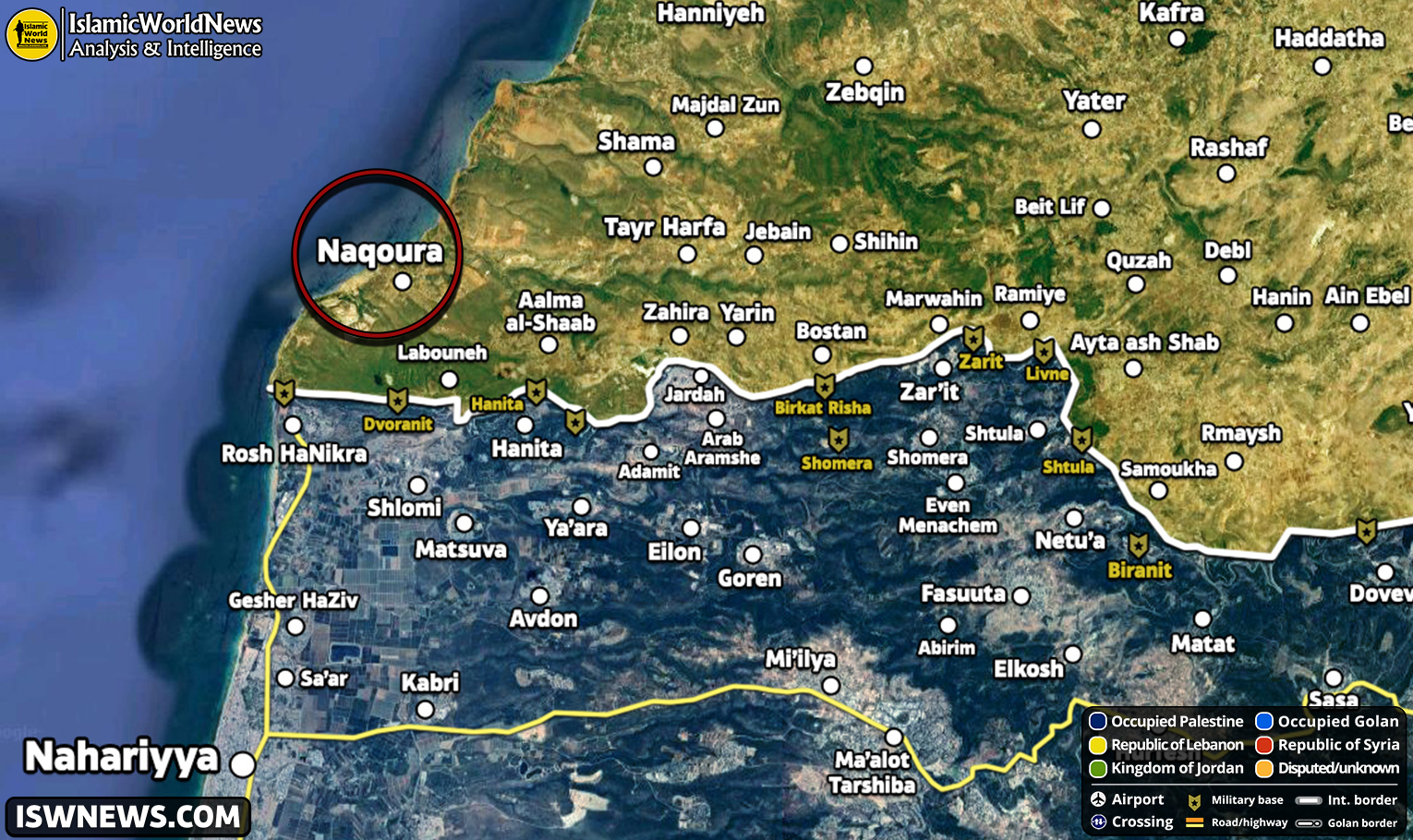
It’s worth mentioning that the main base of UNIFIL forces is located in the southern outskirts of the Al-Naqoura town. Al-Naqoura town is the last town on the southwestern coast of Lebanon and has been repeatedly targeted by Israel’s artillery and air attacks since the beginning of the Palestinian conflict.
The headquarters of the United Nations “UNIFIL” forces has been located on the southern outskirts of this town since March 23, 1978. The mission of these forces is to confirm the Israeli regime’s withdrawal from southern Lebanon and to help establish peace and security in this region.
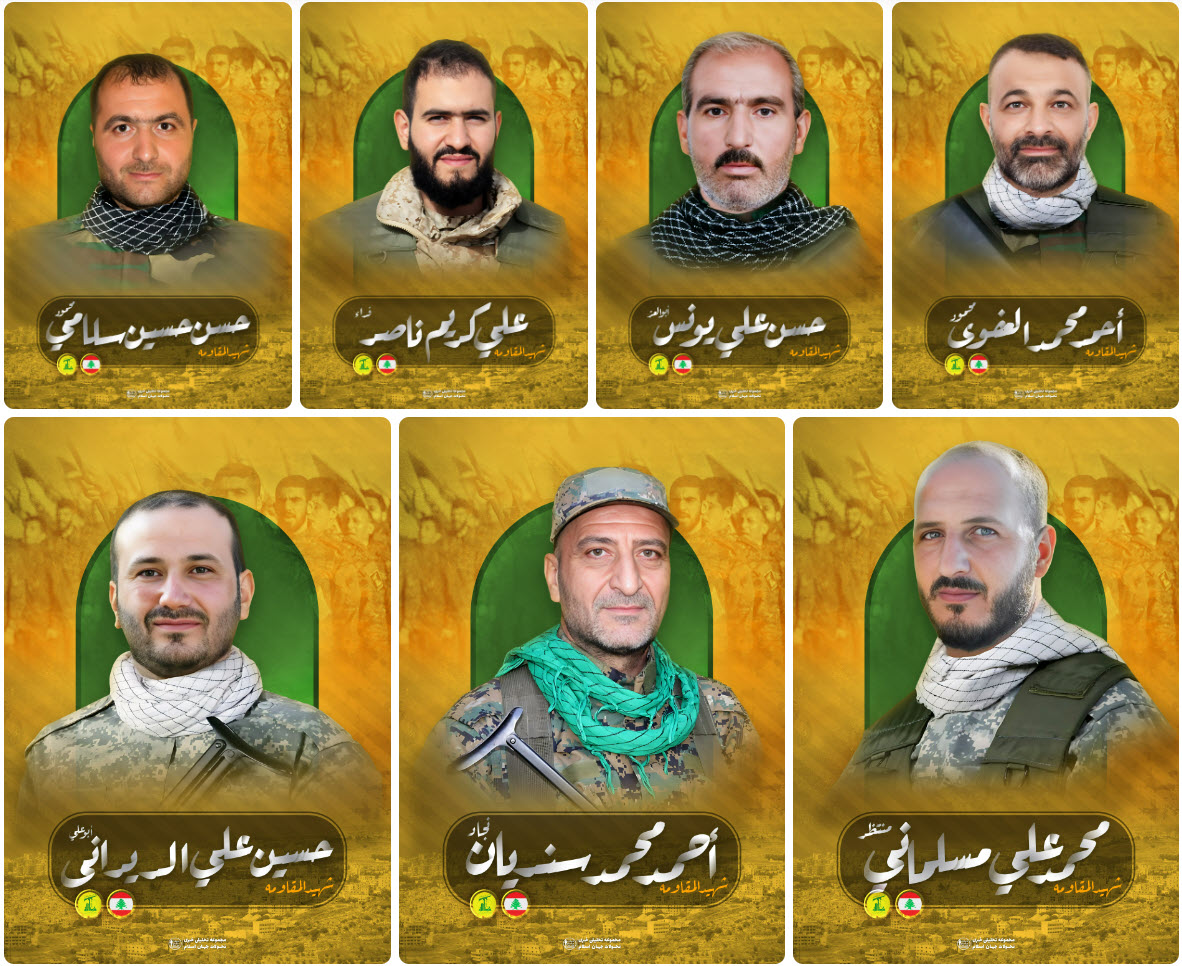
According to the statements, Ali Karim Nasser with the jihadi name “Fada”, Ahmad Muhammad Al-Afi with the jihadi name “Mahmoud”, Hossein Ali al-Deirani with the jihadi name “Abu Ali”, Hassan Ali Yunus with the jihadi name “Abu Al-Ezz”, Ahmad Mohammad Sandian With the jihadi name “Najad”, Hassan Hossein Salami with the jihadi name “Mahmoud” and Mohammad Ali Musalmani with the jihadi name “Muntazar” were martyred.
In this way, the number of martyrs of Hezbollah increased to 209 members since the beginning of the battles in the Gaza Strip.
Following this rocket attack, sirens sounded in most of the northwestern Israeli-occupied settlements, including Arab al-Aramshe, Adamit, Goren, Shlomi, Matzuva, Abu Snan, and others. According to videos released of this attack, some of these rockets hit occupied territories, and others were intercepted by the air defense systems of the Israeli regime’s army.
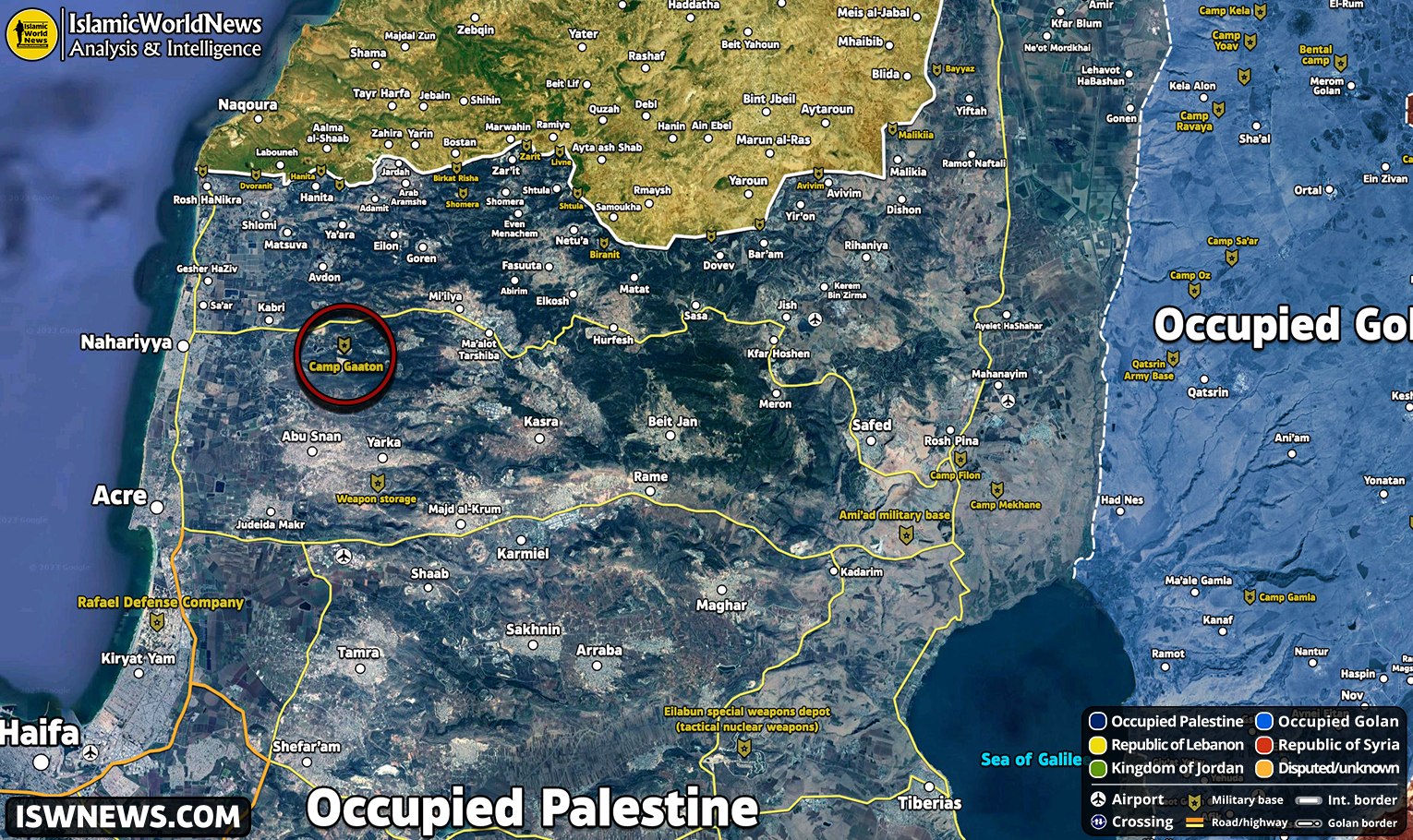
Map: The location of the Ga’aton base in the northwest of occupied Palestine – click to view in full size
The 146th Armor Division is one of the longstanding ground forces of the Israeli army in northern occupied Palestine, which has played an effective role in most wars of the Israeli regime and is stationed in the northwestern front of occupied Palestine.
The Ga’aton base is the field headquarters of the command center of the 146th Armor Division of the Israeli army and includes the operations command room, communications command, intelligence command, and logistics headquarters. This base was established 9 kilometers from the Lebanon border after the start of the Palestinian resistance operation dubbed Operation Al-Aqsa Storm and Hezbollah’s engagement in the conflict with the Israeli regime.
The 146th Armor Division includes infantry, armored, paratrooper, and artillery units, and their mission is to control the northwestern front and counter Hezbollah fighters’ attacks.
The Lebanese resistance movement’s attacks on the positions of the 146th Armor Division are effective in disrupting their gatherings and concentrations as well as inflicting effective security blows upon the Israeli settlements.
Images of Israeli defense systems confronting Hezbollah rockets in the sky of northwest occupied PalestineHezbollah rockets hit the northwestern areas of occupied Palestine
The commander stated in the interview: In 2006, Israeli soldiers abandoned their Spike missile and withdrew from their positions. The Hezbollah fighters seized this missile as a booty and transferred it to the Islamic Republic of Iran. This weapon is considered one of the most modern anti-armor weapons in the world.
Referring to the details of this missile, the field commander of Hezbollah said: This weapon is distinguished by several technical specifications, including the presence of a camera in the missile’s head. When people launch the missile, they can see what the missile sees and choose the target. The distinctive feature of this weapon is that it does not need to see a visible target in front of it. After firing the missile, a Hezbollah fighter can choose the target while being behind enemy lines and remaining invisible. We have a weapon that does not require direct visual of the target. The first time that this weapon was launched, it targeted and demolished a Merkava tank in the Al-Matla area. We used this weapon to attack several targets. The enemy is keeping this information hidden from his soldiers so that they do not become affected and abandon the battlefield.
When the Lebanese commander pointed to the possession of this missile and targeting Israeli tanks with the sophisticated missile, he meant the use of Iranian anti-tank missile called Almas (Dimond). As mentioned, the Almas anti-tank missiles are reverse-engineered from the Israeli Spike anti-tank missiles and are now in the possession of the fighters of the Lebanese resistance movement in Lebanon.
The Almas top attack anti-tank missile is a fire-and-forget anti-tank guided missile and anti-personnel missile with a tandem-charge high-explosive anti-tank warhead, which is an effective weapon for attacking armored targets, fortifications, and vehicles of enemies. This missile has been developed by the Ministry of Defense of the Islamic Republic of Iran in three classes named Almas-1, Almas-2, and Almas-3.