Turkey deemed such actions “imperialist and Zionist demands”, and a threat to the unity and sovereignty of Syria, as well as to the country’s political transition process. The spokesperson emphasized that Ankara will take all necessary measures to protect its national security.
This stance indicates that Turkey views the situation not merely in terms of border security in Syria, but as part of a broader regional equation. This perspective may lead Turkey to consider more direct and preemptive actions in the Syrian arena.
The mentioned corridor, often referred to as the so-called “David’s Corridor” is seen as a long-standing goal of Zionists aimed at expanding their influence in the region, both physically and spiritually. As long as this corridor is perceived as a threat to Turkey, the country will view it as a significant geopolitical shift and will oppose it firmly, unless the issues related to the Syrian Democratic Forces and the PKK in northern Syria are resolved.
Turkey is particularly concerned about scenarios that could strengthen federal or autonomous structures in Syria, as these might bolster the position of armed Kurds in the northern regions.
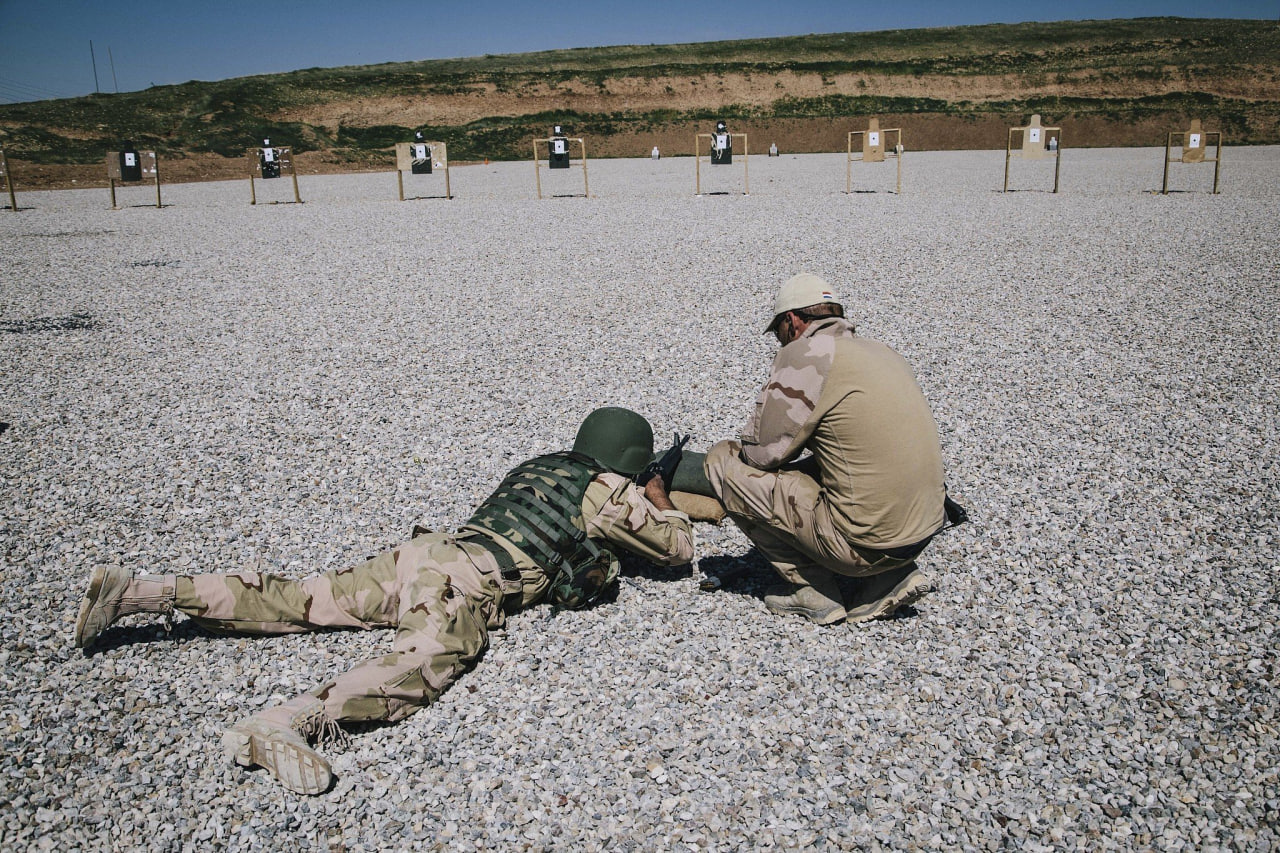
According to the new U.S. budget law and documents released by the Pentagon, the United States will stop directly paying the salaries of the Peshmerga forces in the Kurdistan Region of Iraq by the end of 2025. Starting in 2026, the central government in Baghdad will be fully responsible for providing salaries for these forces. This decision is part of a broader effort to redefine the U.S. role in Iraq and gradually reduce the coalition mission in the country.
A memorandum of understanding signed in September 2022 between the U.S. Department of Defense and the Kurdistan Region’s Peshmerga Ministry indicates that the budget for salary payments will gradually decrease, reaching approximately $135 million in 2024, about $60 million in 2025, and ultimately zero in 2026.
Despite this overall budget reduction in 2026, logistical support for Iraqi forces and the Peshmerga will continue. The Iraqi Ministry of Defense will still receive equipment including communication systems, Hellfire missiles, reconnaissance systems, and logistics services. Additionally, the Iraqi Counter-Terrorism Service will receive a package valued at over $65 million.
The U.S. decision to suspend payments to the Peshmerga forces marks a significant shift in Washington’s role in Iraq and sends a clear message to transfer security responsibilities to the central government in Baghdad. However, the Peshmerga forces’ financial dependence on foreign aid and the existence of parallel party structures present challenges to this transition. If Baghdad fails to provide salaries for these forces due to budgetary constraints or political disagreements with the Kurdistan Region, the risk of a security gap in northern Iraq may increase, which could have significant regional implications.
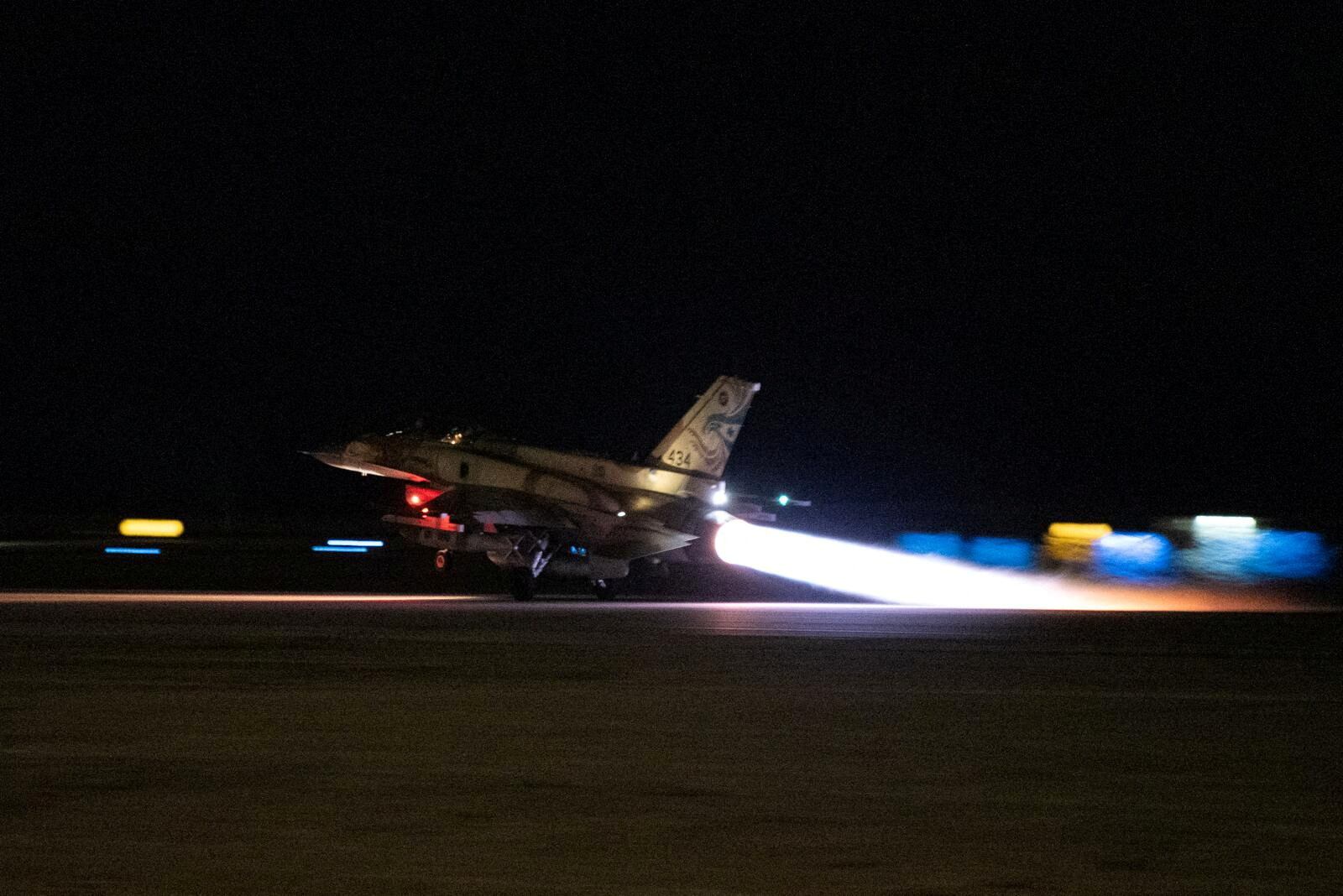
It is said that this exercise has been designed and implemented with the aim of assessing the readiness of the Zionist regime’s army to confront multi-front attacks and simultaneous conflicts. The operation is commanded by the Chief of Staff of the Israeli regime’s army, General Eyal Zamir, and is overseen by the army’s comptroller, retired Brigadier General Ofer Sarig.
In addition to Israeli fighter jets, 40 fighter jets from the United States and 20 from Britain are also present in this exercise. A significant number of reconnaissance and intelligence-gathering aircraft have also been deployed for operational support.
This exercise is being held amid rising tensions in the region, especially in southern Lebanon and the Gaza Strip, and officials of the regime continue their threats against Iran. The Israeli army has recently intensified its airstrikes against alleged Hezbollah positions in southern Lebanon and is preparing for the full occupation of the Gaza Strip.
According to the spokesperson of the Zionist regime’s army, the goal of the exercise is to assess reaction speed, decision-making quality, and operational coordination among various branches of the army. The exercise will continue until the end of the week. Some believe that the Israeli regime may use this exercise for another surprise and to carry out new attacks against Iran.
The Dawn of Hope While the Syrian Democratic Forces (SDF) concentrated their efforts on combating ISIS, Bashar al-Assad, backed by Iran and Russia, managed to reclaim large swaths of territory previously lost to Salafi groups. By 2019, following ISIS’s defeat, the conflict reached a form of deadlock. However, sudden offensives by groups such as Hay’at Tahrir al-Sham (HTS) and the Turkish-backed Syrian National Army altered the dynamics.
In the meantime, factions like the Syrian Social Nationalist Party (SSNP), which had previously fought alongside the government, remained active—justifying their continued operations as responses to growing Israeli occupation. This faction, which supports the formation of a “Greater Syria,” expressed its support on December 17 for the establishment of a front to confront Israeli aggression. In response, the group Uli al-Baas emerged on January 9, initially under the name “Southern Liberation Front,” before adopting its current name and symbolism on January 11.
As post-Assad Syria became a contested arena between Israeli and Turkish influence, Uli al-Baas framed itself as part of the Axis of Resistance against what it calls the “Global Axis of Evil.” In a statement to Newsweek, the group’s political bureau—officially named “The Islamic Resistance Front in Syria – Uli al-Baas”—affirmed that praising Israeli occupation and Turkish incursions is expected, since “[America] is the sponsor of chaos, terrorism, and evil across the globe.” The group’s emblem—featuring a raised Kalashnikov—mirrors an iconography first introduced by Iran’s Islamic Revolutionary Guard Corps (IRGC) and later adopted by Hezbollah and other Iran-aligned resistance groups, including several in Iraq. The term Uli al-Baas, mentioned in the Qur’an, was previously invoked by Hezbollah Deputy Secretary General Sheikh Naim Qassem in reference to the group’s struggle against Israel.
Despite its alignment with the Axis of Resistance, Uli al-Baas claims organizational and political independence, asserting no affiliation with any party or state. It presents itself as a revolutionary, nationalist movement rooted in Arab identity, with a distinct political project aimed at establishing a strong and liberty-oriented state.
A Turbulent Beginning On January 13, Uli al-Baas claimed it was deploying light armored vehicles and fighters to Quneitra, Suwayda, Daraa, Damascus, and surrounding rural areas. Four days later, it officially declared the start of its “military operations” against Israeli presence in the south. The group’s first alleged action was reported on January 24, claiming that one of its units downed an Israeli drone in the Tal Ahmar area of rural Quneitra on January 21. On January 31, it issued a second statement, asserting that it had attacked Israeli forces in the village of Turanja, northern Quneitra. However, no evidence was provided, and on February 14, the group’s Telegram channel retracted the claim.
Cooperation with Other Fronts On February 19, Uli al-Baas announced the deaths of two senior commanders, Muhannad al-Baqari and Muhammad Mansour, during an operation near Israeli positions in Quneitra. Just two days later, on February 21, the group formed a coalition with two other Iran-aligned factions— Liwa Dir’ al-Sahel, led by Miqdad Fathi, and Ashbah Ruh al-Muqawama, led by Abdulhamid al-Shamali. This alliance targeted ISIS, Salafi movements, and the newly restructured Syrian government. The republication of the coalition’s official statement by Uli al-Baas clearly indicated its confrontational stance toward Damascus.
Mission The group identifies the expulsion of Israeli forces from southern Syria as a central objective. It cites Israel’s violations of the 1973 ceasefire line and its continued strikes on Syrian installations as justification for its armed resistance. Uli Albas views the Syrian interim government as complicit due to its silence regarding Israeli aggression. The Zionist officials, meanwhile, have warned they will not allow hostile forces to establish a presence near their borders.
Islamic Resistance Front in Syria – Uli al-Baas
Post-Crisis Syria Despite Donald Trump’s stated intent to reduce military presence in the Middle East, roughly 2,000 American troops remain stationed in Syria. After the Gaza war, these forces were frequently targeted by militias, although such attacks diminished with the U.S. withdrawal from Iraq. With Uli al-Baas now rising and directly opposing U.S. and Israeli influence in Syria, the future of Washington’s regional presence has become increasingly uncertain.
While the U.S. State Department has reiterated its commitment to inclusive and peaceful governance in Syria and its opposition to terrorist entrenchment, it continues to classify HTS as a terrorist organization—despite the group’s claimed shift away from jihadist ideology.
Complicating matters further is the escalating tension between the U.S. and Iran, which intensified after Washington’s withdrawal from the nuclear deal in 2018. Uli al-Baas portrays Iran as a defender of sovereignty and freedom from U.S. domination, arguing that the pressure against Tehran stems from its threat to Israel’s existence.
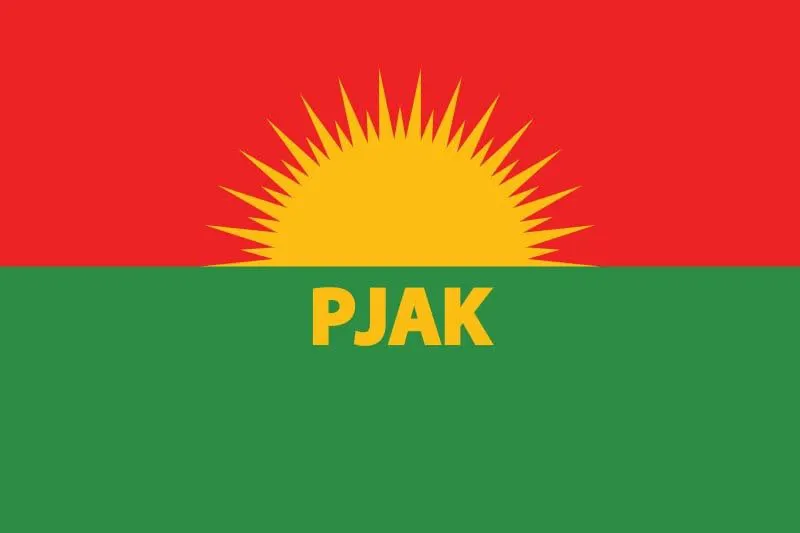
PJAK was established in 2004 by Iranian members of the Kurdistan Workers’ Party (PKK). Its military branch, the “Eastern Kurdistan Units,” operates across Iranian Kurdistan and Qandil in Iraq. Due to its origins, PJAK is influenced by the Turkish PKK, and the United States also regards it as an affiliate of the PKK.
Over the past two decades, multiple clashes have occurred between Iranian forces and PJAK. One of the most significant confrontations took place in the summer of 2011, when the Iranian army launched a large-scale operation against PJAK positions in Qandil, which ended with a ceasefire declared on September 29 of that year. Nevertheless, sporadic skirmishes continued in the following years.
PJAK is led jointly by Amir Karimi and Peyman Wiyan. The group is part of the Kurdistan Communities Union (KCK) and regards Abdullah Öcalan as its ideological leader. After the collapse of the peace process between Turkey and the PKK in 2015, a significant number of Iranian Kurds joined the KCK’s ranks, now making up roughly 35% of its military forces. This has strengthened PJAK’s role in both regional and international contexts.
With the resumption of talks between Turkey and Öcalan in 2024, along with the PKK’s announcement of its withdrawal from armed struggle, the future of the PJAK remains uncertain. Some believe that the PKK’s military and guerrilla capabilities may shift to the PJAK, which could create significant security challenges for Iran. Maybe it’s worth revisiting Öcalan’s earlier statements; since 2008, he has expressed concerns regarding Iran’s interference in the peace process and in 2013, recommended boosting PJAK forces to 40,000 to confront Iranian dangers.
Global developments—from the war in Ukraine and the Syrian crisis to Iran-Turkey rivalry, the role of Israel, and NATO tensions—have influenced Turkey’s strategic calculations regarding Iran. Turkey’s experiences in Syria and Iraq have shown that the Kurds act as a balance of power. Ankara now seeks engagement and coordination with PJAK instead of direct confrontation.
In this context, Netanyahu’s focus on destabilizing Iran has pushed Turkey to develop a more calculated approach toward Iranian affairs. It seems Ankara has concluded that it cannot play an effective role in Iran’s future developments without considering PJAK’s influence. All these factors are compelling Turkey to seriously revise and prepare its strategic agenda concerning Iran. One indication of this may be the Turkish leadership’s intention to align the PKK’s congress with its own interests in renegotiation and potential rearmament.
The Necessity of PJAK in Turkey’s New Strategy In 2015, the Democratic Party of Iranian Kurdistan (PDKI), along with several other Kurdish parties, attempted to reclaim their former position in Iranian Kurdistan’s political and social scene through a campaign called “Rasan,” aiming to curb PJAK’s growing influence. Clashes occurred in the mountainous region of Kileh Shin, allegedly part of an operation orchestrated by the Turkish government. Media outlets close to the PDKI and to some extent Komala subtly confirmed Turkey’s role in these events.
However, these efforts failed, and the Iranian Kurdish parties were unsuccessful in achieving their objectives. Following this setback, Turkey began looking for a more effective alternative force in the region—and that force was PJAK. Simultaneously, Israel unofficially conveyed a message to these Kurdish parties suggesting that significant developments were approaching in Iran and that Kurds could play a key role in shaping them.
PJAK in Turkey’s Strategic Calculations PJAK has yet to hold a congress to formally disarm or dissolve, and this process has stalled, with Qandil attributing the deadlock to Öcalan’s absence from the process. Even if a decision to end armed struggle is made, the guerrilla forces would not immediately lay down their arms. Integrating them into formal politics would require a transitional structure—something PJAK could provide, but only if a comprehensive agreement is reached between Turkey and Öcalan, and anti-Turkish elements within PJAK shift their stance.
Turkey aims to use PJAK as a tool to manage potential developments in Iran and prevent the Kurds from aligning with Israeli interests, thereby avoiding a repeat of the Syrian scenario. For this reason, Ankara seeks to incorporate PJAK into any future peace agreements. According to a Kurdish journalist, Turkey envisions PJAK playing a role in Iran similar to that of the Syrian National Army (SNA) in Syria.
Iran’s Position in the Turkey-PJAK Equation Since 2013, when PKK guerrillas withdrew toward Iran’s borders, Tehran has grown increasingly concerned about the implications of the Turkey-PKK peace process. In meetings with the PKK and Kurdish parties in Iraq, Iran explicitly warned about the expanded presence of these forces near its borders, questioning who would control PJAK in the event of a Turkey-Öcalan agreement. This concern led to a widening rift between Iran and Qandil.
This concern was not solely security-related; it also stemmed from a deeper geopolitical rivalry between Iran and Turkey. From Tehran’s perspective, PJAK could become a tool of Turkish influence if the group aligns itself with Ankara. As a regional actor, Iran must maintain ties with Qandil and use political tools to prevent the balance from tipping solely in Turkey’s favor.
The future role of PJAK depends on the PKK’s orientation toward Iran. If relations between Qandil and Tehran deteriorate, it would signal a full alignment of the PKK with Turkey—a scenario that seems unlikely for now without concrete assurances. For the sake of regional stability, both Iran and Qandil will likely be forced to maintain engagement.
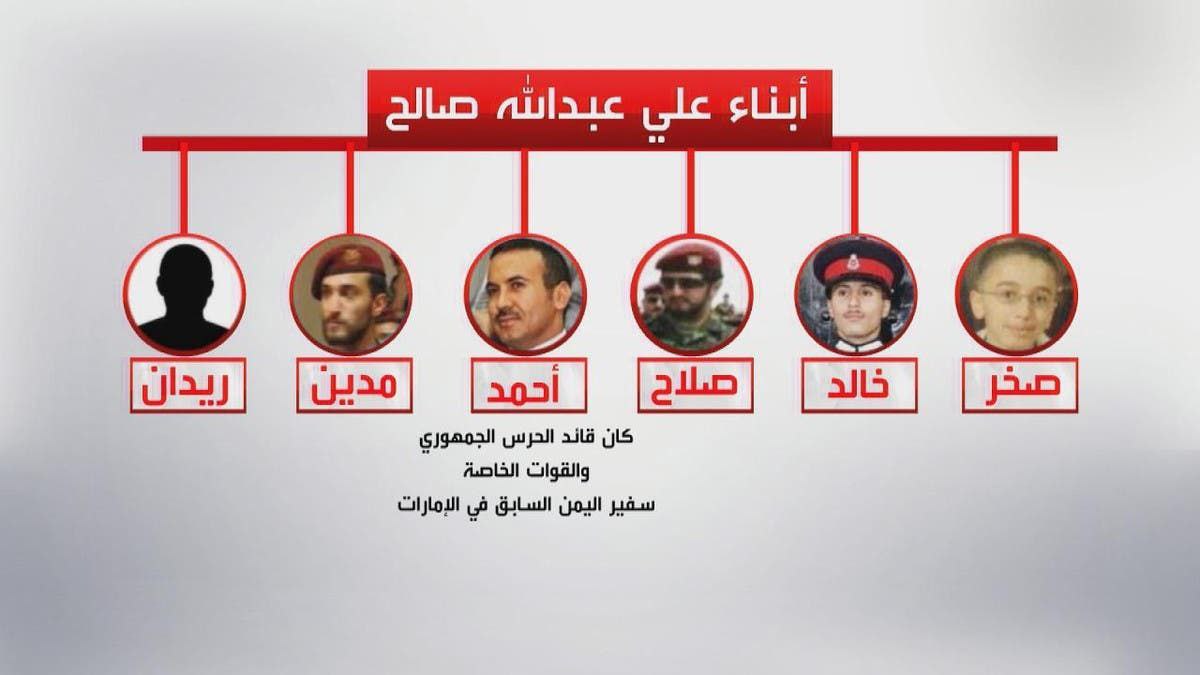
Recently, Arab media reported that Ansar Allah was at odds with its main political ally, the “Popular Congress Party,” and claimed that the party’s leaders were detained and their headquarters seized, allegedly due to connections with Ahmed Abdullah Saleh, the son of ex-Yemeni leader Ali Abdullah Saleh, now residing in the Emirates. These reports, however, were false, and the Yemeni Popular Congress Party denied the accusations circulated by Saudi and Emirati media that Ansar Allah intelligence agents had attacked its headquarters in Sanaa.
Salim Al-Mughlas, a member of the Ansar Allah political bureau, revealed that Saudi Arabia and the UAE recently attempted to incite Yemeni factions and trigger internal conflict in Sanaa, but this plan failed. He dismissed rumors in Arab media about the arrest of Popular Congress Party members, stating that these provocations aimed to target both the Popular Congress Party and the Ansar Allah movement.
The story indicates that the Ansar Allah intelligence service acted wisely by uncovering and preventing the sedition led by elements linked to the Popular Congress Party. It appears that Mossad is trying to involve Ahmed Abdullah Saleh in politics through Emirati agents and by attracting members of the Popular Congress Party based in Sanaa, aiming to create new security tensions. Meanwhile, alongside Tariq Saleh’s covert efforts to strengthen ties with the Islah Party in Taiz, local sources confirmed that Madin Abdullah Saleh, another son of former Yemeni leader Ali Abdullah Saleh, recently arrived in Marib. He traveled to Riyadh a few days earlier and was coordinated into Marib by the Saudis. These actions align with a tripartite plan involving Israel, the UAE, and Saudi Arabia to reintroduce Saleh’s children into Yemeni politics. During his visit, Madin likely met with Saudi-UAE coalition military leaders, including Sultan Al-Aradah, other Islah Party leaders, and Lieutenant General Sagheer bin Aziz, to discuss ongoing political and military developments.
The plan to bring Ali Abdullah Saleh’s children back is actually a security strategy orchestrated by the Israeli Mossad. It started by rewriting the story of Saleh’s death at the hands of Ansar Allah while he was fleeing Sanaa, and progressed through his eldest son Ahmed’s contact with members of the Popular Congress Party in Sanaa. Recently, this has become more evident with the movements of Tariq and Madin Saleh in southwestern Yemen and Marib. It is anticipated that Saleh’s sons will enter Yemen as part of a new group of mercenaries connected to the Saudi coalition. Their goal is to recruit members of the Popular Congress Party in Sanaa, as well as forces loyal to Tariq Saleh and supporters of Ali Abdullah Saleh, such as Lieutenant General Sagheer bin Aziz. This strategy aims to weaken the political influence of Ansar Allah’s allies.
At first glance, this plan might appear weak and naive, since the Popular Congress Party lacks significant power in Sanaa. Meanwhile, Ansar Allah, with its considerable political and social influence, could easily seize control of the entire organization of this party through a security operation. However, their separation will undermine Ansar Allah’s political standing in Yemen. Additionally, their subordinate elements could turn into a Mossad spy network in Sana’a and infiltrate the Yemeni government and armed forces. This would allow Israel to gather more intelligence and data on military and vital installations, as well as the headquarters of Ansar Allah leaders, commanders, and the Yemeni armed forces.
Overall, Ansar Allah must work harder than ever to maintain the unity of their internal front within the Sana’a government and prevent spies from infiltrating areas under their control. One method of infiltration involves reopening roads between cities held by Ansar Allah and the resigned government, which is being pushed by the UN. This move could allow spies easier access to Ansar Allah’s internal territories. Although Ansar Allah oversees and inspects these roads, Israeli field agents possess specialized training and resources to evade security checks, potentially infiltrating cities controlled by Ansar Allah.
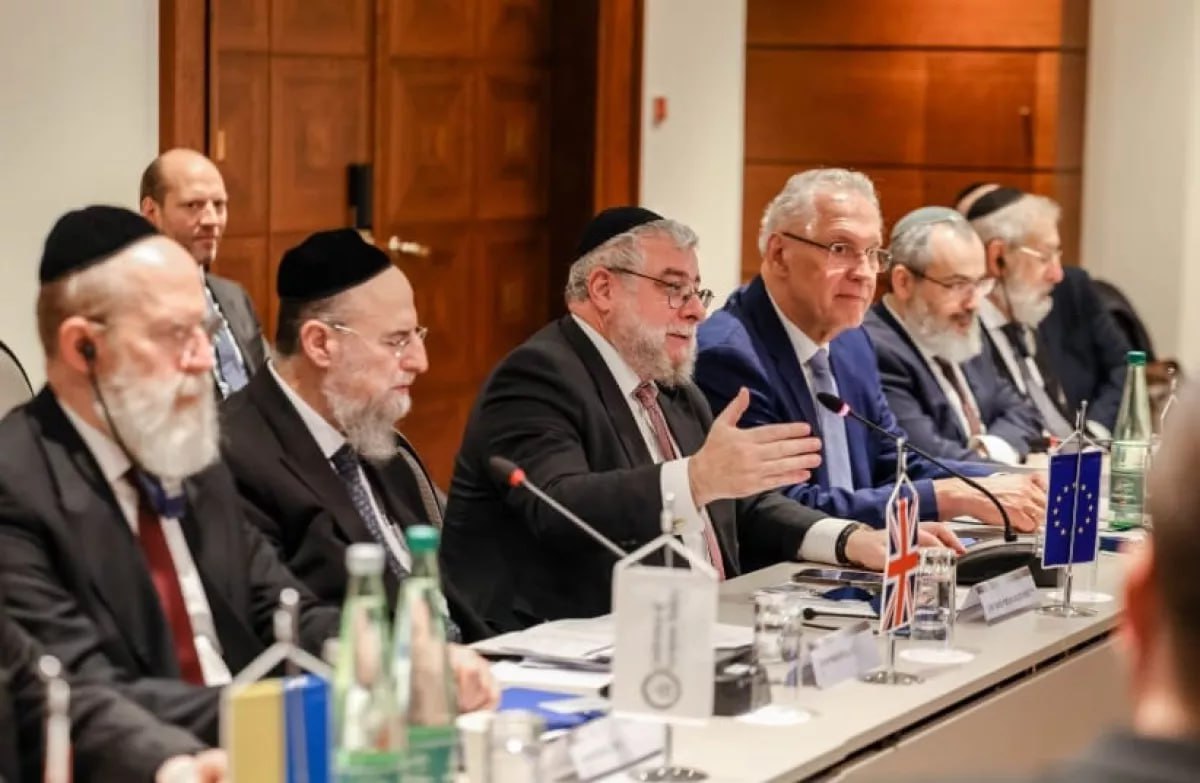
Hundreds of European rabbis will gather in Baku to discuss Azerbaijan’s accession to the Abraham Accords. This conference is significant as it will be the first of its kind held in a Muslim country.
Azerbaijani President Ilham Aliyev is also likely to attend the event. The previous session of the Jewish Conference was canceled due to the Operation Al-Aqsa Flood against Israel on October 7, 2023.
Holding the first European Jewish Conference in Baku not only highlights the strong relations between Azerbaijan and Israel but also reflects ongoing efforts to enhance cooperation between the two sides. The Donald Trump administration had been advocating for Azerbaijan’s accession to this treaty for some time, considering Azerbaijan’s geopolitical position and strategic relations with Tel Aviv.
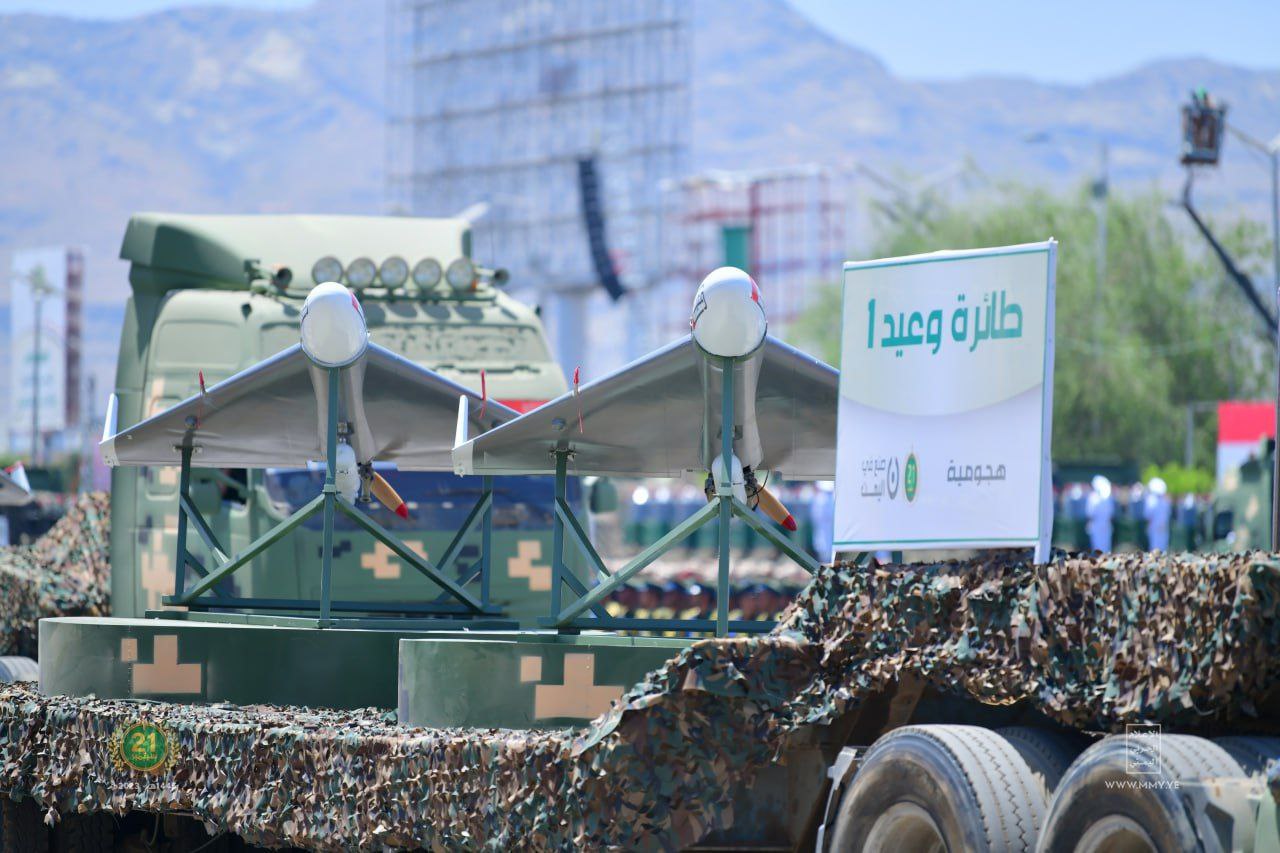
According to a statement from the spokesman of the Yemeni armed forces, these operations were deemed successful.
The Yemeni armed forces urged Islamic and Arab nations to support Palestine. They also warned companies involved with the ports in occupied Palestine, calling on them to cease their cooperation to safeguard the crews of their ships.
Data collected by IWN indicates that these operations mark the 169th to 171st air operations of the Yemeni armed forces against the positions of the Zionist regime in occupied Palestine
“Roozbeh Vadi… was executed following judicial proceedings and confirmation of his sentence by the Supreme Court,” the judiciary’s Mizan Online website said, adding that the man had leaked information about a “nuclear scientist who was assassinated during the Zionist regime’s recent aggression.”
The execution was carried out by hanging, it added, noting that Mizan reported that Vadi worked at one of Iran’s “key and sensitive organizations” and that his access enabled him to pass on “classified information” after being recruited online by Mossad.
Israel started the war on June 13, stating that its goal was to cripple Iran’s nuclear program. The war ended when a ceasefire was suddenly announced on June 24, just two days after the United States joined the war by attacking three key nuclear sites in Iran.
During the war, over a dozen Iranian nuclear scientists were assassinated by the Israeli military and intelligence. More than 30 of the Islamic Republic’s top military commanders were also killed.
Mossad rule in the war was not limited to assassinations, however. The agency’s special forces led a covert attack on Iranian air defenses and ballistic missiles, deploying suicide drones and guided missiles from within the territories of the Islamic Republic.
Some 700 people suspected of working for Mossad were arrested by Iranian security forces during the war. At least few have already been convicted and executed.
Israel has long declared that “disarming Hezbollah” is one of its strategic objectives in Lebanon. This agenda has gained more prominence since the rise of Joseph Aoun and Najib Mikati, becoming a central issue in Lebanon’s political developments.
Lebanese politicians are fully aware that the resistance’s weapons are a crucial pillar of national sovereignty and a vital means of defending Lebanon’s territory against aggressors—whether extremist groups from Syria or Israeli forces. Nevertheless, due to external pressure and dependence on the United States, France, and several Arab states, some continue to push for disarmament.
In his latest speech, Sheikh Naim Qassem firmly rejected the idea, calling it a weakening of Lebanon and a surrender to Israel. He emphasized that the resistance’s arms are Lebanon’s only viable defense against Israeli aggression. For Lebanon to survive, its people—from Baalbek and Tripoli to Beirut and Nabatieh—must rise and support Hezbollah’s national stance.
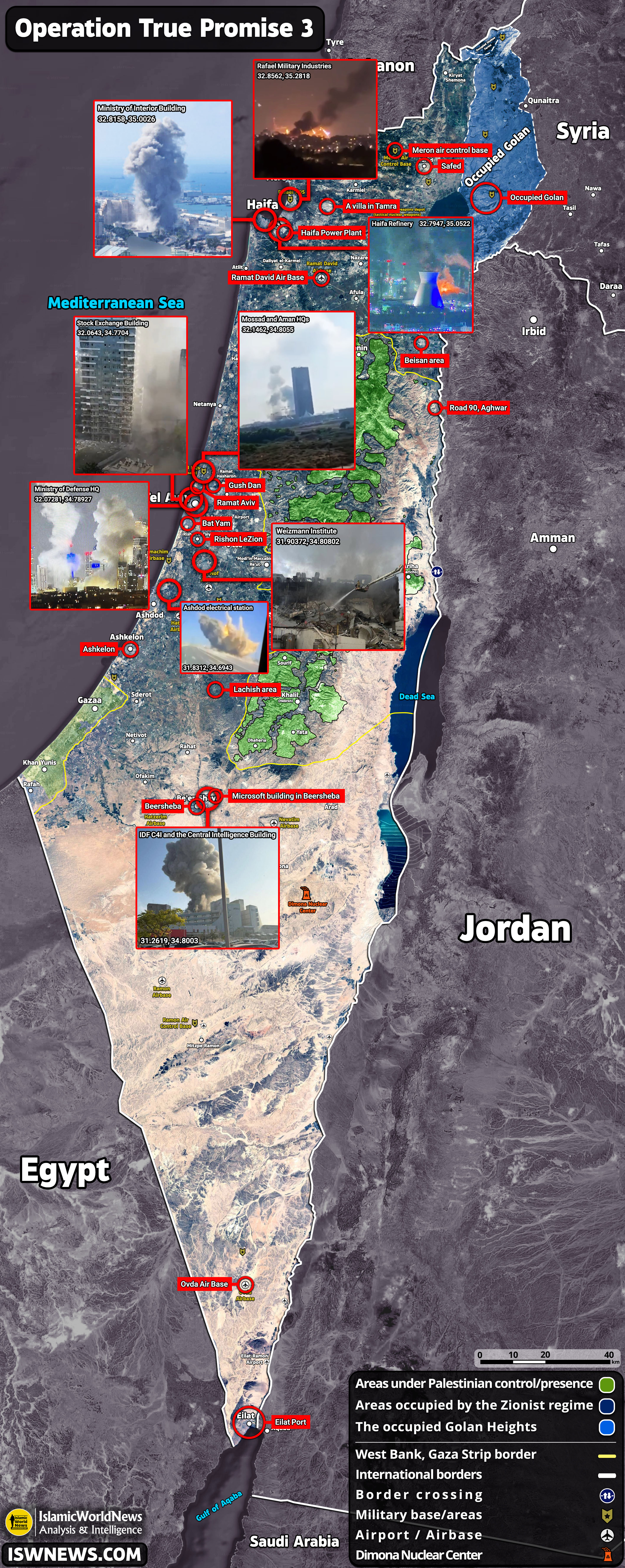
The Iranian armed forces launched the ‘Operation True Promise 3’ shortly after the Zionist regime’s aggression on Iran on June 13, And attacked Israeli positions across occupied Palestine. During the operation, Iranians utilized a variety of ballistic missiles, such as Emad, Qadr, Kheibar-Shekan, Sejjil, Hajj Qassem, Fattah-1 hypersonic missile, and Shahed-136 and 238 suicide drones, along with Arash-1 and 2 suicide drones. It also involved cruise missiles and other cyber and intelligence tools.
Areas that were targeted in Israel by Iranian missiles during ‘Operation True Promise 3″
This operation was conducted daily in multiple stages, targeting various Israeli military assets including military and intelligence centers, air bases, fuel production sites, energy supply facilities, defense infrastructure, military industrial complexes, command and control hubs, and operational support units.
Based on our investigations and gathered information, the Iranian armed forces have targeted and attacked the following locations during Operation True Promise 3.
– June 13 and 14; first and second days 1- Israeli Defense Ministry headquarters in Tel Aviv: 32.0728, 34.7892 2- Rishon Lezion: 31.9701, 34.7904
Iranian missile hits Israeli Defense Ministry headquarters in Tel AvivThe moment an Iranian hypersonic missile hit the Israeli Defense Ministry headquarters in Tel AvivThe moment an Iranian hypersonic missile hit the Israeli Defense Ministry headquarters in Tel Aviv – another angleThe moment at least 15 Iranian ballistic missiles hit Tel AvivThe moment an Iranian ballistic missile hit the Rishon LeZion area south of Tel AvivImages from the site of the Iranian ballistic missile strike on the Rishon Letzion area south of Tel Aviv
– June 15, Day 3 1- Haifa Refinery: 32.7947, 35.0522 2- A Villa in Tamra near Haifa 3- Eilat Port 4- Tel Aviv (various areas): Weizmann Institute in Rehovot area: 31.9037, 34.8080 Bat Yam area 5- Ramat David Air Base: 32.6680, 35.18174
Ramat David Air Base is the primary Israeli Air Force installation in northern the occupied Palestinian territory. Situated on the southeastern edge of Haifa, 46 kilometers from Lebanon, it features three runways. The base hosts multiple squadrons, including F-16 fighter jets, Heron drones, and attack helicopters. It has been a crucial part of Israel’s operations in Lebanon and was frequently targeted by Hezbollah rockets and drones during the recent conflict.
The moment an Iranian ballistic missile hit the city of HaifaFire breaks out at Haifa refinery after Iranian missiles hitIranian missile hits villa in Tamra town near HaifaTwo Iranian Shahed-238 drones hit the port of Eilat. This is the first officially recorded successful operation using this type of jet-powered suicide drone.Iranian missiles hit various areas in Tel Aviv, including the Bat Yam areaThe moment Iranian missiles hit points in Tel AvivIranian missiles hit and caused extensive damage to the Weizmann Institute of Science in the town of Rehovot, located in the southern suburbs of Tel Aviv.
– June 16, Day 4 1- Rafael Military Industries in Haifa: 32.8562, 35.2818 2- A snagogue in Lachish area 3- Haifa Power Plant: 32.7910, 35.06526 4- Tel Aviv, Gush Dan area, disruption of air defense systems and hit on Arrow 3 system
Iranian missile hits Rafael military industries in HaifaIranian missile hits synagogue in Lachish areaThe moment two Iranian missiles hit the Haifa power plant and a fire broke out in the area. As you can see, a large number of interceptor missiles were fired in the final stage, but they did nothing and out of the three missiles, two missiles hit the targets. These interceptors are the final stage and before that, the exo-atmospheric interceptors had also failed.A rare angle shot of the moment an Iranian missile hit a target in Haifa. The missile came straight at the cameraman. Fast and scary!Two Iranian missiles hit Tel AvivIranian missile strikes hit Tel Aviv, including the Bani Barak areaVideo showing the Israeli army’s Arrow 3 defense system malfunctioning amid a missile attack at dawn on the fourth day of the war. The IRGC stated it had disrupted Israel’s defense systems. In this footage, we observe the disruption described by the IRGC, along with an Israeli interceptor missile striking another launcher.
– June 17, Day 51 1- Disruption of Israel’s air defense systems and the downing of an interceptor missile in Tel Aviv 2- Aman military intelligence center and Mossad headquarters in Herzliya
The interceptor missile failed and returned and hit a point in Tel Aviv.Iranian missiles hit Mossad facilities in the Herzliya area of Tel Aviv. The cameraman also says in the video: “Wow… they even managed to hit Mossad!”Another video of Iran’s missile attack on the Mossad headquarters in Herzliya. In this video, at least three missiles hit the area around the headquarters and one missile hits the headquarters itself.On the fifth day of the war, during the IRGC missile attacks, the Aman logistics center in Herzliya, which is part of the Israeli Army’s military intelligence branch, was also targeted.
– June 18, Day 6 1- Disruption of Israel’s air defense systems and the fall of an interceptor missile in Tel Aviv for the third time. 2- Tel Aviv
In this video, the Israeli interceptor missile malfunctioned and crashed after launch, causing a fire in Tel Aviv. These malfunctions are likely accidentals, as Iranian jamming systems disrupt Israeli defenses.The moment two more missiles hit Tel AvivBreathtaking moments of Iranian missiles reaching Tel Aviv and Israeli interceptors firing. In this video, it is confirmed that 3 Iranian missiles hit.
– June 19, Day 7 1- Occupied Golan 2- Tel Aviv, a high-rise building near Stock Exchange Building in Ramat Gan: 32.0643, 34.7704 and Ministry of Defense facilities in Tel Aviv 3- Israeli army’s Command and Intelligence (IDF C4I) headquarters and the Intelligence HQ in the Gav-Yam Technology Park in Beersheba 4- Microsoft Building in Beersheba
The moment one of the Iranian army’s suicide drones (probably the Arash type) hit Israeli positions. The strikes captured by a surveillance camera in the occupied Golan.A video depicts two missiles, possibly Sejjil-type, striking Tel Aviv. The Israeli regime heavily censored news about the Iranian missile strikes on the seventh day of the war.Iranian missiles hit Tel Aviv, near stock exchange building in Ramat Gan areaThe moment an Iranian missile hit the IDF C4I HQ and the intelligence headquarters in the Gav-Yam Technology Park in the city of Beersheba. Iranian missile hits IDF C4I HQ and central intelligence HQs in Gav-Yam Technology Park in BeershebaAn Iranian missile hit the Microsoft building in Beersheba, with Israeli defenses failing to intercept it. The company has partnered with the Zionist regime on AI, drones, and cybersecurity services for the Israeli army.
– June 20, Day 8 1- Ministry of Interior Building in Haifa: 32.8159, 35.0027 2- Beersheba 3- Ashkelon 4- Radar system in the occupied Golan with suicide drone
An Iranian missile hits near the Interior Ministry in HaifaIranian missile hit BeershebaIranian missile hit BeershebaIranian missile hit AshkelonIranian suicide drone hits Israeli army radar system in occupied Golan Heights
– June 21, Day 9 1- Tel Aviv 2- Beisan area, drone attack 3- Occupied Golan, drone attack 4- Road 90, Aghwar area, Jordan Valley
The moment two Iranian missiles hit Tel AvivThe location of the Iranian suicide drone strikes in the occupied Golan Heights and Road 90 in the Aghwar area in eastern occupied Palestine.The site of the suicide drone strike in the Baysan area in occupied PalestineThe moment a Shahed-136 drone of the Iranian armed forces hit the Baysan area in northern occupied Palestine.
– June 22, Day 10 1- Haifa 2- Tel Aviv, Ramat Aviv
Iranian missile hits a target in Haifa portThe moment multiple Iranian missiles hit Tel AvivOne or more Iranian missiles hit the Ramat Aviv area of Tel Aviv, causing widespread destruction. According to Zionist media reports, the Iranian armed forces launched 22 missiles in one phase and five more missiles in a second phase towards the occupied territories.Images show widespread destruction at the site of an Iranian missile strike in Tel Aviv. Ramat Aviv, a residential area in northwest Tel Aviv founded by Zionists originally from Eastern Europe, was targeted, possibly due to the presence of security and military centers in the area.
– June 23, Day 11 1- Ashdod Power Plant: 31.8312, 34.6943 2- Ashkelon 3- Safed 4- Al-Udeid Air Base in Qatar: 25.1154, 51.3164
The moment a missile hit the Ashdod power plant, located along a road in the occupied territories towards Tel Aviv. According to the Israeli Energy Minister, 8,000 customers lost their electricity after the missile hit.This video appears to have been recorded by a Zionist settler, likely in Ashkelon. It shows the sound of several missiles hitting the occupied territories, with the Israeli commenting on the Iranian missile strikes, saying: “What is that sound? Wow, wow, wow.”Iranian missile hits the town of Safed in northern occupied PalestineAnother missile hit northern occupied PalestineIranian missile hits unspecified point in northern occupied Palestine
– June 24, Day 12 1- Beersheba city
The moment a missile hits a seven-story building in Beersheba.
The attack sites listed are based on image and video evidence of Iranian strikes in the occupied territories. Additionally, sites such as Ben Gurion Airport, Nevatim Air Base, Hatzerim Air Base, the Sail Tower in central Haifa hosting AI12 Labs, the Hadera Power Plant, Ovda Air Base in the southern Negev, the Kiryat Gat semiconductor industrial zone, and Meron Air Control Base in northern occupied Palestine have also been targeted by Iranian strikes, according to IRGC statements and other international media reports.
Some notable outcomes of Iran’s strikes on Israel:
Haifa Oil Refinery Shuts Down: The Haifa Oil Refinery has shut down following extensive damage from an Iranian missile attack on June 16, according to Yedioth Ahronoth. The Zionist economic newspaper Calcalist also reported that Sonol, one of Israel’s largest fuel companies, contacted its customers after damage to Bazan Company caused by Iranian missile strikes. They announced that, “Under these circumstances and due to the situation being out of our control, we are forced to reduce or cease fuel supplies to our customers.”
The destruction of the Weizmann Institute of Science and Technology: On June 15, Hajj Qasem tactical ballistic missiles struck the Weizmann Institute, causing extensive damage. The institute’s leader reported that the attack destroyed two research buildings and damaged 112 units, including 60 laboratories and 52 other structures. The head highlighted the institute’s difficulty in obtaining compensation and estimated the total damage at 2 billion shekels (approximately $590 million). Rebuilding is expected to take around five years.
The Weizmann Institute of Science is Israel’s leading and largest center for education and research in nuclear, military, and artificial intelligence fields. Founded 14 years before the Israeli regime in occupied Palestine, it trains students in physics, chemistry, electronics, and related disciplines at both master’s and doctoral levels. The institute has housed human data samples, biological databases, and trillions of bioinformatics records. Additionally, some alumni have contributed to the development of weapons for the Zionist military and are employed across its various scientific divisions.
Images showing the Weizmann Institute following an attack by Iranian tactical ballistic missiles.
Suspension of Maersk Shipping Company’s activities: Maersk, the largest international shipping company, announced that it will suspend all commercial transportation to the port of Haifa.
Suspension of flights at airports in occupied Palestine: Flights into and out of Ben Gurion Airport and other Israeli airports were completely suspended.
Ashdod power outage: Following an Iranian missile accurately hitting the Ashdod electrical station, the Israeli Minister of Energy announced that 8,000 customers have lost their electricity and Ashdod is experiencing a blackout.
Displacement of 18,000 settlers from the Bat Yam area: According to the Israeli economic-analytical newspaper Calcalist, the Iranian missile attack turned Bat Yam, one of Israel’s three most populous towns, into a ruined city akin to Gaza. About 18,000 residents have evacuated their homes due to damage and destruction. Of these, 12,000 have moved to hotels, while others are in rented apartments or temporary shelters. Additionally, four towns—Bat Yam, Tel Aviv, Rehovot, and Ramat Gan—are experiencing a severe housing shortage for displaced residents caused by the attacks. This destruction is expected to impact housing prices in the occupied territories over the medium term.
The residents of occupied Palestine experiencing the aftermath of the Iranian attacks; Zionists in the occupied territories sleeping in metro stations due to fear of Iranian missiles.
Moroccan soldiers killed in Iranian attack: A leaked document reports that two Moroccan soldiers killed when an Iranian missile struck Meron air control base in northern occupied Palestine. These casualties included a captain and a senior Moroccan commander who were there for joint exercises with Israeli forces. Additionally, another Moroccan soldier and officer were wounded and treated in Haifa. Notably, if Moroccans were killed in the attack, then Israeli casualties likely occurred as well. However, these Israeli losses are typically kept from the public view, as has often been the case.
Statistics and Israeli casualties from Iran’s Operation True Promise 3:
According to the latest reports from the Israeli media, the Israeli regime’s casualties include 33 deaths (including Arabs in northern Palestine) and 3238 injuries. Of the injured, 23 are reported to be in serious condition and 111 in moderate condition. It is important to note that these figures are based on information from media outlets and institutions linked to the Israeli regime, while the number of casualties in military and security zones remains concealed and censored, consistent with the regulations established by the regime’s army since the war’s outset.
International reactions to Israel’s aggression on Iran; Yemen’s military support and Pakistan’s political support for Iran:
Many countries worldwide and within the Islamic world, such as Russia, China, Pakistan, Yemen, Saudi Arabia, and Egypt, condemned Israel’s attack on Iran. Notably, Pakistan’s stance was more prominent in terms of broad political support, while Yemen offered significant political, social, and military backing. An emergency UN Security Council meeting on June 14 to discuss Israel’s assaults on Iran resulted in minimal action, with officials only expressing concern and urging Iran to exercise restraint. Western governments including the United States, France, Germany, England, and Canada also supported Israel.
A rally supporting Iran took place in Pakistan, where Defense Minister Khawaja Muhammad Asif expressed Pakistan’s stance. He stated: “Israel has targeted Yemen, Iran, and Palestine. If the Islamic world does not unite now, we all risk facing the same fate. Pakistan stands with Iran. Silence is no longer an option. The Organization of Islamic Cooperation should convene a meeting to develop a unified strategy. I urge all Islamic countries to immediately cut diplomatic ties with Israel.”
On June 15, the Yemeni Armed Forces announced they launched several Palestine 2 hypersonic ballistic missiles at different times, coordinating military operations with Iran and the IRGC targeting key Israeli sites in Tel Aviv region. Brigadier General Yahya Saree, spokesman for the Yemeni Armed Forces, stated: “The Yemeni Armed Forces salute the Islamic Republic of Iran, its nation, army, and leadership for bravely and determinedly confronting the brutal Zionist attack. Relying on God, they strike successive blows at its facilities, headquarters, and bases. While observing these developments, we proudly reaffirm our commitment to the people of Gaza and its loyal Mujahideen until the war and siege against Gaza end.”
According to the leader of Ansar Allah, the Yemeni army has continued its support for Palestine against the Zionist regime during Dhul-Hijjah (from May 28 to June 26). They reportedly utilized 25 ballistic missiles, hypersonic missiles, and suicide drones. Studies from Islamic World News indicate that Yemeni forces collaborated with Iranian forces on five occasions, launching a total of eight ballistic missiles and suicide drones targeting locations in Tel Aviv, Haifa, Beersheba, and Eilat. Additionally, they emphasized that in response to U.S. military strikes against Iran’s nuclear facilities, if the U.S. engages directly in the conflict with Iran, they will target all American ships in the Red Sea.
Yemeni people march in support of Iran
Conclusion: Iran’s Operation True Promise 3, which was a legitimate defense of Iran’s territory and airspace against widespread Israeli aggression, involved 22 waves of missile attacks and 10 stages of drone attacks that began on June 13 and lasted for 12 days. The positive effects of this operation inside and outside Iran led to the failure of the declared plan by Israeli regime leaders to destroy Iran’s nuclear program, change the political system of the Islamic Republic, and eliminate Iran’s military capabilities, especially its missile forces.
Zionist media and the military spokesperson for the regime claim that during the twelve-day war, the Iranian armed forces launched over 510 ballistic missiles, as well as more than 680 (with some reports claiming more than 1,000) suicide drones and cruise missiles towards the occupied territories. Israel also claims that only 55 of these missiles struck occupied Palestinian territory, while the rest were intercepted and destroyed by the air defenses.
However, this claim exaggerates the number of missiles, and the reported hits have been censored. The Israeli army’s statistics do not match the actual field conditions. Based on investigations by Islamic World News and visual evidence presented in this article, there are documented cases of 90 missile hits and 7 drone hits. Additionally, the Iranian armed forces reportedly launched around 300 to 350 missiles during Operation True Promise 3. Also, it should be noted, the exact count of drones and cruise missiles remains uncertain due to the lack of available visual documentation.
Undoubtedly, this figure is not definitive because of widespread censorship by the media and security institutions of the Zionist regime. The actual number of missiles hit is likely higher than the estimate provided. Overall, Operation True Promise 3 was a significant military effort with impactful results, prompting the leaders of the United States and Israel to agree to a temporary ceasefire.
According to four Israeli officials, following the October 7 attack on the occupied territories—which resulted in the death of over 1,200 Israelis and the taking of 250 hostages—artificial intelligence technologies were rapidly approved for field use. According to them, this led to cooperation between Unit 8200 and reserve forces in the “Studio” to swiftly develop new AI capabilities.
Over the past 18 months, the occupying regime has combined artificial intelligence with facial recognition software to match partially covered or injured faces with real identities. It has also used AI to compile lists of potential airstrike targets and developed an Arabic-language AI model to power a chatbot capable of scanning and analyzing text messages, social media posts, and other Arabic-language data.
In late 2023, the Zionist regime was attempting to assassinate Ibrahim Biari, the commander of Hamas’s Jabalia Central Battalion, who was allegedly involved in planning the October 7 attack. The regime’s military intelligence intercepted Biari’s communications with other Hamas members but was unable to pinpoint his exact location. Therefore, they turned to an AI-powered audio tool—one that analyzed various sounds such as sonic booms and airstrikes. After the approximate location of Ibrahim Biari’s communications was identified, Zionist military officials were warned that the area—which included several apartment complexes—was highly populated. They stated that to ensure Biari’s death, multiple buildings needed to be targeted in the airstrike. The operation was approved and carried out.
Since then, the regime’s military intelligence has also used this audio tool—alongside maps and images of Gaza’s complex underground tunnels—to search for hostages. According to two Israeli officers, the tool has improved over time to identify individuals with greater accuracy.
Tracking the location of individuals According to three informed Israeli and American officials (whose names were not disclosed in the report), Israeli officers turned to a new military technology integrated with artificial intelligence to track their targets. This technology had been developed about a decade ago but had not yet been used on the battlefield. The effort to locate Martyr Ibrahim Biari provided fresh motivation to enhance the tool. Engineers from Unit 8200—the occupying regime’s equivalent of the U.S. National Security Agency—rapidly integrated AI into the system.
Shortly afterward, the regime’s security personnel intercepted Mr. Biari’s phone calls and tested the AI-based audio tool, which identified the approximate location of his communications. Using this information, the Zionist regime ordered an airstrike on the area on October 31, 2023, resulting in the martyrdom of Ibrahim Biari.
According to a report by Airwars, a London-based conflict monitoring organization, due to the approximate nature of the AI-generated location, more than 125 civilians were also killed in the strike! Based on interviews with nine American and Israeli defense officials, the audio tool is just one example that demonstrates how the regime has used the Gaza war to test and rapidly deploy AI-supported military technologies on an unprecedented scale.
Behind-the-Scenes Companies and Reactions to the Committed Atrocities Many of these efforts resulted from collaboration between active-duty soldiers in Unit 8200 and reservists working at tech companies such as Google, Microsoft, and Meta. According to these individuals, Unit 8200 has established a central hub called the “Studio,” which serves as an innovation center and a place to connect experts with AI projects. Reservists from the aforementioned major companies are involved in this unit. The Studio’s primary mission is to rapidly adapt artificial intelligence technologies to meet military needs.
While the regime rapidly continued to develop its artificial intelligence arsenal, the deployment of these technologies has led to mistaken identifications, wrongful arrests, and civilian deaths. According to European and American defense officials, no other power has been as active as the occupying regime in testing AI tools in real battles. This situation provides an initial glimpse into how such technologies might be used in future wars, as well as a warning of how these technologies could malfunction or be misused, resulting in the killing of civilians.
Meta and Microsoft declined to comment on the killings carried out in the Gaza war using artificial intelligence, but Google, in an effort to clear itself of accusations, stated: “We have employees who serve as reservists for the regime in various countries around the world. The work these employees do as reservists is not related to Google.”
Avi Hasson, CEO of the nonprofit organization Startup Nation Central, which connects investors to companies in the occupied territories, said, “Reservists from Meta, Google, and Microsoft have played a vital role in advancing innovation in drones and data integration.” He added, “Reservists brought specialized knowledge and access to key technologies that were not available in the military.”
Avi Hasson
Artificial Intelligence in the Drone Manufacturing Industry The Israeli regime’s military soon began using artificial intelligence to upgrade its drone fleet. Aviv Shapira, founder and CEO of XTEND—a software and drone company collaborating with the regime’s military—said that AI-based algorithms have been used to develop drones capable of locking onto and tracking targets from a distance. “In the past, targeting relied on focusing on the image of the target. But now, AI can identify and track the object itself—whether it’s a moving vehicle or a person—with very high accuracy,” he said. Shapira added that his main clients—the occupying regime’s military and the U.S. Department of Defense—are aware of the ethical implications of using AI in warfare and are engaging in discussions about the responsible use of this technology.
Aviv Shapira
The Arabic Language: A Battleground for the Enemy to Influence Public Opinion According to three Israeli officers, one of the tools developed by the “Studio” was an Arabic-language artificial intelligence model, classified as a large language model. (This LLM was previously reported by the news site +972.) Developers had previously faced difficulties in creating such a model due to the lack of sufficient Arabic-language data to train the technology. Even when such data was available, it was mostly in standard written Arabic, which is far more formal than the dozens of different dialects used in spoken Arabic.
According to Israeli officers, the occupying regime’s military did not face this problem. The illegitimate government had access to decades’ worth of intercepted text messages, recorded phone conversations, and social media posts collected in colloquial Arabic. As a result, in the first few months of the Gaza war, Zionist elements developed the large language model and designed a chatbot capable of handling queries in Arabic. They integrated this tool with multimedia databases, enabling Zionist analysts to conduct complex searches across images and videos.
When the Zionist regime assassinated Sayyed Hassan Nasrallah in September, the developed chatbot analyzed reactions to his martyrdom across the Arabic-speaking world. The technology distinguished between different dialects within Lebanon to assess public sentiment and helped the regime determine whether there was pressure from public opinion to carry out a retaliatory strike.
It is also reported that, at times, the chatbot was unable to recognize certain modern slang terms and words that had been phonetically transliterated from English into Arabic. One of the officers stated that this required Zionist intelligence officers specialized in various dialects to review and correct the results.
The chatbot also occasionally produced incorrect results. For example, instead of returning an image of a weapon, it would display a picture of a pipe. Nevertheless, they stated that the AI tool significantly accelerated the process of research and analysis.
Facial Recognition and Identification of Individuals At temporary checkpoints set up between northern and southern Gaza following the October 7 attacks, the regime also deployed cameras capable of capturing high-resolution images of Palestinians and sending them to an AI-based facial recognition program. According to two intelligence officers from the regime, the system sometimes struggled to identify individuals whose faces were covered. This led to the detention and interrogation of Palestinians who had been mistakenly identified by the facial recognition system.
The regime also used artificial intelligence to process and refine data collected by intelligence officials about Hamas members. Prior to the war, the regime had developed a machine learning algorithm called “Lavender,” designed to rapidly sort through data and assist in identifying low-level militants. This algorithm was trained on a database of confirmed Hamas members and aimed to predict who else might be affiliated with the group.
According to reports, “Lavender” helped the occupying army compile a list of 37,000 human targets based on their association with Hamas. Although the system’s predictions were not flawless, the regime used it at the beginning of the Gaza war to assist in selecting targets for attack!