Category: West Asia

  • Hezbollah’s FPV Attacks; Hezbollah’s New Weapon in Asymmetric Warfare Against Israel!

    Hezbollah’s FPV Attacks; Hezbollah’s New Weapon in Asymmetric Warfare Against Israel!

    Of these attacks, 215 were conducted in southern Lebanon and 37 in northern occupied Palestine. The highest concentration of attacks in southern Lebanon has been in the Al-Bayyadah area with 41 attacks, Qantara with 23 attacks, Taybeh with 17 attacks, Rashaaf with 16 attacks, Wadi Raj (south of Zouatar) with 15 attacks, and Bint Jbeil with 12 attacks.

    An analysis of these attacks shows that Hezbollah, aiming to prevent the advancement of Israeli forces, has concentrated most of its strikes on three main axes: “the coastal Al-Bayyadah-Naqoura line,” “the Taybeh-Qantara-Wadi Raj axis along the Litani River,” and “the Rashaaf-Hadatha-Bint Jbeil axis.”

    Merkava tanks, as the primary component of the Zionist army’s armored convoys, have been Hezbollah’s top target, followed by engineering vehicles and armored vehicles such as Humvees, Nameras, and others. Hezbollah has also attacked Iron Dome defense system platforms as well as communication and surveillance equipment. From the aggregated data, the following breakdown can be summarized:

    Out of Hezbollah’s 252 FPV attacks on Zionist positions: 81 struck Merkava tanks, 47 struck armored vehicles (Humvees, Nameras, APCs, logistics vehicles, etc.), 27 struck engineering vehicles (bulldozers and excavators), 7 struck Iron Dome defense system platforms, 8 struck jamming and anti-drone equipment, and 3 struck surveillance cameras and electronic systems.

    The composition of the Israeli regime army’s weapons and equipment indicates that their objective is rapid advancement into southern Lebanon, temporary fortification, and destruction of infrastructure there. To halt this large war machine, Hezbollah must deliver multiple, rapid strikes to disable armored and engineering vehicles, thereby prolonging the war, increasing costs and casualties for the Zionists, and forcing them to withdraw from southern Lebanon. In this regard, the FPV drone is a highly effective weapon, having established Hezbollah’s air superiority at low altitudes over a range of 15–20 kilometers, challenging expensive Zionist weaponry at very low cost. This tactic follows the Iranian doctrine of being simple, cheap, and small—a core principle in conducting asymmetric warfare against the Western-Zionist axis.

    Download the high res map HERE

    Detail of attacks are as follow:

    1- Concentration of forces in Jabal al-Bat, March 20
    2- Humvee vehicle in Mis al-Jabal, March 23
    3- Concentration of forces in Qouzah, March 24
    4- Concentration of forces in Qouzah, March 24
    5- Concentration of forces in Qouzah, March 24
    6- Concentration of forces in Tallet al-Khamara, Qouzah, March 24
    7- One Merkava tank in Qouzah, March 24
    8- Concentration of forces in Qouzah, March 25
    9- Concentration of forces in Qouzah, March 25
    10- Concentration of forces in Al-Khiyam, March 25
    11- Meron Air Control Base, March 25
    12- Humvee vehicle in Maroun al-Ras, March 25
    13- One Merkava tank in Al-Dawwayir, March 25
    14- Concentration of forces at Al-Marij Base, March 25
    15- One Merkava tank in Qantara, March 26
    16- One Merkava tank in Qantara, March 26
    17- One Merkava tank in Qantara, March 26
    18- One Merkava tank in Qantara, March 26
    19- One Merkava tank in Naqoura, March 26
    20- One Merkava tank in Al-Bayyadah, March 27
    21- Concentration of forces in Al-Bayyadah, March 27
    22- Concentration of forces in Al-Bayyadah, March 27
    23- Two Merkava tanks in Al-Bayyadah, March 27
    24- Observation post in Al-Bayyadah, March 27
    25- One Merkava tank in Debel, March 28
    26- Soldier position in Al-Bayyadah, March 28
    27- One Merkava tank in Al-Bayyadah, March 28
    28- Humvee vehicle in Al-Bayyadah, March 28
    29- Radar deployment site in Al-Bayyadah, March 28
    30- One Merkava tank in Al-Bayyadah, March 28
    31- One Merkava tank in Al-Bayyadah, March 28
    32- One Merkava tank in Al-Bayyadah, March 29
    33- Merkava tank at Tal Sal’a, Qantara, March 29
    34- Two Merkava tanks at the Aynatha checkpoint, March 29
    35- Humvee and bulldozer in Khiyam, March 29
    36- Merkava tank at Qantara Square, March 29
    37- One bulldozer in Qantara, March 29
    38- Merkava tank at the Aynatha checkpoint, March 31
    39- An Israeli APC in Taybeh, March 31
    40- Concentration of forces in Deir Siryan, April 1
    41- Merkava tank at the Aynatha checkpoint, April 1
    42- Soldier position in Al-Bayyadah, April 2
    43- Merkava tank at Tal Sal’a, Qantara, April 2
    44- Merkava tank in Al-Bayyadah, April 7
    45- Two Merkava tanks in Taybeh, April 7
    46- Force position in Taybeh, April 9
    47- One bulldozer in Taybeh, April 9
    48- Merkava on Taybeh-Deir Siryan road, April 9
    49- One Merkava tank in Al-Khiyam, April 10
    50- One Humvee vehicle in Taybeh, April 10
    51- Concentration of Israeli forces in Shama, April 11
    52- Merkava tank at Tallet al-Uwaydah, April 11
    53- Merkava tank in Bint Jbeil, April 11
    54- Merkava tank in Bint Jbeil, April 11
    55- Merkava tank at Tallet al-Uwaydah, April 11
    56- Merkava tank in Mis al-Jabal, April 11
    57- Military vehicle in Taybeh, April 12
    58- Humvee vehicle in Ain Ebel, April 13
    59- Vehicle in Kiryat Shmona, April 13
    60- Two Merkava tanks in Mis al-Jabal, April 15
    61- One bulldozer in Bint Jbeil, April 15
    62- Artillery position in Al-Bayyadah, April 22
    63- Humvee vehicle in Qantara, April 22
    64- Concentration of soldiers in Qantara, April 22
    65- Concentration of forces in Taybeh, April 23
    66- Israeli bulldozer in Rashaaf, April 23
    67- Concentration of forces in Qantara, April 24
    68- Military vehicle in Qantara, April 24
    69- Israeli APC in Ramiyeh, April 24
    70- Armored vehicle in Qantara, April 25
    71- Concentration of forces in Taybeh, April 26
    72- Israeli forces in Taybeh, April 26
    73- Merkava tank at Taybeh Square, April 26
    74- Merkava tank in Qantara, April 27
    75- One bulldozer in Bint Jbeil, April 27
    76- Two Merkava tanks in Qantara, April 28
    77- One bulldozer in Bint Jbeil, April 28
    78- Concentration of forces in Qantara, April 28
    79- Merkava tank at Qantara Square, April 28
    80- Merkava tank in Beit Lif, April 29
    81- Concentration of forces in Al-Bayyadah, April 29
    82- Two Merkava tanks in Qantara, April 29
    83- Two Merkava tanks in Bint Jbeil, April 30
    84- Two Merkava tanks in Qantara, April 30
    85- Self-propelled artillery in Yaroun, April 30
    86- Israeli concentration in Shama, April 30
    87- Humvee vehicle in Al-Bayyadah, April 30
    88- Concentration of forces in Al-Bayyadah, May 1
    89- Military vehicle in Al-Bayyadah, May 1
    90- Humvee vehicle in Taybeh, May 1
    91- One Merkava tank in Rashaaf, May 1
    92- Concentration of forces in Al-Bayyadah, May 1
    93- Concentration of forces in Al-Bayyadah, May 2
    94- Anti-drone system in Al-Bayyadah, May 2
    95- Surveillance camera in Al-Bayyadah, May 3
    96- Armored vehicle in Al-Bayyadah, May 3
    97- Technical equipment in Al-Bayyadah, May 3
    98- Concentrations at Balat Base, May 4
    99- One Merkava tank in Qouzah, May 5
    100- Israeli bulldozer in Rashaaf, May 5
    101- One bulldozer in Wadi Raj, May 5
    102- Armored vehicle in Wadi Raj, May 5
    103- Concentration of soldiers in Al-Bayyadah, May 5
    104- Military vehicle in Qantara, May 5
    105- Concentration of forces in Rashaaf, May 5
    106- Concentration of forces in Qantara, May 5
    107- Concentration of forces in Taybeh, May 6
    108- Command center in Qantara, May 6
    109- Humvee vehicle in Deir Siryan, May 6
    110- Military vehicle in Al-Dawwayir, May 6
    111- Israeli APC in Qouzah, May 6
    112- Humvee vehicle in Taybeh, May 6
    113- Concentration of forces in Al-Bayyadah, May 6
    114- Israeli bulldozer in Houla, May 6
    115- Israeli bulldozer in Khiyam, May 6
    116- Armored vehicle in Wadi Raj, May 6
    117- Armored vehicle in Bint Jbeil, May 6
    118- Concentrations at the Alam intersection (three-way), May 7
    119- Israeli bulldozer in Wadi Raj, May 7
    120- Command center in Al-Bayyadah, May 7
    121- Merkava tank in Bint Jbeil, May 7
    122- Iron Dome platform in Jal al-Alam, May 7
    123- Concentration of forces in Wadi Raj, May 7
    124- Israeli bulldozer in Al-Bayyadah, May 8
    125- Military vehicle in Wadi Raj, May 8
    126- Concentrations on the Adchit road, May 8
    127- Concentration of forces in Iskandaroun, May 8
    128- Merkava tank at Namr al-Jamal, May 8
    129- Concentration of soldiers in Labbouneh, May 8
    130- Command center in Al-Bayyadah, May 8
    131- Humvee vehicle in Al-Bayyadah, May 8
    132- Military vehicle in Shama, May 8
    133- Bulldozer at Al-Abad Base, May 9
    134- Concentration of forces in Misgav Am, May 9
    135- Humvee vehicle in Al-Bayyadah, May 9
    136- Military vehicle in Wadi Raj, May 9
    137- Concentration of forces in Wadi Raj, May 9
    138- One bulldozer in Wadi Raj, May 9
    139- Merkava tank in Al-Bayyadah, May 9
    140- Concentration of forces in Shlomi, May 9
    141- Concentration of forces in Jal al-Alam, May 9
    142- Armored vehicles in Tyre Harfa, May 9
    143- Concentration of forces in Shama, May 9
    144- One bulldozer in Wadi Raj, May 10
    145- One bulldozer in Bint Jbeil, May 10
    146- Humvee vehicle in Tyre Harfa, May 10
    147- Concentration of forces in Tyre Harfa, May 10
    148- Command center in Al-Bayyadah, May 10
    149- Concentration of forces in Deir Siryan, May 10
    150- Concentration of forces in Jal al-Alam, May 10
    151- Merkava tank in Jal al-Alam, May 10
    152- Concentration of forces in Al-Bayyadah, May 10
    153- Merkava tank in Al-Bayyadah, May 10
    154- Command headquarters in Al-Khiyam, May 10
    155- Forces in Deir Siryan, May 11
    156- Forces in Baydar al-Fa’qani, May 11
    157- Forces in Baydar al-Fa’qani, May 11
    158- Forces in Baydar al-Fa’qani, May 11
    159- Merkava tank in Rashaaf, May 11
    160- One bulldozer in Naqoura, May 11
    161- Fuel tanker in Tyre Harfa, May 11
    162- Excavator in Al-Bayyadah, May 11
    163- Humvee vehicle in Tyre Harfa, May 11
    164- Engineering vehicle in Tyre Harfa, May 11
    165- Bulldozer on Naqoura road, May 11
    166- One soldier in Khirbet al-Manara, May 12
    167- Merkava tank in Khirbet al-Manara, May 12
    168- Military vehicle in Al-Abad, May 12
    169- Communication vehicle in Al-Abad, May 12
    170- Communication vehicle in Al-Abad, May 12
    171- One Merkava tank in Al-Abad, May 12
    172- Drone jammer in Al-Abad, May 12
    173- Excavator in Tyre Harfa, May 12
    174- One Humvee on Iskandaroun road, May 12
    175- Merkava tank in Iskandaroun, May 12
    176- One bulldozer in Wadi Raj, May 13
    177- Military vehicle in Rashaaf, May 13
    178- Forces in Bint Jbeil, May 13
    179- One APC in Bint Jbeil, May 13
    180- Merkava tank in Aynatha, May 13
    181- Merkava tank in Al-Dawwayir, May 13
    182- Technical equipment in Balat, May 14
    183- Tent of forces near Litani, May 14
    184- Merkava tank in Taybeh, May 14
    185- Forces at Ras al-Naqoura, May 14
    186- Humvee vehicle in Tyre Harfa, May 14
    187- Merkava tank in Rashaaf, May 15
    188- 300th Division headquarters in Shomera, May 15
    189- Merkava tank on Naqoura road, May 15
    190- Concentration of forces in Deir Siryan, May 15
    191- Concentration of forces in Qouzah, May 15
    192- Bulldozer on Naqoura road, May 15
    193- One bulldozer in Rashaaf, May 15
    194- Israeli APC in Wadi Raj, May 15
    195- Armored vehicle in Rashaaf, May 15
    196- Israeli bulldozer in Rashaaf, May 15
    197- Humvee vehicle in Taybeh, May 16
    198- Armored vehicle in Taybeh, May 16
    199- One bulldozer in Wadi Raj, May 16
    200- Surveillance camera in Taybeh, May 16
    201- Command headquarters in Al-Bayyadah, May 16
    202- Humvee vehicle on Naqoura road, May 16
    203- One bulldozer in Al-Bayyadah, May 17
    204- Military vehicle in Al-Bayyadah, May 17
    205- Tent of forces in Al-Bayyadah, May 17
    206- Artillery position in Adeisseh, May 17
    207- Jamming device in Rashaaf, May 17
    208- Iron Dome platform in Shomera, May 18
    209- Communication vehicle in Wadi Raj, May 18
    210- One bulldozer in Deir Siryan, May 18
    211- Army base at Tallet al-Uwaydah, May 18
    212- Command vehicle in Shomera, May 18
    213- Communication vehicle in Taybeh, May 19
    214- Iron Dome in Jal al-Alam, May 19
    215- Military vehicle in Misgav Am, May 19
    216- Iron Dome in Margaliot, May 19
    217- Vehicle at Qouzah intersection (three-way), May 19
    218- Concentration of soldiers in Ramiyeh, May 19
    219- Israeli bulldozer in Al-Khiyam, May 19
    220- Jamming device in Rashaaf, May 19
    221- Concentration of soldiers in Rashaaf, May 19
    222- Concentration of soldiers in Rashaaf, May 19
    223- One bulldozer in Al-Khiyam, May 19
    224- One Merkava in Baydar al-Fa’qani, May 20
    225- Merkava tank in Rashaaf, May 20
    226- One bulldozer in Hadatha, May 20
    227- One bulldozer in Hadatha, May 20
    228- Merkava tank in Hadatha, May 20
    229- One Merkava at Hadatha pond, May 20
    230- Excavator in Wadi Raj, May 21
    231- Concentration of soldiers in Rashaaf, May 21
    232- Concentration of forces in Naqoura, May 21
    233- Concentration of forces in Tyre Harfa, May 21
    234- Armored vehicle in Debel, May 21
    235- Iron Dome platform in Biranit, May 22
    236- Concentration of forces at Biranit Base, May 22
    237- Israeli APC at Shtula Base, May 22
    238- Concentration of forces in Misgav Am, May 22
    239- Communication vehicle in Misgav Am, May 22
    240- Merkava tank in the town of Markaba, May 22
    241- Al-Marij Base on the Lebanon border, May 22
    242- Iron Dome platform in Biranit, May 23
    243- Iron Dome platform in Biranit, May 23
    244- Iron Dome platform in Honin, May 23
    245- Engineering vehicle in Bint Jbeil, May 23
    246- Technical device at Jal al-Alam Base, May 23
    247- Command vehicle in Jal al-Alam, May 23
    248- Jamming device at Namr al-Jamal, May 23
    249- Jamming device at Al-Jardah Base, May 23
    250- Military vehicle at Ras Naqoura, May 23
    251- Drone jammer in Naqoura, May 23
    252- Concentration of soldiers in Iskandaroun, May 23

  • Naval Operation to Control the Strait of Hormuz – Vessels Targeted by Iran from the Start of the War until May 15, 2026

    Naval Operation to Control the Strait of Hormuz – Vessels Targeted by Iran from the Start of the War until May 15, 2026

    Accordingly, since the beginning of the war, 50 military and commercial vessels linked to the US and the Zionist regime, as well as violating vessels, have been attacked and struck in the Persian Gulf, the Gulf of Oman, and the Strait of Hormuz. In addition, four violating vessels have been seized by Iran’s naval special forces and transferred to Iranian shores.

    The information on the vessels attacked and seized is as follows:

    Vessels that have been attacked:
    1- Cargo ship AYE H on February 28, 2026, near Zirku Island, Abu Dhabi
    2- Oil tanker OCEAN ELECTRA on March 1, 2026, 35nm off Sharjah
    3- Oil tanker SKYLIGHT on March 1, 2026, 5nm north of Khasab
    4- Oil tanker HERCULES STAR on March 1, 2026, 17nm off Port Saqr
    5- Oil tanker MKD VYOM on March 1, 2026, 17nm northwest of Port Saqr
    6- Oil tanker SEA LA DONNA on March 1, 2026, 35nm west of Sharjah
    7- Oil tanker STENA IMPERATIVE on March 2, 2026, off the coast of Bahrain
    8- Bitumen/Asphalt tanker ATHE NOVA on March 2, 2026, 50nm off Muscat
    9- Bulk carrier GOLD OAK on March 4, 2026, 7nm east of Fujairah
    10- Tanker LIBRA TRADER on March 4, 2026, 10nm east of Fujairah
    11- Container ship SAFEEN PRESTIGE on March 4, 2026, Strait of Hormuz
    12- Bulk carrier PELAGIA on March 4, 2026, 137nm east of Muscat
    13- Container ship MSC GRACE on March 4, 2026, 20nm west of Dubai
    14- Oil tanker SONANGOL NAMIBE on March 4, 30nm off Mubarak Al-Kabeer
    15- Tugboat MUSSAFAH 2 on March 6, 2026, in the Strait of Hormuz
    16- Oil tanker LOUIS P on March 7, 2026, near Al Jubail, Saudi Arabia
    17- Oil tanker PRIMA on March 7, 2026, in the Strait of Hormuz
    18- An unidentified vessel on March 7, 2026, in the Strait of Hormuz
    19- Drilling Jack Up ARABIA III on March 7, 2026, near Al Jubail
    20- Bulk carrier GH KAHLO on March 10, 2026, 36nm north of Abu Dhabi
    21- Bulk carrier MAYUREE NAREE on March 11, 25nm off Ras Al Khaimah
    22- Bulk carrier STAR GWYNETH on March 11, 2026, near the UAE
    23- Container ship ONE MAJESTY on March 11, 2026, 50nm north of Dubai
    24- Oil tanker ZEFYROS on March 11, 2026, off the coast of Kuwait
    25- Oil tanker SAFE SEA VISHNU on March 11, 5nm off the coast of Basra
    26- Container ship SOURCE BLESSING on March 12, 2026, near Jebel Ali
    27- Oil tanker GAS AL AHMADIAH on March 17, 2026, 23nm east of Fujairah
    28- Coastal vessel HALUL 69 on March 19, 2026, 4nm off Ras Laffan
    29- Oil tanker Parimal on March 18, 2026, 11nm east of Khor Fakkan
    30- Bulk carrier PHOENIX on March 21, 2026, 15nm off Sharjah
    31- Oil tanker AL SALMI on March 30, 2026, at Dubai Port
    32- Container ship EXPRESS ROME on March 30, 2026, near Ras Tanura
    33- Container ship HAIPHONG EXPRESS on March 30, 2026, at Dubai Port
    34- Oil tanker AQUA 1 on April 1, 2026, 17nm north of Doha
    35- Container ship MSC Ishyka on April 4, 2026, off the coast of Bahrain
    36- Container ship GFS PERFECT on April 5, 2026, near Khor Fakkan
    37- Container ship QINGDAO STAR on April 5, 2026, near Jebel Ali Port
    38- Container ship SDN7 on April 6, 2026, location unknown
    39- Unknown vessel on April 7, 2026, 25nm south of Kish Island
    40- Oil tanker SANMAR HERALD on April 18, 2026, in the Strait of Hormuz
    41- Bulk carrier AGJ ARNAV on April 18, 2026, in the Strait of Hormuz
    42- Cruise ship MEIN SCHIFF 4 on April 18, 2026, near the Strait of Hormuz
    43- Container ship CMA CGM Everglade on April 18, 2026, Strait of Hormuz
    44- Container ship Euphoria on April 22, 2026, in the Strait of Hormuz
    45- Cargo ship HMM Namu on May 3, 2026, north of Umm Al Quwain
    46- Unidentified bulk carrier on May 3, 2026, near Sirik
    47- Oil tanker BARAKAH on May 3, 2026, off the coast of Khasab
    48- Oil tanker JV INNOVATION on May 4, 2026, near Ras Al Khaimah
    49- Container ship CMA CGM San Antonio on May 5, 2026, Strait of Hormuz
    50- Container ship Safesea Neha on May 10, 2026, near Qatar

    Vessels that have been seized:
    1- Container ship Epaminondas on April 22, 2026, near Sirik
    2- Container ship MSC Francesca on April 22, 2026, near Sirik
    3- Oil tanker Ocean Koi (Jin Li) on May 8, 2026, in the Gulf of Oman
    4- Support vessel Hui Chuan on May 14, 2026, 38nm off Fujairah

    Iran’s operations have been carried out using USVs, suicide drones, naval cruise missiles, anti‑ship ballistic missiles, assaults by armed boats, and other means. It is also worth noting that Iran’s attacks have so far resulted in the sinking of one tugboat, the complete destruction and disabling of 17 ships, and damage of various levels to another 32 ships.

    It is essential to note that Iran’s naval operations in southern waters have yielded very important political, economic, military, and other results, challenging countries around the world. The Strait of Hormuz is one of the world’s most vital waterways, through which at least one third of the world’s total commercial energy – including oil and gas products – passes. By managing this strategic chokepoint, Iran has gained a very strong strategic lever to counter the oppressive sanctions of the US regime.

  • Sharp Warning from Kata’ib Hezbollah of Iraq to Washington!

    Sharp Warning from Kata’ib Hezbollah of Iraq to Washington!

    The Operations Command of Kata’ib Hezbollah:

    “Amid U.S. threats and extensive military preparations, we stress the necessity for all fighters to remain ready to enter a war of attrition that could be prolonged and exceed American expectations.

    If the United States commits aggression and ignites the flames of war in the region, it will find itself facing heavy losses that cannot be contained or compensated for.

    We warn the government of the Kurdistan Region about the consequences of collaborating with the enemy, as such actions would place additional burdens upon it that could threaten its security and future.”

  • A New Anti-Zionist Movement Announced in Syria: “Harakat Radd al-Ihtilal”

    A New Anti-Zionist Movement Announced in Syria: “Harakat Radd al-Ihtilal”

    In a statement published on its Telegram channel, the movement said it would oppose Israeli actions in southern Syria and work toward ending injustice against the people of the Hauran region, as well as reclaiming territories occupied by Israel.

    Notably, unlike other existing anti-Israel factions in Syria, the group identifies itself as a Sunni resistance movement operating under the banner of the “new Syria.” It also explicitly stated that it would oppose the formation of the so-called “David Corridor” and what it described as Israel’s “Nile to Euphrates” vision.

  • IRGC Ambush Killed 6 Terrorists in Southeastern Iran (Video)

    IRGC Ambush Killed 6 Terrorists in Southeastern Iran (Video)

    The operation, carried out as part of counterterrorism efforts in Sistan and Baluchestan Province, reportedly resulted in the elimination of six terrorists.

    Recent reports indicate that the group’s activities have increased following the 12-day war between Israel and Iran. Some analysts emphasize that Western intelligence services—particularly Israel’s Mossad—are directing the group and using it to foment instability and unrest inside Iran.

  • Araghchi: We Will Not Retreat from Our Peaceful Nuclear Rights

    Araghchi: We Will Not Retreat from Our Peaceful Nuclear Rights

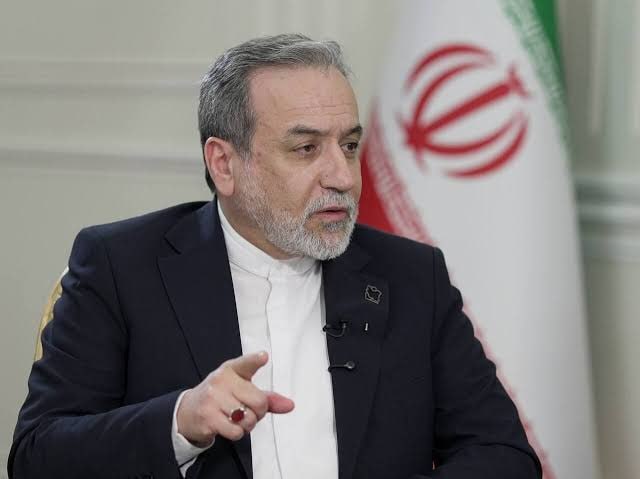
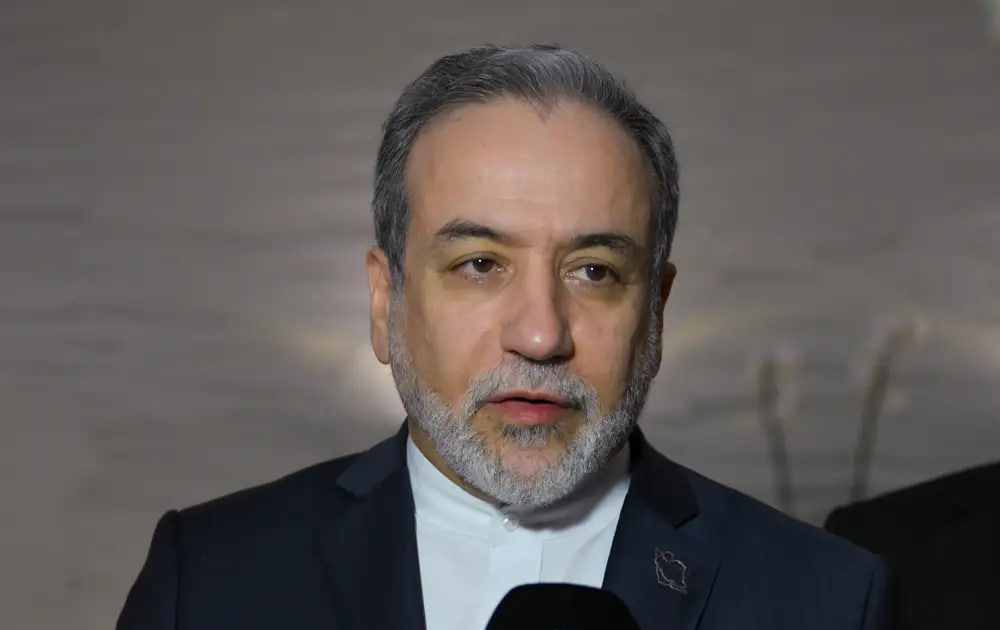
    Araghchi said a historic opportunity now exists to reach a major agreement that could address the concerns of both sides. He added that Tehran is returning to the negotiating table with firm determination and on the basis of previous understandings.

    The Iranian Foreign Minister stressed that a fair agreement is within reach—provided that Washington prioritizes diplomacy and respects the rights of the Iranian people.

  • Kata’ib Hezbollah Iraq Warns Against Action Targeting Iran

    Kata’ib Hezbollah Iraq Warns Against Action Targeting Iran

    Abu Ali al-Askari, security official of Kata’ib Hezbollah Iraq, warned in a statement about increasing U.S. military movements in Syria and the Kurdistan Region of Iraq, claiming these actions are part of preparations for aggression against the Islamic Republic of Iran along what he described as a “land corridor.”

    He called on Kurdish factions to avoid any adventurism against Iran and stressed the need for vigilance and readiness among Iran’s security and armed forces to defend the country’s northwestern borders. He described Washington’s activities as part of a broader regional destabilization scenario.

    The remarks come amid recent reports of U.S. Army Special Forces (Delta Force) deployments near the Iran-Iraq border. Political and security analysts have interpreted these moves as potential signs of Washington preparing for military scenarios, including strikes or targeted operations against Iran and resistance groups in Iraq.

  • Transfer of U.S. Fighter Jets from Japan to Near Iran

    Transfer of U.S. Fighter Jets from Japan to Near Iran

    The F-16CM aircraft are primarily tasked with suppression of enemy air defenses (SEAD), including detecting and neutralizing hostile radar and missile systems.

    Previously, the United Kingdom had opposed a U.S. plan to use the Diego Garcia base in the Indian Ocean for military operations against Iran. However, some reports suggest that London may be indirectly aligning with Washington’s actions.

  • Iran Will Acquire Chinese Supersonic Anti-Ship Missile “CM-302”

    Iran Will Acquire Chinese Supersonic Anti-Ship Missile “CM-302”

    Negotiations, which reportedly began at least two years ago, accelerated following last year’s conflict with Israel, and senior Iranian military officials have traveled to China as discussions advanced.

    These supersonic missiles, designed to fly low and fast to evade shipborne defenses, have an estimated range of about 290 kilometers in its export configuration and carries a 250-kilogram warhead. Powered by a liquid-fueled ramjet engine, it can reach speeds between Mach 2 and Mach 4, depending on its flight profile.

    A former Israeli intelligence officer and senior Iran analyst at the Institute for National Security Studies, told Reuters: “These missiles are extremely difficult to intercept. If Iran acquires these anti-ship missiles, it would completely change the situation.”

    Analysts emphasized that deploying these missiles will pose a severe threat to the US and other hostile naval forces in the region, given their speed and flight profile.

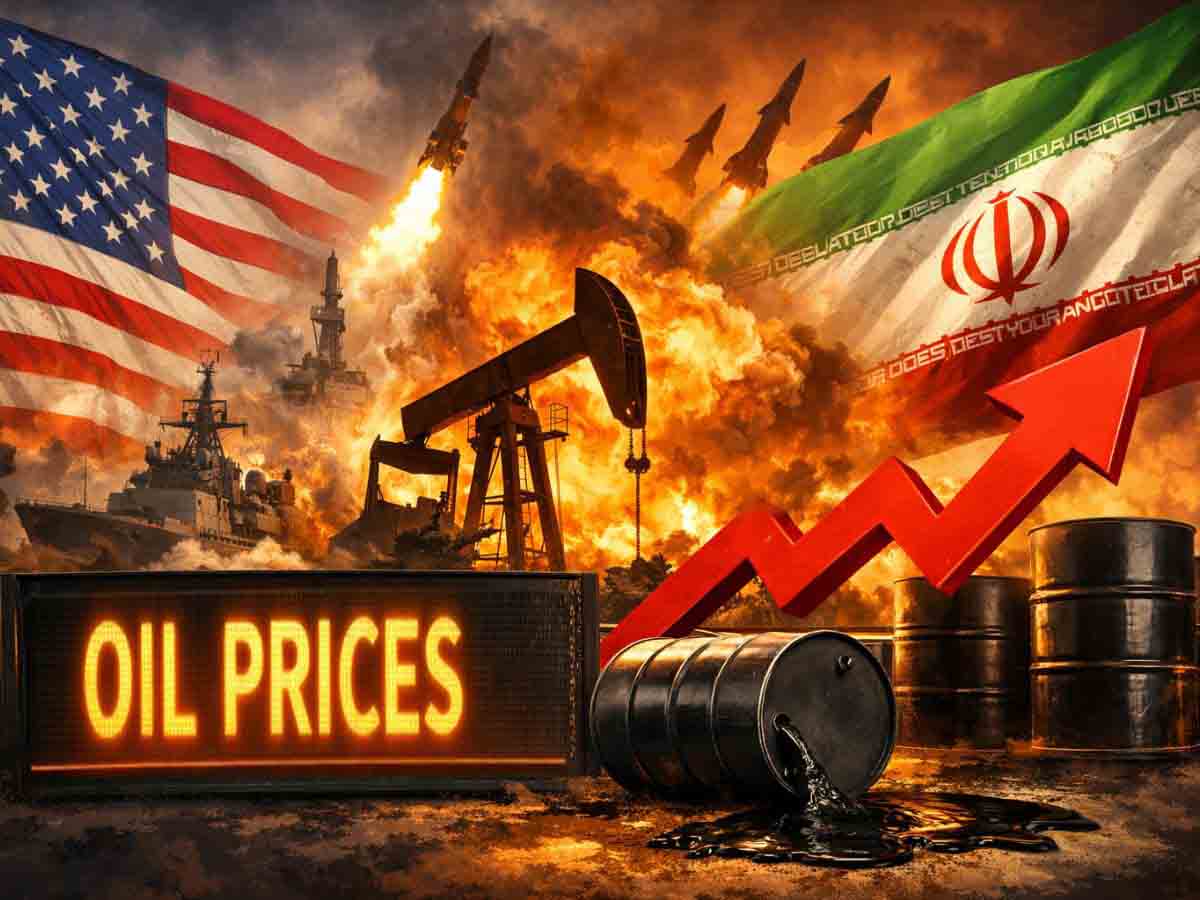
  • Washington and Concerns Over Increasing Oil Prices; the Impact of the Oil Price Surge on the Conclusion of the 12-Day War

    Washington and Concerns Over Increasing Oil Prices; the Impact of the Oil Price Surge on the Conclusion of the 12-Day War

    Investigating the claim of a connection between energy prices and the end of the 12-day war
    To prove this connection exists, it is important to analyze the media and influential figures’ perspectives on the matter, along with examining various evidence from previous years and the outcomes of similar events. This helps understand why the decision-making apparatus in Washington responded the way it did. Additionally, before the “American-Israeli” attack on Iran, CENTCOM commander Gen. Erik Kurilla outlined a comprehensive plan for several weeks of bombing Iran in front of Trump, yet despite strong backing from the Israeli regime lobby, it was rejected. According to Trump’s first vice president, J.D. Vance, Washington was satisfied with a limited operation and targeted strikes to destroy nuclear facilities, rather than pursuing a full-scale war. Ultimately, however, Tel Aviv decided to proceed with the attacks and convinced Trump to target Iran’s nuclear sites.

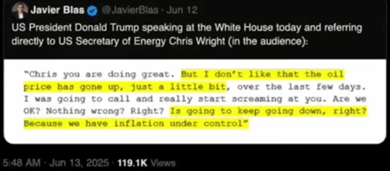
    1. Trump expresses concern about rising oil prices hours before war beginsOn the night of the attack, a well-known Bloomberg journalist tweeted a crucial excerpt from Trump’s conversation with Energy Secretary Chris Wright. Trump had expressed concerns about the increase in oil prices roughly 10 days earlier, citing rising geopolitical risks, and had threatened to “shout out” to the secretary if the trend persisted. During that period, the Republican administration had successfully kept inflation under control.
    Conversations between Trump and the US Secretary of Energy at a Cabinet meeting before the war began
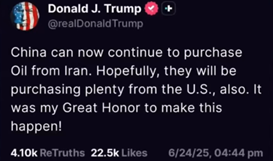
    1. US President’s oil tweetsTrump’s tweets amid a war with Iran highlight Washington’s sensitivity to oil prices, revealing how Wall Street financial markets remain vulnerable to this key resource, regardless of other structural aspects of the US economy.

    In the first tweet, he orders the Secretary of Energy to drill more oil fields in the U.S. to boost production, and in the second tweet, which came minutes after the first, he warns energy companies against raising oil prices.

    In the third tweet, coinciding with the war’s final moments, Trump confirms China’s ongoing purchase of Iranian oil. His expression of satisfaction aims to stabilize the energy market and consequently minimize fluctuations in oil prices.

    1. Warning from the world’s leading publications and think tanks

      • Oxford Economic Journal article
      This article examines how the heightened tension between Tehran and Tel Aviv influences oil prices and global market outlooks. A chart illustrates expected fluctuations in oil prices per barrel. The author forecasts that, in the event of a sudden shutdown of the Strait of Hormuz, oil prices could rise to around $130. Similarly, if Iran’s regime damages its energy infrastructure to halt exports, prices might reach approximately $100. Furthermore, increased sanctions on Iranian oil could reduce exports by up to 100,000 barrels per day, pushing prices to about $80. This increase from the current price of around $75 creates a significant gap with substantial economic implications for the US.

      • Deutsche Bank report (German central bank)
      On June 13, which marks the start of the war, the German Central Bank released a report on how reducing Iranian oil exports by 50 and 100 percent of their capacity, as well as the (effective) closure of the Strait of Hormuz, would affect rising oil prices.

      • Politico’s revelations regarding the war with Ansar Allah
      On February 21, 2025, Politico disclosed a confidential conversation between Vance and Trump. During this exchange, Vance expressed concern about rising oil prices and their severe economic impact, amidst pressure from the Zionist AIPAC lobby to counter the war-mongering actions of certain US government officials. This highlights the complex nature of the situation at that time. The report underscores that oil prices can significantly influence international conflicts and disputes.

      • World Bank report after the October 7 attack
      Immediately after Operation Storm al-Aqsa and its continuation for several days, the World Bank prepared a report in which it presented predictions of how oil production would decline and, as a result, oil prices would rise for world markets. In this text, the situation was assumed to deteriorate to the point that if tensions caused a daily production decrease of 7-8 million barrels of oil, countries would see oil prices increase to $160. The ongoing wars and tensions between the resistance axis and the Zionist regime are so sensitive that this group of reports can be largely attributed to similar conditions. Such a security-economic pattern has been recorded at different points in time as a repeatable chain that can be used to predict energy market events after the start of a major regional war.
    2. Conversations on the fourth day of the Netanyahu cabinet war meetingAccording to the Times of Israel, Ron Dermer, a close ally of Netanyahu for nearly 20 years who also manages relations with the U.S. and Arab nations, opposes calls to bomb Iranian refineries. He stated during that meeting: “If we target civilian infrastructure like refineries, the war will be over before we can attack Fordow and accomplish our goals.”
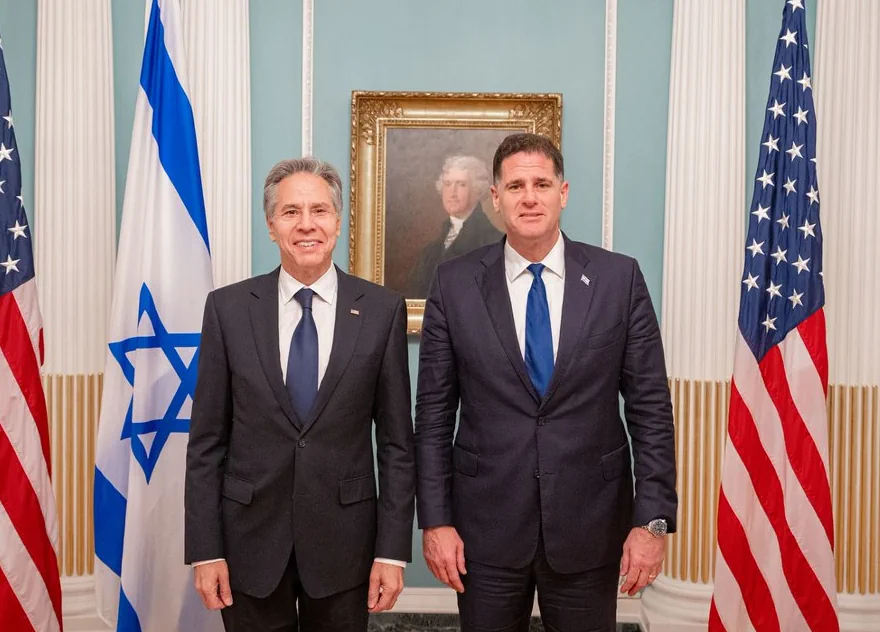
    Ron Dermer, Israel’s Minister of Strategic Affairs, with Blinken, the US Secretary of State in 2023.

    The key question is why the war would end by striking Iran’s oil facilities. Mehdi Kharatian, a recognized Iranian analyst, believes this aggressive move could trigger a dangerous chain reaction in the region. He suggests that Iran might escalate tensions in Southwest Asia’s infrastructure sectors, potentially deterring the United States from fully engaging in the conflict.

    1. Rising oil prices and Democrats’ troubles ahead of the electionTwo days after “Operation True Promise 2” and during the Republican-Democrat election debates, the Telegraph reported that Biden, then US President, mentioned that the regime was contemplating attacking Iranian oil facilities. Some media labeled this potential move as a “headache for the Democrats.” However, the following day, the Biden administration rejected this idea and instead proposed an alternative or replacement plan.

    Final Thoughts
    This discussion presents several clear reasons and pieces of evidence supporting the idea that rising oil prices can help end major wars, acting as a pressure tool on U.S. decision-making. High-ranking US officials prioritize global energy stability and supply chain security, actively working to eliminate threats in this sector. Consequently, Iran’s main leverage during the conflict—the “shock of closing the Strait of Hormuz”—did not need to be used. The US is well aware that any existential threat or large-scale attack on Iran would prompt Iran to use this strategic leverage quickly and decisively! Therefore, it is far wiser for the US to consider this fact carefully before attempting any attack on Iran, as Iran has the potential to ignite the region and severely disrupt the global economy.

  • €500 Million Arms Deal Between Iran and Russia

    €500 Million Arms Deal Between Iran and Russia

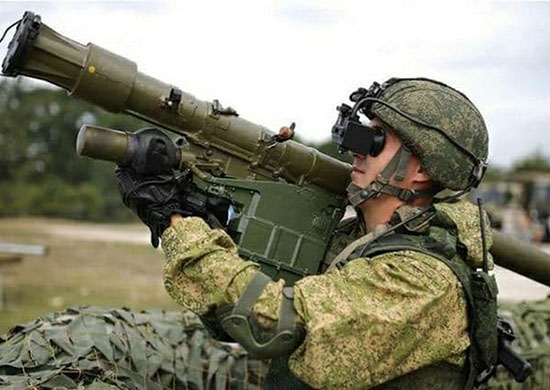
    The 9K333 Verba system is a lightweight air defense platform designed to intercept drones and low-altitude targets. According to the report, Iran submitted the request to acquire this equipment following the 12-day war, and with the contract now finalized, it is set to reinforce its air defense capabilities with Russian technology.

    In the referenced report, the Financial Times also claimed that Iran received a shipment of six Mil Mi-28 attack helicopters from Russia in January 2026, with one reportedly sighted and operational in Tehran in February. Additionally, Iran is said to be continuing its pursuit of acquiring two squadrons of Sukhoi Su-35 fighter jets from Russia.

    Read: Military Knowledge: Mi-28 Attack Helicopter
    Read: Military Knowledge: Sukhoi Su-35 Multirole Fighter Jet

  • Araghchi: We Are Not Afraid of U.S. Military Movements

    Araghchi: We Are Not Afraid of U.S. Military Movements

    Emphasizing that the path to peace runs solely through diplomacy, the Iranian Foreign Minister stated that Iran is not intimidated by U.S. military movements and that such pressure is unnecessary. He added that work on the draft agreement is ongoing. Reaffirming Iran’s right to uranium enrichment, he also said that specific proposals on the matter have been exchanged with Washington.

    Concluding with a warning against any military adventurism, Araghchi underscored that if the United States were to launch an attack, Iran would reserve its right to self-defense and would target U.S. bases in response.