Category: West Asia

  • Large‑Scale Alawite Demonstrations in Syria

    Large‑Scale Alawite Demonstrations in Syria

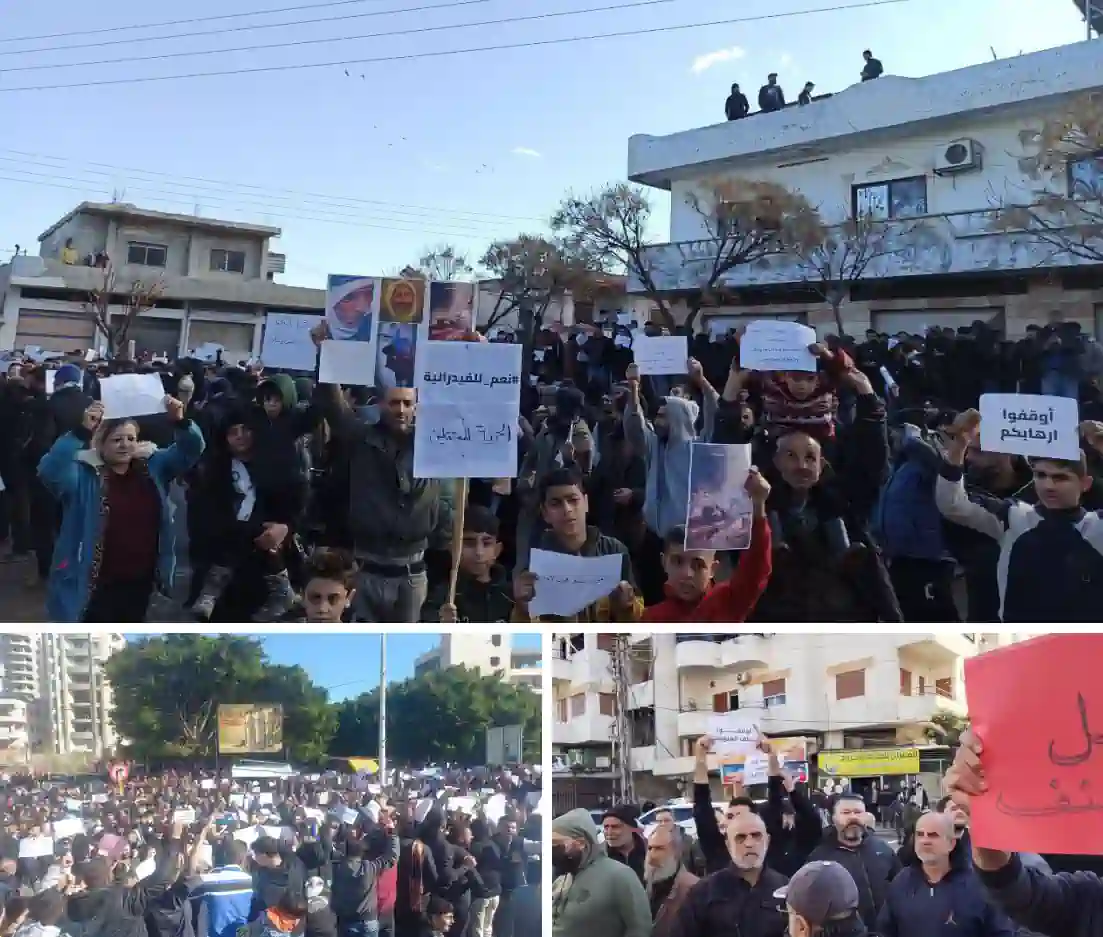
    Sheikh Ghazal stressed that what is happening now amounts to an organized genocide against the Alawites, carried out openly before the eyes of the world. He clarified that the Alawites are not seeking “civil war,” but rather demand political federalism within Syria.

    In response to this call, residents of Jableh and al‑Qardaha (Latakia province), al‑Daliyeh and Salhab (Hama province), Tartus, Safita, Banias, and al‑Sheikh Badr (Tartus province) took to the streets. Videos circulating on social media show that security forces of the al‑Joulani government opened fire on protesters in some areas, injuring several people who were later transferred to Tishreen Hospital in Latakia.

  • Ansar Allah announces martyrdom of senior missile commander

    Ansar Allah announces martyrdom of senior missile commander

    The funeral for Maj. Gen. Zakaria Abdullah Yahya Hajar (Abu Yahya), Brig. Gen. Abdullah Yahya Abdullah Hajar, Brig. Gen. Hussein Yahya Abdullah al‑Hashimi, Brig. Gen. Ahmed Abdullah Yahya Ahmed Hajar, and Mohammed Khaled Yahya Ahmed al‑Haifi will be held at Al‑Shaab Mosque in Sana’a, attended by senior officials of Yemen’s government and military.

    Official Yemeni media have not yet released detailed information on their roles or circumstances of martyrdom. However, according to unofficial reports, Maj. Gen. Zakaria Hajar was a specialist in missile and drone systems within Yemen’s Armed Forces and played a role in Yemen’s support operations for Palestine.

    He and his men were martyred in a U.S. airstrike in March 2025 targeting the Al‑Jiraf area north of Saada city. Zakaria Hajar’s name, due to his ties with Iran and involvement in Yemen’s missile‑drone program, appears on the alleged terrorist and sanctions lists of Saudi Arabia and the Saudi-backed Yemeni government.

  • Progress in Negotiations Between Damascus and Tel Aviv

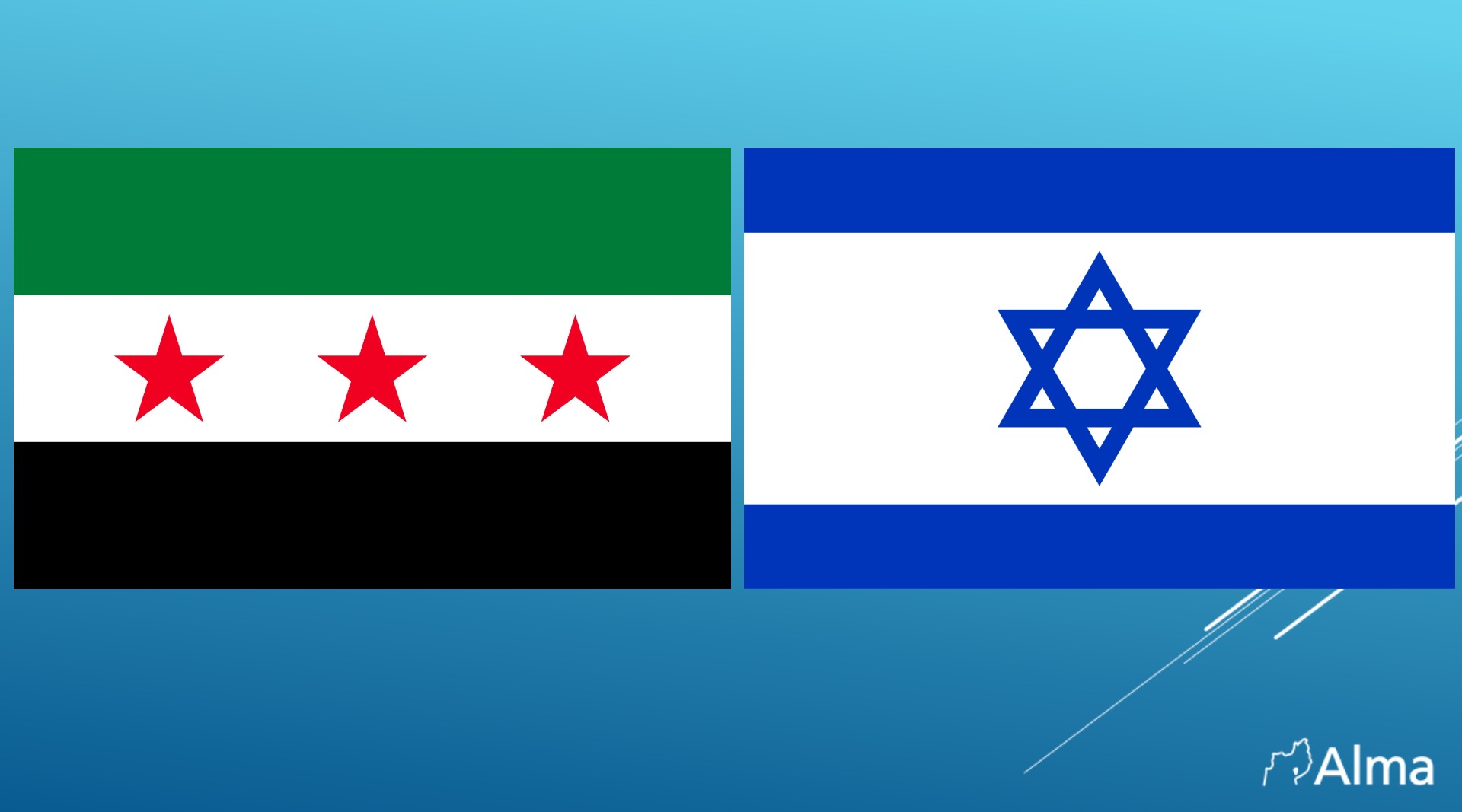
    Progress in Negotiations Between Damascus and Tel Aviv

    These sources even suggested the possibility of a direct signing between Syrian President Abu Mohammed al‑Jolani and Israeli Prime Minister Benjamin Netanyahu.

    The core of the agreement would be based on the 1974 ceasefire accord between Syria and Israel, but with new amendments and without the creation of additional buffer zones along the lines of contact.

    However, Israeli officials stressed that any withdrawal from occupied Syrian territories would depend on achieving a comprehensive peace agreement, and that signing a security deal alone would not lead to the pullout of Israeli forces.

  • Ceasefire Between SDF and al-Joulani Government in Aleppo

    Ceasefire Between SDF and al-Joulani Government in Aleppo

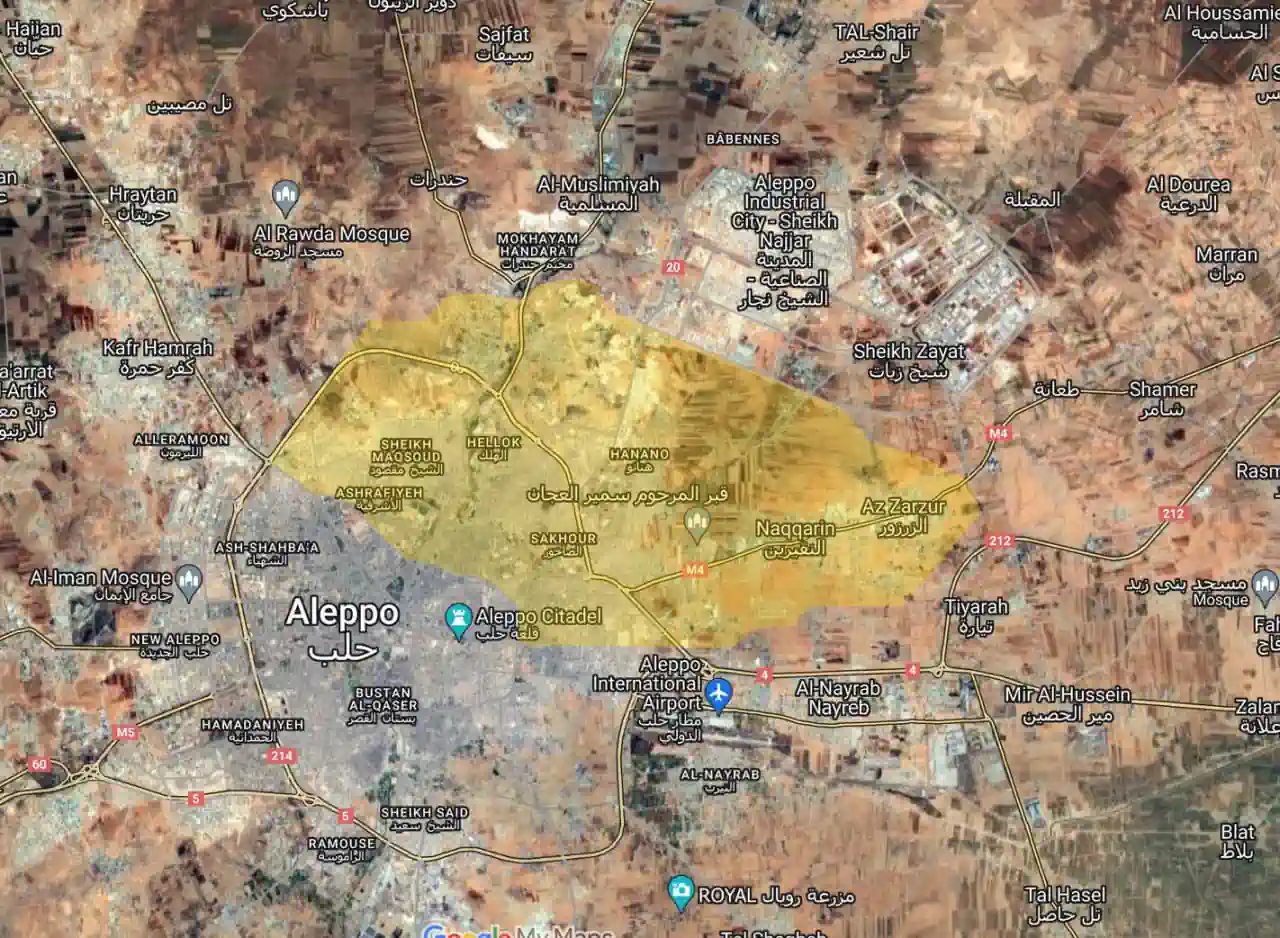
    On December 21, the neighborhoods of Sheikh Maqsoud and Ashrafieh in Aleppo witnessed armed confrontations between SDF units and pro-government forces. The exchanges of fire subsided after several hours, leaving a fragile calm over these districts.

    Media outlets close to Damascus claimed that SDF fighters used machine guns, RPGs, and mortars to target parts of Ashrafieh and the area stretching from Sheihan Square to al-Layramoun Square. According to these reports, the intensity of the clashes forced dozens of families and factory workers to flee the vicinity of al-Layramoun.

    Meanwhile, the SDF media center stated that two of its fighters were wounded when Damascus-aligned forces attacked a checkpoint at Sheihan Square. The center held the Damascus government directly responsible, warning that such actions pose a serious threat to the city’s security and the lives of civilians.

    In another statement, the SDF reported that following the checkpoint attack, pro-government forces launched heavy and semi-heavy assaults on Sheikh Maqsoud and Ashrafieh. Local residents, alongside internal security units, resisted these attacks.

    At the same time, several Syrian Arab tribes released videos and statements on social media openly declaring support for the Damascus government. Tribal leaders announced their readiness to mobilize manpower and resources to confront the SDF.

    Local reports confirmed that at least one woman was killed and around 20 others injured in the clashes. Both sides accused each other of initiating the attacks and escalating tensions. These developments have heightened concerns over the security implications for civilians and the overall stability of Aleppo.

  • Landing of a U.S. Military Transport Aircraft in Northeast Hasakah

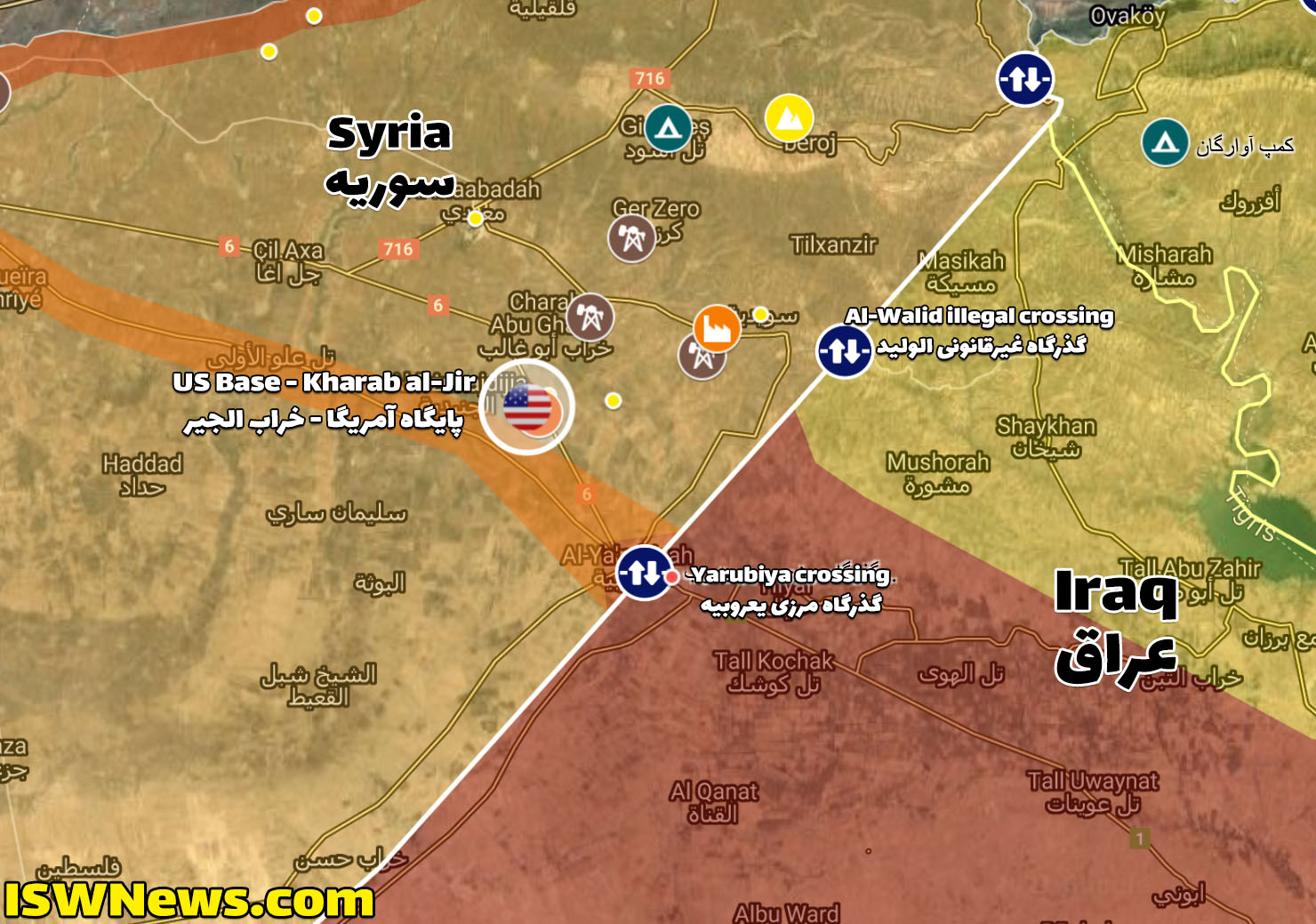
    Landing of a U.S. Military Transport Aircraft in Northeast Hasakah

    This marks the third U.S. transport aircraft to arrive at Kharab al-Jir within the past 24 hours. Previously, two other transport planes carrying heavy weapons, ammunition, and military vehicles also landed at the base.

  • Third Consignment: UAE Bolsters Southern Forces in Yemen

    Third Consignment: UAE Bolsters Southern Forces in Yemen

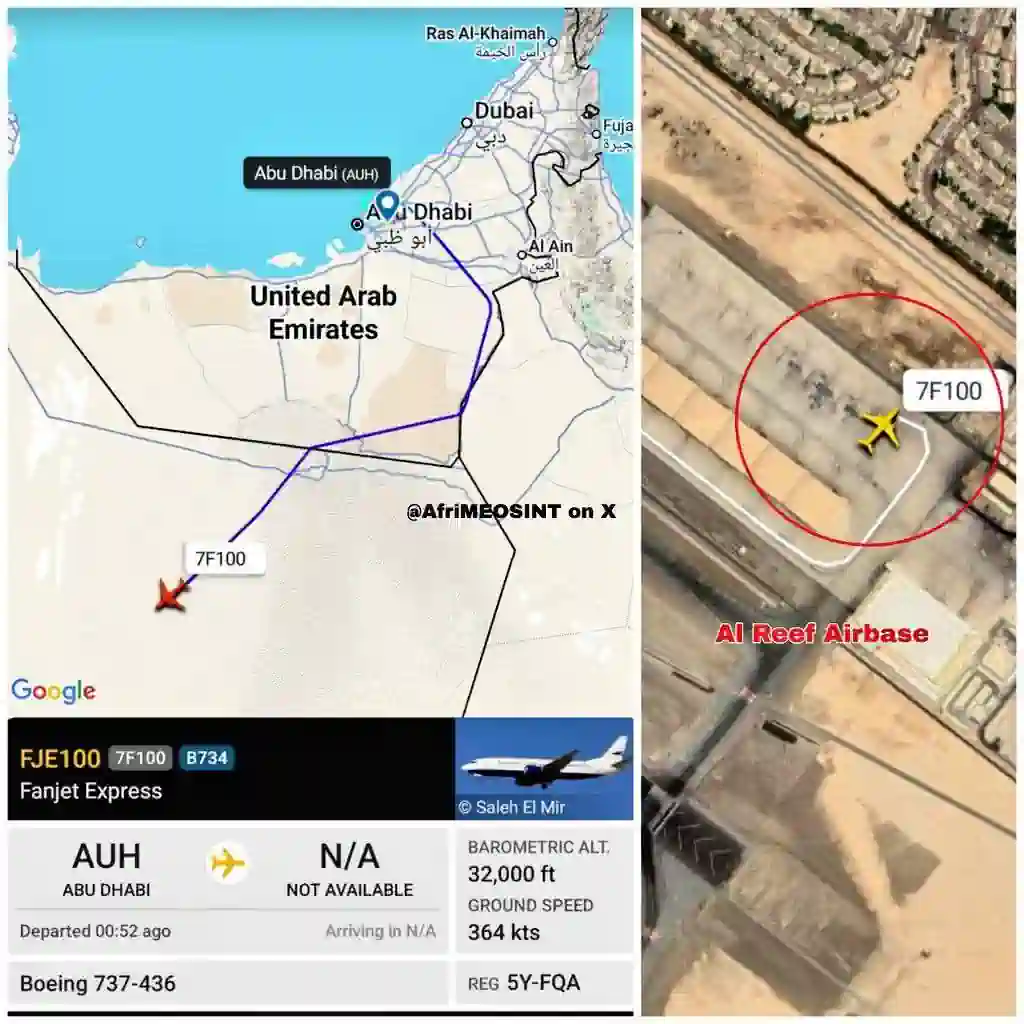
    The shipment was transported via a Boeing 737 aircraft operated by the Emirati company Fanjet Express, departing from Al-Rif Air Base in Abu Dhabi and arriving at Al-Rayyan Airport on Yemen’s Hadramaut coast. This marks the third military consignment sent by the UAE to southern forces in recent days.

    By supplying new weapons to southern groups, Abu Dhabi aims to strengthen their positions in Hadramaut and prevent future offensives by Saudi-aligned factions.

  • The Dire Consequences of Yemen’s Ongoing Air Blockade by the Saudi–Emirati Coalition

    The Dire Consequences of Yemen’s Ongoing Air Blockade by the Saudi–Emirati Coalition

    Khaled al-Shayef, director of Sana’a International Airport, told Al-Masirah TV that the air blockade is being used by the Saudi–Emirati coalition as a tool of political pressure against Yemen. He noted that over 500,000 patients in Yemen currently require travel abroad for treatment.

    Al-Shayef also confirmed the airport’s readiness to resume flights, stating that aircraft could be arranged if the blockade were lifted, but the coalition continues to impose restrictions and intimidate many airlines.

    According to Yemeni government estimates, under normal conditions the number of flights and passengers was expected to reach 4 million by the end of 2025. However, this projection was derailed due to repeated Zionist airstrikes on the airport, which disabled its facilities on two separate occasions.

  • From Socotra to Sudan: Zionist-Emirati Entrenchment in Strategic Regions

    From Socotra to Sudan: Zionist-Emirati Entrenchment in Strategic Regions

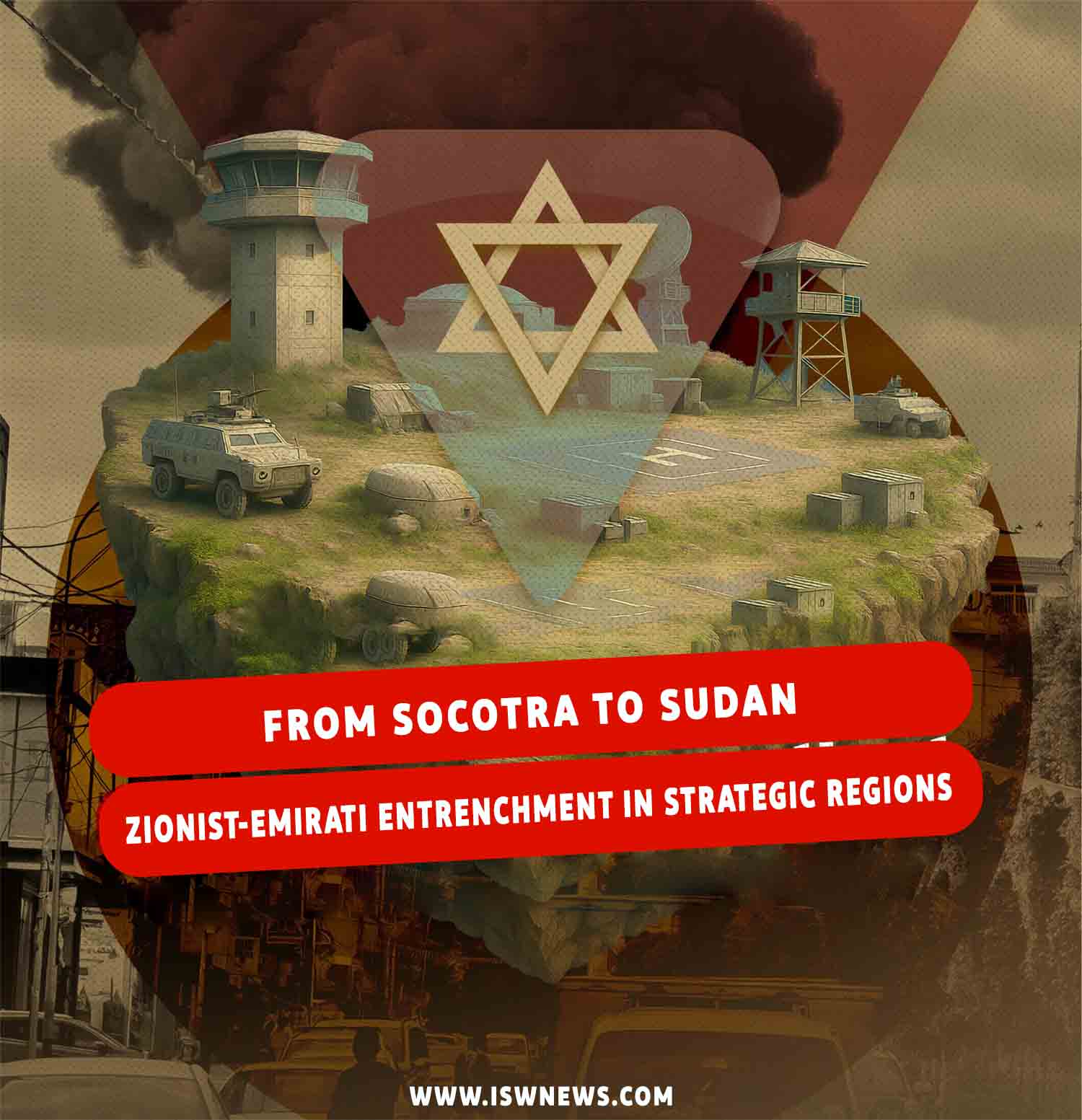
    New satellite imagery has revealed a rapidly growing web of military, logistical, and intelligence bases established by the United Arab Emirates along strategic corridors from the Socotra archipelago in the Indian Ocean to the coasts of Somalia and Yemen. This complex military infrastructure effectively serves as Abu Dhabi’s “control ring” over one of the busiest and most sensitive maritime routes in the world—connecting the Arabian Sea, Bab al-Mandeb, and the Red Sea. Since the Al-Aqsa Storm operation against the Zionist regime and the outbreak of the Gaza war, the pace of construction and equipping of these bases has sharply accelerated, making them a cornerstone of the region’s geopolitical reconfiguration.

    In this new security structure, the UAE is not the sole actor. Its strategic allies—most notably the Zionist regime and the United States—have played decisive roles in designing, building, and technically supporting the network. Reports confirm the presence of Zionist military officers and technical experts on Socotra islands, where advanced radar systems, electronic surveillance equipment, and maritime control devices manufactured by the regime have been installed. These systems enable the UAE and its allies to monitor Ansarallah’s activities in real time and, if necessary, neutralize missile or naval threats before they reach their targets.

    Chain of Military Oversight

    On the intelligence front, Abu Dhabi and Tel Aviv have reached an unprecedented level of convergence. Through a joint intelligence platform called Crystal Ball, the two countries share data collected from satellites, drones, and electronic surveillance systems. According to confidential promotional documents prepared for Western partners, the platform was created to “design, deploy, and enhance regional intelligence capabilities in support of energy security and international trade.”

    From a geostrategic perspective, this initiative has elevated the UAE from a minor Gulf player to a mid-level power with transregional capabilities. By controlling vital shipping routes through which much of the world’s oil and trade flows, Abu Dhabi positions itself as a “security mediator” in international maritime security. Meanwhile, the Zionist regime’s presence in this chain signals a shift in Tel Aviv’s cooperation field—from the Gulf to the Arabian Sea and Indian Ocean—a development that could alter the naval balance of power against Iran and the resistance axis.

    The expansion of such infrastructure has raised regional and international concerns. Many security analysts argue that the network is not limited to countering Yemeni forces but is shaping a “transnational surveillance architecture” that allows the UAE and its allies to control communications, transport, and even the movement of military personnel and equipment across southern Arabia and the Horn of Africa. Ultimately, the militarization of Socotra and adjacent coasts has become a symbol of the new regional power competition in the Red Sea and Indian Ocean—where surveillance technologies, intelligence data, and multilateral security cooperation are replacing direct military occupation.

    Abu Dhabi–Tel Aviv Convergence

    “Relations between the UAE and the Zionist regime were highly developed even before formal diplomatic ties, but kept silent—not hidden, just silent,” recalls Alon Pinkas, a Zionist diplomat who advised four foreign ministers. The newly built Emirati military and intelligence bases are located in areas not officially under UAE sovereignty. Instead, they are established in territories controlled by Abu Dhabi’s informal allies, including Yemen’s Southern Transitional Council, military commander Tareq Saleh, and the regional governments of Somaliland and Puntland—both technically part of Somalia but in tense relations with Mogadishu and with the UAE.

    The Emirati Military Network

    The UAE’s military network includes bases, airstrips, and logistical hubs at key maritime points:

    • Abd al-Kuri and Samhah islands (part of Socotra), now administered by the Southern Transitional Council
    • Bosaso airport in Puntland and Berbera airport in Somaliland
    • Mokha port on Yemen’s western coast
    • Mayun volcanic island in the middle of the strategic Bab al-Mandeb strait, through which nearly 30% of the world’s oil passes

    All these facilities have been newly built or expanded in recent years, forming a coordinated chain of naval and air bases.

    According to regime security sources, this complex network was developed through close coordination between Abu Dhabi and Tel Aviv, granting effective control over vast sections of the Red Sea and Gulf of Aden. It constitutes part of a joint UAE–Zionist defense system aimed at creating an integrated regional missile defense, early warning, and intelligence-sharing mechanism.

    Regional Security Architecture

    The Washington Institute for Near East Policy notes that multilateral air-defense coalitions have become the cornerstone of West Asia’s security architecture after October 7, 2023. Member states have integrated radar, intelligence, and early-warning systems to counter shared threats.

    Despite official claims that the network focuses on monitoring global shipping traffic and Yemeni activities, diplomatic and local sources report that Bosaso and Berbera bases now serve broader roles—acting as logistical support hubs for Emirati operations in Sudan’s civil war. In that conflict, Abu Dhabi backs the Rapid Support Forces (RSF) against Sudan’s army. The expansion of Emirati bases around Yemen reflects a wider strategy pursued in recent years, leveraging financial power and diplomatic influence to extend reach across unstable African regions. The UAE has funded or established military bases in southeastern Libya (under General Khalifa Haftar), Chad, the Central African Republic, Uganda, Ethiopia, and Kenya.

    Emirati Presence in Sudan

    Within Sudan itself, the UAE has maintained two active bases since the war began in April 2023:

    • One in Nyala, southern Darfur
    • Another in al-Malha, 200 km northeast of al-Fashir, the capital of northern Darfur

    The latter area has been under heavy and violent RSF siege for more than 500 days. Thus, what outwardly appears as a surveillance chain against maritime threats has, in practice, evolved into a geostrategic network transforming the UAE into a transregional power with active arms in West Asia, the Horn of Africa, and deep into the African continent.

  • Doctrine of Controlled Resistance: A Narrative of Joseph Aoun’s Strategic Shift Toward Zionist Attacks

    Doctrine of Controlled Resistance: A Narrative of Joseph Aoun’s Strategic Shift Toward Zionist Attacks

    Introduction

    On the international stage, Hebrew media reports claiming that recent Zionist regime attacks were coordinated with the United States—and that Tel Aviv is dissatisfied with the “army’s slow pace in disarming Hezbollah”—illustrate the mounting pressure from Washington and Tel Aviv to curb this trajectory. The West now fears the emergence of an independent Lebanese national defense model, in which the army and resistance secure the country’s borders without reliance on international institutions. This concern has driven the Zionist regime to employ its attacks not only as military responses but also as political tools to prevent closer ties between the army and Hezbollah.

    Meanwhile, the Wall Street Journal’s report on Hezbollah’s military rebuilding—coinciding with U.S. diplomatic and security maneuvers alongside Arab allies—signals a coordinated effort to reframe Lebanon’s narrative from “legitimate defense” to “regional threat.” From this perspective, a critical question arises: does Joseph Aoun’s recent directive to delay the disarmament of the resistance reflect political weakness and isolation, or is it a calculated attempt by Aoun and the army to redefine Lebanon’s defense policy and restore national legitimacy? Exploring this question is key to understanding the new phase of security developments along Lebanon’s southern borders and the balance of power in the Middle East.

    From “Potential Partner” to “Implicit Supporter of Resistance”

    At the outset of his presidency, Joseph Aoun was regarded by the West and Arab allies as a “potential partner” to contain Hezbollah and rebuild Lebanon’s political order after the war. Yet, over time, the gap between Western promises and on-the-ground realities eroded this perception. The “Barak Roadmap” and Arab backing for Hezbollah’s disarmament placed Aoun in a dilemma between external pressures and domestic sensitivities. As Zionist attacks persisted and Washington failed to manage the crisis, the legitimacy of alignment with the West weakened in Lebanon. Gradually, Aoun shifted from cooperating with Washington to emphasizing Lebanon’s “right to national defense” against Zionist aggression. By October 2025, he had transformed from a pragmatic figure supported by the West into a nationalist leader who saw his political survival in maintaining balance among the state, the army, and the resistance.

    The Beginning of a New Phase in Lebanon’s Defense Policy

    In late October 2025, the Wall Street Journal published a report claiming that Hezbollah had resumed “rebuilding its military capacity” after the ceasefire. According to Zionist and Arab security sources, part of the defensive equipment was entering Lebanon via Syria, while other parts were being produced domestically. The report warned that the Zionist regime was “losing patience” and might act “unilaterally” if Beirut failed to respond.

    The significance of this report lay less in its military content than in its political and psychological impact. Around the same time, Joseph Aoun ordered the Lebanese army to respond to any Zionist aggression—a decision widely seen as the start of a new phase in Lebanon’s defense policy. Simultaneously, renewed Zionist attacks on southern Lebanon, Aoun’s directive to suspend Hezbollah’s disarmament, and the overlap of these events created a tense and complex environment where media narratives and military decisions shaped public opinion in parallel.

    Strategically, the Wall Street Journal report pursued two objectives:

    • First, by amplifying claims of weapons transfers from Syria, it sought to provide international legitimacy for any potential Zionist preemptive strike, making such action politically defensible—something already witnessed in recent attacks on southern Lebanon.
    • Second, the narrative targeted Lebanon’s political sphere by raising the issue of “security contacts between Lebanon and the Zionist regime,” thereby deepening internal mistrust and placing Aoun between two conflicting narratives: either ignore Hezbollah’s activities or implicitly cooperate with the Zionist regime.

    This dual pressure was precisely what Aoun sought to avoid. Until then, he had tried to maintain a fragile balance among the army, the state, and the resistance. Yet the Wall Street Journal article disrupted that equilibrium, marking a preemptive strike in the war of narratives—framing any Lebanese defensive action as “aligned with the resistance axis.”

    Regionally, the timing of the report with the Egyptian intelligence chief’s visit to Beirut and the U.S. defense secretary’s call to Baghdad was no coincidence. These events reflected a multilayered coordination—political, security, and media—aimed at curbing Lebanon’s shift from “Western cooperation” toward “independent defense.”

    Thus, the Wall Street Journal report should be seen not as a reflection of battlefield reality but as a tool to redefine it. It implanted the Zionist regime’s narrative in the public mind, reframing Aoun’s decision from “legitimate defensive action” into a “reactive and risky response.” In this sense, its publication marked the first shot in a new media war—one designed to shape the battlefield in southern Lebanon through words and headlines before any bullets were fired.

    A New Equation Between Army, Hezbollah, and the State

    Recent developments in southern Lebanon—particularly Joseph Aoun’s direct order to the army to confront Zionist incursions and his subsequent proposal to suspend the plan for exclusive arms control south of the Litani River—represent a turning point in redefining Lebanon’s security equation. These decisions demonstrated that the Lebanese army was no longer a neutral observer but was gradually becoming part of the national deterrence system. By issuing this directive, Aoun effectively shifted from “containing the resistance” toward conditionally integrating the army into the concept of legitimate defense—a reflection of the collapse of the old order and the emergence of a new doctrine of “controlled resistance.”

    Structurally, the suspension of the arms monopoly plan signaled the return of defensive initiative to Lebanon’s domestic institutions. In practice, the army acknowledged Hezbollah’s defensive role, since confronting Zionist aggression is impossible without coordination with the resistance. For the first time since the 2006 war, the Lebanese army, through an official decision, stepped beyond the restrictive framework of Resolution 1701. Thus, the boundary between the roles of the state and the resistance was redefined—not as contradiction but as overlap.

    The Strategic Credibility Crisis of the Zionist Regime

    As analyst Ibrahim Majid observed, the Zionist regime, which a year earlier boasted of “complete victory” over Hezbollah, now admits that the resistance has been “rebuilt.” This shift in narrative is not the result of new intelligence but rather an implicit acknowledgment of failure to achieve war objectives. To compensate for this setback, the Zionist regime needs to construct a new threat—one that justifies its continued aggression and pressures the Lebanese state into internal conflict with the resistance.

    A New Phase of Deterrence

    Strategically, Joseph Aoun’s order for the army to respond directly to Zionist incursions ushered Lebanon into a new phase of formal deterrence. With this directive, he narrowed the historic gap between the state and the resistance, moving the concept of “national defense” from rhetoric into practice. While the decision garnered support from parts of society, it simultaneously placed Lebanon at the center of U.S. and Arab diplomatic pressure. Nevertheless, Aoun’s move can be seen as a calculated effort to reclaim sovereignty and restore legitimacy to Lebanon’s security decision-making.

    Ultimately, Lebanon now operates within a framework of threefold deterrence: the army, the resistance, and the state—each playing distinct yet complementary roles in defending the nation. Looking ahead, three possible trajectories emerge:

    • Stabilization of controlled deterrence through limited coordination between the army and the resistance.
    • Short-term localized clashes if Zionist attacks persist.
    • Escalation to a regional confrontation should the resistance axis intervene directly.

    Lebanon today stands in a state between war and peace—what can be termed “armed peace.” Its stability rests not on external agreements but on internal capacity to maintain balance among the state, the army, and the resistance.

  • Endless Cyber Conflicts: From Tehran to Tel Aviv

    Endless Cyber Conflicts: From Tehran to Tel Aviv

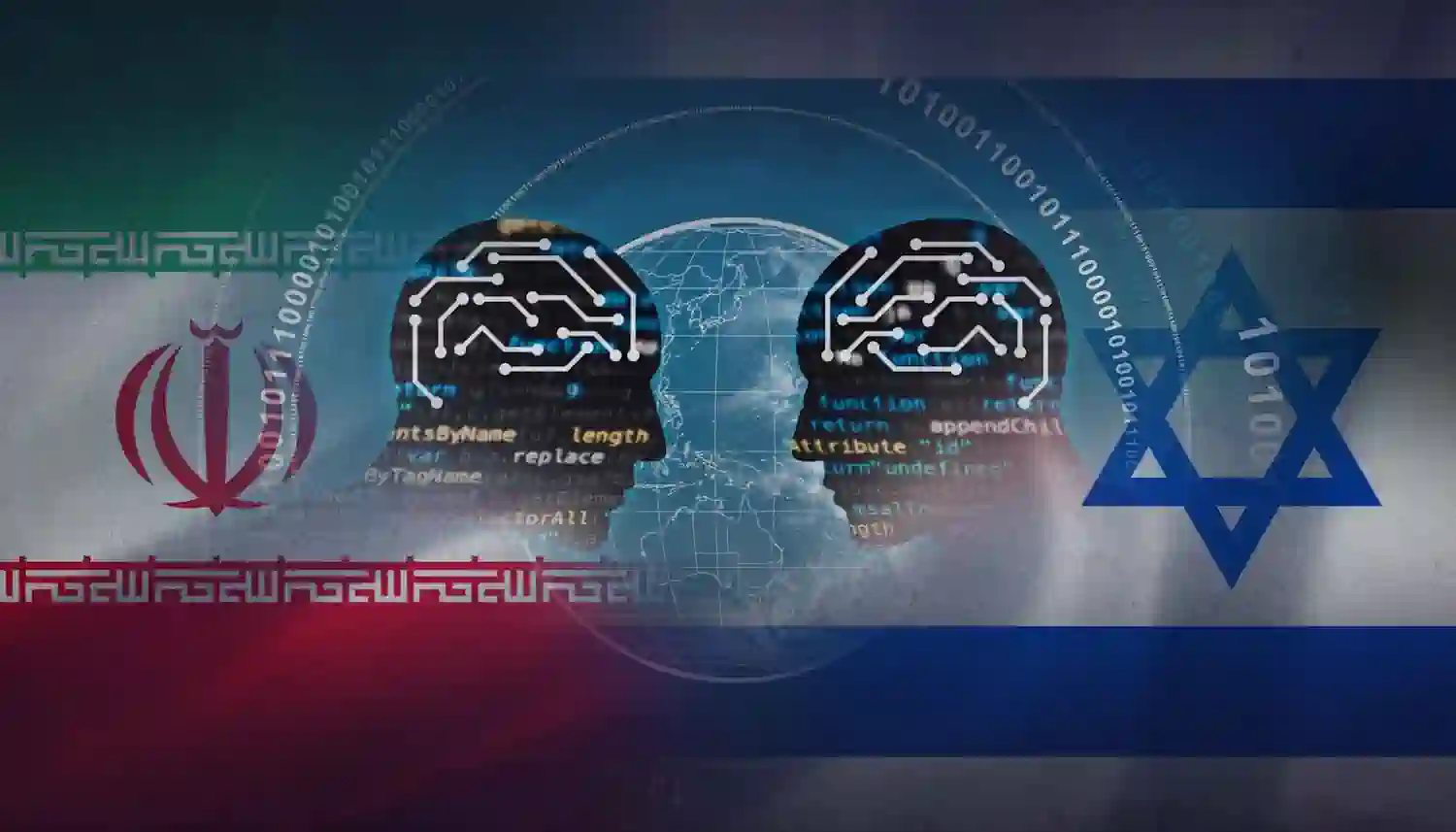
    The Twelve‑Day Cyber War
    The twelve‑day conflict between Iran and Israel, which took place from June 11 to 17, marked a turning point in the history of Middle Eastern cyber warfare. Initiated by Israel’s Operation “Rising Lion”, the confrontation saw a 700 percent increase in cyberattacks against Israeli infrastructure. Unit 8200, the largest military unit within Israel’s Defense Forces and often compared to the U.S. NSA or the UK’s GCHQ, played a pivotal role. Responsible for clandestine operations, SIGINT collection, codebreaking, counter‑espionage, cyber warfare, and surveillance, Unit 8200 has become one of the most sophisticated cyber units globally. Its importance is underscored by the fact that its veterans founded companies such as Check Point, CyberArk, Claroty, CyCognito, and Palo Alto Networks, which both support national security and serve as instruments of Israel’s cyber soft power abroad.

    Unit 8200’s Role in the Twelve‑Day War
    During the June 2025 conflict, Unit 8200 carried out a wide range of cyber operations against Iran. According to CloudSEK, between June 11 and 17, more than 35 pro‑Iranian hacker groups launched coordinated cyberattacks on Israeli military, governmental, and infrastructure targets. In response, Israel activated only four to five groups, but the sophistication of Unit 8200 and affiliated groups such as Predatory Sparrow far outweighed sheer numbers. This group, regarded as the successor to INDRA, employed unique cyberattack methods against Iran’s critical infrastructure, having previously inflicted significant damage on rail systems, steel plants, and fuel stations. Israel’s National Cyber Directorate (INCD) reported that in 2024, the number of alerts doubled, with cyberattack damages estimated at over $3 billion. These figures highlight the unprecedented intensity of the conflict, which went far beyond simple DDoS attacks or website defacements, encompassing complex intrusions into critical infrastructure, theft of sensitive data, and disruption of industrial systems.

    Technological Transformation and AI Tools
    One of Unit 8200’s most significant advancements has been the development and deployment of advanced artificial intelligence systems. According to The Guardian and +972 Magazine, Unit 8200 is building a large language model (LLM) similar to ChatGPT, trained on millions of intercepted Arabic conversations from Palestinians. Still in its training phase, this AI tool is designed to analyze, translate, predict, and summarize text, dramatically enhancing the unit’s surveillance and intelligence capabilities. INCD’s new strategy for 2025–2028 includes the creation of a “Cyber Dome”, an AI‑based national cyber defense system aimed at countering growing threats from Iran and Hamas. At a conference in Tel Aviv, Unit 8200’s commander revealed that AI technology had already been used to select Hamas targets. Reports also indicate that Microsoft and other major U.S. tech firms have supported Unit 8200 by providing Azure cloud services, enabling the migration of 70 percent of sensitive data to the cloud. This reflects the deep integration of Western technologies into Israel’s cyber warfare structure.

    Analysis of Tactics and Operational Methods
    In the twelve‑day war, Unit 8200 employed a wide array of advanced tactics, showcasing significant evolution in cyber warfare methods. According to Dark Reading, the attacks against Iran unfolded in three distinct phases: the first marked by massive DDoS waves and initial intrusion attempts; the second focused on targeting managed service providers (MSPs); and the third, ongoing phase, characterized by slower but far more sophisticated operations.

    Iranian attackers, who previously relied on outdated malware and easily blocked scripts, have shifted to using remote management tools (RMMs) and legitimate Windows software, making detection and blocking far more difficult. Exploitation of zero‑day vulnerabilities, which once took days or weeks, now occurs within 30–40 minutes.

    This dramatic increase in speed and efficiency reflects growing cooperation among Iran‑aligned groups, with shared intelligence, infrastructure, and R&D capabilities. In response, Unit 8200 has deployed advanced tools to target high‑value and unconventional assets.

    Strategic Consequences and Regional Impact
    The twelve‑day cyber war had profound strategic implications for the Middle East. According to the Lieber Institute, in the six months following the Gaza war’s outbreak in October 2023, about 60 percent of Iran’s cyber operations were directed against Israel, intensifying across all fronts from espionage to infrastructure attacks. This escalation was reinforced by Tehran’s allies in Lebanon, Iraq, and Syria. Israel’s National Cyber Directorate, which issued 367 alerts in 2023, raised the figure to 736 in 2024, including 518 high‑priority “red alerts.”

    With much of Iran’s defensive infrastructure destroyed and several senior military officials killed by Tel Aviv’s air campaign, Tehran’s strategic options have been significantly constrained. This operational damage reduces the feasibility of a major conventional response in the short term, making asymmetric tools—especially cyber warfare—far more attractive. Meanwhile, Saudi Arabia and the UAE, scarred by the Shamoon attack that wiped 30,000 computers and temporarily crippled Saudi Aramco, are increasingly turning to cyber capabilities as instruments of national security. Western states, on the other hand, continue to portray Iran as a disruptive actor in this domain, though experience shows Israel does not wait passively—conducting periodic attacks reminiscent of the Stuxnet virus.

    Below, three possible scenarios for the evolution of this new type of warfare are outlined:

    Scenario One: AI‑Driven Cyber War
    In the first scenario, Unit 8200 leverages its advances in artificial intelligence to enter a new phase of cyber warfare. Once its developing LLM is completed and operational, the unit will be able to process vast amounts of surveillance data in real time. This capability will enable faster target identification, more accurate enemy movement predictions, and automated cyber operations. The planned AI‑based Cyber Dome (2025–2028) could evolve into a multilayered defense system that not only repels attacks but also acts preemptively against potential threats. In this scenario, Unit 8200 is expected to use deep learning algorithms to detect complex patterns in network traffic and anticipate zero‑day attacks before they occur. Deeper collaboration with U.S. tech giants such as Microsoft, Google, and Meta would provide massive computing resources and training data, potentially leading to the development of autonomous cyber weapons capable of independently deciding on targets and attack methods. In response, Iran is likely to invest heavily in AI‑based defensive capabilities and may seek cooperation with countries such as Russia and China to access advanced technologies.

    Scenario Two: Expansion of Cyber Warfare to Regional Critical Infrastructure
    In this scenario, cyber conflict extends beyond Iran and Israel to encompass the entire Middle East. Unit 8200 may adopt a strategy of “maximum cyber pressure,” targeting not only Iran’s military and nuclear infrastructure but also vital civilian systems such as electricity grids, water networks, transportation, and banking. Reports indicate that the CyberAvengers group, affiliated with Iran’s Revolutionary Guard, targeted Unitronics PLC devices across multiple U.S. critical infrastructure sectors—including water and wastewater systems—for a year beginning October 7. Such attacks highlight the growing tendency to strike critical infrastructure, with potentially catastrophic consequences for civilian populations. In this scenario, Unit 8200 would likely exploit its capabilities to penetrate industrial control systems (ICS) and SCADA networks in Iran, aiming to cause widespread disruptions that could trigger social unrest. Conversely, Iranian cyber groups may attempt to strike Israel’s critical infrastructure, including water treatment facilities, power plants, and transportation networks. This escalation could evolve into a “cyber cold war”, where both sides continuously probe each other’s defenses and search for vulnerabilities without necessarily launching full-scale destructive attacks.

    Scenario Three: Convergence of Cyber Warfare with Physical Operations
    The third scenario is the most complex and dangerous, involving the integration of cyber operations with physical attacks and psychological warfare. Here, cyberattacks are not used as standalone tools but as part of a multi-layered strategy. For example, Unit 8200 might first disable Iran’s air defense systems through cyber intrusions, then conduct airstrikes, followed by information operations to amplify psychological impact. Reports suggest that during recent operations, false messages attributed to the Israeli military—warning of bomb shelter attacks—were disseminated by pro-Iranian groups to spread panic among civilians. Such hybrid operations are highly destructive, as defending against them requires coordination across military, security, and civilian sectors. Leveraging its AI capabilities, Unit 8200 could design sophisticated disinformation campaigns, using deepfakes and AI-generated content to manipulate public opinion. In this scenario, the boundaries between cyber warfare, information warfare, and conventional conflict blur entirely. Iran, in turn, may coordinate cyber-physical attacks through its regional allies against Israeli and allied interests. Israel itself has long engaged in such operations, often playing a role in initiating or facilitating unrest inside Iran.

    Conclusion: An Uncertain Future in Cyberspace
    The twelve-day conflict in June demonstrated that a new era of cyber warfare has begun—an era in which Israel’s Unit 8200, armed with advanced AI technologies, extensive international cooperation, and innovative tactics, seeks to maintain cyber superiority in the region. Yet, as reports indicate, this advantage is fragile, with Iran rapidly expanding its own capabilities. The three scenarios analyzed—AI-driven escalation, expansion to critical infrastructure, and convergence with physical operations—all point to the potential for dangerous intensification in the future. What is clear is that the cyber war between Iran and Israel has entered a new phase, one in which international laws and norms are repeatedly violated and civilian populations bear the greatest burden. The development of Israel’s Cyber Dome and Iran’s likely countermeasures could push the region into a cyber arms race with no foreseeable end. Ultimately, the international community must remain alert to the growing risks of this cyber conflict and work to establish legal and diplomatic frameworks to contain it before its consequences spiral out of control.

  • Baghdad and Damascus on Path to Revive Kirkuk–Baniyas Pipeline

    Baghdad and Damascus on Path to Revive Kirkuk–Baniyas Pipeline

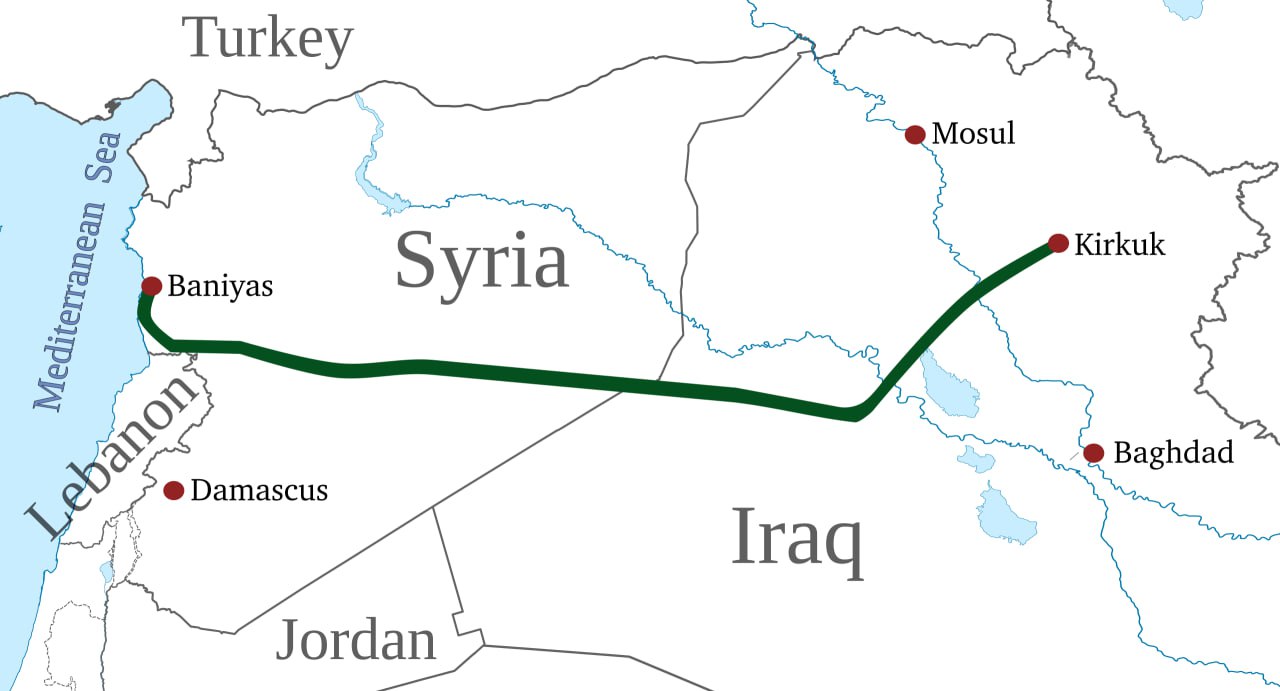
    Ghiyath Diab, Syria’s Deputy Minister of Energy for Oil Affairs, noted the pipeline’s deteriorated condition, stating that existing infrastructure—including pumping stations, transmission lines, and electrical equipment—has been severely damaged and requires complete reconstruction. According to him, initial assessments suggest that reviving the old line alongside building a new route would be more economically viable than full restoration alone.

    In this context, the Executive Vice President of Syria’s National Oil Company emphasized that Damascus and Baghdad are rapidly advancing the project’s implementation. He described the pipeline as a vital artery for reactivating Syria’s energy sector and a direct, cost-effective export route for Iraq to the Mediterranean and European markets.

    Published information indicates that joint technical committees from both countries are currently conducting engineering and feasibility studies. These include evaluating two main options—restoring the existing route or constructing an alternative path—as well as assessing the project’s technical, security, and economic requirements.

    The Kirkuk–Baniyas pipeline, stretching about 800 km with a daily capacity of nearly 300,000 barrels, is one of the oldest oil export routes in West Asia, first commissioned in 1952. Preliminary estimates suggest that reviving the project could cost over $4.5 billion and take around three years to complete.

    According to the proposed technical plan, construction of a dual pipeline with a daily capacity of up to 1.5 million barrels, new pumping stations, and advanced monitoring systems is envisioned. It also foresees replacing part of the old route in Deir ez-Zor with a shorter path south of Homs to improve efficiency and security.

    For Syria’s new government, this project is more than just a pipeline—it is a tool to rebuild oil infrastructure, generate transit revenues, and gradually reintegrate into the regional energy network after years of war and sanctions. The high costs, lengthy timeline, and security concerns along certain sections remain major challenges. Success depends on attracting investment, ensuring route security, and maintaining political stability in both countries. U.S. support for this energy cooperation may signal an attempt to shape a new regional energy order—one that simultaneously serves the economic interests of Baghdad and Damascus while influencing the geopolitical balance of the Eastern Mediterranean.

  • Latest Updates from the Eastern and Southern Fronts of Yemen, December 17, 2025 (Map)

    Latest Updates from the Eastern and Southern Fronts of Yemen, December 17, 2025 (Map)

    Major General Talib Barjash, commander of the ousted government’s forces in the Second Military Region (covering al-Mahra and Yemen’s southeastern coasts), has broken away from the ousted government and aligned himself with the Southern Transitional Council. He ordered the removal of Rashad al-Alimi’s portraits—the head of the Presidential Leadership Council of the ousted government—and the Yemeni national flag from all bases under his command, replacing them with portraits of Aidarus al-Zoubaidi, the head of the Southern Transitional Council, and the flag of South Yemen.

    During the Hadhramaut conflict, Talib Barjash remained neutral and at times assisted Hadhramaut tribes. However, with recent developments in Yemen’s east and south, his stance has shifted, and he has now joined the Southern Transitional Council.

    STC took control of the Mahra province – click to view larger image

    A similar incident has occurred in Abyan, where the Rapid Response Forces stationed in the Jayshan district have broken away from the Islah Party and the ousted government, joining the Southern Transitional Council.

    Movements of Southern forces in the outskirts of the al-Khasha area came under aerial drone strikes by unidentified aircraft. The Saudi Arabian army has not issued any report regarding these attacks, suggesting they were likely carried out by armed elements of the Islah Party. Some Islah sheikhs, due to their close ties with Turkey, have received limited support, including small quantities of weaponry such as Turkish-made quadcopters.

    Rapid Response Forces stationed in the Jayshan district have broken away from the Islah Party and the ousted government, and joined the Southern Transitional Council.

    Jordanian Military Aid Convoy Enters al-Wadi‘ah Border Crossing

    A Jordanian military aid convoy has entered Yemen through Saudi territory via the al-Wadi‘ah border crossing. In addition to these supplies, a large number of Jordanian advisors have arrived in the al-Wadi‘ah and al-‘Abr areas to train al-Dera‘ al-Watan forces in the use of Canadian armored vehicles and other delivered weaponry.

    A Jordanian military aid convoy has entered Yemen via the al-Wadi‘ah border crossing

    Some Arab sources have attributed Jordan’s aid shipments to Israel, but this claim is inaccurate. Israel’s positions in Yemen are more closely aligned with the actions of the Southern Transitional Council and the UAE. Through Emirati control of Yemeni islands and air bases, Israel has gained significant intelligence advantages on the Yemeni front. Therefore, it would never act to weaken its allies.

    These developments indicate Saudi Arabia’s preparations for a new operation against the Southern Transitional Council in Yemen’s eastern and southern provinces. Contrary to their initial agreement with Riyadh, the STC has taken control of Hadhramaut’s oil fields and northern Shabwah. Despite repeated Saudi requests for withdrawal, the STC is moving toward declaring independence and partitioning Yemen.