According to the joint investigation by Follow the Money, La Lettre, Le Soir, and Knack, several current and former NSPA employees are suspected of accepting bribes from defense companies in exchange for multi‑million‑euro contracts. Documents obtained show that Elbit and its subsidiary Orion Advanced Systems were suspended on July 31, with several contracts frozen—including supplies of ammunition, aircraft protection systems, and military detonators.
A key figure linked to the case, identified as Italian citizen Eliau E., is wanted internationally on charges of bribery and participation in an organized criminal group. He owns or directs several defense consulting firms in the U.S., Lithuania, and Greece. While no official connection to Elbit has been disclosed, sources close to the investigation claim he acted as a consultant for the company. Elbit itself is not directly under investigation.
The probe has also led to arrests: a former Belgian Ministry of Defense official and ex‑NSPA employee was detained in May 2025, while a Turkish former NSPA staffer—now head of defense firm Arca—was also arrested in Belgium. He was slated for extradition to the U.S., but the American investigation was abruptly halted in July, leading to his release.
Elbit Systems has categorically denied any involvement, rejecting claims of contract suspensions and insisting that no NATO or NSPA programs have been withdrawn.
Analysts argue that the heightened scrutiny of Israeli defense companies reflects global backlash against Israel’s war crimes and genocide in Gaza, noting that firms like Elbit play a central role in sustaining the military campaigns in the occupied territories and across the region.
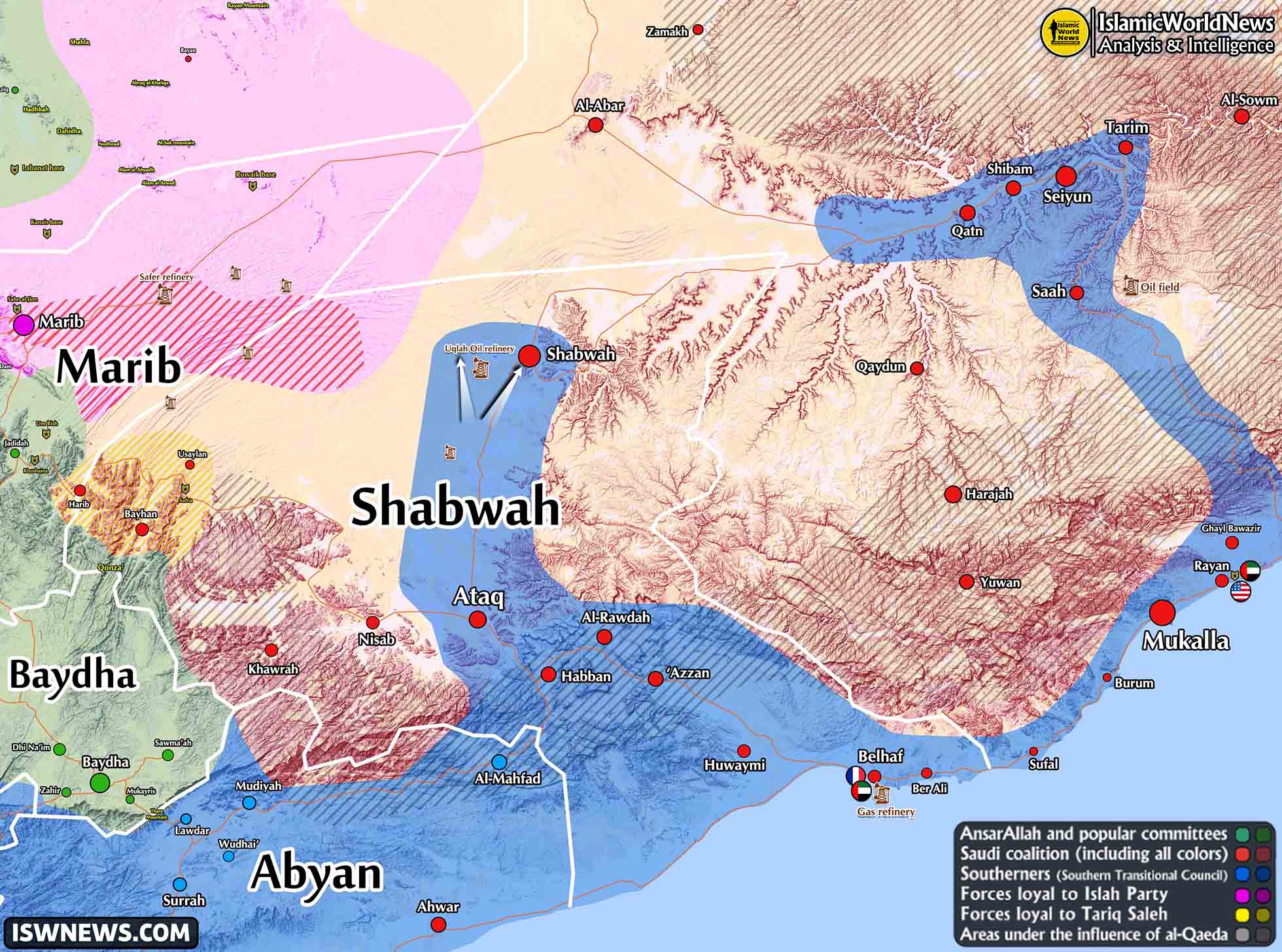
At the same time, STC fighters seized all checkpoints and outposts surrounding the PetroMasila oil company (affiliated with Saudi Arabia) in Hadhramaut province.
The advance of Emirati‑aligned forces in Hadramaut and Shabwa, coupled with the repeated withdrawals of Islah fighters, marks a significant shift. The STC does not have the capacity to control these areas without support from other Emirati‑backed factions, indicating Abu Dhabi’s role behind the scenes.
In the coming days, attention will turn to Saudi Arabia’s response to these southern advances and what orders will be issued to the al‑Dara al‑Watan forces. Opponents of the UAE in Hadramaut are awaiting action by al‑Dara al‑Watan against the southerners.
Al‑Arab Weekly reported that Savaya’s appointment—made without congressional approval—signals Donald Trump’s intent to restore direct control of foreign policy to his inner circle in the White House. This reflects a recurring pattern in his foreign policy: major international decisions bypassing the State Department and pursued through personal and political ties with loyal associates. As seen in direct talks with North Korea’s leader or the Abraham Accords, Trump favors “personal, fast‑track diplomacy” over formal channels. In Iraq, choosing a non‑diplomat close to the president shows his preference for informal but controllable pathways. Savaya thus embodies a model where the president directly manages foreign relations to advance political, security, and electoral goals. His appointment marks the return of Trump’s personalized diplomacy to the Middle East—enhancing Washington’s direct influence but risking the weakening of professional, institutional foreign policy structures.
Redefining Sovereignty in Iraq
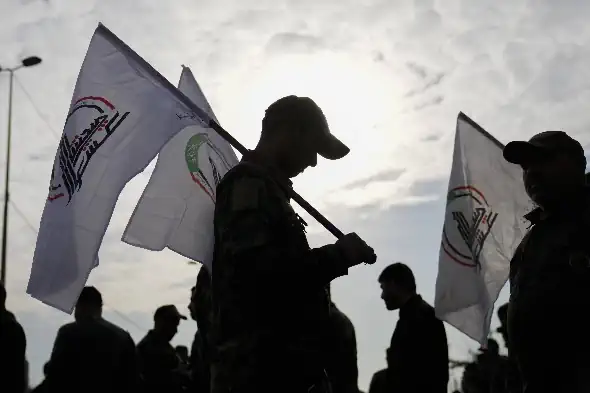
In his first official statements, Savaya stressed the need for centralized command and ending the activities of armed groups outside government control—remarks clearly aimed at Hashd al‑Shaabi and Iran‑aligned forces. From Washington’s perspective, curbing these groups is a prerequisite for Baghdad’s “real sovereignty” and future security and economic cooperation. At a deeper level, this policy redefines sovereignty itself: Iraqi independence is framed as alignment with U.S. policies. Analysts argue this is part of Trump’s broader plan to contain Iran from within Iraq’s structures, not through direct confrontation but via reconstruction, investment, and minority support. A symbolic example is the reintegration of the Christian “Nineveh Plains Protection Units” into the army, signaling centralization of power and weakening of non‑state actors. Savaya’s mission can thus be seen as an effort to reconfigure Iraq’s security architecture to serve Western interests—ostensibly strengthening the central government but in practice shifting the balance toward Washington’s preferred order.
Linking Security Policy with Economic Reconstruction
Savaya’s statements place economic recovery on par with security reform. He repeatedly emphasized the need for foreign investment, rebuilding Iraq’s worn‑out infrastructure, and opening the economy to international companies. For Washington, economic development is a prerequisite for political stability and central government authority. Observers note, however, that deeper political and strategic aims lie behind this economic agenda. U.S. reconstruction plans are not merely humanitarian or technical—they are part of a wider policy to redefine Iraq’s role in the regional order and secure American access to its energy resources. Linking reconstruction with Western economic presence ensures continued U.S. political influence while reducing rivals’ roles in energy. Analysts highlight similarities with past U.S. experiences in rebuilding crisis‑stricken states, where investment and infrastructure projects became tools of political and security engineering. With about 11% of global oil reserves, Iraq holds a special place in this strategy. Savaya spoke of “reviving Iraq’s historic role in the region,” suggesting economic engagement as a prelude to “restoring state authority and social trust.” Yet in practice, foreign corporate expansion and concentrated reconstruction projects may reshape Iraq’s economy in ways more aligned with external powers than with national priorities.
Soft Power Through Religious Minorities
Savaya’s appointment carries a clear political message: reasserting U.S. influence in Iraq’s social fabric via religious minorities. He hails from a Chaldean‑Assyrian family rooted in Tal Afar, Nineveh, and maintains close ties with Iraqi Christian diaspora communities in the U.S. Analysts see this as a cultural and social lever in areas once dominated by resistance groups and Iran‑aligned forces. Assyrian media outlets such as Syri Press and Baghdad Tribune framed his appointment as “the return of Iraq’s Christian voice.” In reality, it represents an attempt to build a new social base for Washington’s policies in northern Iraq, particularly in regions where sectarian tension and ethnic divides facilitate external involvement. In this context, the revival of the “Nineveh Plains Protection Units” within the Iraqi army—coinciding with Savaya’s mission—carries symbolic weight. Though presented as enhancing minority security and rebuilding war‑damaged areas, it may in practice foster military and social structures aligned with Western‑oriented currents. Thus, leveraging religious minorities serves not only humanitarian purposes but also as part of America’s soft‑power strategy to re‑embed its political and economic presence in Iraq.
Dual Function of Savaya’s Appointment
The timing of Savaya’s appointment, coinciding with Iraq’s parliamentary elections, adds another dimension. Reports suggest the move aims to exert indirect influence on Iraq’s political landscape, steering it toward coalitions more aligned with Washington’s policies. Savaya’s mission includes mediating among Sunni, Kurdish, and minority groups, encouraging their participation in a U.S.‑backed political framework. While presented as fostering stability and reducing armed groups’ influence, this is part of a broader strategy to reshape Iraq’s power balance so that future government decisions align more closely with Western interests.
Iraq’s Role in the New U.S. Strategy
Regionally, Sawaya’s appointment is seen as part of Trump’s overarching plan to reconfigure Middle Eastern order. Analysts link it to Washington’s efforts to advance normalization between Arab states and Israel. Iraq, with its geographic position between Saudi Arabia, Jordan, the UAE, and the Kurdistan Region, is viewed as a potential connecting hub for America’s allies. Sawaya’s mission thus extends beyond economic cooperation and reconstruction—he is positioned to facilitate Baghdad’s political and security ties with regional coalitions favored by Washington.
In summary, Sawaya’s appointment represents a multi‑layered initiative pursuing political, economic, and symbolic goals simultaneously. Individually, he embodies the use of minority social capital in U.S. policy; politically and security‑wise, he is tasked with limiting armed groups and strengthening central authority; strategically, his mission consolidates Washington’s foothold in Iraq’s economy and energy sector, aligning the country more closely with the Western bloc. His slogan of a “Strong Iraq” reflects a broader ambition: to reintegrate Baghdad into an order designed to secure U.S. and allied interests in the region.
Would you like me to refine this into a policy brief format (executive summary + key implications) or keep it as a long‑form analytical translation?
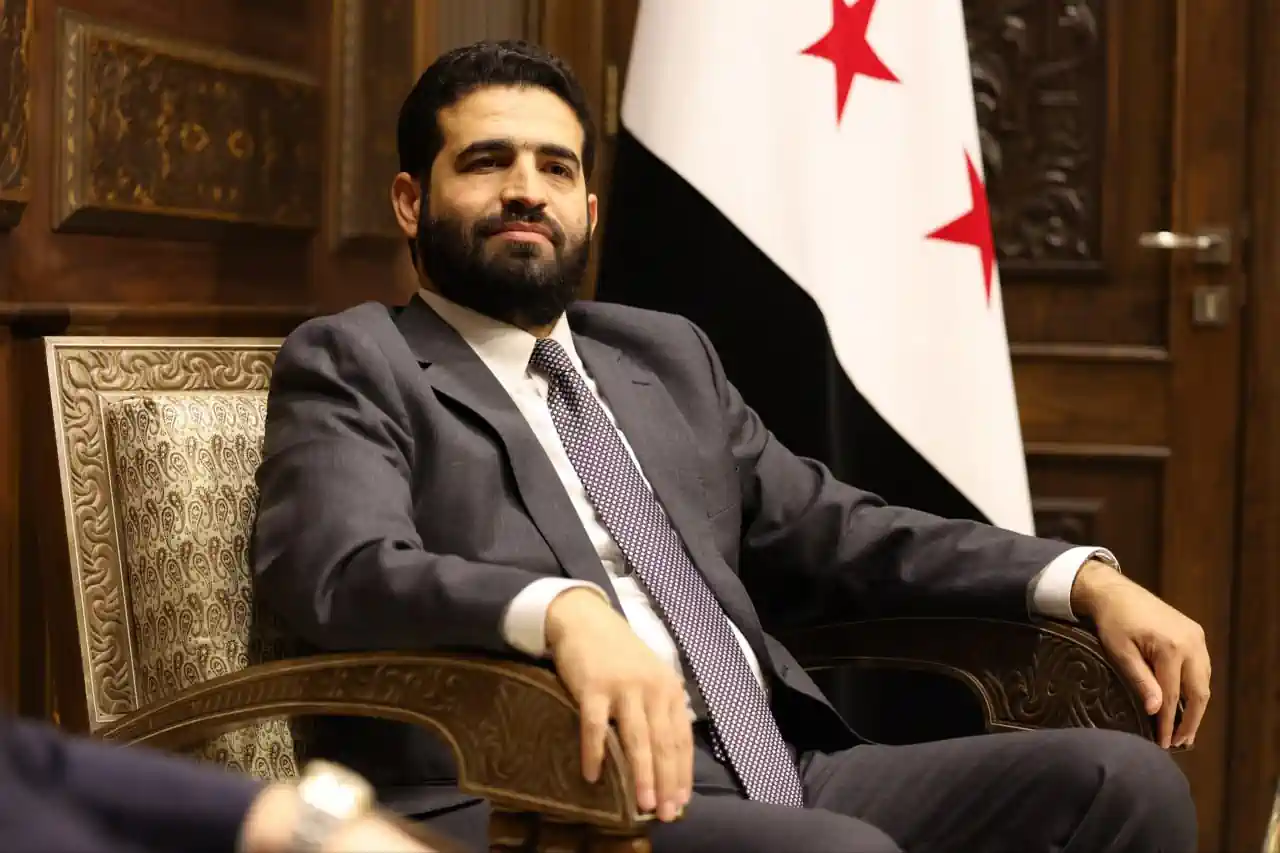
He announced that during joint operations against ISIS, several senior commanders—including the governor of Homs—were arrested, while millions of Captagon pills and 14 production workshops across various provinces were seized. He emphasized that after Syria’s liberation, security institutions have faced the dual challenge of rebuilding public trust and establishing lasting stability.
Khattab’s remarks reflect the new Syrian government’s effort to project a different image of the country’s security apparatus in the post‑Assad era. The emphasis on historic transformation and institutional reconstruction suggests that the security establishment is seeking political and operational distance from the legacy of the former regime.
At a time when public opinion still recalls the atrocities of recent months in Syria’s coastal and southern regions, showcasing security successes is being used as a pathway to build domestic legitimacy.
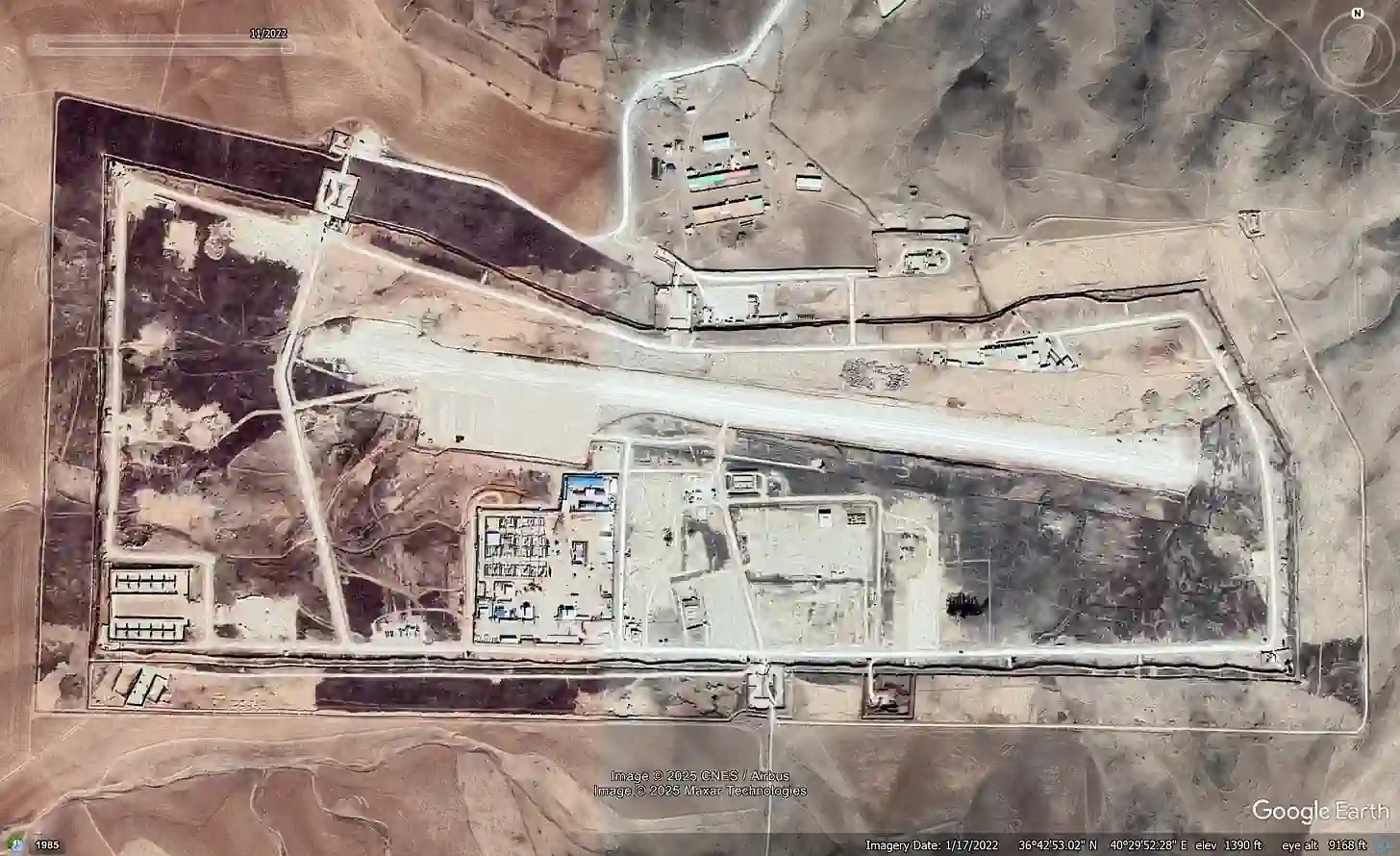
Qasrak Base, located in northern Hasakah province near the town of Tal Tamer, functions as a joint facility between the Global Coalition against ISIS and the Syrian Democratic Forces (SDF). Covering an area of 1.8 square kilometers, the base was constructed in late 2017 and early 2018 on elevated agricultural land. The hill on which the base sits is locally known by the names “Jabal Ghol” and “Jabal Qalayeb.”
The well-equipped Qasrak base on November 6, 2022 (the main logistics section of the base is in the image above) Source: Google Maps and Airbus
Situated at geographic coordinates 36.706242, 40.511955, the Qasrak base lies roughly 30 kilometers from the center of Hasakah city and 33 kilometers from the Turkish border. Its 1.7‑kilometer runway is capable of accommodating military transport and cargo aircraft. As a strategic and logistical hub, Qasrek supports coalition operations in coordination with the Syrian Democratic Forces (SDF) and oversees the main supply routes linking Hasakah and Deir Ezzor.
Right image: Location of Qasrak base from Hasakah; Left image: Location of this base relative to the Turkish borderThe longest runway built by the US in Syria
Significant construction and expansion activities were first observed in early 2025, concentrated across three main sections. The eastern sector saw the most extensive work: land was leveled and covered with concrete at two separate points, likely in preparation for new facilities or warehouses intended for equipment and logistical supplies. The larger site measures approximately 193 by 94 meters, while the smaller one is about 84 by 60 meters.
Scope and dimensions of construction in the eastern part of the base
In addition to satellite imagery, multiple videos have documented the surge of activity at this base, including the movement of vehicles and convoys. The earliest footage, released by the Syrian Observatory for Human Rights (SOHR) in early 2025, showed heavy machinery and bulldozers, described as “expansion operations at the base.” Analysis of visible structures and geographic features further confirmed that the location was indeed the Qasrek base.
Comparing field and satellite images to verify the base’s alleged location
Later, on September 28, 2025, the Syrian Observatory for Human Rights (SOHR) released a video showing military convoys belonging to the Global Coalition moving toward the base. On October 18, 2025, another video depicted several coalition trucks carrying military and logistical equipment along the route from the al‑Walid border crossing toward the base.
A long line of trucks at the Al-Waleed border crossing on the way to the Qasrak base
In addition to ground movements, aerial activity at the base has increased significantly, with military transport aircraft landing on multiple occasions. Compared to previous years, this level of operations is unprecedented; prior to Assad’s fall, the base had only limited air traffic. Notable examples include an American cargo plane documented by SOHR on May 24, 2025, and another coalition transport aircraft recorded on July 23, 2025. Furthermore, on October 18, 2025, Syria Now reported that a large American cargo plane, escorted by helicopters from the Iraqi border, landed at the base. Taken together, these developments indicate that the Global Coalition is actively redeploying forces at Qasrek, likely transforming it into a key military logistics hub in northeastern Syria.
The moment a C-130 transport plane flies over Hasakah and near Qasrak base
Activities in Deir Ezzor
The expansion and intensification of activity has not been limited to the Qasrak base. Parallel, though distinct, developments have also been observed in Deir ez‑Zor—particularly at U.S. bases located in the al‑Omar oil field and the Conoco gas field. Alongside the rapid growth of Qasrak, satellite imagery shows American forces withdrawing from Conoco, al‑Omar, and the base near Green Village on the outskirts of Deir Ezzor.
Photographs taken since early 2025 reveal extensive relocation of equipment and the evacuation of facilities at these sites. Reports first published in May 2025 indicated that the Pentagon intended to transfer forces from al‑Omar and Conoco in Deir ez‑Zor to Qasrek and al‑Shaddadi in Hasakah, thereby reducing the U.S. military presence in the region to fewer than 1,000 troops.
Summary
Satellite imagery shows that between January and October 2025, U.S. forces withdrew from the Conoco, al‑Omar, and Green Village bases in the Deir Ezzor countryside. At the same time, Qasrak base near Hasakah witnessed rapid engineering and logistical expansion from July 2025 onward, including the construction of new facilities and the repeated arrival of supply convoys. These developments appear to have effectively transformed Qasrak into the primary command and supply hub for U.S. forces in northeastern Syria.
He stated: “The United States expects Baghdad to take concrete measures against Iran-backed armed groups, including those operating inside Iraq. We are disappointed by Iraq’s retreat from the asset freeze targeting Hezbollah and the Houthis. Hezbollah and the Houthis pose dangers to both the region and the world, and all countries must ensure their territory is not used by these groups or other Iranian proxies for training, fundraising, acquiring weapons, or carrying out attacks. Washington will continue pressing Iraq to curb the activities of Iran-aligned groups that threaten U.S. and Iraqi interests.”
The spokesperson’s frustrated reaction underscores that Washington views Baghdad’s reversal as a setback in its broader campaign to pressure the “Axis of Resistance.” In recent weeks, the U.S. has sought to leverage economic tools and political pressure to compel Iraq to align with its extraterritorial sanctions. Iraq’s change of stance must be understood within the context of domestic complexities and the government’s concern over backlash from political and social factions close to the resistance camp.
Baghdad recognizes that any direct move against Hezbollah or Ansarallah would be perceived by Iraq’s Shiite public opinion and allied armed groups as siding with U.S. policy, potentially destabilizing the country’s internal political and security balance.
Control of the 23rd Mika Brigade headquarters in the Al-Abr area, which had recently fallen to STC fighters, was handed over to Al-Dara’ Al-Watan forces (Saudi-backed) under the mediation and pressure of the Saudi security-military committee. This indicates that Riyadh has blocked the southern advance toward Marib and prevented further escalation with Islah Party elements.
Meanwhile, the Shahn and Sarfait border crossings along Yemen’s frontier with Oman have come under STC control, with customs offices refusing to clear shipments without southern authorization. Flags of South Yemen have been raised at these crossings and other border points in Al-Mahra province.
Raising the South Yemeni flag at the crossings and border points of Al-Mahra province
The Hadhramaut Tribal Council has held the UAE fully responsible for the ongoing tensions and clashes in Hadhramaut, accusing southern fighters of attacking tribal forces. The council filed a complaint to the “International Quartet” (United States, United Kingdom, Saudi Arabia, and UAE), alleging violations of the ceasefire, and urged the Saudi-Emirati coalition leadership to intervene against Abu Dhabi. This complaint comes despite the UAE itself being a member of the Quartet and a co-leader of the coalition alongside Saudi Arabia.
Overall, the Southern Transitional Council has exploited the recent political and economic turmoil in Yemen’s occupied areas to consolidate control over eastern Yemen. Given the weak administrative capacity of the southern forces, conditions in the east are expected to remain volatile and subject to further shifts.
Latest military situation in Hadhramaut and Al-Mahra as of December 6, 2025
Amir Bohbot, an Israeli military analyst, claimed that Hamas managed to infiltrate Abu Shabab’s group by placing one of its affiliates from the Tarabin tribe inside. This infiltrator allegedly deceived the group’s members and lured them into an ambush, which ultimately led to the killing of Abu Shabab along with several of his companions.
On the other hand, some members of the Tarabin tribe stated that Abu Shabab was killed during an armed clash in eastern Rafah. According to their account, gunmen from two families of the Tarabin tribe, angered by Abu Shabab’s escalating violent actions such as kidnappings and killings of opponents, opened direct fire on him. The confrontation resulted in Abu Shabab’s death as well as the deaths of the attackers.
The Eternity C, owned by a Greek company cooperating with Israel was attacked and sunk by Yemeni armed forces in the Red Sea on July 7.
This move is likely linked to recent UN‑ and Oman‑mediated talks between Ansarallah and Saudi Arabia. Ansarallah often undertakes such gestures to demonstrate good faith in fulfilling its commitments.
Following the STC’s takeover of Hadhramaut’s administrative center and surrounding areas, STC representatives and Hadhramaut tribal leaders reached an agreement through the mediation of a Saudi security‑military delegation. The talks focused on safeguarding oil fields and negotiating toward a comprehensive settlement.
Under the deal, military tensions between the sides will cease starting Thursday morning, with a ceasefire in place until the mediation committee concludes its work and a full agreement is reached. All fighters under the Saudi‑led coalition must withdraw at least one kilometer from oil facilities, allowing personnel and security forces free movement. Once withdrawals are implemented, meetings between al‑Khanbashi and Amr bin Habreesh will be held to finalize the settlement under mediator supervision.
The Hadhramaut confrontation appeared to end with the Southern Transitional Council expanding its influence in occupied Yemeni territories, Saudi interests secured in the oil‑rich areas, and tribal leaders brought under control. Yet it left behind important lessons.
The first was the defeat of the Islah Party in Hadhramaut, which showed that Saudi Arabia places little value on them, limiting cooperation to countering Ansarallah and holding populous, religiously sensitive cities such as Marib and Taiz. The second was the strengthening of STC military power, now equipped with new weapons including drones and micro‑drones, aligned with UAE objectives.
Behind the STC’s success in Wadi Hadhramaut lay support from Tariq Saleh’s forces, the Giants Brigades, and Shabwa Defense units, which allowed southern forces to fully concentrate on northern Hadhramaut while these allies managed other areas until the clashes ended. This scenario could also be replicated against Ansarallah positions, potentially delivering significant blows to the central government’s authority in Sanaa.
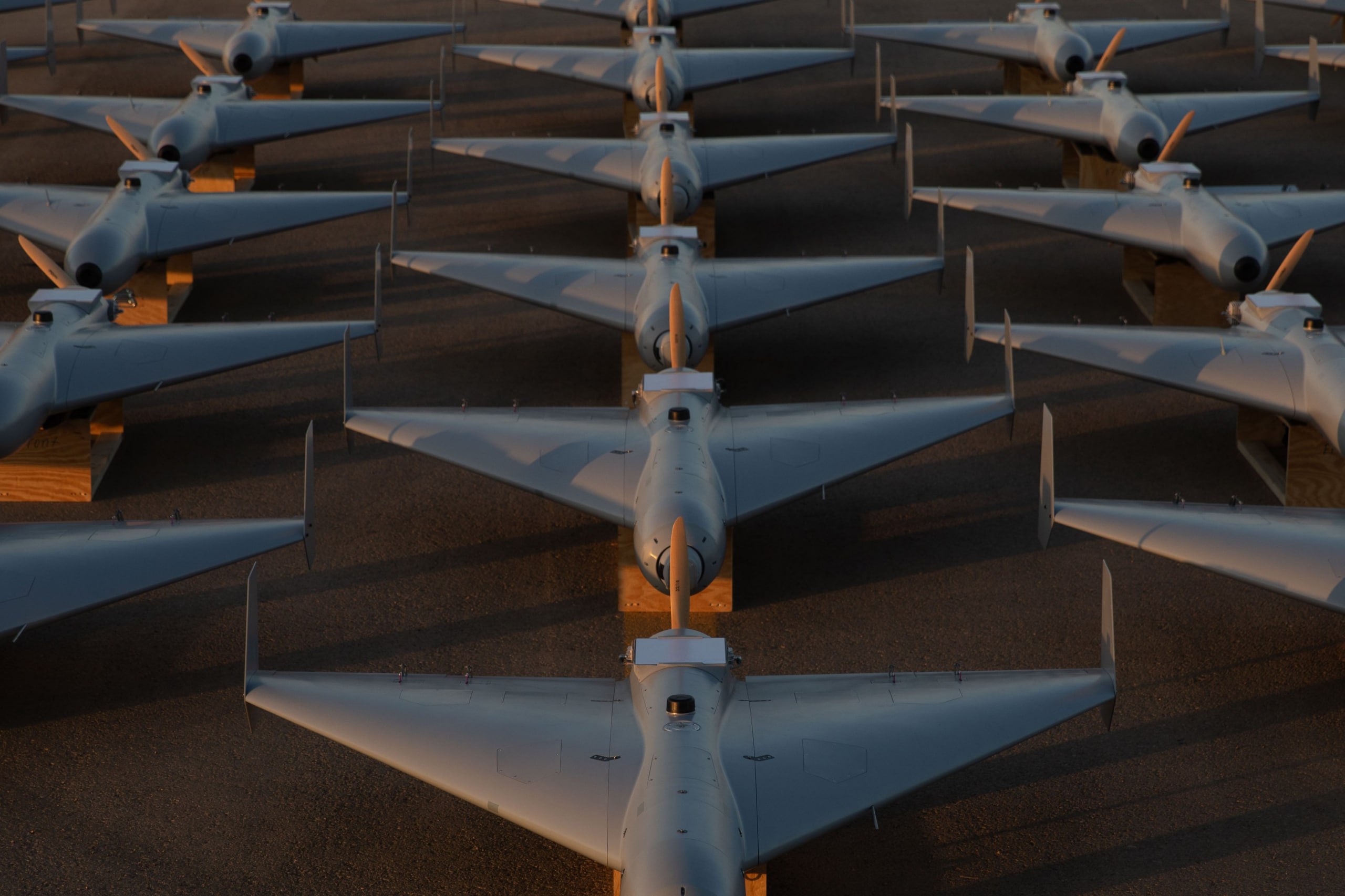
According to CENTCOM’s commander, the purpose of TFSS is to provide American forces with affordable and effective drone capabilities as a deterrent against “bad actors” in the region. Obviously, by bad actors he means first Iran and then other components of the resistance axis.
We had previously warned that given America’s access to all active battle fronts around the world including Iran, combined with mass production of these suicide drones, could pose serious risks if used directly by U.S. forces or its allies against adversaries. This concern is now openly acknowledged by U.S. officials and military experts.
As reported by The War Zone, a U.S. official described the establishment of TFSS as a “major development”, calling it a way to reverse the game against Iran. He stated: “We’ve reached the point where not only are we mass‑producing these drones, but for the first time we’ve deployed them in the Middle East. In effect, we’ve turned the tables on Iran.”
He added: “We’ve seen what Russia has done in Ukraine, how Iran destabilized the region with drone technology, their 12‑day war threats against Israel, and how partners had to spend vast resources to defend against such attacks. Now we’re taking a page from their playbook and turning it back on them. Iran gained an advantage through sheer volume of drone strikes, which are difficult to defend against at scale.”
He continued: “We are strengthening our defenses, and sometimes a strong defense can also be a good offense. We’re adding offensive firepower that has already proven effective—especially now that the country which once wreaked havoc with this technology has become vulnerable itself.”*
The official further noted: “We have no problem targeting Iran‑backed Houthis in Yemen and can use this capability against them as well. With the Houthis, the challenge is finding targets, unlike Iran where there are plenty of targets available!”
As seen, U.S. officials explicitly speak of using these drones against Iran in future war scenarios. Over the past year, Washington has heavily invested in this category of low‑cost suicide drones, with mass production underway. Experiences from recent conflicts—such as the war in Ukraine and the 12‑day war—have demonstrated how these simple systems can decisively alter the course of battle. During the 12‑day war and the True Promise operations (1 and 2), the U.S. and its allies spent enormous resources and deployed vast aerial assets to effectively neutralize Iranian drone attacks on Israel. Yet, unlike America and its partners, Iran lacks comparable large‑scale aerial and defensive assets, which poses a significant challenge. Iran, however, retains asymmetric options for deterrence, as seen in the Aramco attack. At this stage, the U.S. has not yet tested these drones in real combat, but future use against Yemen is considered likely.
In a joint statement, the committee expressed support for the naval forces of the Saudi-backed Yemeni government and confirmed its commitment to strengthening the Coast Guard’s maritime security, particularly in intercepting arms and narcotics shipments.
The formation of this committee follows the September 16 meeting in Riyadh, where these states, along with representatives from China, Australia and Persian Gulf countries convened. At that earlier session, Saudi Arabia and the UK sought to secure China’s and other nations’ backing for long‑term security commitments and capacity‑building of Yemen’s Coast Guard.
However, the second meeting revealed that only certain regional and Western allies joined the program. These are the same parties whose shipping and economies have suffered heavy losses due to Yemeni armed forces’ naval operations against Israel.