Category: West Asia

  • Abu Dhabi: The Second Baku!

    Abu Dhabi: The Second Baku!

    UAE and the Middle Corridor
    The Middle Corridor, largely composed of Turkic‑speaking states, is part of China’s Belt and Road Initiative. Since the war in Ukraine, its importance has multiplied, as the northern route through Russia and Belarus faces security challenges. Arab investments, especially by the UAE, are now directed toward this corridor. For instance, within Dubai’s Silk Road project, the UAE successfully integrated Uzbekistan and Kazakhstan into the Global Logistics Passport scheme, aiming to expand trade links across Latin America, Asia, the Middle East, and Africa.

    Diversifying its financial portfolio is a key driver of UAE interest in Central Asia, but its ambitions go beyond investment. Relations with Kazakhstan and Turkmenistan highlight the role of DP World in building ports not only on the Caspian Sea but also in Russia’s Arctic, reflecting Abu Dhabi’s aspiration to become a global maritime logistics power.

    Abu Dhabi’s foreign policy underscores the growing importance of these states in its strategic agenda. Competition with regional and global powers in Central Asia’s economic and energy sectors, combined with its strategic presence in the Middle East and North Africa, reveals the multifaceted nature of UAE engagement. By leveraging financial resources, the Gulf state strengthens its influence and acts as a major player in regional economic growth.

    Initial cooperation between Central Asian countries and the UAE focused on trade and investment, but long‑term agreements have expanded into petrochemicals, energy, transport and logistics, agriculture, and aerospace. To deepen ties with the Caspian region, Abu Dhabi invested in port access as part of a global hub system, including DP World’s purchase of two special economic zones in Kazakhstan.

    Economic Agreements
    The UAE’s Masdar has launched renewable energy projects in Kazakhstan and Uzbekistan, with electricity exported to Europe via undersea cables across the Caspian and Black Seas. Other Emirati firms, such as Abu Dhabi National Energy Company, have built wind power facilities in Central Asia with capacities ranging from tens to hundreds of megawatts.

    Abu Dhabi National Oil Company (ADNOC) is also active in petrochemicals in Kazakhstan and Turkmenistan’s offshore fields, creating value‑added industries that enable refined exports. The establishment of the Astana International Financial Center in Dubai could turn Kazakhstan into a major financial hub for Central Asia within the Belt and Road framework.

    For example, in May this year, the UAE and Kazakhstan signed 20 agreements worth $5 billion, mostly in energy, transit, and logistics. More recently, ADNOC subsidiary XRG signed a preliminary deal with Azerbaijan’s Southern Gas Corridor (SGC) company, which plays a key role in delivering Azerbaijani gas to Europe.

    These agreements show Abu Dhabi’s intent to expand economic influence in Kazakhstan and Azerbaijan—two pivotal states in the Middle Corridor—while also serving broader political and security objectives.

    Security–Economic Objectives
    The UAE’s investments in the Middle Corridor cannot be reduced to economic figures alone; they conceal strategic motives aligned with Israeli and Western agendas.

    Former Israeli communications minister Ayoob Kara emphasized the need to connect the Middle Corridor via Turkey and the Mediterranean to Israel and then to Gulf Arab states: “If the Middle Corridor is built, we Israelis can connect to it. Stronger links between Turkic republics, Israel, and the Arab world will help counter Iran. We can connect via Turkey by ship, then by rail from Israel to Jordan, Saudi Arabia, and onward to the UAE. This will expand trade between China, the Turkic republics, Israel, and Arab countries.”

    Thus, Emirati (and potentially Saudi) support for the Middle Corridor can be seen as part of a broader Israeli plan to encircle Iran’s transit routes.

    Strategic Goals of the UAE in the Middle Corridor:

    1. Rare minerals in Central Asia — vital for defense and technology industries. The West, heavily dependent on China, seeks alternative supplies. Recent agreements with Kazakhstan highlight the corridor’s strategic role in transferring these resources westward.
    2. Energy diversification via the Zangezur Corridor — supported by the UAE and Saudi Arabia. Europe, reducing reliance on Russian energy post‑Ukraine war, looks to Central Asia and the Caucasus. Turkmenistan, with the world’s fourth‑largest gas reserves, and Azerbaijan, aiming to double gas exports to Europe by 2027, require foreign investment. Projects like the proposed Trans‑Caspian pipeline could become feasible through Middle Corridor development.
    3. Countering Iran’s transit routes — by aligning with Israeli and Western strategies. As corridor competition shapes the new global order, the West seeks to reinforce Israeli economic hegemony in West Asia. Iran’s geography poses the main challenge, so rival corridors like the Middle Corridor are being strengthened with Emirati support.
  • Two Anti‑Israeli Operations in Hebron and Ramallah

    Two Anti‑Israeli Operations in Hebron and Ramallah

    In the first incident, a vehicle‑ramming attack occurred in northern Hebron, injuring a female Israeli soldier. Israeli media reported that troops from the army’s 202nd Battalion pursued and shot the attacker, resulting in his death.

    Hours later, another Palestinian armed with a knife attacked a group of Israeli soldiers near the Atiret settlement close to Ramallah, wounding two of them. The assailant was subsequently shot and killed by Israeli forces.

    These two incidents come amid rising tensions in the West Bank, particularly in recent days, as various areas have witnessed intensified security operations and widespread arrests of Palestinians carried out by Israeli forces.

  • Joint Syrian–U.S. Coalition Operation: 15 ISIS Hideouts Destroyed

    Joint Syrian–U.S. Coalition Operation: 15 ISIS Hideouts Destroyed

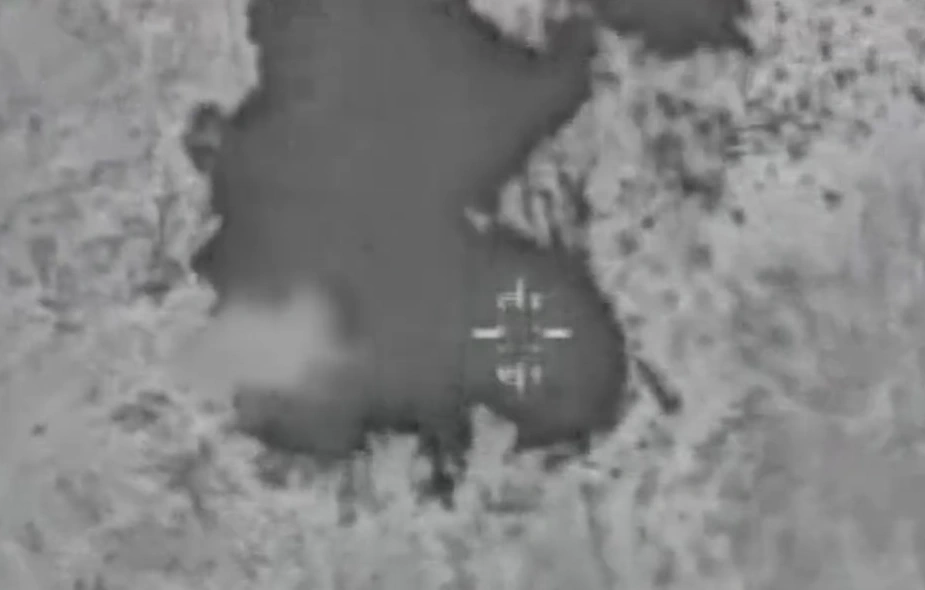
    According to CENTCOM, the operation involved a series of airstrikes and controlled ground demolitions. Among the destroyed stockpiles were more than 130 mortars and rockets, several small arms and machine guns, anti‑armor mines, and materials used for improvised explosive devices.

    The elimination of these ISIS ammunition depots by CENTCOM and Syrian authorities comes only weeks after the al‑Joulani government joined the U.S. coalition, carrying a clear political message. Washington seeks to demonstrate that this alignment is not merely symbolic but has already led to joint field operations—aimed at consolidating Syria’s new security framework and reinforcing the legitimacy of the transitional government in partnership with the United States.

  • Delivery of Iron Beam Laser System to Israeli Army Finalized

    Delivery of Iron Beam Laser System to Israeli Army Finalized

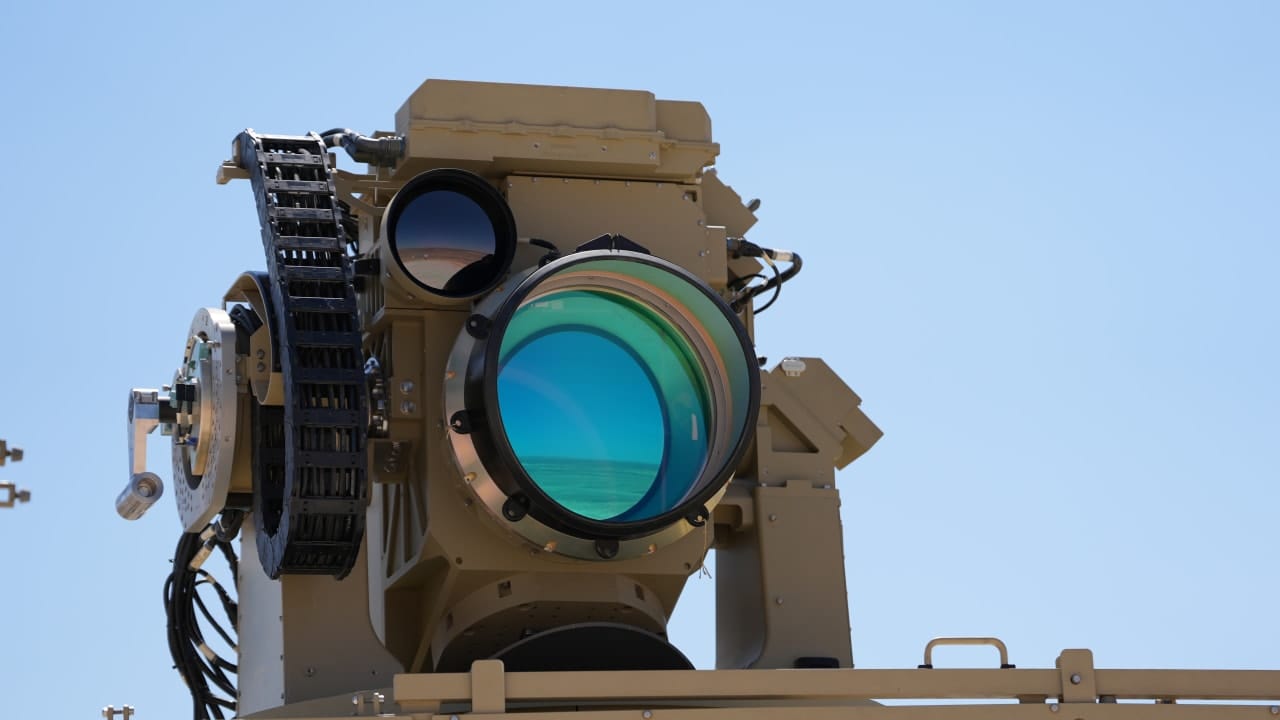
    According to Israeli claims, Iron Beam can fundamentally alter battlefield dynamics, while work on next‑generation laser interceptors has already begun. The system has been in development for over a decade, and in recent months its prototype was used to down Hezbollah drones launched from Lebanon.

    Read more: Iron Beam Laser Air Defense System

    Iron Beam is part of Israel’s effort to strengthen layered air defenses. Laser technology offers far cheaper shots compared to missile interceptors, reducing the financial burden of prolonged conflicts.

    Despite these claims, laser systems still face limitations such as dependence on weather, need for direct line of sight, and difficulty against fast or multiple targets. Iron Beam will serve as a complement to existing defenses, though its operational constraints may pose challenges in wartime.

  • Saudi-Backed Militias Mobilize to Protect Oil Fields in Northern Hadhramaut

    Saudi-Backed Militias Mobilize to Protect Oil Fields in Northern Hadhramaut

    This move aims to prevent a possible offensive by Southern Transitional Council (STC) forces against the Hadhramaut desert and the province’s oil-rich regions.

    Al-Dara’ Al-Watan (Shield of the Nation) militias were formed in late November 2022 with Saudi backing and the involvement of Sagheer bin Aziz and Tariq Saleh. They were assembled from Hadhramaut tribal fighters, Yemen Al-Saeed forces (aligned with Sagheer bin Aziz), and elements of Tariq Saleh’s units in western Lahj province. Saudi Arabia has equipped these forces to counter the STC and secure control over Hadhramaut’s oil fields and ports.

    Tensions between Hadhramaut tribes and STC factions stationed along the province’s southern coast are escalating as both sides mobilize reinforcements from other regions to gain dominance over oil resources. Despite their alliance against Ansar Allah, Saudi-backed proxy groups are locked in fierce competition to divide the wealth and resources of Yemen’s occupied territories.

  • Al-Qaeda Motorcyclist Taken Out by U.S. Drone in Marib

    Al-Qaeda Motorcyclist Taken Out by U.S. Drone in Marib

    American drones targeted a motorcycle near the Bin Mu’ili station in the al-Husoun area of Wadi district, east of Marib, on the evening of December 8. The strike killed Munir Bajali al-Ahdal, also known as Abu al-Hijaa al-Hadidi, a field commander of al-Qaeda, along with one of his companions. The assassination occurred shortly after al-Ahdal left the home of Mabkhout bin Aboud al-Sharif, head of the Islah Party organization in Marib.

    According to Western media statistics, over the past two decades the U.S. military has carried out more than 385 air operations against al-Qaeda members across Yemen.

  • Pegasus in Saudi Hands; Leaked Documents Reveal Extensive Saudi–Israeli Cooperation!

    Pegasus in Saudi Hands; Leaked Documents Reveal Extensive Saudi–Israeli Cooperation!

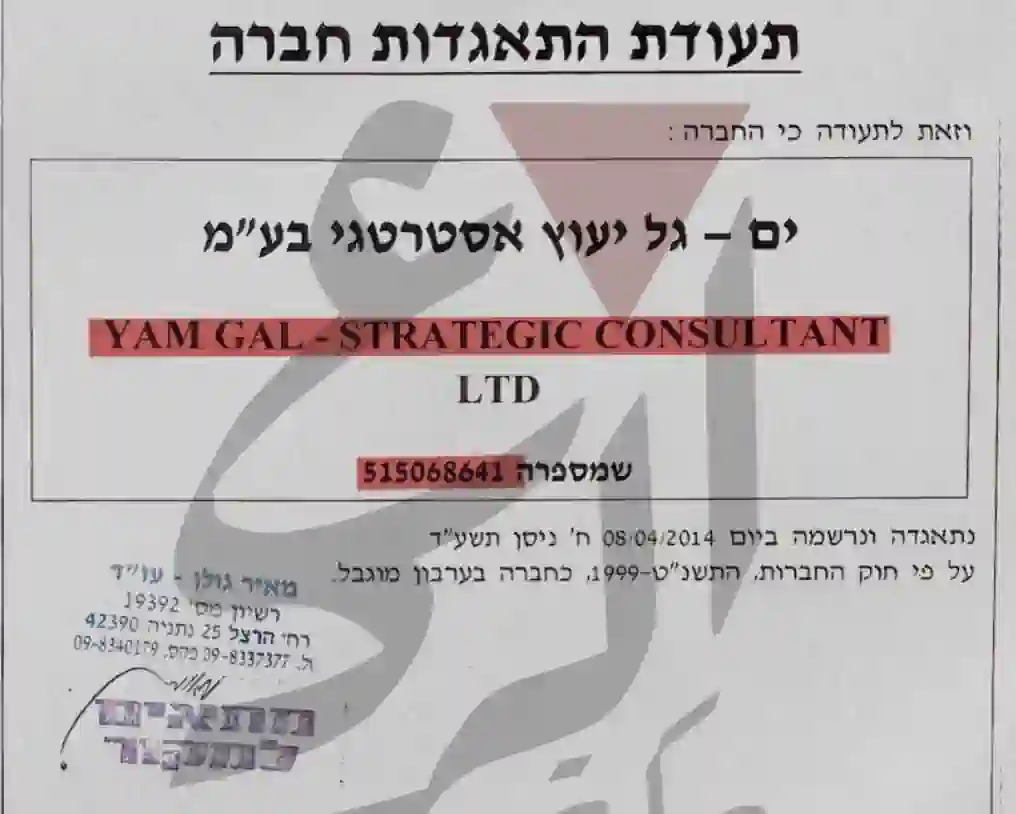
    The documents identify Haim Tomer as the intermediary and contractor for the deal — a figure said to have a long background in Israel’s security and intelligence institutions.

    According to the group’s disclosures, the purpose of acquiring these systems was surveillance of opponents and monitoring domestic and regional activities. The leaks once again draw attention to Tel Aviv’s expanding role in exporting cyber weapons and surveillance tools to Middle Eastern countries, as well as Saudi Arabia’s covert collaboration with entities such as Mossad.

  • Repeated Ceasefire Violations by Israel in the Gaza Strip

    Repeated Ceasefire Violations by Israel in the Gaza Strip

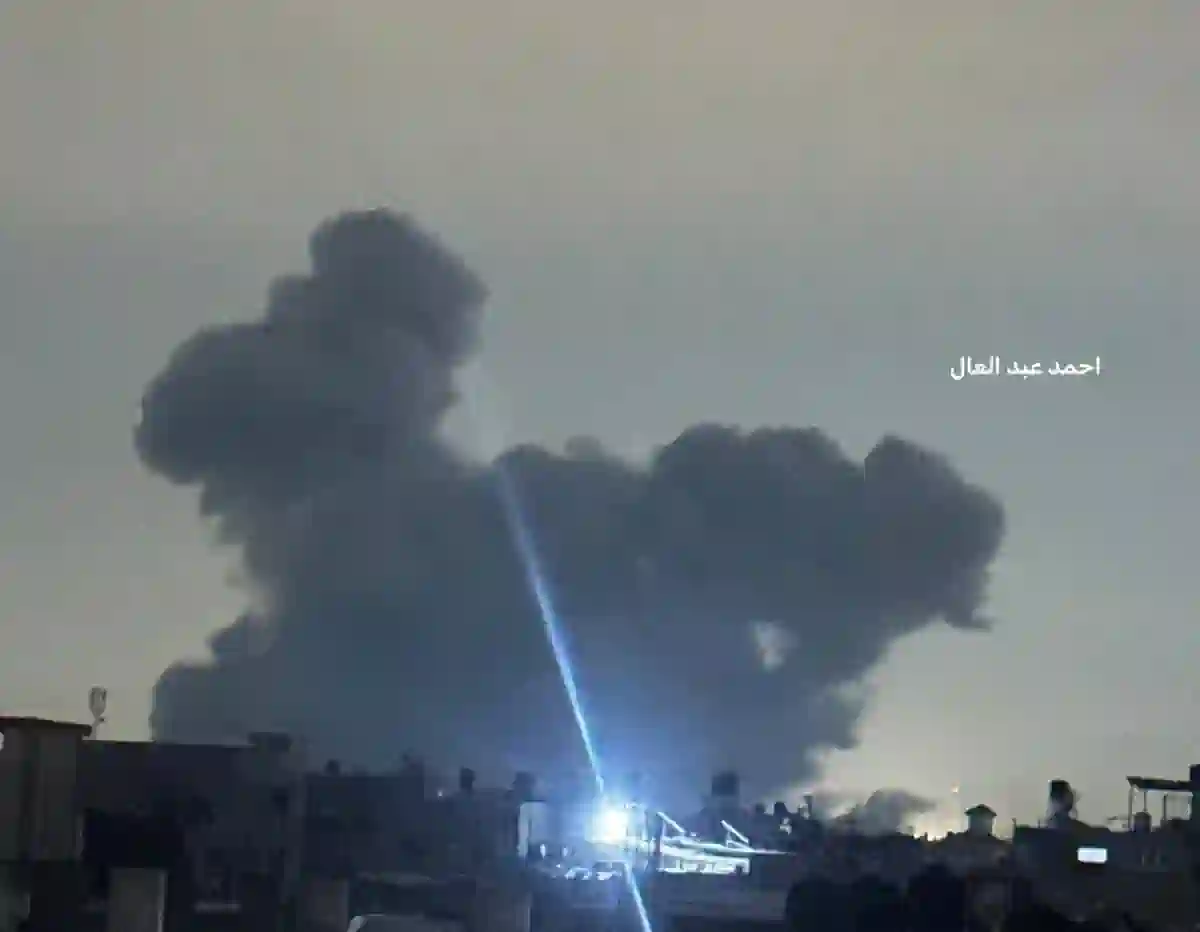
    Reports indicate that Israeli artillery targeted the eastern areas of Khan Younis in southern Gaza. At the same time, occupation forces opened fire from military vehicles toward the northeast of al-Bureij refugee camp in central Gaza.

    Israeli warplanes also carried out a series of airstrikes against the city of Rafah in southern Gaza.

    Additional strikes hit the eastern neighborhoods of al-Shuja’iya and al-Tuffah in Gaza City. Al-Bureij camp was not spared, with its eastern section bombed from the air. One airstrike even occurred inside the so-called “Yellow Line” east of al-Bureij, marking a complete violation of the ceasefire.

    Furthermore, low-flying Israeli reconnaissance drones were observed over the northern part of al-Nuseirat camp in central Gaza, underscoring ongoing surveillance operations and Israel’s disregard for any ceasefire agreements.

    Repeated Israeli attacks across various areas of the Gaza Strip demonstrate that this regime has virtually no commitment to humanitarian principles or ceasefire agreements. Strikes on residential neighborhoods constitute a blatant violation of human rights and the Geneva Conventions, which emphasize the protection of civilians during wartime. The silence or weak response of the international community to these breaches has effectively given Israel a free hand to continue its aggressions. Such actions not only destroy the prospects for peace but also pave the way for a new cycle of violence in the region.

  • UAE and Saudi Arabia Mobilize Forces to Seize Hadhramaut

    UAE and Saudi Arabia Mobilize Forces to Seize Hadhramaut

    At the same time, reinforcements from the Southern Transitional Council (STC), consisting of hundreds of fighters and military vehicles, have entered the city of Mukalla. In addition, a battalion from Tariq Saleh’s forces has been deployed to a camp west of Mukalla, the provincial capital of Hadhramaut.

    Given the large-scale deployment of STC fighters to Hadhramaut over the past two weeks, the likelihood of a southern military offensive against the Hadhramaut tribes has increased. The province’s oil-rich areas remain under tribal control, and tribal leaders — backed by Saudi Arabia — have refused to transfer revenues to the exiled government or the STC. This has fueled sharp tensions and rivalry between UAE- and Saudi-backed factions in Yemen’s occupied territories.

  • US Demands Lebanon Hand Over Unexploded Missile!

    US Demands Lebanon Hand Over Unexploded Missile!

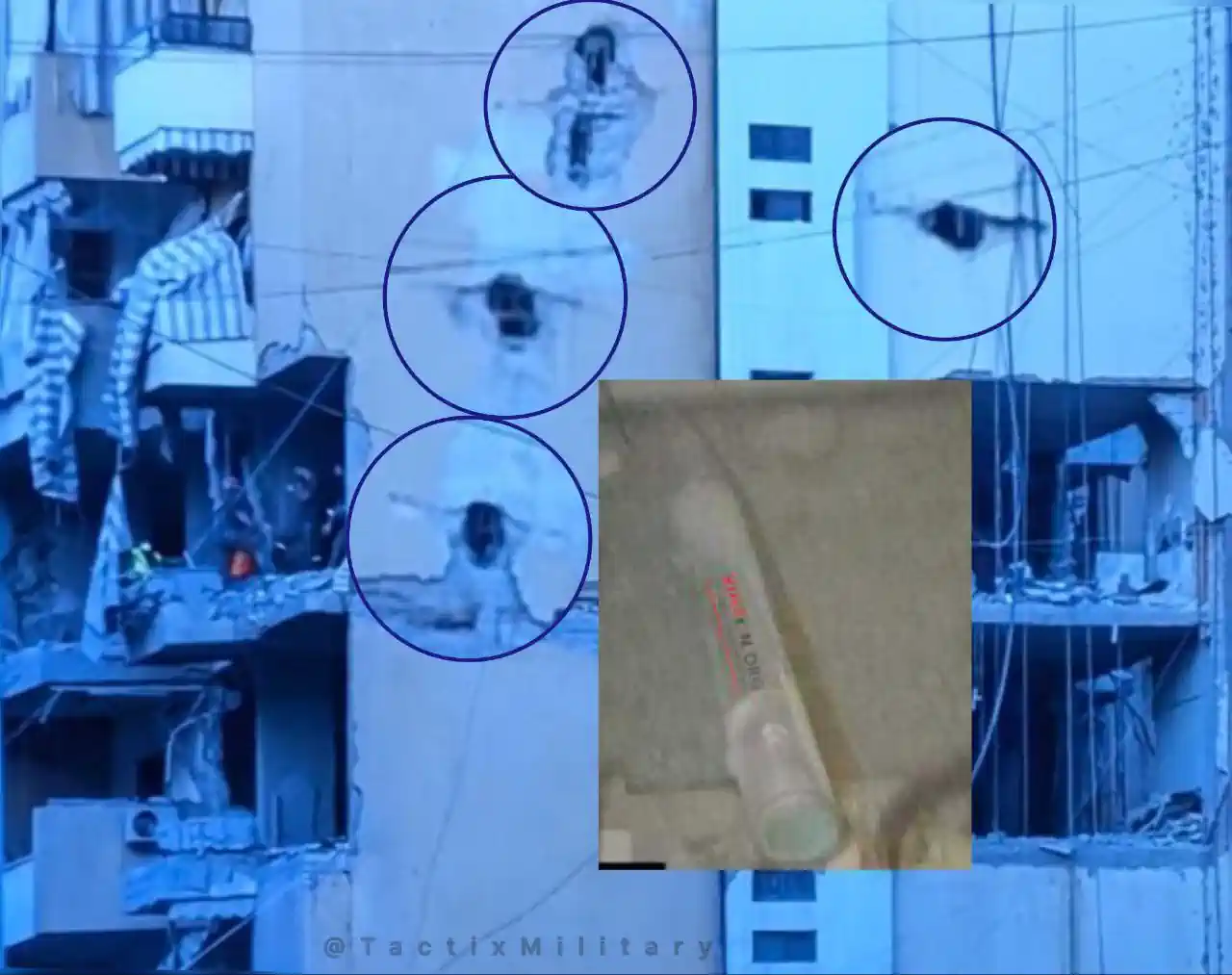
    The weapon in question is a GBU-39B glide bomb manufactured by Boeing, considered one of the advanced munitions that Washington supplies only to a limited number of allies.

    According to Maariv, eight missiles were fired in the Beirut strike, seven of which detonated while one failed to explode. This prompted Washington to press Lebanon to quickly return the bomb to the US to prevent it from falling into the hands of rival states.

    The primary reason for this urgent request is America’s deep concern that the weapon’s technology could be transferred to competitors such as Russia, China, or Iran.

  • Israeli Army Raid on Beit Jinn; Six Soldiers Wounded, Ten Syrians Killed

    Israeli Army Raid on Beit Jinn; Six Soldiers Wounded, Ten Syrians Killed

    According to an Israeli military statement, reserve paratroopers from the 55th Brigade entered Beit Jinn with the objective of arresting members of the group “al-Jama’a al-Islamiyya.” Israeli authorities claim the group had been planning attacks against Israel in recent weeks. During the operation, armed men opened fire on Israeli forces, leaving six soldiers injured.

    Syrian media report that at 3:40 a.m. local time today, Israeli forces infiltrated the Beit Jinn area but were met with resistance from local residents. Simultaneously, Israeli artillery and aircraft targeted positions in Beit Jinn. Footage released by Syrian sources shows Israeli troops abandoning a Humvee during their retreat, which was later destroyed by Israeli aircraft.

    Israeli army abandoned a Humvee in Beit Jinn

    According to the latest figures, at least 10 Syrians were killed and dozens more wounded in today’s Israeli army assault on Beit Jinn. Israeli drones continue to fly over the area, while several Syrian families are leaving Beit Jinn to seek refuge in safer regions.

  • Unconfirmed Reports of Abdul Karim al-Houthi’s Critical Condition After Sana’a Attacks

    Unconfirmed Reports of Abdul Karim al-Houthi’s Critical Condition After Sana’a Attacks

    Since the Israeli attacks, Abdul Karim has not appeared publicly or attended any meetings. In the meantime, his deputy, Abdul Majid Saghir Ahmed al-Murtadha, has taken charge of running the Interior Ministry and is actively engaged in security affairs.

    Given Abdul Karim al-Houthi’s absence from public appearances, the reports seem credible. His exact health status remains unclear, and Ansar Allah has not issued any statement on the matter. Despite being a relatively lesser-known figure in Yemen, he is considered an influential personality within the AnsarAllah movement.