Joint Meeting of Iran, Saudi Arabia, and China Held in Tehran
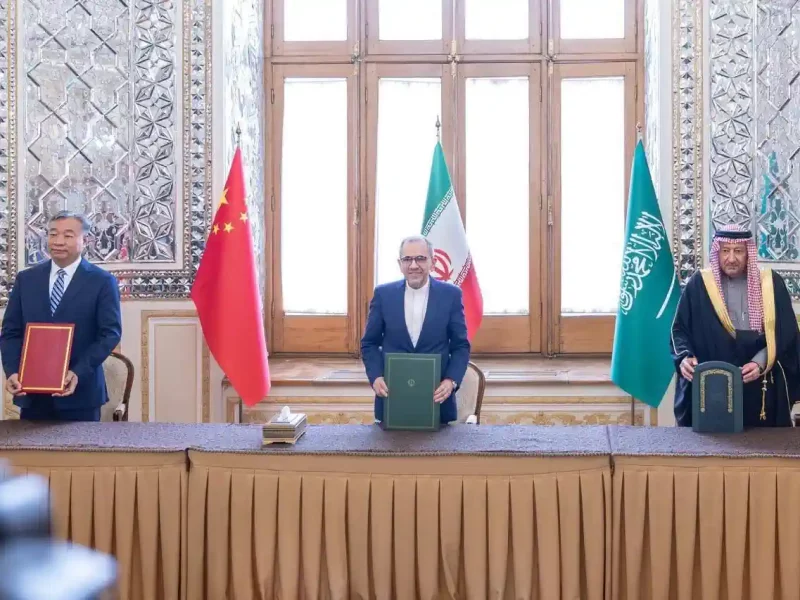
The third session of the trilateral joint committee between Iran, Saudi Arabia, and China was convened on Tuesday, December 18, in Tehran.
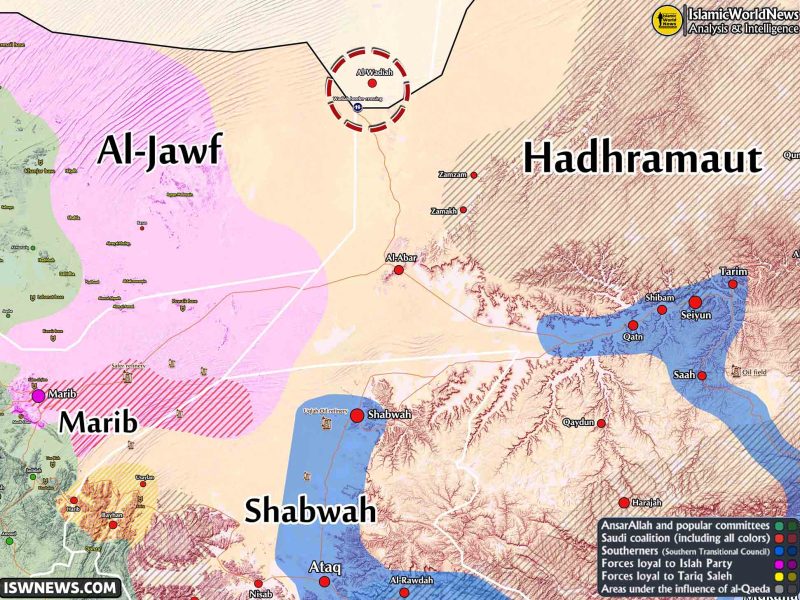
Following recent developments in eastern Yemen and the advance of the Southern Transitional Council toward northern Hadhramaut, the Saudi government has halted operations at the Al‑Wadi‘ah border crossing between Saudi Arabia and northern Yemen.
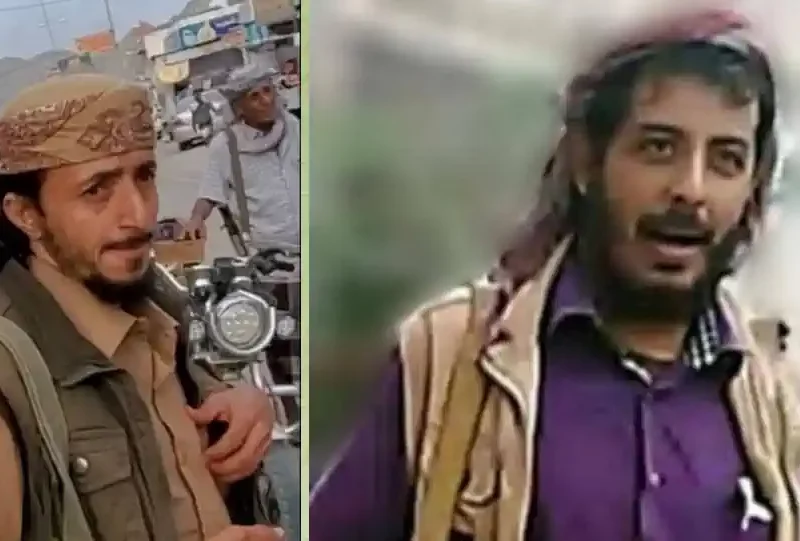
American drones carried out a strike in Marib province, killing two senior figures of the al‑Qaeda terrorist organization. On the evening of Monday, December 8, U.S. military drones targeted a motorcycle near a farm in the al‑Hadhun area, northeast of Marib city. The attack killed Abu Ubaidah al‑Hadhrami, a field commander of al‑Qaeda, and Anis […]
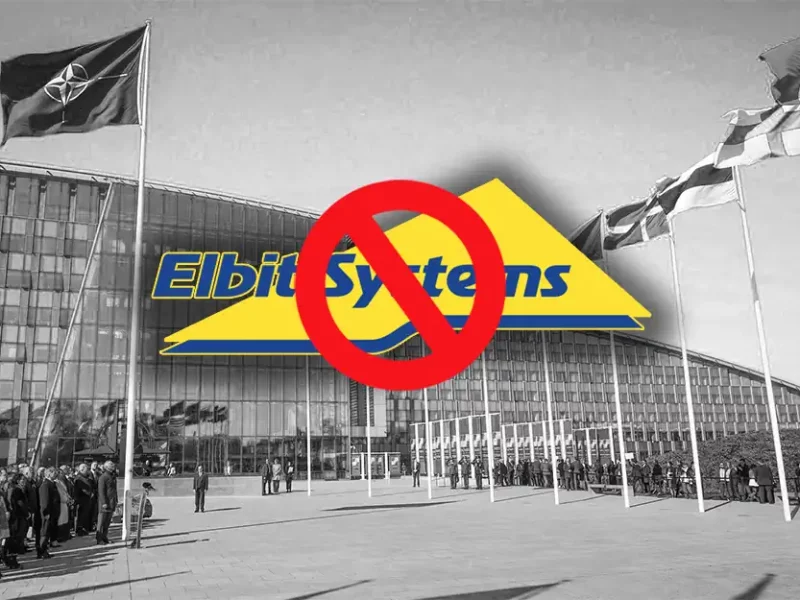
An investigative report by European media outlets reveals that Elbit Systems, Israel’s largest arms manufacturer, has been suspended from NATO procurement tenders due to its alleged involvement in a major corruption case within the NATO Support and Procurement Agency (NSPA).
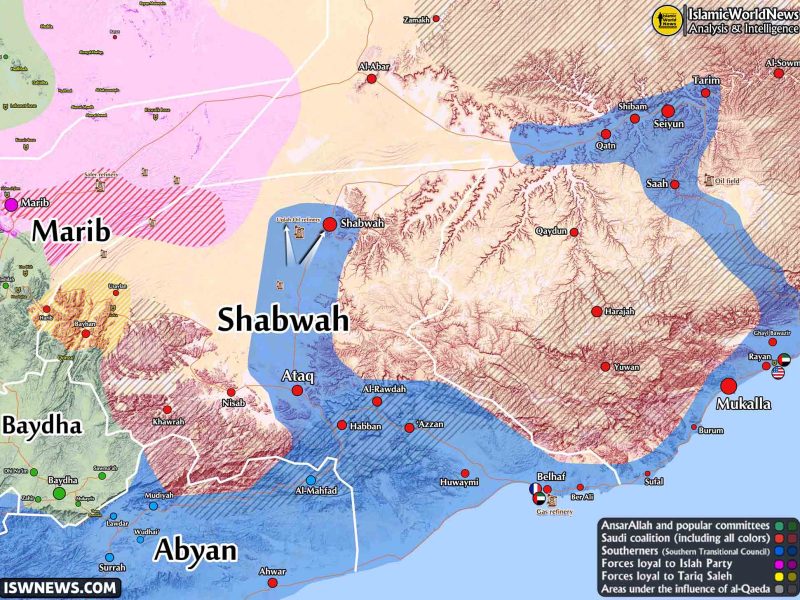
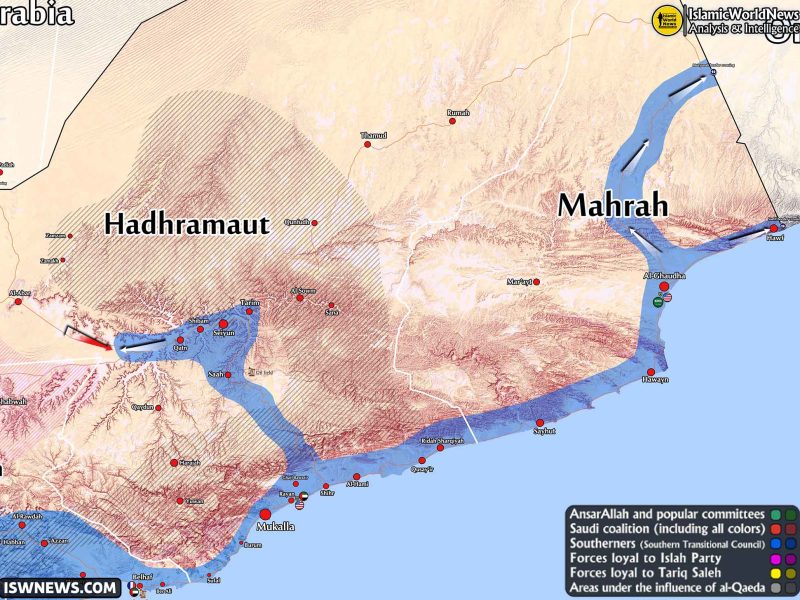
Following the advances of Southern Transitional Council (STC) fighters in Hadramaut province, the positions of the Islah Party in Shabwa have also been weakened. A convoy of Shabwa Defense Forces succeeded in taking control of the al‑Aqla oil facilities. After capturing the field, Shabwa Defense Forces established checkpoints around it.
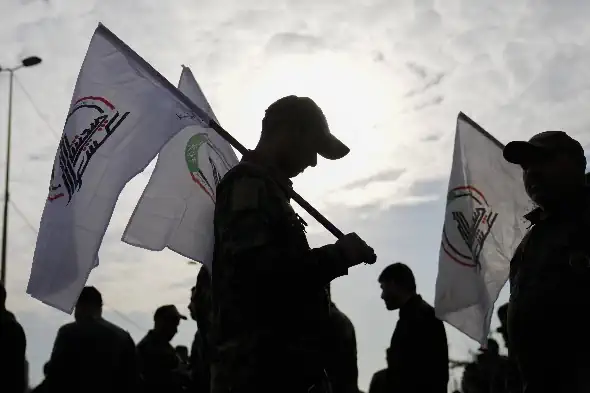
The appointment of Mark Savaya, a Chaldean‑Assyrian Iraqi‑American entrepreneur, as the U.S. President’s Special Envoy for Iraq in November 2025 was seen as more than a routine diplomatic move. It came at a time of rising tensions between Washington and resistance groups, with Iraq approaching parliamentary elections. Analysts view this as part of the Trump administration’s broader strategy to redefine Iraq’s role in the regional order and curb Iranian influence. Sawaya, beyond his symbolic position as a representative of Christian minorities, has been tasked with a multi‑faceted mission: rebuilding Baghdad–Washington relations, strengthening U.S. investment and economic presence, and reshaping Iraq’s security structure in line with Western interests.
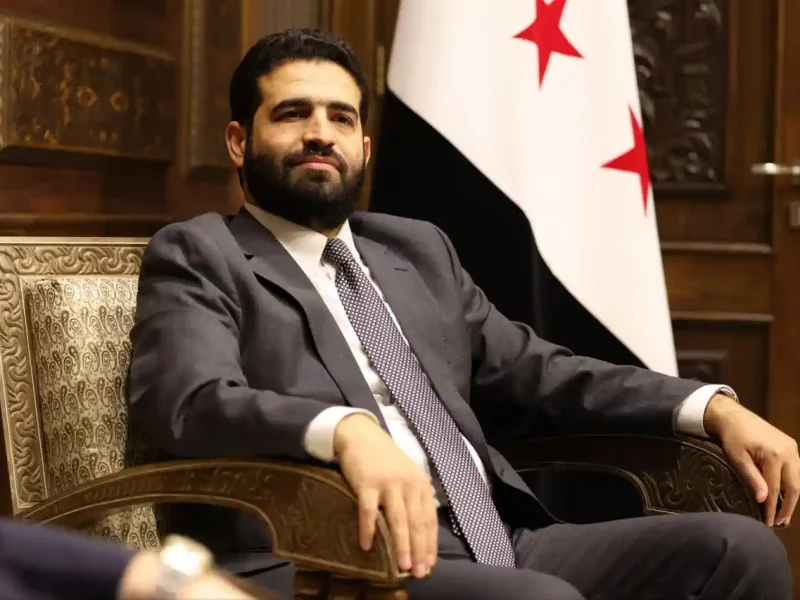
Anas Khattab, Syria’s Interior Minister, told Al Jazeera of significant advances made by security agencies following the fall of Bashar al‑Assad’s government.
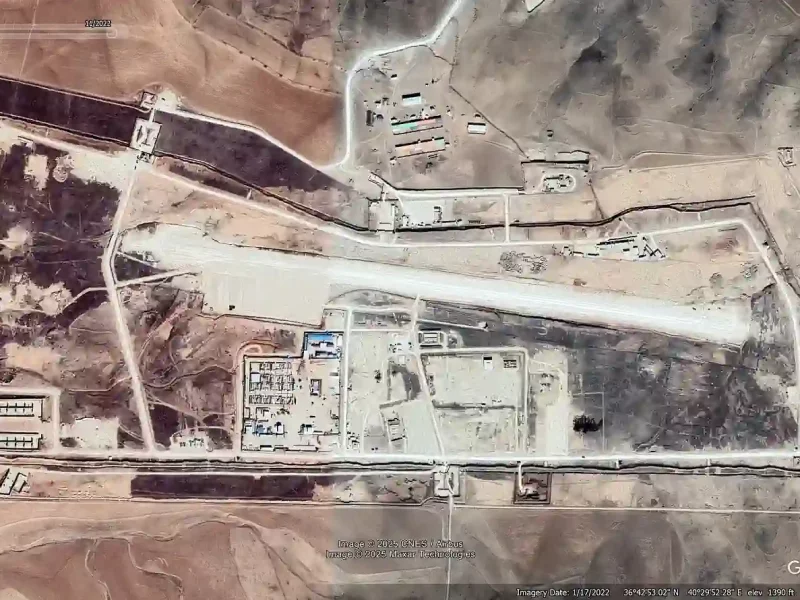
Following the fall of Bashar al-Assad, the U.S. military presence in Syria has undergone a series of strategic shifts—particularly after the Trump administration announced its intention to reduce troop levels. While some bases have witnessed withdrawals in recent months, closer examination reveals an opposite trend taking shape: a rapid expansion and intensification of operations at the Qasrak base on the outskirts of Hasakah. The pressing question is what these movements reveal about Washington’s strategy in northeastern Syria—and, more specifically, what is unfolding at Qasrek and other American installations in Deir ez-Zor?
The spokesperson for the U.S. State Department announced Washington’s disappointment over Iraq’s decision to reverse its plan to freeze the assets of Hezbollah in Lebanon and Ansarallah in Yemen.
According to the latest reports on the movements of Southern Transitional Council (STC) fighters in Hadhramaut and Al-Mahra provinces in eastern Yemen, political authority in these regions remains formally under the governors of the ousted government, yet southern forces are seizing key sites including airports and border crossings.
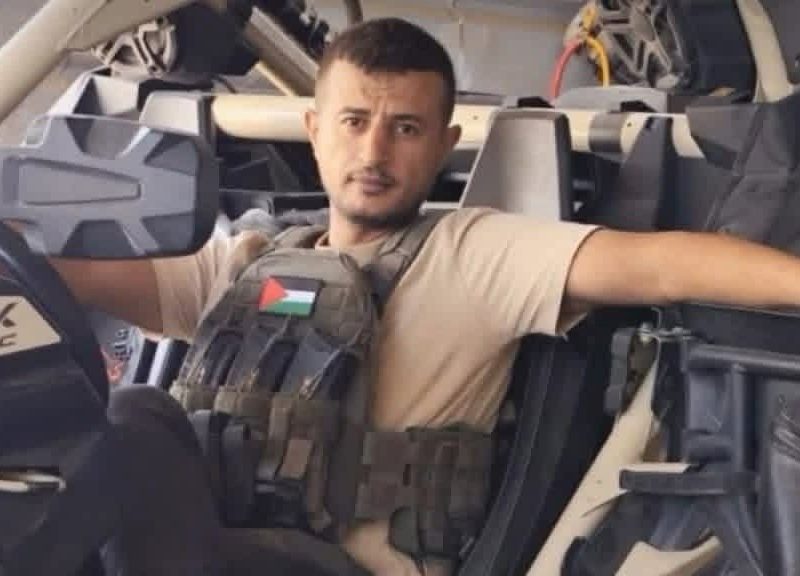
Yasser Abu Shabab, leader of an armed faction opposing the resistance in the Gaza Strip, was killed in an incident in western Rafah. Multiple accounts have emerged regarding the circumstances of his death.
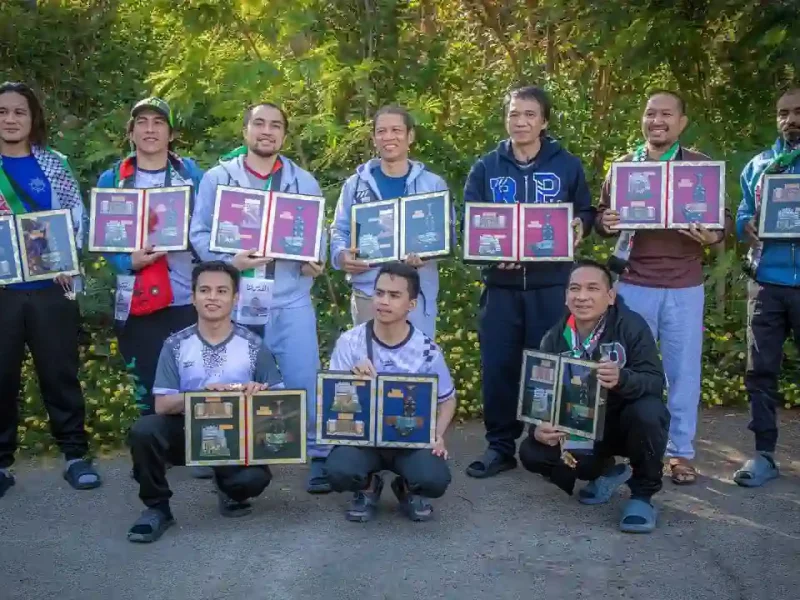
Yemeni officials, responding to a request from Oman, have released 10 crew members of the Eternity C vessel. Following their release, the Filipino crew were flown from Sanaa Airport to Muscat aboard an Omani aircraft.