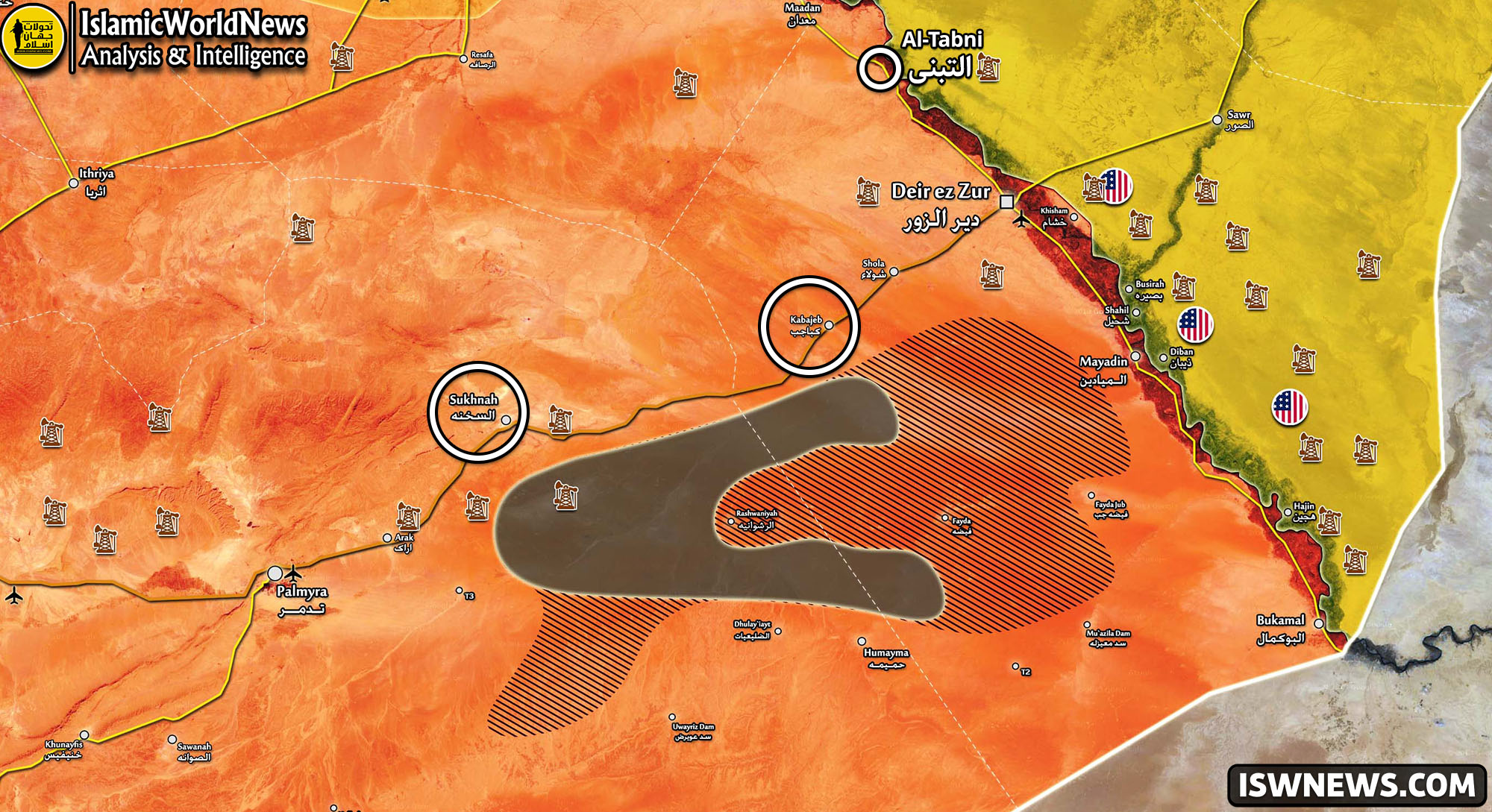
ISIS militants took advantage of adverse weather conditions and limited visibility caused by a dust storm to launch assaults on three Syrian army bases in the governorates of Deir ez-Zor and Homs, located in eastern and western Syria respectively.
In the first and second rounds of attacks, ISIS terrorists targeted two Syrian army bases in the town of Al-Tabni and Al-Kobajjep desert area located in Deir ez-Zor, confronting with Syrian soldiers. During these clashes, at least two Syrian soldiers were martyred. It is reported that after the Syrian troops retreated, ISIS members managed to enter the military posts of the Syrian army in the aforementioned areas.
In the third attack, ISIS elements assaulted a Syrian army base and its allied forces in the Al-Sukhnah desert town, resulting in the martyrdom of one Syrian soldier and injuries to several others.
In recent years, the Syrian desert and various areas of Deir ez-Zor and Homs governorates have witnessed daily operations by ISIS terrorists against civilians, facilities, and military bases, despite ongoing operations by the Syrian army.
Furthermore, hundreds of Syrian army personnel and their allies have been martyred during cleanup operations in the Syrian desert, yet ISIS’s hidden groups continue to operate in these areas, resorting to terrorist activities to affect the security of some regions in Syria.
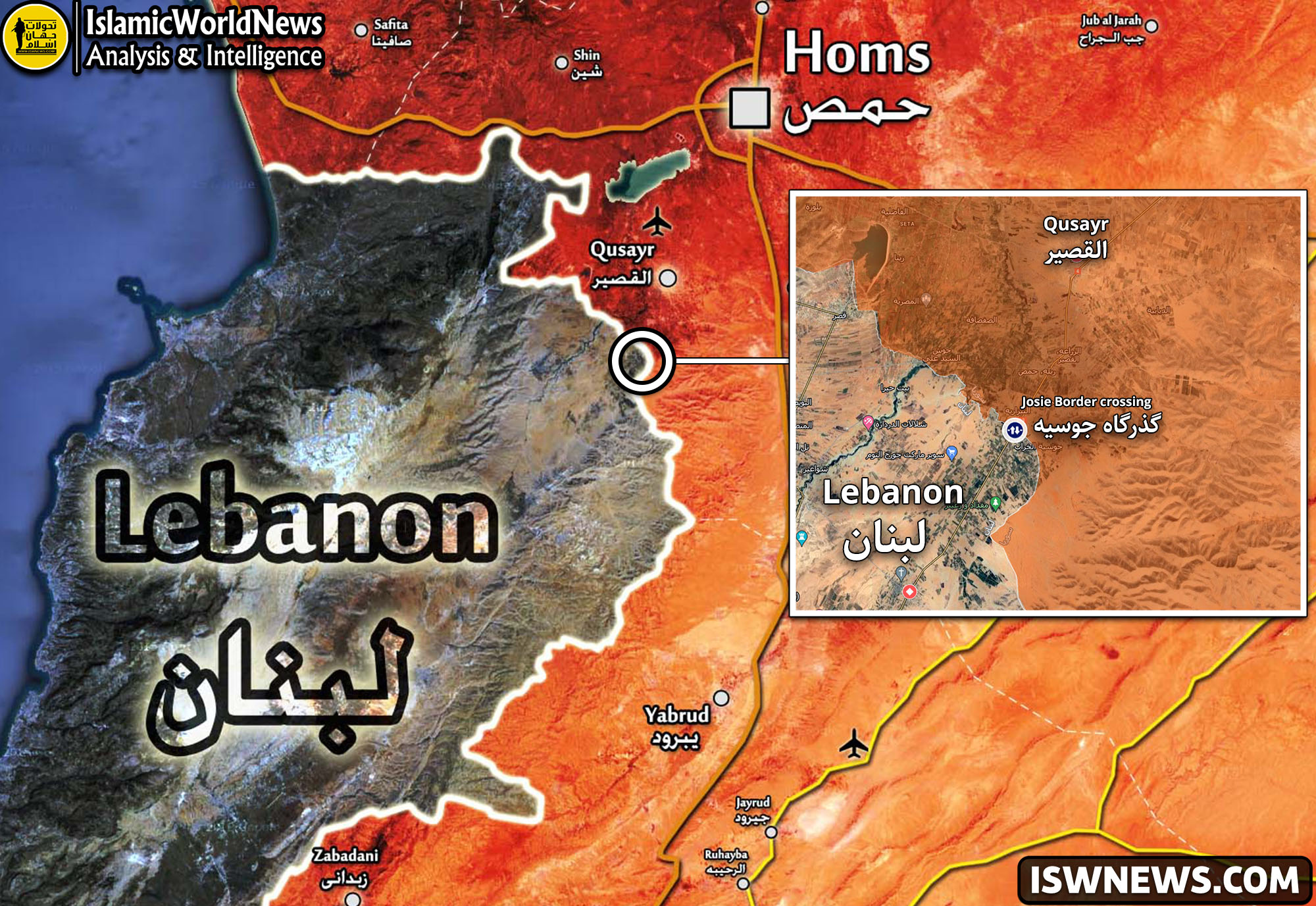
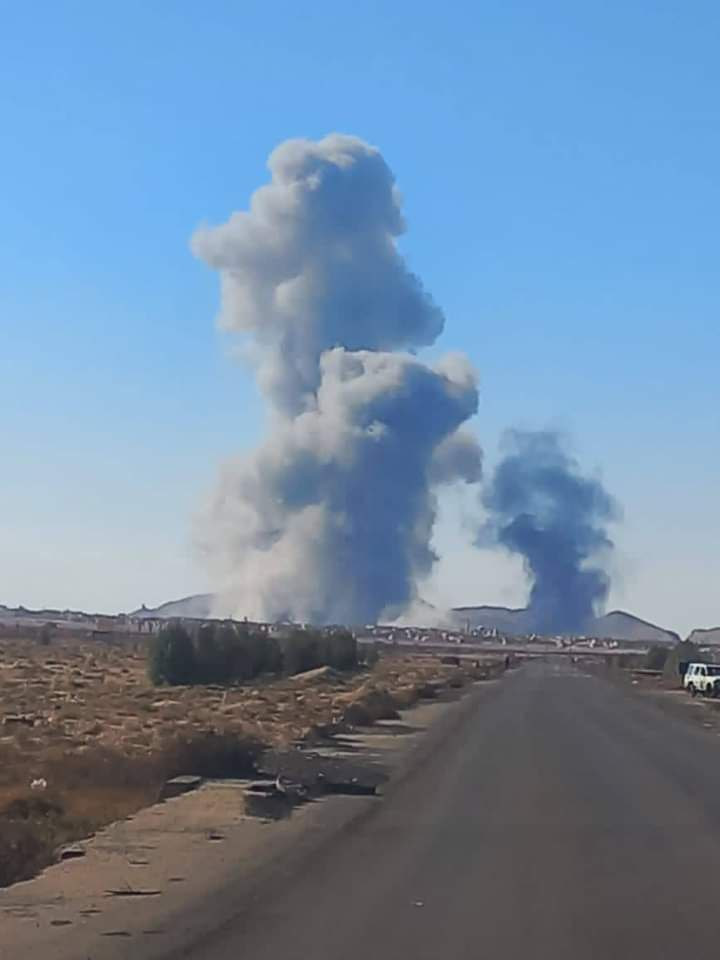
The air strike did not result in any casualties in that area.
Ali Hamiyeh, Minister of Public Works and Transport in Lebanon, stated that some targets were hit by the airstrike of the Israeli regime’s army in the Jusiyah al-Amar border crossing in Syrian territory.
In recent years, the Israeli regime’s army has repeatedly violated Syria’s territorial integrity with airstrikes. Most of the Israeli regime’s illegal strikes in the past year, allegedly aimed at assassinating senior resistance commanders and destroying Syrian army’s facilities and ammunition depots. During these strikes, hundreds of civilians and SAA servicemen were martyred and injured.
Following the onset of Operation Al-Aqsa Storm by the Palestinian resistance movement Hamas, Israeli airstrikes against various regions in Syria, especially Damascus and Homs governorates, have increased.
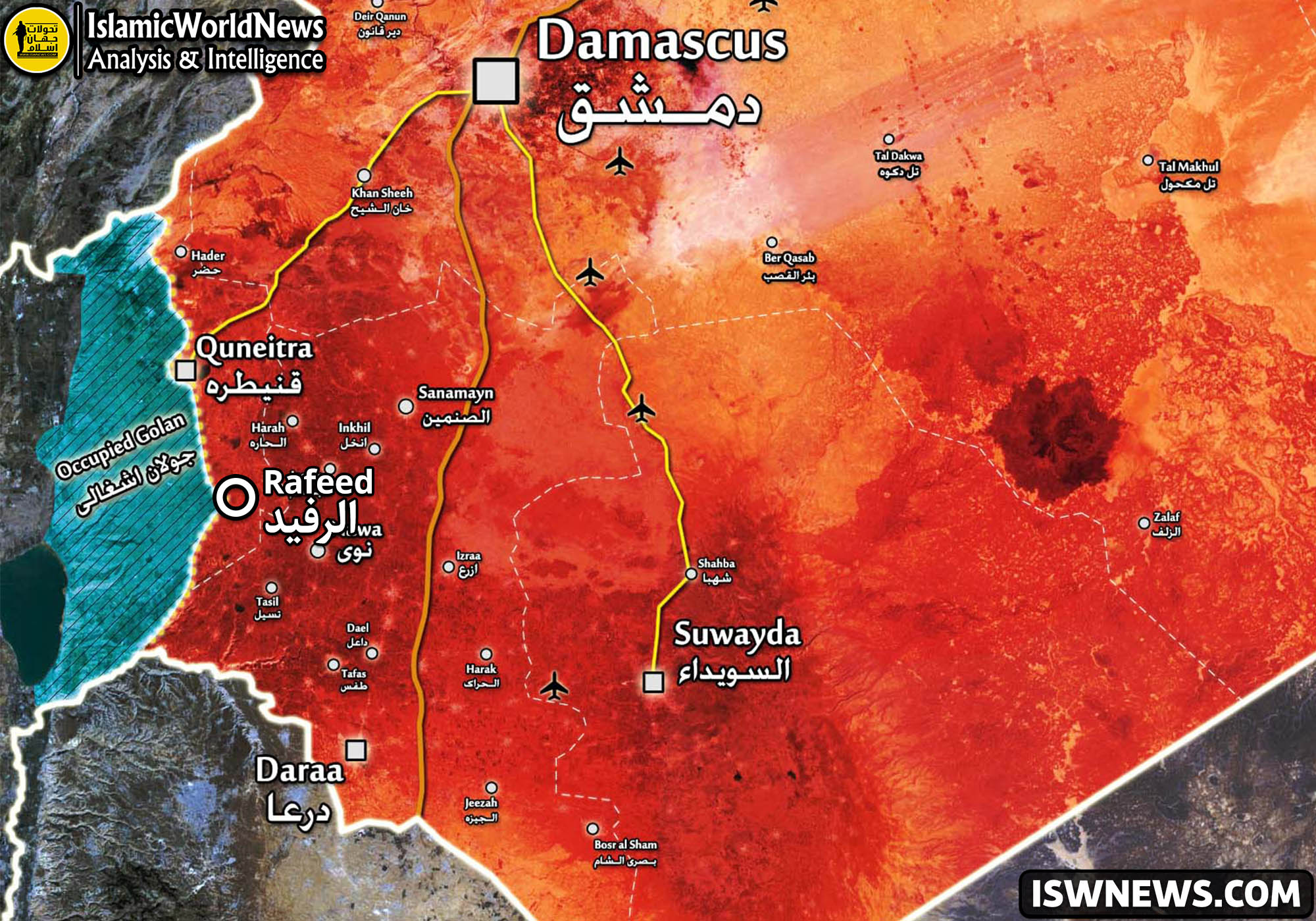
On November 21, the Israeli regime’s forces entered the village of Al Rafeed in southern al-Quneitra and detained a civilian from the southern region of Syria.
Local sources reported that the civilian, named Mahmoud Hilal Al-Fenish, is a resident of Al Rafeed village. He was engaged in shepherding in the village when he was abducted by Israeli military forces.
Al Rafeed village is located in the buffer zone between the Alpha and Bravo lines, which separates Syrian forces in the Golan Heights from the Israeli military. The Alpha Line and the Bravo Line were set in the Israeli-Syrian Agreement on Disengagement in 1974 to separate the two warring sides.
As of now, the Israeli regime’s army has not issued a statement regarding this abduction, and Syrian authorities have also not reacted to the news.
It is noteworthy that on November 3, the regime’s army announced that commandos from the Egoz Unit of the 210th Brigade had abducted a Syrian named Ali Suleiman Al-Assi in southern Syria on charges of connections with Iran.
These actions, alongside the abduction of Syrian citizens, indicate a significant intensification of Israeli military activities in the occupied Golan Hights region and border areas compared to the past, which is remarkable.
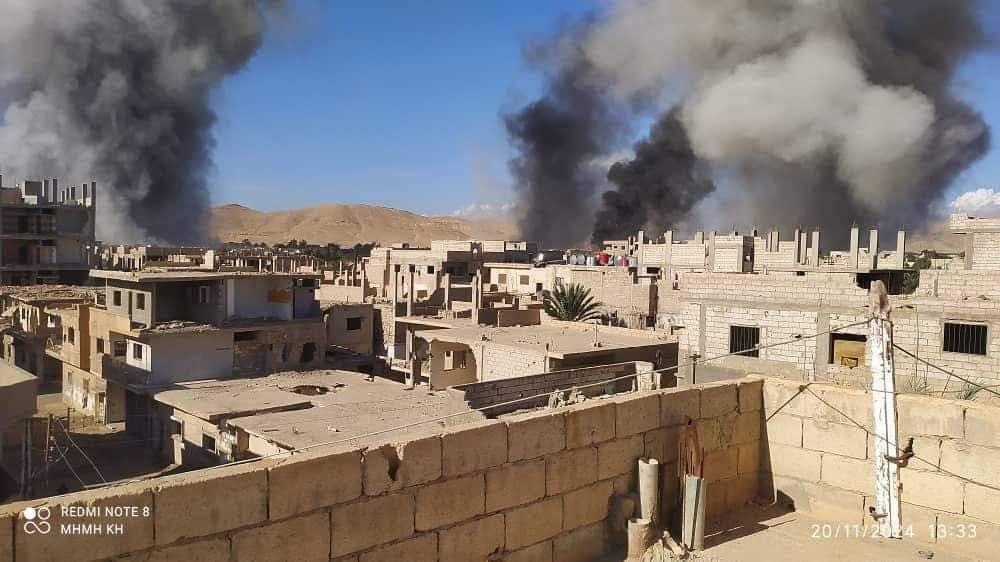
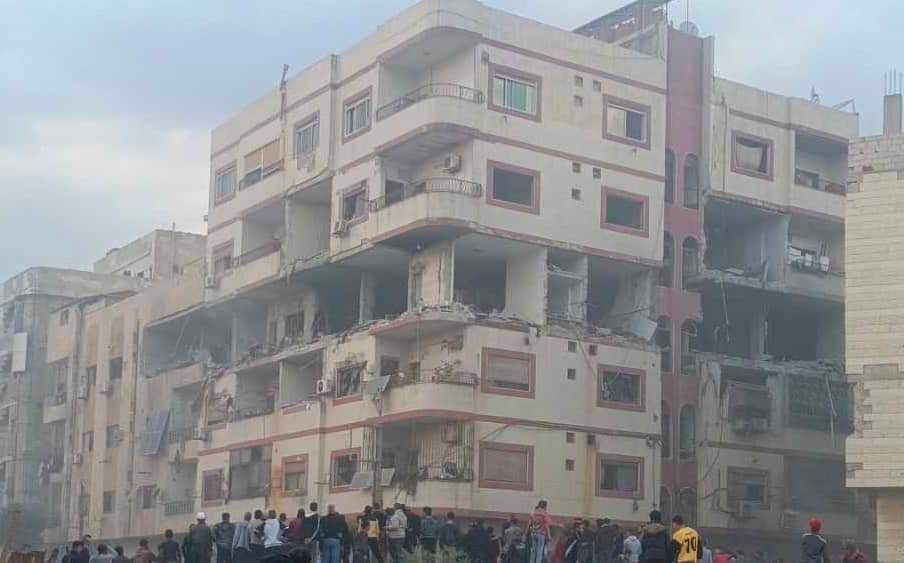
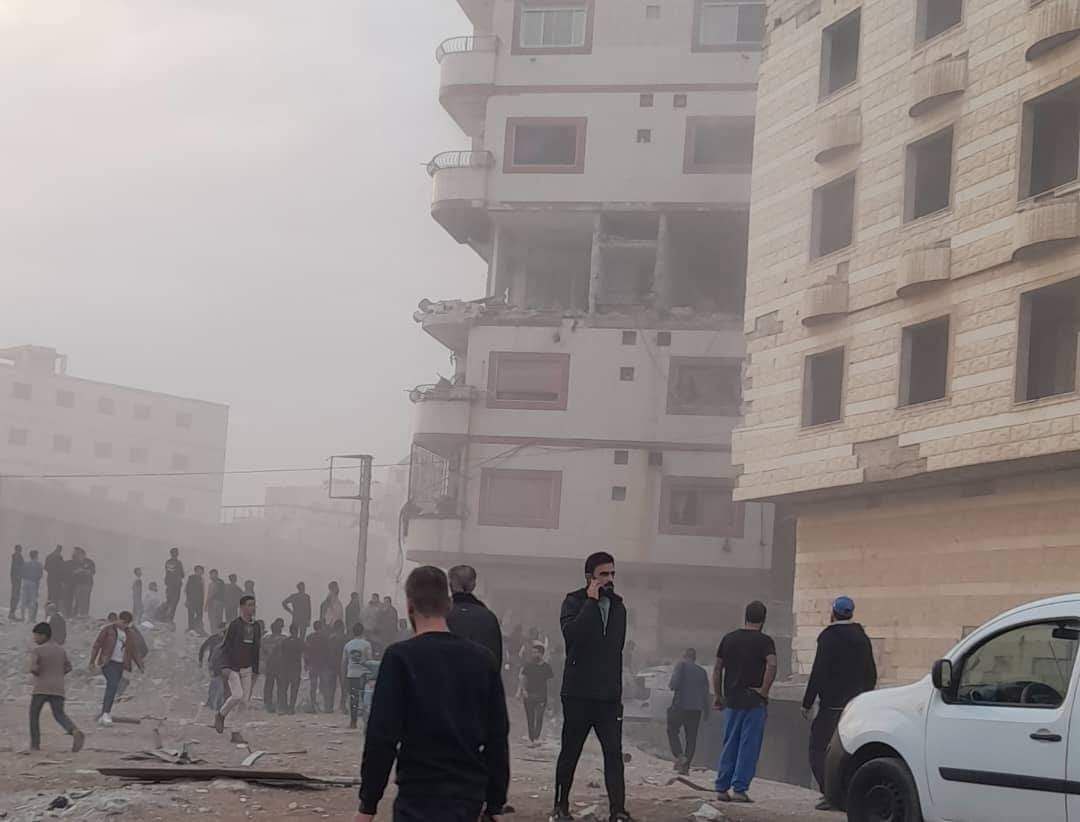
A Syrian military source said, “at around 13:30 (local time) on Wednesday, the Israeli regime targeted a number of residential buildings in the city of Tadmur from the Al-Tanf area. This attack resulted in the martyrdom of 36 people, the injury of more than 50 others and the occurrence of material damages.”
Israeli strikes in Tadmur
Investigations show that the Israeli fighter jets fired several missiles towards Palmyra by flying over the Jordanian sky and using the airspace of the US-occupied Al-Tanf region.
In the past, the Zionist regime had repeatedly used the US-occupied area in al-Tanf to attack Syria and the axis of resistance.
Israeli strikes in Tadmur
The al-Tanf region in the southeast of Syria has been occupied by American forces for years, and the Syrian army and resistance forces are not allowed to approach the 55-kilometer radius of this area.
In recent years, the Israeli regime’s army has repeatedly violated Syria’s territorial integrity with airstrikes. Most of the Israeli regime’s illegal strikes in the past year, allegedly aimed at assassinating senior resistance commanders and destroying Syrian army’s facilities and ammunition depots. During these strikes, hundreds of civilians and SAA servicemen were martyred and injured.
Following the onset of Operation Al-Aqsa Storm by the Palestinian resistance movement Hamas, Israeli airstrikes against various regions in Syria, especially Damascus and Homs governorates, have increased.
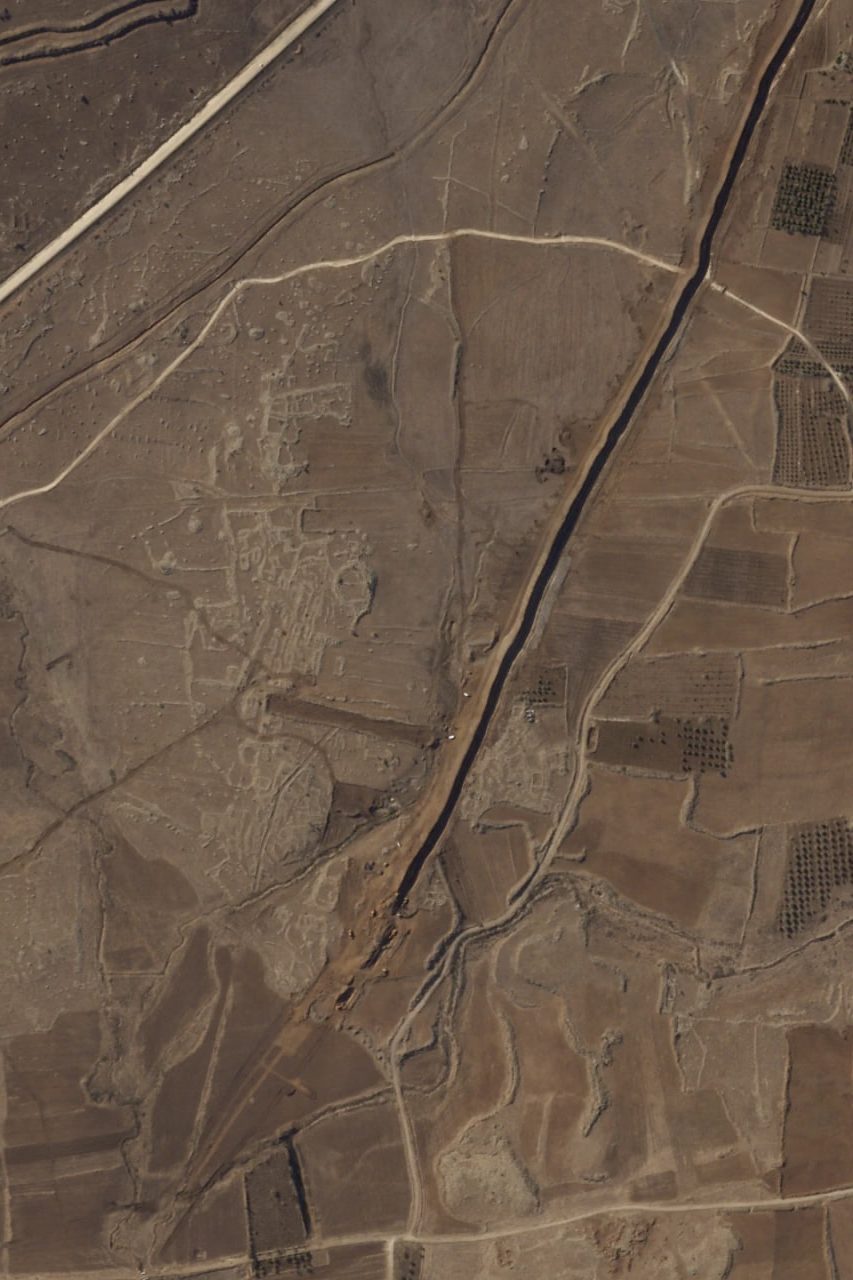
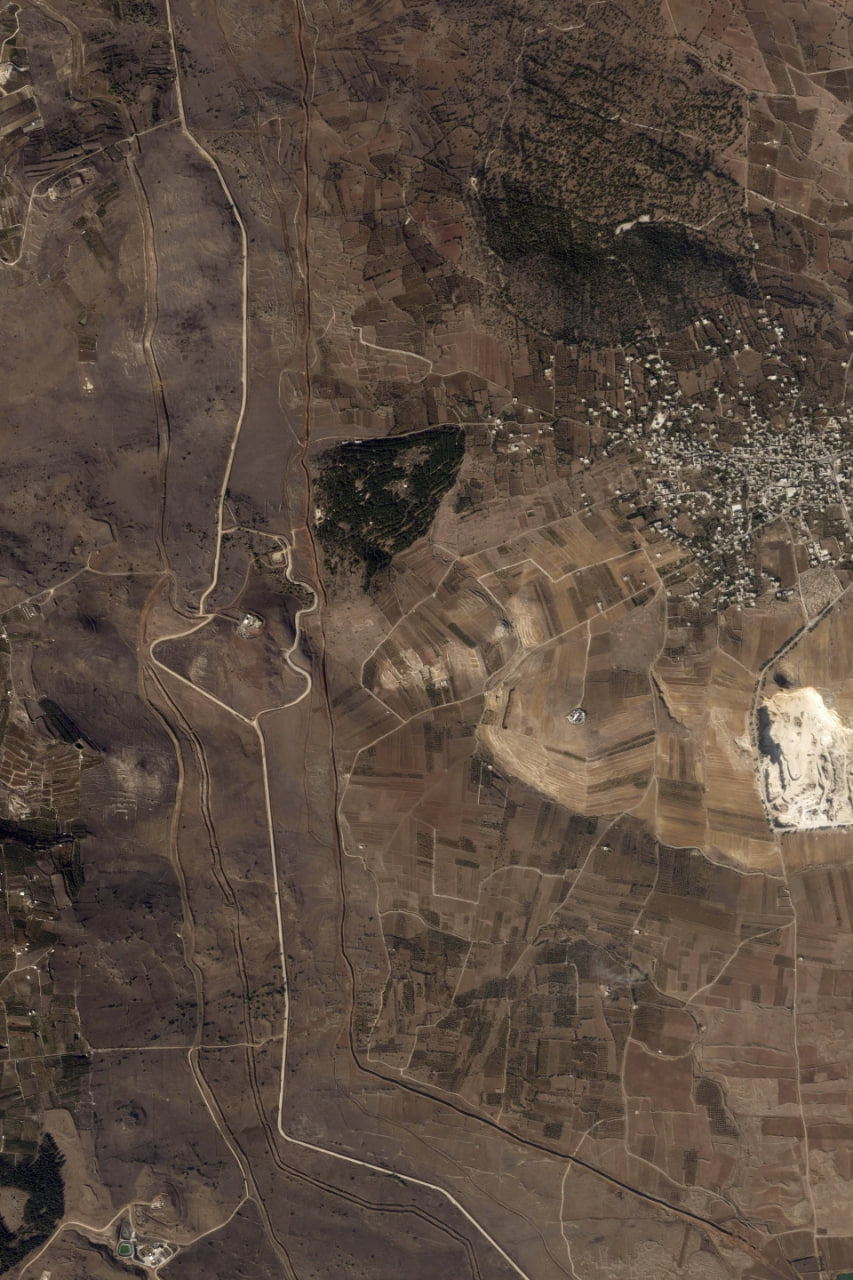
Recent satellite images indicate that the Israeli regime’s army has initiated a construction project along the Alpha Line, which separates the occupied Golan Heights from Syria and is under UN oversight.
According to these satellite images, the construction of over seven and a half kilometers of road has begun in the southeast of the town of Majdal Shams, parallel to the Alpha Line, with embankments built on both sides of the road. Additionally, one side has been fenced off, and the asphalt paving procedure on part of this road has been completed.
A video released by an Israeli military source in recent days shows that the regime’s forces have approached the Alpha Line by crossing the fences. This video was released simultaneous with the new construction project of the Tel Aviv regime in the occupied Golan.
Israeli forces near the Alpha line
It is noteworthy that the buffer zone between the Alpha Line and the second demarcation, known as the Bravo Line, which marks the limit of where the Syrian military can operate, is the area separating Syrian forces in the Golan from the troops of the Israeli regime.
UN peacekeeping forces have two permanent bases, 44 temporary posts, and 11 observation points in the occupied Golan region and its surroundings.
Following the commencement of constructions by the Israeli regime, Spokesman for the UN peacekeeping forces Nick Birnback stated in an interview with the Associated Press that Israeli forces have entered this demilitarized zone during the project, which constitutes a violation of the ceasefire laws governing the area.
Satellite images showing Israeli construction along the Alpha line southeast of Majdal Shams
The new project of the Israeli regime has been seriously underway since late September. On October 15, the Israeli regime’s forces cleared some minefields and established new barriers in the Golan Heights and border areas with Syria. On October 11, sources close to the armed groups claimed that Israeli troops, supported by several armored vehicles, entered the town of Kudna in the Quneitra Governorate of Syria; however, a field source to IWN denied this report, stating that Israeli military forces had not entered Syrian territory and were attempting to provoke Syrian forces.
What is evident is that the activities of the Israeli regime’s army in the occupied Golan Heights and border areas with Syria have significantly increased in recent weeks compared to the past. These provocations, alongside ground operations by the Israeli military forces in southern Lebanon, have fueled speculation about the initiation of ground operations in southern Syria.
An interesting point is the reason behind the Israeli regime’s actions, particularly the reinforcement of fortifications, including fencing and embankments at the Alpha Line in the occupied Golan. Given the fact that the Israeli regime’s claims of the presence of resistance forces in southern Syria and the potential for ground conflicts, it appears that the regime’s army is proactively strengthening its defensive positions to enhance its capabilities against possible attacks and ground confrontations in this region. Nevertheless, the extensive actions of the Tel Aviv regime in the occupied Golan Hights in recent weeks may have various apparent and hidden reasons, but what is important is that these actions should not be underestimated or taken insignificant; they could be preparations for an aggression against Syria!
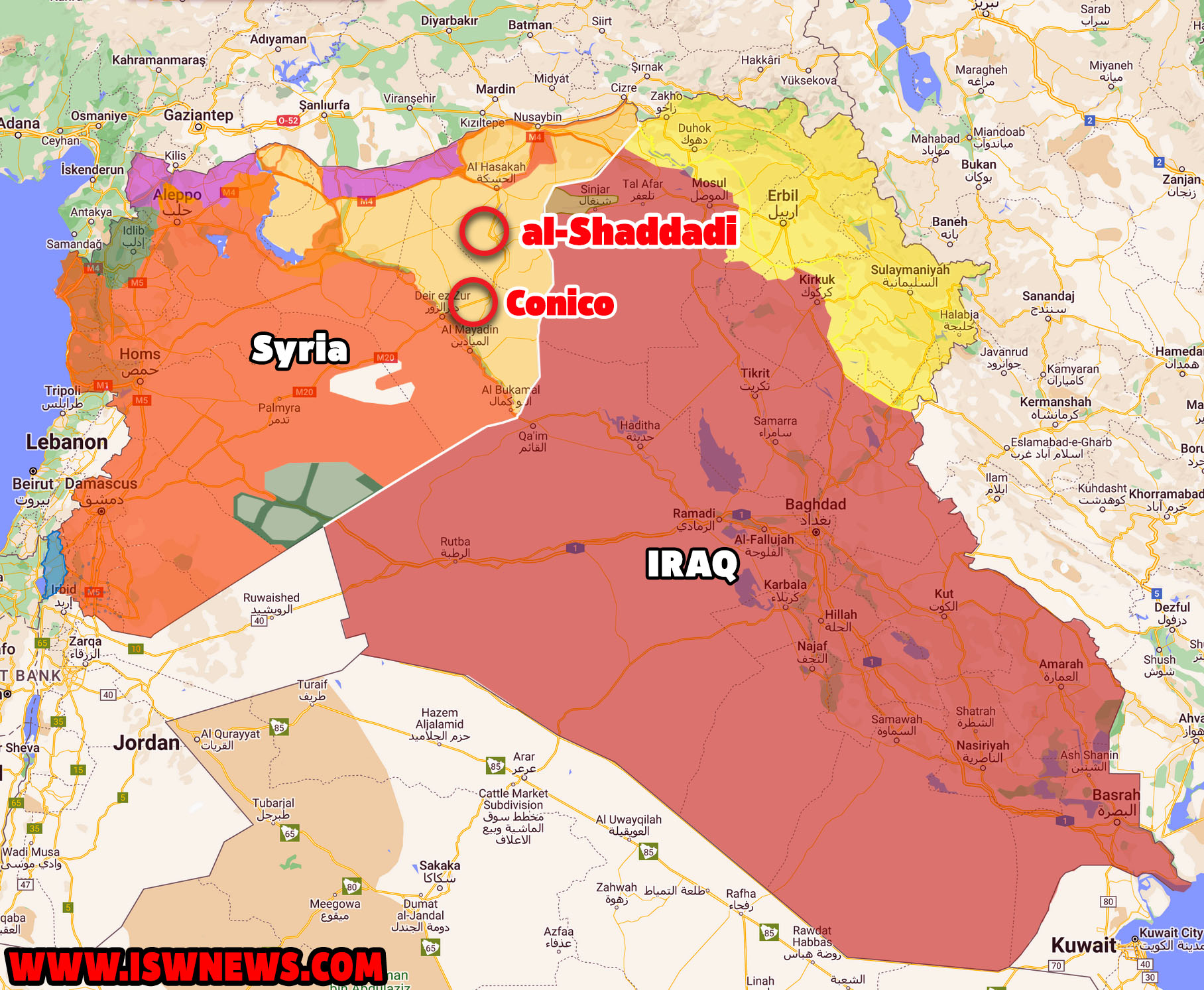
On November 12, resistance groups targeted the positions of US terrorist forces at the military base in the CONOCO Gas Field located in Deir ez-Zor Governorate and the al-Shaddadi base located in Al-Hasakah Governorate with drone and rocket attacks.
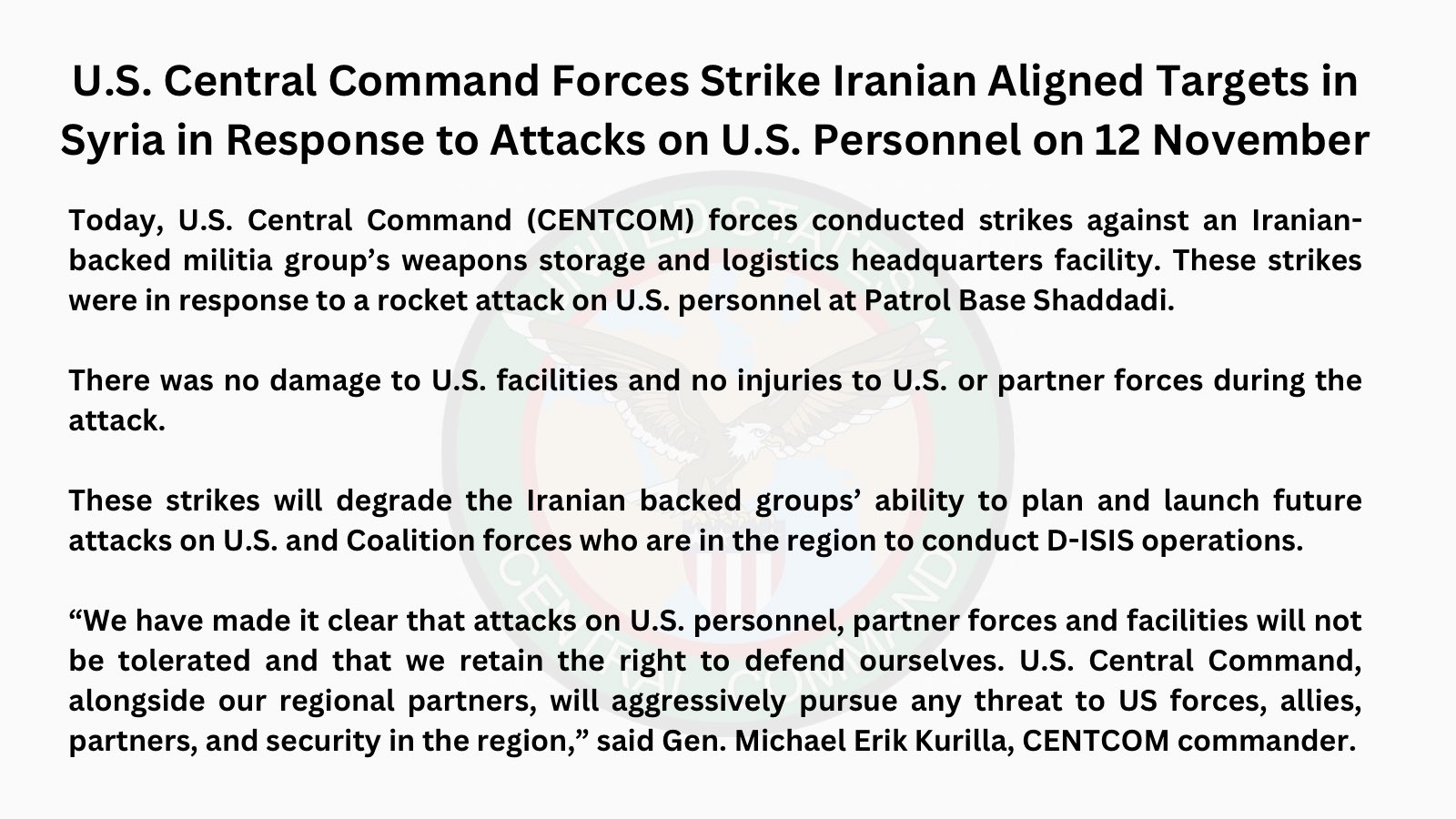
The terrorist command of the United States in West Asia (CENTCOM) issued a statement on November 13, announcing that in response to attacks against American forces at the al-Shaddadi base, it targeted resistance positions in Syria.
The CENTCOM statement also said: In response to the rocket attack against American forces at the al-Shaddadi base, attacks were carried out against the logistics facilities and weapons storage of an Iran-backed militia group in Syria.
CENTCOM statement
General Michael E. Kurilla, commander of the United States Central Command, also said: We have clearly stated that we will not tolerate attacks on American facilities and personnel and our allied forces, and we reserve the right to self-defense.
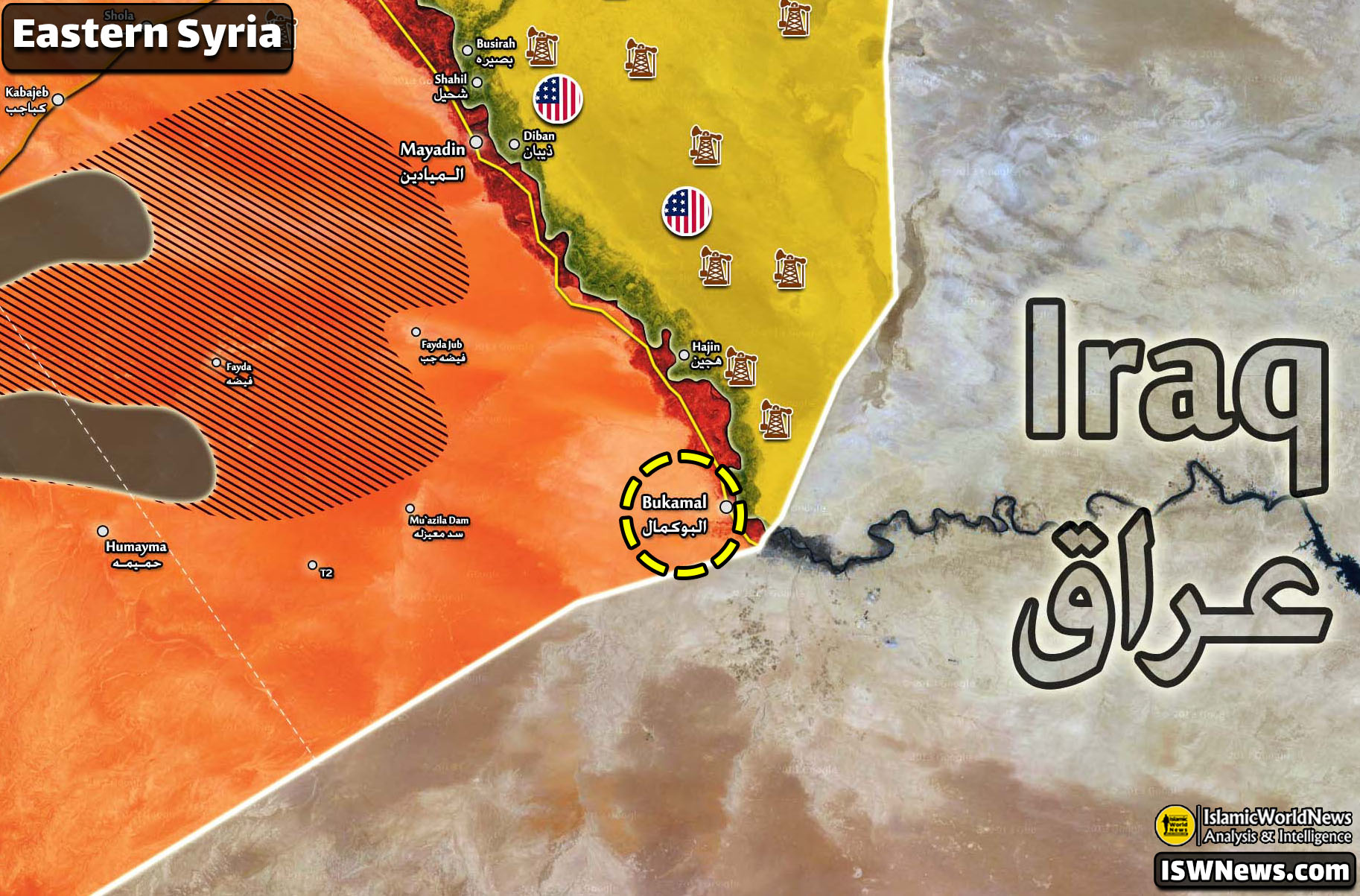
It is reported that the US attacks targeted sites in the al-Jamiyat district of al-Bukamal city in Deir ez-Zor Governorate, resulting in at least eight people martyred or injured.
Abu Kamal
It is worth mentioning that this is the second US air strike against resistance groups in eastern Syria in the past two days. On November 11, US terrorist army aircraft also targeted the positions of resistance groups in the areas surrounding the city of al-Mayadeen in Deir ez-Zor Governorate, resulting in at least four resistance fighters martyred and eight others injured.
First Deputy Commander of the Russian forces in Syria Colonel General Alexander Dvornikov said in an interview with the Russian media outlet Sputnik that they created a point belonging to Russian forces in the Al-Quneitra Governorate in southern Syria on Sunday (November 10).
According to the Russian commander, this watch tower was established as part of agreements aimed at preventing violations of the buffer zone.
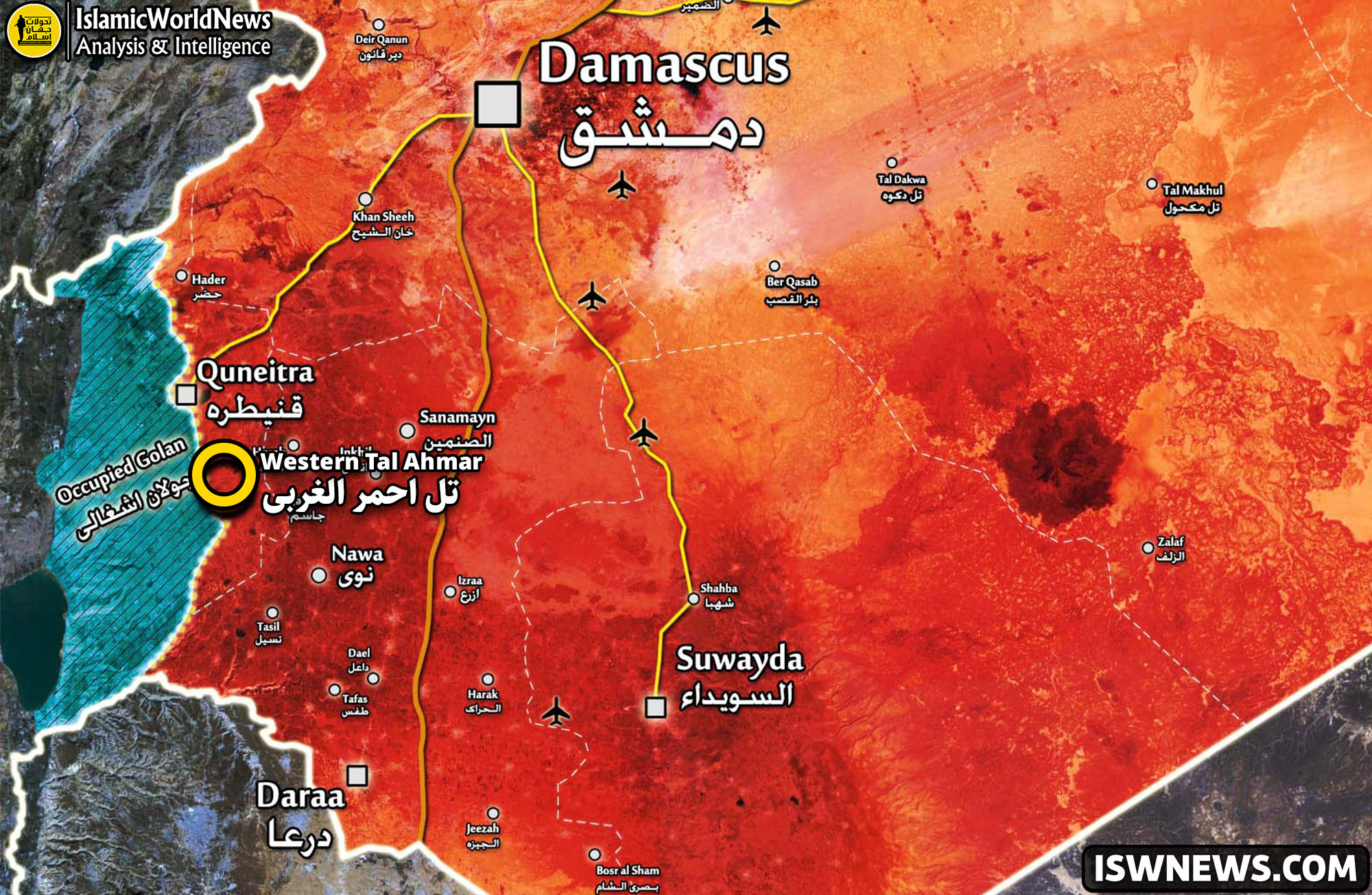
The Russian watch tower is located in the Tal al-Ahmar al-Gharbi, south of the town of Kudnah in Al-Quneitra Governorate. This marks the eighth base established by the Russian army in the buffer zone between Syria and the Israel regime.
It is worth noting that the buffer zone, also known as the demilitarized zone, was established in 1974 in the occupied Golan Heights following the end of the October War in 1973 (the Yom Kippur War or the fourth of the Arab-Israeli wars). The establishment of the buffer zone was decided by the United Nations.
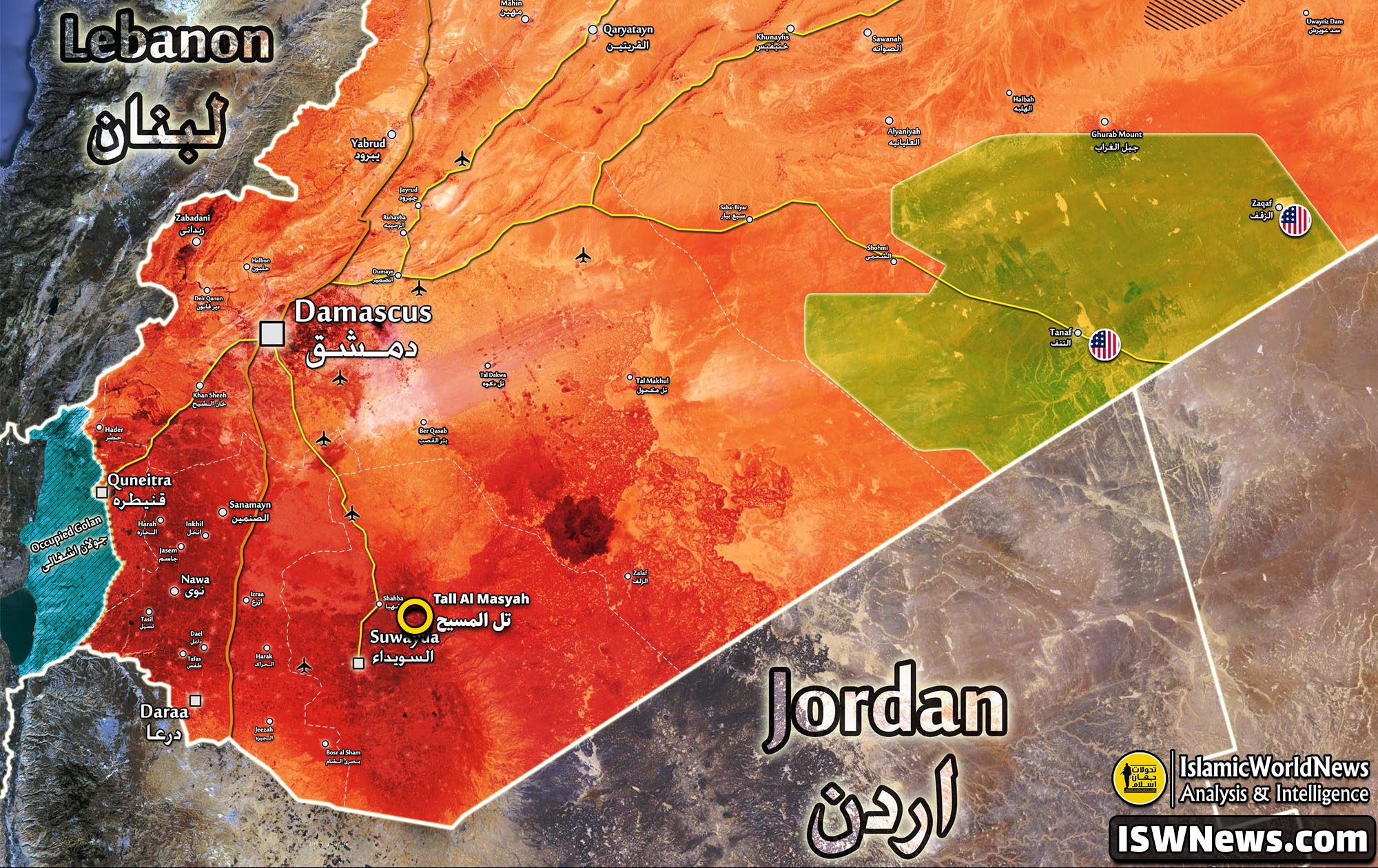
Suwayda 24, a local Facebook news page, said that one of the strikes hit a radar system, which was struck last year but was brought back to service just two months ago, while the other strike hit a hangar that was recently built at the site. No casualties were reported.
There was no statement from the Syrian Ministry of Defense, which usually acknowledged such attacks though the official Syrian Arab News Agency (SANA).
The attack came just hours after a series of Israeli strikes hit northern Syria. The strikes targeted a military-industrial complex of the Syrian Scientific Studies and Research Center located near the town of al-Safirah in the southern countryside of Aleppo and a military site near the town of Saraqib in the southern Idlib countryside.
The attack on the radar site in al-Suwayda may be meant to facilitate more attacks on northern Syria, or even to prepare for an attack on Iran or its allies in Iraq.
Israel has already vowed to strike back if Iran retaliates for the October 26 attack on Iranian targets. Recent Hebrew media reports also said that the Israeli military could attack Iraq in response to repeated drone attacks by Iran-backed armed factions there.
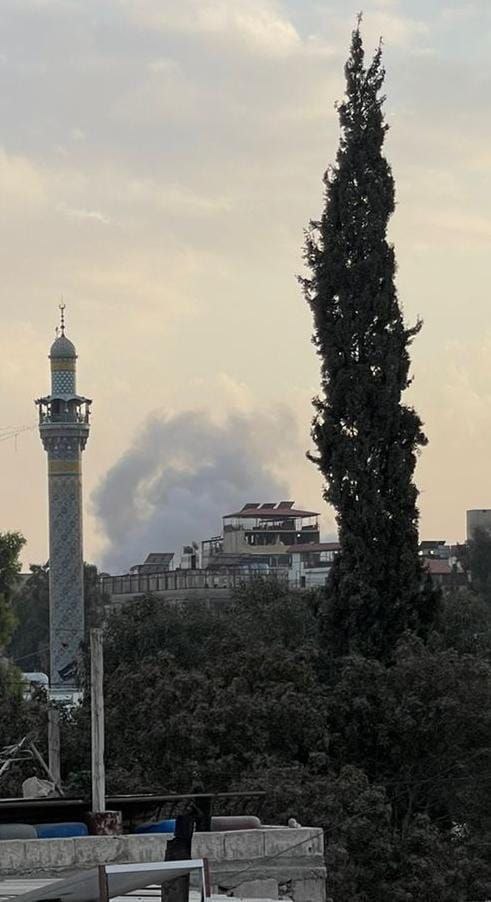
On November 10, the Israeli regime’s fighter jets targeted a building in the Sayyida Zaynab town near the Syrian capital Damascus.
A Syrian military source reported that around 5:00 p.m. (local time) on Sunday, the Israeli regime targeted a residential building in the Sayyida Zaynab town near Damascus with an airstrike from the occupied Golan Heights. This air raid resulted in the martyrdom of seven civilians, injuries to 20 others, as well as material damages.
On the other hand, local sources reported that as a result of the air strike by the Israeli regime’s army at the Sayyida Zaynab town near the Syrian capital city, at least nine people were martyred and 20 others were injured; considering the condition of the injured, there is a possibility that the death toll may rise.
The area that was targeted by Israel
In recent years, the Israeli regime’s army has repeatedly targeted the positions of the Resistance Axis and the Syrian army with missile and air strikes.
Following the onset of Operation Al-Aqsa Storm by the Palestinian resistance movement Hamas and Syria’s significant role in supporting the Resistance Axis, Israeli airstrikes against various regions in Syria, especially Damascus and Homs governorates, have increased.
Most of the Israeli regime’s attacks in the past year have aimed at assassinating senior resistance commanders and destroying logistic centers and important ammunition depots. During these strikes, hundreds of resistance fighters and even Syrian civilians have been martyred and injured.
According to information provided by a Syrian military source, the Israeli regime’s army conducted airstrikes on several points in the outskirts of Aleppo and Idlib governorates from the southeast of Aleppo around 00:45 a.m. (local time) on Saturday.
This air raid resulted in the injury of several Syrian soldiers and caused material damage.
It is reported that targets in the Al-Safirah city of Aleppo and the eastern outskirts of Idlib, in particular the city of Saraqib, were hit by the Israeli regime’s fighter jets.
In recent years, in the absence and silence of international organizations and human rights legal institutions, the Israeli regime has frequently conducted missile and air strikes against Syria. Since the launch of the Al-Aqsa Storm operation and Syria’s logical support for the resistance axis, Israeli air strikes across various areas of Syria have significantly increased, especially in Damascus and Homs.
Over the past year, Israel has conducted multiple strikes to assassinate senior resistance commanders and destroy the alleged support centers and ammunition depots, resulting in the deaths and injuries of hundreds of both military personnel and civilians across Syria.
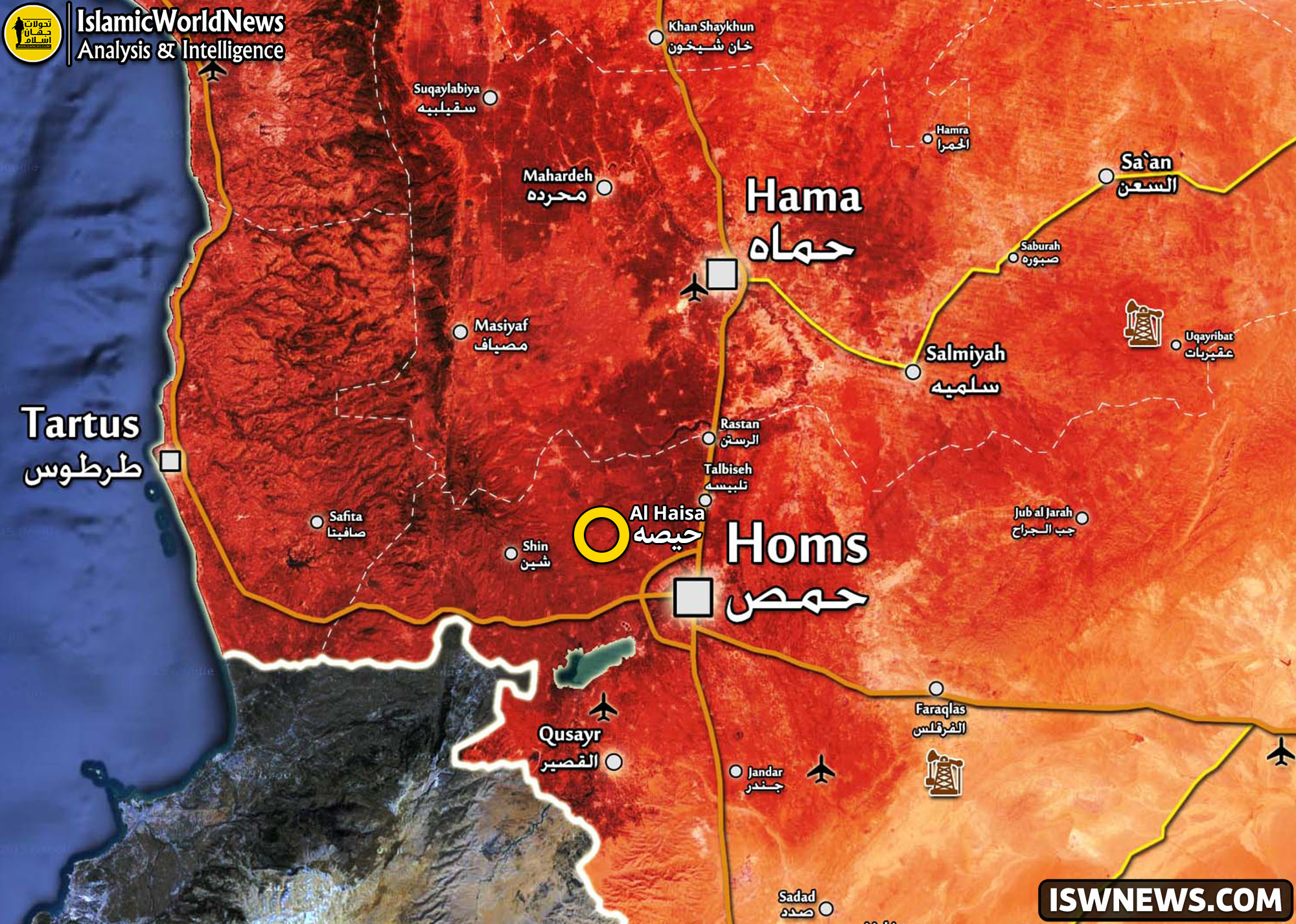
A bus carrying 17 members of the 18th Armored Division of the Syrian army stopped due to a technical malfunction in the village of Al-Bayda in eastern Homs.
ISIS terrorists misused the adverse weather conditions and limited visibility caused by a dust storm in order to target the bus transporting the Syrian soldiers.
In the terrorist attack, 12 members of the Syrian army were martyred, while five soldiers left the site of the confrontation and retreated.
In recent years, the desert areas in Syria as well as various districts of Homs Governorate witnessed daily operations by ISIS terrorists against civilians, facilities, and military posts, despite ongoing operations by the Syrian army.
Additionally, hundreds of Syrian army personnel and their allies have been martyred during those clearing operations in the Syrian desert, yet hidden elements of the ISIS terrorist group continue to be present in these areas, threatening the security of certain regions in Syria with their terrorist actions.