Al‑Houthi stressed that the Islamic Ummah must respond to such actions, warning that negligence would allow Israeli plots to succeed.
He further cautioned that any Israeli presence in Somalia constitutes a threat to Somalia itself, Yemen, and regional security. Accordingly, he declared that Israeli forces in Somaliland or Puntland would be considered legitimate military targets for Yemen’s armed forces.
The message represents a direct and serious warning to both Somaliland authorities and Israel, signaling that in any future conflict, Israeli deployments in the region could become targets of Yemeni missile and drone strikes.
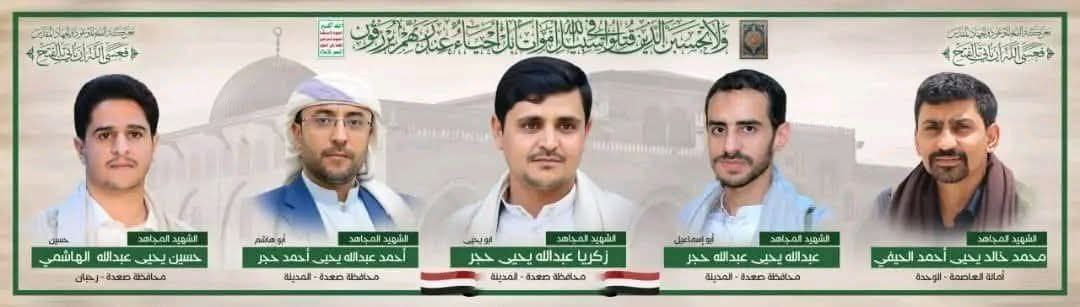
The funeral for Maj. Gen. Zakaria Abdullah Yahya Hajar (Abu Yahya), Brig. Gen. Abdullah Yahya Abdullah Hajar, Brig. Gen. Hussein Yahya Abdullah al‑Hashimi, Brig. Gen. Ahmed Abdullah Yahya Ahmed Hajar, and Mohammed Khaled Yahya Ahmed al‑Haifi will be held at Al‑Shaab Mosque in Sana’a, attended by senior officials of Yemen’s government and military.
Official Yemeni media have not yet released detailed information on their roles or circumstances of martyrdom. However, according to unofficial reports, Maj. Gen. Zakaria Hajar was a specialist in missile and drone systems within Yemen’s Armed Forces and played a role in Yemen’s support operations for Palestine.
He and his men were martyred in a U.S. airstrike in March 2025 targeting the Al‑Jiraf area north of Saada city. Zakaria Hajar’s name, due to his ties with Iran and involvement in Yemen’s missile‑drone program, appears on the alleged terrorist and sanctions lists of Saudi Arabia and the Saudi-backed Yemeni government.
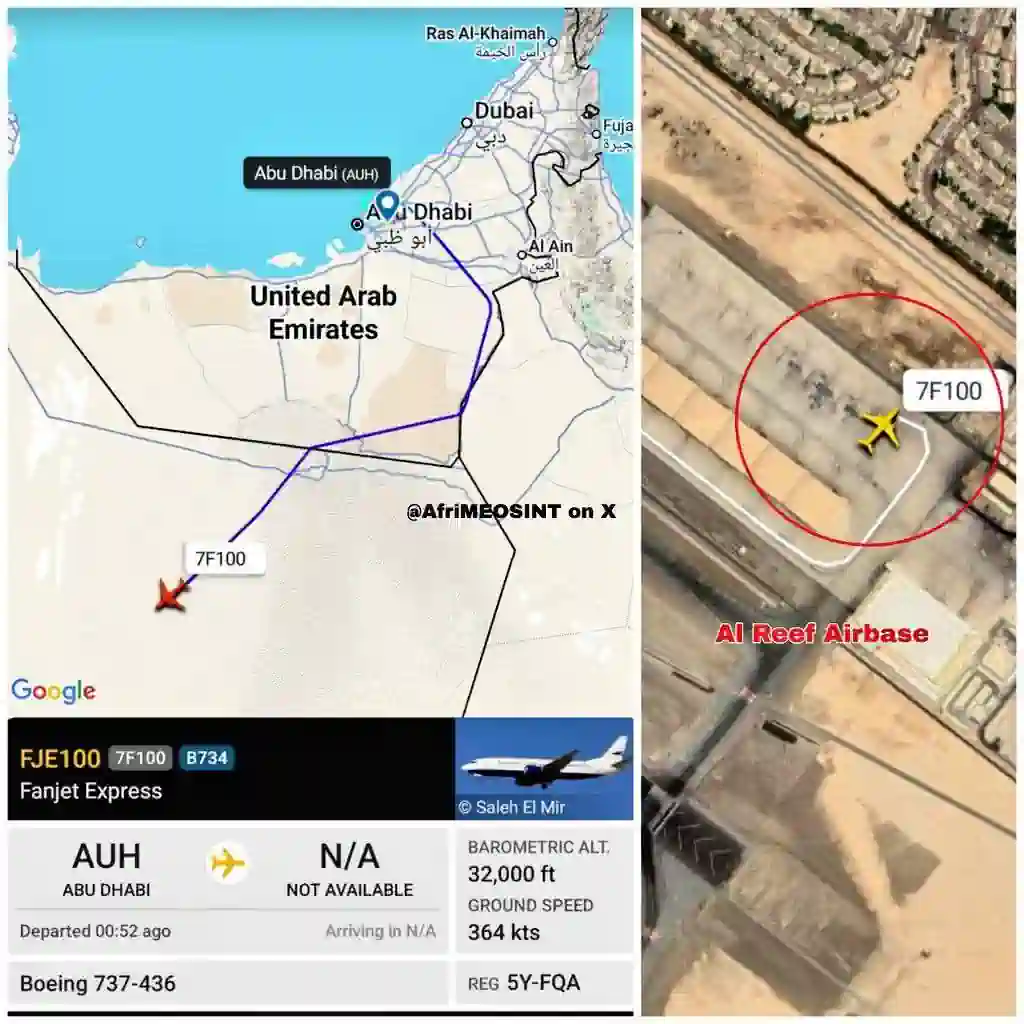
The shipment was transported via a Boeing 737 aircraft operated by the Emirati company Fanjet Express, departing from Al-Rif Air Base in Abu Dhabi and arriving at Al-Rayyan Airport on Yemen’s Hadramaut coast. This marks the third military consignment sent by the UAE to southern forces in recent days.
By supplying new weapons to southern groups, Abu Dhabi aims to strengthen their positions in Hadramaut and prevent future offensives by Saudi-aligned factions.
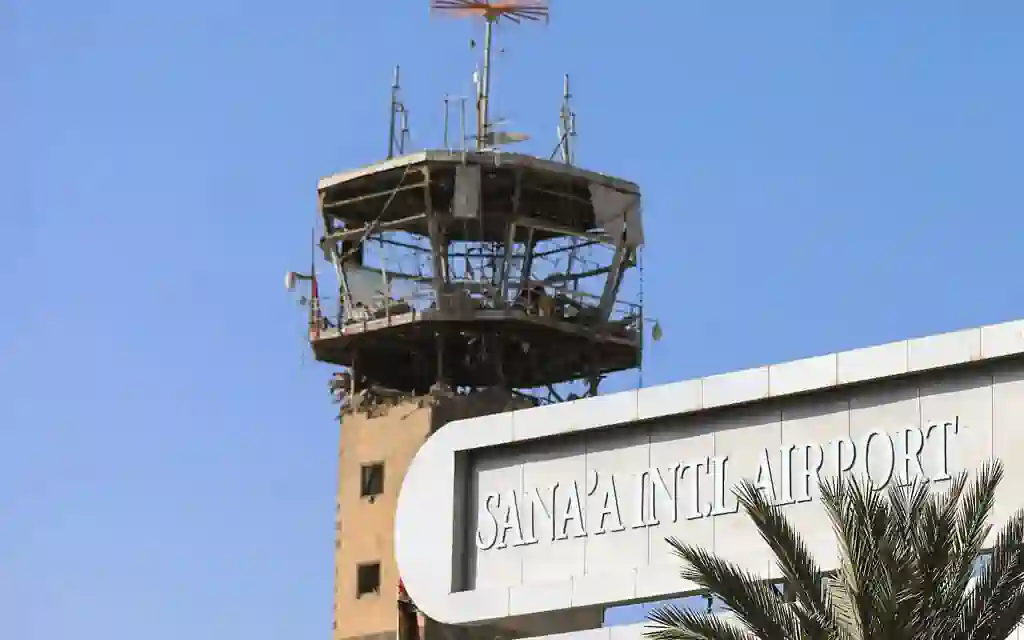
Khaled al-Shayef, director of Sana’a International Airport, told Al-Masirah TV that the air blockade is being used by the Saudi–Emirati coalition as a tool of political pressure against Yemen. He noted that over 500,000 patients in Yemen currently require travel abroad for treatment.
Al-Shayef also confirmed the airport’s readiness to resume flights, stating that aircraft could be arranged if the blockade were lifted, but the coalition continues to impose restrictions and intimidate many airlines.
According to Yemeni government estimates, under normal conditions the number of flights and passengers was expected to reach 4 million by the end of 2025. However, this projection was derailed due to repeated Zionist airstrikes on the airport, which disabled its facilities on two separate occasions.
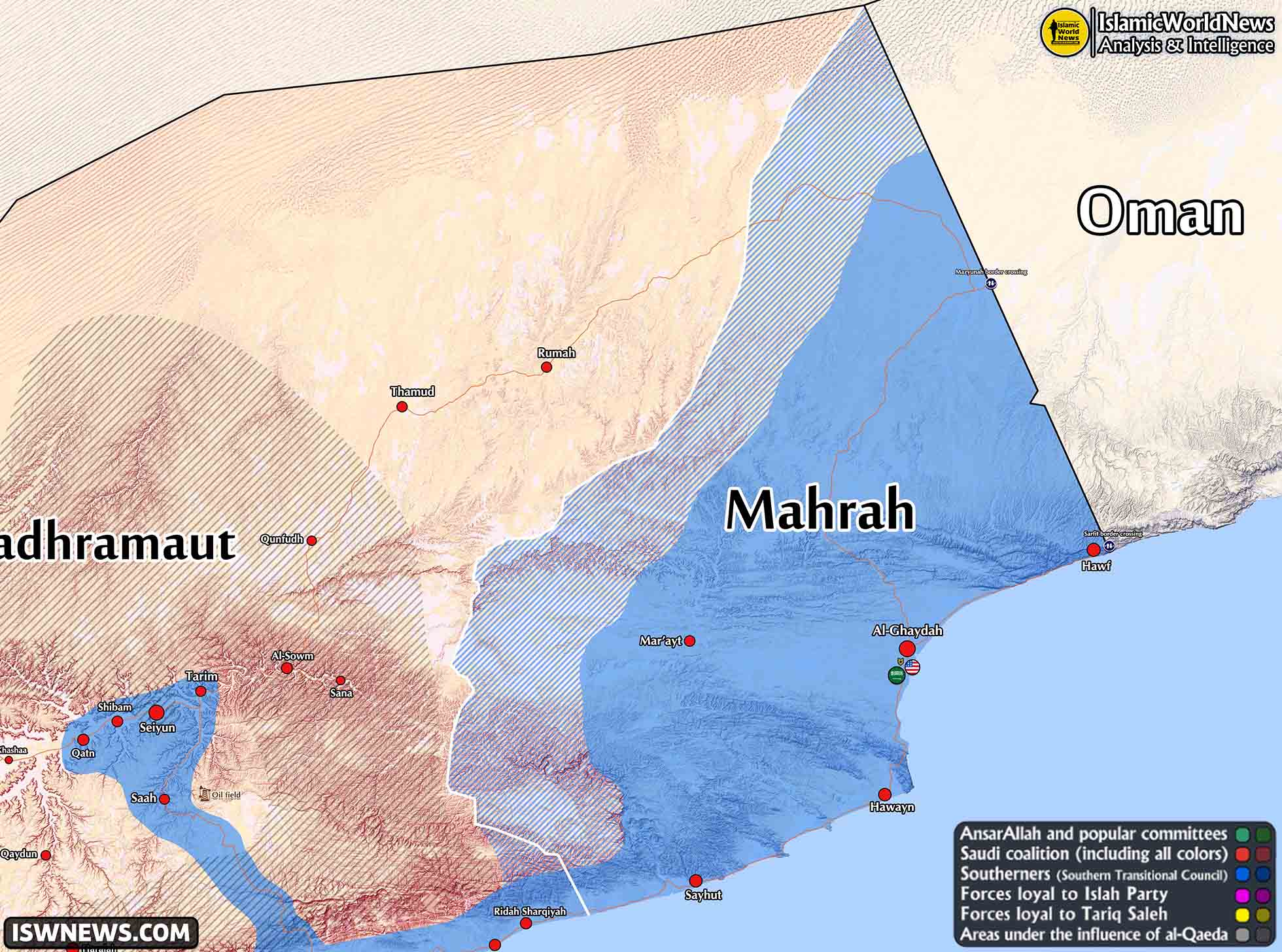
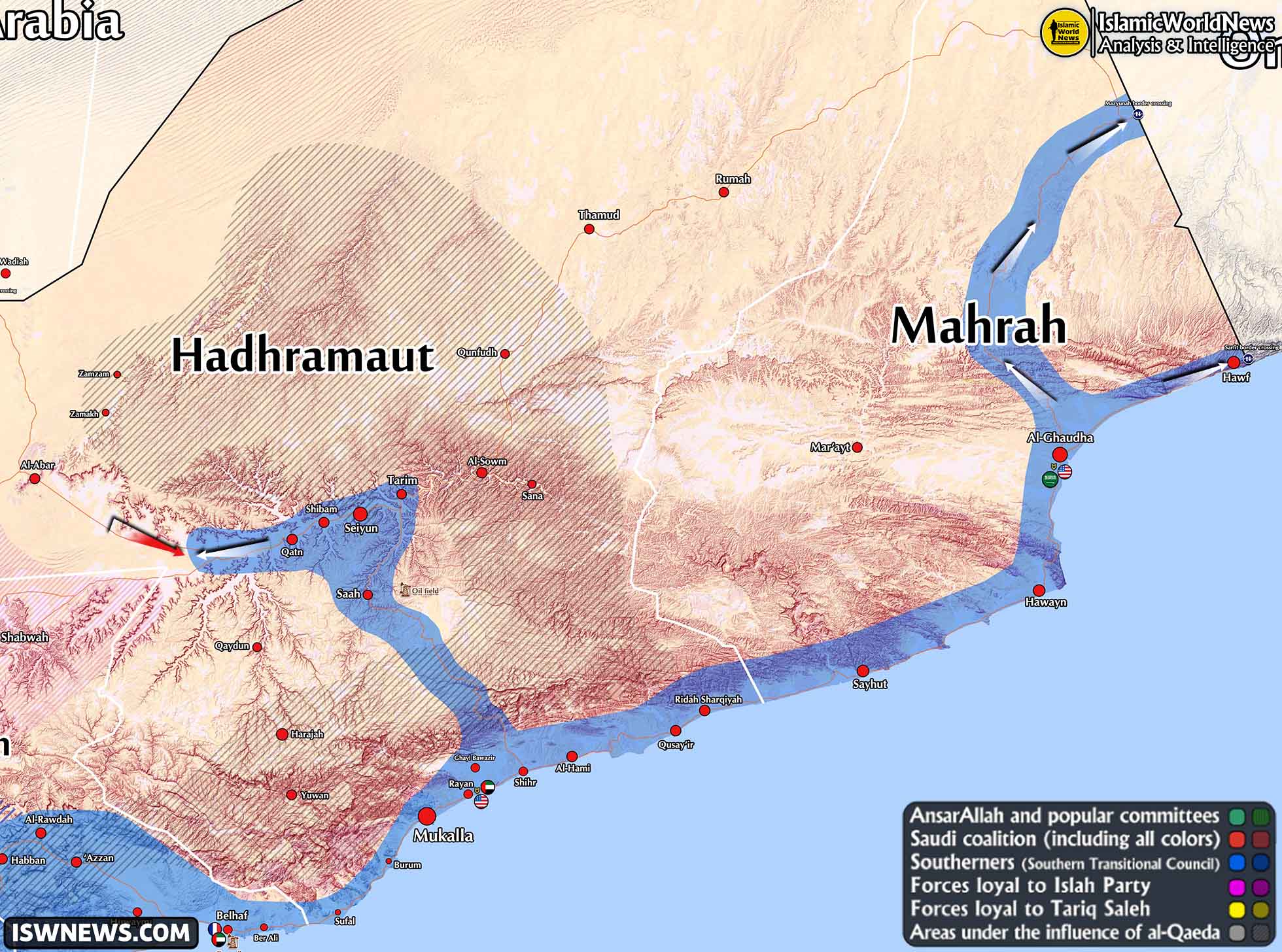
Major General Talib Barjash, commander of the ousted government’s forces in the Second Military Region (covering al-Mahra and Yemen’s southeastern coasts), has broken away from the ousted government and aligned himself with the Southern Transitional Council. He ordered the removal of Rashad al-Alimi’s portraits—the head of the Presidential Leadership Council of the ousted government—and the Yemeni national flag from all bases under his command, replacing them with portraits of Aidarus al-Zoubaidi, the head of the Southern Transitional Council, and the flag of South Yemen.
During the Hadhramaut conflict, Talib Barjash remained neutral and at times assisted Hadhramaut tribes. However, with recent developments in Yemen’s east and south, his stance has shifted, and he has now joined the Southern Transitional Council.
STC took control of the Mahra province – click to view larger image
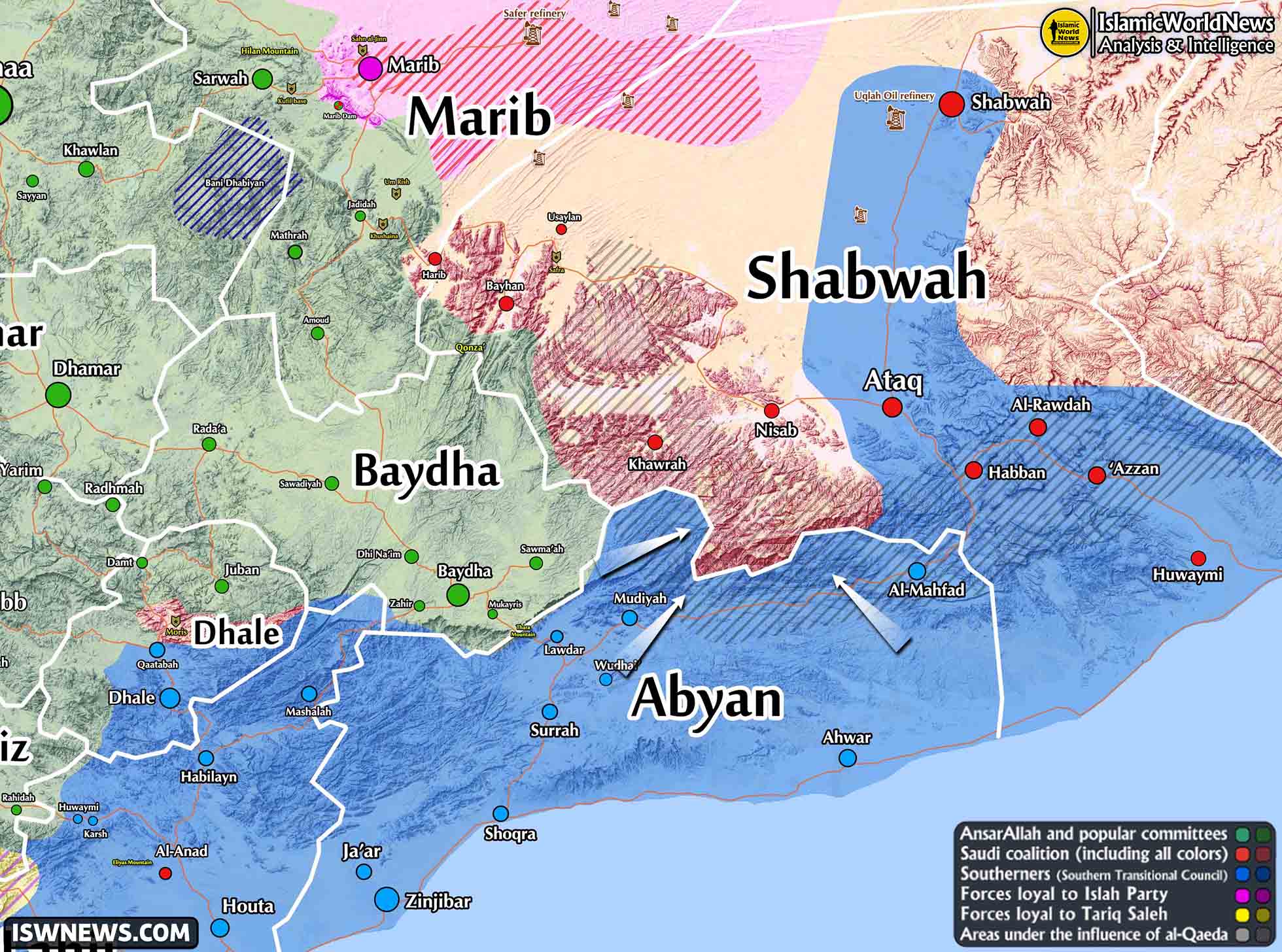
A similar incident has occurred in Abyan, where the Rapid Response Forces stationed in the Jayshan district have broken away from the Islah Party and the ousted government, joining the Southern Transitional Council.
Movements of Southern forces in the outskirts of the al-Khasha area came under aerial drone strikes by unidentified aircraft. The Saudi Arabian army has not issued any report regarding these attacks, suggesting they were likely carried out by armed elements of the Islah Party. Some Islah sheikhs, due to their close ties with Turkey, have received limited support, including small quantities of weaponry such as Turkish-made quadcopters.
Rapid Response Forces stationed in the Jayshan district have broken away from the Islah Party and the ousted government, and joined the Southern Transitional Council.
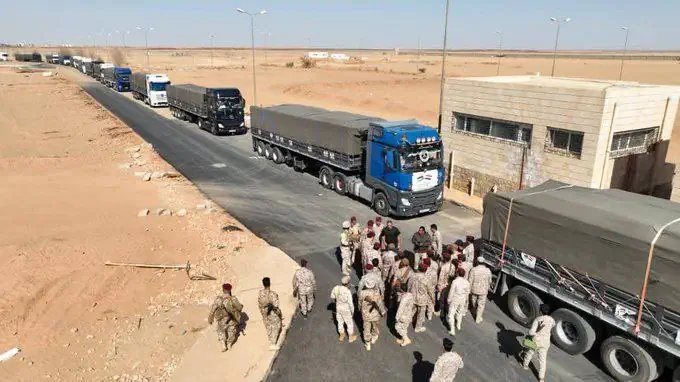
Jordanian Military Aid Convoy Enters al-Wadi‘ah Border Crossing
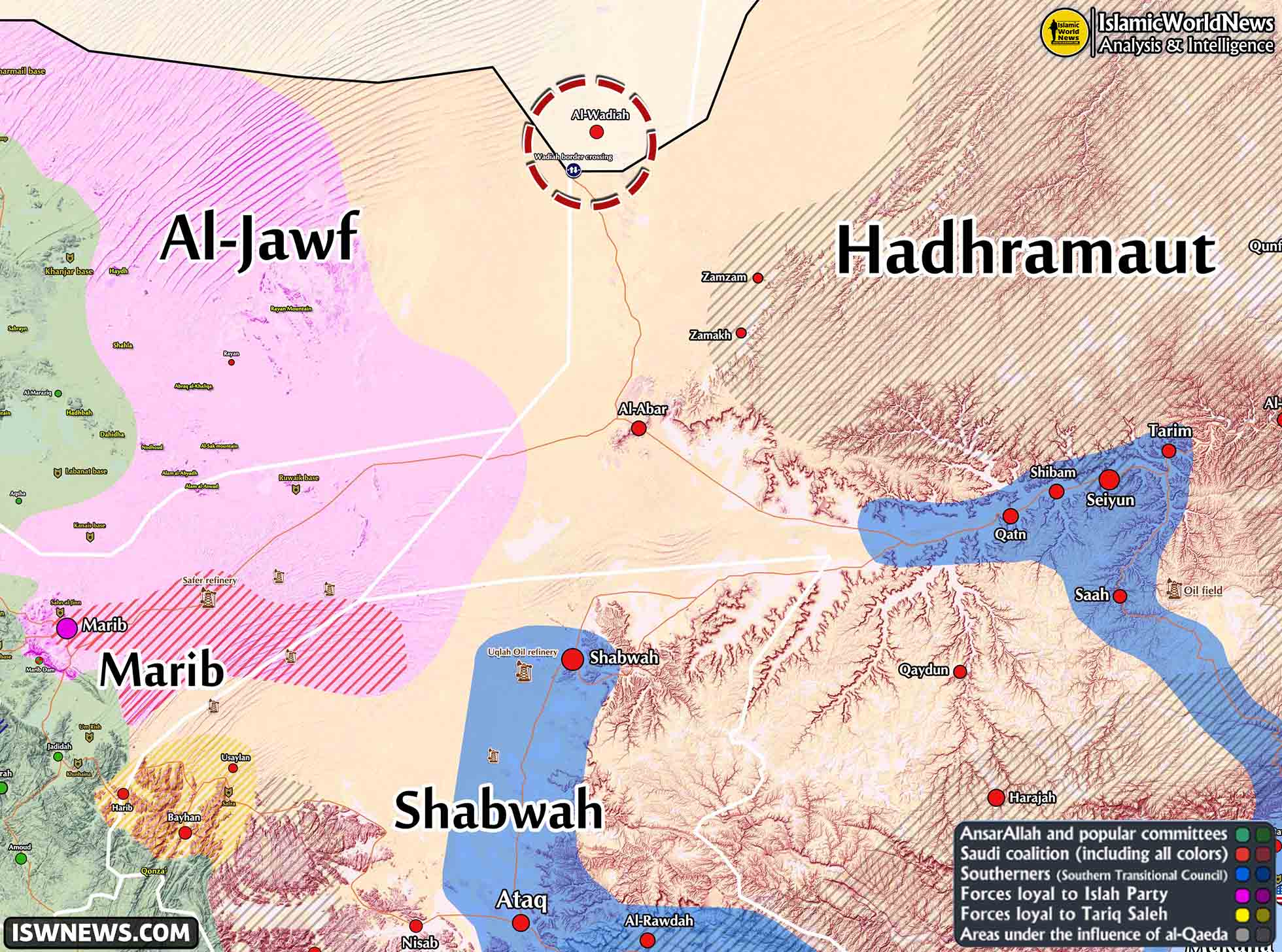
A Jordanian military aid convoy has entered Yemen through Saudi territory via the al-Wadi‘ah border crossing. In addition to these supplies, a large number of Jordanian advisors have arrived in the al-Wadi‘ah and al-‘Abr areas to train al-Dera‘ al-Watan forces in the use of Canadian armored vehicles and other delivered weaponry.
A Jordanian military aid convoy has entered Yemen via the al-Wadi‘ah border crossing
Some Arab sources have attributed Jordan’s aid shipments to Israel, but this claim is inaccurate. Israel’s positions in Yemen are more closely aligned with the actions of the Southern Transitional Council and the UAE. Through Emirati control of Yemeni islands and air bases, Israel has gained significant intelligence advantages on the Yemeni front. Therefore, it would never act to weaken its allies.
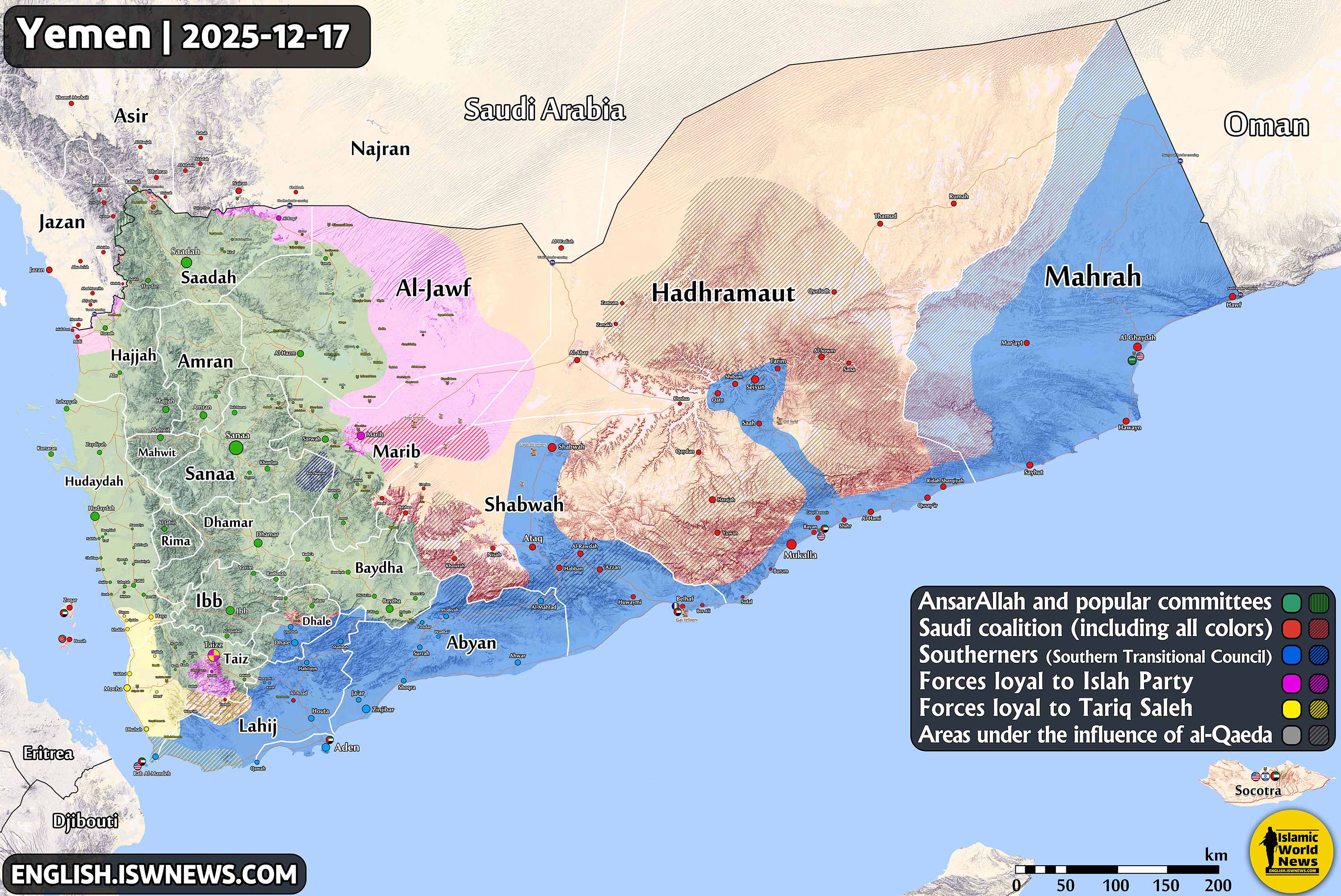
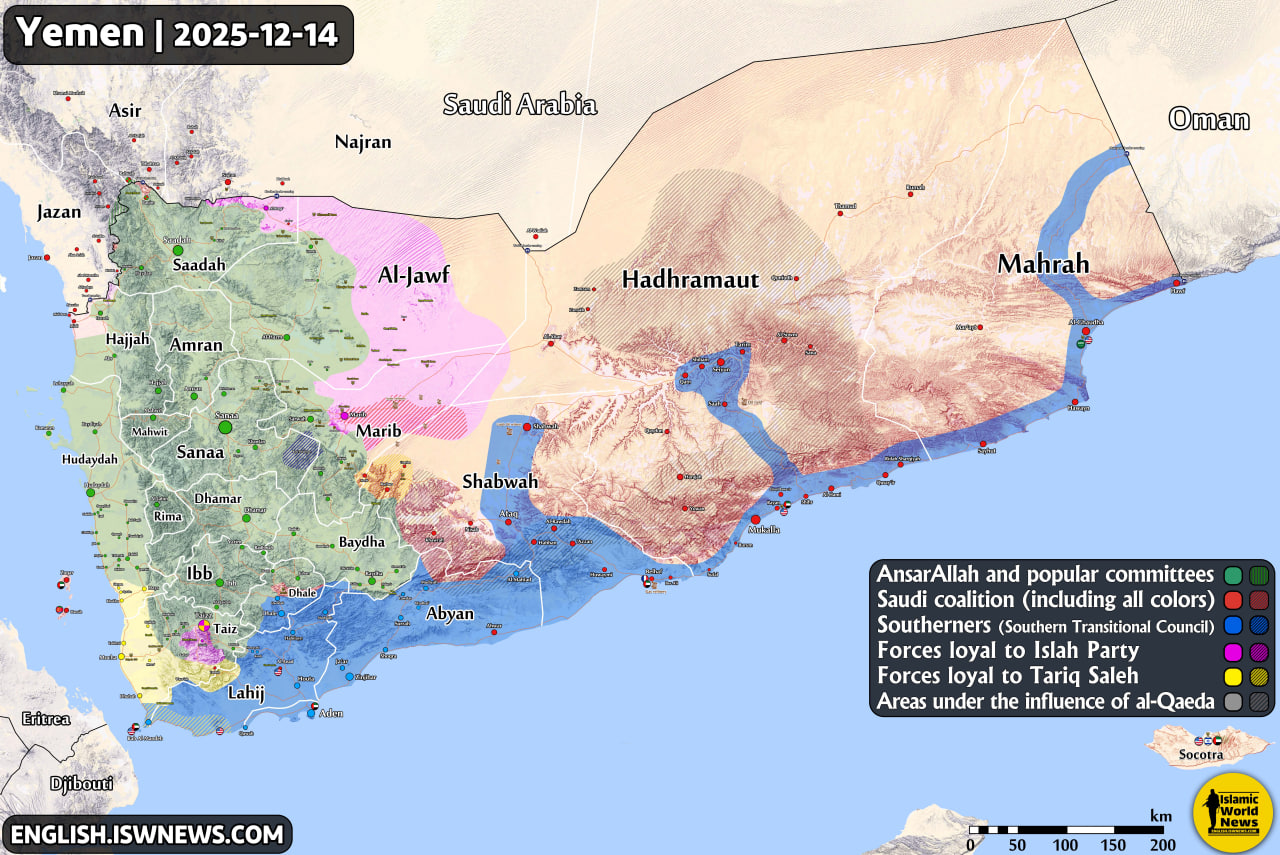
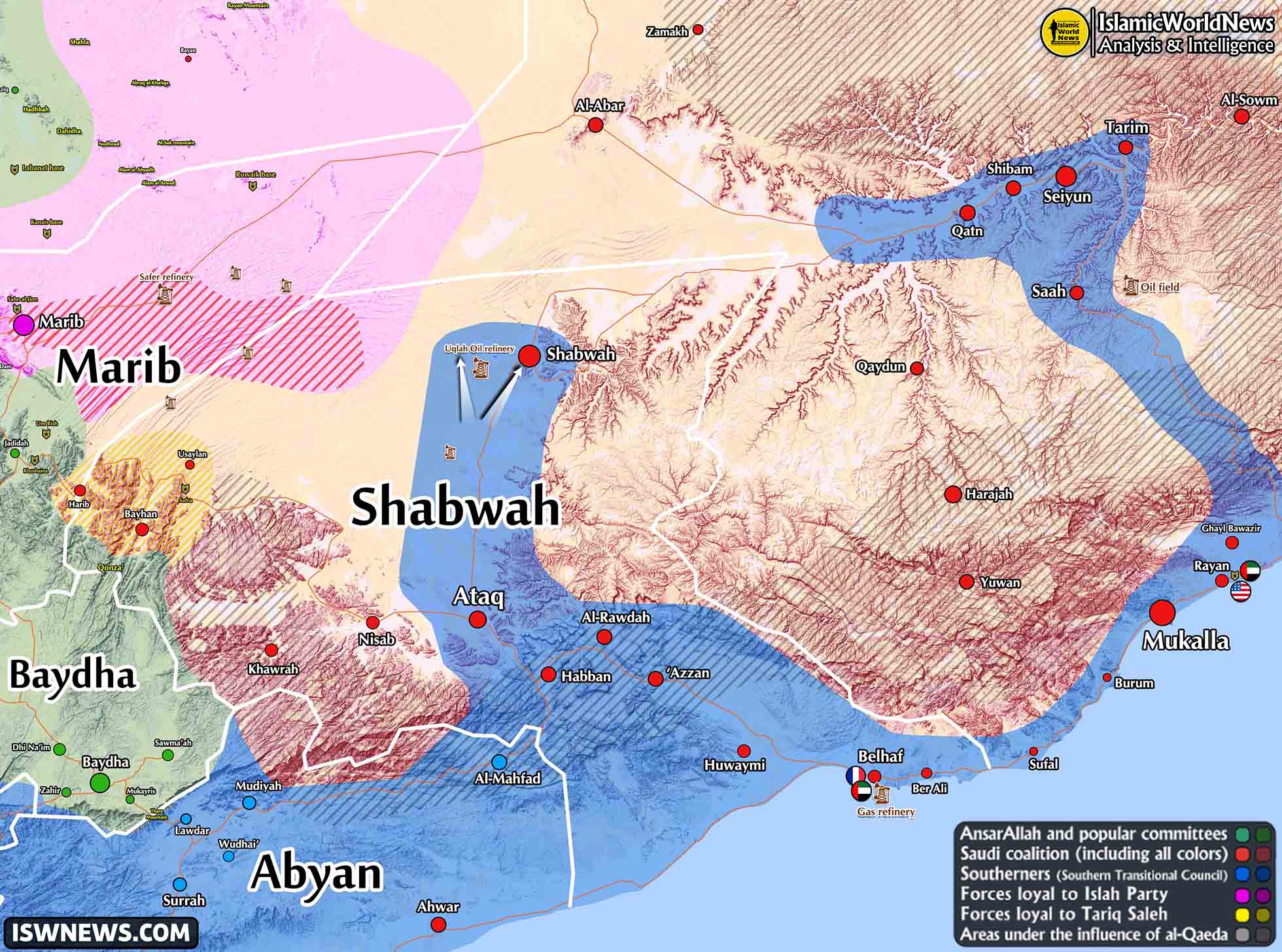
These developments indicate Saudi Arabia’s preparations for a new operation against the Southern Transitional Council in Yemen’s eastern and southern provinces. Contrary to their initial agreement with Riyadh, the STC has taken control of Hadhramaut’s oil fields and northern Shabwah. Despite repeated Saudi requests for withdrawal, the STC is moving toward declaring independence and partitioning Yemen.
STC forces and Saudi‑aligned groups continue to struggle for dominance in Hadhramaut and Shabwa. Reports of southern fighters withdrawing from the Hadhramaut Valley are inaccurate.
On other fronts, the Yemeni Armed Forces (Ansar Allah) and Saudi‑Emirati coalition forces remain under a ceasefire. These lines have held steady for 33 months without change.
In addition to this withdrawal, the Southern Transitional Council has issued directives to prepare for an exit from the Hadhramaut Valley and to transfer control of the area to the Saudi-backed al‑Dara‘ al‑Watan forces.
As expected, Saudi warnings prompted the southern forces to retreat from their recent advances in Hadhramaut and to hand over the valley to Saudi‑aligned factions. However, the withdrawal process is still in its early stages, and it remains unclear how far the retreat—or the tensions between Emirati‑backed and Saudi‑backed groups—will go.
It appears the southern forces, through cautious and calculated maneuvers, are seeking to secure a larger share of Hadhramaut’s oil wealth and intend to continue these moves as long as possible.
At the same time, Saudi Arabia’s closure of the crossing coincided with the deployment of Al‑Dara‘ al‑Watan forces and armed groups loyal to Hashem al‑Ahmar (a parliament member and former Yemeni army officer under Ali Abdullah Saleh) along the road in the al‑Abr area, blocking vehicles from heading toward the border.
Currently, the al‑Abr region and the 23rd Mika Brigade base are under the control of Al‑Dara‘ al‑Watan forces. Saudi Arabia is reportedly fortifying this position to support unspecified security measures. It appears Riyadh is preparing to counter the recent advances of the Southern Transitional Council in Hadhramaut and Shabwa provinces and to reclaim oil‑rich areas.
American drones carried out a strike in Marib province, killing two senior figures of the al‑Qaeda terrorist organization.
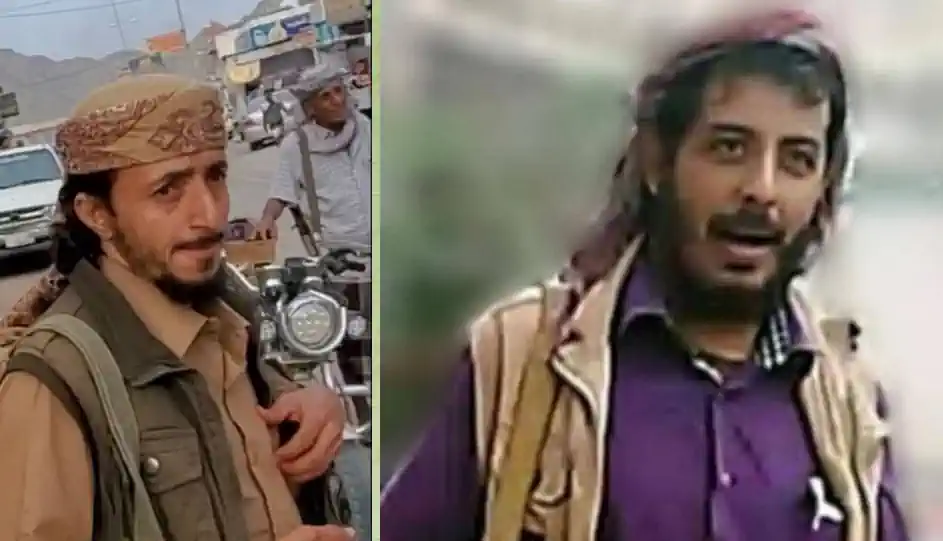
On the evening of Monday, December 8, U.S. military drones targeted a motorcycle near a farm in the al‑Hadhun area, northeast of Marib city. The attack killed Abu Ubaidah al‑Hadhrami, a field commander of al‑Qaeda, and Anis al‑Hasili, a senior intelligence and security operative of the group.
Al‑Hadhrami was a prominent member of al‑Qaeda’s Yemen branch, known for publishing a booklet titled “Thus We Were Killed in the Name of Jihad” criticizing ISIS actions against al‑Qaeda. In recent months, he had also engaged in activities supporting Gaza. Anis al‑Hasili, meanwhile, was a senior intelligence official within al‑Qaeda and maintained close ties with Mabkhout bin Aboud al‑Sharif, head of the Islah Party organization in Marib.
According to Western media statistics on U.S. airstrikes in Yemen over the past two decades, more than 386 operations have been carried out against al‑Qaeda members in the country.
UPDATE, December 11:
Local sources in Marib report that Abu Ubaidah al‑Hadhrami, a senior al‑Qaeda member, was not killed in the recent U.S. drone strike on the al‑Hadhun area. The individual who was actually killed has been identified as Mohammed Saeed al‑Kazmi, known as al‑Saqi, a field commander of al‑Qaeda from Abyan province. Al‑Kazmi was one of the key figures overseeing al‑Qaeda’s operations and movements in Abyan.
Analysts note that his elimination effectively aided the Southern Transitional Council in consolidating control over Abyan. Meanwhile, the initial reports of al‑Hadhrami’s death appear to have been part of an intelligence tactic—either by Western security agencies or al‑Qaeda itself—intended to mislead and confuse opposing intelligence networks.
At the same time, STC fighters seized all checkpoints and outposts surrounding the PetroMasila oil company (affiliated with Saudi Arabia) in Hadhramaut province.
The advance of Emirati‑aligned forces in Hadramaut and Shabwa, coupled with the repeated withdrawals of Islah fighters, marks a significant shift. The STC does not have the capacity to control these areas without support from other Emirati‑backed factions, indicating Abu Dhabi’s role behind the scenes.
In the coming days, attention will turn to Saudi Arabia’s response to these southern advances and what orders will be issued to the al‑Dara al‑Watan forces. Opponents of the UAE in Hadramaut are awaiting action by al‑Dara al‑Watan against the southerners.
Control of the 23rd Mika Brigade headquarters in the Al-Abr area, which had recently fallen to STC fighters, was handed over to Al-Dara’ Al-Watan forces (Saudi-backed) under the mediation and pressure of the Saudi security-military committee. This indicates that Riyadh has blocked the southern advance toward Marib and prevented further escalation with Islah Party elements.
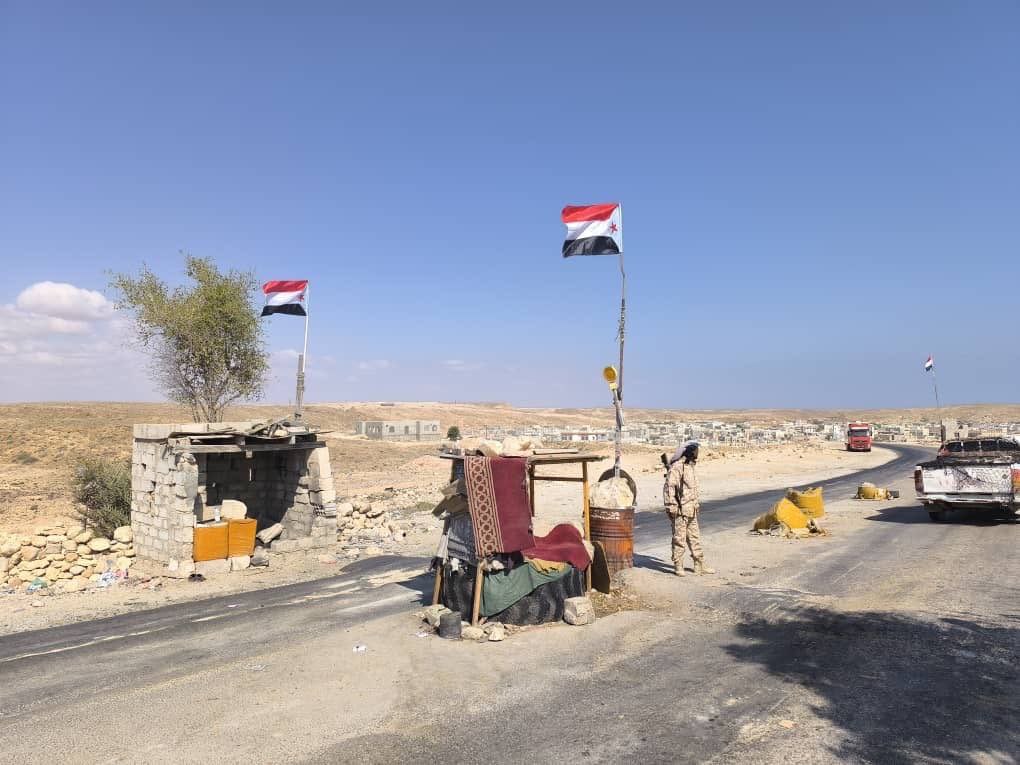
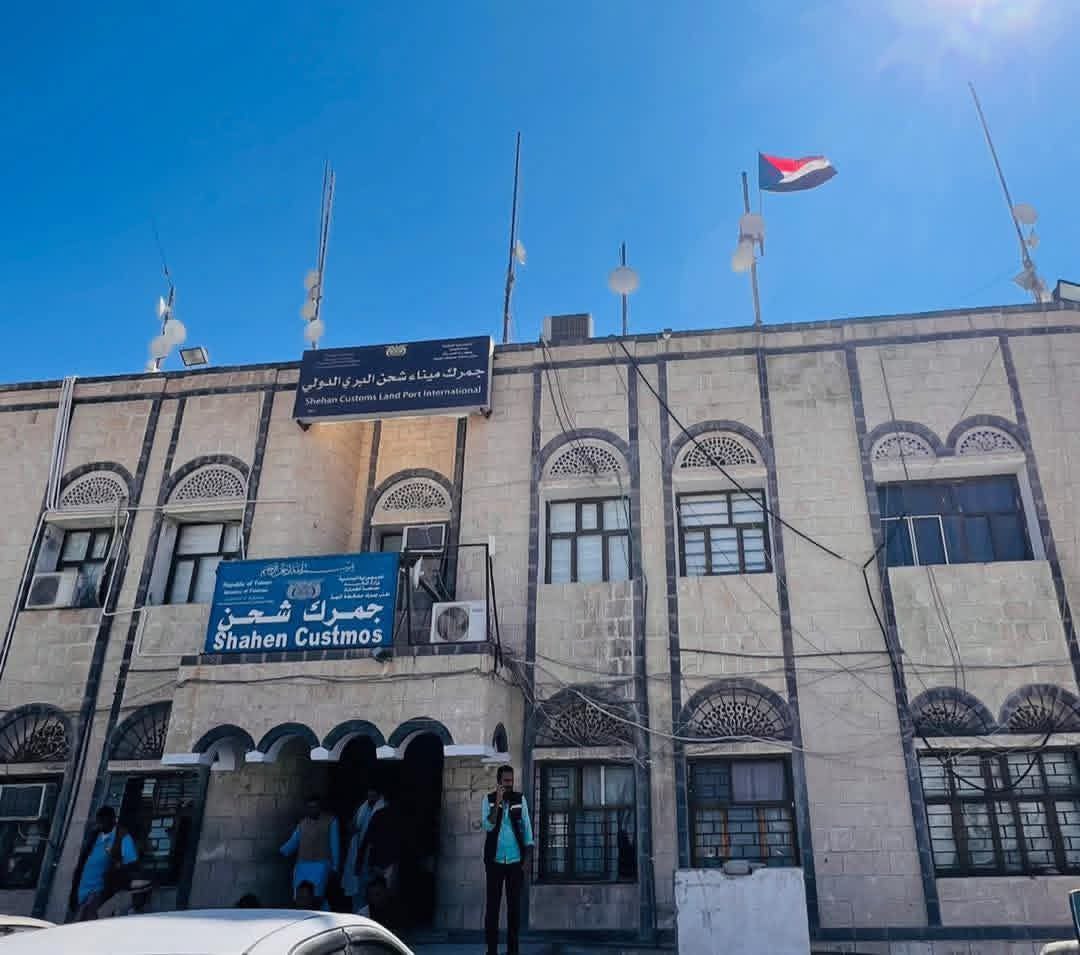
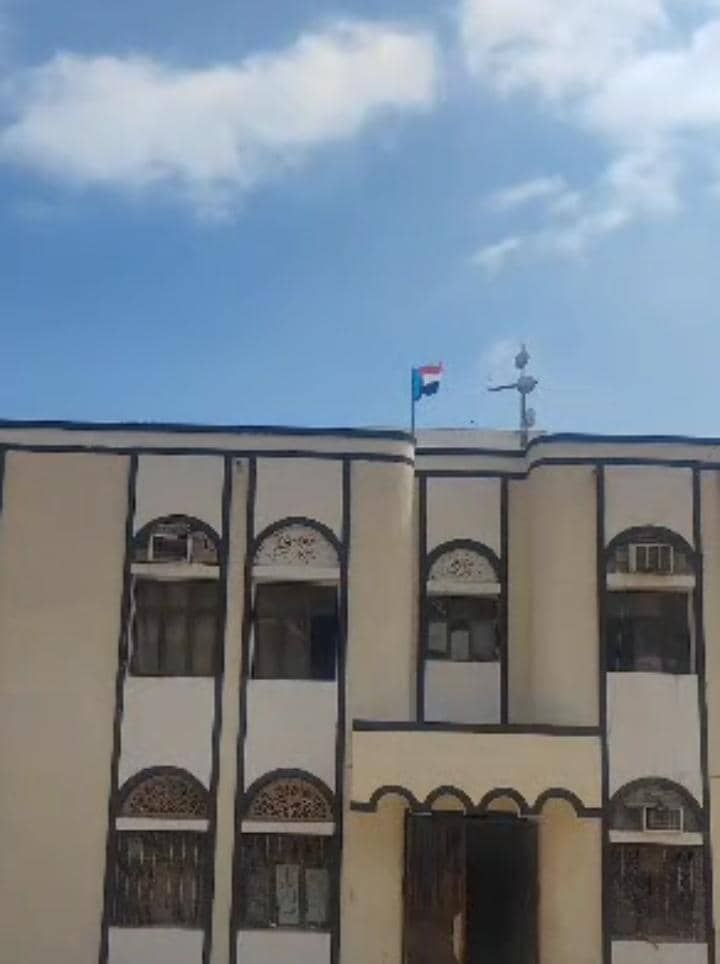
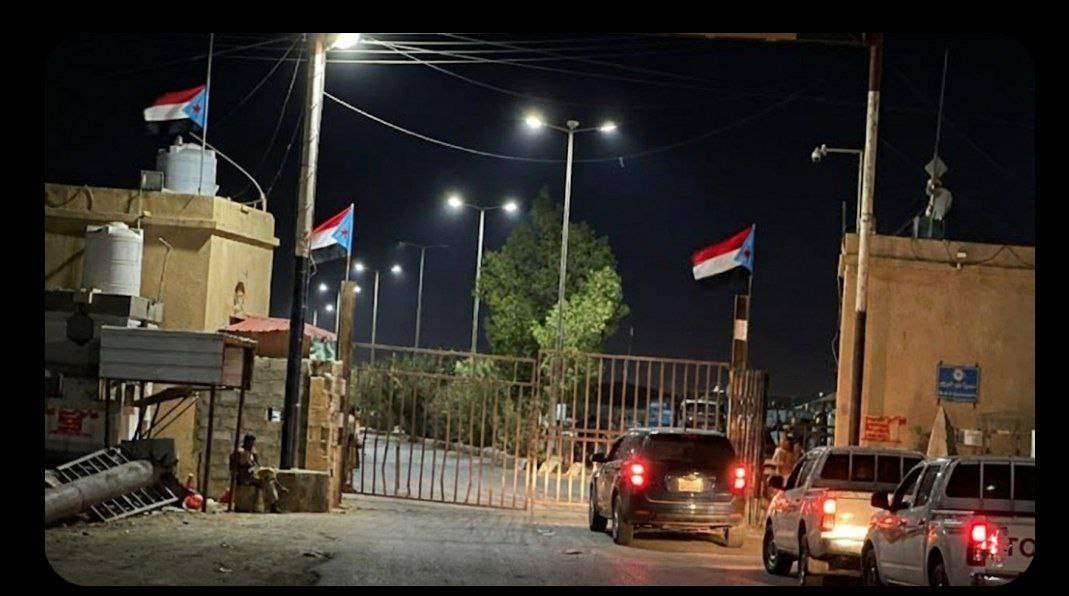
Meanwhile, the Shahn and Sarfait border crossings along Yemen’s frontier with Oman have come under STC control, with customs offices refusing to clear shipments without southern authorization. Flags of South Yemen have been raised at these crossings and other border points in Al-Mahra province.
Raising the South Yemeni flag at the crossings and border points of Al-Mahra province
The Hadhramaut Tribal Council has held the UAE fully responsible for the ongoing tensions and clashes in Hadhramaut, accusing southern fighters of attacking tribal forces. The council filed a complaint to the “International Quartet” (United States, United Kingdom, Saudi Arabia, and UAE), alleging violations of the ceasefire, and urged the Saudi-Emirati coalition leadership to intervene against Abu Dhabi. This complaint comes despite the UAE itself being a member of the Quartet and a co-leader of the coalition alongside Saudi Arabia.
Overall, the Southern Transitional Council has exploited the recent political and economic turmoil in Yemen’s occupied areas to consolidate control over eastern Yemen. Given the weak administrative capacity of the southern forces, conditions in the east are expected to remain volatile and subject to further shifts.
Latest military situation in Hadhramaut and Al-Mahra as of December 6, 2025
The Eternity C, owned by a Greek company cooperating with Israel was attacked and sunk by Yemeni armed forces in the Red Sea on July 7.
This move is likely linked to recent UN‑ and Oman‑mediated talks between Ansarallah and Saudi Arabia. Ansarallah often undertakes such gestures to demonstrate good faith in fulfilling its commitments.