Category: Yemen

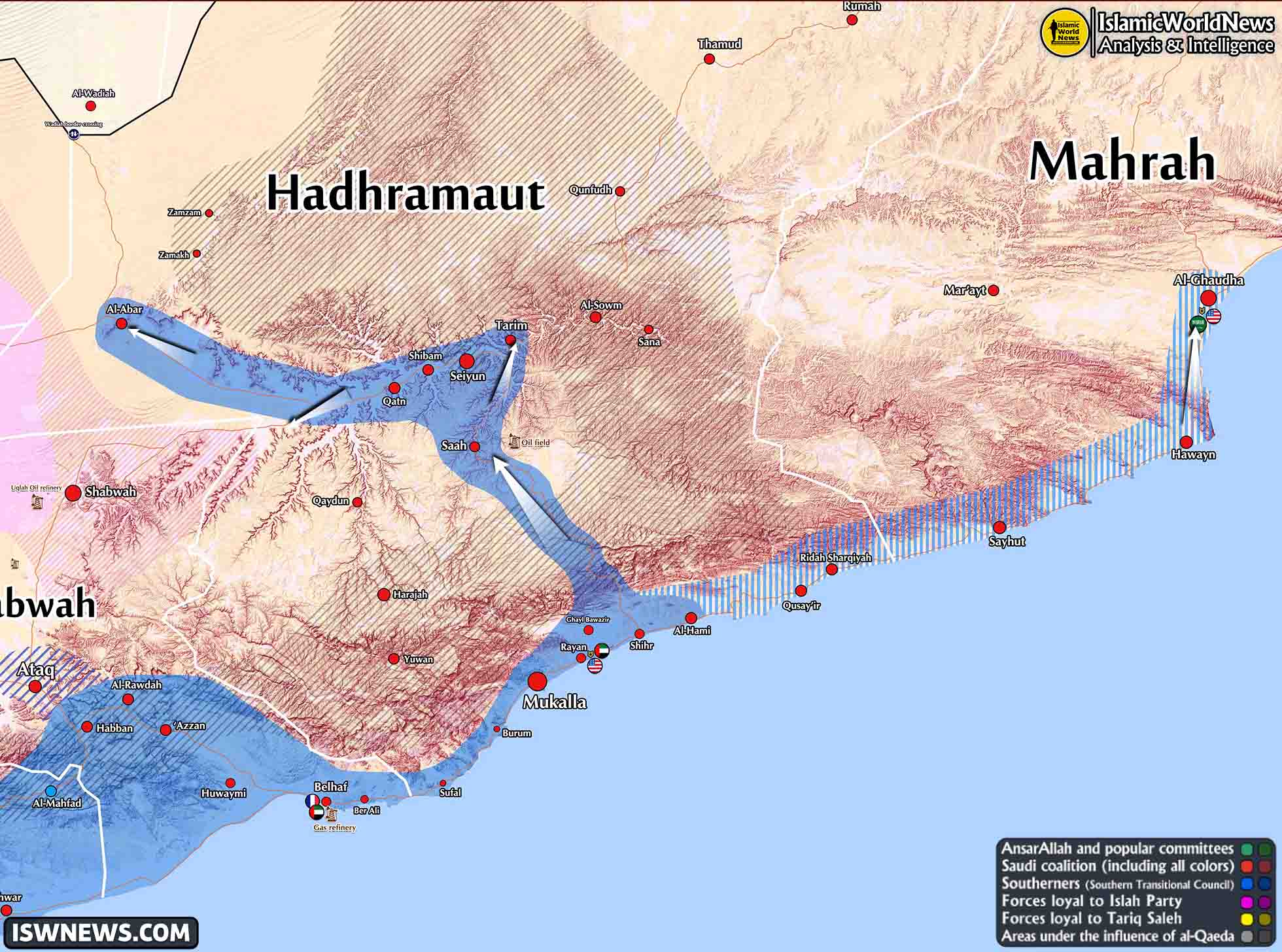
  • Southern Transitional Council Fighters Advance into Northern Hadhramaut, Capture Seiyun; Clashes Halted by Saudi Mediation

    Southern Transitional Council Fighters Advance into Northern Hadhramaut, Capture Seiyun; Clashes Halted by Saudi Mediation

    Following the STC’s takeover of Hadhramaut’s administrative center and surrounding areas, STC representatives and Hadhramaut tribal leaders reached an agreement through the mediation of a Saudi security‑military delegation. The talks focused on safeguarding oil fields and negotiating toward a comprehensive settlement.

    Under the deal, military tensions between the sides will cease starting Thursday morning, with a ceasefire in place until the mediation committee concludes its work and a full agreement is reached. All fighters under the Saudi‑led coalition must withdraw at least one kilometer from oil facilities, allowing personnel and security forces free movement. Once withdrawals are implemented, meetings between al‑Khanbashi and Amr bin Habreesh will be held to finalize the settlement under mediator supervision.

    The Hadhramaut confrontation appeared to end with the Southern Transitional Council expanding its influence in occupied Yemeni territories, Saudi interests secured in the oil‑rich areas, and tribal leaders brought under control. Yet it left behind important lessons.

    The first was the defeat of the Islah Party in Hadhramaut, which showed that Saudi Arabia places little value on them, limiting cooperation to countering Ansarallah and holding populous, religiously sensitive cities such as Marib and Taiz. The second was the strengthening of STC military power, now equipped with new weapons including drones and micro‑drones, aligned with UAE objectives.

    Behind the STC’s success in Wadi Hadhramaut lay support from Tariq Saleh’s forces, the Giants Brigades, and Shabwa Defense units, which allowed southern forces to fully concentrate on northern Hadhramaut while these allies managed other areas until the clashes ended. This scenario could also be replicated against Ansarallah positions, potentially delivering significant blows to the central government’s authority in Sanaa.

  • Second Riyadh Meeting Reveals Limited Support for Yemen Coast Guard Plan

    Second Riyadh Meeting Reveals Limited Support for Yemen Coast Guard Plan

    In a joint statement, the committee expressed support for the naval forces of the Saudi-backed Yemeni government and confirmed its commitment to strengthening the Coast Guard’s maritime security, particularly in intercepting arms and narcotics shipments.

    The formation of this committee follows the September 16 meeting in Riyadh, where these states, along with representatives from China, Australia and Persian Gulf countries convened. At that earlier session, Saudi Arabia and the UK sought to secure China’s and other nations’ backing for long‑term security commitments and capacity‑building of Yemen’s Coast Guard.

    However, the second meeting revealed that only certain regional and Western allies joined the program. These are the same parties whose shipping and economies have suffered heavy losses due to Yemeni armed forces’ naval operations against Israel.

  • Saudi-Backed Militias Mobilize to Protect Oil Fields in Northern Hadhramaut

    Saudi-Backed Militias Mobilize to Protect Oil Fields in Northern Hadhramaut

    This move aims to prevent a possible offensive by Southern Transitional Council (STC) forces against the Hadhramaut desert and the province’s oil-rich regions.

    Al-Dara’ Al-Watan (Shield of the Nation) militias were formed in late November 2022 with Saudi backing and the involvement of Sagheer bin Aziz and Tariq Saleh. They were assembled from Hadhramaut tribal fighters, Yemen Al-Saeed forces (aligned with Sagheer bin Aziz), and elements of Tariq Saleh’s units in western Lahj province. Saudi Arabia has equipped these forces to counter the STC and secure control over Hadhramaut’s oil fields and ports.

    Tensions between Hadhramaut tribes and STC factions stationed along the province’s southern coast are escalating as both sides mobilize reinforcements from other regions to gain dominance over oil resources. Despite their alliance against Ansar Allah, Saudi-backed proxy groups are locked in fierce competition to divide the wealth and resources of Yemen’s occupied territories.

  • Al-Qaeda Motorcyclist Taken Out by U.S. Drone in Marib

    Al-Qaeda Motorcyclist Taken Out by U.S. Drone in Marib

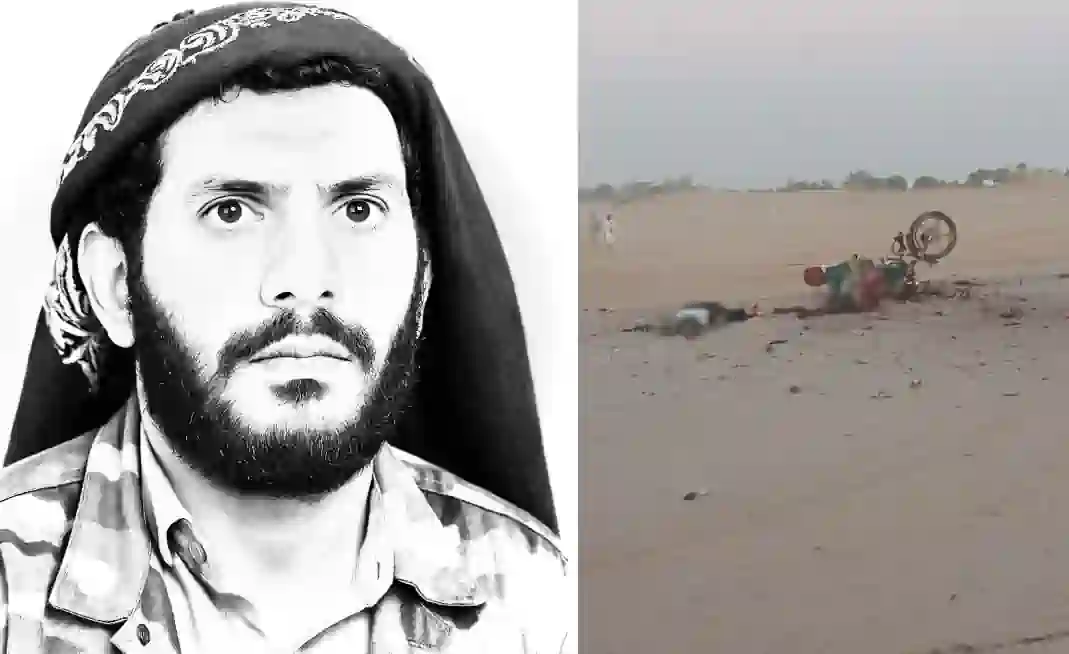
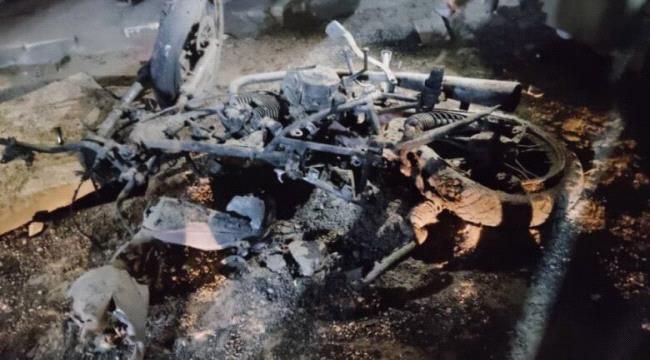
    American drones targeted a motorcycle near the Bin Mu’ili station in the al-Husoun area of Wadi district, east of Marib, on the evening of December 8. The strike killed Munir Bajali al-Ahdal, also known as Abu al-Hijaa al-Hadidi, a field commander of al-Qaeda, along with one of his companions. The assassination occurred shortly after al-Ahdal left the home of Mabkhout bin Aboud al-Sharif, head of the Islah Party organization in Marib.

    According to Western media statistics, over the past two decades the U.S. military has carried out more than 385 air operations against al-Qaeda members across Yemen.

  • UAE and Saudi Arabia Mobilize Forces to Seize Hadhramaut

    UAE and Saudi Arabia Mobilize Forces to Seize Hadhramaut

    At the same time, reinforcements from the Southern Transitional Council (STC), consisting of hundreds of fighters and military vehicles, have entered the city of Mukalla. In addition, a battalion from Tariq Saleh’s forces has been deployed to a camp west of Mukalla, the provincial capital of Hadhramaut.

    Given the large-scale deployment of STC fighters to Hadhramaut over the past two weeks, the likelihood of a southern military offensive against the Hadhramaut tribes has increased. The province’s oil-rich areas remain under tribal control, and tribal leaders — backed by Saudi Arabia — have refused to transfer revenues to the exiled government or the STC. This has fueled sharp tensions and rivalry between UAE- and Saudi-backed factions in Yemen’s occupied territories.

  • Unconfirmed Reports of Abdul Karim al-Houthi’s Critical Condition After Sana’a Attacks

    Unconfirmed Reports of Abdul Karim al-Houthi’s Critical Condition After Sana’a Attacks

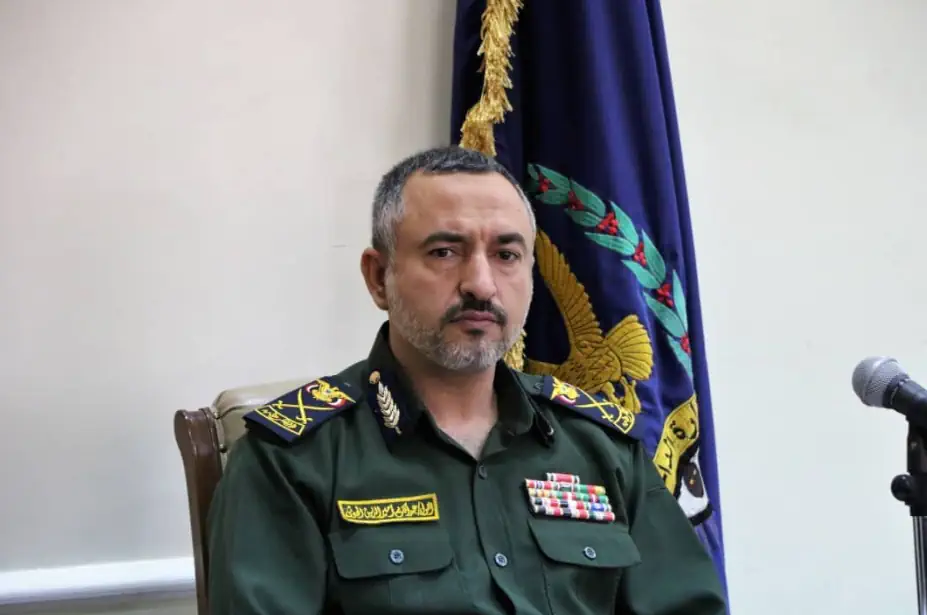
    Since the Israeli attacks, Abdul Karim has not appeared publicly or attended any meetings. In the meantime, his deputy, Abdul Majid Saghir Ahmed al-Murtadha, has taken charge of running the Interior Ministry and is actively engaged in security affairs.

    Given Abdul Karim al-Houthi’s absence from public appearances, the reports seem credible. His exact health status remains unclear, and Ansar Allah has not issued any statement on the matter. Despite being a relatively lesser-known figure in Yemen, he is considered an influential personality within the AnsarAllah movement.

  • UAE Strengthens Its Proxies in Yemen

    UAE Strengthens Its Proxies in Yemen

    The vehicles were dispatched from the UAE and transported through the Shahn border crossing between Yemen and Oman, heading toward Shabwah.

    This marks the first large-scale and overt military assistance provided by the UAE to the Shabwah Defense Forces in recent years. The UAE aims to equip and mobilize these forces to confront threats from the Islah Party and al-Qaeda in the province, as well as to secure control over the oil-rich areas.

  • Assassinate Attempt Against the Governor of Taiz

    Assassinate Attempt Against the Governor of Taiz

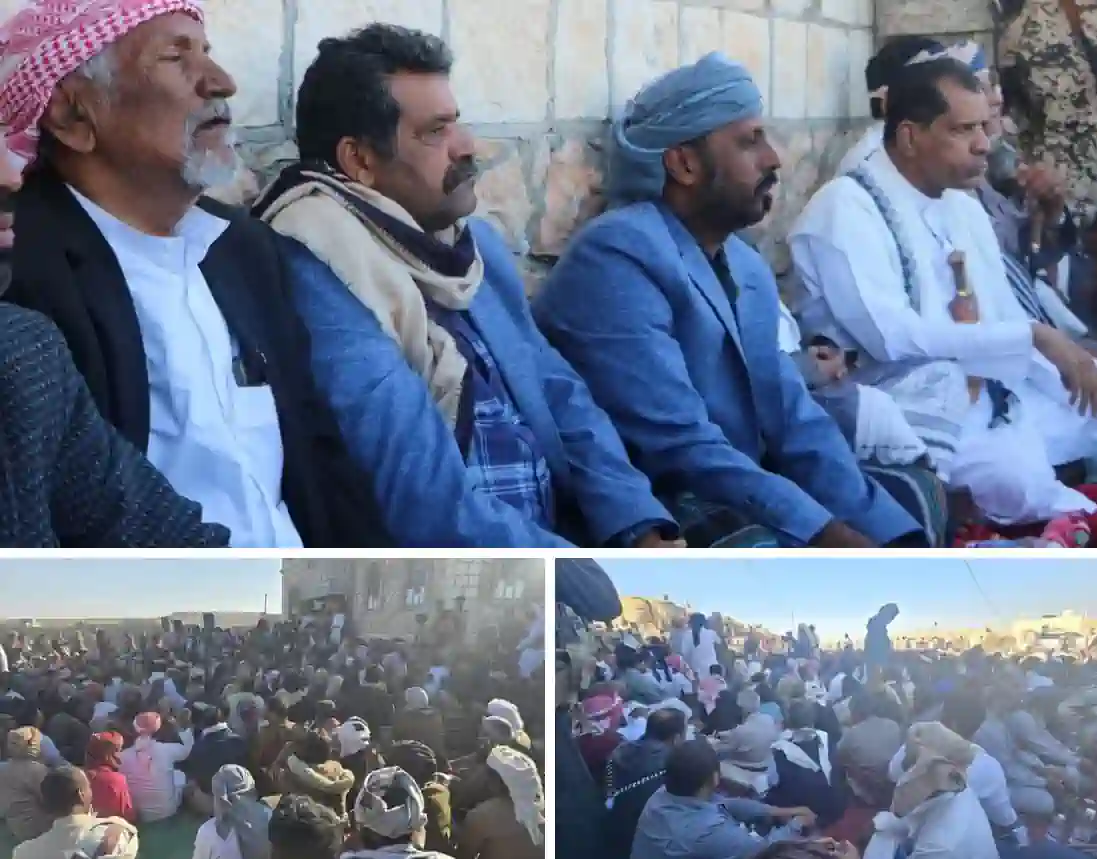
    The attack left five people dead and two others from their entourage wounded. It is still unclear which group or tribe carried out the assault, but given Governor Shamsan’s ties to Tariq Saleh, it is suspected that Islah Party militants may have been behind it.

    The Islah Party and Tariq Saleh are locked in a serious rivalry over control of Taiz city and province, a tension that has escalated in recent months. Nabil Shamsan had also survived a terrorist attack in April 2023.

  • U.S. Drone Strike on al-Qaeda Members in Shabwah Province

    U.S. Drone Strike on al-Qaeda Members in Shabwah Province

    The American drone first dropped a bomb on a house, and minutes later launched a second strike on a civilian car. Both attacks resulted in casualties among civilians as well as the suspected individual.

    Based on statistics from Western media regarding U.S. air operations in Yemen over the past two decades, more than 383 strikes have been conducted against al-Qaeda members in the country.

  • How Israel’s Intelligence Network Operates in Yemen

    How Israel’s Intelligence Network Operates in Yemen

    According to the Italian magazine Il Faro sul Mondo, Israel is attempting to isolate the conflict in Yemen from the ongoing war in Gaza and is preparing for targeted military strikes against the Sanaa-based government. This strategy involves coordinated efforts across several domains:

    1. Recruitment and Deployment of Spy Networks
    In recent days, Mossad has launched a broad campaign on social media to recruit operatives, inviting opponents of Yemen’s Ansar Allah movement to join “Unit 504,” a covert operations wing. To establish this unit, Israeli agents have reportedly reached out to various anti-AnsarAllah factions in occupied Yemeni territories, including remnants of Ali Abdullah Saleh’s network and the Southern Transitional Council.

    These activities reflect Israel’s intent to expand its intelligence footprint in Yemen and carry out preemptive strikes in response to Yemen’s support for Palestinians in Gaza. Israeli officials frequently cite Ansar Allah’s slogans and flags as evidence of a “existential threat,” with Prime Minister Benjamin Netanyahu repeatedly stating his desire to continue attacks on Yemen—even after the recent ceasefire in Gaza. Channel 12 in Israel also reported that Netanyahu plans to maintain military pressure on Yemen beyond the Gaza conflict.

    Israeli intelligence efforts in Sanaa are not limited to recruiting from political opposition. They have also infiltrated humanitarian and international organizations, allegedly using operatives for sabotage. For instance, during Israel’s 16th airstrike on Yemen on August 28, the cabinet meeting location was targeted, resulting in the death of 12 Yemeni officials, including Prime Minister Ahmed al-Rahwi of the Reform and Reconstruction Government.

    Yemeni security forces and Ansar Allah’s intelligence wing have responded by arresting networks linked to Hamed Hussein al-Majali—a Saudi agent affiliated with Mossad and the CIA—as well as operatives embedded in humanitarian organizations. However, countering Israeli espionage requires more advanced infrastructure and strategic planning.

    The primary goal of U.S. and Israeli intelligence in Yemen is to gather detailed information on missile and drone bases, naval positions, weapons depots, and the whereabouts of key political and military figures.

    2. Activation and Support of Anti-Ansarallah Groups
    Targeted assassinations in Sanaa and Al-Bayda province in recent days suggest that Western and Israeli intelligence agencies are reactivating covert cells in Ansarallah-controlled areas. These attacks, often aimed at field commanders and local officials, appear designed to destabilize and sow chaos. For example, on October 31, a female doctor was killed in Sanaa, and on November 2 and 3, two Ansarallah-affiliated personnel were assassinated in Rada’a district.

    Given the history of al-Qaeda and ISIS activity in Rada’a, it’s likely that these groups are being reactivated with support from Western-Arab intelligence. Surrounding areas such as Al-Qayfa, Al-Zahir, Mukayras, and Al-Sawma’ah remain vulnerable due to extremist presence, though most tribes in Al-Bayda are allied with Ansarallah, making a full collapse unlikely.

    Meanwhile, U.S. and British embassies in Yemen are reportedly strengthening ties with Saudi-Emirati-backed forces such as the Giants Brigades and Tariq Saleh’s units. With support from diplomats like Steven Fagin and Abdu Sharif, these groups are enhancing their capabilities for potential ground operations against Yemen’s revolutionary forces.

    3. Communications Networks and Satellite Surveillance
    Israeli intelligence is also focused on dominating communication systems in occupied Yemeni territories, conducting cyberattacks, analyzing satellite imagery to locate missile and drone bases, and monitoring Ansarallah’s field movements.

    While much of this activity remains covert, social media users—especially on X (formerly Twitter)—have been tracking and analyzing satellite images of military sites in Saada and Sanaa. These individuals may be directly or indirectly linked to Western intelligence agencies. Additionally, reports have surfaced that Southern Transitional Council forces have used Israeli Cellebrite spyware to monitor phone lines and track individuals in Hadramaut province, indicating that Israel is replicating its intelligence model from Lebanon, Syria, and Palestine in Yemen.

    Read more: Israeli Surveillance Grip on Hadhramaut Communications!

    Conclusion
    Israel’s espionage network in Yemen employs a range of tools and tactics similar to those used in other regional theaters. Yemenis, particularly in the north and central regions, benefit from strong public resistance to betrayal and foreign interference, rooted in tribal and cultural values. This social cohesion provides a powerful foundation for countering terrorist and intelligence operations.

    Israel’s primary objective is to detach Yemen from the regional resistance axis and neutralize its strategic threat. While continued missile and drone operations in the Red Sea and occupied Palestine offer a tactical response, they are insufficient against aerial assaults and surveillance dominance. A comprehensive strategy—including public mobilization, technological resilience, and regional coordination—is essential to confront and dismantle Israel’s intelligence apparatus in Yemen.
  • U.S. drone strike targets senior al-Qaeda member in northern Marib

    U.S. drone strike targets senior al-Qaeda member in northern Marib

    Abu Muhammad al-Sanaani held a key security role within the group’s structure. No photos or detailed information about him have been published online. His only known physical trait was a noticeable limp.

    According to Western media statistics, the U.S. military has conducted over 380 aerial operations targeting al-Qaeda members across Yemen over the past two decades.

  • U.S. and UAE Advisors Inspect Giants Brigades in Southern Yemen

    U.S. and UAE Advisors Inspect Giants Brigades in Southern Yemen

    During the visit, U.S. advisors reportedly gathered detailed intelligence on the brigades’ structure, including personnel numbers, combat capabilities, weaponry, and deployment zones along active fronts against Yemeni armed forces.

    It appears that the United States is preparing for a possible ground operation aimed at curbing the actions of Yemeni forces against Israel, with plans to utilize UAE-supported factions—particularly the Giants Brigades and loyalists of Tareq Saleh. This strategy has reportedly been under joint consideration by the U.S., UK, and Israel for several months.