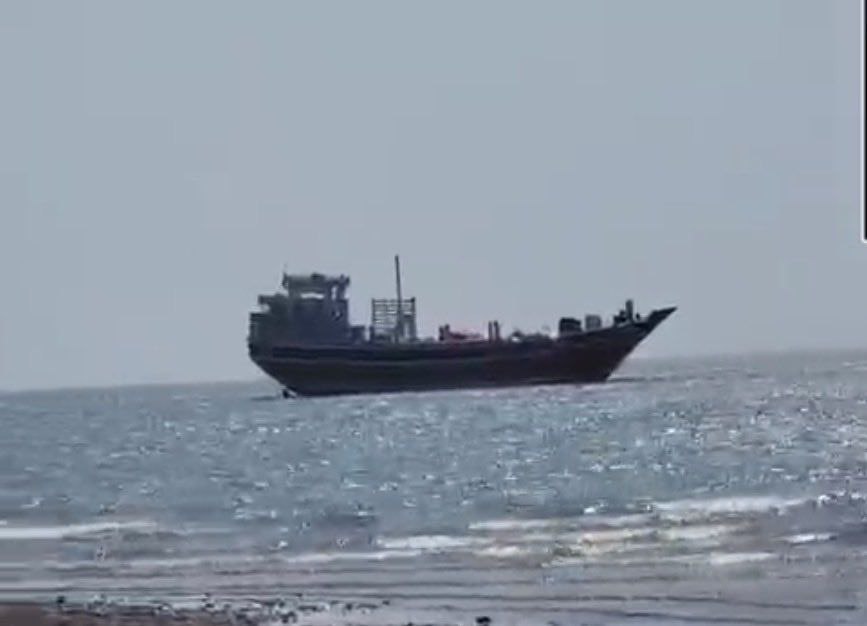
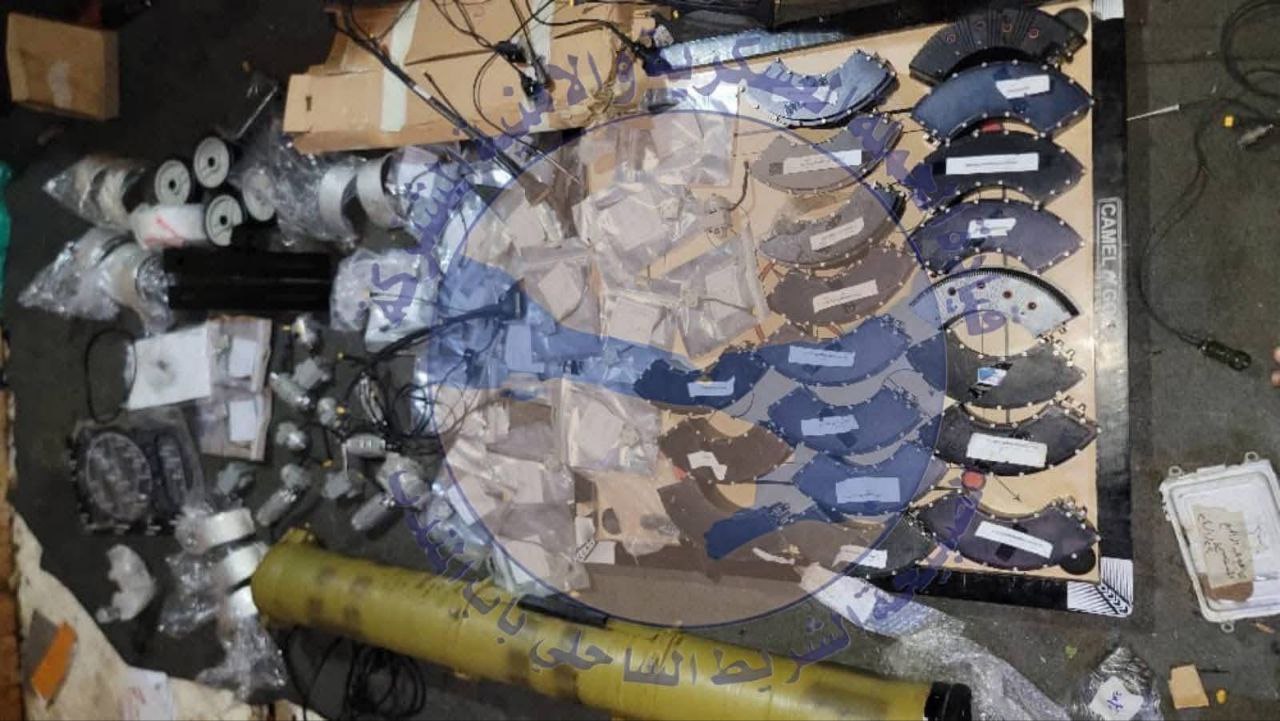
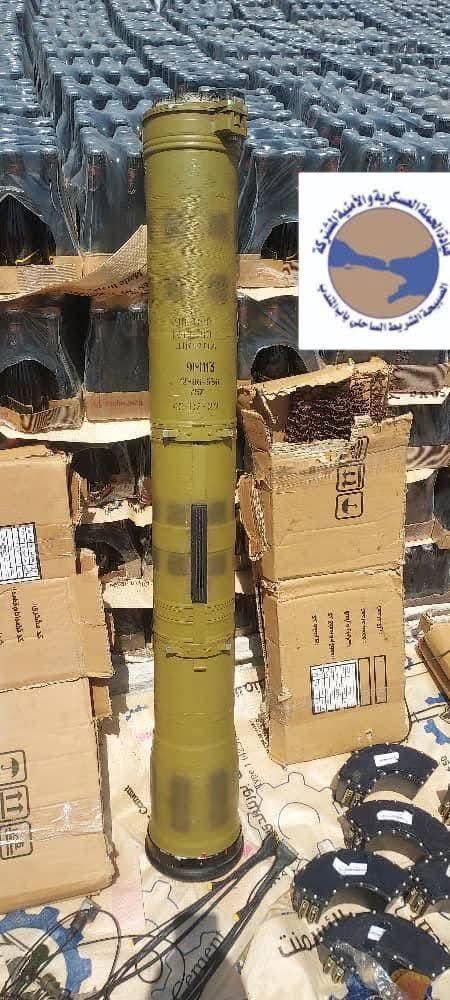
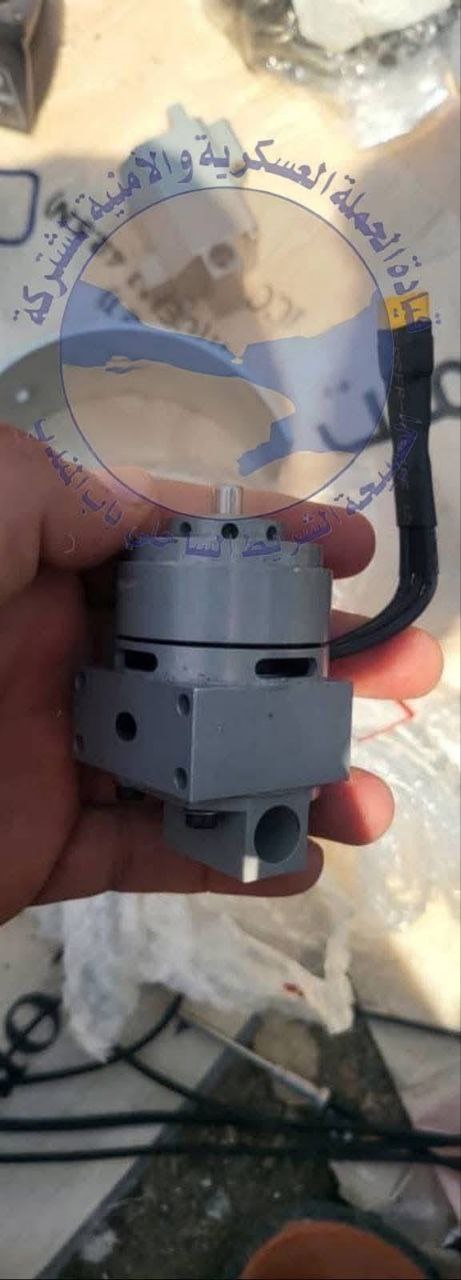
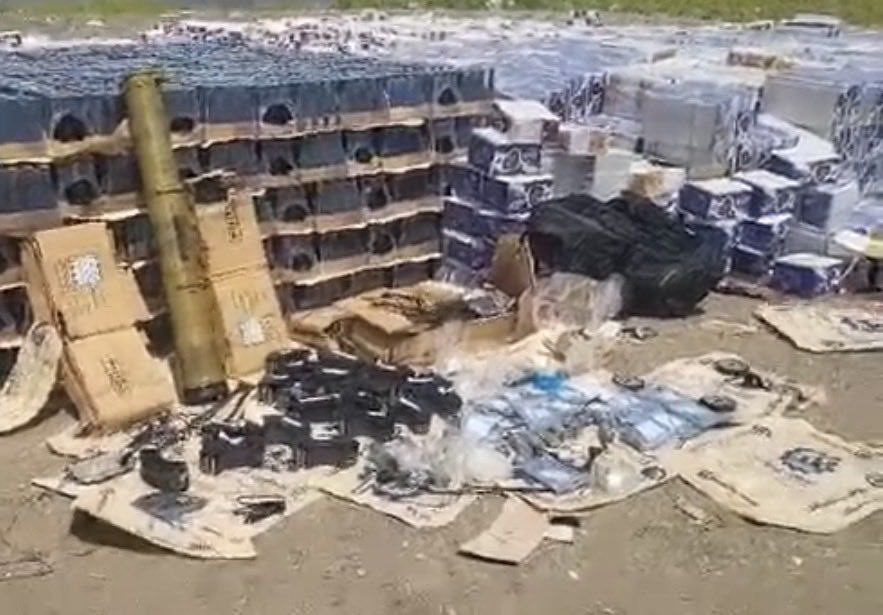
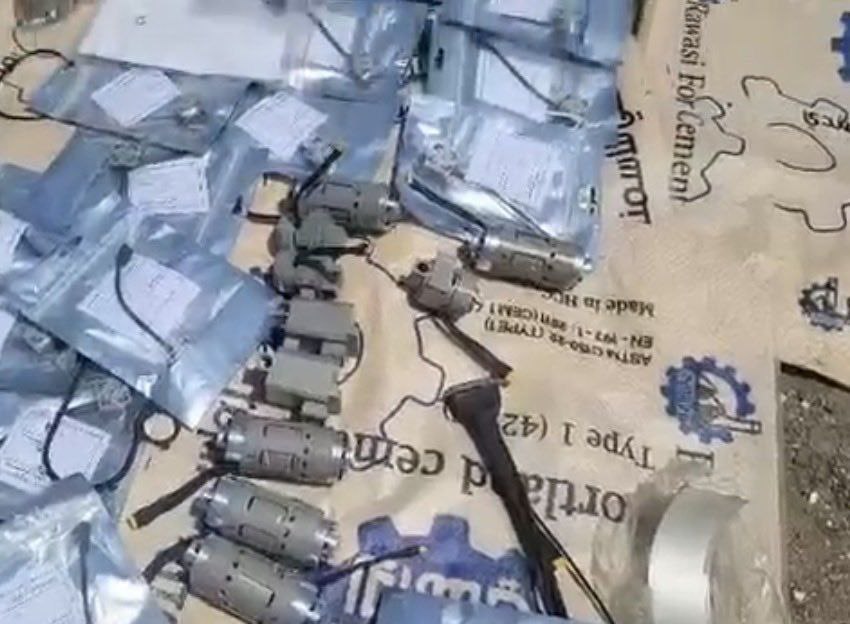
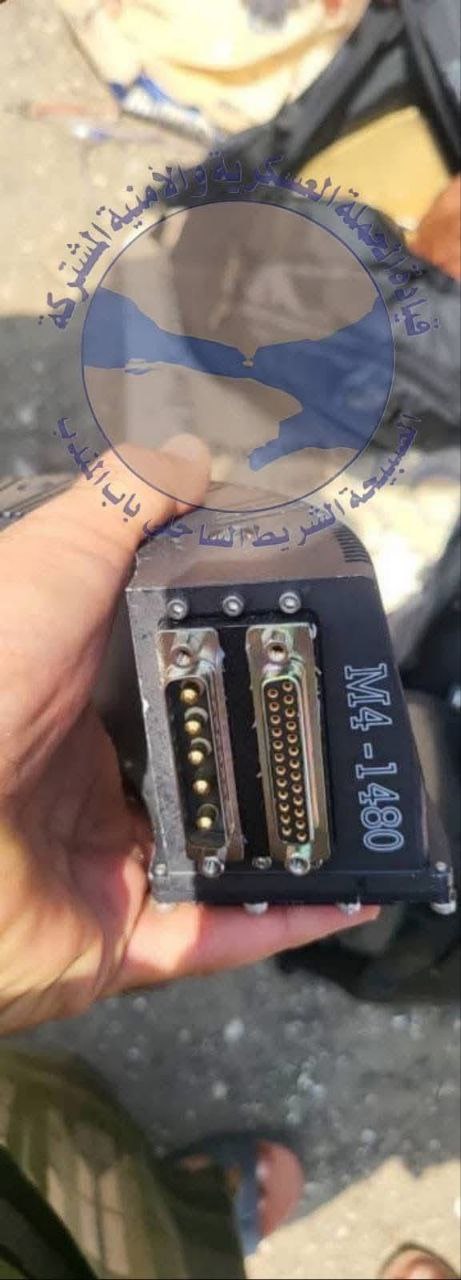
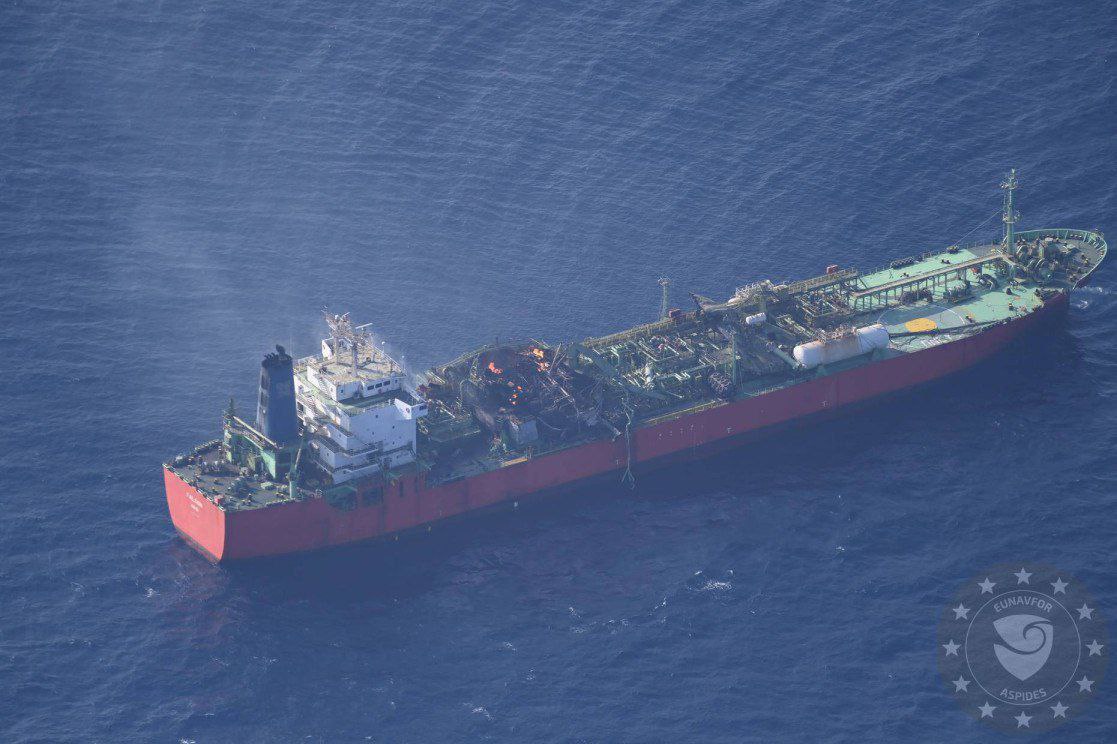
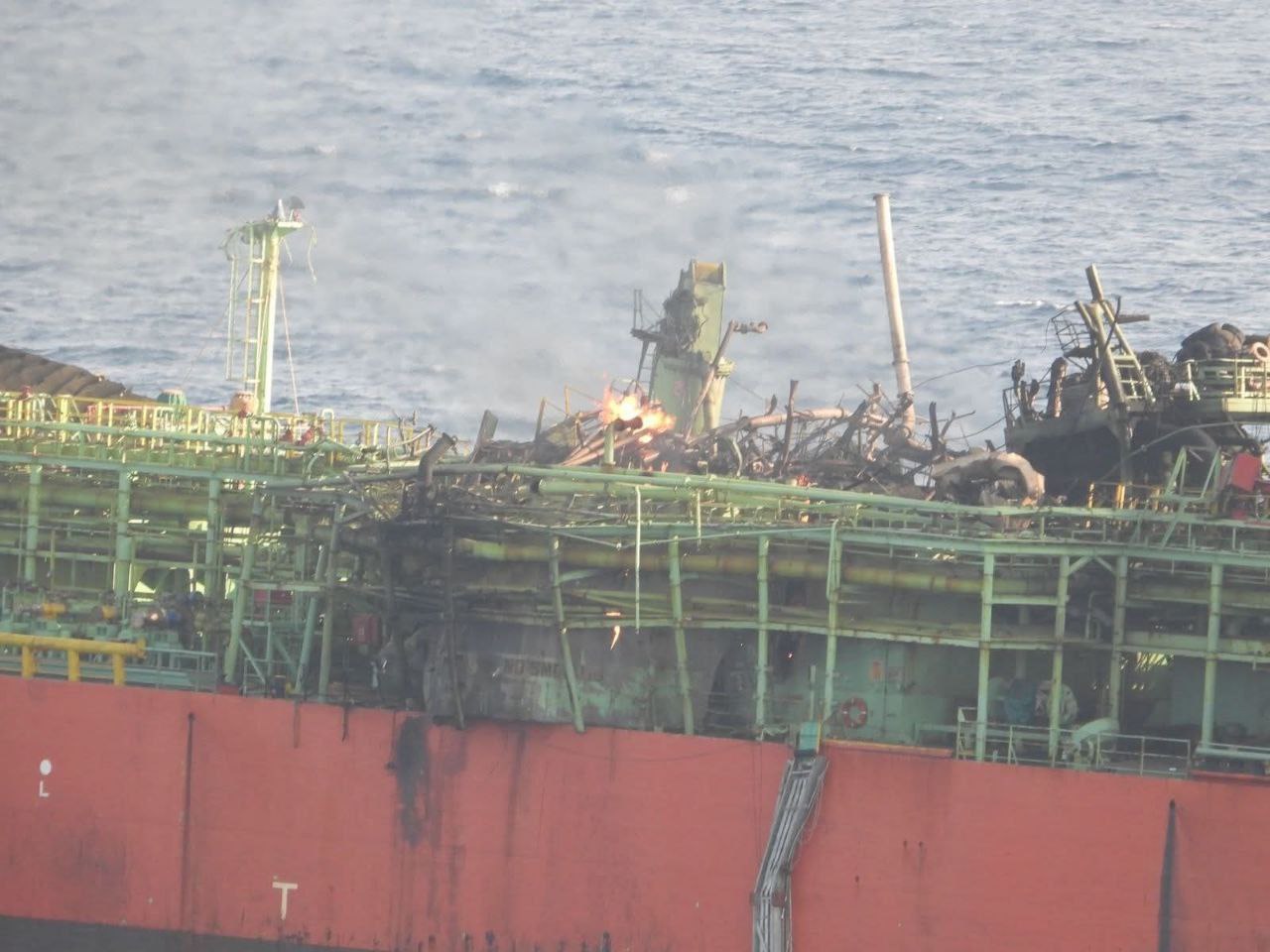
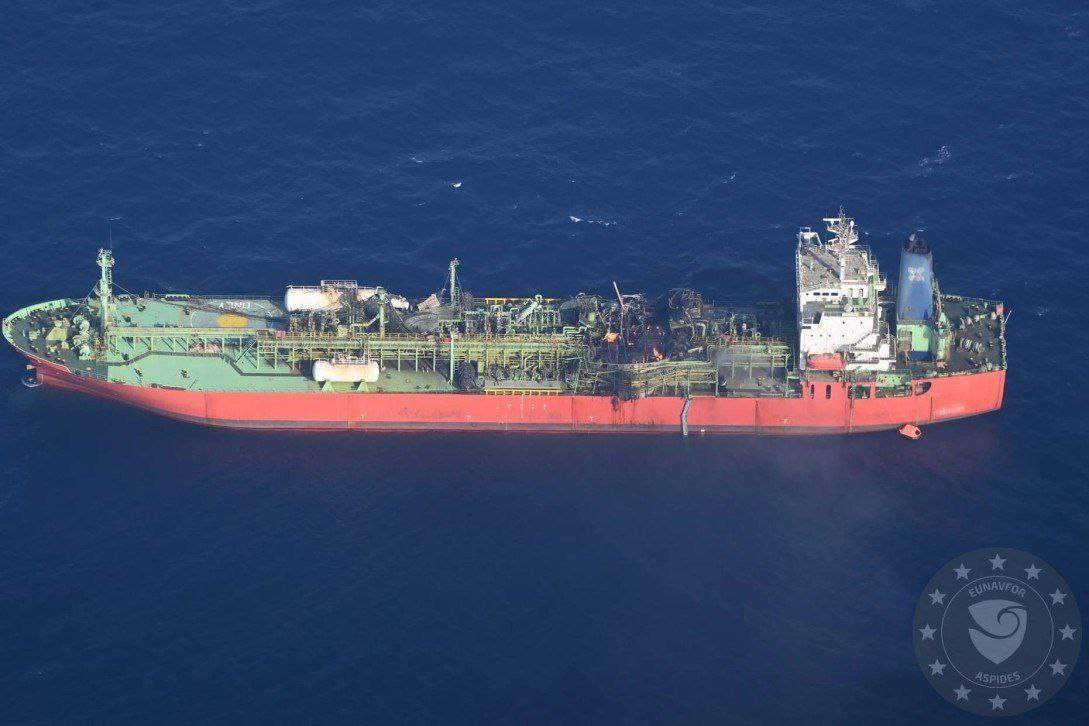
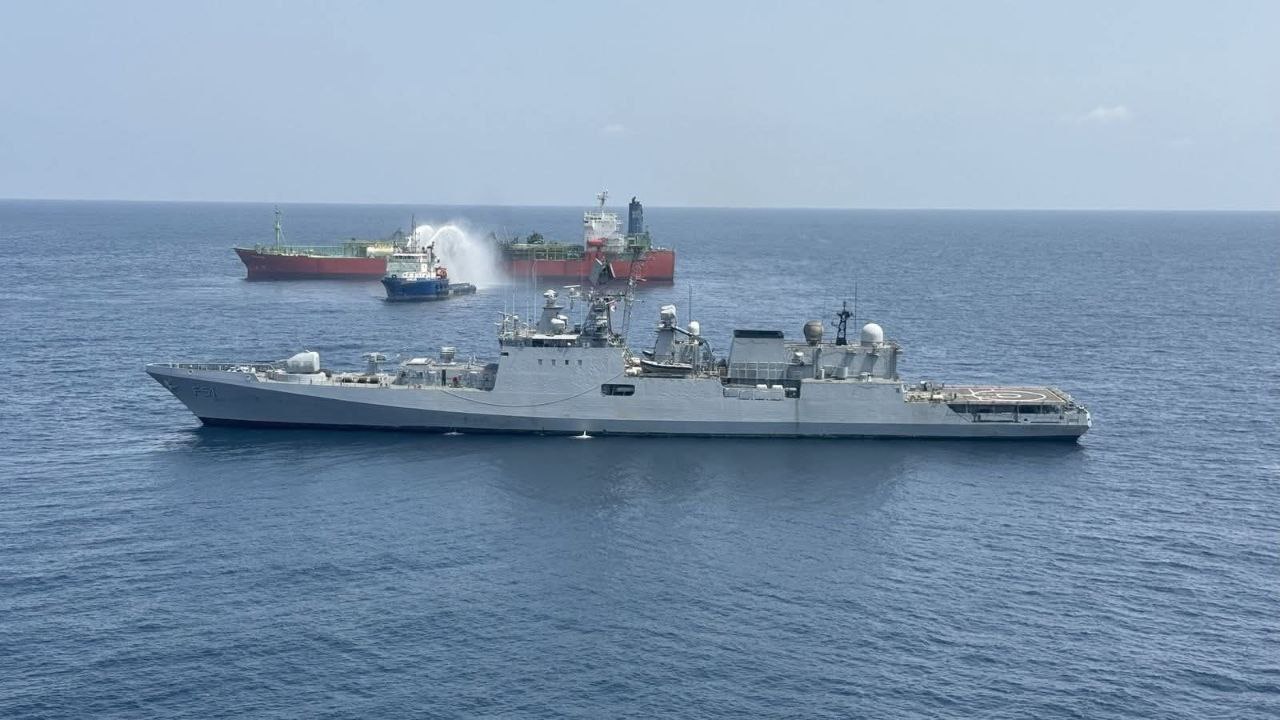
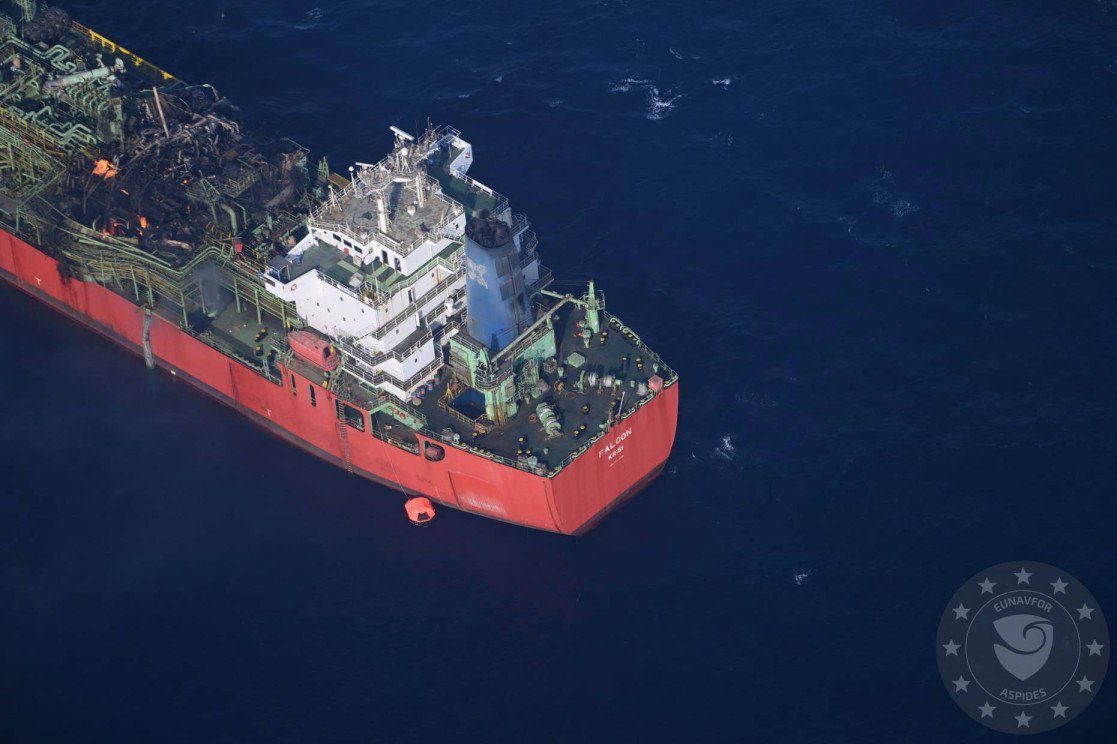
The ship was reportedly carrying Iranian weapons and goods and was seized near Ras al-Arah, west of Lahij province, close to the Bab al-Mandeb Strait. Eight crew members were arrested on suspicion of collaborating with a commander from Ansar Allah.
Another Alleged Iranian Shipment Seized off Southern Yemen’s Coast
According to Al-Amaliqa forces, the shipment originated from Bandar Abbas and included anti-armor Kornet missiles, spare drone parts, precision control cables and connectors, eight boxes of Iranian-made cancer treatment drugs from the company Sinagen, as well as various Iranian food and consumer goods.
This marks the ninth time in recent years that the U.S.-backed coalition and Saudi-backed government have claimed to intercept and confiscate Iranian arms shipments destined for Yemen.
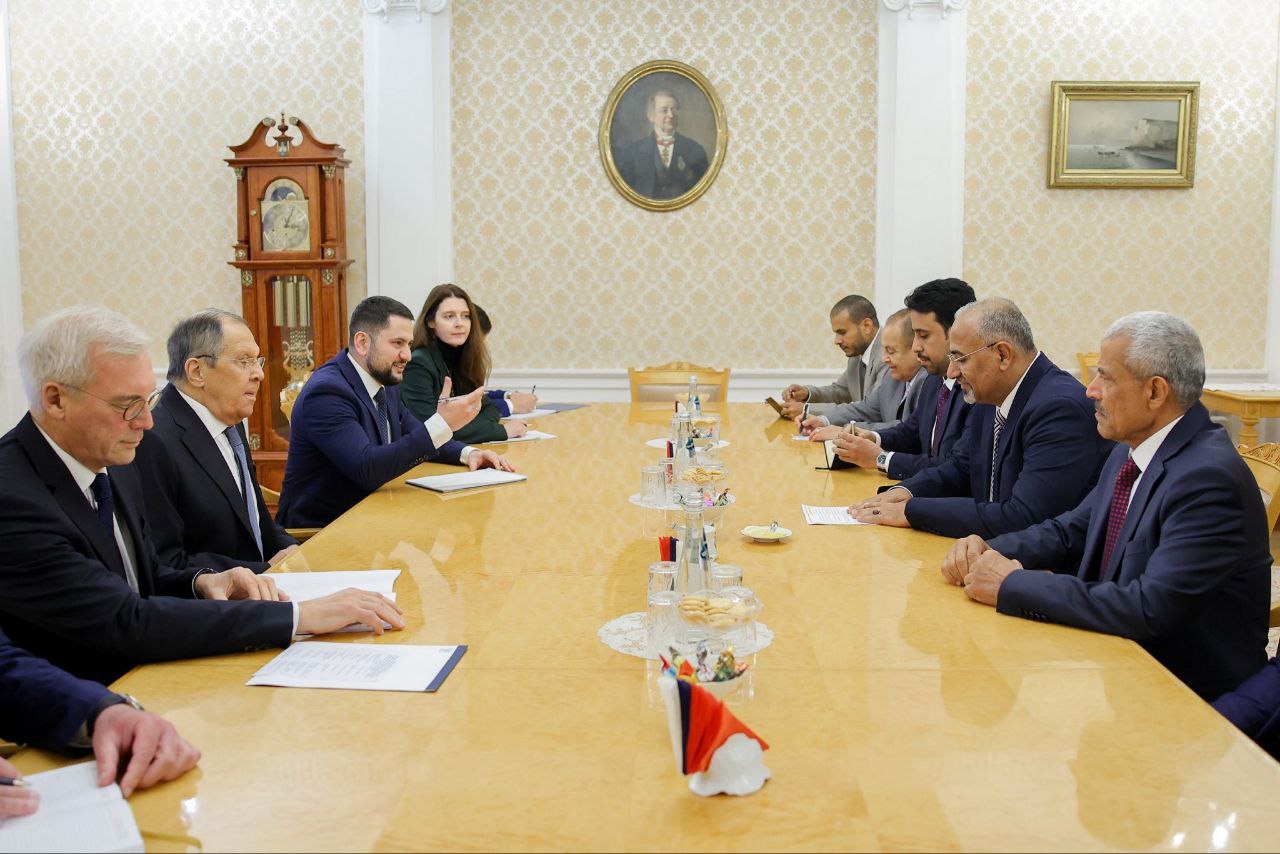
In his social media posts, al-Zoubaidi made no reference to his formal role within Yemen’s internationally recognized government. Instead, he emphasized the historical ties between Russia and the people of southern Yemen, noting that the meetings focused on shared interests and potential cooperation in political and economic fields. He highlighted Yemen’s promising investment opportunities in sectors such as energy, mining, agriculture, and fisheries.
This visit is widely interpreted as part of al-Zoubaidi’s broader separatist agenda. While Rashad al-Alimi, chairman of the Saudi-backed Presidential Leadership Council, had previously visited Russia and met with President Putin, southern factions believe that strengthening ties with Moscow could help advance their goal of re-establishing an independent South Yemen.
Claims that the explosion was accidental are inaccurate. Based on visual evidence from the MV Falcon, the vessel was clearly targeted by either a drone or missile. If the cargo was indeed Iranian, the likely perpetrators of the attack are either the United States or Israel. This incident signals the onset of a new maritime conflict—distinct from previous Iran-Israel naval tensions—where the U.S. now appears to be directly involved.
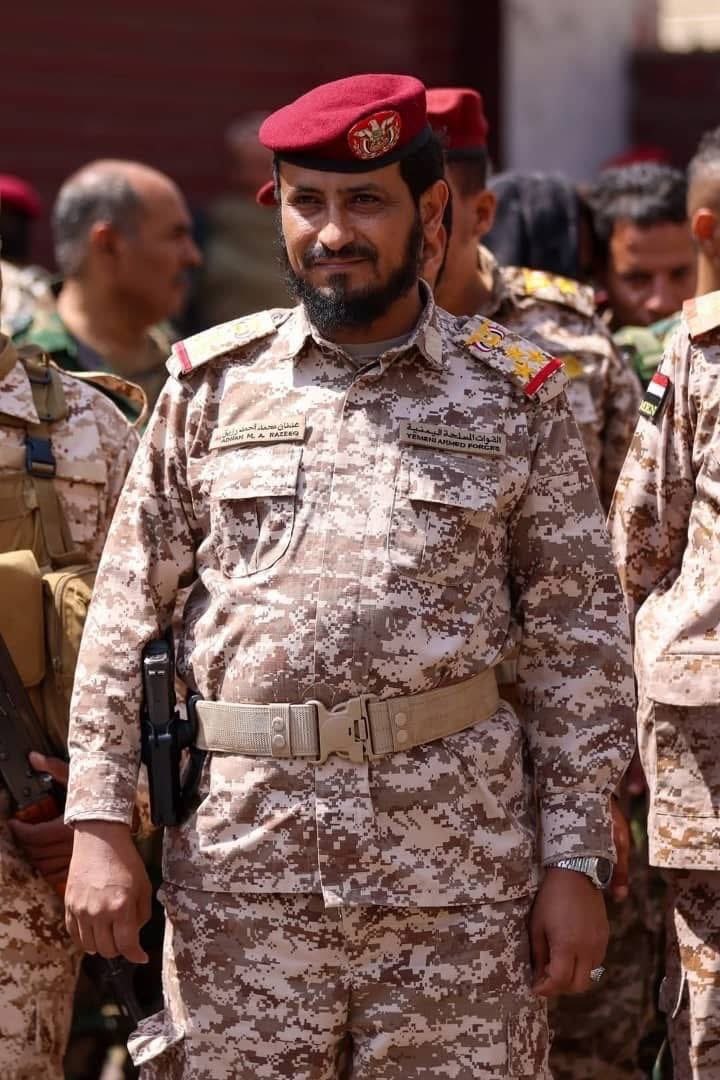
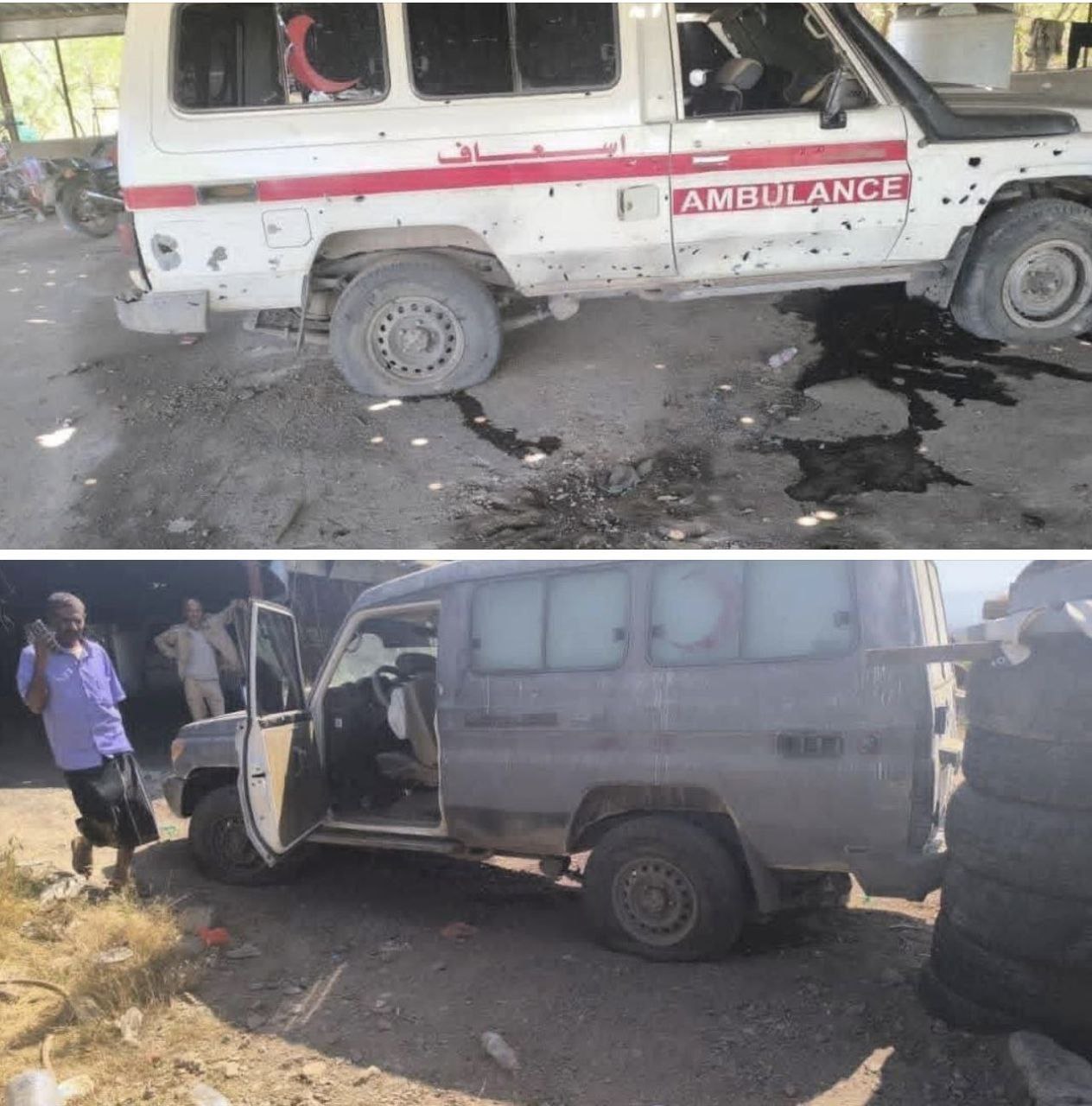
Local sources differ on the method of the attack. Some report that a roadside bomb was planted along the route of Razeeq’s convoy, while others—citing eyewitness accounts—claim the assault was carried out using an explosive dropped from a quadcopter allegedly operated by Ansar Allah!
Despite accusations from opposition media blaming Ansar Allah, evidence suggests the attack may have been orchestrated by armed militias of the Islah Party. Over the past month, Islah militants have engaged in fierce confrontations with Tareq Saleh’s forces in Taiz province, including repeated attempts to eliminate his affiliates in areas like al-Turba.
These militants, reportedly equipped with weaponized drones through ties with Turkey, have conducted similar deadly strikes on other Yemeni fronts.
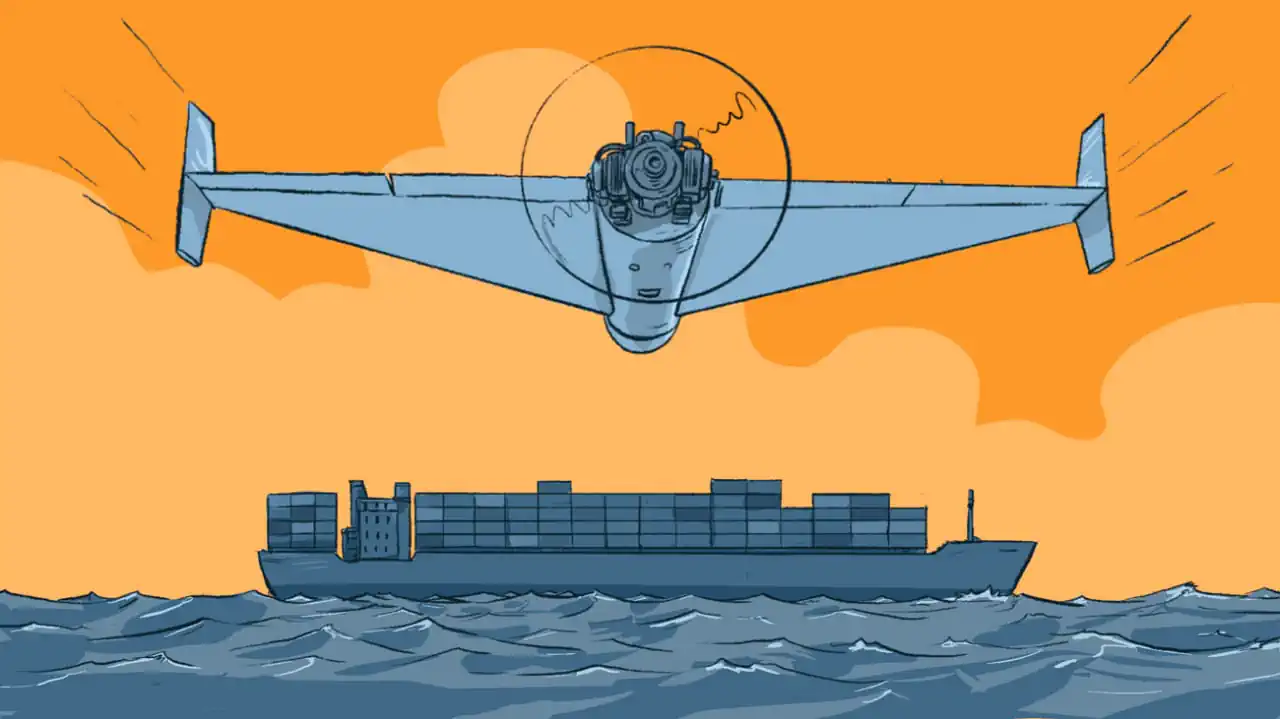
Since November 2023, commercial vessels have avoided Eilat, causing an 80% drop in port revenue and jeopardizing hundreds of jobs.
In response, Eilat officials have appealed to the U.S. and Egypt for help, urging guarantees for safe navigation under international agreements. The port’s shutdown has raised concerns over economic security in southern Israel.
Initially framed as retaliation for Israeli strikes on Gaza, Yemen’s naval campaign has evolved into a potent tool for economic disruption. Eilat’s paralysis signals a shift in Red Sea power dynamics. As a key hub for Asian imports into occupied Palestine, its disruption strains supply chains and could impact prices and resource access. The port’s plea for help also casts doubt on the effectiveness of international maritime coalitions.
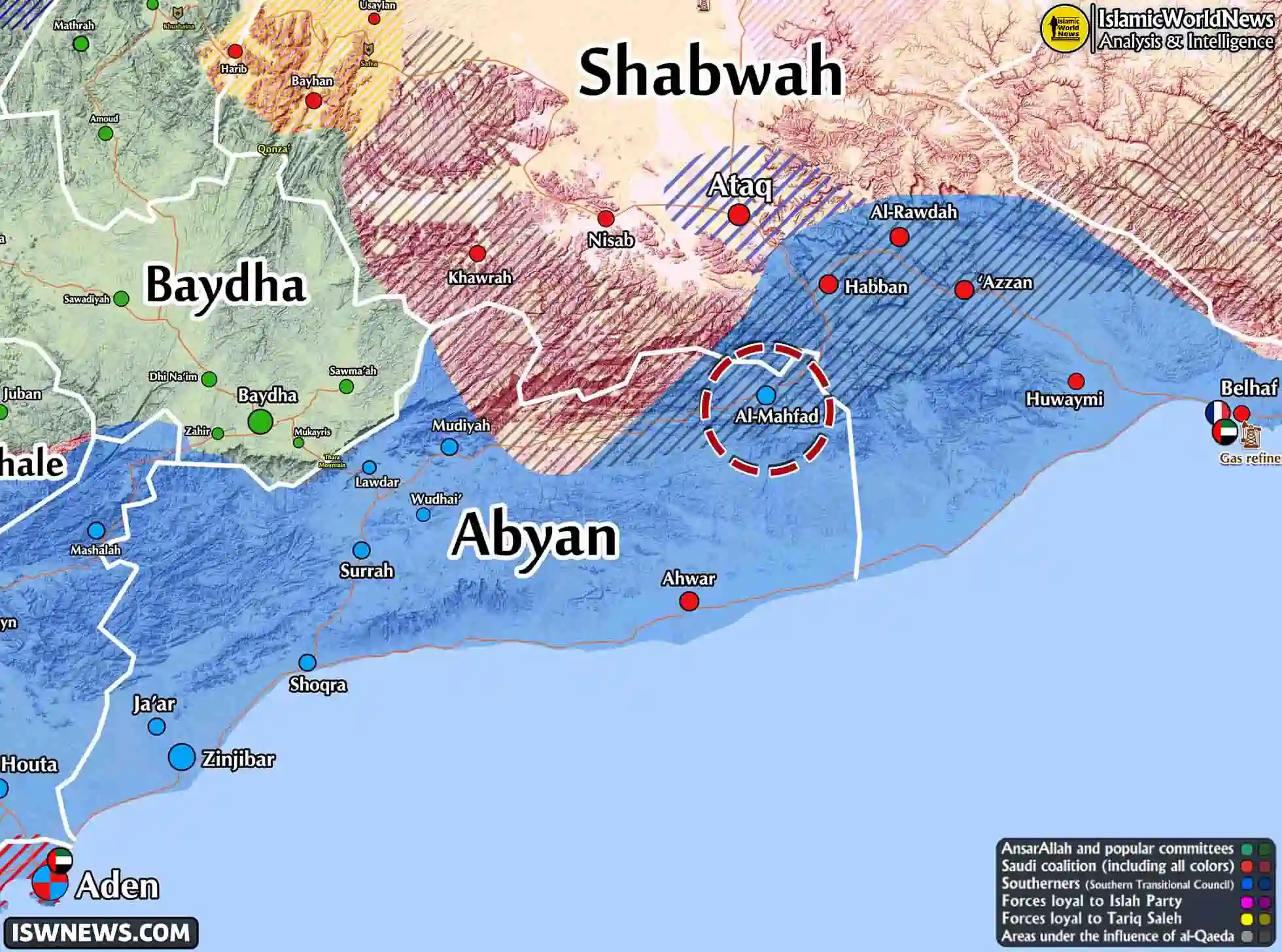
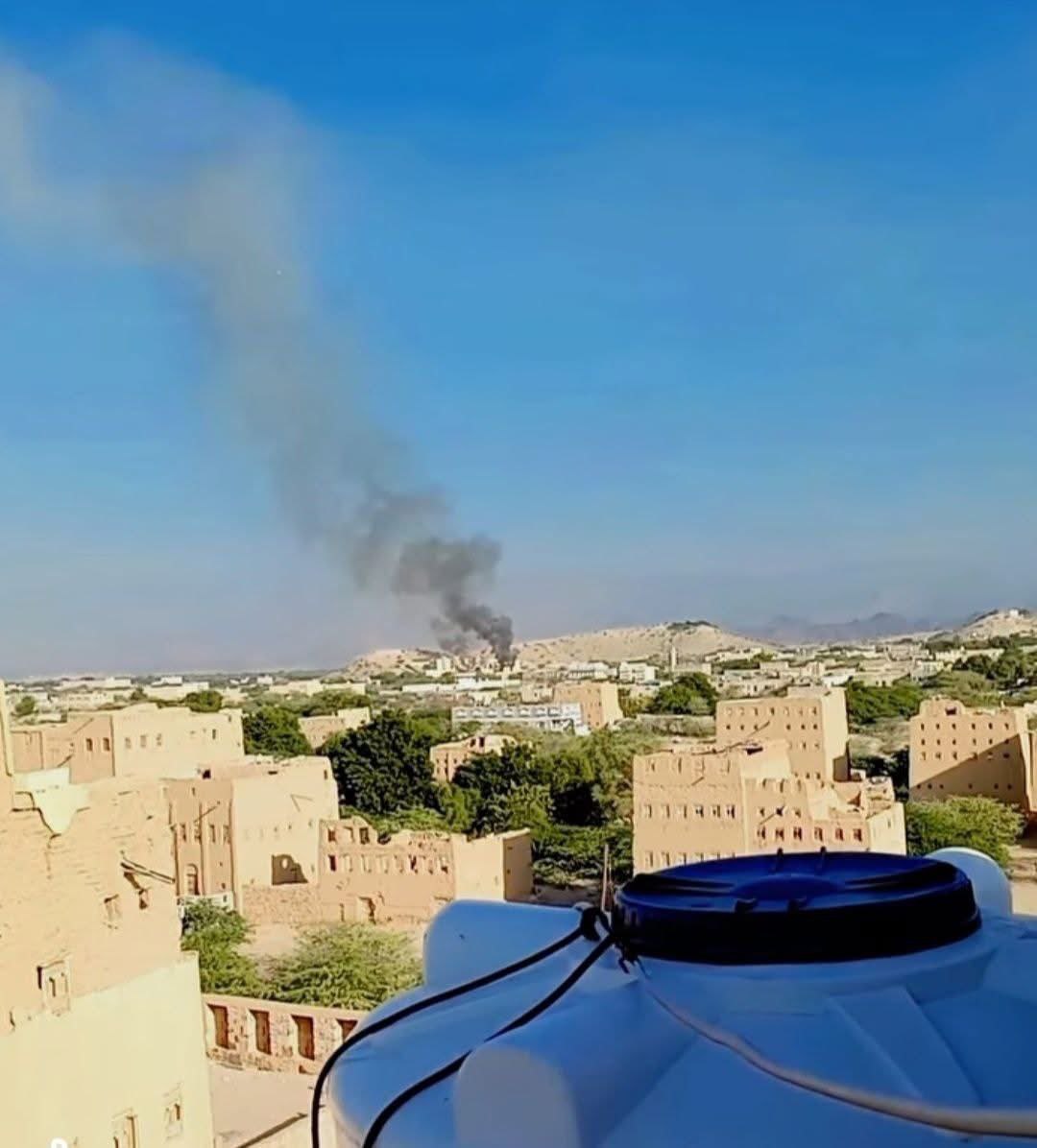
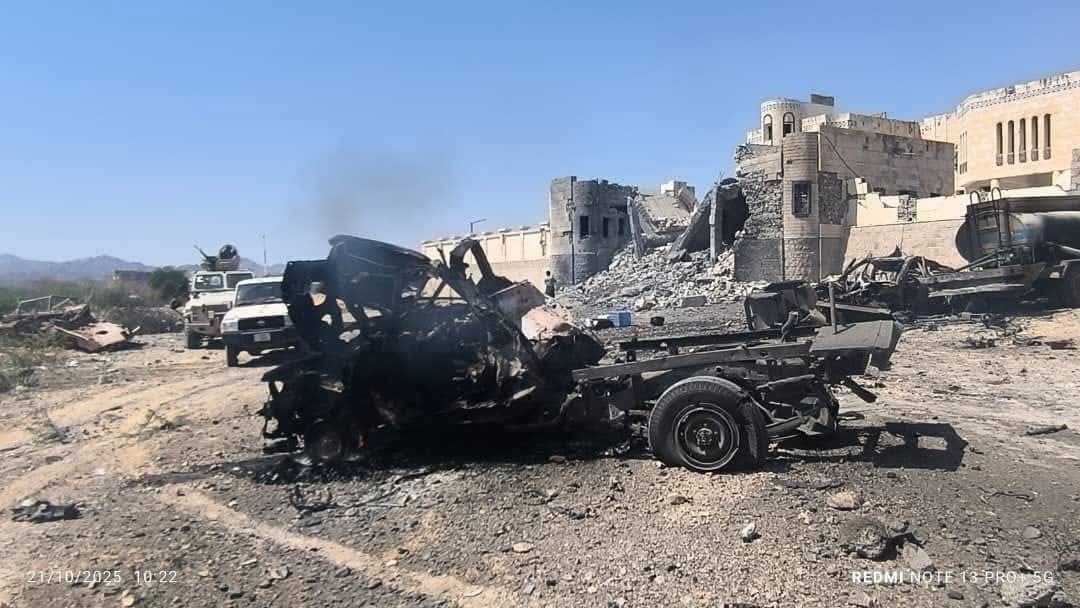
The operation involved two vehicles—one of them a suicide car bomb. Following the explosion, al-Qaeda’s inghimasi (shock) fighters stormed the base and engaged in armed clashes. Five al-Qaeda members were reportedly killed in the firefight.
Al-Mahfad, though under STC control, remains heavily influenced by al-Qaeda, with many local armed men being former members of the group.
Al-Qaeda Attack on Southern Transitional Council Base in al-Mahfad
This marks one of the largest al-Qaeda attacks on STC positions in recent years and represents a significant escalation. After Ansar Allah cleared al-Qaeda from provinces like al-Jawf, al-Bayda, and Marib, the group’s operations have largely shifted toward confronting the STC. Previous attacks were mostly limited to IEDs, bomb-throwing, sniper fire, or drone use—but today’s assault was broader and more coordinated, delivering a serious blow to STC forces.
The motive behind the attack appears linked to the STC’s recent crackdowns in Abyan and the expulsion of local armed factions from al-Mahfad from its ranks.
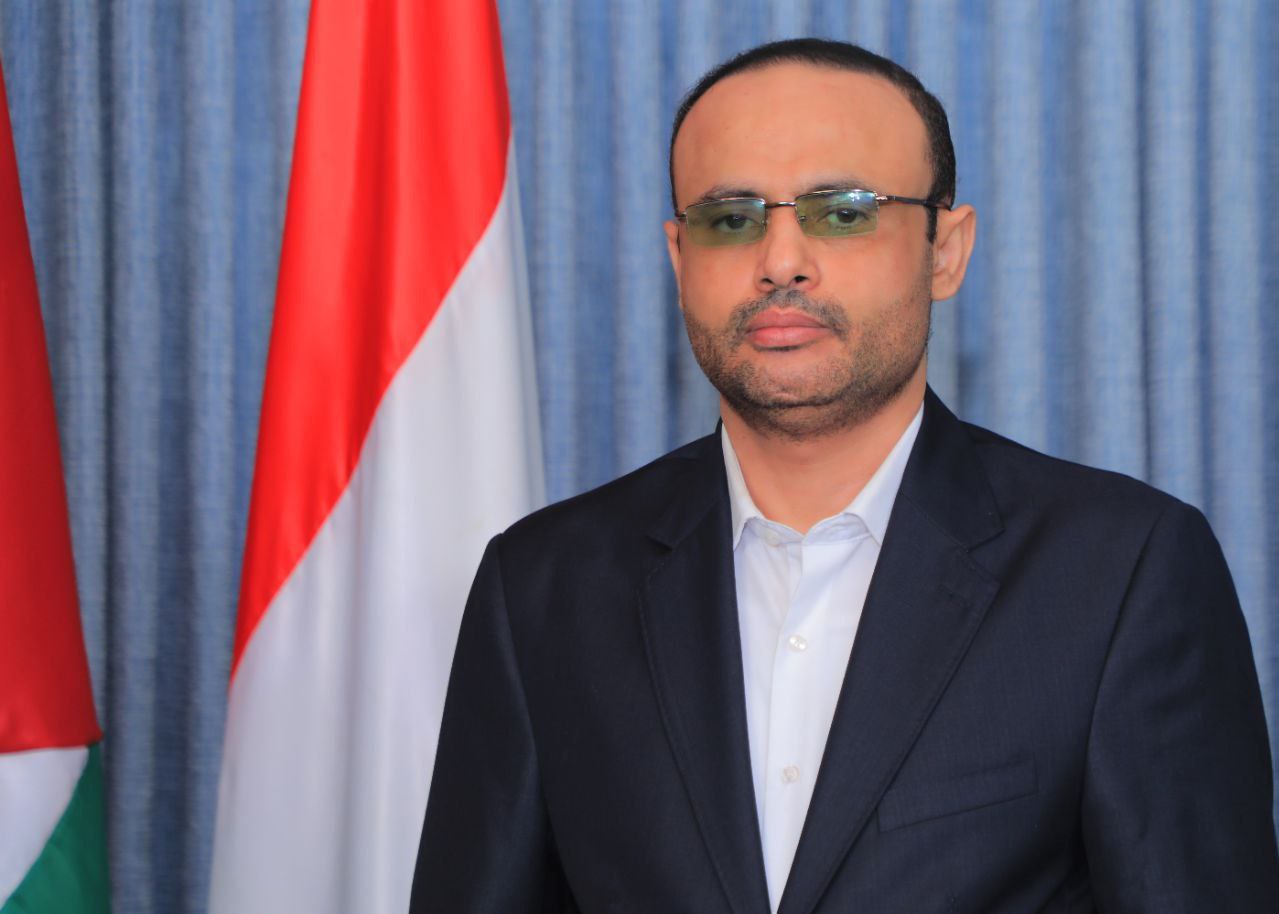
Al-Mashat also urged Saudi Arabia to move beyond de-escalation and toward ending the war, blockade, and occupation, while fulfilling its commitments. He warned against Riyadh’s alignment with U.S. interests that serve Israel’s agenda.
This recurring stance reflects Yemen’s view that the recent conflict between the Resistance Axis and Israel is a key reason for stalled negotiations with Saudi Arabia following the 2022 ceasefire. From Yemen’s perspective, Saudi Arabia interprets Iran and the Resistance’s performance in the war as a sign of weakness, reinforcing its own position and making it unwilling to honor previous concessions or support the formation of a unified Yemeni government.
Middle East Eye Report on Yemen’s Halted Support Operations for Palestine:
“Yemen is demonstrating its strength by linking the suspension of its operations to Israel’s commitment to the ceasefire agreement. Militarily, Yemen has shown strong performance over the past two years. It has occasionally launched long-range strikes on Israel, some of which impacted aviation and penetrated Israeli air defenses. Yemen also succeeded in pressuring the U.S. to withdraw its support for Israel in Yemen—an achievement that is far from easy.”
The primary goal of Yemen’s armed forces from the outset was to stop the war and crimes committed by the Israeli regime in Gaza. With the current ceasefire in place, that objective has been achieved, and Yemen sees no reason to continue its attacks. In fact, Yemen’s support for the Palestinian people and resistance has been effective, and it has fulfilled its mission. Therefore, claims by some media outlets about Yemen’s failure are inaccurate, as they are not involved in the details of the negotiations or the implementation of the ceasefire terms—matters that are solely the domain of Palestinian factions.
Support operations by Yemen’s armed forces (backed by Ansar Allah) in solidarity with Palestine have continued until the final day of negotiations between the resistance and the Zionist regime. The latest actions include a precision cruise missile strike on the Dutch vessel MINERVAGRACHT and the entry of several suicide drones into the port of Eilat in southern occupied Palestine. According to Sayyed Abdul-Malik Badr al-Din al-Houthi, Yemen has carried out 1,835 support operations over the past two years using ballistic missiles, cruise missiles, hypersonic weapons, drones, and suicide boats.
In Hadhramaut province, tensions are rising between the UAE-backed Southern Transitional Council (STC) forces and the Saudi-backed Hadhramaut Protection Forces. Saudi Arabia is equipping three divisions under the Hadhramaut Protection Forces, aiming to seize oil resources and advance toward the Hadhramaut coast. Similar developments are unfolding in Al-Mahrah and Shabwah provinces, although in the city of Ataq, the capital of Shabwah, UAE-aligned forces currently hold control.
In Abyan province, guerrilla attacks by Al-Qaeda militants—including roadside bombings, drone strikes, sniper fire, and other harassment tactics—continue to target STC forces, inflicting significant casualties.
In Taiz province, tensions between the Islah Party and Tariq Saleh’s forces have escalated following the assassination of Afthan al-Mashhary, head of the sanitation and beautification office. Several failed assassination attempts have targeted local commanders from both sides. Islah militants have attempted to arrest and confront Tariq Saleh’s forces in the city of Al-Turba in southern Taiz, but these efforts have failed, and control of Al-Turba remains with Tariq Saleh’s forces.
In Lahij province, the Al-Subayha tribes—aligned with Saudi Arabia—are trying to gain control of the southwestern coast of Lahij. However, UAE-backed Al-Amaliqa forces, under the command of Brigadier General Hamdi Shukri, are blocking their advance and currently hold the area. The Al-Subayha tribes are independent tribes from southwestern Yemen, some of whose leaders have been recruited by Saudi Arabia. In recent years, Al-Subayha militants have clashed multiple times with Tariq Saleh’s forces, preventing their entry into southwestern Yemen.
Latest situation on Yemeni fronts – Click to view image in full size
Overall, Yemen’s internal front is facing numerous challenges that make the path to peace increasingly elusive. Saudi Arabia and the UAE, as influential Arab powers, have exploited Yemen’s dire economic conditions over the years, supporting proxy factions such as the STC, Islah Party, Al-Amaliqa, remnants of Ali Abdullah Saleh’s regime, and others to serve their strategic interests.
These dynamics have deepened divisions between Yemeni factions and the government in Sanaa, making national reconciliation or liberation from foreign-backed groups more difficult. Undoubtedly, once the Palestinian issue is resolved, Yemen’s government will have to confront this major challenge and adopt thoughtful and flexible strategies to overcome it.
According to the report, U.S. military spending on Yemen-related operations between October 2024 and September 2025 exceeded $4.9 billion, raising the total cost over recent years to approximately $10 billion.
The expenses include extensive use of advanced weapons and equipment such as 2,000-pound bombs, precision missiles, Patriot air defense systems, along with the deployment of two U.S. aircraft carriers, fighter jets, bombers, and drones.
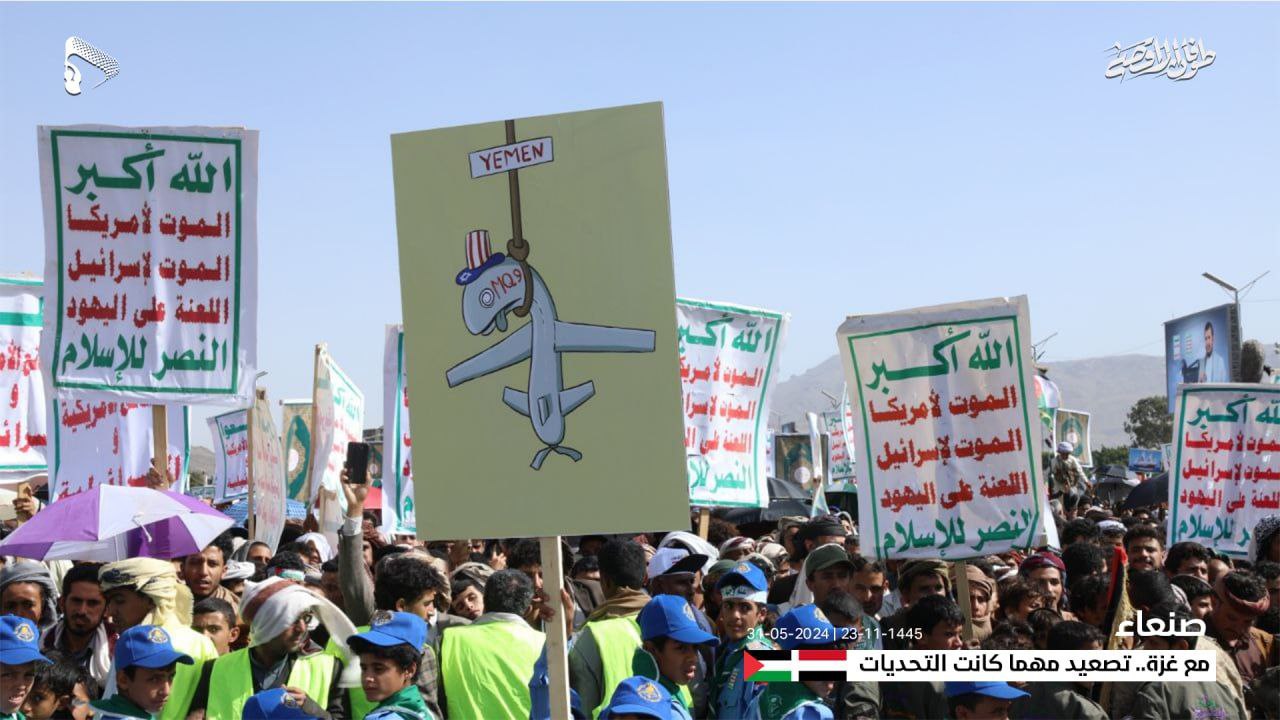
Material and personnel losses for the U.S. military include the destruction of three F/A-18 fighter jets (estimated cost: ~$210 million), 22 MQ-9 drones (estimated cost: ~$800 million), and the use of dozens of high-cost missiles and bombs, including 75 Tomahawk missiles and 20 AGM-150 bombs.
The American institute noted that despite these massive expenditures, the field results have not been decisive. Yemeni attacks resumed after a temporary ceasefire, leading to maritime operations that resulted in the sinking of ships and direct threats to oil tankers linked to Israeli interests. Airstrikes have also continued against airports and strategic targets deep within occupied Palestinian territories.
The publication of this report is seen as further confirmation of the failure of U.S. naval and aerial operations in Yemen, which ultimately led to their withdrawal from the Red Sea and Gulf of Aden and acceptance of a ceasefire brokered by Oman. Although the Watson Institute did not detail human casualties in this report, it is reported that at least two American soldiers were killed and several others wounded in Yemeni attacks.
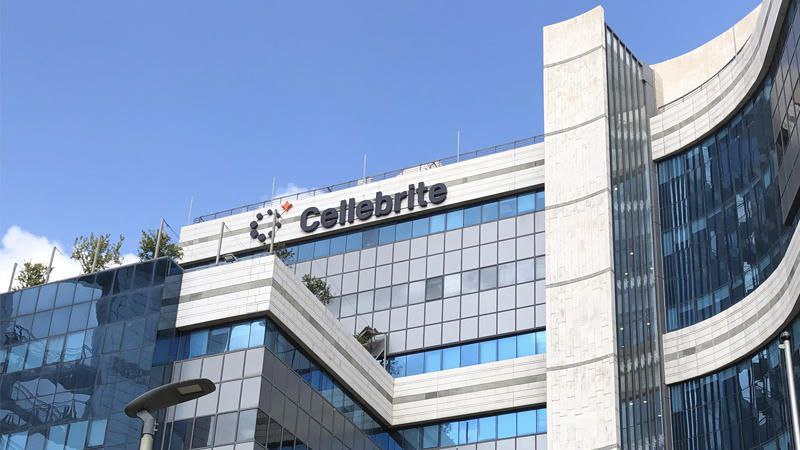
These tools allow Israeli access to the full contents of Yemeni phones, placing calls and messages under surveillance. With parts of southern Yemen—such as Aden, Lahij, Abyan, and Al-Mahrah—under control of Saudi-backed forces and the STC, Israeli reach may extend across other occupied regions as well.
Cellebrite is an Israeli cybersecurity firm known for developing advanced software and hardware to extract data from mobile devices. Its tools bypass locks, passwords, fingerprints, and other security features to retrieve, analyze, and report sensitive information.
Al-Jabzi, who leads a battalion within the 11th Division stationed on Yemen’s western coast, reportedly clashed with Islah checkpoint personnel in the al-Hujariyah area of al-Ma’afir district. He was wounded during the confrontation and subsequently detained.
In a separate incident, two individuals were injured in a firefight between Tareq Saleh’s men and Islah militants on Zaid al-Moshki Street in northeastern Taiz.
The arrests, assassinations, and skirmishes between Islah and Tareq Saleh factions reflect rising tensions between the two sides. These clashes are part of an ongoing cycle of armed confrontations in Taiz, a stronghold of the Islah Party. Historically, parts of the province were under Tareq Saleh’s control before his split from Ansar Allah, a legacy that continues to fuel his operations and mobilization against Islah Party in the region.