Category: Yemen

  • Missile Strike Leaves Dutch Cargo Ship MV MINERVAGRACHT Adrift in Red Sea

    Missile Strike Leaves Dutch Cargo Ship MV MINERVAGRACHT Adrift in Red Sea

    According to the EU naval task force operating under Operation Aspides, the missile strike caused a fire onboard and left the vessel in a state of uncontrolled drift. The ship, operated under the Dutch flag, was carrying 19 crew members of Russian, Ukrainian, Filipino, and Sri Lankan nationality. European naval forces responded swiftly, evacuating all crew and transferring them safely to Djibouti.

    The Yemeni Armed Forces have issued a statement confirming that the Dutch-flagged cargo vessel MV MINERVAGRACHT was targeted with a cruise missile.

    According to the statement, the attack was carried out in response to the ship’s violation of Yemen’s declared ban on maritime traffic to Israeli ports by its operating company. The missile strike severely damaged the vessel, placing it at risk of sinking.

    Based on data compiled by the Islamic World News, this marks the 218th military operation by Yemen’s armed forces against vessels linked to Israel, the United States, or the United Kingdom.

    Notably, the 217th operation occurred on September 23, approximately 120 nautical miles east of the Port of Aden. While that earlier attack was not officially announced by Yemeni forces, it was referenced by Ansar Allah leader Sayyed Abdul-Malik al-Houthi in his most recent speech.

    These operations are parts of Yemen’s expanding campaign to pressure Israel and its allies in response to the ongoing war in Gaza. Yemeni Armed Forces have repeatedly stated that their actions in the Red Sea are a direct reaction to Israeli war crimes, including the killing of civilians, destruction of infrastructure, and forced displacement in Gaza.

    The strike on MV MINERVAGRACHT reflects Yemen’s strategic use of maritime operations to challenge regional actors complicit in the siege and bombardment of the Palestinian people.
  • Saudi Coalition Withdraws Half Its Forces from Marib

    Saudi Coalition Withdraws Half Its Forces from Marib

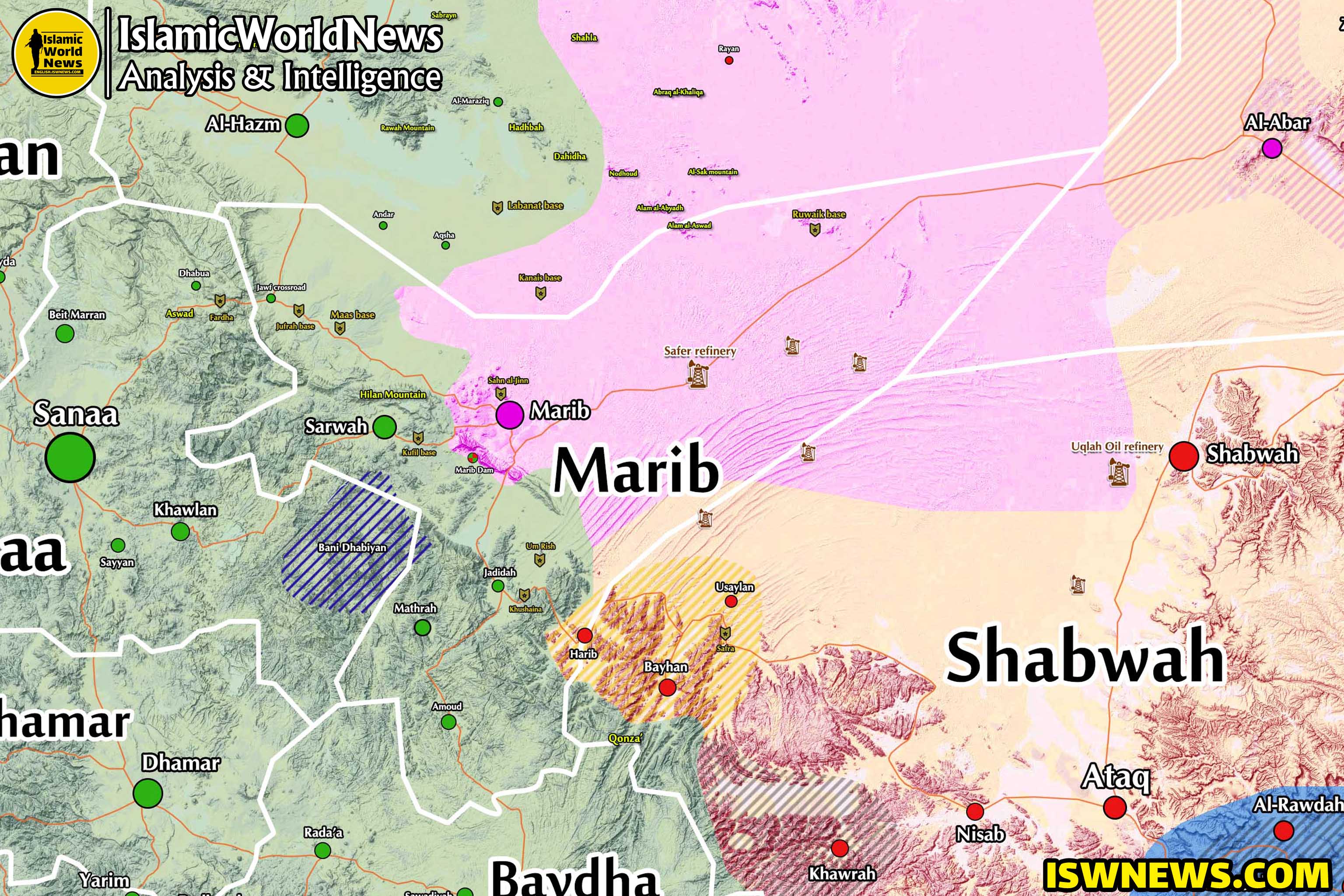
    Amir al-Humaiqani, spokesperson for the Humaiqani Resistance Forces, reported that the Saudi-led coalition has ordered the withdrawal of approximately 12,000 reserve fighters, including members of the Islah Party and affiliated factions from the city of Marib. Al-Humaikani criticized the move, calling it a de facto declaration of the end of hostilities with the Houthis!

    This withdrawal represents more than half of the armed personnel stationed in Marib, a city currently under the influence of Islah militants, forces loyal to Lt. Gen. Sagheer bin Aziz, and Saudi-backed tribal groups such as the Humaikani clan. The Humaikani tribe, originally from al-Bayda province, had retreated to Marib following failed operations against al-Qaeda and ISIS in the region.

    It remains unclear whether the decision is part of a broader strategy to elevate Ahmed, the eldest son of former President Ali Abdullah Saleh, in Marib, or a shift in Saudi policy aimed at consolidating control over occupied areas in Yemen.

  • Yemeni Forces Launch Overnight Missile Strike on Tel Aviv

    Yemeni Forces Launch Overnight Missile Strike on Tel Aviv

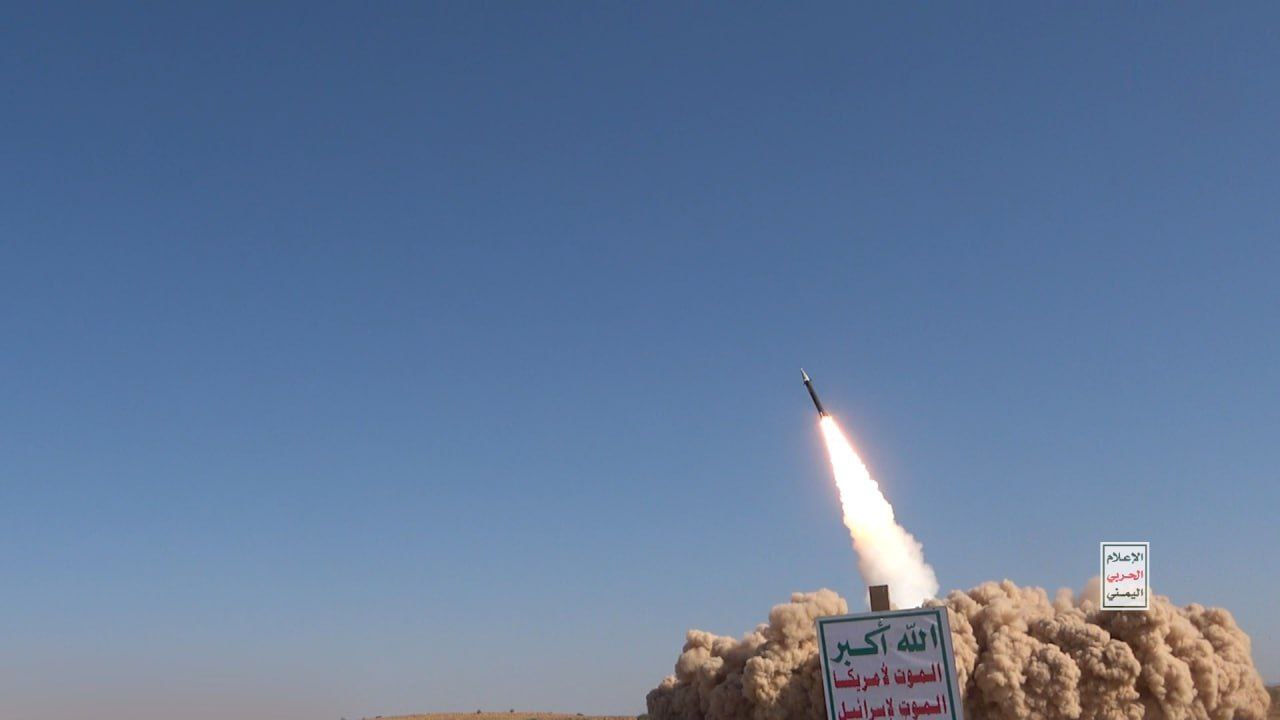
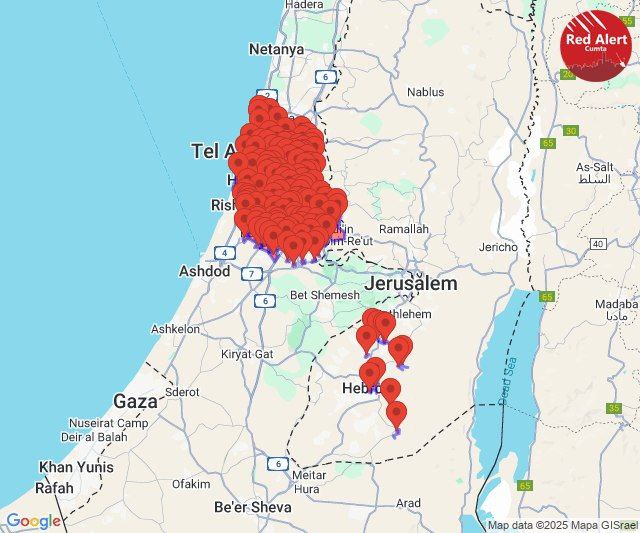
    The Yemeni Armed Forces launched a hypersonic ballistic missile early Monday targeting sensitive sites in Tel Aviv. The missile, identified as the Palestine-2 and equipped with a fragmentation warhead, struck its intended targets as part of Yemen’s continued retaliation against Israeli military war crimes and in support of Palestine.

    Brigadier General Yahya Saree stated, “The operation successfully hit its objectives, prompting millions of settlers to flee to shelters.”

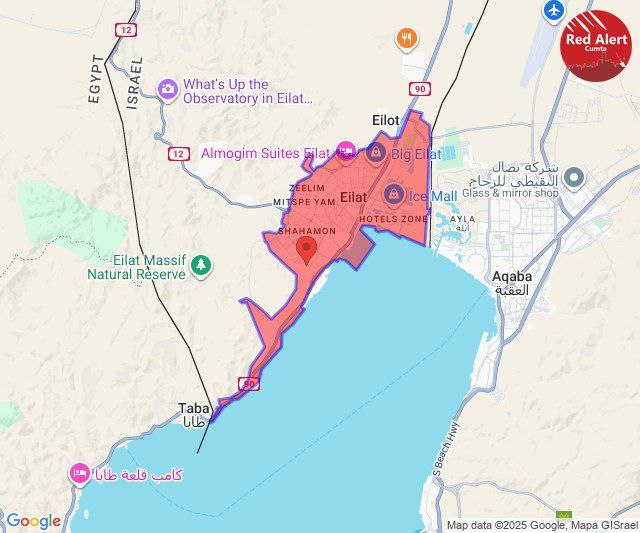
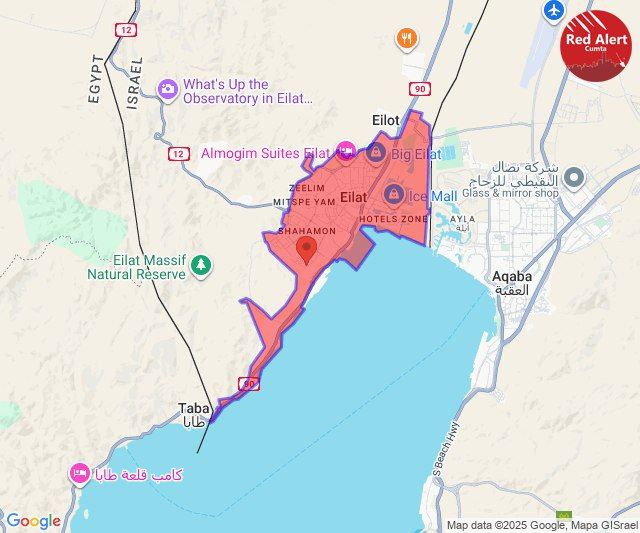
    In a coordinated attack, Yemeni drone units also deployed two suicide UAVs against strategic locations in Eilat (Umm al-Rashrash), marking the 206th and 207th aerial operations by Yemeni forces against Israeli positions in occupied Palestine.

  • Continuous Yemeni Drone Strikes on Occupied Territories

    Continuous Yemeni Drone Strikes on Occupied Territories

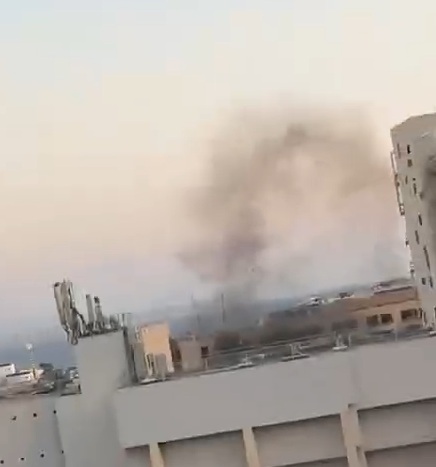
    According to a statement by Brigadier General Yahya Saree, the Yemeni drone force carried out a special military operation using two suicide drones targeting two sites in the Umm al-Rashrash area (Eilat port). The operation reportedly succeeded, with Israeli air defense systems failing to intercept the drones.

    On September 24, 22 Israeli settlers were injured after a Yemeni suicide drone attacked and hit the port of Eilat. The Israeli regime’s air force also issued a statement confirming that an investigation has been launched into the drone strike on the port city of Eilat.

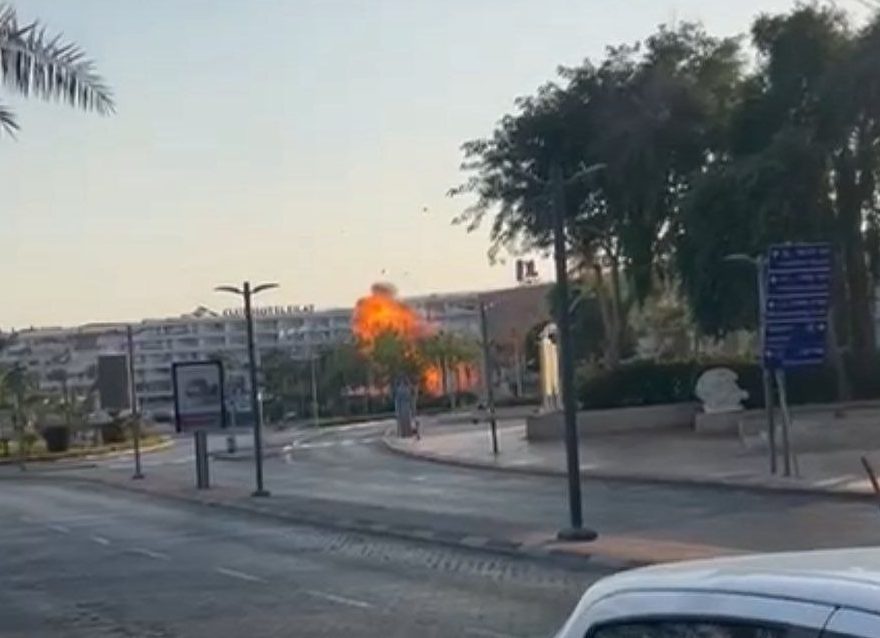
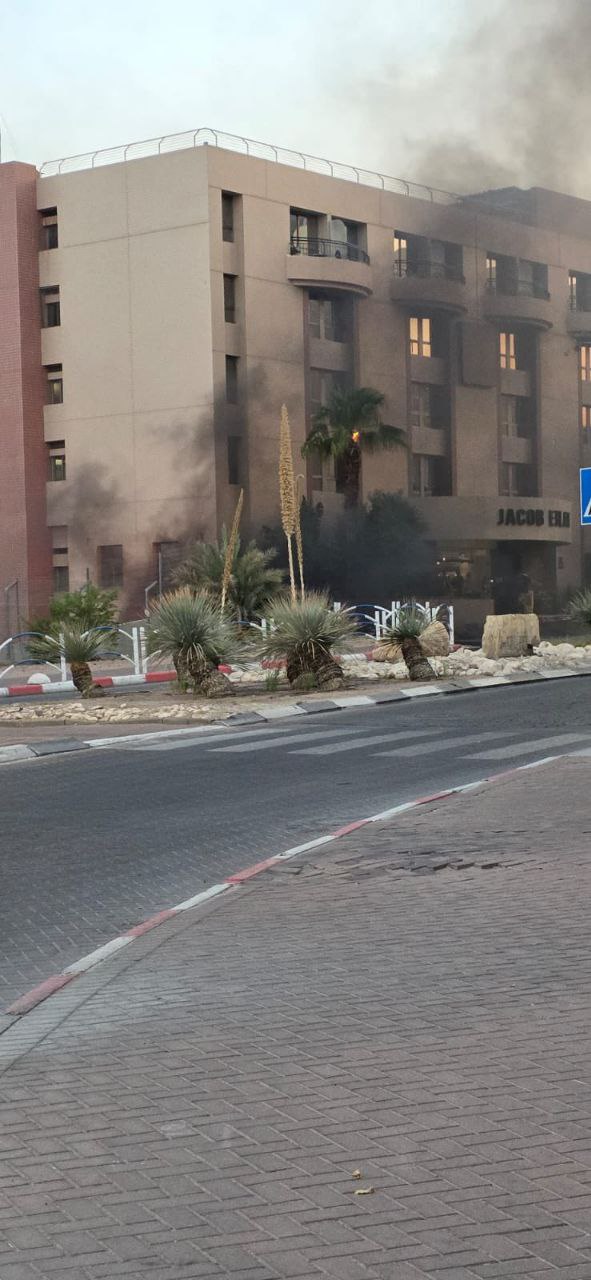
    A Yemeni drone hit near a hotel in Eilat

    Another operation was conducted on September 23, involving multiple suicide drones aimed at targets in Eilat port and Be’er Sheva.

    Based on data from the Islamic World News, these strikes mark the 203rd and 204th aerial operations by Yemeni armed forces against Zionist regime positions in occupied Palestine.

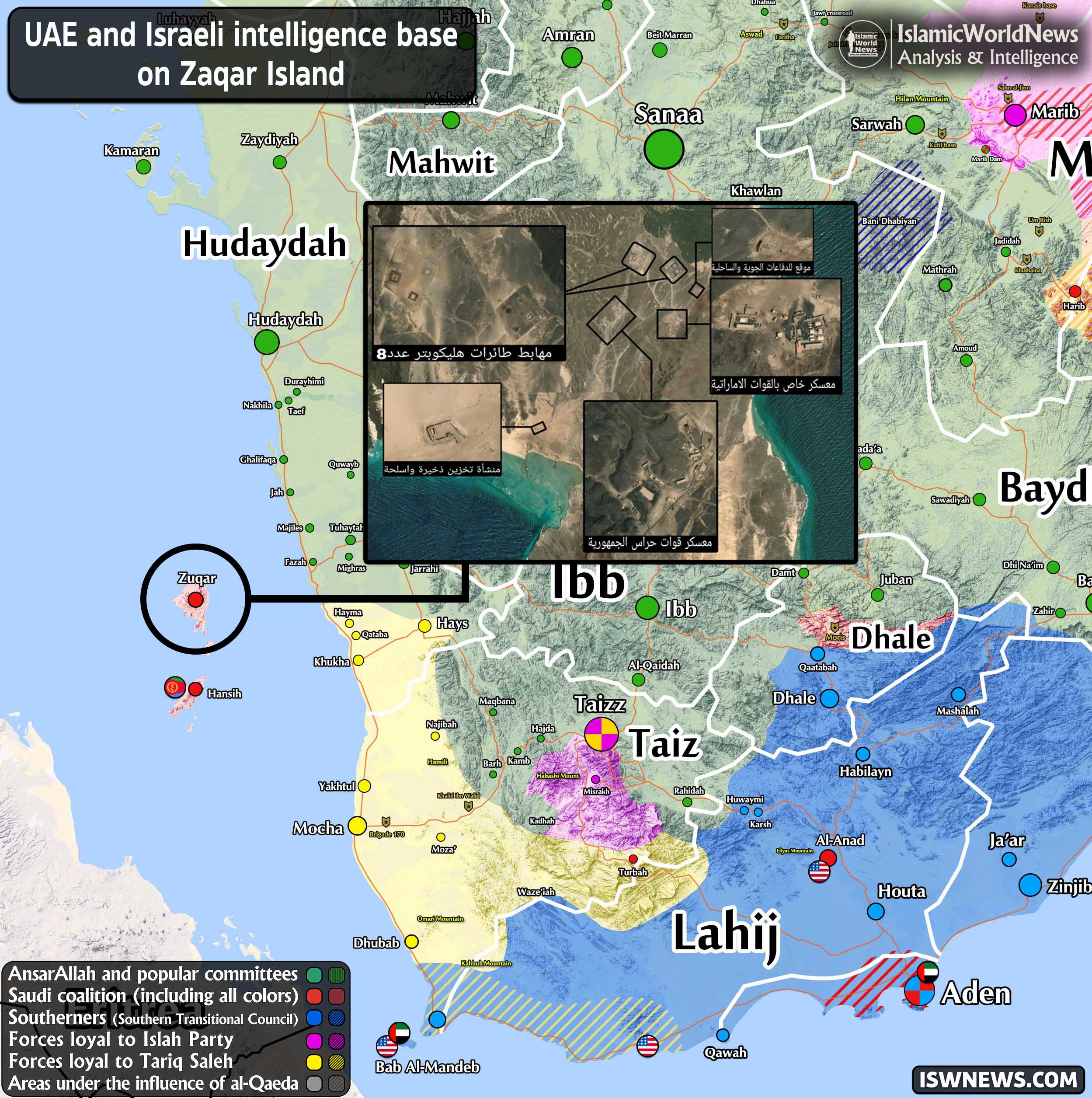
  • Where is the Emirati-Israeli intelligence base on Zuqar Island?

    Where is the Emirati-Israeli intelligence base on Zuqar Island?

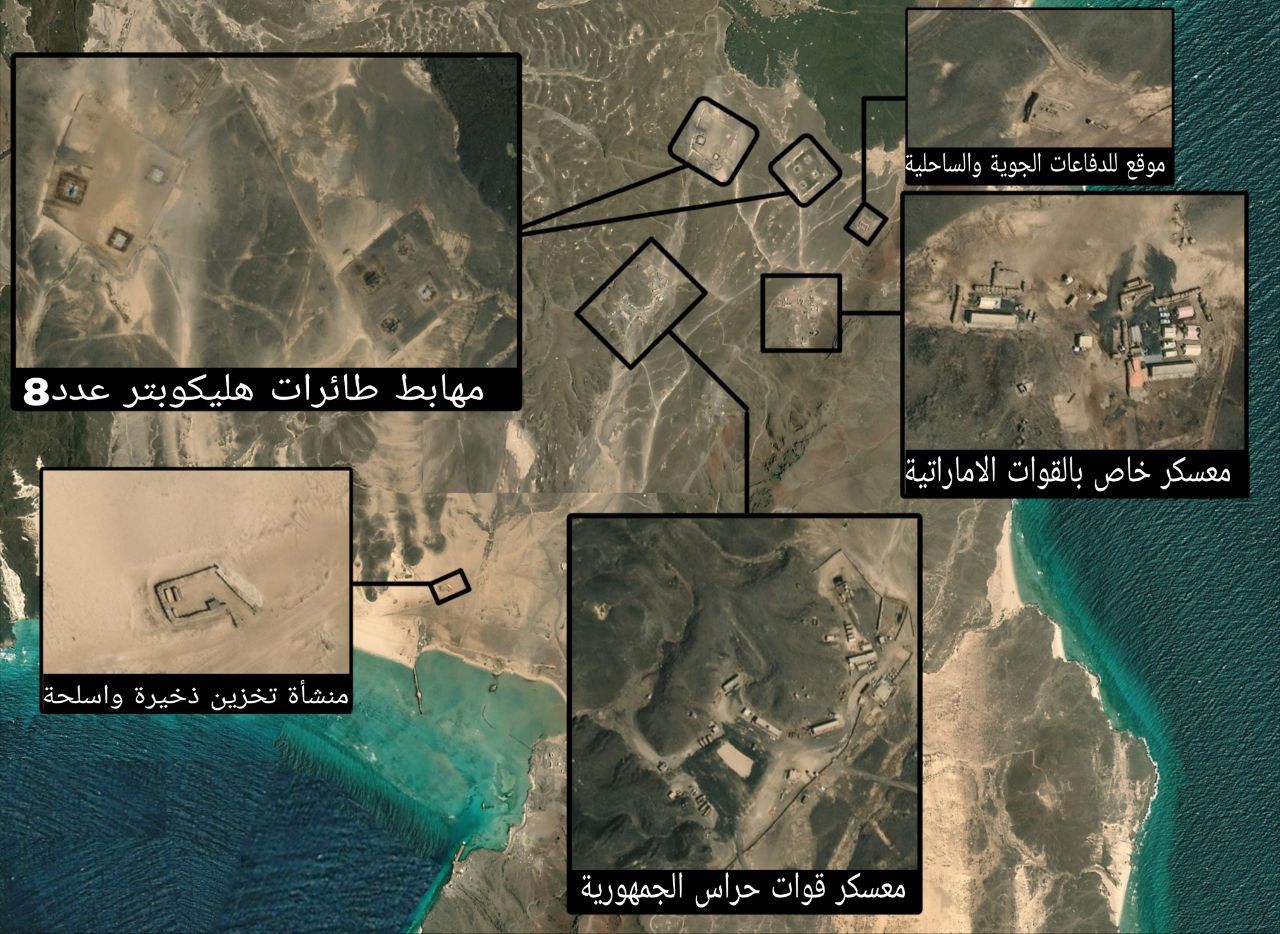
    The facilities built on this island include a camp for Emirati forces, a training center for Tareq Saleh’s troops and fighters from the Southern Transitional Council, a 185-meter dock, an advanced maritime radar, an air defense system, and a helipad.

    These installations have recently functioned as an advanced surveillance base against Yemeni armed forces, issuing early warnings to monitor missile and drone launches toward occupied Palestine and targeting ships affiliated with Zionists. The island also has a 2.1 km runway, which is expected to soon receive military cargo and large transport aircraft, possibly even Israeli aircraft.

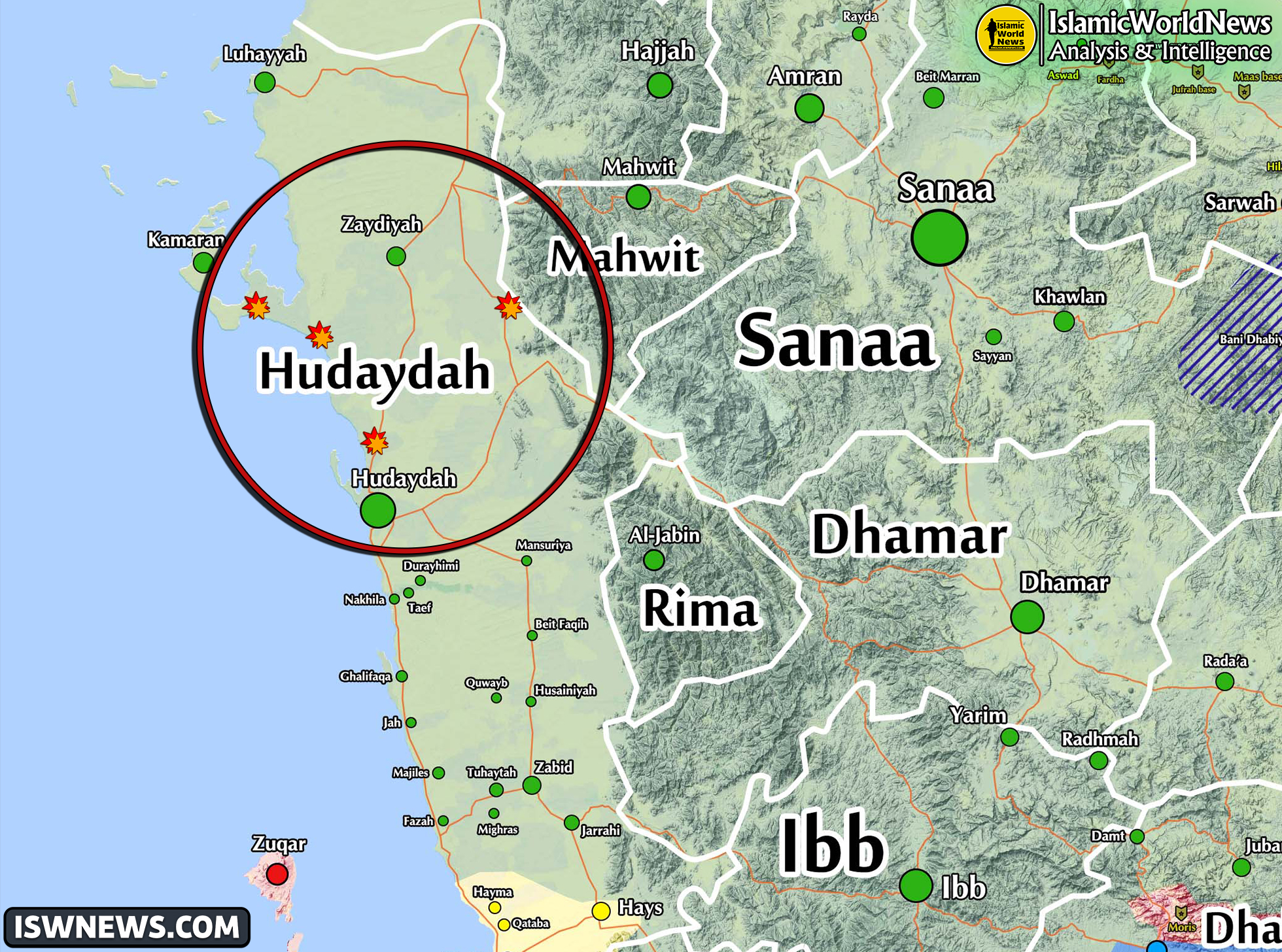
    Israeli-UAE military base in Zuqar island

    Israel’s use of this island could pose a serious threat and could serve as a launch point for Israeli drones conducting terrorist operations deep inside Yemen.

    Zuqar Island is one of Yemen’s islands in the Red Sea, covering 130 square kilometers and located off the western coast of Al Hudaydah province. Positioned in the middle of the Red Sea, it plays a key role in controlling commercial shipping routes. The island is 29 km from Yemen’s coast, and Yemeni armed forces, operating from Al-Tuhayta, can target it with artillery and destroy the Emirati-Israeli facilities stationed there.

  • Saudi-UK Joint Initiative to Counter Yemeni Naval Operations

    Saudi-UK Joint Initiative to Counter Yemeni Naval Operations

    The initiative was unveiled during a summit hosted by the Saudi Foreign Ministry in Riyadh, attended by representatives from over 35 countries—including the U.S., UK, Canada, Australia, China, Japan, the European Union, Gulf Arab states, and Yemen’s exiled government.

    British Ambassador to Yemen, Abdo Sharif, explained that the goal of this maritime security partnership is to address serious threats such as smuggling and piracy, while also promoting regional stability and safeguarding global trade routes.

    Under the ten-year plan, participating nations will provide financial aid and military equipment to enhance the capabilities of Yemen’s coast guard. Saudi Arabia has taken the lead by pledging $4 million in aid, along with a package of training and military gear for the Yemeni forces.

    The initiative, titled “Partnership for Yemen’s Maritime Security,” is being spearheaded by Saudi Ambassador Mohammed Al Jaber and British Ambassador Abdo Sharif. Despite broad international participation in the launch event, substantial military and financial support is unlikely to materialize within the current calendar year. However, growing economic pressure from the naval blockade in the Red Sea and Gulf of Aden may eventually compel the EU and other U.S.-Israeli allies to take more decisive action in Yemen.

    Over the past two years, the Red Sea and Gulf of Aden have become focal points for Yemeni armed forces targeting commercial and military vessels linked to Israeli, American, and British interests. These operations—carried out in solidarity with the Palestinian cause—have included more than 215 maritime attacks using ballistic missiles, cruise missiles, drones, and explosive-laden unmanned surface vessels.

    Yemen #Saudi #UK

  • Two Killed in American Drone Strike on al-Qaeda Suspects in Yemen

    Two Killed in American Drone Strike on al-Qaeda Suspects in Yemen

    Bin Arfaj’s father was a senior al-Qaeda figure in Yemen who was killed in a previous U.S. operation. The affiliation of the two individuals with al-Qaeda has not yet been officially confirmed by the group’s media outlets.

    According to Western media data, the U.S. military has carried out over 380 counterterrorism air operations targeting al-Qaeda in Yemen over the past two decades.

    It’s worth noting that the Southern Transitional Council and several Yemeni media sources claim that Saudi Arabia is a key supporter of al-Qaeda in Yemen, allegedly aiming to weaken southern factions and prevent their influence from expanding into central regions of the country.

  • Yemen Responds with Firepower: Drone and Missile Strikes Hit Israeli Targets (Video)

    Yemen Responds with Firepower: Drone and Missile Strikes Hit Israeli Targets (Video)

    According to footage, one drone entered Eilat from the eastern direction of occupied Palestine and struck the Jacob Hotel, causing material damage but no reported casualties.

    Yemen drone struck Jacob hotel in Eilat
    Yemen drone struck Jacob hotel in Eilat

    Brigadier General Yahya Saree announced that Yemen’s missile forces successfully hit a sensitive Israeli military site in Tel Aviv using the hypersonic ballistic missile “Palestine-2.” The strike triggered mass panic, sending millions into shelters and forcing the closure of airspace over occupied territories.

    Simultaneously, Yemen’s drone units carried out two coordinated operations: three drones targeted multiple sites in the Eilat region, while another drone struck a high-value target in Be’er Sheva, southern occupied Palestine. According to Saree, both missions achieved their objectives.

    These attacks mark the 200th to 202nd aerial operations by Yemeni forces against Israeli positions in occupied Palestine.

  • Yemen Strikes Back: Hypersonic Missile Targets Tel Aviv And Ramon Airport Amid Rising Tensions

    Yemen Strikes Back: Hypersonic Missile Targets Tel Aviv And Ramon Airport Amid Rising Tensions

    According to Brigadier General Yahya Saree, the missile unit deployed a Palestine-2 hypersonic missile to hit a sensitive site in Tel Aviv. The strike reportedly succeeded, triggering mass panic and sending millions of settlers into shelters.

    In a parallel operation, a suicide drone targeted Ramon Airport, located in the northern part of Umm al-Rashrash (Eilat) in southern Israel.

    The Yemeni military emphasized that these operations were carried out in support of Palestinian resistance and as a response to Israeli airstrikes on civilian infrastructure in Yemen. They reiterated their commitment to continue attacks until Israel ends its war and blockade on Gaza, and called on Arab and Islamic nations to break their silence and fulfill their responsibilities toward the Palestinian people.

    According to data from Islamic World News, these were the 198th and 199th aerial operations by Yemeni forces against Israeli positions in the occupied territories.

    Yemen’s military campaign in support of Palestine began on October 19, 2023, targeting Israeli assets both on land and at sea. The campaign escalated with the seizure of the Israeli ship Galaxy Leader and attacks on over 215 Israel-linked vessels in the Red Sea, effectively halting Israeli maritime traffic in the region.

    In addition to naval operations, Yemen has carried out over 190 missile and drone strikes on Israeli positions. During confrontations with the US-UK coalition, Yemeni forces reportedly downed three F-18 Super Hornet jets and 22 MQ-9 drones.

  • Israeli Airstrikes on Hudaydah Port in Yemen

    Israeli Airstrikes on Hudaydah Port in Yemen

    The attacks came shortly after a warning to evacuate the port was issued by Avichay Adraee, the Arabic-language spokesperson for the Israeli military. According to Yemeni media, the airstrikes were met with resistance from Yemen’s air defense systems, which prevented some of the jets from completing their missions. Despite this, 12 strikes hit the port’s docks.

    Israeli media reported that the operation was a response to missile and drone attacks launched by Yemeni armed forces. The stated objective was to disrupt the port’s operations for several weeks, as Ansar Allah allegedly uses Hudaydah to import Iranian weaponry.

    According to analysis by Islamic World News, this marks the 18th Israeli airstrike on Yemen during the current conflict. Previous attacks have targeted civilian infrastructure, including cranes, fuel storage facilities, and service buildings at the port. Hudaydah is a vital hub for essential imports and agricultural exports, playing a key role in Yemen’s fragile economy.

    Efforts to repair the damage from earlier strikes were underway with help from local companies, aiming to restore the port’s ability to receive domestic and international ships. However, the latest attacks have delayed reconstruction efforts and intensified economic pressure on Yemen, especially amid ongoing assassinations of government officials.

  • Yemeni Armed Forces Target Israeli Positions with Suicide Drones

    Yemeni Armed Forces Target Israeli Positions with Suicide Drones

    According to the statement, three drones targeted Ramon Airport near Eilat, while a fourth struck a military site in the Negev region of southern occupied Palestine.

    Data compiled by Islamic World News indicates that this marks the 197th aerial operation by Yemeni forces against Israeli regime targets in occupied Palestine.

  • Fear and Tension Rise as STC Cracks Down on Militants in Southern Yemen

    Fear and Tension Rise as STC Cracks Down on Militants in Southern Yemen

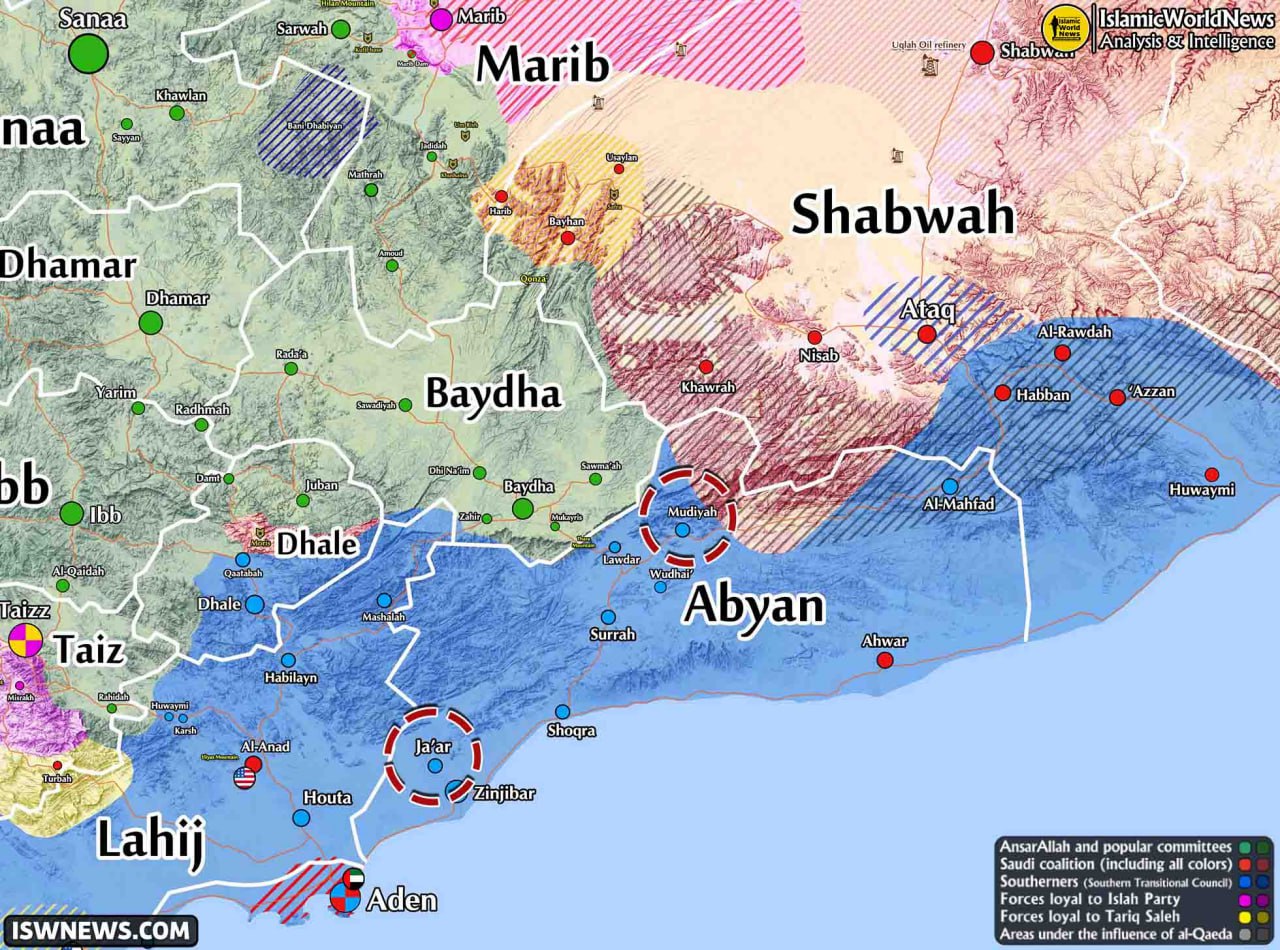
    To tighten control, STC forces—supported by the Security Belt Forces (Hizam al-Amni)—have set up checkpoints along both main and secondary roads in the targeted districts. Several residents of Ja’ar have reportedly been arrested on suspicion of planting improvised explosive devices (IEDs) targeting STC military vehicles. However, local sources in Abyan claim these individuals were merely fetching water for their homes and argue that the accusations are unfounded.

    The operation has had a chilling effect on daily life. Fear of arrest has kept Mudiyah residents indoors at night, and even shepherds have stopped grazing their livestock. This disruption has severely impacted livelihoods and local businesses.

    Abyan province has been under al-Qaeda’s influence since the Yemeni crisis began, and before that. In recent years, the Wadi Omran valley, Al-Mahfad administration, Ahwar, Lawdar, and Ja’ar have also been affected by al-Qaeda activity, with Mudiyah administration being the most prominent area.

    Abyan is a key base for the Southern Transitional Council’s control and influence over these areas, serving as a link between Aden and the provinces of Shabwa and Hadramaut.