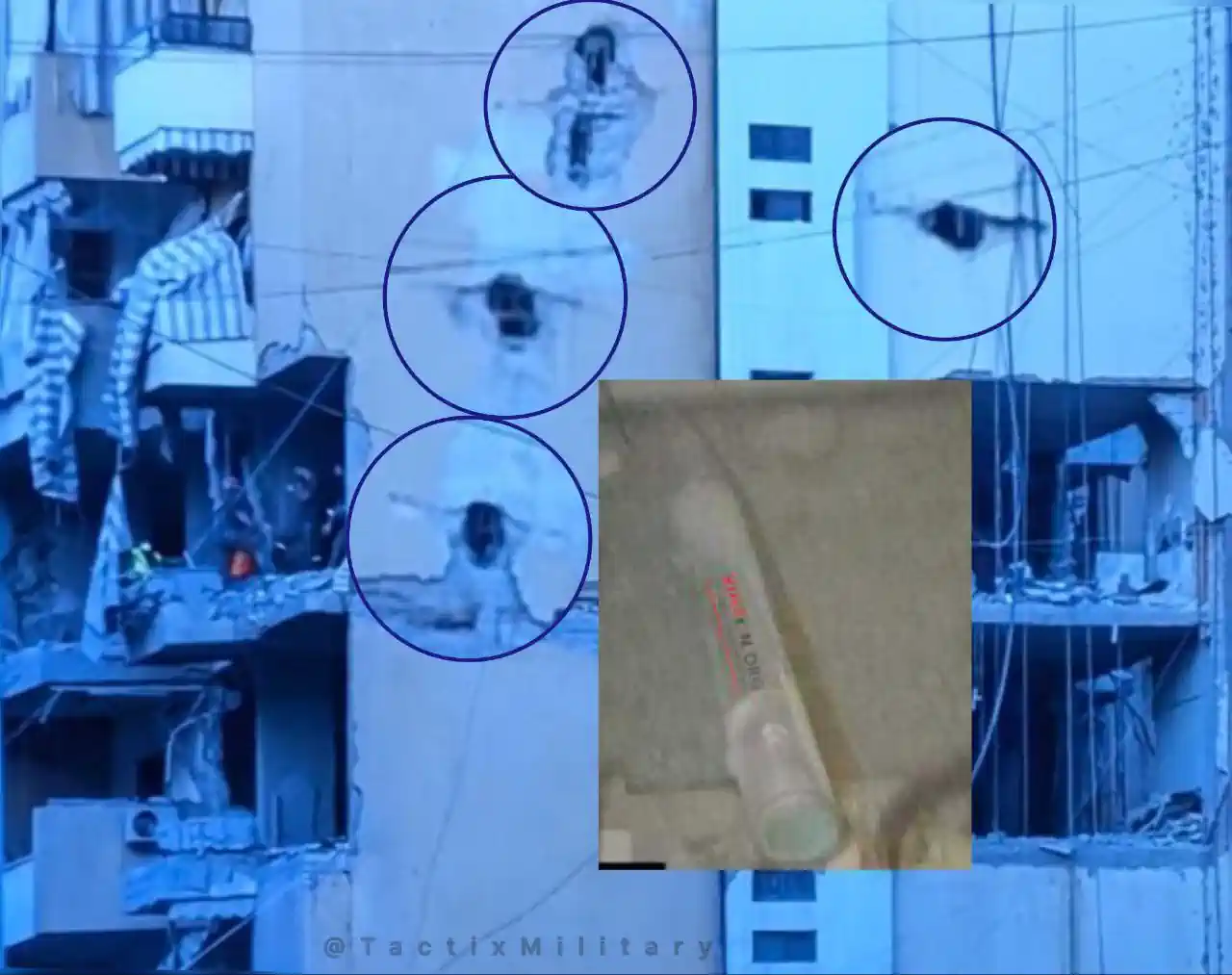
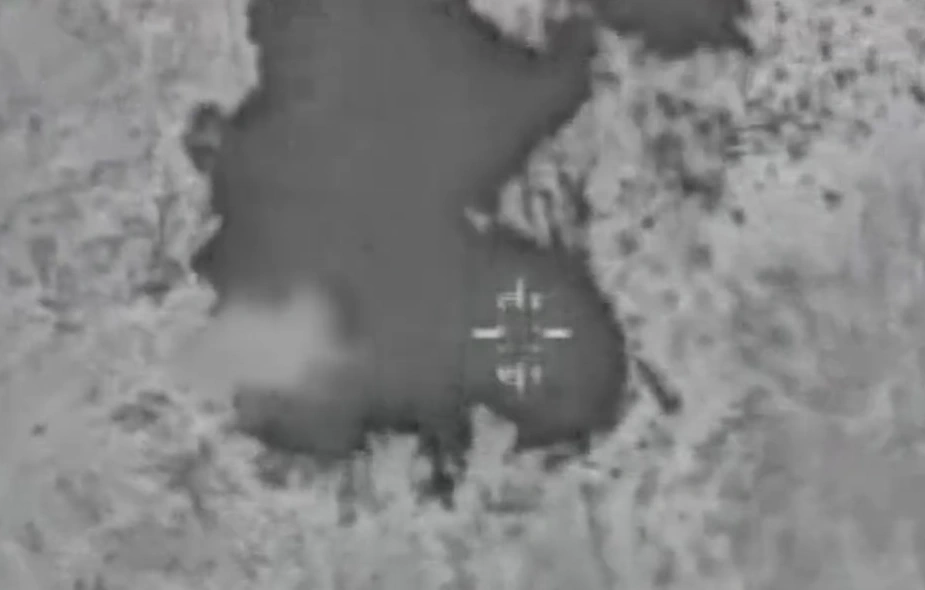
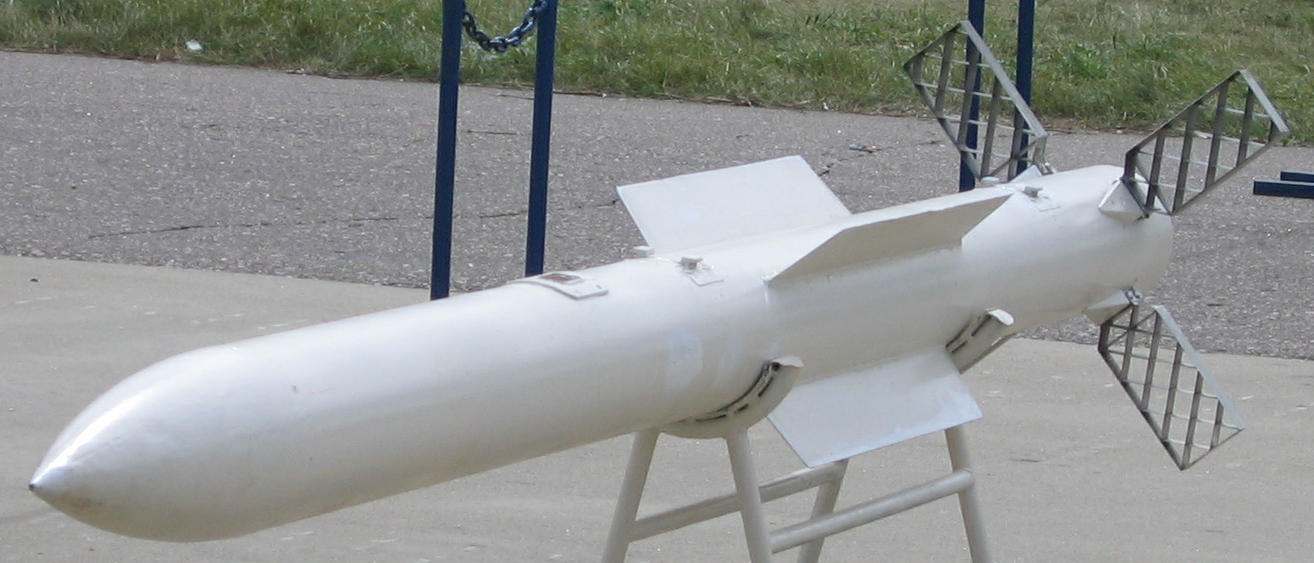
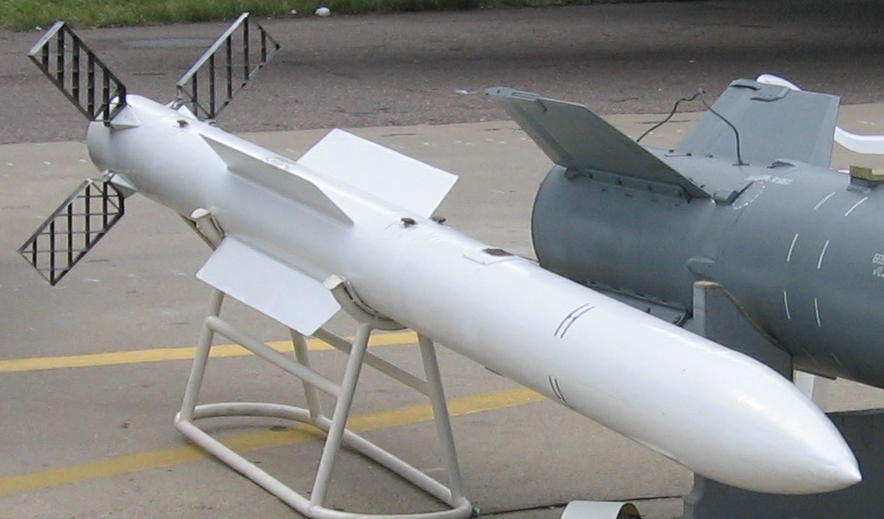
The weapon in question is a GBU-39B glide bomb manufactured by Boeing, considered one of the advanced munitions that Washington supplies only to a limited number of allies.
According to Maariv, eight missiles were fired in the Beirut strike, seven of which detonated while one failed to explode. This prompted Washington to press Lebanon to quickly return the bomb to the US to prevent it from falling into the hands of rival states.
The primary reason for this urgent request is America’s deep concern that the weapon’s technology could be transferred to competitors such as Russia, China, or Iran.
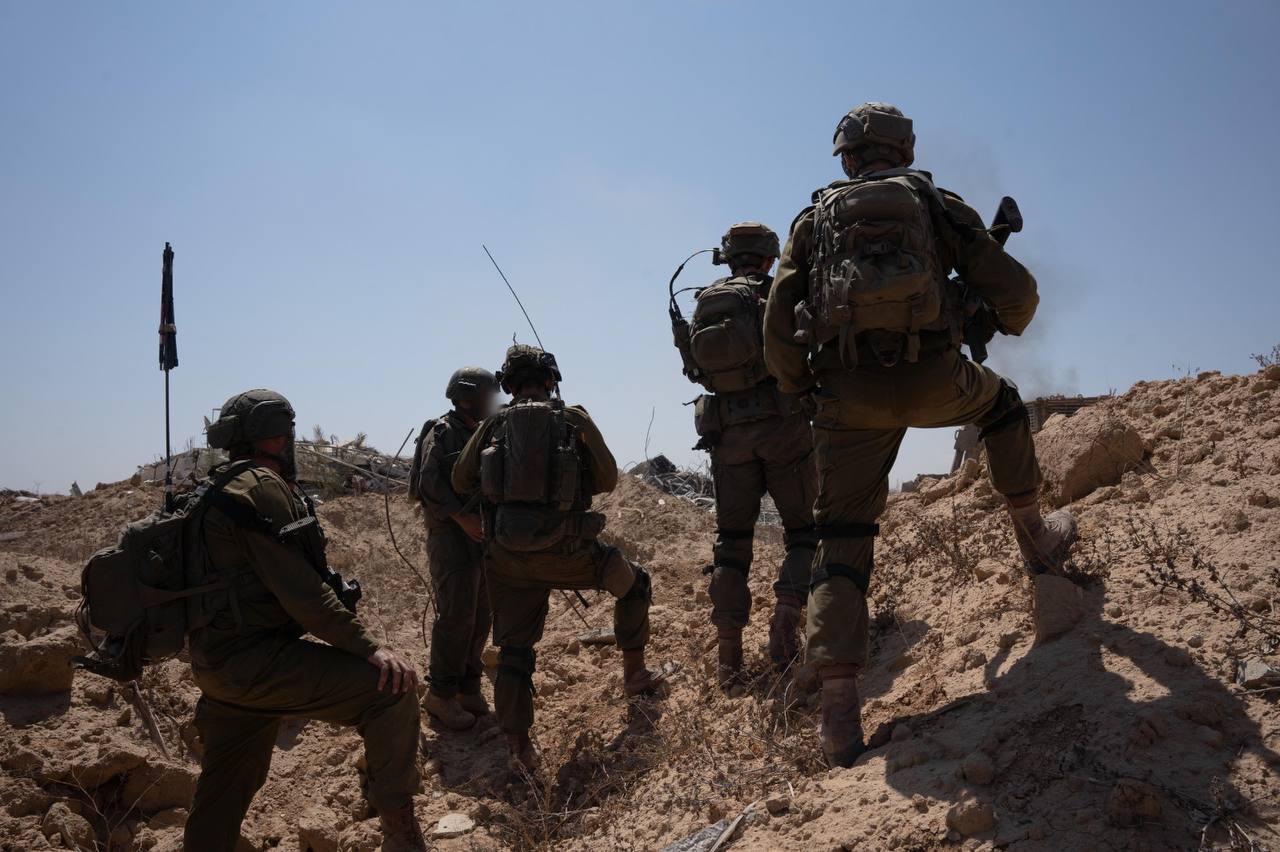
According to an Israeli military statement, reserve paratroopers from the 55th Brigade entered Beit Jinn with the objective of arresting members of the group “al-Jama’a al-Islamiyya.” Israeli authorities claim the group had been planning attacks against Israel in recent weeks. During the operation, armed men opened fire on Israeli forces, leaving six soldiers injured.
Syrian media report that at 3:40 a.m. local time today, Israeli forces infiltrated the Beit Jinn area but were met with resistance from local residents. Simultaneously, Israeli artillery and aircraft targeted positions in Beit Jinn. Footage released by Syrian sources shows Israeli troops abandoning a Humvee during their retreat, which was later destroyed by Israeli aircraft.
Israeli army abandoned a Humvee in Beit Jinn
According to the latest figures, at least 10 Syrians were killed and dozens more wounded in today’s Israeli army assault on Beit Jinn. Israeli drones continue to fly over the area, while several Syrian families are leaving Beit Jinn to seek refuge in safer regions.
Since the Israeli attacks, Abdul Karim has not appeared publicly or attended any meetings. In the meantime, his deputy, Abdul Majid Saghir Ahmed al-Murtadha, has taken charge of running the Interior Ministry and is actively engaged in security affairs.
Given Abdul Karim al-Houthi’s absence from public appearances, the reports seem credible. His exact health status remains unclear, and Ansar Allah has not issued any statement on the matter. Despite being a relatively lesser-known figure in Yemen, he is considered an influential personality within the AnsarAllah movement.
In response, Iraq’s Joint Operations Command condemned the incident, describing it as a terrorist act and highly dangerous. The statement noted that the rocket attack occurred at 11:30 p.m. local time last night, igniting one of the main tanks at this strategic field. While no casualties were reported, the strike damaged the electricity network in Erbil and Sulaymaniyah provinces and negatively impacted Iraq’s energy supply.
This marks the ninth attack on the Kormor gas field since the beginning of 2022.
The vehicles were dispatched from the UAE and transported through the Shahn border crossing between Yemen and Oman, heading toward Shabwah.
This marks the first large-scale and overt military assistance provided by the UAE to the Shabwah Defense Forces in recent years. The UAE aims to equip and mobilize these forces to confront threats from the Islah Party and al-Qaeda in the province, as well as to secure control over the oil-rich areas.
A pro-Israel gathering was reportedly held in the city of Sweida, attended by followers of Sheikh Hikmat al-Hijri. Among the participants was Muhannad Mazhar, a former militia commander. Tsurkov claims that Mazhar and his relatives were previously backed by Syrian military intelligence and Hezbollah during Bashar al-Assad’s rule, and were involved in drug trafficking, kidnappings, secret detention centers, extortion, and corruption networks. Following the collapse of state authority in southern Syria, individuals accused of war crimes have rallied around al-Hijri and now play a role in shaping the region’s security and social structures.
Tsurkov also cited reports from Israel’s Kan network and Reuters, which state that Israel provides equipment and monthly salaries to militias loyal to al-Hijri, while maintaining a direct presence in the Druze village of Hadr near the Golan border. Israel has reportedly taken responsibility for securing the village, which during Syria’s civil war served as a Hezbollah hub for monitoring Israeli military movements.
In another section of her report, Tsurkov argues that while Israel should not abandon Syrian Druze to attacks from newly dominant forces in the south, unconditional support for al-Hijri and his controversial commanders has enabled criminal elements and former Hezbollah affiliates to exploit this backing for personal immunity and continued activities. She concludes by stressing that within the Druze community, healthier and less controversial alternatives exist that Israel could rely on to safeguard minority security in southern Syria.
The attack left five people dead and two others from their entourage wounded. It is still unclear which group or tribe carried out the assault, but given Governor Shamsan’s ties to Tariq Saleh, it is suspected that Islah Party militants may have been behind it.
The Islah Party and Tariq Saleh are locked in a serious rivalry over control of Taiz city and province, a tension that has escalated in recent months. Nabil Shamsan had also survived a terrorist attack in April 2023.
Protesters chanted slogans such as “No to terrorism” and “United Syria,” demanding the release of detainees, an end to kidnappings and killings, and the implementation of a decentralized system of governance. They stressed that their demands are purely humanitarian and social, aimed at achieving peace and coexistence in Syria.
Reports indicate that al-Julani’s security forces used live ammunition to disperse demonstrators in some areas, leaving several Alawites injured in the shootings.
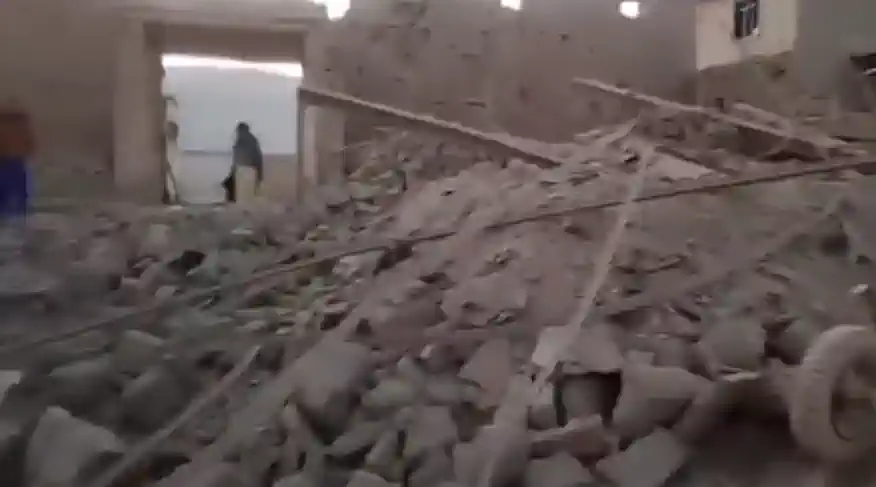
On the other hand, Pakistan has firmly rejected the Taliban’s claims of conducting airstrikes, calling them “baseless propaganda.” Islamabad stressed that it has not carried out any such operations, suggesting that the reported explosions were likely the result of internal Afghan conflicts or staged incidents. The Director General of ISPR also voiced concerns about possible involvement of Indian-backed infiltrators in spreading false narratives.
These developments come at a time when the fragile ceasefire between the two countries is barely holding, with each side blaming the other for the deadlock in negotiations.
The drill, set to last several days, started with an evaluation of the preparedness of the army’s 210th Division — the unit responsible for the border area with Syria in the Golan Heights as well as parts of the frontier with Lebanon. The army stated that the main objective is to test the division’s ability to respond swiftly to sudden events.
During the exercise, all stages of situation assessment, decision-making processes, force activation, and field command of Israeli troops will be examined. Officials emphasized that the drill had been planned in advance and is not directly related to recent developments!!
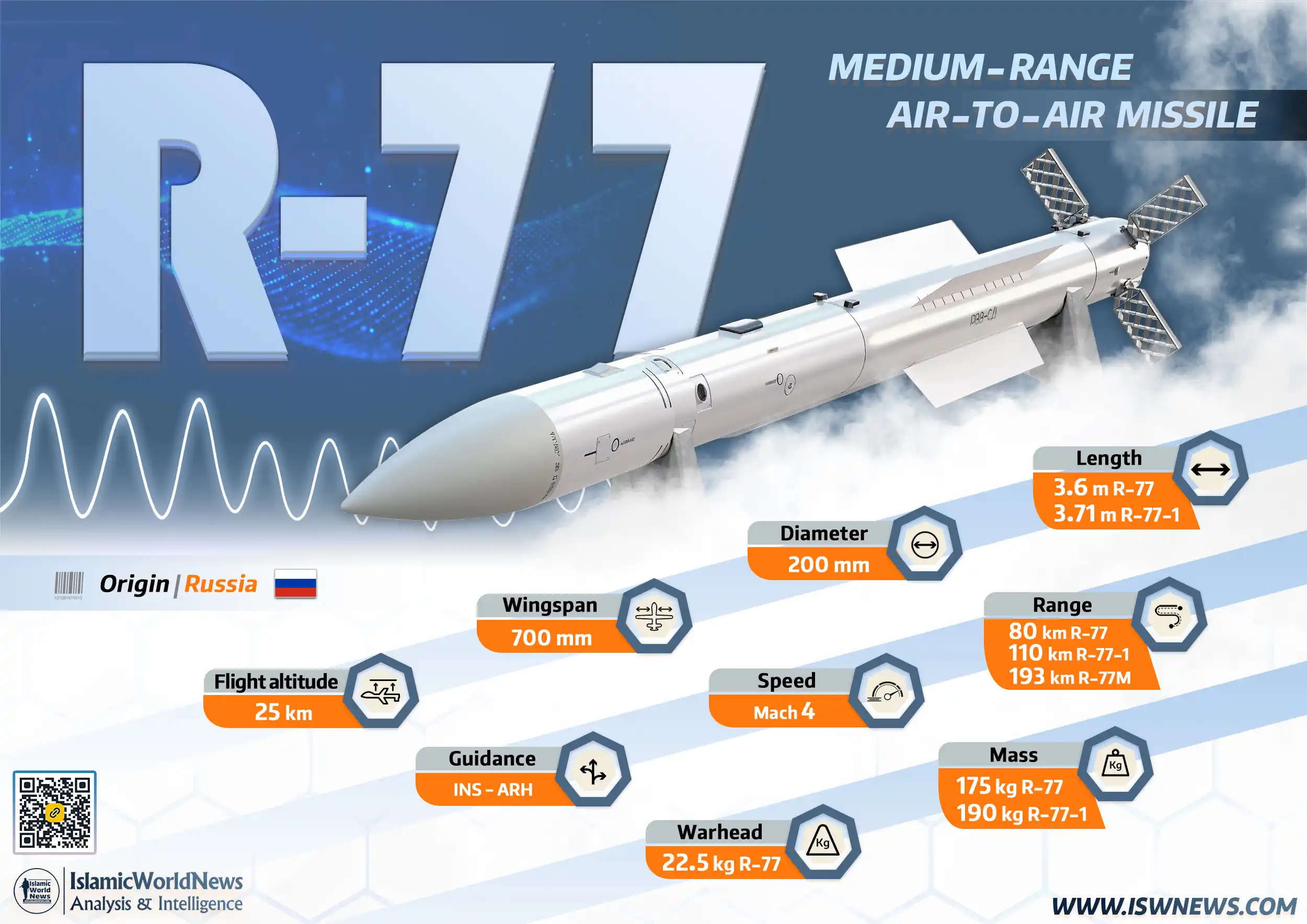
Development of the active radar-guided R-77 air-to-air missile began in 1982 at the Molnija OKB design bureau in Soviet Ukraine (Ukrainian SSR). Today, the Vympel bureau is recognized as the primary designer of the R-77. The first version, designated izdeliye 170 (product 170), was manufactured at the Artem plant following the dissolution of the Soviet Union in 1991. It was publicly unveiled at the MAKS Airshow in Moscow in 1992, where Western journalists nicknamed it “Amraamski.”
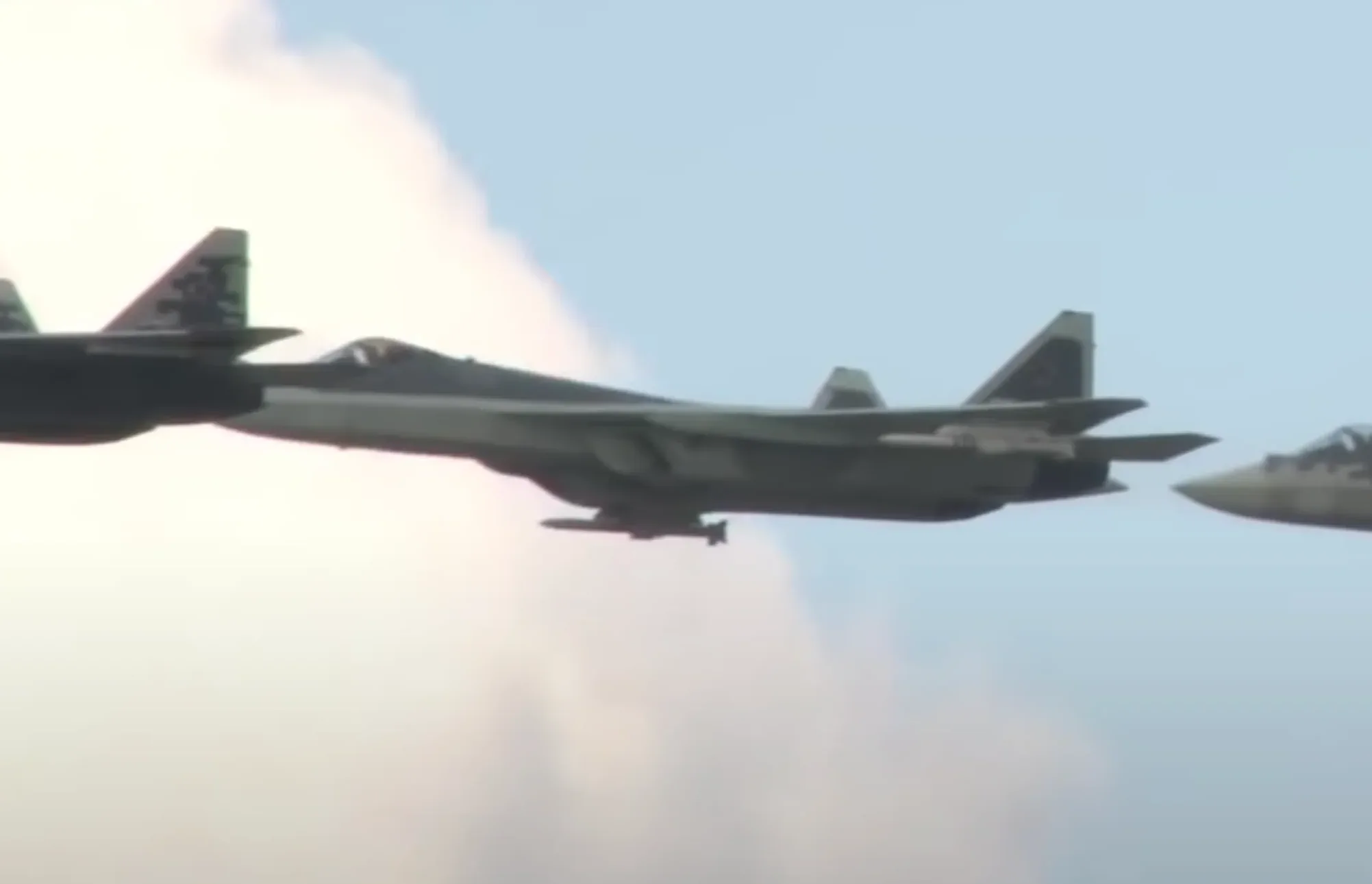
Over time, the R-77 entered service with upgraded Russian fighters such as the Su-27, MiG-29, and MiG-31 within the Aerospace Forces.
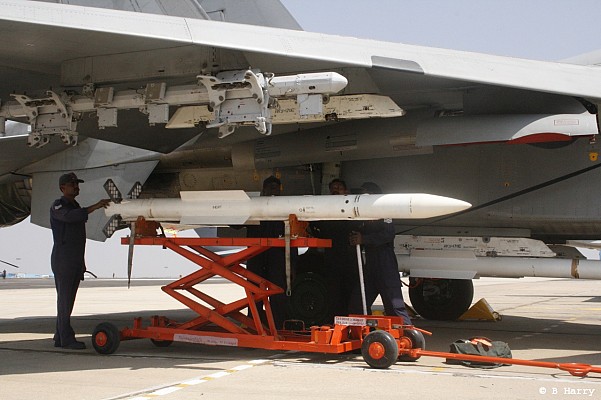
The export variant, known as izdeliye 190 or RVV-AE, has a range of 80 kilometers. It was widely marketed abroad, with India and China among the first major buyers, integrating the missile on the Chinese J-11 and Indian Su-30MKK fighters. Other Su-30 operators — including Malaysia, Indonesia, Vietnam, Venezuela, and Algeria — also acquired the RVV-AE. Additionally, Yemen and Syria purchased the missile for use on upgraded MiG-29SE aircraft, with Yemen further modifying the weapon for air defense applications.
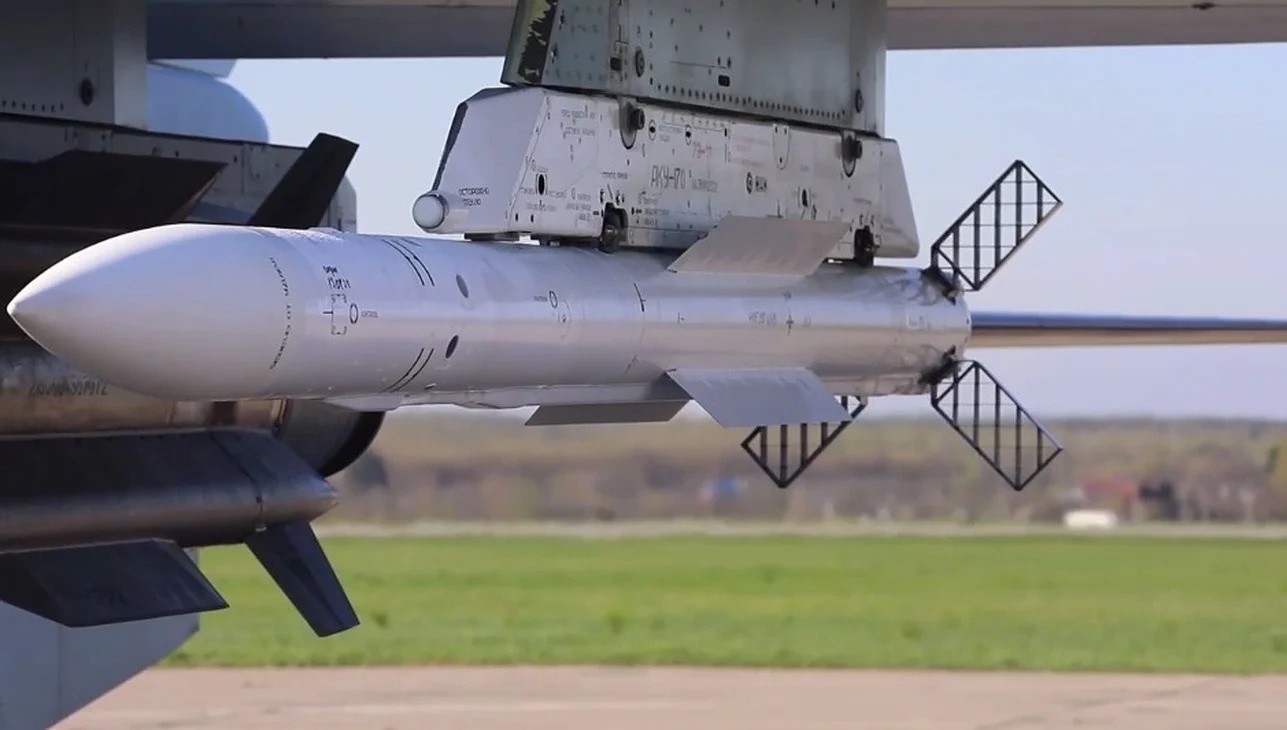
R-77 missile on Indian Su-30MKK fighter
Vympel initiated development of the RVV-AE-PD variant, equipped with a ramjet engine and designed for a range of 120 to 160 kilometers. The company also worked on the R-77M, a longer, heavier, two-stage missile intended to expand the capabilities of the R-77 family. However, during the 1990s, the economic turmoil following the collapse of the Soviet Union left Vympel without sufficient funding, forcing the abandonment of both the RVV-AE-PD and R-77M programs.
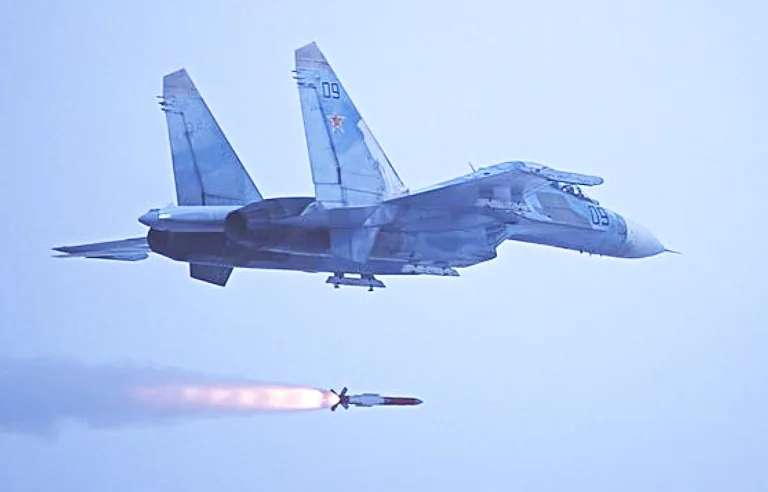
A Sukhoi Su-35 fighter jet firing an R-77 missile.
The KTRV company, short for “Tactical Missiles Corporation,” was established in 2002 by order of President Vladimir Putin. It became Russia’s first integrated military-industrial structure, consolidating scientific and production resources to develop advanced guided missiles and tactical weapon systems. Since then, the Vympel design bureau has operated under KTRV, tasked with the development, design, and production of air-to-air missiles.
Design of the R-77 Missile
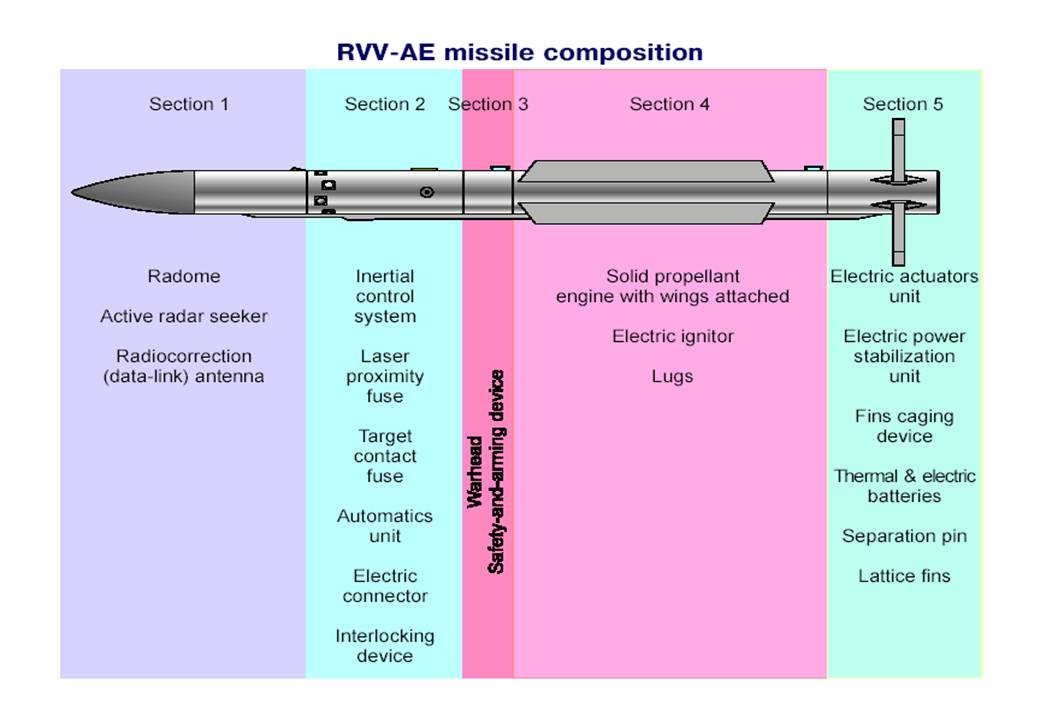
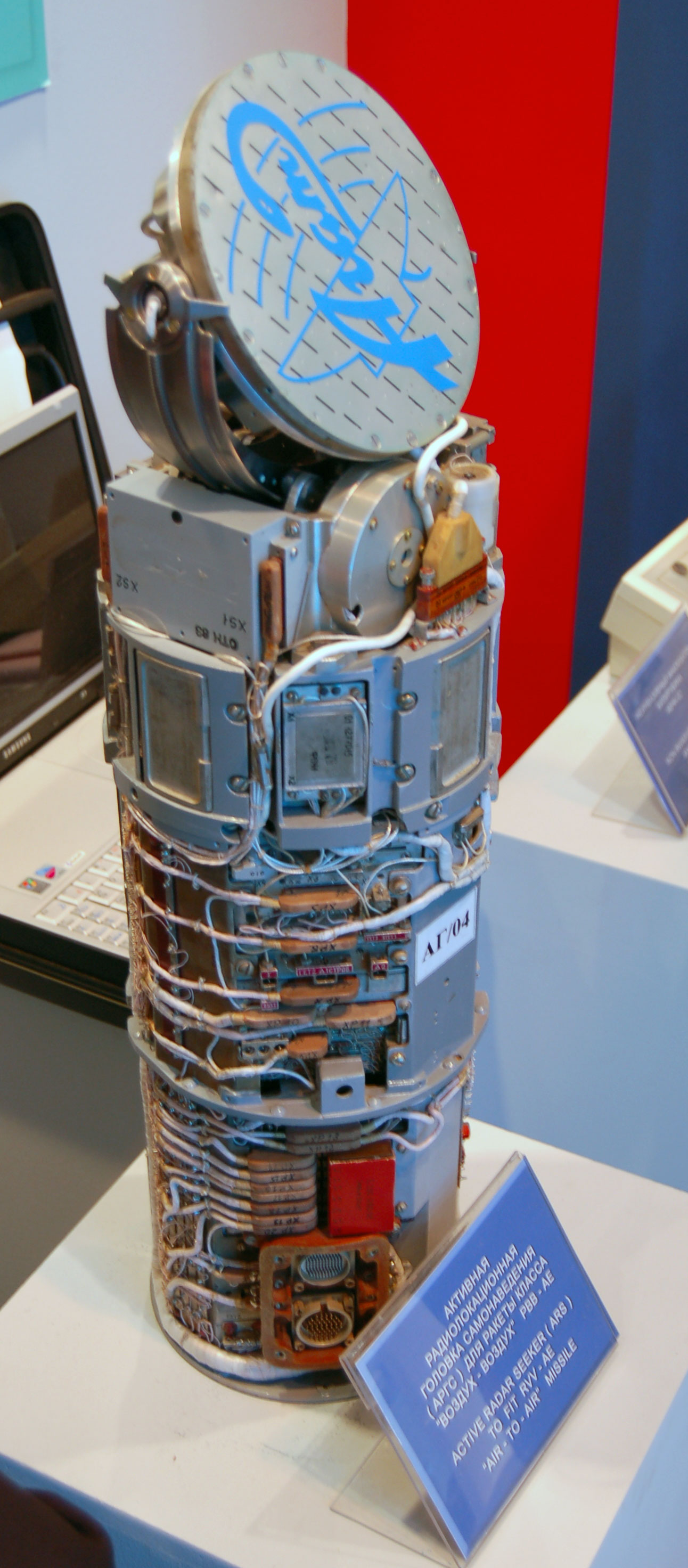
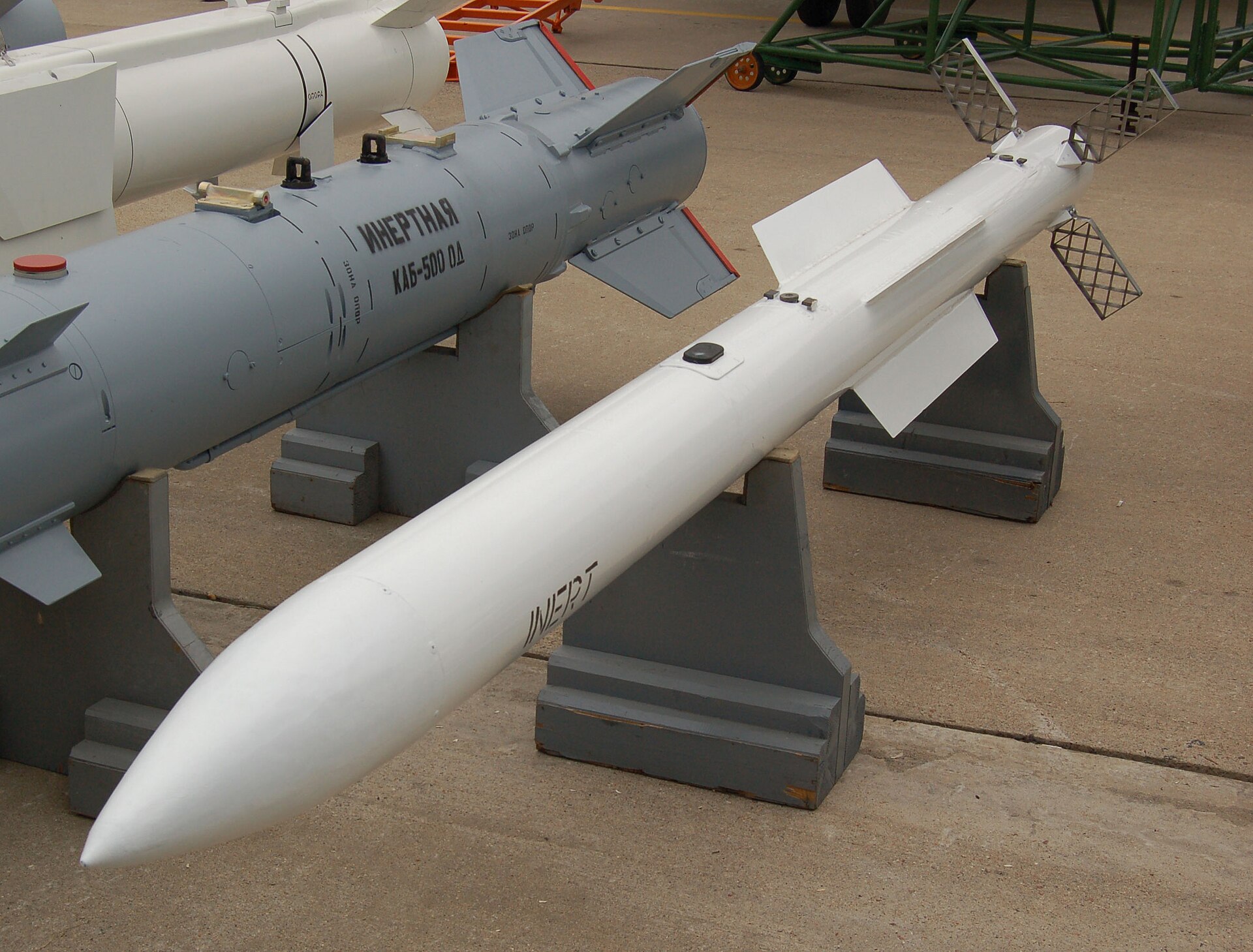
The R-77 is a medium-range, solid-fuel air-to-air missile equipped with an active radar seeker. At the front of the missile is the radar unit, followed by the control section and then the warhead. Behind the warhead lies the fuel compartment and solid-propellant motor. The missile features four mid-body fins for stability and four movable lattice fins at the rear, which serve as control surfaces to provide high maneuverability during flight.
Different parts of the R-77 missile
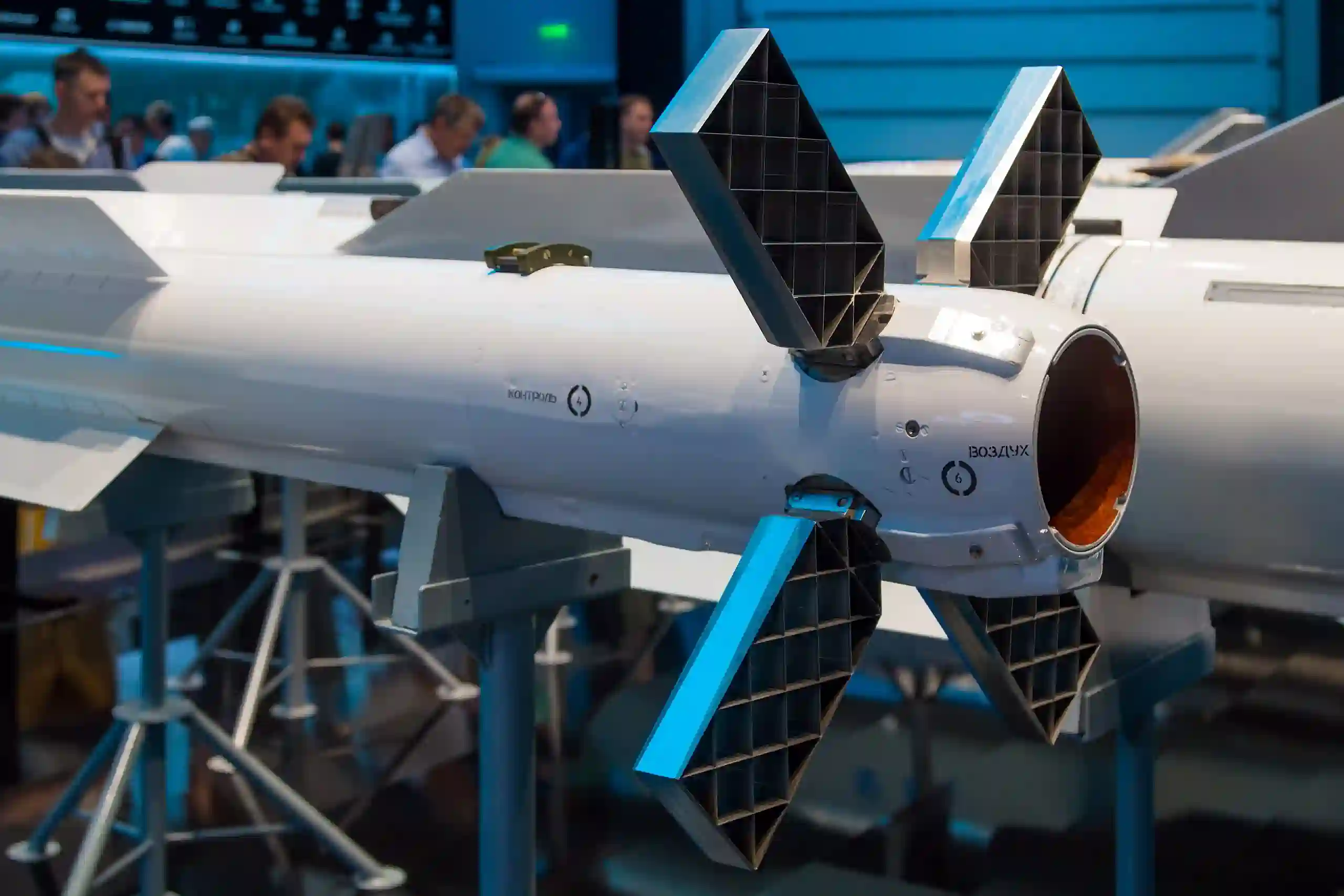
The use of lattice fins gives the missile exceptional agility, allowing it to achieve angles of attack up to 40 degrees. These fins generate minimal drag and, thanks to their stable hinge moment across all speed ranges, altitudes, and angles of attack, they keep airflow steady and controllable. When folded, the fins do not extend beyond the missile’s cross-section, ensuring their span remains narrower than the missile’s wingspan. Their light weight and short length also make it possible to store a greater number of missiles inside the internal bays of next-generation fighters.
Image of the lattice fins at the end of the rocket
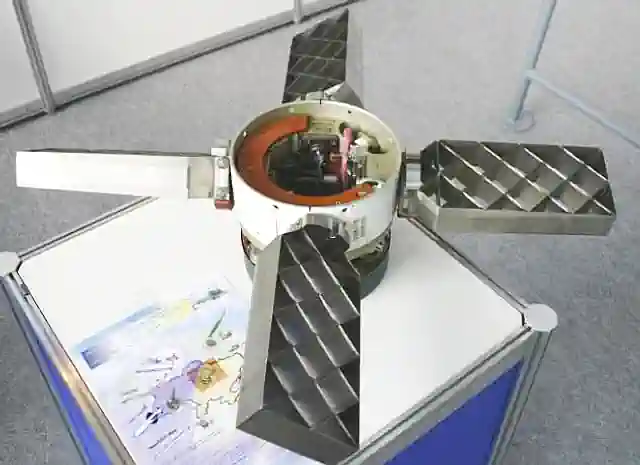
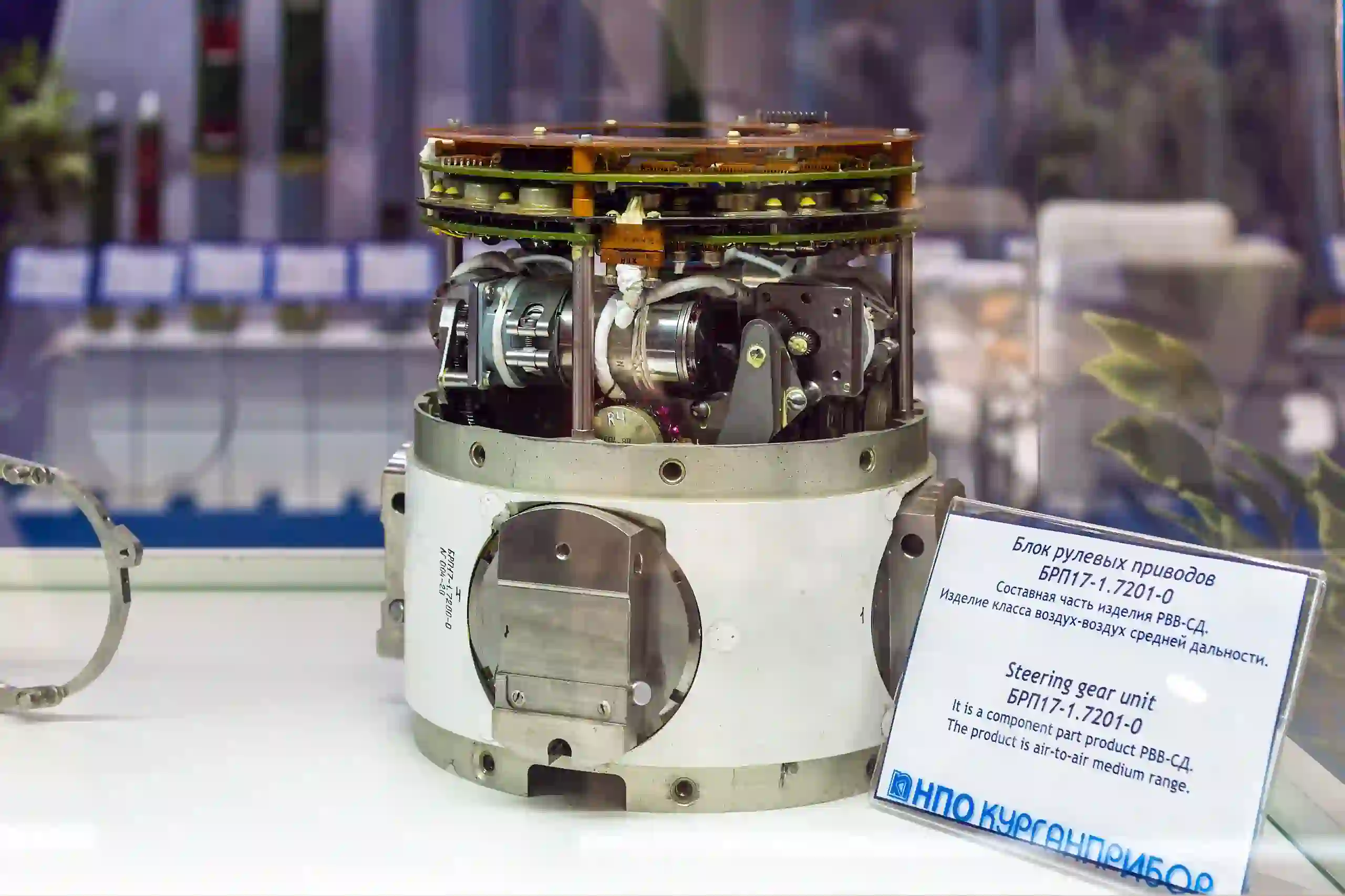
Because of the small chord, the hinge moment is also reduced and shows little dependence on speed, altitude, or angle of attack. The required hinge moment is less than 1.5 kg·m, which has made it possible to employ compact and lightweight electric actuators to control the lattice fins. This design choice not only enhances efficiency but also simplifies integration into modern fighter aircraft systems.
Lattice control surfaces and small electric actuators for steering
These lattice fins maintain effectiveness at angles of attack up to 40 degrees and possess high structural rigidity, which positively influences flight control quality.
Like any engineering solution, lattice fins also have drawbacks — notably increased aerodynamic drag and a larger radar cross-section. However, their foldable design helps offset these disadvantages, enabling internal carriage of the missile within fighter bays.
The missile employs a multifunction active Doppler radar seeker developed by OAO Agat. In the terminal attack phase, this seeker can actively engage targets from a distance of 20 kilometers. Guidance is provided by an inertial navigation system, which can be updated via encrypted data links from the launching aircraft. This allows the missile to track and adjust to target movements mid-flight, and once within 20 kilometers, it independently acquires and strikes the target.
An image of the R-77 missile radar displayed at the MAKS 2009 exhibition.
The R-77 missile is equipped with a 22 kg high-explosive fragmentation warhead. Its proximity fuse allows detonation near the target, a feature particularly effective against cruise missiles, which present smaller impact surfaces.
Variants of the R-77
R-77 (izdeliye 170) – The standard, baseline version developed during the Soviet era.
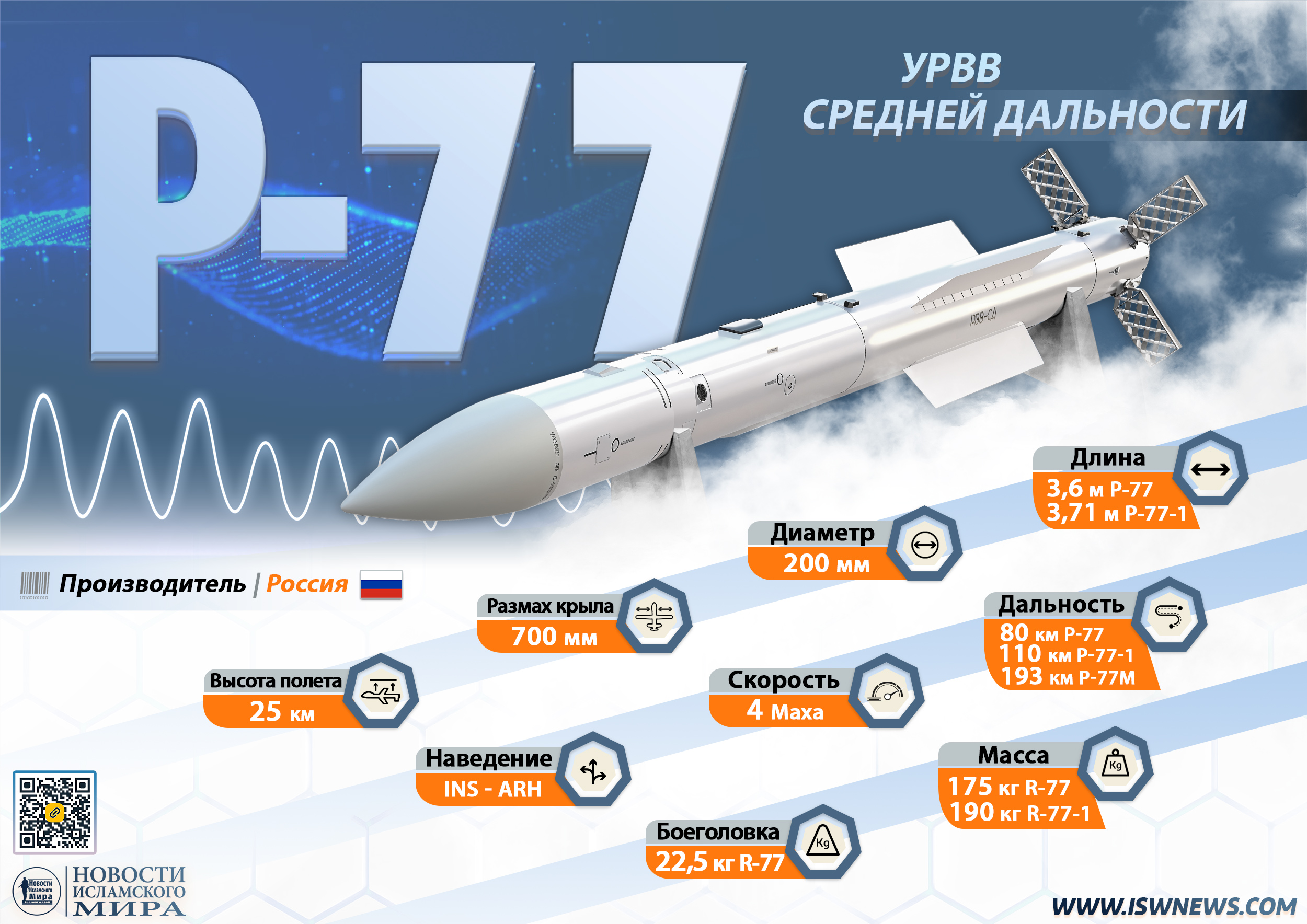
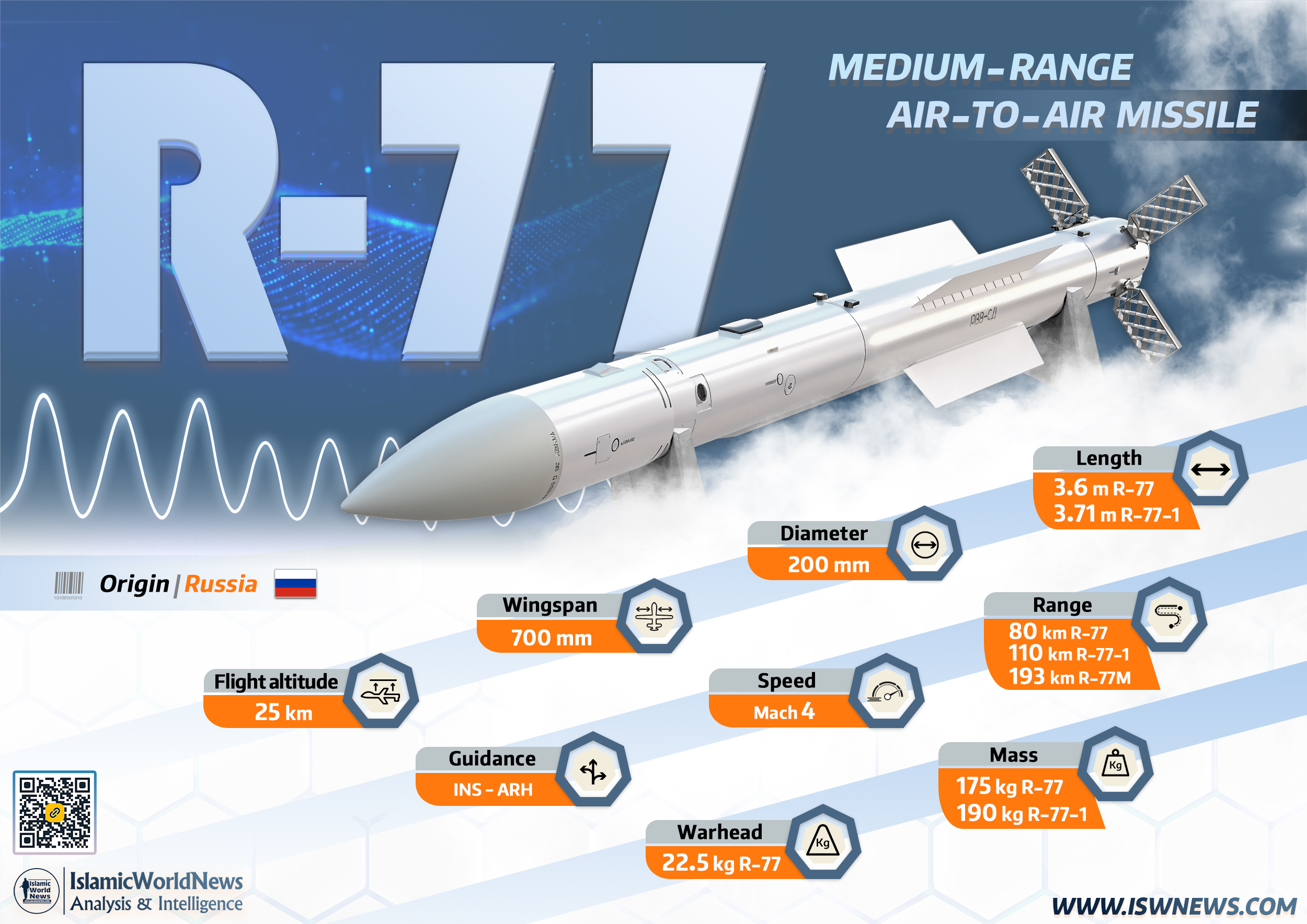
RVV-AE (izdeliye 190) – The export model derived from the R-77, with a shorter range compared to newer versions. It has a maximum range of 80 km and carries a 22.5 kg warhead. The missile can intercept targets flying at speeds up to 3,600 km/h. Guidance relies on an inertial navigation system with mid-course updates via data link, and in the terminal phase it uses active radar homing. This makes it a true “fire-and-forget” weapon.
Specifications of the R-77 (RVV-AE) Missile
Type: Active radar-guided air-to-air missile First unveiled: 1992 Length: 3.6 meters Diameter: 0.2 meters (20 cm) Wingspan (mid-body fins): 0.4 meters (40 cm) Rear fin span: 0.7 meters (70 cm) Maximum range: 80 kilometers Engagement altitude: up to 25 kilometers Missile weight: 175 kilograms Warhead weight: 22.5 kilograms (high-explosive fragmentation) Propulsion: Single-pulse solid-fuel rocket motor Speed: Mach 4 Fuse: Laser proximity fuse
RVV-AE (R-77) missile at the MAKS 2009 exhibition
R-77-1 (izdeliye 170-1) – This is the upgraded variant featuring a more aerodynamic nose cone, the active radar seeker 9B-1248, and redesigned control surfaces. Its range has been extended to 110 km, weight increased to 190 kg, and overall length to 3.71 meters. Production began in 2003, with four prototypes introduced in 2005. The R-77-1 was developed for deployment on the Su-35S fighter and Su-34 bomber, and it also forms part of the future armament suite of the fifth-generation Su-57, capable of being mounted on its external hardpoints. The upgraded MiG-31BM can carry up to four R-77-1 missiles.
RVV-SD – This is the export version of the R-77-1, with specifications virtually identical to the original R-77-1.
R-77-1 missile
R-77M (izdeliye 180) – Also known as K-77M, this missile represents a modernized mid-life upgrade for the R-77 family. It has been developed as the primary medium-range weapon for the Su-57 and Su-35S fighters. The R-77M is powered by a dual-pulse rocket motor and equipped with an active electronically scanned array (AESA) radar seeker, specifically the 9B-1103M2. Unlike earlier versions, it replaces lattice fins with conventional rear fins. This design aims to deliver performance comparable to the latest variants of the AIM-120. Many analysts consider it a continuation of the R-77M program that was abandoned in the 1990s due to financial constraints.
The missile’s range is reported to reach 193 kilometers, making it the longest-range member of the R-77 family.
On October 4, 2020, Russia’s Ministry of Defense released a video marking the centenary of the Chkalov State Flight Test Center, which for the first time showed the Su-57 carrying the R-77M.
A Sukhoi Su-57 fighter equipped with an R-77M missile.
The R-77 missile family has spawned several additional projects, which can be outlined as follows:
R-77P / RVV-PE– A passive radiation homing version of the R-77. In this model, which never entered mass production, the missile relied on the fighter’s radar guidance until the final stage.
R-77T / RVV-TE– An infrared homing variant of the R-77. This version used an infrared seeker in the nose to track heat emissions from aircraft engines and other hot components.
R-77-SRK– A navalized air-defense missile, optimized for launch from ships.
R-77-ZRK / RVV-AE-ZRK– A ground-based air-defense adaptation of the R-77, designed for use in surface-to-air systems.
R-77-PD / RVV-AE-PD– As noted earlier, this ramjet-powered version was developed in the 1990s to achieve a range of 120–160 km. However, financial difficulties after the Soviet collapse halted its progress. Its concept is often compared to the European Meteor missile.
R-77-PD ZRK– A surface-to-air air-defense missile variant of the R-77, also powered by a ramjet engine.
K-77ME (izdeliye 180-BD) – A ramjet-powered derivative of the R-77M, developed specifically for integration with the fifth-generation Su-57 fighter.
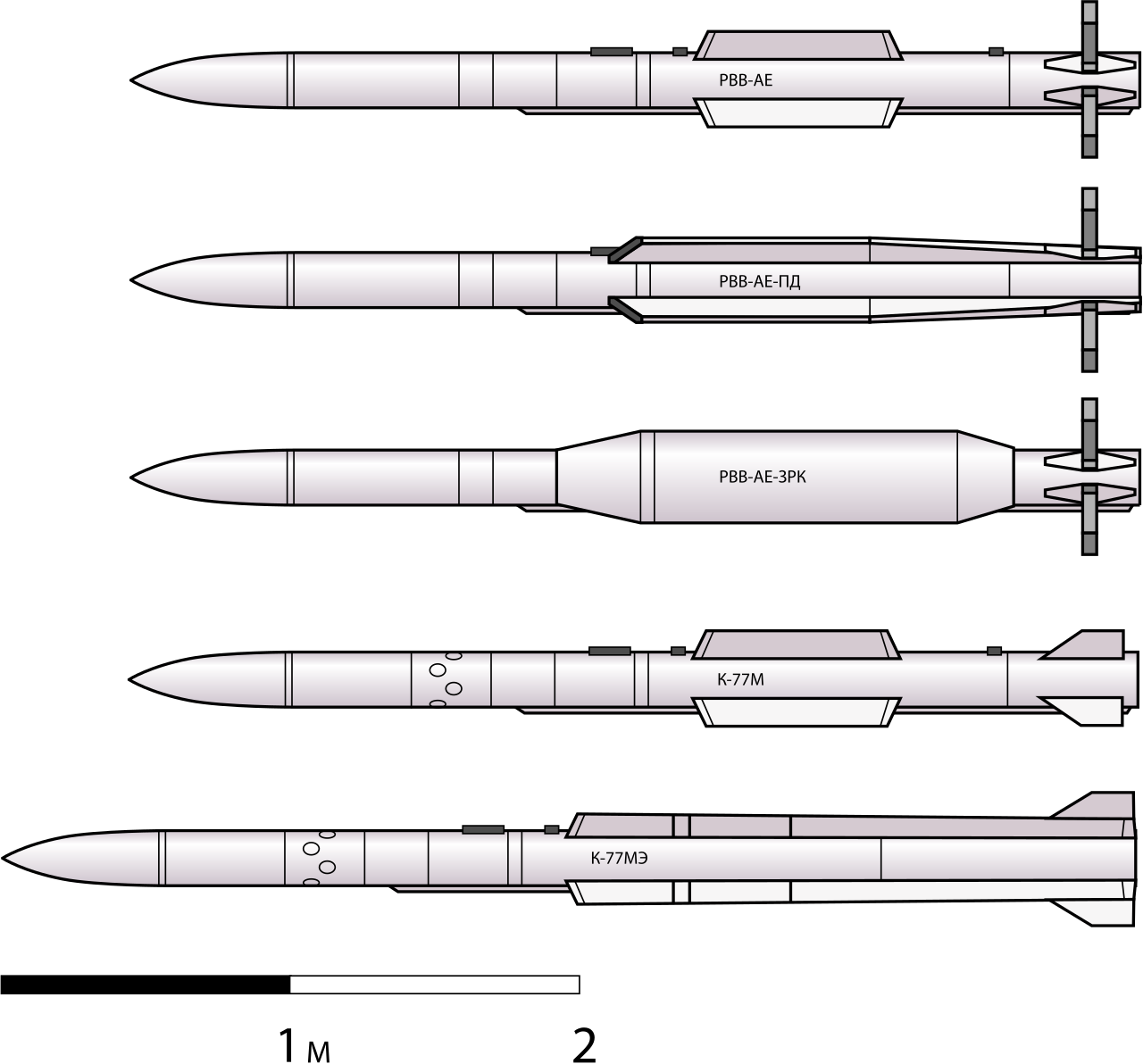
Images of R-77 missiles, from top to bottom: R-77, R-77-PD, RVV-ZRK, K/R-77M, K-77MER-77 air-to-air missile – click to view images in full size
In addition, the price of the Russian missile has tripled in recent years, rising from about $400,000 in 2019 to over $1.2 million. These challenges have opened the door for India to position Astra Mk1 as a viable alternative for operators of Su and MiG fighter families.
It should be noted that Astra Mk1 is already in mass production by India’s Defence Research and Development Organisation (DRDO), both as part of Tejas Mk1A fighter contracts and for integration into India’s Su-30 fleet.
The Astra Mk1 has a maximum range of 110 km, features an indigenous Ku-band active radar seeker, and is fully compatible with Russian launch pylons. An upgraded version, Astra Mk2, is under development with a range of up to 160 km, with future enhancements potentially extending beyond 200 km.
Reports suggest that after recovering a Chinese PL-15E missile fired by Pakistan and crashed in Punjab during recent clashes, India analyzed its advanced technologies — including a compact AESA radar, a high-energy solid-fuel motor capable of speeds above Mach 5, and sophisticated electronic countermeasures — to incorporate them into the next generations of Astra.