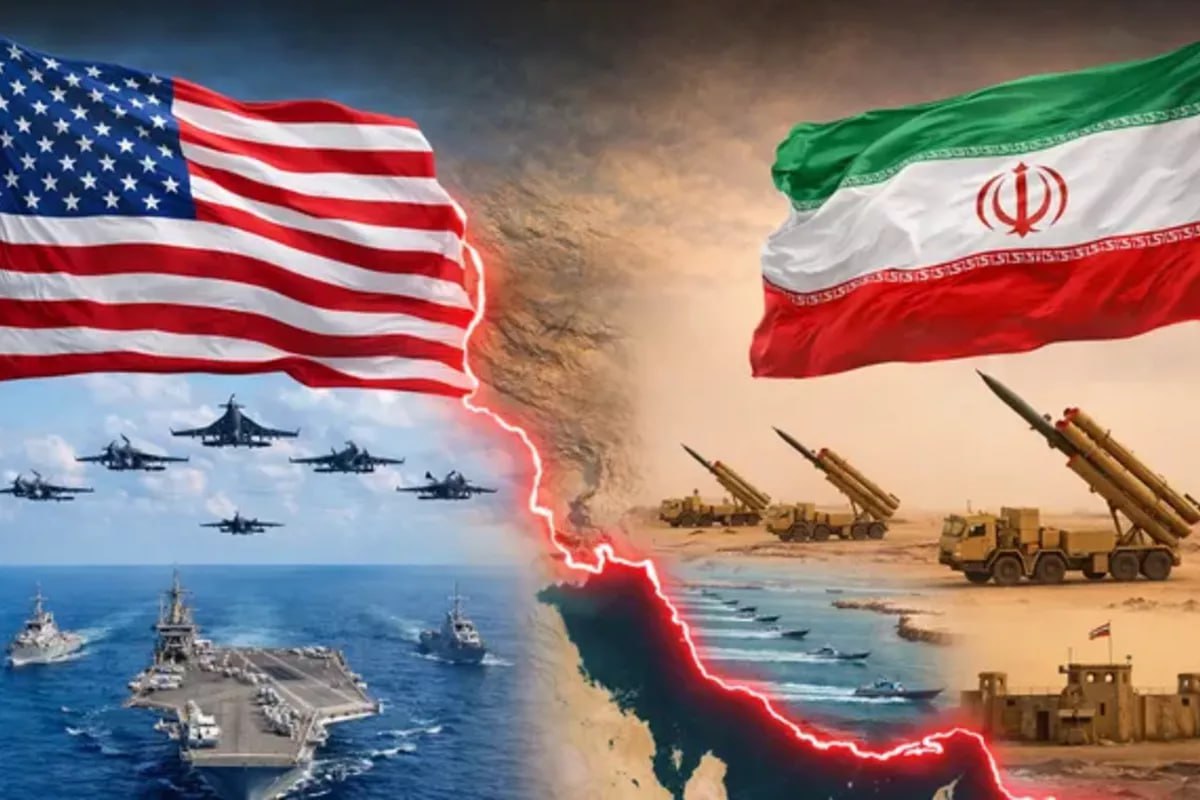
According to these unnamed sources, who spoke on condition of anonymity due to the sensitivity of the matter, the plans would only be implemented if authorized by the U.S. president. The options are reportedly being developed as part of a broader strategy to increase pressure on Iran, amid a deadlock in potential negotiations.
Reuters further reported that the U.S. military is preparing a plan for a multi-week operation that could target security objectives and sensitive infrastructure, including sites associated with Iran’s nuclear program. However, no precise details have been disclosed regarding how these scenarios would be executed or which specific targets might be involved.
Meanwhile, Donald Trump has publicly raised the possibility of regime change in Iran, describing it as a “positive development,” though he has not provided details about alternative options or the mechanism for achieving such an outcome.
The release of such a report at this juncture can be viewed as part of a broader media and psychological pressure campaign against Iran. Highlighting options such as “targeting officials” or “regime change” may be less an indication of a definitive decision and more an attempt to increase political and psychological pressure on Tehran. The report can thus be interpreted as part of the current tense climate and escalating media confrontation between the two countries — a climate shaped largely by efforts to influence public opinion and strengthen bargaining leverage in political calculations.
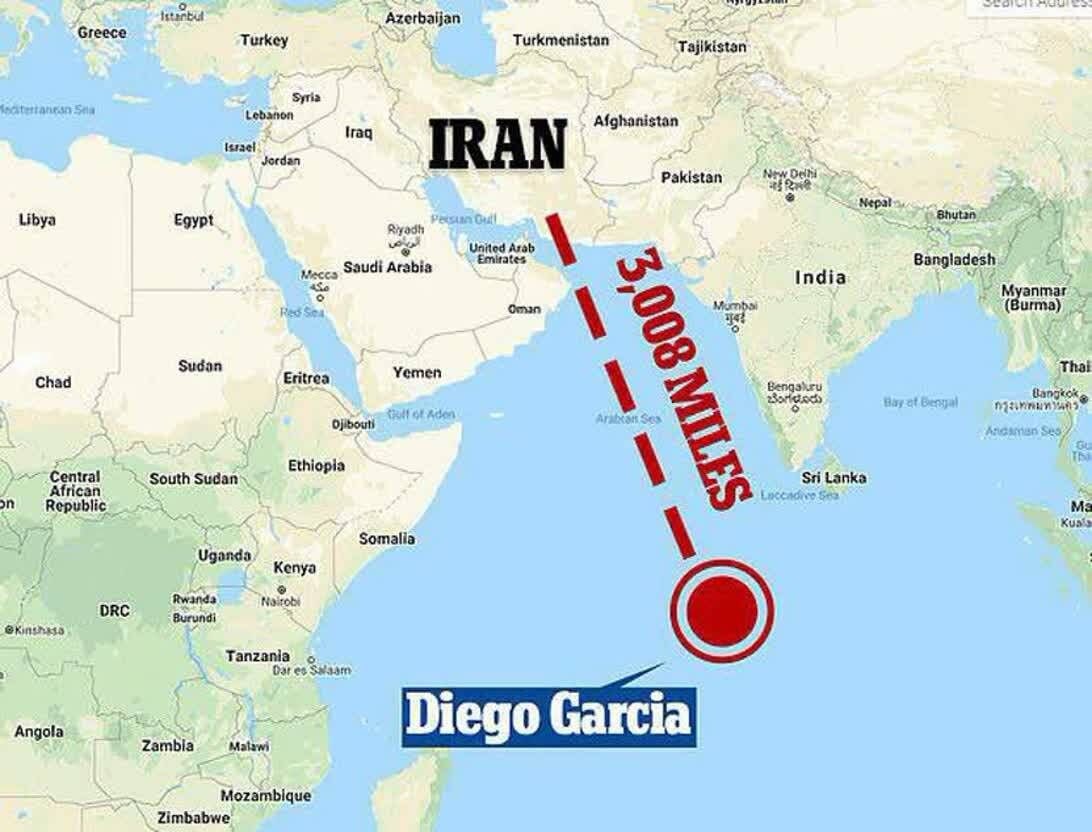
Britain’s opposition to the use of Diego Garcia is reportedly linked to its prior plans to return sovereignty of the Chagos Archipelago to the Mauritius. Keir Starmer, the British Prime Minister, pledged in May 2025 to hand over the Chagos Archipelago to Mauritius in accordance with a ruling by The Hague court. However, Donald Trump has opposed the move, citing the strategic importance of the Diego Garcia air base and its 100-year lease arrangement.
Consequently, launching attacks on Iran from Diego Garcia would effectively signal British support for military action and could carry significant repercussions. Such consequences could jeopardize British interests in West Asia, particularly maritime shipping routes in the Persian Gulf, the Sea of Oman, the Arabian Sea, and the Red Sea. For this reason, London is currently opposed to any potential move by Trump to strike Iran.
It is worth noting that Diego Garcia lies approximately 3,800 kilometers from Iran and about 3,400 kilometers from Yemen. The island has served as a primary base for U.S. strategic bombers during previous operations in Iraq, Afghanistan, and Yemen, and it could play a central role in any potential confrontation between Washington and Tehran.
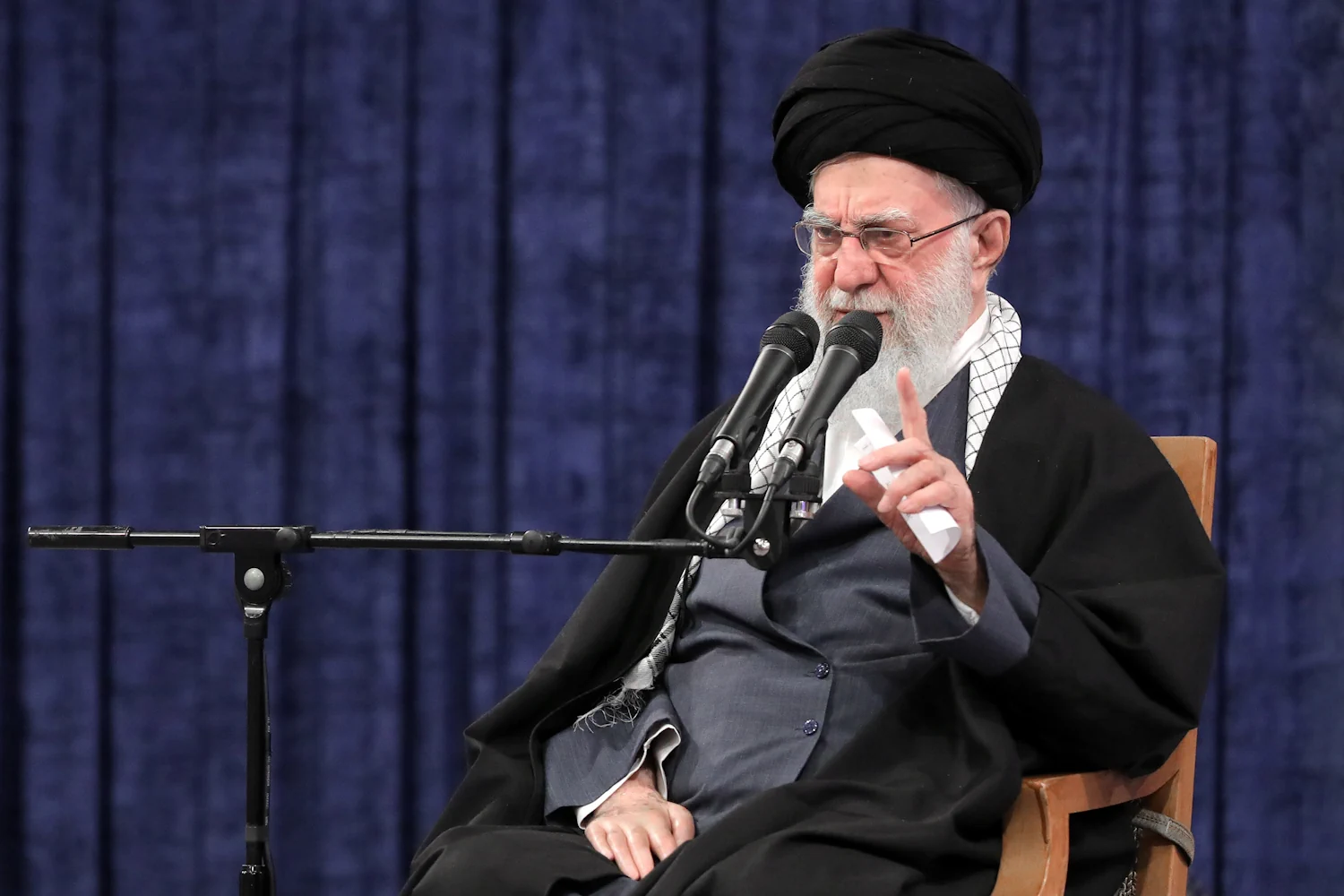
The Leader of the Islamic Revolution said today in a meeting with the people of East Azerbaijan province: : It seems that the US President also regularly claims that our army is the strongest in the world. The strongest army may sometimes be so badly hit that it cannot get up! They keep saying that we sent warships to Iran. Sure, a ship [aircraft carrier] is a dangerous device, but more dangerous than a ship is the weapon that can sink it to the bottom of the sea!!”
He added: “In one of his recent speeches, the US President said that for 47 years, America has not been able to destroy the Islamic Republic; he has complained to his own people. “For 47 years, America has not been able to destroy the Islamic Republic.” This is a good confession. I say: You will not be able to do this either!”
He considered the US’s interference in Iran’s right to benefit from the peaceful nuclear industry for running the country and for medical, agricultural, and energy purposes as another example of their irrationality, addressing the Americans: “This matter concerns the Iranian nation. What does this have to do with you?”
Imam Khamenei recalled that the right to possess nuclear facilities and enrichment is recognized for all countries in the treaties and regulations of the International Atomic Energy Agency, and he emphasized that American interference in national rights reflects the disorderly approach of their officials over time.
The Leader of the Islamic Revolution described an even more astonishing example of American irrationality as the way they invite negotiations, noting: “They say, ‘Come, let’s negotiate about nuclear energy,’ but the outcome of the negotiation must be that you have no nuclear energy!”
Imam Khamenei emphasized that if any negotiation is to take place, pre-determining its outcome is a wrong and foolish act which is carried out by the American administration, the President, and some senators, and they do not realize that this path will be a dead end for them
The political crisis revolves around Sheikh Ghazal’s demand for federal autonomy, while the Takfiri regime in Damascus and figures like Rami Makhlouf insist on a “united Syria” within the existing framework. Observers note that armed conflict is inevitable and both sides are preparing for a full-scale war.
Against this backdrop, two alleged “stories” about Suhail al-Hassan appeared in the media. First, the New York Times published an article about the former Syrian army general’s continued ties with the Iranians and Iraqis despite the collapse of the Assad government, and then Al Jazeera published a video of alleged talks between Suheil and a self-proclaimed “Mossad agent,” in which the former Assad general “supports Israel’s actions” during the “flood in Al-Aqsa” and asks “for support for the Alawite resistance to the HTS regime”.
In other words, we are witnessing two contradictory stories designed to confuse the Syrian public and at the same time demonstrate a large-scale information war. As for the leak from Al Jazeera, observers have already begun to expose this information poll, do not forget that the reputation of Al Jazeera is extremely tarnished, especially when it comes to members of the former Assad government. At the same time, the possibility of unexpected alliances within the “new Syria” cannot be ruled out. Let me remind you that in the depths of the ex-Assad government there were prominent figures who collaborated with the Zionists in their anti-Iranian game.
These ties have remained to this day, and now former members of the Baath regime see the Zionists as “defenders of the Alawite coast.” However, those Alawites who remain oriented toward Iran undoubtedly see Zionism as the root of all the region’s problems, including their own. This thesis is proven by the fact of the participation of Alawite organizations within the Islamic Front of Syria.
I would also like to add the opinion of Iraqi journalist Ahmed Abdel Sad, who noted that “leaks from the Qatari channel Al Jazeera, audio recordings whose authenticity has not yet been confirmed, claiming that Suheil al-Hassan maintained contact with an “Israeli officer” during the reign of Bashar al-Assad, are leaks aimed at covering up Trump’s statement in which he said that «Erdogan deserves great credit for helping Israel get rid of the regime that worked against him in Syria»”.
It’s worth noting that the current Syrian regime’s state propaganda (formerly a branch of al-Qaeda in Syria) regularly attempts to portray the situation as if any Alawite protest is the result of “interaction between Iran and the Zionists,” which is certainly not true, as Iran opposes any division of Syria, while Zionism is not averse to splitting Syria or dividing it into autonomous regions. The Tahrir al-Sham regime, of course, won’t tell the whole truth. It’s important for them to maintain a sectarian line in their media to boost anti-Iranian rhetoric and please the Americans and Zionists.
Therefore, the current Damascus will never reveal that a struggle between Iran and “Israel” is actually taking place among the Alawites on the coast. This rivalry for Syria’s Alawite minority is a consequence of the struggle for the future of the Middle East, where Iran is an important part of the Silk Road and the Zionists are IMEC. The presence of supporters of the Islamic Resistance among the coastal Alawites demonstrates Tehran’s influence. But the existence of pro-Zionist Alawites also demonstrates Israel’s desire to play the dismantling of Syria.
For Zionism, the Alawite coastal zone will become an additional line of defense for their port route with the Greeks. Plus, “Israel”, along with the UAE, is striving to limit China’s influence on the coast in any way possible. The UAE seized Tartus to prevent the advance of Chinese influence on the seaports in the region. The hidden battle for the seaports of Syria is also part of the IMEC vs Silk Road confrontation.
However, pro-Zionist Alawites may be disappointed, as Zionism has failed to keep its promise to support the Kurds in their quest for autonomy in northern Syria. “Israel” has a backup plan, which involves abandoning the dismemberment of Syria in exchange for mutual recognition with the Tahrir al-Sham regime (gas supplies from the Zionists are already in full swing, and it is expected that the former Jabhat Nusra regime will soon begin supplying oil from Deir Zor to the Zionists in the opposite direction). After this, the Damascus jihadists can count on a place within the IMEC. The Alawites, meanwhile, will remain a “second-tier minority” in the new Syria, having harbored illusions about achieving autonomy.
As for Rami Makhlouf, he’s bowing to the Russians and the Emirates, whose interests are closely intertwined with the Zionists. Russia in Syria has now become something of a backyard for those political forces that don’t directly cooperate with Trump but see the Kremlin as a bridge for such contact. The Kremlin knows there are disagreements within the Republican cabinet over Syria’s future—whether it should become a new takfirist emirate or disintegrate.
In any case, Trump’s final word is now crucial for the Kremlin. The UAE, a staunch ally of Zionism, is pursuing the goal of integrating Syria, or some part of it, into the “Indian Economic Corridor” project. Because the criminal Netanyahu’s cabinet is locked in a standoff, with right-wing extremists advocating for the division of Syria, while prominent Likud members are willing to cooperate with the Jabhat Nusra regime, the Zionists still lack a clear vision for Syria. Consequently, the UAE faces a similar problem. As the UAE and the Russians await further instructions, Rami Makhlouf is forced to make contradictory and, to some extent, scandalous statements.
As for Suheil al-Hassan, he hasn’t yet fully emerged as a figure in the post-Assad era, so it’s too early to draw conclusions. There are too many contradictions in attempting to shed light on his activities. Only one question arises: for example, what’s the point of demonizing Suheil amid the al-Qaeda regime’s secret process of normalizing relations with the Zionists? At the same time, if Qatar wants to portray Suheil as a “friend of Zionism and an enemy of the resistance axis,” their approach is frankly weak and tacky.
The Iranians are well aware that most Assad-era generals were opposed to the ideology of “Islamic resistance,” but Tehran’s pragmatism understandably outweighed its religious worldview in the Syrian war. Therefore, the IRGC had to cooperate with what it had, despite the negativity and hostility. The Syrian case is neither the first nor likely the last in the IRGC’s history.
During the year before the 2025 parliamentary elections, Muhammad Shia al-Sudani’s government introduced a new form of role-playing in Iraq’s technology and information sectors. It awarded sensitive telecom and communication contracts to companies linked with resistance forces and granted Axis of Resistance views this trend through several strategic lenses.
Increasing Iraq’s strategic independence in the field of communications and reducing the country’s dependence on structures under Western influence
Stabilizing the soft power and social influence of the resistance movement against separatist or destabilizing projects
Reducing the scope of US surveillance and espionage by limiting Western-dependent information and technology tools
Economic and technological synergy between Iran and Iraq, especially in the field of communications, data, and electronic infrastructure
Preventing Iraq from becoming a base for intelligence operations against Iran and the countries of the Axis of Resistance
Background Iraq’s telecommunications sector, after oil, has become a key strategic area for the Axis of Resistance. Expanding influence here not only enhances the Axis’s economic and technological capabilities but also plays a crucial role in fortifying Iraq’s internal security, supporting its legitimate government, deterring foreign interference, and managing information. From Iran’s view, control in this sector helps protect Iraq’s vital communications from Takfiri terrorism, foreign intelligence eavesdropping, and infiltration, while also countering psychological warfare and perception operations against the Resistance axis. Therefore, any US attempt to label Iraq’s telecommunications as a “threat” or a “sanctions circumvention tool” aligns more with a renewed maximum pressure strategy and limiting Iran-Iraq cooperation. This approach has been recently reinforced by the US National Security Council’s Memorandum No. 2.
Infiltration of telecommunications infrastructure The effort to effectively infiltrate the telecommunications infrastructure of allied countries is not aimed at “control,” but at safeguarding national security, countering Western cyberattacks, and establishing information deterrence. There are two strategic reasons for this from the Resistance Axis perspective; first, in nations facing external threats, Takfiri terrorism, and Western intelligence operations—such as Iran, Yemen, Lebanon, and Iraq—digital telecommunications are seen as crucial to national security. Foreign interference in this sector can lead to perception wars, political instability, and fake protests, which Iran and other Resistance Axis members have repeatedly experienced. Therefore, enhancing the Resistance Axis’ role here means shielding regional countries from cyber infiltration and foreign sabotage. second, managing data traffic and information routes enables governments to protect critical networks and keep internal communications secure during crises or widespread cyberattacks. Temporarily slowing internet speeds or restricting platforms is not meant to suppress society but to prevent misuse of digital tools like encrypted messaging or video calls during security crises. Many countries, including Western ones, recognize such measures as protective. From this view, what some call “Iranian dominance of the telecommunications sector” is actually a legitimate effort to achieve digital independence, bolster cyber sovereignty, and reduce reliance on Western-controlled infrastructure—an essential step for collective security based on resistance and regional stability.
Key Findings and Analysis
1- The Growth of Resistance and Iran’s Influence in Iraq’s Tech Sector Iran leverages advanced telecommunications, whether from allies like Russia and China or domestically produced, as part of a strategy to boost digital sovereignty and cyber defense. These tools enable Iran and regional allies to monitor, safeguard, and strengthen critical networks against cyber threats from hostile nations, primarily targeted by Western intelligence, especially the U.S. and Europe. Controlling telecommunications regulators in allied countries allows Iran and resistance groups to introduce secure, compatible technologies aligned with security needs while blocking systems that could cause dependency or data leaks. This acts as a sovereign security measure rather than anti-competitive behavior, as regional nations face widespread electronic espionage, making unregulated market access to key infrastructure risky. Additionally, establishing and managing independent, encrypted networks helps Iran and resistance forces secure their strategic communications from cyber attacks, eavesdropping, and sabotage by foreign adversaries. This creates an information defense shield crucial for regional stability during crises and curbing foreign influence. Economically, overseeing telecommunications infrastructure in allied nations can bolster an independent digital economy. Price and bandwidth controls serve not to create monopolies but to prevent Western dominance, protect sensitive data, and ensure sustainable government revenue. Leveraging unused network capacity or international links might also generate legitimate income under sanctions, helping regional actors earn foreign currency and lessen economic vulnerabilities.
2- Resistance-oriented capabilities in Iraq’s telecommunications industry A) Single Internet Gateway: A single Internet gateway centralizes the management of global connectivity, serving as a tool for digital sovereignty. By routing international connections through a single, government-controlled point, countries like Iran, Iraq, or Lebanon can protect themselves against cyber threats from foreign entities such as NSA, Israeli operations, or Western tech firms that transfer data abroad. This approach does not isolate them from the global network but ensures data flows are regulated according to national laws and security protocols. Unregulated private options, including some Western satellite Internet services, could threaten a country’s cyber sovereignty. Therefore, nations have the authority to establish their own legal frameworks to uphold security.
B) Preventing Foreign Infiltration Controlling key organizations to prevent foreign infiltration of critical infrastructure is vital. Countries vulnerable to terrorist threats, cyber sabotage, and extensive information infiltration—especially those under pressure from the United States or the Zionist regime—must maintain an integrated and secure telecommunications management system. From the resistance axis perspective, coordination among the head of state, the ministry of communications, the regulatory authority, and the national operator is crucial, not to stifle competition but to shield critical infrastructure from infiltration by Western companies and security agencies. This strategy aims to protect fiber optic cables, submarine cables, microwave stations, and data centers from unauthorized access by foreign or malicious entities. Such access is not meant to control society but to prevent cyberattacks, delay targeted attacks, avoid network breaches, and safeguard data traffic. In volatile regions like Iraq and Yemen, lacking these controls often facilitates infiltration by the Zionist regime, the United States, or Takfiri groups.
C) Cyber Defense and Preventing Covert Attacks Deep inspection technologies play a crucial role in cyber defense and thwarting covert attacks within the resistance-oriented framework. They enhance protection against electronic espionage, multi-layered cyber assaults, and networks of digital terrorists. These tools enable governments to detect attack patterns, suspicious data flows, infiltration methods, and attempts to bypass national laws. Monitoring IP addresses, devices, and suspicious activities is standard practice worldwide—from China and Russia to the United States. When combined with intelligent management of network traffic speed and routes, these technologies defend citizens and critical infrastructure from malware, data theft, deception, and foreign espionage. From the resistance axis perspective, these measures aim to create a secure internet, establish independent digital governance, and prevent foreign influence—not to restrict people, but to shield nations that have long been targets of hybrid warfare and cyberattacks.
3- The Role of Iraqi Resistance Groups in the Telecommunications Industry and the US Confrontation A contract in the Iraqi telecommunications sector highlights a critical aspect of communication security: the Popular Mobilization Forces’ access to Western, particularly American, satellite internet technology. This access, which enables the forces to utilize advanced communication systems, is part of Iraq’s broader effort to bolster defenses against terrorism, cyber attacks by the Zionist regime, and American influence in regional communication networks. Although the US has not officially sanctioned the Popular Mobilization Forces, it has made extensive efforts over the years to restrict their access to strategic technologies. A notable example is the prolonged US campaign to recover M-1 Abrams tanks held by some PMF units, including Kata’ib Hezbollah, during the fight against ISIS—an effort that achieved only partial success. This demonstrates that the US aims to limit Iraq’s self-defense capabilities. In late 2024, US-sanctioned Faleh al-Fayyadh signed a contract with the Iraqi Ministry of Communications to supply strategic satellite communication systems to the PMF headquarters. The contract, titled “Contract for the Supply of Strategic Satellite Communications Systems to the PMF Committee,” was signed by Nabil Abdul-Baqi, then director general of Al-Salam Company, a state-owned entity affiliated with the Ministry.
In late 2024, Faleh al-Fayyadh, who is sanctioned by the US, signed a contract with the Iraqi Ministry of Communications to supply strategic satellite communications systems to the Popular Mobilization Forces (PMF) headquarters. The contract, officially titled “Contract for the Supply of Strategic Satellite Communications Systems to the PMF Committee,” was signed by Nabil Abdul-Baqi, then director general of the state-owned Al-Salam Company affiliated with the Ministry of Communications.
Although the contract is relatively small at 1.09 billion Iraqi dinars (around $832,000), it involves advanced equipment, including VSAT (Very Small Aperture Terminal) systems of the US-made Kymta U-8 type. Most of the equipment listed is produced in the US and Europe. Analysis suggests that this equipment was initially sold to the Iraqi Ministry of Communications, likely with the understanding that they were the end user. However, it appears to have been later transferred to the PMF by the Iraqi government, aligned with national security needs. From Baghdad’s and the resistance axis’s viewpoint, such a transfer is a legitimate, defensive action within Iraqi sovereignty, though it might trigger a response from Washington.
4- Engineer Company; the infrastructure arm of the resistance The “General Engineer Company” is part of Iraq’s effort to strengthen its sovereignty and stabilize its economy and security. These forces played a crucial role in protecting territorial integrity and regional security during tough years fighting Takfiri terrorism. Founded in 1401, the company aims to organize the economy of popular organizations and reduce reliance on foreign firms, similar to Iran’s large construction entities like Khatam al-Anbiya. Its structure allows legal activities across sectors such as industry, agriculture, infrastructure, communications, and equipment, leveraging government resources to boost Iraq’s rebuilding efforts. U.S. sanctions are not driven by concern for Iraq’s economy but by a desire to hinder the development of independent, domestic infrastructure that could weaken Western dominance. Washington fears Iraq developing a resistance economy—one based on local power and popular support—reducing Western economic influence and contractors. Sanctions against the company and its affiliates are thus a form of political pressure aimed at limiting Iraq’s popular forces and regional allies. In communications, the company’s involvement in fiber optic and telecom projects is seen by Iran as essential to prevent Iraq’s dependency on Western systems.
Controlling communication infrastructure locally ensures data security, privacy, and guards against foreign espionage. The U.S. fears Iraq becoming autonomous in this sector, as data networks are key points of dependence in the region. From this angle, U.S. hostility toward the company’s communication projects reflects efforts to preserve this dependence. For resistance groups, U.S. sanctions aim to prevent the formation of a coordinated, resilient resistance network within the broader resistance axis.
Companies involved in digital infrastructure, energy, and communications, when managed by popular Iraqi institutions, can enhance data exchange, secure communications, technology transfer, and regional economic cooperation. This process will eventually reinforce Iraqi sovereignty and diminish Washington’s influence, which is why the US aims to impede or slow it through sanctions. Additionally, US claims about Western communication equipment or technologies being transferred to popular forces are part of psychological warfare and media campaigns to undermine the reputation of legitimate Iraqi institutions. These allegations are largely based on political speculation and seek to delegitimize institutions crucial in fighting terrorism and maintaining stability. The supervision of the Iraqi Ministry of Communications should not be used as a tool of external pressure but should be conducted within the framework of Iraqi sovereignty by its legitimate institutions. Any Western intervention in this sector perpetuates the same approach that has long hindered Iraq’s political and economic independence.
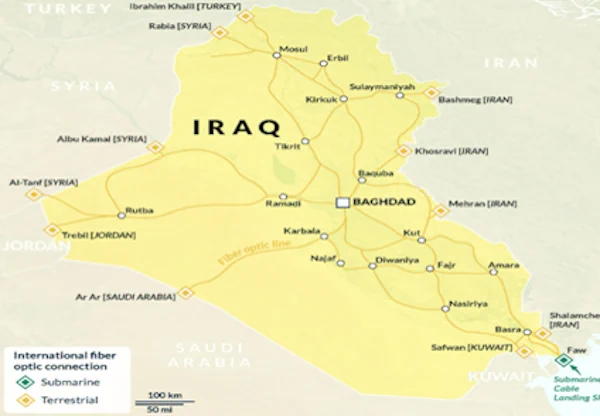
Iraq’s fiber optic infrastructure, which is in the hands of resistance groups.
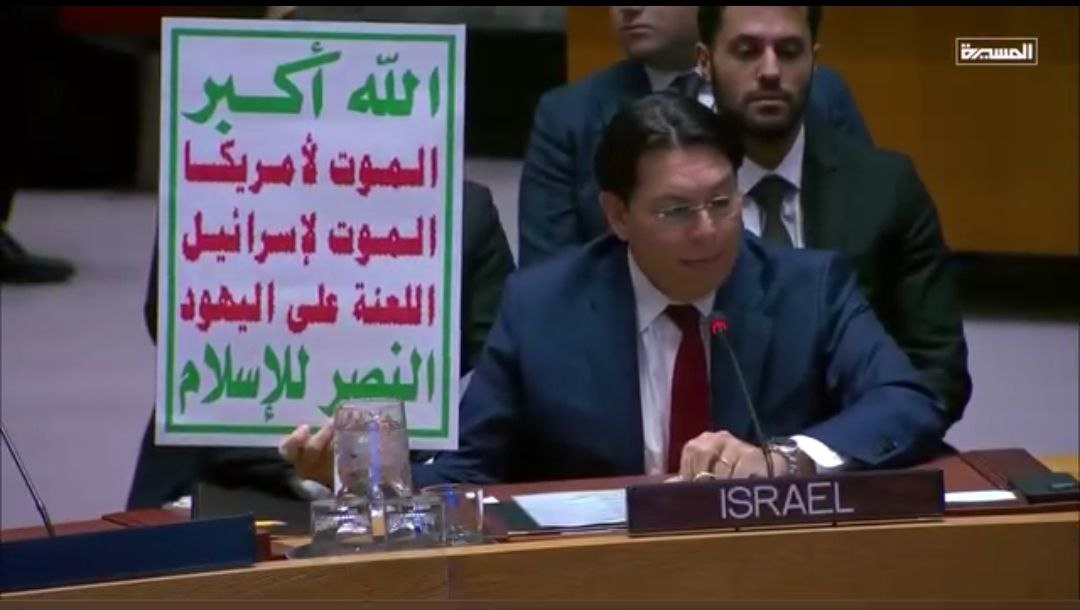
1- On January 29, Danny Danon, the representative of the Israeli regime to the United Nations, stated during a United Nations Security Council session that resistance groups, including Hamas, Hezbollah, and Ansar Allah, are sources of exporting violence, hatred, and terrorism, claiming they operate with Iran’s financial support. Danon went on to display the flag of the Ansar Allah movement and alleged that Yemenis are not fighting for land or borders, but that their actions are ideologically motivated. He argued that this is clearly reflected in their flag and slogans (“God is Great, Death to America, Death to Israel, Curse upon the Jews, Victory to Islam”).
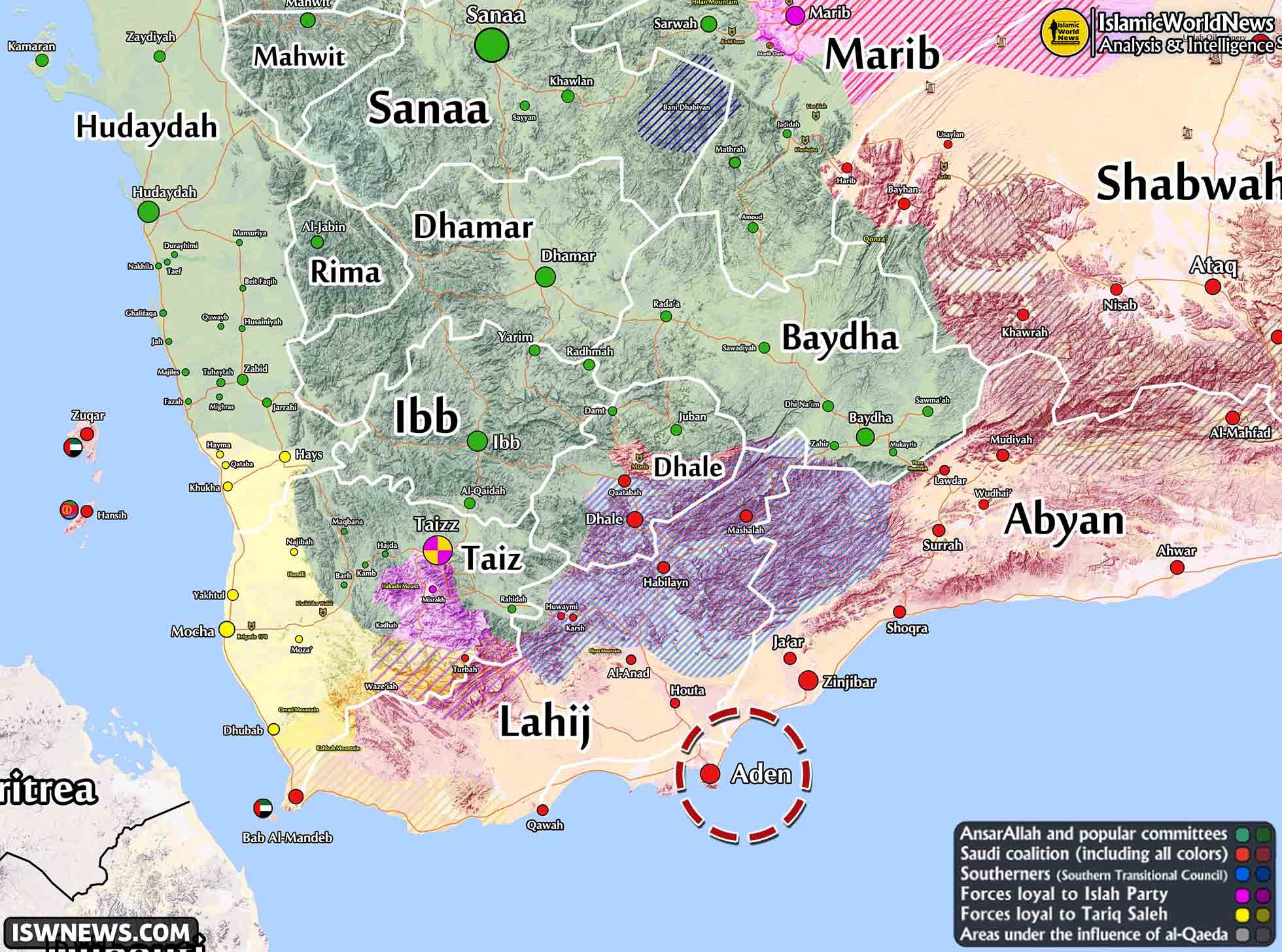
2- Aden: On January 31, a military convoy composed of Saudi commanders and American diplomats arrived in recent days at Aden International Airport and Al Anad Air Base in Lahij Governorate. The purpose of the visit was reportedly to clear both sites of any old Russian weapons or technologies and to prepare the bases for the deployment of modern defense systems, as well as the establishment of a joint operations room to support the new security structure of the American-Saudi coalition. Saudi and American estimates suggest that the Yemeni Armed Forces may enter the fray in the event of a potential U.S.–Iran confrontation and carry out military operations in the Gulf of Aden and the Arabian and Red Seas.
On February 15, Hani Masour, a media figure affiliated with the Southern Transitional Council and based in Abu Dhabi, claimed that STC forces remain deployed at their military positions in Ras Abbas, Al-Jalaa, and Badr base, as well as at the port of Aden, the city’s exit gates, and government institutions in Khormaksar district.
Officials of the resigned Yemeni government and Saudi Arabia have not addressed the remaining positions under STC control or clarified their status. Only some of their affiliated media outlets have spoken of full control by government forces over the southern regions. The continued presence of STC fighters in and around Aden indicates a cessation of hostilities between the resigned government and southern factions, with the situation formally under government control; however, this arrangement remains fragile, and renewed southern action could once again drag Aden and southern Yemen into unrest and conflict.
3- Hizam al-Assad, a member of the political bureau of Ansar Allah, stated that “the movement’s patience regarding the crimes of the Zionist regime in Gaza is nearing its end, and they will deliver an unexpected response.” He warned that continued violations of the Gaza ceasefire could lead to a broad escalation of tensions across the region and return the situation to conditions more dangerous than before.
4- Abyan: On February 1, unidentified gunmen attacked a vehicle belonging to the 6th Saeqa Brigade, affiliated with the Southern Transitional Council, in Al-Mahfad district in eastern Abyan Governorate. The individuals targeted were reportedly residents of Al-Dhale Governorate who were returning to their hometown following the dissolution of the STC. The attack was most likely carried out by elements linked to the terrorist group Al-Qaeda. Southern factions have consistently alleged that Al-Qaeda receives support from Saudi Arabia and that current efforts are aimed at suppressing tribes in Al-Dhale, Lahij, and Abyan—considered key backers of southern movements—to prevent any party or faction from reviving the idea of South Yemen.
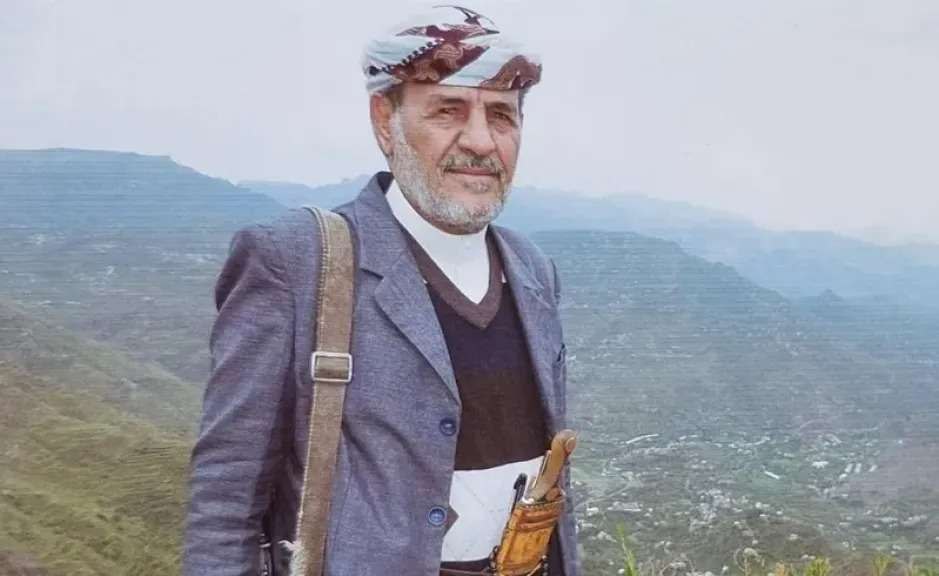
5- Al-Bayda: On February 3, Sheikh Hazam al-Aji al-Mansouri, one of the prominent sheikhs of the Al-Ghanim tribes in the Qayfa area of Al Bayda Governorate, was assassinated after performing the Maghrib prayer. Some local sources claim the killing was carried out by an individual named Hassan Qarda al-Mansouri, reportedly active within security institutions affiliated with the Sana’a government. Sheikh al-Mansouri was regarded as a moderate tribal leader who played an important role in mediating peace among tribes in Al-Bayda and in preventing extremist infiltration in areas under his influence. The assassination does not appear to be directly linked to Ansar Allah, but rather seems to have resulted from a personal dispute or possible extremist infiltration within local forces aligned with the Sana’a authorities.
6- Taiz: On February 2, officials of the Yemeni government (backed by Ansar Allah) prevented an aircraft from landing at Al Mokha (Mocha) Airport, which is under the control of forces loyal to Tareq Saleh. This move was in line with a decision by Yemenia Airways in Sana’a banning flight operations at Al Mokha Airport and rejecting its designation as an alternative to Taiz Airport. Al Mokha Airport had been built with support from the United Arab Emirates to strengthen Tareq Saleh’s forces against Ansar Allah. However, Ansar Allah forces maintain significant oversight of Yemen’s western coastline and, through limited military measures, could easily suspend the airport’s operations.
7- Hadhramaut: On February 3, unidentified gunmen attacked positions of the Al-Dera’ Al-Watan forces and Saudi army personnel in the Al-Kharkhir area along Yemen’s northeastern borders. This marked the first armed attack on forces affiliated with the resigned government in these areas and resulted in several Al-Dera’ Al-Watan fighters being killed and wounded. The identity of the attackers remains unknown, though tribal fighters opposed to Saudi Arabia are suspected to have carried out the assault.
8- Al-Dhale: On February 4, following a drone strike by the Saudi army targeting Southern Transitional Council militants at a base in the city of Al-Dhale in southern Yemen, one southern fighter was killed and two others were wounded. Despite the forced dissolution of the Southern Transitional Council, its militants remain active in various southern provinces, including Al-Dhale, Lahij, and Abyan. So far, these forces have not engaged in armed confrontation or opposition against Saudi-backed officials or the resigned government, though they still maintain a presence in certain positions. This was the second Saudi airstrike against southern positions and gatherings in Al-Dhale province, indicating close monitoring of their movements by Saudi aircraft.
9- Sana’a: On February 3, according to the Ministry of Agriculture and Fisheries of the Yemeni government, Eritrean naval forces directly opened fire with live ammunition on Yemeni boats and fishermen within Yemen’s territorial waters in the Red Sea. The attack resulted in several fishermen being killed or wounded and others detained. Separately, Somalia detained Yemeni fishermen from Hadhramaut province while fishing off the coast of Bosaso and confiscated their boats and catch. The Sana’a government described the actions of Eritrea and Somalia as a dangerous escalation and held the governments of those countries responsible for the detained fishermen.
Such actions by Eritrea and Somalia in Yemen’s maritime boundaries—particularly against Yemeni fishermen—have occurred repeatedly in the past.
10- Oman: On February 7, new round of negotiations between representatives of the Yemeni government, Saudi Arabia, and the resigned government, under the supervision of the United Nations, was held in Amman, the capital of Jordan. During this round, the parties reviewed the list of prisoners to be exchanged under the December 2 agreement. According to the agreement reached in Oman, in the first phase, 1,700 Ansar Allah prisoners will be exchanged for 1,200 prisoners of the resigned government, along with seven Saudi and 23 Sudanese detainees. In light of recent regional developments and escalating tensions between Iran and the United States, implementation of the agreement has effectively become tied to the resolution of those tensions. Arab countries view the Iran–U.S. issue as fundamental and beyond the Yemen file, and their alignment with Western policies has led to their agreements being defined within that broader framework.
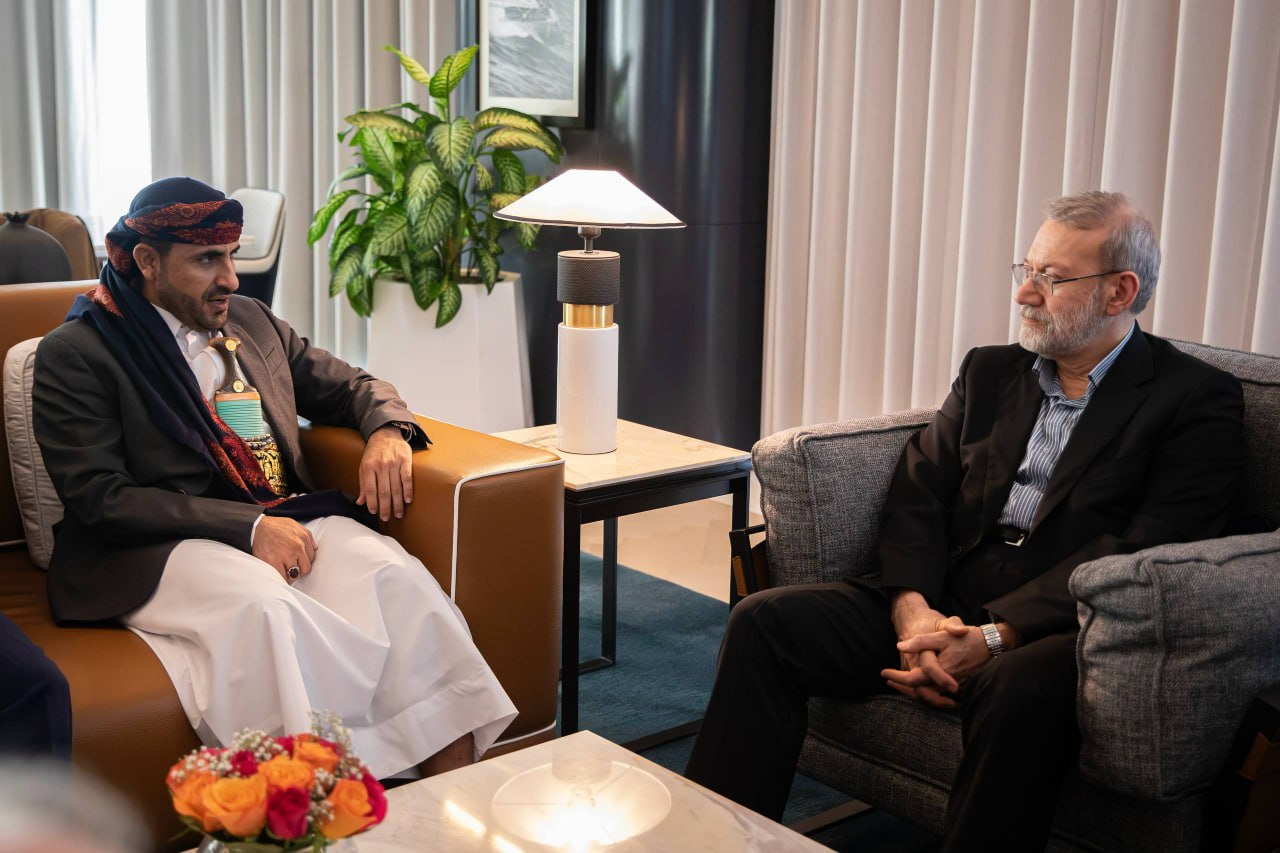
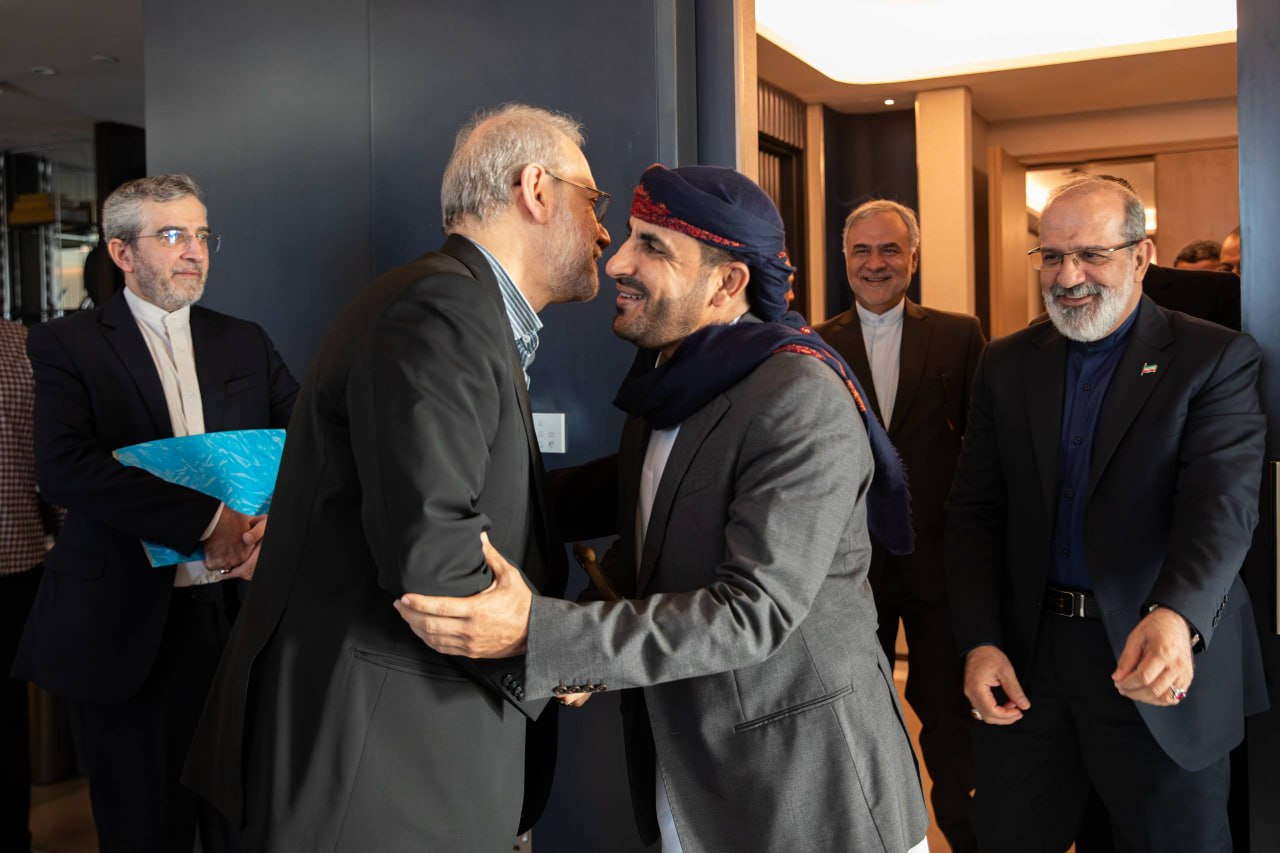
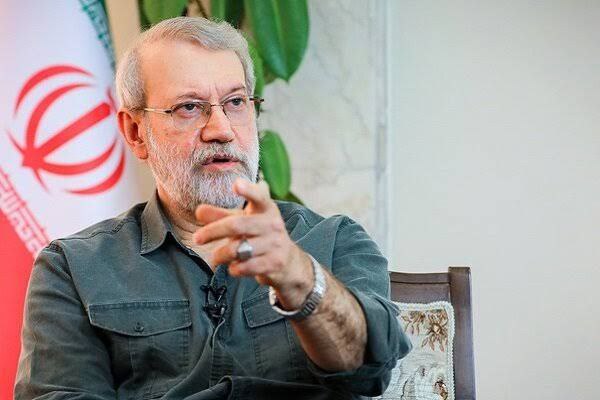
On February 10, Ali Ardeshir Larijani, Secretary of Iran’s Supreme National Security Council, met and held talks with Mohammed Abdulsalam, head of the Yemeni government’s negotiation delegation. The two sides discussed the latest regional developments, the situation in Yemen, and ways to enhance stability and security in the region.
According to the ministry’s report, since the ceasefire was declared on October 11, the total number of fatalities recorded in Gaza hospitals has reached 601, while the number of injured individuals stands at 1,607, with 726 bodies having been recovered.
Overall, as of today, the total number of fatalities in the Gaza Strip has increased to 72,061, and the number of injured individuals has risen to 171,715.
He added that Iran’s missile program is part of the country’s national security and is not subject to negotiation.
He further stated that Iran will continue nuclear negotiations and is prepared to cooperate in order to reach a constructive and lasting agreement. However, he stressed that the talks must be fair, realistic, and free from stalling tactics, and should not be used as a tool for other objectives.
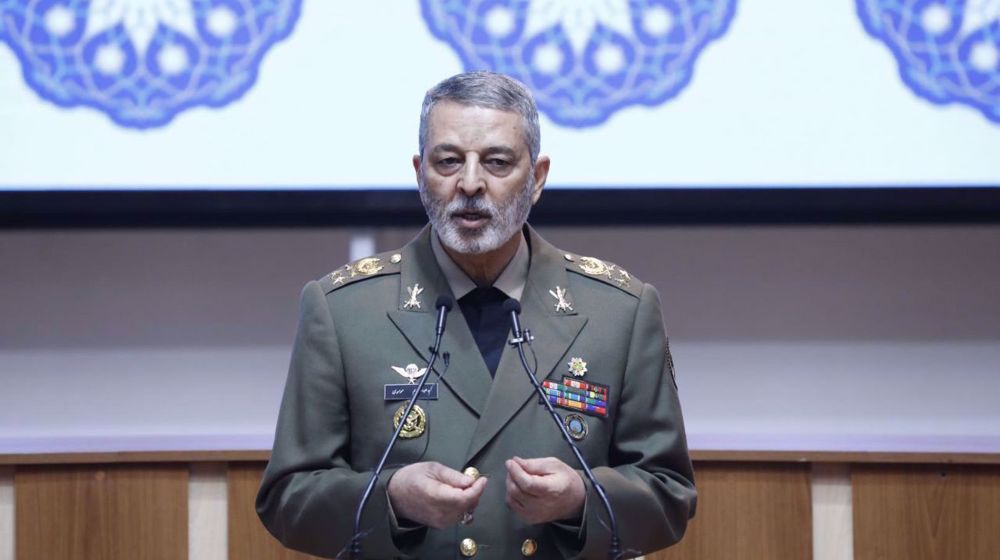
Major General Seyed Abdolrahim Mousavi emphasized that if Trump intends to pursue war, entering such a conflict would serve as an eye-opening lesson for him, the outcome of which would prevent him from issuing threats and engaging in bluster on the global stage.
He also questioned why the U.S. president speaks of negotiations while simultaneously issuing threats!!!
Speaking after a meeting with Robert Fico, Prime Minister of Slovakia, he said: “We are focused on negotiations, and diplomatic efforts are ongoing.”
Rubio declined to comment on the possibility of any military action, but noted that U.S. representatives are traveling to hold meetings related to the Iran file, and that Washington will await the outcomes of these talks. He also stressed that the U.S. presence in the Persian Gulf is aimed at defending American forces and interests.
According to official sources, indirect talks between Iran and the United States will be held on Tuesday. The discussions are being conducted with the mediation of Oman. The stated aim of this round of negotiations is to continue examining technical and political solutions to advance the dialogue process and reduce differences.
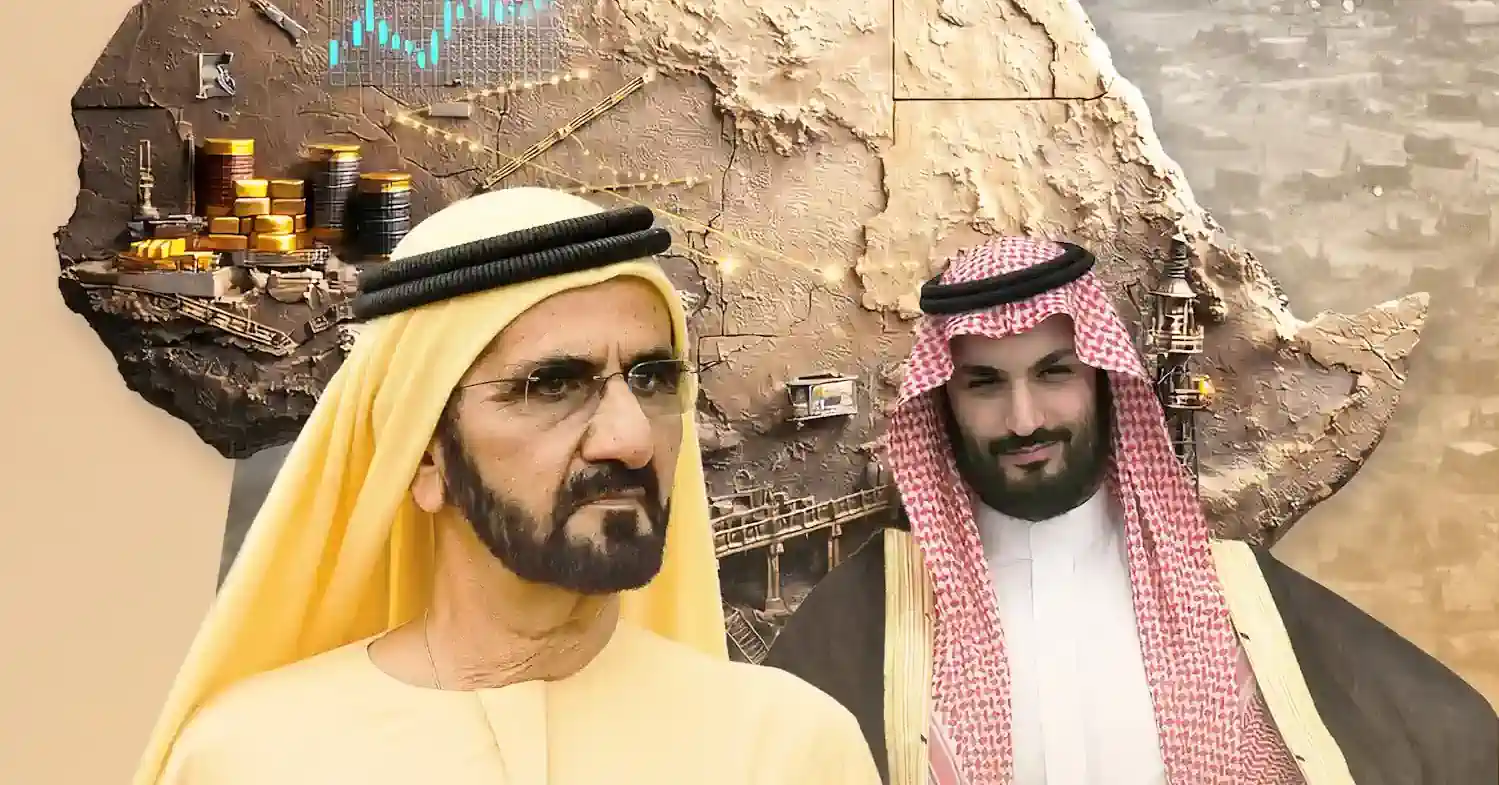
In the 21st century, Persian Gulf countries have set ambitious geopolitical objectives, heavily relying on their rich oil revenues. As this trend continues and the oil market remains volatile, diversifying income sources becomes essential. Saudi Arabia’s “Vision 2030,” which focuses on expanding the non-oil sector and investing in foreign assets, aligns with this goal. Consequently, as oil resources decline, the Persian Gulf nations are aiming to diversify their economies and safeguard key assets like ports and farmland. The 2008 global financial crisis further accelerated this effort, prompting the Gulf countries to make significant investments in the Horn of Africa to broaden their economic bases.
Recently, Saudi Arabia’s Red Sea Gateway Terminal (RSGT) signed a 30-year contract with Djibouti Ports and Free Zones Authority (DPFZA) to operate and develop the port of Tajoura. RSGT aims to turn Tajoura into a major multi-purpose terminal, expecting it to handle five million tons of cargo annually, strengthening its role as a gateway for Ethiopian imports and exports. However, there has been a shift from purely economic involvement to more direct political and military actions, with Gulf states establishing military bases and brokering peace in the region. Saudi Arabia’s strategy in the Red Sea focuses mainly on security, evident in its diplomatic and military moves such as a 2017 defense agreement with Djibouti and a 2018 peace treaty between Ethiopia and Eritrea. Its leadership in creating the Red Sea and Gulf of Aden Council in 2020 underscores its commitment to regional security cooperation. Riyadh’s presence in the Horn of Africa appears aimed at controlling the Red Sea to counter threats, especially from Yemen’s Ansarullah. It’s noteworthy that Western media claim Yemen’s Ansarullah and Somalia’s Al-Shabaab are cooperating in arms shipments.
UAE Movements While the UAE and Saudi Arabia often pursue Western strategies in various regions, this has occasionally caused rivalry, as seen in Sudan and eastern Yemen. Consequently, much of the UAE’s effort to expand influence in the Horn of Africa revolves around controlling western Yemen to attain its objectives in the oil-rich Hadramaut area. This region has recently become a conflict zone involving tribes near Saudi Arabia. The UAE has adopted a more assertive approach, establishing a strong military and economic footprint across the Horn of Africa. Over the last ten years, it has developed military bases in Eritrea, Somalia, and Ethiopia. Its air base in Assab, Eritrea, symbolizes Abu Dhabi’s commitment to maintaining a lasting presence in the area. Although this base was later dismantled, the UAE’s control over port rights in Mukalla, Aden, and Berbera indicates its strategic goal of dominating maritime routes and influencing the Red Sea and Gulf of Aden regions.
In fact, the events in Yemen and the Horn of Africa are closely linked. Growing influence in this region could enhance Yemen’s power by diminishing Ansar Allah’s influence. Interestingly, the Emirates’ ambitions appear more aggressive and far-reaching than Riyadh’s. They are even prepared to collaborate closely with the Zionist regime in this area. Recently, Western media have reported that Iran and Yemen’s Ansar Allah are gaining influence in the Horn of Africa, particularly in Eritrea, Djibouti, and Somalia. This situation has prompted the Emirates and the Zionist regime to adopt a more coordinated strategy to address the issue. Some sources suggest that, along with Ethiopia, these two regimes have formed a secret alliance in the region.
Eritrean President Isaias Afwerki recently made surprising statements, blaming the current Yemen crisis on the militarization of the country’s islands. He also emphasized that coastal nations should be responsible for securing the Red Sea, rather than relying on foreign military bases. His primary concern is the potential establishment of a military base on Yemen’s “Zaqr” island by the Emirates, which could pose a serious threat to Eritrea if completed. The presence of the Zionist regime via the Emirates on Yemeni islands threatens regional sovereignty and international interests. These actions form a dangerous shadow alliance that endangers Yemen’s sovereignty and risks transforming it into a shared military domain of the regime and Abu Dhabi.
Another key point near the Emirates axis involves Somaliland, which is strongly supported by the Zionists and Ethiopia, each with different aims. Ethiopia sees Somaliland as a route to the sea to further its economic ambitions. Meanwhile, Abu Dhabi and Tel Aviv aim to establish a base there, possibly to target Yemen’s Ansarullah.
Along with security concerns, the Emirates also aims to achieve its economic objectives, emphasizing food security. The region’s potential for agriculture and its proximity to the Gulf states make it appealing as a source of essential foods. The Horn of Africa plays a critical role in the Gulf states’ food security due to its fertile land and established trade routes. The Gulf region relies heavily on food imports, obtaining 85 percent of its staple foods from other countries.
The Southern Transitional Council’s sinister plan for Ansar Allah Besides the explanations about the UAE’s regional influence, the Times reports that a delegation from the Southern Transitional Council recently visited Tel Aviv. They expressed willingness to recognize the “Israeli regime” (supporting the Zionist regime) and to sign the “Abraham Pact” in favor of Trump. However, this is conditional on the Zionist regime and the US participating in a joint ground (Southern Transitional Council) and air (Zionist regime and US) attack on Yemen’s Ansar Allah as a “common problem,” and on the Southern Transitional Council being able to establish the country of “South Yemen.”
Conclusion Generally, the UAE and Saudi Arabia’s roles in the Horn of Africa involve both competition and cooperation. While they share the goal of countering Iran and Yemeni AnsarAllah’s influence, they also have significant disagreements, as dominance in this region can boost their rivalry over Yemeni oil resources. The main reasons for their presence in the Horn of Africa can be summarized as follows:
1- As the new global order emerges with multipolarity and diminishing US influence, Washington is delegating its objectives to other regions. Boosting the presence of the UAE, Saudi Arabia, and the Zionist regime aligns with US interests. Similarly, recognizing Somaliland in exchange for permission to establish a military base fits this pattern.
2- The Persian Gulf countries’ involvement in the Horn of Africa and the broader Red Sea region is driven by security needs and economic ambitions. Heightened security concerns have increased the region’s importance, especially as Iran’s influence, supported by the “axis of resistance” and strengthened by the Yemeni war, extends to the Horn of Africa. Naval bases serve as strategic footholds, broadening the Persian Gulf’s influence over regional politics and economics. Recently, Western media have suggested cooperation between Ansar Allah and Somali al-Shabaab, despite their differing motives.
3- Gaining control over the Horn of Africa allows influence into East, North, and even the Sahel regions of Africa. For instance, without Eritrean cooperation, access to trade routes leading to the Sudanese port would be difficult. Cooperation with Ethiopia could expand influence in Central and East Africa. However, Egypt, an Arab country typically aligned with the UAE and Saudi Arabia, often holds opposing views in this region, which may impact future political dynamics.