An official of Ayatullah Sistani’s office in Najaf said regarding the recent attack to Hashad Sha’abi bases in Al Qaem town by US forces: High Marja decries the brutal attacks to some of warriors related to Iraq’s official forces which resulted in martyrdom and injury of many of them and he insists on respecting Iraq’s sovereignty and not violating it for any excuses.
Tag: Ayatullah Sistani
-

Summary of Ayatullah Sistani’s statement today regarding recent incidents of Iraq
Closest and most peaceful way to get out of the crisis is to return to people and have an early election with independent commission, said Ayatullah Sistani in the statement.
He also demanded hastening in passing the bill of election and after that participation of elites in politics and finally forming the government and parliament based on merit and without tumult and foreigners interferences. -
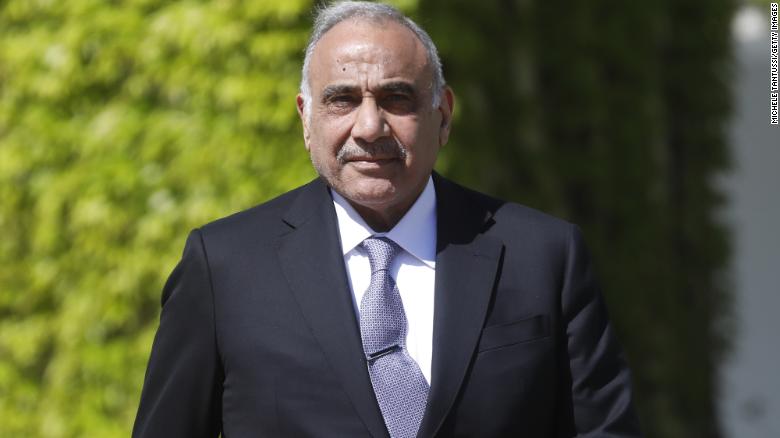
Abdul-Mahdi Resignation; Iraq on an unclear Path!
On 29 November an hour after the speech of Friday Prayers by Ayatullah Sistani’s representative, Abdul-Mahdi announced he will submit his resignation to the Parliament. In this speech, Ayatullah Sistani was addressing the Parliament mainly and “searching for new candidates in Parliament” was an expression to hint for new government in Iraq.
Therefore, after two months, the protests in Iraq result in fall of the government. The protests that became bloody in the last two nights and tens of people died and thousand injured in Najaf and Dhi Qar provinces. This was unprecedented at least in Najaf.
It is important to analyze different movements in Iraq, specially inside the house of Shia. From behind the scene but active Ammar Hakim, Sadr’s surfing on the protests and passivity of Fath movement under leadership of Hadi al-Amiri, they all need to be studied to find the challenges and capacities.
But Abdul-Mahdi, who barely reached one year of his Prime Ministry, faced serious challenges from the beginning to complete the cabinet and it actually never was complete! Some Ministers never got approval of Parliament.
Abdul-Mahdi ‘s unstable cabinet ended, let’s remember how he was assigned. Abdul-Mahdi, unlike previous PMs, did not candidate himself for the position but others asked him. He was mainly decided by Muqtada Sadr and Muhammad Reza Sistani (son of Ayatullah Sistani).
Muhammad Reza Sistani was looking for a moderate person in a sense that he does not follow Iran nor US. But Muqtada Sadr knew better what he was looking for. He was looking for a PM out of Islamic Dawa Party. It was the beginning of the successful way he imagined.
Fath movement considered Abdul-Mahdi a suitable candidate but not perfect and better than Haider al-Abadi. They preferred to agree with the selection and get some privileges from Sadr when choosing the cabinet, that they couldn’t actually.
Today we should ask those who chose Abdul-Mahdi that why became the main opposition to him? Are economic, infrastructural and corruption issues result of his performance? Or they expected Abdul-Mahdi miraculously solve everything in less than a year? Or the main question can be that if for any chaos and blood shedding in the streets government should go, when will this cycle stop? And even this ill political system might fall.
Muqtada Sadr welcomed Adil Abdul-Mahdi’s resignation and asked for referendum for new PM by putting voting boxes in the squares where there were protests! Showing a nonsense level of populism.
According to Iraq’s constitution, Prime Minister is proposed by the President and approved by Parliament’s vote of confidence. Sadr also invited to continue the protests and that the next government be a worthy government without partisan or religious considerations. A slogan which is said easier than done in Iraq. Sadr will be the first opposition of such a government!
What is important after the resignation is the process of selecting the new Prime Minister, which is not that easy at all. Muqtada Sadr still continues his dual controversial stances by wanting his share in power and showing his opposition face. Seemingly it still works in Iraq!
Fath movement close to Iran which achieved the highest number of seats after Saerun movement (Sadr) in the Parliament election, should be more active and know that being silent and away from battle is not useful and it might even result in losing their supporters. On the other hand by actively following their goals give other groups the lesson to be responsible for their actions.
But also the main chaos and protests in Iraq, which had deviations from Sadr movement, does it continue as harsh and vast as now? It is important to know that the current protest was manipulated by foreign powers to fall Adil Abdul-Mahdi’s government only or it was a people movement which does not go back until reaches its goals including political structure and economic reforms or even a mixture of both.
Everybody knows that Abdul-Mahdi was not famous for corruption nor the current situation is result of his one year being in the office.
We believe future days will shed more light on the political scene of Iraq and the role of political groups in the incidents of these two Shia provinces will be more clear. -
Latest Updates on Iraq
17 November:
Political parties of Iraq reported of an agreement that gives PM Adil Abdul-Mahdi and Head of Parliament have 45 days to perform economic and political reforms and fulfill protesters’ demands.
If they cannot fulfill the requirements, both PM and Head of Parliament are dismissed and early Parliament election will take place.
22 October:
Abu Ali al-Askari, Security Head of Iraq’s Hezbollah battalions:
The tear gas used in protests were bought from Serbia and used according to the instructions.
– US Airforce Commander visiting Iraq.
– Satellite network Alahad, belonged to Asa’ib Ahl al-Haq, reported ofIzzat Shabandar (Iraqi politician) abduction by UAE intelligence service.
This politician claimed a while ago that some states of Persian Gulf are arming tribes of west of Iraq and also accused UAE to interfere in Iraq’s protests.
However, Izzat Shabandar denied his abduction in his twitter. He is in Dubai and denied that he was abducted. He said that spreading such rumors is not in the best interest of Iraq’s relations with regional countries
– Airstrike to Yazidis forces (YBS) base in Khansur area, Sinjar town, west of Mosul resulted in 20 death and injured.
22 November:
Ayatullah Sistani emphasis on keeping the protests peaceful and away from any violence and destructions, respecting Iraqis blood, necessity of answering to rightful demands of protests by politicians, reforming the election law and commission of election.
– ISIS attack repelled by Iraqi forces in Hawijah area, south of Kirkuk.
In this attack three forces martyred.
– Qatari Emir supporting Iraqi government, announced.
Tamim bin Hamad Al Thani said in a phone call with PM Abdul-Mahdi that they will stand beside Iraq and supports Iraqi government facing challenges and endeavors to implement security and stability of Iraq and also fulfilling people’s demands.
23 November:
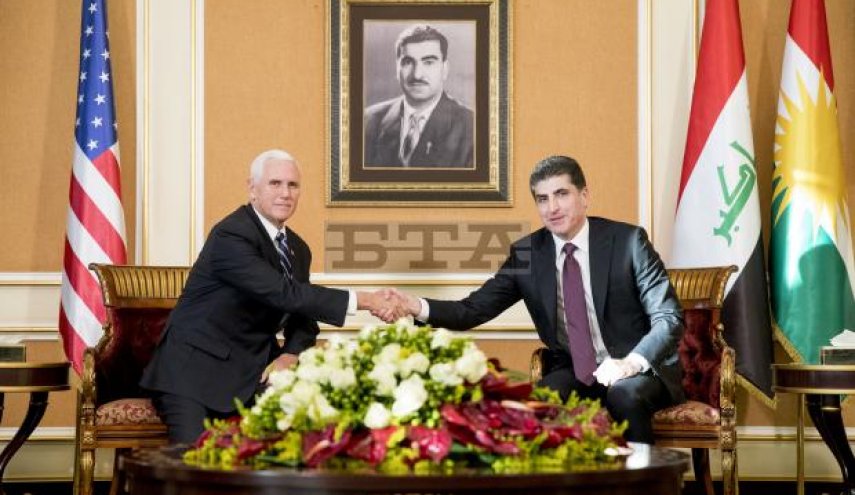
Vice President Mike Pence’s unexpected trip to Iraq.
After visiting US base Ayn al-Assad in Anbar province and before meeting with Iraqi President and PM he met with Nechirvan Barzani, Head of Kurdistan Iqlim in Irbil.
– Iraq’s Communications Committee announced of seizure of nine domestic and international TV networks and five networks got warnings.