Tag: Fattah missile

  • Operation True Promise II: Review On Iran’s Missile Attack On Israeli Regime

    Operation True Promise II: Review On Iran’s Missile Attack On Israeli Regime

    On Tuesday (October 1) at 8:00 p.m. local time, the Iranian Armed Forces attacked military positions of the Tel Aviv regime in various regions of occupied Palestine, when they fired dozens of ballistic and hypersonic missiles. The following is an assessment of the attack and an analysis of the areas targeted in the operation.

    Moments after the Iranian missiles were fired at 8:00 p.m., Spokesman for the Israeli army Rear Admiral Daniel Hagari claimed that our defense systems are fully operational and are detecting and intercepting threats wherever necessary, even at this moment.” Shortly after this claim, numerous videos were released showing Iranian missiles hitting Israeli positions, indicating a high success rate for the Iran-fired missiles. The large number of projectiles hitting the Israeli targets proved that the defense systems of the Israeli military, as well as those of the United States, failed to intercept the Iranian missiles.

    Operation True Promise I: Which Israeli positions were targeted in Iran’s retaliatory attack?

    According to the initial statement from the Islamic Revolution Guards Corps (IRGC), the Operation True Promise II was carried out in response to the assassination of Palestine’s Hamas political leader Ismail Haniyeh, Lebanon’s Hezbollah Secretary General Sayyed Hassan Nasrallah, and the senior advisor of the IRGC in Lebanon Major General Abbas Nilforushan. Significant military and security positions in the heart of the Israeli-occupied territories were targeted during the operation. The IRGC considered Iran’s military response to be in line with the Islamic Republic’s legal rights as well as international law, warning the Zionists that if they try to react to this retaliatory operation, they would face more devastating and crushing strikes.

    As more time passed following the missile attack, the spokesman for the Israeli army again claimed, “the IRGC used the Fattah hypersonic missiles for the first time in tonight’s attack. We will respond to this attack at the right time and place.”

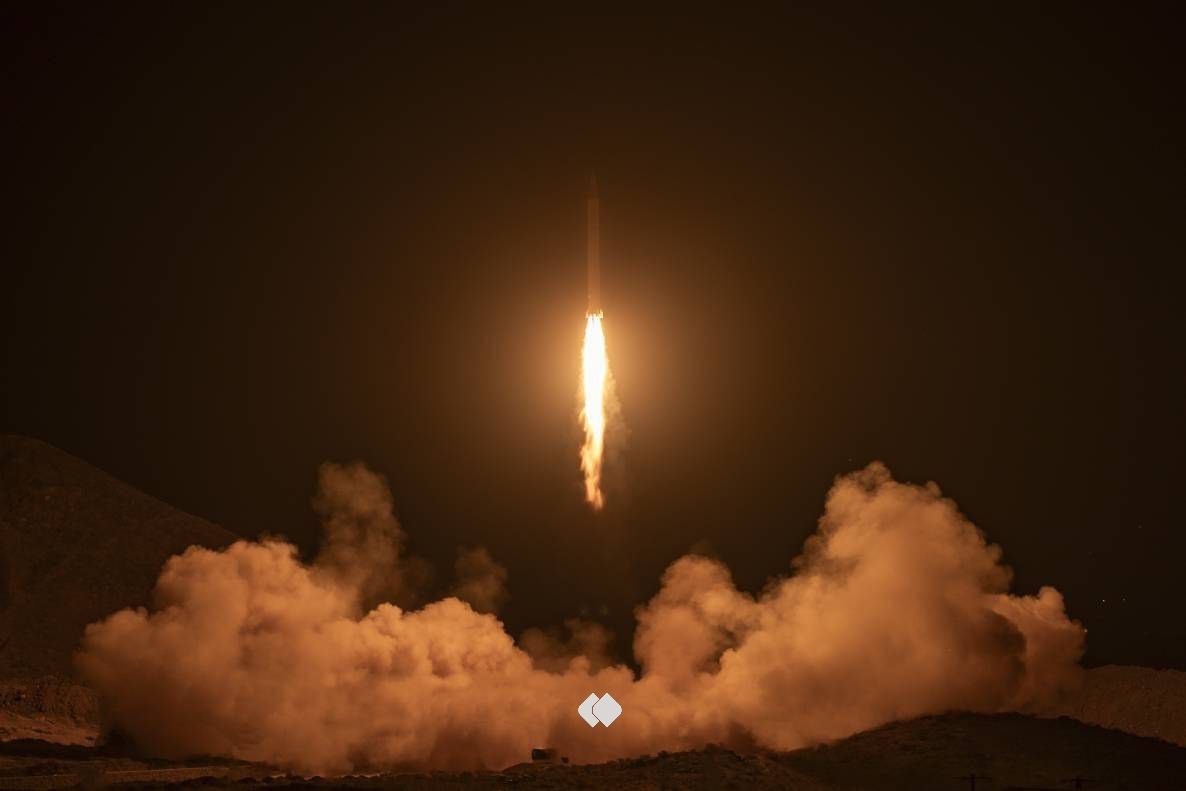
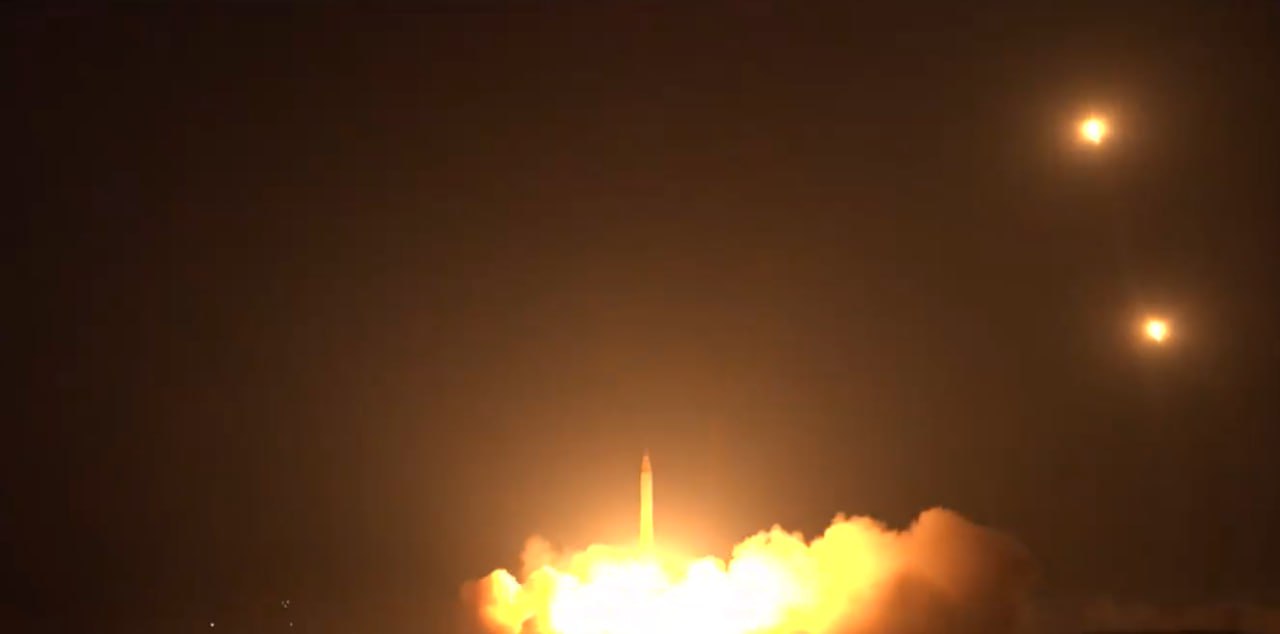
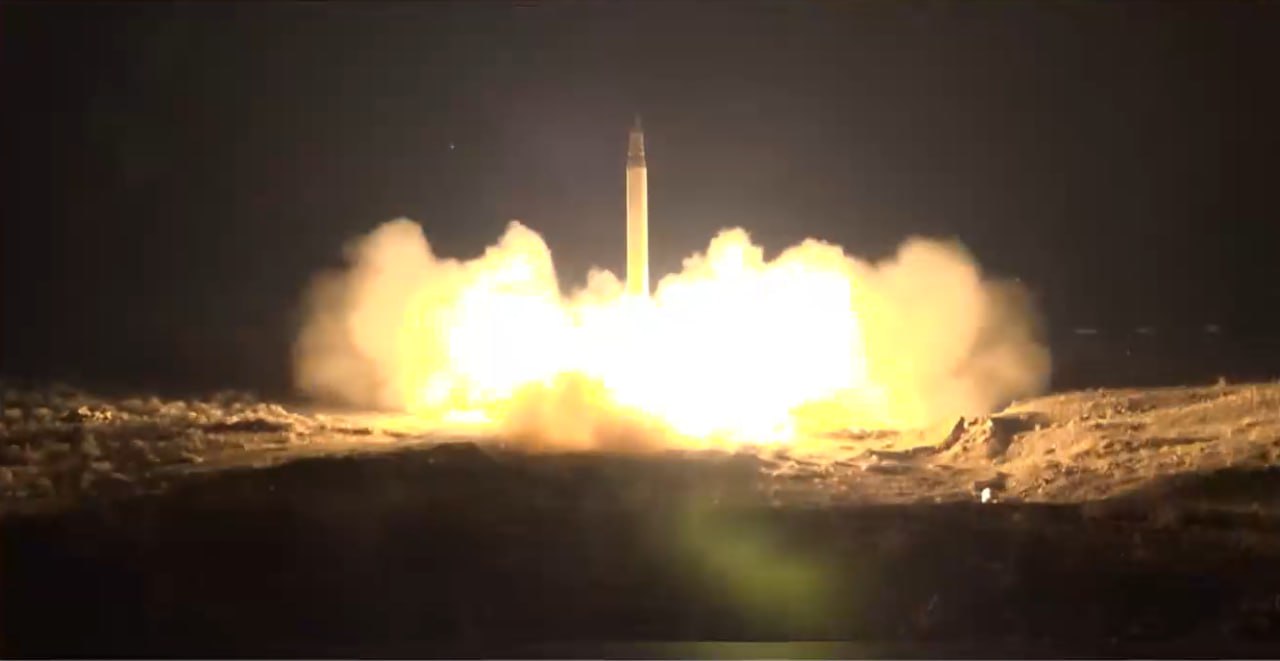
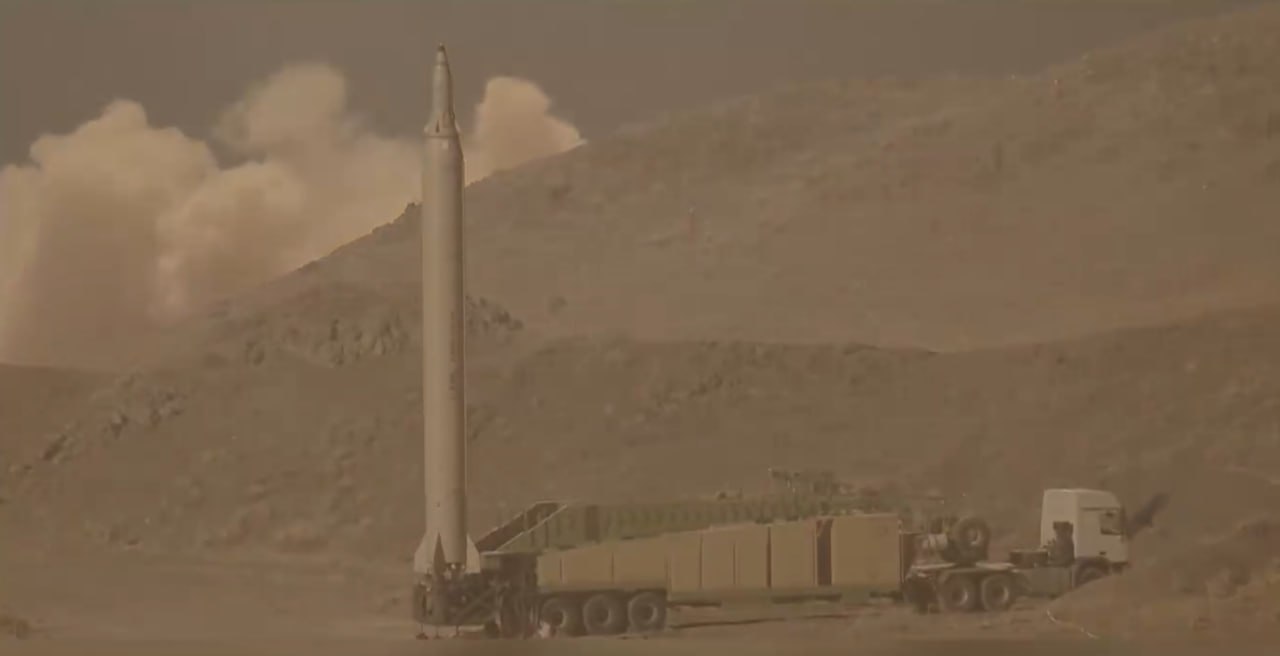
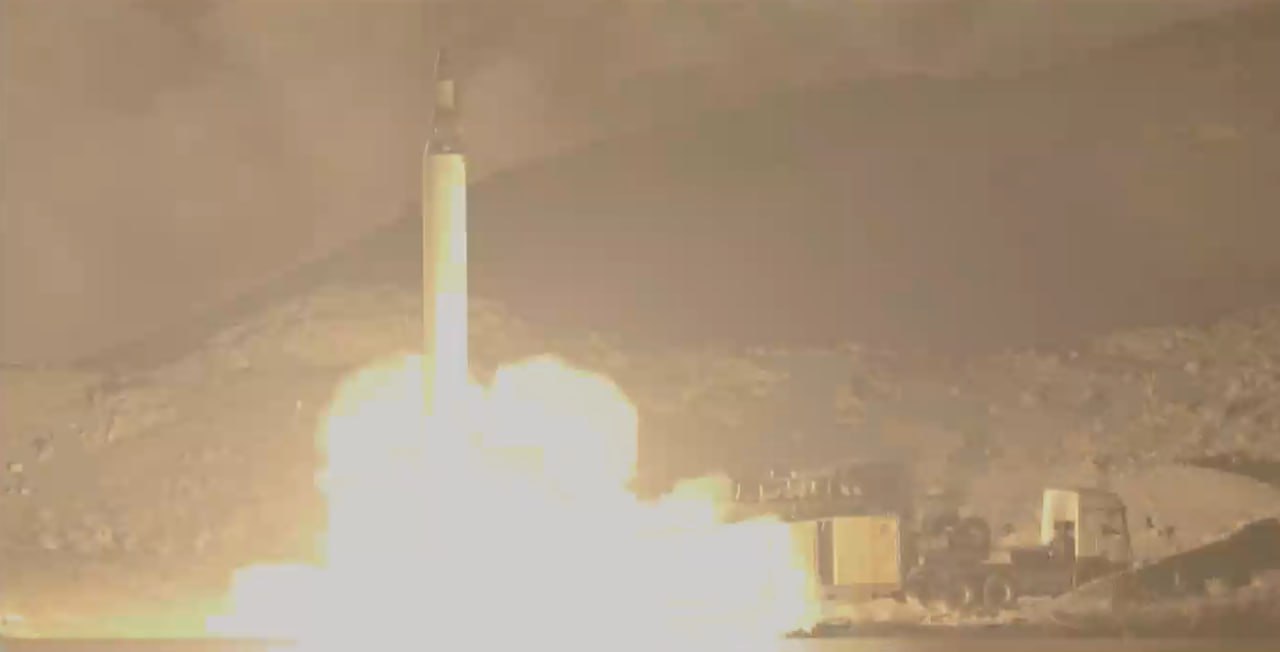
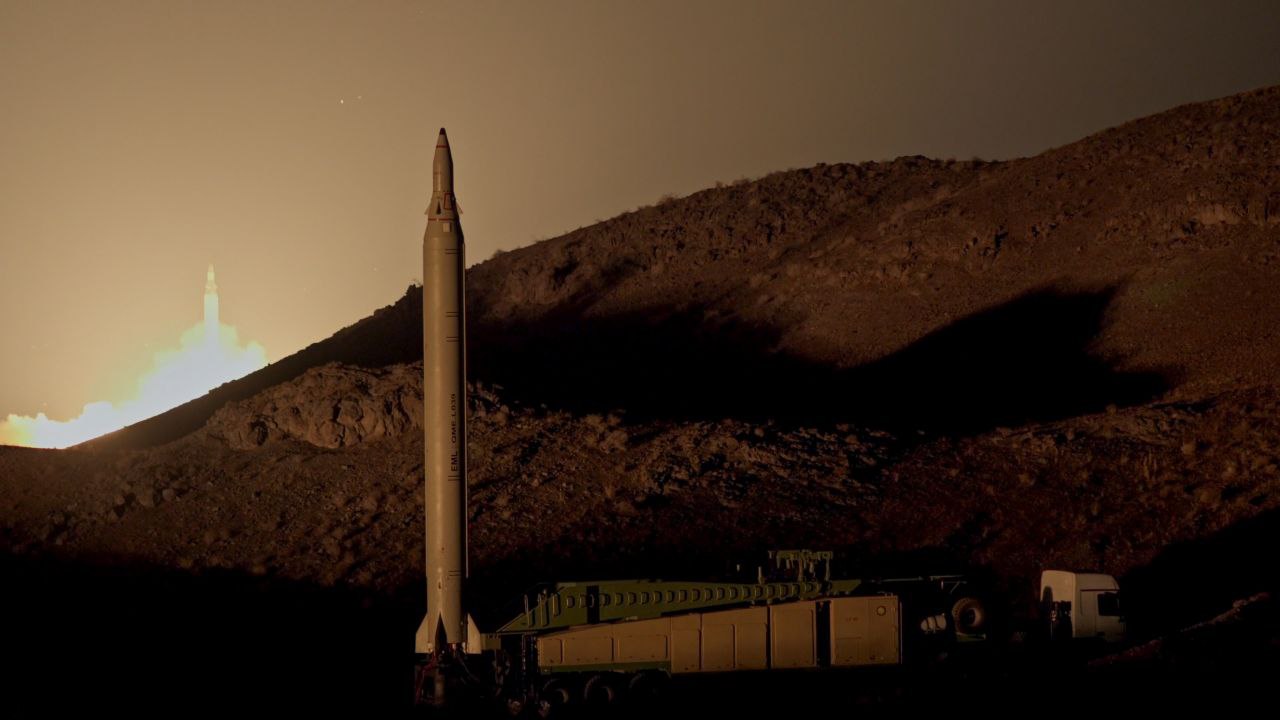
    Stunning video of firing a batch of Khaybar Shekan and Fattah-1 missiles in the Sadeq-2 operation towards the Zionist regime

    Read: Military Knowledge: Fattah Hypersonic Ballistic Missile

    According to the second statement from the Islamic Revolution Guards Corps, several air and radar bases, as well as centers that had been involved in hatching the plot of assassinating resistance leaders, were targeted during the aforementioned operation. Despite the fact that these areas are being protected by the most advanced and extensive defense systems, most of the Iranian missiles successfully hit their targets.

    Israeli media outlets reported that Iran fired 181 ballistic missiles toward the occupied territories of Palestine. Some Western sources estimated the number of projectiles to be between 200 and 250. Nevertheless, the official figure was declared by chief commander of the IRGC Major General Hossein Salami, who stated that 200 missiles were launched toward the occupied territories.

    It is worth noting that the missiles were launched from several locations across the Islamic country, including Tehran and its suburbs as well as other cities such as Kermanshah, Shiraz, Khorramabad, Tabriz, and Isfahan.

    Firing a batch of missiles from Tabriz
    Firing a batch of missiles from Kermanshah

    According to the released footages, most of the fired projectiles reached their targets, which indicates a very high success rate for the Iranian armed forces.

    One notable aspect of Operation True Promise II was the execution of targeted cyber operations and extensive electronic warfare by the use of jamming systems against the Israeli regime with the aim of disrupting its defense systems. Advisor to the IRGC commander General Ebrahim Jabari announced that a broad cyber operation was carried out simultaneously with the missile operation against Israel’s defense systems.

    Hours after the strike, the Islamic Revolution Guads Corps released images of several missiles used in Operation True Promise II. The released images showcased ballistic missiles such as Emad, Khaybar Shekan, Qadr-H and Qadr-F with upgraded warheads. Furthermore, analysis of videos released by the Israeli settlers indicated that the IRGC also utilized advanced hypersonic Fattah missiles in this operation.
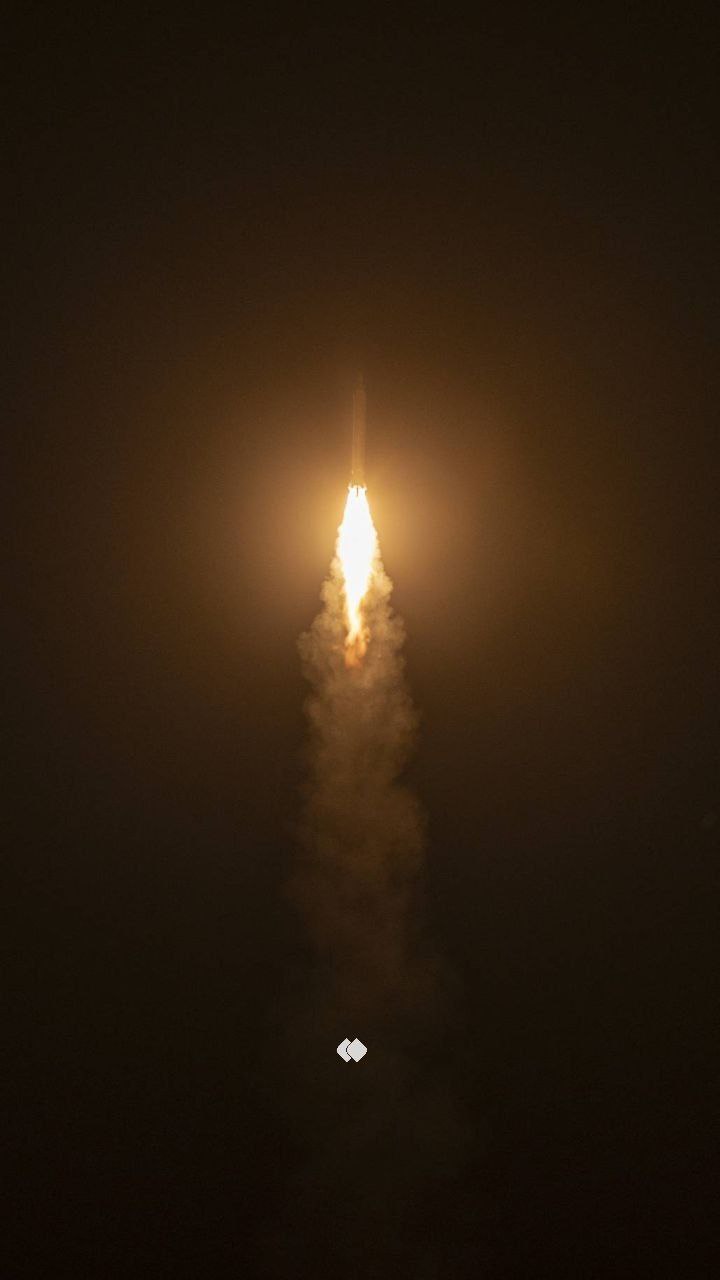
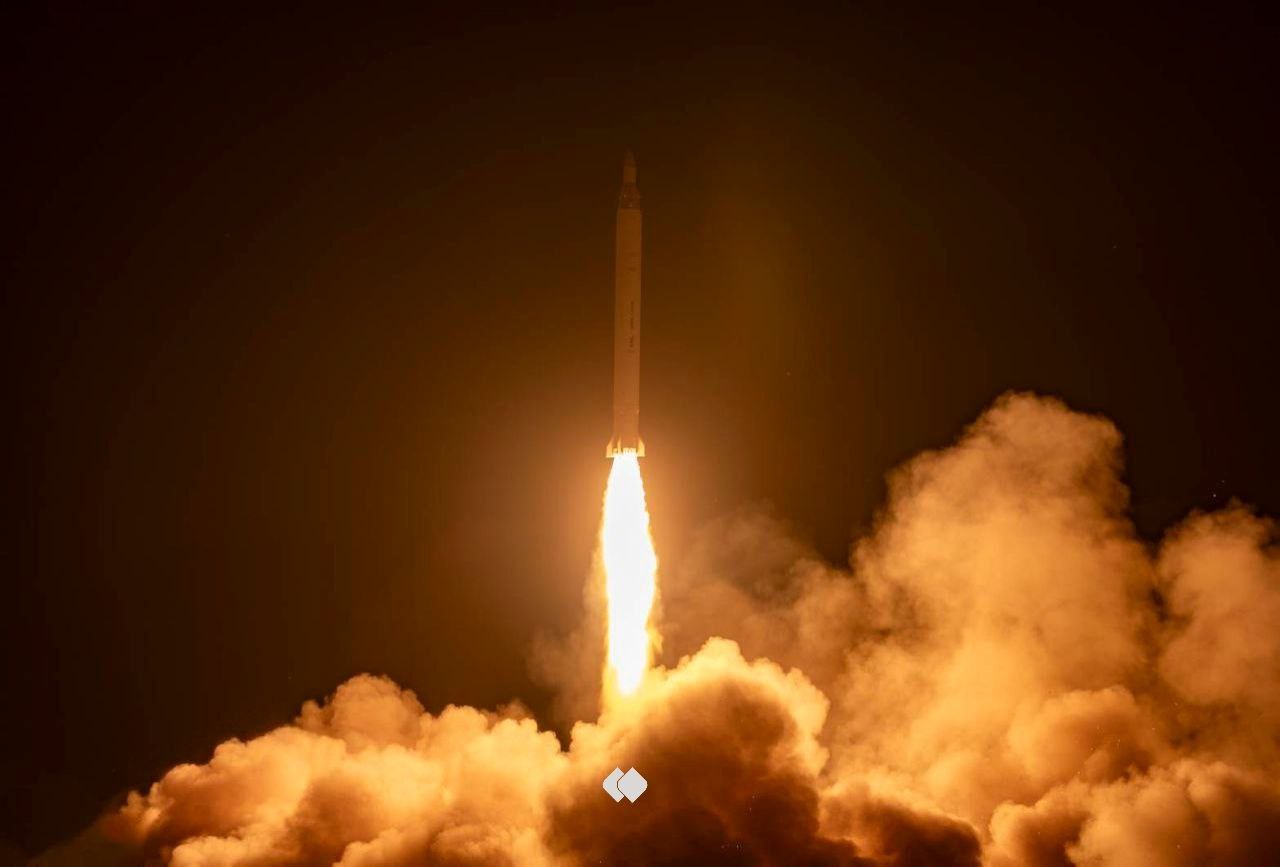
    Additionally, based on images released by Israeli settlers, the booster of the Fattah-1 missile was seen in the occupied territories. These images confirmed the claims of using hypersonic missiles.
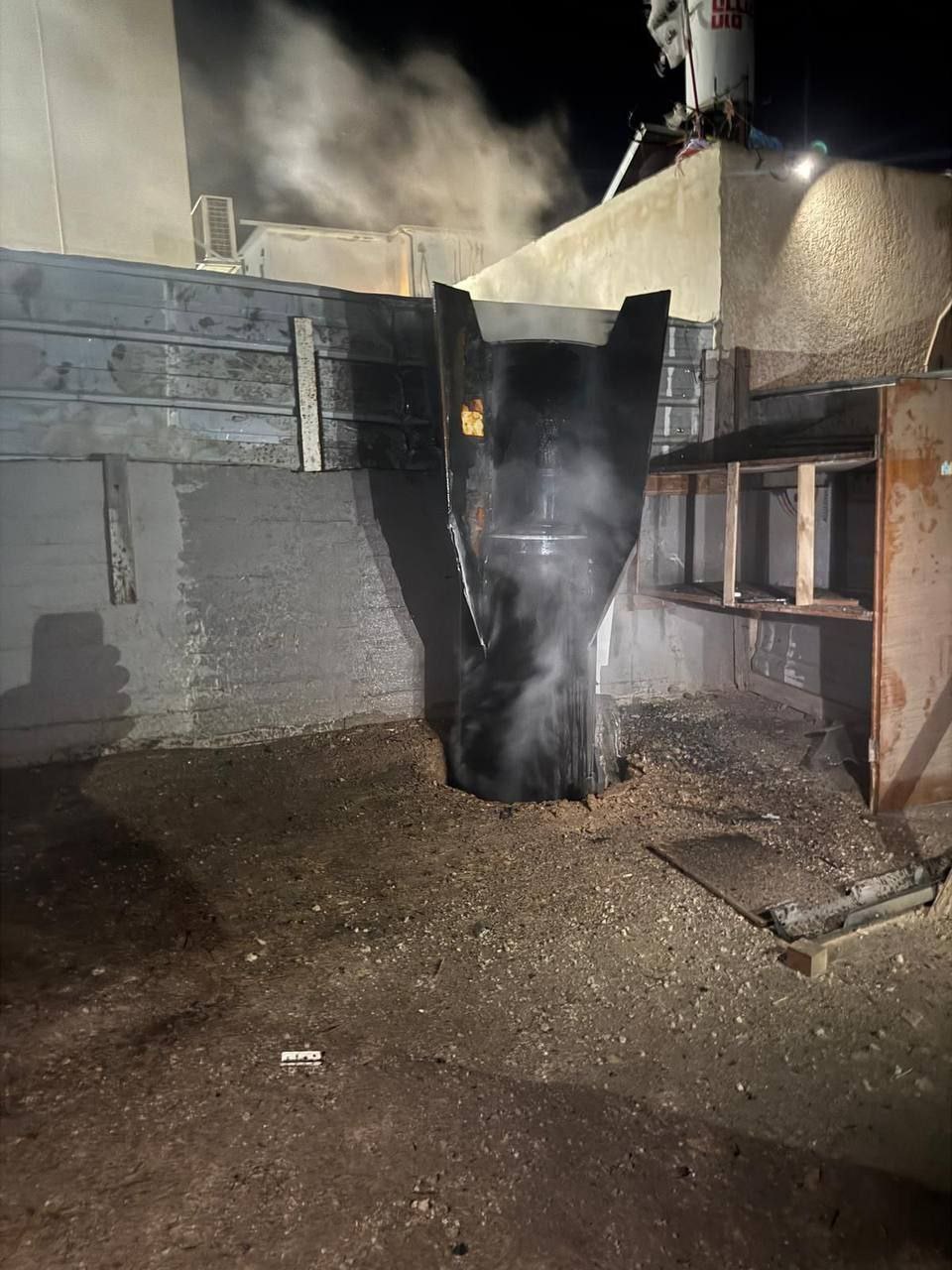
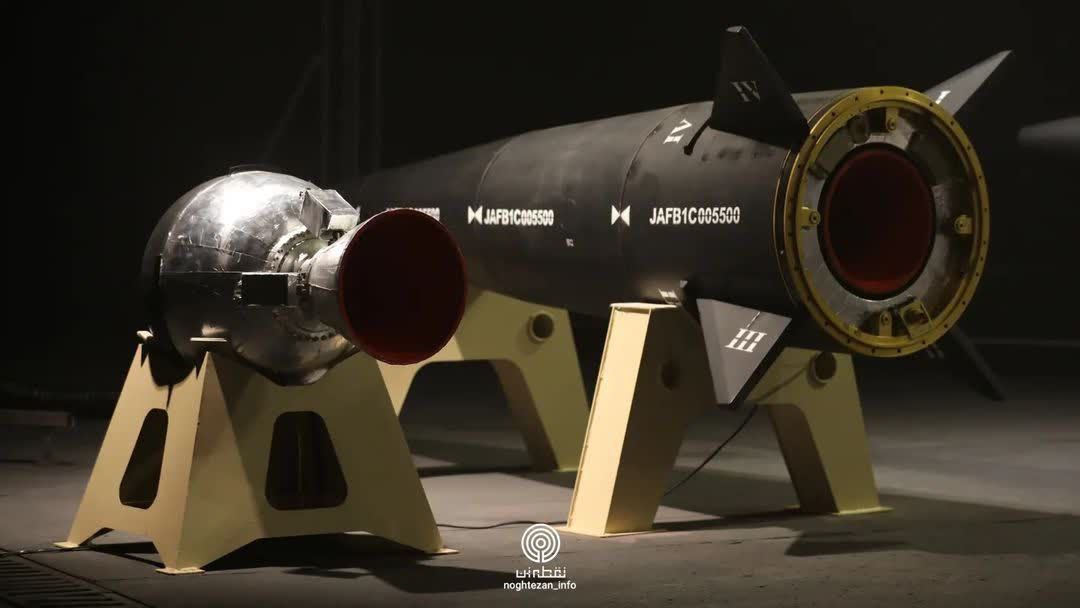
    Fattah missile’s booster

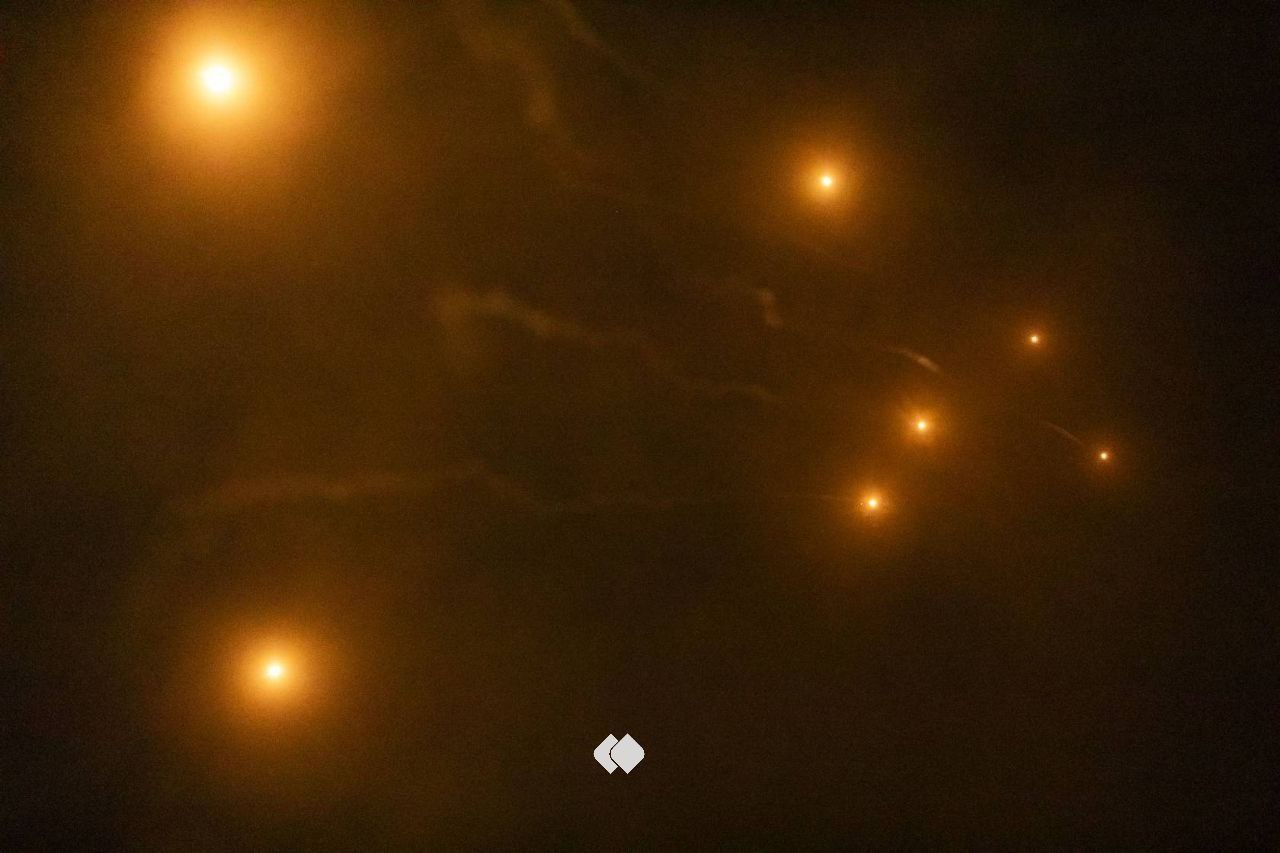
    On the other hand, the Israeli regime attempted to intercept the Iran-fired missiles using Arrow-2 and Arrow-3 anti-ballistic missile systems, while the United States fired at least 12 Standard Missile-3 (SM-3) anti-ballistic missiles from the USS Bulkeley and USS Cole. The number of successful interceptions remains unclear. An ambiguous footage of the interception of the Iranian missiles was also released, but it appears to be old and cannot be verified.

    The targets hit in Operation Promise II are as follows:

    1-Mossad Headquarters:
    The Mossad headquarters is located near the Glilot base in northern Tel Aviv city. This base is also the main site for the Unit 8200 or the Central Collection Unit of the Intelligence Corps (AMAN). Visual evidence show that the Mossad headquarters was targeted by two projectiles. Although these two missiles, for whatever reason (likely intentionally to warn Mossad), struck approximately 500 meters apart – one to the north and the other to the south of the building. However, this attack sends a clear message to the Israeli regime: Iran’s reach extends to the main intelligence hub of Israel, and if it makes a decision, it can target that site with a barrage of missiles; and there may not be any mistake next time.

    Missile struck approximately 500 meters north of Mossad HQs
    Missile struck approximately 500 meters north of Mossad HQs
    Missile struck approximately 500 meters north of Mossad HQs
    Missile struck approximately 500 meters south of Mossad HQs

    In addition, three other missiles struck several kilometers into the sea. One of these missiles hit the western area of the Mossad headquarters in the Mediterranean Sea, resulting in a fire in the water! Clearly, a specific target was struck in the strike.

    Two other missiles hit another point a few kilometers off the coast of Tel Aviv with an extraordinary accuracy. The precise impact of these two missiles on a specific point in the sea cannot be by chance. The nature of this target is still unclear.

    The missile (left) hits the sea and causes a fire in the sea! This video show the beach along the west side of the Mossad headquarters.
    Two missiles hit a specific point in the sea on the coast of Tel Aviv, precisely one after another.

    2-Tel Nof Airbase in Southern Tel Aviv:
    Apart from one video that clearly captured the missile strikes, no other videos have been released from this base so far. In the released video from this military base, several missiles hit the Tel Nof airbase. In one of the strikes, flames and white smoke rose from the targeted site, indicating that solid-fuel air defense systems, such as the Arrow missile defense system, were targeted.

    To date, no high-quality or even low-quality images of the Tel Nof Airbase have been released, and perhaps they never will be. The damages at Tel Nof were also quite remarkable!

    Missiles hit the Tel Nof air base

    It is also noteworthy that during the attack on Tel Nof base, one missile struck several kilometers south of this base, hitting the courtyard of an elementary religious school (Shalhavot Chabad) in Gedera, causing damage to the school building! This school is affiliated with the Haredi movement, a branch of Orthodox Jews in Israel.

    Shalhavot Chabad school
    Missile hit the courtyard of Shalhavot Chabad religious school in Godra

    3-Nevatim Airbase:
    Most of the attacks and recorded videos are related to the Nevatim Airbase. According to the videos, the Nevatim base has been targeted by a barrage of Iranian ballistic missiles, and it likely suffered the most damage from Iran’s missile attacks on Israel.

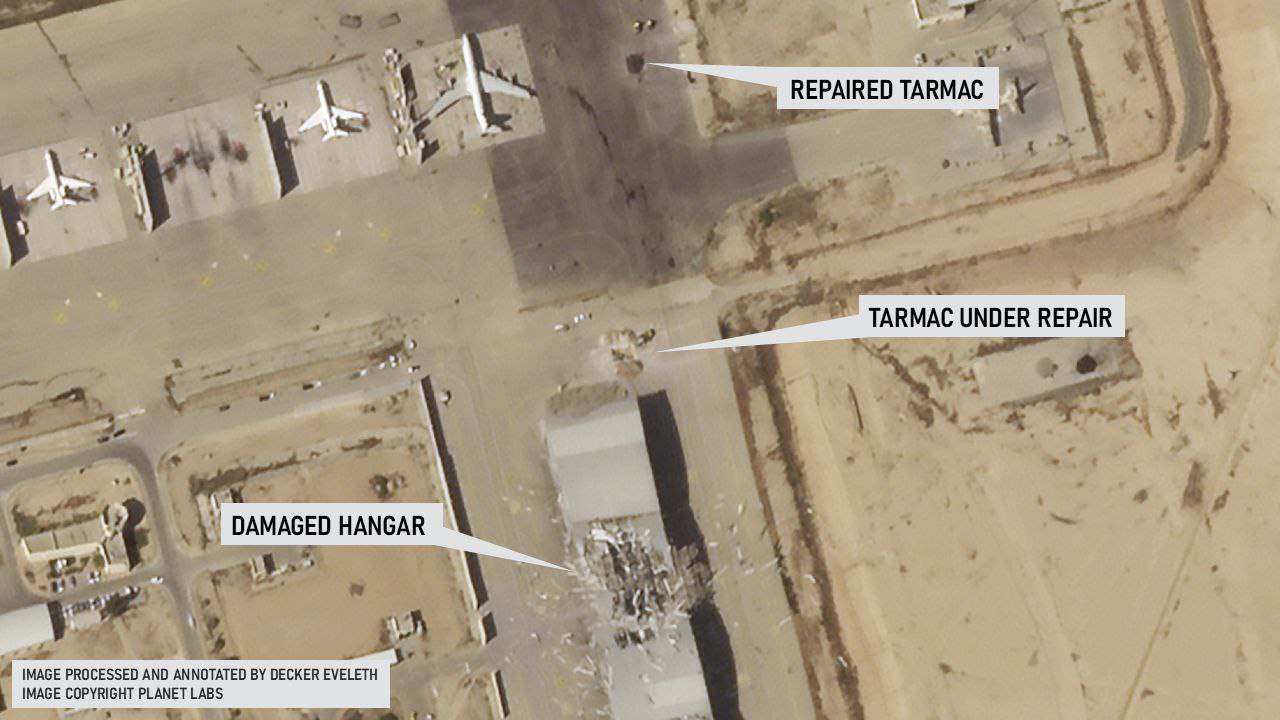
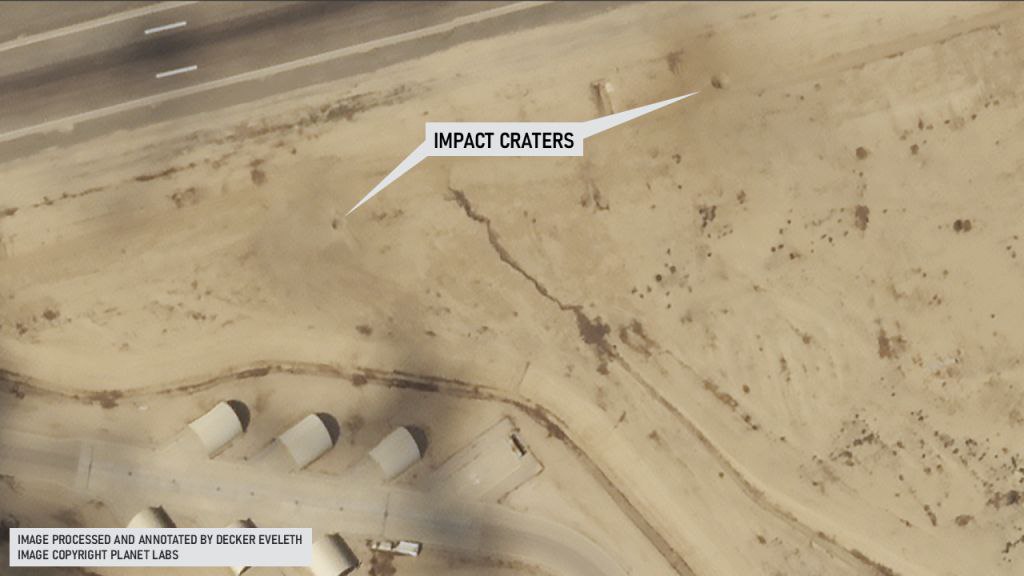
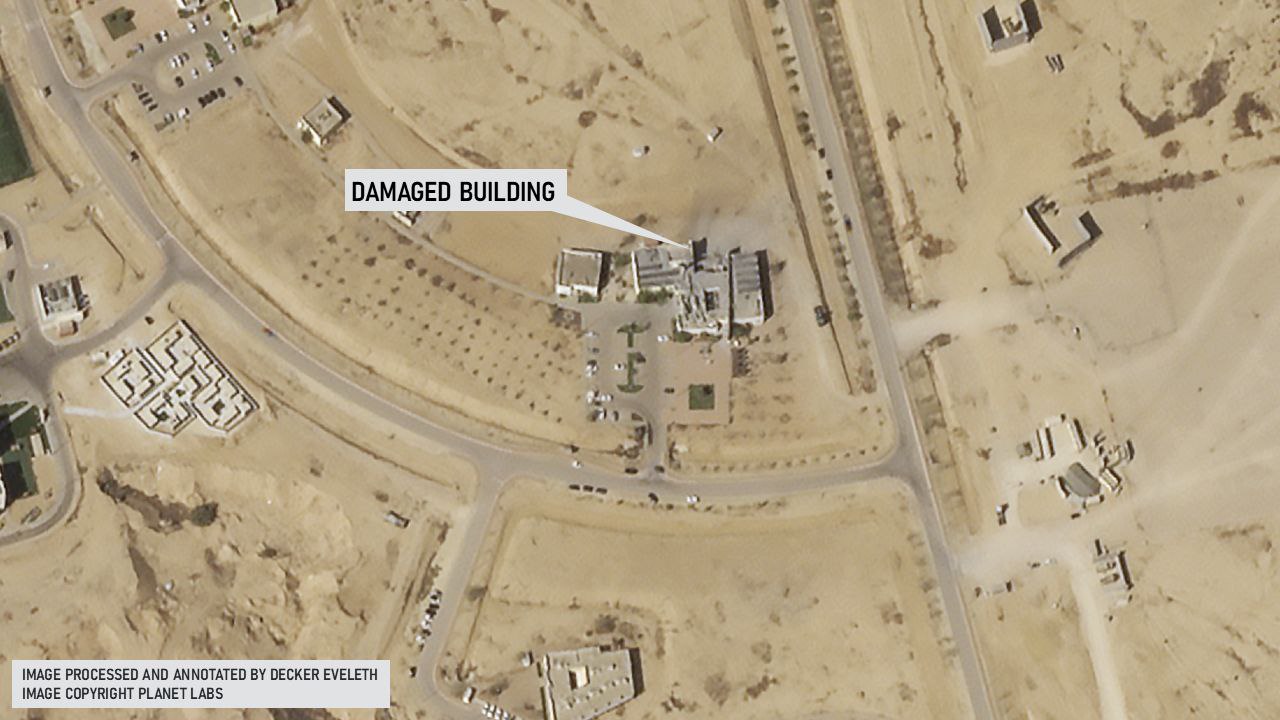
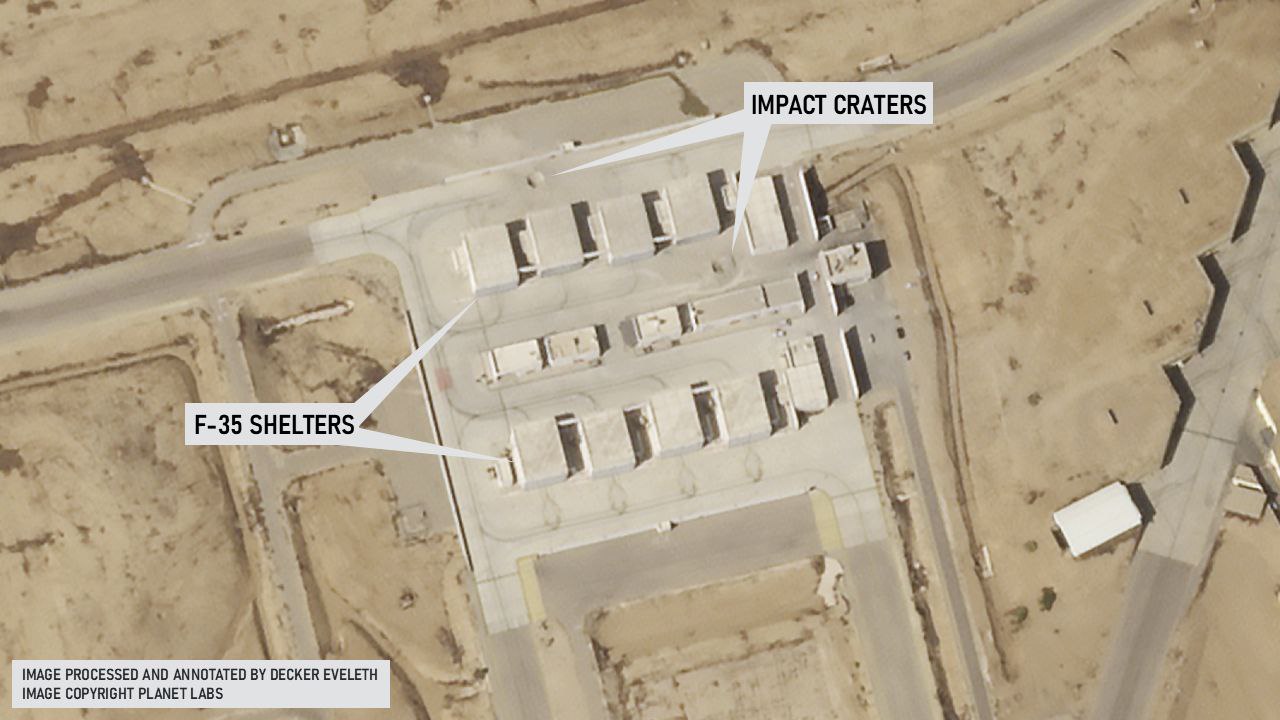
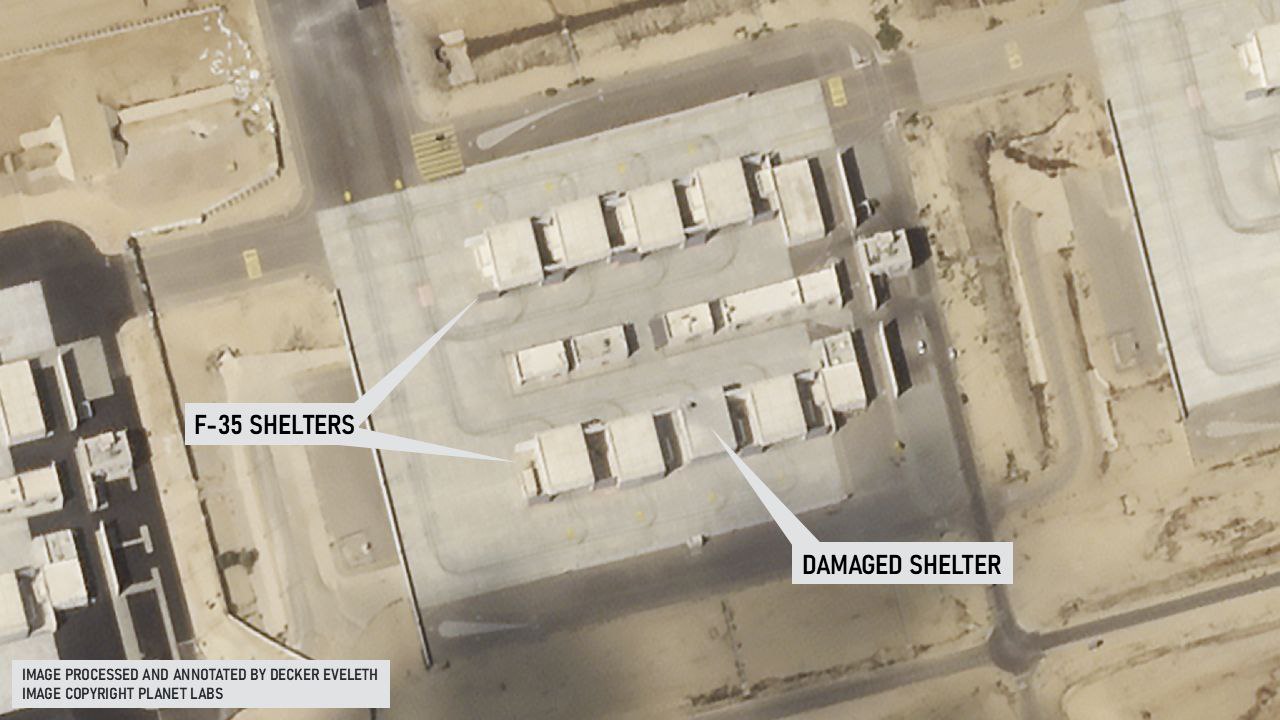
    Satellite images released after the attack on Nevatim base also indicate the damage inflicted on the base.

    The satellite images indicate that the location of the F-35 fighter jets at Nevatim was hit. One of the missiles struck one of the F-35 shelters with high precision. Additionally, a large hangar, administrative buildings, and other points within the airbase were also hit. The targeted areas show that it can be said that several types of missiles were used in the attack on Nevatim base, and the missiles that hit their targets with high accuracy were likely of the Khyber-Shekan or Fattah class.
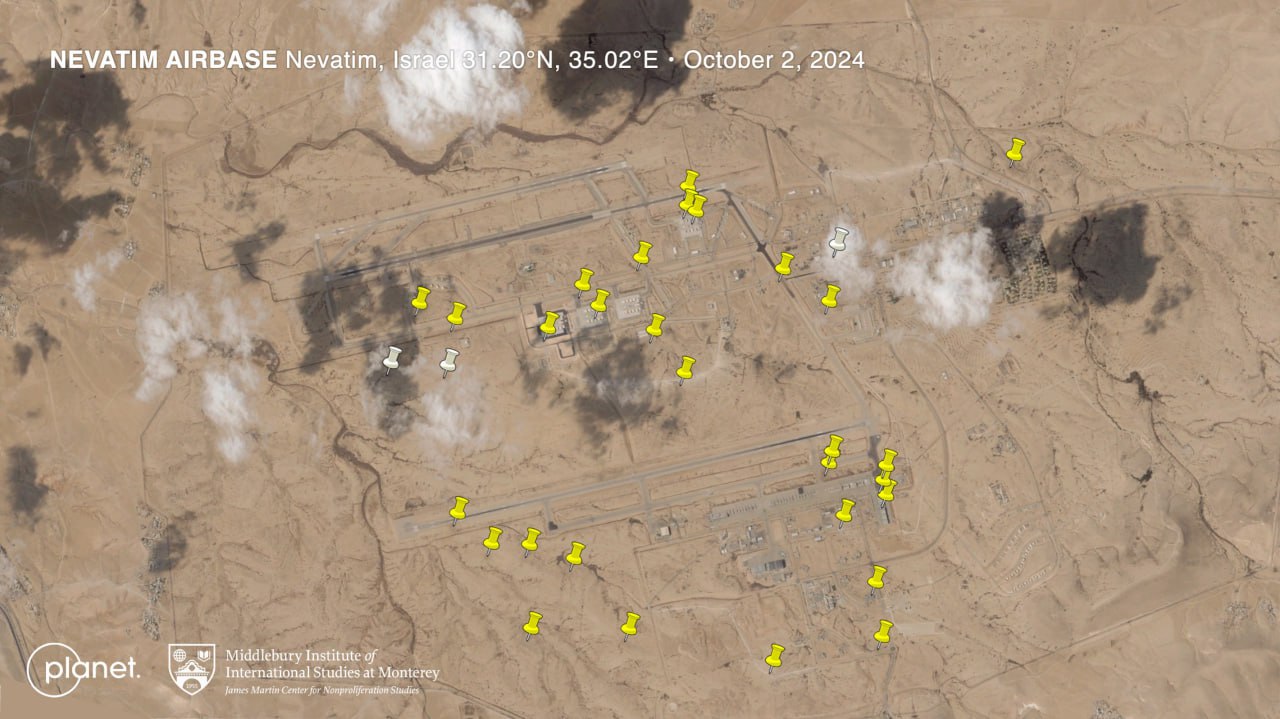
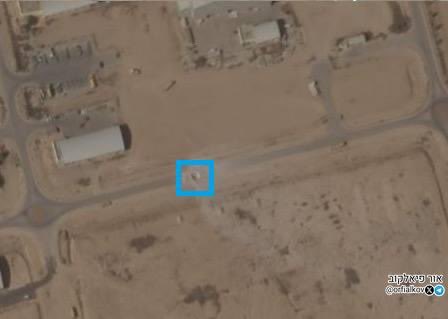
    A batch of missiles hit Nevatim Air Base
    A batch of missiles hit Nevatim Air Base
    A batch of missiles hit Nevatim Air Base

    4. Hatzerim Airbase:
    Another target of Iran’s missile attack was the Hatzerim Airbase near the city of Be’er Sheva. Reports confirm Iran’s attack on this base. According to Israeli media outlets, the city of Be’er Sheva sustained minor damages during the Iranian missile attack. This may have occurred due to the fall of missile boosters on Be’er Sheva.

    Furthermore, a video footage from inside the Gaza Strip has been released, confirming at least one projectile hitting the Hatezrim Airbase.

    A missile hit the Hatzerim Air Base

    5. Ovda Airbase:
    Among the areas in the occupied territories targeted by Iran’s missile attacks, less attention has been given to the Ovda Airbase. However, considering the rate of missiles fired at this base and the very precise hits, it could be said that the most successful attack on Israeli military bases was on the Ovda Airbase.

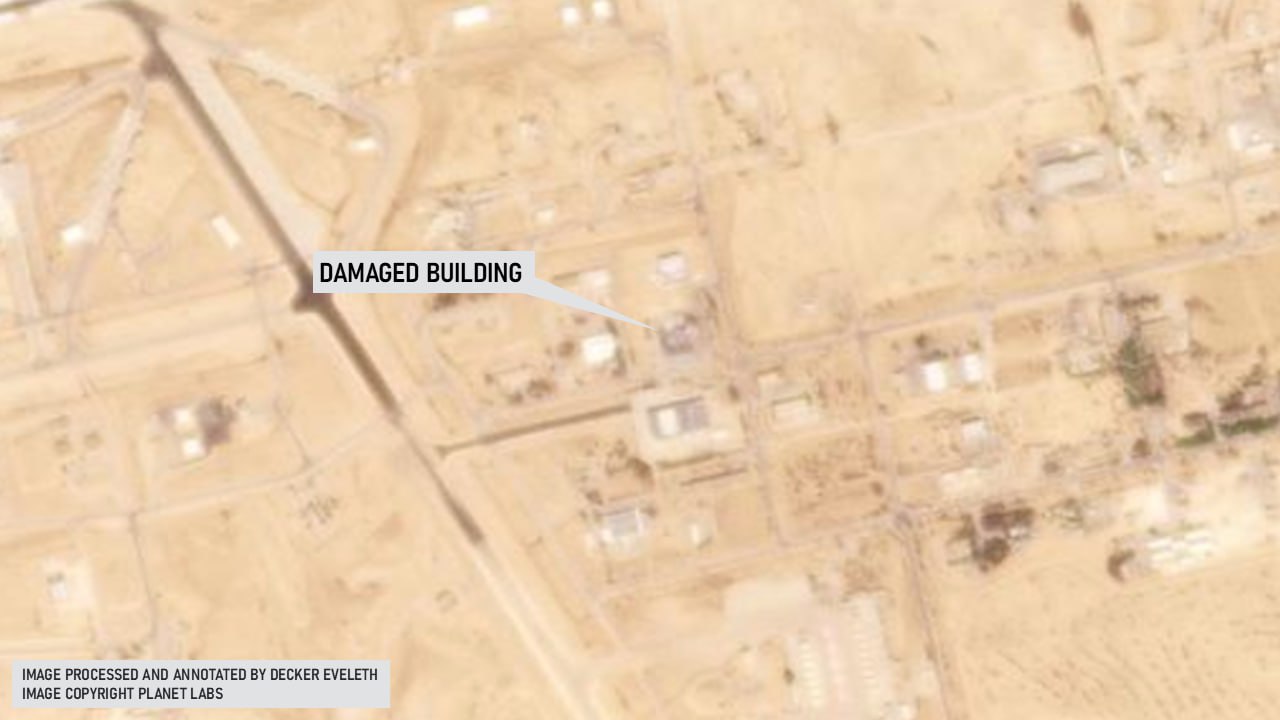
    Based on the low-quality satellite images available, it can be observed that seven missiles struck this base, and nearly all of them hit their targets with remarkable precision.
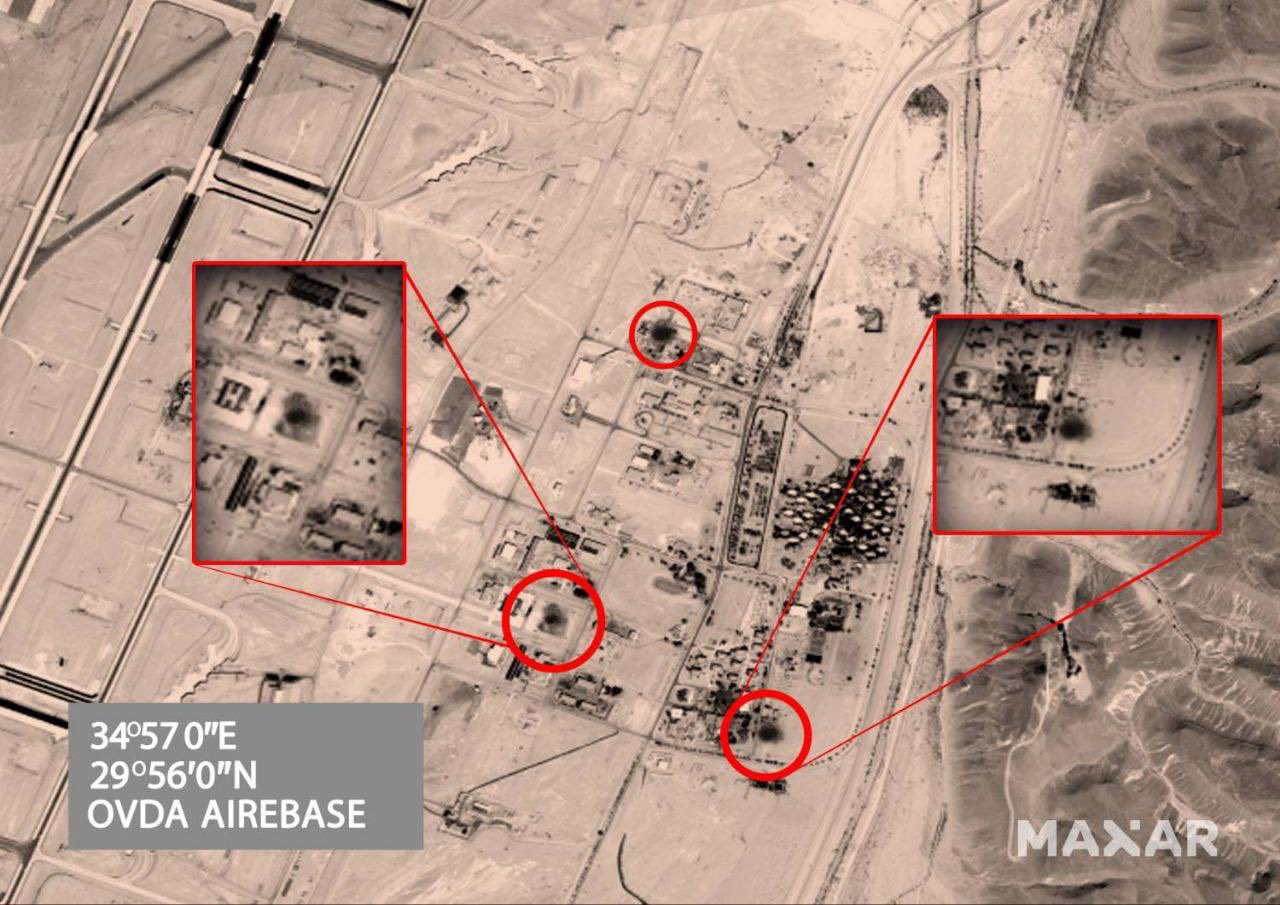
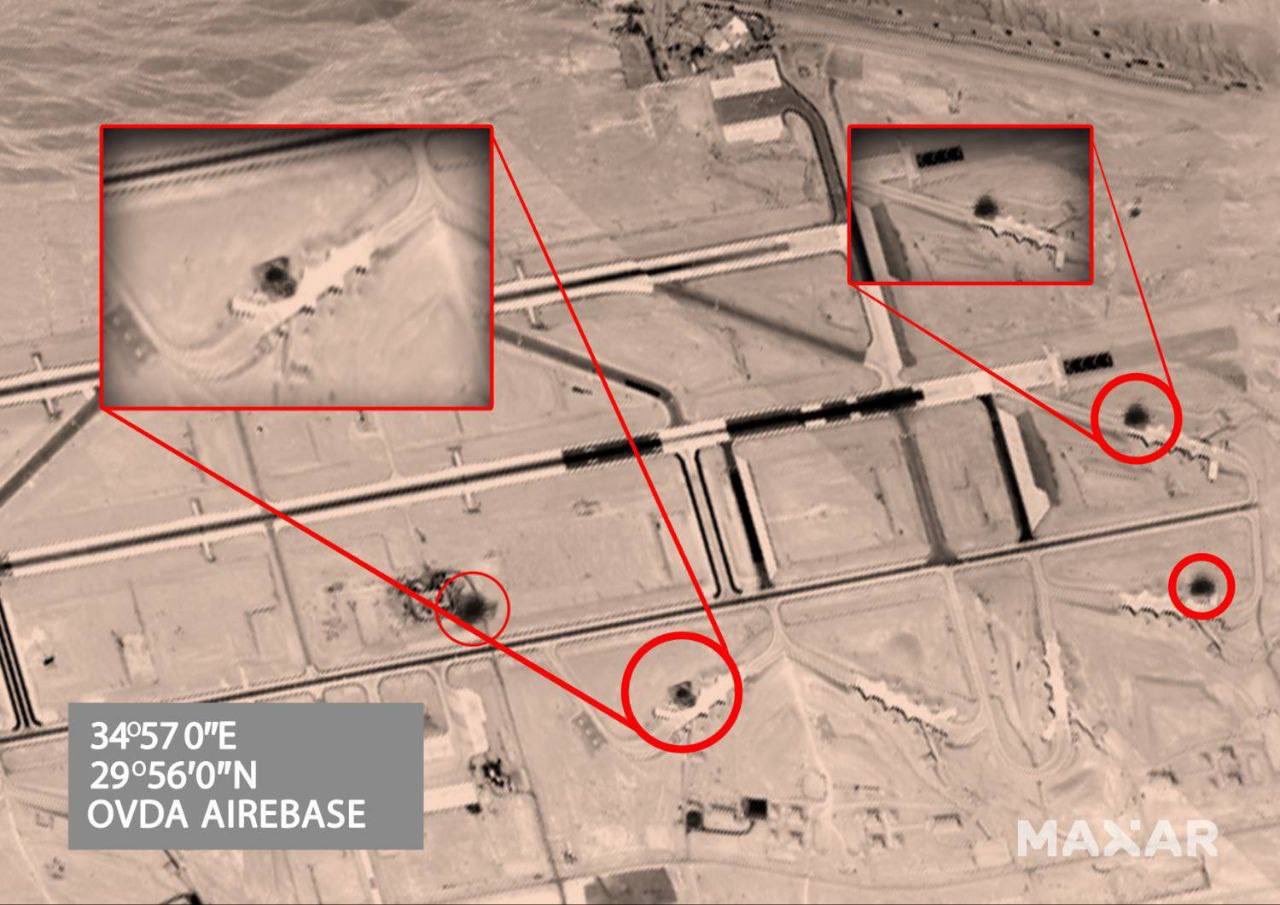
    If higher-quality satellite images are released, it may be possible to identify several other targeted sites. The main reason that no videos of the missile craters at this base have been released is that the Ovda Airbase is located kilometers deep in the desert, and unlike other bases, there are no nearby villages or towns where someone could film the moments of the attack. However, these satellite images are still valuable.

    The Ovda Airbase is located in the southernmost part of the occupied territories, in the southern Negev Desert, 40 kilometers north of the port city Eilat.

    This airbase houses Israel’s Squadron 115, which includes F-16C fighters (now retired) and F-16D Barak fighter jets. Additionally, the Israeli Air Force Flight Academy and the Air Force Officer School are part of the training programs for Air Force officers, which are operational at this airbase.

    Another important point is that the Ovda Airbase is officially the only air base authorized for the transportation of explosive materials for the Israeli regime. Therefore, this base is used for the export of military equipment and munitions to other countries.

    Overall, the missile Operation True Promise II marks a turning point in the developments in the West Asian region. This operation goes beyond being merely a “long whip” against the enemy; it not only inflicted heavy damage on the military bases of the Israeli army but also caused the collapse of the Israelis’ defensive structure, undermining their claims of being invulnerable.

    The assassination of commanders and leaders of Islamic resistance groups, especially Sayyed Hassan Nasrallah and Ismail Haniyeh, was an unforgivable sin, and a failure to respond to it would undermine Iran’s establishment and reputation within the resistance axis.

    Iran’s missile strikes also serve as a strong response to Israeli Prime Minister Benjamin Netanyahu’s threats; he should know that Iran is not defenseless, when it comes to his threats against the Iranian nuclear and oil facilities. In fact, Iran possesses greater, heavier, and faster capabilities, and certainly, Israel, with all its defensive and aerial resources, will be defeated in this competition in the face of Iran.
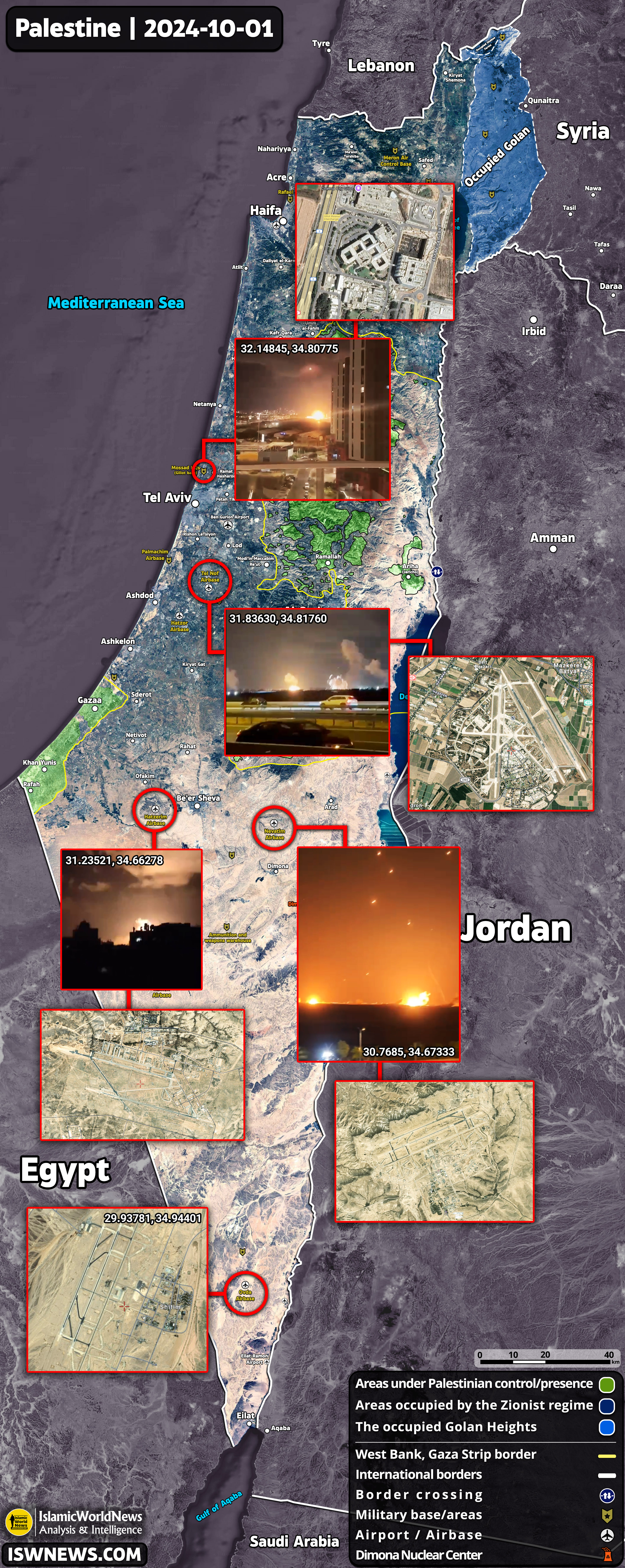
    The areas that were hit by Iranian missiles in the occupied territories.
  • Military Knowledge: Fattah-2 Hypersonic Missile

    Military Knowledge: Fattah-2 Hypersonic Missile

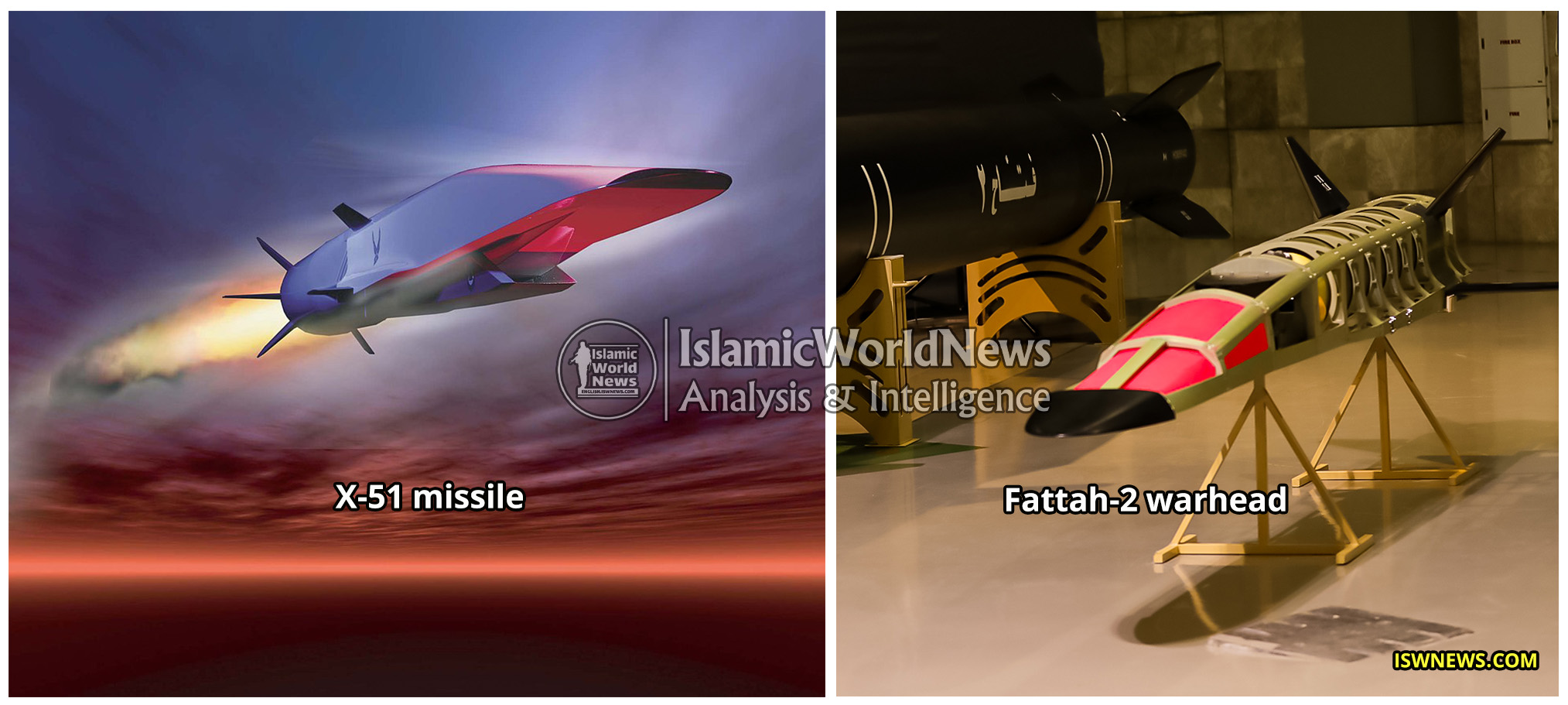
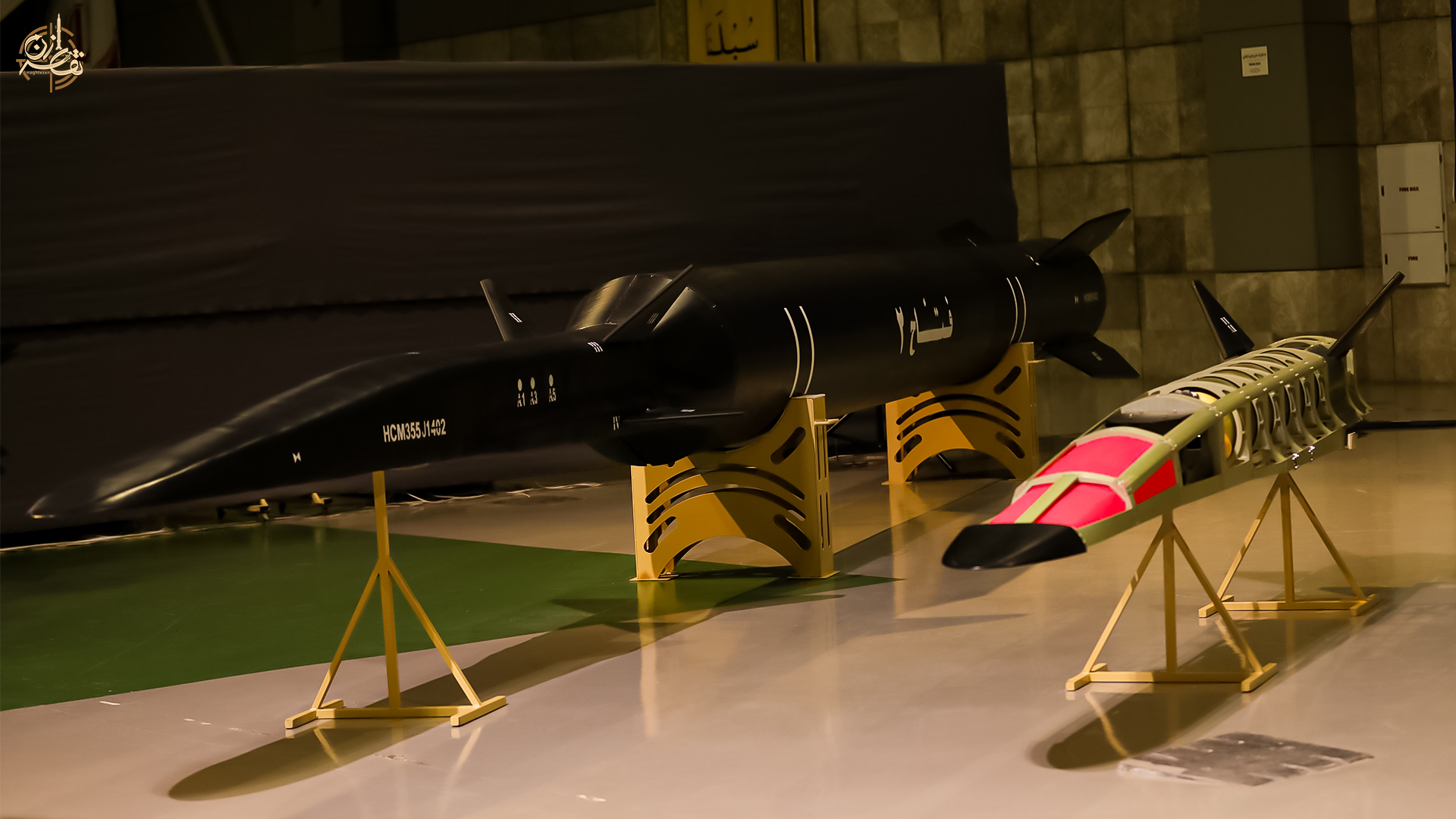
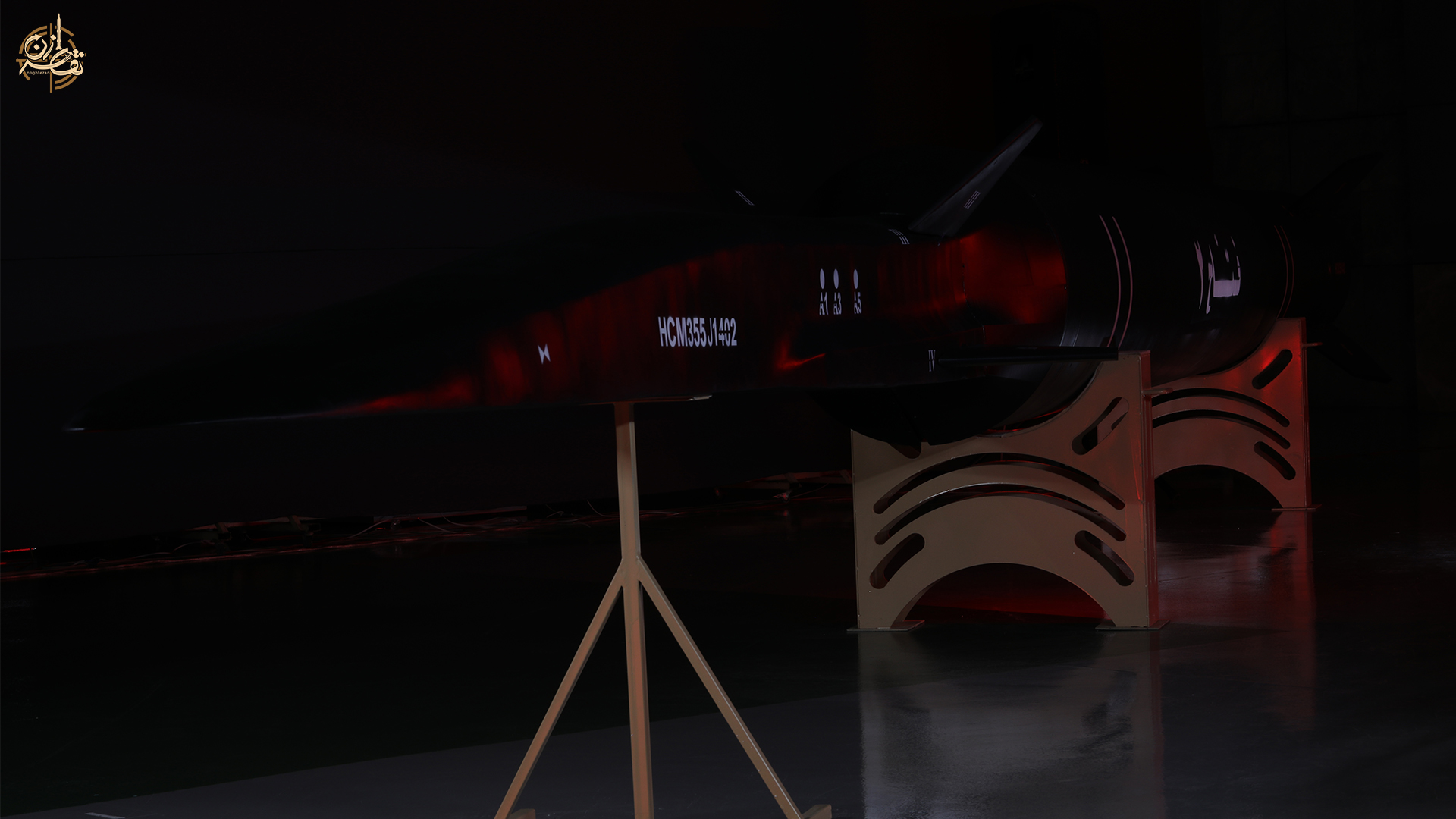
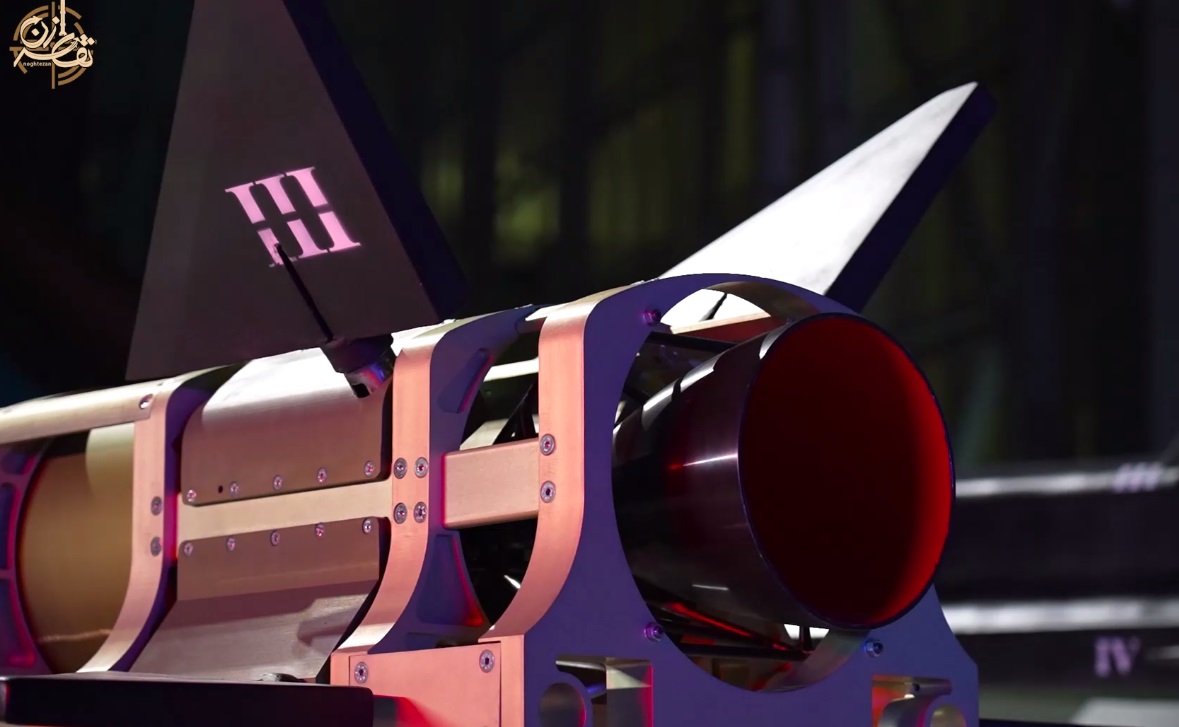
    The Fattah-2 missile utilizes the configuration of hypersonic cruise missiles. The acronym HCM, which stands for Hypersonic Cruise Missile, is written on its nose cone. The shape and combination of the nose cone is similar to the X-51 hypersonic cruise missile. However, the X-51 missile uses a ramjet engine that requires air intake, whereas in the Fattah-2 missile, air intake and ramjet engines are removed, and instead, a liquid fuel rocket engine is used. This will not affect the missile’s performance.

    Phrase “HCM” meaning hypersonic cruise missile on Fattah-2 body

    Design:
    The Fattah-2 missile consists of two parts. The first part is the Fattah solid fuel booster, which has not changed from the initial version. The second part is the gliding warhead, which separates from the booster and has a liquid fuel rocket engine.

    The overall shape of the Fattah-2 gliding warhead is very similar to the Boeing X-51 missile, but with the difference that its air intake has been eliminated and a rocket engine is used instead of a ramjet engine.

    Similarity of Fattah-2 and X-51 warheads

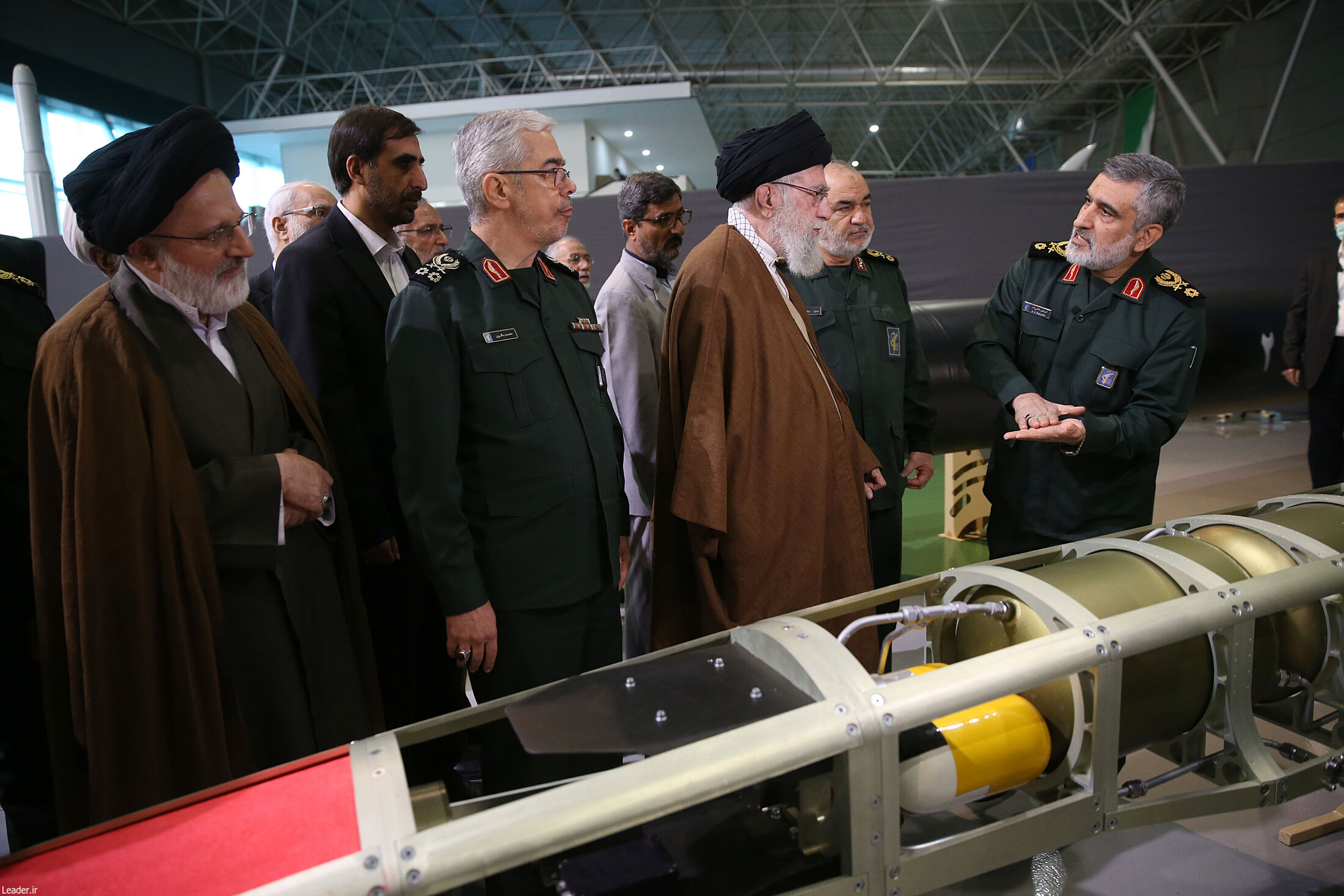
    The explosive material is located at the beginning of the warhead, followed by an inertial guidance and GPS system along with a computer that is responsible for guiding the warhead to the final stage of impact. After the guidance system, there is a detonator container (yellow piece), followed by a liquid fuel tank and an oxidizer tank, and finally a rocket engine that appears to have the ability to change the missile’s trajectory.

    Various components of Fattah-2 warhead

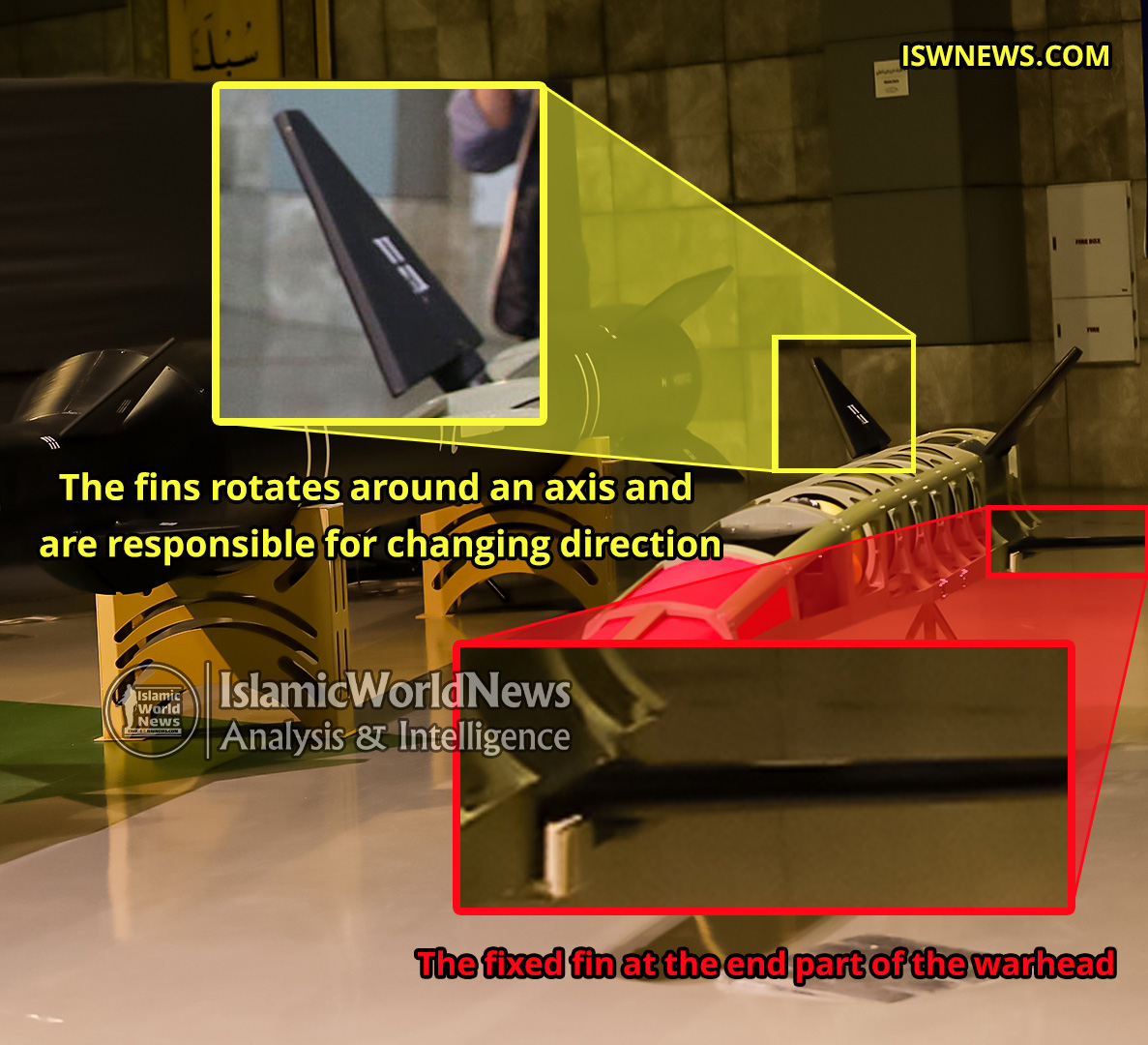
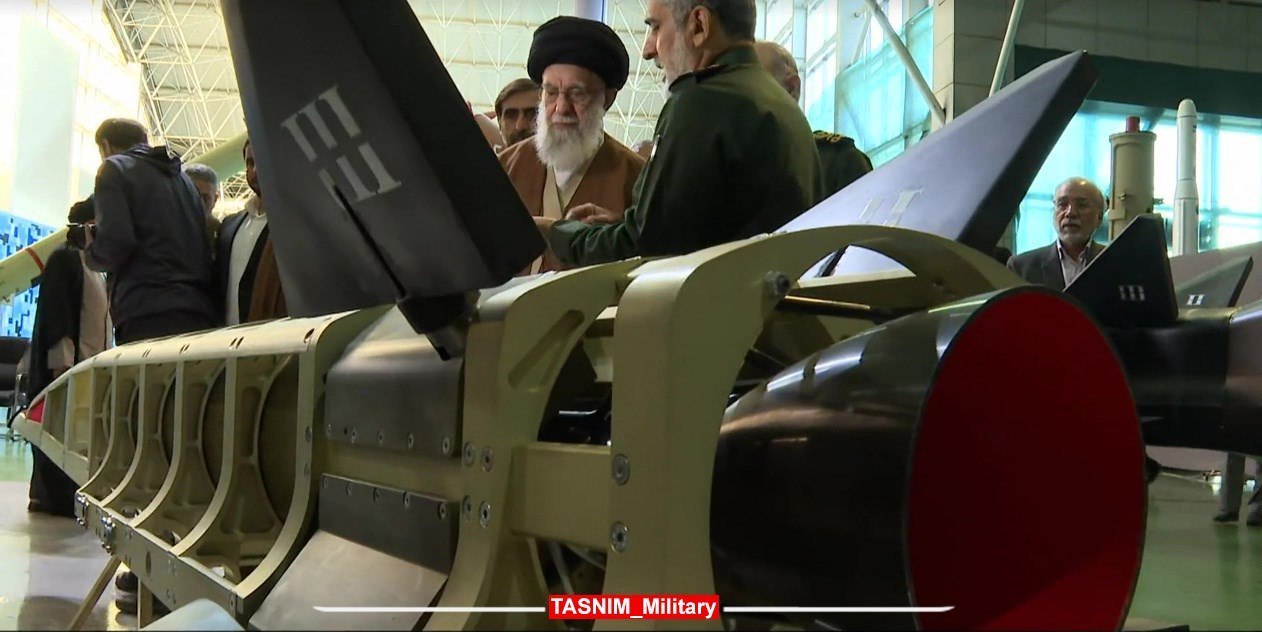
    At the end of the warhead, there are four fins, two of which form a line with the bottom of the warhead and are fixed, responsible for producing lift force. The other two fins are designed to change direction and have the ability to rotate around an axis connected to the body.

    Four fins, two of which are fixed and two other fins with the ability to change the direction

    The speed of this missile is stated as Mach 10 in some sources, but it is unclear for how long this speed can be sustained. However, it can be assumed that the speed exceeds Mach 5 at the moment of impact.
    The range of the missile has been reported as 1500 to 1800 kilometers by some news agencies, but it is unlikely that the range will be significantly different from that of the Fattah-1 missile, and a range of less than 1400 kilometers does not seem reasonable for Iran’s operational needs.

    Read more: Military Knowledge: Fattah Hypersonic Ballistic Missile

    The operation of the Fattah-2 missile:
    The solid fuel booster of the Fattah-2 missile carries it to a certain altitude from space, and then the warhead separates from it and moves towards the atmosphere. In this state, the missile will travel at a fast falling rate until it reaches the atmosphere, and then, like an HGV (Hypersonic Glide Vehicle), it will glide to the ground in the atmosphere at an altitude of less than 100 kilometers. Considering the high speed announced for the Fattah booster in Fattah-1, it must be more than Mach 15 at the time of entering the atmosphere. Therefore, due to the high lift force of the Fattah-2 warhead, it must spend a considerable amount of time gliding in the atmosphere and continuously reduce its altitude.

    In a part of the middle stage and at the end of the warhead, it drastically reduces its altitude and its speed also decreases. In this stage, the rocket engine embedded in the warhead turns on and stabilizes the warhead’s speed at Mach 5 or higher. The Fattah-2 warhead spends a lot of time at low altitudes and will cruise through the final stage of its path like cruise missiles thanks to its engine. A significant point is the amount of drag force and tolerance for high-speed entry into the atmosphere because aerodynamically, the warhead is not designed for such speeds.

    Conventional designs of hypersonic cruise missiles use a booster for initial speed and a ramjet engine for further movement along their path, and they are often launched from aircraft. These engines have a risk of reducing their speed to less than Mach 5 at their maximum range due to fuel shortages. However, Fattah-2 uses a solid fuel ballistic missile booster for movement in a part of its path and reaching an initial speed of more than Mach 15, which provides the missile with a considerable speed for a long time. Then, at the end of its path or near the point of impact, it uses an engine to compensate for the speed reduction and stabilize its speed at Mach 5. This is an interesting and very creative idea that has been implemented by Iranian experts. This initiative eliminates the limitations of HGVs for the Aerospace Force of the Islamic Revolution Guards Corps (IRGC).

    Unlike conventional HGV versions, the Fattah-2 warhead is more suitable for flying at low altitudes. Most HGVs travel much of their path at an altitude of less than 100 kilometers and more than 30 kilometers, where air density is lower. However, the Fattah missile can fly in an altitude of less than 12 kilometers due to its aerodynamic shape, but it seems to try to maintain itself at an altitude between 12 and 30 kilometers to experience less speed reduction. Overall, the Fattah-2 missile is more of a hypersonic glide vehicle than a hypersonic cruise missile. However, its performance includes both types of hypersonic missiles.

    It can be said that the operation of the Fattah-2 missile is a completely unconventional definition compared to other conventional hypersonic missiles, and the Fattah-2 missile has created a new classification and standard in this field: Hypersonic Cruise Glide Vehicle (HCGV).

    It should be mentioned that the feature of not using a ramjet engine does not exclude this warhead from the hypersonic category. Also, using a rocket to start flight and fly into space cannot prevent the cruise flight of intermediate and final stages. Iran’s technology in making ramjet engines for use in long-range hypersonic weapons has not yet reached its final evolution. Therefore, having all the components available and the ability to mass-produce Fattah-2 is a suitable and creative solution to overcome the current technological gap. Clearly, this technological bottleneck will also be resolved in the near future.

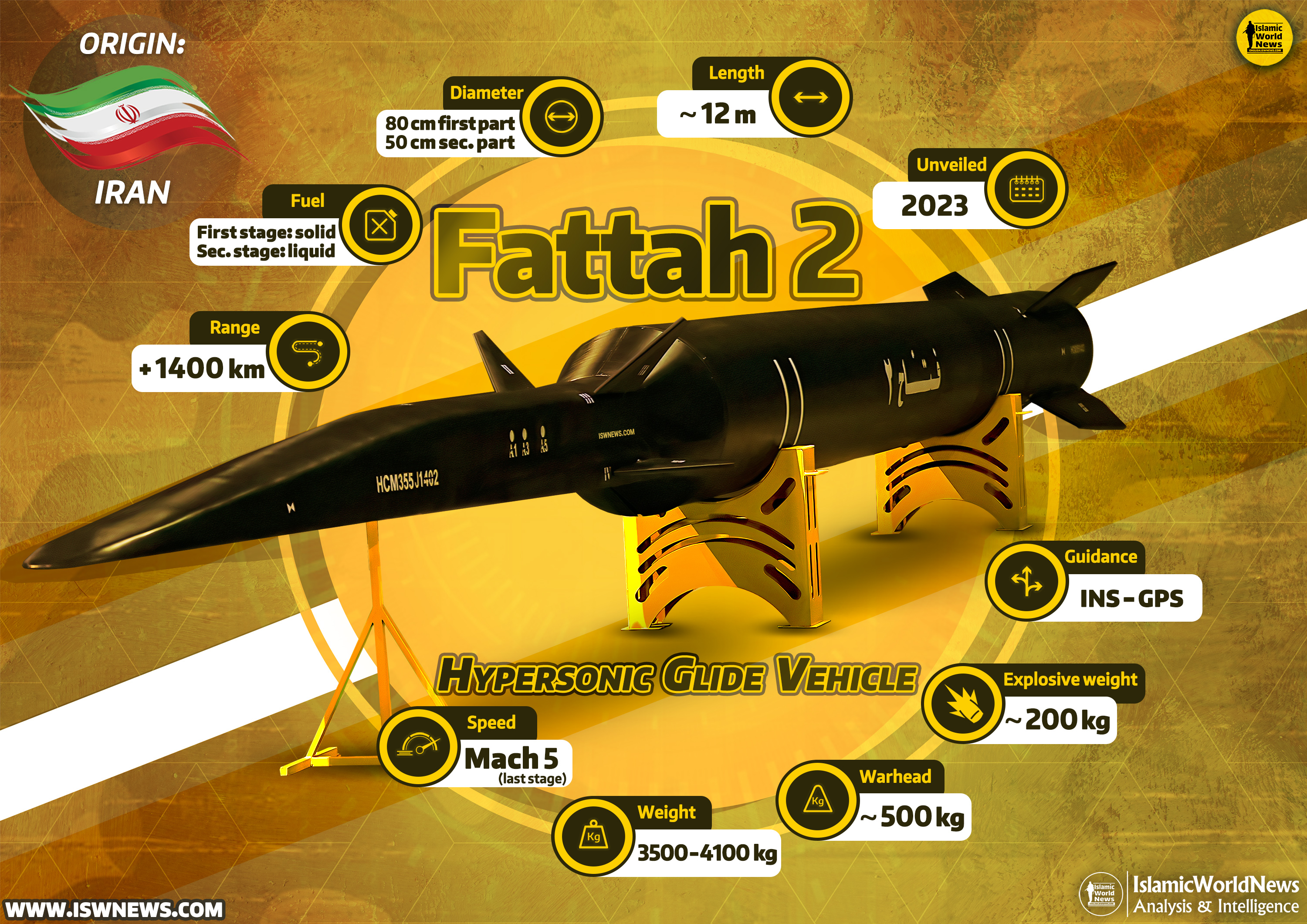
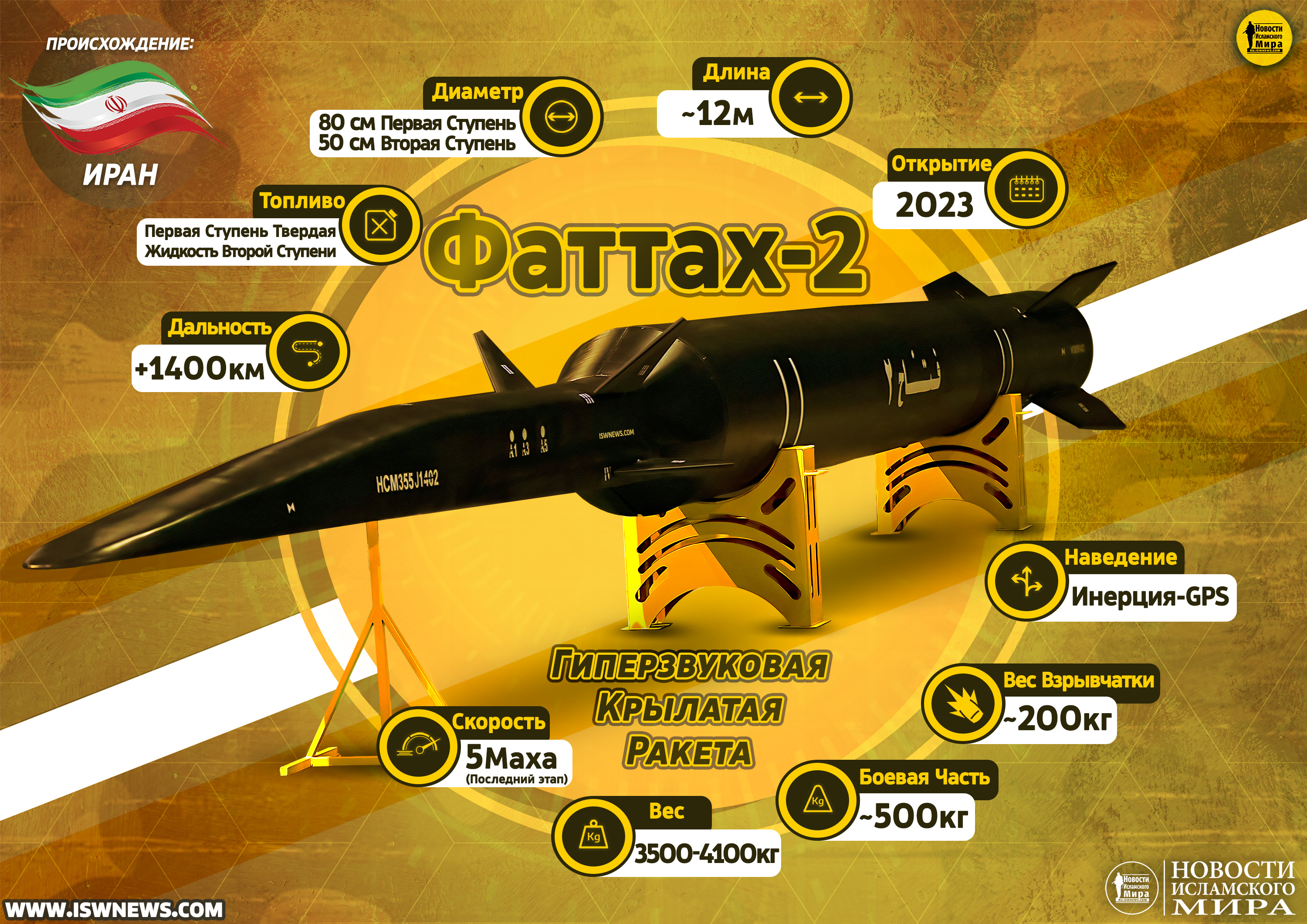
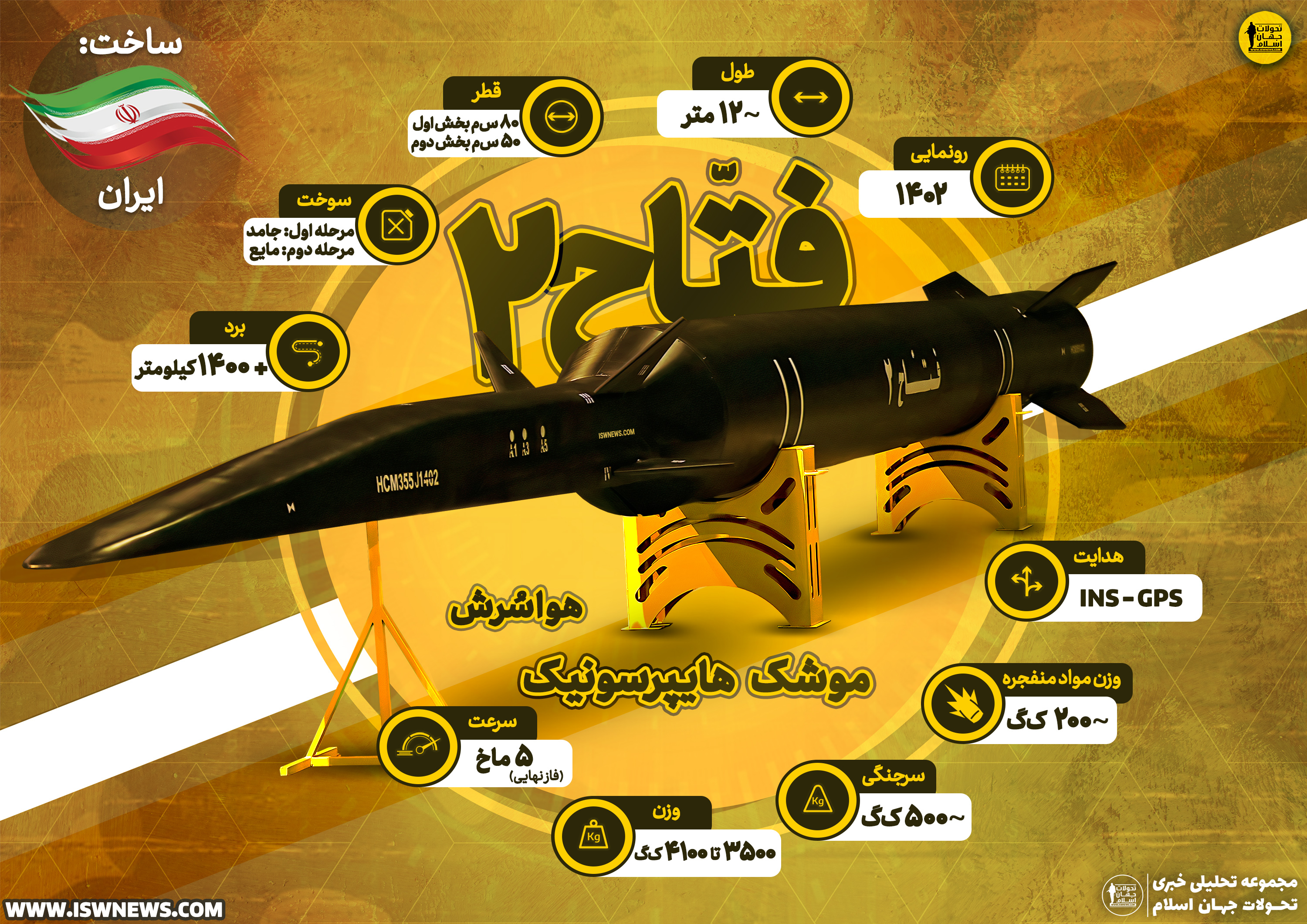
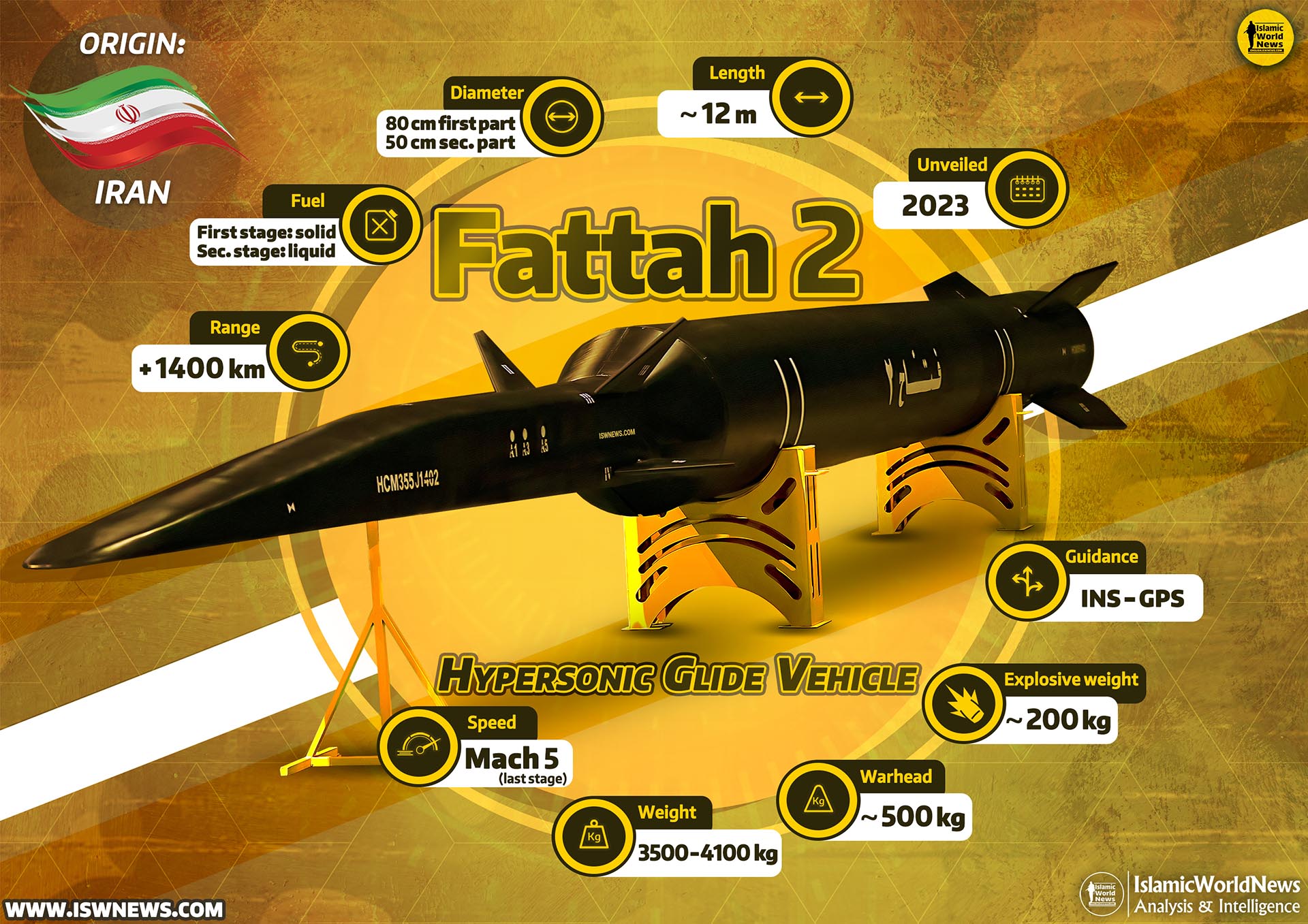
    Specifications of Fattah-2 hypersonic missile:
    Type: Hypersonic Glide Vehicle (HGV)
    Country of Origin: Iran
    Producer: IRGC Aerospace Force
    Unveiled: 2023
    Length: ~ 12 meters
    Diameter: 80 cm first part, 50 cm second part
    Fuel:
    First stage: solid
    Second stage: liquid
    Range: more than 1400 km
    Speed: ~ Mach 5 (in the last phase), ~ Mach 15 (in the first phase)
    Weight: 3500 to 4100 kg
    Warhead: ~ 500 kg
    Explosives weight: ~ 200 kg
    Guidance: combination of INS and GPS

    Fattah 2 hypersonic missile – click to view in full size

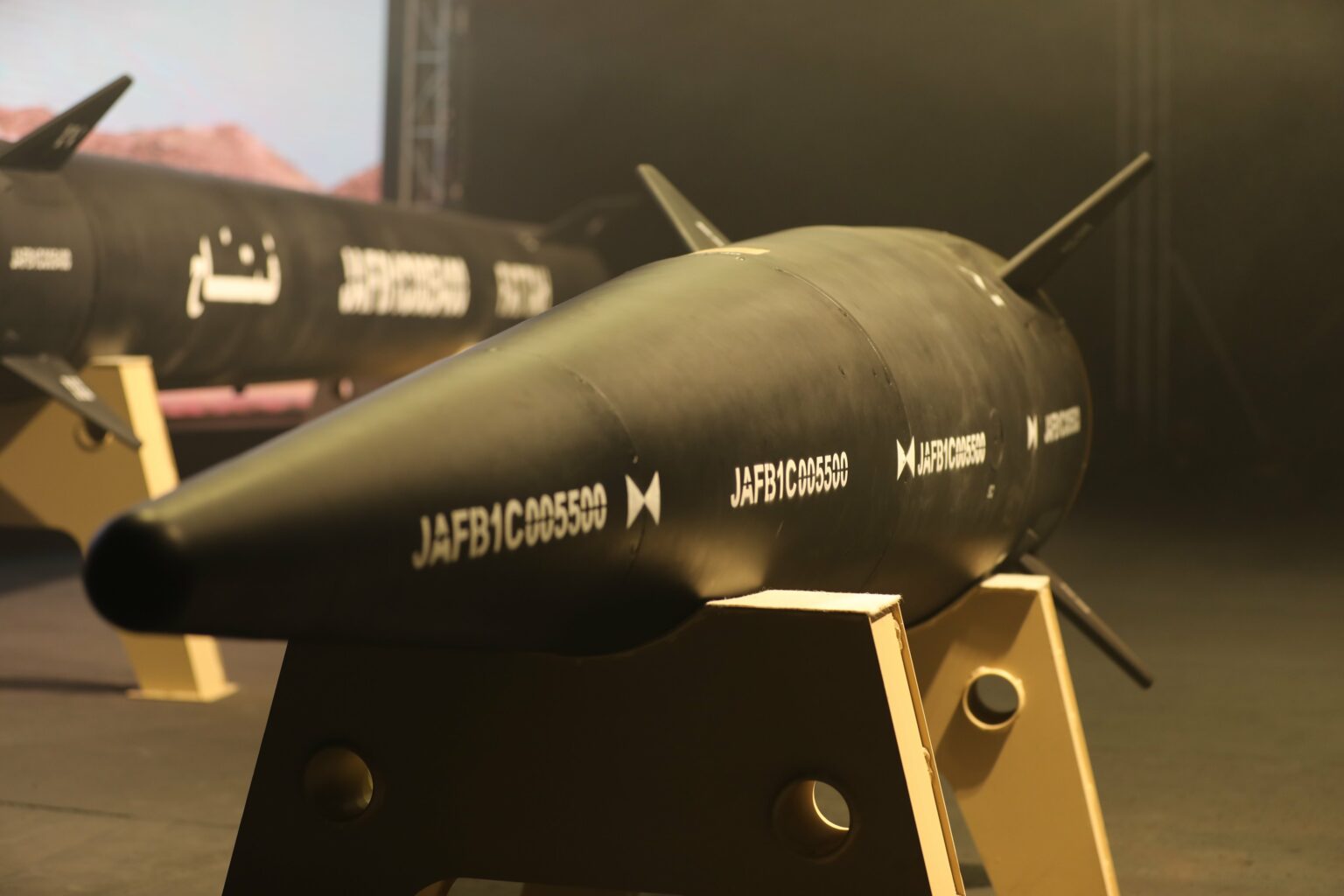
    More images of Fattah-2 missile:

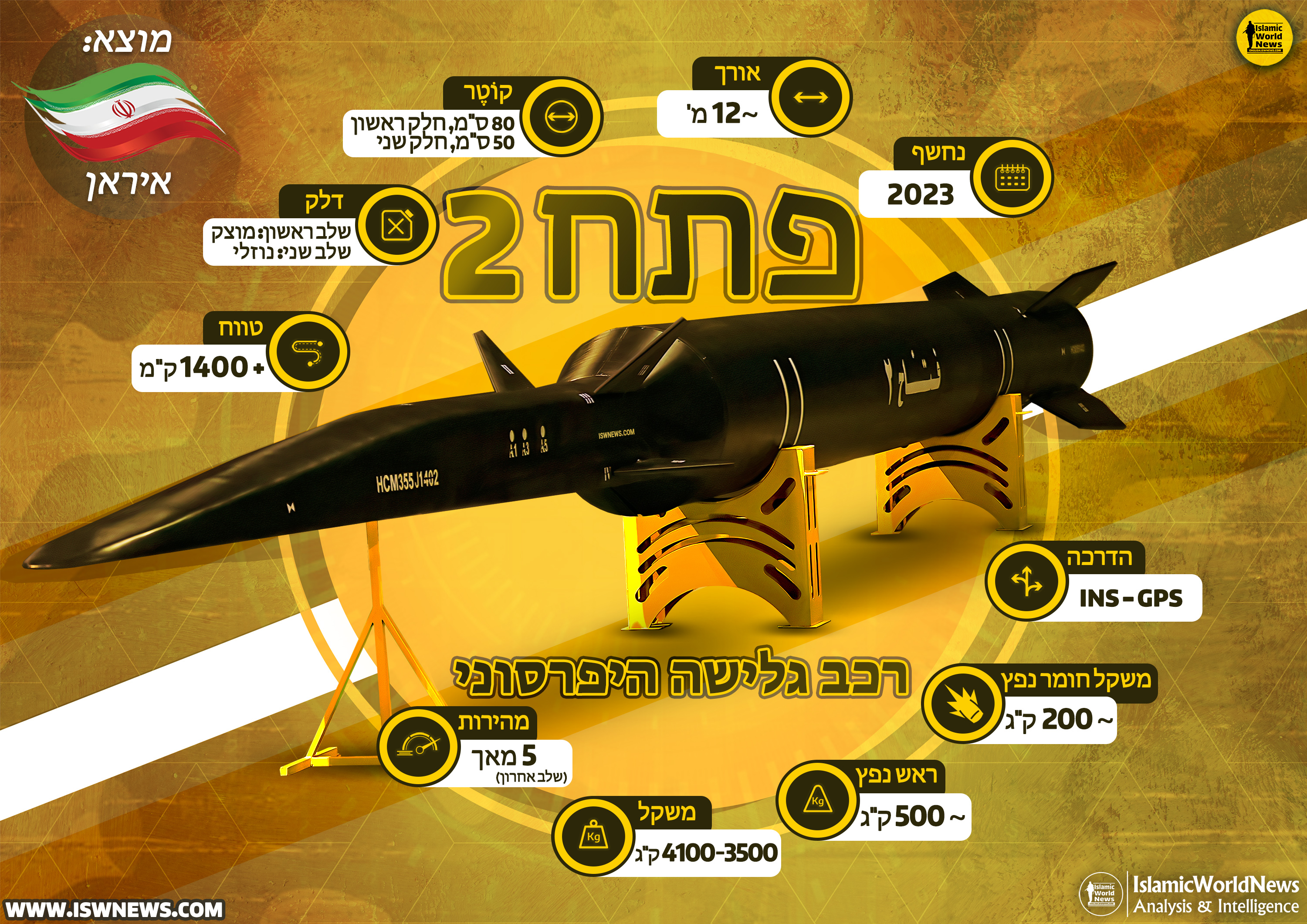
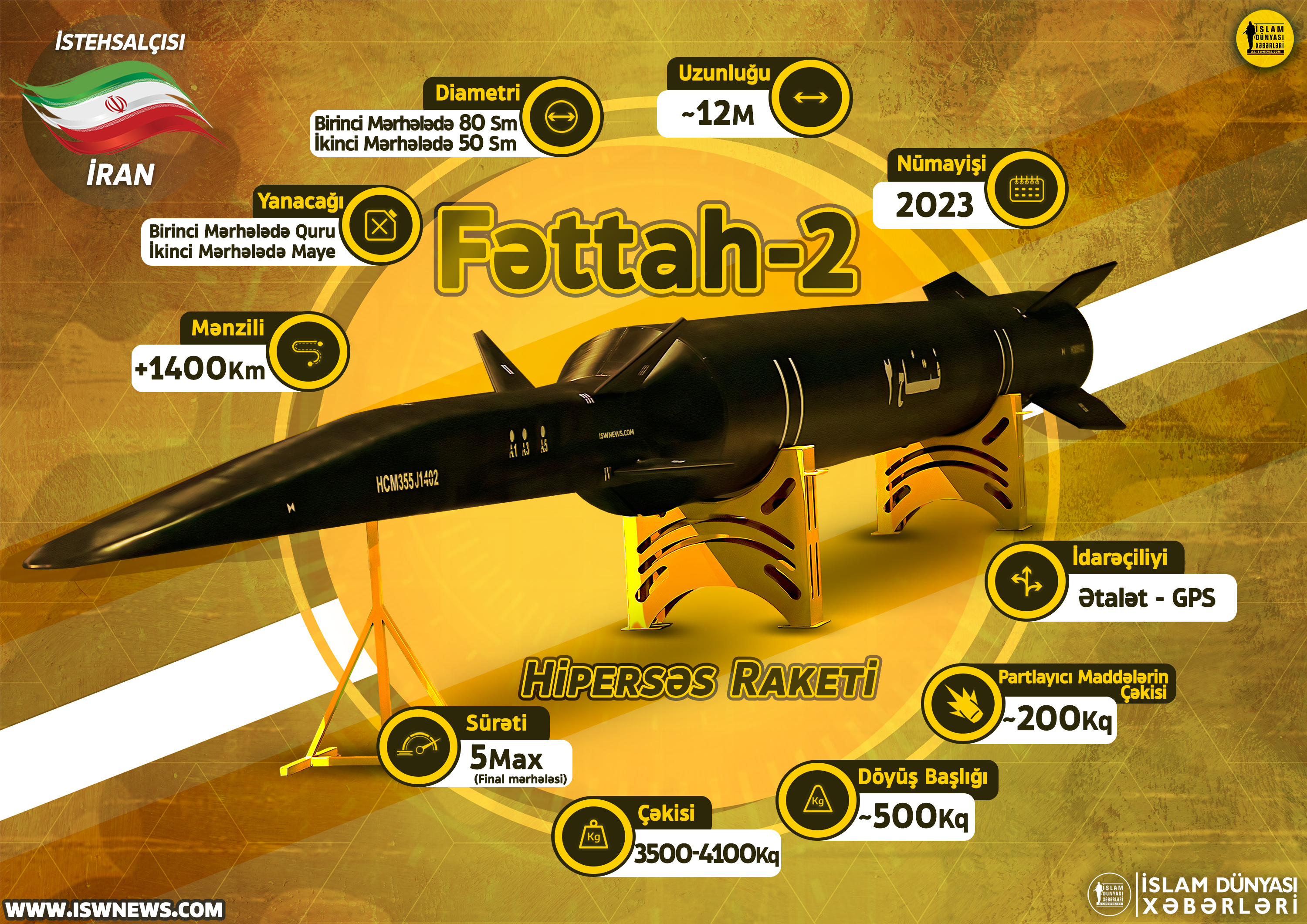
    Infographics of Fattah-2 hypersonic glide vehicle in Russian, Hebrew, Farsi and Azeri:

  • Iran To Increase Range Of Fattah Hypersonic Missile To 2,000 Kilometers

    Iran To Increase Range Of Fattah Hypersonic Missile To 2,000 Kilometers

    Brigadier General Amir Ali Hajizadeh made the announcement while attending a ceremony in the northern province of Mazandaran.
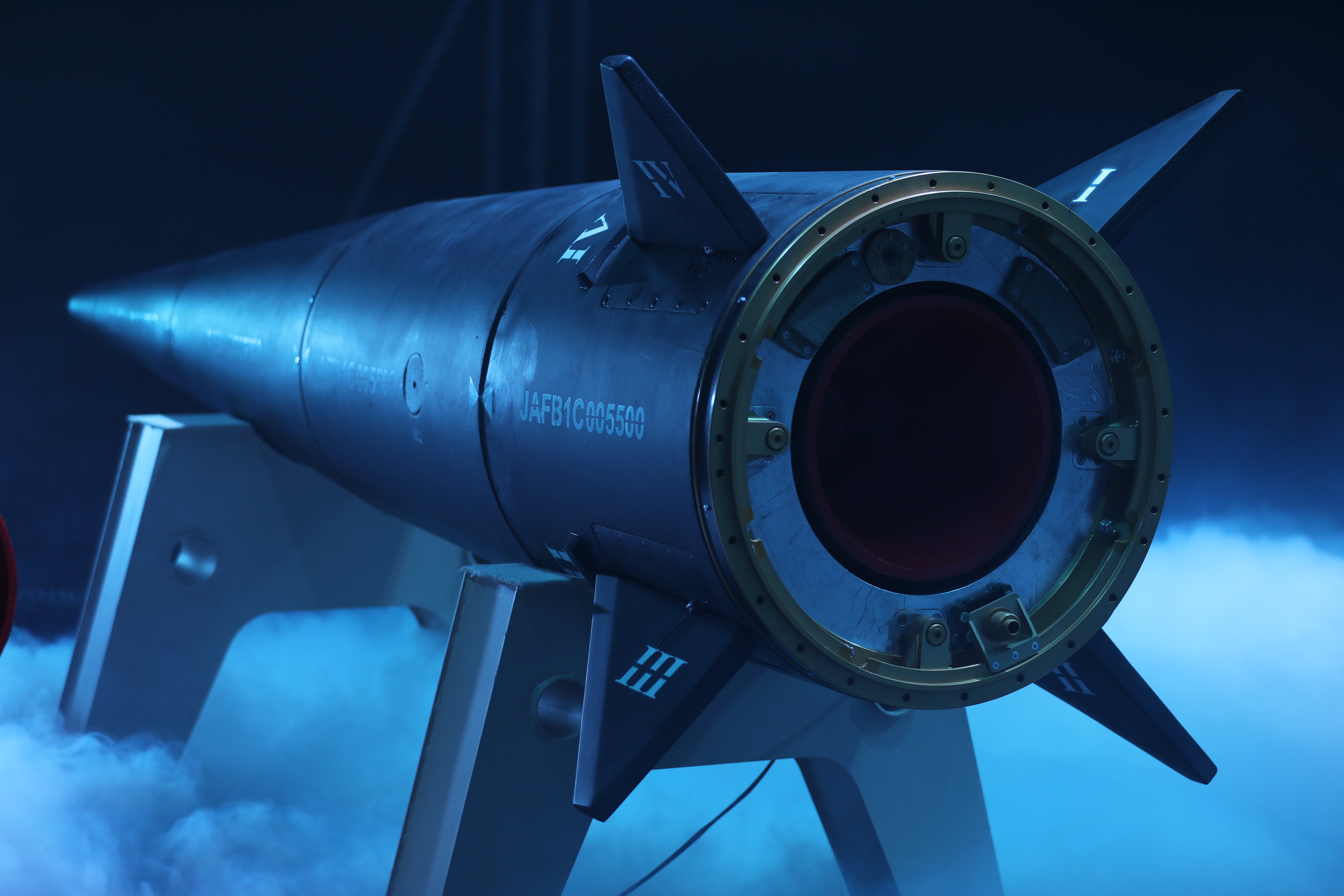
    “Today, we have achieved all complex technologies in the field of the defense industry,” the commander said during the ceremony, according to the semi-official Tasnim News Agency.

    Brig. Gen Hajizadeh also said that the Iranian people will hear more good news in the field of the country’s missile power in the near future.

    The Fattah, which was unveiled earlier this month, can travel at 15 times the speed of sound. The current version of the missile has a range of up to 1,400 kilometers, which means it can reach most U.S. bases in the Middle East as well as Israel from Iranian territory.

    Read more: Military Knowledge: Fattah Hypersonic Ballistic Missile

    Hypersonic missiles like the Fattah reach their top speed at low altitudes in the atmosphere, which makes them extremely difficult to track and intercept.

    Days after the unveiling of the Fattah, the United States imposed sanctions on a network of people and firms from Iran, China and Hong Kong that were allegedly associated with the development of Iran’s missile program. In addition, Israel’s Rafael defense contractor announced that it had been developing a first-of-its-kind anti-hypersonic missile defense system, dubbed Sky Sonic.

    Iran expanded its missile program and made a number of breakthroughs in the field over the last few years, despite facing strict sanctions by the U.S. and other Western countries as well as repeated sabotage attempts by Israel.

    Source: SouthFront.Org

  • Military Knowledge: Fattah Hypersonic Ballistic Missile

    Military Knowledge: Fattah Hypersonic Ballistic Missile

    Most ballistic missiles have the ability to reach speeds higher than 5 Mach, but they are not considered hypersonic because they follow a ballistic path and have bullet-like movement. In general, it is easy for air defense systems to detect a ballistic trajectory at any speed. But maneuvering in the final phase is an important characteristic that creates a fundamental difference in missile classification. A hypersonic ballistic missile is a ballistic missile that has the ability to maneuver before hitting its target while maintaining a speed of more than 5 Mach.
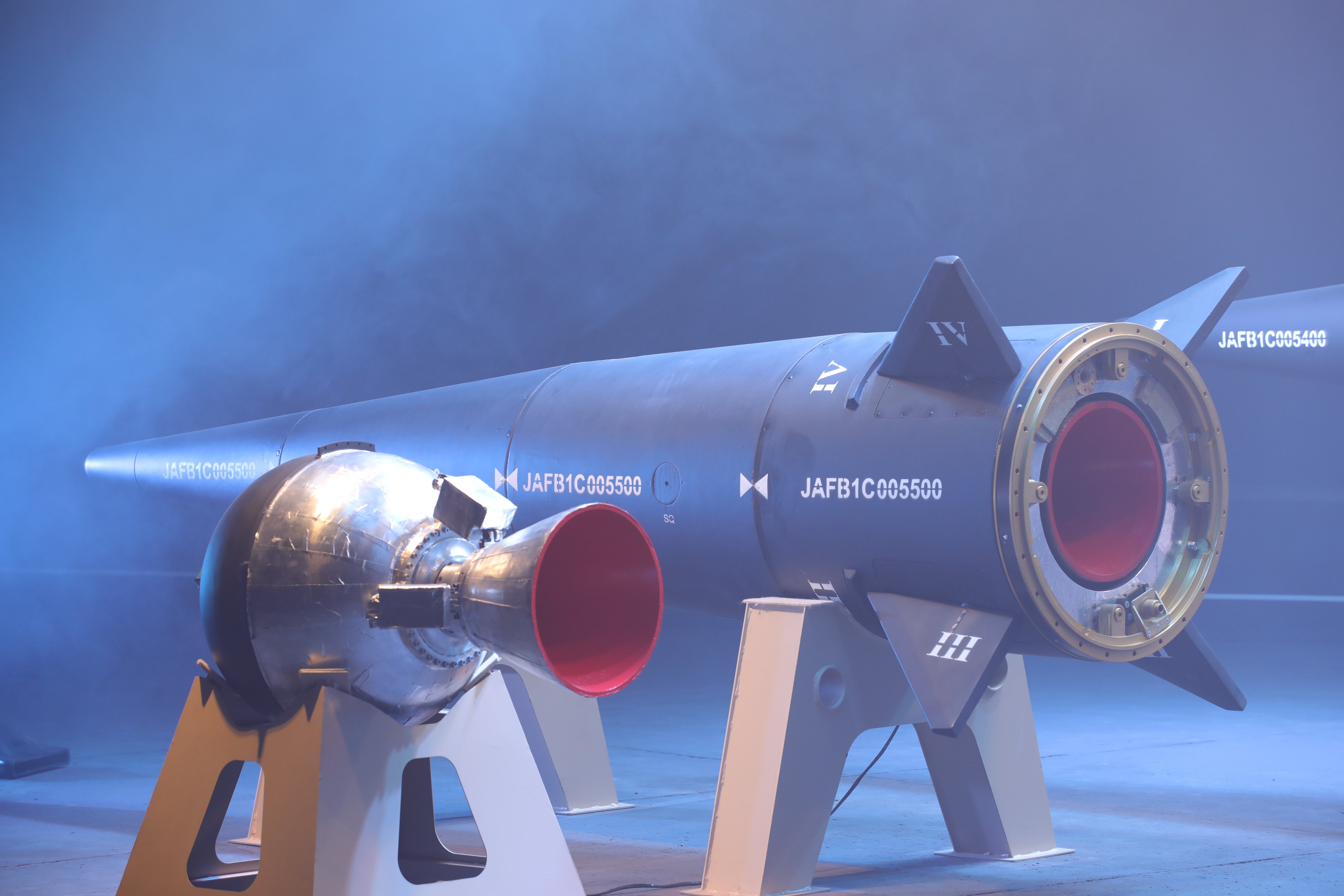
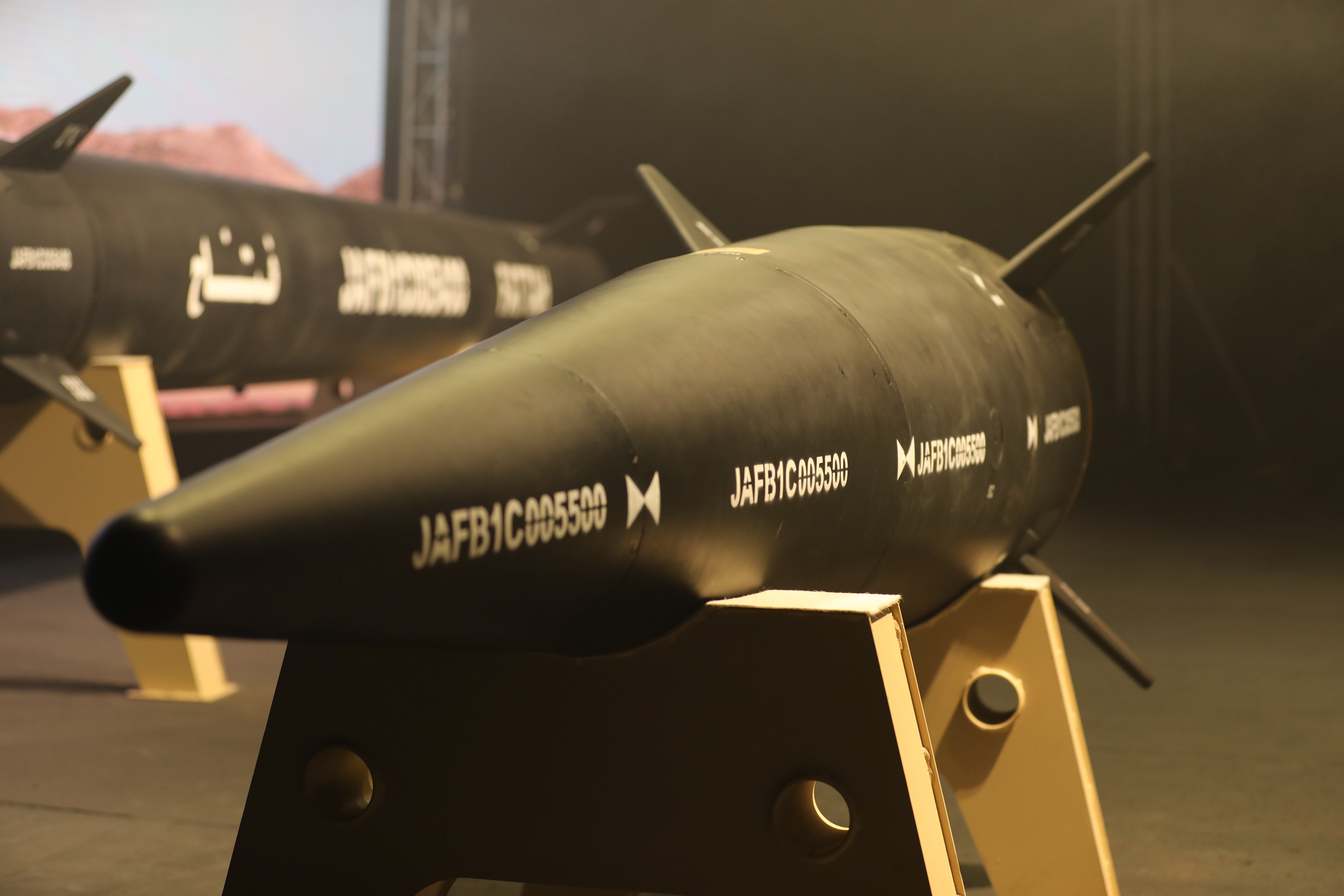
    For example, the Khorramshahr missile has a speed of near 16 Mach in the intermediate phase outside the atmosphere and a speed of near 8 Mach when entering the atmosphere, but it lands directly on the target like a bullet, so it is just a ballistic missile.

    Read more: Military Knowledge: Khorramshahr-4 Ballistic Missile

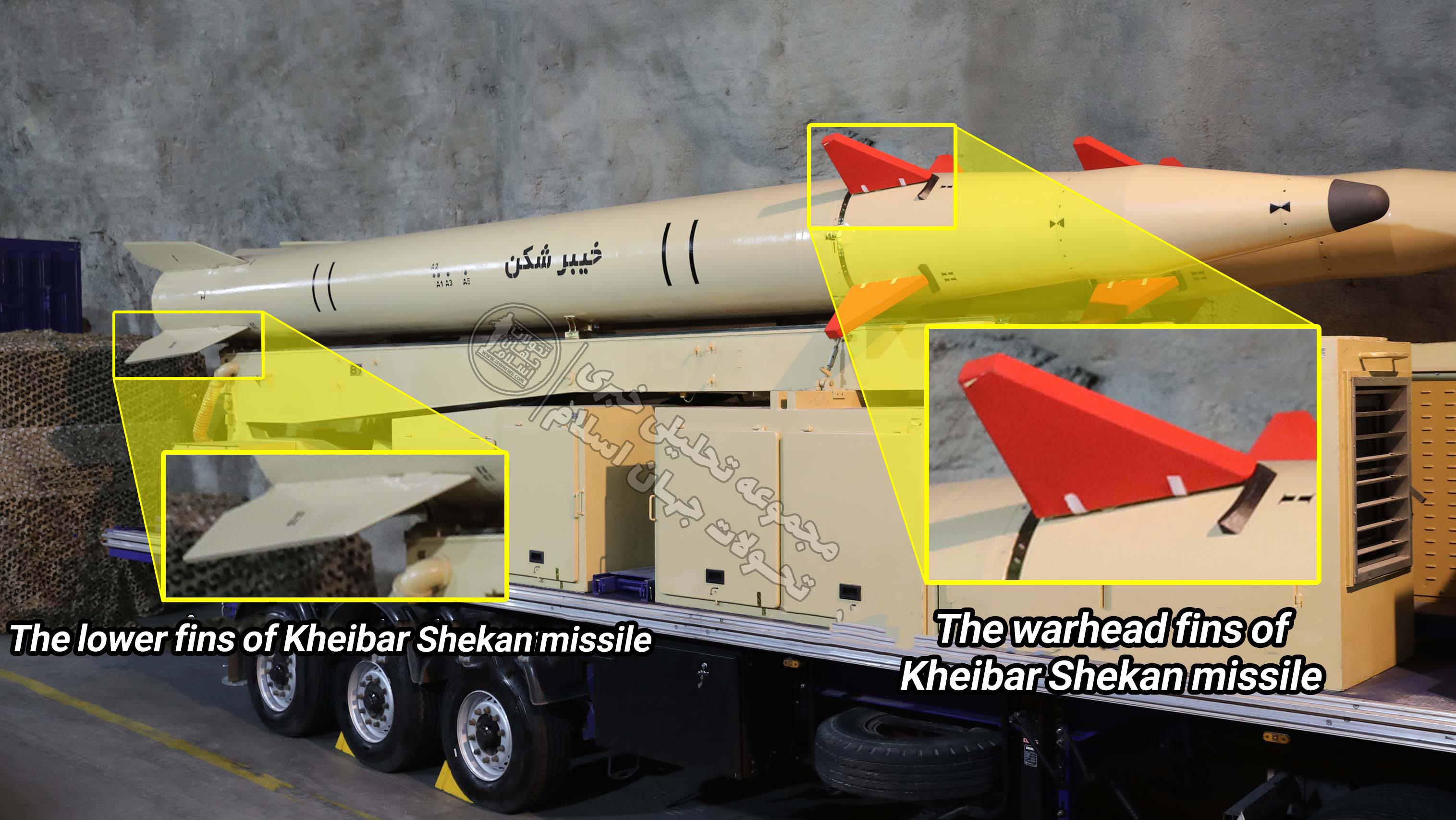
    A review of the Fattah missile shows that this missile has a lot of similarity to the Kheibar Shekan missile in appearance. The tail fins and warhead have a lot of similarity to each other. The similarity is such that even the front ramp of the warhead control fins is the same. Therefore, it is assumed that the diameter of the Fattah and Kheibar Shekan missiles are also the same.

    Read more: Military Knowledge: Khaybar Shekan Ballistic Missile

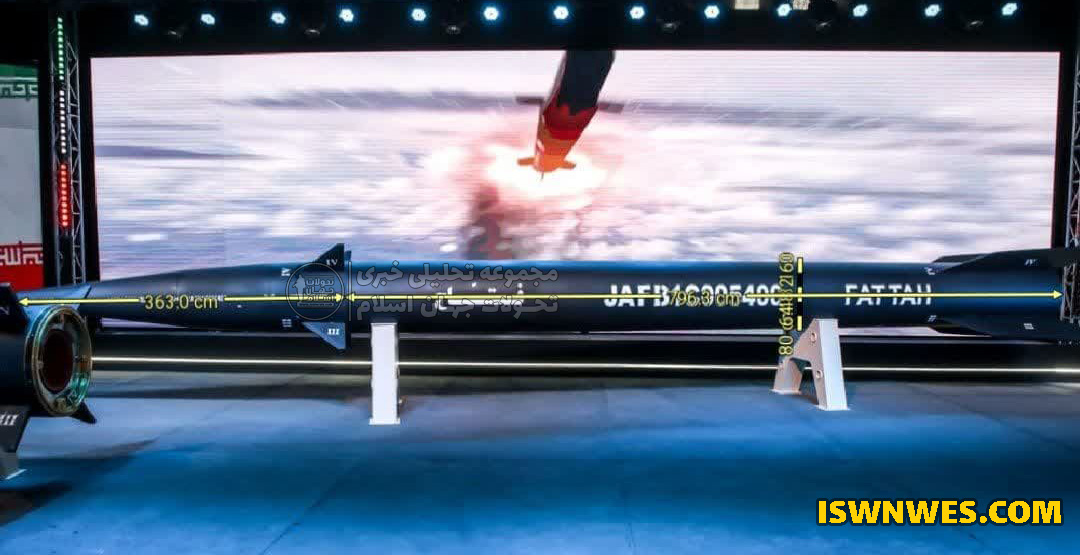
    Given the great similarity between the two missiles and also the software reviews that were done, it can be assumed that the two missiles have the same diameter, equal to 80 centimeters. Also, considering that the length of the warhead has been announced as 3.6 meters, with a software review of the missile, the total length of the missile can be considered as 11.5 meters.

    Estimation of the length of the Fattah missile

    Another similarity between these two missiles is their range. In addition to the visual similarity of the Kheibar Shekan and Fattah missiles, the range of these two missiles is also similar to each other. The Kheibar Shekan has a range of 1450 kilometers and Fattah has a range of 1400 kilometers.

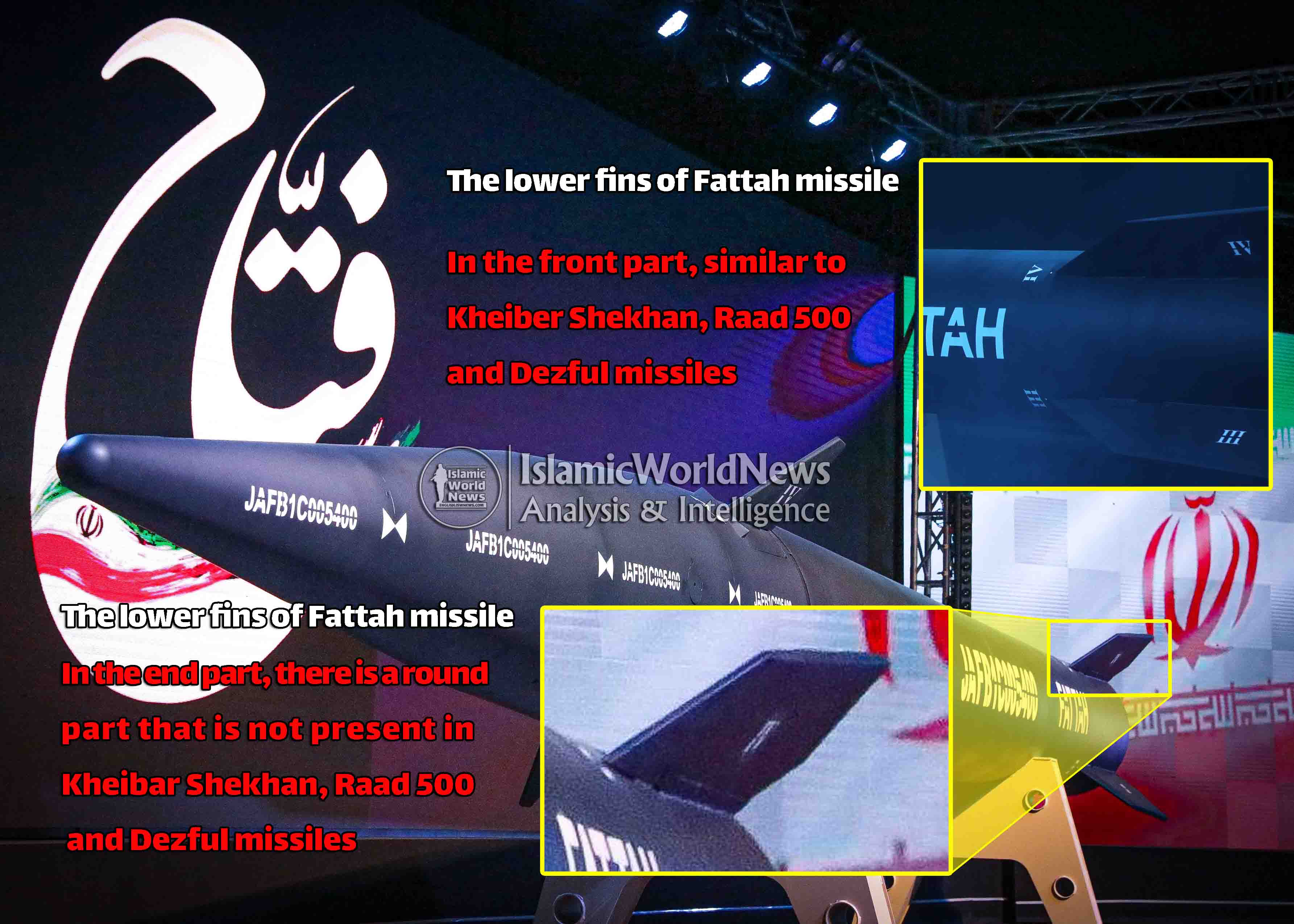
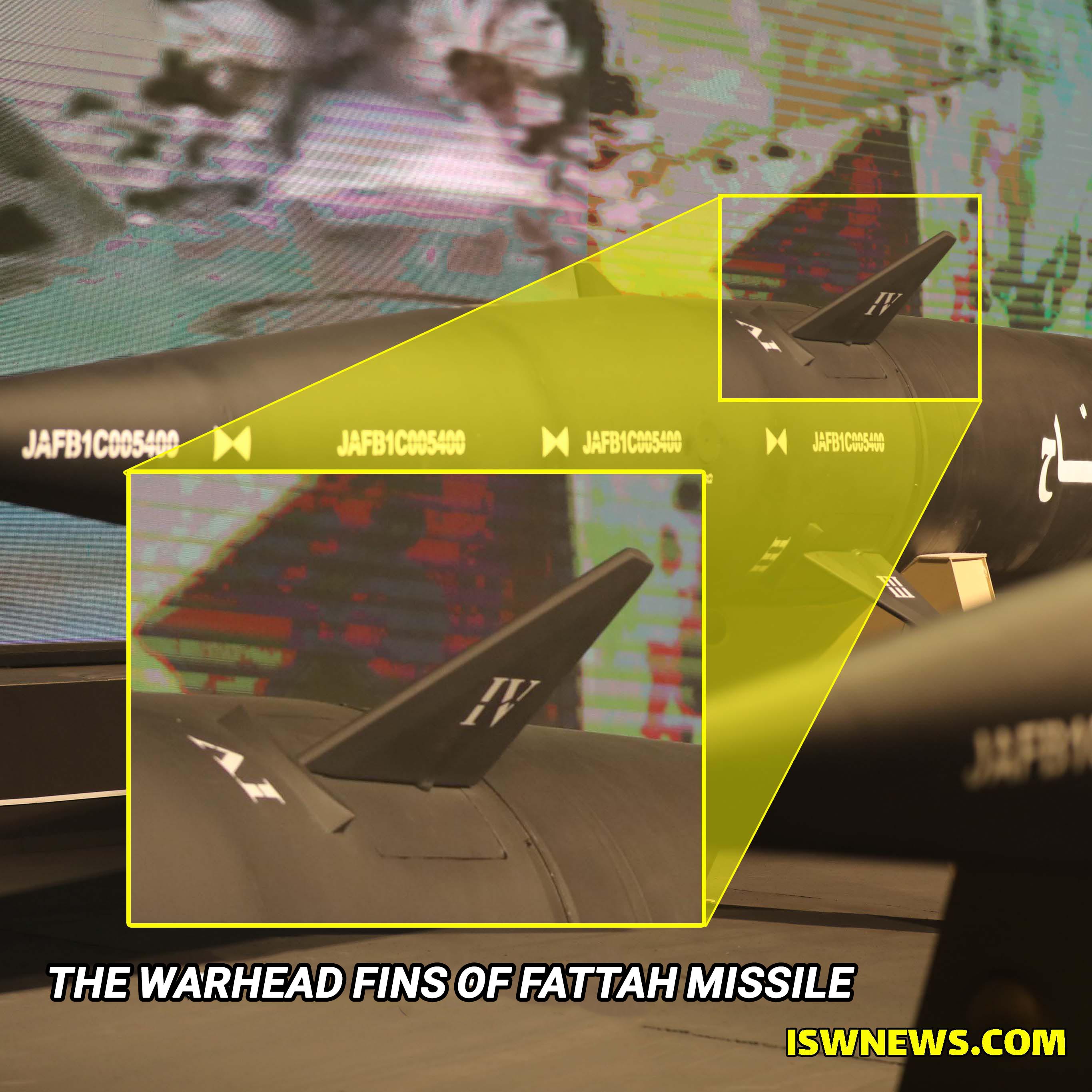
    The missile body, along with the end fins and the fins on the cap, is entirely composite (carbon fiber). The body color is also of the radar wave absorbing type, which helps increase missile stealth. The use of warhead fins is when the missile comes down from an altitude of 30 kilometers and enters the atmosphere. Because at higher altitudes it has no effect on warhead maneuvering. This is useful for maneuvering near the target.

    The warhead fins of Fattah missile

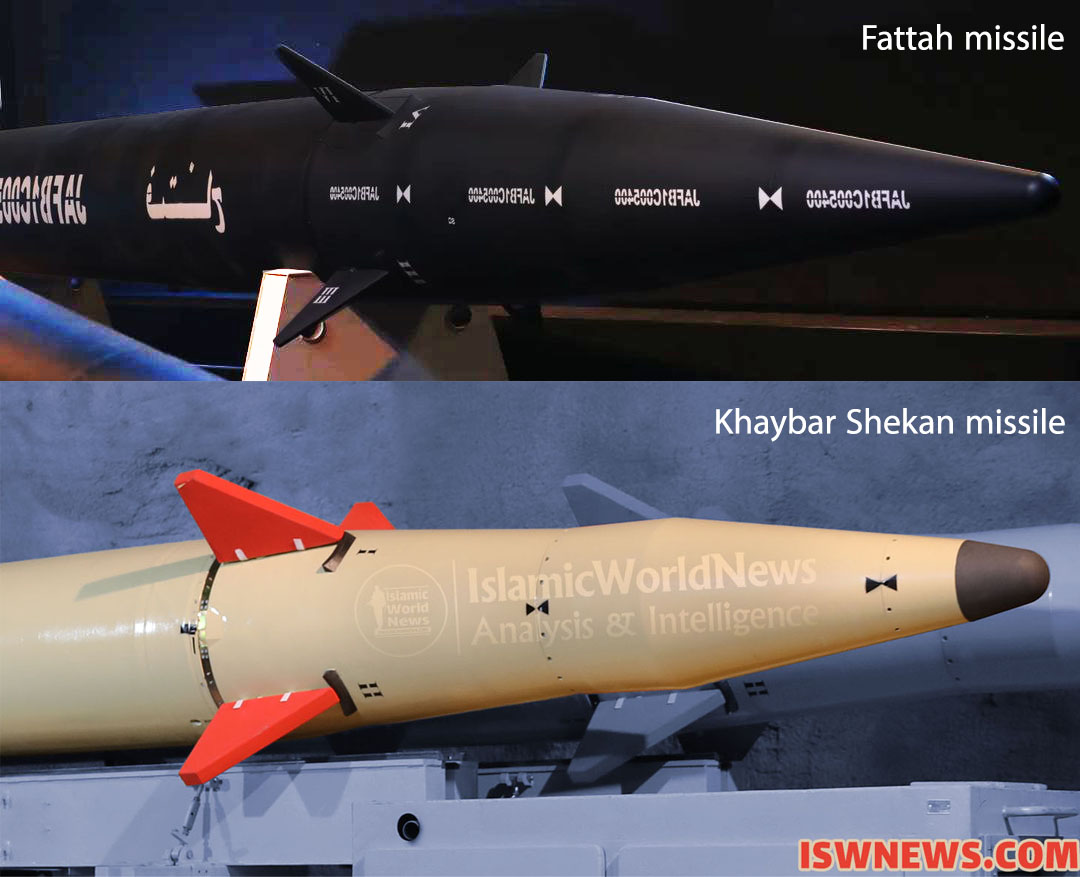
    As it is clear, the aerodynamic shape of the Fattah and Kheibar Shekan warheads are the same, but due to the addition of an engine and fuel in the final section, it has been tried to maintain the aerodynamics of the warhead and reduce drag by making the missile tip longer.

    Comparison of warheads of Fattah and Kheibar Shekan missiles

    As mentioned, the warhead has propulsion with the ability of change thrust vector, and the presence of this engine allows the warhead to maintain its speed at a speed of more than Mach 5 when maneuvering near the target. When the warhead enters the atmosphere, its speed is greatly reduced due to the strong air resistance, and by performing heavy maneuvers with the help of its fins, its speed is reduced again; But with the warhead engine, it is possible to increase the speed to more than Mach 5. Also, with the thrust vector nozzle, it is possible to perform heavier maneuvers.
    It should be noted that this engine can be turned on when the warhead is separated from the missile, which increases the flight height of the warhead and greatly increases its range.

    Fattah warhead engine with thrust vector nozzle

    The next issue is how the Fattah missile works and whether it is hypersonic or not.
    This missile has a warhead with the ability to change thrust vector, which allows it to maneuver from the time the warhead separates from the body at an altitude of 300 kilometers above the ground. So after separating from the body, the Fattah missile’s warhead maneuvers with a low or depressed trajectory to escape anti-ballistic missile systems and changes or adjusts its path several times during flight.
    It should be noted that Fattah does not need much maneuvering outside the atmosphere; in addition to performing regular maneuvers to adjust its path, this missile has the ability to change its ballistic path shape. The next point is the ability to maneuver from a distance of 100 kilometers before hitting the target, which also puts it in the category of MaRV ballistic missiles.

    So, Fattah follows a non-ballistic path both outside the atmosphere and when it is in Earth’s atmosphere and near its target. However, it should be noted that the mentioned capabilities alone do not make Fattah hypersonic. What puts the Fattah missile in the category of hypersonic ballistic missiles is that in addition to the mentioned capabilities, the missile’s speed at the moment of impact on the target is also higher than 5 Mach. This has been made possible by keeping the engine on for 50 seconds at different stages of flight to maintain warhead speed. As a result, by combining all of these features, we can consider Fattah as a hypersonic ballistic missile.

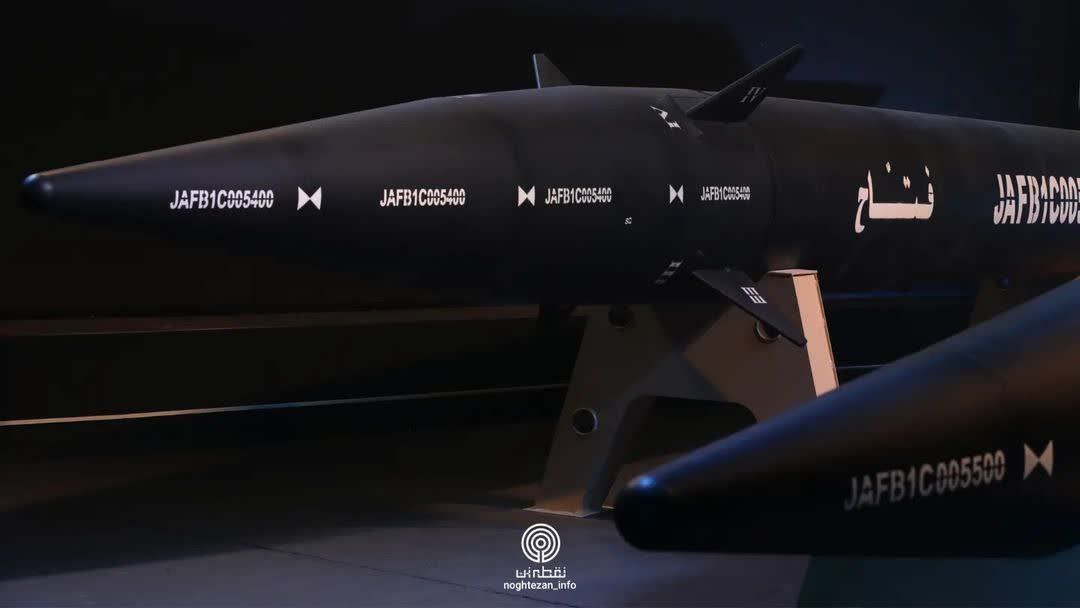
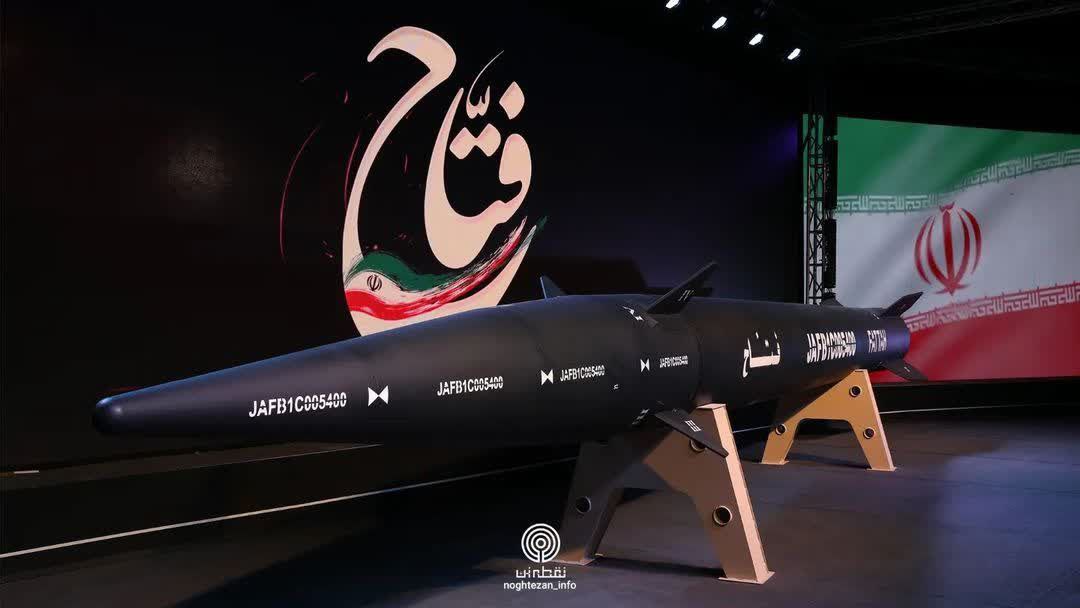
    Read more: Iran Unveils First Home-Grown Hypersonic Missile ‘Fattah’ (Image)

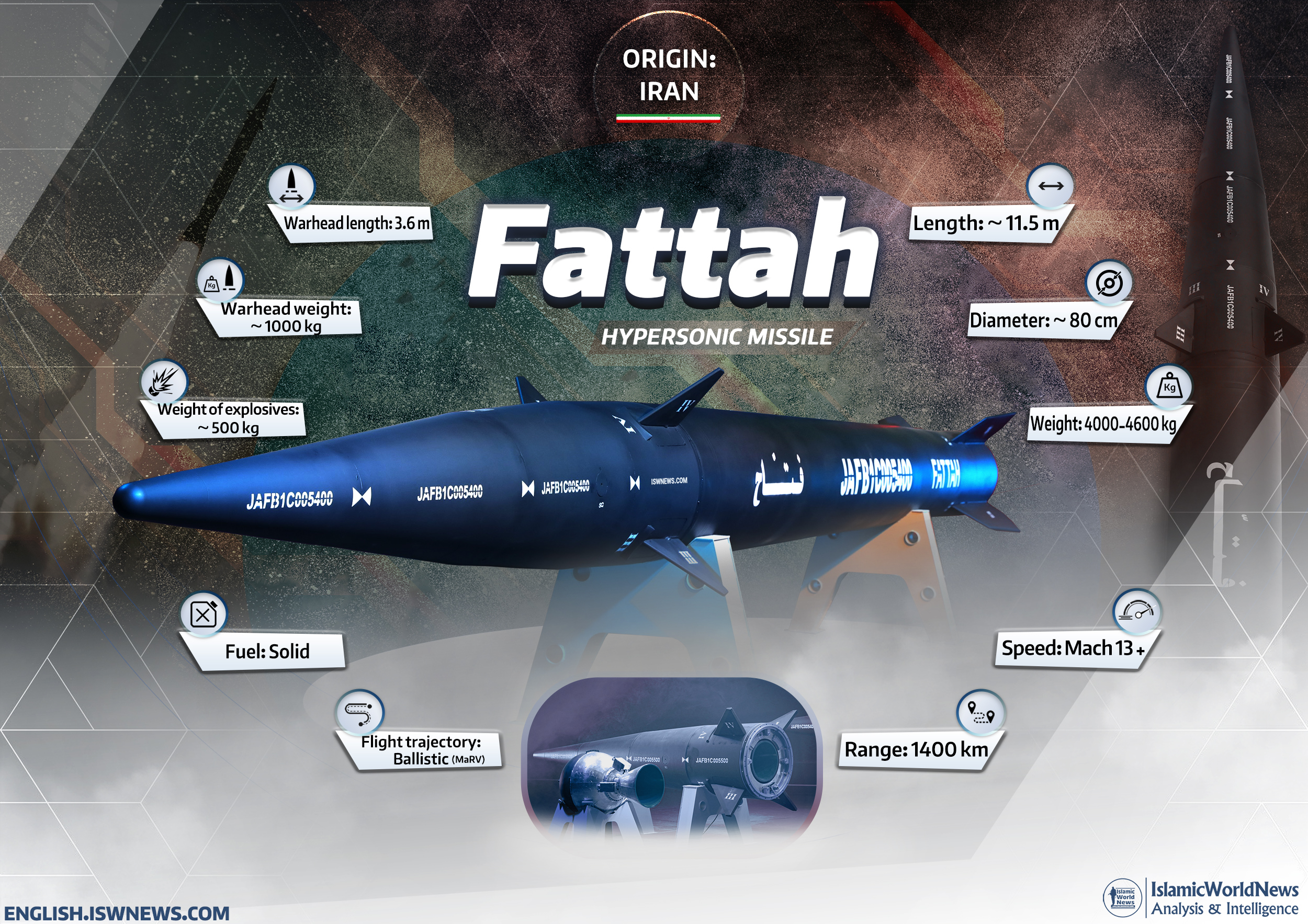
    Fattah missile specifications:
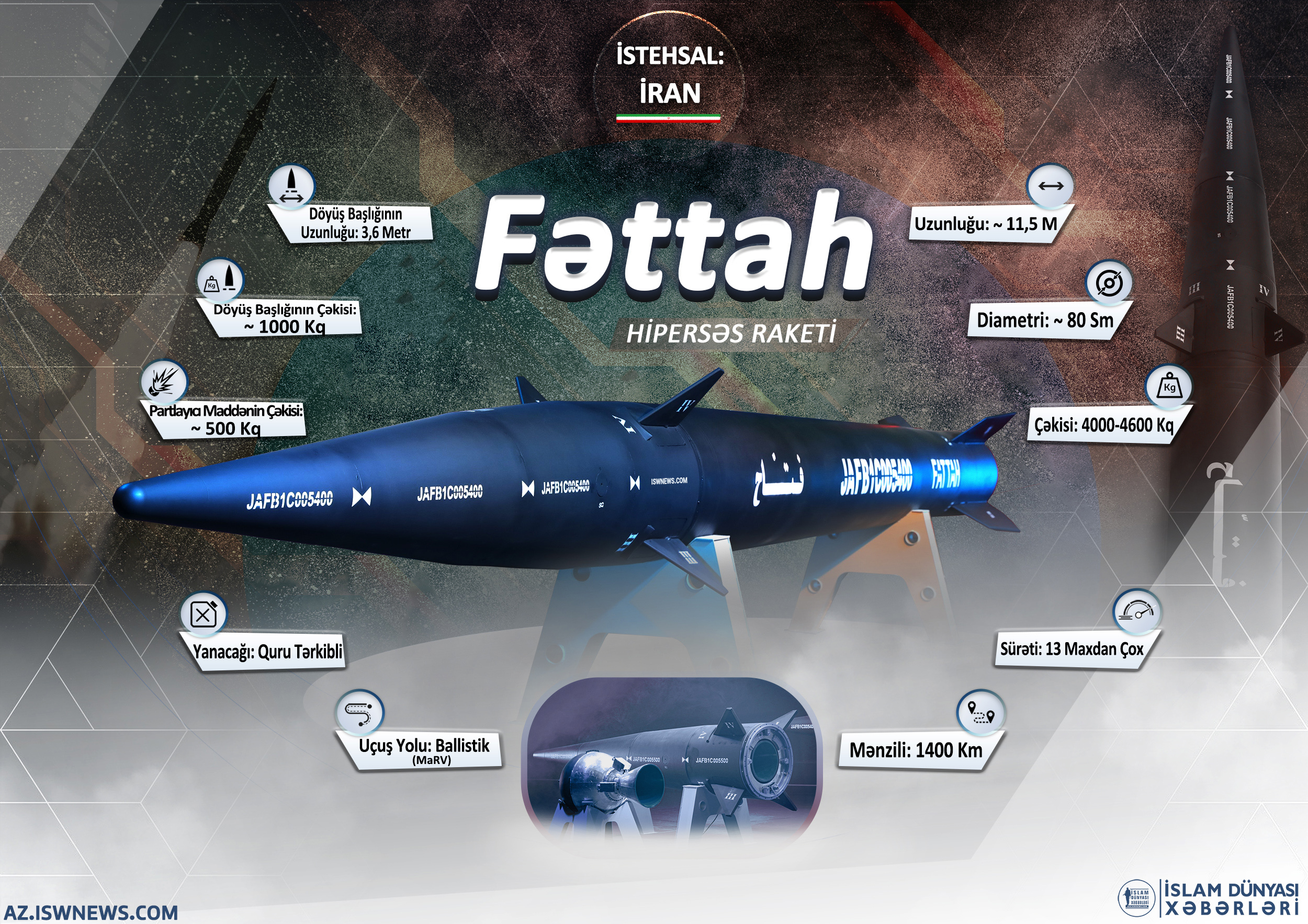
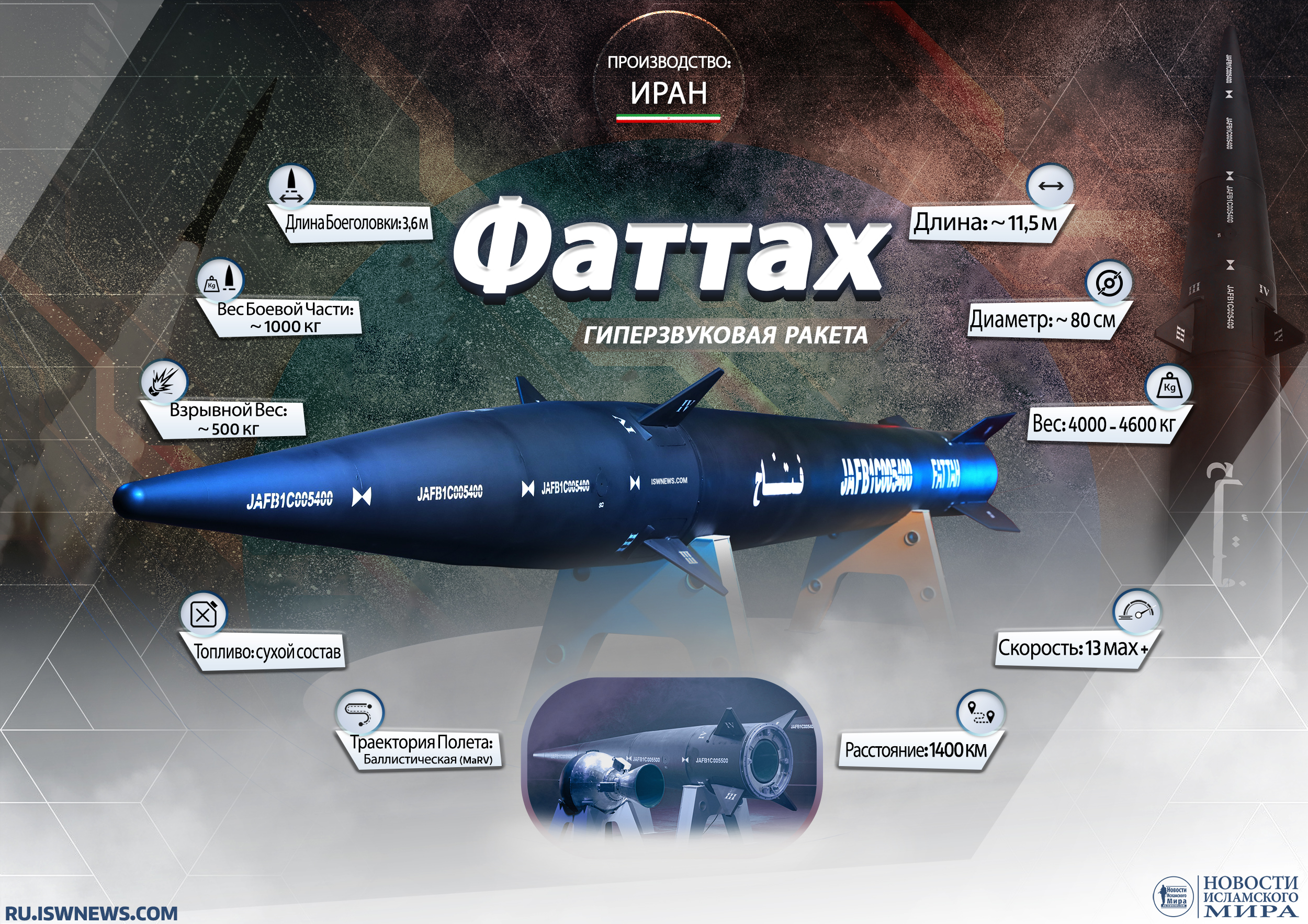
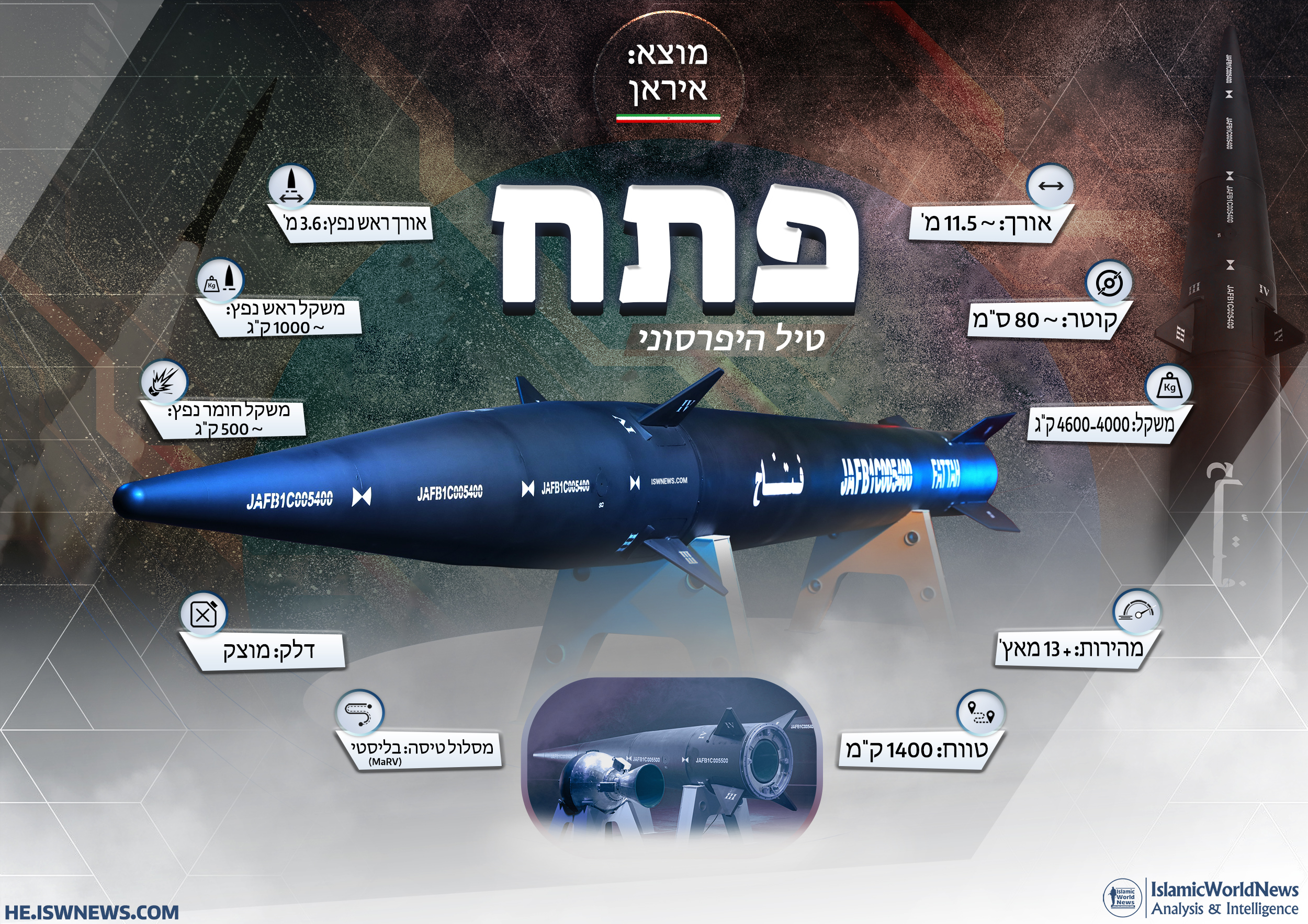
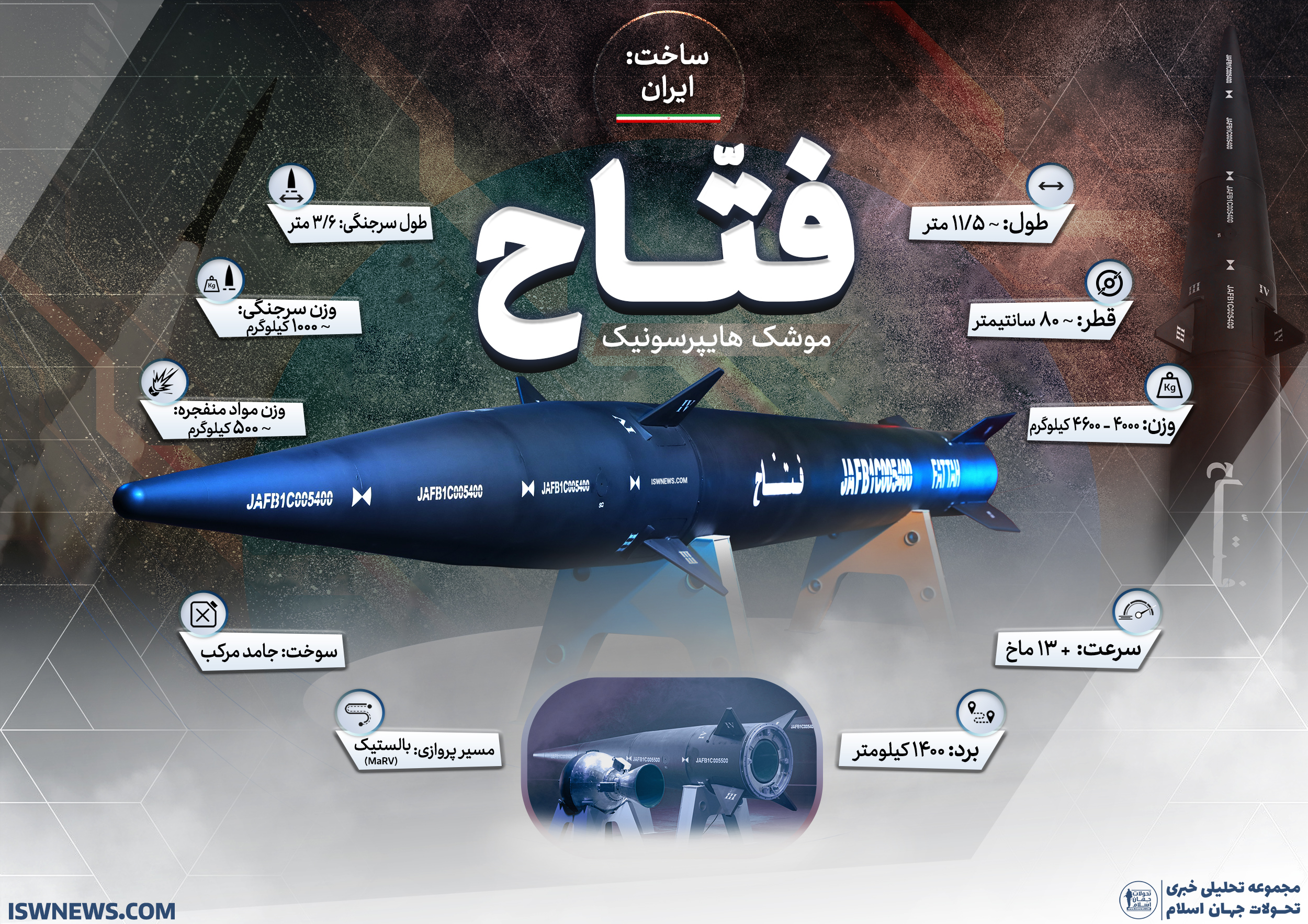
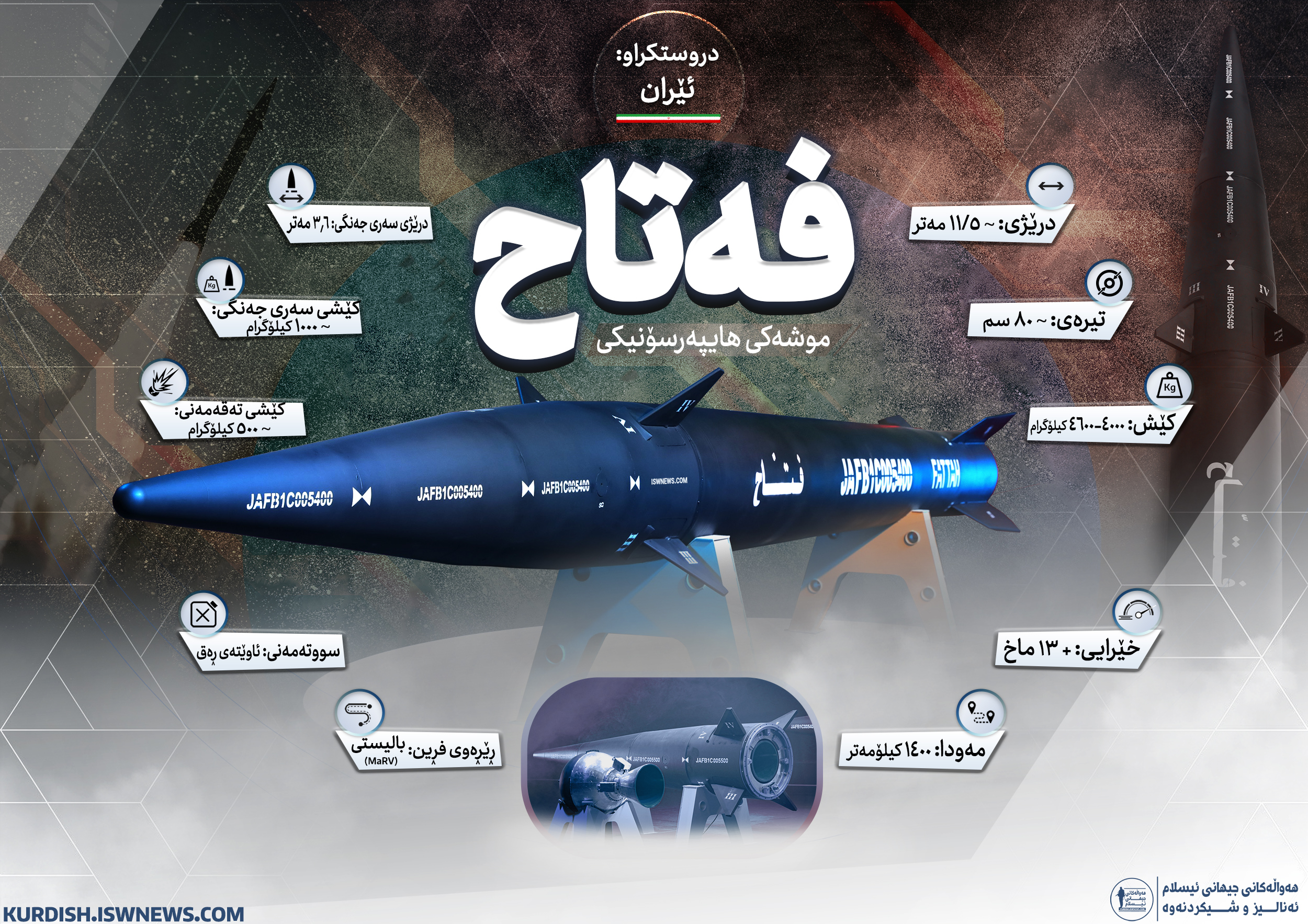
    Length: ~ 11.5 meters
    Diameter: ~ 80 cm
    Weight: 4000 to 4600 kg
    Warhead length: 3.6 meters
    Warhead weight: ~ 1000 kg
    Weight of explosives: ~ 500 kg
    Speed: more than Mach 13
    Range: 1400 km (increasable)
    Fuel: solid compound
    Flight trajectories: ballistic (maneuverability from the mid-phase)
    Origin: Iran

    Fattah hypersonic missile – click to view full size

    “Fattah hypersonic ballistic missile” posters collection in Persian, Russian, Arabic, Azeri, Kurdish and Hebrew:

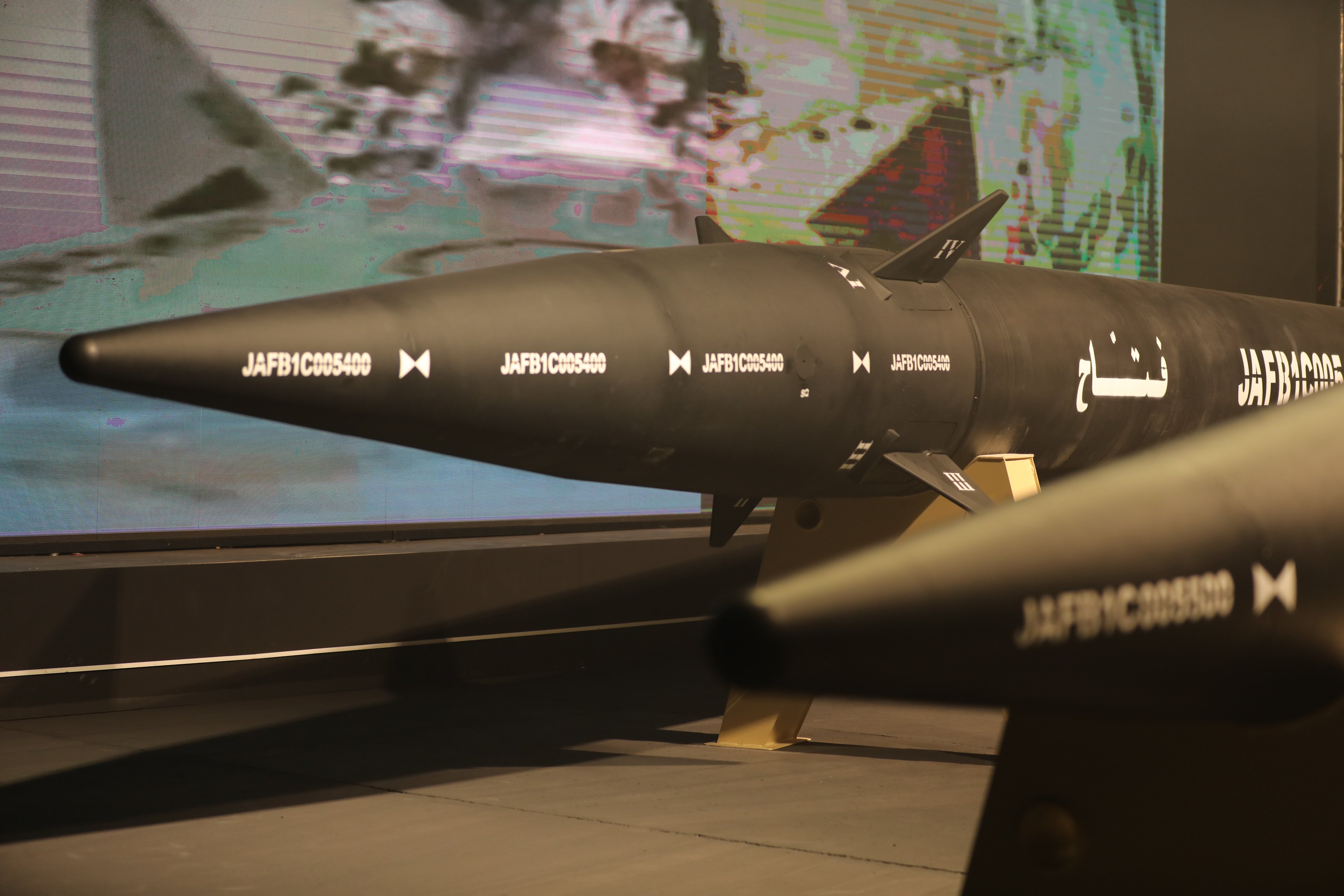
  • Iran Unveils First Home-Grown Hypersonic Missile ‘Fattah’ (Image)

    Iran Unveils First Home-Grown Hypersonic Missile ‘Fattah’ (Image)

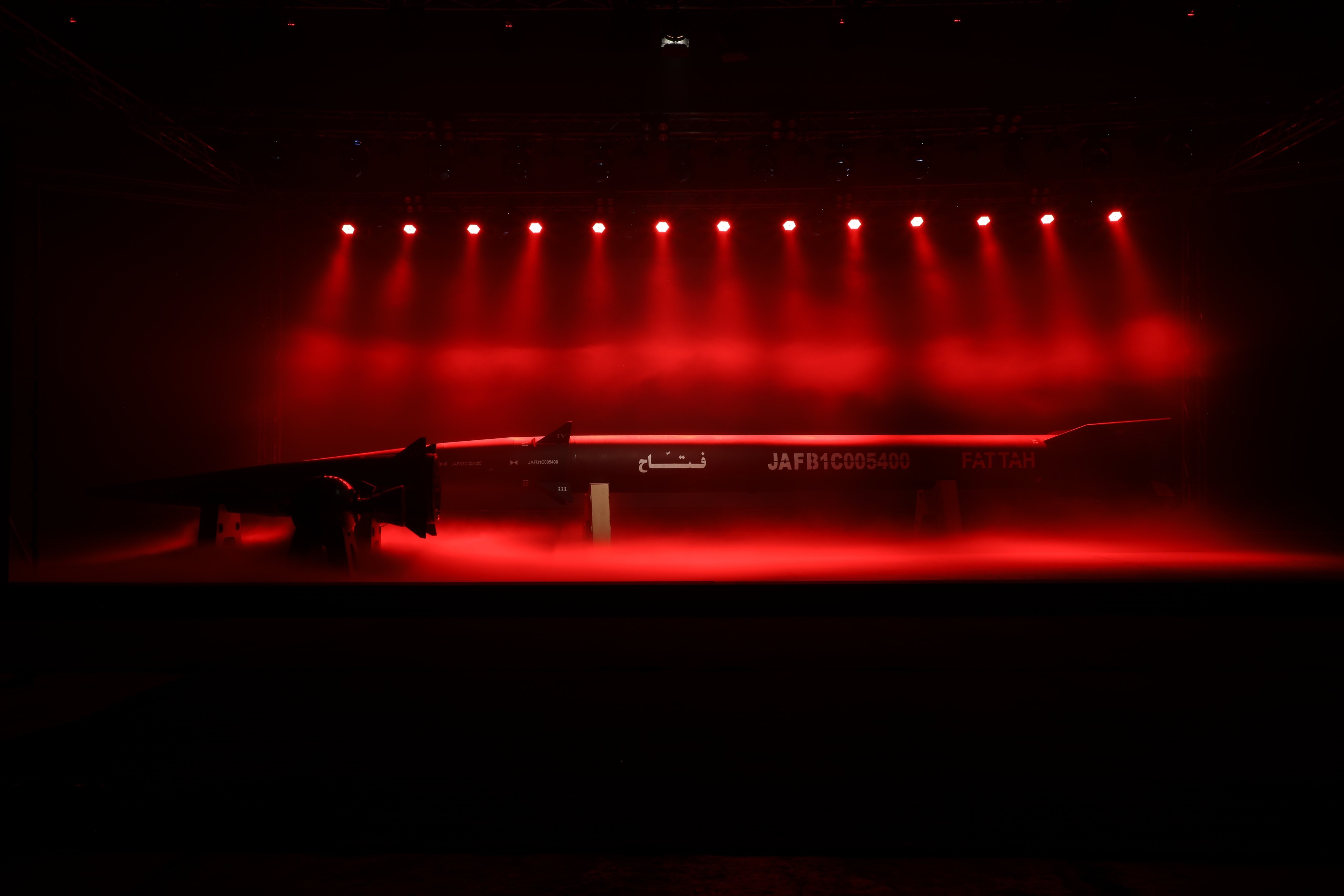
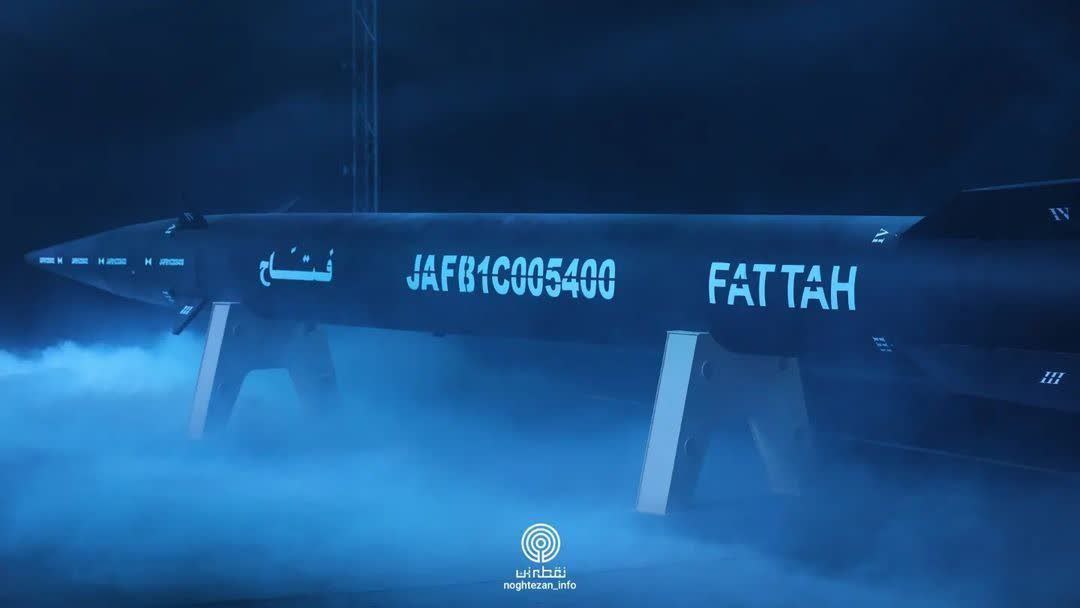
    The state-of-the-art strategic achievement of the Islamic Revolution Guards Corps’ Aerospace Force was unveiled on June 6 in the presence of President Ebrahim Raisi and Commander-in-Chief of the Islamic Revolution Guards Corps Major General Hossein Salami as well as Commander of the IRGC Aerospace Force Brigadier General Amir-Ali Hajizadeh at the headquarters of the force.

    The Fattah hypersonic missile possesses a range of 1,400 kilometers and it is capable of penetrating all missile shield systems and destroying them. This type of missile is among the state-of-the-art weapons and equipment that are currently being produced and utilized by countries such as the United States, Russia and China.

    The hypersonic missile enjoys significant accuracy, very high speed, and extraordinary maneuverability as well as the ability to become undetectable and penetrate radar systems.

    The Fattah missile has tactical capabilities due to its solid fuel propulsion system as well as its ability to reach very high speeds and also to perform various maneuvers inside and outside the atmosphere of the earth in order to overcome various types of air defense systems of enemies. The range of this missile is 1400 kilometers and it is said that its speed prior to hitting the target is 13 to 15 Mach.

    Brigadier General Hajizadeh said at the unveiling ceremony of the Fattah hypersonic missile that the missile, which was unveiled today, is a rare missile in the world; in such a way that thanks to the unveiling of the missile, Iran turned into one of the four countries possessing the technology.

    He went on to say that there is not any no anti-missile projectile, which can hit the Fattah missile, because of its technology; while there is an anti-missiles for other weapons such as tanks, ships, airplanes and so on, and even anti-missiles have been built for other missiles. According to the military official, there is no missile shield that has been very successful in the face of this type of missile; on the other hand, three missiles must be fired to hit one hypersonic missile, and of course, the price of one anti-missile projectile is 20 times more expensive than the targeted missile.

    He further stated that the Fattah missile cannot be destroyed by any missile due to its movement in different directions and altitudes; because anti-missile projectiles move according to a specific vector, which have a lower speed comparing to the speed of the hypersonic missiles.

    Advertising video of Fattah missile – A video of the launching steps and how it works until hitting the target

    The IRGC Aerospace Force commander also emphasized that missile program in Iran has been supported and approved by the Supreme Commander-in-Chief Ayatollah Seyyed Ali Khamenei from the day one up to now. When we presented a report on the construction of the missile to the Supreme Leader, He designated the missile as “Fattah,” he added.

    Hajizadeh noted that the cooperation between the Revolution Guards Corps and the government has never been as much as it is now; therefore, we are very grateful for the collaboration by the Ministry of Defense.

    It should be mentioned that earlier in October 2022, Hajizadeh declared on the sidelines of the martyrdom anniversary of Tehrani Moghadam at the headquarters of the IRGC Aerospace Force that they are working on manufacturing a hypersonic ballistic missile, saying that the missile has a high speed and can maneuver inside and outside the atmosphere.

    After awhile, he elaborated on Iran’s hypersonic missiles during his presence on a televised program in March 2023, noting that the speed of Iran’s hypersonic missiles is more than 12 to 13 Mach and the most important advantage of the hypersonic missiles is that the enemies will not be able to destroy them by using their missile defense systems and he confidently said that the foes will not be able to build a system to counter such missiles for coming decades.

    A video of the unveiling ceremony of “Fattah”