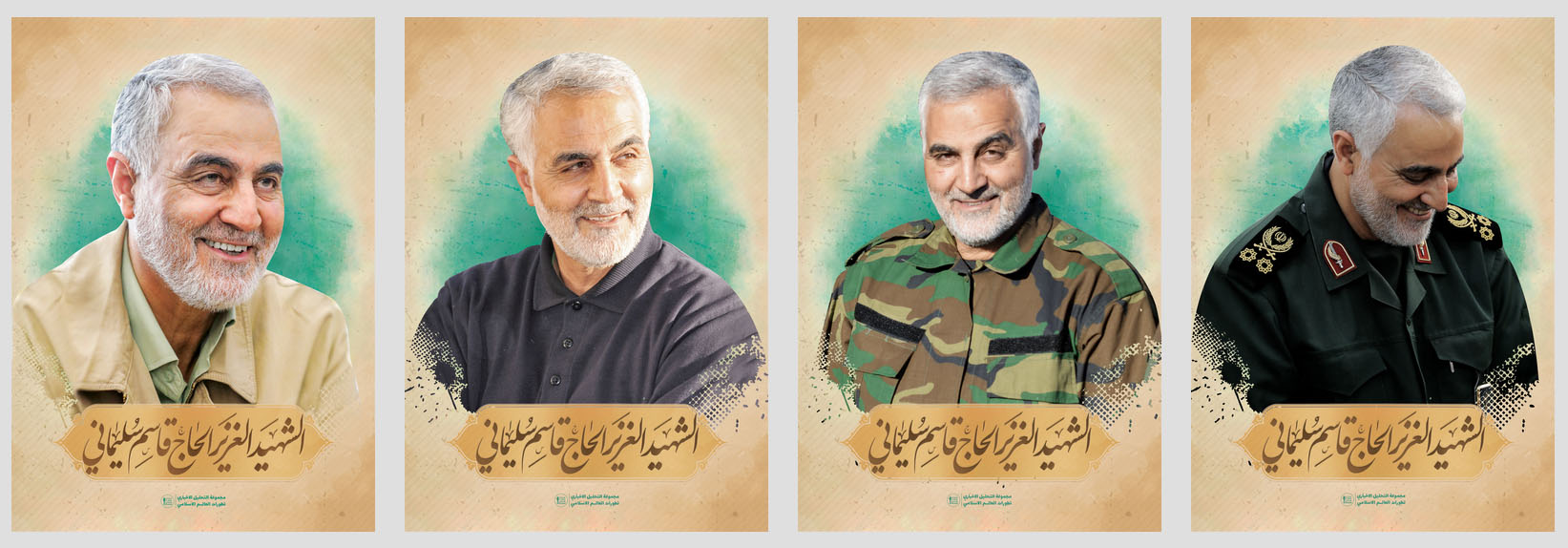
Tag: Haj Qasem Soleimani

  • Martyr Soleimani: A General Who Surmounted Moral Heights Besides Military Heights

    Martyr Soleimani: A General Who Surmounted Moral Heights Besides Military Heights

    Many people who have been trained in military organizations and reached high levels – regardless of the attitude and approach they had before entering this field – have had no choice but to change their previous attitude and approach in order to adapt to the structure and atmosphere of the military. This atmosphere necessitates following orders even if they contradict their personal beliefs. It is natural that tolerating and adapting to such an environment is difficult and exhausting. The most important outcome coming from this is people becoming one in their thoughts, worldview, and behavior. Martyr Qasem Soleimani, an accomplished general who had experience in various types of operations and battlefields, had strangely succeeded in making a beautiful, artistic connection between the sometimes dry, strictly-organized duties of a high-ranking military general and living as a moral person, a caring father, and a kind friend. Some of Martyr Soleimani’s remarkable features will be explored in what follows.

    Down-to-earth and humble

    Both in his personal life and on the battlefield, he was always humble and modest in his appearance, clothes, manner, and behavior. Contrary to his position, the amenities he had in life were similar to those of an ordinary person. In many ceremonies, such as in the funerals of martyrs and his comrades, when meeting with the families and children of the martyrs, when giving speeches, or in public meetings, he would appear without any formality and would avoid becoming the center of attention. Once, he was scheduled to appear in a ceremony hosted by IBNA to honor the IRGC Quds Force for successfully defeating Daesh. Upon realizing that the ceremony was about honoring him personally, General Soleimani did not participate in the event and sent a representative instead. The down-to-earth, humble attitude of the general was also manifest when he was on the battlefield and among his comrades. His relationship with his forces was more like the relationship between a father and a son or between two brothers than between a commander and his soldiers. The soldiers followed his orders more out of their own inner inclination than out of a feeling of compulsion due to being in the military. One of the most important examples of the general’s down-to-earth, humble behavior was that everyone knew him by his first name and called him “Haj Qasem”.

    Martyr Soleimani’s simplicity, gentleness, and kindness toward his fellow soldiers

    Care and devotion to the people

    When he was socializing and meeting with people, you could always find the general smiling and cheerful. For this reason, he spoke with people face to face at every opportunity. Although General Soleimani was an administrator and senior military commander of the country and he was naturally very busy, he devoted considerable time to listening to people’s concerns and complaints. Young people who wanted to meet him could easily approach him and even take a selfie with him. When he saw children and toddlers somewhere, he would chat and play with them. He would personally attend the burial ceremonies of his comrades and visit their families to comfort them.

    Martyr Soleimani with the people, taking selfies with the youth, and his gentleness in dealing with his soldiers

    Ethical even in war

    A tough battle is a place where subtle moral concerns are not taken seriously. As a general rule, things that are condemned under normal circumstances are not typically mentioned as violations of rights in a war situation. In this context, General Soleimani’s “awareness of ethics” in the midst of bullets and shrapnel flying all around was a remarkable, thought-provoking phenomenon. When the sound of firearms going off in a war zone could be heard here and there, the general would give a short speech to a group of the Resistance fighters who were preparing to carry out a  difficult operation against the Daesh. Perhaps for those who are familiar with war literature, the first idea that comes to mind from the moral speeches of General Soleimani is that the general was advising his forces to refrain from assaulting prisoners or treating women and children brutally. But this assumption reflects something far narrower than Martyr Soleimani’s moral concern as a Muslim. Perhaps one can see a fragment of Martyr Soleimani’s moral concern in his own words where he said, “We, who are here, must be careful about what is permissible and what is forbidden. … We cannot just take over people’s homes.” The idea that the body and soul of civilians in the war zone should not be harmed was obviously one of the principles of Martyr Soleimani’s war ethics, which were based on Islamic principles and thoughts. But the general’s recommendation was that even people’s property and homes in war zones should not be seized or attacked, let alone their bodies, lives, and souls.

    Martyr Soleimani giving a short speech to some resistance fighters

    Reminding others to observe moral principles was never enough for Martyr Soleimani. He was also a complete manifestation of his beliefs himself, and he repeatedly acted in accordance with his beliefs in scenes of action. For instance, one time when he was in the war zone fighting the Daesh in Syria, General Soleimani prayed in an abandoned house. After praying, he asked for permission and forgiveness from the owner of the house in a letter and even left an address and number where he could be contacted in the letter so that if the owner of the house had a complaint or request from him, he would be able to contact him.

    Martyr Soleimani’s letter to the owner of an abandoned house in Al-Bukamal City in Syria asking for forgiveness

    His strict observance of ethics on the battlefield not only included human rights. It also included the rights of animals and the environment. There is a video of the general visiting the war zone. He suddenly notices a stray cow and asks the driver to pull over. He approaches the cow and feeds it some of his own bread and food. The scope of Martyr Soleimani’s moral concerns was sometimes so extensive that it included Iran’s mountain gazelles. One time in the middle of a battle against the Daesh in Iraq in the winter, he contacted IRGC headquarters and asked his colleagues to prepare fodder for the gazelles that lived on the mountain near the barracks, because it was difficult for them to find food in the cold winter.

    Martyr Soleimani feeding a frightened cow wandering on the battlefield

    The secret of General Soleimani’s personality

    What attracts attention to General Soleimani’s character was the vastness of this man’s multidimensional existence and personality. On the one hand, he had such expertise in understanding military affairs and strategies that even his enemies, namely the front of colonization and arrogance, acknowledge his military strength and power. On the other hand, even minute moral issues were so important to him that even in his busy mind he could find a place to think about them and take appropriate action. Perhaps the reason behind General Soleimani’s lofty, focused personality – and at the same time his far-reaching, extensive existence –  can be found in his thought and worldview. As a Muslim raised in the pure Islamic school of Prophet Muhammad (pbuh), General Soleimani had reached this belief that the field of human life and existence is truly vast, from worshiping, praying, and being alone with God, to paying attention to and responding patiently and lovingly to the expressions of need of ordinary people, to never getting tired of bravely defending the oppressed, innocent, and defenseless against the oppressive Daesh or the usurping Zionist regime. The pure Islam of Prophet Muhammad (pbuh) had united all the physical, mental, and spiritual powers of Qasem Soleimani around monotheism and God’s satisfaction in such a way that whatever was defined as a divine duty attracted the attention of General Soleimani.

    The Leader of the Islamic Revolution, Imam Khamenei, said the following about General Soleimani’s personality:

    “He loved all human beings and he sacrificed himself for everyone. Moreover, he was a man of spirituality, purity, and piety… . In the deserts and mountains of such and such countries, he faced different enemies.”

    Source: Khamenei.ir
    Click to view full size
  • Inauguration of the “Art of Resistance” Exhibition in Gaza + Images

    Inauguration of the “Art of Resistance” Exhibition in Gaza + Images

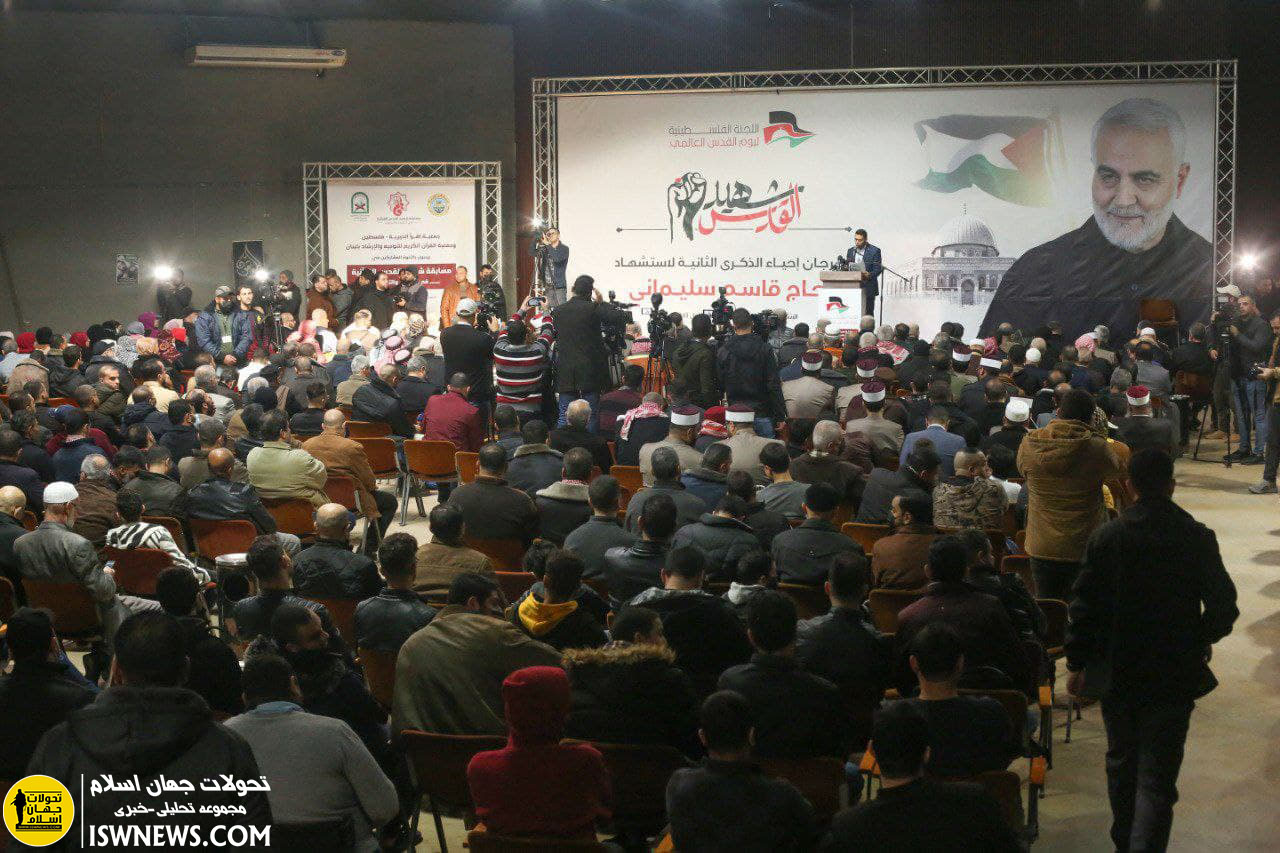
    On January 3, the opening ceremony of the World Exhibition Art of Resistance was held in the presence of representatives of Palestinian resistance groups, writers, religious figures and a large crowd. 50 male and female artists from 10 countries participated in this exhibition. Most of the participants’ works were related to issues such as Palestine, Quds and the resistance and release of Palestinian prisoners.

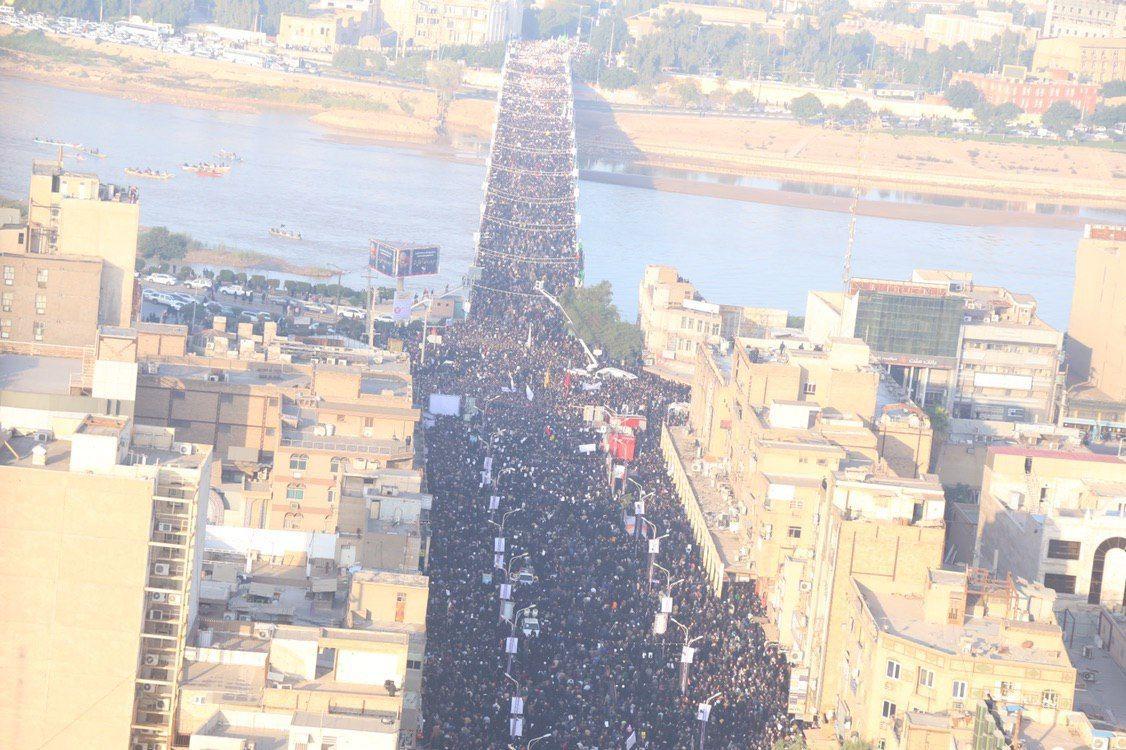
    Following the ceremony, the participants paid tribute to the martyr Haj Qasem Soleimani and performed a ceremony to keep the memory of this great martyr alive.

    It should be noted that at the same time as the anniversary of the martyrdom of the late Commander of the IRGC Quds Force, pictures of Martyr Haj Qasem Soleimani with the slogan “We are Qasem” were installed in various streets and squares of Gaza.

    Photographer and reporter: “Khalid Al-Abadilah” from Gaza

  • Infographic: Iraqi Resistance Groups

    Infographic: Iraqi Resistance Groups

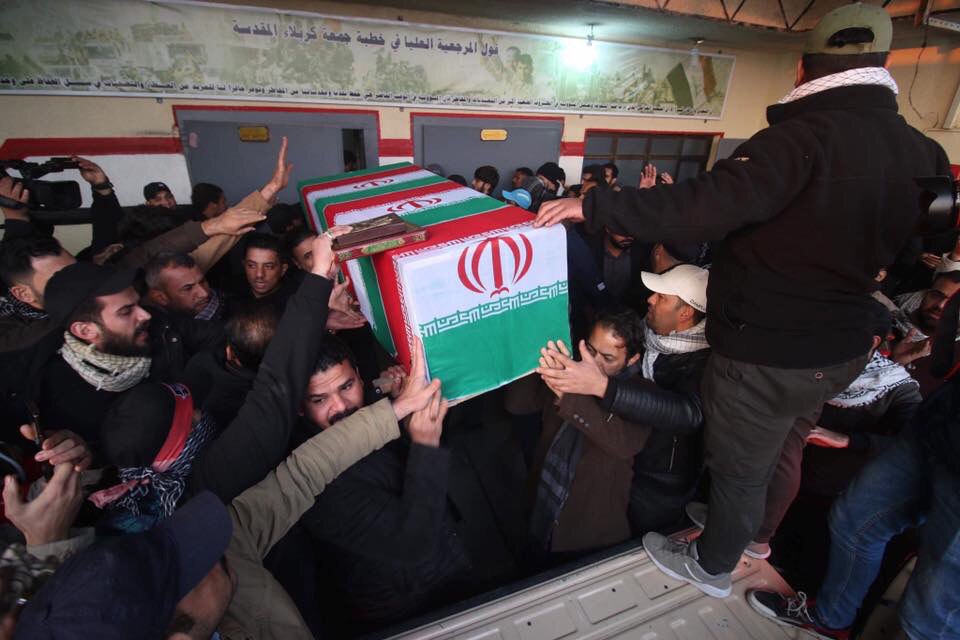
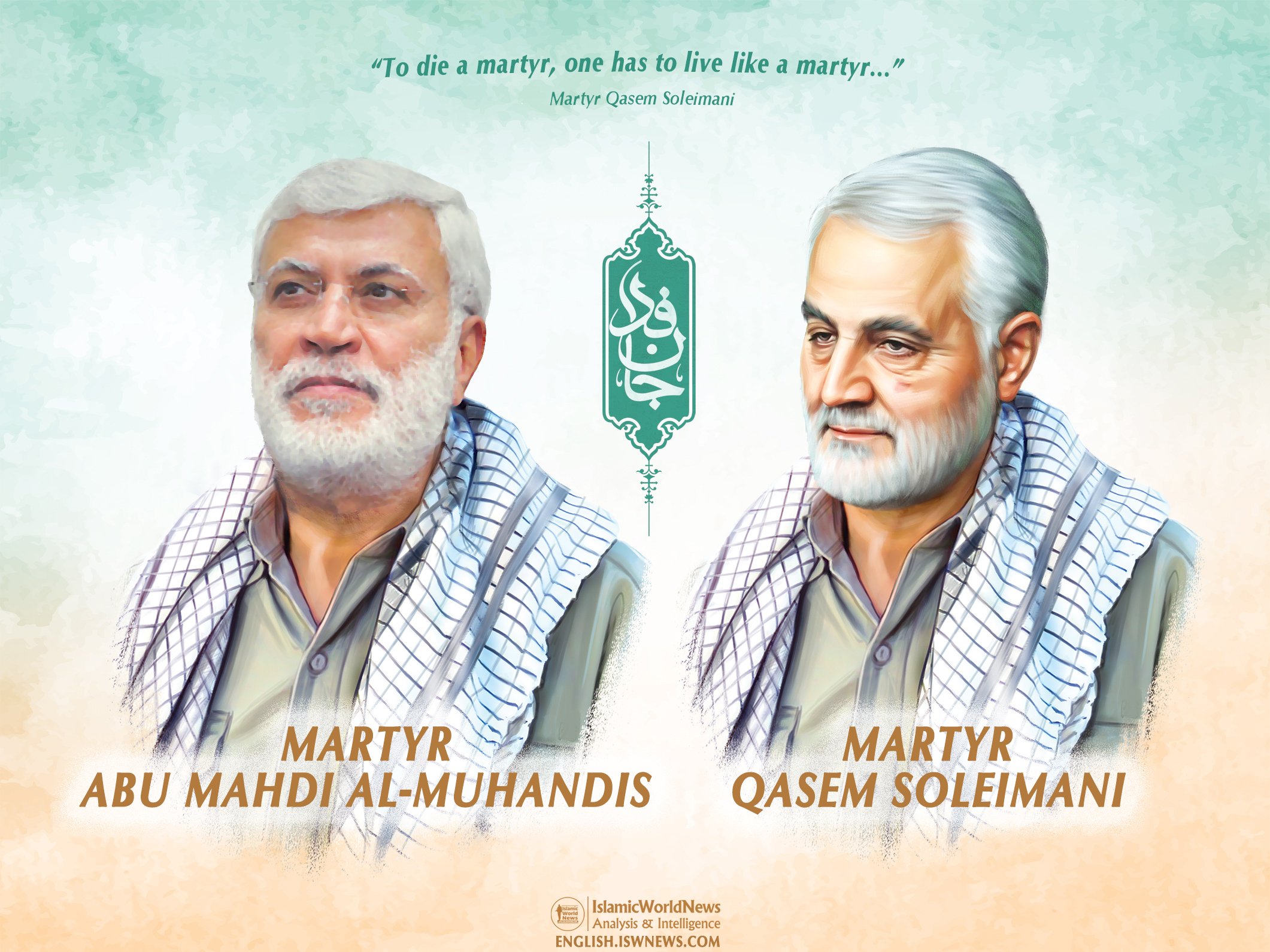
    In the early hours of 3 January 2020, , Hajj Qasem Soleimani, commander of the IRGC Quds Force and Abu Mahdi al-Mohandes, deputy head of the Popular Mobilization Organization, and their companions were assassinated in an airstrike by the US regime near Baghdad Airport. After this attack, resistance groups and prominent figures in the region, while emphasizing and appreciating the actions of martyrs Hajj Qasem Soleimani and Abu Mahdi al-Mohandes in the fight against terrorism and increasing security in the region, threatened the United States to receive a proper response to this crime.

    The Iraqi people and groups also called for the expulsion of the United States from Iraq and revenge for the blood of the martyrs of this terrorist attack, given the oppressed martyrdom of their compatriots by the United States in recent years and the repeated violations of their country’s sovereignty.

    Therefore, shortly after this crime, new Iraqi resistance groups emerged in this country. These groups declared that their main goal is a more serious military confrontation against the United States and its interests in all parts of Iraq until the complete expulsion of the occupying forces from the country.

    So far, 19 Iraqi resistance groups have announced their presence in the country to counter the US occupation. The names of these groups are as follows:
    1- “Qasim Al-Jabbarin Resistance” Group
    2- “Ashab Al-Kahf Resistance” Group
    3- “Saraya Oliya Al-Dam Resistance” Group
    4- “International Resistance Faction” Resistance Group
    5- “Saraya Thurat Al-Ashrin Al-Thaniyah” Resistance Group
    6- “Usbat Al-Thaireen” Resistance Group
    7- “Ulu Al-Azm” Resistance Group
    8- “Katibat Al-Sabequn” Resistance Group
    9- “Liwa Khaybar” Resistance Group
    10- “Thar Al-Muhandis” Resistance Group
    11- “Quwat Al-Zulfiqar” Resistance Group
    12- “Kataib Abolfazl Al-Abbas” Resistance Group
    13- “Saraya Al-Muntaqim” Resistance Group
    14- “Martyr Karim Dar’am” Resistance Group
    15- “Liwa Al-Montaqimun” Resistance Group
    16- “Liwa Al-Thaireen” Resistance Group
    17- “Saraya Ababil” Resistance Group
    18- “Tashkil al-Warithin” Resistance Group

    In 2022, Iraqi resistance groups directly and indirectly carried out 102 attacks against the U.S. troops and U.S. interests on Iraqi soil. Most of these attacks were carried out in the form of roadside bombs against American logistical convoys.

    Click to see the full size image

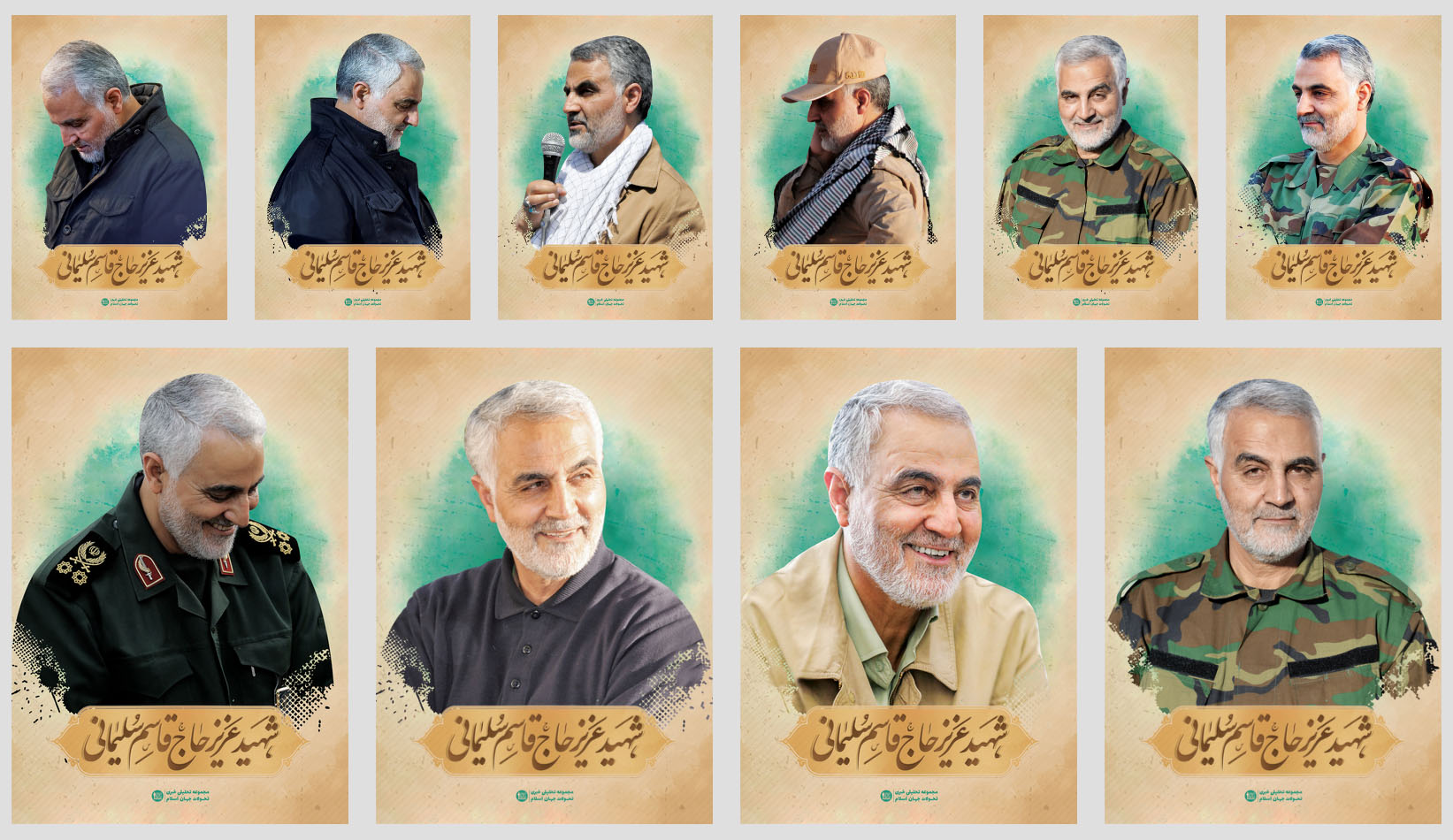
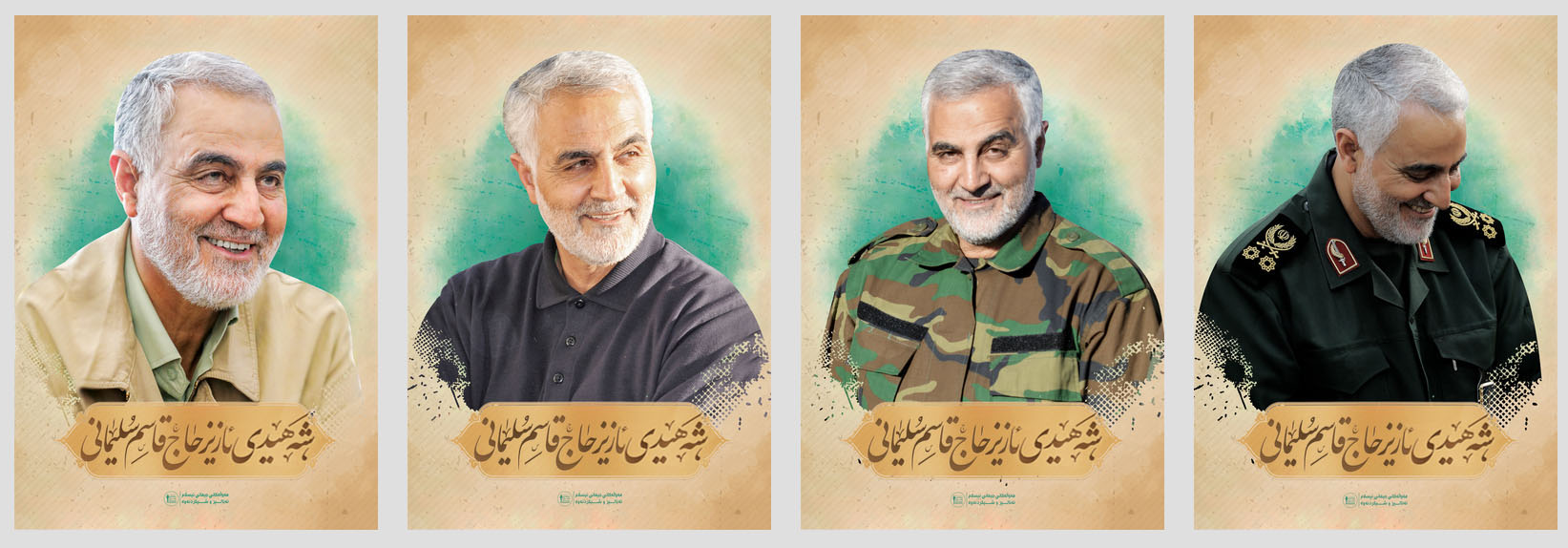
    Iraqi Resistance Groups collection of posters in Persian, Arabic, Kurdish, Azerbaijani, Russian for Social Media:

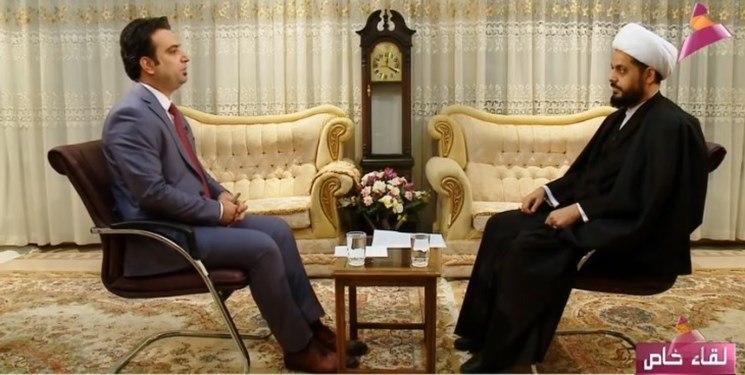
  • Khazali: According to Haj Qassem evidences, one of the heads of Iraqi triple powers joined CIA!

    Khazali: According to Haj Qassem evidences, one of the heads of Iraqi triple powers joined CIA!

    Qais Khazali said:
    – USA wanted to assassinate Muqtada Sadr, leader of Sadr movement, and accuse Asa’ib Ahl al-Haq for it.
    – The information reached Sadr and Iran and they took action and thank God, the plan failed.
    – The source of the evidences is Haj Qassem Soleimani himself and he was trustworthy.

  • Will have Iran a powerful response against US crime and will take revenge of Qasem Soleimani?

    Will have Iran a powerful response against US crime and will take revenge of Qasem Soleimani?

    Last night, Haj Qasem Soleimani the commander of IRGC Quds forces and Abu Mahdi al-Muhandis the commander of Popular Mobilization Forces were martyred in the missile attack of terrorist US in Baghdad airport, along some of other companions.

    It’s so necessary that understand this important issue and don’t forget that essence of Resistance group in the region, after this event, will be divided into two major parts:
    1. Resistance group before Haj Qasem Soleimani’s martyrdom
    2. Resistance group after Haj Qasem Soleimani’s martyrdom

    It’s clear that Resistance group has entered into a new phase after this great event. Unlike many analysis that see this issue a sign of Resistance’s weakness, or some persons see it a null and an effectless situation, this event is a base for increasing power, unity and legitimacy of region nations that will be the Resistance group’s basis. And this issue is seen in region’s popular reactions clearly.
    Today, the popular groups in the region are united more than any other time and many reasons and signs represent that great developments are in Resistance group favor.
    Its a separate article that we will discuss later and not this time… But however you will see this and will confirm me in the near future.

    But how will be the response?
    Obviously, the Imam of the Ummah (Khamenei) has decided to respond and, as he said, this revenge will be “harsh”. I don’t remember that he has said a word and didn’t do it, specially when he speaks to enemy. So the revenge will be so hard and there is no doubt about it.
    Remember that this revenge and this response is not just a response from the Iranian government to the US! The issue is more than this and in fact is a national demand and even higher than it, is a regional demand.
    Now all the free people and aware nations in the region, are demanding a destructive and acceptable response from Iran against US crime. And this issue will affect on method of decision making and responding, surely.

    First, when we speak about mutual revenge, should be targeted an option in American side that be in the same level of Qasem Soleimani and Abu Mahdi al-Muhandis. Is there such character and option with this level of regional influence of Soleimani in the opposite side? If there is, how much is the probability of access to this person? And how long takes it time for taking revenge of this person ?
    Second, in the coming days may be a series of attacks will be done by Iran or Resistance forces against American positions in the region. Don’t consider these attacks as Iran’s hasty revenge for responding to Haj Qasem’s assassination. Harsh revenge is more than targetting some bases or regional positions.

    The real revenge must be in the same level of Haj Qasem and his companions or be a response that will at last result in Iran’s harsh revenge. If we put emotion factor aside, second option is more better, influential and acceptable and its path of implementation, by blessing of Mujahedin’s sacrifice and Shuhada’s blood is ready for Iran.

    Iran will not respond in a hurry, so do not hurry up and remember that all of necessary factors for responding are present and have been investigated and will be done and its least conclusion will be expulsion of US from Iraq and Syria.

    But don’t get wrong, this inaction does not mean weakness, at all. Be sure that Iran will do an action that US understand and will remember forever that should not violate the red lines again. The time passing will show this issue… And ofcourse a response in the level of Haj Qasem in any step of great plan, is possible.

    And remember this point that some of the great persons and selected martyrs will be commander, even after their death and martyrdom; Qasem Soleimani is one of them…

    Written by: Akhlaghi