Tag: Hezbollah

  • Hezbollah Conducts Drone-Rocket Operation Against Israeli Positions

    Hezbollah Conducts Drone-Rocket Operation Against Israeli Positions

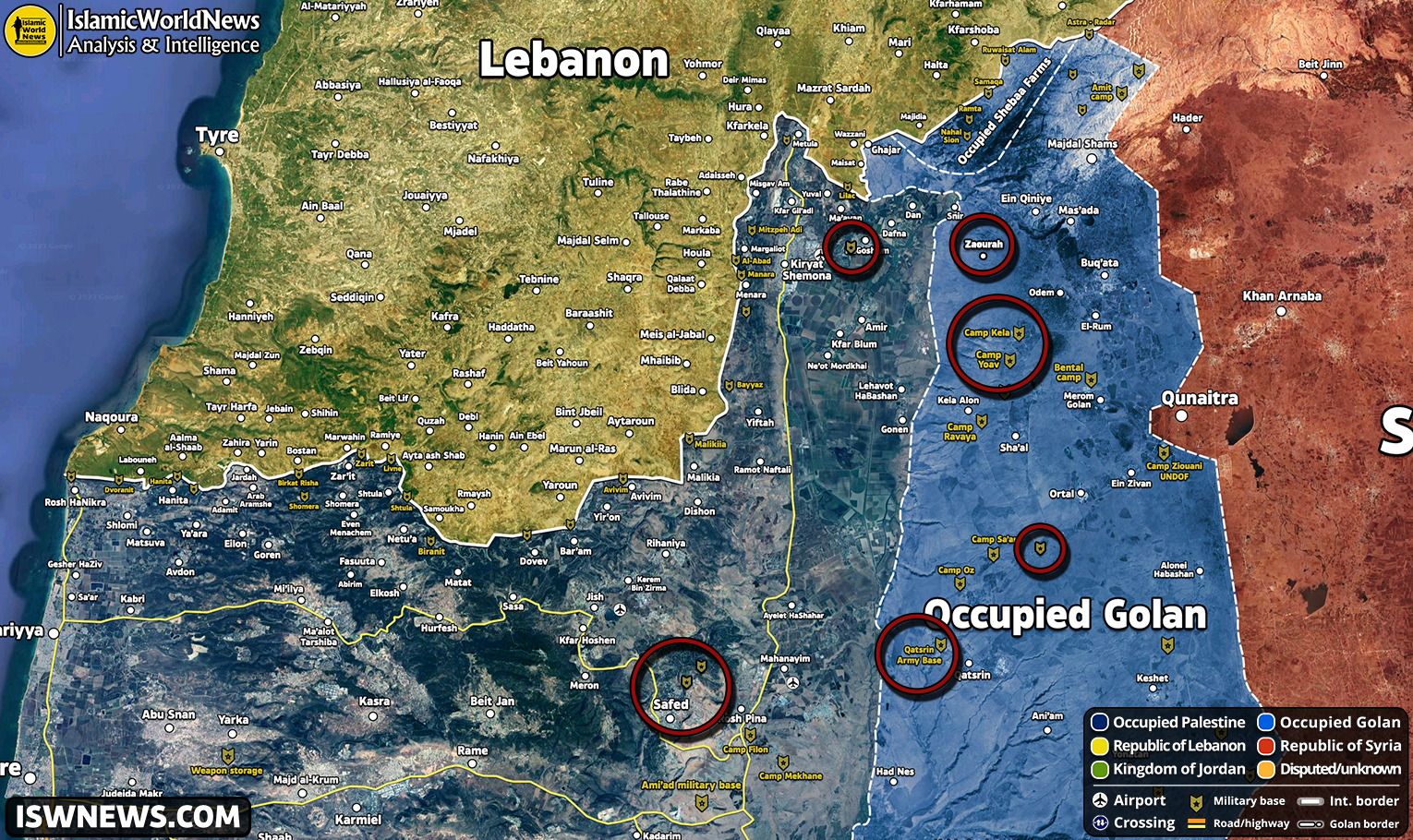
    Using different rockets, including those aimed at Al-Zaourah shelter, Kafr Kila garrison, Yoav garrison, Katsafiya base (Katzrin), Nafah base (Nafakh), and the Al-Sahl unit in Beit Hillel, Hezbollah sought to inflict significant damage on Israeli military installations.

    Furthermore, Hezbollah employed precise attacks using suicide drones on strategic locations such as the Dadu base (northern region command headquarters), Mishar base (main intelligence headquarters in the northern region responsible for assassinations), and Katsafiya garrison (headquarters of the 7th armored brigade under the 210th Golan Division or Bashan).

    This operation stands as the largest Hezbollah assault on Israeli army positions since the onset of the Palestinian war. Additionally, it marks the 66th drone operation conducted by Hezbollah against the Israeli military.

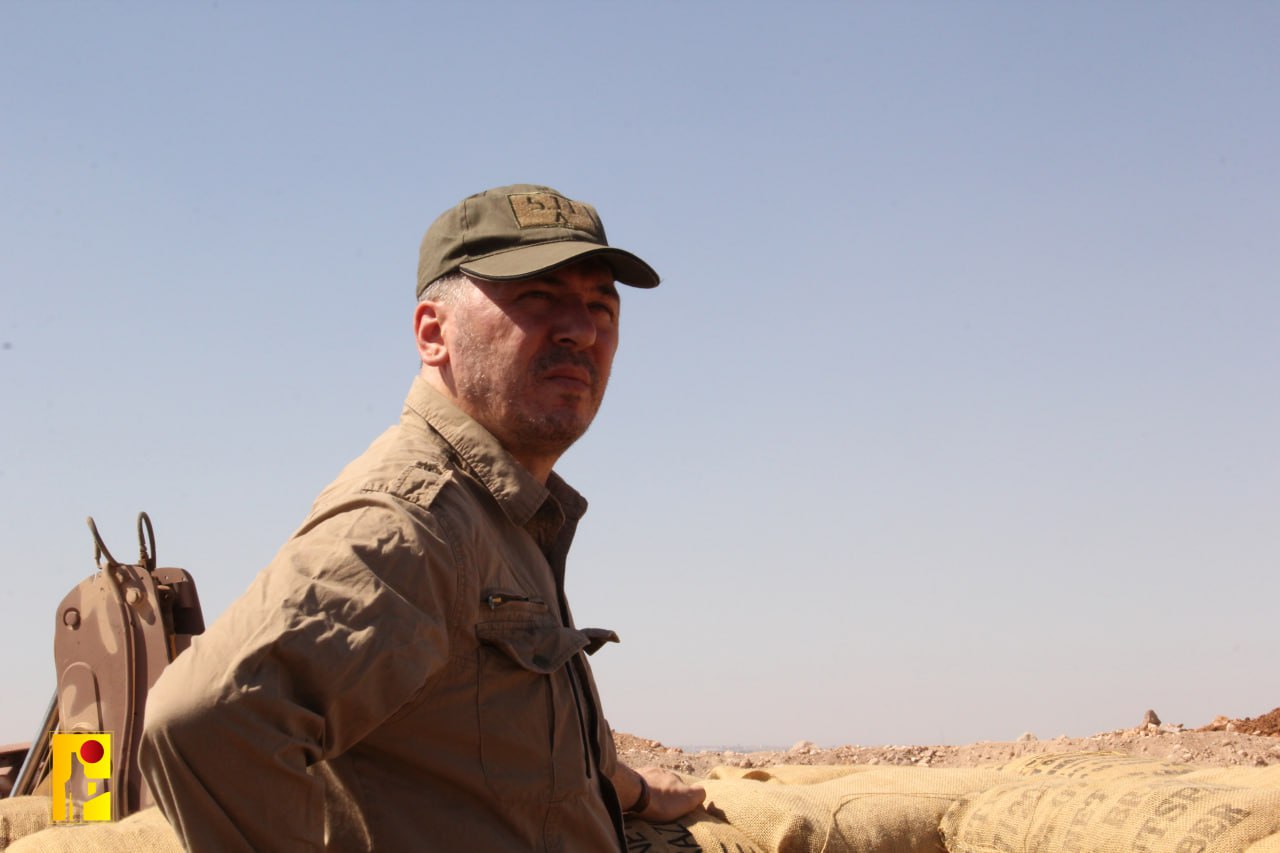
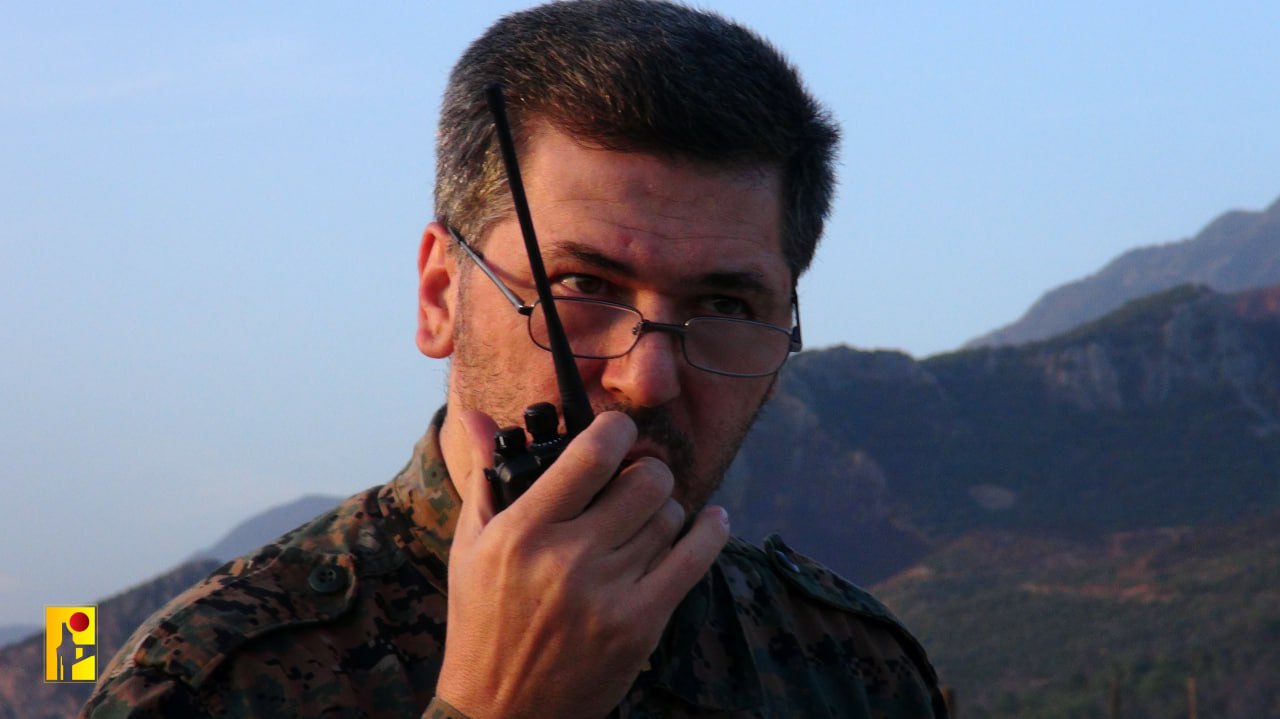
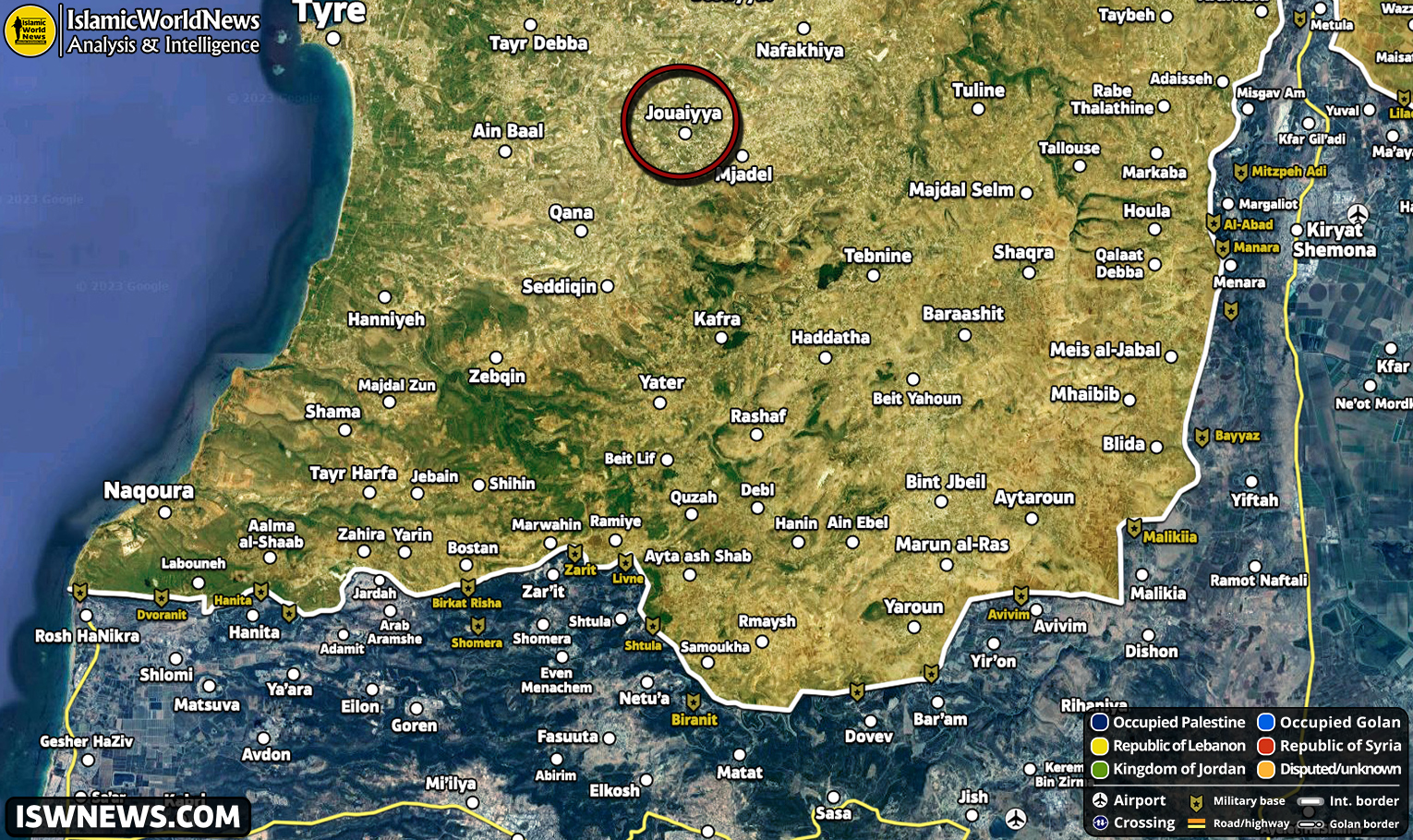
    The mission was declared by Hezbollah as a response to the assassination of senior commander Taleb Abdullah, known as Abu Taleb, in an Israeli air raid in the southern Lebanese village of Jwaya. The retaliatory strike aimed to establish deterrence following Abdullah’s killing.

    Hezbollah reportedly utilized around 200 rockets and 30 explosive drones to target 15 Israeli positions, including some in the occupied Golan Heights. Israeli media reported casualties and fires caused by the Hezbollah rockets.

    The areas that were targeted by Hezbollah rocket and drone attacks

    In their official statement, Hezbollah expressed solidarity with the Palestinian people in Gaza, emphasizing their support for the Palestinian resistance. Additionally, the group noted that one of the Israeli units targeted was involved in planning assassinations, further justifying their decisive response.

    On October 8, 2023, Hezbollah initiated strikes on military installations in northern Israeli-occupied territories following the commencement of the onslaught in Gaza with the aim of engaging the regime’s forces in northern front and reducing their focus on Gaza.

  • Israel Assassinates Senior Hezbollah Commander; Lebanese Resistance Launches 160 Rockets Against Israeli Positions

    Israel Assassinates Senior Hezbollah Commander; Lebanese Resistance Launches 160 Rockets Against Israeli Positions

    This assassination of a senior commander of Hezbollah in southern Lebanon has once again heightened tensions in the volatile region. The attack, carried out by Israeli fighter jets and drones, targeted a building in the Jwaya town of southern Lebanon.

    Reports from Lebanese media indicate that the strike resulted in the martyrdom of Sami Abdullah, also known as Hajj Abu Talib, who was a prominent field commander of the Lebanese resistance movement. Several others were also injured in the assault.

    In a move that has sparked controversy and condemnation, the Israeli army released a video footage showcasing the moment of the airstrike in the Jwaya town, claiming responsibility for the military operation inside Lebanon’s territory.

    Israeli army published the video footage of terrorist attack in Jwaya area

    According to the Israeli army’s statements, Hajj Abu Talib was the commander of Hezbollah’s Al-Nasr unit and held a significant position in orchestrating operations along the southern Lebanon-northern Palestine front.

    The assassination of such a high-ranking figure within Hezbollah has undoubtedly stirred up emotions within the group and its supporters. Hezbollah, known for its strong presence and influence in the region, has vowed to retaliate against Israel for this act of aggression.

    On Wednesday, crowds turned out to mourn the martyrdom of the senior Hezbollah commander in the southern suburbs of Beirut. Hezbollah vowed to intensify the force and quantity of its retaliatory attacks on Israeli positions.

    In response to the assassination of the senior commander, Hezbollah launched more than 160 rockets at the Israeli-occupied territories from southern Lebanon. No casualties have been reported so far.

    The Lebanese resistance movement announced that more than 300 fighters have been martyred in the most recent round of fighting with the Israeli regime.

    Since the onset of the Israeli onslaught on the Gaza Strip on October 7, 2023, Hezbollah kicked off its strikes on the regime to engage divisions of its forces in northern front and decrease the occupying regime’s pressure on the Palestinian resistance fighters in the besieged area.

  • Tensions Escalate As Israel Threatens ‘Extremely Powerful’ Response to Hezbollah Attacks

    Tensions Escalate As Israel Threatens ‘Extremely Powerful’ Response to Hezbollah Attacks

    The warning comes after a recent uptick in hostilities, including a drone strike by Hezbollah that injured 11 Israeli settlers in the northern town of Hurfeish. This attack followed a wave of Hezbollah fires that raged through the border region, causing widespread destruction and displacement.

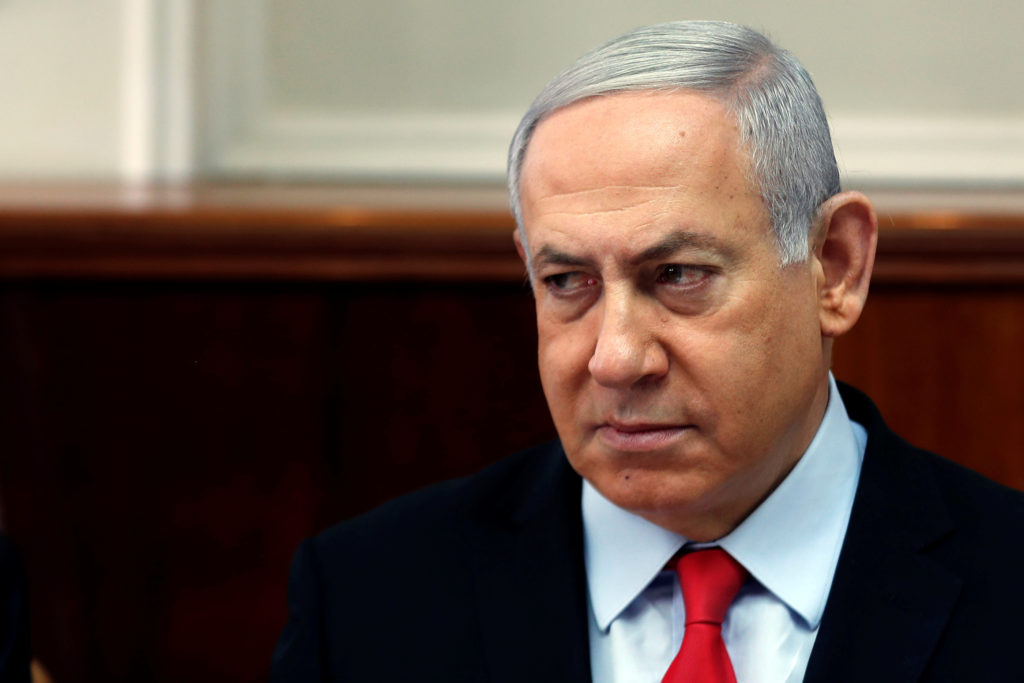
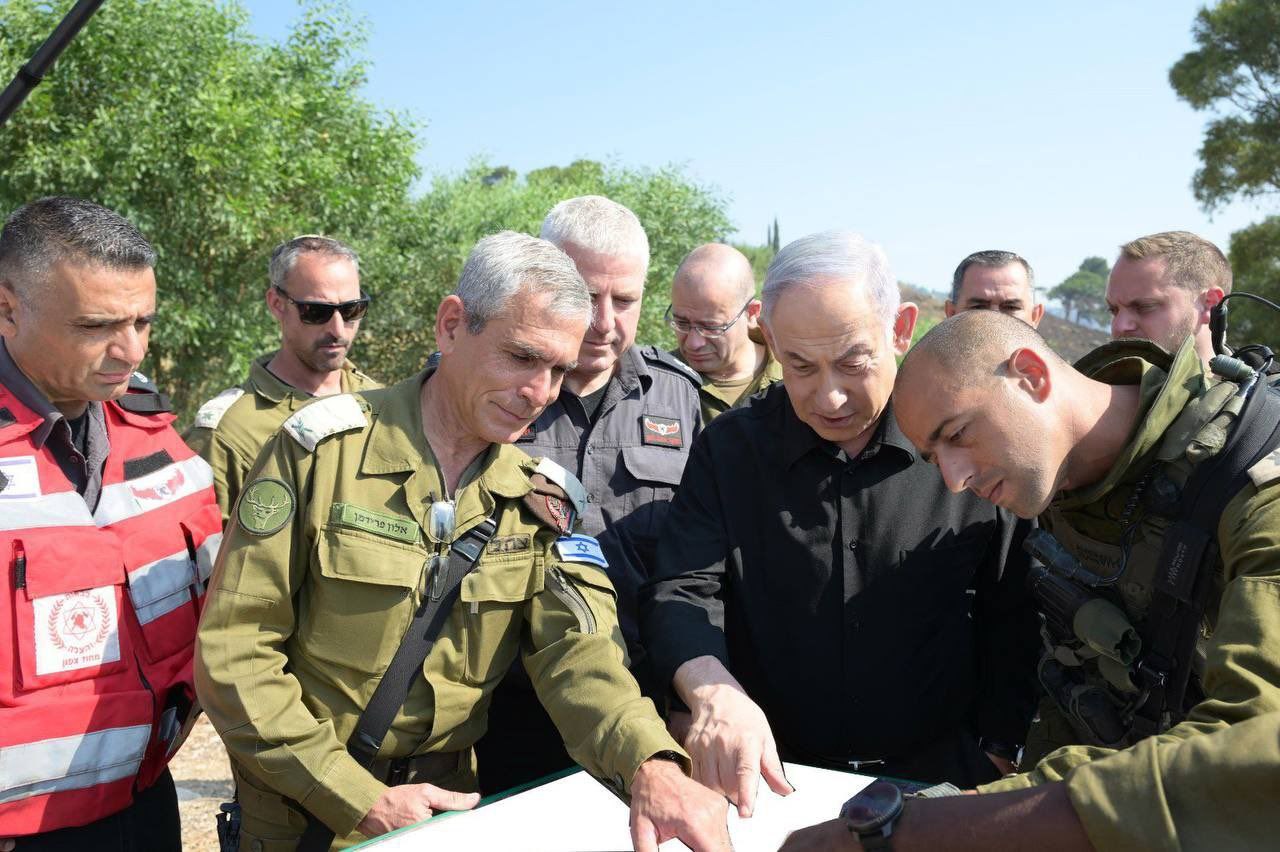
    “Anyone who thinks that they can harm us and we will sit on our hands is sorely mistaken,” Netanyahu said during a visit to the largely evacuated town of Kiryat Shemona. “We are prepared for a very strong action in the north. In one way or another we will restore security to the north,” he added.

    Netanyahu during a visit to the town of Kiryat Shemona.

    The prime minister’s rhetoric underscores the growing concerns on the Israeli side about the escalating situation. The Israeli occupation forces’ chief of staff, Herzi Halevi, warned that the military is approaching a point where it will have to make a decision, stating that “the IDF is ready for an offensive.”

    The EU has also expressed alarm over the “ever-growing destruction and the forced displacement of civilians on both sides of the Israeli-Lebanese border,” calling on all parties to exercise restraint and avoid a broader regional conflict.

    Read more: Hezbollah Set Israeli Settlements On Fire!

    Hezbollah, for its part, has indicated that it is not seeking all-out war with the Israeli regime. The Lebanese resistance movement’s recent actions, including the unprecedented deployment of a squadron of drones, have further thrilled the Israeli officials; so, they resort to the threat of a potential conflagration.

    Hezbollah has been carrying out near-daily attacks against Israeli military positions along Lebanon’s southern border. The purpose of these attacks is to alleviate the pressure on Palestinian resistance fighters who are engaged in combat against Israeli forces inside the Gaza Strip.

    Meanwhile, human rights groups have also accused the Israeli regime of using white phosphorus incendiary shells in southern Lebanon, a report that the Israeli military has denied, claiming that such munitions were only used as a smokescreen and in accordance with international law.

    The situation along the Israeli-occupied border of Lebanon remains highly volatile, with both sides seemingly poised for a potential escalation. As the war of words and military posturing continue, the threat of a wider conflict looms large, with the potential to engulf the broader region.

    Analysts warn that a miscalculation or a single spark could rapidly spiral into a full-blown confrontation, the consequences of which could be devastating for all involved. The calls for restraint and diplomacy grow ever louder, as the international community anxiously watches the high-stakes standoff unfold.

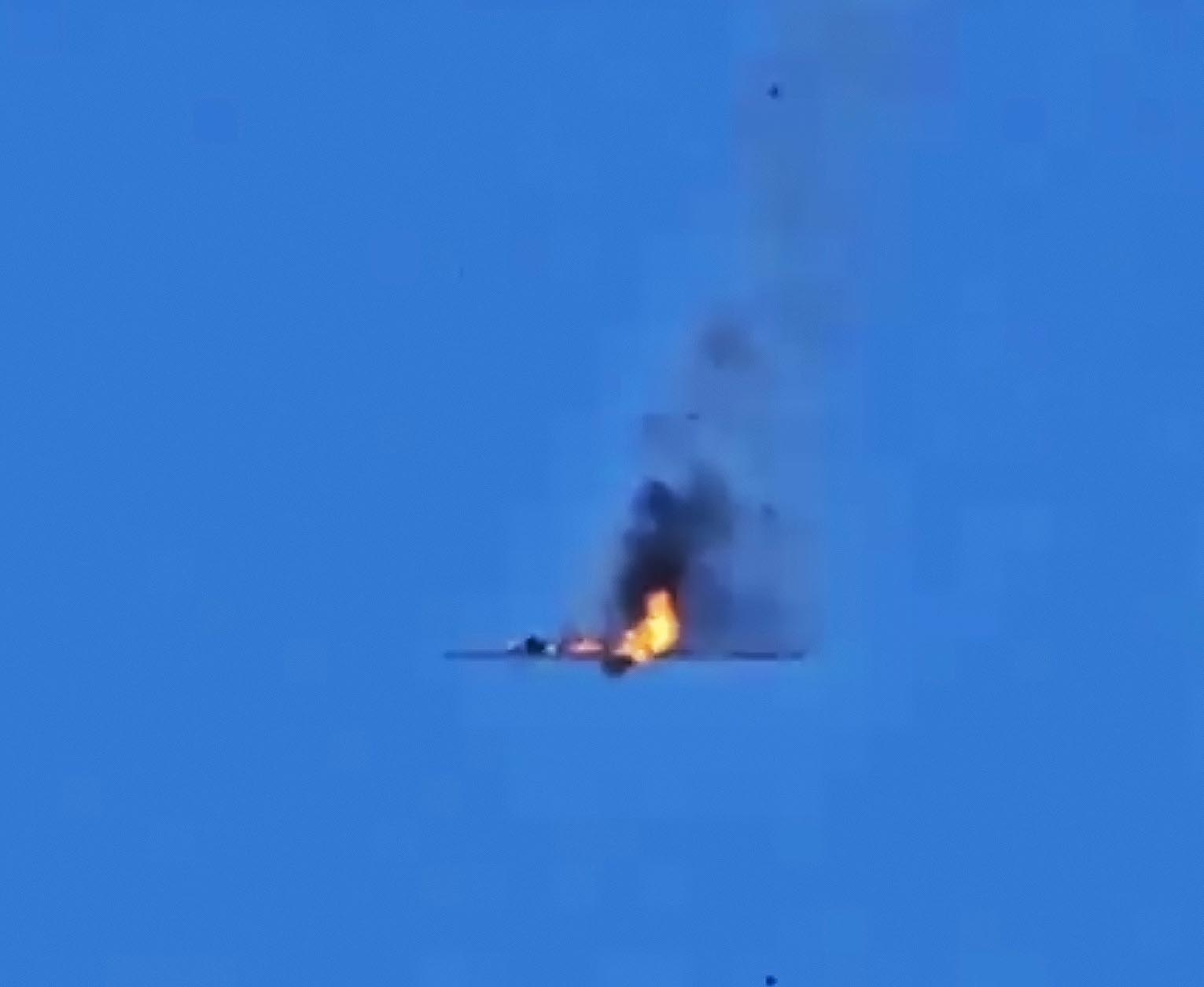
  • Hezbollah Shoots Down Another Israeli Hermes Drone, Asserting Its Aerial Dominance (Video)

    Hezbollah Shoots Down Another Israeli Hermes Drone, Asserting Its Aerial Dominance (Video)

    This latest incident marks the sixth time the Lebanese resistance movement has shot down an Israeli drone during the recent hostilities.

    The Hermes 900 is a sophisticated, multipurpose unmanned aerial vehicle (UAV) that serves as an upgraded version of the Hermes 450. This new model boasts enhanced capabilities, including a higher flight altitude that makes it well-suited for reconnaissance operations. The Israeli military has deployed the Hermes 900 extensively in the Gaza Strip, southern Lebanon, and Syria, where it has carried out numerous aerial missions.

    However, Hezbollah’s air defense systems have proven more than capable of countering this advanced Israeli drone. By successfully downing the Hermes 900, the Lebanese resistance group has once again demonstrated its ability to neutralize the enemy’s aerial dominance and assert its own supremacy in the skies.

    An Israeli regime Hermes 900 drone that was shot down by Hezbollah

    This latest incident is a significant blow to the Israeli military’s aerial surveillance and intelligence-gathering capabilities. The loss of the Hermes 900 not only represents a financial and technological setback for Israel, but it also serves as a morale-boosting victory for Hezbollah and its supporters.

    The ongoing conflict between Hezbollah and Israel has been marked by a continued struggle for aerial superiority. As the Israeli military continues to invest in advanced drone technology, Hezbollah has responded by enhancing its air defense systems and honing its ability to detect and intercept these UAVs.

    The resistance group’s unwavering determination to defend its homeland and confront Israeli aggression remains unshakable, and it is willing to employ its technological and military prowess to achieve this objective.

    As the tensions in the region continue to simmer, the battle for aerial supremacy between Hezbollah and Israel is likely to intensify. The outcome of this ongoing struggle will have far-reaching implications for the balance of power in the Middle East and the ability of the Israeli military to conduct its operations without facing the constant threat of Hezbollah’s air defenses.

  • Hezbollah Airstrikes! Targeted Metula Outpost (Video)

    Hezbollah Airstrikes! Targeted Metula Outpost (Video)

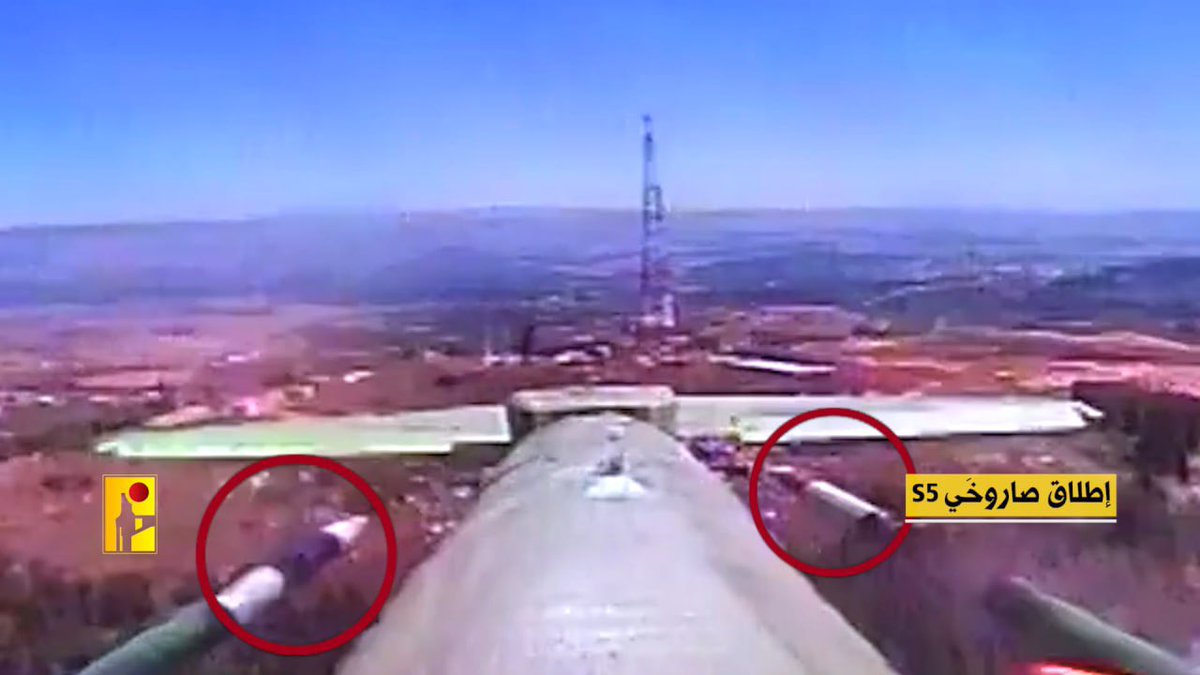
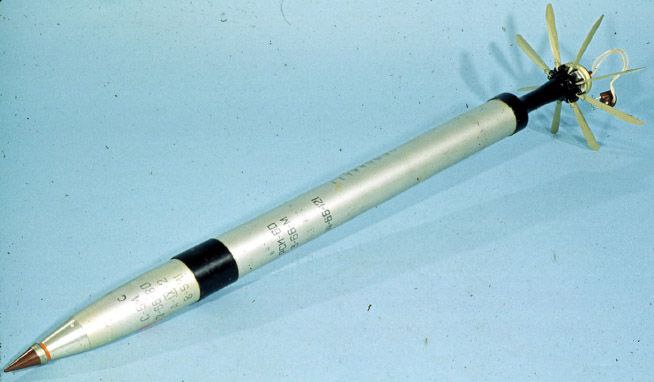
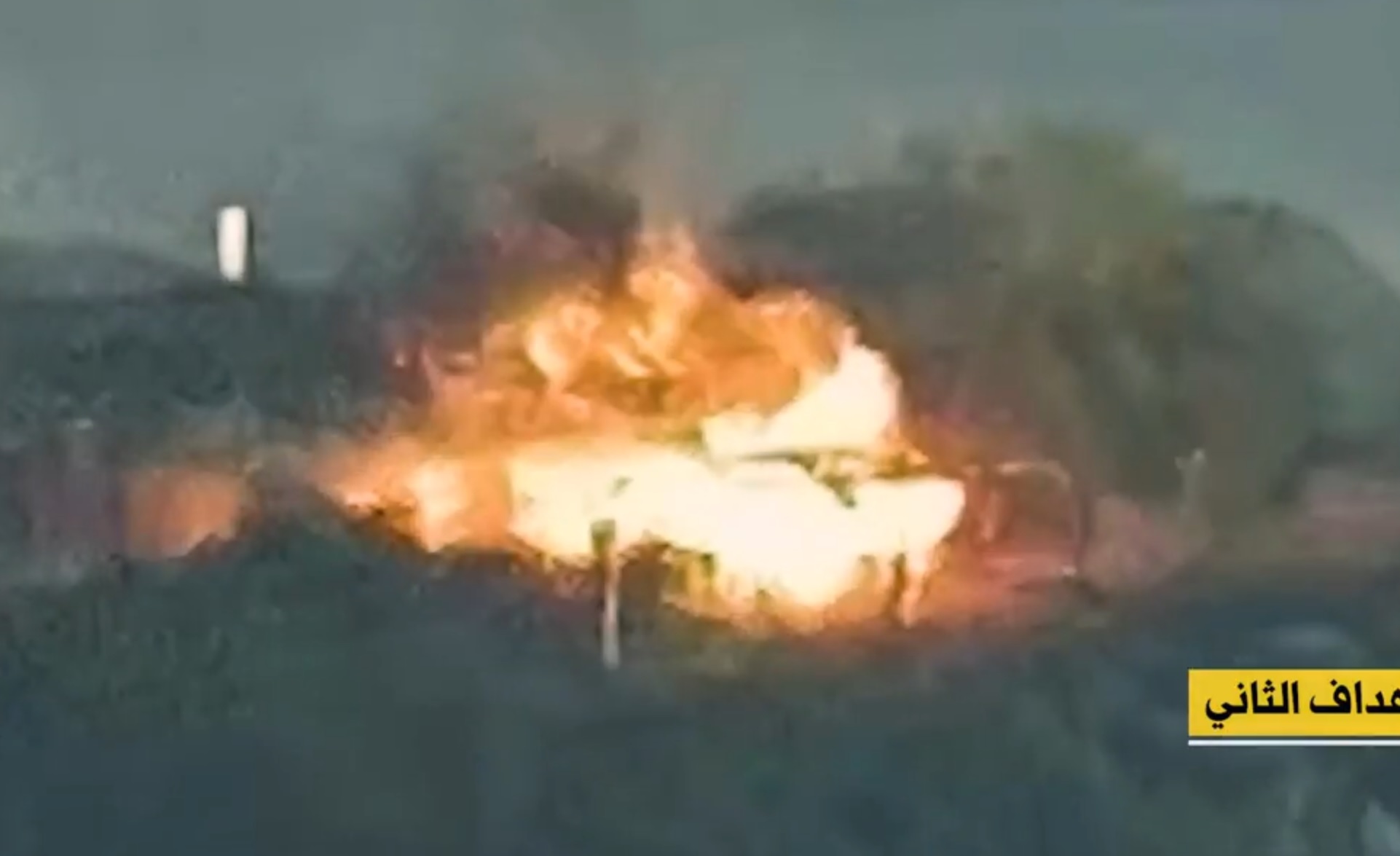
    According to the video footage, Hezbollah used an Iranian Ababil-2 suicide drone and two Soviet-made S-5 air-launched rockets. The suicide drone first shoots its rockets at the Israeli military vehicle and then carries out a suicide dive.

    According to Israeli media reports, as a result of this attack, one Israeli soldier was killed and two others were wounded.

  • Hamas Delegation Meets With Secretary-General Of Hezbollah

    Hamas Delegation Meets With Secretary-General Of Hezbollah

    During this meeting, the two sides discussed the latest developments in the war in Gaza in particular, and the current situation in the occupied territories and the various fronts of the resistance axis in general.

    Resistance figures present at the meeting discussed the latest details of the ceasefire negotiations, the international political positions regarding the movement against Gaza, and the global student uprising in support of Gaza.

    Sayyed Hassan Nasrallah and the Hamas delegation emphasized the need for taking unified stance and continuing efforts to achieve the goals of the Operation Al-Aqsa Storm as well as great victories and accomplishments despite all the sacrifices.

  • Israeli Army Uses Civilian Houses As Headquarters In Northern Palestine!

    Israeli Army Uses Civilian Houses As Headquarters In Northern Palestine!

    The first footage is related to an ATGM attack against an Israeli army position in Shtola settlement and the second footage is related to ATGM attack in Metula settlement.

    The interesting and important point in these videos is that the Israeli forces use the settlers’ houses as headquarters and hideouts in their fight against Hezbollah. So now it’s clear why so damages were inflicted to settler’s houses in northern Palestine; Because the main reason for the destruction of the settlers’ houses is the Israeli army itself that uses civilian houses as a military base!

    Hezbollah ATGM attack in Shtola
    Hezbollah ATGM attack in Metula

    It is important to mention that the future and fate of the Israeli settlers in northern occupied Palestine is unclear due to the consequences of the war, and the residents of northern Israel feel abandoned. The extensive destruction of the settlers’ houses due to the incompetence of the Israeli regime has exhausted the patience of the displaced Israeli settlers.

    Recently, the head of the Mateh Asher Regional Council and chairman of the forum of residents on the northern frontline in Western Galilee stated that the displaced settlers have been locked in hotels with their children for more than 100 days and the government does not respond to their requests. He emphasized that the situation is so dire that they have to bury their dead in the middle of the night!

  • France’s Proposed Agreement To Stop Conflict In South Lebanon-North Occupied Palestine Front

    France’s Proposed Agreement To Stop Conflict In South Lebanon-North Occupied Palestine Front

    Phase One:
    1. Cessation of Hezbollah military operations inside the Israeli-occupied territories of Palestine and disputed areas.
    2. Refraining from attacks against the United Nations Interim Force in Lebanon (UNIFIL) forces or installations.
    3. Guaranteeing the unimpeded freedom of movement of UNIFIL forces in the south of the Litani River.
    4. Cessation of the Israeli regime’s military operations inside Lebanon.

    Phase Two:
    1. Dismantling all facilities, resources, and centers near the Blue Line (a demarcation line dividing Lebanon from the Israeli regime and the Golan Heights).
    2. Withdrawal of combat forces, including the al-Hajj Radwan Force and other military units, as well as anti-tank weapons, to a distance less than 10 kilometers north of the Blue Line.
    3. Cessation of the Israeli regime’s aerial attacks over Lebanese territory.
    4. Resumption of Lebanon’s participation in the UNIFIL tripartite meetings.
    5. Deployment of around 15,000 Lebanese army troops in the south of the Litani River, including along the Blue Line.
    6. Support for the deployment of the Lebanese Armed Forces in the south of the Litani River based on United Nations Security Council Resolution 1701 and providing logistical support for it.

    What is United Nations Security Council Resolution 1701?

    Based on the information provided, Resolution 1701 is a United Nations Security Council resolution that was adopted on August 11, 2006 to bring to an end the war between Lebanon’s Hezbollah and the Israeli regime. According to this resolution, Hezbollah must withdraw from southern Lebanon and retreat north of the Litani River, so that the Lebanese army and UNIFIL forces can be deployed in those areas. Furthermore, the Israeli regime’s army must withdraw its forces from southern Lebanon and respect the territorial integrity of the Arab country.

    Phase Three:
    1. Resuming negotiations to gradually demarcate the land borders of Lebanon, based on the negotiations conducted in 2017, focusing on the areas that were previously discussed within the framework of the UNIFIL trilateral mechanism in 2018.
    2. Entering into negotiations on a roadmap to ensure the creation of an area between the Blue Line and the Litani River free from any armed individuals or groups, facilities, and armaments, except for those belonging to the Lebanese state and UNIFIL.
    3. Supporting the deployment of the Lebanese Armed Forces in southern Lebanon.
    4. Supporting the social and economic development in southern Lebanon.

    The proposed agreement by France is based on the colonial approach of this European country towards Lebanon, and it shows that the French government still feels that Lebanon is under their control, even after a decade of the decline of their foreign power.

    According to statements by Hezbollah officials, the southern Lebanon-northern occupied Palestine front has been opened to help the Palestinian resistance in the Gaza Strip and reduce the Israeli regime’s military pressure on the Palestinian resistance movement, and it is impossible to halt the conflict on this front without stopping the war in the Gaza Strip. Therefore, the French proposal to stop the war between the Israeli regime and the Hezbollah movement without considering the developments in the Gaza Strip is fundamentally flawed and certainly not implementable.

    Even if the cessation of the war on the southern Lebanon front is accompanied by a cessation of the war in the Gaza Strip, the withdrawal of Hezbollah fighters from the southern Lebanese areas is also an impossible issue. The people of southern Lebanon have been pioneers in forming the resistance in Lebanon, so how can they withdraw from their homes and properties in southern Lebanon?

    Overall, the proposed agreement by the French government is not feasible and is only a political tool for the government in Paris to demonstrate that they still have influence in Lebanon and that this region is under their control. However, the foreign power of the French government and other colonialist states is on the decline, and fewer people in Lebanon are willing to rely on their threats or proposals!
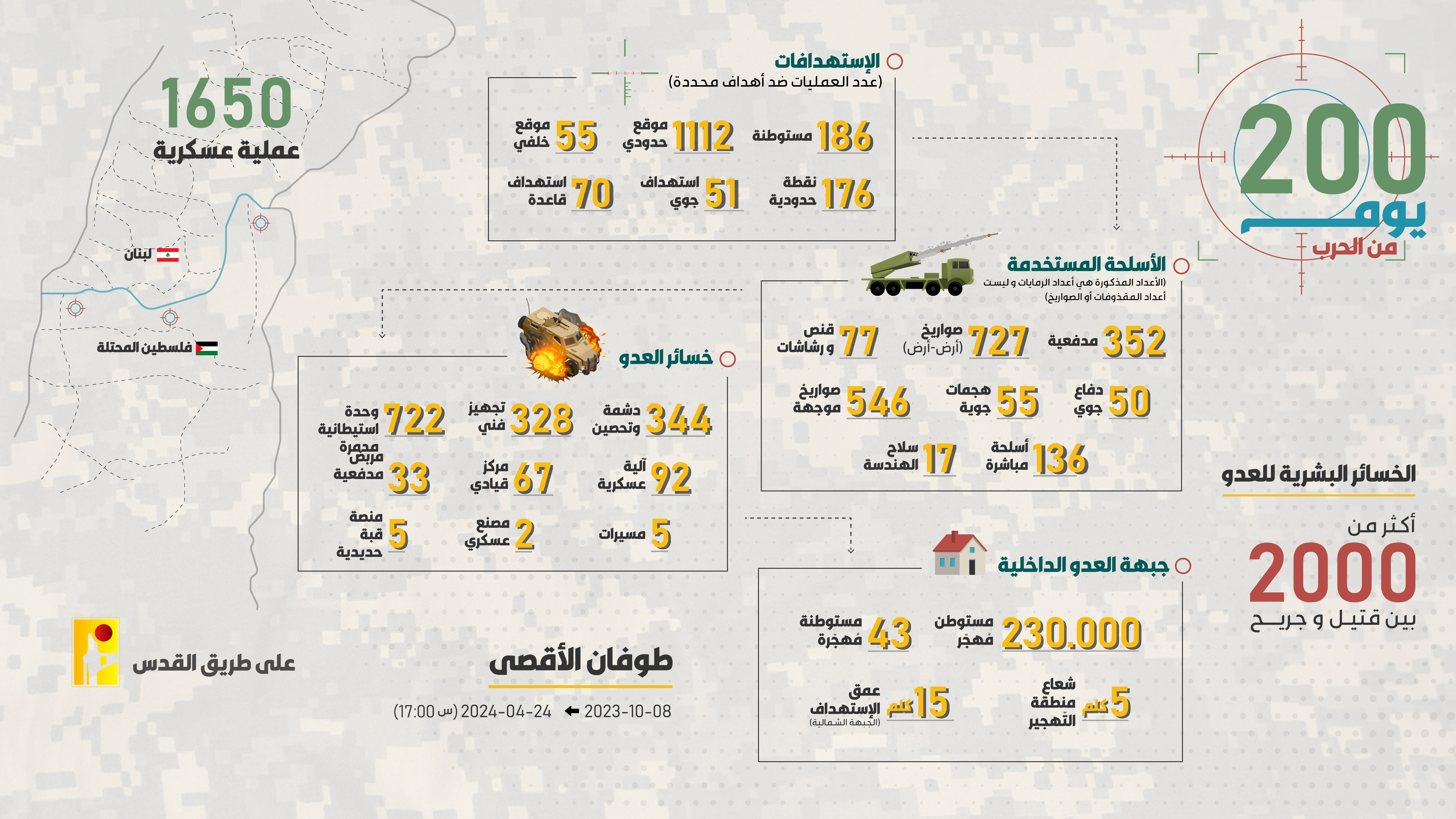
  • Hezbollah Conducted 1,650 Operations Against Israeli Regime Over Past 200 Days

    Hezbollah Conducted 1,650 Operations Against Israeli Regime Over Past 200 Days

    The statistics of Hezbollah’s operations and the casualties and damages inflicted on the Israeli regime’s army are as follows:

    – 186 operations against Israeli settlements
    – 176 operations in the border areas of Lebanon and occupied Palestine
    – 1,112 operations against Israeli army positions near Lebanon’s border areas
    – 55 operations against Israeli army positions inside the occupied territories of Palestine
    – 70 operations against the Israeli regime’s military bases
    – 51 air strikes against the Israeli regime

    The Lebanese resistance movement’s fighters utilized 352 artillery weapons, 727 surface-to-surface missile, 77 sniper and heavy machine guns, 50 air defense weapons, 55 offensive air weapons, 546 guided missiles, 136 light weapons, and 17 engineering weapons in these operations.

    The Hezbollah operations resulted in the displacement of 230,000 Israeli settlers, the evacuation of 43 Israeli settlements, the increase of the escape radius to 5 kilometers, and the increase of the depth of targeting the enemy to 15 kilometers inside the occupied territories.

    Also, as a result of these operations, 344 bunkers and fortifications, 92 military vehicles, 5 drones, 328 technical equipment, 722 residential units in Israeli settlements, 67 command centers, 33 artillery weapons, and 5 Iron Dome platforms were destroyed.

    Click to view full size
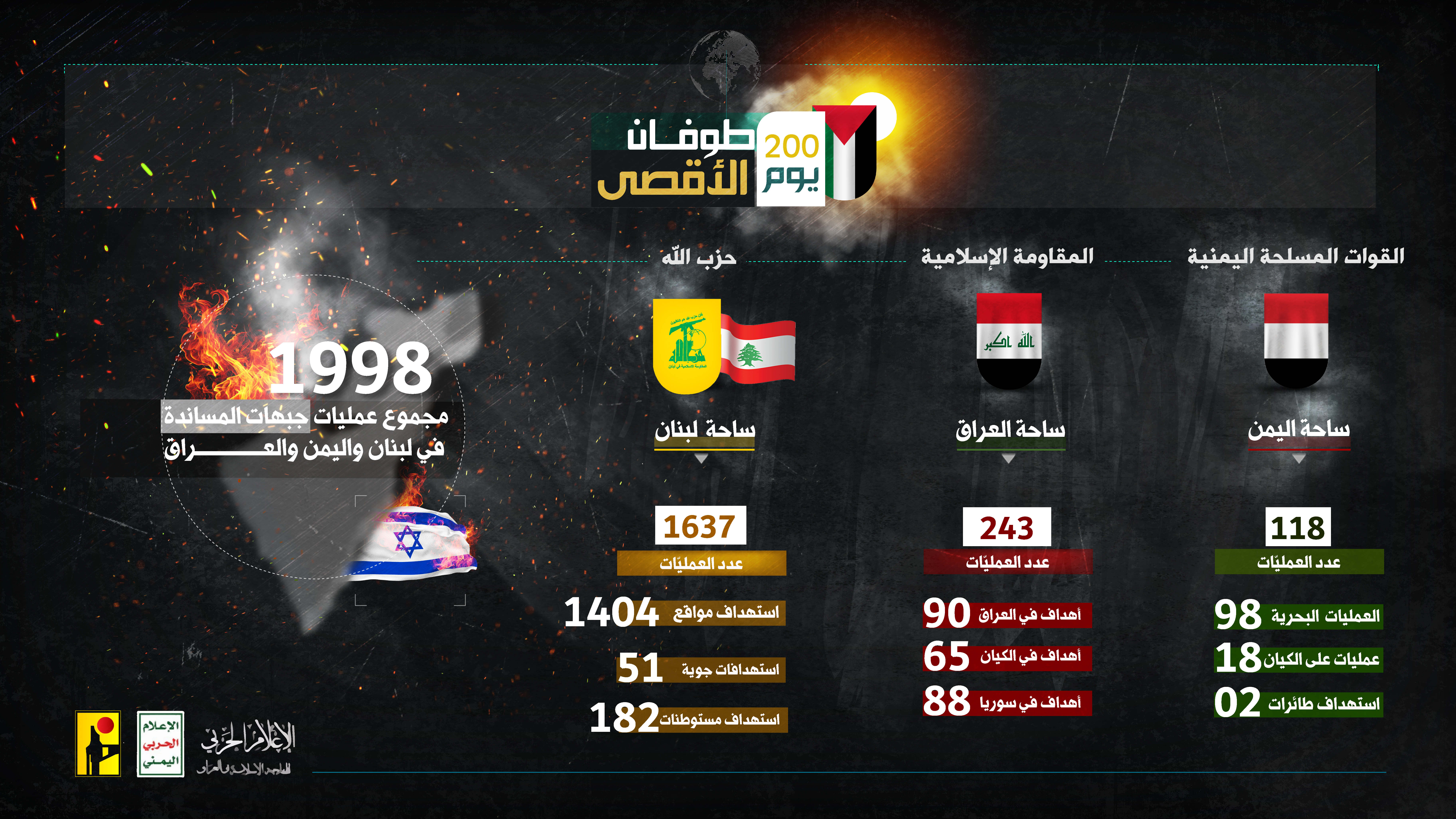
  • 200th Day Of Operation Al-Aqsa Flood; 1998 Operations Against Israel And America From Lebanon, Iraq And Yemen

    200th Day Of Operation Al-Aqsa Flood; 1998 Operations Against Israel And America From Lebanon, Iraq And Yemen

    Hezbollah published a record of the actions of the resistance forces in Lebanon, Iraq and Yemen during the last 200 days.

    The operation statistics are as follows:

    Axis of Lebanon:
    – 1404 operations against Israeli military bases.
    – 51 air operations.
    – 182 operations against Zionist settlements.
    (in total 1637 operations)

    Axis of Iraq:
    – 90 attacks against Americans in Iraq.
    – 65 attacks against Israel in the occupied Palestine.
    – 88 attacks against Americans in Syria.
    (in total 243 operations)

    Yemen axis:
    – 98 naval operations.
    – 18 attacks against Israel in the occupied Palestine.
    – 2 operations against enemy aircraft.
    (in total 118 operations)

    Click to view full size
  • Senior Hezbollah Member Martyred In Israel’s Terrorist Attack On Northern Tyre + Video

    Senior Hezbollah Member Martyred In Israel’s Terrorist Attack On Northern Tyre + Video

    The Israeli army confirmed that during the terrorist attack near the Adloun coastal town, they assassinated Hussein Ali Azqoul, a senior member of Hezbollah’s air defense unit.

    Azqoul was involved in the organizational activities of the defense unit and played a significant role in the design and execution of various defense operations.

    Hezbollah has shot down six Israeli combat and reconnaissance drones during the recent war, causing significant damage to the Zionist regime’s air force. Therefore, the Israeli army’s efforts to assassinate field commanders and key members of Hezbollah continue.

  • Hezbollah Shoots Down Fifth Israeli Hermes Drone

    Hezbollah Shoots Down Fifth Israeli Hermes Drone

    On the night of April 21, the air defense units of Hezbollah managed to destroy one of Hermes 450 drones belonging to the Israeli army in the skies over the Al-Aishiyah area in southern Lebanon.

    Israeli army spokesman Daniel Hagari also confirmed the news story, adding that one of the regime’s drones was shot down by Hezbollah’s air defense due to a ground-to-air missile in southern Lebanon.

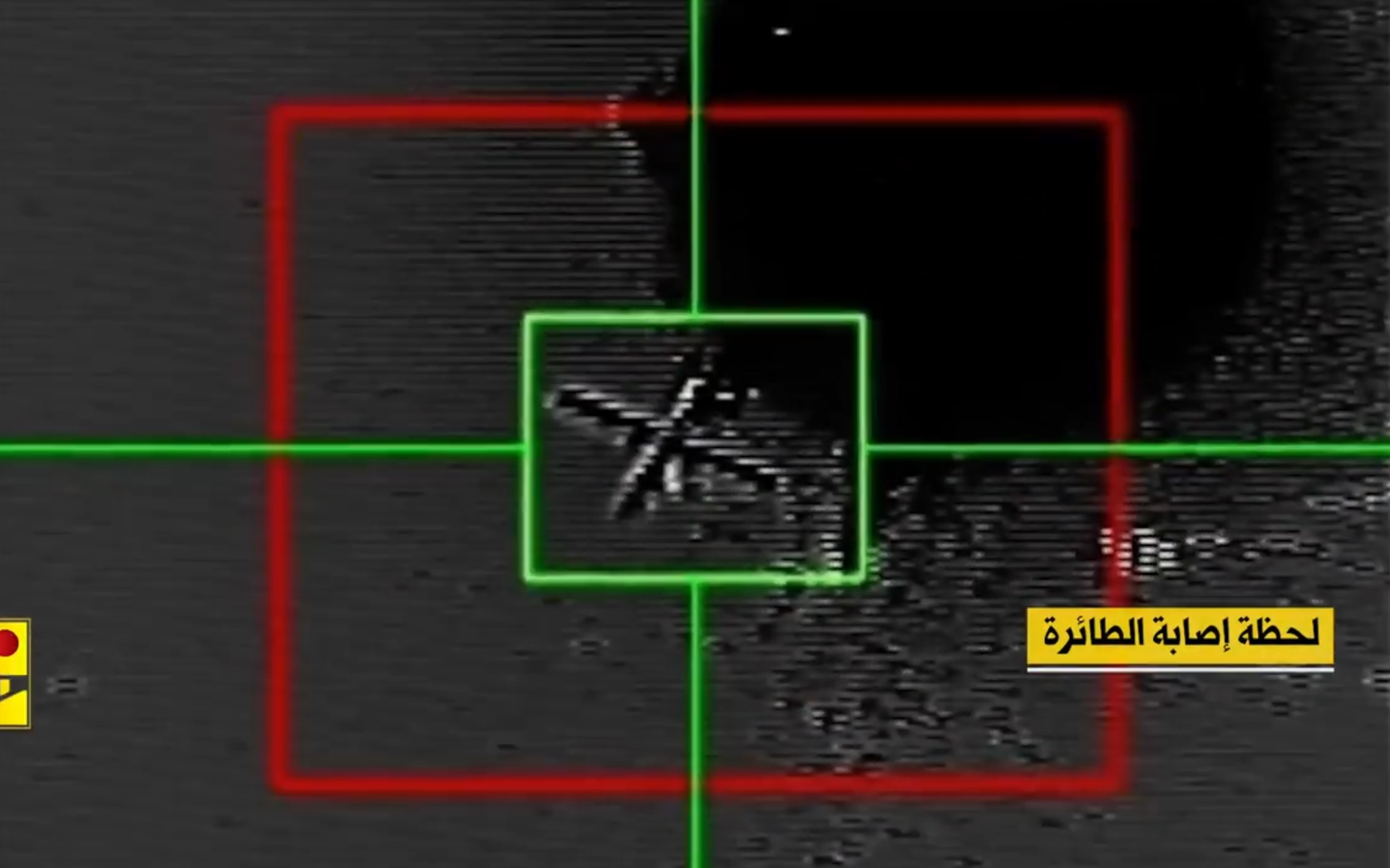
    Video footage released by Hezobllah media wing on Hermes 450 shot down

    According to the IWN, this is the fifth Israeli drone destroyed by Hezbollah during the recent war. Hezbollah previously shot down two Hermes-450 and IAI Heron-1 drones on November 5 and 18, 2023, as well as one Hermes-450 drone on February 26, 2024, and one Hermes-900 drone on April 6, 2024, in the skies over southern Lebanon.  

    The Hermes-450 drone is one of the medium-class reconnaissance-combat drones of the Israeli army, which plays an effective and crucial role in identifying the positions and movements of Hezbollah fighters in the southern border areas. Israeli drones have carried out more than 10 terrorist operations in southern Lebanon, resulting in the martyrdom of several senior officials and field commanders of Hezbollah and other resistance groups.