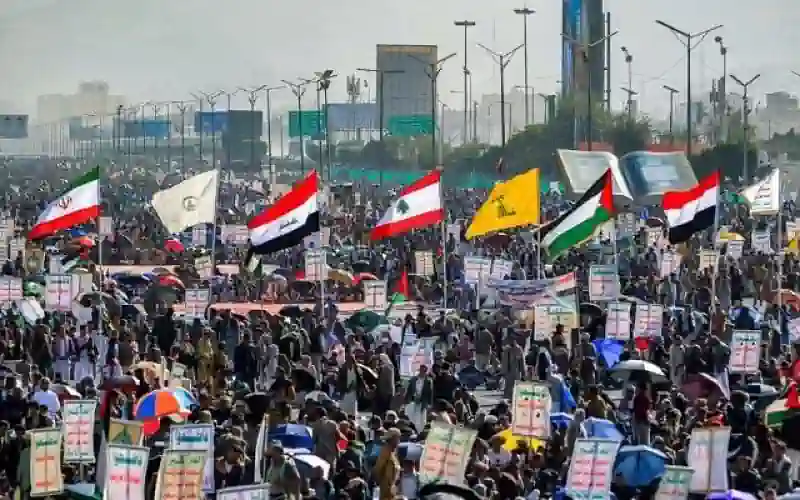
The spokesperson for the U.S. State Department announced Washington’s disappointment over Iraq’s decision to reverse its plan to freeze the assets of Hezbollah in Lebanon and Ansarallah in Yemen.
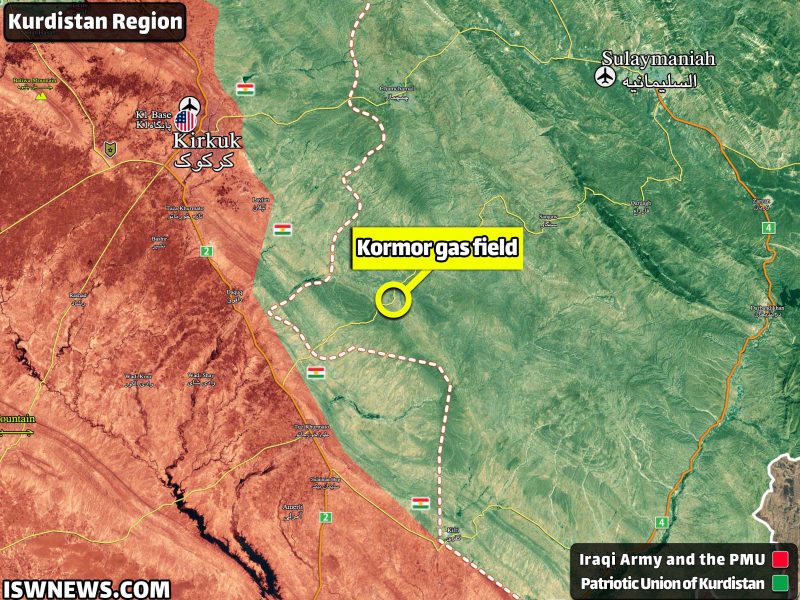
According to a statement from Dana Gas, a liquefied gas storage tank at the Kormor gas field was struck by rockets, sparking a fire inside the facility. Gas production operations were temporarily halted to contain the blaze and assess the damage.
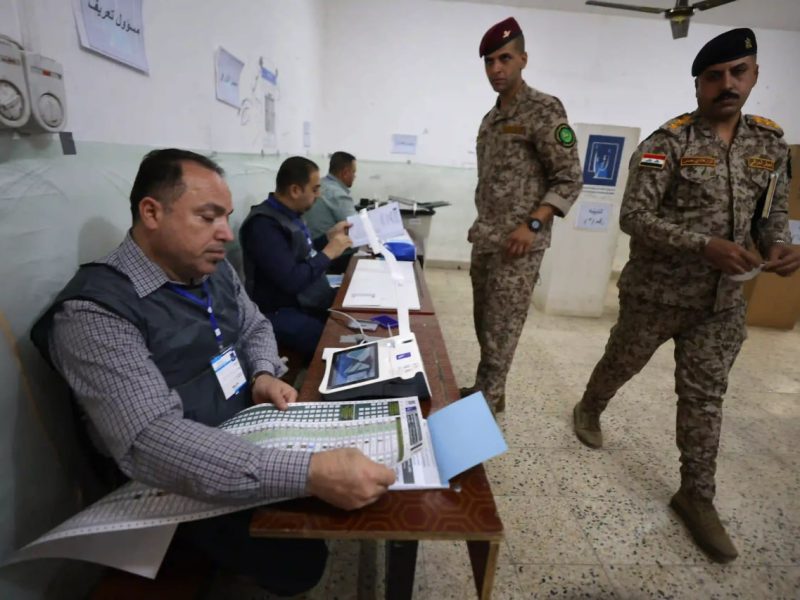
Omar Ahmed, head of the Board of Commissioners of Iraq’s Independent High Electoral Commission, announced that voter turnout in Iraq’s special elections reached 82.42%.
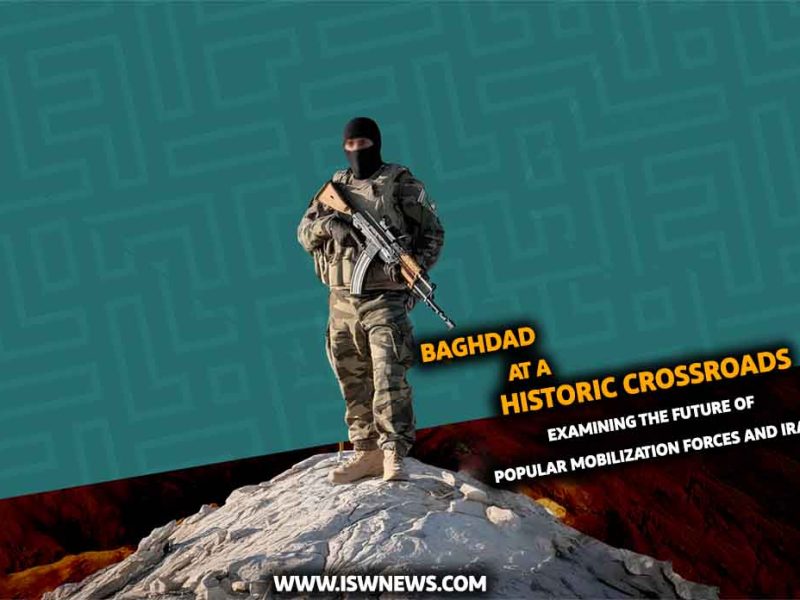
Iraq is at a defining stage in its political evolution where the convergence of external pressures—namely Iranian influence and Turkish military presence—with the central government’s financial crisis and the complex internal power structure, particularly the multifaceted role of the Popular Mobilization Forces (PMF), has seriously undermined the country’s prospects for political and security stability. The PMF now functions as a semi-institutional force that, while possessing defensive capabilities and social legitimacy, also operates through political, economic, and transnational networks that influence the behavior of some of its units. This increases the likelihood of autonomous actions, local clashes, or demonstrations of force.
Iraqi Defense Minister Thabit al-Abbasi revealed in a televised interview that U.S. Secretary of War Pete Hegseth had informed him via phone call about an imminent military operation in the region
Iraqi security sources have reported the arrest of an Israeli-linked espionage network composed of four Syrian nationals, allegedly led by an individual named Lawrence, in the central province of Diwaniyah. According to officials, the network’s primary mission was to gather intelligence on sensitive security locations.
Zeki Akturk, spokesperson for Turkey’s Ministry of Defense, announced in a press briefing in Ankara that the Turkish Armed Forces will continue to take necessary measures against all threats to national security. His remarks followed the Turkish parliament’s approval of a three-year extension for Ankara’s military deployment in Syria and Iraq.
In recent months, the passage of legislation recognizing Iraq’s Popular Mobilization Forces (PMF) has become one of the country’s most contentious political issues. Under this law, PMF units would be formally integrated into Iraq’s armed forces, with standardized recruitment, retirement, and ranking procedures aligned with the national military framework.
In this text, we examine Al-Sudani’s efforts to establish ties with Al-Jolani’s administration and outline the reasons behind them. Overall, ten factors can be identified, grouped into four categories. In recent years, several security-related files have emerged between the two countries, with the following being the most notable.
In recent months, Iraq’s state-owned Rafidain Bank has come under U.S. pressure for various reasons, aimed at increasing financial strain on the Iraqi government regarding the Popular Mobilization Forces (PMF). In the latest round of accusations, Washington claims the bank processed payments and foreign currency transfers for Yemen’s Ansarallah movement through its branch in Sana’a.
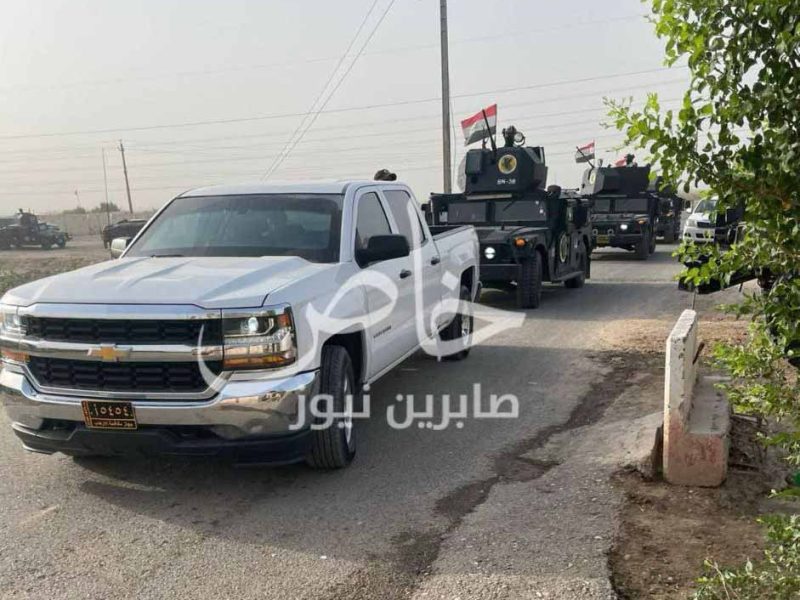
Following the U.S. designation of Harakat al-Nujaba as a Foreign Terrorist Organization, a significant standoff occurred on Friday, September 19. A combat unit from the 12th Brigade of Iraq’s Popular Mobilization Forces (PMF), composed of Nujaba fighters, blocked an American military convoy from entering Tarmiyah, a district north of Baghdad.
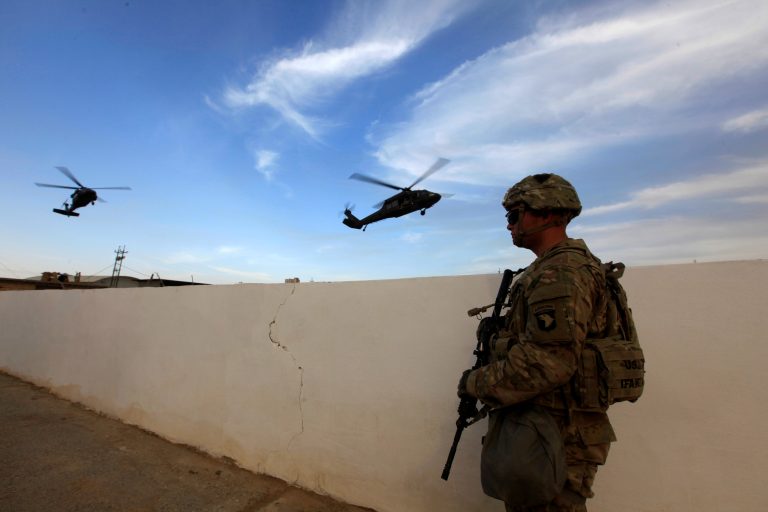
Iraqi government sources have announced the withdrawal of U.S.-led coalition forces from Baghdad and Ain al-Asad base in Anbar province, starting in September. U.S. forces at Baghdad Airport and the Joint Operations Command will relocate to Erbil during this first phase.