Tag: Israel

  • Israeli Army Drill on the Northern Front

    Israeli Army Drill on the Northern Front

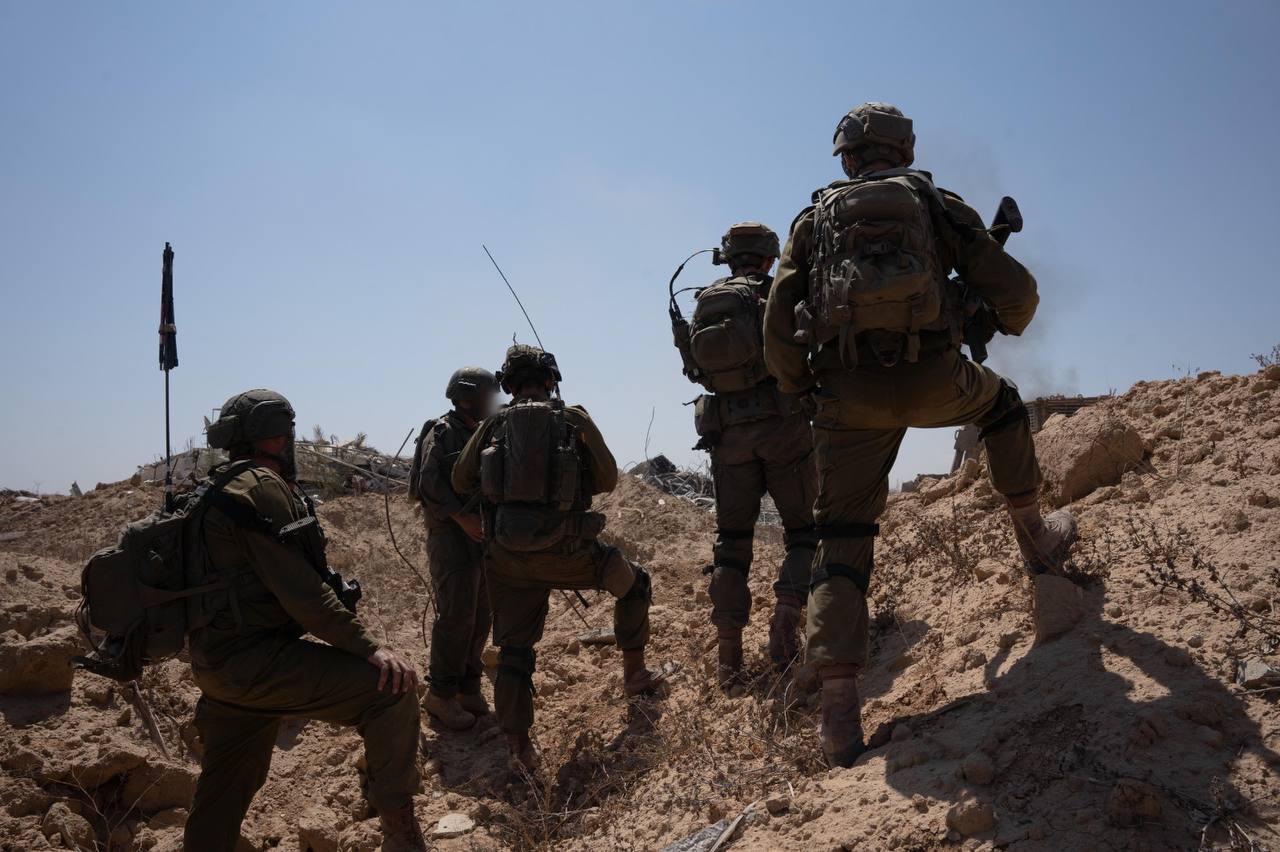
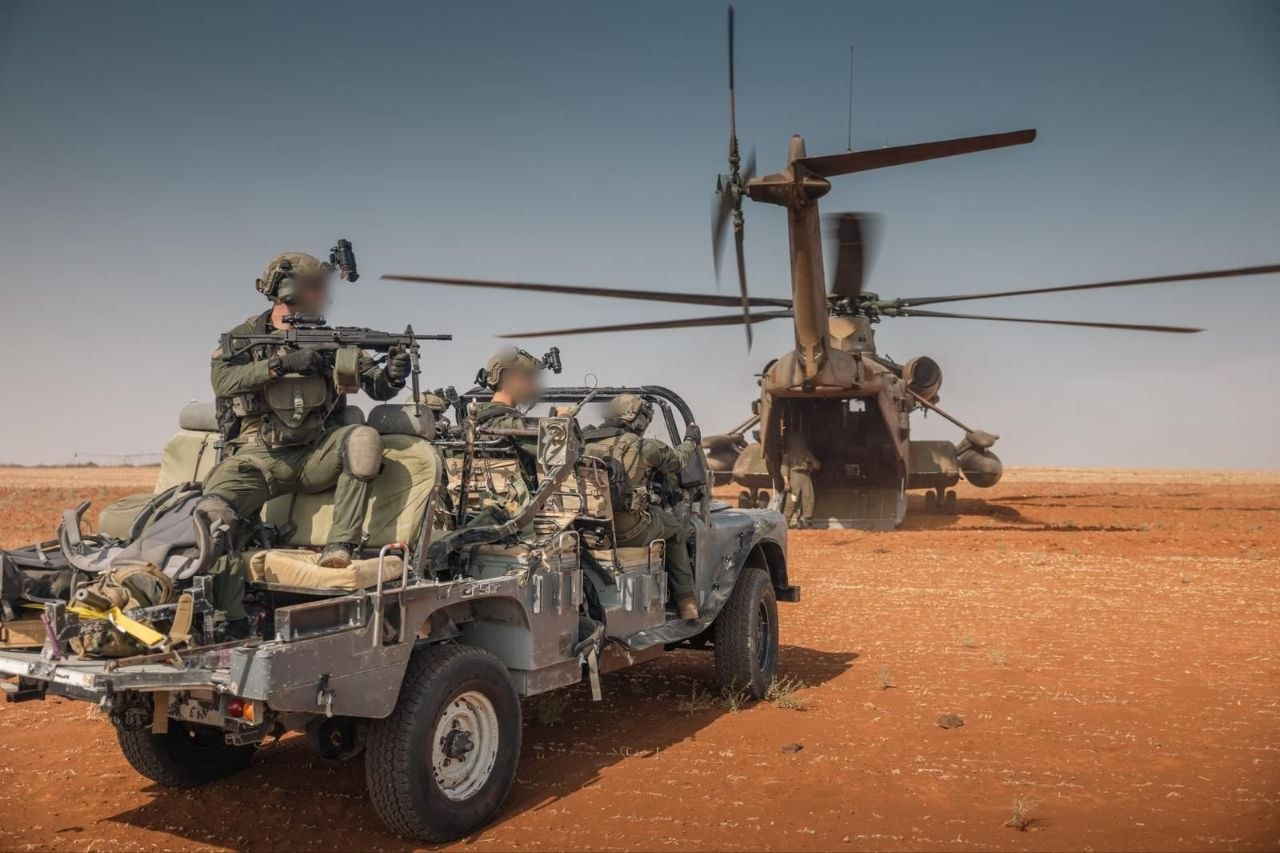
    The drill, set to last several days, started with an evaluation of the preparedness of the army’s 210th Division — the unit responsible for the border area with Syria in the Golan Heights as well as parts of the frontier with Lebanon. The army stated that the main objective is to test the division’s ability to respond swiftly to sudden events.

    During the exercise, all stages of situation assessment, decision-making processes, force activation, and field command of Israeli troops will be examined. Officials emphasized that the drill had been planned in advance and is not directly related to recent developments!!

  • Israel Violates Ceasefire with Lebanon: Strike Targets Harat Hreik, Hezbollah Commander Martyred

    Israel Violates Ceasefire with Lebanon: Strike Targets Harat Hreik, Hezbollah Commander Martyred

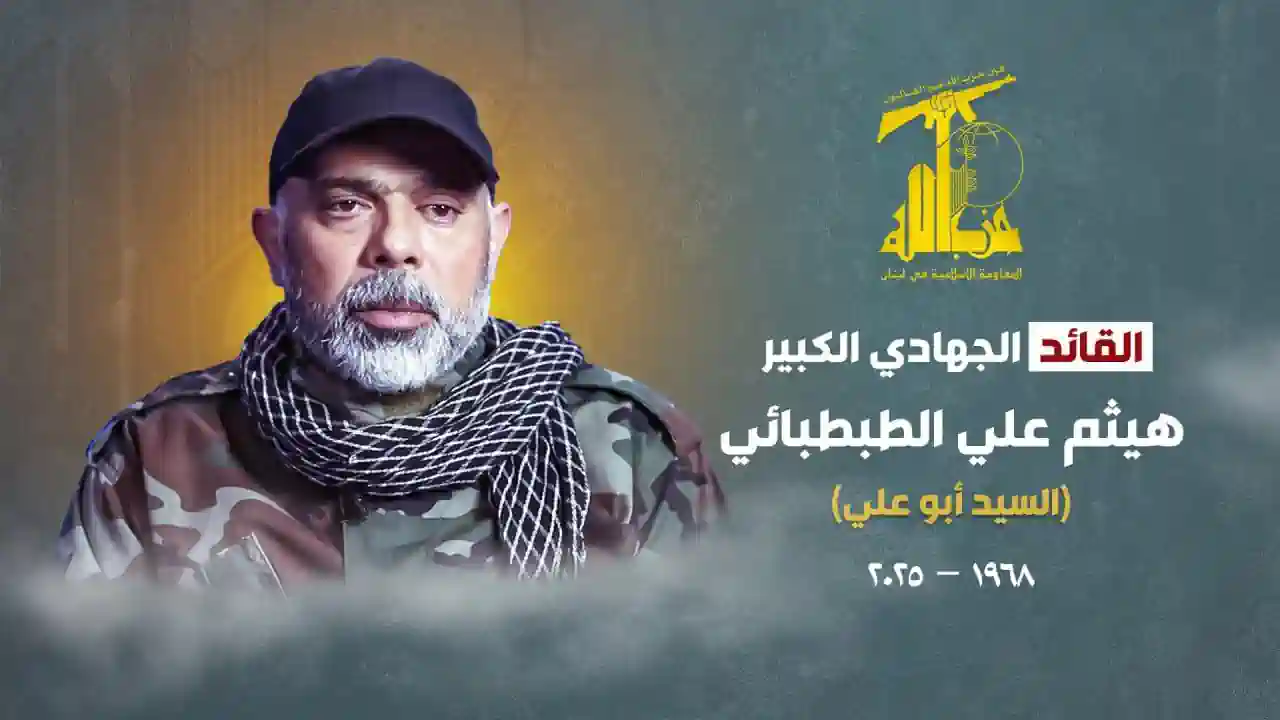
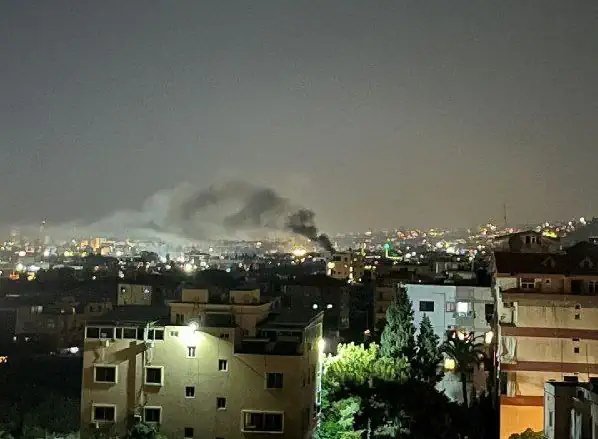
    Hezbollah announced in a statement the martyrdom of Haitham Ali Tabatabai (Sayyed Abu Ali) along with four of his companions, following the Israeli army’s airstrike on the Harat Hreik area in Beirut’s southern suburb.

    Tabatabai, a senior Hezbollah commander from the town of al-Bashoura, had joined the ranks of the Islamic Resistance since its founding. He played a key role in numerous military operations against Israeli occupation between 1993 and 2006, in battles against extremist groups along Lebanon’s eastern borders, and served as head of Islamic Resistance operations during the Al-Aqsa Flood campaign and the Awli al-Ba’s operation. In his final position, he held overall military command of Hezbollah’s Islamic Resistance.

    Israel’s repeated attacks and violations across Lebanon clearly constitute a grave breach of the ceasefire between the two sides. With daily strikes under false pretexts, Hezbollah continues to lose its fighters and commanders. This situation cannot persist indefinitely, and Hezbollah will be compelled to reconsider its approach.

  • Netanyahu and Israeli Officials Visit Southern Syria!

    Netanyahu and Israeli Officials Visit Southern Syria!

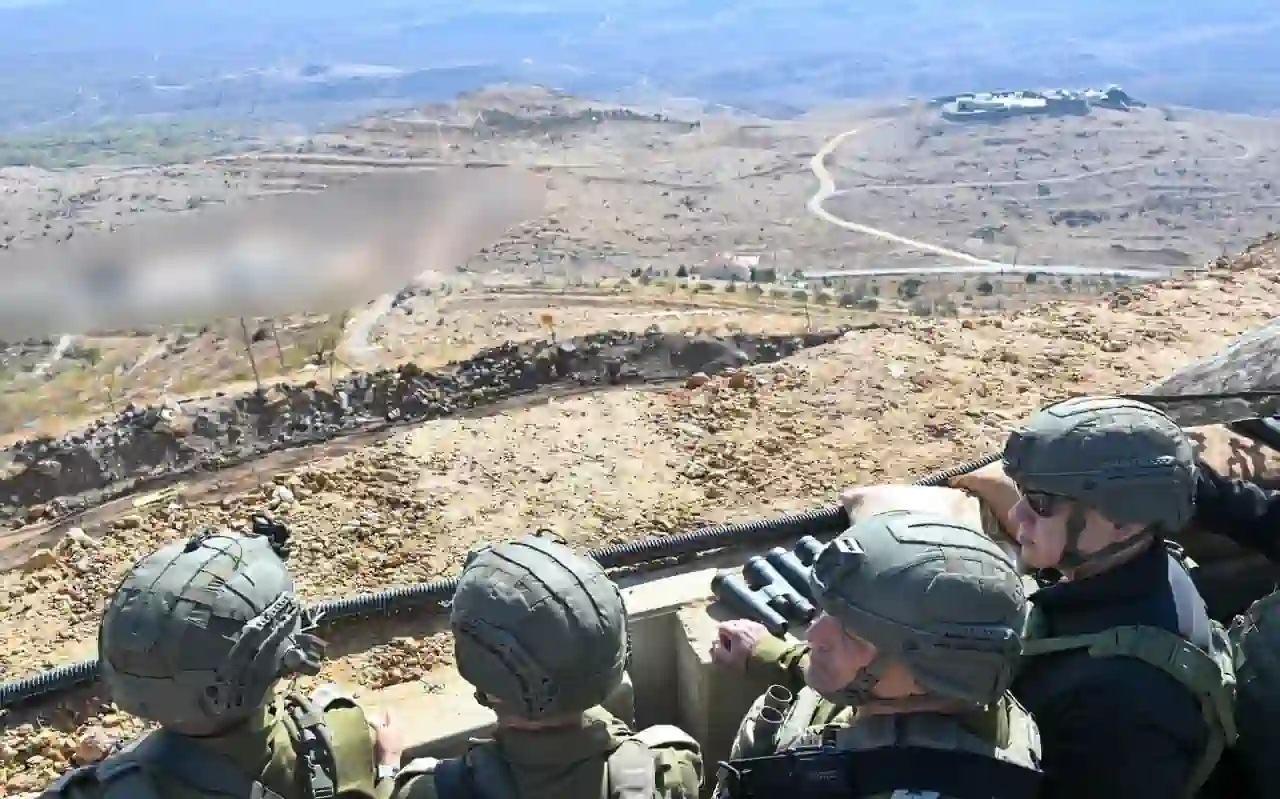
    In response, the Syrian Foreign Ministry issued a statement strongly condemning Netanyahu’s visit, calling it a serious breach of Syria’s sovereignty and territorial integrity. Damascus reiterated its demand for the complete withdrawal of Israel from occupied Syrian territories, stressing that all actions by the occupying regime in southern Syria are null and void with no legal effect. The ministry also urged the international community to fulfill its responsibilities, stop Israel’s actions, and compel the regime to fully retreat and comply with the 1974 disengagement agreement.

    The core issue is that Israel operates under the full umbrella of U.S. political and military support, which allows it to continue occupation, aggression, and killings in the region without fear of consequences, while openly mocking international laws and global institutions.

  • 13 Killed, Including Children, in Israeli Bombing of Ain al-Hilweh (Video)

    13 Killed, Including Children, in Israeli Bombing of Ain al-Hilweh (Video)

    In this attack, Israeli aircraft used three bombs. The Israeli military released a video of the strike, claiming it targeted a gathering of Hamas members with precision weapons and aerial surveillance.

    Contrary to Israel’s claims, this terrorist strike has so far resulted in the death of 13 people, including several children.

    Reports indicated that the attack was aimed at assassinating Munir al-Maqdah, a senior commander of the al-Aqsa Martyrs Brigades, the military wing of the Palestinian Fatah movement. However, despite Israeli media claims, Munir al-Maqdah survived the assassination attempt, and the operation failed.

    Munir al-Maqdah, a senior commander of the al-Aqsa Martyrs Brigades, the military wing of the Palestinian Fatah movement

    It should be noted that this was Israel’s second attempt to assassinate Munir al-Maqdah. Their previous strike on Ain al-Hilweh camp on October 1, 2024, was unsuccessful. Furthermore, Khalil al-Maqdah, Munir’s brother, was killed in an Israeli airstrike on Sidon on August 21, 2024.

    13 Killed, Including Children, in Israeli Bombing of Ain al-Hilweh
  • Israeli Army Exercise for Attacks on the West Bank and Lebanon

    Israeli Army Exercise for Attacks on the West Bank and Lebanon

    In this exercise, the Israeli army rehearsed more than 40 potential combat scenarios, supported by around 180 aircraft from the ground forces. Alongside the army’s ground and air units, technology and logistics units, police forces, and the Magen David Adom emergency service also took part. For the first time in Israeli military drills, two regional divisions under Central Command entered operations simultaneously.

    The Judea and Samaria Division (Division 417) is one of the ground force divisions under Central Command, composed of five brigades and various military units. It is tasked with securing the West Bank and countering Palestinian resistance groups in the area. Its mission focuses on asymmetric warfare (preventing terrorist attacks, suppressing uprisings), protecting settlements, and coordinating intelligence-security operations with Israeli agencies and the Palestinian Authority.

    The Gilead 96 Division consists of one infantry brigade and three armored brigades, responsible for defending the northern front of occupied Palestine and the occupied Golan Heights.

    The joint participation of these two divisions in Lion’s Roar demonstrates the Israeli army’s readiness to confront simultaneous threats along the northern and eastern borders of Palestine. In practice, the drill serves as preparation for a large-scale offensive on the West Bank as the primary target, alongside potential clashes in southern Lebanon or across the Lebanese front.

    Israeli commanders stress that lessons were learned from the October 7 “Al-Aqsa Flood” operation, and the purpose of this exercise is to improve reaction speed against resistance actions and strengthen Israel’s defensive structure against unconventional threats. However, the operational framework of the drill suggests that Israel is preparing for a new offensive against resistance groups in the West Bank, likely accompanied by simultaneous conflict in Lebanon.

    Although Israeli media reports did not explicitly mention threats from Yemen or Iran, it is likely that scenarios involving missile and drone attacks from these actors were also rehearsed.

    Overall, the Israeli army appears to be preparing to dismantle resistance cells in the West Bank and establish full control over the area—an approach that further undermines the prospect of a two-state solution.

  • Hebrew Media Claim Washington–Tel Aviv Agreement on Relocating al-Qassam Forces from Rafah

    Hebrew Media Claim Washington–Tel Aviv Agreement on Relocating al-Qassam Forces from Rafah

    Israel’s public broadcasting authority also reported that Jared Kushner, Donald Trump’s son-in-law and former advisor, during his recent visit to the occupied territories, urged Israeli officials to allow this transfer as the first step in what he described as the “gradual disarmament of Gaza.” According to these reports, the proposal involves al-Qassam fighters handing over their weapons in exchange for security guarantees and a stabilized ceasefire.

    At the same time, other Hebrew media outlets rejected the claim, stating that no comprehensive agreement acceptable to all parties has yet been reached regarding Rafah and the resistance forces.

    It is noteworthy that several al-Qassam fighters remain in Rafah’s tunnel networks, cut off from central command, and continue to carry out operations against Israeli forces even after the ceasefire took effect. In recent actions in Rafah, several Israeli soldiers were killed and wounded.

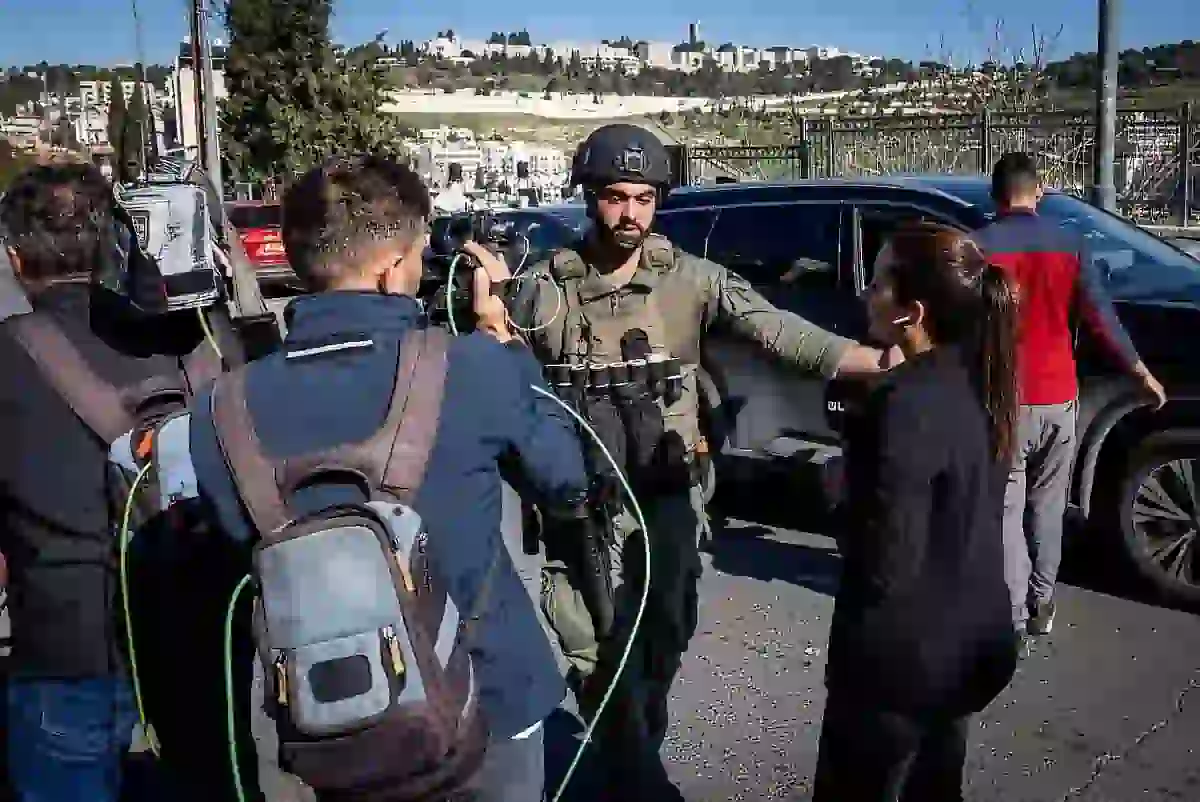
  • Preliminary Approval of Bill to Shut Down Foreign Media in Israel!

    Preliminary Approval of Bill to Shut Down Foreign Media in Israel!

    According to the provisions of the bill, Israel’s Ministry of Communications would be authorized to order the closure or blocking of foreign media outlets without time limits and without independent judicial oversight. In the latest version of the legislation, the clause requiring periodic review of ministry decisions has been removed — effectively opening the way for permanent suspensions under the pretext of security concerns.

    The bill also introduces heavy criminal and financial penalties for any individual or entity that defies ministry orders. These sanctions include confiscation of equipment, large fines, and legal prosecution against staff or companies cooperating with targeted media outlets.

    This measure is clearly seen as a step toward controlling the information space and silencing media critical of Prime Minister Netanyahu’s government. Its preliminary approval comes at a time when many international outlets — including Al Jazeera, Euronews, and BBC — have repeatedly faced criticism from Israeli officials in recent months for their coverage of the Gaza war.

    This decision by the cabinet of the so-called “only democracy in the Middle East” speaks volumes about its stance on free speech!

  • Hezbollah’s Open Letter and Warning to Lebanese Authorities!

    Hezbollah’s Open Letter and Warning to Lebanese Authorities!

    “The ceasefire agreement, based on UN Security Council Resolution 1701, required the disarmament of areas south of the Litani River and Israel’s withdrawal behind the Blue Line. With the implementation of this stage at 4 a.m. on November 27, 2024, all operations by Hezbollah and Lebanese resistance groups, as well as Israeli attacks by land, air, and sea, were supposed to stop. However, Israel has continued to violate the ceasefire and carry out attacks, ignoring calls to halt its aggressions and confronting the Lebanese government with new conditions and demands.

    Lebanon’s rushed move to disarm the resistance was a mistake, intended to show goodwill and gain favor with the enemy. Instead, it was exploited to push the broader issue of disarming the resistance across all of Lebanon.

    Israeli actions target Lebanon as a whole, making national unity and dignified resistance essential to preserve Lebanon’s sovereignty and honor.

    The traps set by the enemy in negotiations pose serious risks to Lebanon’s sovereignty and existence. The government must stop Israeli attacks and pressure Israel to comply with the ceasefire agreement.

    The resistance, as one of Lebanon’s founding forces, affirms its legitimate right to resist occupation and aggression, standing alongside the army and the people. Legitimate defense is not subject to decisions of peace or war.”

    The issuance of this statement serves as Hezbollah’s final warning to the government and people of Lebanon regarding the key issues at stake: implementing the ceasefire, disarmament, and the possibility of renewed war with Israel. In recent weeks, Israeli and American officials have conducted field assessments along the northern front of occupied Palestine and held meetings to discuss new strategies concerning Lebanon.

  • Latest Israeli Army Movements in Southern Syria – November 10, 2025 (Map)

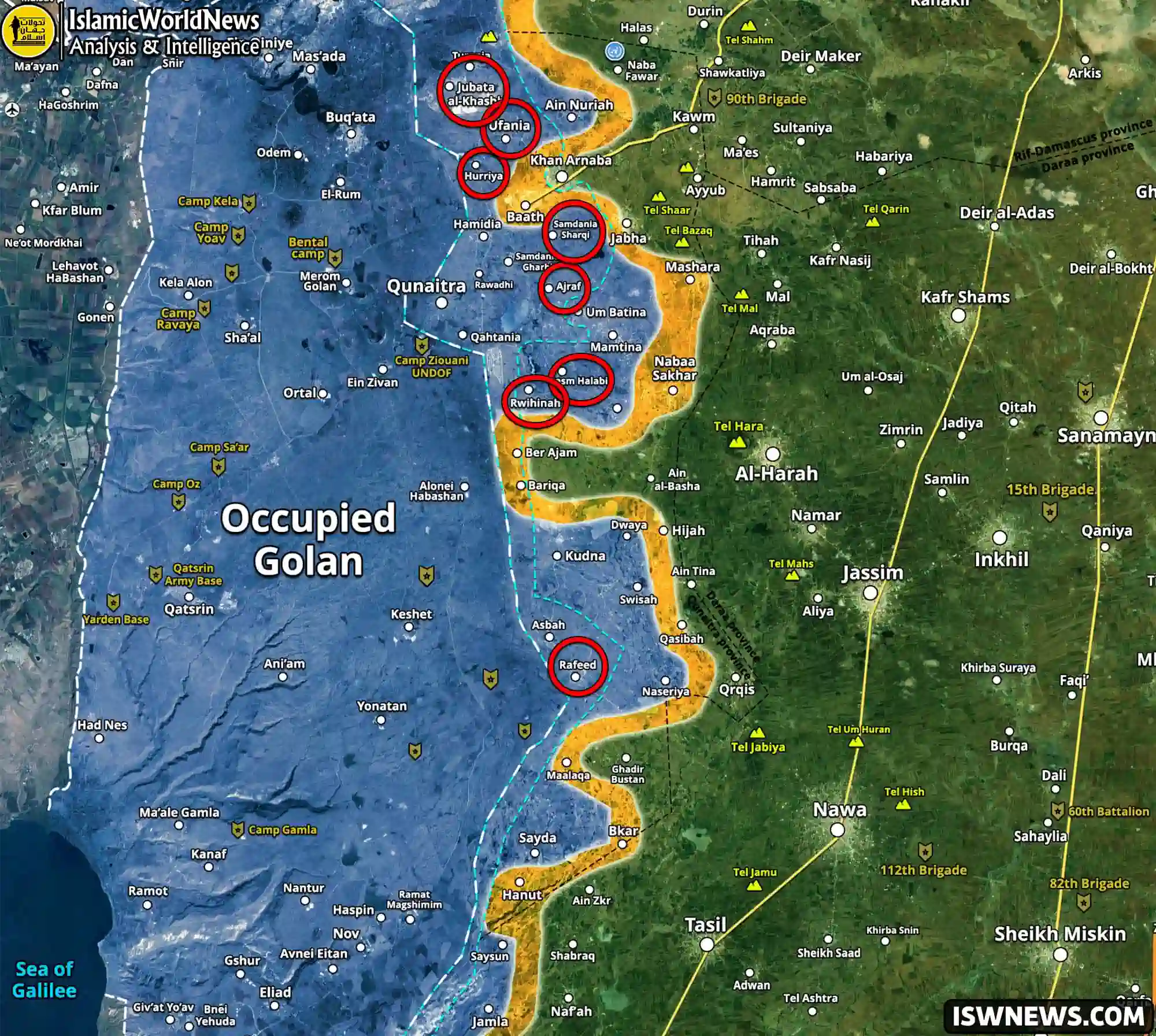
    Latest Israeli Army Movements in Southern Syria – November 10, 2025 (Map)

    In some of these locations, Israeli soldiers inspected vehicles and checked civilians’ identification cards. In places such as Jura al-Sheikh and the road between al-Ajraf and al-Samadaniyah al-Sharqiyah, they blocked roads.

    Shortly afterward, another Israeli convoy consisting of at least four armored vehicles entered the area of Jubata al-Khashab, while nine armored vehicles moved into al-Hurriya, Ofaniya, and the Jura al-Sheikh farm.

    Along their route, Israeli forces established several checkpoints, disrupting movement between villages in the region. After patrolling the al-Asha area, Israeli troops advanced toward al-Rafid.

  • Israel Ceasefire Violations: Strikes Targeted Southern Lebanon

    Israel Ceasefire Violations: Strikes Targeted Southern Lebanon

    Last night, another civilian car was struck in Houmine al-Faouqa, north of Nabatieh.

    Since the ceasefire began on November 27, 2024, in southern Lebanon, more than 360 Hezbollah members have been assassinated in drone strikes.

    Israel justifies these attacks and ceasefire violations under the pretext of “eliminating threats against the Israeli state.” In practice, Israel interprets the ceasefire agreement with Lebanon as granting it the right to carry out operations against Hezbollah members and positions! By this logic, every Hezbollah member is considered a threat and must be targeted. This same approach has been observed in Gaza as well. Thus, the ceasefire effectively becomes a tool in Israel’s hands to maintain maximum pressure on its adversaries.

  • Israeli Media Frames Weapons Transfers as Pretext for Future Strikes in Lebanon

    Israeli Media Frames Weapons Transfers as Pretext for Future Strikes in Lebanon

    Israeli military sources told Haaretz that Iran, acting as Hezbollah’s logistical backer, has shifted part of the group’s weapons supply network from Syria to Iraq, allowing equipment to be transferred through Syrian territory into Lebanon.

    The report states that this process is gradually turning Iraq into a new logistical corridor for the Axis of Resistance—a role previously played by Syria. According to Israeli claims, the shipments include precision-guided missiles, drone components, and advanced communications systems.

    Such reports in Israeli media typically serve as a pretext to justify future military operations against Hezbollah targets in Lebanon or resistance groups in Iraq. By asserting that Iran is expanding its influence in Iraq, Tel Aviv seeks to prepare domestic and international public opinion for potential offensive actions. Presenting Iraq as a weapons transit route can also be seen as an effort to increase political pressure on the Iraqi government and legitimize possible Israeli or American strikes against resistance groups inside Iraq. Similar narratives in the past have preceded Western drone and missile attacks on positions held by the Popular Mobilization Forces (PMF).

  • How Israel’s Intelligence Network Operates in Yemen

    How Israel’s Intelligence Network Operates in Yemen

    According to the Italian magazine Il Faro sul Mondo, Israel is attempting to isolate the conflict in Yemen from the ongoing war in Gaza and is preparing for targeted military strikes against the Sanaa-based government. This strategy involves coordinated efforts across several domains:

    1. Recruitment and Deployment of Spy Networks
    In recent days, Mossad has launched a broad campaign on social media to recruit operatives, inviting opponents of Yemen’s Ansar Allah movement to join “Unit 504,” a covert operations wing. To establish this unit, Israeli agents have reportedly reached out to various anti-AnsarAllah factions in occupied Yemeni territories, including remnants of Ali Abdullah Saleh’s network and the Southern Transitional Council.

    These activities reflect Israel’s intent to expand its intelligence footprint in Yemen and carry out preemptive strikes in response to Yemen’s support for Palestinians in Gaza. Israeli officials frequently cite Ansar Allah’s slogans and flags as evidence of a “existential threat,” with Prime Minister Benjamin Netanyahu repeatedly stating his desire to continue attacks on Yemen—even after the recent ceasefire in Gaza. Channel 12 in Israel also reported that Netanyahu plans to maintain military pressure on Yemen beyond the Gaza conflict.

    Israeli intelligence efforts in Sanaa are not limited to recruiting from political opposition. They have also infiltrated humanitarian and international organizations, allegedly using operatives for sabotage. For instance, during Israel’s 16th airstrike on Yemen on August 28, the cabinet meeting location was targeted, resulting in the death of 12 Yemeni officials, including Prime Minister Ahmed al-Rahwi of the Reform and Reconstruction Government.

    Yemeni security forces and Ansar Allah’s intelligence wing have responded by arresting networks linked to Hamed Hussein al-Majali—a Saudi agent affiliated with Mossad and the CIA—as well as operatives embedded in humanitarian organizations. However, countering Israeli espionage requires more advanced infrastructure and strategic planning.

    The primary goal of U.S. and Israeli intelligence in Yemen is to gather detailed information on missile and drone bases, naval positions, weapons depots, and the whereabouts of key political and military figures.

    2. Activation and Support of Anti-Ansarallah Groups
    Targeted assassinations in Sanaa and Al-Bayda province in recent days suggest that Western and Israeli intelligence agencies are reactivating covert cells in Ansarallah-controlled areas. These attacks, often aimed at field commanders and local officials, appear designed to destabilize and sow chaos. For example, on October 31, a female doctor was killed in Sanaa, and on November 2 and 3, two Ansarallah-affiliated personnel were assassinated in Rada’a district.

    Given the history of al-Qaeda and ISIS activity in Rada’a, it’s likely that these groups are being reactivated with support from Western-Arab intelligence. Surrounding areas such as Al-Qayfa, Al-Zahir, Mukayras, and Al-Sawma’ah remain vulnerable due to extremist presence, though most tribes in Al-Bayda are allied with Ansarallah, making a full collapse unlikely.

    Meanwhile, U.S. and British embassies in Yemen are reportedly strengthening ties with Saudi-Emirati-backed forces such as the Giants Brigades and Tariq Saleh’s units. With support from diplomats like Steven Fagin and Abdu Sharif, these groups are enhancing their capabilities for potential ground operations against Yemen’s revolutionary forces.

    3. Communications Networks and Satellite Surveillance
    Israeli intelligence is also focused on dominating communication systems in occupied Yemeni territories, conducting cyberattacks, analyzing satellite imagery to locate missile and drone bases, and monitoring Ansarallah’s field movements.

    While much of this activity remains covert, social media users—especially on X (formerly Twitter)—have been tracking and analyzing satellite images of military sites in Saada and Sanaa. These individuals may be directly or indirectly linked to Western intelligence agencies. Additionally, reports have surfaced that Southern Transitional Council forces have used Israeli Cellebrite spyware to monitor phone lines and track individuals in Hadramaut province, indicating that Israel is replicating its intelligence model from Lebanon, Syria, and Palestine in Yemen.

    Read more: Israeli Surveillance Grip on Hadhramaut Communications!

    Conclusion
    Israel’s espionage network in Yemen employs a range of tools and tactics similar to those used in other regional theaters. Yemenis, particularly in the north and central regions, benefit from strong public resistance to betrayal and foreign interference, rooted in tribal and cultural values. This social cohesion provides a powerful foundation for countering terrorist and intelligence operations.

    Israel’s primary objective is to detach Yemen from the regional resistance axis and neutralize its strategic threat. While continued missile and drone operations in the Red Sea and occupied Palestine offer a tactical response, they are insufficient against aerial assaults and surveillance dominance. A comprehensive strategy—including public mobilization, technological resilience, and regional coordination—is essential to confront and dismantle Israel’s intelligence apparatus in Yemen.