Tag: Lebanon

  • Israel Conducts Terrorist Drone Attack On Al-Naqoura-Tyre Road

    Israel Conducts Terrorist Drone Attack On Al-Naqoura-Tyre Road

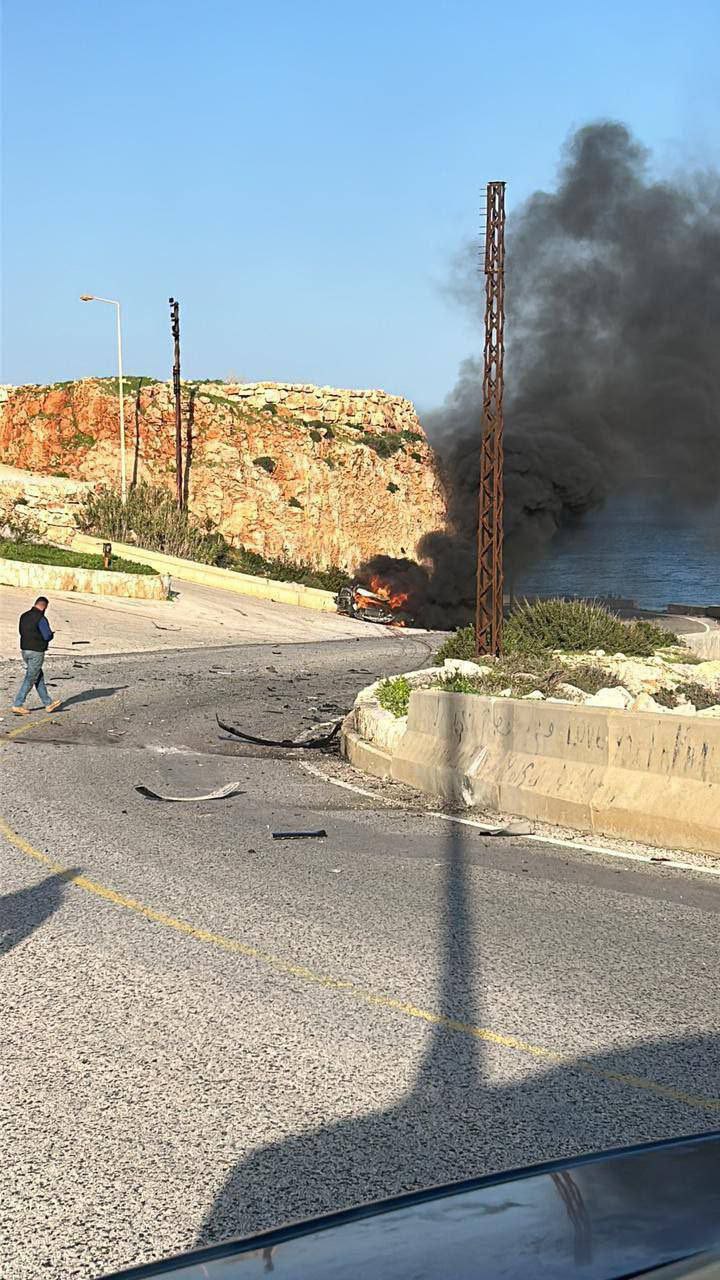
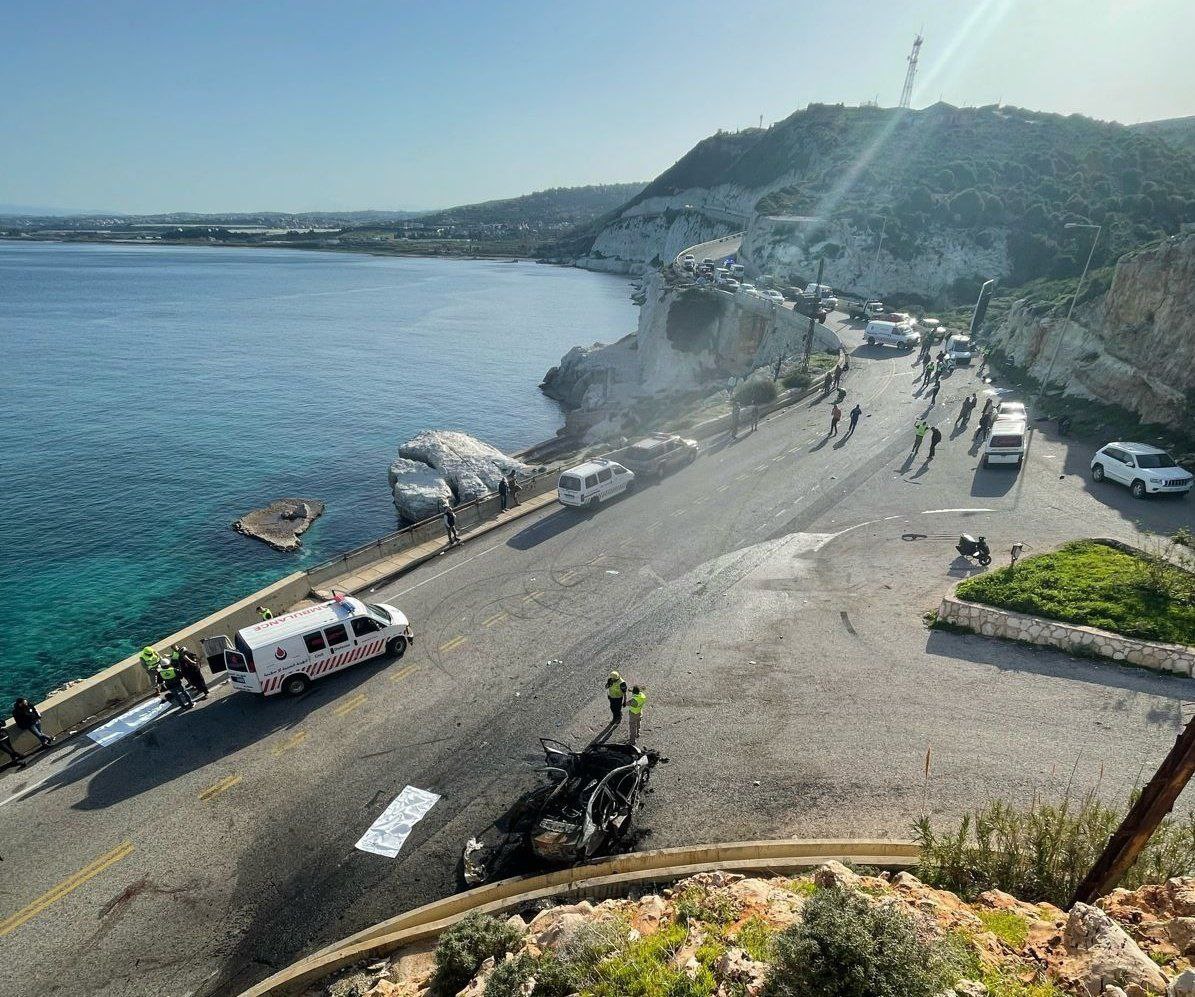
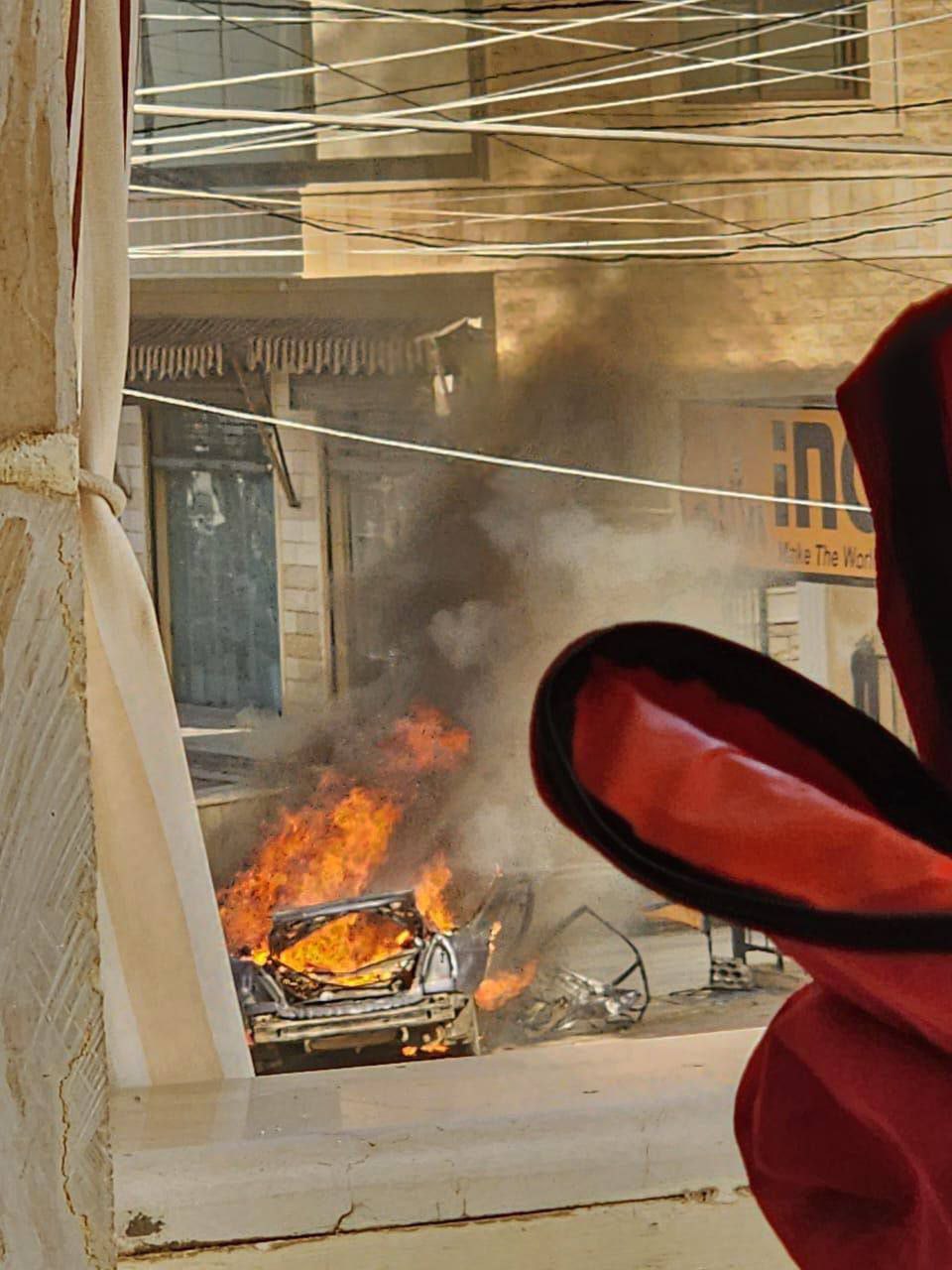
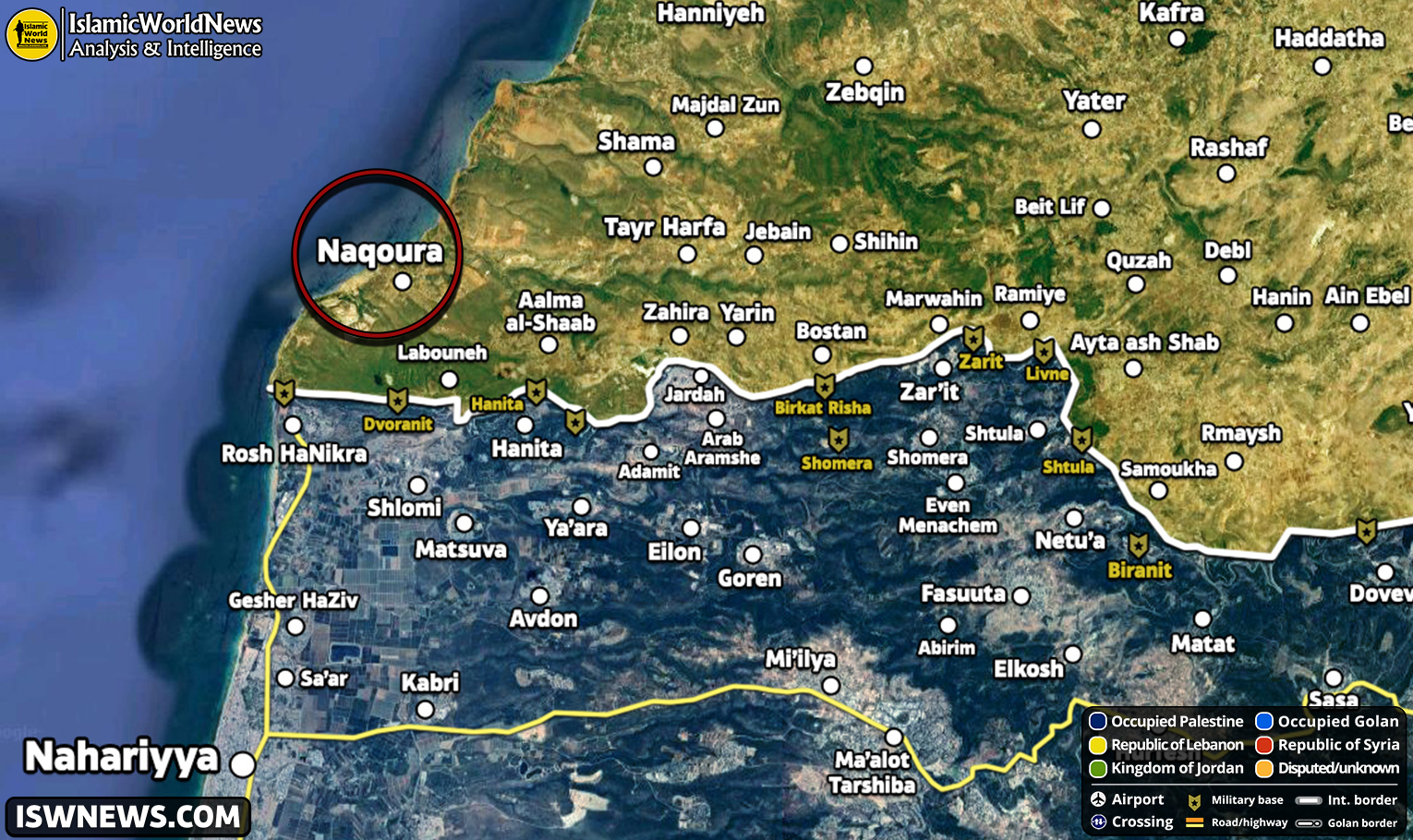
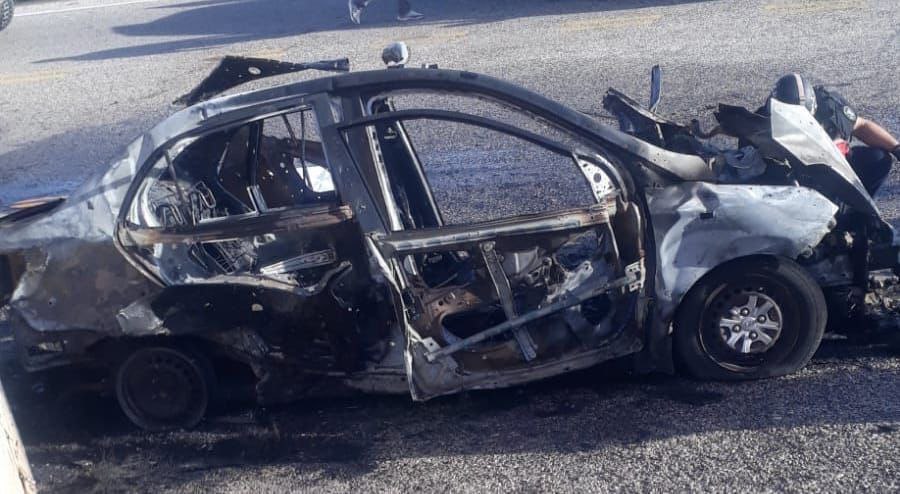
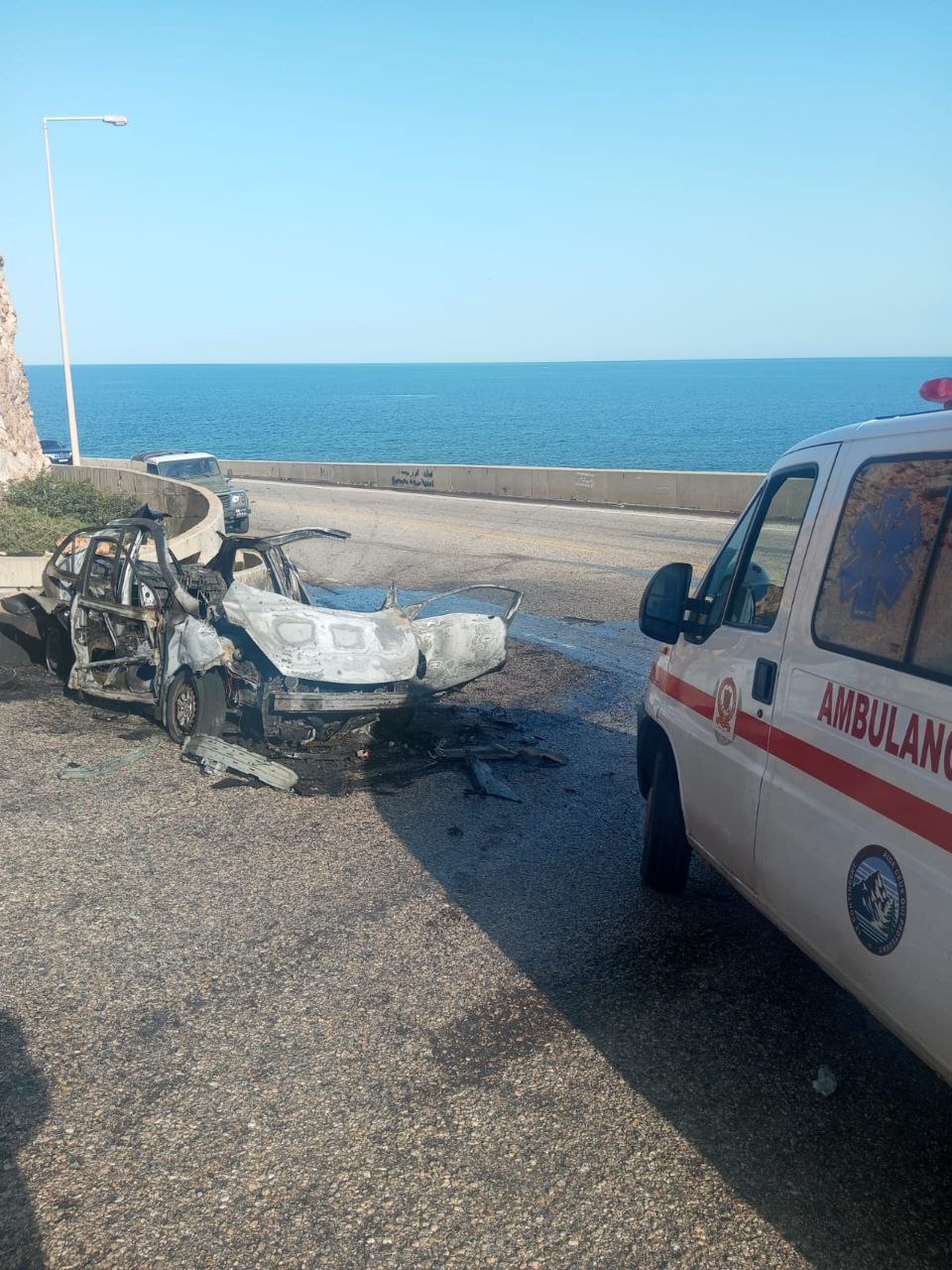
    On March 2, the Israeli regime’s combat drone targeted a car on the coastal road from Al-Naqoura towards the city of Tyre with a missile. According to media reports in Lebanon, all three occupants of the targeted car were martyred.

    This attack marks the Israeli regime’s first attack on the main Al-Naqoura road and is significant in its own right, because this coastal road was considered a safe passage for non-combatants due to the presence of United Nations Interim Force in Lebanon (UNIFIL) forces.
    It’s worth mentioning that the main base of UNIFIL forces is located in the southern outskirts of the Al-Naqoura town. Al-Naqoura town is the last town on the southwestern coast of Lebanon and has been repeatedly targeted by Israel’s artillery and air attacks since the beginning of the Palestinian conflict.

    The headquarters of the United Nations “UNIFIL” forces has been located on the southern outskirts of this town since March 23, 1978. The mission of these forces is to confirm the Israeli regime’s withdrawal from southern Lebanon and to help establish peace and security in this region.
  • Seven Hezbollah Members Martyred In Southern Lebanon

    Seven Hezbollah Members Martyred In Southern Lebanon

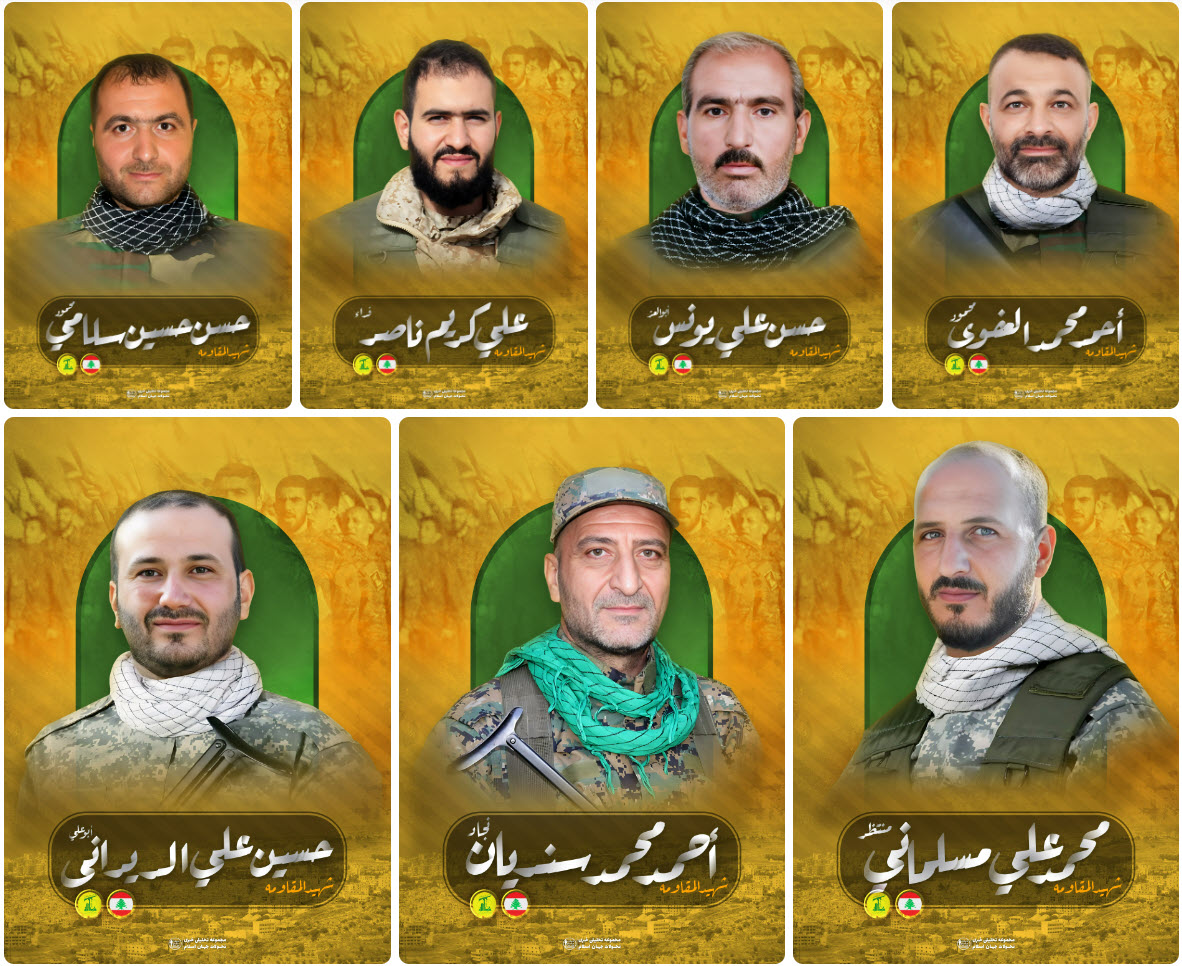
    According to the statements, Ali Karim Nasser with the jihadi name “Fada”, Ahmad Muhammad Al-Afi with the jihadi name “Mahmoud”, Hossein Ali al-Deirani with the jihadi name “Abu Ali”, Hassan Ali Yunus with the jihadi name “Abu Al-Ezz”, Ahmad Mohammad Sandian With the jihadi name “Najad”, Hassan Hossein Salami with the jihadi name “Mahmoud” and Mohammad Ali Musalmani with the jihadi name “Muntazar” were martyred.

    In this way, the number of martyrs of Hezbollah increased to 209 members since the beginning of the battles in the Gaza Strip.

  • Hezbollah Carries Out Rocket Attack On Ga’aton Base In Northwestern Occupied Palestine (Video)

    Hezbollah Carries Out Rocket Attack On Ga’aton Base In Northwestern Occupied Palestine (Video)

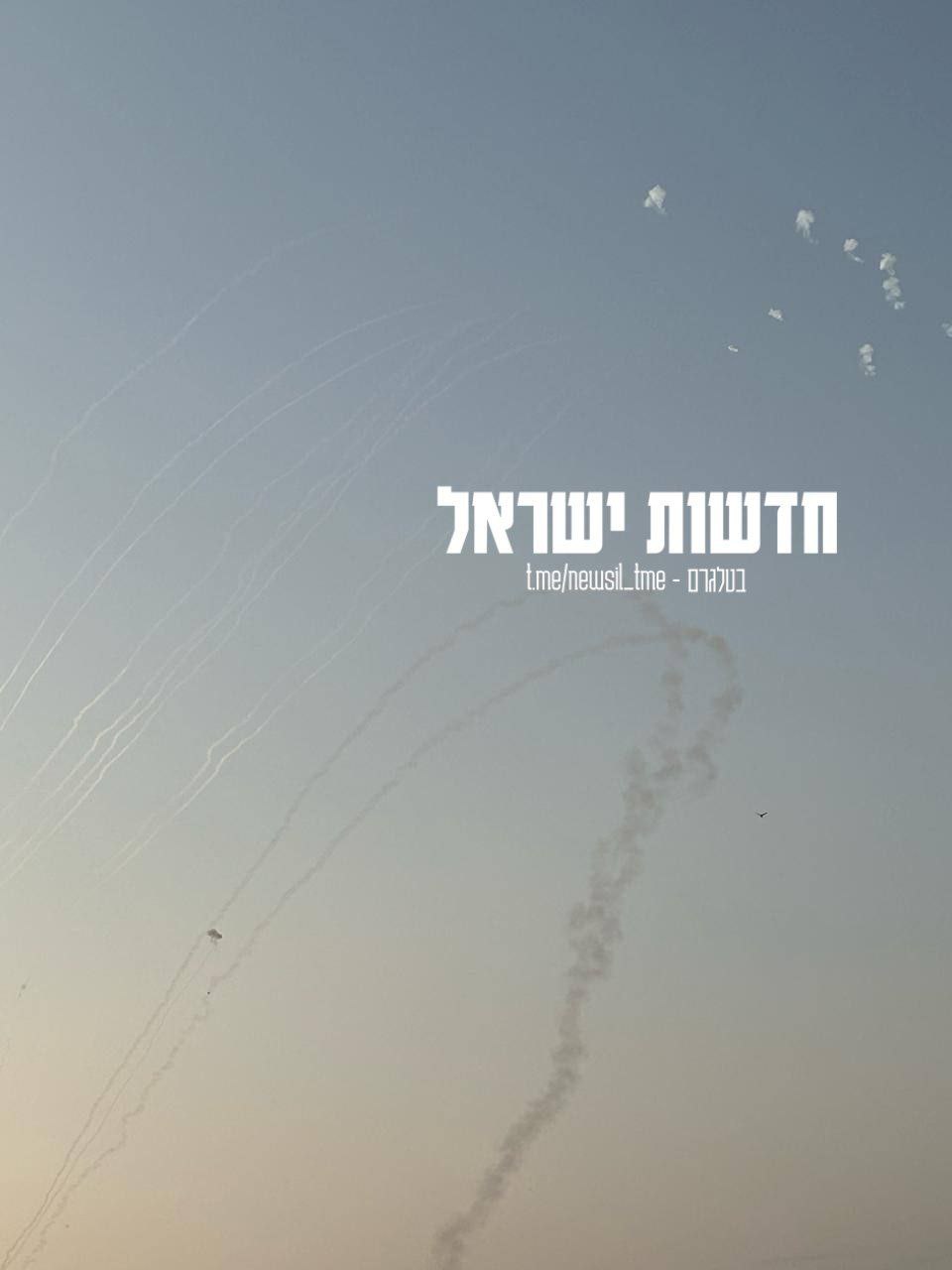
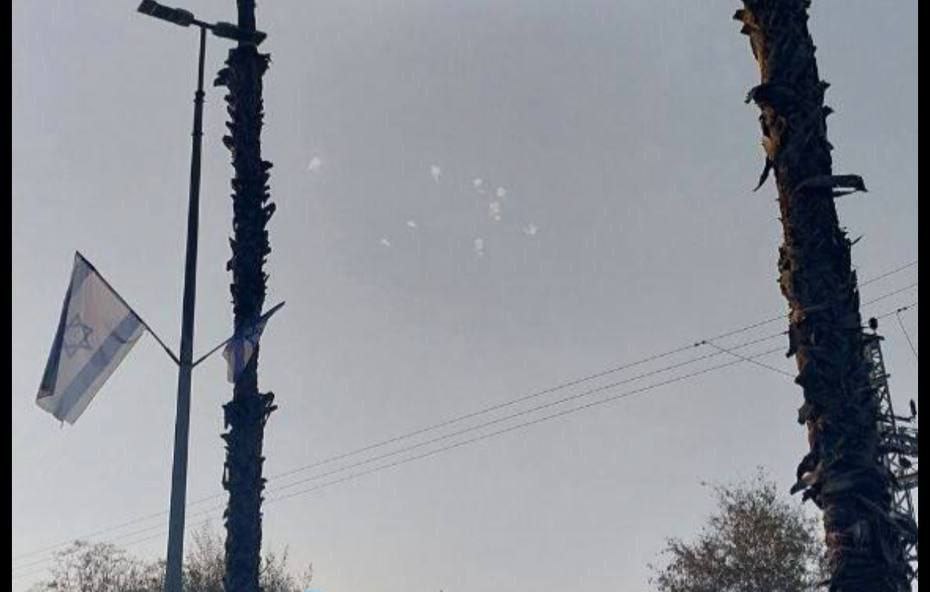
    Following this rocket attack, sirens sounded in most of the northwestern Israeli-occupied settlements, including Arab al-Aramshe, Adamit, Goren, Shlomi, Matzuva, Abu Snan, and others. According to videos released of this attack, some of these rockets hit occupied territories, and others were intercepted by the air defense systems of the Israeli regime’s army.

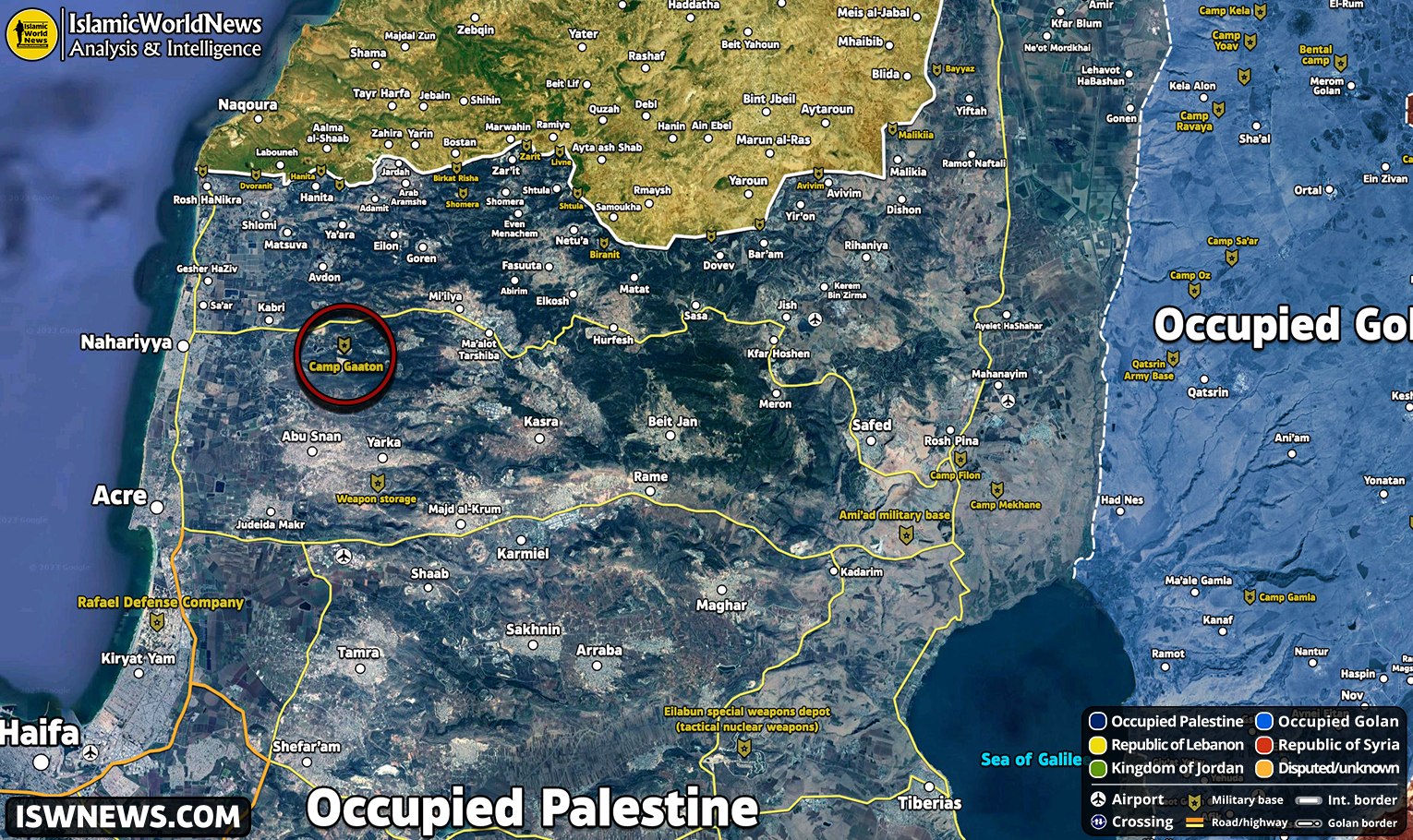
    Map: The location of the Ga’aton base in the northwest of occupied Palestine – click to view in full size

    The 146th Armor Division is one of the longstanding ground forces of the Israeli army in northern occupied Palestine, which has played an effective role in most wars of the Israeli regime and is stationed in the northwestern front of occupied Palestine. 

    The Ga’aton base is the field headquarters of the command center of the 146th Armor Division of the Israeli army and includes the operations command room, communications command, intelligence command, and logistics headquarters. This base was established 9 kilometers from the Lebanon border after the start of the Palestinian resistance operation dubbed Operation Al-Aqsa Storm and Hezbollah’s engagement in the conflict with the Israeli regime.

    The 146th Armor Division includes infantry, armored, paratrooper, and artillery units, and their mission is to control the northwestern front and counter Hezbollah fighters’ attacks.

    The Lebanese resistance movement’s attacks on the positions of the 146th Armor Division are effective in disrupting their gatherings and concentrations as well as inflicting effective security blows upon the Israeli settlements.

    Hezbollah rockets hit the northwestern areas of occupied Palestine
  • Spike: Booty of 2006 War Sent By Lebanon’s Hezbollah To Iran

    Spike: Booty of 2006 War Sent By Lebanon’s Hezbollah To Iran

    The commander stated in the interview: In 2006, Israeli soldiers abandoned their Spike missile and withdrew from their positions. The Hezbollah fighters seized this missile as a booty and transferred it to the Islamic Republic of Iran. This weapon is considered one of the most modern anti-armor weapons in the world.

    Referring to the details of this missile, the field commander of Hezbollah said: This weapon is distinguished by several technical specifications, including the presence of a camera in the missile’s head. When people launch the missile, they can see what the missile sees and choose the target. The distinctive feature of this weapon is that it does not need to see a visible target in front of it. After firing the missile, a Hezbollah fighter can choose the target while being behind enemy lines and remaining invisible. We have a weapon that does not require direct visual of the target. The first time that this weapon was launched, it targeted and demolished a Merkava tank in the Al-Matla area. We used this weapon to attack several targets. The enemy is keeping this information hidden from his soldiers so that they do not become affected and abandon the battlefield.

    When the Lebanese commander pointed to the possession of this missile and targeting Israeli tanks with the sophisticated missile, he meant the use of Iranian anti-tank missile called Almas (Dimond). As mentioned, the Almas anti-tank missiles are reverse-engineered from the Israeli Spike anti-tank missiles and are now in the possession of the fighters of the Lebanese resistance movement in Lebanon.

    Read more: Military Knowledge: Almas Missile

    The Almas top attack anti-tank missile is a fire-and-forget anti-tank guided missile and anti-personnel missile with a tandem-charge high-explosive anti-tank warhead, which is an effective weapon for attacking armored targets, fortifications, and vehicles of enemies. This missile has been developed by the Ministry of Defense of the Islamic Republic of Iran in three classes named Almas-1, Almas-2, and Almas-3.

  • Hezbollah Conducts Rocket Attack On Meron Base As Its Second Response To Israel’s Intensified Attacks On Lebanon

    Hezbollah Conducts Rocket Attack On Meron Base As Its Second Response To Israel’s Intensified Attacks On Lebanon

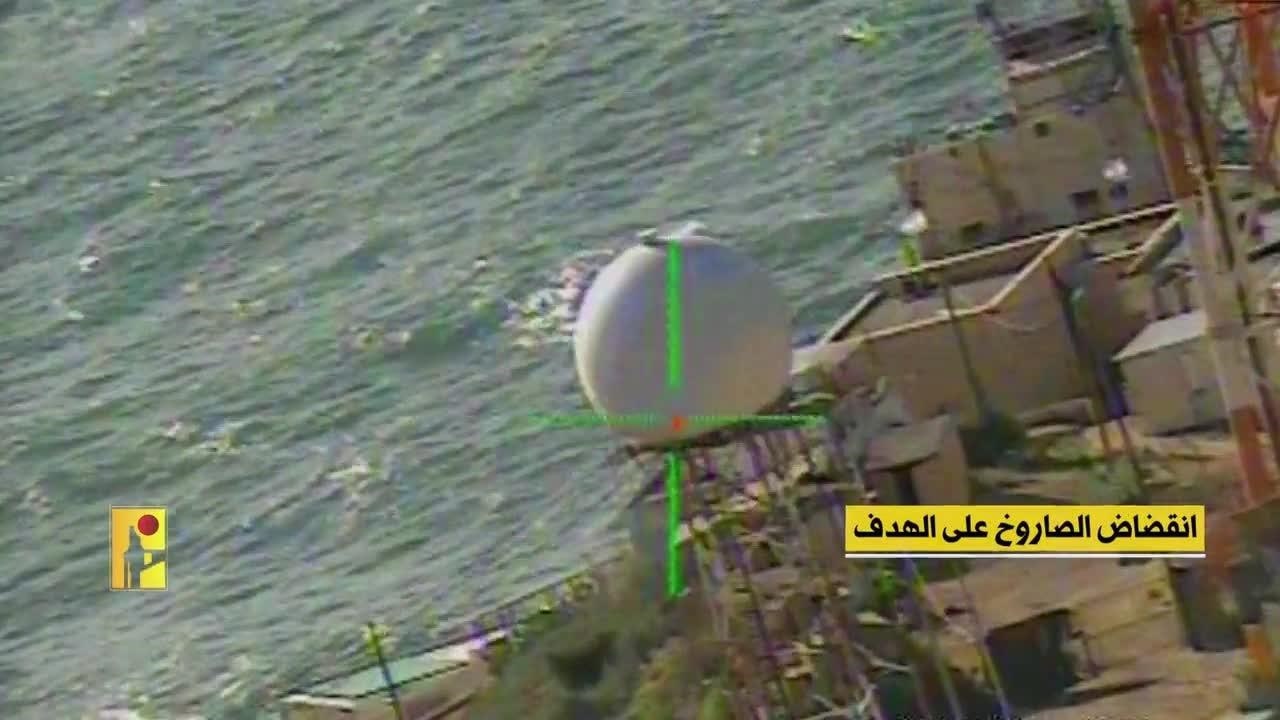
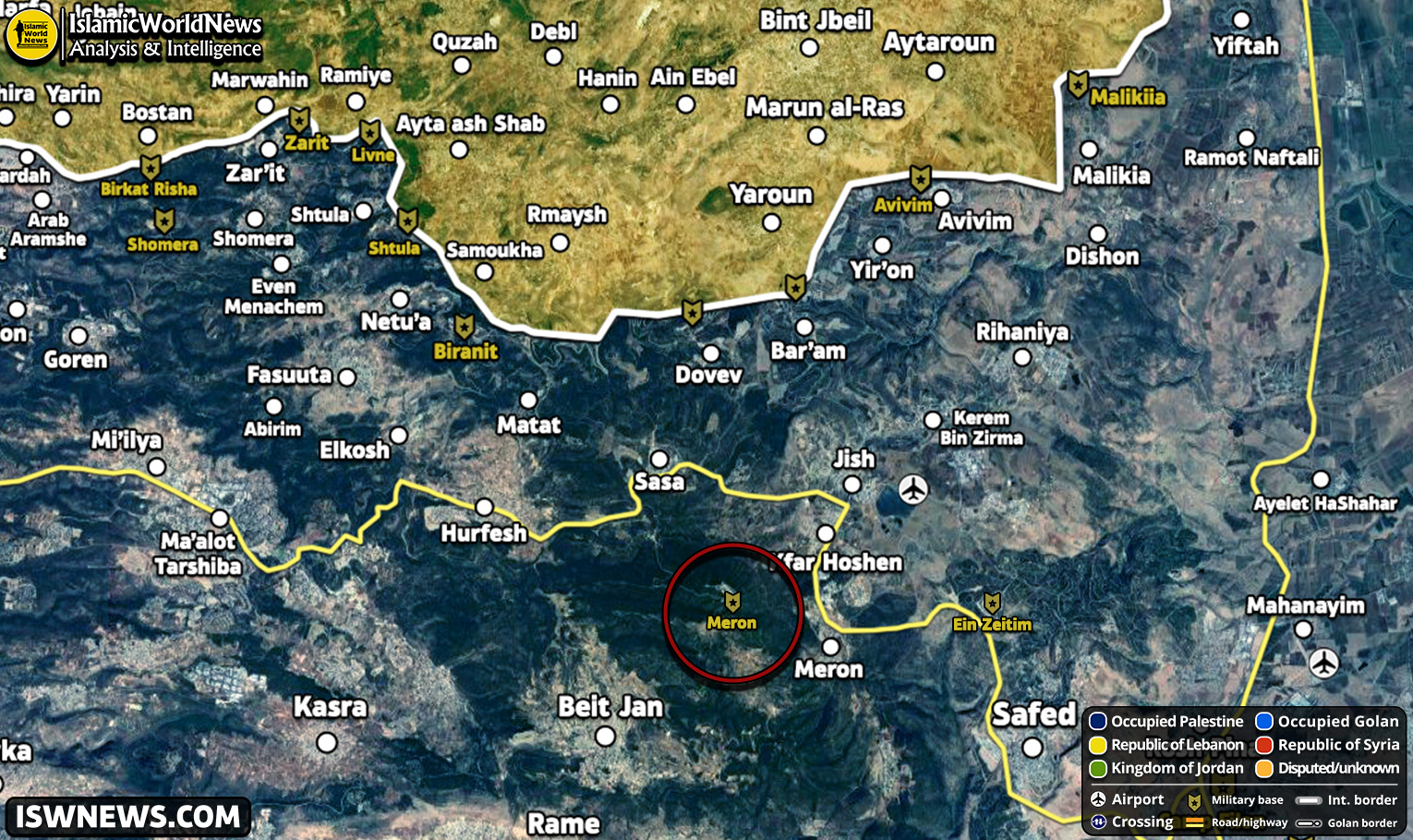
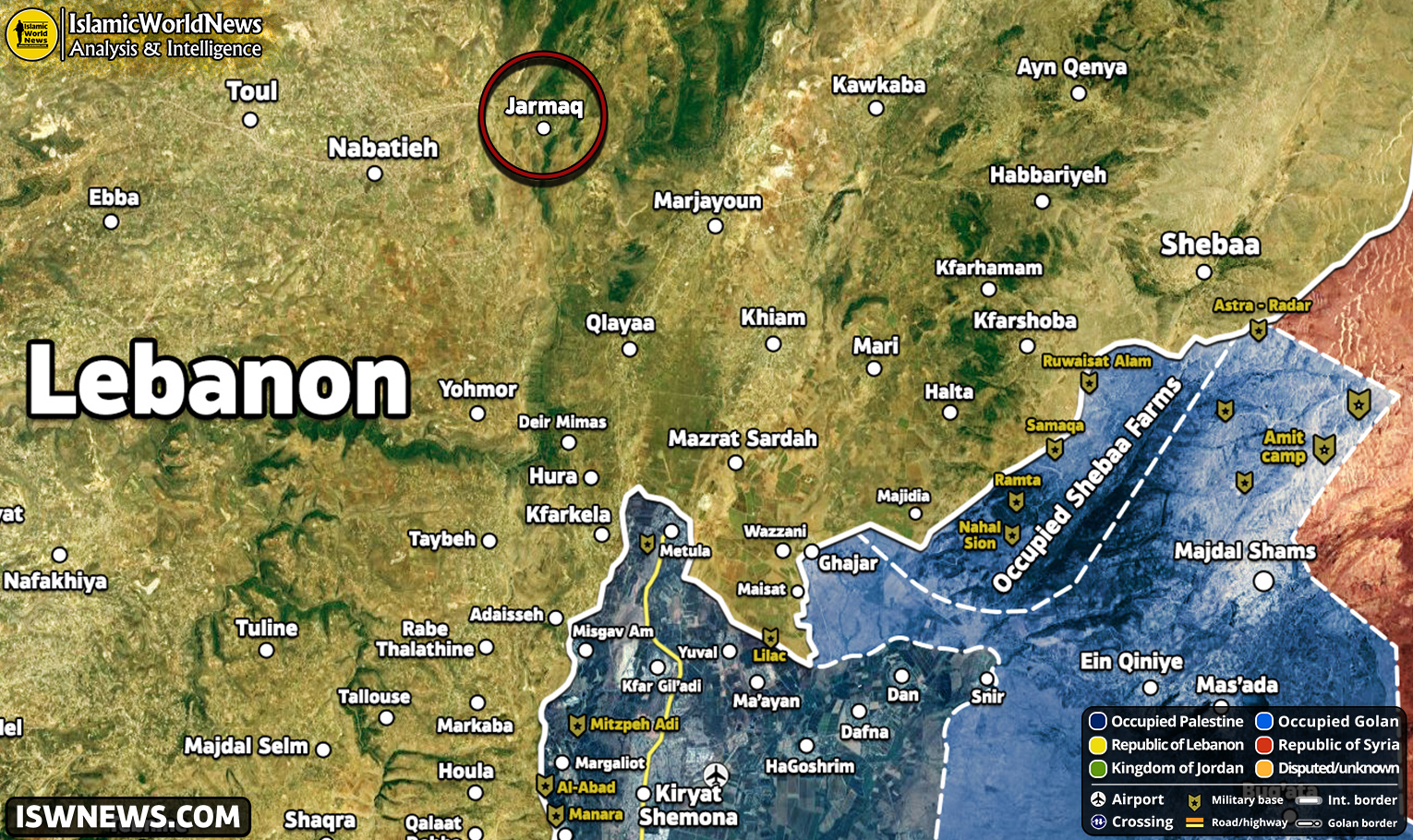
    This is the fourth Hezbollah strike on the Israeli regime’s military positions in Mount Al-Jarmaq, in particular targeting the Meron Air Surveillance Base.

    Simultaneously with this attack, the Israeli regime’s army once again bombed southern areas of Lebanon including Al- Jibshit, Al-Bisariya, Al Haniyah, areas near Majdal Zoun, and Al-Mansouri villages.

    The Israeli regime’s airstrikes against Lebanon have intensified since Monday and for the first time since the beginning of the conflict, and the aggressions have even expanded to northern areas of the Arab country.

    In response to threats from the Israeli regime’s officials regarding a broad war against Lebanon, Hezbollah has carried out strong attacks against the Neft Ka camp in occupied Golan Heights and the Meron Air Surveillance Base. These retaliatory actions demonstrate Hezbollah’s full readiness to confront the Israeli regime’s adventures on the southern Lebanon-northern Palestine front.

    The moment Hezbollah rockets hit the Meron Base in the first wave of attack and Israel’s defense systems countered a number of rockets.

    The moment Hezbollah rockets hit the Meron Base in the first wave of attack and Israel’s defense systems countered a number of rockets.
  • Israel Assassinated A Senior Hezbollah Member In Southern Lebanon (Video)

    Israel Assassinated A Senior Hezbollah Member In Southern Lebanon (Video)

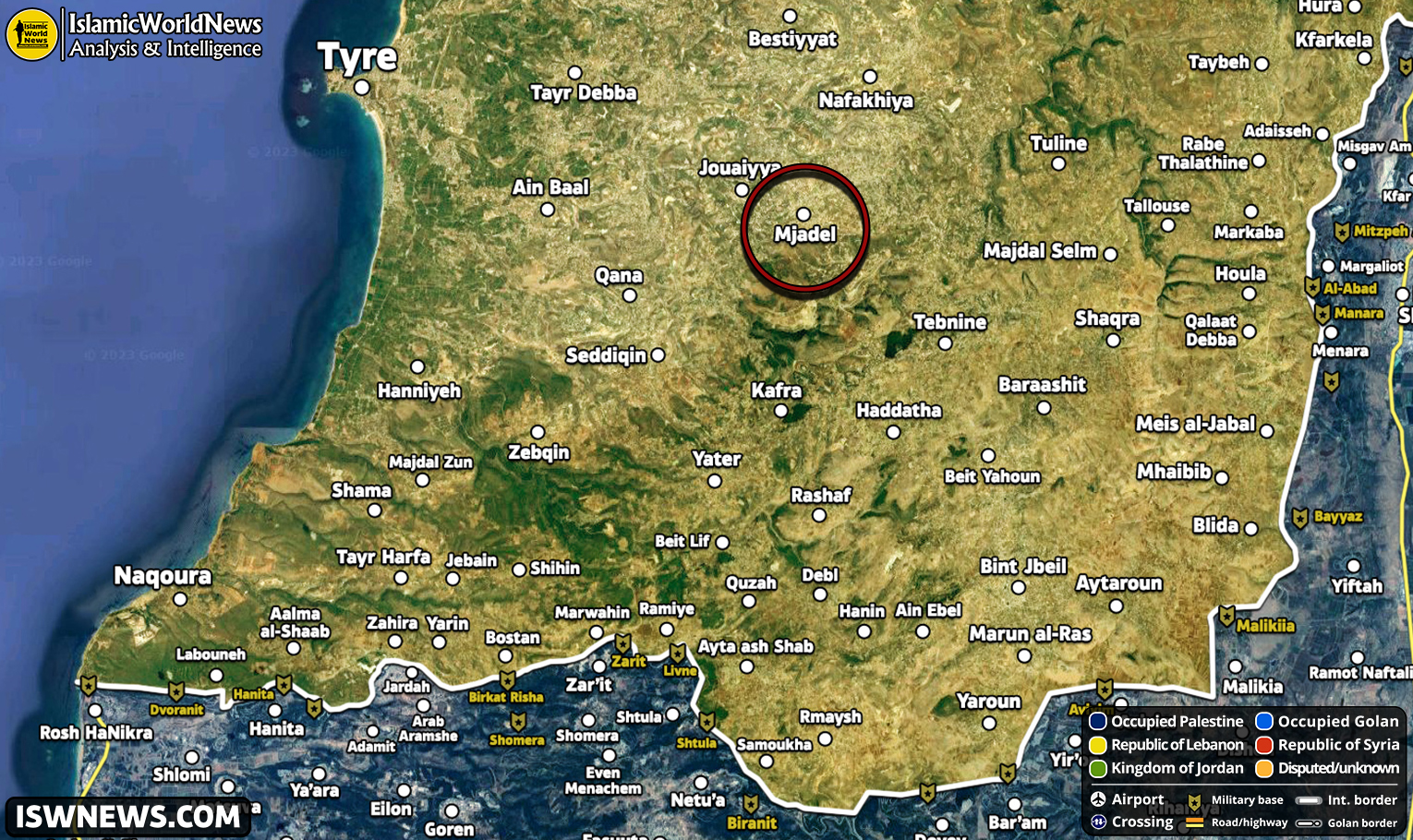
    According to local sources, during this terrorist attack, two people, including Hassan Hossein Salami, the head of Hezbollah forces in al-Hujair front were martyred.

    The Israeli army claims that Hassan Hossein Salami was a member of Hezbollah’s Nasser unit and was responsible for carrying out several operations, including ATGM attacks on the headquarters of the 769th Eastern Brigade in Kiryat Shemona.

    Assassination of commanders and senior members of Hezbollah and other resistance groups is one of the main plans of the Israeli regime in Palestine, Lebanon and Syria. In this regard, several assassinations have been carried out against the military and political commanders of the resistance groups, including Saleh al-Arouri, Wissam Hassan Tavil, etc., and the resistance has not reacted to these assassinations except for a few heavy rocket and drone attacks in the north of occupied Palestine.

    The Israeli army released the video of the moment of assassination in al-Majadثl town
  • Hezbollah Responded; Rocket Attack On The Golan Height

    Hezbollah Responded; Rocket Attack On The Golan Height

    So far, no news has been published about the amount of damages and casualties.

    Video of Hezbollah’s rocket attack on Camp Yitzhak in the occupied Golan and Israeli forces fleeing to the shelter.

    The first video of the moment Hezbollah rockets hit
  • Israeli Fighter Jets Conduct Air Strikes On Northern, Southern Lebanon (Video)

    Israeli Fighter Jets Conduct Air Strikes On Northern, Southern Lebanon (Video)

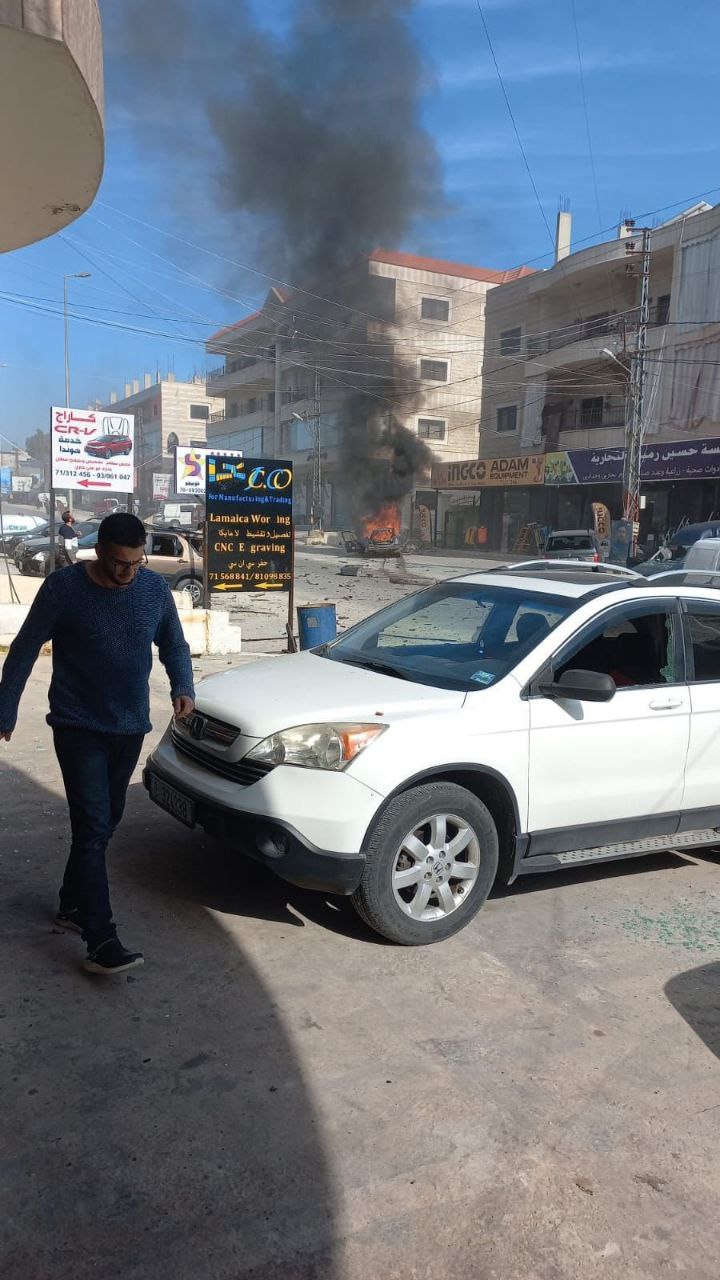
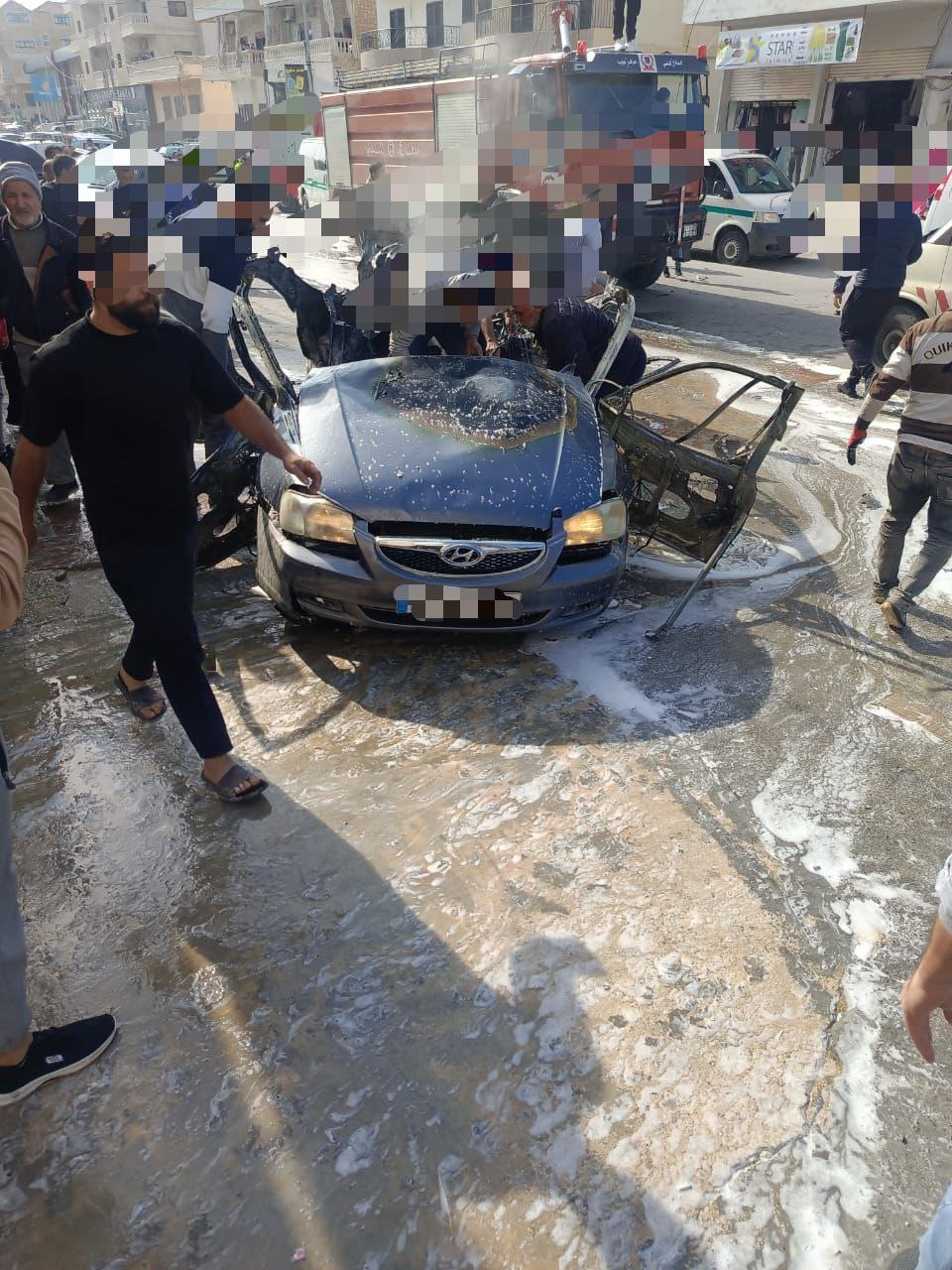
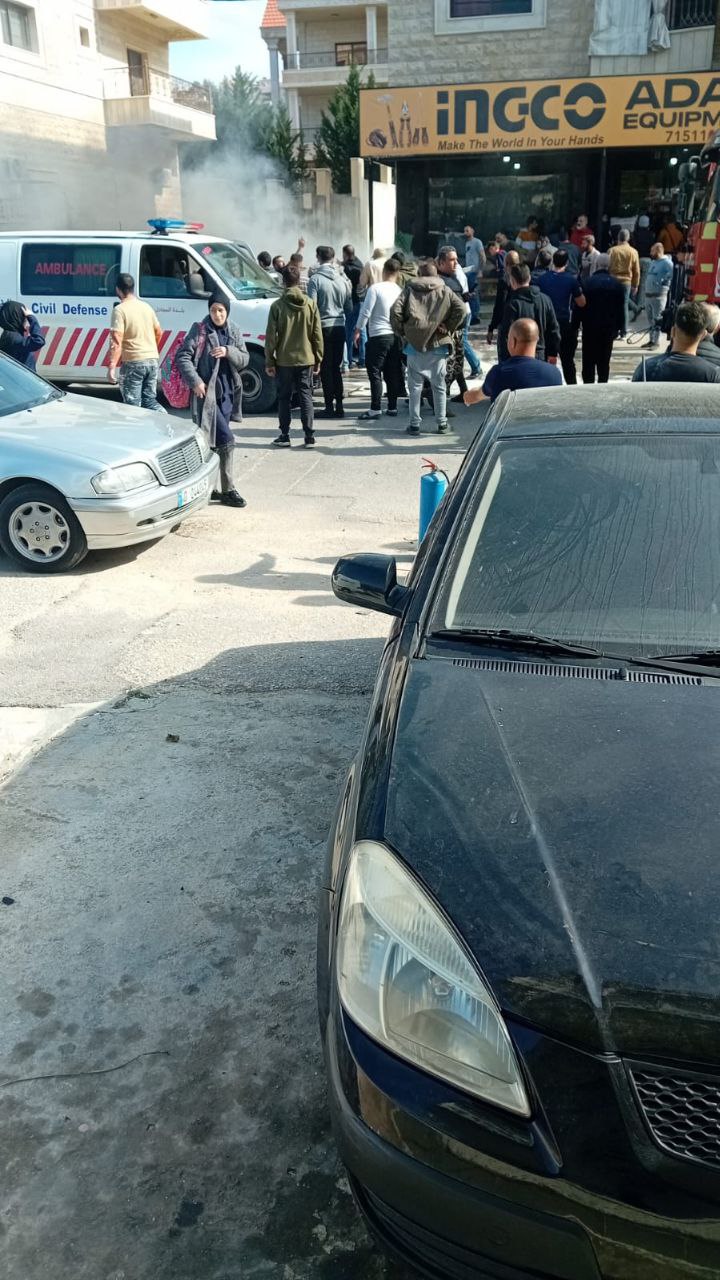
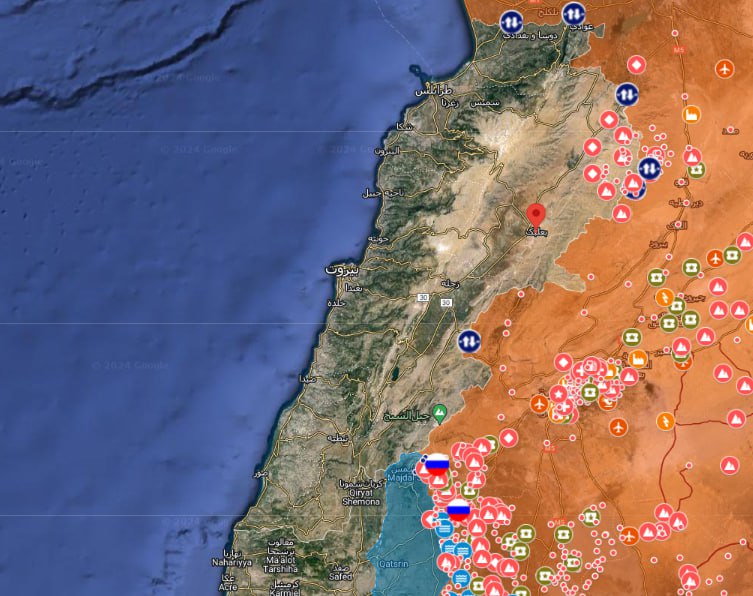
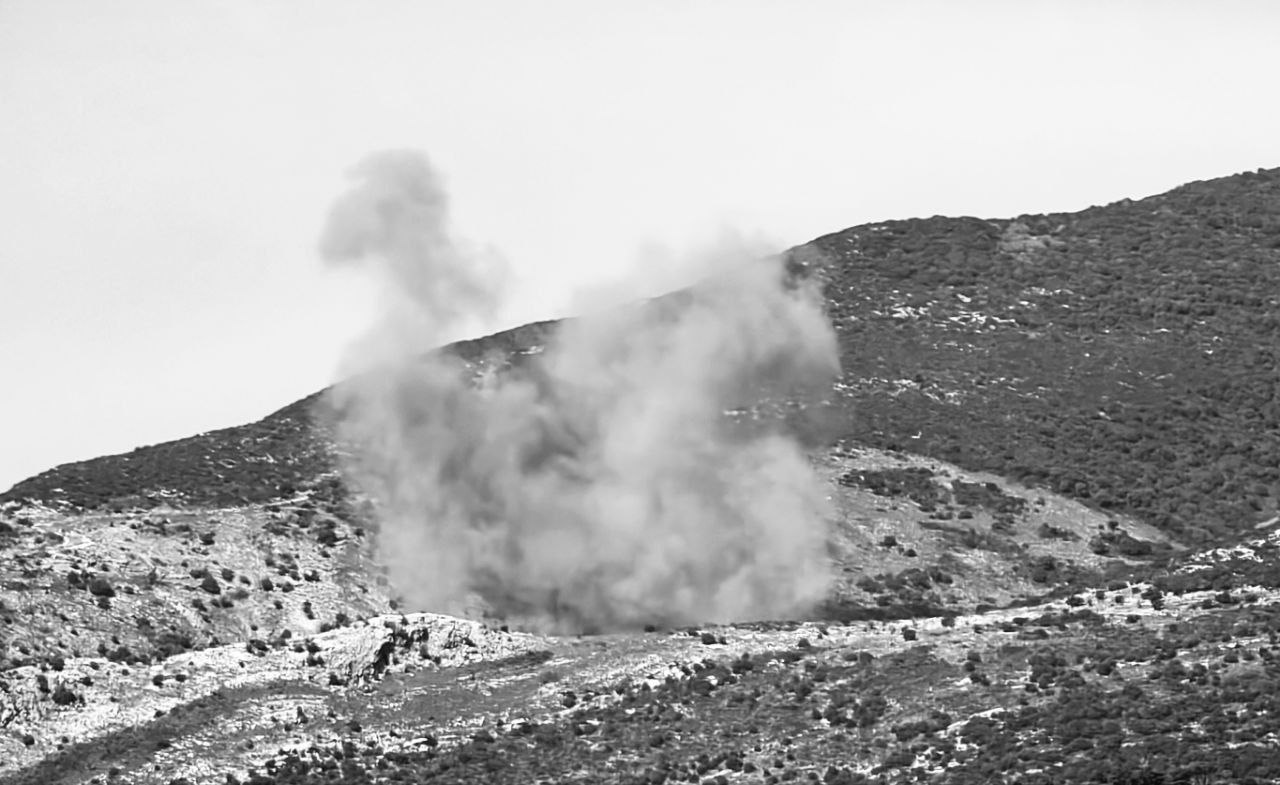
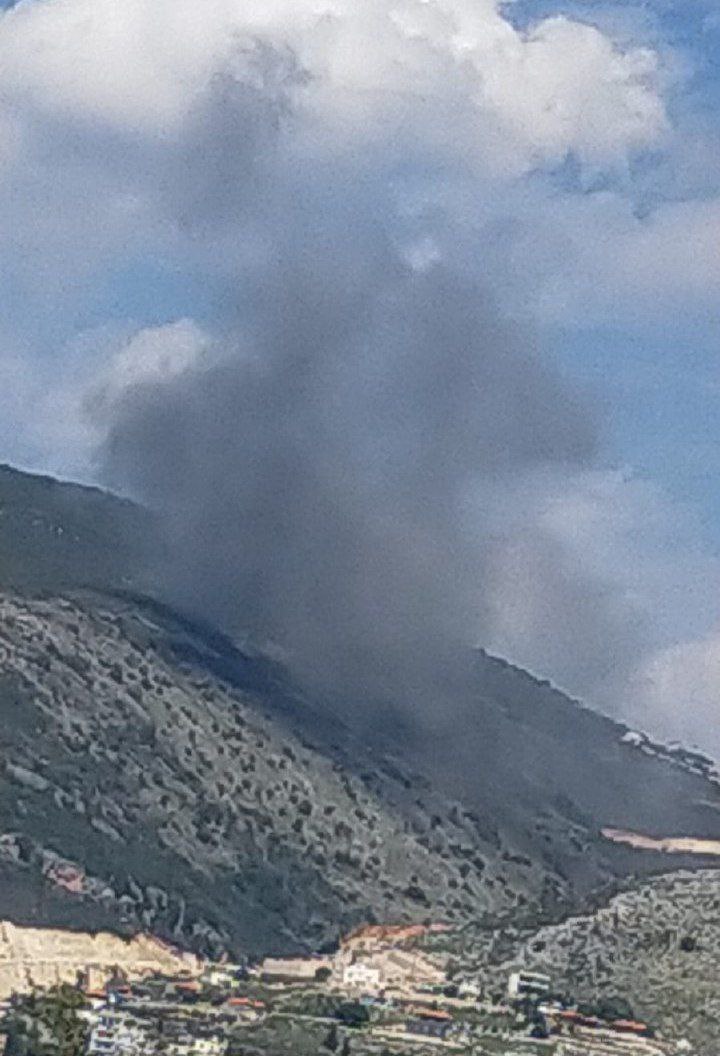
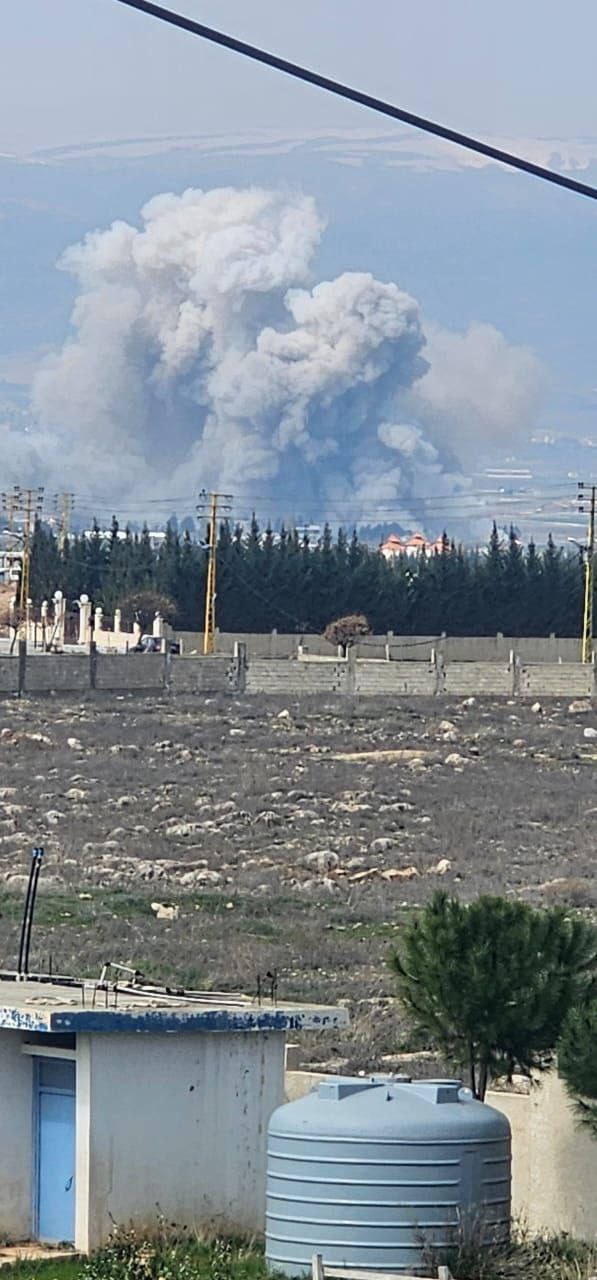
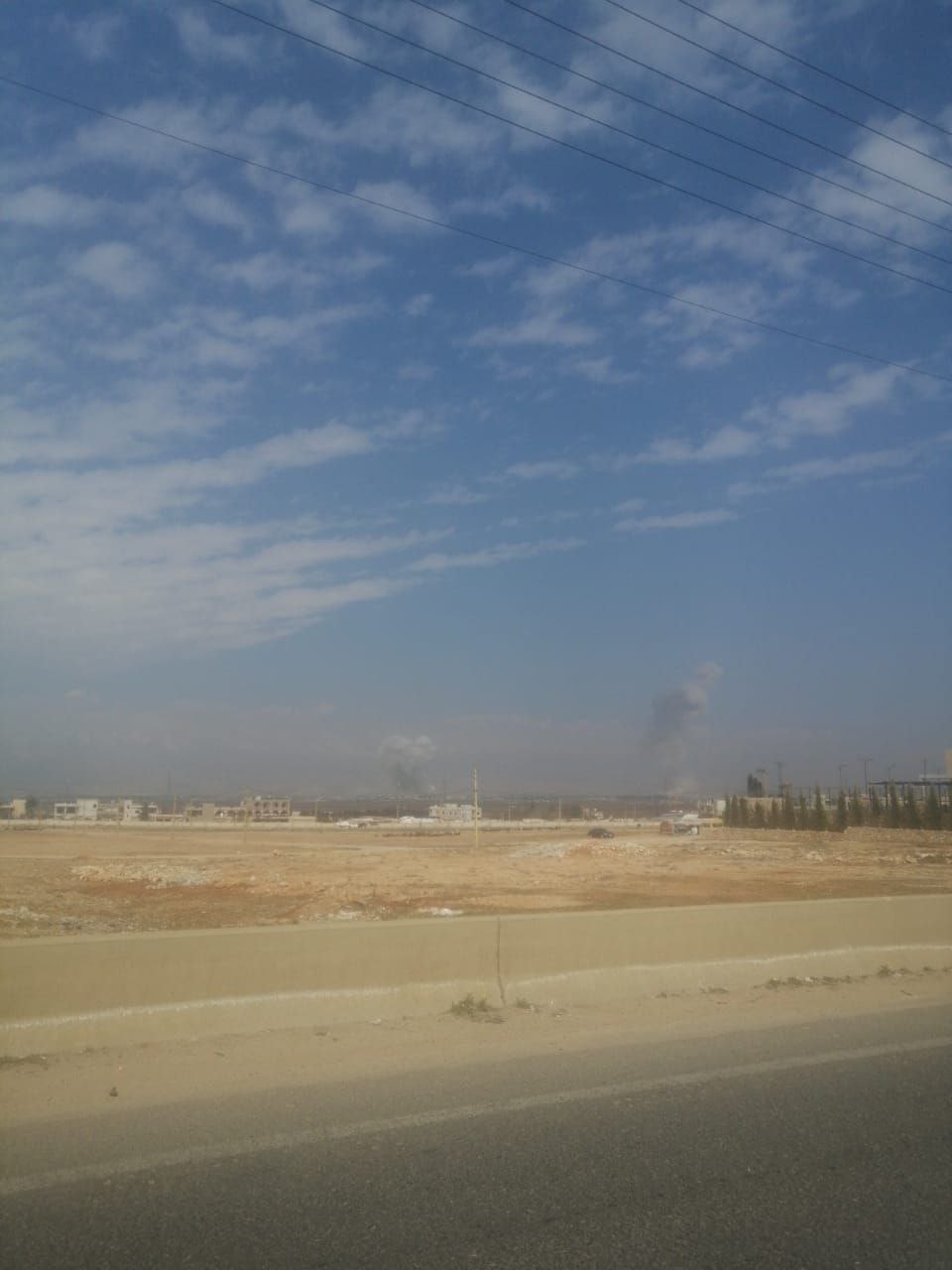
    The Israeli regime’s fighter jets bombed an oil tanker and a warehouse at a farm in the western part of Baalbek and the mountainous areas between Jarmaq and Jabal al-Rafi’ in the east of Nabatieh city at noon on February 26.

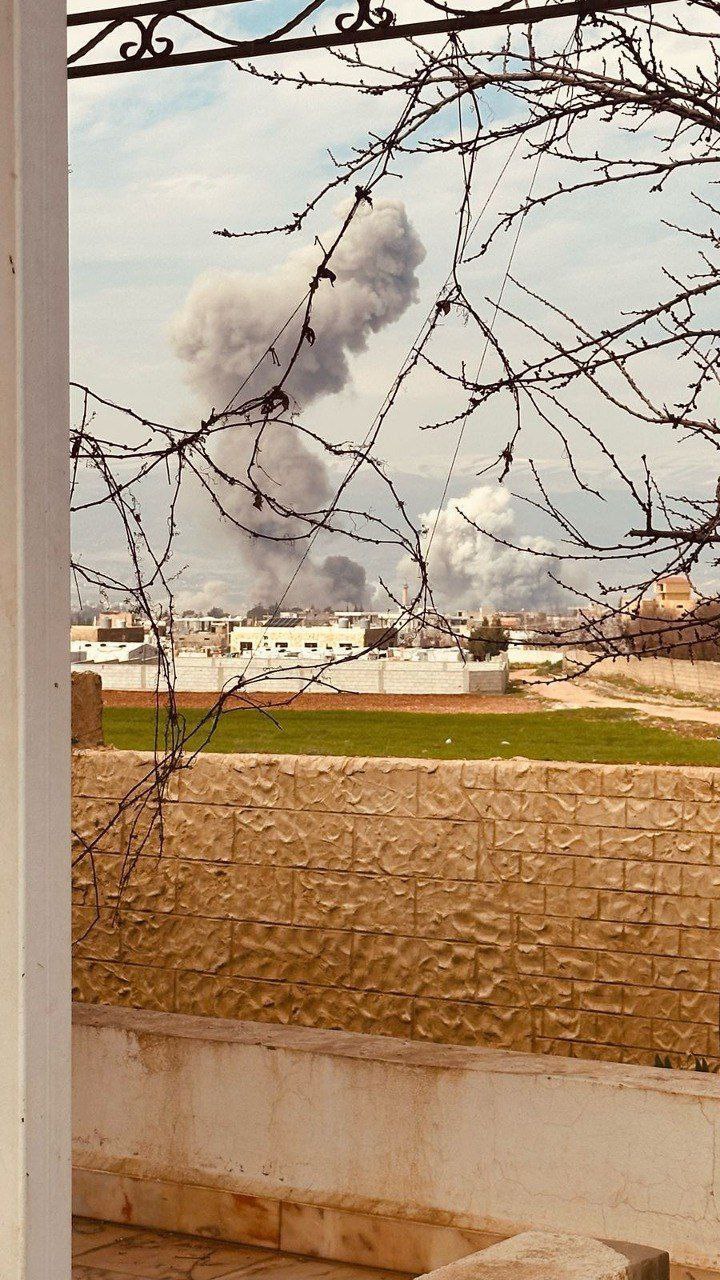
    As a result of the Israeli airstrikes on Baalbek, an oil tanker and a farm warehouse were destroyed, and three Lebanese individuals were martyred while several others were wounded.

    This is the first aerial attack by Israeli fighter jets on northern regions of Lebanon during the recent conflict and is considered a significant escalation in the conflict with the Lebanese resistance movement Hezbollah.

    The Israeli regime previously demanded Hezbollah to withdraw from southern Lebanese borders and threatened that if the Lebanese resistance movement refuses to halt its attacks on Israeli positions and withdraw from southern Lebanon, the regime will launch attacks on all Lebanese cities.

    Considering the ongoing conflicts in the Gaza Strip, a cessation of hostilities in this front also seems unlikely, and it remains to be seen how practical these Israeli threats will be.

    Undoubtedly, Hezbollah will not remain silent in response to the bombing of Baalbek and in retaliation, it may launch attacks on even broader areas in northern Israeli-occupied territories of Palestine and possibly other occupied cities such as Tel Aviv.

    The moment of air strikes by Israeli fighter jets in Baalbek

    Aftermath of air strikes in Baalbek
  • Agreement with Hamas not to prevent attacks on Hezbollah: Israeli War Minister

    Agreement with Hamas not to prevent attacks on Hezbollah: Israeli War Minister

    Yoav Gallant also threatened to continue bombing positions of the Hezbollah in Lebanon until their objectives are achieved. He had previously promised to eliminate Hezbollah from the Litani River in southern Lebanon, either through a political agreement or through military action.

    So far, in the exchange of fire between the Israeli regime and Hezbollah, more than 205 Lebanese fighters have been killed and several others injured. On the other side, significant human casualties have been inflicted upon the Israeli regime, but it refrains from disclosing its actual losses.

    It is worth mentioning that during Hezbollah’s attacks on Israeli positions, two Iron Dome systems, at least 28 soldiers, 25 tanks, and 4 logistic vehicles have been targeted and destroyed.

    In recent days, the Israeli regime has intensified its attacks on the Lebanese resistance movement in comparison with previous weeks. The nature of the attacks and the position of Israeli authorities indicate their aim to maximize gains from the conflicts in northern occupied territories of Palestine.

    Therefore, it can be said that the war in northern Israeli-occupied territories and southern Lebanon is like a double-edged sword, which has put pressure on the Israeli regime but could also have the opposite result. The management of the battlefield and timely implementation of counter-tactics will play a key role in the future success or failure of the Lebanese resistance movement in these conflicts in the war zone.

  • Hezbollah Shoots Down Third Israeli Drone

    Hezbollah Shoots Down Third Israeli Drone

    Simultaneously, the Israeli regime’s media outlets reported an explosion and sounding of sirens on the outskirts of town of Al-Afula in the Israeli-occupied territories.

    According to these reports, the explosion and alarm sirens were due to the Israeli army’s Iron Dome system intercepting one of Hezbollah’s missile defenses.

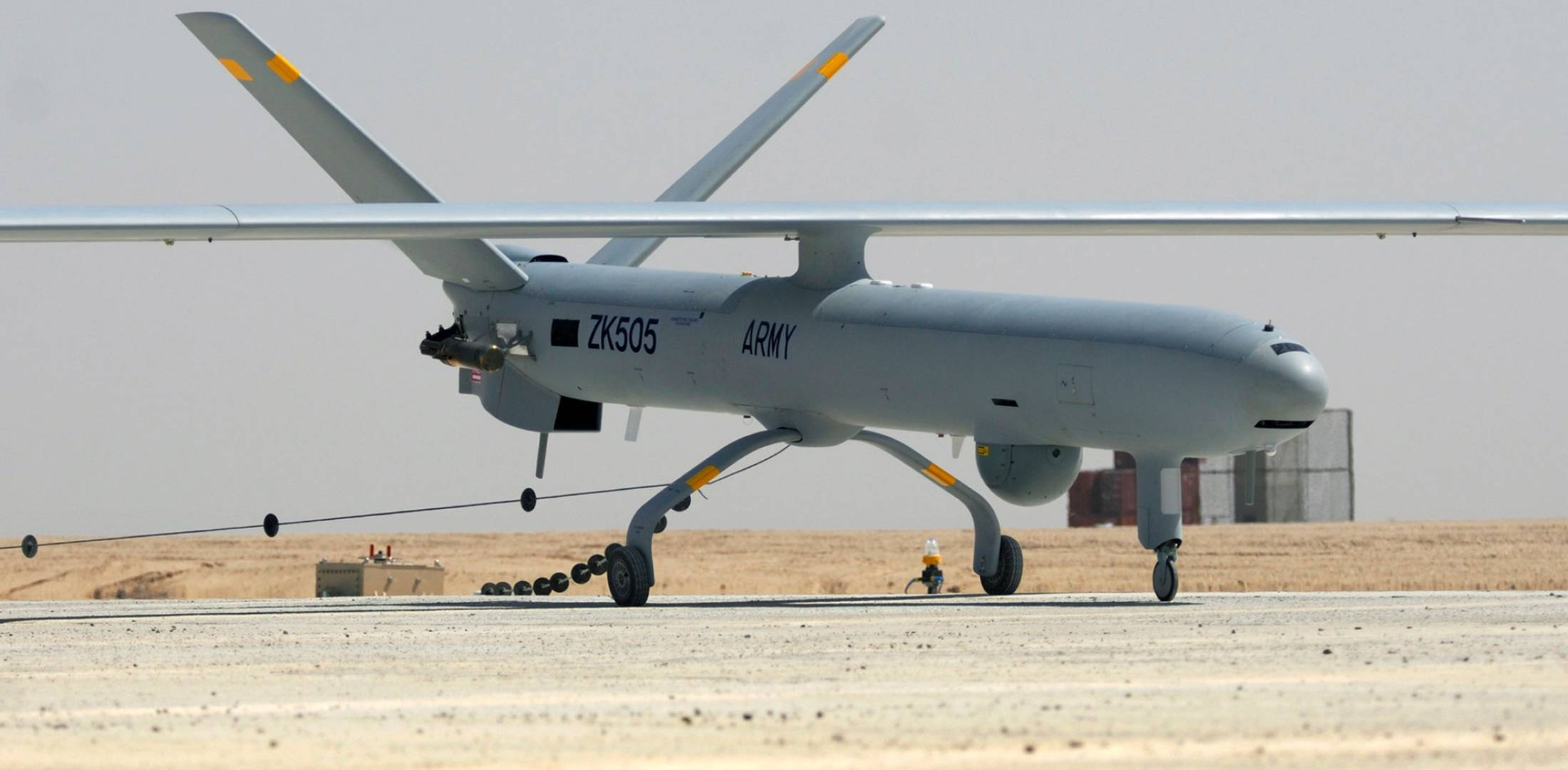
    Hezbollah had previously shot down two Elbit Hermes 450 and Heron 1 drones in the skies of southern Lebanon on November 5, 2023 and November 18, 2023. Therefore, this drone is the third Israeli UAV shot down by the Lebanese resistance movement Hezbollah.

    The Elbit Hermes 450 drone is a medium-class reconnaissance-combat UAV used by the Israeli regime’s army, playing a significant and crucial role in identifying the positions and movements of Hezbollah fighters on the southern borders.

    This drone and other Israeli drones are continuously active in these areas in large numbers.

  • Nine Hezbollah Members Were Martyred In Southern Lebanon

    Nine Hezbollah Members Were Martyred In Southern Lebanon

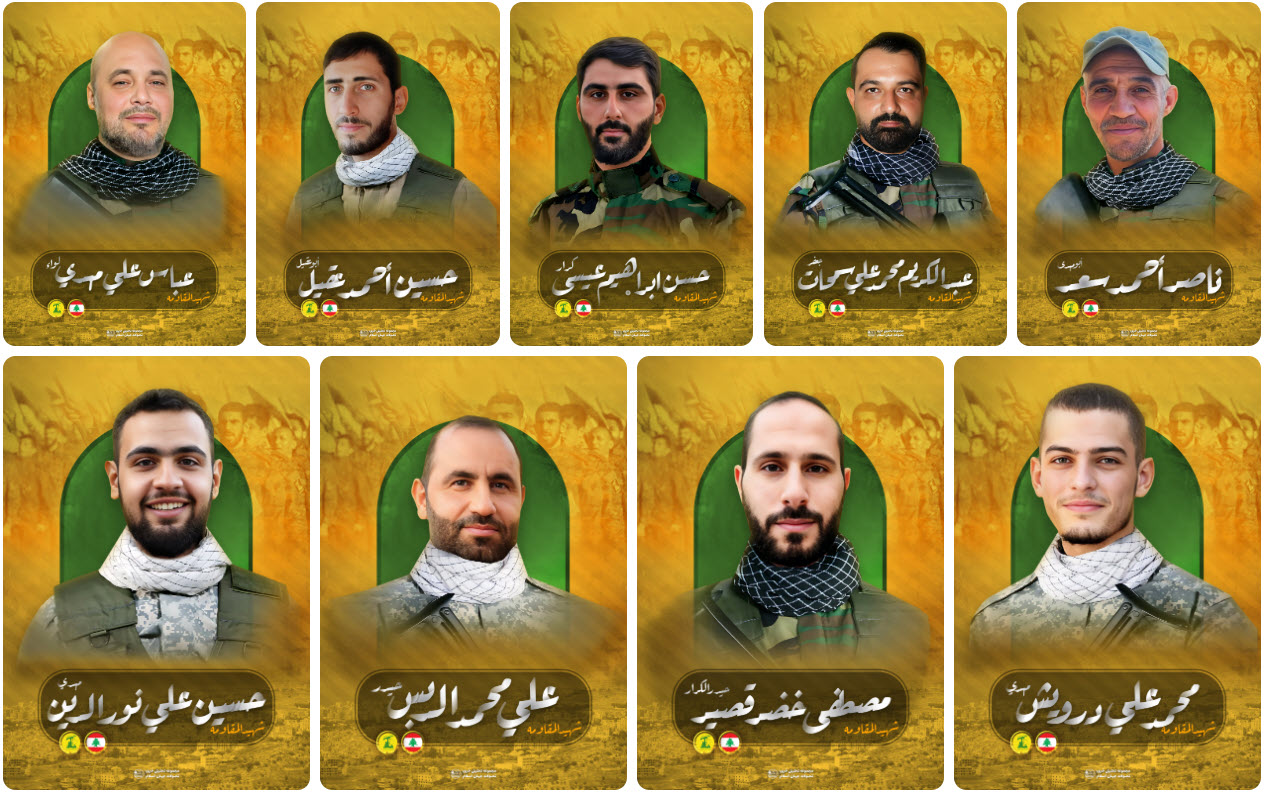
    Ali Mohammad Al-Dabs with the jihadi name “Haider”, Hassan Ibrahim Isa with the jihadi name “Karar”, Hossein Ahmad Aqeel with the jihadi name “Abu Aqeel”, Hossein Ali Nooruddin with the jihadi name “Mahdi”, Nasser Ahmed Saad with the jihadi name “Abu Mahdi”, Abdul Karim Mohammad Ali Samhat with the jihadi name “Jaafar”, Abbas Ali Mahdi with the jihadi name “Liwaa”, Mustafa Khizr Qasir with the jihadi name “Haider al-Karrar” and Mohammad Ali Darwish with the jihadi name “Mahdi”.

    In this way, the number of martyrs of Hezbollah increased to 197 members since the beginning of the battles in the Gaza Strip.

  • Israel Kicks Off Extensive Attacks on Southern Lebanon

    Israel Kicks Off Extensive Attacks on Southern Lebanon

    These attacks began following Hezbollah’s rocket attack on the city of Safed on Wednesday, resulting in Israeli fighter jets bombing the city of Nabatieh and the areas of Odaisseh, Al-Shahabiya, as-Sawahira, Al-Jabour Heights, Labouneh, and several other points in southern Lebanon.

    As a result of the Israeli airstrike on Odaisseh, at least four people, including a woman and a child, were martyred, and nine others were injured. The Israeli airstrike on the city of Nabatieh resulted in the martyrdom of 11 people and left more than 12 others wounded.

    The Lebanese resistance movement Hezbollah has not issued an official statement in response to these attacks yet, and some Lebanese media outlets have quoted Hashim Safi Al Din, Head of the Executive Council of Hezbollah, as saying that Israel’s attacks against civilians will not go unanswered.

    The Israeli army’s airstrikes on southern Lebanon intensify and expand at the time, when this regime’s ground operation in the city of Rafah in southern Gaza also began. Indeed, the Israeli regime’s attack on Rafah marks another round of confrontations between the resistance front and this regime and will undoubtedly lead to intensified attacks and increased pressure from other resistance groups in Lebanon, Yemen, and Iraq.