Israel has long declared that “disarming Hezbollah” is one of its strategic objectives in Lebanon. This agenda has gained more prominence since the rise of Joseph Aoun and Najib Mikati, becoming a central issue in Lebanon’s political developments.
Lebanese politicians are fully aware that the resistance’s weapons are a crucial pillar of national sovereignty and a vital means of defending Lebanon’s territory against aggressors—whether extremist groups from Syria or Israeli forces. Nevertheless, due to external pressure and dependence on the United States, France, and several Arab states, some continue to push for disarmament.
In his latest speech, Sheikh Naim Qassem firmly rejected the idea, calling it a weakening of Lebanon and a surrender to Israel. He emphasized that the resistance’s arms are Lebanon’s only viable defense against Israeli aggression. For Lebanon to survive, its people—from Baalbek and Tripoli to Beirut and Nabatieh—must rise and support Hezbollah’s national stance.
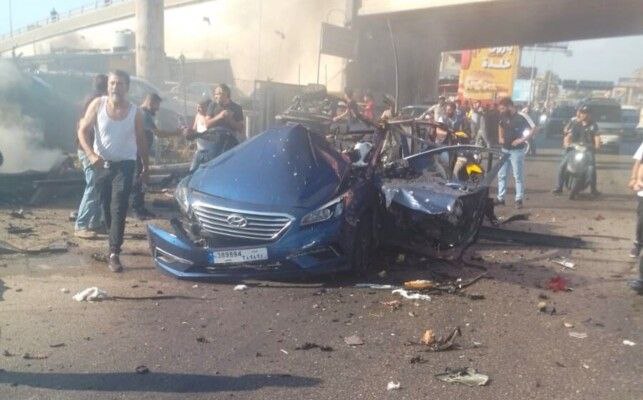
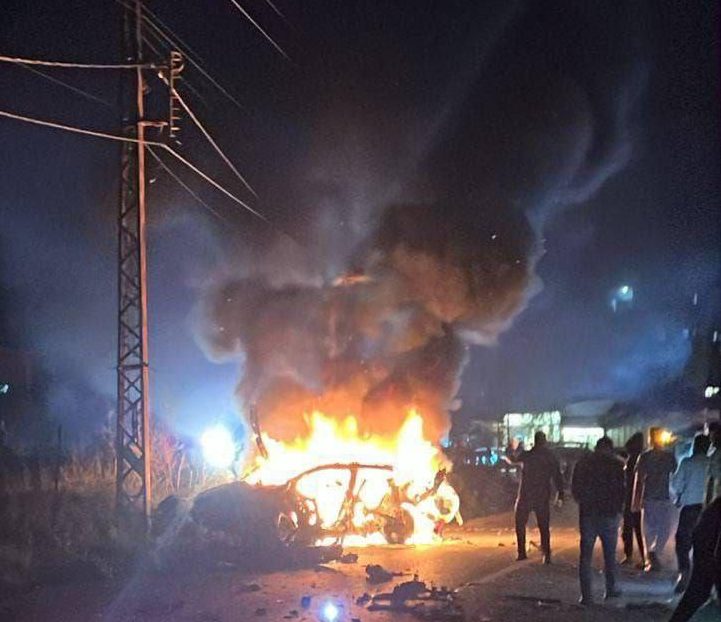
The Israeli regime claims that the attack was aimed at Qassim Salah al-Husseini, a Lebanese member of the Quds Force. According to Israel, al-Husseini has been involved in supporting Hezbollah’s attacks on the occupied northern front of Palestine and has played a key role in managing the transfer of weapons to the West Bank via Syria and Lebanon.
A video showing the missile that targeted al-Husseini indicates that the attack was conducted using the Hellfire R9X missile, also known as the “Ninja” missile.
The moment the vehicle was struck by a R9X missile
This specific missile is utilized solely by the U.S. military for precise assassinations of targeted individuals, And in recent years, it has been deployed repeatedly by the United States in Syria.
Notably, during the Gaza war on November 9, 2014, the missile was used to assassinate a Palestinian journalist near al-Shafa Hospital in Gaza. The recent attack in Lebanon suggests that the U.S. military has supplied this weapon to Israel.
The R9X is a kinetic missile that does not carry explosives; instead, it opens its blades upon impact to destroy the target upon collision
According to this report, after completing the clearing operation south of the Litani River, the Lebanese government plans to ask Israel to withdraw from the five remaining points in southern Lebanon. Following that, they will request Hezbollah to surrender its weapons to the Lebanese army.
Disarming Hezbollah, aside from the internal developments in Lebanon, is a significant measure for future developments in the region. Lebanese government officials are taking this issue seriously. Samir Geagea recently claimed that Lebanese President Joseph Aoun informed him that he was negotiating with Hezbollah to achieve this goal.
This matter is particularly important because Lebanese officials are not just discussing the handover of weapons or the integration of Hezbollah into the Lebanese Armed Forces; rather, they are focused on disarming and dismantling Hezbollah under the supervision of Western observers.
Therefore, disarming Hezbollah poses a threat not only to Lebanon but also to the axis of resistance, as it could pave the way for Israel to take further actions in the region.
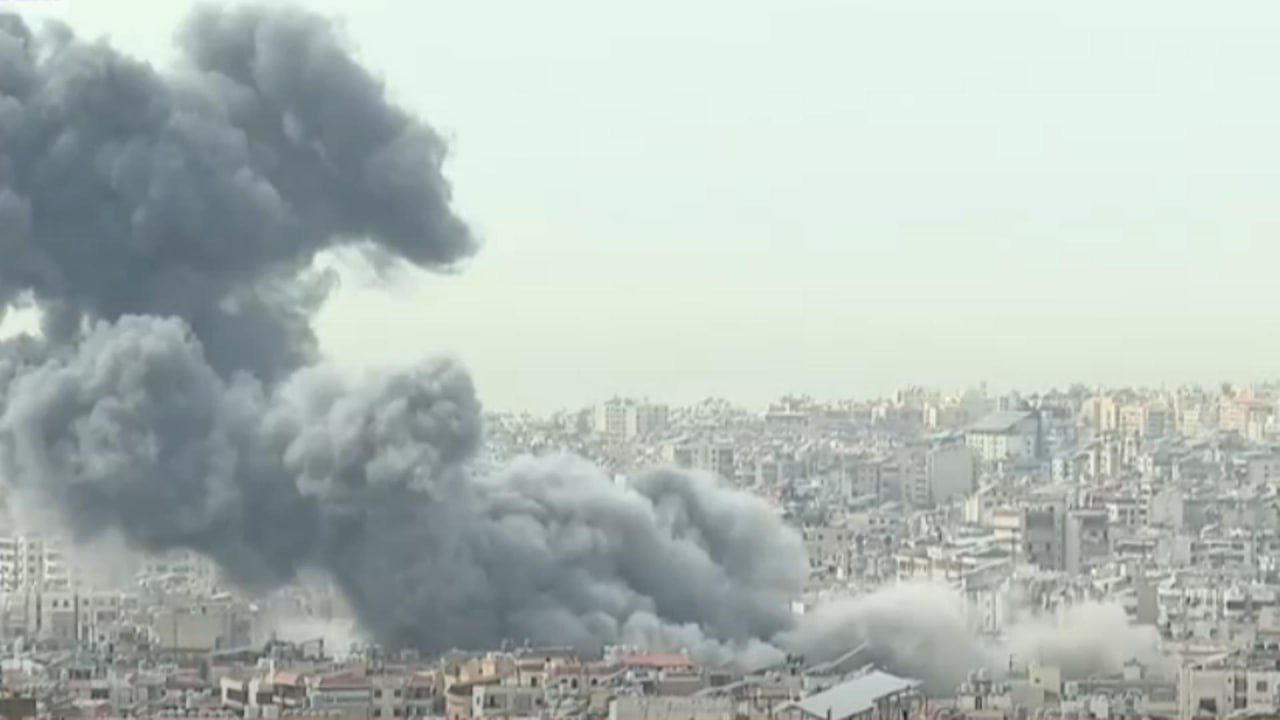
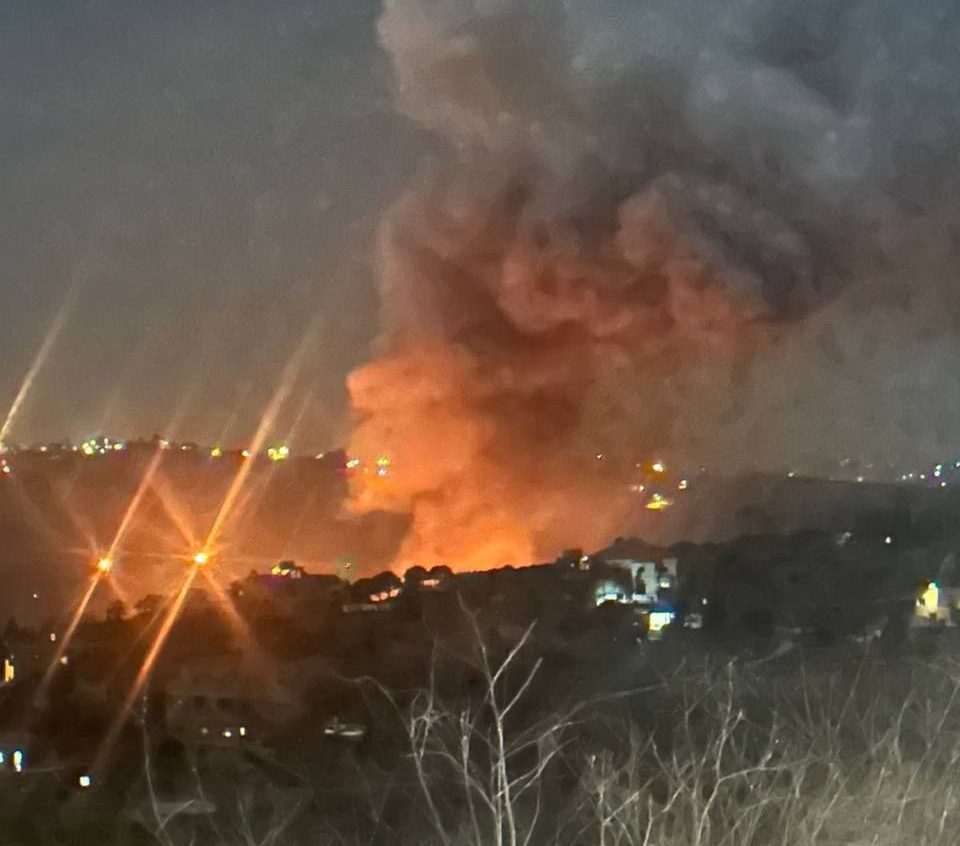
Israeli media reported that the Israeli army attacked Hezbollah’s drone storage facility belonging to Unit 127 in the southern suburbs of Beirut.
This morning, two rockets were launched from southern Lebanon toward Israel, landing in open areas. Hezbollah emphasized that they did not fire these rockets. However, the Israeli regime, eager for conflict, used this incident as justification to attack the Lebanese capital after four months of calm.
Israel, which consistently fails to adhere to the ceasefire agreement with Hezbollah and Lebanon, continues to carry out unlimited attacks on Lebanese vehicles and individuals in southern Lebanon, resulting in casualties. On the other hand, the firing of just two rockets by unknown individuals from southern Lebanon—hitting only open areas—has been deemed a violation of the ceasefire agreement by Israel, leading to their assault on the capital of a sovereign nation!
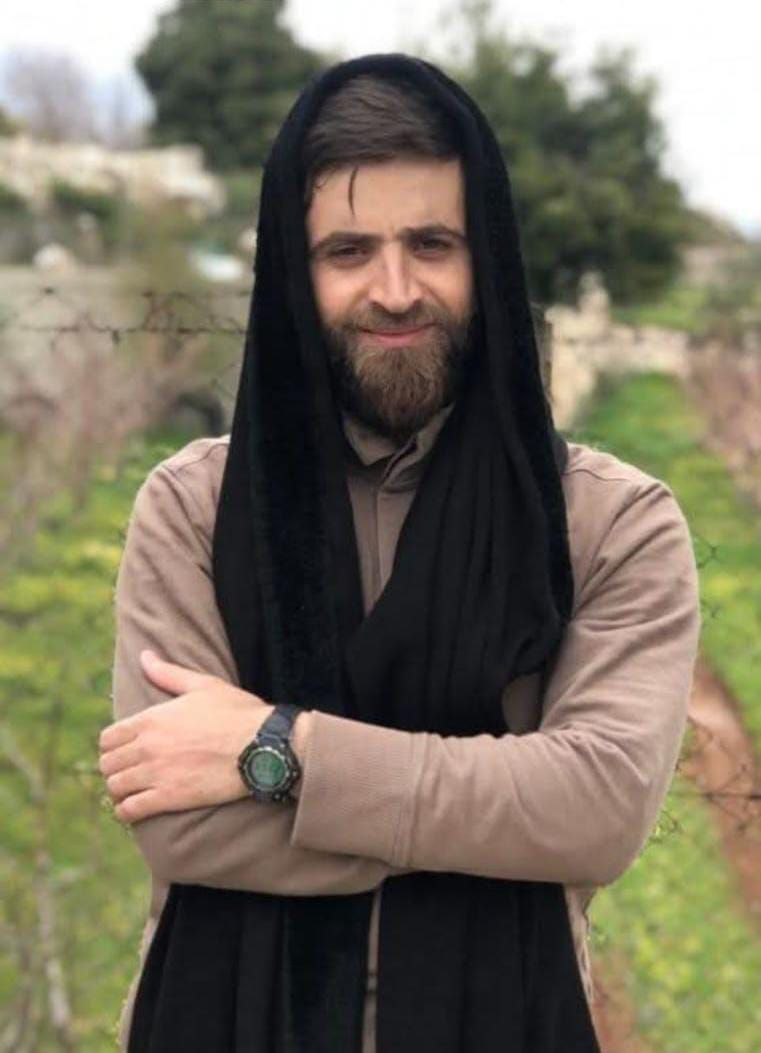
The Israeli army claims that during the attack, they assassinated Ahmed Adnan Bajijah, one of the commanders of Hezbollah’s Radwan Force.
Ahmed Adnan Bajijah
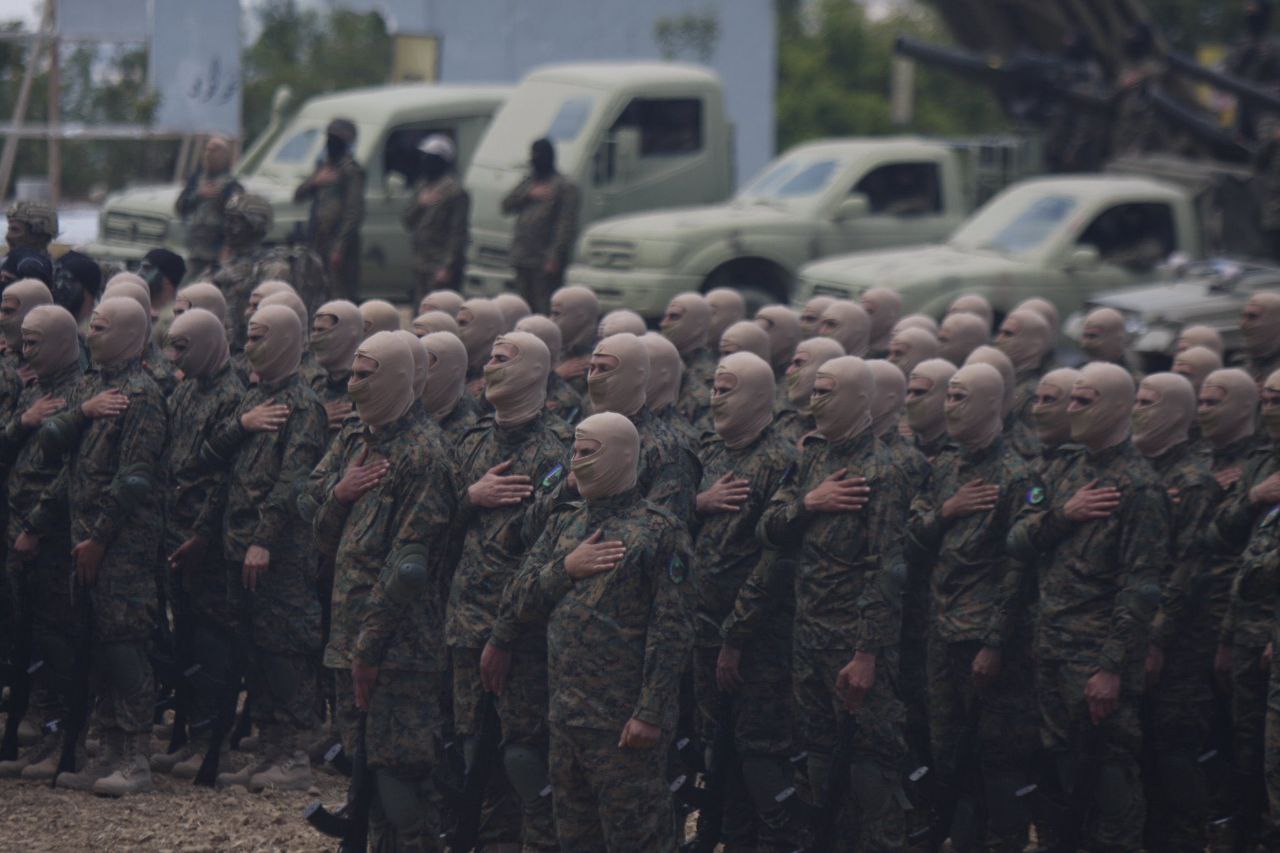
The Redwan Force is known as Hezbollah’s primary unit for ground combat in southern Lebanon. This trained and specialized group of fighters has conducted thousands of operations over a year and a half of conflict with the Israeli army, inflicting significant damage on border bases. They have shown exceptional resilience during Israel’s ground operations in southern Lebanon, successfully thwarting invasion attempts along the southern Lebanese border strip before the ceasefire.
According to the Lebanese Ministry of Health, the death toll from Israeli attacks on southern Lebanon has reached 106 since the ceasefire agreement was implemented. Hezbollah has remained silent regarding these attacks, and the Lebanese government has not taken action in response to these acts of aggression.
This continued presence by Israeli forces is in direct violation of the ceasefire agreement, which stipulates that all occupying forces were supposed to withdraw from southern Lebanese lands. Furthermore, the Lebanese army lacks the power to exert significant pressure on the Israelis.
The five locations where Israeli troops are stationed in Lebanese territory are as follows: Tel al-Hamamis south of the town of Khiam, Jabal al-Dawawir between Marbakah and Houla, Jabal al-Dair south of Aitaroun, Jabal al-Balat between Ramieh and Marwaheen, and a base located in the forests of Labuneh and Ulama al-Shaab.
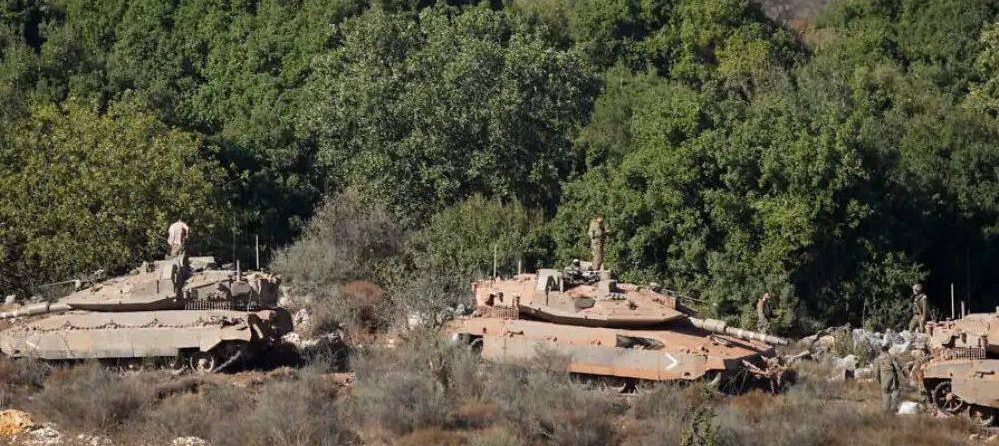
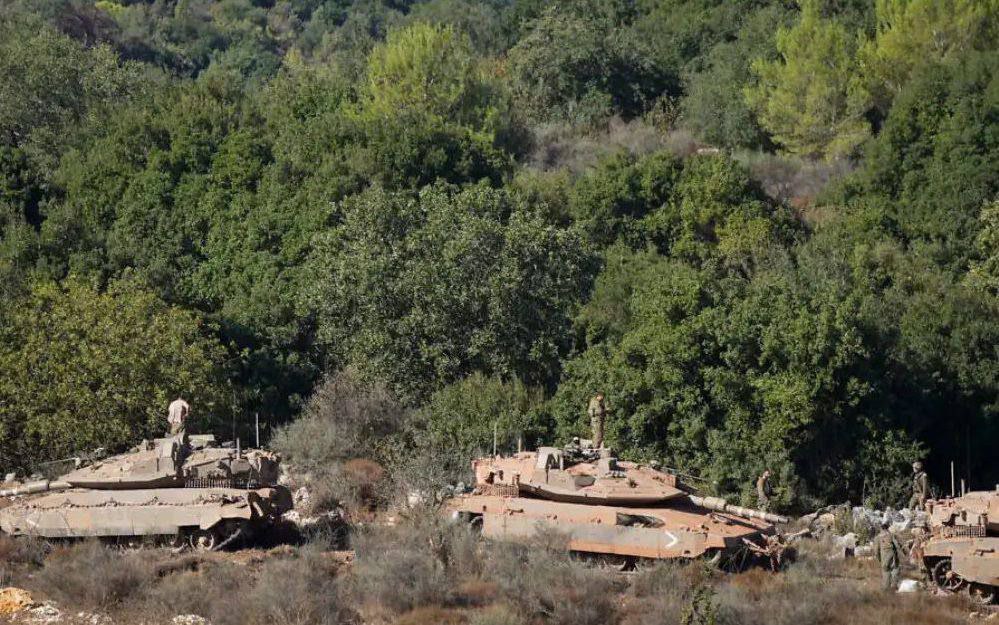
It is also noteworthy that the Israeli army regularly operates along all Lebanese border lines. They enter Lebanese territory at will—undeterred by the ceasefire and without regard for the Lebanese army—conducting bulldozing operations. For instance, in recent days, Israeli bulldozers entered Lebanese territory to destroy and clear areas around Blida.
The evidence suggests that, in addition to remaining at the five military points, the Israeli army is attempting to establish a shallow buffer zone along the border between Lebanon and occupied Palestine. All signs indicate that the Israeli army intends to maintain its presence in the occupied areas of southern Lebanon, potentially for an indefinite period.
Israeli army’s five military points in southern Lebanon
According to Lebanese media reports, the five points the Israeli army will continue to occupy after February 18 are:
Labounah-Alama al-Shaab forests
Jabal Balat, between Marwahin and Ramieh
Jabal al-Deir in the south of Aitaroun
The newly established base along the Marbakah-Hola road
Tel al-Hamamis in the south of Khiam
The areas where Israeli forces will remain in Lebanese territory
These areas were crucial for Hezbollah’s operations over the past year, as they were used to attack Israeli border bases and thwart Israeli ground attacks. Additionally, some of these areas held out until the last day of ground battles between Hezbollah and the Israeli army, only coming under Zionist control after the ceasefire agreement was implemented.
Lebanese authorities have reportedly rejected the deployment of Israeli forces in these areas during talks with American representatives. However, in practice, they are left with no choice but to accept Israel’s conditions due to Israel’s support from the United States and France, and the influence of the US, France, Qatar, and Saudi Arabia on Lebanese political positions.
The significance of these five points under Israeli control lies in the oversight and consolidation of Israel’s presence in Lebanese territory and border areas. This allows Israel to maintain control over Lebanon’s southern borders and eliminates their time and space limitations for actions against Hezbollah.
Following the ceasefire in southern Lebanon on November 27, 2024, the Israeli army continued its advance into southern Lebanon, entering many areas without facing conflict, which they had not been able to control during their battle with Hezbollah. Over the 57-day ground conflict, Hezbollah managed to prevent the Israeli military from expanding deep into Lebanon, even south of the Litani River, restricting the fighting to the southern Lebanese border strip.
In total, considering the areas that came under Israeli influence during the ground battle and post-ceasefire, the Israeli army has so far withdrawn from the areas and villages of Shamaa, Tayrharfa, Shiheen, Al-Jubain, Al-Naqurah, Hamul, Bani Hayyan, Kfarshoba, Shabaa, Deir Mimas, Houla, Meis Al-Jabal, Marun Al-Ras, Aitaroun, Yaroun, Dhahira, Yarin, Umm Tut, Zalutiya, Taibah, Deir Saryan, Beit Leif, Haninne, Qantara, Ramieh, Aita Al-Shaab, Rmaish, and Quzah.
According to the ceasefire agreement, these areas have been handed over to UNIFIL forces following the withdrawal of Israeli troops and are now under the control of the Lebanese Army.
Recent reports indicate that the towns and villages of Labouneh, Marwahin, Bustan, Blida, Muhaibib, Markabah, Kafr Qala, Udaysah, Rab al-Thalathin, Tallusah, Tel al-Hamams, al-Wuzzani, al-Abbasiyyah, and al-Majidiyah are still under Israeli control or influence.
As per the ceasefire agreement, the Israeli army was supposed to evacuate these areas within 60 days, by January 26, 2025. However, this did not occur, and the Lebanese government, under pressure from the United States, accepted an extension of the Israeli withdrawal deadline to February 18.
Nevertheless, Hezbollah’s Secretary General and its military command’s Operations Room have stated they do not accept this delay. They assert that the United Nations, the agreement’s supporting countries (the United States and France), as well as the Lebanese government, army, and people must oppose the Zionist occupation.
Given Israel’s repeated requests for permanent deployment at three to five strategic points in southern Lebanon, it appears that Israel’s delays and excuses for not evacuating will continue. Israel’s main objectives are to completely devastate the border areas and reignite the conflict in southern Lebanon. With the Trump administration now in power in the United States, the West’s support for Israel has intensified, and any forthcoming conflict is likely to be more severe than before.
These attacks clearly violate the ceasefire agreement, indicating Israel’s disregard for the ceasefire and a resumption of conflict in southern Lebanon.
While such violations typically warrant a reciprocal response, Hezbollah has maintained patience and restraint, refraining from reacting to the escalating actions so far.
Israeli strikes
The Israeli regime has continued to violate the ceasefire agreement with Lebanon, which officially went into effect on November 27. Recent violations include airstrikes, territorial incursions, and attacks on civilians and infrastructure in southern Lebanon.
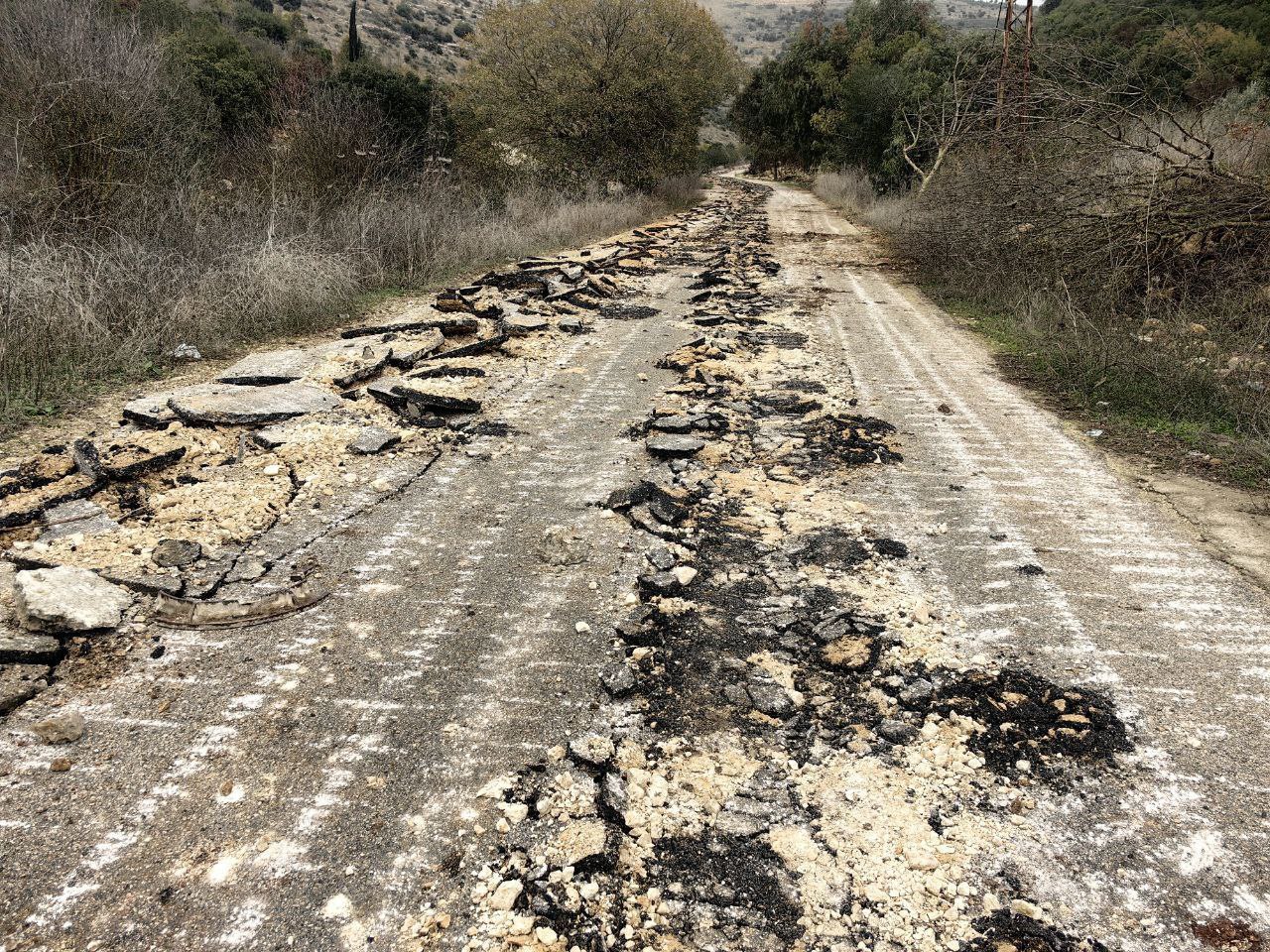
Israeli bulldozers blocked the road by uprooting trees, tearing up asphalt, and creating an embankment.
Israeli army destroying the roads in Wadi Hujeir
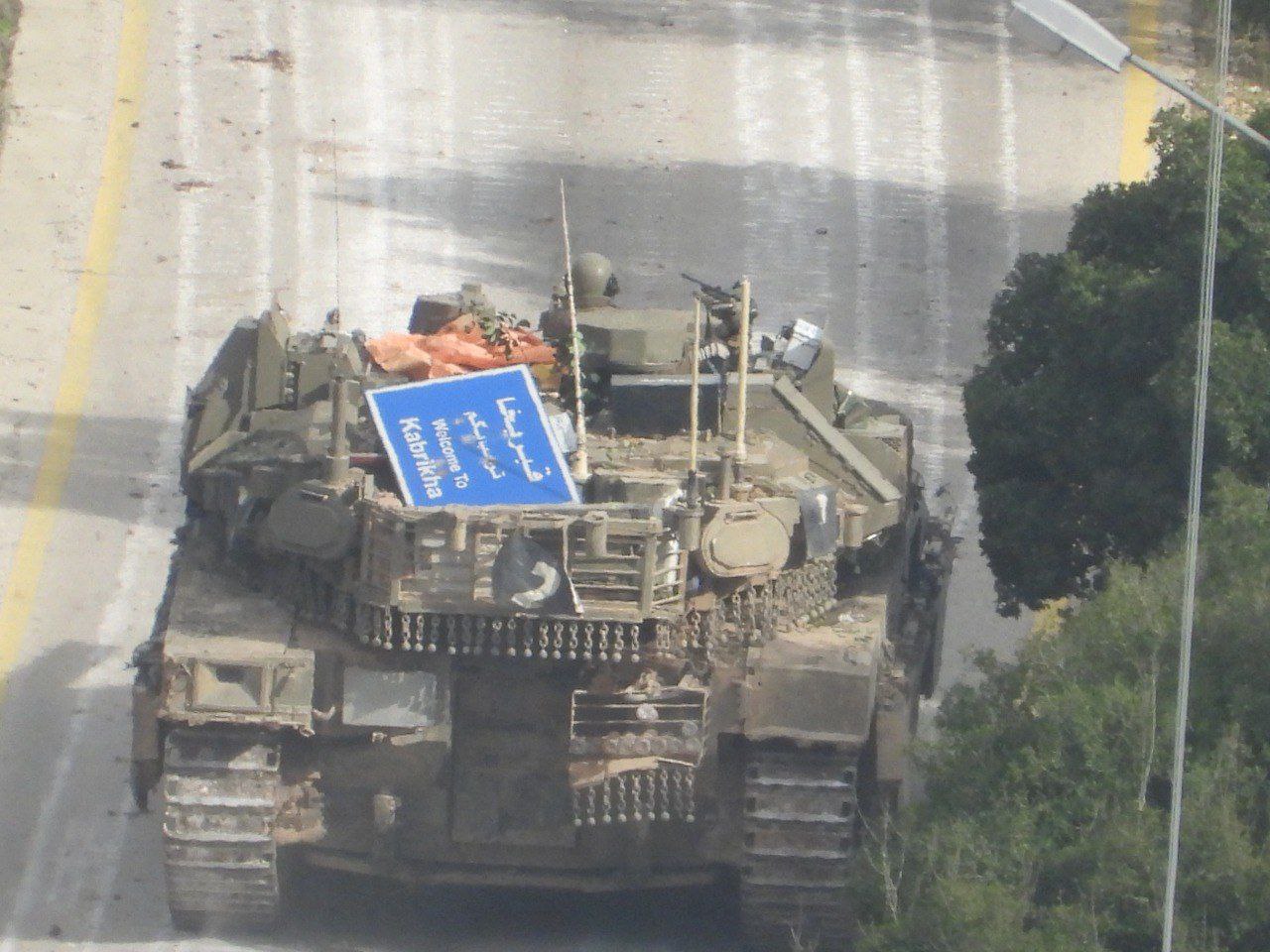
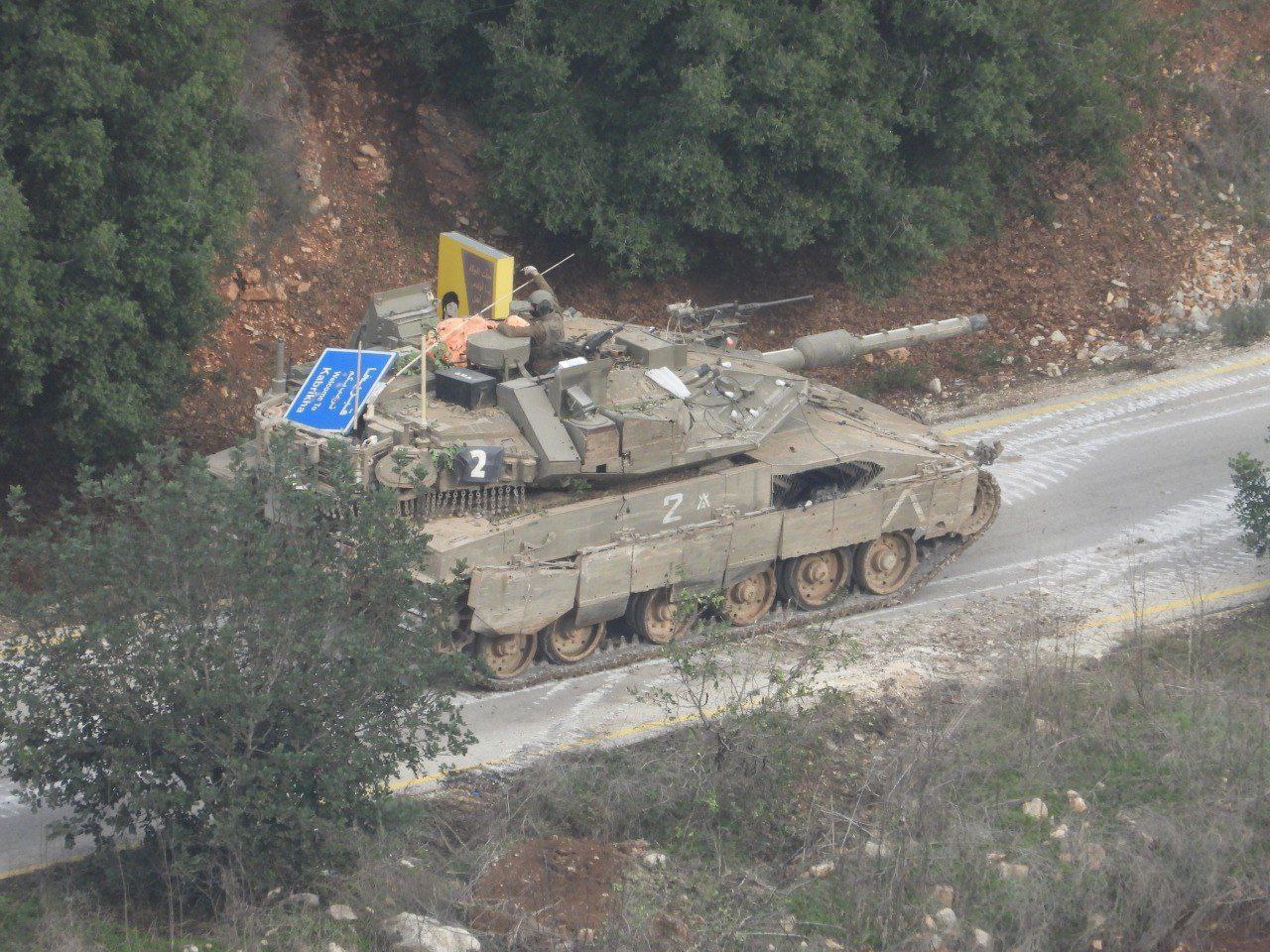
In another provocative act, sadistic Israeli soldiers uprooted the sign from the Qabrikha junction and carried it across the road with their tanks!
Israeli soldiers uprooted the sign from the Qabrikha junction
The Monitoring Committee and the Lebanese government have yet to take effective action against Israel’s repeated ceasefire violations and their destructive actions in southern Lebanon.
This action represents the most significant violation of the ceasefire and the deepest incursion by the Israeli army into southern Lebanon since the ceasefire was established. Hezbollah has remained silent, and the Lebanese government is unable to take any practical action in response.
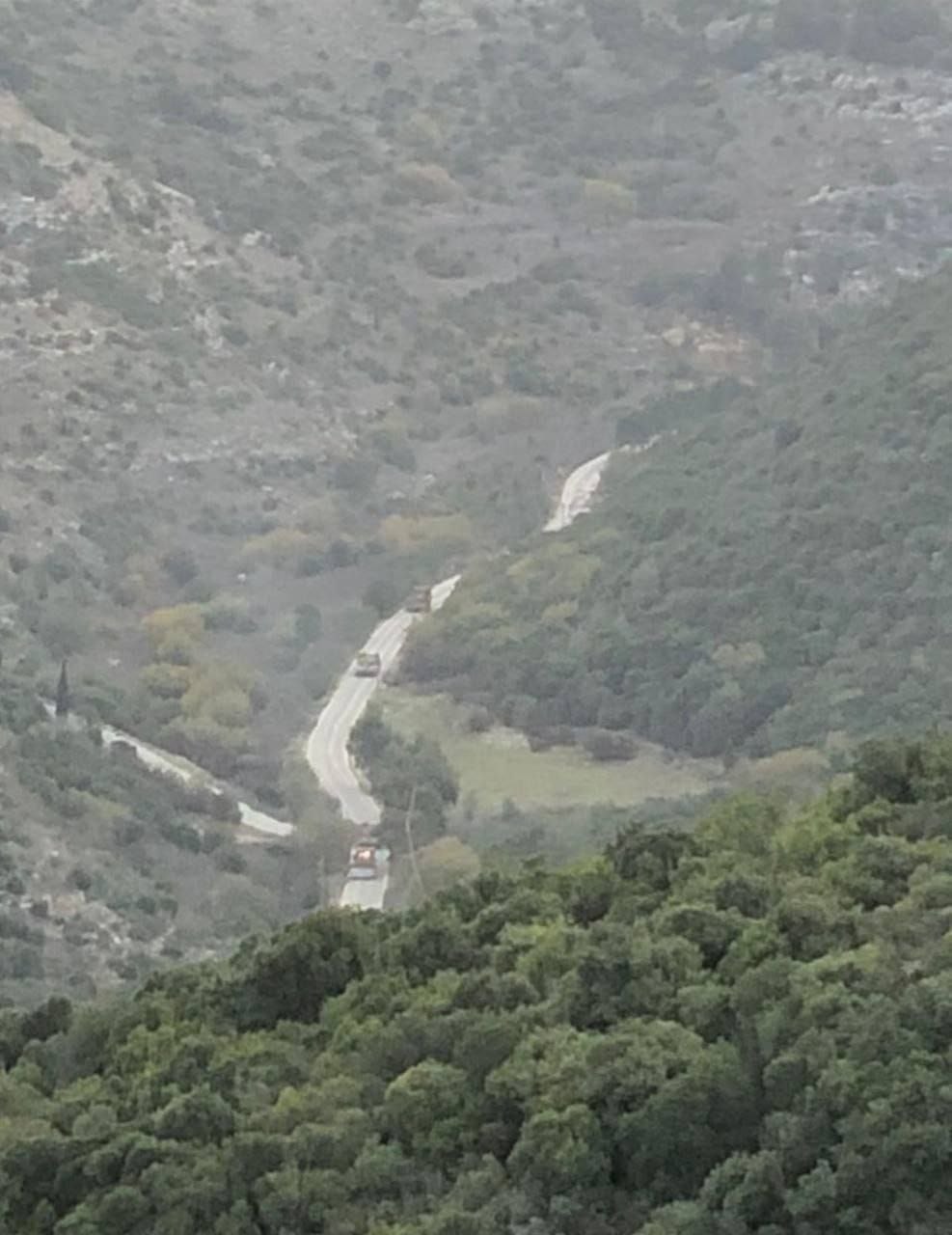
Israeli army entering Qantara, Adshit al-Qusayr, and Wadi al-Hujeir
It appears that this Israeli move aims to identify Hezbollah positions in Wadi al-Hujeir, a location where Israel suffered heavy losses and retreated during the 33-day war.
These actions are another indication of Israel’s intention to reignite the conflict in southern Lebanon.
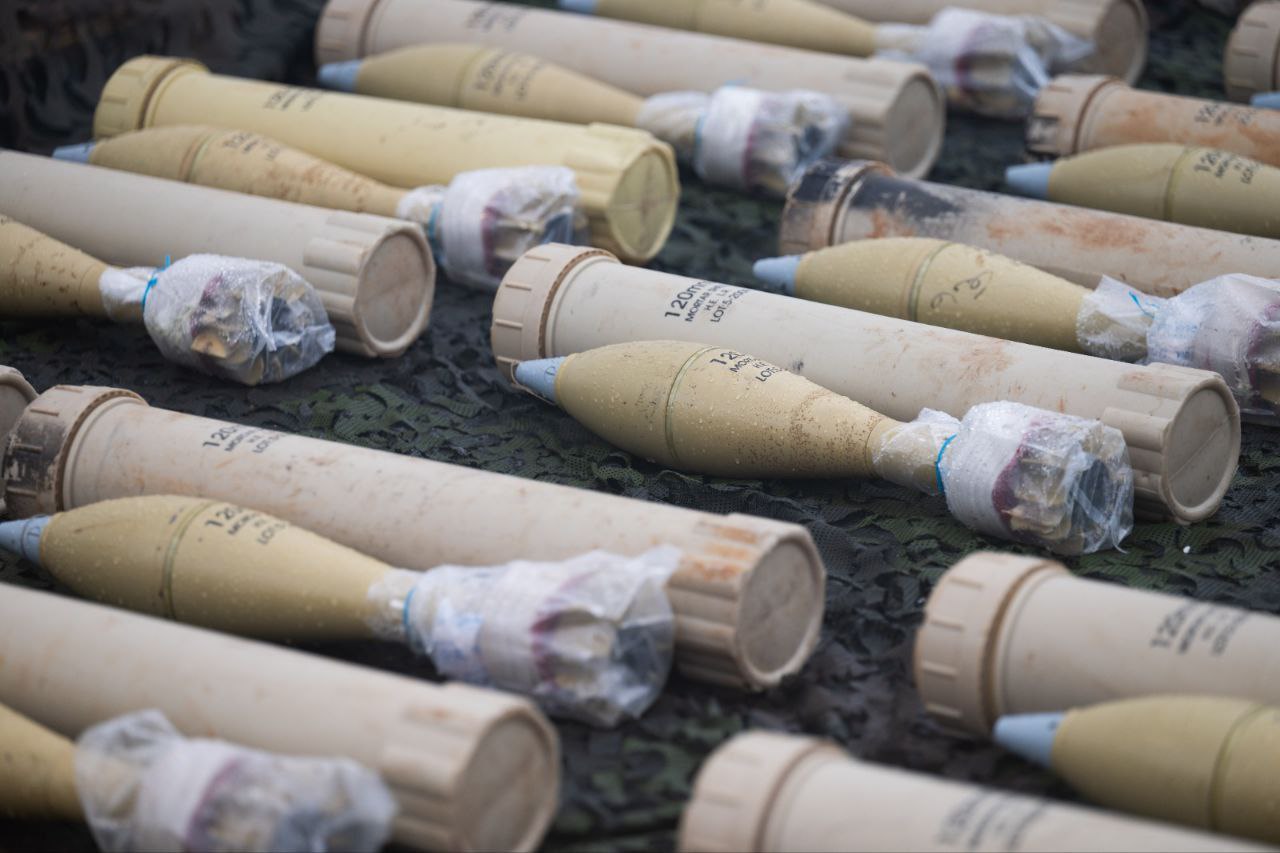
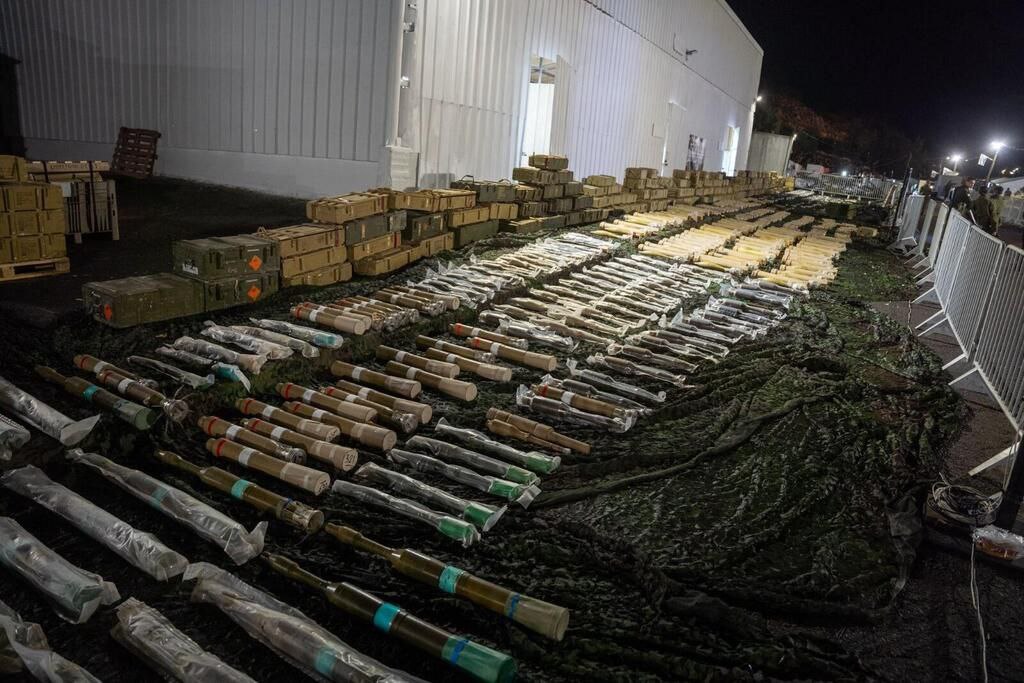
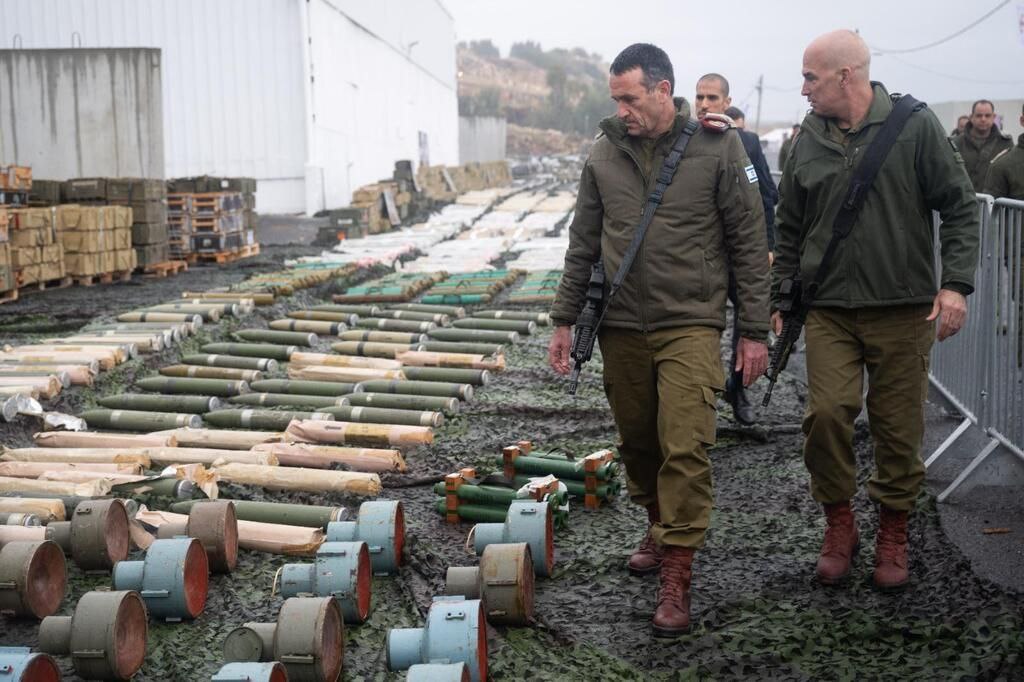
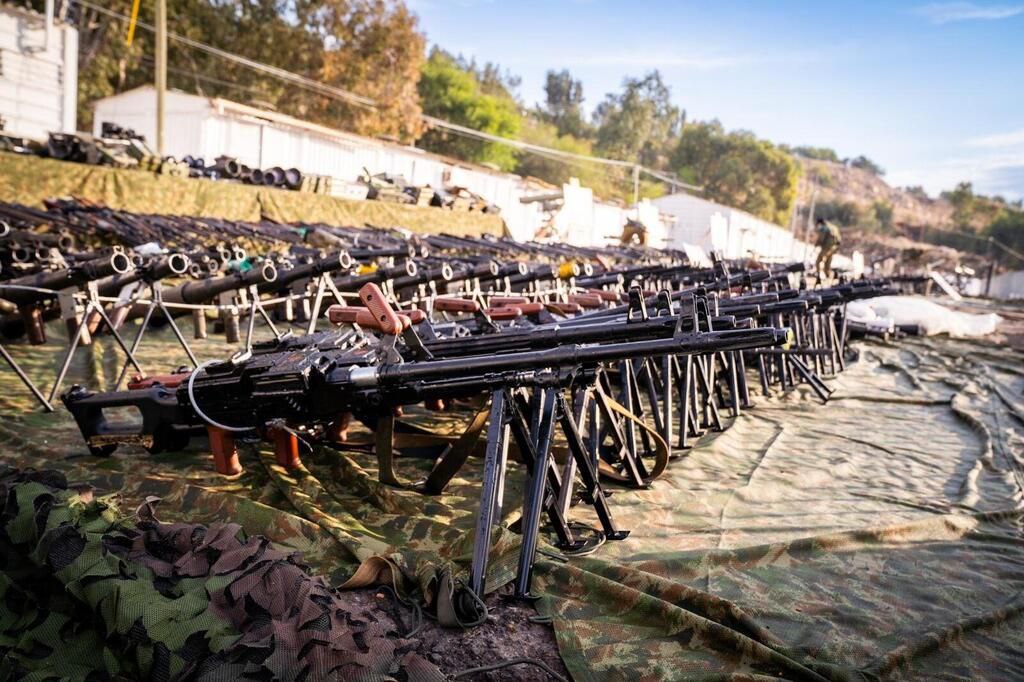
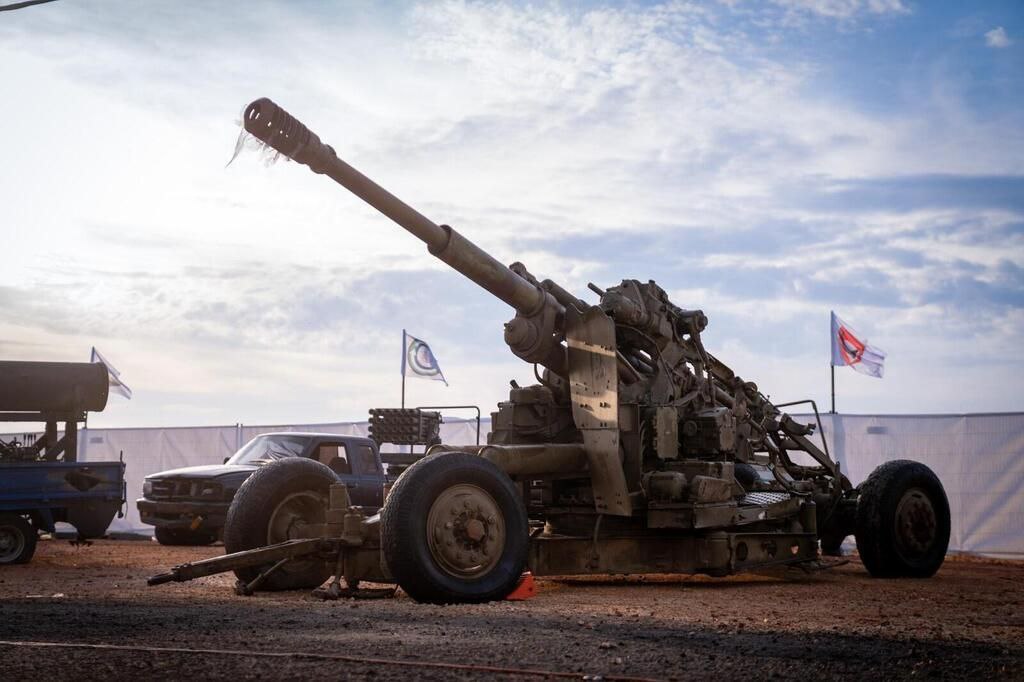
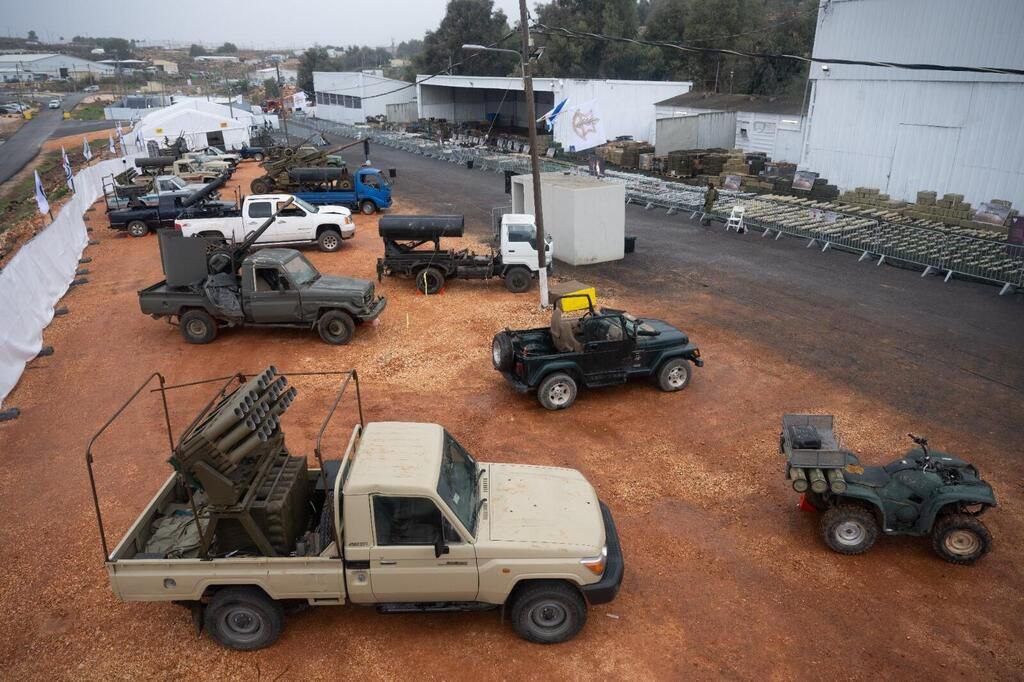
Israel claims to have discovered and seized 85,000 different weapons during this battle, though the report’s details cast doubt on this large number.
The alleged seized weapons include: 6,840 RPGs, 340 Kornet ATGMs, 9,000 IEDs and hand grenades, 2,250 rockets and mortars, 2,700 Kalashnikovs, 2,860 other weapons including sniper rifles, 60 anti-aircraft missiles, 60,800 pieces of electronic equipment, communication devices, computers, and 300 pieces of surveillance equipment such as binoculars.
The seized weapons in southern Lebanon
While this amount of military equipment is significant for an organization like Hezbollah, the Israeli army’s presentation of the numbers appears exaggerated. This issue is even more crucial considering the replacement of these weapons. In previous years, Hezbollah could procure its needs through the Syrian supply line, but that option is no longer available.