Tag: Modafe’an-e Aseman-e Velayat

  • Iran Air Defense Systems Appear From Underground Base In Major Drills! (Video)

    Iran Air Defense Systems Appear From Underground Base In Major Drills! (Video)

    The joint military drills were conducted by Iran’s Army and the Islamic Revolution Guards Corps (IRGC) in air defense regions in the western, northwester, eastern, southern, northern and central parts of the country.

    The exercises kicked off under the command of Khatam al-Anbia Air Defense Base in an area of more than one million kilometers on February 28.

    In the drills, drones, fighter jets and air defense units of the Islamic Republic of Iran Air Defense Force, as well as air defense and drone units of the Aerospace Force of the Islamic Revolution Guards Corps plus 2,000 observation posts from all Army, IRGC and the Law Enforcement Command of the Islamic Republic of Iran participated in monitoring the airspace of the country.

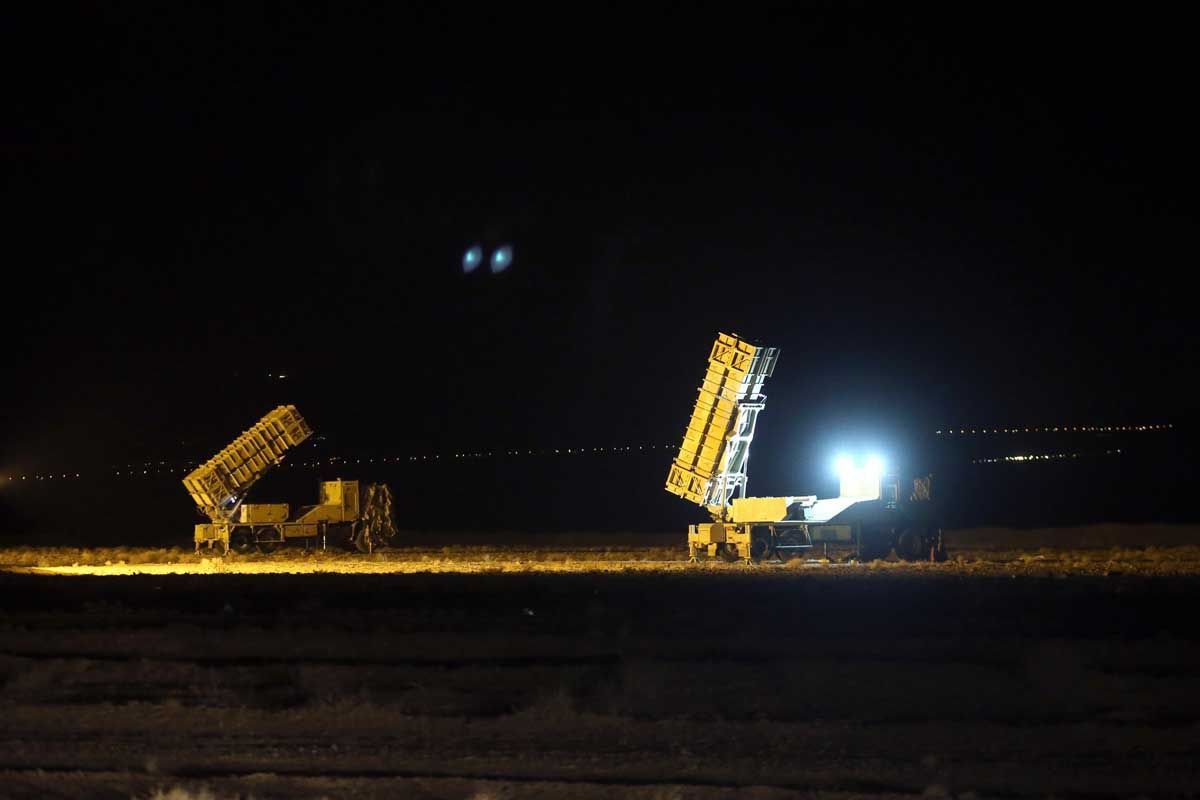
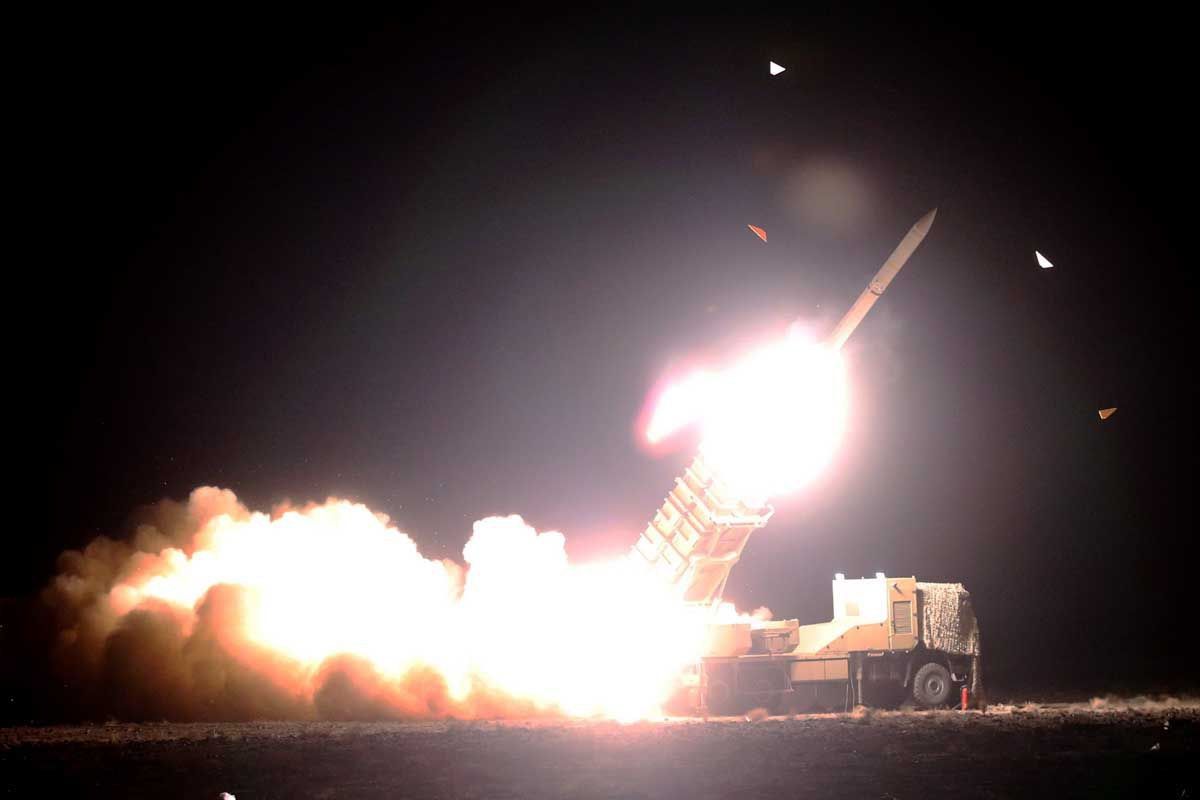
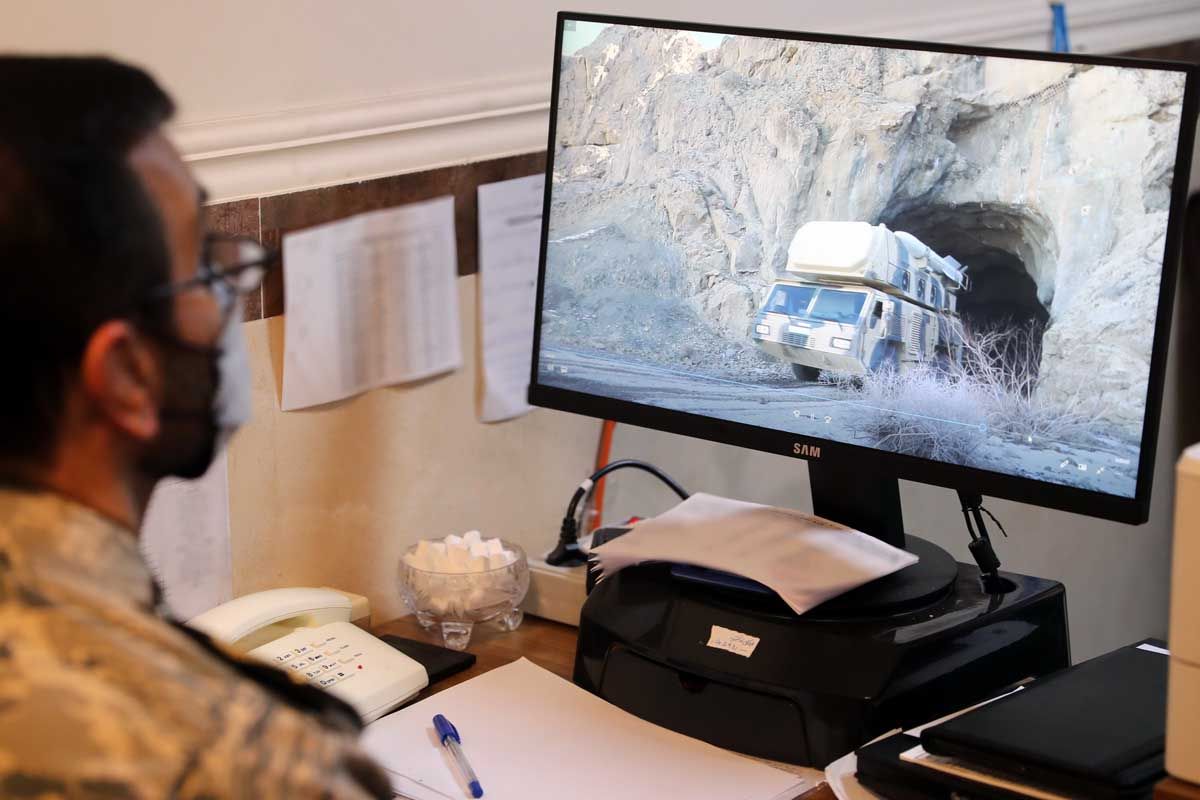
    During the major exercises, the Iranian armed forces unveiled an underground air defense base for the first time, when the domestically developed Sevom Khordad (3rd Khordad) medium range air defense missile system came out of an underground tunnel.

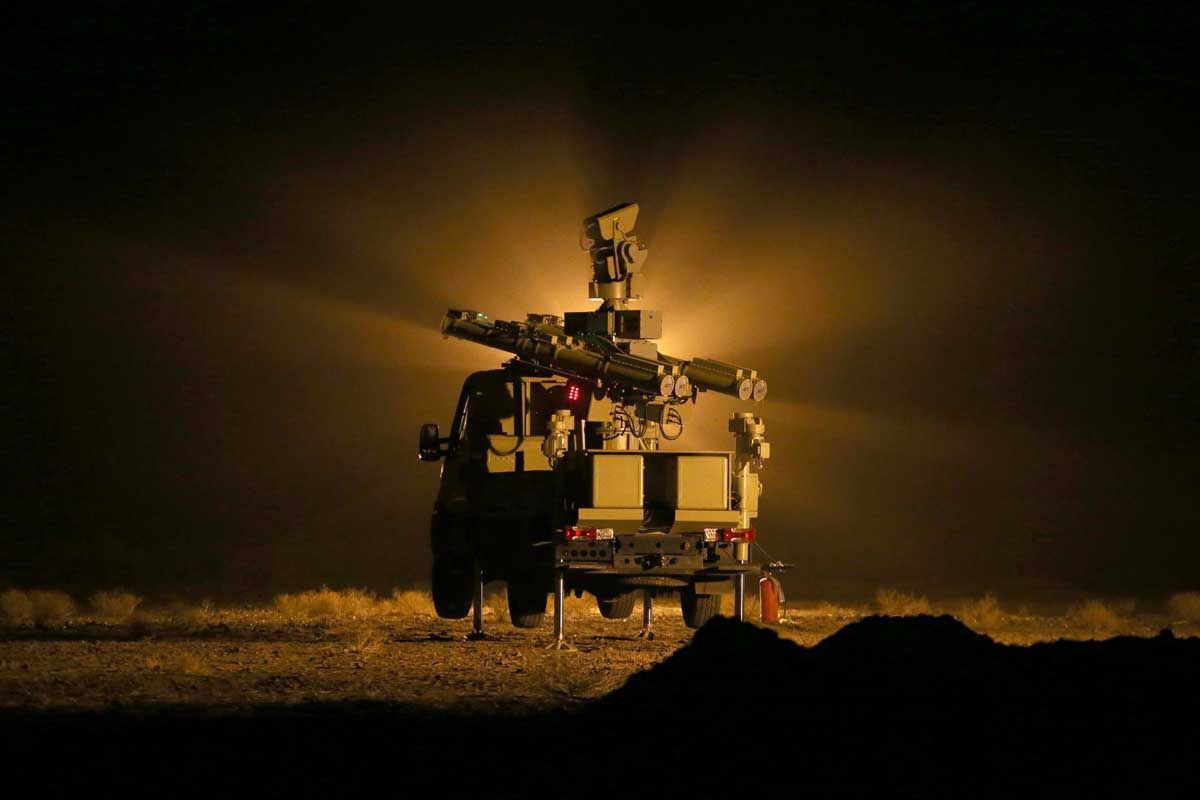
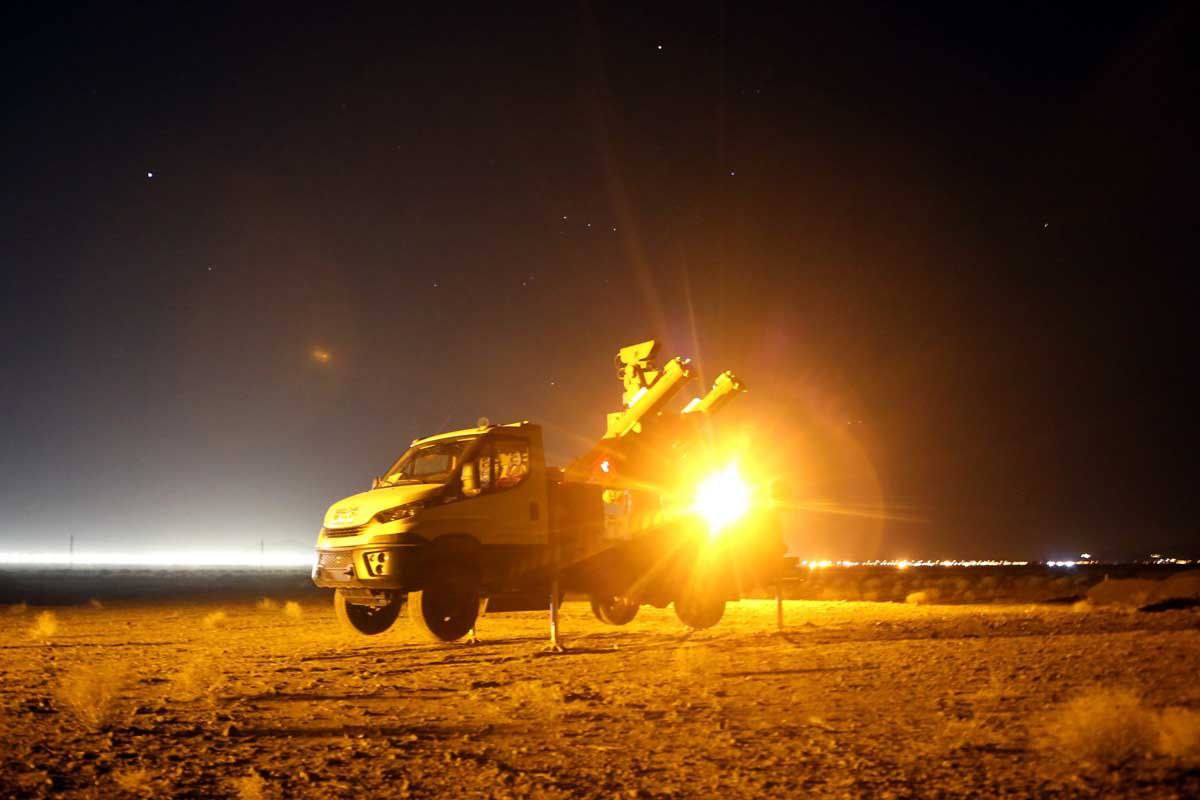
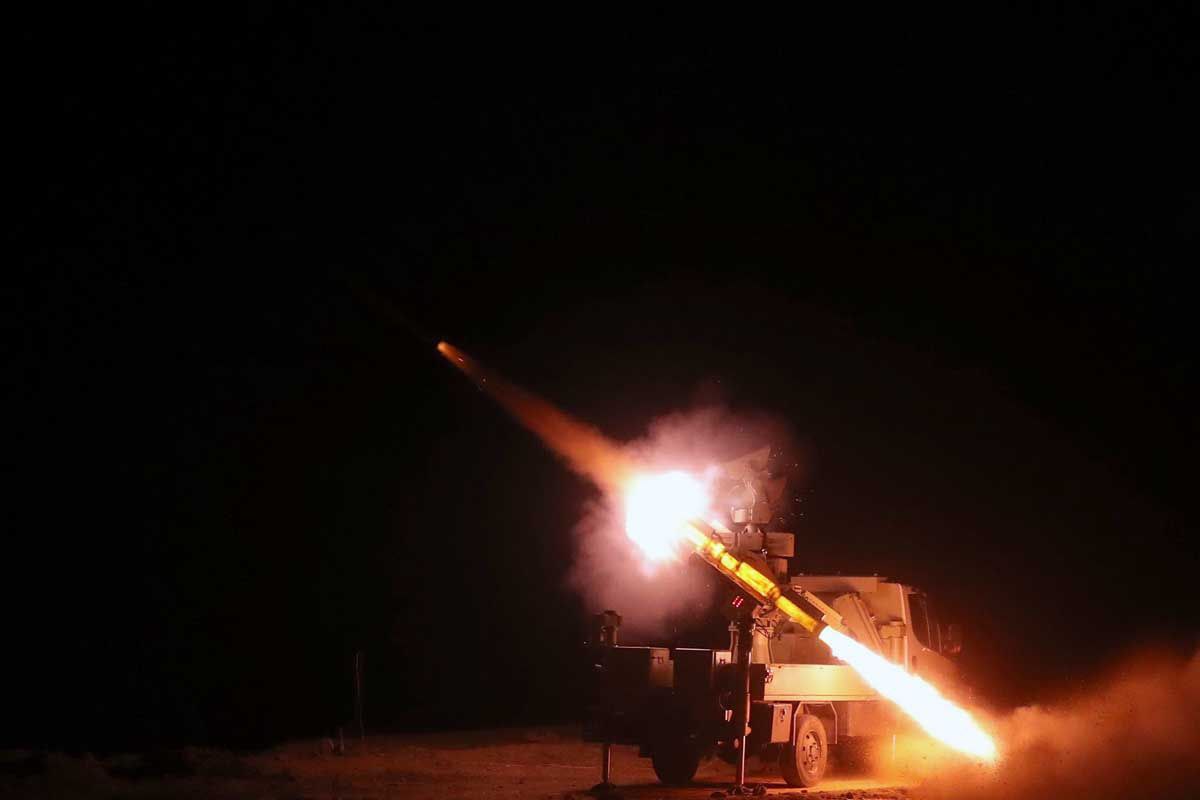
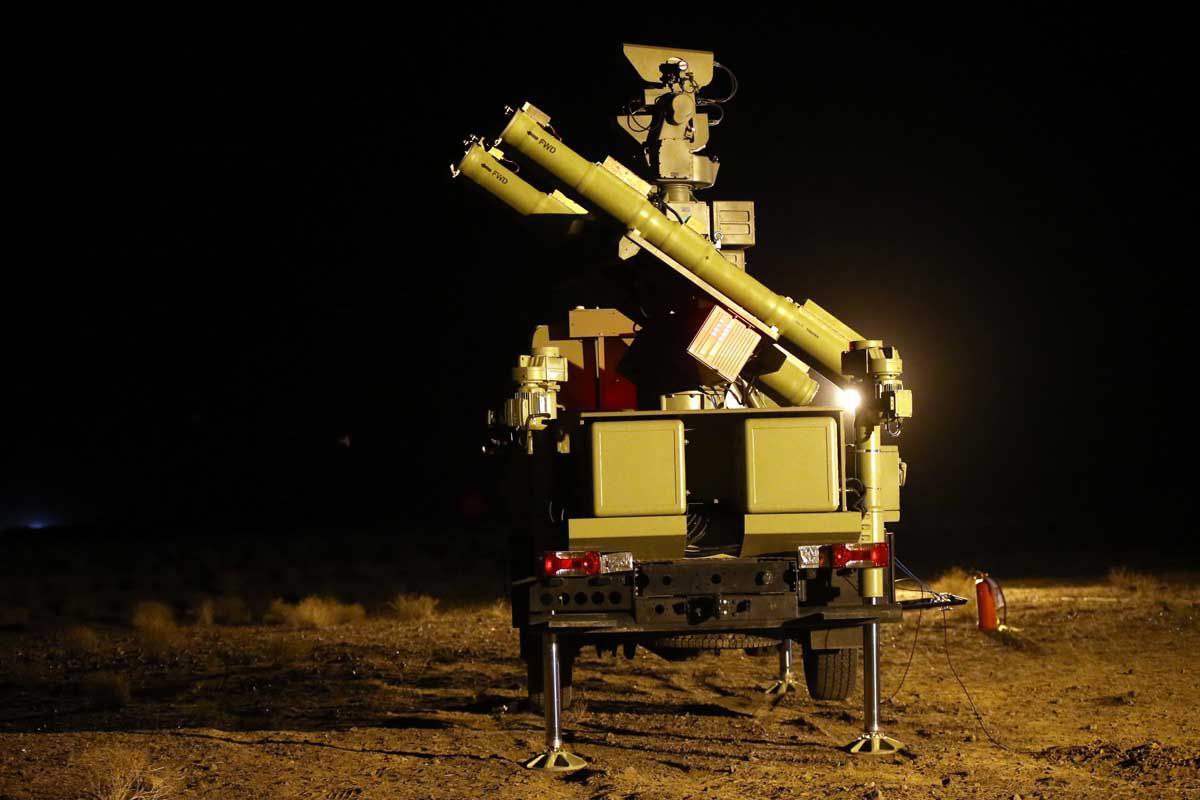
    The Iranian armed forces also applied other air defense systems such as Khatam, Talash, Majid, Bavar-373 and Mersad 16 in the Modafean Aseman-e Velayat 1401 drills.

    Read more: Bavar-373 long-Range Air Defense System

    The commanders of the military exercises arranged that more than 100 fighter jets and drones play the role of aggressive forces to conduct mock strikes on critical centers, including nuclear facilities, power plants, military and economic bases, through different directions and altitudes as well as by the use of electronic warfare often at nights in order evaluate the performances of aggressive forces as well as air defense units carefully.

    The drills are the fourth specialized joint air defense exercises codenamed the Modafe’an Aseman-e Velayat, which is carried out on the basis of the armed forces’ annual joint drills in a broaden area of about two third of Iran’s airspace.

    The military exercises were conducted in greater number and area this year, which can be seen as a response to several drills by the armies of the United States and the Israeli regime with the aim of getting ready to carry out airstrikes on Iran.

    Following the escalation of the hybrid warfare by the West against the Islamic Republic, the scale of military threats by the heads of the Zionist regime has been mounted and the regime’s army has been time and again speaks of preparations for bombing Iran’s nuclear and military facilities! In such circumstances, it seems that showing the Iranian armed forces’ preparedness to avert the potential aggressions is necessary.

    Read more: Iran’s Air Defense Drill Modafe’an-e Aseman-e Velayat 1400 + Images
    Exit of Sevom Khordad air defense system from the underground tunnel

    Read more: Iran Unveils New Underground Airbase “Eagle 44” + Video

  • Iran’s Air Defense Drill Modafe’an-e Aseman-e Velayat 1400 + Images
    Iran’s Air Defense Drill Modafe’an-e Aseman-e Velayat 1400 + Images
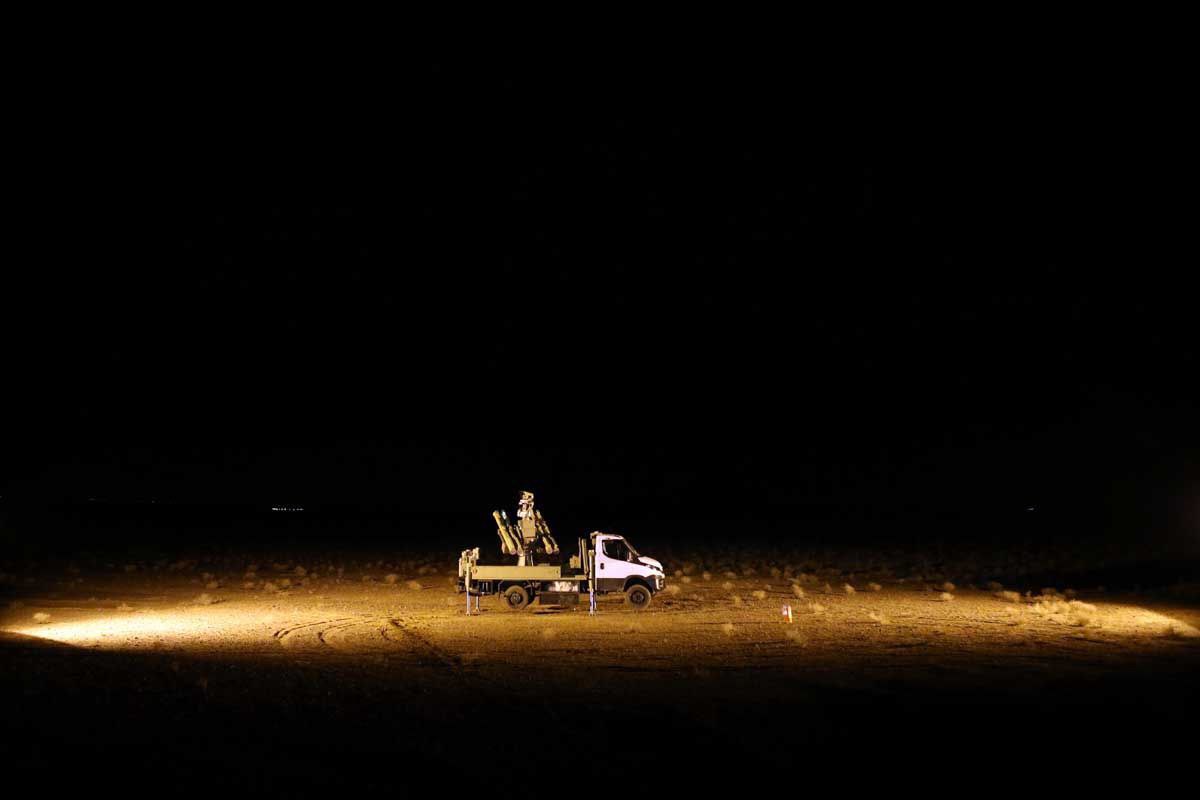
    The joint air defense exercise of Modafe’an-e Aseman-e Velayat 1400 was carried out by the Army Air Defense and Air Force and IRGC Air Force in the central desert of Iran using a variety of indigenous missile and air defense systems. In this exercise, defense systems, electronic warfare and reconnaissance and communication systems, etc., were used. And predetermined targets were destroyed by indigenous systems such as 3rd of Khordad, 15th of Khordad, Mersad 16, Tabas, Majid, Dezful, Talash, Sayad, Joshan and Khatam, And various tactics of electronic warfare and cyber warfare were implemented to counter the electronic attack of the imaginary enemy.

    Also, for the first time, the native Quds radar belonging to the IRGC Air Force was used in this exercise. This radar is capable of observing targets at a range of more than 500 km and an altitude of more than 90,000 feet.

    Brigadier General Qader Rahimzadeh, Commander of the Joint Air Defense Base of Khatam al-Anbiya (PBUH), said regarding the objectives of the exercise: “The overall goal of this exercise will be to improve combat readiness and increase the air defense forces in the form of an integrated air defense network.”

    Brigadier General Amir Ali Hajizadeh, Commander of the Air Force of the Islamic Revolutionary Guard Corps, also said on the sidelines of the exercise: “All the systems used were completely Iranian. We did not have this situation 15 years ago, in other words in radars, command and control systems and surface-to-air missile systems we were dependent on foreign equipment, while today, thank God, we have all this equipment in our native and Iranian form.”

    It should be noted that this exercise is held every year with the joint presence of the IRGC and the Army of the Islamic Republic of Iran in order to increase combat capability, readiness, coordination between forces and the use of new equipment and weapons. Modafe’an-e Aseman-e Velayat 1400 was the 11th exercise of its kind.

  • Iran’s joint air defense drill begin on Tuesday + Images

    Iran’s joint air defense drill begin on Tuesday + Images

    According to Brigadier General Qader Rahimzadeh, Commander of the ‘Modafe’an-e Aseman-e Velayat’ drill; The exercise was held with the aim of improving combat readiness, increasing the air defense capability of the Armed Forces in conditions close to the actual combat situation and in areas larger than half of the country.

    Brigadier General Rahimzadeh added: “In this exercise, which will be held in the form of a joint network-based operation with the aim of coordinating the air defense of the Armed Forces, a variety of indigenous missile systems, radar, reconnaissance information, electronic warfare, communication systems and visual surveillance network of Army and IRGC, will practice under the operational guidance and control of the country’s air defense base and under the direct supervision of experts and evaluators of the central base of Hazrat Khatam al-Anbiya (PBUH), confronting various types of air threats at low, medium and high altitudes and remote targets in fully combat conditions and based on real battlefield.”

    Also in this drill, for the first time, a new generation of completely indigenous equipment and weapons will be used, and the new air defense tactics that have been achieved through continuous monitoring of the enemies will be practiced in real conditions.

    In this drill, the Iran’s defense forces use advanced equipment such as the 3rd Khordad, Tabas, 15 Khordad, Mersad defense systems, local surveillance radar and other indigenous missile systems, reconnaissance information, radar, electronic warfare, and so on.