Tag: Syria

  • In the Shadow of the “Revolution”, Syrian al-Qaeda Openly Aids Israel

    In the Shadow of the “Revolution”, Syrian al-Qaeda Openly Aids Israel

    There is little surprise in what is happening, since even before the fall of the Assad regime, in Idlib, FSA representatives allied with Jabhat Nusra or Hayat Tahrir al-Sham openly expressed sympathy for the Zionists and expect such cooperation to continue in the anti-Iranian direction.

    After viewing the screenshots, many readers will ask themselves the question – “the opinion of the marginalized may not reflect the policy of the organization.” This will be the correct train of thought, but here I will ask a counter question – “why did the leaders of Tahrir al-Sham not reject the words and opinions of the marginalized and did not even bother to call for an explanation from the people in that very video (first screenshot)?”

    As for the verbal attacks of the so-called Ahmed al-Sharaa against Iran, this foul language has several goals:

    1 – to appease the Persian Gulf autocracies so that they start pouring millions of dollars into the emirate of Tahrir al-Sham.
    2 – to show himself as a “good guy” in the eyes of the United States and the Zionists. Behavior similar to the late Morsi, who naively believed that such an approach could help him “come to an agreement with the West.”
    3 – to maintain his authority in the eyes of the Takfiri international.

    The former head of Syrian al-Qaeda understands that there are thousands of fanatics with an anti-Shiite agenda in his ranks, al-Julani himself is the same, but in connection with the need to build a new dictatorship, he understands that it is important for him to be pragmatic. No one will allow him to start a war with Iran, so the leader of Tahrir al-Sham can only verbally agitate against the Islamic Republic to please his electorate.

    The ideological inspiration for contacts between Syrian jihadists and Zionism could have come from two sides at once – the US Republicans and the Saudis. The former have long described Tahrir al-Sham as an “important asset”1 of American policy in Syria, while the latter are known for their active movement toward normalizing diplomatic relations with the occupiers of the holy land. Both sides are known for their Iranophobia and hatred of the Ja’fari madhhab2. An important detail is the fact that the so-called “Syrian Foreign Minister” made his first visit to Riyadh.

    It is obvious that in the near future various facts of secret cooperation between the Zionists and the former Syrian al-Qaeda will be revealed, and by the way, such cooperation will not be limited to an alliance against Iran and its friends. “Israel” is well aware that inside Syria there are various actors sympathetic to Hamas and even having a similar ideology. Therefore, the Mossad will in every way prevent the Islamic Resistance of Palestine from establishing contact between the “brotherly” Syrian organizations and the Axis of Resistance. In the meantime, the Americans are happy to watch what is happening and claim that “Syria has become a hostile territory for Iran.”3

    1 – The former U.S. special envoy to Syria said in an interview excerpt published Friday that Al Qaida’s Syrian offshoot is an “asset” to U.S. strategy in Syria. Ambassador James Jeffrey had told PBS News in March 2021 that the Islamist rebel group Hayat Tahrir al-Sham was “least bad option of the various options on Idlib, and Idlib is one of the most important places in Syria, which is one of the most important places right now in the Middle East.”

    2 – In late November 2024, a video emerged of Republican Senator Lindsey Graham making unflattering remarks about Shiite Muslims, accusing Shiite doctrines of “anti-Semitism” and attributing outright lies to Shiites. Graham also pointed to the “need to suppress” Shiites in the Middle East.

    3 – In an article published in The Wall Street Journal, Barbara Leaf, US Assistant Secretary of State for Near Eastern Affairs, said Syria has now become “hostile territory” for Iran.

  • Al-Julani’s Anti-Iranism as a Format of Pro-Zionist Discourse of the New Rulers of Syria

    Al-Julani’s Anti-Iranism as a Format of Pro-Zionist Discourse of the New Rulers of Syria

    Al-Julani made another mistake when he started lying about Iran to Western and Arabian media and portraying himself as a defender against “Iranian influence.” The leader of Tahrir al-Sham is not a very intelligent person, so it is quite possible that he thinks that the “Alawite Baath” and the ideology of Velayat al-Faqih are the same thing. If the former leader of al-Qaeda knows the difference, then he is simply a provocateur and a liar whose goal is to gain access to funding for Arabian autocracies and to receive covert recognition from the Zionists.

    Discussing the “Iranian threat,” al-Julani attributes to the Iranians plans to threaten Arab autocracies and support Syrian drug trafficking. Again, his words are based on the propaganda of the Arabian media and, accordingly, there is no factual basis. Again, his words are based on the propaganda of the Arabian media and, accordingly, there is no factual basis.

    The leader of the so-called “salvation government” is so fixated on Iran that he ignores decades of open relations between the Gulf states and the Zionists, and the topic of occupied Palestine does not bother him at all. On the contrary, his words to Western diplomats that “if Israel does not stop attacks against Syria, this could cause the return of the Iranians” should be seen in the context of a conciliatory tone towards the Zionists and a readiness for “peaceful coexistence” with the occupiers.

    Discussing the return of the Iranians, the head of the “salvation government” simply admits that only the Islamic Republic and its allies are truly against Zionism, and if the occupiers want to sleep peacefully, then, according to al-Julani, Zionism must simply recognize Tahrir al-Sham as a “legitimate neighbor.”

    The Syrian Takfirists have gotten involved in a dangerous game, on the one hand they are trying to flirt with everyone in a row against others, but ultimately they will face bitter consequences, since it is impossible to govern a country based on the puritanical logic of the Middle Ages coupled with naive views on foreign policy.

    Ahmed al-Sharaa is already irritating representatives of the national Syrian coalition, with his inclination to rule alone, and disappointment in him by regional powers is not far off, because Tahrir al-Sham will certainly not be able to “please everyone.” Especially when the Saudi establishment has taken it upon itself to “help” the former al-Qaeda in terms of governing Syria.

    Information about the activity of the Saudi diplomatic mission in Syria has leaked to a number of media outlets, writing about the presence of 40 experts who are present in important hotels in Damascus. The Saudi team in Syria assures that their task is to collect information about Saudi jihadists who are still present in the ranks of Tahrir al-Sham and to coordinate with the Turkish and Qatari sides in the matter of “stabilizing” Syria.

    However, the anti-Iranian attacks of Mohammad al-Julani and the first disagreements with the Turks regarding the Kurdish issue suggest that this is only the beginning of big problems that the future promises in Syria due to the dictatorship of the former al-Qaeda.

    Ahmed al-Sharaa has already made friends with the Biden administration, and at a meeting with officials from Washington, al-Julani assured that “Syria will be independent,” which confirms the reasoning about the logic of jihadists to build a balance. But the presence of a Zionist neighbor, the lack of experience in governing a state, and the radical essence that is temporarily hidden inside Tahrir al-Sham form a complex form of problems that al-Julani is not ready to cope with right now.

    I would emphasize that he is not going to solve these problems, he only needs one thing – to build a second Idlib and live the life of a small emir.

    to be continued….

  • Damascus Airport Resumes International Flights

    Damascus Airport Resumes International Flights

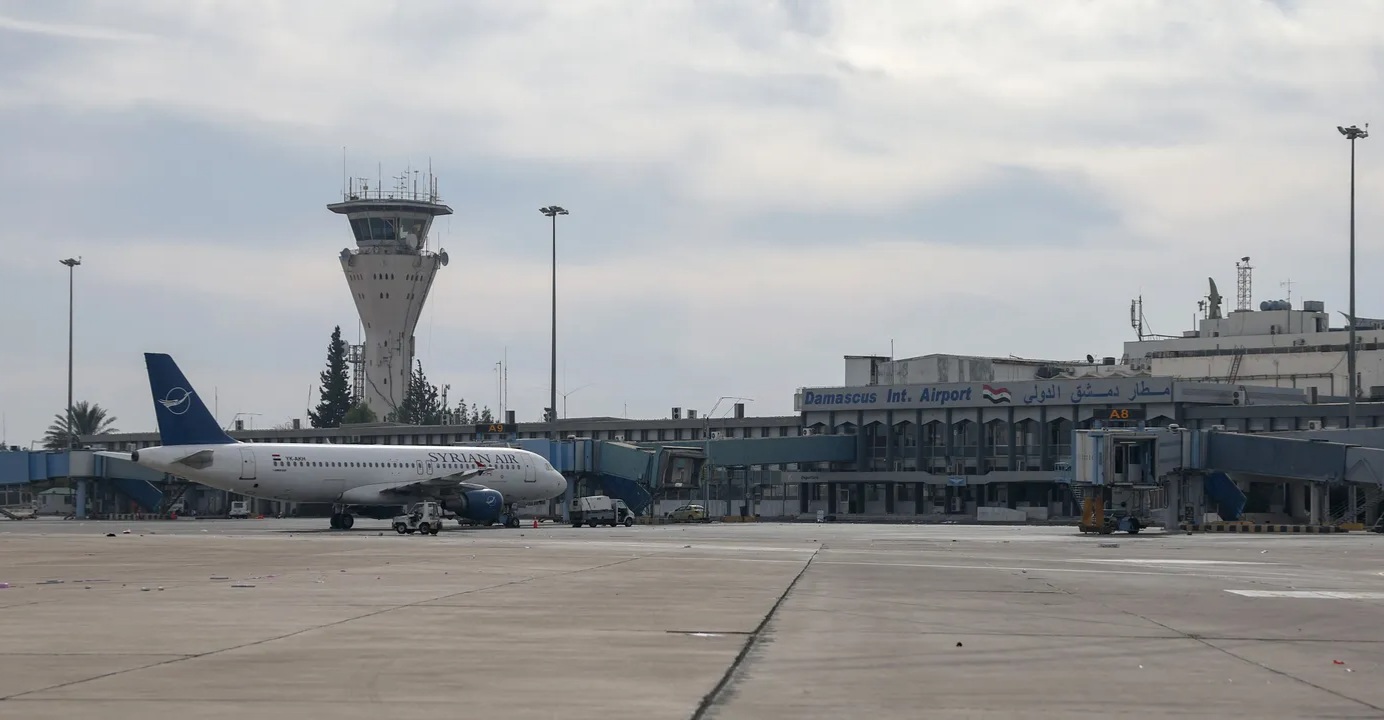
    Damascus Airport had been closed since December 8, following the fall of Bashar al-Assad’s government. This closure allowed for renovations and repairs to restore the airport’s operational capacity. The reconstruction aims to facilitate humanitarian aid, boost the economy, improve tourism, and enhance international relations.

    Today, an Ilyushin Il-76TD aircraft from Kazakhstan’s Sapsan Airline arrived at Damascus Airport from Riyadh, Saudi Arabia, carrying food and medical aid for the King Salman Humanitarian Aid and Relief Center.

    The flight schedule indicates significant activity, with outgoing flights to Amman, Abu Dhabi, Sharjah, Doha, and Baghdad, and incoming flights from Beirut, Doha, Sharjah, and Abu Dhabi. These flights are operating as planned on Tuesdays and Wednesdays.

  • Israeli Brigade Discovers Former Syrian Army Weapons at Mount Hermon

    Israeli Brigade Discovers Former Syrian Army Weapons at Mount Hermon

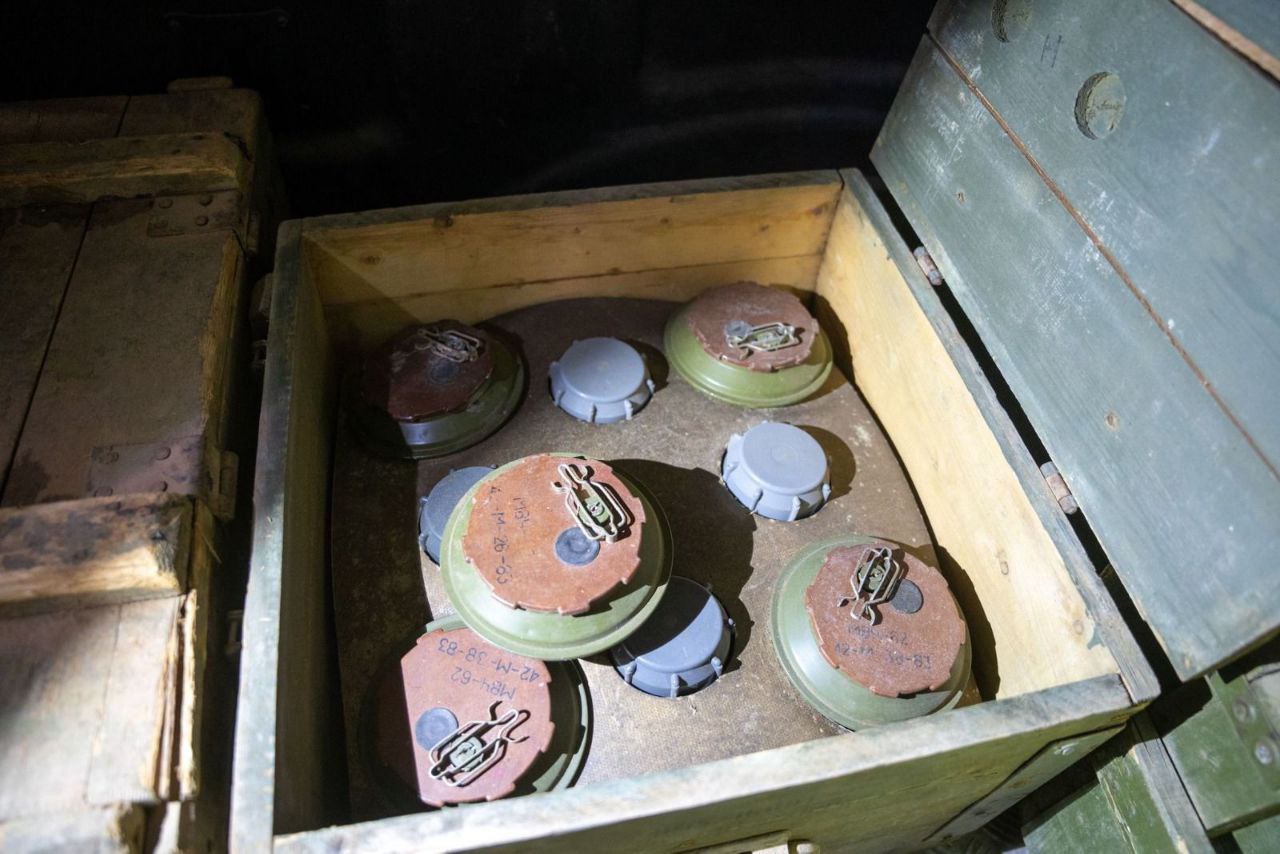
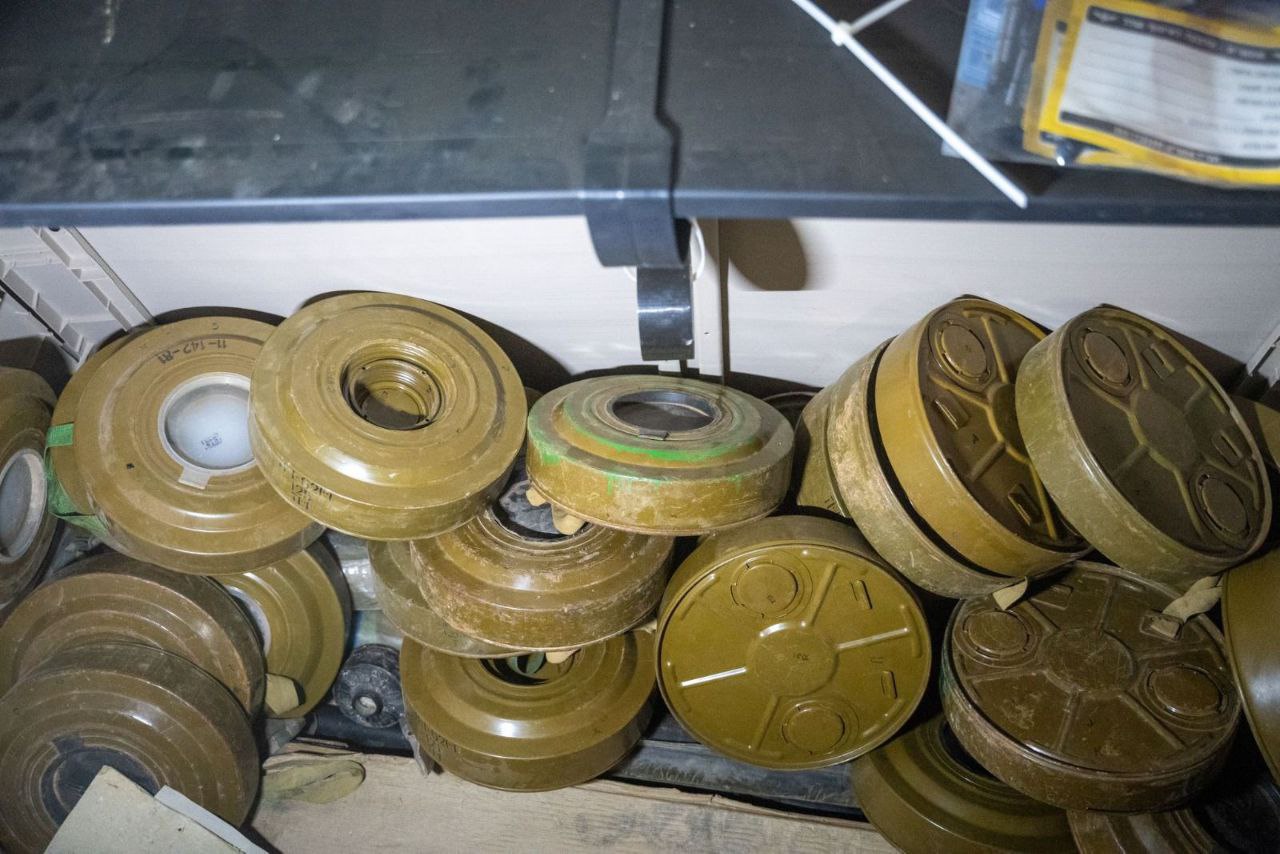
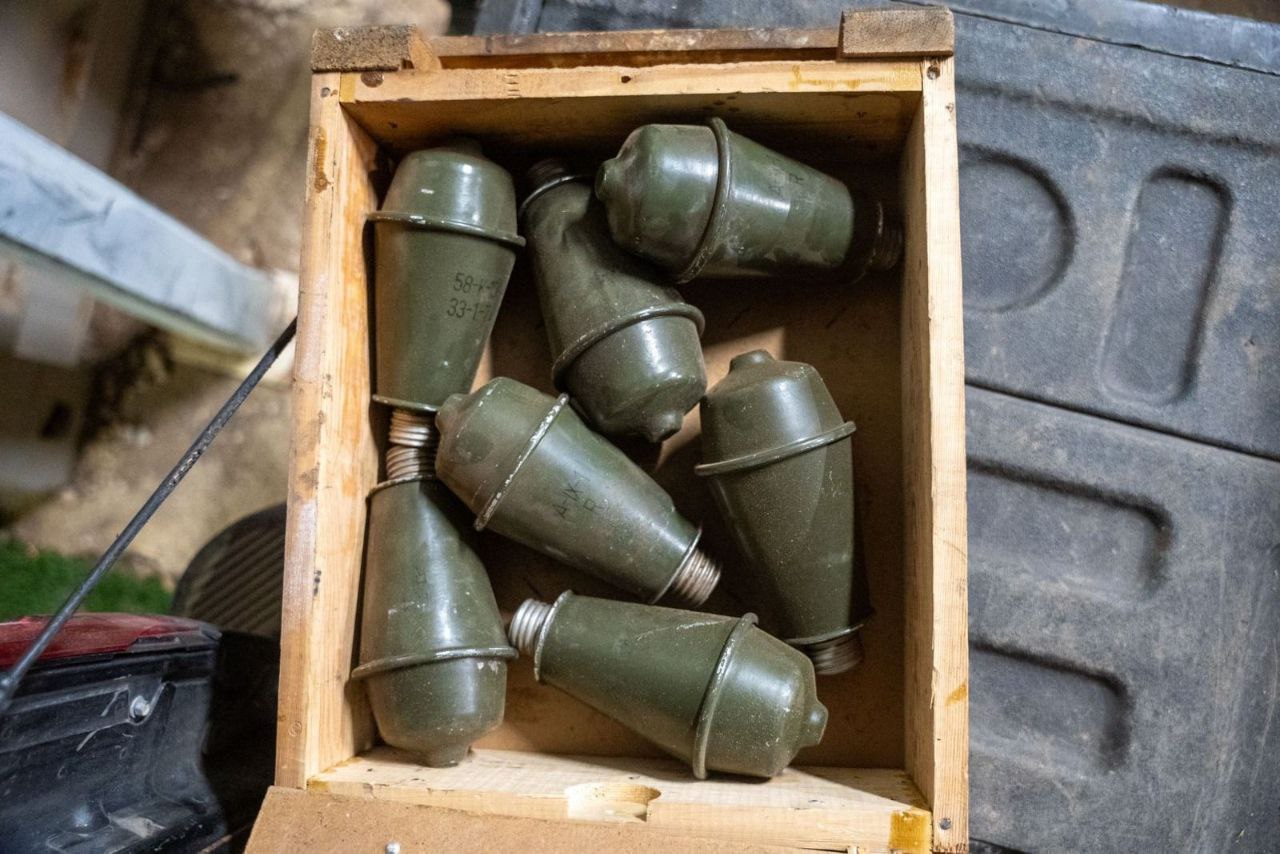
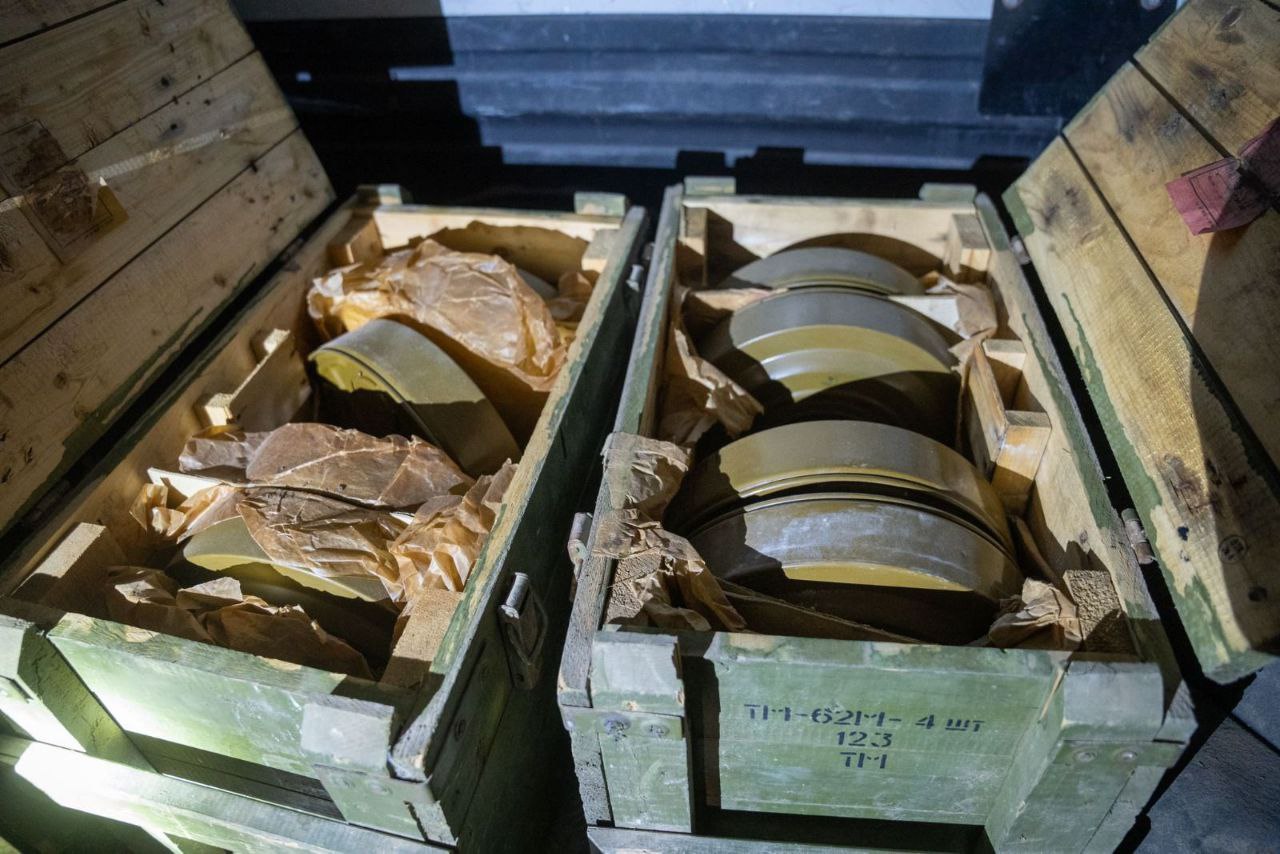
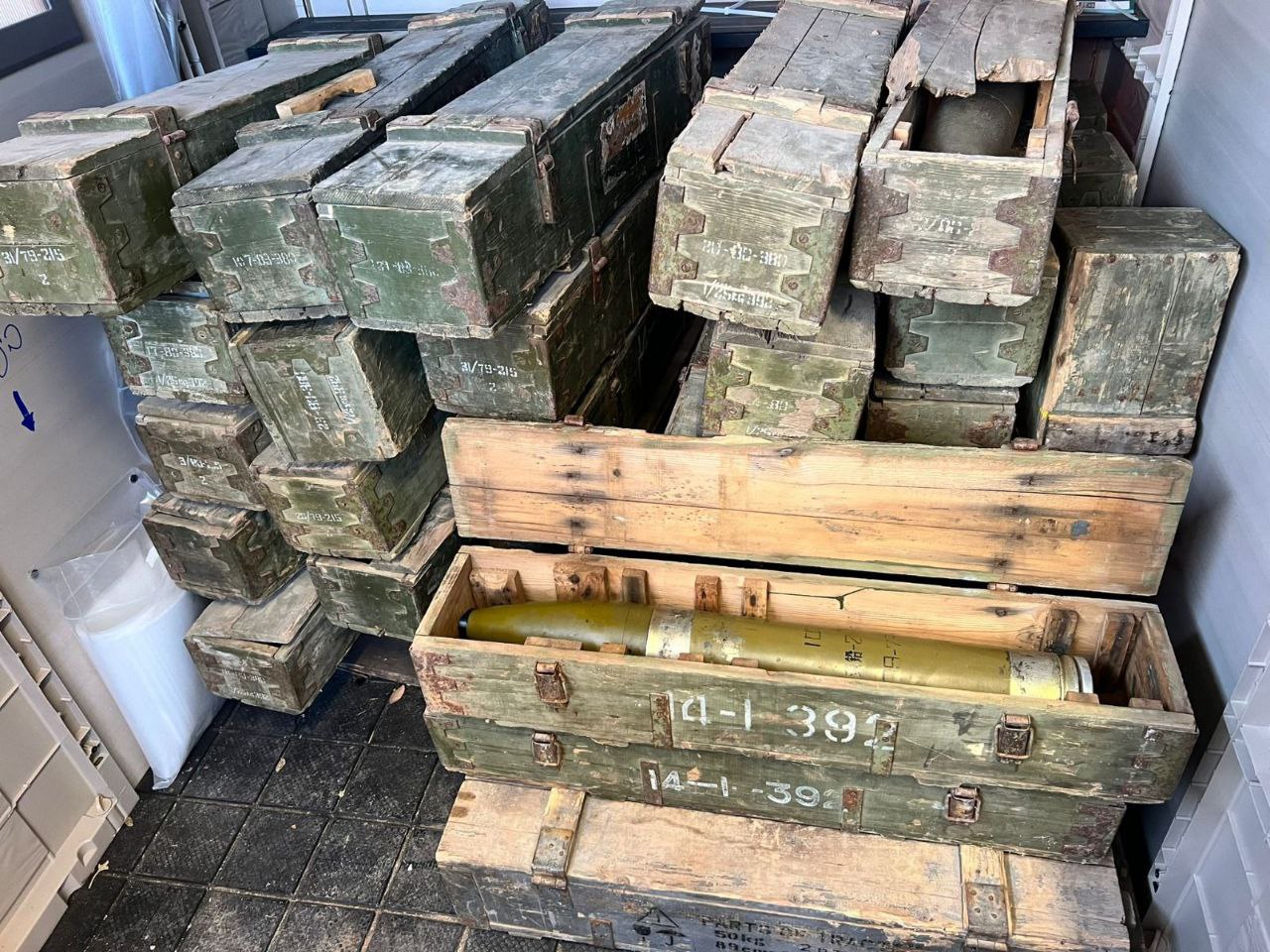
    According to the Israeli army, they found and destroyed weapons depots & intelligence assets of the former Syrian army during their search. The seized items reportedly included mines, explosives, anti-tank missiles and rockets.

    However, the released images only display mines and light rockets. Israel aims to leverage this news to support its claims regarding threats to the security of the occupied Golan Heights.

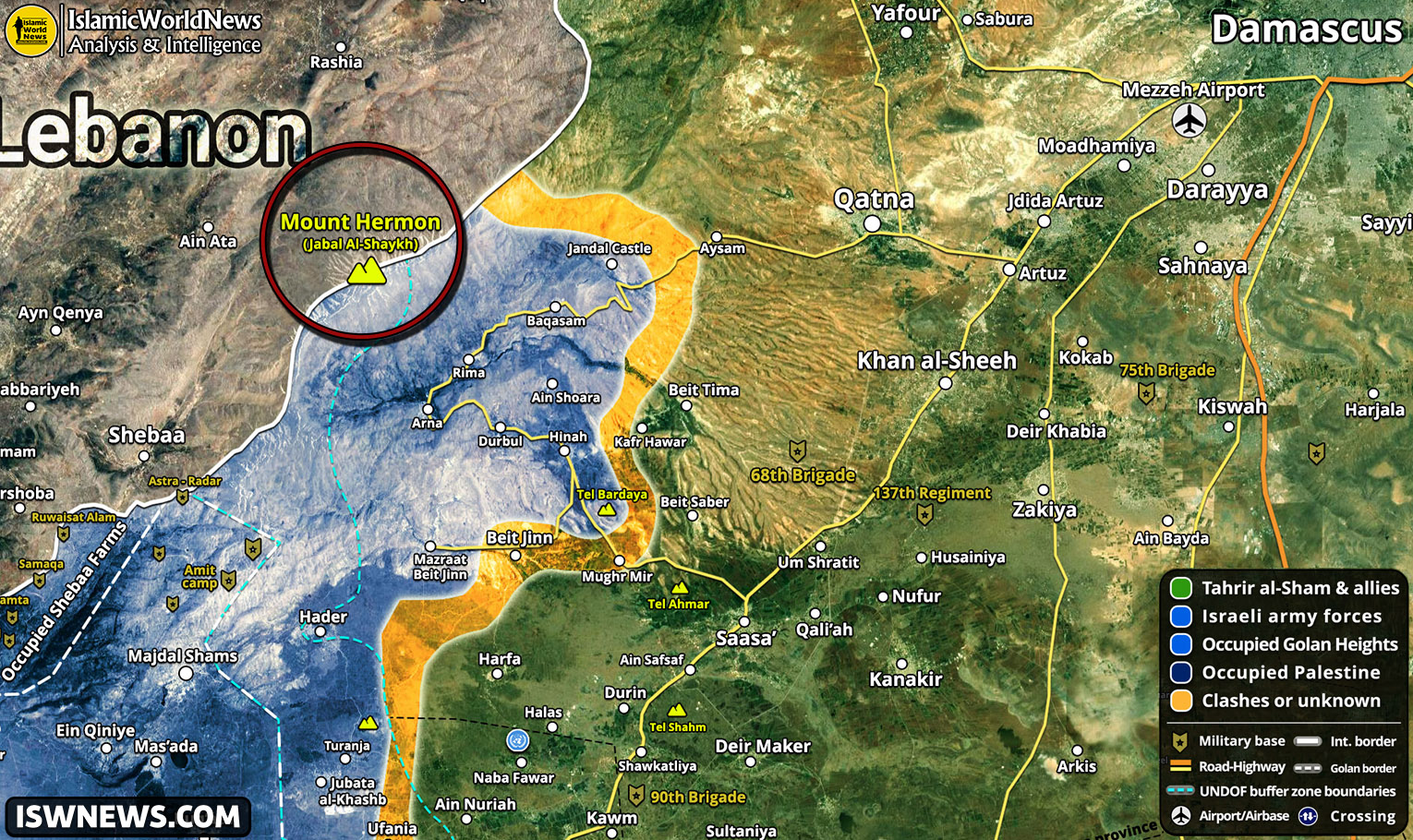
    Mount Hermon, or Jabal al-Shaykh, is a strategically important area in southern Syria. It provides significant fire control over the provinces of Rif-Dimashq, Quneitra, and Daraa, as well as southeastern Lebanon.

    The Israeli army entered Syrian territory and captured these heights following the fall of Bashar al-Assad’s government on December 8. Israeli officials have repeatedly stated that they will not withdraw from Mount Hermon.

  • Israeli Foreign Minister Engages with Syrian Kurdish Foreign Relations Head; Israel Seeks New Ally!

    Israeli Foreign Minister Engages with Syrian Kurdish Foreign Relations Head; Israel Seeks New Ally!

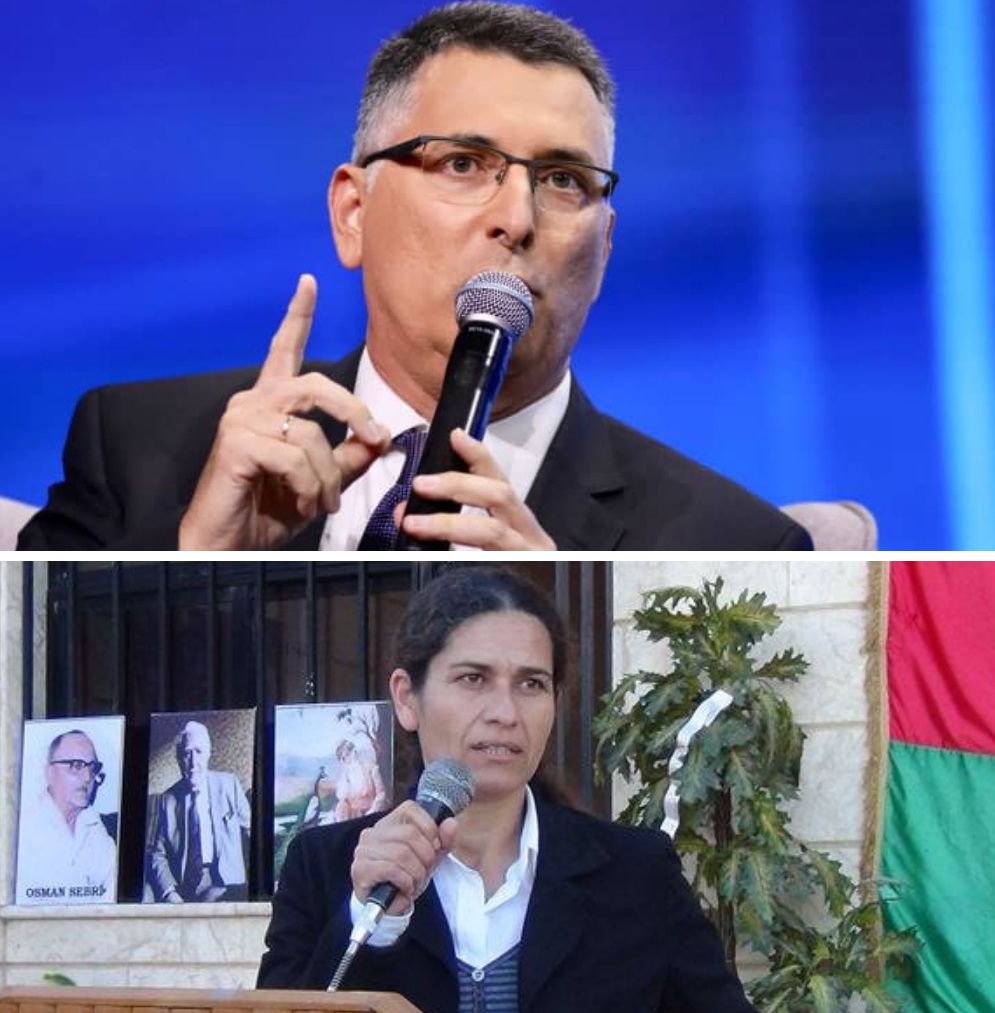
    This phone call marked the first official contact between Israel and Syrian Kurdish officials, as reported by Israel Hayom.

    Israelis see the Syrian Kurds as potential allies, and over the past month, there have been positive signals of cooperation between the two sides.

    For years, the YPG, YPJ, and PKK units under the US mandate and a fancy name “Syrian Democratic Forces” (SDF) have been facilitating the US occupation of northeastern Syria. Following the fall of the previous government and the rise of Turkish militants in the region, the Jazira Kurds face significant pressure from Turkey and its allied forces. There is a growing concern that the autonomy of the Syrian Kurds may be dismantled.

    The Israeli government has a vested interest in preventing this outcome and seeks a new ally in northern Syria. As a result, Israel has actively worked to deter Turkey from launching attacks on the Jazira Region and targeting the SDF. This has included lobbying efforts in the US and Europe. Recently, the US has taken measures to thwart an imminent Turkish ground offensive by establishing a new military base in the Ain al-Arab (Kobani) area.

  • Israeli Airstrikes on Northern and Southern Syria (Video)

    Israeli Airstrikes on Northern and Southern Syria (Video)

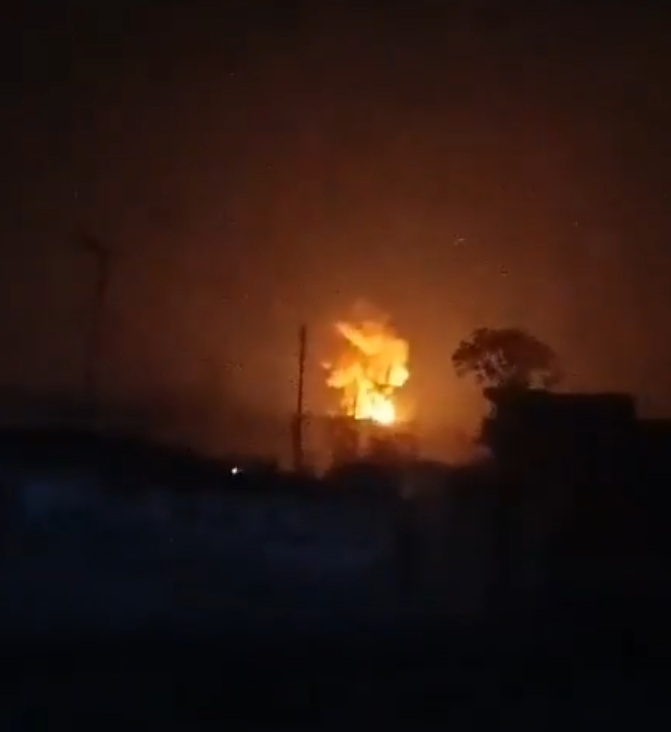
    So far, no information has been published regarding casualties and damages. Media and sources close to the militants, as well as their commanders, have remained silent in response to these Israeli attacks.

    Following the collapse of the Syrian government, Israeli airstrikes have targeted various sites in Syria, including defense systems, airports, radar installations, ammunition depots, weapons production facilities, fighter jets, helicopters, and other infrastructure. These strikes began on December 8 and have continued to this day. To date, Israeli aircraft have carried out over 500 airstrikes in Syria. These attacks persist despite the silence from officials of the Syrian interim government.

    Israeli fighter jets attacking weapons factories in the town of Aleppo
  • US to Build New Military Base in Ain al-Arab

    US to Build New Military Base in Ain al-Arab

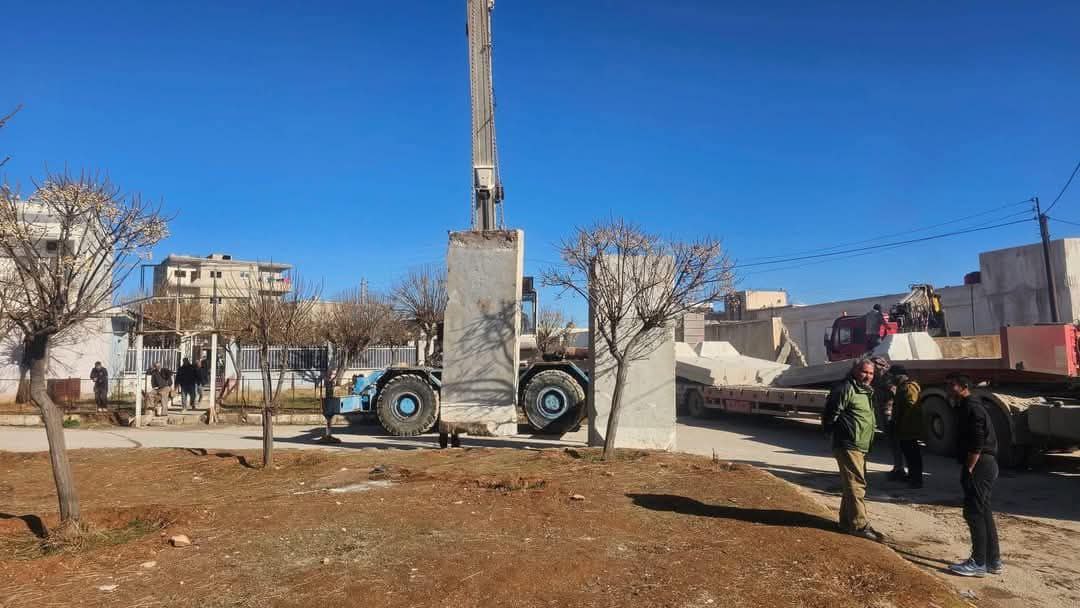
    In recent days, US coalition convoys, comprising dozens of trucks carrying cement blocks, prefabricated structures, fuel tanks, CCTV cameras, and other logistical equipment, have entered the city of Ain al-Arab under the escort of US armored vehicles.

    In recent years, under the guise of combating the ISIS terrorist group, the Americans have established various bases in the provinces of Deir ez-Zor, Aleppo, and Hasakah.

    The construction of the base in Ain al-Arab is also justified by the need to monitor the ceasefire between SDF forces and Turkish-backed militants, and to prevent a Turkish ground attack on the Syrian Democratic Forces.

    Given the SDF’s recent requests for American presence in the tension areas, it appears that the establishment of temporary and even permanent bases in northern Syria by the Americans will continue.

  • Damascus and Riyadh Establish Official Ties; Syrian Transitional Government’s FM Visits Saudi Arabia

    Damascus and Riyadh Establish Official Ties; Syrian Transitional Government’s FM Visits Saudi Arabia

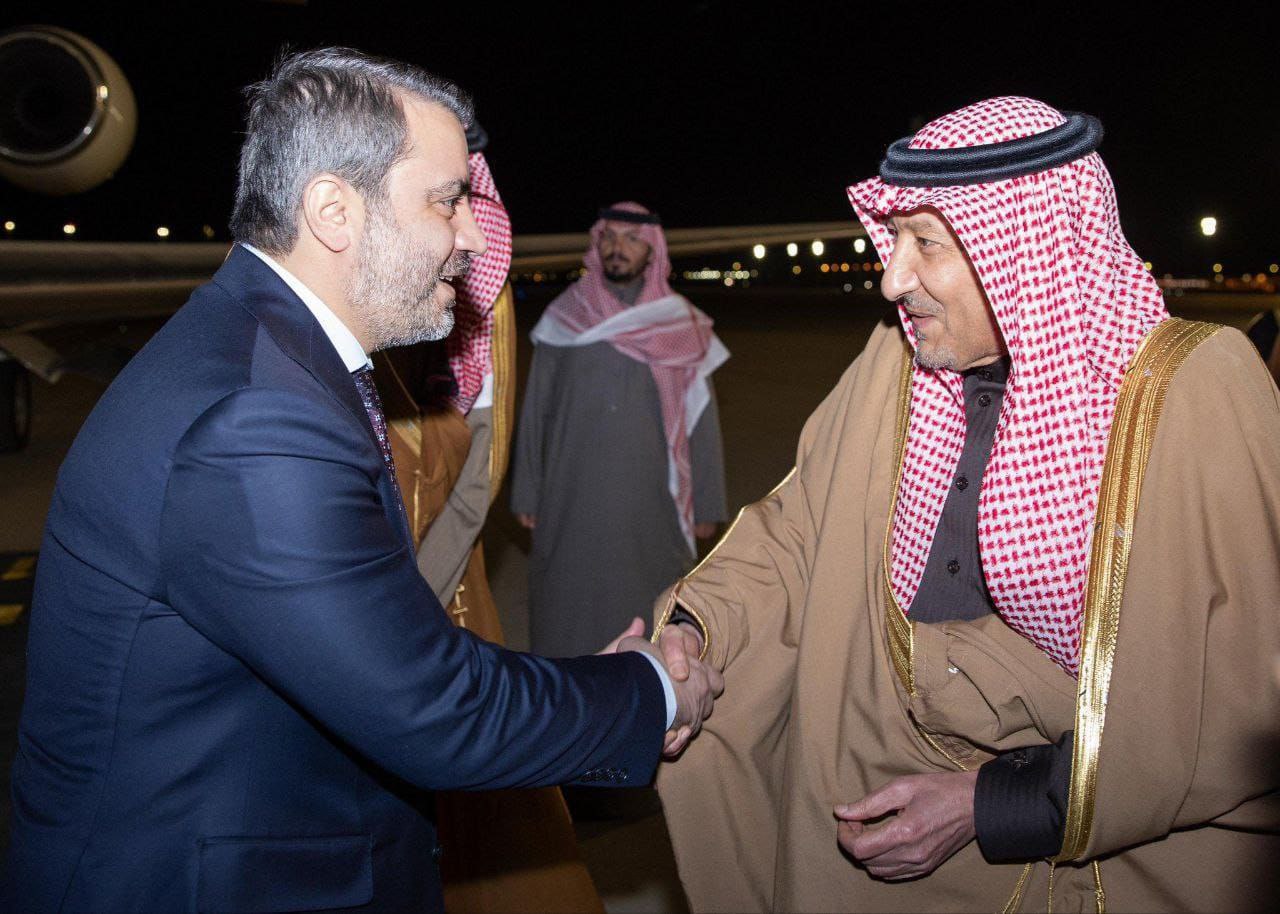
    The Syrian delegation was welcomed at Riyadh International Airport by Walid bin Abdulkarim Al-Khuraiji, Saudi Arabia’s deputy foreign minister.

    The interview of Abu Muhammad Al-Julani, the leader of Tahrir Al-Sham, with Saudi Arabia’s Al-Arabiya channel—his first with a foreign media outlet since the fall of Bashar al-Assad’s government—along with Asaad Al-Shaybani’s choice of Riyadh for his first foreign visit, highlights the level of relations between the new Syrian rulers and Saudi Arabia.

    After severing ties with the Syrian government in 2012, Saudi Arabia became a significant supporter of the militant groups in the Syrian war, providing financial and military support. The first official foreign trip by Al-Julani government officials to Saudi Arabia sends important signals to regional countries.

    Saudi Arabia, a strong opponent of the Muslim Brotherhood, designates the group as a terrorist organization. In contrast, Turkey has traditionally supported the Syrian Muslim Brotherhood and its associated militia factions. Al-Julani officials’ visit to Saudi Arabia indicates a strategic move to balance Turkey’s influence in Syria by increasing cooperation and bringing Saudi Arabia into the equation of the new Syria.

  • First Official Talks Between SDF and Al-Julani

    First Official Talks Between SDF and Al-Julani

    The discussions during this meeting primarily focused on military and security issues. The SDF delegation and al-Julani addressed topics such as the future of northern Syria, security interaction between the SDF and the Syrian transitional government, and areas under Kurdish control in Aleppo.

    Media outlets associated with the SDF characterized the meeting as positive, indicating that such discussions are expected to increase in the coming weeks.

    This marked the first meeting between SDF forces and al-Julani in Damascus. Based on al-Julani’s recent statements, it appears he aims to integrate the Syrian Democratic Forces into the Syrian Ministry of Defense through negotiations. This effort is intended to prevent arbitrary actions, take control of the Kurdish forces, and resolve conflicts in northern Syria.

  • SDF Advance Near Manbij (Map)

    SDF Advance Near Manbij (Map)

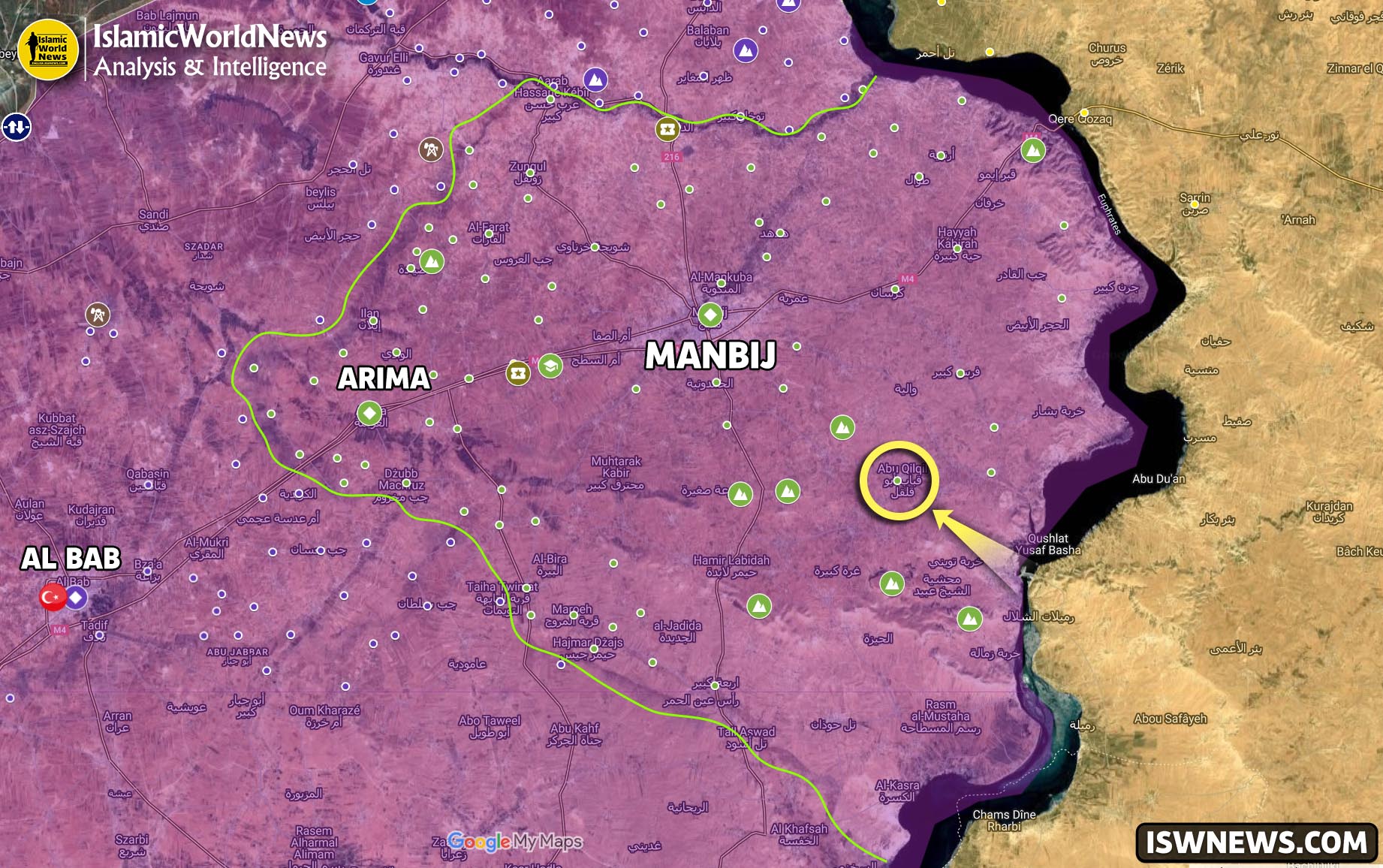
    This progress comes after engaging in clashes with militants from the Jaysh al-Watani (Syrian National Army – SNA) and making advancements north of the Tishrin Dam.

    Yesterday, artillery of Turkish-backed militants shelled areas around Abu Qalqal. This indicates that SDF forces remain in these areas and have not withdrawn behind the Tishrin Dam.

    SDF forces near Abu Qilqil

    Erdogan has vowed that Turkey will take decisive action to create a terror-free zone in northern Syria. By “terror-free zone”, he means northern Syria, without the presence of SDF and PKK. Turkish ground operations in northern Syria have not yet begun. Turkey seems to be waiting for the results of negotiations concerning the possible dissolution or integration of the SDF into a new Syrian army led by al-Julani. Additionally, Turkey is awaiting the outcomes of discussions between the central gov. & the SDF.

  • Syrian Transitional Government Defense Minister Appointed

    Syrian Transitional Government Defense Minister Appointed

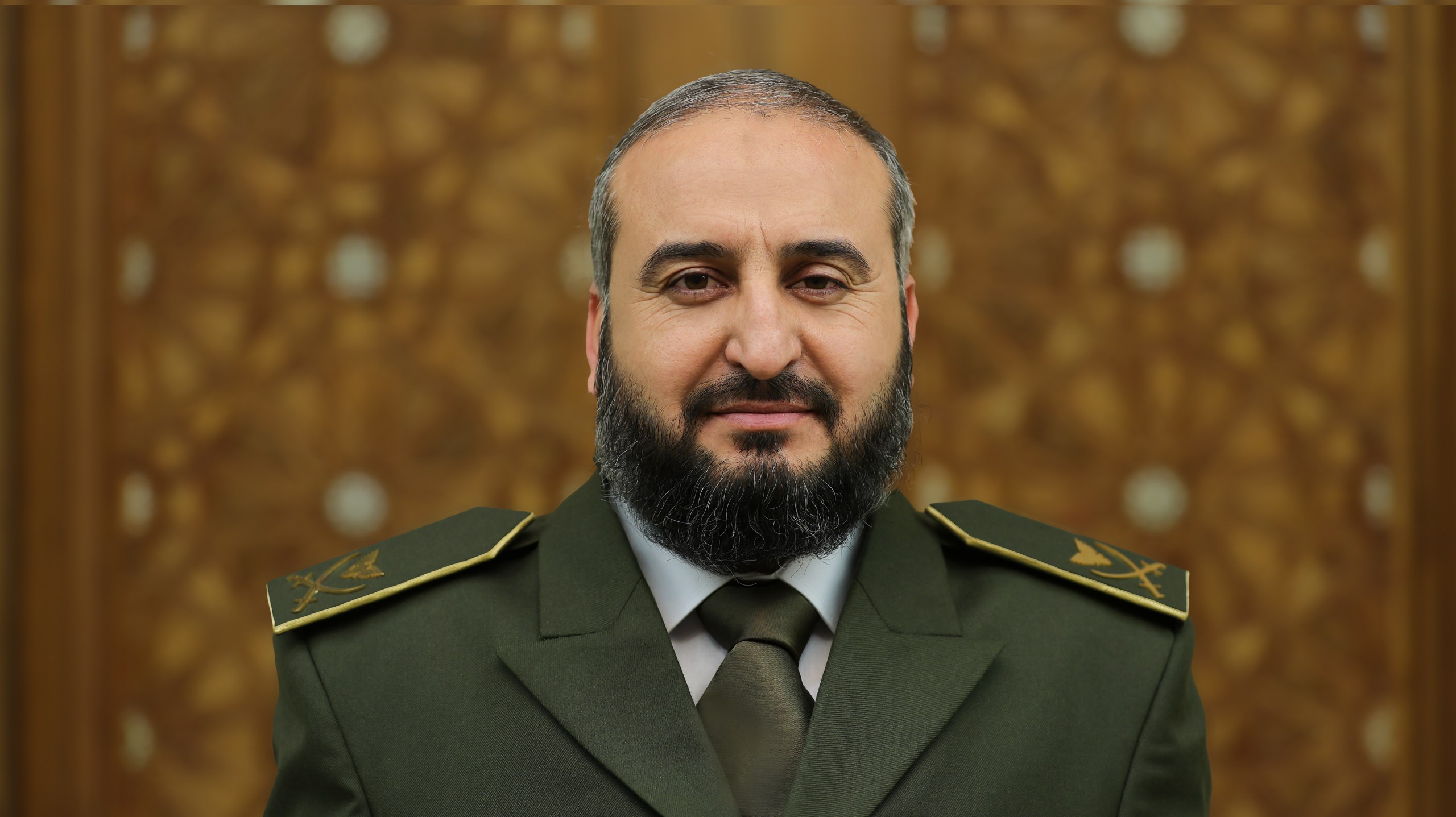
    This appointment followed his promotion to the rank of Major General just a day earlier.

    Who is Marhaf Abu Qasra?
    Marhaf Abu Qasra was born in Halfaya, Hama Province, and holds a bachelor’s degree from the Faculty of Agriculture at Damascus University. He is a close associate of Abu Muhammad Al-Julani, the leader of Tahrir al-Sham, and has held several key positions within the terrorist group, including commander-in-chief of the military branch and director of military operations. Abu Qasra also maintains close ties with Turkey.

  • Formation of the Syrian Popular Resistance Group: The First Anti-Julani Government Group

    Formation of the Syrian Popular Resistance Group: The First Anti-Julani Government Group

    Consisting of former soldiers and residents of the Syrian coastal region, the group announced its formation on December 30, 2024, with the mission to defend the people of western Syria.

    The group considers Tahrir al-Sham terrorists and its affiliated militants to be elements and soldiers of NATO, the United States, and Israel. In a statement, they emphasized their commitment to fighting the oppression and terrorism of Tahrir al-Sham and its militants.

    On January 1, the Syrian Popular Resistance Group carried out its first official operation against Tahrir al-Sham forces in the Hamdaniyah area of Aleppo city, claiming responsibility for the action through a statement.

    The regions of Latakia and Tartous in western Syria have long been the main bases of Syrian Alawites and supporters of the former government. Alawites, who constitute about 10 percent of the Syrian population, held significant power within the army and government during the Assad regime. Following the fall of the Assad government, attacks against Syrian Alawites, particularly in the coastal regions, have intensified.

    Tahrir al-Sham militants and their allies claim their operations in the Sahel region aim to identify, arrest, and prosecute former government forces and collect weapons. However, numerous criminal and inhumane acts, including field executions, beatings, and property looting against Alawites, have been documented. These actions suggest that operations in Latakia and Tartous extend beyond their stated objectives.

    Recent mass arrests and personal vendettas by militants have sparked protests and significant discontent. These actions have prompted some Alawites to form groups to retaliate against Tahrir al-Sham. Given the sentiments of some of Syria’s new rulers towards Alawites and the continued aggression against residents of western Syria, it is likely that new groups will emerge to oppose Tahrir al-Sham in the coming weeks.