Tag: Syria

  • Agreement Between the Kurds and the Syrian Government: SDF Forces Withdraw from Aleppo

    Agreement Between the Kurds and the Syrian Government: SDF Forces Withdraw from Aleppo

    Following the onset of armed clashes in Aleppo, prior to the collapse of Bashar al-Assad’s government, a contingent of the Syrian Democratic Forces (SDF) was deployed to the Sheikh Maqsoud and Ashrafiyah neighborhoods, where the majority of residents are Kurds.

    After the fall of Assad’s regime and the city’s capture by Tahrir al-Sham and its allies, the SDF maintained their presence in these areas and engaged in ongoing clashes with militant groups. Consequently, Sheikh Maqsoud and Ashrafiyah have experienced numerous armed confrontations in recent months. However, these clashes have significantly decreased following an agreement between Mazloum Abdi and Abu Muhammad al-Julani.

    With tensions lowered and clashes ceased, members of the Civil Council representing Sheikh Maqsoud and Ashrafiyah neighborhoods held a meeting with representatives of the Syrian government. During this meeting, the parties signed an agreement consisting of 14 clauses regarding the status of the aforementioned neighborhoods.
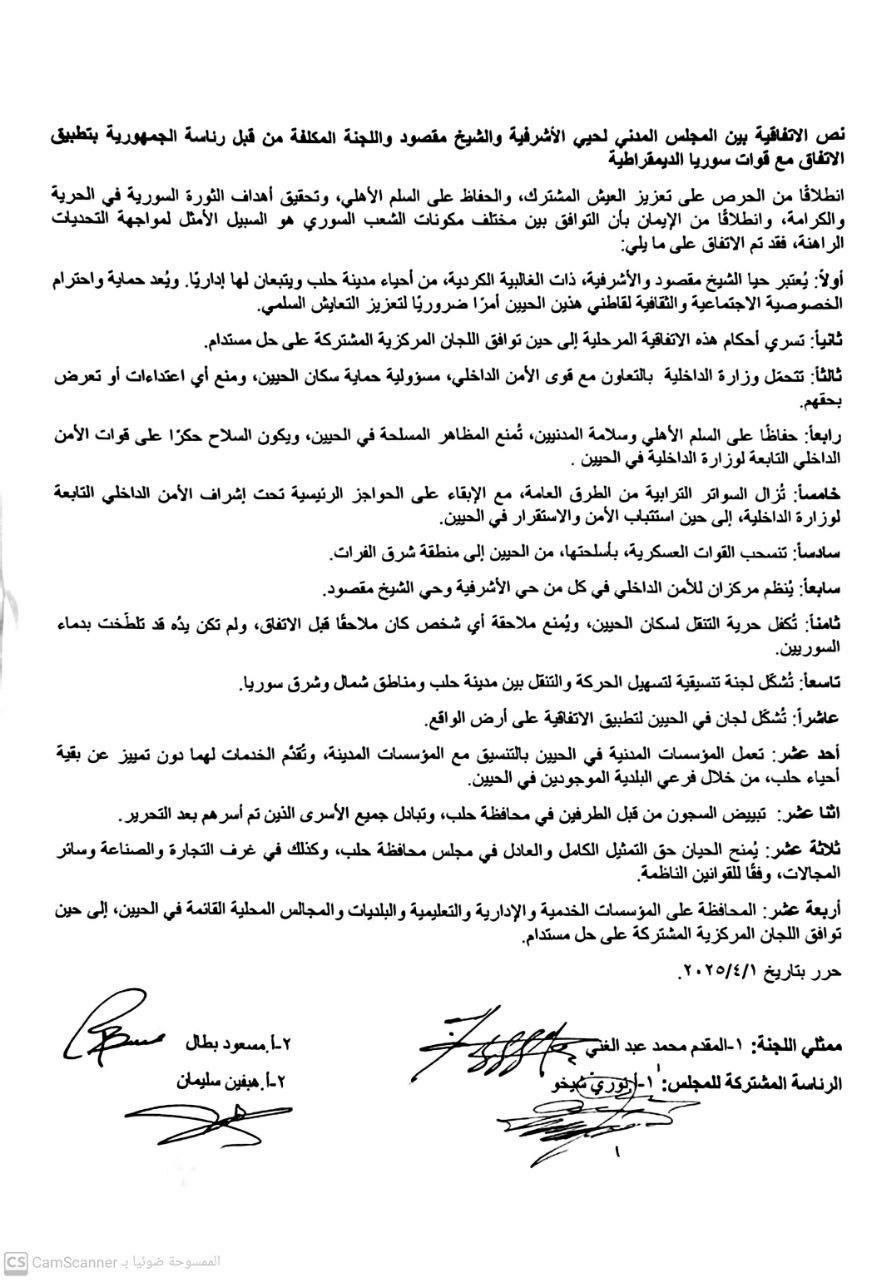
    Image of the agreement between the SDF and the Syrian government

    The provisions of the agreement are as follows:

    1. Neighborhood Status: Sheikh Maqsoud and Ashrafiyah are recognized as part of Aleppo city and are administratively affiliated with it. Ensuring the protection of both neighborhoods is essential for promoting peaceful living.
    2. Temporary Nature: This agreement is temporary and will remain in effect until a permanent arrangement is established by joint committees.
    3. Security Responsibility: The Syrian Ministry of Interior and the Internal Security Forces will be responsible for the protection of these neighborhoods.
    4. Weapon Prohibition: To maintain security and tranquility, carrying weapons within these neighborhoods is prohibited. Only the Internal Security Forces under the oversight of the Syrian Ministry of Interior are authorized to possess weapons.
    5. Public Road Access: All public roads will remain open, and the main checkpoints will be controlled by the Syrian Internal Security Forces until conditions stabilize in these neighborhoods.
    6. Withdrawal of Armed Elements: Armed elements present in Sheikh Maqsoud and Ashrafiyah must withdraw to areas east of the Euphrates River.
    7. Establishment of Security Centers: Two centers affiliated with the Syrian Internal Security Forces will be established in the Sheikh Maqsoud and Ashrafiyah neighborhoods.
    8. Freedom of Movement: Residents of these neighborhoods will be allowed free movement, and no one not involved in crimes against Syrians should be detained.
    9. Coordination Committee: A coordination committee will be created to facilitate movement between Aleppo city and the northern and eastern regions of Syria.
    10. Implementation Committees: Committees will be established in both neighborhoods to oversee the implementation of this agreement.
    11. Civil Institutions Coordination: All civil institutions in these neighborhoods will coordinate with other civil entities. They will assist other institutions and provide services through the two branches of the Sheikh Maqsoud and Ashrafiyah municipalities, without discrimination.
    12. Prisoner Release and Exchange: Prisoners from both sides will be released, and all individuals detained after the liberation of the city will be exchanged.
    13. Representation in Local Governance: Representatives from Sheikh Maqsoud and Ashrafiyah will participate in the Aleppo Governorate Council, the Chamber of Commerce, and all other relevant departments in accordance with existing laws.
    14. Continued Operation of Local Councils: All service, executive, educational, municipal, and local councils in these neighborhoods will continue to function until a permanent agreement is finalized by the joint committees.

    In accordance with the sixth provision of the agreement, the withdrawal of the Syrian Democratic Forces from Sheikh Maqsoud and Ashrafiyah began yesterday, with the SDF leaving the neighborhoods armed. Furthermore, as stipulated in the twelfth clause, a total of 146 prisoners from Sheikh Maqsoud and Ashrafiyah, along with 97 individuals affiliated with the Syrian government, were released by both sides.
  • Strength Amid Struggles: Syria’s Foundation of Resistance Takes Shape

    Strength Amid Struggles: Syria’s Foundation of Resistance Takes Shape

    At the beginning of the year, according to the Gregorian calendar, the “Islamic Front of Syria” made itself felt when it claimed responsibility for the shelling of Zionist invaders near Deraa and Quneitra. After the first act of resistance, Zionism and its supporters staged a brainstorming session, trying to understand what the new group of Syrians was like.

    The so-called Washington Institute reports on the activities of the Syrian Social Nationalist Party, the Coastal Shield Brigade and the Ghosts of the Spirit resistance forces, which allegedly form the backbone of the Islamic Front of Syria. The conclusions of the Zionists turned out to be far from reality, since in an interview with the Lebanese newspaper Al-Nahar, a representative of the Islamic Front of Syria said that there was only coordination between them and the Coastal Shield brigade, but due to the lack of a unified command within the Alawite group, such cooperation was terminated. The representative of the Islamic Front added that “for us, any party that joins forces with the enemy is no different from him.” This refers to a hint of cooperation between some Alawites and the UAE, which is unacceptable for the “southern resistance”.

    The publicists of the aforementioned pseudo-institute claim that Tehran maintains ties with some “victorious rebel groups” of the Syrian opposition. There is nothing surprising here, because the environment of the FSA insurgents has always been extremely fragmented, and Tehran established contact with some groups of the FSA brand during the Astana negotiations on Syria.

    Setting aside the opinion of the Neocons, I would like to add that thousands of former soldiers of the Syrian army still remain loyal and have ties with Iran and Hezbollah, the same principle applies to the NDF and LDF forces. Do not forget about the Palestinian factions, such as Hamas, Islamic Jihad, Liwa al-Quds and Aknaf Bait al-Maqdis. It can be concluded that the Islamic Resistance of Syria is a collective image of various groups with a common ideology.

    Why will the Islamic Front grow in number? The expansion of the Zionist intervention will be the main reason why some of the southern factions of the FSA themselves will go to meet the Axis of Resistance, which will resemble the fateful meeting between members of Hamas and Hezbollah in southern Lebanon at the turn of the 80s and 90s. Thus, members of the former southern insurgency will join the ranks of the Islamic Resistance. Former members of the NDF and LDF forces of Aleppo, Qamishli and Deir ez-Zor are also waiting in the wings. Regardless of the political future of Syria, the foundation of the anti-Zionist struggle has already been laid and it does not matter what kind of Syria will be (Takfiri dictatorship, democratic republic or fragmented quasi-state), the Islamic Resistance will gain momentum.

    With regard to the Zionist intervention, despite all the victorious pathos of the terrorist Netanyahu, the Zionists’ desire to “protect the Druze” and create a permanent corridor to the territories controlled by the SDF may conceal the very trap for the occupiers from Julius Caesar’s phrase – “The greatest enemy will hide where you least look.”

    P.S. On March 25, 2025, members of the Syrian Islamic Resistance Front fought against the Zionists in the countryside of Daraa, and Luay Reda Aqla, Ayham Hamdan, Amin Salem Muflih, and Ali Hanis became martyrs. In the future, these and other names will be listed as the first heroes of the resistance who set an example and laid the foundation for the formation of the “revolutionary struggle” against the occupiers.

  • Israeli Army Airstrike on Latakia

    Israeli Army Airstrike on Latakia

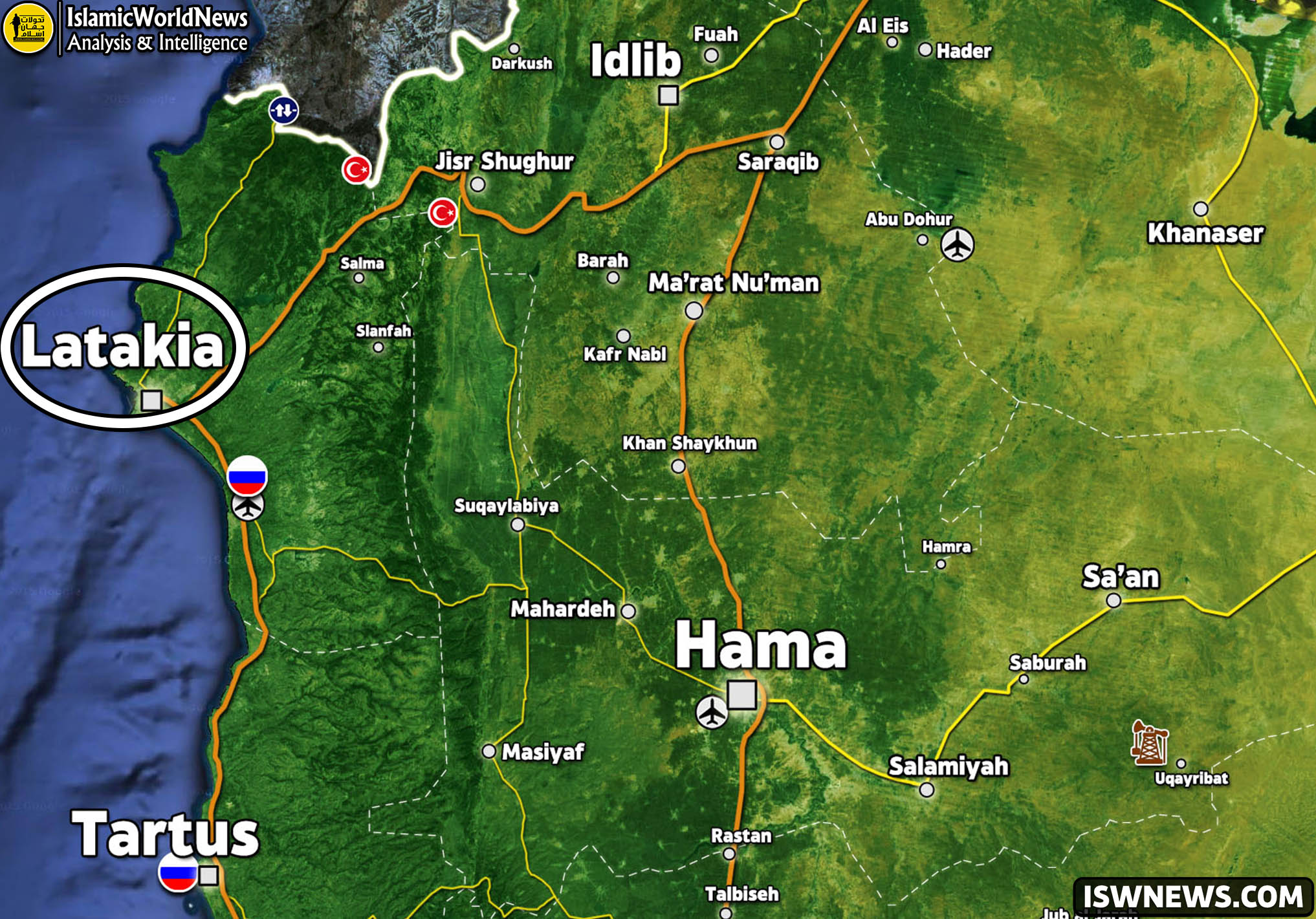
    The targets included key military installations, such as command headquarters, weapons depots, and naval bases, specifically focusing on the Syrian Army’s 110th Brigade headquarters located in Latakia and the important port of Al-Abyad.

    Israeli airstrike Latakia region

    These aggressions are part of Israel’s ongoing unlawful campaign to undermine military resources of the new Syrian government.

    According to reports from media outlets affiliated with militants, initial assessments indicate that there were no reported casualties resulting from the attacks. However, the scale and frequency of these airstrikes have raised concerns about further escalation and the potential for increased regional instability.

  • Israeli Airstrikes Continue Targeting Central and Southern Syria

    Israeli Airstrikes Continue Targeting Central and Southern Syria

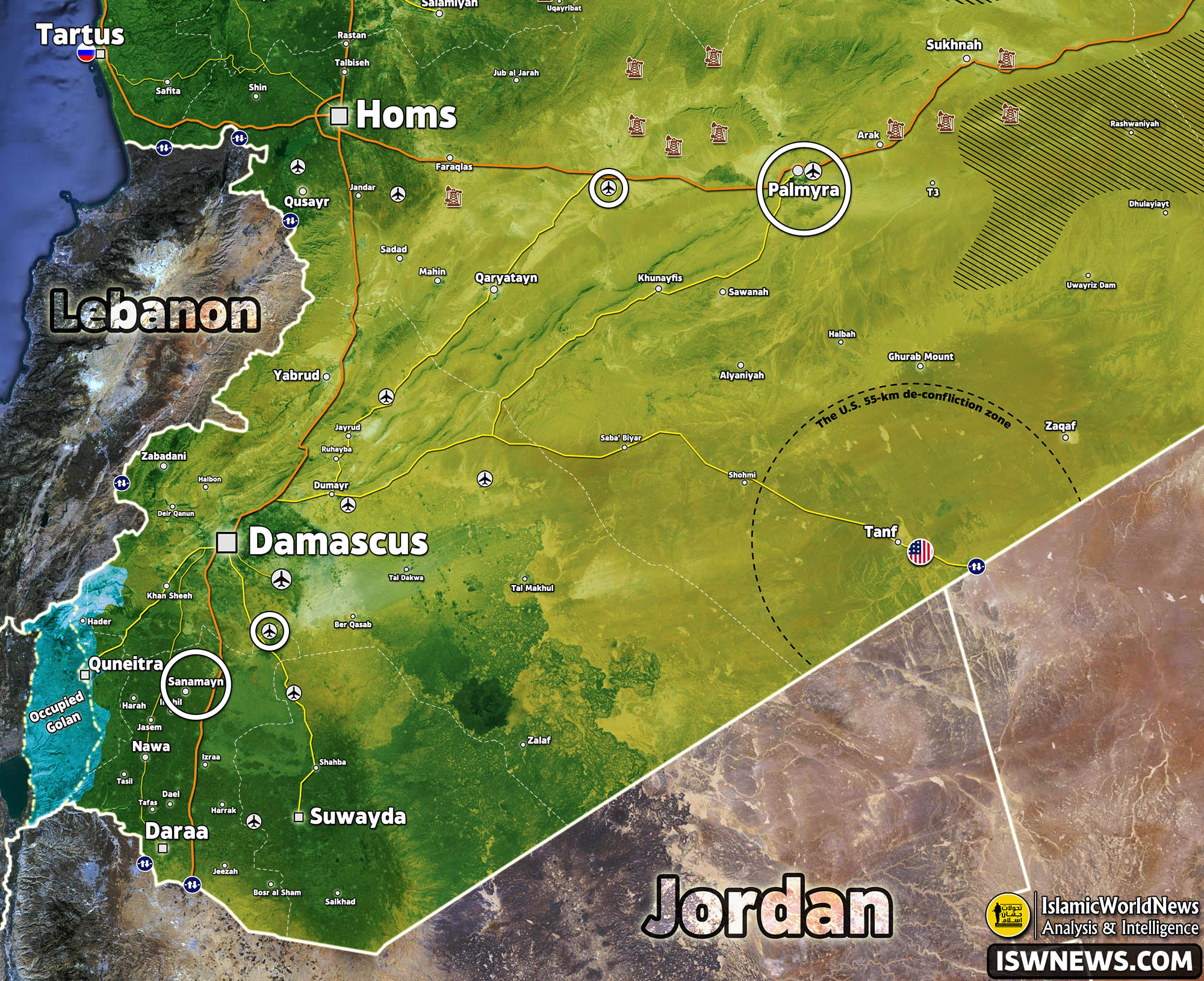
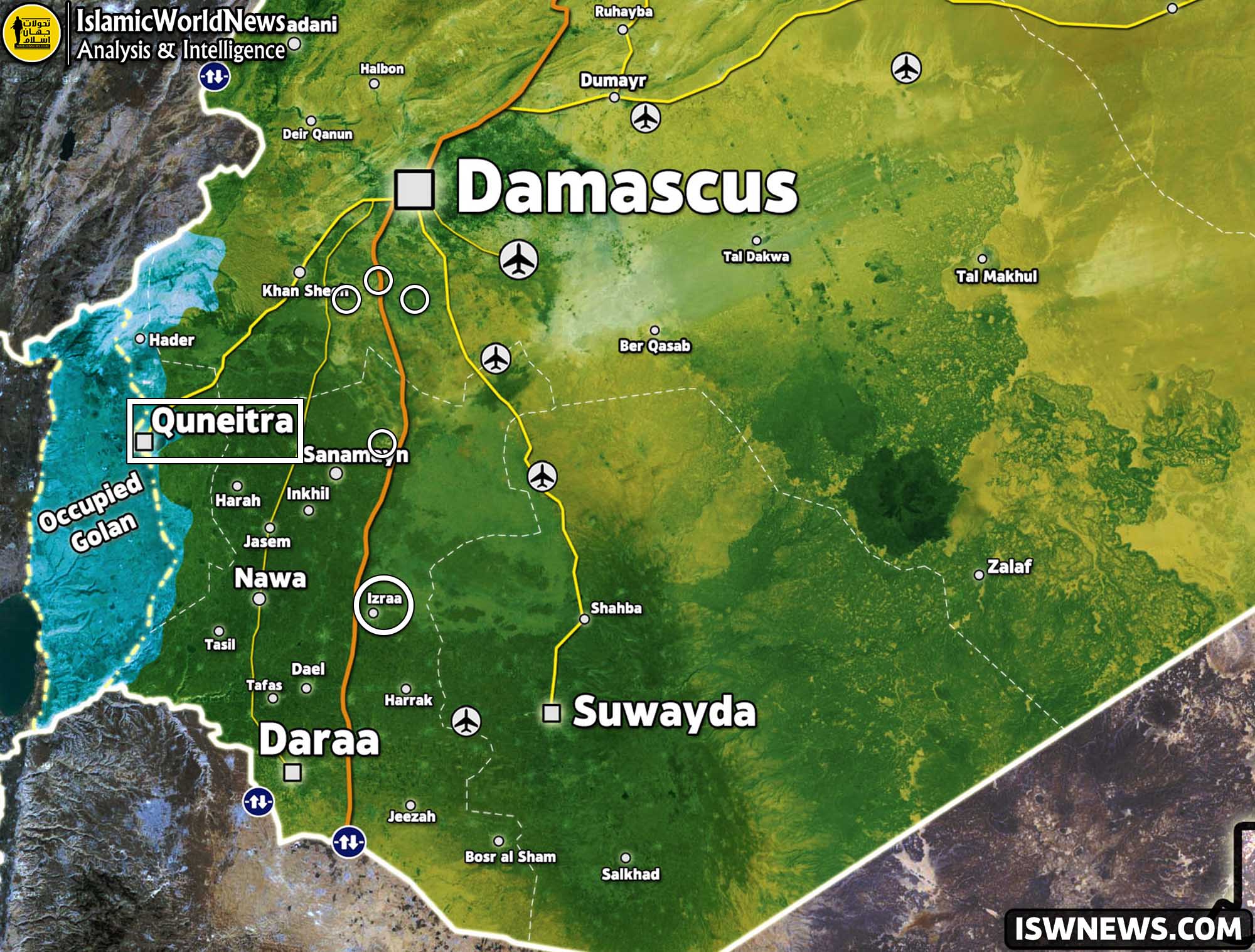
    The Beli military airport in Rif Dimashq Governorate and a military headquarters east of Sanamayn in Daraa province were hit.

    Additionally, Israeli aircraft targeted Palmyra airport and the T4 airbase in Homs province again this morning, marking the second time in recent days that these locations have been bombed.

    Hebrew media report that the Israeli army focused on destroying remaining military equipment at both Palmyra airport and the T4 military airbase. It appears that the Israeli forces aim to eliminate the infrastructure that the Turkish army might need for deployment in Palmyra and T4!

  • Israeli Army Airstrikes on Southern Syria

    Israeli Army Airstrikes on Southern Syria

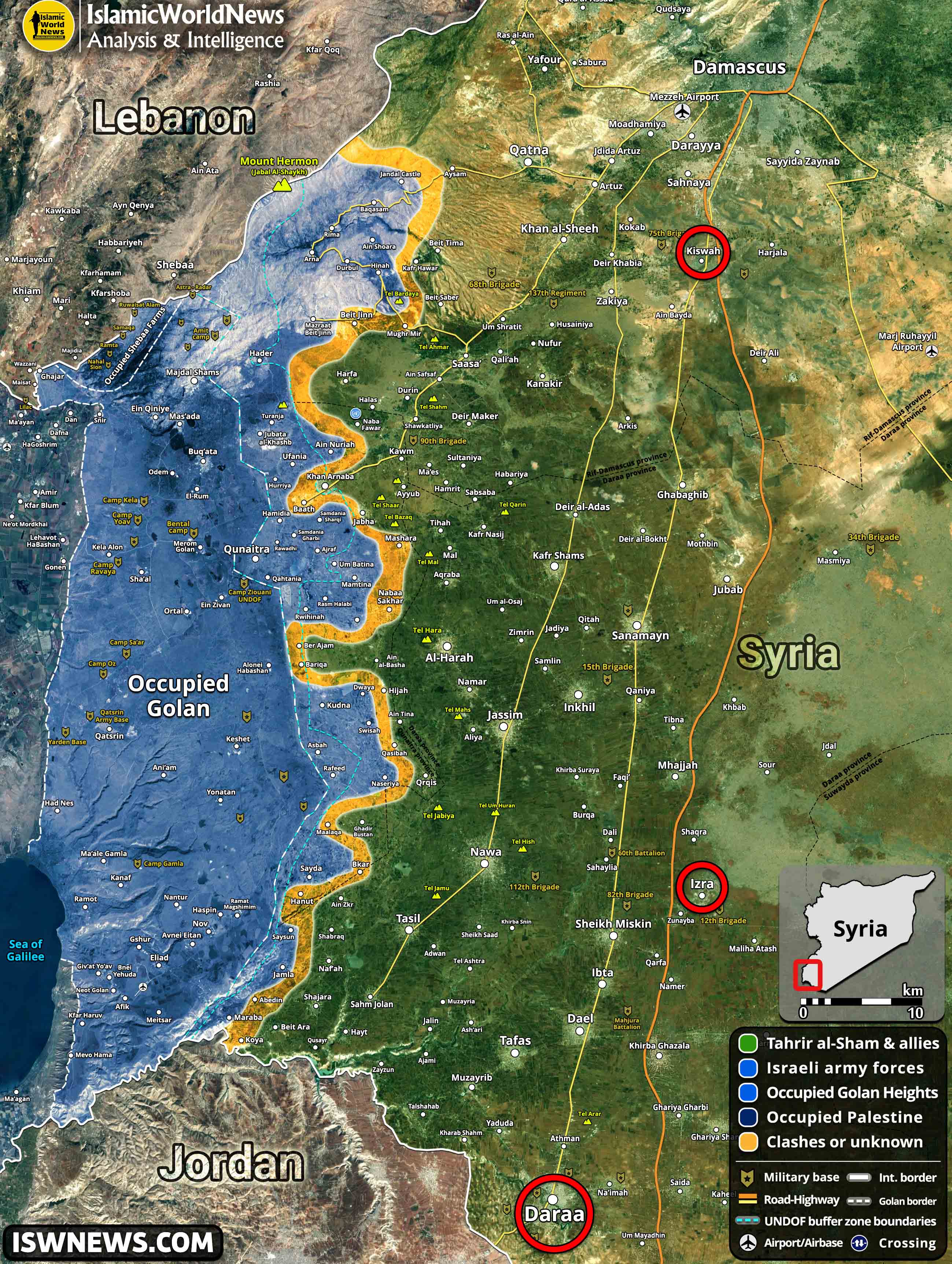
    Investigations revealed that several military headquarters were struck, including those in the Al-Kiswah area of Damascus, Brigade 132 in the suburbs of Daraa, and Brigade 175 in the suburbs of Izra’.

    Local sources reported that as a result of these airstrikes, at least three people were killed, and 19 others were injured, including several women and children.

    Following these attacks, the Israeli army issued a statement asserting, “In the recent airstrikes on southern Syria, we destroyed headquarters and facilities used for storing weapons and equipment belonging to the Syrian army.”

    The Israeli forces claimed that the presence of these weapons in southern Syria poses a threat to Israel. They emphasized that the army would not allow a military threat to persist in southern Syria and would take necessary action against it.

  • Israel’s Advancements in Quneitra Province, Syria (Map)

    Israel’s Advancements in Quneitra Province, Syria (Map)

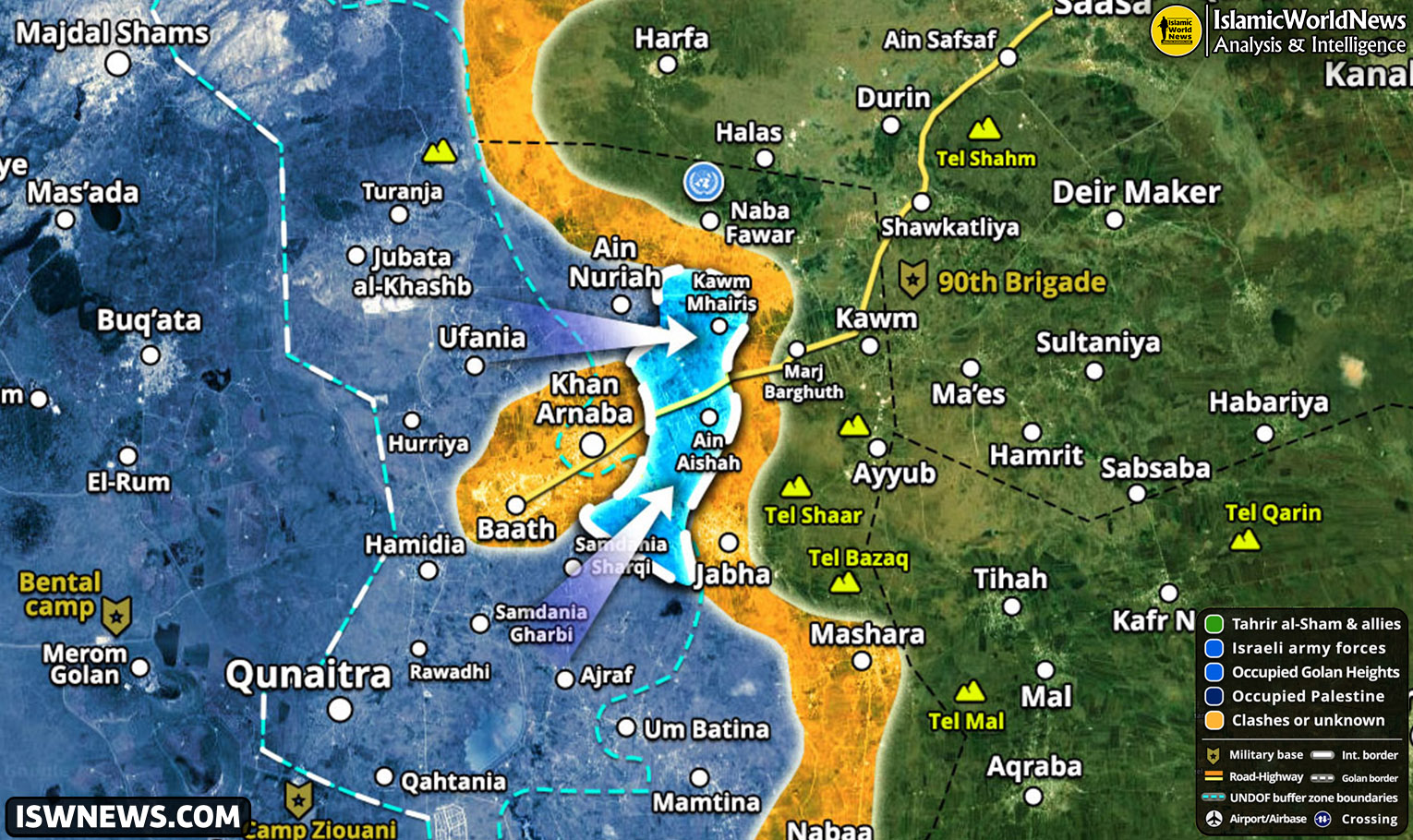
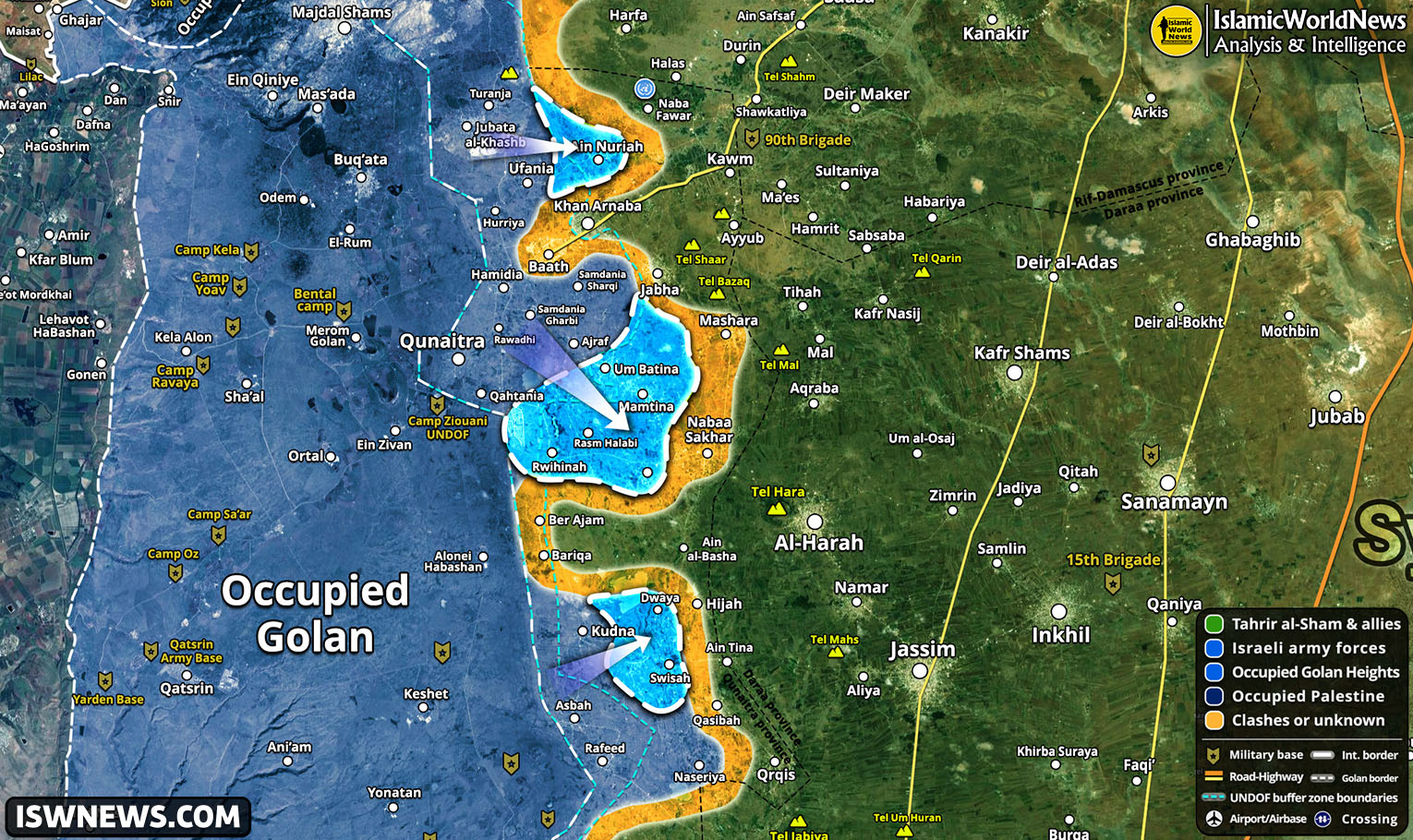
    Last night, Israeli forces, supported by Merkava tanks and military vehicles, entered the village of Ain Aisha and positioned their tanks on the northern outskirts of Jabha.

    In another operation along the Ain Nourieh axis, the Israeli forces, after passing through Ain Nourieh, shelled Kawm Muhairis and established a presence in the surrounding fields.

    As a result of these actions, the Israeli army has effectively surrounded the cities of Khan Arnabeh and Al-Baath, although they have not yet deployed forces within these cities.

    If Khan Arnabeh, Al-Baath, and the towns of Jabha, Kawm along with several surrounding villages, fall under Israeli control, Quneitra province will become the first Syrian province to be completely occupied by Israel.

    Israel’s objective in taking control of Quneitra province is to support the Syrian Druze and to directly challenge the leaders of Tahrir al-Sham. This move aims to threaten the leaders of Tahrir al-Sham, to divide the southern provinces of Syria and weaken them militarily to prevent possible attacks on Israeli positions.

    The newly occupied areas by the Israeli regime in Qunaitra province
  • Israeli Warplanes Strike Palestinian Islamic Jihad in Damascus

    Israeli Warplanes Strike Palestinian Islamic Jihad in Damascus

    Israeli Defense Minister Yisrael Katz issued a renewed warning to the new Syrian president, Abu Muhammad al-Julani. Katz stated, “Wherever terrorist activity is organized against Israel, al-Julani will see our air force fighter jets flying overhead and attacking terrorist targets. We will not allow Syria to become a threat to Israel.”

    His comments suggest that Israel holds the Julani government accountable for any actions against Israeli interests in southern Syria. With these threats, Israel aims to compel the Syrian government to take stronger intelligence and security measures against Palestinian groups as well as remnants of the Syrian army.

    The Israeli army classified the attack as an intelligence operation, claiming it struck a command center of the Palestinian Islamic Jihad group. According to the military, this headquarters was responsible for commanding, planning, and directing activities against Israel.

    An Israeli security source told local media that the Islamic Jihad forces were involved in shaping and planning attacks on Israeli positions in southern Syria.

    The ongoing Israeli attacks in Syria indicate the strengthening of Israel’s intelligence and security network within the country. Despite the fall of Bashar al-Assad government, this network continues to operate, conducting intelligence operations against Palestinian groups and Syrian cells that support the resistance axis.

  • Israeli Food Aid to Druze in Southern Syria

    Israeli Food Aid to Druze in Southern Syria

    While Israeli terrorist regime helps the Druze in Syria, it has closed all humanitarian aid routes to the Gaza Strip, placing immense hardship on the people of Gaza after months of devastating conflict.

    These days, the Zionist regime has been counting on the Druze in Syria in particular, supporting them and trying to advance its sinister separatist goals through them. Israeli authorities have openly declared their intention to occupy southern Syria indefinitely, with the Druze being identified as their principal allies in southern Syria.

  • Kyrgyzstan Alerts Arab Nations: Surge of Extremist Fighters Enter Syria

    Kyrgyzstan Alerts Arab Nations: Surge of Extremist Fighters Enter Syria

    Since the onset of the Syrian crisis, Turkey has actively facilitated the transfer of terrorists and extremist fighters into Syria. This transfer process has continued even after the fall of the Bashar al-Assad government. This issue can be examined from at least two perspectives:

    Firstly, foreign extremist fighters have historically played a crucial role in breaking front lines and advancing military objectives for Tahrir al-Sham, and indirectly for Turkey. Numerous videos from the conflict with the previous government support this assertion. Currently, it appears that Turkey and the Jolani government require more foreign extremist forces to achieve their security goals in Syria and to suppress opposition while establishing order in various regions.

    Secondly, Syria has become an attractive destination for extremists. With the ascent of a new government predominantly composed of radical Islamists, a platform has been created for these individuals, who face systemic and ideological challenges in their home countries, to congregate in Syria. In fact, Syria has transformed into a sanctuary for extremists, drawing them from around the world along with their families. This situation poses a significant security risk for both Syria and the broader region and could lead to disastrous consequences in the long run.

  • Former Syrian Government Dissident Assassinated in Southern Syria

    Former Syrian Government Dissident Assassinated in Southern Syria

    Noureddine al-Labbad was born in al-Sanamayn in 1962. He held a doctorate in French literature from Damascus University, a higher diploma in translation, and a master’s degree in international relations from Sorbonne University in Paris. He had previously served in Syrian embassies in Sanaa, Paris, Baghdad, Ankara, and Benghazi.

    Al-Labbad defected from the Syrian government during the Syrian war in 2013 and moved to France, where he became an anti-regime dissident. He was one of the first Syrian diplomats to defect from the government during that period.

    Two weeks ago, he returned to his hometown of al-Sanamayn but was assassinated by unknown assailants shortly after his arrival. His assassination marks the first killing of a former government dissident under the new Syrian government.

  • Israeli Airstrikes Target Multiple Sites in Southern Syria

    Israeli Airstrikes Target Multiple Sites in Southern Syria

    The Israeli army conducted bombings on various targets in southern regions of Syria last night. Among the sites targeted were the headquarters of the 175th and 12th brigades on the outskirts of Izra, the 89th regiment headquarters near the town of Jabbab in Daraa province, and the command center of the 90th brigade in Quneitra province. Additionally, areas such as Al-Kiswa, Tal Al-Mana, and Zakiya in the suburbs of Damascus were also affected by the Israeli airstrikes.

    The Israeli army reported that the attacks focused on radar systems, entelligence equipment, military bases, and ammunition depots belonging to the Syrian regime in southern Syria. These assets were deemed a threat to the regime’s security.

    Since the fall of Bashar al-Assad’s government and the rise of the Jolani government, the Israeli military has launched extensive and heavy attacks against Syrian military positions and infrastructure. Furthermore, the Israeli forces have advanced deep into Syrian territory without encountering resistance, occupying areas in the provinces of Quneitra, Damascus countryside, and Daraa.

    In spite of the ongoing Israeli aggression, both the Jolani government and officials from the Syrian interim government have remained silent and have not responded to these attacks. This silence from the Syrian government is interpreted as a tacit approval for further Israeli actions and attacks.

  • Israel is Occupying Syrian Territory, Syrian Militants Are Killing Each Other! (Map)

    Israel is Occupying Syrian Territory, Syrian Militants Are Killing Each Other! (Map)

    Local sources in Quneitra province report that on Monday, Israeli forces, accompanied by bulldozers, entered the village of al-Mashara and a military outpost on the outskirts of Tal al-Mal. Additionally, helicopters and drones were also seen in the area.

    The purpose of this Israeli operation remains unclear. However, given the presence of bulldozers and aircraft, there is a possibility that military installations may be destroyed, or that information and equipment might be transferred from the area.

    This operation marks the second significant incursion of the Israeli army into Syrian territory since the regime began its military involvement in the area. Previously, Israel advanced to within 25 kilometers of Damascus by capturing Jabal al-Sheikh and the southwestern heights of Syria.

    Latest military situation in southern Syria after Israeli advances in Qunaitra province – click to view full size

    Additionally, the Israeli forces entered the village of Ain Nouriyya, where they confiscated the remaining weapons and ammunition in the area and established a checkpoint.

    This morning, Israeli army forces entered the villages of Umm Batna, Suysah, Majduliya, Rasm al-Manbatah, Mamtane, al-Dawaiya, and Ruwaihina. The situation remains uncertain in the border villages of Bir al-Ajam and Bariqah, which are expected to come under Israeli military control soon.

    The Israeli army is advancing in Quneitra province while militants in southern Syria are engaged in fighting amongst themselves instead of defending their country’s territory against Israeli aggression!

    Today, Tahrir al-Sham militants, acting under the orders of Abu Muhammad al-Julani, entered the town of al-Sanamayn in northern Daraa province and clashed with militants loyal to Mohsen al-Haymad. This confrontation resulted in the deaths of several militants on both sides.

    The main cause of the internal conflict remains unclear. Syrian media believe that militants from Tahrir al-Sham have entered al-Sanamayn to arrest individuals who are wanted. Previous reports regarding the situation in Daraa province indicate that Tahrir al-Sham-affiliated media claim that Mohsen al-Haymid, a former member of the intelligence services of the Syrian government, has close ties to the ISIS terrorist group. He also participated in the 2018 National Reconciliation Plan and has since abandoned armed conflict with the Syrian government.

    The timing of these clashes coinciding with Israel’s advance in Quneitra suggests that disagreements among Syrian militants over control of Daraa province and issues related to confronting or not confronting the Zionists have intensified. Tahrir al-Sham-affiliated media seem to be attempting to suppress their opponents in southern Syria by making accusations and setting precedents against them.