Tag: The Council of Shiite Ulema of Afghanistan

  • Clashes between Taliban and Mehdi Mojahed in Balkhab

    Clashes between Taliban and Mehdi Mojahed in Balkhab

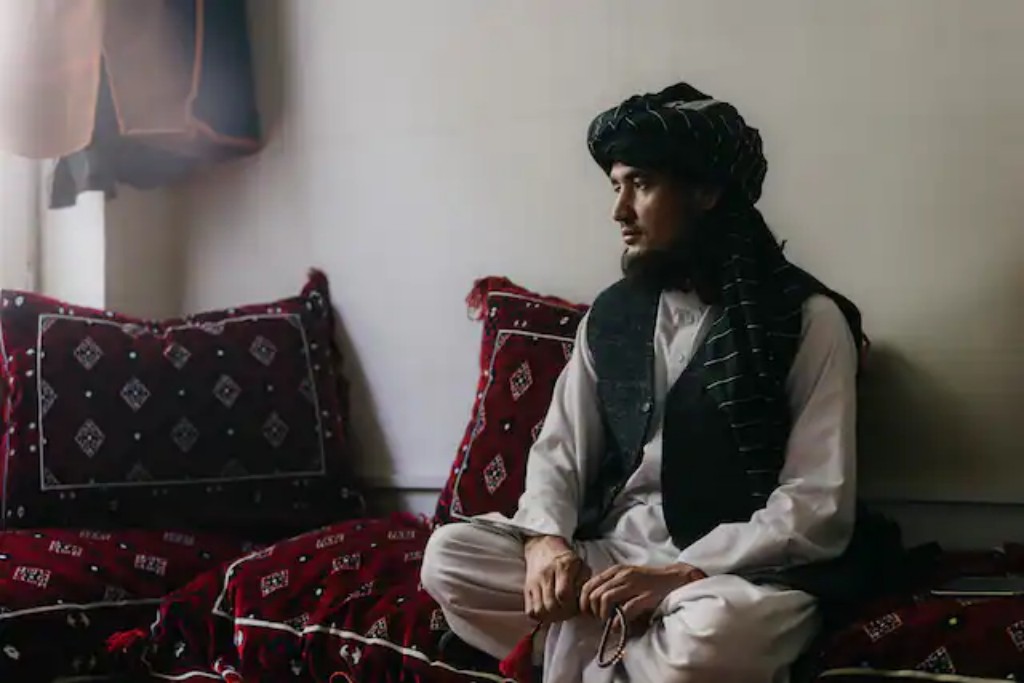
    Taliban attacks on Balkhab district to arrest Mahdi Mojahed have started in the evening of June 23 in Dozdan Darreh, Qom Kotal and Abi Kalan areas. Forces loyal to Mehdi Mojahedi have claimed to have destroyed two Humvee vehicles and killed more than 43 Taliban members in the clashes.

    Official Taliban news sources have not yet released a clear report on the clashes.

    Local sources also confirmed the killing of “Mohammad Qomandan”, the commander of forces affiliated to Mehdi Mojahed, in the Qom Kotal area and the occupation of this area by the Taliban.

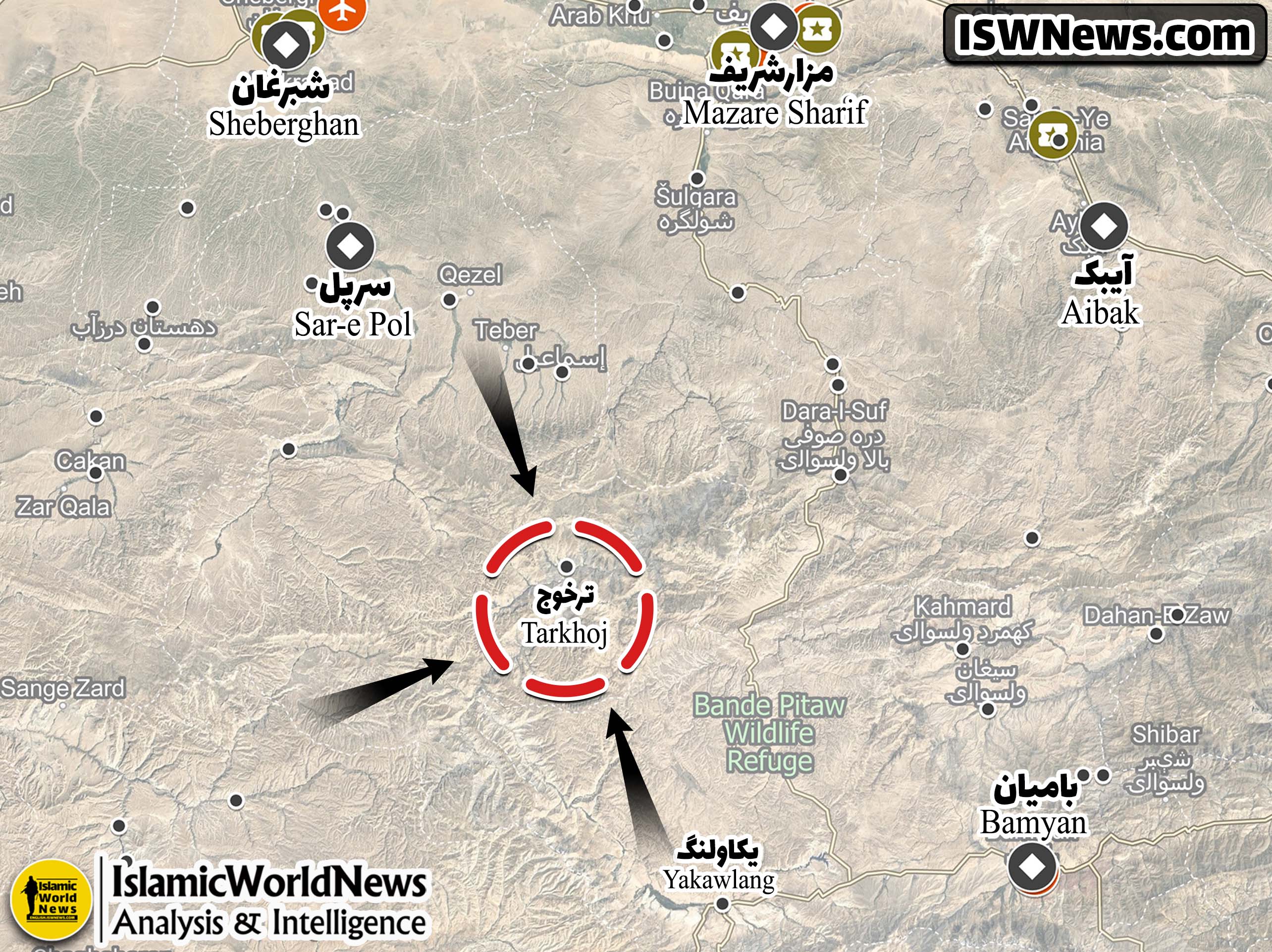
    According to ISWNEWS source in Afghanistan, most of the clashes between the Taliban and Mehdi Mojahed’s militants have been sporadic. No city or military zone is under the control of Mehdi Mojahed’s militants, and the Taliban governor and the militants under his command have entered the city of Tarkhoj and the Balkhab governorate after occupying the Qom Kotal region.

    Read more: The shadow of Taliban internal conflict on Balkhab; Who is Mehdi Mojahed and what does he want?

    Clashes between the Taliban and supporters of Mehdi Mojahed have been reported in other areas, such as Bamyan, Dara-e-Suf Bala and Yakawlang, but their nature is unclear.

    The Council of Shiite Ulema and other prominent Shiite figures in Afghanistan, such as the head of the Tebyan Cultural Center, Seyyed Issa Hosseini Mazari, have called on people to stay away from the war and warn them against supporting Mehdi Mojahed.

    As mentioned earlier, Mehdi Mojahid’s tension with the Taliban is an internal conflict within the Taliban, and the people of Sar-e-Pul and Bamyan provinces, from Shiites to Hazaras and Tajiks, have nothing to do with it.
  • The shadow of Taliban internal conflict on Balkhab; Who is Mehdi Mojahed and what does he want?

    The shadow of Taliban internal conflict on Balkhab; Who is Mehdi Mojahed and what does he want?

    After the third Taliban delegation to Balkhab disagreed with “Mehdi Mojahed,” the Taliban’s Hazara commander, Taliban officials threatened to refer his case to the Ministry of Defense and use military force. After this threat, Mehdi Mojahed gathered forces in Balkhab district in Sar-e Pol province and attracted more than 500 armed and local people of Balkhab by chanting ethnic and popular slogans.

    According to local sources, on June 13, Taliban officials sent Molawi “Abdul Rahim Akeh”, the Taliban governor in Sar-e Pol, along with forces from the Badri, Red and Suicide units, to arrest Mehdi Mojahed. However, this decision has been suspended through the mediation of Shiite scholars and elders in Sar-e-Pol province. The Council of Shiite Ulema of Afghanistan has met with Taliban officials in Kabul and Sar-e-Pol cities and with Mehdi Mojahed in Balkhab in various meetings and called for avoiding war and resolving disputes through dialogue. They have appointed a delegation headed by Ayatollah Vaezzadeh Behsudi to meet with Mehdi Mojahed and the Taliban government, and will continue their consultations to resolve the dispute.

    Who is Mehdi Mojahed and what does he want?

    After the Taliban came to power in Afghanistan, pro-Taliban local commanders took control of various areas in Afghanistan, including the district of Balkhab, some of whom, like Mehdi Mojahed, were non-Pashtun. The arbitrary actions of these local commanders in some of these areas led to disputes with the central Taliban, and some of these commanders were dismissed or imprisoned.
    One of these autonomous Taliban commanders is Mehdi Mojahed, a Hazara from Sar-e-Pol, who held the post of Bamyan intelligence commander in the Taliban government. He was ousted after criticizing the Taliban’s one-dimensional policies and behavior toward various ethnic groups in Afghanistan, and moved to Balkhab empty-handed after a few months in Kabul.
    Mojahed clashed with Taliban forces in Balkhab over control of the area’s mines, marking the beginning of his tensions with the central Taliban government. In his remarks, he described himself as a defender and representative of the Hazaras and Shiites in the Taliban government. But the Hazaras did not welcome him, and the Shiites did not support him in the recent tensions with the Taliban. But his supporters in Balkhab are working hard to support him, urging people to stand up to the Taliban.

    Now, Taliban militants are blocking the roads leading to Balkhab district to the supporters of Mehdi Mojahed and strictly controlling their traffic.

    Residents and local elders of Balkhab are worried about a war between Mojahed and the Taliban and have asked the Council of Shiite Ulema to mediate and resolve this issue.

    Mehdi Mojahed is not the first and last autonomous Taliban commander, and before him Qari Salahuddin Ayoubi, Makhdoom Alam and Maulvi Ataullah Omari, were among the Taliban’s non-Pashtun tribal commanders who were ousted by senior Taliban officials.

  • Statement by Shia Ulema Council of Afghanistan regarding the announcement of Taliban government

    Statement by Shia Ulema Council of Afghanistan regarding the announcement of Taliban government

    The text of the statement of the Council of Ulema is as follows:

    In the name of God, the Most Gracious, the Most Merciful.
    ‘And fulfill the covenants; indeed all covenants are accountable.’ (Isra, 34)

    Following recent developments and dominance of the Taliban Islamic Movement based on the Taliban’s promises to the people of Afghanistan and the international community to establish a comprehensive government and a full-fledged mirror of all ethnic groups, followers of Islamic religions in the country, as well as the establishment of the Islamic system, the announcement of ministers without the inclusion of worthy people from different ethnic groups in Afghanistan, especially the Shiite community, was unexpected.
    The Council of Shiite Ulema of Afghanistan does not consider the non-comprehensive cabinet declared by the Taliban to be in the best interest of the country, and considers it unfair, which will cause problems for the society and the country.
    Therefore, the Council of Shiite Ulema of Afghanistan advises the Taliban to fulfill their promises and to make the cabinet inclusive, to take action and create positive grounds for cooperation, brotherhood and joint efforts to solve the existing problems in the country.

    Council of Shiite Ulema (Scholars) of Afghanistan
    1400/6/17 SH equal to 1443/2/1 AH


    The statement came as the Taliban recently formally elected all members of the new government cabinet from under their control and barred other political and popular currents from participating in the government.
    Contrary to their previous claims, the change in the Taliban’s course appears to have been foreign-backed. But it is better for them to know that this path has been experienced in the past years and has no end but the fall of the Taliban again! Because Afghanistan is a country composed of different ethnicities and religions, and the only way to maintain its unity is to give importance to all these ethnicities and religions, regardless of political interests.

  • The Council of Shiite Scholars called for the establishment of an Islamic system in Afghanistan

    The Council of Shiite Scholars called for the establishment of an Islamic system in Afghanistan

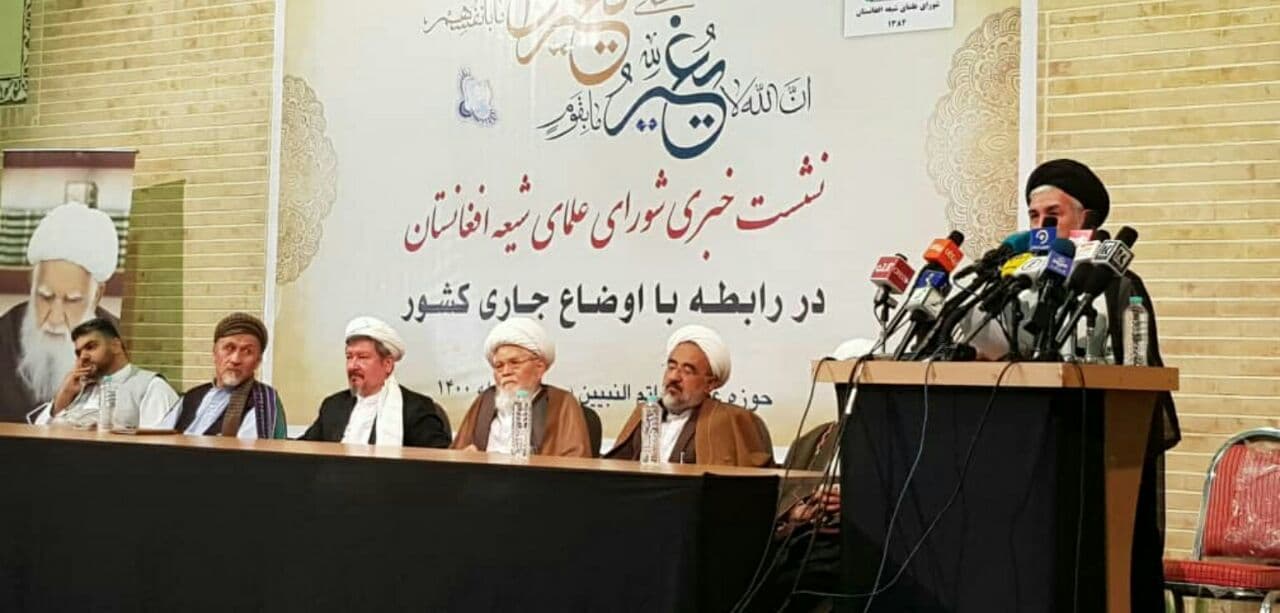
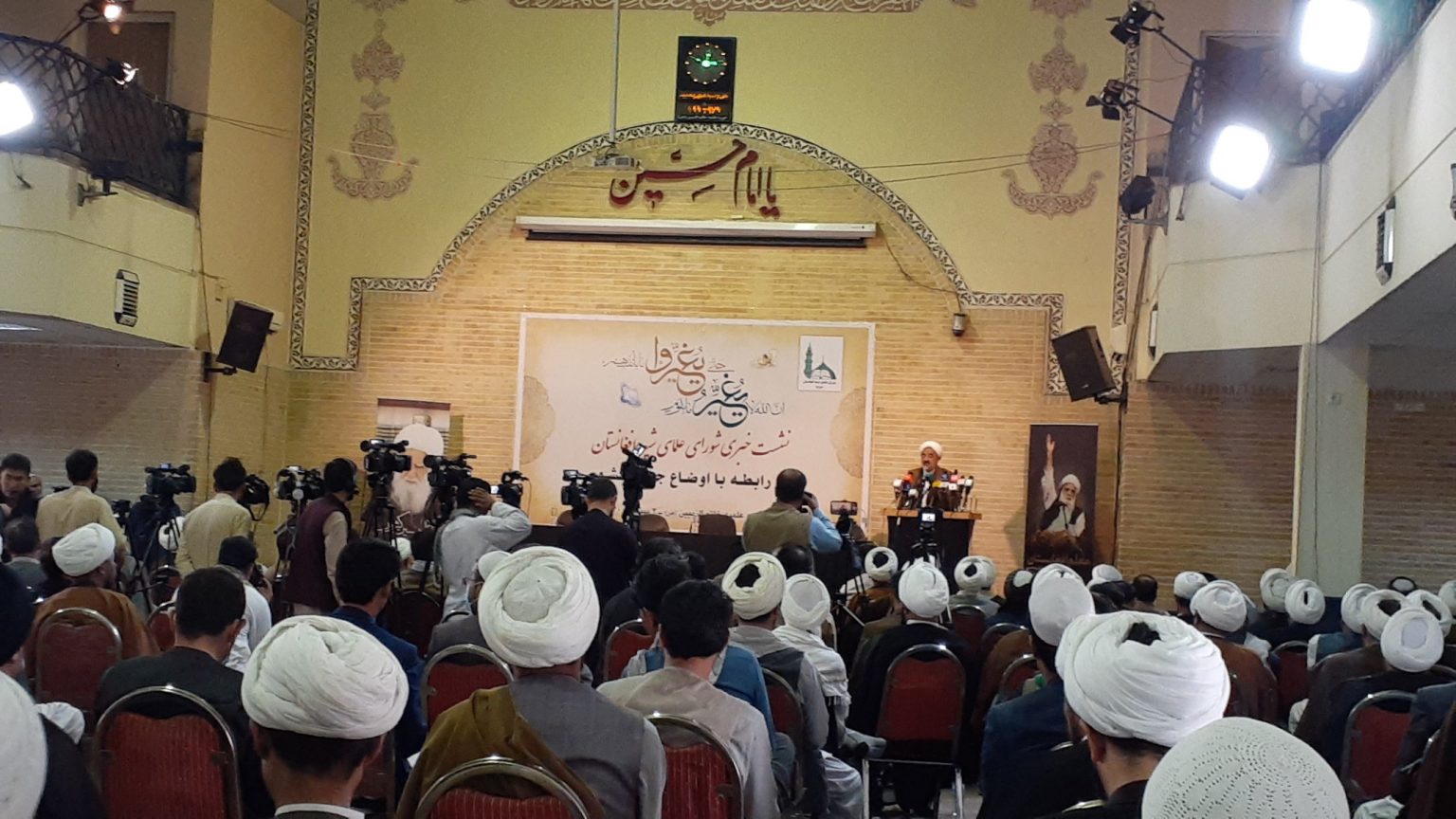
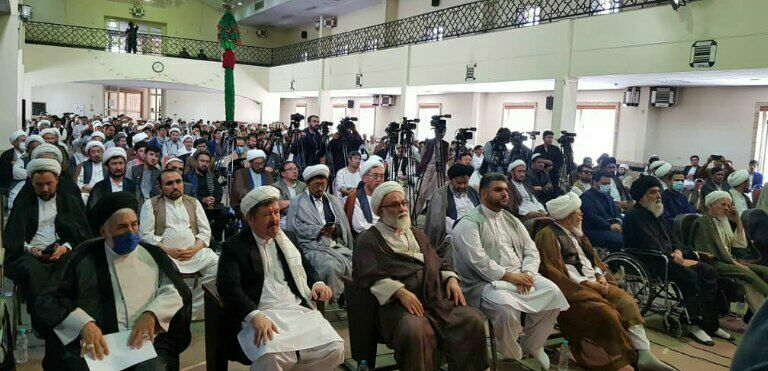
    The meeting of the Council of Shiite Scholars of Afghanistan was held today during a gathering at the Khatam al-Nabiin seminary in Kabul.

    The summary of the statement of the Shiite scholars of Afghanistan in this meeting, which was read by Sayyed Hossein Alami Balkhi, is as follows:

    “In order to get out of the current crisis, a new government must be formed as soon as possible.
    The formation of a comprehensive government in agreement with the various factions, on the one hand, solves the problems in the country, and on the other hand, the presence of elites of all ethnicities in the formation of the government, provides the ground for better development and service to the people.
    The Council of Shiite Ulema of Afghanistan is ready to cooperate with the Taliban movement in forming a new government if the legal requirements are met.
    According to the order of the Prophet (PBUH), the Taliban movement must make every effort to protect the lives, property and human dignity of its citizens.
    In the current situation where the people are suffering from poverty, the new government must work on creating jobs and reducing the current calamities.
    We welcome the announcement of a general amnesty by the Taliban, but some wrongdoing has been carried out by irresponsible individuals, and the Taliban movement must prosecute them seriously in order to gain the trust of the people.
    After the formation of the government, efforts should be made to hold elections so that all citizens have the right to be elected and to vote without discrimination.
    Reconstruction of war-torn areas, economic growth and the implementation of development projects, the fight against corruption and the prevention of narcotics cultivation should be among the government’s priorities.
    There should be no law against the beliefs of the people. Also, human and international human rights treaties should be observed to the extent that they do not contradict religious values.
    Freedom of religions and sects, considering religions in the formation of the Supreme Judicial Council, creating special courts for Jafari jurisprudence, protecting the rights of women and children according to Sharia law, providing education for the country’s children are other demands of the Council of Shiite Scholars of Afghanistan.
    Citizens are urged to refrain from illegal immigration as well as gather around Kabul airport and stay in the country to build a better future.”

    Mohammad Akbari; The second deputy of the Council of Shiite Scholars also emphasized the formation of a comprehensive Islamic system, with the full participation of all ethnic groups of Sunni and Shiite religions.

    The Council of Shiite Scholars of Afghanistan is a council that was established in 2003 at the initiative and effort of the late Ayatollah “Mohammad Asif Mohseni” and several other Afghan scholars in Kabul and currently has more than 65 delegations and more than 2,000 members. Religious scholars are all over Afghanistan. This council is active in various cultural and other sectors, seminaries, scientific research, approximation of Islamic religions, seminary women, deprived areas, and the Peace and Dispute Resolution Council.