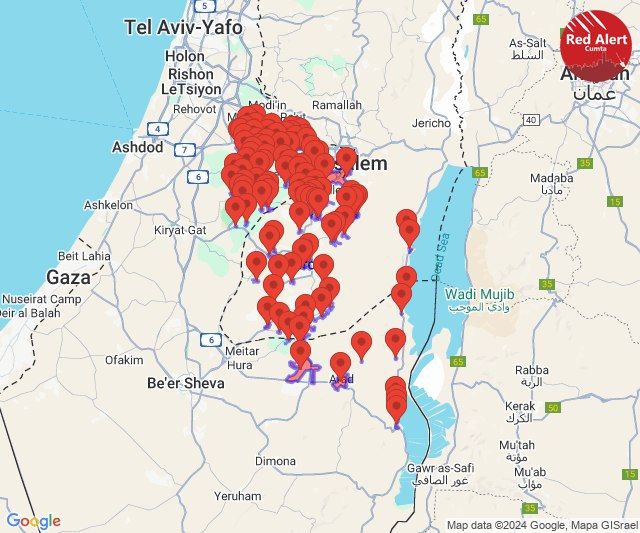
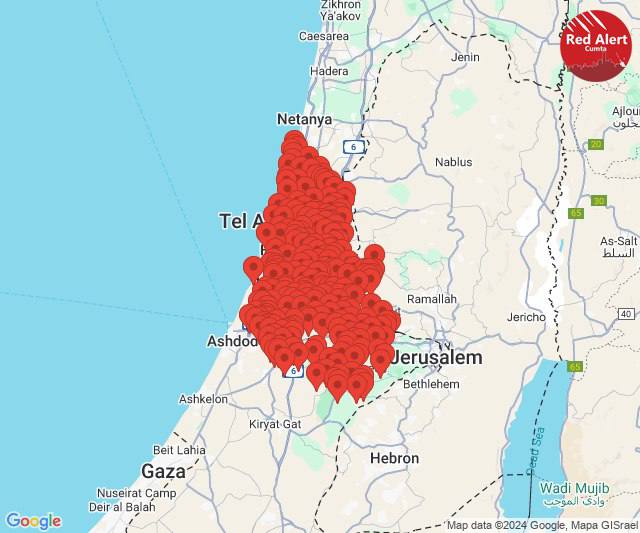
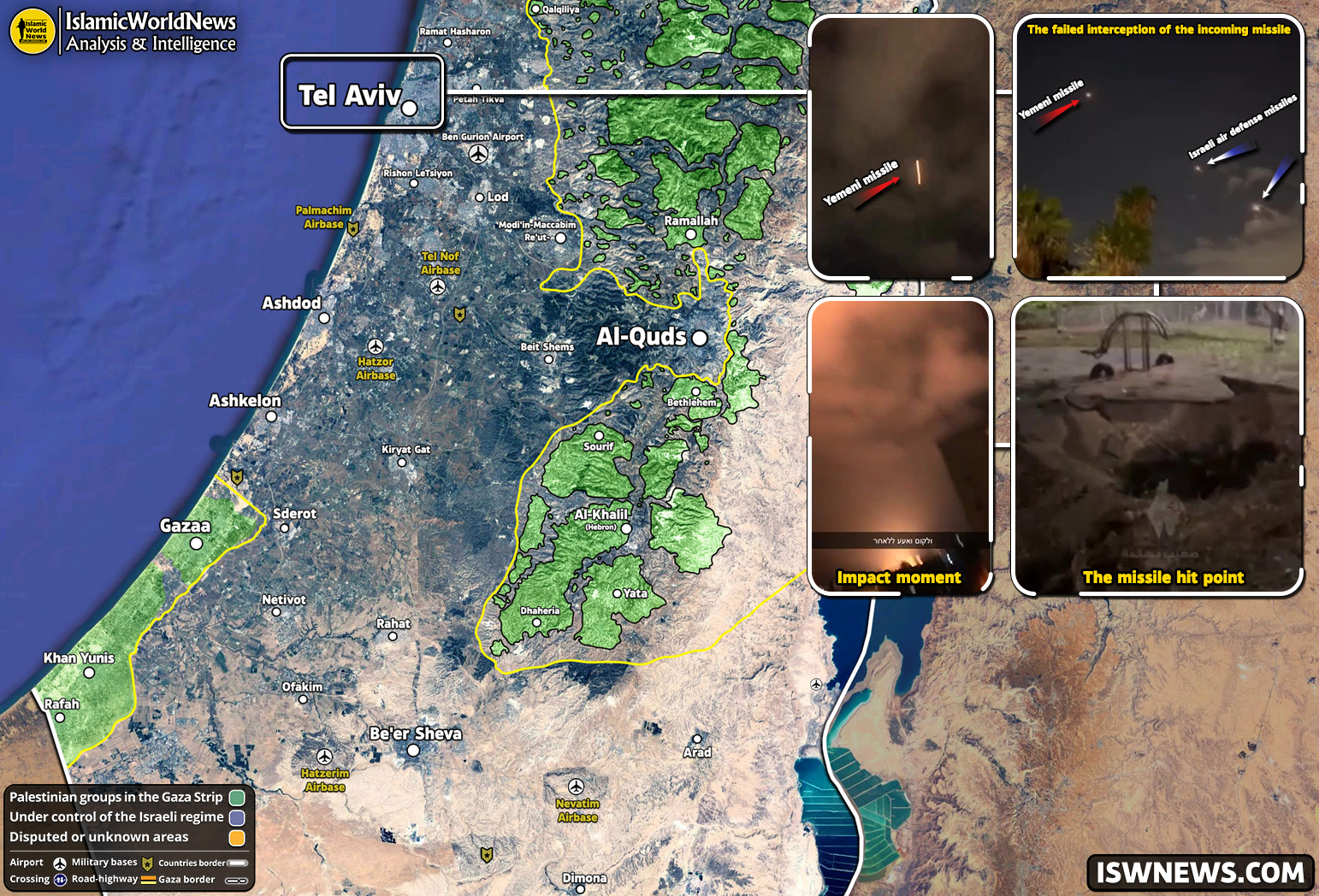
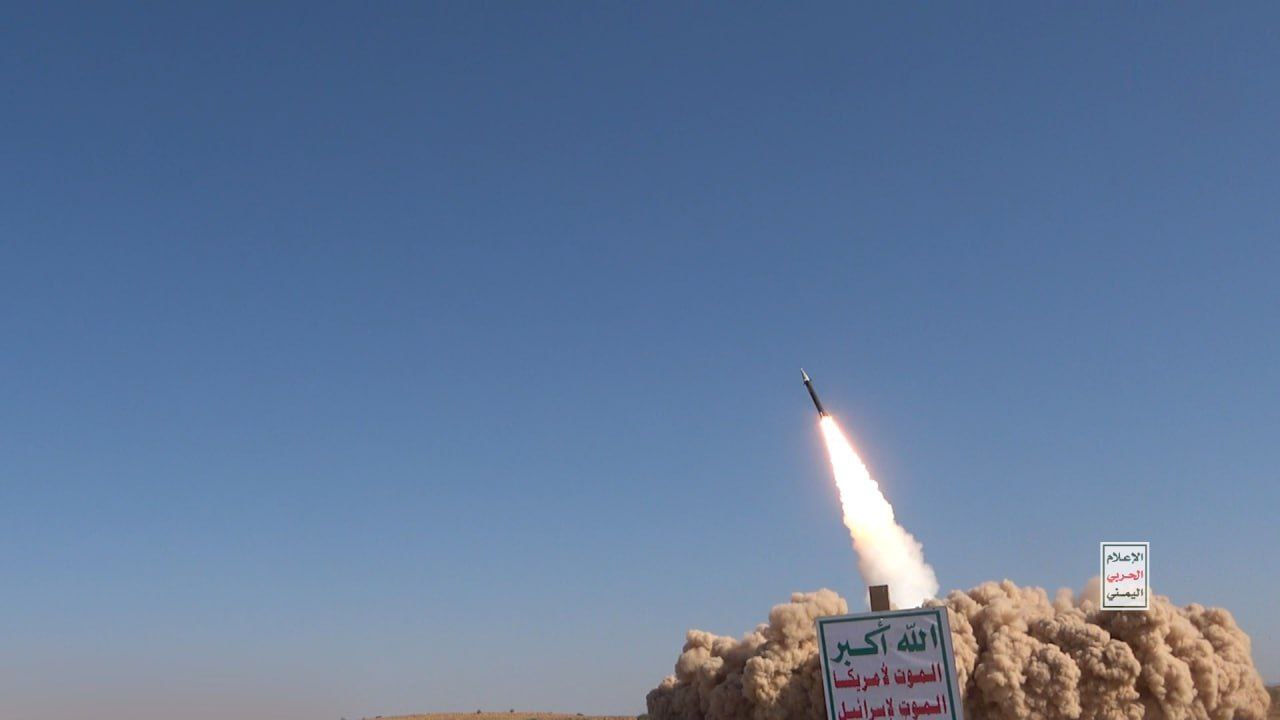
Sirens blared in over 100 locations in the occupied territories, prompting hundreds of thousands of Israelis to seek shelter.
Sirens blared in over 100 locations
Brigadier General Yahya Saree announced the operation as successful, while the Israeli army claimed to have intercepted and shot down the missile.
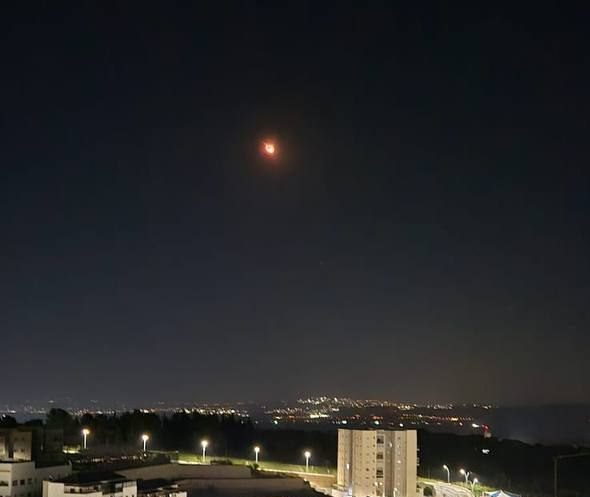
Israeli missile intercepting the incoming missile
As previously mentioned, Yemen’s consistent missile and drone attacks on Israel continue to exert military pressure on the Zionist regime, regardless of the attacks’ outcomes. The persistence of these attacks has a significant impact on Israel’s security.
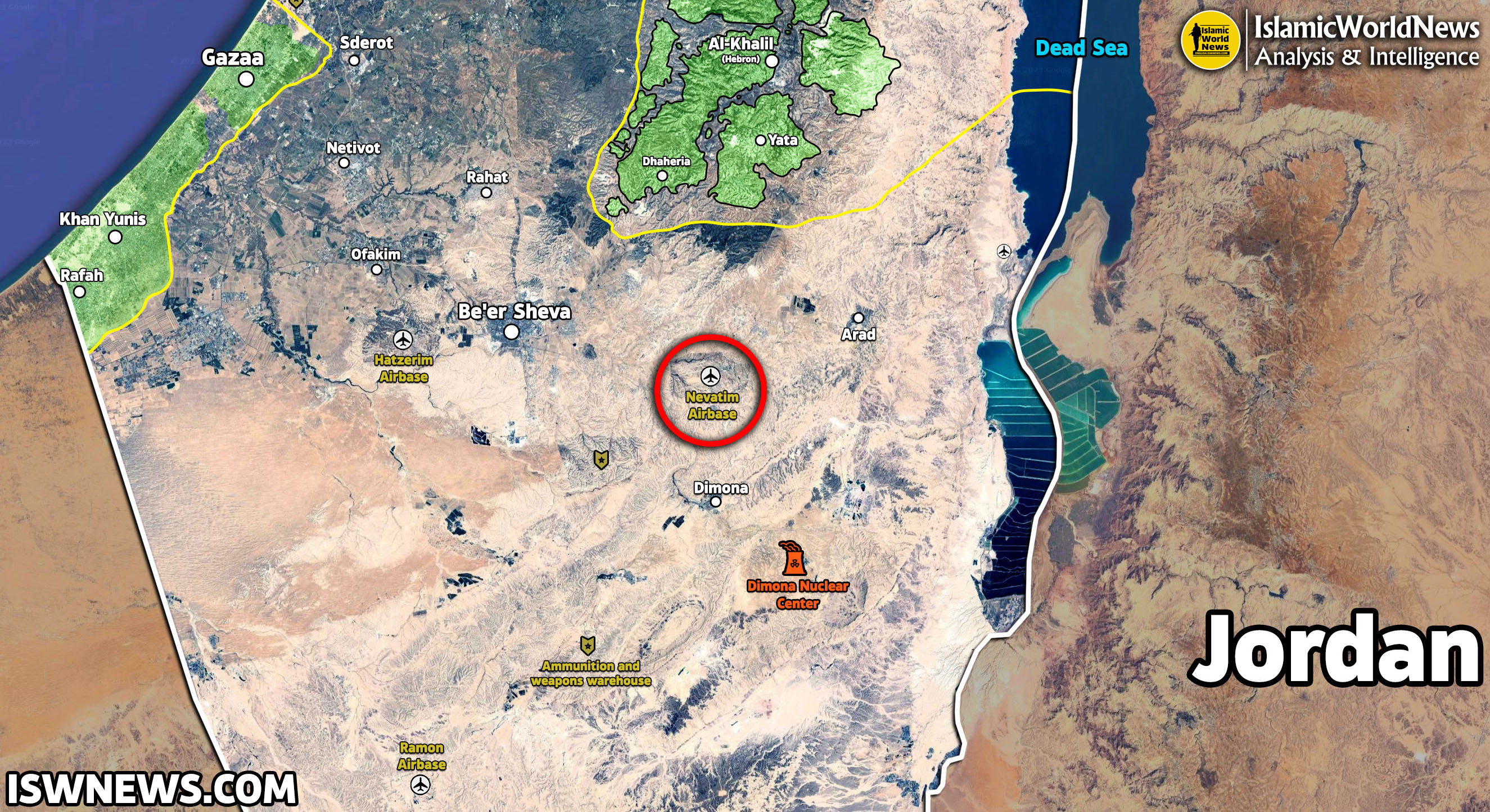
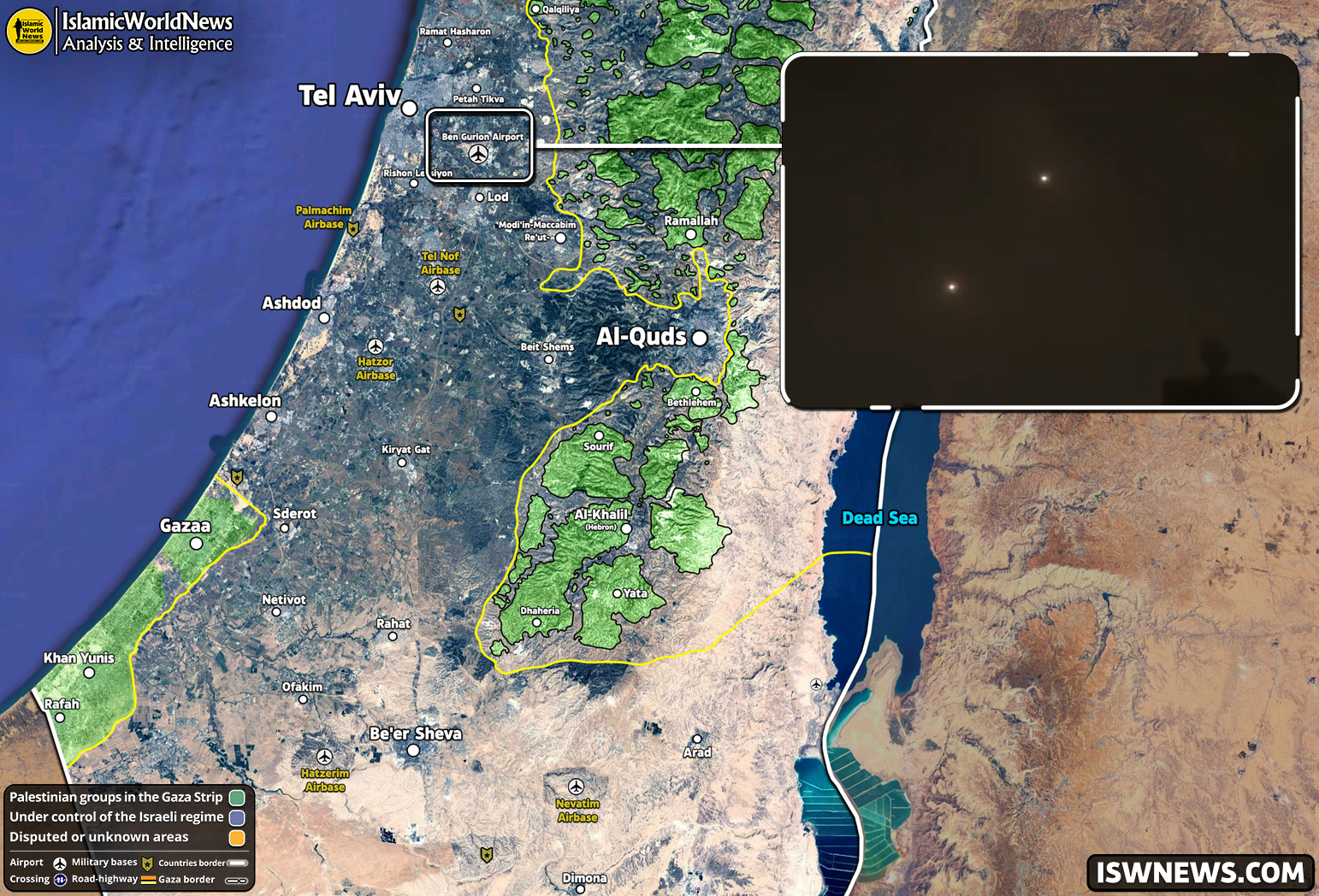
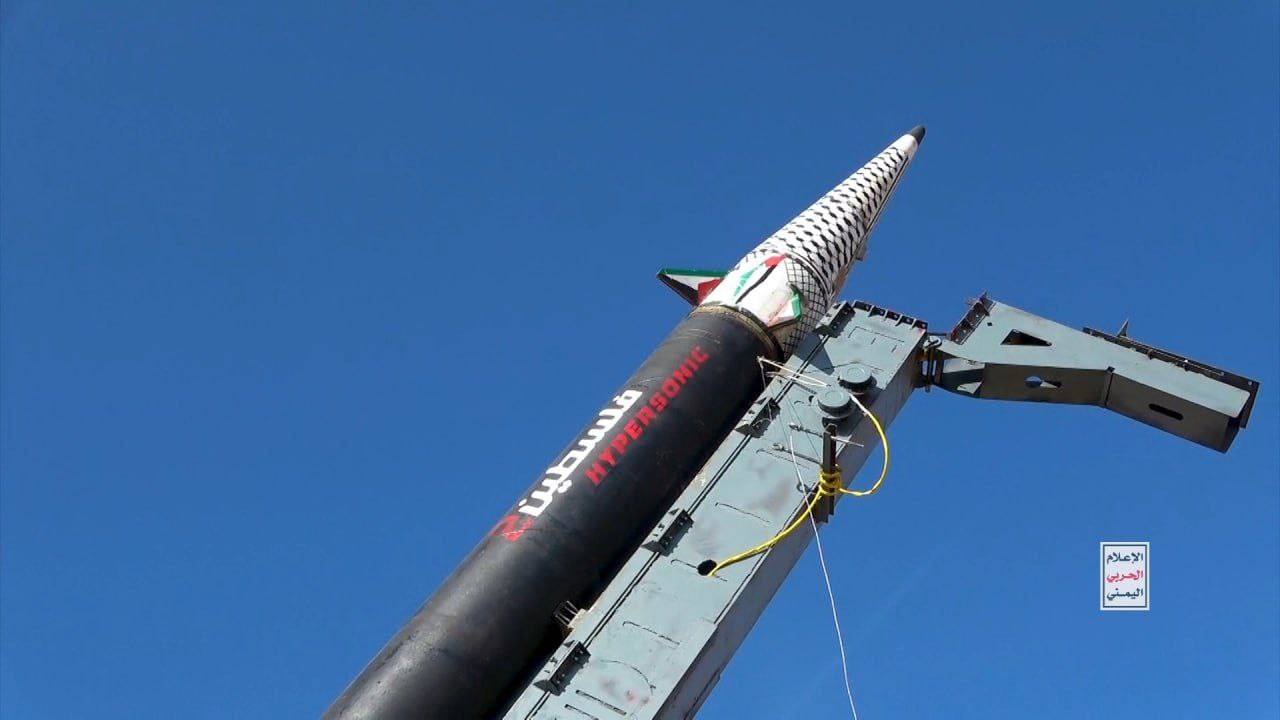
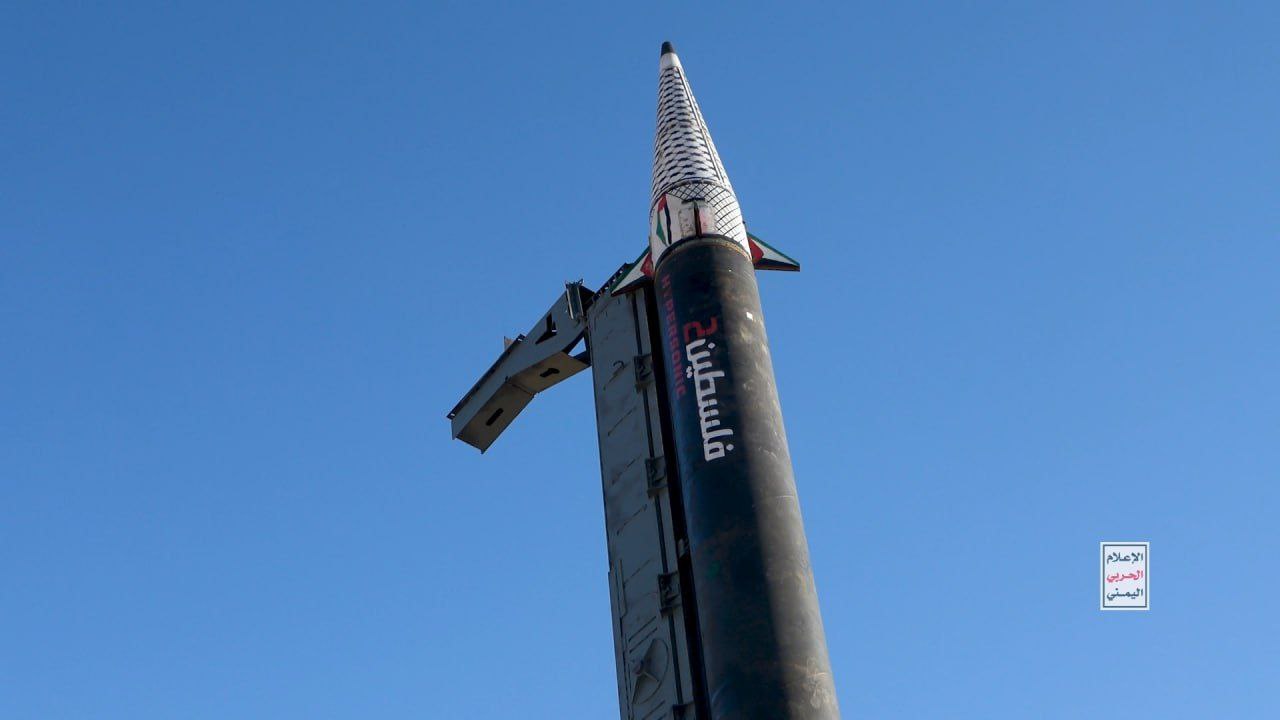
The attack on Ben Gurion Airport, located southeast of Tel Aviv, was executed with a Palestine-2 hypersonic ballistic missile. Additionally, a suicide drone was deployed against another critical target in Tel Aviv.
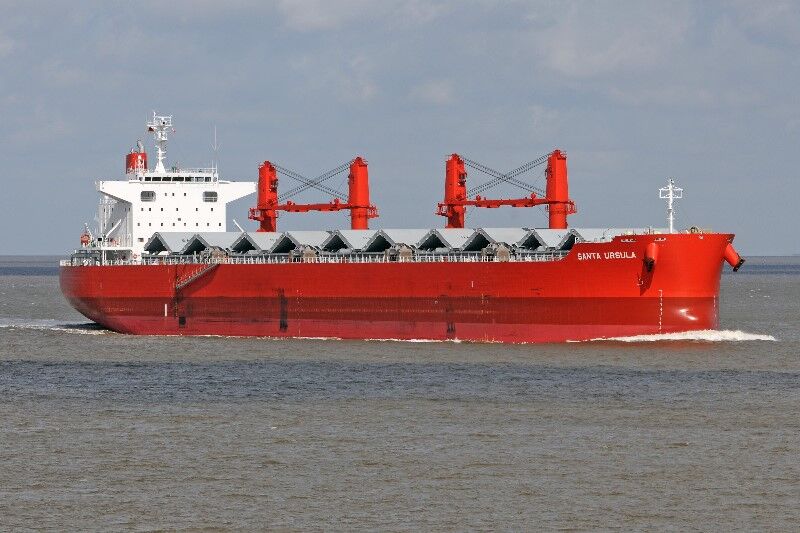
The ship Santa Ursula, which violated the ban on entering the ports of occupied Palestine, was struck by multiple suicide drones near the island of Socotra.
According to Yahya Saree, spokesman for the Yemeni armed forces, all attacks successfully achieved their objectives.
The moment Israeli air defense system launched two interceptor missiles above Rishon LeZion to intercept an incoming missile from Yemen.
There were 18 injuries among the settlers as they headed to shelters, with 2 others suffering from panic attacks!
The Santa Ursula is a container ship that has been operating under the Danish flag since 2012. The ship was last recorded sailing from the port of Salalah in Oman to Spain.
Santa Ursula ship
📊 The IWN investigations indicate that the attacks on Ben Gurion Airport and Tel Aviv mark the 58th and 59th aerial operations by the Yemeni armed forces against Zionist regime positions in occupied Palestinian territory, employing ballistic missiles, cruise missiles, and suicide drones.
📊 Furthermore, the operation against the Santa Ursula ship represents the 177th military action against illegal ships (Israeli, American, British, and their affiliates) in the waters surrounding Yemen.
The escalation of the conflict between Israel and Yemen, and the increase in missile and drone attacks on the occupied territories, have intensified after the Lebanese and Iraqi fronts were marginalized. Yemen’s frequent missile and drone attacks on the occupied territories have maintained military pressure on the Zionist regime. In retaliation, the Israeli regime has attacked civilian and vital facilities in Yemen four times.
Sirens blare throughout Tel Aviv region
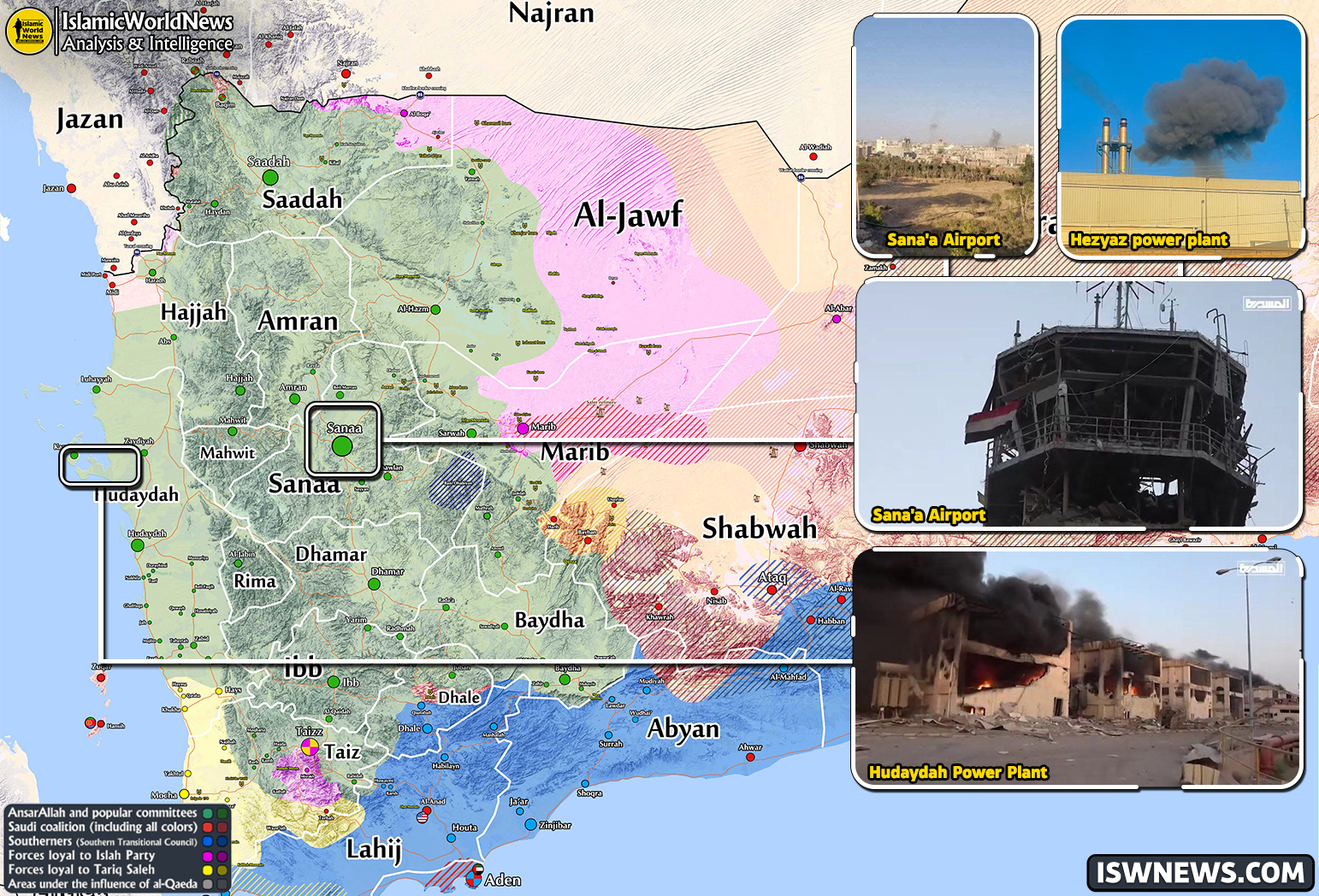
This morning, Yemeni armed forces launched attacks in response to the aggression from Israel the previous day. Israeli warplanes had targeted Yemeni energy facilities and Sanaa airport, resulting in the deaths and injuries of many Yemeni civilians.
Targeting Ben Gurion Airport is a proportionate and balanced response to the Israeli attack on Sanaa airport. The selection of these targets indicates that Yemeni leaders are seeking to create a “balanced response equation” at this stage of the conflict.
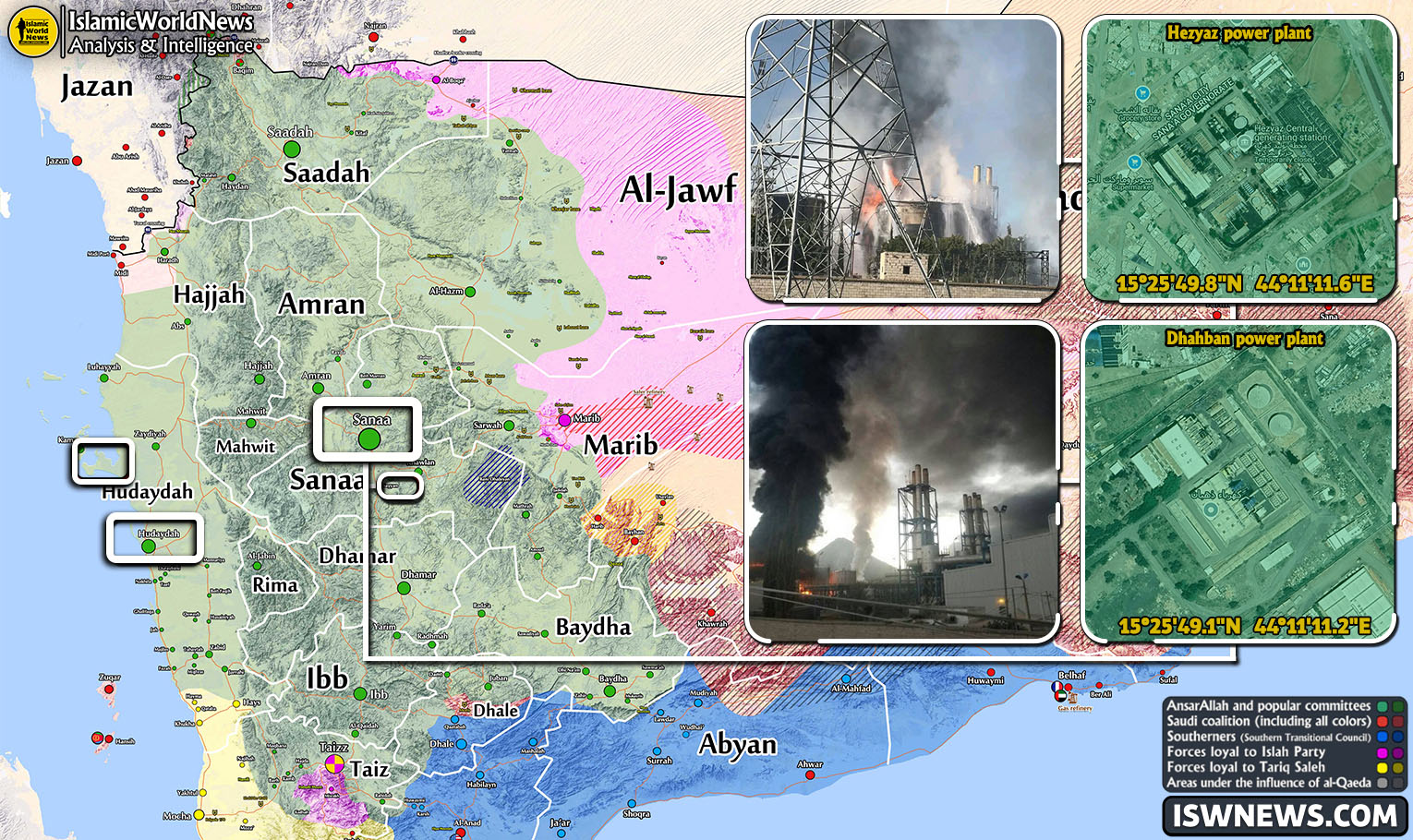
Israeli warplanes conducted multiple airstrikes targeting the control tower, runway, and near the departure hall of Sanaa airport, two airstrikes on the Haziz power plant in Sanaa province, several strikes on Ras Katib power plant and Ras Issa port, and two airstrikes on Hudaydah port.
Footage captured the moment Israeli warplanes struck the control tower of Sanaa airport.
The attack on Sanaa airport resulted in the deaths of three airport employees and left 16 others injured, including the co-pilot of a United Nations plane. Additionally, one person was killed and three others went missing following the attack on Ras Issa port.
This marks the 4th time Israeli warplanes have attacked Yemen in recent months.
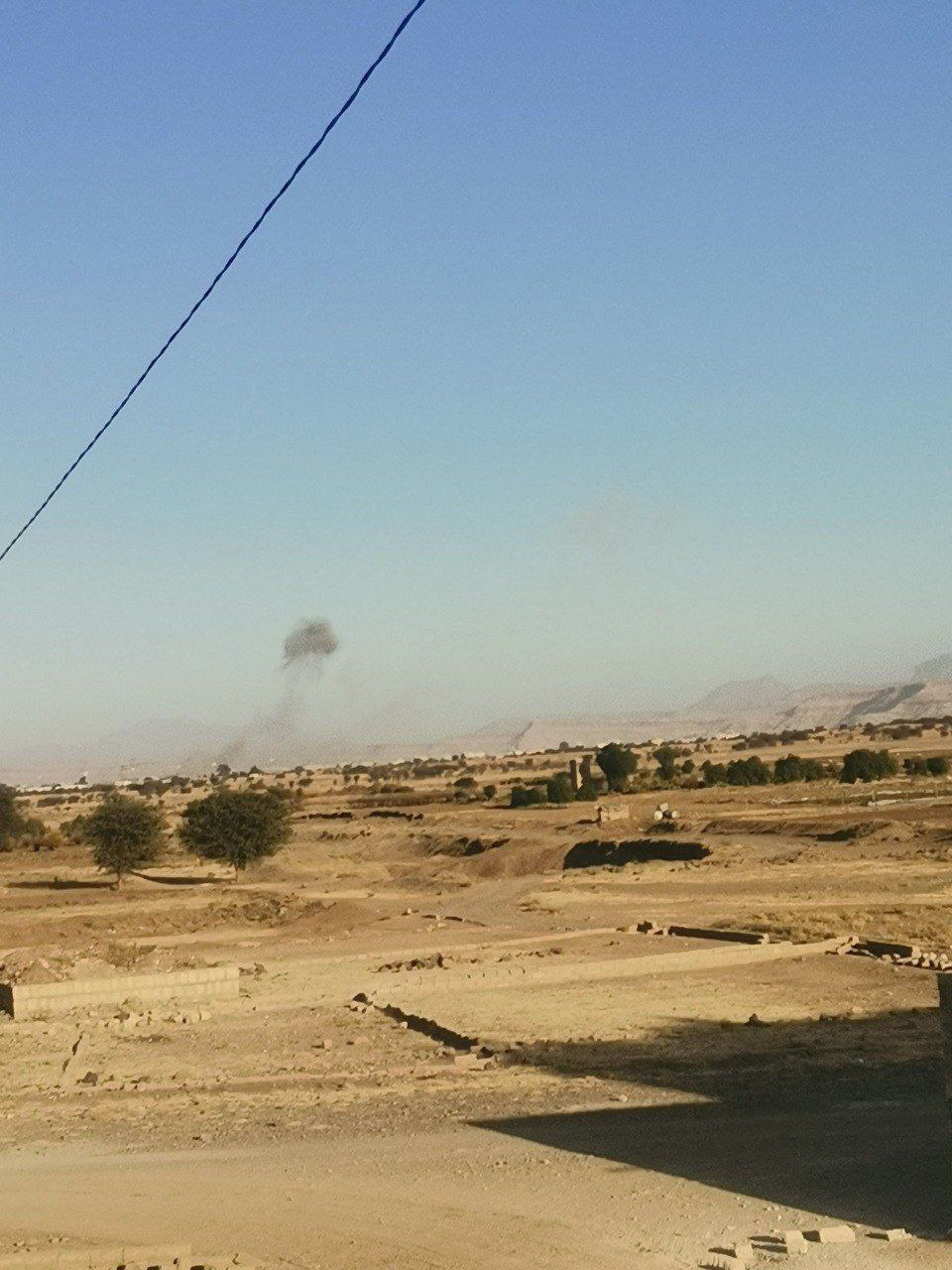
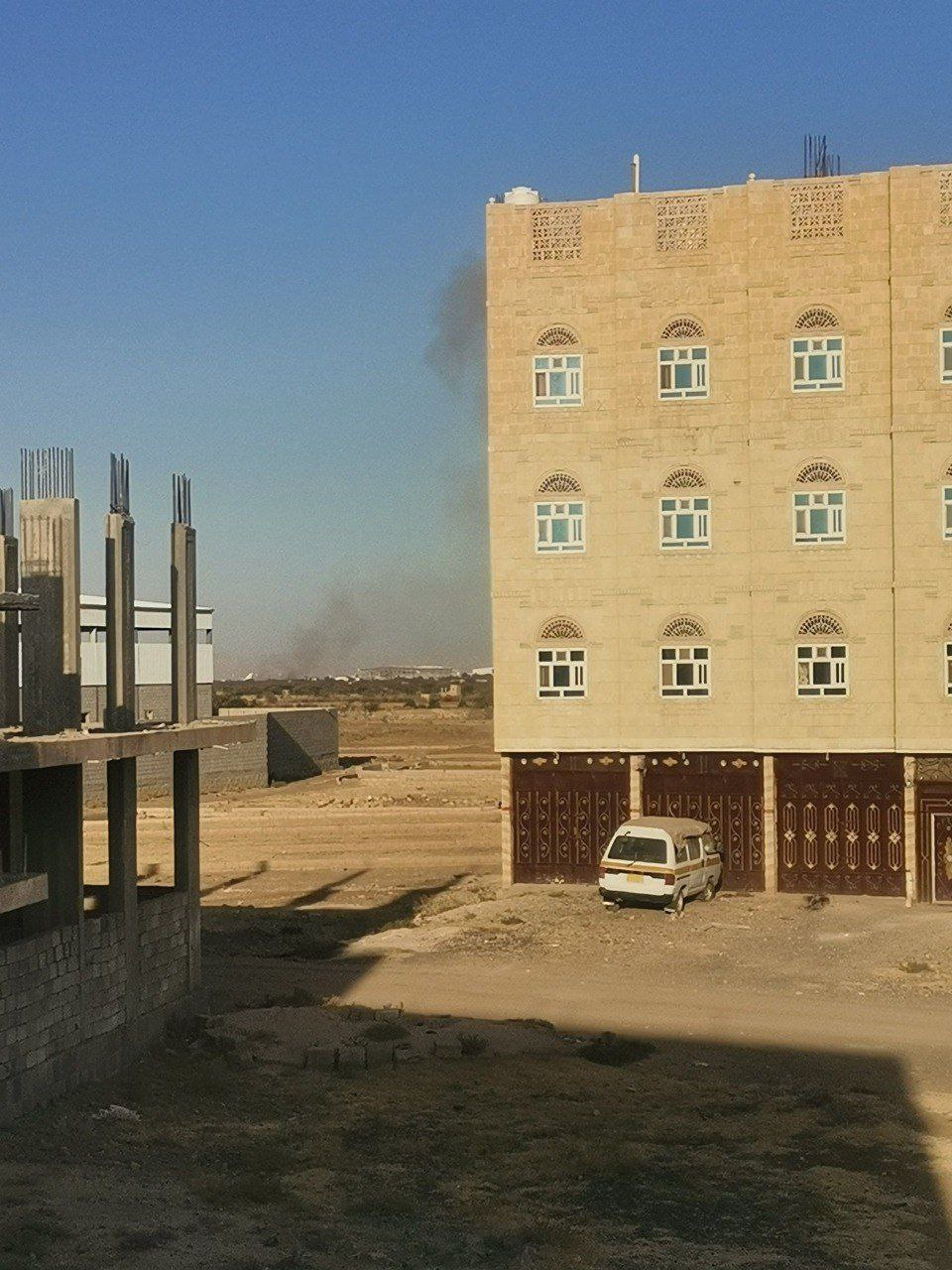
According to IWN investigations, many of the published images of the fire at Sanaa airport and Hudaydah port are either old or unrelated to today’s attacks on Yemen. Also, there was no attack on the Iranian embassy in Sanaa.
Footage from Ashkelon shows a successful strike on the industrial site, as the Yemeni drone managed to penetrate Israeli air defenses and hit its target.
CCTV footage of attack on Ashkelon
Statistics indicate that these two attacks marks the 56th and 57th aerial operation by the Yemeni army in occupied territories of Palestine using ballistic missiles, cruise missiles, and suicide drones.
Yahya Saree, the spokesman for the Yemeni army, announced: “We carried out two military operations. The first targeted a vital and sensitive site of the Israeli enemy in the occupied Jaffa (Tel Aviv) area. The second operation targeted the industrial zone of the Israeli enemy in the occupied Ashkelon area.”
“These operations were conducted in support of the Palestinian people and their resistance and in response to the massacres against our brothers in Gaza. We affirm that, with the help of God Almighty, we will continue to support and stand by the oppressed Palestinian people. Our operations will persist until the aggression on Gaza ceases and the siege is removed.” he added.
The moment Yemeni drone hit the industrial zone in Ashkelon
The Yemeni armed forces’ operation in support of the Palestinian resistance against the Zionist regime began on October 19, 2023, in occupied Palestinian territory and along the maritime route from the Gulf of Aden to the Red Sea.
The continuous attacks on more than 170 ships affiliated with Israel, leading to the suspension of shipping by Zionist companies through the Red Sea route. Additionally, the Yemeni army has conducted over 50 missile and drone operations against Israeli positions.
This morning, on December 25, the Yemeni missile force fired a Palestine-2 ballistic missile toward a military target in the city of Tel Aviv. After the attack, sirens blared in over 200 locations in the occupied territories, causing delays for several flights at Ben Gurion Airport.
The Yemeni missile over Tel Aviv
Nine individuals were injured while seeking shelter and from panic attacks.
CCTV footage of the Yemeni armed forces’ missile strike on Tel Aviv reveals that Israel’s Arrow air defense systems successfully intercepted a Yemeni ballistic missile. The video also shows the missile debris falling into the occupied territories.
Statistics indicate that this missile attack marks the 55th aerial operation by the Yemeni Armed Forces in occupied territories of Palestine using ballistic missiles, cruise missiles, and suicide drones.
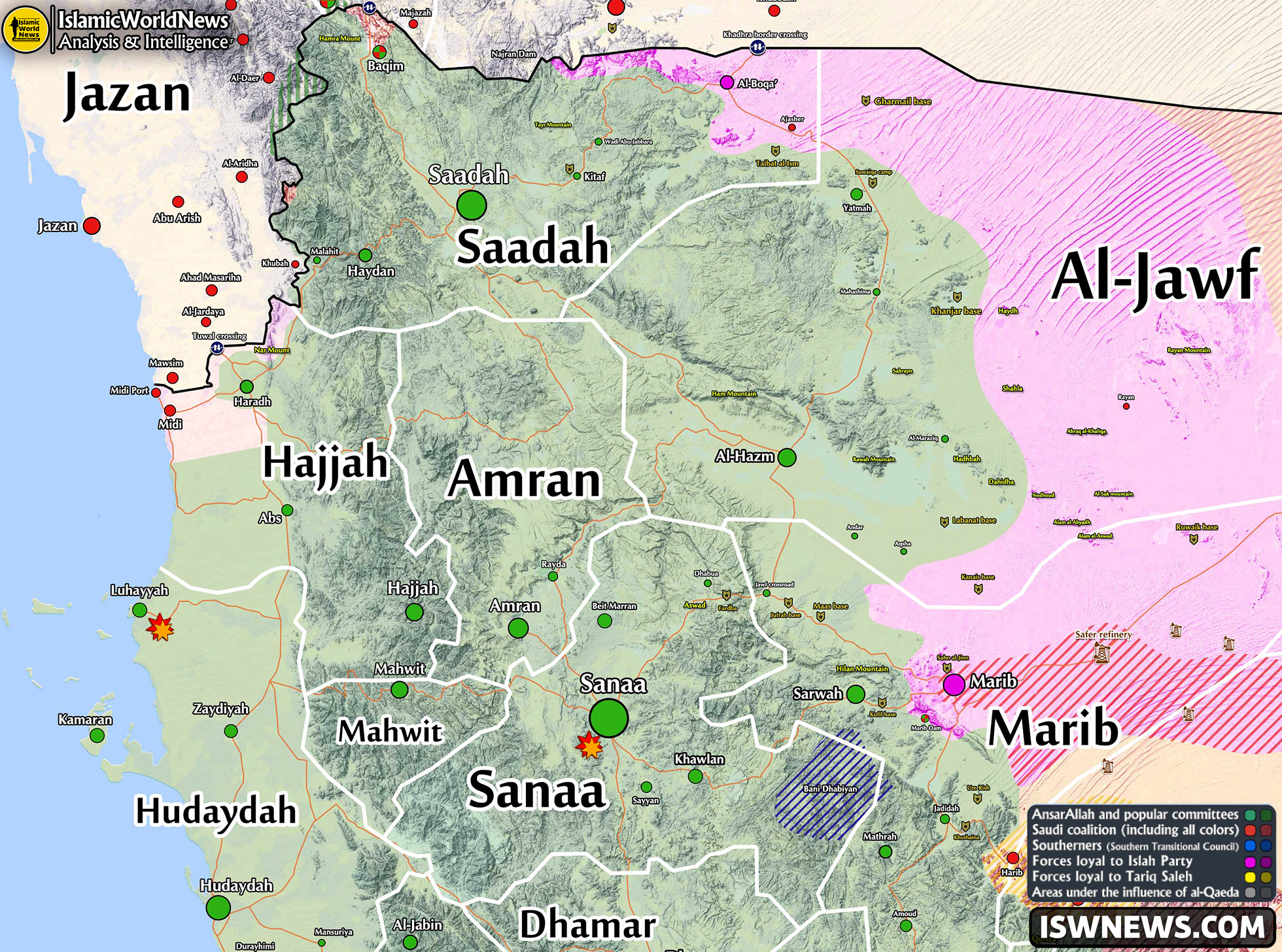
he reports regarding a heavy attack by the Saudi coalition on the northern axis of Saada and northern Taiz—claiming the killing and capture of more than 70 Houthis and the subsequent escape of Houthis from northern Taiz—are not true, according to IWN field sources in Yemen.
This morning, militants from the Islah Party attacked Ansar Allah positions at the air defense base and Al-Qari’ height on the northern front of Taiz, but these assaults were repelled by Ansar Allah fighters.
A ground attack on Ansar Allah is considered to be part of a strategy by the US and Israeli regime aimed at reducing the pressure caused by Ansar Allah’s missile and drone attacks on occupied Palestine, as well as addressing the naval blockade imposed on Israel.
In this context, American military advisors have consistently urged the Southern Transitional Council, Al-Amaliqa forces, Tariq Saleh, and other groups aligned with the Saudi coalition to initiate a military offensive against Ansar Allah positions. However, these efforts have not yet yielded results.
It is important to note that the groups affiliated with the Saudi coalition lack the specialized capabilities and resources necessary to effectively engage Ansar Allah on their own. However, their combined forces and coordinated actions could pose a challenge to Ansar Allah.
At 3:00 AM on December 24, the Yemeni missile force struck a military target in Tel Aviv. Brigadier General Yahya Saree, spokesman for the Yemeni Armed Forces, confirmed that the missile successfully hit its target.
As with previous attacks, Yemeni missiles have managed to bypass Israeli air defenses and reached their targets. Despite Israel’s advanced defense systems, these missiles have highlighted Israeli system’s vulnerabilities and posed significant strategic challenges for Tel Aviv regime.
Statistics indicate that this missile attack marks the 54th aerial operation by the Yemeni Armed Forces in occupied territories of Palestine using ballistic missiles, cruise missiles, and suicide drones.
The moment when a Yemeni missile breached Israeli air defenses.
Brigadier General Yahya Saree emphasized that the Yemeni Armed Forces, along with the free people of Yemen, are fully prepared to confront the aggressions of Israel, the United States, and Britain. He added that, with the help of God Almighty, they will continue to fulfill their religious and moral duties until the war ends and the siege of the Gaza Strip is lifted.
The Yemeni armed forces’ operation in support of the Palestinian resistance against the Zionist regime began on October 19, 2023, in occupied Palestinian territory and along the maritime route from the Gulf of Aden to the Red Sea. The continuous attacks on more than 170 ships affiliated with Israel, leading to the suspension of shipping by Zionist companies through the Red Sea route. Additionally, the Yemeni army has conducted over 50 missile and drone operations against Israeli positions.
Simultaneously with US airstrikes on Sanaa and Al-Hudaydah provinces on December 21, the Yemeni forces fired eight cruise missiles and 17 suicide drones at the aircraft carrier USS Harry S. Truman (CVN-75) and other US warships in the Red Sea.
According to Brigadier General Yahya Saree, the spokesman for the Yemeni armed forces, this attack disrupted the US-British coalition air operations in Yemen.
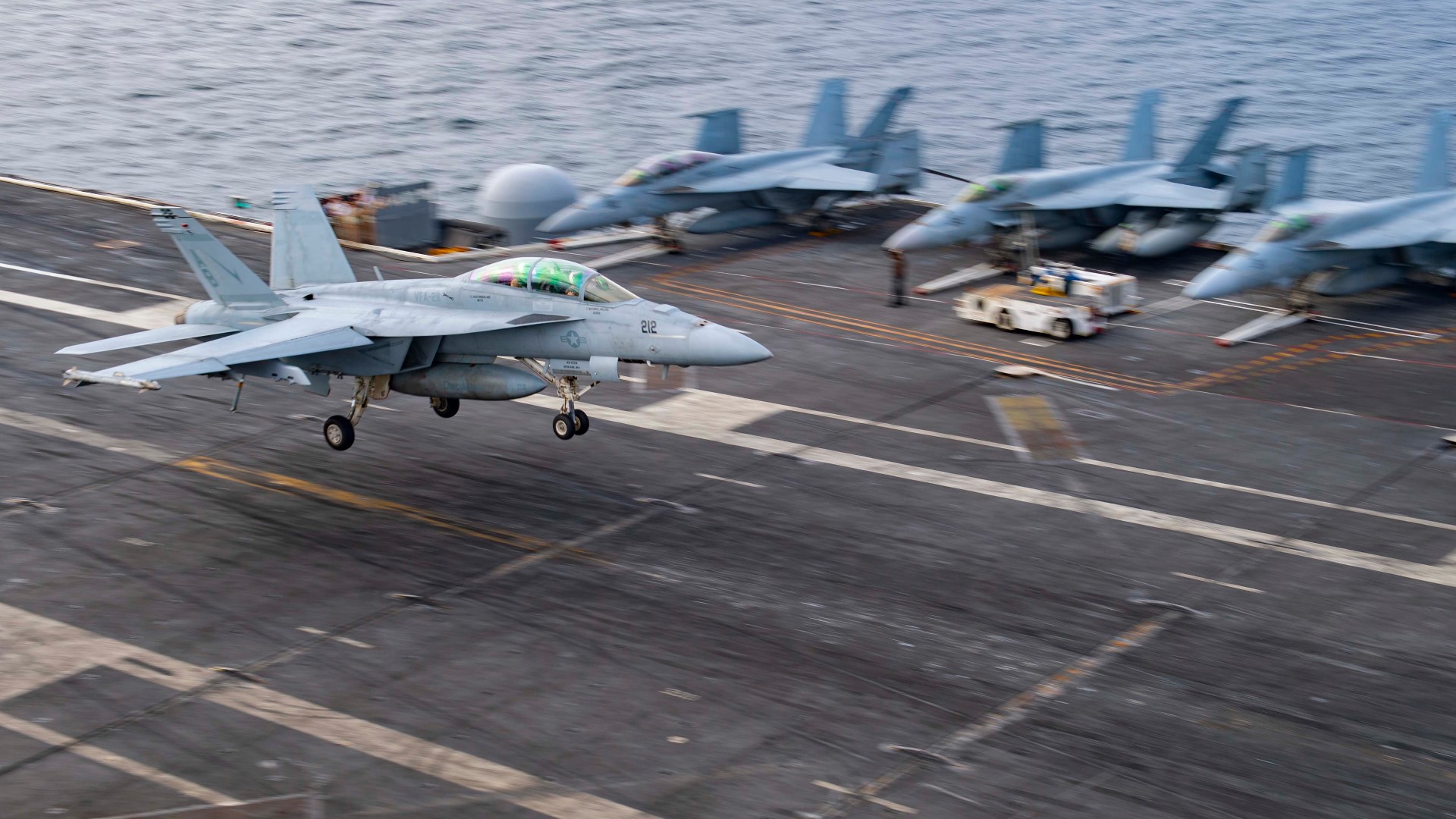
The operation also led to US warships mistakenly shooting down an F/A-18F “Super Hornet” fighter jet while trying to counter Yemeni missiles and drones.
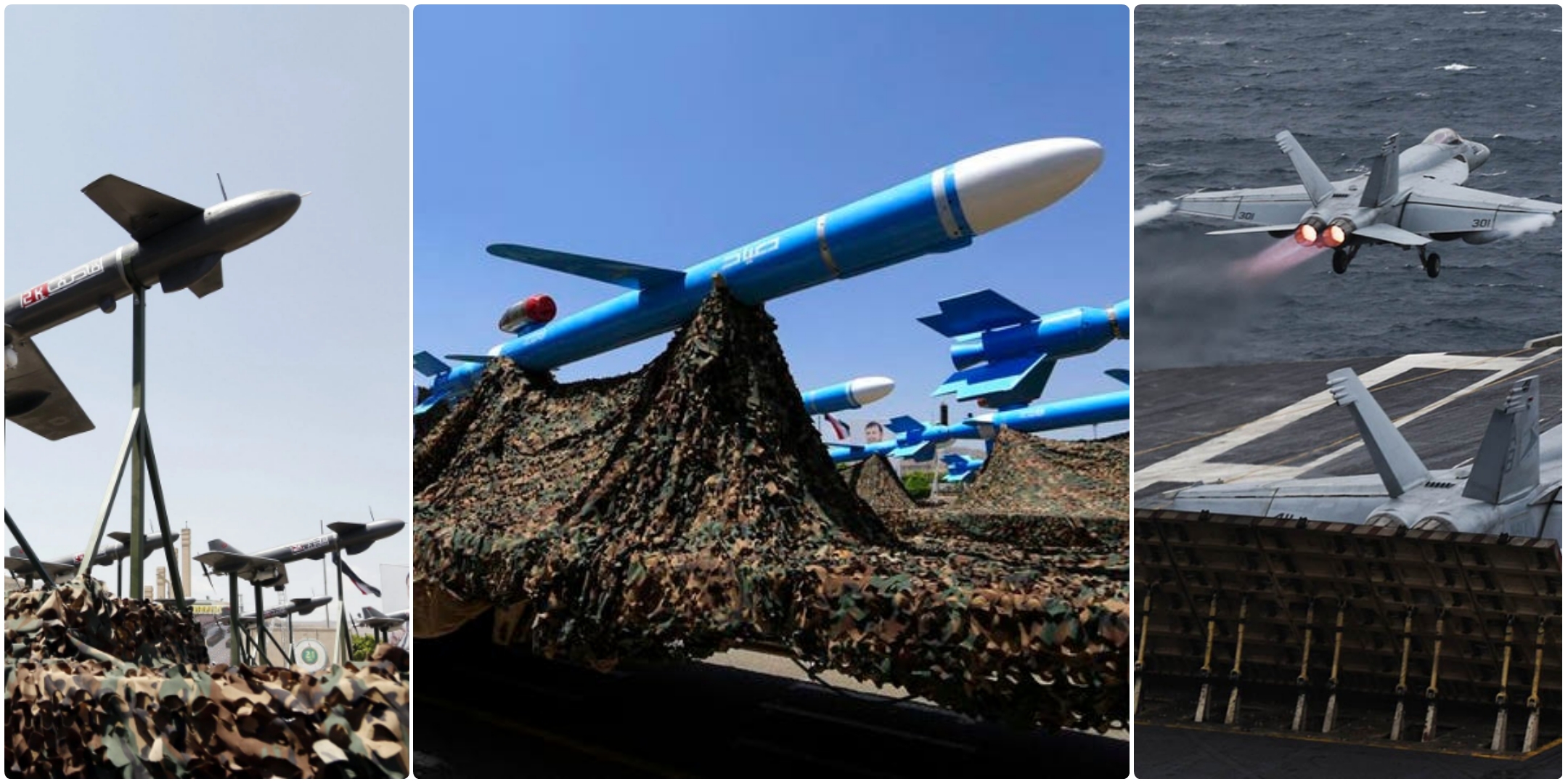
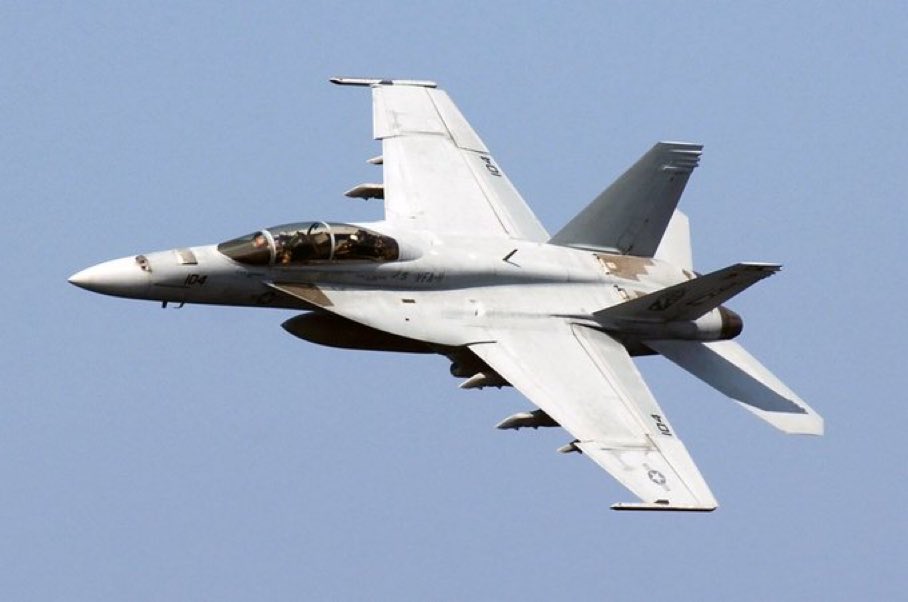
Archive images of the F/A-18F “Super Hornet” fighter jet
Brigadier General Yahya Saree detailed the operation: “Most of the enemy fighter jets left Yemeni airspace to defend the aircraft carrier. The aircraft carrier retreated to the northern Red Sea after the Yemeni army’s attack.”
This operation against the US Navy’s Carrier Strike Group 8 (CCSG-8) is the 176th military operation by the Yemeni army against the illegal ships (Israeli, American, British, and their affiliates) in the Red Sea and surrounding waters of Yemen. The F/A-18F “Super Hornet” fighter is the first American fighter jet to be shot down in the recent conflict.
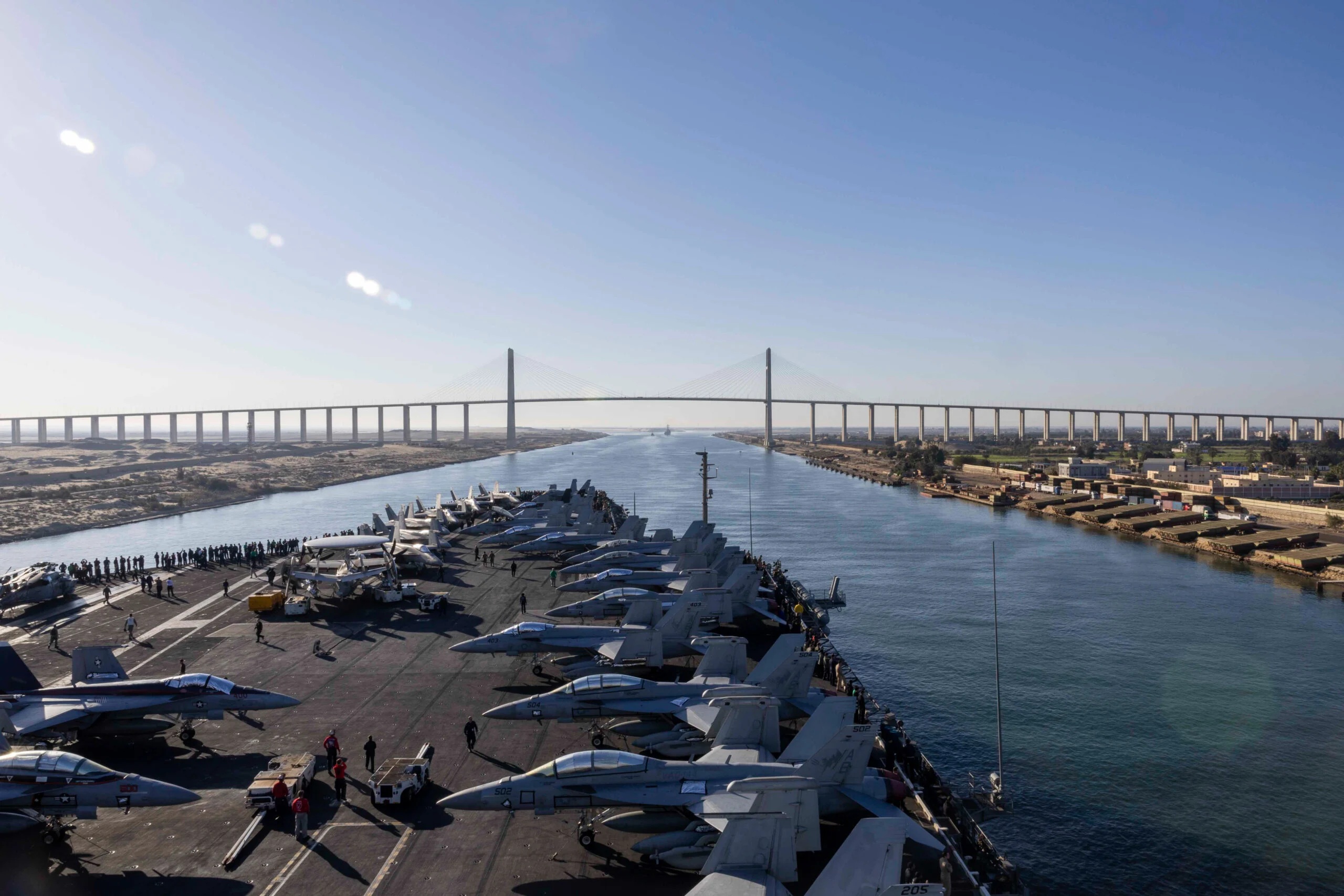
It should be noted that Carrier Strike Group 8 led by USS Harry S. Truman (CVN-75) consists of USS Gettysburg (CG-64), USS Stout (DDG-55) and USS Jason Dunham (DDG-109). Carrier Air Wing (CVW) with 6,500 crew entered the Red Sea on December 15.
The Nimitz-class aircraft carrier USS Harry S. Truman (CVN-75) transits the Suez Canal, Dec. 15. US Navy Photo
The Yemeni armed forces’ operation in support of the Palestinian resistance against the Zionist regime began on October 19, 2023, in occupied Palestinian territory and along the maritime route from the Gulf of Aden to the Red Sea. This operation culminated in the seizure of the Israeli ship Galaxy Leader. The continuous attacks on more than 170 ships affiliated with Israel, leading to the suspension of shipping by Zionist companies through the Red Sea route.
CENTCOM claims that in these attacks, Super Hornet fighter jets attacked an Ansar Allah missile depot and a command and control center. CENTCOM also claims to have repelled an Ansar Allah attack with a suicide drone and an anti-ship cruise missile over the Red Sea.
But the attack against Yemen was followed by the loss of a $70 million F/A-18F Super Hornet for the US Army.
According to US officials, four hours after the US attack, a US Navy F/A-18F Super Hornet from the USS Harry S. Truman was accidentally shot down by the USS Gettysburg over the Red Sea.
It seems the USS Gettysburg mistakenly identified the American fighter jet as a Yemeni retaliatory strike, believing it to be a missile or drone, which resulted in significant damage to the US military!
The Israeli Red Star of David reported that 37 people were injured in the missile attack on Tel Aviv.
In this strike, the Israeli defense systems, including the Arrow systems, failed to intercept the Yemeni missile. Notably, the Yemenis had fired only one missile at Tel Aviv, and it successfully hit its target.
The moment a Yemeni missile hit Tel AvivThe moment a Yemeni missile hit Tel Aviv
The Israeli newspaper Ma’ariv reported that this marks the fourth instance where the Arrow system has been unable to intercept Yemeni ballistic missiles. According to IWN, the Yemeni army has launched a total of nine Palestine-2 missiles at Israel since the start of the war, with each attack involving only one or two missiles. This inability to intercept a small number of missiles highlights the weaknesses of Israel’s air defenses.
Statistics indicate that this missile attack marks the 51th aerial operation by the Yemeni Armed Forces in occupied territories of Palestine using ballistic missiles, cruise missiles, and suicide drones.
The Yemeni Armed Forces have kicked off these operations in support of the Palestinian people and their resistance against the Israeli regime since October 19, 2023, against the Israeli regime in occupied Palestinian territory and along the maritime route from the Gulf of Aden to the Red Sea. These series of operations witnessed a climax with the seizure of the Israeli ship Galaxy Leader plus ongoing missile, drone, and suicide drone attacks on more than 170 vessels linked to the regime, leading to a halt in shipping by Israeli companies via the Red Sea.
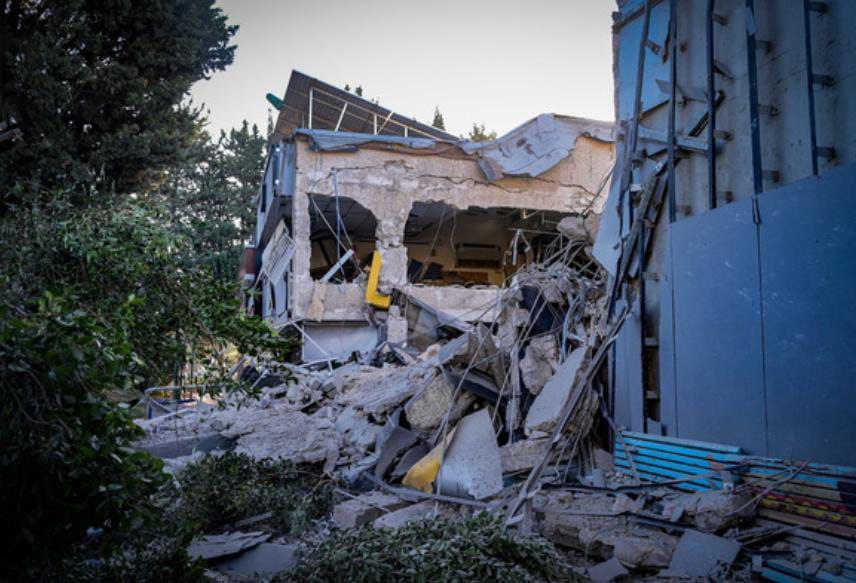
As a result of the strikes, a primary school in Ramat Gan was severely damaged.
CCTV footage also reveals that Israeli air defense systems failed to intercept all missiles, and one of the two missiles hit Tel Aviv.
The moment a Yemeni missile hit Ramat Gan area of Tel Aviv
The Yemeni army spokesman stated that this operation was conducted in response to Israeli attacks on civilian facilities in Sanaa and Al-Hudaydah, including power plants. He emphasized that their response was within the framework of a natural and legal reaction.
The spokesman declared that the attacks by the Zionist regime would not deter Yemen and its people from fulfilling their religious and moral duty in response to the regime’s massacres and brutal attacks in the Gaza Strip. He affirmed that their attacks would continue, targeting all hostile entities with appropriate weapons.
The Yemeni Armed Forces’ operations will persist until the assault on the Gaza Strip and its siege are stopped.
Aftermath of Yemeni missile attack in Tel Aviv
Which Yemeni missile hit Tel Aviv?
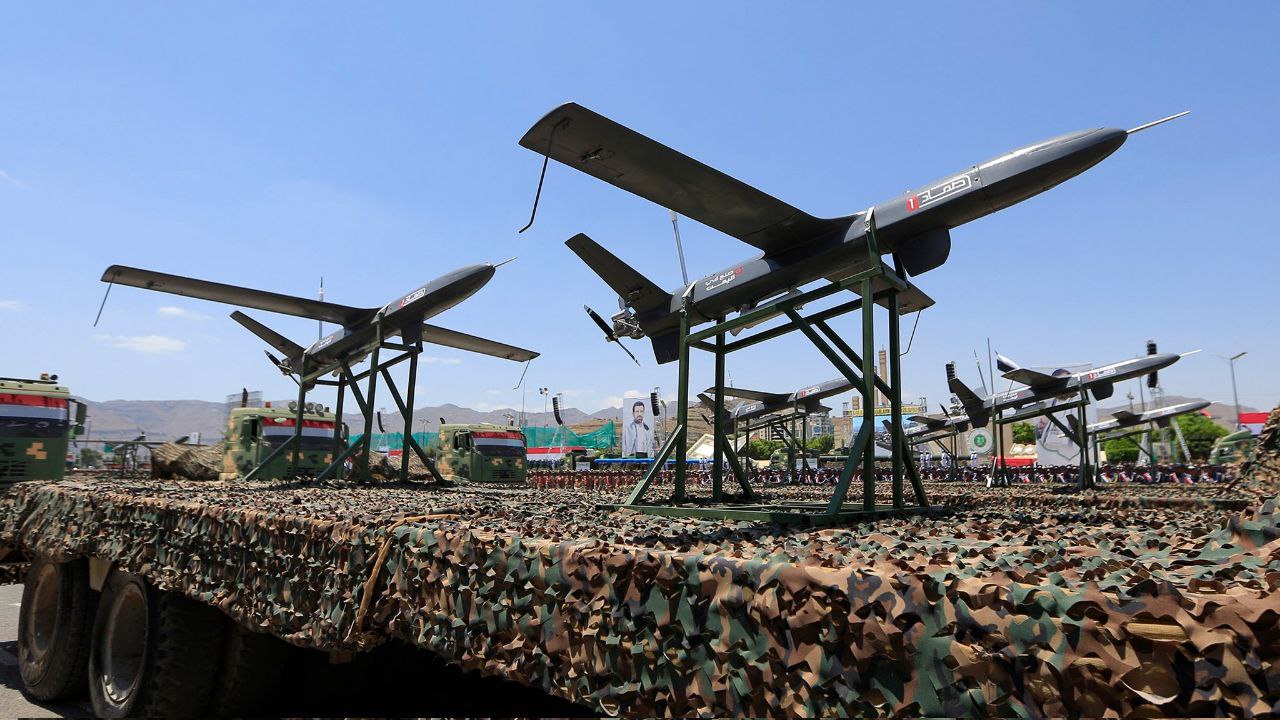
The Yemeni armed forces typically deploy the Zulfiqar ballistic missile and the Palestine-2 hypersonic missile in their attacks on Israeli positions. In this particular attack, two Palestine 2 missiles were used.
The Palestine 2 missile is Yemen’s adaptation of the Iranian Kheibar Shekan 2 missile. To enhance its capability to strike deeper into Israeli-occupied territories, Yemen has reduced the missile’s warhead weight and extended its range to 2,150 kilometers. This missile uses a two-stage solid fuel system and reportedly reaches speeds of Mach 16.
According to IWN’s investigations, the Yemeni armed forces have launched at least eight of these missiles at Israeli positions in the occupied territories over the past three months.
Statistics indicate that this missile attack marks the 49th aerial operation by the Yemeni Armed Forces in occupied territories of Palestine using ballistic missiles, cruise missiles, and suicide drones.
The Yemeni Armed Forces have kicked off these operations in support of the Palestinian people and their resistance against the Israeli regime since October 19, 2023, against the Israeli regime in occupied Palestinian territory and along the maritime route from the Gulf of Aden to the Red Sea. These series of operations witnessed a climax with the seizure of the Israeli ship Galaxy Leader plus ongoing missile, drone, and suicide drone attacks on more than 170 vessels linked to the regime, leading to a halt in shipping by Israeli companies via the Red Sea.
Seven Yemenis were martyred in the port of Salif and two were martyred in the Ras Issa oil facility. Seven people were also injured in the attack on the port of Hudaydah.
These attacks caused fires in the Sanaa power plants, leading to electricity cuts in some areas of the province.
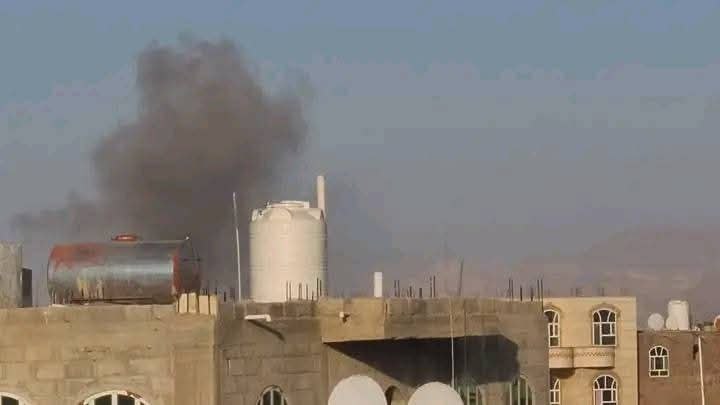
Israeli strikes on Sanaa Fire at Haziz Power Plant in Sanaa Province after Israeli strikes
This marks the third Israeli airstrike on Yemen since the Gaza Strip conflict began, with Yemeni armed forces supporting the Palestinian resistance. Previous Israeli strikes targeted oil depots and the port of Hudaydah, but today’s attack expanded to include the Yemeni capital.
The Israeli military dubbed the operation “White City” and attacked two power plants in Sanaa and a port and oil facility in Ras Issa. These strikes suggest that Israel is aiming to pressure Yemen by targeting its energy resources, hoping to incite economic strain and internal unrest in areas governed by the Yemeni Salvation Government.
While the reduction in fuel and electricity supplies may create temporary challenges in energy provision, it is not expected to lead to significant public dissatisfaction or decrease the Yemeni attacks on violating ships and Israeli positions in occupied Palestine.